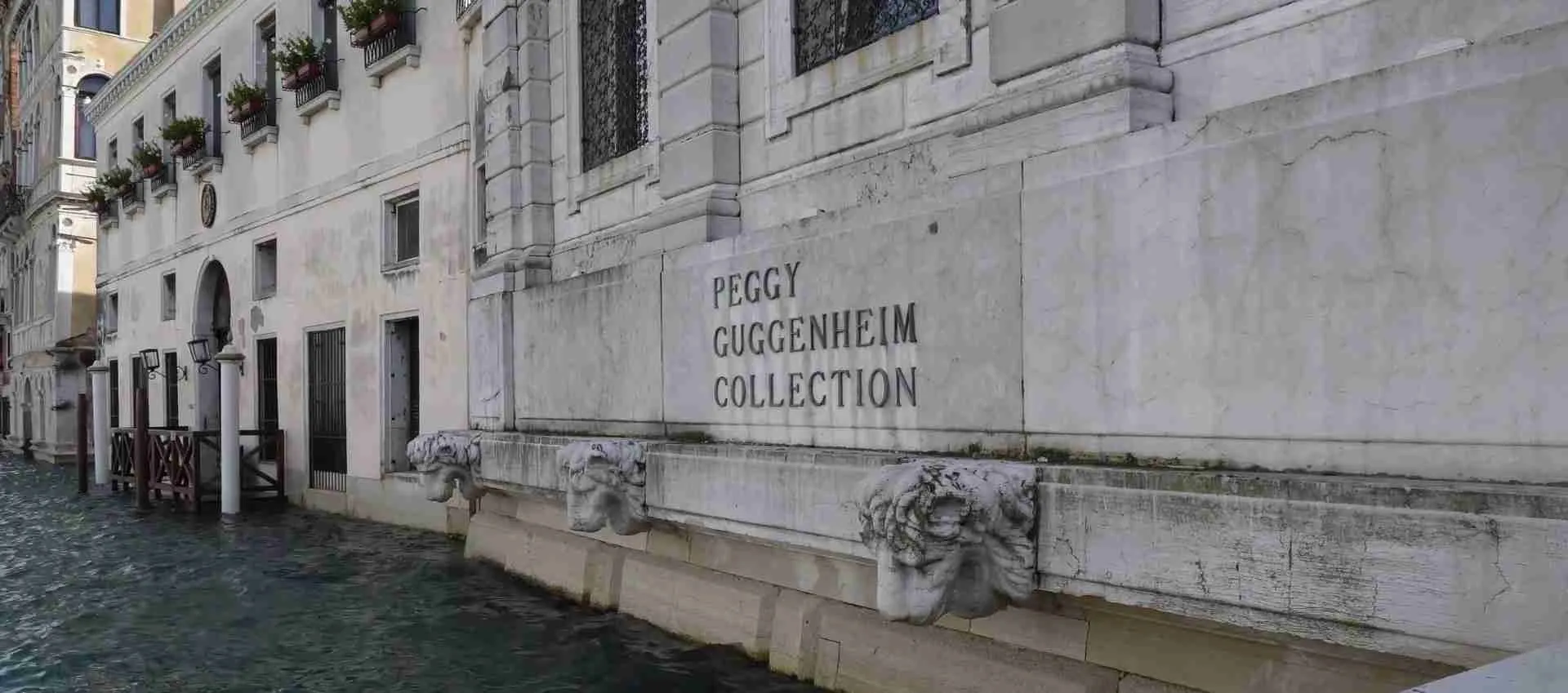
Visiting the Peggy Guggenheim Collection 2026: Complete Planning Guide
The Peggy Guggenheim Collection houses Europe’s premier assembly of 20th-century modern art within Palazzo Venier dei Leoni on Venice’s Grand Canal, displaying over 300 masterworks from Cubism, Surrealism, and Abstract Expressionism collected by American heiress Peggy Guggenheim between 1938 and 1979. Planning your 2026 visit requires understanding ticket booking procedures, optimal timing strategies, and navigation through Venice’s Dorsoduro district to this intimate museum where Pollock, Picasso, and Dalí hang in the rooms where Guggenheim lived and entertained the avant-garde elite of postwar Europe.
Key Takeaways
- Advance Booking Essential 2026: Online ticket reservation through the official website guarantees entry during your preferred time slot and allows you to skip potential queues, as the museum limits capacity to 100 visitors simultaneously to preserve viewing quality and artwork safety.
- Ticket Pricing 2026: Standard admission costs €18 for adults (check the official website for current rates as pricing may vary), with free entry on Thursdays from 2-6 PM for Venice residents and students at Venetian universities, while family tickets covering two adults and unlimited children under 18 cost €25.
- Opening Hours 2026: The museum operates daily from 10 AM to 6 PM except Tuesdays and December 25, with last entry at 5 PM, requiring visitors to plan arrival with sufficient time to experience the permanent collection, sculpture garden, and any temporary exhibitions before closing.
- Strategic Timing 2026: Weekday mornings from 10-11:30 AM and late afternoons after 4 PM offer the quietest viewing conditions with minimal crowds, while Thursdays attract Venice residents during the free admission period creating busier conditions between 2-6 PM.
- Location and Access 2026: Situated in the Dorsoduro district between the Accademia Bridge and Santa Maria della Salute, the museum requires either vaporetto water bus service (Lines 1 or 2 to Accademia or Salute stops) or a 15-minute walk from Piazza San Marco through Venice’s historic streets.
- Visit Duration Planning 2026: Allocate a minimum of 2-3 hours to properly experience the permanent collection across 26 rooms, the Nasher Sculpture Garden, the Schulhof Collection, and temporary exhibitions, with additional time for the museum shop and Canal-view terrace.
People Also Ask About Visiting Peggy Guggenheim Collection 2026
How much does it cost to visit the Peggy Guggenheim Collection in 2026?
Standard adult admission to the Peggy Guggenheim Collection costs €18 in 2026 (check the official website for current rates as pricing may vary), covering access to the permanent collection, temporary exhibitions, sculpture garden, and terrace overlooking the Grand Canal. Family tickets offer exceptional value at €25, covering two adults plus any number of children under 18, while students aged 18-26 with valid ID, seniors over 65, and holders of tickets from partner museums including Gallerie dell’Accademia and Palazzo Grassi receive discounted admission. Venice residents and students enrolled at Venetian universities gain free entry every Thursday from 2-6 PM upon presenting valid documentation, while museum members enjoy unlimited free admission year-round plus additional benefits including exhibition previews and special events access.
Do I need to book Peggy Guggenheim tickets in advance for 2026?
Advance online booking proves highly advisable for visiting the Peggy Guggenheim Collection in 2026, as the museum enforces strict capacity limits of 100 simultaneous visitors to protect artworks and ensure quality viewing experiences. Online reservations through the official website allow you to select your preferred entry time slot and guarantee admission even during peak tourism periods when walk-up availability becomes extremely limited or nonexistent. Booking also eliminates waiting time at the ticket office, letting you proceed directly to the entrance desk with your confirmation email or digital ticket. While the museum does sell tickets at the physical ticket office when capacity permits, visitors arriving without reservations risk disappointment during busy periods, particularly weekends, Italian holidays, and the summer season from June through September when Venice experiences maximum tourism volume.
What are the best times to visit the Peggy Guggenheim Collection in 2026 to avoid crowds?
The quietest visiting periods at the Peggy Guggenheim Collection in 2026 occur on weekday mornings immediately at the 10 AM opening and late afternoons after 4 PM when most tour groups have departed and day-trippers have moved to other attractions. Mondays through Wednesdays generally see lighter attendance compared to weekends and Fridays, while the winter months from November through February offer the most peaceful viewing conditions with significantly reduced tourist numbers throughout Venice. However, Thursday afternoons from 2-6 PM attract larger crowds of Venice residents and university students taking advantage of free admission, creating busier conditions during this otherwise quiet period. The museum experiences peak crowding during summer weekends, particularly July and August, and during major Venetian events including Carnival in February, the Art Biennale opening weeks in April-May, and Italian national holidays when domestic tourism increases substantially.
How long does it take to see the Peggy Guggenheim Collection in 2026?
A thorough visit to the Peggy Guggenheim Collection requires 2-3 hours minimum to properly appreciate the permanent collection spanning 26 gallery rooms, explore the Nasher Sculpture Garden featuring works by Giacometti, Moore, and Arp, view the Schulhof Collection of Italian Futurists and Metaphysical painters, and experience any temporary exhibitions mounted in the museum’s dedicated special exhibition spaces. Art enthusiasts and first-time visitors often spend 3-4 hours to read wall texts, use the audio guide, and absorb the intimate atmosphere of viewing masterworks in the rooms where Peggy Guggenheim lived. This timing allows for contemplative viewing without rushing, photo opportunities in the sculpture garden, and time to browse the museum shop’s exceptional selection of art books and exhibition catalogues. Visitors combining the Guggenheim with other Dorsoduro museums as part of the Museum Mile initiative should allocate their full day to prevent fatigue and ensure sufficient time at each institution.
Extended multi-day tours – 5+ days
Featured Venice Multi-Day Tour Packages

3 days
Venice 3-Day Discovery Tour
- ✓ Comprehensive Venice experience
- ✓ Expert local guides included
- ✓ All accommodation included
- ✓ Transportation provided
5 days
Venice 5-Day Highlights Experience
- ✓ Comprehensive Venice experience
- ✓ Expert local guides included
- ✓ All accommodation included
- ✓ Transportation provided
7 days
Venice 7-Day Cultural Journey
- ✓ Comprehensive Venice experience
- ✓ Expert local guides included
- ✓ All accommodation included
- ✓ Transportation provided

10 days
Venice 10-Day Complete Adventure
- ✓ Comprehensive Venice experience
- ✓ Expert local guides included
- ✓ All accommodation included
- ✓ Transportation provided
Multi-day tour packages powered by TourRadar. Prices and availability subject to change.
Introduction
Visiting the Peggy Guggenheim Collection in 2026 offers the rare opportunity to experience one of Europe’s finest modern art museums in the intimate domestic setting where its namesake collector lived for three decades after World War II. Unlike vast institutional museums where masterworks hang in anonymous galleries, the Guggenheim preserves the personal scale and residential character of Palazzo Venier dei Leoni, allowing visitors to encounter Pollock, Kandinsky, and Miró in rooms that functioned as living spaces, bedrooms, and entertaining salons when Guggenheim hosted the artistic and literary luminaries who shaped postwar European culture.
Planning an effective 2026 visit requires understanding both practical logistics and the museum’s unique character as hybrid art institution and historic house museum. The collection’s compact size and focused curation demand different strategies than navigating encyclopedic museums like the Uffizi or the Louvre. Rather than marathon viewing sessions attempting to see everything, the Guggenheim rewards slower, contemplative engagement with individual masterworks displayed in uncrowded galleries where you can spend extended time with specific paintings without jostling for position among tour groups. This intimate scale makes the museum particularly suited for visitors seeking depth over breadth in their art museum experiences.
The 2026 visiting landscape presents specific considerations including increased advance booking requirements as Venice implements stricter tourism management policies, enhanced online ticketing systems that now require time-slot reservations even for holders of museum passes, and expanded educational programming that enriches visits but requires coordination to participate. Understanding these evolving access policies, combined with strategic timing to avoid peak crowding, and efficient navigation through the Dorsoduro district to reach the museum, ensures that your Guggenheim visit achieves its potential as a highlight of your Venetian cultural itinerary.
This guide provides comprehensive planning information for visiting the Peggy Guggenheim Collection in 2026, covering ticket booking procedures, optimal visit timing, transportation options, what to expect inside the museum, and strategies for maximizing your experience of this extraordinary collection housed in Venice’s most atmospheric modern art setting.
Understanding the Museum and Collection 2026
The Peggy Guggenheim Collection occupies Palazzo Venier dei Leoni, an unfinished 18th-century palace on the Grand Canal that remains perpetually at its first-story height, earning the nickname “Palazzo Non-Finito” (The Unfinished Palace). Peggy Guggenheim purchased the property in 1949 after World War II and transformed it into both her primary residence and exhibition space for the modern art collection she assembled during two decades of passionate collecting, gallery ownership, and patronage of avant-garde artists across Europe and America. Following her death in 1979, the Solomon R. Guggenheim Foundation assumed management, opening the collection to the public year-round in 1980 while preserving the intimate residential atmosphere Guggenheim cultivated.
The permanent collection contains over 300 artworks spanning the major modern art movements of the early-to-mid 20th century, emphasizing Cubism, Futurism, Surrealism, and Abstract Expressionism. Guggenheim’s collecting strategy focused on acquiring representative masterworks from artists she knew personally or supported through her New York gallery Art of This Century, creating a collection distinguished more by quality and personal connection than encyclopedic completeness. Key holdings include Picasso’s “The Poet” and “On the Beach,” Kandinsky’s “Landscape with Red Spots No. 2,” Braque’s “The Clarinet,” multiple major Pollocks including “Alchemy” and “The Moon Woman,” Dalí’s “Birth of Liquid Desires,” and Magritte’s “Empire of Light,” among numerous other canonical works.
Beyond the main collection assembled by Peggy Guggenheim, the museum incorporates the Gianni Mattioli Collection of Italian Futurist works including major pieces by Boccioni, Balla, and Severini, displayed in a dedicated gallery that complements Guggenheim’s own Italian holdings. The Hannelore B. and Rudolph B. Schulhof Collection adds significant works by Italian Metaphysical painters and additional Futurist masterpieces, enriching the museum’s coverage of Italian modernism. The Nasher Sculpture Garden, created in the palazzo’s Grand Canal-facing garden, displays important sculptures by Giacometti, Moore, Arp, Holzer, and others in an outdoor setting that integrates art viewing with Venice’s unique waterfront environment.
Temporary exhibitions mounted in dedicated gallery spaces complement the permanent collection by exploring specific artists, movements, or themes related to 20th-century modernism and Guggenheim’s personal history. The 2026 exhibition schedule includes shows examining the influence of the French art journal Cahiers d’Art, contemporary artists engaging with Surrealist traditions, and thematic exhibitions exploring modernist approaches to nature, the body, and abstraction. These temporary exhibitions change several times annually, providing return visitors with new content while contextualizing the permanent collection within broader art historical narratives.
Understanding the museum’s scale and structure helps visitors plan efficient routes through the galleries. The collection occupies a single floor organized in a roughly chronological and stylistic progression through interconnected rooms, beginning with early Cubist and Futurist works, progressing through Surrealism and various abstract movements, and concluding with postwar American Abstract Expressionism. This linear flow, combined with the museum’s compact size, makes orientation straightforward compared to multi-floor institutions where visitors easily lose spatial awareness. Most visitors complete the permanent collection circuit in 60-90 minutes, allowing additional time for sculpture garden contemplation, temporary exhibitions, and revisiting favorite works.
Ticket Prices and Booking Procedures 2026
Standard adult admission to the Peggy Guggenheim Collection costs €18 in 2026 (check the official website for current rates as pricing may vary), providing access to all permanent collection galleries, temporary exhibitions, the Nasher Sculpture Garden, and public spaces including the Canal-view terrace. This single admission price covers the complete museum experience without additional charges for special exhibitions, unlike some Venice museums that require supplements for temporary shows. Tickets purchased online and at the museum ticket office cost the same amount, though online booking provides the crucial advantage of guaranteed time-slot entry and eliminates queuing.
Reduced admission rates apply to several categories: students aged 18-26 presenting valid international student cards or university identification, seniors over 65 with proof of age, and holders of valid tickets from participating Dorsoduro Museum Mile institutions including Gallerie dell’Accademia, Galleria di Palazzo Cini, and Palazzo Grassi-Punta della Dogana. The specific reduced rate varies but typically offers 20-30% savings compared to standard admission. Members of professional art associations including ANISA and current art teachers and professors gain free admission upon presenting appropriate credentials, as do members of the press with valid press cards for the current year.
Family tickets provide exceptional value at €25, covering two adults plus unlimited children under 18 accompanied by those adults, making this the most economical option for families regardless of the number of children. This single family ticket also includes a 15% discount at the museum shop, adding further value for visitors planning to purchase exhibition catalogues, art books, or gifts. Families visiting with multiple children realize substantial savings compared to individual adult tickets plus any child admissions other museums might charge.
Free admission categories include children under 18 when not part of a family ticket purchase, museum members at all levels, and most significantly for budget-conscious Venice residents and students, free entry every Thursday from 2-6 PM. This Thursday free admission program specifically benefits residents of the City of Venice, individuals born in Venice regardless of current residence, and students currently enrolled at Venetian universities upon presentation of valid documentation proving eligibility. This local access initiative alleviates tourism pressure while maintaining the museum’s civic function serving its host city’s population.
Online booking through the official Guggenheim Venice website proves essential for 2026 visits, as the museum enforces strict capacity limits requiring advance time-slot reservations. The booking process involves selecting your visit date, choosing your preferred entry time in 30-minute increments between 10 AM and 5 PM, selecting ticket types for your party, and completing payment via credit card. The system generates a confirmation email with QR code that you present at the entrance desk, eliminating paper ticket printing requirements. Online bookings can be made up to several months in advance, with availability gradually decreasing as popular time slots fill, particularly for weekends and peak summer periods.
Third-party booking platforms including Viator, GetYourGuide, and various Venice tourism websites sell Guggenheim tickets often bundled with audio guides, express entry, or combination packages including other Venice museums. These resellers typically charge 10-15% premium above the official museum price in exchange for aggregation convenience and sometimes multilingual customer service. Budget-conscious visitors save money by booking directly through the official website, while those prioritizing convenience or booking multiple Venice attractions through a single platform may prefer third-party options despite the surcharge.
Audio guide rentals, booked separately from admission tickets, cost €7 and provide detailed commentary on major works throughout the permanent collection in Italian, English, French, German, and Spanish. The audio guide proves particularly valuable for first-time visitors unfamiliar with modern art movements or Guggenheim’s biography, as the device explains artistic techniques, historical context, and personal connections between the collector and various artists. The rental fee covers a handheld device returned at visit conclusion, with the audio tour designed to last approximately 90 minutes covering highlights rather than every object in the collection.
Opening Hours and Seasonal Variations 2026
The Peggy Guggenheim Collection maintains consistent opening hours throughout 2026, operating daily from 10 AM to 6 PM except for regular weekly closure on Tuesdays and the annual December 25 holiday closure. This schedule provides eight daily hours of access six days weekly, offering more predictable visiting windows than Venice museums with seasonal schedule variations. Last entry occurs at 5 PM regardless of your ticket booking time slot, ensuring all visitors have a minimum one-hour viewing period before the 6 PM closure when staff begin clearing galleries and securing artworks.
Tuesday closures affect weekly planning, particularly for visitors with limited time in Venice who must coordinate multiple museum visits across several days. The Tuesday closure stems from museum industry standard practices allowing staff to conduct maintenance, conservation work, and collection care activities impossible during public hours. Visitors staying in Venice Monday through Thursday should prioritize the Guggenheim on Monday, Wednesday, or Thursday, reserving Tuesday for attractions that remain open including the Doge’s Palace, Basilica di San Marco, and various church museums that maintain daily schedules.
Seasonal attendance patterns significantly impact visit quality despite consistent hours. Summer months from June through September see maximum tourism volume with the museum frequently reaching capacity during midday hours from 11 AM to 3 PM, creating crowded viewing conditions that diminish the intimate atmosphere the small galleries normally provide. Late afternoons after 4 PM tend toward quieter even in summer as tour groups depart and day-trippers move toward dining areas, though the reduced remaining time before 6 PM closure limits how much visitors can see if arriving at this hour.
Winter months from November through February offer optimal visiting conditions with dramatically reduced tourist numbers throughout Venice creating peaceful museum experiences where you might have entire galleries to yourself during weekday mornings. The museum’s indoor climate control, comfortable viewing distances, and quality lighting make winter visits particularly pleasant compared to outdoor attractions where cold, damp weather diminishes enjoyment. However, shorter winter daylight hours mean visitors must complete museum visits by early afternoon to allow time for other activities before darkness falls around 5 PM.
Spring and fall shoulder seasons present the ideal compromise between reasonable weather and manageable crowds. April-May and September-October provide moderate temperatures, extended daylight, and tourist volumes well below summer peaks but sufficient to create vibrant atmosphere in the galleries and neighborhood. These months align with Venice Biennale periods when the city’s contemporary art focus intensifies, making the Guggenheim’s modernist collection particularly relevant to visitors exploring Biennale exhibitions and pavilions.
Special closure dates beyond the regular Tuesday schedule include Wednesday, January 28, 2026, when the museum remains closed for internal maintenance and staff training. Visitors planning late January trips should verify exact dates against the official museum calendar to avoid unexpected closures. Additionally, the Museum Café undergoes maintenance closure from January 16 to February 19, 2026, though gallery access continues normally during this period with only the dining facility unavailable.
Best Times to Visit in 2026
Weekday mornings immediately at the 10 AM opening provide the quietest, most contemplative viewing experiences at the Peggy Guggenheim Collection throughout 2026. Arriving as doors open means encountering galleries in pristine condition before crowds accumulate, allowing unobstructed photography, unhurried contemplation of favorite works, and the meditative atmosphere serious art viewing deserves. The first 60-90 minutes of operation see minimal visitor numbers as most tourists prioritize breakfast and late morning departures from hotels, creating optimal conditions for photography enthusiasts who need clear sight lines and viewers seeking personal connections with individual artworks.
Late afternoons after 4 PM offer a second low-crowd window, particularly attractive for visitors with morning commitments or those combining the Guggenheim with other Dorsoduro attractions earlier in the day. Most tour groups depart by 3:30-4 PM to allow time for dinner preparations and evening activities, leaving final opening hours relatively peaceful despite remaining accessible. However, visitors must work efficiently as the 5 PM last entry and 6 PM closure limit available time, making late afternoon visits better suited for return visitors familiar with the collection or those prioritizing specific works rather than comprehensive viewing.
Monday through Wednesday proves consistently quieter than Thursday through Sunday across all seasons and times. Weekend crowds increase substantially as both international tourists and regional Italian visitors concentrate museum activities on Saturday and Sunday, while Fridays see elevated attendance from long-weekend travelers arriving early to maximize their Venice time. Midweek visits avoid these patterns, offering the best statistical probability of peaceful viewing regardless of season. Visitors with flexible schedules should prioritize Monday, Tuesday is closed, or Wednesday arrivals when planning other Venice activities around the Guggenheim.
Thursday afternoons from 2-6 PM experience elevated traffic due to free admission for Venice residents and university students, creating busier conditions during hours that would otherwise be relatively calm. Local visitors taking advantage of this access program arrive throughout the afternoon, with peak density around 3-4 PM when university classes conclude and working residents visit during late afternoon breaks. While this increased attendance rarely reaches summer weekend levels, the galleries feel noticeably busier than Tuesday-Wednesday afternoons, affecting photography opportunities and intimate viewing experiences. Visitors prioritizing minimum crowds should avoid Thursday afternoons despite the free admission opportunity unless they qualify for the program.
Seasonal timing considerations suggest November through February for visitors prioritizing solitude and contemplative viewing over weather perfection. Winter’s dramatically reduced tourism creates museum experiences approaching private viewing, where you might spend 10-15 minutes alone with major Pollocks or Kandinskys impossible to achieve during summer when continuous visitor flow prevents such isolation. The climate-controlled interior environment eliminates weather concerns, while Venice’s winter light creates beautiful soft illumination in the sculpture garden when you step outside for Canal views.
Art Biennale periods in April-May and September-October attract art-focused visitors who typically engage more seriously with the Guggenheim collection compared to general tourists prioritizing gondola rides and architecture photography. While these periods increase attendance, the quality of viewing experience may improve as you share galleries with engaged art enthusiasts rather than rushed tourists checking off must-see lists. Biennale visitors also tend toward weekday museum visits, reserving weekends for Biennale pavilion exploration, potentially creating counterintuitive crowd patterns where Biennale weekdays stay manageable.
Getting to the Museum 2026
The Peggy Guggenheim Collection sits in the Dorsoduro district at Palazzo Venier dei Leoni, Dorsoduro 701, positioned along the Grand Canal between the Accademia Bridge and the Basilica of Santa Maria della Salute. This central Dorsoduro location places the museum within walking distance of major Venice landmarks while requiring either vaporetto water bus service or navigation through the sestiere’s pedestrian streets depending on your starting point and mobility considerations.
Vaporetto water bus service provides the most direct transportation for visitors arriving from the train station (Ferrovia/Santa Lucia) or Piazzale Roma parking garages. Line 1 operates continuously along the Grand Canal making all stops including Accademia and Salute, the two closest stops to the Guggenheim. From Ferrovia or Piazzale Roma, board Line 1 toward Lido and ride approximately 20-25 minutes to either Accademia (10-minute walk to the museum) or Salute (5-minute walk to the museum). Line 2 offers faster express service making fewer stops but covers the same route, reaching Accademia or Salute in approximately 15 minutes from the train station.
From Piazza San Marco, the reverse route applies: board Line 1 or Line 2 toward Piazzale Roma at the San Marco-Vallaresso stop near the Doge’s Palace, riding two stops to either Salute (closest) or three stops to Accademia. This short trip takes 5-8 minutes by vaporetto, making water bus transit more convenient than walking unless you specifically want the 15-minute stroll through the calli connecting San Marco to Dorsoduro via the Accademia Bridge pedestrian route.
Walking from San Marco to the Guggenheim requires approximately 15-20 minutes of navigation through Venice’s pedestrian network. The most straightforward route follows signs toward “Accademia” from San Marco, crossing over the wooden Accademia Bridge and continuing straight along Calle Nuova Sant’Agnese, then turning right at Campo San Vio to reach the museum entrance along the Grand Canal. This walk provides pleasant views of less-touristed neighborhoods, passes several galleries and shops, and avoids vaporetto crowding during peak hours, though mobility-impaired visitors may struggle with the Accademia Bridge’s steep stairs and Venice’s numerous small bridges along the route.
Water taxi service offers direct, private transport to the museum’s Grand Canal entrance, with boats depositing passengers at the private landing directly at Palazzo Venier dei Leoni. This premium option costs €60-100 depending on origin point and negotiation with drivers, providing convenience and door-to-door service that proves valuable for visitors with mobility limitations, heavy luggage, or groups splitting the fare among multiple passengers. Water taxis operate on-demand 24 hours without schedule constraints, accessible by phone booking, hotel concierge arrangement, or hailing from designated taxi stands throughout Venice.
Walking from other Dorsoduro locations including accommodation near Ca’ Rezzonico or the Zattere waterfront requires 10-20 minutes of pedestrian navigation following directional signs posted at major intersections. Venice’s yellow signage system indicates “Accademia” as the primary reference point, with the Guggenheim requiring a right turn just before the Accademia Bridge when approaching from the Zattere direction. First-time visitors should allocate extra time for inevitable wrong turns and backtracking, as Venice’s irregular street plan and similar-looking intersections cause confusion even for visitors with good navigational skills.
Visitors with disabilities or mobility limitations benefit from the vaporetto’s water-level access compared to navigating Venice’s numerous pedestrian bridges and stairs. The museum itself provides wheelchair accessibility through its single-floor layout and elevator service, making the internal experience fully accessible once you reach the entrance. Advance communication with museum staff about accessibility needs allows coordination of optimal arrival times and any special assistance requirements.
What to Expect During Your Visit 2026
Upon arrival at Palazzo Venier dei Leoni, visitors present confirmation emails or mobile tickets at the entrance desk where staff verify reservations and admit guests during their designated time slots. Security screening involves bag checks and potential passage through metal detectors depending on current threat assessment levels, though these procedures typically complete quickly without significant delays. The museum prohibits large bags, backpacks exceeding 35 x 35 x 55 cm, suitcases, and any items that might endanger artworks, requiring such items to be checked at the mandatory cloakroom where they remain secure during your visit at no additional charge.
The permanent collection spreads across approximately 26 rooms on the palazzo’s single inhabited floor, following a roughly chronological progression from early Cubist works through Surrealism and concluding with postwar Abstract Expressionism. Gallery layouts preserve the intimate domestic scale of Guggenheim’s residence, with room sizes varying from small chambers displaying 4-6 works to larger spaces accommodating 10-15 paintings and sculptures. This residential architecture creates viewing experiences fundamentally different from purpose-built museums, where you encounter masterworks in rooms that functioned as bedrooms, living spaces, and entertaining salons during Guggenheim’s occupancy.
Wall texts in Italian and English accompany each artwork, providing basic information including artist name, title, date, medium, and acquisition history. More detailed contextual information appears in room introduction panels explaining movements, stylistic characteristics, and Guggenheim’s relationship to particular artists or periods. The audio guide expands considerably on these texts, offering 15-20 minute segments for major works including biographical information about artists, technical analysis of specific pieces, and anecdotes about Guggenheim’s acquisition and relationships with various modernist figures.
Photography remains permitted throughout the museum for personal, non-commercial use without flash or tripods. This permissive policy allows visitors to document favorite works and share experiences on social media, though the museum requests respect for other visitors by maintaining awareness of surroundings while photographing and avoiding obstructing sight lines during popular works. The relatively uncrowded galleries during optimal visit times enable photography opportunities impossible at more congested Venice museums where constant visitor flow prevents clear shots of major works.
The Nasher Sculpture Garden occupies the museum’s Grand Canal-facing grounds, accessible through glass doors from the indoor galleries. This outdoor space displays works by Giacometti, Moore, Arp, Holzer, Mirko Basaldella, and others positioned among landscaped greenery with direct Canal views providing the quintessential Venetian museum experience combining art, water, and historic architecture. The garden remains open during all museum hours, allowing visitors to alternate between indoor climate-controlled galleries and outdoor spaces where fresh air and natural light provide welcome relief during longer visits. Weather permitting, many visitors spend 20-30 minutes in the garden contemplating sculptures while watching vaporetto and gondola traffic pass along the Canal.
The museum terrace overlooking the Grand Canal provides another outdoor viewing area where visitors can rest, observe passing boat traffic, and photograph the unique perspective of the Canal from private property rather than public fondamente. This terrace offers one of Venice’s finest photo opportunities, capturing palazzi across the Canal, the distinctive low profile of Palazzo Venier dei Leoni, and the dynamic water traffic that defines Venetian life. Many visitors use the terrace as contemplative break during their gallery circuit, allowing time to process artworks before continuing through remaining rooms.
The Museum Shop operates two locations: one inside the museum accessible only during your visit, and another near the entrance accessible without museum admission. Both locations stock exceptional selections of art books, exhibition catalogues, Guggenheim-branded merchandise, jewelry inspired by collection artworks, and design objects reflecting modernist aesthetics. The interior shop provides ideal final-visit browsing before exit, while the exterior shop accommodates visitors who wish to purchase items without museum entry or those returning after their visit concluded.
Temporary exhibitions occupy dedicated gallery spaces separate from the permanent collection circuit, requiring modest additional walking to access but included in standard admission without surcharges. These exhibitions change 2-3 times annually, presenting focused investigations of particular artists, movements, or themes related to modernism and Guggenheim’s collecting interests. Exhibition spaces employ contemporary museum design with flexible lighting, modular walls, and climate control optimized for varying artwork requirements, contrasting with the fixed historic interiors of the permanent collection rooms.
Collection Highlights You Should Not Miss 2026
Pablo Picasso’s “The Poet” (1911) represents the artist’s Analytical Cubist phase at its most refined, fracturing the human figure into geometric planes while maintaining representational elements including the subject’s pipe and distinctive features. This masterwork demonstrates Cubism’s revolutionary approach to depicting three-dimensional forms on two-dimensional surfaces, abandoning single-point perspective for simultaneous multiple viewpoints that challenged five centuries of Western artistic convention. The painting occupies a prominent position in the early galleries, establishing the collection’s engagement with modernism’s foundational movements.
Wassily Kandinsky’s “Landscape with Red Spots No. 2” (1913) marks the artist’s transition from representational landscape painting toward pure abstraction, retaining recognizable natural forms while emphasizing color, line, and composition as independent expressive elements. The work’s energetic brushwork and vivid palette demonstrate Kandinsky’s belief in art’s spiritual dimension and its capacity to evoke emotional responses independent of subject matter recognition. This pivotal piece illustrates the philosophical and aesthetic questions driving early 20th-century abstraction.
Jackson Pollock’s “Alchemy” (1947) exemplifies Abstract Expressionism’s gestural, process-oriented approach to painting, created through Pollock’s revolutionary drip technique that eliminated brushes in favor of pouring and flinging paint onto canvas laid on the floor. The complex layering of aluminum paint, enamel, and oil creates optical depth and rhythmic energy that rewards extended viewing as patterns emerge from apparent chaos. Guggenheim’s patronage proved crucial to Pollock’s career development, making this collection’s holdings particularly significant in understanding Abstract Expressionism’s evolution.
René Magritte’s “Empire of Light” (1953-54) demonstrates Surrealism’s exploration of contradiction and psychological ambiguity, depicting a nighttime street scene beneath paradoxical daytime sky that creates unsettling spatial and temporal disorientation. The painting’s technical realism applied to impossible scenarios characterizes Magritte’s distinctive approach to Surrealism, differing from the dream imagery and automatic writing techniques other Surrealists employed. This work represents one of Magritte’s most iconic compositions, repeated in several versions across collections worldwide.
Salvador Dalí’s “Birth of Liquid Desires” (1932) employs the artist’s “paranoiac-critical method” to create biomorphic forms suggesting human figures, faces, and sexual imagery emerging from barren landscape that evokes his native Catalonian coast. The painting’s disturbing eroticism and dreamlike quality exemplify Surrealism’s engagement with Freudian psychoanalysis and exploration of unconscious desires that rational thought suppresses. Dalí’s technical virtuosity in rendering impossible visions with photographic precision makes this work particularly compelling for viewers encountering Surrealism’s challenge to reality.
Constantin Brancusi’s “Bird in Space” (1932-40) reduces avian form to its essential curved brass volumes, eliminating representational detail to capture the abstract essence of flight through pure sculptural form. The work’s mirror-polished surface creates dynamic reflections of surrounding space while its vertical thrust conveys upward movement without depicting wings, feathers, or recognizable bird anatomy. This masterpiece of modernist sculpture demonstrates abstraction’s capacity to convey meaning through formal relationships rather than representational accuracy.
Giorgio de Chirico’s “The Nostalgia of the Poet” (1914) establishes the Metaphysical painting style that profoundly influenced Surrealism, depicting empty arcaded squares, distant trains, and incongruous classical sculptures that create uncanny psychological atmospheres of mystery and dislocation. De Chirico’s architectural spaces with impossible perspectives and enigmatic objects anticipate Surrealist dream imagery while maintaining classical compositional rigor that distinguishes Metaphysical painting from later Surrealist chaos. The Guggenheim’s holdings of de Chirico and the supplementary Mattioli and Schulhof collections make the museum essential for understanding Italian modernism’s distinctive character.
Marino Marini’s equestrian sculptures throughout the museum and sculpture garden represent the Italian sculptor’s lifelong engagement with the horse-and-rider motif, progressively abstracting classical equestrian traditions toward psychological expression of postwar anxiety and existential dread. The Canal-facing “Angel of the City” (1948) provocatively positions a rider with arms flung wide and head thrown back in ecstatic or agonized gesture, its prominent Grand Canal placement making it the collection’s most photographed sculpture despite or because of its controversial eroticism.
Guided Tours and Educational Programs 2026
Audio guides available for €7 rental provide comprehensive commentary on collection highlights in Italian, English, French, German, and Spanish, offering 90-minute programs covering major works throughout the permanent collection with options to skip between tracks according to visitor interests. The narration contextualizes individual pieces within broader modernist movements, explains Guggenheim’s personal relationships with various artists, and provides biographical information illuminating how historical events, personal circumstances, and artistic philosophies shaped specific works. First-time visitors unfamiliar with modern art history benefit substantially from audio guide context, while repeat visitors might prefer unmediated viewing allowing personal interpretations without prescribed narratives.
Free daily presentations occur at scheduled times throughout museum hours, offering 10-15 minute focused talks on specific artworks or aspects of Guggenheim’s biography. “Art Talk” presentations at 12 PM and 4 PM examine individual masterworks in detail, while “Peggy Talk” sessions at 11:30 AM and 3:30 PM explore episodes from the collector’s remarkable life including her New York gallery operations, relationships with artists, and decisions to settle in postwar Venice. These brief programs require no advance booking and take place in the galleries near relevant artworks, providing accessible educational enhancement for any visitor interested in deeper engagement.
Guided tours in English of the permanent collection occur Saturdays and Sundays at 11 AM, providing hour-long expert-led exploration of major works and collection themes with opportunities for questions and discussion. These complimentary tours included in standard admission allow visitors to benefit from professional art historian insights while sharing the experience with other museum guests, creating social viewing opportunities that solitary audio guide use cannot replicate. The tours focus on collection highlights rather than comprehensive coverage, making them suitable for visitors seeking orientation and context without exhaustive detail.
Specialized thematic tours exploring specific topics, artists, or movements operate periodically according to museum education department programming, often coinciding with temporary exhibitions or particular collection emphases. These focused tours might examine Surrealist photography, women artists in the collection, Italian Futurism, or Guggenheim’s patronage relationships, providing concentrated investigation of narrower subjects that general tours cannot address in depth. Information about special tour availability appears on the museum website’s events calendar, requiring interested visitors to check schedules when planning their visit.
Family programs designed for children aged 4-10 occur regularly, particularly on weekends and during school holiday periods, introducing young visitors to modern art through interactive activities, storytelling, and creative exercises. These programs recognize that the Guggenheim’s abstract and surrealist content can challenge children accustomed to representational art, providing age-appropriate entry points that build engagement rather than assuming sophisticated art historical knowledge. Families planning visits with children should consult the museum website for current family program schedules and age-appropriate activity offerings.
Private guided tours accommodating groups, corporate events, or visitors desiring personalized expert attention operate by advance arrangement at additional cost beyond standard admission. These private experiences allow customized content, flexible scheduling outside regular tour times, and focused attention on particular interests whether historical, technical, or thematic. Private tour arrangements require contacting the museum’s visitor services department well in advance of your visit, particularly during peak tourism seasons when guide availability becomes limited.
Educational workshops, lecture series, and special events throughout 2026 address topics ranging from modernist photography and design history to conservation techniques and Guggenheim’s life and legacy. The “ANIMALIA: Animals Between Art and the Psyche” lecture series examines animal representation in modern art, while conservation workshops explore technical challenges of preserving 20th-century materials including experimental paints and industrial materials modernists employed. These programs target serious art enthusiasts willing to engage deeply with specialized topics, often requiring separate registration and occasionally additional fees beyond museum admission.
Museum Facilities and Visitor Services 2026
The mandatory cloakroom near the museum entrance provides secure storage for coats, large bags exceeding permitted dimensions, umbrellas, and any items prohibited in galleries at no additional charge. Lockers accommodate smaller personal items visitors prefer not to carry during their visit, with the cloakroom supervised by museum staff who issue claim tickets for retrieval when exiting. The bag size restriction limiting carry-in items to 35 x 35 x 55 cm maximum dimensions applies strictly, requiring most backpacks, camera bags, and shopping bags to be checked regardless of actual contents.
Wheelchair accessibility throughout the single-floor museum ensures visitors with mobility limitations can access all permanent collection galleries, temporary exhibition spaces, the sculpture garden, and public facilities including restrooms and the museum shop. An elevator provides alternative access to areas requiring stair navigation, while the museum loans wheelchairs free of charge to visitors who need them but did not bring their own mobility aids. Staff members assist with accessibility questions and can arrange optimal routes minimizing physical barriers, though visitors should communicate specific needs when booking tickets to allow proper accommodation planning.
Restroom facilities including accessible toilets and baby changing stations serve visitor needs throughout the museum, located at discrete intervals preventing long searches during gallery exploration. The facilities maintain Venice’s typically high cleanliness standards, supervised by museum staff who ensure supplies and proper function throughout operating hours. Baby changing tables accommodate families visiting with infants, while accessible restrooms exceed minimum legal requirements to provide genuinely comfortable facilities for visitors with disabilities.
Stroller availability allows families to borrow wheeled transport for young children free of charge, though parents must navigate the museum’s rooms and doorways respecting other visitors and artwork safety. The compact galleries and residential architecture create occasional tight passages where strollers require careful maneuvering, potentially making baby carriers more practical for parents comfortable with that option. However, the single-floor layout eliminates stairs that plague stroller users in multi-level museums, making the Guggenheim relatively stroller-friendly despite modest room dimensions.
The Museum Café typically serves light meals, snacks, coffee, and refreshments in a Canal-view setting allowing visitors to rest during extended museum stays without leaving the premises. However, the café undergoes maintenance closure from January 16 to February 19, 2026, during which visitors must exit the museum to find dining options in the surrounding Dorsoduro neighborhood. When operating, the café provides welcome respite particularly appreciated by visitors spending 3-4 hours thoroughly exploring the collection who need sustenance before completing their visit.
Drinking fountains and water bottle filling stations allow visitors to maintain hydration during their visit, particularly important during summer months when Venice’s heat and humidity create challenging conditions even inside climate-controlled museums. The museum prohibits food and beverage consumption in galleries to protect artworks from spills and contamination, restricting eating and drinking to designated areas including the café when operational and the outdoor sculpture garden where benches provide rest points.
The museum shop operates two locations: the interior shop accessible only during museum visits and located near the exit, and the exterior shop accessible without museum admission positioned near the main entrance. Both locations stock overlapping merchandise including exhibition catalogues, modern art books, Guggenheim-branded items, jewelry inspired by collection works, and design objects reflecting modernist aesthetics. The interior shop provides ideal browsing during your visit’s conclusion before returning to the cloakroom, while the exterior shop accommodates purchases without museum entry or return visits after completing gallery viewing.
First aid capabilities and trained staff ensure visitor safety during emergencies, with museum security personnel educated in basic medical response and emergency procedures. Venice’s compact geography means professional medical assistance can reach the museum quickly when serious situations require professional intervention, though most visitor medical issues involve minor problems including fatigue, dehydration, or existing condition management that museum staff can address with available resources.
Visitor Rules and Etiquette 2026
Photography policies permit personal, non-commercial photography throughout the museum without flash, tripods, or selfie sticks that might endanger artworks or obstruct other visitors’ viewing experiences. Visitors may photograph paintings, sculptures, and architectural spaces for personal documentation and social media sharing, provided photography doesn’t disrupt other visitors or risk artwork safety through physical contact with display surfaces, frames, or sculpture bases. The permissive policy reflects the museum’s educational mission and recognition that photography helps visitors engage with and remember artworks, though commercial photography, video production, and professional equipment use require advance permission and appropriate licensing.
The prohibition on touching artworks, display cases, walls, and gallery furniture protects irreplaceable objects from cumulative damage caused by oils, dirt, and physical stress from human contact. Even gentle touching creates degradation over time when thousands of visitors make similar contact, making absolute no-touch policies essential for preservation. Parents bear responsibility for ensuring children understand and follow this fundamental museum rule, as childhood touching habits developed in other contexts must be suspended in art museum environments where objects lack protective barriers.
Food and beverage restrictions prohibit consumption anywhere inside the museum including galleries, corridors, and the sculpture garden, limiting eating and drinking to the Museum Café when operational or requiring visitors to exit the museum to dine in surrounding establishments. This strict policy protects artworks from spill damage, pest attraction, and environmental contamination that food and drink inevitably create, maintaining conservation conditions essential for preserving the collection indefinitely. Visitors needing regular sustenance due to medical conditions should communicate these needs to staff who can accommodate legitimate requirements while maintaining general policy integrity.
Noise level expectations require visitors to speak quietly, silence mobile phones, and avoid behaviors creating excessive sound that disturbs other visitors’ contemplative engagement with artworks. Museums function as spaces for focused attention and personal reflection that require ambient quiet, making loud conversations, phone calls, and children’s uncontrolled activity inappropriate regardless of how normal such behaviors are in other public spaces. Parents should prepare children for expected museum behavior before arrival, establishing clear expectations about indoor voices, walking rather than running, and respecting shared public space.
Appropriate attire requirements ask visitors to wear clothing suitable for a cultural institution, avoiding extremely casual dress, offensive imagery, or garments revealing excessive skin that creates uncomfortable situations for other visitors and staff. While Venice’s summer heat encourages light clothing, basic standards of decency and cultural sensitivity apply in museum environments as they would in religious buildings, government offices, or formal public spaces. The museum reserves the right to deny entry to visitors whose clothing staff deems inappropriate, though this rarely becomes necessary as most visitors self-regulate to reasonable standards.
Bag and personal item policies limit carry-in items to small bags, purses, and packages not exceeding 35 x 35 x 55 cm maximum dimensions, requiring larger items including backpacks, shopping bags, camera cases, and luggage to be checked at the mandatory cloakroom. This restriction protects artworks from accidental contact when visitors navigate tight gallery spaces, prevents theft or vandalism concealment, and maintains sight lines and circulation space for all visitors. Security staff enforce size limits consistently, refusing entry to visitors who resist checking prohibited items.
The museum’s zero-tolerance policy for abusive behavior, harassment, discrimination, threats, or conduct endangering visitor safety, staff wellbeing, artwork integrity, or building security results in immediate expulsion without refund and potential criminal prosecution when violations warrant legal action. This comprehensive behavioral standard creates safe, welcoming environments for all visitors regardless of background while protecting irreplaceable cultural heritage from deliberate or reckless damage. Staff members receive training in recognizing and responding to policy violations, empowered to intervene decisively when necessary rather than tolerating inappropriate conduct that diminishes others’ experiences.
Combining the Guggenheim with Other Dorsoduro Attractions 2026
The Dorsoduro Museum Mile initiative links the Peggy Guggenheim Collection with Gallerie dell’Accademia, Galleria di Palazzo Cini, and Palazzo Grassi-Punta della Dogana in a cultural itinerary spanning eight centuries of art from medieval Venetian painting through contemporary installations. Visitors holding tickets to any participating institution receive discounted admission at the others, encouraging comprehensive Dorsoduro cultural engagement while providing economic incentives for multi-museum visits. The four museums occupy walkable proximity within 15 minutes maximum distance, making single-day museum marathons feasible for energetic visitors though more realistically spread across 2-3 days for quality engagement without fatigue.
Gallerie dell’Accademia houses Venice’s premier collection of Venetian painting from the 14th-18th centuries, displaying masterworks by Bellini, Carpaccio, Giorgione, Titian, Tintoretto, and Veronese in chronological galleries tracing the evolution of the distinctive Venetian school. The Accademia’s holdings provide essential context for understanding the artistic traditions Guggenheim’s modernist collection either challenged or reinterpreted, making the pairing intellectually productive beyond simple accumulation of artworks seen. The Accademia’s Tuesday opening when the Guggenheim closes creates complementary scheduling, allowing visitors to alternate between institutions across multi-day Venice stays.
Galleria di Palazzo Cini occupies a beautifully restored Grand Canal palace displaying Renaissance and Baroque paintings, decorative arts, and period furniture in an intimate domestic setting that parallels the Guggenheim’s residential character despite completely different artistic periods. The small scale and focused collection make Palazzo Cini manageable within 60-90 minutes, suitable for morning or afternoon additions to fuller Dorsoduro days without creating overwhelming museum fatigue. The gallery’s emphasis on Italian masters from Ferrara and Tuscany complements both the Accademia’s Venetian focus and the Guggenheim’s international modernism.
Palazzo Grassi and Punta della Dogana function as contemporary art venues managed by the François Pinault Foundation, mounting ambitious temporary exhibitions of postwar and contemporary art in spectacularly renovated historic buildings. The contemporary focus extends chronologically from where the Guggenheim collection concludes, creating art historical continuity for visitors interested in modernism’s evolution into postmodernism and contemporary practice. Exhibition quality and installation design at both Pinault venues set international standards, making visits worthwhile independent of subject matter familiarity or particular exhibition themes.
The Basilica of Santa Maria della Salute stands immediately adjacent to the Guggenheim at the Dorsoduro promontory where the Grand Canal meets the Giudecca Canal, its massive Baroque dome dominating Venice’s southern waterfront skyline. The church’s dramatic architecture by Baldassare Longhena and important paintings by Titian and Tintoretto provide another art historical layer complementing the Dorsoduro museum concentration. Admission to the church’s main sanctuary comes free, though the sacristy containing major artworks charges nominal entrance fees, making this an economical addition to museum-intensive days.
The Zattere waterfront promenade runs along Dorsoduro’s southern edge facing the Giudecca Canal, offering pedestrian walking with magnificent views, numerous cafés and gelaterias, and escape from the claustrophobic density characterizing much of central Venice. The Zattere provides ideal lunch or evening relaxation between museum visits, particularly during pleasant weather when outdoor seating and maritime views create quintessentially Venetian experiences. The promenade stretches from the Salute area past the Guggenheim toward the western Dorsoduro residential neighborhoods tourists rarely penetrate, offering progressive immersion into authentic Venetian life away from San Marco’s crowds.
Ca’ Rezzonico museum of 18th-century Venice occupies a magnificent Grand Canal palace displaying period furniture, paintings, and decorative arts recreating Venetian aristocratic life during the city’s final centuries of independence. The opulent interiors and Tiepolo ceiling frescoes demonstrate the wealth and artistic sophistication that supported Venice’s reputation as Europe’s pleasure capital even as political power declined. Ca’ Rezzonico’s focus on the decorative arts and social history complements the Accademia’s and Guggenheim’s painting emphasis, creating multifaceted understanding of Venetian culture across centuries.
Money-Saving Tips and Discounts 2026
Free Thursday afternoon admission from 2-6 PM for Venice residents, individuals born in Venice, and students enrolled at Venetian universities represents the most substantial savings opportunity, eliminating the €18 standard admission entirely for qualifying visitors who present appropriate documentation at the entrance desk. Eligible visitors should bring official ID proving Venice residency or birth, or current student cards from Venetian universities including Ca’ Foscari, IUAV, and the Venice Academy of Fine Arts. This program allows locals to visit regularly without financial barriers while introducing university students to world-class art resources supporting their education.
Family tickets at €25 covering two adults plus unlimited children under 18 provide exceptional value for families with multiple children, saving €11 compared to purchasing two individual adult tickets at €18 each when no children require paid admission. Families with even one child essentially receive that child’s admission free while gaining 15% museum shop discounts, while larger families with three or more children realize increasingly substantial savings as individual child admissions other museums might charge never apply at the Guggenheim. The family ticket represents the single best value in the museum’s pricing structure for eligible visitors.
Student and senior discounts require presenting valid identification proving age or enrollment status, typically reducing admission by 20-30% compared to standard adult rates. International students should carry ISIC (International Student Identity Card) cards providing universally recognized proof of student status, while seniors must present passports or government-issued ID showing birthdates proving eligibility. The discount system operates at the ticket office and through online booking, with verification occurring at museum entry when staff check IDs against tickets purchased at reduced rates.
Dorsoduro Museum Mile reciprocal discounts apply to visitors holding same-day tickets from partner institutions including Gallerie dell’Accademia, Palazzo Cini, or Palazzo Grassi-Punta della Dogana, providing reduced Guggenheim admission when presenting those tickets at the box office. This initiative encourages cultural tourism exploring multiple Dorsoduro attractions while rewarding visitors who support the full institutional network rather than visiting isolated highlights. The discount magnitude varies but typically offers 10-20% savings, making most sense for visitors planning comprehensive Dorsoduro cultural programs across several days.
Combination tickets bundling the Guggenheim with vaporetto passes, other museums, or Venice tourism services occasionally appear through third-party booking platforms, though savings compared to individual purchases vary depending on specific packages and included components. Careful comparison of package prices against individual component costs reveals whether combinations genuinely save money or simply provide booking convenience at neutral or even premium pricing. Visitors should calculate exact costs for items they actually plan to use, excluding package components they don’t need to determine real value.
Advance online booking through official channels rather than third-party resellers saves the 10-15% commission markup most aggregator platforms charge, though this requires navigating individual museum websites rather than one-stop shopping through tourism portals. Budget-conscious visitors willing to invest modest additional effort booking directly realize measurable savings, particularly when visiting multiple attractions where cumulative commission costs add up. The official website provides straightforward booking in multiple languages, eliminating language barriers that once justified paying for third-party intermediation.
Photography permission eliminates the need for museum shop postcard and print purchases that less photo-friendly institutions drive through restrictive photography policies, allowing visitors to create personal visual records documenting favorite works without purchasing commercial reproductions. While this doesn’t reduce admission costs, it prevents the supplementary expenses museums encouraging or requiring purchased images as souvenir alternatives to prohibited photography sometimes impose. Visitors should exercise this privilege respectfully, photographing for personal use without distributing images commercially or claiming creative credit for documenting others’ artworks.
Planning Your Visit: Practical Tips 2026
Book tickets at least one week advance during peak summer months from June through September when popular time slots fill quickly, particularly for weekend visits when both international tourists and regional Italian visitors concentrate museum activities. Midweek visit flexibility allows shorter booking windows, though procrastinating until arrival day risks finding no availability or undesirable late afternoon time slots offering insufficient viewing time before the 6 PM closure. Winter visits require less advance booking urgency given dramatically reduced attendance, though confirming availability before travel prevents unpleasant surprises if unexpected closures or events affect access.
Select morning time slots between 10-11:30 AM for optimal viewing conditions with minimum crowds and maximum remaining time should artworks inspire extended contemplation beyond initially planned durations. Early entry also provides schedule flexibility if delays occur in reaching the museum, as late arrival within your designated time window still allows full visits, whereas booking late afternoon slots creates time pressure if transportation delays or navigation challenges push actual arrival near the 5 PM last entry deadline. Morning bookings additionally preserve afternoon and evening options for other Venice activities without museum schedule constraints.
Allow minimum 2-3 hours for thorough collection engagement, expanding to 3-4 hours when temporary exhibitions merit serious attention or when you intend to participate in scheduled talks and presentations occurring during your visit. First-time visitors unfamiliar with modern art benefit from longer allocations accommodating audio guide use, wall text reading, and contemplative engagement developing comfort with abstract and surrealist content that rewards patient viewing. Compressed timeline visits sacrificing quality for quantity rarely satisfy, as the Guggenheim’s strength lies in intimate engagement with masterworks rather than superficial exposure to maximum object counts.
Combine the Guggenheim with lunch or dinner in the surrounding Dorsoduro neighborhood rather than attempting to integrate it within tight multi-attraction itineraries that create rushed, stressful museum experiences. The area around Campo Santa Margherita offers numerous restaurants, cafés, and bacari (wine bars) serving authentic Venetian cuisine away from San Marco’s tourist traps, while the Zattere waterfront provides scenic dining with Giudecca Canal views. Dedicating half-day blocks to museum visits plus neighborhood exploration creates more satisfying cultural engagement than marathon days cramming excessive activities into exhausting schedules.
Dress in layers accommodating climate-controlled museum interiors that may feel cold after warm outdoor summer temperatures or overheated relative to winter exterior conditions. Comfortable walking shoes prove essential given Venice’s cobblestone streets, numerous bridges, and the standing time museum viewing requires, while avoiding the ankle injuries and foot pain inappropriate footwear creates. Women should reconsider high heels beyond their impracticality for Venice walking, as these damage historic flooring and create noise disrupting museum quiet when hard soles strike stone and marble surfaces.
Review the museum website’s events calendar before finalizing visit dates to coordinate with temporary exhibitions, lectures, or special programs that might enhance your experience or conversely conflict with your visit during closures for private events. The 2026 schedule includes several major temporary exhibitions with specific opening and closing dates, educational programs requiring advance registration, and occasional evening hours for members or special events potentially affecting availability. Ten minutes of advance research prevents disappointments while revealing opportunities you might otherwise miss.
Download offline Venice maps or screenshots of critical navigation information before arrival, as the museum’s interior stone walls and Venice’s general challenges with mobile coverage mean internet access becomes unreliable precisely when you most need directions. Having museum location, vaporetto stop positions, and walking routes saved offline prevents the frustrating experience of staring at loading screens while trying to navigate unfamiliar streets or determine which direction to walk after disembarking from water buses.
Plan exit strategies and next activities before museum entry to avoid post-visit decision paralysis about where to go next, what to eat, or how to fill remaining daylight hours. Having concrete plans for lunch locations, afternoon activities, or specific neighborhoods to explore prevents the wandering and indecision that wastes precious Venice time. The Dorsoduro neighborhood specifically offers rich opportunities including the Zattere walk, Campo Santa Margherita dining, and residential areas tourists rarely penetrate that deserve inclusion in thoughtful itineraries rather than being discovered accidentally while aimlessly wandering.
Frequently Asked Questions
Can I buy Peggy Guggenheim Collection tickets at the door in 2026?
The museum sells tickets at the physical ticket office when capacity permits, though advance online booking proves essential during peak tourism periods when walk-up availability becomes extremely limited or nonexistent. The strict 100-visitor capacity limit enforced to protect artworks and ensure quality viewing experiences means that popular time slots, particularly weekend midday hours during summer months, frequently sell out days in advance through online reservations. Visitors arriving without confirmed tickets risk disappointment if the museum has reached capacity, wasting both time traveling to the location and potential admission fees if they must purchase expensive last-minute reservations through third-party platforms at premium pricing. The museum strongly recommends online booking through the official website to guarantee entry during preferred time windows, with walk-up purchases suitable only for off-season weekday visits when tourism volume stays well below capacity limits.
Is the Peggy Guggenheim Collection worth visiting if I am not an art expert?
The museum offers rewarding experiences for visitors regardless of art historical knowledge, as the collection’s masterwork quality, intimate viewing conditions, and exceptional setting create memorable encounters with canonical modernist artworks even for those unfamiliar with Cubism, Surrealism, or Abstract Expressionism. The audio guide provides accessible explanations avoiding academic jargon while conveying essential context about artistic movements, individual artists, and specific works, allowing non-experts to develop understanding supporting genuine appreciation rather than superficial exposure. The museum’s compact scale prevents the overwhelming exhaustion massive encyclopedic museums inflict on casual visitors, while the residential palazzo setting creates comfortable domestic atmosphere distinguishing the experience from intimidating institutional environments that alienate people without extensive museum backgrounds. Many visitors report that the Guggenheim sparked their interest in modern art precisely because the collection’s quality, manageable scope, and interpretive materials made previously mystifying artistic practices accessible and engaging.
How does the Peggy Guggenheim Collection compare to other Venice art museums?
The Guggenheim occupies a unique position in Venice’s museum landscape by focusing exclusively on 20th-century modernism, contrasting completely with the Accademia’s Renaissance and Baroque Venetian masters, the Doge’s Palace’s political and ceremonial spaces, and Ca’ Rezzonico’s 18th-century decorative arts. This specialized modern focus makes the Guggenheim essential for visitors interested in complete art historical narratives spanning medieval through contemporary periods, while its relatively small size and single-floor layout creates more intimate, manageable experiences compared to the multi-level, encyclopedic sprawl of larger Venice museums. The collection’s international character featuring American and European artists provides contrast to Venice’s typically Venetian-centric institutions, while Peggy Guggenheim’s personal collecting story and the palazzo’s residential preservation create human-scale connections between viewer and artworks that impersonal museum galleries rarely achieve. Visitors should consider the Guggenheim complementary rather than alternative to Venice’s Renaissance treasures, as the contrasting artistic periods, scales, and presentations create richer overall cultural experiences than choosing one institution exclusively.
Can I take photographs inside the Peggy Guggenheim Collection?
Personal photography without flash, tripods, or selfie sticks remains permitted throughout the museum’s galleries, sculpture garden, and public spaces, allowing visitors to document favorite artworks and share their experiences through social media while respecting other visitors and artwork safety. The permissive policy reflects the museum’s educational mission and recognition that photography helps visitors engage with and remember artworks, though commercial photography, professional equipment including tripods and external lighting, and video production require advance permission and appropriate licensing through the museum’s administration. Visitors should maintain awareness of surroundings while photographing to avoid obstructing other viewers’ sight lines, bumping into artworks or display furniture with extended arms or equipment, and creating excessive noise or commotion that disturbs the contemplative atmosphere museum environments require. The photography privilege represents exceptional access compared to many museums prohibiting all photography or restricting it to designated areas, making the Guggenheim particularly attractive for visitors who value visual documentation of their cultural experiences.
What should I do if I have mobility issues visiting the museum?
The museum provides comprehensive accessibility through its single-floor gallery layout, elevator access to areas requiring stair navigation, wheelchair loans for visitors without personal mobility aids, accessible restrooms, and staff assistance coordinating optimal routes minimizing physical barriers throughout the visit. Visitors should communicate specific accessibility needs when booking tickets through the official website or by contacting visitor services by phone, allowing museum staff to prepare appropriate accommodations and coordinate any special arrangements required for comfortable visits. The vaporetto water bus system provides accessible transportation to the Salute stop closest to the museum, while water taxis offer door-to-door service delivering passengers directly to the museum’s Grand Canal entrance when budget allows for this premium option. Despite Venice’s general accessibility challenges including numerous bridges with stairs and irregular pavement, the Guggenheim’s internal environment provides genuine accessibility rather than grudging minimum legal compliance, making it among Venice’s most mobility-friendly cultural attractions.
Are there lockers or coat check at the Peggy Guggenheim Collection?
The mandatory cloakroom near the museum entrance provides secure, supervised storage for coats, bags exceeding the 35 x 35 x 55 cm maximum carry-in dimensions, umbrellas, shopping packages, and any items prohibited from gallery spaces at no additional charge. Museum staff issue claim tickets when accepting checked items and supervise the cloakroom throughout operating hours, ensuring belongings remain secure during visits. Smaller lockers accommodate personal items visitors prefer not to carry but that fall within permitted size limits, with locker use also free of charge as included service within standard admission. The strict bag size enforcement requires virtually all backpacks, camera bags, and shopping bags to be checked regardless of actual contents, as security staff measure items at entrance and refuse gallery access to visitors carrying oversized bags that might contact artworks when navigating tight spaces between display walls and other visitors.
Can I visit the Guggenheim sculpture garden without museum admission?
The Nasher Sculpture Garden remains accessible only to visitors holding valid museum admission tickets, as the garden connects directly to interior galleries without separate entrance or ticketing arrangements allowing independent access. The integrated design treating indoor galleries and outdoor sculpture spaces as unified museum experience means that sculpture garden access requires purchasing general admission or holding valid membership providing unlimited entry privileges. This policy contrasts with some museums maintaining separately accessible outdoor spaces that visitors can enter without paying general admission, but reflects the Guggenheim’s relatively compact footprint where isolating the garden from interior spaces proves architecturally impractical. Visitors specifically interested in the sculpture garden’s Giacometti, Moore, and other modernist sculptures must purchase regular museum tickets, though the garden’s inclusion within standard admission rather than requiring supplements means no additional payment beyond general entry fees.
What are the museum’s policies about visiting with children?
Children of all ages receive welcome at the Guggenheim with family tickets covering two adults plus unlimited children under 18 priced at €25, substantially less than two individual adult admissions and encouraging family visits that introduce young people to modern art. The museum loans strollers free of charge for families with young children, maintains baby changing facilities in accessible restrooms, and offers age-appropriate educational programs particularly on weekends and during school holiday periods that make abstract and surrealist content accessible to children through interactive activities and storytelling approaches. Parents bear responsibility for supervising children’s behavior throughout visits, ensuring compliance with fundamental museum rules including no touching artworks, maintaining appropriate noise levels, and respecting other visitors’ viewing experiences in shared public spaces. The museum’s compact single-floor layout and relatively brief circuit suit children’s limited attention spans better than massive multi-level institutions requiring hours of walking, while the sculpture garden’s outdoor space provides welcome breaks from indoor gallery concentration.
Does the museum offer storage for luggage if I am visiting before checking into my hotel?
The museum prohibits suitcases, large luggage, and oversized bags from entering regardless of cloakroom availability, as even checked items exceeding reasonable dimensions create security concerns, storage capacity problems, and liability issues the museum cannot accommodate. Visitors traveling with luggage before hotel check-in or after checkout must use Venice’s dedicated luggage storage services near Piazzale Roma and the train station rather than attempting museum storage, as the cloakroom accommodates only normal daily-carry items including coats, modest shopping bags, and standard backpacks within the 35 x 35 x 55 cm limit. Commercial luggage storage facilities charge approximately €6-8 per item per day, providing secure supervised storage with insurance coverage and flexible retrieval times that museums cannot match. Planning arrivals and departures to avoid carrying luggage during museum visits prevents complications and ensures stress-free cultural experiences without managing heavy bags through Venice’s pedestrian networks and museum security protocols.
What languages are audio guides and information available in at the museum?
Audio guides operate in Italian, English, French, German, and Spanish, providing comprehensive multilingual access to collection interpretation for the majority of Venice’s international visitor base. Wall texts throughout galleries appear in Italian and English, offering parallel interpretation allowing English-speaking visitors to access the same contextual information Italian visitors receive while maintaining the museum’s connection to its Venetian location through Italian-language primacy. Free daily presentations and talks occur in Italian and English depending on guide availability and audience composition, with Saturday and Sunday 11 AM guided tours conducted in English to serve the predominantly English-speaking international tourism market. The museum website operates in Italian and English with limited additional language support, requiring visitors comfortable only in other languages to navigate English content or use translation tools. This multilingual approach balances practical interpretation accessibility against the resource constraints preventing comprehensive support for dozens of languages across all museum materials and programs.