
Visiting Rimini: Ultimate Planning Resource & Travel Guide 2026
Rimini is one of the Adriatic coast’s most layered destinations — a city where 15 kilometres of broad sandy beach coexist with Roman arches, a Renaissance cathedral, and the cinematic legacy of Federico Fellini. Whether your priority is a beach holiday, cultural immersion, or a well-priced base for exploring Emilia-Romagna and the independent republic of San Marino, this guide covers everything you need to plan your 2026 visit with confidence, from verified ticket prices and accommodation costs to transport logistics and seasonal strategy.
Key Takeaways
- Rimini’s headline cultural attractions — the Arch of Augustus, the Bridge of Tiberius, and the Malatesta Temple — are all free to enter, so a culturally rich day costs very little; the main paid sites are the Fellini Museum (€10 standard) and the House of the Surgeon combined with the City Museum (€7 full price).
- Daily costs vary dramatically by season: budget travellers spending shoulder season (May–June or September) need roughly €65–100 per person per day (two sharing), while the same tier in peak July–August rises to €85–140; mid-range visitors should plan for €115–180 (shoulder) or €160–265 (peak).
- The official Rimini Pass (€30 for one day, €45 for three days, €60 for seven days) bundles entry to 10 cultural sites plus unlimited public transport and discounts at major theme parks — excellent value for visitors doing more than the core historic centre.
- Rimini’s beach concessions (private lidos) charge €20–30 per day for two sunbeds and an umbrella in standard mid-beach positions; this adds up significantly over a longer stay and should be factored into your summer budget.
- The shoulder seasons of May–June and September offer the best balance of pleasant weather, open services, manageable crowds, and prices that are 30–50% below peak summer rates, making them the sweet spot for most visitors.
- Rimini sits on the main Bologna–Ancona rail line, making it extremely well-connected; direct regional trains from Bologna take roughly one hour at €10–20, and Rimini’s own Federico Fellini International Airport serves seasonal European routes.
People Also Ask About Visiting Rimini 2026
How much does a trip to Rimini cost per day in 2026?
Daily costs in Rimini depend strongly on both budget tier and season. During the shoulder season (May–June and September), budget travellers sharing a room typically spend €65–100 per person per day, covering a modest hotel share, cheap lunches, city transport, and entry to one or two paid sites. Mid-range visitors comfortable with three-star hotels and sit-down meals spend €115–180 per person per day. In peak summer (July–August), those same tiers rise to €85–140 and €160–265 respectively, driven almost entirely by accommodation and beach concession costs, which spike dramatically. Luxury visitors in peak season should plan for €320–610 or more per person per day. The city’s three main Roman and Renaissance landmarks are free, which keeps cultural costs very low; the main paid attractions (Fellini Museum and House of the Surgeon) total only €17 if bought separately, or are included in the Rimini Pass. Beach concession fees of €20–30 per day for two sunbeds and an umbrella are the hidden cost that catches many summer visitors off-guard.
What is the best time to visit Rimini in 2026?
The best overall time to visit is May–June or September, when average daily temperatures range from roughly 20°C to 28°C, the sea is warm enough to swim, prices are 30–50% below peak rates, and crowds are manageable. July and August deliver the hottest weather, a packed beach scene, and Rimini’s world-famous nightlife, but expect accommodation to cost two to three times more than in May, and every seafront restaurant and beach club will be operating at full capacity. For pure cultural tourism — the Roman monuments, the Fellini Museum, and day trips inland — the autumn months of October and even mild November are pleasant, quiet, and very affordable. Winter (December–February) sees most beach services close and temperatures averaging 5–10°C, but hotel rates drop sharply and the historic centre has a genuinely local feel.
What are the top attractions to visit in Rimini in 2026?
Rimini’s most visited sites divide neatly into free and paid. The free tier is outstanding: the Arch of Augustus (27 BC, one of Italy’s best-preserved Roman triumphal arches), the Bridge of Tiberius (completed 21 AD, still carrying traffic after two millennia), and the Malatesta Temple — a Leon Battista Alberti Renaissance masterpiece from the 1450s — cost nothing beyond your time. The main paid attractions are the Fellini Museum (€10, spread across Sismondo Castle and Fulgor Palace), which immerses visitors in the world of the city’s most famous son through multimedia installations and rare archival materials, and the House of the Surgeon combined with the City Museum (€7 combined), which displays the world’s largest surviving Roman surgical instrument collection alongside Rimini’s full archaeological and artistic history. The beach itself, the San Giuliano district with its Fellini-themed murals, and Cavour Square all merit an afternoon at zero cost.
How do I get to Rimini in 2026?
Most visitors arrive by train: Rimini sits on the main Adriatic rail corridor, with frequent regional services from Bologna (roughly one hour, €10–20), Ancona (about one hour, €8–15), and connections from Rome and Milan via intercity trains. Rimini’s own Federico Fellini International Airport (RMI), located 5–7 km from the centre, receives seasonal charters and low-cost routes from across Europe; Bus Line 9 connects the terminal to the central station in 20–25 minutes for approximately €2, while taxis cost €17–25. Travellers flying into Bologna’s Guglielmo Marconi Airport can reach Rimini by direct coach (€30–36, 1 hour 25 minutes) or by transferring to Bologna Centrale and taking a train (about 1 hour 30 minutes total). By car, Rimini is served by the A14 Adriatic motorway with exits at Rimini Nord and Rimini Sud.
Extended multi-day tours – 5+ days
Featured Emilia Romagna Multi-Day Tour Packages
5 days
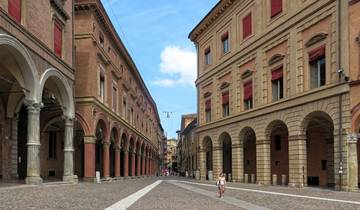
5 Day Bologna: The Heart of Italy
- ✓ Comprehensive Emilia Romagna tour
- ✓ Expert local guides included
- ✓ All accommodation arranged
- ✓ Transportation provided
4 days
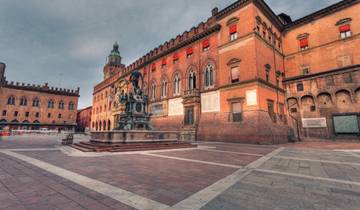
Discovering Bologna
- ✓ Comprehensive Emilia Romagna tour
- ✓ Expert local guides included
- ✓ All accommodation arranged
- ✓ Transportation provided
8 days
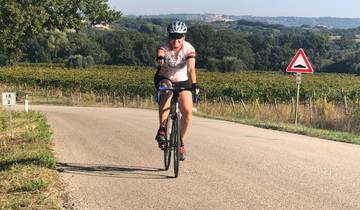
Taste of Italy, Emilia-Romagna Culinary Cycling – Classic Self Guided 8day
- ✓ Comprehensive Emilia Romagna tour
- ✓ Expert local guides included
- ✓ All accommodation arranged
- ✓ Transportation provided
4 days
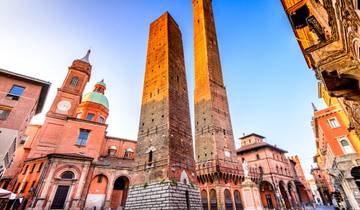
Bologna Gourmet, Good Food and History 4 Days Tour
- ✓ Comprehensive Emilia Romagna tour
- ✓ Expert local guides included
- ✓ All accommodation arranged
- ✓ Transportation provided
Multi-day tour packages powered by TourRadar. Prices and availability subject to change.
Why Visit Rimini in 2026: An Introduction
Rimini occupies a singular position in Italian tourism. It is simultaneously Italy’s most visited beach resort — pulling in millions of summer visitors for its wide, well-organised Adriatic shoreline — and a city of genuine historical depth, founded by the Romans in 268 BC as the colony of Ariminum and positioned at the junction of the Via Flaminia and the Via Aemilia, two of the most strategically important roads in the ancient world. For most of its long history, Rimini was overlooked in favour of grander Italian cities, but this anonymity produced an unusual effect: its Roman monuments survived largely intact, its medieval and Renaissance urban fabric remained coherent, and when Federico Fellini chose to set several of his most celebrated films in the city of his birth, Rimini gained a cultural identity quite unlike any other coastal resort in Italy.
What makes 2026 a particularly good moment to plan a visit is practical rather than event-driven. The Rimini Pass, the city’s official digital tourist card launched in 2025, has matured into a genuinely useful product, bundling free public transport with entry to ten cultural sites and discounts at regional theme parks for from as little as €30. The Metromare coastal rail, which connects Rimini to Riccione in minutes, has improved mobility along the riviera. The Sea Park (Parco del Mare), the ambitious seafront redevelopment project transforming the strip between the beach and the city’s hotels, has continued to add cycling infrastructure and green space. And the city retains the fundamental advantage it has always had: a density of genuinely great things to see and do, at very reasonable prices, in a compact historic centre that is walkable in half a day.
The following sections cover everything you need for a well-planned visit: attraction hours and prices, accommodation by budget and neighbourhood, food costs, transport, seasonal timing, day trips, complete budget breakdowns, and practical logistics. All prices and hours are verified for 2026 to the extent possible; always confirm operational details directly with venues before visiting, as hours and prices can change seasonally.
Top Attractions in Rimini 2026: Hours, Prices and What to Expect
Rimini’s historic centre is compact enough to cover on foot, and the most important Roman monuments are clustered within a five-minute walk of each other. Most are free.
Arch of Augustus
The Arch of Augustus stands at the south-eastern entrance to Augustus Avenue (Corso d’Augusto), the ancient Via Flaminia’s final stretch into the forum. Erected in 27 BC to honour Emperor Augustus, it is one of the oldest and best-preserved Roman triumphal arches in Italy, rising approximately 17 metres in its original form. Entry is free at all hours — the arch stands outdoors as a living piece of street furniture. The surrounding area includes a small public garden that makes a pleasant stopping point. There is no ticket office, no booking required, and no opening or closing time.
Bridge of Tiberius
At the northern end of Augustus Avenue, the Bridge of Tiberius spans the Marecchia River in five arches of Istrian stone, a design begun under Augustus and completed in 21 AD under Tiberius. It is one of the best-preserved Roman bridges in the world and continues to carry pedestrian traffic daily. The surrounding area has been developed as a pleasant riverfront walk, particularly lively on summer evenings when locals and tourists stroll between the historic centre and the San Giuliano district. Free and open at all hours.
Malatesta Temple
The Malatesta Temple, also the Cathedral of Rimini, stands on Via Serpieri a short walk from the Arch of Augustus. Commissioned by Sigismondo Pandolfo Malatesta and designed by Leon Battista Alberti — the project began in 1447 — it was intended as a mausoleum and monument to the Malatesta dynasty. Alberti wrapped an existing Gothic Franciscan church in a marble casing modelled explicitly on the Arch of Augustus and on Roman aqueduct arcading, making it one of the earliest Renaissance buildings in which ancient Roman precedent is quoted with full architectural literacy rather than decorative borrowing. The building was never completed; the planned rotunda dome was never built, and the side arches contain the sarcophagi of Malatesta’s court humanists. Inside, the chapels hold a crucifix painted by Giotto and a fresco by Piero della Francesca dated 1451, depicting Sigismondo kneeling before his patron saint — one of the finest surviving works by Piero in situ. Entry to the temple is free. Guided tours through the official tourist office cost €12 for adults and €8 for children (6–14 years); check visitrimini.com for tour schedules.
Fellini Museum
The Fellini Museum is the most ambitious cultural project Rimini has opened in recent decades, recognised as a Grande Progetto Nazionale by Italy’s Ministry of Culture. It occupies three locations that form an integrated route: Sismondo Castle (a 15th-century fortress at the centre of the historic city), Malatesta Square (the open piazza between them), and Fulgor Palace (an 18th-century building a five-minute walk away on Via Giuseppe Verdi). Together they present the life and artistic universe of Federico Fellini, Rimini’s most famous son, through immersive multimedia installations, original film sketches, costumes, archival documents, and a screening room at Fulgor Palace where Fellini films play continuously. The experience is genuinely spectacular, designed to be lived rather than simply viewed.
- Standard ticket (all three sites): €10 per person. Wednesdays: €8 for all visitors. Fulgor Palace only: €2.
- Opening hours: Sismondo Castle 10:00–13:00 and 16:00–19:00; Fulgor Palace 11:00–17:00. Closed Mondays (except public holidays). Check the official site at fellinimuseum.it for seasonal adjustments before visiting.
- Tip: The Fellini Museum is included in the Rimini Pass, making it effectively free if you purchase the pass.
House of the Surgeon and City Museum
The House of the Surgeon in Ferrari Square is one of Italy’s most remarkable urban archaeological sites: a Roman residential complex from the 2nd century AD, excavated from the 1980s onwards and opened to the public in 2007, covering 700 square metres in the heart of the historic centre. The exceptional find that gives it its name was a collection of approximately 150 Roman surgical instruments — the largest and most complete set from antiquity surviving anywhere in the world — discovered in the wreckage of the building, which appears to have been destroyed by fire in the mid-3rd century. The instruments, frescoes, and mosaics from the site are displayed at the adjacent City Museum, housed in the 18th-century Jesuit College on Via Luigi Tonini. A single combined ticket covers both sites.
- Admission: €7 full price; €5 reduced (65+, university students, groups of 12 or more).
- Note: Rimini Province residents and visitors under 30 years old enter free.
- Tip: Both sites are included in the Rimini Pass. Buy tickets at ticketlandia.com or at the site.
San Giuliano District
The San Giuliano district, across the Bridge of Tiberius from the historic centre, is a former fishing quarter that has reinvented itself as Rimini’s most charming neighbourhood. Its narrow streets are covered in murals depicting scenes from Fellini’s films — a collaborative public art project that turns a walk through the district into an open-air cinema. The area has a concentration of good restaurants and bars and is considerably quieter than the beach strip. Free to explore at any time.
Sismondo Castle
Sismondo Castle, now the main exhibition space of the Fellini Museum, was built for Sigismondo Pandolfo Malatesta between 1437 and 1446. Some sources attribute elements of the design to Filippo Brunelleschi, though documentary evidence for this attribution has not been definitively established and the claim should be understood as traditional rather than confirmed. The castle is a powerful example of 15th-century military architecture — its thick walls, corner towers, and moat designed as much as a symbol of Malatesta power as a practical fortification. Admission is covered by the Fellini Museum ticket (€10) or the Rimini Pass.
Rimini Pass 2026: Is It Worth Buying?
The Rimini Pass is the official digital city card, available in three formats: one day (€30 adult, €20 children aged 8–17), three days (€45 adult, €35 children), and seven days (€60 adult, €50 children). It includes free entry to ten cultural sites — notably the Fellini Museum, the House of the Surgeon, and the City Museum in Rimini, plus hinterland sites including the San Leo Fortress and the Santarcangelo caves — unlimited public transport for the pass duration, discounts of up to 30% at major theme parks (Italy in Miniature, Aquafan, Cattolica Aquarium, Mirabilandia, and others), and audio guides with themed itineraries in five languages. Purchase it online at pass.visitrimini.com or at tourist information offices. It is activated on first use via the app.
For a visitor planning to enter the Fellini Museum (€10), the House of the Surgeon and City Museum (€7), and use city buses for a day (€5 daily pass), the cost of those alone totals €22 — meaning the three-day pass at €45 pays for itself quickly once additional hinterland sites and theme park discounts are factored in. For a focused one-day cultural visit, the one-day pass is worthwhile if you plan to visit two or more paid museums. For a purely beach holiday with minimal museum-going, individual tickets are cheaper.
Rimini Beaches 2026: What to Expect and How Much to Budget
Rimini’s beach is famous for a reason. The coastline runs for approximately 15 kilometres of fine sand, very gradually shelving into the Adriatic, making it exceptionally safe for children. The beach is entirely organised into private concessions — “lidi” or “stabilimenti balneari” — each one operating as a small resort within a resort, with its own bar, shower facilities, changing cabins, and sun lounger service. Almost the entire beach is covered by these paid concessions, with a narrow strip at the waterline technically public.
Beach Concession Costs in 2026
Prices for the standard package of two sun loungers and one umbrella average €20–25 per day in mid-range positions away from the front rows. Front-row positions with larger sunshades command €25–30 per day. A single sun lounger alone costs approximately €7–9. Prices increased by roughly 2–3% from 2024 to 2025 and similar adjustments may apply in 2026. Note that concession prices are not fixed by regulation and vary between operators, so it pays to compare before committing. For a couple spending six days at the beach, budget approximately €120–180 for beach concession alone — a significant and often overlooked item in summer holiday planning.
Many beach clubs offer half-day rates (typically until 13:00 or from 15:00) at about half the full-day price, which is useful if mornings are reserved for sightseeing. Some concessions also offer weekly packages for extended stays. A small number of public beach areas exist near the port and in less central sections of the coastline, where visitors can bring their own equipment; these are popular with local families and budget travellers.
Marina Centro and the Seafront
The Marina Centro district, between the central station and the sea, is the heart of Rimini’s beach scene — the stretch most associated with the city’s famous July and August atmosphere, lined with bars, gelaterie, and beach clubs. The Sea Park (Parco del Mare), a phased urban regeneration project along the seafront, has added cycling lanes, pedestrian zones, and landscaped areas between the road and the first hotels. Further north, the Viserba and Bellaria-Igea Marina areas are quieter and have a more family-oriented character. South of the centre, the Miramare and Rivazzurra neighbourhoods sit closer to the airport and Riccione and offer slightly lower accommodation prices with similar beach quality.
Where to Stay in Rimini 2026: Accommodation by Budget and Neighbourhood
Rimini has a vast accommodation stock built up over a century of Italian beach tourism, ranging from simple family-run pensioni on side streets behind the promenade to the iconic Grand Hotel Rimini, the Art Deco belle époque landmark that appears in Fellini’s Amarcord and 8½. The seasonal price swing is one of the most extreme in Italy: rooms that cost €50–80 in April may cost €200–300+ in the first week of August. Booking early for summer is essential.
Budget Accommodation in Rimini 2026
Budget options in Rimini focus on two-star hotels, guesthouses, and B&Bs, most concentrated in the streets between the central station and the beach in Marina Centro. In shoulder season (May–June and September) expect to pay €50–90 per room per night for a basic double; peak summer (July–August) pushes the same rooms to €80–150 per room. Hostel dormitory beds are available for €20–35 per person per night. Budget hotels in Rimini are numerous and competition keeps prices reasonable by Italian coastal standards. Look in the Viserba area (north) for slightly lower prices with easy Metromare access to central beaches. Many budget hotels include breakfast in their rates, which is worth checking as it affects the effective daily food cost. Book at least two to three months ahead for July and August.
Mid-Range Hotels in Rimini 2026
The three- and four-star category dominates Rimini’s accommodation landscape. These hotels — typically offering private pools, in-house restaurants, direct beach access, or private beach agreements — range from €100–160 per room per night in shoulder season to €150–280 in peak July–August. Many include half-board or beach packages. The stretch of Via Vespucci and Viale Regina Elena between Marina Centro and the historic centre concentrates a large number of well-rated three- and four-star beach hotels. For a historic centre stay with easy access to the Roman monuments and the Fellini Museum, look in the streets around Cavour Square and Three Martyrs Square, where a growing number of boutique hotels and renovated palazzi have opened in recent years. Check for beach access agreements — not all central hotels have private concession arrangements, which means you may need to rent beach space separately.
Luxury Stays in Rimini 2026
Rimini’s luxury accommodation is anchored by the Grand Hotel Rimini, the historic five-star property that Fellini immortalised, directly facing the sea on Viale Amerigo Vespucci. Rates here reflect its iconic status and location; expect €300–600 or more per room in peak season, with substantially lower winter and shoulder rates. Several four-star-plus beachfront hotels in the Marina Centro and Miramare areas offer spa facilities, private beach areas, and fine dining, with peak-season rates of €200–400 per room. For the luxury tier, booking directly with the hotel rather than through third-party platforms often yields better rates and added-value inclusions such as welcome drinks or beach upgrades. In shoulder season, the same luxury properties represent significantly better value at €200–350 per room.
Key Accommodation Neighbourhoods in 2026
Marina Centro: The epicentre of beach life, best for nightlife, beach club culture, and maximum activity in summer. Most convenient for the beach but noisier in high season. Historic Centre: Walkable access to the Roman monuments, the Fellini Museum, and Cavour Square’s restaurants. More residential feel; not all hotels have beach agreements. Viserba (north): Quieter, family-friendly, connected to the centre by the Metromare. Lower prices than Marina Centro. Miramare/Rivazzurra (south): Close to Federico Fellini Airport, convenient for the airport connection, slightly lower prices, and connected to Riccione by the Metromare for evening excursions.
Rimini Food and Dining Costs 2026
Rimini belongs to Emilia-Romagna, Italy’s acknowledged gastronomic capital, and the local food culture is genuinely distinctive. The defining street food is piadina — a thin, griddle-cooked flatbread filled with prosciutto crudo, squacquerone cheese, rocket, or a variety of other ingredients — sold at piadinerie throughout the city and beach strip from approximately €6–9. It is one of Italy’s best fast-food traditions and an excellent budget option for a quick, filling lunch. Other Romagnolo specialties include passatelli (thick pasta rounds made from breadcrumbs and cheese, typically in broth), cappelletti (small stuffed pasta), and above all the Adriatic seafood: the fritto misto di mare (mixed fried seafood) and grilled fish that form the backbone of the city’s restaurant scene.
Budget Dining in Rimini 2026
A budget day in Rimini on food is very manageable. A bar breakfast of coffee and a cornetto costs €2–4. A piadina from a piadineria or a pizza slice covers lunch for €6–10. A sit-down dinner at a simple trattoria or pizzeria, with a carafe of house wine or a beer, runs €15–25 per person. For those cooking at their accommodation or relying on supermarket provisions for lunches, the daily food budget can be kept well below €20 per person.
Mid-Range Dining in Rimini 2026
For a proper sit-down lunch or dinner at a decent restaurant — a first course of pasta, a fish or meat main, and a glass of wine — budget €30–45 per person. The streets around Cavour Square and the San Giuliano district contain many good mid-range options serving both land and sea. The city’s seafront restaurants tend to charge a premium for the location; comparable food is cheaper a block or two inland. A three-course dinner with wine at a good seafood trattoria runs €40–60 per person. Beachfront bar lunches during the beach day typically cost €15–25 per person for a salad, sandwich, or pasta.
Fine Dining and Special Meals in Rimini 2026
Rimini has a number of restaurants in the Michelin-recognized bracket, particularly seafood-focused establishments drawing on the best of the Adriatic. These run €70–120+ per person for a full tasting menu with wine pairing. Reservations are essential for the city’s best tables, particularly in July and August. For a special occasion, the dining room at the Grand Hotel Rimini represents a unique combination of setting, service, and cuisine, though at corresponding prices.
Practical Food Cost Summary for Rimini 2026
- Espresso or cappuccino at a bar: €2–3
- Bar breakfast (coffee + pastry): €2–4
- Piadina (Romagnolo flatbread) lunch: €6–9
- Pizza by the slice: €2–4
- Budget trattoria dinner (with wine): €15–25 per person
- Mid-range restaurant dinner: €30–50 per person
- Seafood restaurant (good quality): €45–70 per person
- Beachfront bar lunch: €15–25 per person
- Gelato: €2–4
Getting to Rimini in 2026: Transport Options and Costs
Rimini is exceptionally well connected by rail, reasonably served by its own regional airport, and accessible by road via the A14 motorway. The choice of arrival method depends on your origin and the time of year.
Arriving by Train in 2026
The train is the most practical and comfortable way to reach Rimini from most Italian cities. Rimini sits on the main Adriatic rail corridor (Trenitalia line from Bologna to Ancona and beyond), making it reachable from a wide range of cities with one connection at most. From Bologna, direct regional trains depart frequently and take approximately one hour; fares typically range from €10–20 depending on train type and booking window. From Rome, the fastest connection involves a high-speed train to Bologna followed by a regional train to Rimini, with total journey times of around 3–3.5 hours. Milan connects to Rimini in about 3 hours via Bologna. From Florence, the connection via Bologna takes roughly 2.5–3 hours. Intercity trains run the Bologna–Rimini stretch directly. Rimini Centrale station is in the heart of the city, an easy walk or short bus ride from both the historic centre and the beach strip.
Arriving via Federico Fellini International Airport (RMI) in 2026
Federico Fellini International Airport (airport code: RMI) is located in Miramare, approximately 5–7 km southeast of Rimini’s centre. It operates seasonal charter and scheduled flights connecting Rimini to destinations across Europe, with Ryanair, Wizz Air, and seasonal charter operators providing the majority of traffic. For European visitors able to fly direct, RMI is an extremely convenient option.
From the airport to the city centre, options are:
- Bus Line 9: Operates between the terminal and Rimini Central Station. Journey time approximately 20–25 minutes. Fare approximately €2. Buses depart roughly every 20–30 minutes and the stop is immediately outside the terminal exit.
- Taxi: Stands at the terminal exit, fare to the city centre approximately €17–25 depending on exact destination and time of day. Night surcharges apply after 22:00.
- Train from Miramare station: A 10-minute walk (approximately 800m) from the terminal leads to Rimini Miramare station, from which trains run to Rimini Centrale in about 6 minutes for approximately €2. Train frequency is limited to a few times per day, so check the schedule in advance.
Arriving via Bologna Airport (BLQ) in 2026
Bologna’s Guglielmo Marconi Airport has significantly more year-round flight connections than RMI and is an alternative gateway for Rimini visitors, particularly those travelling from North America or on connecting European routes. Direct shuttle buses (operated by services including Shuttle Italy Airport) run from outside the terminal to Rimini, taking approximately 1 hour 25 minutes and costing €30–36. Alternatively, the airport’s bus link to Bologna Centrale station connects with frequent regional trains to Rimini, with a total journey time of about 1 hour 30 minutes including the transfer; the combined cost typically comes to €15–30 depending on train class.
Arriving by Car in 2026
The A14 Adriatic motorway passes Rimini with exits at Rimini Nord and Rimini Sud. From Bologna, the motorway journey takes approximately one hour. Driving is useful for visitors planning day trips into the hinterland (San Leo Fortress, Verucchio, or the Marecchia Valley), but within Rimini itself a car is a liability in summer: parking near the beach is expensive, the historic centre has restricted traffic zones (ZTL), and the Metromare and local buses cover the main routes efficiently. If you drive, many hotels offer private parking included in the room rate, which removes the daily parking cost.
Getting Around Rimini in 2026: Local Transport
Rimini’s city transport is operated primarily by Start Romagna and covers the urban area, the coastal strip, and connections to neighbouring towns on the Romagna Riviera.
City Buses
The urban bus network covers the historic centre, the beach strip, the train station, and residential areas. A single-zone ticket costs approximately €1-2, purchased from tabacchi, vending machines, or via app before boarding (card payment on buses is not consistently available). A 24-hour day pass costs €5, which represents good value if you plan three or more rides. The Rimini Pass includes unlimited public transport for its entire validity period, making additional transport purchases unnecessary for pass holders.
Metromare
The Metromare is Rimini’s coastal rapid transit line, connecting Rimini Central Station to Riccione along the seafront in approximately 30 minutes, with multiple stops along the beach strip. It runs very frequently in summer and provides easy access to beaches across a 15-kilometre stretch. The Metromare fare is included in the standard Start Romagna ticket structure and covered by the Rimini Pass.
Cycling
Rimini has invested significantly in cycling infrastructure, and the Sea Park (Parco del Mare) redevelopment has added dedicated cycling lanes along much of the seafront promenade. Bike hire is widely available, with shops concentrated near the train station and the beach strip; rates typically run €10–20 per day for a standard bike. Cycling is genuinely the best way to explore the beach strip and the flat areas north and south of Marina Centro, and the Bridge of Tiberius pedestrian route into the historic centre is excellent.
Walking
The historic centre is very compact and entirely walkable. The Arch of Augustus, the Malatesta Temple, Three Martyrs Square, Cavour Square, Sismondo Castle, and Fulgor Palace can all be covered in a half-day walking tour. From the central station to the beach takes about 15–20 minutes on foot along the main axis of the city.
Day Trips from Rimini in 2026
Rimini’s location on the Adriatic coast and its excellent rail and road connections make it an ideal base for day trips. The surrounding region is particularly rich in medieval hilltop towns, Renaissance fortresses, and the unique microstate of San Marino.
San Marino Day Trip 2026
The Republic of San Marino, a fully independent nation of 61 square kilometres surrounded entirely by Italy, rises on the peak of Mount Titano just 25 kilometres from Rimini. Its three towers overlooking the valley, its medieval old town, and its status as the world’s oldest republic make it one of the most unusual day trips available from any Italian coastal resort. Regular bus services run from Rimini to the capital, with journey times of approximately 45–60 minutes and fares of around €5 each way; check Bus Rimini–San Marino timetables at the train station or Start Romagna offices. Taxis to San Marino from Rimini airport start at approximately €45. Entry to the historic old town is free; the main towers charge approximately €9–13 for access. San Marino is notably commercial along its main streets, but the views from the towers and the genuinely medieval residential lanes of the upper town justify the trip.
Ravenna Day Trip 2026
Ravenna, approximately 60 kilometres north of Rimini, contains eight UNESCO World Heritage Sites in a single city: the finest surviving Byzantine mosaics in the Western world, spread across mausoleums, baptisteries, and basilicas, including the Basilica of San Vitale and the Mausoleum of Galla Placidia. Train services connect Rimini to Ravenna in approximately 1 hour, with fares of €7–12. A day trip to Ravenna can be planned as a focused half-day given the city’s compact heritage cluster, with a good seafood lunch in the city before returning to Rimini. Advance booking for the mosaic sites is recommended in summer.
San Leo and the Marecchia Valley 2026
San Leo, a fortified hilltop village on an almost vertical rock outcrop 55 kilometres inland from Rimini, is one of central Italy’s most dramatic townscapes. Its Renaissance fortress, remodelled by Francesco di Giorgio Martini, is considered a landmark of 15th-century military architecture. The fortress also served as the prison of the infamous Count Cagliostro, who spent his final years there. Reaching San Leo by public transport requires some planning; a car or organised tour is the most practical approach. The drive from Rimini through the Marecchia Valley is scenic and takes about an hour.
Riccione and the Riviera Towns 2026
Riccione, immediately south of Rimini along the Adriatic Riviera, is accessible in under 30 minutes by Metromare. It offers a similar beach experience to Rimini but with a more upscale shopping street (Viale Ceccarini) and somewhat quieter evenings. Further south, Cattolica has the Cattolica Aquarium, one of Italy’s largest, which offers a discount to Rimini Pass holders. For families with children, the concentration of theme parks along the northern Romagna Riviera — Italy in Miniature in Viserba, Aquafan water park in Riccione, Oltremare in Riccione — is accessible by bus and Metromare, with Rimini Pass discounts of up to 30% on entry.
When to Visit Rimini in 2026: Seasonal Guide
Rimini’s seasonal character changes more radically than almost any other Italian city, shifting between a population of under 150,000 in winter and a summer accommodation capacity that can host hundreds of thousands simultaneously. Understanding the rhythm of the seasons is essential to planning a visit that matches your expectations.
Peak Season: July and August 2026
July and August deliver Rimini at its most intense: temperatures regularly exceed 30°C, the sea reaches 25–27°C, the entire beach and seafront operate at full capacity, and the city’s famously exuberant nightlife — with dozens of beach clubs, bars, and clubs running until the early hours — is in full swing. The Pink Night (Notte Rosa), Rimini’s signature summer event, fills the entire Adriatic Riviera with music performances, street events, and light installations in early July; in 2026 the main event falls on 3–5 July, drawing massive crowds. This is the best time for beach culture and nightlife. It is the worst time for visiting on a budget or for cultural tourism without crowds. Accommodation must be booked months in advance.
Shoulder Season: May, June, and September 2026
The shoulder seasons are the sweet spot for most visitors seeking both beach and culture. In May and June, temperatures are pleasant (averaging 20–25°C), the sea is warming up — swimmable from late May, excellent in June — and hotel rates are 30–50% below August peaks. All cultural sites are open, most beach services are operational, and the city has a relaxed, uncrowded character. September is frequently considered the finest month: summer heat is still present, the sea retains warmth from the summer, crowds have thinned substantially after the Italian school season resumes, and accommodation prices drop significantly. The cultural programme also continues, with various festivals and events extending into early autumn.
Off-Season: October to April 2026
Between October and April, Rimini retreats into an almost entirely local identity. Most beach services close, some hotels shut for the winter, and the seafront strip takes on a quiet, breezy quality quite at odds with its summer character. This is not a beach destination out of season, but as a cultural destination it rewards visitors prepared for cooler weather: the Roman monuments, the Fellini Museum, and the San Giuliano district are best appreciated without summer crowds, and hotel rates can be extraordinarily low — rooms that cost €200 in August are available for €40–60 in March. The restaurants around the historic centre remain open year-round and serve the local Romagnolo cuisine at its most unpretentious. Winter visits also allow day trips to San Leo and the hinterland villages without summer traffic.
Sample 3-Day Rimini Itinerary 2026
The following itinerary assumes a shoulder-season visit (May, June, or September), using the Rimini Pass (3 days, €45) as the foundation for transport and cultural admissions.
Day 1: Roman Rimini and the Fellini Museum
Begin at the Arch of Augustus (free, open 24 hours) and walk along Augustus Avenue to Three Martyrs Square, where a bronze column marks the spot where Julius Caesar addressed his troops after crossing the Rubicon — a well-documented historical connection this square preserves. Continue to the Malatesta Temple for a free self-guided visit; allow 45–60 minutes. Lunch near Cavour Square at one of the market-square osterie (€15–20 per person). In the afternoon, purchase a Rimini Pass (or activate one pre-booked online) and spend two to three hours in the Fellini Museum — start at Sismondo Castle, then cross to Fulgor Palace via Malatesta Square. Evening dinner in the San Giuliano district (€30–45 per person). Day cost (excluding accommodation): approximately €55–80 per person.
Day 2: The Beach and Roman Archaeology
Morning at the beach: arrive by 9:00 to secure a good position at a lido of your choice (€20–25 for two sunbeds and umbrella, covered only partially by the Rimini Pass discount). Swim, rest, and enjoy the beach until early afternoon. From 14:30, walk or take the bus to the House of the Surgeon in Ferrari Square (included in Rimini Pass) and then to the City Museum on Via Luigi Tonini — allow 2–3 hours combined. Aperitivo at a bar near Three Martyrs Square (€5–10 per person); dinner at a mid-range seafood restaurant near the historic centre (€35–50 per person). Day cost (excluding accommodation and hotel): approximately €70–100 per person.
Day 3: San Marino Day Trip
Depart from Rimini station by bus to San Marino (approximately 45–60 minutes, €5 each way). Explore the medieval old town, climb to the first and second towers (approximately €10 combined entry), and take in the extraordinary views over Emilia-Romagna and the Adriatic. Lunch in San Marino at a local trattoria (€20–30 per person). Return by mid-afternoon and spend the remaining hours exploring the San Giuliano district and the Bridge of Tiberius, both free. Final dinner in Rimini at a selected restaurant from the Rimini Pass partner list (discounts apply). Day cost (excluding accommodation): approximately €65–90 per person.
Rimini Budget Breakdown 2026: Complete Daily Cost Guide
The following breakdowns use pre-verified component costs (see the individual sections above for full details) and follow the standard format of per-person, per-day costs for two people sharing one room. All hotel rates are divided by two before the per-person totals are calculated.
Budget Tier: Shoulder Season (May–June, September 2026)
Budget hotel per person (room €60–90, shared): €30–45. Meals (piadina lunches, simple trattoria dinners, bar breakfasts): €20–30. City transport (bus passes, Metromare): €5–10. Attractions (most sites free; one paid entry): €10–15. Total: approximately €65–100 per person per day. A five-day stay in this tier costs approximately €325–500 per person, including accommodation.
Mid-Range Tier: Shoulder Season (May–June, September 2026)
Mid-range hotel per person (room €100–160, shared): €50–80. Meals (sit-down lunches and dinners at mid-range restaurants, bar breakfasts): €40–60. Transport: €10–15. Attractions (Rimini Pass 3-day at €45 spread across stay, plus optional tours): €15–25. Total: approximately €115–180 per person per day. A five-day mid-range stay costs approximately €575–900 per person including accommodation.
Luxury Tier: Shoulder Season (May–June, September 2026)
Luxury hotel per person (room €200–400, shared): €100–200. Meals (fine dining, seafood restaurants, wine): €70–120. Transport (taxis, private transfers, Metromare): €20–30. Experiences (private tours, cooking classes, spa): €30–50. Total: approximately €220–400 per person per day.
Budget Tier: Peak Season (July–August 2026)
Budget hotel per person (room €90–150 in peak, shared): €45–75. Meals: €25–35. Transport: €5–10. Attractions and beach entry (including basic lido fee): €10–20. Total: approximately €85–140 per person per day. Note: accommodation for peak season should be booked at least 3–4 months in advance.
Mid-Range Tier: Peak Season (July–August 2026)
Mid-range hotel per person (room €160–280 in peak, shared): €80–140. Meals: €45–70. Transport: €10–15. Attractions, beach concession, Rimini Pass: €25–40. Total: approximately €160–265 per person per day. A one-week peak-season stay in this tier amounts to approximately €1,120–1,855 per person including accommodation.
Luxury Tier: Peak Season (July–August 2026)
Luxury hotel per person (room €350–700 in peak, shared): €175–350. Meals and drinks: €80–150. Transport and taxis: €25–40. Experiences, private beach, tours: €40–70. Total: approximately €320–610 per person per day.
Money-Saving Strategies for Rimini in 2026
Rimini rewards visitors who plan thoughtfully. The following strategies can reduce costs significantly without compromising the quality of the experience.
Travel in shoulder season. The single most effective saving is timing. May–June and September offer 30–50% lower hotel rates than July–August, with very similar weather quality and fully open services. Sea swimming is excellent from late May through September. For cultural tourism, spring and autumn are unambiguously superior to peak summer.
Buy the Rimini Pass if you plan to see multiple sites. For any visitor planning to enter the Fellini Museum and at least one other paid site, the Rimini Pass pays for itself quickly, particularly when the included public transport is factored in. The three-day pass at €45 is the best value for a standard cultural visit, while the seven-day pass at €60 suits those also exploring the hinterland and regional theme parks with the included discounts.
Visit all free major sites first. The Arch of Augustus, the Bridge of Tiberius, and the Malatesta Temple are all free, and together they represent the most important monuments in the city. A visitor who allocates a full day to these and the San Giuliano district can build an exceptionally rich cultural experience at zero entry cost.
Eat like a local on the beach. The piadina is Rimini’s secret weapon for budget eating: for €6–9, a well-filled flatbread from any piadineria constitutes a genuinely satisfying lunch. Avoid beachfront restaurants for lunch — the same quality pasta or fish costs 30–40% more when the view of the sea is included in the pricing.
Buy beach concession packages by the week. For stays of five or more days in a beach concession, many lidi offer weekly package rates substantially below the daily rate multiplied by seven. Ask at the concession reception on arrival rather than paying day by day.
Take the Metromare and buses, not taxis. The coastal Metromare runs frequently, covers the entire beach strip efficiently, and is cheap — covered entirely by the Rimini Pass or available as a standard Start Romagna bus ticket. Between the train station and any point along the beach, buses and the Metromare are all you need.
Use the Wednesday Fellini Museum discount. The Fellini Museum drops from €10 to €8 per person on Wednesdays. For a couple, this saves €4 — not transformative, but worth scheduling around if you have flexibility.
Visit the House of the Surgeon in the morning. The site can be busy with school groups later in the day. An early morning visit — the site opens at the same time as most Italian museums — allows a more peaceful experience of one of Italy’s genuinely exceptional archaeological discoveries.
Practical Tips for Visiting Rimini in 2026
Restricted traffic zones (ZTL): The historic centre of Rimini has a limited traffic zone in force during certain hours. If driving, check the exact boundaries and times before entering; fines are applied automatically by camera and can arrive by post weeks after the trip. Most hotels advise guests on this at check-in.
Cash and cards: Italy has improved card acceptance significantly in recent years, but small bars, piadinerie, and some beach concessions still prefer cash. Carrying €50–100 in cash is practical. ATMs (bancomat) are widespread across the historic centre and the beach strip.
Pickpocketing: Standard Italian tourist-area precautions apply, particularly on the beach and in crowded summer events. Keep valuables in a hotel safe rather than on the beach, and be aware in crowded situations around Three Martyrs Square and the train station.
Language: English is widely understood in the tourism zone, though less so in residential neighbourhoods and small bars. A few words of Italian are appreciated everywhere. Staff in all major museums speak English.
Medical: The Ospedale Infermi di Rimini (Rimini Hospital) has an emergency department (Pronto Soccorso). Pharmacies (farmacia, identified by green cross signs) are widespread and useful for minor ailments, and Italian pharmacists are trained to advise on treatments directly. EU visitors should carry a European Health Insurance Card (EHIC). Non-EU visitors should ensure travel insurance with medical coverage before travelling.
Tourist information: The official VisitRimini tourist information office is inside Rimini Centrale station. Staff speak multiple languages and can assist with passes, tour bookings, and transport. The Rimini Pass app (available on iOS and Android) serves as an audio guide, itinerary planner, and booking platform in one.
Sun protection in summer: Temperatures in July and August regularly exceed 30°C on the beach, with strong direct sun from 10:00–16:00. High-factor sunscreen, a hat, and regular hydration are essential. Tap water in Italy is safe to drink; using a refillable bottle reduces costs and waste.
Booking cultural sites in advance: The Fellini Museum, the House of the Surgeon, and day trips to popular sites like San Marino can become crowded in peak summer. Pre-booking through the Rimini Pass app or individual websites is recommended for July and August to avoid waiting.
Frequently Asked Questions About Visiting Rimini in 2026
Is Rimini worth visiting beyond the beach?
Absolutely. Rimini’s historic centre contains some of Italy’s most significant Roman monuments, preserved in remarkably intact condition after two millennia of continuous urban use. The Arch of Augustus (27 BC) and the Bridge of Tiberius (completed 21 AD) are free to visit and genuinely impressive. The Malatesta Temple is a Leon Battista Alberti masterpiece of the Italian Renaissance. The Fellini Museum is one of Italy’s most inventive modern museum experiences. And the House of the Surgeon contains the world’s largest surviving set of Roman surgical instruments. Visitors who allocate even half a day to the historic centre and the San Giuliano district will find Rimini a significantly richer destination than its beach resort reputation suggests.
How many days do I need in Rimini in 2026?
Two to three days covers the main historic sites comfortably and allows for one or two days on the beach, plus an evening in the city’s restaurant scene. For visitors who want a full beach holiday combined with cultural exploration and a day trip to San Marino or Ravenna, four to five days is ideal. The Rimini Pass three-day or seven-day formats align naturally with the typical visit length. A single day visit from Bologna or another nearby city is feasible for a cultural-only itinerary, though it means missing the coastal experience entirely.
What is the Rimini Pass and is it worth it in 2026?
The Rimini Pass is the official digital city card, available in one-day (€30), three-day (€45), and seven-day (€60) formats for adults. It includes free entry to ten cultural sites including the Fellini Museum, the House of the Surgeon, and the City Museum; unlimited public transport on Start Romagna buses and the Metromare; discounts of up to 30% at major regional theme parks; and audio guides with itineraries in five languages via the app. For any visitor planning to visit the Fellini Museum (€10) and the House of the Surgeon (€7) and use city buses for even one day (€5 daily pass), the three-day pass pays for itself. Purchase it online at pass.visitrimini.com or at tourist information offices in the station.
Are Rimini beaches free to use?
The vast majority of Rimini’s beach is organised into private concessions — lidi or stabilimenti balneari — which require you to rent sun loungers and an umbrella to use the space. A standard package of two sun loungers and one umbrella costs approximately €20–25 per day in mid-beach positions and €25–30 in first-row positions. A small number of public beach areas exist near the port and in less central sections of the coast; at these you can lay a personal towel or bring your own equipment without charge. Many mid-range and higher hotels include private beach concession access in their room rates.
How far in advance should I book accommodation for summer 2026?
For July and August, book three to four months in advance at minimum — and even earlier for seafront hotels with direct beach access or properties in the luxury category. The first week of August and the Pink Night weekend in early July are the tightest booking periods; for these, five to six months ahead is not excessive. For shoulder season visits in May, June, and September, two to four weeks ahead is generally sufficient, though the best rooms at popular hotels fill earlier. For October–April visits, booking a week or two in advance is almost always adequate.
What are the opening hours of the main paid attractions in Rimini in 2026?
The Fellini Museum’s Sismondo Castle section opens 10:00–13:00 and 16:00–19:00 daily; the Fulgor Palace section opens 11:00–17:00 daily. Both are closed on Mondays except public holidays. The House of the Surgeon and the City Museum operate Tuesday to Sunday; consult the official Musei Comunali di Rimini website (museicomunalirimini.it) or call ahead (0541 793851) as hours adjust seasonally. The Arch of Augustus, the Bridge of Tiberius, and the exterior of the Malatesta Temple are accessible at all hours. Verify all opening hours with the relevant institution before planning your itinerary, as seasonal adjustments are common.
Can I visit San Marino as a day trip from Rimini in 2026?
Yes, San Marino is one of the most popular and accessible day trips from Rimini. The bus journey takes approximately 45–60 minutes each way, with direct services from Rimini’s bus station adjacent to the central train station; fares are approximately €5 each way. The historical centre of San Marino is a UNESCO World Heritage Site and genuinely medieval in character, with three fortified towers on the peak of Mount Titano offering panoramic views across both Italy and the Adriatic. Tower access costs approximately €9–13 for the main attractions. A half-day is sufficient for the essentials, or a full day if you enjoy exploring the town’s numerous specialty shops and local restaurants. The Rimini Pass does not currently cover San Marino entry; check the official San Marino tourism authority (visitsanmarino.com) for current opening hours and prices.
What is Rimini’s Pink Night (Notte Rosa) in 2026?
The Pink Night is the Adriatic Riviera’s signature annual event, transforming the entire coastal strip from Rimini to Cattolica into a large-scale outdoor party across a summer weekend. In 2026 the main Pink Night falls on 3–5 July, when hundreds of free concerts, performances, light installations, and street events run simultaneously along the coast. Accommodation for this weekend books out months in advance and prices rise sharply; if you specifically want to attend, reserve well ahead. If you are visiting Rimini for other reasons during early July, be aware that the city will be exceptionally crowded and noisy during this period.
Is Rimini safe for solo travellers in 2026?
Rimini is generally a safe city for solo travellers. Standard urban precautions apply: keep valuables secure in crowded summer situations, particularly on the beach and near the train station, and use licensed taxis rather than unlicensed operators. The historic centre is well-lit and active into the evenings. Solo travellers should note that the solo supplement at hotels — paying full room rate alone — is the most significant budget impact for solo visiting; single rooms are not always available, and double rooms for solo occupancy carry the full rate. Hostels and shared accommodation eliminate this cost.
What local food should I try in Rimini in 2026?
Rimini is in Emilia-Romagna, and the local cuisine is one of Italy’s finest. The essential experience is piadina — a thin, soft flatbread cooked on a flat griddle and filled with prosciutto crudo, squacquerone cheese (a fresh local cow’s milk cheese), and rocket, or any of dozens of other combinations. Every piadineria in the city serves them for €6–9 and they are excellent. From the sea, Rimini’s fritto misto di mare (a mixed platter of lightly battered and fried Adriatic seafood) is the definitive local restaurant dish. For pasta, passatelli in brodo — thick pasta made from breadcrumbs, Parmesan, and eggs, served in clear broth — is a purely local tradition not found elsewhere. Finish with good gelato: the Romagna coast has a strong gelato culture, and the quality at independent gelaterie substantially exceeds the tourist-facing chains.