
Visiting Pescara: Ultimate Planning Resource & Travel Guide 2026
Pescara sits at the heart of Italy’s Adriatic coast, a sun-drenched city of 120,000 where a 16-kilometre sandy beach meets an animated cultural life built around the legacy of its most famous son, the poet and writer Gabriele D’Annunzio. Less crowded than Rome or the Amalfi Coast and more relaxed than Milan, Pescara in 2026 rewards visitors with outstanding seafood, affordable prices relative to Italy’s better-known destinations, and seamless access to some of the country’s most dramatic inland scenery — the Gran Sasso massif and the Majella peaks are both within an hour’s drive. This guide covers everything needed to plan a visit: how to get here, when to come, what to see, what it costs, and where to sleep and eat well.
Key Takeaways
- Daily costs in 2026 range from approximately €70-110 per person (budget, two sharing) to €120-190 per person (mid-range) and €220-360 per person (luxury); Pescara is comfortably more affordable than Rome or Florence across all tiers.
- The fastest direct train from Rome to Pescara takes around 3 hours 28 minutes with Trenitalia, with advance tickets from approximately €20; the city is also served by Abruzzo Airport (PSR), just 3 km from the centre.
- The D’Annunzio Birthplace Museum opens Tuesday through Sunday with admission at €4 (full) and €2 (reduced), while the Museum of the People of Abruzzo charges €8 for adults; most of the best experiences in the city — beaches, the Sea Bridge, Revival Square — are free.
- Late May through June and September are the optimal window for visitors in 2026: beaches are pleasant, summer crowds have not yet peaked or have subsided, and prices for accommodation are measurably lower than in July and August.
- The Pescara Jazz Festival, Italy’s oldest continuously active jazz festival, typically runs for a week in early-to-mid July and draws headline international performers to the Tourist Marina; check the official Pescara Jazz website for 2026 dates and ticket release.
- Pescara is an excellent base for day trips: Chieti (20 minutes by train), the Trabocco Coast southward, the Gran Sasso foothills, and Abruzzo National Park (around 90 minutes by car) are all realistic in a single day.
People Also Ask About Visiting Pescara 2026
What is the best time to visit Pescara in 2026?
Late May through June and September are the sweet spot for visiting Pescara in 2026. During these months the Adriatic reaches swimable temperatures — typically 22-26°C — without the dense July-August crowds that fill beach clubs to capacity and push hotel rates to their annual peaks. Shoulder-season hotel rooms run €90-140 per room in mid-range properties, compared to €130-200 or more in high summer. October retains mild weather and empties the waterfront almost entirely, making it ideal for culture-focused visits. Winter (November to March) is quiet, cooler, and notably cheap — rooms can drop to €55-80 per room per night — but some beachfront venues close or reduce hours. The Pescara Jazz Festival runs typically in early-to-mid July, making that week a genuine reason to visit despite summer pricing; book accommodation at least two to three months ahead if your dates fall during the festival.
How much does a day in Pescara cost in 2026?
Budget travellers spending carefully — staying in guesthouses or B&Bs, eating at trattorias, visiting the free beaches and walking everywhere — need approximately €70-110 per person daily (two sharing). Mid-range visitors with a three-star hotel, sit-down meals at decent seafood restaurants, and the occasional museum ticket spend roughly €120-190 per person daily (two sharing). Luxury travellers in four- or five-star properties with fine dining and taxis spend approximately €220-360 per person daily. These are all-inclusive daily figures per person, with hotel costs divided for two sharing; solo travellers should add the full room rate for their tier. A comfortable three-night mid-range visit typically comes to approximately €350-570 per person in total, excluding flights.
How do I get to Pescara from Rome in 2026?
The fastest and most convenient option is the direct Trenitalia Intercity train from Roma Termini to Pescara Centrale, which covers the route in approximately 3 hours 28 minutes; advance tickets start from around €20 and the service runs daily. Slower regional trains via internal routes take between 4 and 6 hours but cost less. Bus services (FlixBus, Ferrovie del Gargano, and others) run from Rome’s Tiburtina bus station to Pescara in around 2 hours 30 minutes, with fares typically in the €14-20 range for advance bookings, making them the cheapest option. Pescara also has its own airport, Abruzzo Airport (PSR), located just 3 km from the city centre and served by several European carriers including Ryanair; the airport bus (line 38 or the Trenitalia Air Link service) connects the terminal to Pescara Centrale station for €1.50, with the journey taking around 10 minutes.
What are the must-see attractions in Pescara in 2026?
The Sea Bridge (Ponte del Mare) is Pescara’s defining landmark — a cable-stayed pedestrian and cycle bridge spanning the Pescara River mouth, offering sweeping Adriatic panoramas and free to walk at any hour. The D’Annunzio Birthplace Museum on Corso Manthoné preserves the childhood rooms of the poet Gabriele D’Annunzio in an 18th-century building declared a national monument in 1927, with admission at €4. The Museum of the People of Abruzzo on Via delle Caserme traces human presence in the region across 16 themed rooms from Palaeolithic hunters to the 19th century, charging €8. The city’s 16-kilometre beach — a combination of free public stretches and paid beach clubs (lidi) — is itself the primary attraction from late spring to September. Revival Square (Piazza della Rinascita), the Aurum cultural centre, and the narrow streets of Old Pescara complete a well-rounded cultural circuit.
Extended multi-day tours – 5+ days
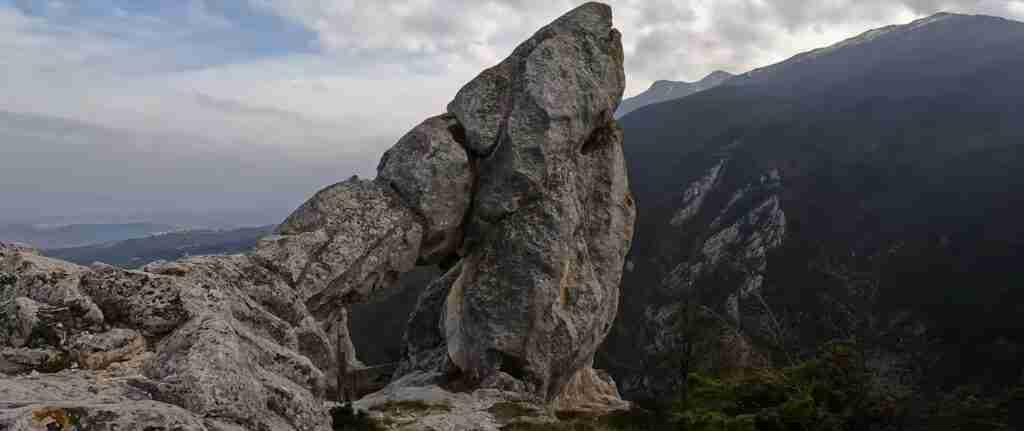
Featured Region Lazio Marche Abruzzo Hiking Trekking Multi-Day Tour Packages

3 days
Region Lazio Marche Abruzzo Hiking Trekking 3-Day Discovery Tour
- ✓ Comprehensive Region Lazio Marche Abruzzo Hiking Trekking experience
- ✓ Expert local guides included
- ✓ All accommodation included
- ✓ Transportation provided
5 days
Region Lazio Marche Abruzzo Hiking Trekking 5-Day Highlights Experience
- ✓ Comprehensive Region Lazio Marche Abruzzo Hiking Trekking experience
- ✓ Expert local guides included
- ✓ All accommodation included
- ✓ Transportation provided

7 days
Region Lazio Marche Abruzzo Hiking Trekking 7-Day Cultural Journey
- ✓ Comprehensive Region Lazio Marche Abruzzo Hiking Trekking experience
- ✓ Expert local guides included
- ✓ All accommodation included
- ✓ Transportation provided

10 days
Region Lazio Marche Abruzzo Hiking Trekking 10-Day Complete Adventure
- ✓ Comprehensive Region Lazio Marche Abruzzo Hiking Trekking experience
- ✓ Expert local guides included
- ✓ All accommodation included
- ✓ Transportation provided
Multi-day tour packages powered by TourRadar. Prices and availability subject to change.
Why Visit Pescara in 2026: Abruzzo’s Adriatic Gateway
Pescara occupies an unusual position in Italy’s travel landscape: large enough to offer real urban amenities — a proper arts scene, a serious food culture, good transport links — yet small enough that no sight is more than a 30-minute walk from the central train station. The city sits at the confluence of the Pescara River and the Adriatic Sea, a geography that defines its character. The beach runs continuously north and south from the river mouth, divided informally into paid beach clubs and free public stretches. The city centre lies immediately inland, compact and navigable on foot, with most cultural landmarks clustered in a walkable arc between the seafront promenade and Old Pescara to the south of the river.
Abruzzo as a region is often described by Italian travel writers as the country’s best-kept secret: a place of dramatic contrasts between mountain wilderness and a working Adriatic coastline, largely bypassed by the mass international tourism that saturates Tuscany and the Amalfi. Pescara is the region’s largest city and main transport hub, which means visiting it doubles as a gateway to some of Italy’s most scenically compelling inland territory. A base in Pescara gives access to the Gran Sasso e Monti della Laga National Park to the northwest, the ancient hilltop city of Chieti to the southwest, the Trabocco Coast heading south, and the Majella mountains — all reachable without a car if planned around trains and regional buses, or very comfortably in a rental car.
The city’s cultural personality is stamped by D’Annunzio, who was born here in 1863 and whose flamboyant literary legacy the city wears with visible pride. His birthplace is a museum; a pine reserve, an auditorium, and a bridge all bear versions of his name. Beyond this literary heritage, Pescara has developed a genuine contemporary cultural identity: the Aurum cultural centre hosts exhibitions, concerts, and public events in a beautifully restored former liqueur distillery; the Pescara Jazz Festival has, since the late 1960s or early 1970s, drawn some of the most celebrated names in international jazz to the waterfront; and Revival Square, redesigned in the 2010s with a celebrated wineglass light installation, has become a model of thoughtful Italian urban renewal.
For 2026 visitors, Pescara also benefits from being one of the Italian Adriatic coast’s better-served arrival points. Ryanair and other low-cost carriers serve Abruzzo Airport year-round, making it reachable from many northern European cities without transiting through Rome or Milan. Combined with direct trains from Rome and an efficient national bus network, the city is genuinely accessible for independent travellers on a range of budgets.
Getting to Pescara in 2026: Complete Transport Guide
Train Connections to Pescara in 2026
Trenitalia operates the main train services to and from Pescara. From Rome, the fastest option is the direct Intercity service from Roma Termini to Pescara Centrale, covering the 156-kilometre route in approximately 3 hours 28 minutes. Intercity trains run daily, with advance tickets starting from approximately €20; on-the-day purchases or last-minute weekend tickets cost more, typically €30-55. Slower regional trains run via the Avezzano-Sulmona inland route, taking between 4 and 6 hours depending on connections; these cost less but involve one or more changes. Pescara also sits on the main Adriatic coastal rail line, meaning it is directly connected to cities stretching south to Bari (approximately 3 hours 30 minutes) and north to Ancona (approximately 2 hours 30 minutes) and Bologna (around 4 hours with connections). From Milan, the journey to Pescara typically requires changing in Rome or Bologna and takes 5 to 7 hours in total; flying to Abruzzo Airport and travelling the final 3 km by bus is usually faster and often cheaper from northern Italy.
Pescara has three main train stations: Pescara Centrale (the main hub, in the city centre), Pescara Porta Nuova (near the ferry terminal), and Pescara San Marco (in the northern suburbs). Almost all long-distance arrivals use Pescara Centrale, which is within easy walking distance of the beach, the seafront promenade, and the majority of hotels. Book Trenitalia tickets at trenitalia.com, directly at any station ticket machine, or through third-party booking platforms such as Trainline; purchasing in advance consistently produces the lowest fares on the Intercity service.
Abruzzo Airport and Air Connections in 2026
Abruzzo Airport (IATA: PSR), also called Pescara Airport, sits 3 km from the city centre and handles a mix of domestic Italian services and European low-cost routes. Ryanair is the dominant carrier, operating seasonal and year-round routes to London Stansted, Brussels Charleroi, Barcelona, Dublin, and other European destinations; actual route availability changes season by season, so check the airport’s official site or individual carriers for confirmed 2026 schedules and fares.
Getting from the airport to the city centre is straightforward and inexpensive. The Trenitalia Air Link bus connects the airport directly to Pescara Centrale station; the journey takes approximately 10 minutes and tickets cost €1.50, purchased from the machine inside the bus in cash (coins) or via the TUAbruzzo mobile app. TUA urban bus lines 8 and 38 also serve the airport and run every 20 minutes during normal operating hours, with the same fare structure. Taxis from the airport to the centre cost approximately €15-20. Several major car hire companies have counters in the arrivals hall; due to limited competition, rates at Abruzzo Airport tend to be slightly higher than at Rome’s larger airports, with four-day rentals typically running around €200-280 depending on vehicle category and season. A car is not needed for Pescara itself, but becomes valuable for excursions into the Gran Sasso mountains, the Majella, or the more rural stretches of the Trabocco Coast.
Bus Services to Pescara in 2026
Long-distance coaches offer the cheapest land connection between Pescara and other Italian cities. FlixBus and Ferrovie del Gargano both operate services from Rome’s Tiburtina bus station to Pescara’s central bus terminal (adjacent to Pescara Centrale railway station), with the journey taking approximately 2 hours 30 minutes to 3 hours depending on the route and stops. Advance fares start as low as €14-20 on FlixBus, making the bus a significantly cheaper option than the train for budget-conscious travellers who are not pressed for time. MarinoBus also connects Pescara to Naples and southern Italian cities. The central bus terminal in Pescara is at Corso Vittorio Emanuele II, approximately 200 metres from the railway station.
Driving to Pescara in 2026
Pescara is on the A14 Adriatic motorway (Bologna-Taranto), which makes driving from northern Italy or from southern Puglia straightforward. From Rome, the most direct route uses the A25 motorway from Rome east through the Apennines, passing through Avezzano and Sulmona before descending to Pescara — a distance of approximately 210 km, typically taking 2 to 2.5 hours in normal traffic conditions. Motorway tolls apply on both the A14 and A25; the Rome–Pescara stretch on the A25 costs approximately €9-12 depending on entry and exit points. Parking within Pescara’s city centre is metered or paid; many hotels include free parking or offer garage parking at a daily rate, which is worth confirming when booking. Street parking near the beach in peak summer can be challenging; arriving by train and using the city’s bike hire system for beach access is a practical alternative.
Best Time to Visit Pescara in 2026: Month-by-Month Planning
Pescara’s Adriatic climate delivers clearly defined seasons that shape both the experience and the cost of a visit. The Mediterranean-influenced coast keeps winters mild by Italian standards — daytime temperatures in January and February average 8-11°C, cold enough for a coat but rarely freezing — and summers are hot and sunny, with July and August averaging 28-32°C and very low rainfall. Understanding the seasonal rhythms allows visitors to match their timing to their priorities.
January to March is deep low season. The beaches are empty, most beach clubs are closed, and Pescara functions as a working Italian city with no tourist infrastructure under pressure. Hotel rooms at this time are at their cheapest — budget rooms from €40-60 per night, mid-range from €70-100 — and the city’s cultural attractions, restaurants, and museums are available without any waiting. Visitors interested purely in culture, the museum circuit, and Abruzzo’s winter mountain scenery (the Gran Sasso receives substantial snowfall and offers skiing at Campo Imperatore) will find January to March a genuinely rewarding window.
April and May see Pescara come to life. Temperatures rise through the 15-22°C range, spring light transforms the seafront promenade and D’Annunzio Pine Reserve, and the city’s outdoor café culture reasserts itself along Umberto I Avenue and Revival Square. The Adriatic in April is typically too cold for swimming, but by late May sea temperatures often reach 20-22°C. Easter weekend brings Italian domestic visitors, so accommodation for that specific long weekend should be booked in advance. Outside of Easter, April and May offer a good balance of good weather, low prices (rooms €70-120 per room in mid-range), and a city that feels inhabited rather than tourist-saturated.
June is widely considered the best overall month for first-time visitors. Beach season is underway, sea temperatures are comfortable at 22-24°C, the beach clubs open their full range of services, and the city’s summer cultural calendar begins. Crowds are building but have not yet peaked; hotel rates are rising but are still below July-August maximums. Pescara’s evening atmosphere on the Seafront Promenade and around Revival Square is at its most animated.
July and August are high season in every sense. Beaches are packed, the Pescara Jazz Festival (typically early July) draws visitors from across Italy and internationally, temperatures routinely exceed 30°C, and accommodation prices reach their annual peaks — mid-range rooms regularly hit €130-200 per room per night in peak weeks, particularly the August Ferragosto period (around 15 August). Visitors planning to come in July specifically for the Jazz Festival should book accommodation at least three months in advance and expect to pay summer rates. Those seeking a quieter visit should avoid August almost entirely; the city’s own residents leave for holiday, creating a peculiar vacuum at the height of tourist season.
September is arguably the finest month of the year to visit Pescara. The sea retains summer temperatures (24-26°C), the beach clubs remain open, the crowds of August have dissipated, and accommodation prices begin to fall. Italian families return from holiday and the city’s everyday rhythms resume: the markets, the evening passeggiata, the local restaurants reclaiming their neighbourhood clientele. Hotel rooms in September typically run €90-140 per room in mid-range properties, a meaningful saving on August. September is consistently the month recommended by the city’s own hospitality sector for returning visitors.
October is a shoulder-season option for those who prioritise culture over beach. The sea is still swimmable for the hardiest visitors in early October (21-22°C), and the city is peaceful. By November, temperatures drop to 13-16°C and the beach is fully quiet; late November through March is the off-season, with reduced hours at some attractions and most beach clubs closed entirely.
Top Attractions in Pescara in 2026: What to See and Do
The Sea Bridge (Ponte del Mare)
The Sea Bridge, known in Italian as Ponte del Mare, is Pescara’s most photographed modern landmark and the centrepiece of a post-industrial transformation of the city’s waterfront. The bridge spans the mouth of the Pescara River, connecting the northern and southern sections of the city’s beach promenade via a long pedestrian and cycle deck. Its defining feature is a tall inclined needle — a single asymmetric pylon rising at an angle from a point between the trees along the river bank — from which an array of cable stays supports the deck. The structure is open at all hours and free to walk across; sunset from the bridge, with the Adriatic to the east and the city skyline to the west, is among Pescara’s consistently praised visual experiences. The bridge was inaugurated on 8 December 2009; the architectural design was by the South Tyrolean architect Walter Pichler, with engineering development by Mario de Miranda. At 466 metres, it is the longest cycle-pedestrian bridge in Italy, and it has since become the defining image of Pescara internationally.
D’Annunzio Birthplace Museum
The D’Annunzio Birthplace Museum (Museo Casa Natale di Gabriele D’Annunzio) preserves the house at Corso Manthoné 116 where the poet, novelist, and dramatist Gabriele D’Annunzio was born on 12 March 1863. The building was declared a national monument in 1927 and has operated as a public museum since 1958, currently managed by the Abruzzo Regional Museum. Five original rooms survive from the 19th-century family home, furnished with period pieces and accompanied by descriptions drawn from D’Annunzio’s autobiographical prose work Notturno; the rooms are decorated with neoclassical murals attributed to Marche-region artists of the mid-19th century. The museum is modest in scale — a visit takes about an hour — but remarkable in atmosphere for visitors interested in Italian literary and cultural history. Admission costs €4 for adults and €2 for reduced-rate visitors; free entry is offered on the first Sunday of every month. Opening hours are Tuesday, Thursday, Saturday, and Sunday from 9:00 to 13:30, and Wednesday from 14:00 to 19:30; the museum is closed on Mondays and Fridays. The location in Old Pescara makes it easy to combine with a walk through the neighbourhood’s narrow lanes and a stop at the Cathedral of Saint Cetteus.
Museum of the People of Abruzzo
The Museum of the People of Abruzzo (Museo delle Genti d’Abruzzo) is Pescara’s most substantial museum, occupying the surviving sections of the city’s former Bourbon-era fortress on Via delle Caserme 24 in Old Pescara. The museum opened in 1998 after the building’s restoration and now fills 16 exhibition rooms tracing human presence in the Abruzzo region from the Palaeolithic era to the early industrial period. The display moves through prehistoric and Italic tribal archaeology, Roman-era finds, medieval pastoral culture, agricultural production processes (wool, cheese, wine, flour), sacred rites and folk religious practice, and a dedicated section on the maritime communities of the Adriatic coast. The presentation is strongly ethnographic and cumulative: dioramas, sound installations, archival photographs, and original objects combine to build an unusually complete picture of a region whose culture is little known outside Italy. Admission is €8 for adults and €5 for visitors aged 0-26 and over 65; a combined ticket with the nearby Modern Art Museum Vittoria Colonna is also available (check the museum website for current pricing). Opening hours run Monday through Friday from 9:00 to 13:00, and Saturday and Sunday from 16:00 to 20:00, with extended summer hours typically in effect from late June through mid-September. Verify current hours at gentidabruzzo.com before visiting, as the museum posts schedule changes on its official site.
Revival Square (Piazza della Rinascita) and Salotto Square
Revival Square (Piazza della Rinascita) is the redesigned heart of Pescara’s city centre, a palm-lined pedestrian space known informally as “il salotto” (the living room) among locals. Its 2009 redesign introduced a distinctive illuminated sculpture — a giant wineglass filled with light — that has become a recognised symbol of the revitalised city centre. The square is ringed by cafés, boutiques, and restaurants, and functions as the social nucleus around which the city’s evening life organises itself. Adjacent Salotto Square (Piazza Salotto), the narrower continuation of the same pedestrian zone, carries the same character of animated café life and street watching. Both squares are free to enter and remain lively from the morning café hour through to midnight in summer.
The Adriatic Beaches
Pescara’s beach extends 16 kilometres along the Adriatic, a broad, gently shelving sandy shore that is one of the longest urban beaches in Italy. The beach divides naturally into two categories. Paid beach clubs, known as lidi, provide sunbed and umbrella rentals, showers, bars, and full facilities; sunbed rental in 2026 typically runs €10-20 per day depending on the lido’s position on the beach and the season. Free public beach stretches (spiagge libere) are interspersed along the coast and offer access to the sea at no cost, though without facilities. The northern beach, accessed from the Sea Bridge, is more animated and closer to the city’s main promenade entertainment. The Adriatic at Pescara is generally calm, shallow, and safe for swimming; water quality at the main city beaches is regularly monitored by Italian environmental authorities (ARPAM), and results are publicly available.
D’Annunzio Pine Reserve
The D’Annunzio Pine Reserve (Pineta Dannunziana) is a regional nature reserve extending north of the river mouth, a several-kilometre belt of umbrella pines and Mediterranean scrub running between the beach and the built-up northern suburbs. The reserve takes its name from the poet, who used its paths and landscape as a setting in his writing. Today it functions as the city’s green lung: wide sandy paths through the pine canopy attract joggers, cyclists, and walkers throughout the year, and the reserve connects to the beach at multiple points. Entry is free; the paved coastal bike path that runs alongside the reserve connects north toward Montesilvano and beyond, and bike hire is available from several operators near the Sea Bridge and along the seafront. The reserve is particularly pleasant in the cooler months of April through June and September through October, when the pine scent and dappled light make it one of Pescara’s most atmospheric outdoor experiences.
Aurum Cultural Centre
The Aurum cultural centre occupies a handsome early-20th-century industrial building near the mouth of the Pescara River, originally constructed in 1910 as the production facility for the Aurum liqueur (a local orange-and-rum blend that became a regional culinary symbol). The building’s restoration and repurposing as a public cultural space gave Pescara a permanent venue for contemporary art exhibitions, theatre performances, concerts, and public events. The Jazz Festival’s pre-concert “Jazz Village” programming has taken place here, and the Aurum’s courtyard and roof terrace are used for summer events throughout the season. Entry to the building and permanent public spaces is generally free; events and temporary exhibitions carry their own admission charges. Contact the Aurum directly ([email protected], or 085 4549508) for current programming.
Cathedral of Saint Cetteus
The Cathedral of Saint Cetteus (Cattedrale San Cetteo), Pescara’s main church, stands in Old Pescara and is dedicated to the city’s patron saint. The current building reflects 20th-century reconstruction, as much of the original historic centre was destroyed during World War II bombing raids and subsequent postwar redevelopment. The cathedral’s interior houses the remains of Saint Cetteus, venerated locally, along with religious artworks; a small Roman-era church dedicated to Jerusalem (referred to in local sources as “Santa Gerusalemme”), preserved within the broader historic zone, represents a rare pre-modern survival in a city whose ancient centre was heavily rebuilt. Both are free to visit during opening hours.
Cascella Ship Fountain
The Cascella Ship Fountain (La Fontana Nave di Cascella) near Porta Nuova is one of Pescara’s most photographed public monuments — a large sculptural fountain in the form of a stylised ship’s prow, created by the Abruzzese sculptor Pietro Cascella (1921-2008). The fountain stands near the ferry terminal area and is a regular stop on walking tours of the waterfront. It is free to view at any time and is particularly striking at night when illuminated.
Modern Art Museum Vittoria Colonna
The Modern Art Museum Vittoria Colonna (Museo d’Arte Moderna Vittoria Colonna) houses a collection of 20th-century Italian works with a focus on Abruzzese and national artists. Combined tickets with the Museum of the People of Abruzzo are available; check gentidabruzzo.com for current pricing and opening hours before visiting.
Pescara’s Adriatic Beaches in 2026: The Complete Beach Guide
Understanding how Pescara’s beach system works saves time and money. The 16-kilometre shoreline is legally designated as a mix of concessione (beach clubs with concession rights) and spiaggia libera (free public access zones). In practice, the ratio leans toward the paid beach clubs, which is standard along the entire northern Adriatic coast. Visitors who want a sunbed and umbrella, a bar with cold drinks and snacks, and a shower will pay €10-20 per person per day depending on the lido’s distance from the centre (central and beachfront-hotel lidi charge the upper end of this range). Free beaches require bringing your own towel and shade. The tourist office or a quick walk along the promenade reveals which stretches are free in a given season, as the boundary between paid and free zones can shift slightly year to year.
The northern beach, accessible from the Sea Bridge and the D’Annunzio Pine Reserve, offers a somewhat more active atmosphere: beach volleyball courts, fitness areas, and more bar infrastructure. The southern beach, south of the river mouth in Old Pescara and beyond, tends toward a slightly quieter character, though both are popular and busy in July and August. Water sports equipment (kayaks, stand-up paddleboards, windsurfers, pedal boats) are available for hire from multiple operators along the beach in summer; prices vary by operator but paddleboard hire runs approximately €15-25 per hour and kayak hire €10-20 per hour. The Adriatic at Pescara is generally well-suited for swimming, with a sandy bottom, shallow entry, and slow depth increase. Flag systems indicating water safety conditions are posted on lifeguard platforms at occupied beach clubs.
Cycling along the seafront is one of Pescara’s distinctive pleasures. A dedicated bike path runs the length of the beach promenade and continues north into the D’Annunzio Pine Reserve and onward toward Montesilvano, and south along the Adriatic coast. Multiple bike hire operators cluster near the Sea Bridge and along Umberto I Avenue, with rental rates typically running €8-15 for a half-day and €12-20 for a full day for standard bikes; electric bikes are available at higher rates. The bike path is one of the longest and most scenic urban cycle routes on the Italian Adriatic coast.
Where to Stay in Pescara 2026: Accommodation for Every Budget
Pescara’s hotel stock spans budget guesthouses, three-star city hotels, and a small selection of four-star properties, with the bulk of capacity concentrated in the mid-range category. The city has less luxury accommodation than coastal competitors like Rimini or Riccione to the north, but this is compensated by the consistently lower price point across all categories. Most accommodation clusters in two zones: the seafront area (on or near the lungomare, giving beach proximity) and the city centre around the train station and the main pedestrian streets (giving immediate access to restaurants, shops, and cultural attractions). Both zones are walkable to each other; the choice is primarily one of emphasis.
Budget Accommodation in Pescara 2026
Budget guesthouses and B&Bs in Pescara typically charge €55-75 per room per night in shoulder season (April-June, September-October) and €65-90 per room in summer. Several well-reviewed small guesthouses operate within a short walk of the train station and the beach. G Hotel Pescara near the station and B&B Bella Pescara steps from the beach are among the consistently praised budget-to-mid options in traveller reviews. At this price point, rooms are clean and functional, air conditioning is standard in summer, and breakfast is often included or available at a modest supplement. Check booking platforms (Booking.com, Expedia) for 2026 pricing; advance booking of two to four weeks in shoulder season and two to three months in summer is advisable to secure the best budget rates. Budget travellers sharing a room pay approximately €28-38 per person per night at this tier.
Mid-Range Hotels in Pescara 2026
Mid-range three-star hotels in Pescara charge approximately €90-140 per room per night in shoulder season and €130-200 in the July-August peak. Properties in this category typically offer beachfront or near-beach locations, private bathrooms, air conditioning, and Wi-Fi. The Hotel Esplanade, Hotel Victoria, and Hotel Regent are among Pescara’s recognised mid-range options with established track records in traveller reviews; the Hotel Salus on the beachfront has a loyal following for its own private beach access. This tier represents the best overall value for most visitors: the quality step up from the cheapest guesthouses is meaningful, and the price premium over the luxury tier is substantial. Per person per night at this tier runs approximately €45-70 for two sharing, making it the basis for the €120-190 per person daily cost cited above.
Luxury and Upscale Hotels in Pescara 2026
Pescara’s four- and five-star accommodation is limited in volume but includes some well-regarded properties. Hotel Victoria operates as a boutique four-star in the city centre with attentive service and quality rooms. The Phi Hotel Ambra offers a rooftop terrace with Adriatic views and a restaurant serving regional cuisine, making it a good choice for those wanting comfort alongside a sense of place. Luxury rooms in Pescara in 2026 run approximately €170-300 per room per night in peak season and €130-200 in shoulder season. At these rates, the per-person nightly cost for two sharing is approximately €85-150, the starting point for the luxury daily budget of €220-360 calculated above. For the price of a standard room in a comparable Roman hotel, Pescara’s luxury tier offers genuine quality in a less congested environment.
Apartment Rentals and Alternative Accommodation in 2026
Self-catering apartments are widely available in Pescara via Airbnb and direct listings and represent excellent value for families or groups of three to four who can share costs. A well-located one-bedroom apartment near the beach runs approximately €70-100 per night in shoulder season and €90-150 in peak summer, covering the whole unit rather than per person. Many apartments in the residential streets behind the seafront offer private parking, a kitchen (reducing restaurant costs), and local neighbourhood access that hotel guests miss. Travellers planning stays of five nights or more frequently find apartments more economical than hotels of equivalent comfort. Always verify apartments are formally registered for short-term rental under Italian regulations and that any tourist tax (tassa di soggiorno) liability is clearly stated — Pescara charges a modest tourist tax, typically €1-2 per person per night depending on accommodation category.
Pescara Dining Guide 2026: What to Eat and Where
Pescara’s food culture is one of its clearest strengths, and one frequently underestimated by visitors who associate Italian coastal cooking primarily with Liguria or the Campanian coast. Abruzzese cuisine sits at a precise crossroads between the Adriatic sea and a mountainous interior pastoral tradition, producing a table that combines outstanding fresh fish with grilled lamb, handmade pasta, and some of Italy’s most food-friendly red wines. Eating well here is genuinely affordable by Italian standards; it is one of the few Italian coastal cities where a serious fish dinner for two, with wine, remains achievable for €60-80.
Abruzzese Dishes to Try in 2026
Arrosticini lamb skewers are the region’s most iconic street food: thin skewers of castrated sheep (castrato) grilled over a long, narrow brazier (the furnacella) and served by the dozen, typically standing at a counter or outdoors. They are inexhaustible as a snack or a full meal and available throughout the city from dedicated arrosticini spots and trattorias. The price per skewer runs approximately €0.30-0.80; ordering a dozen is the standard portion.
Brodetto di pesce Pescarese is the local fish stew, a dish of fierce partisanship on the Adriatic coast where every port claims a distinct recipe. Pescara’s version is a deeply flavoured, tomato-based broth built from a changing combination of the day’s catch — typically including cuttlefish, clams, mullet, and whatever the morning boats brought in. A single serving with bread makes a full meal; expect to pay €18-28 at a good trattoria. The quality of brodetto is a reasonable indicator of a restaurant’s overall commitment to the local ingredient tradition.
Pasta alla chitarra — square-section egg pasta cut on a wire frame (the “guitar” — chitarra) — is Abruzzo’s most recognisable pasta form, often served with a lamb ragù (sugo d’agnello) or a simple tomato sauce. It is available across all price categories and is one of the first dishes to try on arrival. Spaghetti alle vongole (pasta with clams) and pasta al sugo di pesce (pasta with fish sauce) are staples of Pescara’s seafood restaurants.
Local wines from the Abruzzo hills are excellent and underpriced by Italian wine standards. Montepulciano d’Abruzzo — a full-bodied, dark red wine — is the dominant red variety; Trebbiano d’Abruzzo produces the principal white. Most trattorias serve house wine (vino della casa) from these grapes at €8-14 per half-litre carafe.
Restaurants by Budget in 2026
At the budget end, Pescara’s trattorias — family-run, informal, lunch-focused — offer the best value. A two-course lunch with wine at a neighbourhood trattoria in Old Pescara or in the streets around the train station costs approximately €20-30 per person. Look for establishments displaying a printed daily menu (menù del giorno) rather than only à la carte; these typically offer a first course (pasta), a second course (fish or meat), and house wine for a fixed price of €12-18.
Mid-range seafood restaurants along the beach promenade and around the Tourist Marina charge approximately €30-50 per person for a full meal with wine. This bracket covers the vast majority of Pescara’s well-reviewed restaurants and encompasses the full range of local specialities. The city has a critical mass of genuinely good mid-range seafood: competition is real, and mediocre restaurants do not survive long in a city where half the population eats out regularly.
Fine dining in Pescara is a small but serious category. A handful of restaurants offer tasting menus and refined interpretations of Abruzzese tradition at €55-80 per person; some hold Michelin recognition at the Bib Gourmand level, indicating good food at moderate prices rather than starred gastronomy. Reservations are advisable at the city’s top restaurants in summer and on weekends year-round.
The aperitivo hour — broadly 18:00-20:00 — is as important in Pescara as anywhere in northern Italy. Bars along Umberto I Avenue and around Revival Square serve Aperol or Campari spritzes and Montepulciano wine accompanied by free snacks; expect to pay €6-12 per drink with snacks included, making it an affordable and sociable way to eat lightly in the early evening.
Pescara Budget Planning 2026: Complete Cost Breakdown
The following cost breakdown uses pre-calculated verified ranges for each budget tier, all expressed per person per day with hotel costs divided for two sharing. Solo travellers should apply the full room rate without halving.
Budget Daily Costs in Pescara 2026
Budget travellers — staying in a guesthouse or B&B (€55-75 per room), eating at trattorias and markets, visiting free attractions, and getting around on foot or by bus — spend approximately €70-110 per person daily (two sharing). Component breakdown: accommodation €28-38 per person; meals €38-57 per person (coffee and pastry €3-5, trattoria lunch €15-22, casual dinner €20-30); local transport €2-5 (TUA bus at €1.20 per 90-minute trip); attractions €4-8 (most major sights are free; museum entries are infrequent). A week at this level runs approximately €490-770 per person, excluding flights. Check official accommodation sites for current rates, as prices may vary seasonally.
Mid-Range Daily Costs in Pescara 2026
Mid-range travellers — in a three-star hotel (€90-140 per room), eating at seafood restaurants for dinner, using taxis occasionally, and paying for beach club access — spend approximately €120-190 per person daily (two sharing). Component breakdown: accommodation €45-70 per person; meals €58-85 per person (breakfast €6-10, lunch at a sit-down restaurant €22-30, evening seafood dinner €30-45); transport €5-15 per person (bus and periodic taxi); attractions €10-20 per person (museum entries, beach club sunbed €10-20). A week at mid-range costs approximately €840-1,330 per person, excluding flights. A three-night mid-range stay typically runs approximately €350-570 per person in total.
Luxury Daily Costs in Pescara 2026
Luxury visitors — in a four-star hotel (€170-300 per room), dining at the city’s finest seafood restaurants, using private taxis and guided tours, and accessing premium beach clubs — invest approximately €220-360 per person daily (two sharing). Component breakdown: accommodation €85-150 per person; meals €105-150 per person (hotel breakfast €15-20, restaurant lunch €35-50, fine-dining dinner €55-80); transport €15-30 per person (taxis, transfers); activities and attractions €15-30 per person (guided tours, premium beach facilities, Jazz Festival tickets). A week at this level runs approximately €1,540-2,520 per person, excluding flights.
Seasonal Price Variations in 2026
The single most important price driver in Pescara is season. July and August — particularly the Ferragosto week around 15 August — see hotel rates rise by 40-60% over shoulder prices, beach club queues lengthen, and restaurant waiting times extend. Booking accommodation during the Jazz Festival week (typically early to mid July) without advance notice is impractical; mid-range rooms sell out weeks ahead. May, June, and September avoid all of this: the same hotel that costs €120 per room in August costs €80-95 in September, a saving of roughly 25-35%. For visitors with flexibility, this seasonal arbitrage represents one of the most tangible savings available in Italian coastal travel.
Hidden Costs and Fees in Pescara 2026
Several costs catch first-time visitors to Italy off-guard. The tourist accommodation tax (tassa di soggiorno) applies per person per night across all accommodation types and varies by property category; budget on approximately €1-2 per person per night as an additional charge outside the room rate. Beach club entry fees — while not universal (free beaches exist) — add up over multi-day beach visits if not factored in; a couple spending seven days at a beach club at €15 per person per day would spend €210 in sunbed fees alone, which should appear in any realistic holiday budget. Motorway tolls apply if driving from Rome (approximately €9-12 on the A25 route). Airport parking charges at Abruzzo Airport are relevant for those driving to the airport; the official car park charges approximately €5-8 per day for pre-booked spaces. Finally, many Pescara restaurants add a coperto (cover charge) of €1.50-3 per person; this is a legitimate and legal practice but surprises visitors unfamiliar with it.
Money-Saving Strategies for Pescara 2026
The most effective cost reduction is timing: visiting in May, early June, or September rather than July-August cuts hotel costs by 25-40% and eliminates the competition for beach space, tables, and parking that characterises peak summer. Within summer, even a shift from an August arrival to a late June arrival produces a material saving. Booking train tickets on Trenitalia two to three weeks in advance consistently produces the lowest fares on the Rome–Pescara Intercity service; last-minute same-day tickets cost significantly more. Using the TUA urban bus network for city transport costs €1.20 per journey versus €15-20 for a taxi, a saving that compounds quickly. Choosing the free public beach over a paid beach club saves €10-20 per person per day. Eating the main meal at lunch rather than dinner (many trattorias offer fixed-price lunch menus at €12-18 per person) saves substantially compared to à la carte dinner pricing for equivalent quality. Buying local wine, cheese, and arrosticini from the Pescara market or local alimentari shops (food stores) and picnicking on the beach is an entirely authentic Abruzzese experience at a fraction of restaurant cost.
Getting Around Pescara in 2026: Local Transport Guide
Pescara’s centre is compact enough that most visitors staying near the beach or the train station will walk to the majority of their destinations. The seafront promenade, Old Pescara, the Museum of the People of Abruzzo, the D’Annunzio Birthplace Museum, and the Sea Bridge are all within a 20-25 minute walk of Pescara Centrale station. The D’Annunzio Pine Reserve extends further north and is most enjoyably reached by bicycle.
The TUA (Trasporto Unico Abruzzese) urban bus network covers the city with 34 routes and over 1,000 stops. A 90-minute ticket costs €1.20, purchased from newsagents (tabacchi) across the city, from ticket machines at main stops, or via the TUAbruzzo mobile app. The monthly pass costs €32, which makes economic sense only for stays of two weeks or more. Most visitor journeys within the city centre are walkable, making the bus primarily useful for reaching the northern beach extensions, the D’Annunzio Pine Reserve, and the Aurum cultural centre. Line 21 from Pescara Centrale connects to the Aurum.
Taxis are available at stands throughout the city centre, at the train station, and at the airport. The standard in-city fare runs approximately €8-15 for cross-city trips; the airport-to-centre fare is approximately €15-20. Uber does not operate in Pescara; all taxis are traditional licensed vehicles identified by white or yellow bodywork and roof signs. Confirm that the meter is running at the start of any journey, and note that a night supplement applies after 22:00.
Cycling is actively encouraged. The dedicated bike path along the seafront runs continuously for kilometres north and south, connects to the D’Annunzio Pine Reserve, and is segregated from road traffic. Bike hire operators near the Sea Bridge and along Umberto I Avenue charge approximately €8-15 for a half day and €12-20 for a full day; electric bikes are available at higher rates. Helmets are recommended but not legally required for adults in Italy; children under 14 are legally required to wear helmets.
Car hire within Pescara is rarely necessary for the city itself but becomes valuable for day trips to the Gran Sasso, the Majella, Abruzzo National Park, or the rural stretches of the Trabocco Coast where bus services are infrequent. Hertz, Avis, and Sixt operate counters at Abruzzo Airport; pre-booking online is significantly cheaper than walk-up rates. Parking in the city centre is paid and metered; blue-line spaces require purchase of a parking ticket from a nearby machine (approximately €1-2 per hour). Many hotels include parking or have agreements with nearby garages.
Day Trips from Pescara in 2026: Best Excursions
Pescara’s position at the centre of Abruzzo’s Adriatic coast makes it an exceptionally well-placed base for day excursions. The following are the most rewarding and practical options for visitors in 2026.
Chieti
Chieti, the ancient hilltop city on a ridge 14 km southwest of Pescara, is the most accessible cultural day trip from the coast. The city was one of the most important centres of the Italic tribes of ancient central Italy (it was the capital of the Marrucini tribe) and its National Archaeological Museum of Abruzzo holds one of Italy’s most significant collections of pre-Roman Italic and Roman artefacts, including the warrior of Capestrano — a remarkable 6th-century BCE limestone sculpture that has become an icon of Abruzzese cultural identity. The museum charges a modest admission fee; verify current prices at the official site before visiting. Chieti also has a fine Roman amphitheatre, thermal baths, and a medieval and baroque town centre well worth an afternoon. Trains from Pescara Centrale reach Chieti station in approximately 20-25 minutes; buses also run frequently. The hilltop position gives panoramic views of both the coast and the inland Apennines.
Gran Sasso and Campo Imperatore
The Gran Sasso d’Italia, the highest peak in the Apennines at 2,912 metres, rises dramatically about 80 km northwest of Pescara. The high plateau of Campo Imperatore — sometimes called “little Tibet” for its bare, sweeping landscape — sits at approximately 1,500-1,800 metres and is accessible by cable car from Assergi or by road via L’Aquila. In winter (typically November to April), Campo Imperatore offers skiing at a small resort; in summer and autumn, it is walking and hiking territory with distinctive high-altitude flora and enormous panoramic scope. The drive from Pescara to the Campo Imperatore area takes approximately 1 to 1.5 hours by car; public transport options are more limited and require a combination of bus and cable car. This excursion is best suited to travellers with a car or those joining an organised day excursion.
Trabocco Coast
South of Pescara, the Trabocco Coast extends for roughly 60 km to Vasto, a shoreline remarkable for its traditional timber fishing structures: the trabocchi (singular: trabocco) are complex wooden platforms built on poles driven into the rocky seafloor, used for generations by fishing families to lower and raise large nets from above the water. Dozens of these extraordinary structures survive along the coast, many of which have been converted into restaurants where visitors eat seafood literally over the sea. The trabocchi vary considerably in age and state; some are ancient, others 20th-century reconstructions. The Trabocco Coast route — including the towns of Ortona (with its medieval castle and important World War II history at the Canadian War Cemetery), Lanciano, Vasto, and several preserved trabocchi restaurants — makes an outstanding full-day excursion from Pescara. By car, the route follows the SS16 coastal road and the faster A14 motorway section; by train, services stop at Ortona (approximately 30 minutes from Pescara) and Vasto (approximately 1 hour). A trabocco restaurant lunch, booking strongly advised in summer, typically costs €35-55 per person for a multi-course seafood meal.
Abruzzo National Park
Abruzzo, Lazio and Molise National Park (Parco Nazionale d’Abruzzo, Lazio e Molise) is one of Italy’s oldest and best-preserved national parks, established in 1923. Its core centres on the towns of Pescasseroli and Opi, approximately 130-150 km from Pescara by road (around 2 to 2.5 hours driving). The park is one of the last refuges of the Apennine brown bear and hosts the Apennine wolf; wolf sightings near the park villages are not uncommon in dawn and dusk hours. The park offers well-marked walking trails ranging from easy valley walks to strenuous ridge routes; the visitor centre in Pescasseroli provides trail maps and up-to-date conditions information. Entry to the park itself is free; guided wildlife-watching excursions and some trail access points charge fees. Given the driving distance, this trip is best suited to visitors with a full free day and a car.
Ortona
Ortona is a small hilltop port city 30 km south of Pescara on the Trabocco Coast, well worth a half-day visit. The city’s 13th-century Aragonese castle (Castello Aragonese) overlooks the harbour from a cliff edge, offering dramatic Adriatic views. Ortona has a significant place in World War II history: the Battle of Ortona in December 1943, fought street by street between Canadian forces and the German Wehrmacht, was one of the most intense urban battles of the Italian campaign. The Moro River Canadian War Cemetery, with over 1,300 graves, lies just outside the city and is a profoundly moving memorial site. Ortona is reachable by train from Pescara Centrale in approximately 30 minutes; the castle, cemetery, and town centre can all be visited comfortably in a half-day excursion.
Pescara Festivals and Cultural Events in 2026
Pescara’s cultural calendar in 2026 centres on a summer season of outdoor concerts, jazz, and civic festivals that make the city livelier than its size might suggest from October to April.
The Pescara Jazz Festival is the city’s best-known cultural event and one of Italy’s oldest continuously active jazz festivals; the 2025 edition was the 53rd. The festival has historically run for a week in early-to-mid July, using the open-air stage at the Tourist Marina as its main venue. Past performers have included Duke Ellington, Miles Davis, Ella Fitzgerald, Wynton Marsalis, Herbie Hancock, and Stefano Bollani, among dozens of international and Italian artists. The 2026 programme and dates had not been announced at the time of writing (July 2026); check pescarajazz.com for confirmed dates and ticket release for the next edition. Concerts typically cost €20-35 per seat depending on the programme; tickets often sell quickly once released for headline nights.
The Ente Manifestazioni Pescaresi — the civic body responsible for public events — organises a programme of summer concerts, open-air cinema, and cultural gatherings at the Aurum and along the seafront through July and August. The Tourist Marina area functions as a summer performance hub outside of the Jazz Festival as well; the summer 2026 programme at the Porto Turistico included rock and pop concerts by Italian artists. Check the municipality’s official event calendar (comune.pescara.it) for current listings on arrival.
Sant’Andrea day (30 November) is the feast of one of the city’s patron saints and includes street celebrations in Old Pescara. Easter and Ferragosto (15 August) bring Italian domestic visitors in large numbers; the summer period is punctuated by smaller neighbourhood festivals (sagre) throughout the city and surrounding towns, typically featuring local food, live music, and outdoor communal dining.
Practical Information for Visiting Pescara in 2026
Language and Communication
Italian is the language of daily life throughout Pescara. English is spoken at most hotels, tourist-facing restaurants, and the city’s main attractions; staff at the D’Annunzio Birthplace Museum and Museum of the People of Abruzzo provide explanations in English on request, and signage at both museums includes English. Away from tourist infrastructure, English comprehension is less consistent; basic Italian phrases for greetings (buongiorno, buonasera), ordering food (vorrei), and asking for the bill (il conto, per favore) are appreciated and genuinely improve interactions.
Currency and Payments
Italy uses the euro (€). Card payments (Visa, Mastercard, Maestro) are accepted at hotels, supermarkets, and most restaurants; contactless payment is widespread. However, smaller bars, street food vendors, some tabacchi, and local markets continue to prefer or require cash. Keep small-denomination notes (€5, €10, €20) available for market purchases, beach entry fees, and tips. ATMs (Bancomat) are plentiful throughout the city centre. The TUA bus ticket machine at the airport accepts coins only; have €1.50 in coins ready or use the TUAbruzzo app.
Visa and Entry Requirements
Italy is a member of the Schengen Area. Citizens of EU member states, Switzerland, Norway, Iceland, and Liechtenstein enter without a visa. Citizens of the United States, Canada, Australia, New Zealand, Japan, South Korea, and most other developed nations may visit for up to 90 days in any 180-day period without a visa; a passport valid for at least three months beyond the intended end of the stay is required. Citizens of other countries should verify requirements with the Italian embassy or consulate in their home country before booking. From 2026, the EU’s ETIAS (European Travel Information and Authorisation System) is expected to apply to visa-exempt non-EU visitors; check whether ETIAS is in effect and whether pre-registration is required for your nationality before departure.
Safety
Pescara is considered a safe destination by Italian and European standards. Standard urban precautions apply: watch belongings in crowded areas, avoid leaving valuables visible in parked cars, and exercise normal caution after late-night pub and club closing times near the waterfront in summer. Emergency services are reached at 112 (European emergency number, covers police, fire, and ambulance). The nearest hospital with emergency services is Ospedale Civile Spirito Santo on Via Renato Paolini.
Climate and What to Pack
Summer visitors (June to September) need light clothing, sun protection, and a swimsuit; evenings on the seafront in June and September can be breezy enough for a light layer. Spring and autumn visitors should pack layers for variable temperatures (15-22°C). Winter visitors need a proper coat and waterproofs; snow in Pescara itself is rare but possible in January and February. Sun protection at the beach — high-SPF sunscreen, a hat — is important in July and August when UV levels are at their Italian peak.
Italian Customs and Etiquette
Italians greet with a handshake for formal encounters and a double cheek kiss for friends; visitors are rarely expected to initiate the latter. Meals follow a structure: a coffee and cornetto at the bar for breakfast, a pasta primo and meat or fish secondo at lunch (typically 13:00-15:00), and dinner from 20:00 onward — restaurants serving dinner before 19:30 are either tourist-oriented or nonexistent. Tipping is not obligatory in Italy; rounding up a bill, leaving a euro or two per person for good service, or simply not asking for the small change are all normal. Asking for change in a bar is entirely acceptable. Dress codes are relaxed in Pescara’s restaurants compared to Venice or Rome; nonetheless, covering up when entering the Cathedral of Saint Cetteus or other places of worship is expected.
Frequently Asked Questions About Visiting Pescara 2026
Is Pescara worth visiting? Pescara consistently rewards visitors who approach it without expecting a historic centre on the scale of Rome or Florence. What it offers is a genuinely Italian Adriatic city — a long, beautiful beach; excellent food at fair prices; a modest but worthwhile cultural circuit; and exceptional day-trip access to Abruzzo’s mountains and coast. For travellers who have already covered Italy’s tier-one cities and want an authentic, less-photographed experience, it is particularly worth the journey.
How many days do I need in Pescara? Two to three full days are sufficient to cover the city’s main attractions — the Sea Bridge, both major museums, the beach, Old Pescara, and Revival Square — with time for meals, a beach afternoon, and a coastal evening. Adding two to three further days allows for at least one significant day trip (Chieti, the Trabocco Coast, or the Gran Sasso). A week’s stay makes sense if the objective is a beach holiday with occasional cultural excursions rather than a fast-paced city break.
Do I need a car to visit Pescara? No, a car is not necessary for Pescara itself. The city is walkable, the TUA bus covers wider routes, and trains connect to Chieti and Ortona. A car becomes useful, though not essential, if the itinerary includes the Gran Sasso plateau, Abruzzo National Park, or the rural inland sections of the Trabocco Coast. Budget for parking if driving into the city; on-street central parking is metered.
Is Pescara safe for solo travellers? Pescara is a safe city for solo travellers, including solo women. Standard urban awareness applies — the same precautions appropriate in any Italian city — but the risk level is low. The city has a strong student population (the University of Chieti-Pescara is nearby) and a lively late-night culture on the seafront and around the main pedestrian streets, keeping these areas animated rather than deserted in evening hours.
What is Pescara known for? Pescara is known primarily for its Adriatic beach, the birthplace and literary legacy of Gabriele D’Annunzio, the Pescara Jazz Festival (Italy’s oldest active jazz festival), Abruzzese cuisine (arrosticini lamb skewers, brodetto fish stew, fresh seafood), and its position as the main gateway to the wild and largely undiscovered landscapes of inland Abruzzo.
What is the cheapest way to reach Pescara from the UK? Direct flights from London Stansted to Abruzzo Airport (PSR) are operated by Ryanair on a seasonal basis; when available, advance fares can be very competitive. On routes not directly served, the cheapest combination is typically a low-cost flight to Rome Fiumicino or Ciampino followed by a FlixBus or Ferrovie del Gargano bus from Rome Tiburtina, reaching Pescara in about 2.5-3 hours at combined costs of €50-120 depending on booking timing.
Is Pescara expensive compared to other Italian coastal cities? No. Pescara is notably more affordable than the Amalfi Coast, Cinque Terre, Venice’s Lido, and comparable beach destinations in Sardinia. It is broadly comparable in cost to other northern and central Adriatic coast cities like Rimini or Pescara, and meaningfully cheaper than Italian beach destinations with strong international brand recognition. Mid-range daily budgets of €120-190 per person represent very good value for a coastal Italian holiday.
When does the Pescara Jazz Festival take place in 2026? The Pescara Jazz Festival has historically taken place in early-to-mid July (the 53rd edition ran 8-14 July 2025). The 2026 dates and programme were not announced at the time of writing; check pescarajazz.com for confirmed information. Festival tickets for headline concerts sell quickly once released.
Can I combine Pescara with other Italian destinations? Yes, easily. Pescara’s position on the Adriatic coast and its direct rail and motorway connections make it straightforward to combine with Rome (3.5 hours by fast train), Bologna (under 4 hours with connections), Bari (3.5 hours south by coastal train), Ancona (2.5 hours north, for the Marche coast and ferries to Croatia), or Naples (under 4 hours via the Adriatic motorway and south). A southern Italy circuit combining Pescara with Rome, Naples, and either the Gargano peninsula or Puglia is well-served by existing rail and road infrastructure.
Are there good walking and hiking options near Pescara? Yes, extensively. Within the city, the D’Annunzio Pine Reserve and the seafront cycle and walking path provide easy flat routes. For serious hiking, the Gran Sasso massif offers marked trails from easy valley walks to demanding ridge traverses at high altitude; the Majella mountains to the south have a well-developed trail network through a regional park; and Abruzzo National Park to the southwest is one of the best-developed walking destinations in the central Apennines. All three require a car or organised transport to access from Pescara; the tourist office and local outdoor sports shops can provide trail maps and current conditions information.