
Visiting Paris with Kids 2026: Complete Family Guide
Key Takeaways
- Strategic Attraction Selection: Focus on 2-3 major experiences daily rather than rushing through 5-6 sites—children under 10 tire after 4-5 hours of active sightseeing, making quality over quantity essential
- Free Admission Benefits: Children under 4 enter all Paris museums and monuments free, while ages 4-17 receive free or discounted admission at 90% of attractions, dramatically reducing family costs
- Interactive Priority Works: Hands-on museums (Cité des Sciences, Jardin d’Acclimatation, Natural History Museum) engage children 3-4 hours versus 45-60 minutes at traditional art museums before attention wanes
- Transportation Economics: Children under 4 ride Paris metro free, ages 4-9 pay half-price (€1.08 per trip), making public transport cost €4-8 daily for families versus €50-80 for taxis
- Meal Timing Flexibility: Eating lunch at 12 PM-12:30 PM and dinner at 6:30 PM-7 PM before restaurant crowds arrive provides faster service, better table selection, and reduced wait times with hungry children
- Accommodation Location Matters: Staying in family-friendly neighborhoods (Marais, Latin Quarter, 7th arrondissement) within 10-minute walk of playgrounds, bakeries, and supermarkets prevents daily logistics frustration
Planning Your Paris Family Trip for 2026
Paris family travel in 2026 balances iconic attractions with child-appropriate pacing, interactive experiences with cultural education, and structured activities with spontaneous play. The city offers exceptional family infrastructure—extensive parks, interactive museums, river activities, and child-friendly dining—making it more accessible for families than its sophisticated reputation suggests. Strategic planning transforms potential challenges into memorable experiences that engage children while satisfying adult cultural interests.
Successful family trips prioritize children’s natural rhythms over adult sightseeing ambitions. Young children tire after 4-5 hours of active touring, require regular snack and bathroom breaks, and need playground downtime to release energy between structured activities. Building these necessities into daily schedules prevents meltdowns, maintains positive moods, and creates sustainable pacing for multi-day stays. The key is accepting that family travel differs fundamentally from adult-only trips in scope, pace, and focus.
Paris rewards families who balance famous monuments with lesser-known child-focused attractions. While the Eiffel Tower and Louvre remain must-sees, dedicating equal time to Jardin du Luxembourg playgrounds, Cité des Sciences interactive exhibits, or Seine boat rides creates varied experiences that sustain children’s engagement throughout the trip. This balanced approach satisfies everyone’s interests while preventing the exhaustion and boredom that plague overly ambitious itineraries.
People Also Ask About Paris with Kids 2026
Is Paris a good destination for families with young children in 2026?
Paris excels for family travel, offering world-class parks, interactive museums, river activities, and excellent public transportation that accommodate strollers and children. The city provides free or discounted admission for children at most attractions—kids under 4 enter free everywhere, while ages 4-17 receive substantial discounts. Extensive playground networks, child-friendly restaurants with kids’ menus, and family-oriented neighborhoods create infrastructure supporting comfortable family stays. The compact city center enables walking between attractions, and metro access reaches all major sites. Cultural attractions balance education with entertainment, making Paris ideal for families seeking enriching yet enjoyable experiences.
How much does a Paris family vacation cost in 2026?
Budget families spend €150-250 daily (€600-1000 for family of four including accommodation), mid-range families €300-450 daily (€1200-1800 for four), and luxury families €500-800+ daily (€2000-3200+ for four). These ranges include accommodation, meals, transportation, and attraction admission. Children under 4 enter attractions free and ride metro free, while ages 4-17 receive 50-70% discounts at most sites. Check official attraction websites for current family pricing as rates update periodically. Family apartments with kitchens reduce dining costs by 30-40% through breakfast and some meal preparation versus full restaurant dining.
What are the best kid-friendly attractions in Paris for 2026?
Top family attractions include Jardin d’Acclimatation amusement park (€6 admission plus €3-8 per ride, 3-4 hours), Cité des Sciences interactive science museum (€12 adults, €9 ages 2-25, 3-5 hours), Natural History Museum with dinosaur exhibits (€13 adults, free under 26, 2-3 hours), Eiffel Tower with second level access (€18.80 adults, €9.40 ages 12-24, €4.70 ages 4-11, 2 hours), Luxembourg Gardens playground and sailboat pond (free, 1-2 hours), Seine river cruises (€15 adults, €7 kids, 1 hour), and Jardin des Plantes with zoo and botanical gardens (€13 adults, free under 18, 2-3 hours). These attractions engage ages 3-15 through hands-on activities, outdoor play, or captivating displays rather than passive observation.
When is the best time to visit Paris with children in 2026?
May, June, and September provide optimal family travel conditions—pleasant 15-22°C temperatures, long daylight hours, moderate crowds, and all attractions fully operational. Spring school breaks in April create peak crowds and higher prices, while summer July-August brings maximum heat and tourists but also extended park hours and outdoor activities. Fall October offers beautiful weather and lower costs as crowds thin after summer. Winter December-February presents challenges with short daylight (sunset at 5 PM), cold weather limiting outdoor time, and some seasonal attraction closures, though holiday decorations and ice skating create magical experiences. Avoid French school holiday periods (February, April, July-August, Christmas) when domestic tourism peaks.
Extended multi-day tours – 5+ days
Featured Paris Multi-Day Tour Packages

3 days
Paris 3-Day Discovery Tour
- ✓ Comprehensive Paris experience
- ✓ Expert local guides included
- ✓ All accommodation included
- ✓ Transportation provided

5 days
Paris 5-Day Highlights Experience
- ✓ Comprehensive Paris experience
- ✓ Expert local guides included
- ✓ All accommodation included
- ✓ Transportation provided
7 days
Paris 7-Day Cultural Journey
- ✓ Comprehensive Paris experience
- ✓ Expert local guides included
- ✓ All accommodation included
- ✓ Transportation provided
10 days
Paris 10-Day Complete Adventure
- ✓ Comprehensive Paris experience
- ✓ Expert local guides included
- ✓ All accommodation included
- ✓ Transportation provided
Multi-day tour packages powered by TourRadar. Prices and availability subject to change.
Essential Planning Information for 2026
Age-Appropriate Activity Selection
Children ages 3-6 thrive with outdoor activities, playgrounds, boat rides, puppet shows, and short museum visits focused on dinosaurs, animals, or hands-on exhibits. Their attention spans limit museum visits to 45-60 minutes before restlessness sets in, making quick, targeted visits more successful than ambitious multi-hour tours. Parks with playgrounds provide essential energy release between structured activities—schedule at least one hour of free play daily for this age group.
Ages 7-11 handle longer museum visits (90-120 minutes) when exhibits include interactive elements, audio guides, or scavenger hunt activities. This age group enjoys Eiffel Tower climbs, science museums with experiments, boat tours with commentary, and outdoor adventures like Luxembourg Gardens sailboats. Combining education with entertainment sustains engagement—pure observation without interaction still challenges their attention spans. Building in choices about daily activities increases buy-in and reduces resistance.
Teenagers 12-17 can manage adult-paced sightseeing with strategic breaks and input into planning. This age appreciates fashion districts, trendy neighborhoods, food experiences, photography opportunities, and cultural activities aligned with their interests. Allowing teens to lead certain activities—selecting restaurants, navigating metro routes, or researching attractions—engages them as active participants rather than dragged-along observers. Technology integration through photography, social media sharing, or audio guides leverages their natural digital comfort.
Admission Pricing and Family Discounts 2026
Most Paris attractions offer family-friendly pricing: children under 4 enter free everywhere, ages 4-11 pay €3-8 at major sites, and ages 12-17 receive 30-50% discounts. The Louvre charges €17 for adults while admitting under-18s free (though reserved time slots still require free tickets for all ages). The Eiffel Tower costs €18.80 for adult second level access, €9.40 for ages 12-24, and €4.70 for ages 4-11 in 2026. Check individual attraction websites for current official family rates as pricing updates regularly.
Paris Museum Pass (€62 for 2 days, €77 for 4 days, €92 for 6 days) covers adults only—children entering free don’t require passes. The pass proves economical for adults visiting 3+ paid attractions while children accompany free, though families focusing on child-specific attractions (playgrounds, parks, interactive museums with family pricing) may find single-admission tickets more economical. Calculate your specific planned visits against pass costs before purchasing.
Top Kid-Friendly Attractions 2026
Interactive Museums and Learning Centers
Cité des Sciences et de l’Industrie represents Paris’s premier family museum, offering three floors of hands-on science exhibits covering space, technology, environment, and human biology. Admission costs €12 for adults and €9 for ages 2-25, with the attached Cité des Enfants section (dedicated spaces for ages 2-7 and 5-12) costing an additional €12 per person for 90-minute timed sessions. The complete experience takes 3-5 hours, engaging children through button-pushing, lever-pulling, and experimental activities that make learning active rather than passive. The Géode IMAX theater adds €12 for adults, €9 for kids, showing nature documentaries on a 1000-square-meter spherical screen.
Natural History Museum (Muséum National d’Histoire Naturelle) showcases evolution, extinct species, and biological diversity through dramatic displays including a full-size blue whale skeleton, dinosaur fossils, and taxidermy animals from every continent. The Grande Galerie de l’Evolution costs €13 for adults with free admission for everyone under 26, making it exceptional value for families. Children fixate on the towering elephant procession, predator dioramas, and extinct species reconstructions, sustaining engagement for 2-3 hours. The adjacent Jardin des Plantes zoo adds outdoor animal viewing and botanical gardens for extended half-day visits.
Musée de la Magie (Magic Museum) presents optical illusions, automata, and magic history in an intimate setting perfect for ages 5-12. Admission costs €10 for adults and €7 for children, with live magic shows included several times daily. The small museum takes 60-90 minutes to explore, making it an ideal rainy-day activity or afternoon complement to morning outdoor activities. The hands-on exhibits and live performances create memorable experiences for magic-curious children.
Outdoor Parks and Adventure Spaces
Jardin d’Acclimatation combines amusement park, playgrounds, farmyard animals, and gardens in a 45-acre space at Bois de Boulogne’s edge. Admission costs €6 per person (ages 3+) with individual rides costing €3-8 each or day passes at €35-40 providing unlimited rides. The park operates 10 AM-7 PM daily year-round (extended summer hours to 8 PM), engaging families 3-5 hours through diverse activities. The small-scale rides suit ages 3-12, while playgrounds, climbing structures, and water features provide free play areas. The combination of paid attractions and free spaces allows budget flexibility based on family preferences.
Luxembourg Gardens offers Paris’s finest free family destination—elaborate playgrounds, pony rides (€5 for 10 minutes), toy sailboat pond (€4.50 boat rental for 30 minutes), puppet shows (€5.70 per person, Wednesday/Saturday/Sunday afternoons), and vast lawns for running. The park operates sunrise to sunset daily, providing year-round access without admission fees. Families easily spend 2-4 hours here, particularly with children under 10 who exhaust every playground structure and sailing opportunity. The central location enables walking from Latin Quarter or Saint-Germain accommodations.
Jardin des Tuileries provides another excellent free option between the Louvre and Place de la Concorde—playgrounds, trampolines (€3 for 5 minutes), carousel rides (€3.50), and snack stands. The flat pathways accommodate strollers easily, and the central fountains attract children who love watching sailboats and feeding ducks (bring bread from nearby bakeries). The park’s position connects major monuments, making it a natural mid-sightseeing break where children play while adults rest.
Iconic Monuments with Kid Appeal
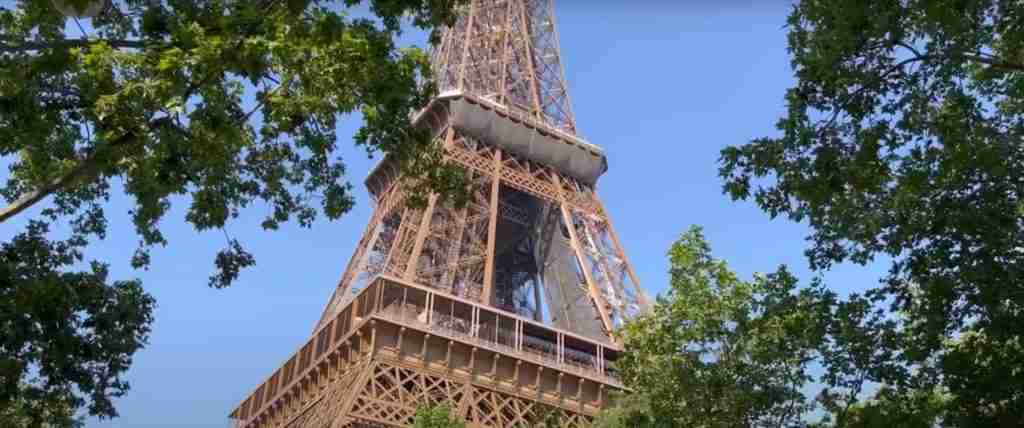
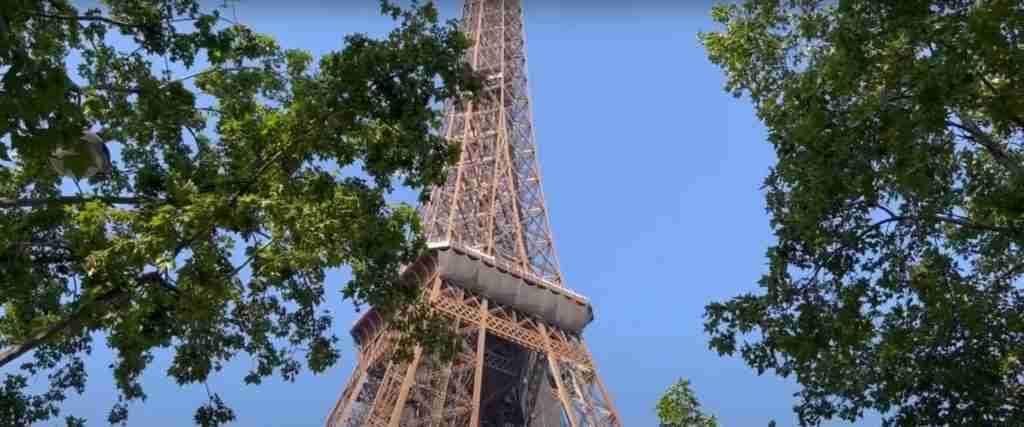
The Eiffel Tower captivates children through its dramatic scale and climbing experience. Second level access (recommended for families versus exhausting summit climb) costs €18.80 for adults, €9.40 for ages 12-24, and €4.70 for ages 4-11 in 2026. Book tickets 1-2 months ahead for preferred time slots, as same-day tickets sell out by mid-morning during peak season. The 10-15 minute elevator ride, glass floor panels, and Paris panorama engage children 60-90 minutes. Evening visits showcasing illuminated Paris create magical experiences, though they require late bedtimes and may disrupt young children’s schedules.
Arc de Triomphe’s rooftop provides 360-degree Paris views accessed via 284 spiral stairs (no elevator). Admission costs €13 for adults with free entry under 18, though the stair climb limits this to ages 7+ with good fitness. The 30-minute climb and viewing platform visit rewards effort with dramatic perspectives and the thrill of conquering the challenging ascent. The central location on Champs-Élysées enables combination with the famous avenue’s shops and cafés.
Notre-Dame’s exterior remains accessible during ongoing restoration following the 2019 fire, with the dramatic Gothic facade, flying buttresses, and gargoyles visible from surrounding spaces. The free viewing satisfies architectural curiosity without interior admission waits, and the adjacent Square Jean XXIII garden provides rest spaces with cathedral views. The nearby archaeological crypt offers underground Paris history for €9 adults, free under 18, when children want additional exploration.
Seine River Activities 2026
River Cruises and Boat Tours
Bateaux Mouches sightseeing cruises cost €15 for adults and €7 for ages 4-12 (under 4 free) for one-hour circular tours passing major monuments—Eiffel Tower, Notre-Dame, Louvre, Musée d’Orsay. Boats depart every 30-45 minutes from Pont de l’Alma, providing flexibility for spontaneous scheduling. The water perspective engages children through movement and changing scenery, while audio guides in 14 languages educate about passing landmarks. The one-hour duration suits most children’s attention spans without extended sitting.
Batobus hop-on-hop-off water buses cost €19 for adults and €10 for ages 3-15 for day passes, stopping at nine locations along the Seine—Eiffel Tower, Champs-Élysées, Orsay, Saint-Germain, Notre-Dame, Jardin des Plantes, Hôtel de Ville, Louvre, Beaugrenelle. Boats operate every 20-30 minutes 10 AM-7 PM (extended summer hours to 9 PM), creating a unique sightseeing and transportation combination. Children enjoy the novelty of boat travel between destinations, though walking or metro prove faster for most routes—consider Batobus as entertainment value rather than efficient transport.
Riverside Parks and Play Areas
Paris Plages transforms Seine riversides into temporary beaches every July-August, adding sand, palm trees, lounge chairs, play areas, and activity zones. The completely free program runs 8 AM-midnight for 4-5 weeks mid-summer, creating urban beach atmosphere with paddle pools, climbing structures, lending libraries, and entertainment. Children splash in water features, build sandcastles, and participate in organized activities while parents relax in provided seating. The multiple locations along Right and Left Banks provide access from various accommodation bases.
Berges de Seine riverside promenades offer permanent pedestrian zones with playgrounds, climbing walls, hopscotch squares, chalkboards, and activity areas stretching 7 kilometers along both banks. The car-free paths accommodate strollers, bicycles, and scooters safely, while regular benches and grass areas enable picnicking. The continuous riverside spaces link major monuments, creating pleasant walking alternatives to busy streets while providing spontaneous play opportunities.
Kid-Friendly Dining Strategies 2026
Restaurant Selection and Timing
Family-friendly restaurants feature kids’ menus (€8-12 for entrée, dessert, and drink), high chairs, changing tables, and tolerant service regarding noise and mess. Chains like Hippopotamus, Léon de Bruxelles, and Flam’s offer reliable family service at €12-18 adult entrées with specific children’s options. Traditional bistros increasingly accommodate families, though calling ahead verifies their comfort level with young children during busy service periods.
Eating lunch at 12 PM-12:30 PM and dinner at 6:30 PM-7 PM—before French dining crowds arrive—provides faster service, better table selection, and accommodating staff who appreciate early diners filling tables during slow periods. This early timing aligns better with children’s natural hunger patterns than French schedules (lunch 1-2 PM, dinner 8-9 PM), preventing hungry meltdowns while waiting for service. Many restaurants offer prix fixe lunch menus at €15-25 versus €25-40 equivalent dinner pricing, creating budget savings for families eating midday meals at restaurants.
Budget-Friendly Family Dining
Picnicking provides the most economical and flexible family dining—purchase bread (€1.50-2), cheese (€3-5), charcuterie (€4-6), fruit (€3-4), and drinks (€3-5) at markets or supermarkets for €15-25 total feeding a family of four. Paris’s extensive parks offer pleasant dining settings with playgrounds keeping children entertained post-meal. This strategy works well for lunches, freeing budget for restaurant dinners when children are often better behaved.
Boulangeries sell sandwiches (€4-6), quiches (€3-5), and pastries (€1.50-3) providing quick, affordable lunches that children typically accept willingly—familiar flavors without adventurous cuisine challenges. Most children embrace French pastries (croissants, pain au chocolat, éclairs) enthusiastically, making bakery stops reliable treats and occasional meal substitutes when restaurant waits become untenable.
Crêperies offer both savory galettes (€8-14) and sweet crêpes (€5-10), providing varied options in single-menu establishments. Children enjoy watching crêpe preparation on large griddles, and the customization options accommodate picky eaters through simple combinations (ham and cheese galettes, Nutella crêpes). The casual atmosphere tolerates family noise and movement better than formal restaurants, reducing parental stress during meals.
Transportation with Children 2026
Metro Navigation with Kids
Children under 4 ride Paris metro free without tickets, while ages 4-9 pay half-price (€1.08 per journey or €8.75 for 10-ticket carnets versus €2.15 and €17.50 for adults). The youth pricing makes metro extremely economical for families—a family of four (two adults, ages 5 and 8) pays €6.46 per trip versus €50-80 for equivalent taxi rides. This dramatic cost difference makes metro mastery essential for budget-conscious families.
Strollers are permitted but challenging during rush hours (8-9 AM, 5:30-7 PM weekdays) when crowding makes navigation difficult. Many stations lack elevators, requiring carrying strollers up/down stairs—check the RATP website’s accessibility maps before planning routes with strollers. Folding strollers simplify the process significantly. Alternatively, baby carriers work better than strollers for metro travel with infants and toddlers, though this option becomes impractical with multiple young children.
The Navigo Découverte weekly pass costs €30.75 for adults (no youth version exists), providing unlimited metro/bus/RER Zone 1-5 travel Monday-Sunday. A family of four with children ages 10+ spends €123 for weekly passes (4 adults) versus €30.75 for 2 adults + €17.50 for child carnets with young kids. Calculate your specific situation—active sightseeing families taking 20+ trips weekly save substantially with passes, while less mobile families with young children may find carnets sufficient.
Walking and Alternative Transportation
Paris’s compact center enables significant walking—the Louvre to Eiffel Tower measures 2 miles (30-40 minutes at child pace), Eiffel Tower to Arc de Triomphe 1.8 miles (25-35 minutes). Children under 5 tire after 30-45 minutes walking, requiring strollers or carriers for extended mobility. Ages 6-10 manage 60-90 minutes walking between rest stops, while teenagers match adult walking capacity. Planning routes with playground stops, ice cream breaks, or interesting shop windows maintains engagement during longer walks.
Bicycle rentals through Vélib’ system cost €3 for 24-hour access or €15 for 7-day access, with child seats available at some stations for ages 9 months-5 years. However, Paris traffic intimidates many families, and the system requires comfort with urban cycling in mixed traffic conditions. Dedicated bicycle tour companies offer family-friendly guided rides with provided bikes and child seats for €35-50 per person, creating safer introduction to Paris cycling.
Sample Family Itineraries 2026
Three-Day First Visit with Young Children (Ages 4-8)
Day 1: Eiffel Tower second level €18.80 adults + €4.70 child (family of 4: €47), picnic lunch at Champ de Mars €20, afternoon Luxembourg Gardens playground and sailboats €9 (2 boats for 30 min each), dinner crêperie €55. Total day cost: €131 per family of four (excluding accommodation).
Day 2: Morning Natural History Museum free admission under 26, lunch picnic Jardin des Plantes €22, afternoon Jardin d’Acclimatation admission €24 (4 people) + 12 ride tickets €42, snacks €12, simple dinner €48. Total day cost: €148 per family of four (excluding accommodation).
Day 3: Morning Seine river cruise €44 (2 adults + 2 kids), lunch bakery sandwiches €24, afternoon Notre-Dame exterior + Square Jean XXIII free, ice cream treats €16, evening Tuileries Gardens playground + carousel €14, dinner bistro €65. Total day cost: €163 per family of four (excluding accommodation).
Three-day total: €442 per family of four (excluding accommodation), demonstrating that Paris family travel balances paid attractions (€155) with free/low-cost activities while managing meal costs through strategic picnicking and bakery purchases.
Three-Day Active Sightseeing with Older Children (Ages 10-14)
Day 1: Louvre morning skip-the-line tour €85 adults + free kids (family of 4: €170), lunch café €48, afternoon Rodin Museum gardens €1 under 18, ice cream €16, Eiffel Tower evening second level €47, late dinner €72. Total day cost: €353 per family of four (excluding accommodation).
Day 2: Versailles day trip with tour €170 adults + €85 kids (€510 family of 4), lunch at Versailles €60, ice cream treats €18. Total day cost: €588 per family of four (excluding accommodation).
Day 3: Morning Cité des Sciences €42 (2 adults + 2 kids ages 2-25), lunch restaurant €58, afternoon Arc de Triomphe free under 18, Champs-Élysées shopping/browsing, dinner €75. Total day cost: €175 per family of four (excluding accommodation).
Three-day total: €1,116 per family of four (excluding accommodation), reflecting more expensive attractions, guided tours, and increased restaurant dining with older children requiring fuller meals and having preferences beyond simple picnic options.
Family Accommodation Strategies 2026
Neighborhood Selection for Families
The Marais (3rd and 4th arrondissements) provides family-friendly atmosphere with playgrounds, bakeries, markets, and safe streets within compact walkable area. Vacation rentals and apartment hotels cost €150-280 per night for 2-bedroom units, offering kitchen facilities that reduce dining costs. The central location enables walking to Notre-Dame, Centre Pompidou, and Place des Vosges while avoiding daily metro logistics with tired children. Multiple supermarkets, pharmacies, and playgrounds within 5-minute walks handle daily family needs.
Latin Quarter (5th arrondissement) places families near Luxembourg Gardens, Natural History Museum, and Panthéon, with student-oriented infrastructure (affordable restaurants, markets, bookstores) supporting family budgets. Accommodations cost €120-250 per night for family-sized apartments, combining cultural attractions with practical amenities. The neighborhood’s intellectual heritage and bookish atmosphere create educational environment for school-age children.
The 7th arrondissement near Eiffel Tower offers elegant residential character with proximity to the iconic monument, Champ de Mars parks, and Invalides. Hotels and apartments cost €180-350 per night for family rooms, reflecting the upscale neighborhood but providing safe, quiet environment with excellent playgrounds. The location suits families prioritizing Eiffel Tower proximity and willing to pay premium for refined surroundings.
Apartment Versus Hotel Considerations
Apartment rentals provide kitchens enabling breakfast and some meal preparation, saving €40-80 daily versus full restaurant dining for families of four. Having laundry facilities allows lighter packing and clothing refresh during extended stays. The additional space—separate bedrooms, living areas—prevents the cabin fever that single hotel rooms create with multiple children. Apartments cost €120-350 per night for 2-3 bedrooms depending on neighborhood and season, comparing favorably to €200-400+ for two hotel rooms accommodating families of 4-5.
Hotels provide daily housekeeping, front desk assistance for questions and reservations, and often breakfast services (included or paid). Family rooms sleeping 4 cost €150-280 per night at mid-range hotels, while connecting rooms at €200-400+ suit larger families. The service and convenience trade off against apartment space and kitchen savings—families prioritizing ease over economy may prefer hotels despite higher costs. Some hotels provide cribs, high chairs, and children’s amenities free or for nominal fees.
Practical Family Travel Tips 2026
Managing Jet Lag and Schedule Adjustments
Jet lag affects children more severely than adults, with recovery taking 1-2 days per time zone crossed. Plan lighter activities for first 1-2 days after arrival from North America (6-9 hour time difference) or Asia (7-11 hours), allowing adjustment through outdoor time, natural light exposure, and earlier bedtimes. Resist letting overtired children nap late afternoon, as this prevents nighttime sleep establishment—instead, provide quiet activities like Seine cruises or gentle park time that keep them awake until early evening bedtime.
Maintaining approximate meal and nap schedules similar to home patterns eases adjustment and prevents hunger/tiredness meltdowns. Young children requiring naps need accommodation time slots mid-day—plan morning activities, return for lunch and nap, then venture out again late afternoon. Attempting to power through naps to maximize sightseeing typically backfires through evening tantrums and poor behavior that ruin family dynamics.
Packing Essentials for Family Paris Travel
Bring strollers for children under 4, though lightweight umbrella-style strollers navigate metro stairs better than full-size models. Baby carriers or backpack carriers work well for 6 months-3 year olds, providing mobility without stroller bulk. Bring snacks (granola bars, crackers, fruit pouches) from home to avoid paying €3-5 for equivalent items at Paris convenience stores—having familiar foods prevents hunger meltdowns between meals.
Pack small first aid supplies (bandages, children’s pain relievers, thermometer, any prescription medications) as pharmacy purchases require navigating language barriers and French product equivalents. Bring travel wipes, hand sanitizer, and plastic bags for various cleanup situations. European diapers cost €10-15 per package (slightly more than U.S. prices), so bringing one week’s supply makes sense for short trips while purchasing additional supplies locally for extended stays.
Dealing with Picky Eaters
French cuisine challenges picky eaters through unfamiliar preparations and sophisticated flavors. However, reliable fallbacks exist: pain (bread—available everywhere), jambon-beurre sandwiches (ham and butter on baguette), pâtes (plain pasta with butter or tomato sauce at most restaurants), poulet et frites (chicken and fries—available at numerous establishments), and crêpes (customizable to simple preferences). These basics sustain selective children while adults enjoy diverse French cuisine.
Supermarkets stock familiar items—yogurt, fresh fruit, cheese, crackers—creating backup options when restaurant meals fail. Having apartment kitchens enables preparing occasional familiar meals (pasta, sandwiches, breakfast foods) that reset picky eaters between adventurous dining attempts. Bringing a few favorite packaged snacks from home provides comfort foods during adjustment periods, though European equivalents typically exist at local stores for longer stays.
Seasonal Family Considerations 2026
Spring Family Travel (March-May)
Spring brings pleasant 10-18°C temperatures ideal for outdoor activities, blooming gardens at Luxembourg and Tuileries, and moderate crowds through April (Easter week excepted). May offers optimal family conditions—comfortable weather, full attraction operation, manageable tourist volumes. Pack layers as temperatures vary 10 degrees between morning and afternoon, plus light rain jackets for frequent spring showers. Cherry blossoms peak late March-early April, creating photogenic park scenes that children enjoy.
Summer Peak Season (June-August)
Summer delivers maximum daylight (sunset 10 PM in June), warm 20-28°C temperatures, and full programming at parks and attractions. However, July-August bring oppressive crowds at major monuments, highest accommodation prices, and occasional heat waves reaching 35°C. The Paris Plages beach program and extended park hours benefit families, while French school holidays create competing domestic tourism. Book accommodations and attractions 8-12 weeks ahead for summer travel, as popular options fill completely.
Fall Shoulder Season (September-October)
September offers summer conditions with thinning crowds as European school resumes, while October provides beautiful fall weather at reduced prices. Temperatures range 12-20°C, requiring moderate layering. This season delivers optimal value—pleasant weather, full attraction access, and pricing 15-20% below summer peaks. November brings increasing cold, rain, and shortened days that limit outdoor activities, though indoor attractions maintain appeal for weather-resistant families.
Winter Challenges and Benefits (December-February)
Winter creates limitations through 2-8°C temperatures, 5 PM sunset, and frequent rain—outdoor playgrounds become less appealing and children tire of museums faster with limited outdoor alternatives. However, Christmas markets, ice skating rinks, and holiday decorations create magical winter experiences. January-February offer deepest accommodation discounts (30-40% below summer) for budget-focused families accepting weather limitations. Focus itineraries on indoor attractions (museums, aquarium, Cité des Sciences) supplemented with brief outdoor landmark viewing.
FAQ: Paris with Kids 2026
What age is best for a child’s first Paris visit?
Ages 6-12 provide optimal first-visit timing—children are old enough to remember experiences, walk reasonable distances, handle longer activities, and appreciate cultural and historical significance without constant entertainment needs. Children under 4 require strollers, frequent breaks, and simplified activities that limit adult sightseeing, though Paris accommodates young children well through extensive playgrounds and parks. Teenagers appreciate Paris’s sophistication, fashion, and urban culture, making it excellent for ages 13-17 who can engage with art, history, and cuisine meaningfully.
Are Paris museums boring for children?
Traditional art museums (Louvre, Orsay) challenge children under 10 unless visits target specific child-friendly sections (Egyptian mummies, armor collections, Impressionist paintings) and last only 60-90 minutes. Interactive museums (Cité des Sciences, Natural History Museum, Musée de la Magie) engage children 3-5 hours through hands-on exhibits, dramatic displays, and active learning. The key is matching museum selection to children’s interests and limiting duration before restlessness sets in. Audio guides, scavenger hunts, and focused objectives (find 5 animals in paintings) transform potentially boring visits into engaging challenges.
Can you bring strollers on the Paris metro?
Strollers are permitted but impractical during rush hours (8-9 AM, 5:30-7 PM weekdays) due to crowds. Many stations lack elevators, requiring carrying strollers up/down stairs—the RATP website shows which stations have elevators, though even elevator-equipped stations may have broken lifts. Lightweight umbrella strollers navigate metro complexities better than bulky full-size models. Baby carriers eliminate stroller challenges entirely for infants and toddlers, though they become impractical for heavier children or when touring multiple consecutive hours.
What should kids absolutely not miss in Paris?
Essential family experiences include: Eiffel Tower second level for iconic Paris symbol and dramatic views, Luxembourg Gardens for world-class playground and sailboat pond, Seine river cruise for water perspective and movement, Natural History Museum for dinosaurs and dramatic exhibits, fresh croissants and pain au chocolat from authentic boulangeries, Jardin d’Acclimatation for amusement park fun, Notre-Dame exterior for Gothic architecture, and ice cream from Berthillon or Amorino. These experiences balance education, entertainment, and sensory engagement that children remember long-term.
How do you handle bathroom emergencies with kids in Paris?
Public restrooms exist at metro stations (often paid €0.50-1), parks, museums (free with admission), and department stores. Cafés and restaurants reserve facilities for customers—ordering an espresso (€2-3) legitimizes restroom use. Teach children to communicate “Où sont les toilettes?” (Where are the toilets?) for direct requests. Emergency situations sometimes require purchasing a small item at shops to access facilities. Plan bathroom stops around café breaks and museum visits rather than relying on street-level facilities which are limited. Apps like “Toilets in Paris” map nearby facilities, though downloading offline before traveling ensures access without data.
Is Paris safe for children at night?
Central Paris neighborhoods remain safe during evening hours, with families dining out until 9-10 PM routinely. Metro stations and tourist areas maintain police presence and general safety through late evening. However, deserted side streets, parks after dark, and certain outlying neighborhoods warrant caution. Stick to well-lit main streets, avoid isolated areas, and use taxis or ride-shares for late returns to accommodations rather than walking through unfamiliar areas after 11 PM. The bigger concern is child tiredness rather than danger—late evenings create exhausted, cranky children that diminish next-day experiences.
Can you find English-speaking doctors in Paris if children get sick?
The American Hospital of Paris (63 Boulevard Victor Hugo, Neuilly-sur-Seine) provides English-language medical services specifically for international patients. Many central Paris clinics and hospitals employ English-speaking staff accustomed to treating tourists. Travel insurance often includes 24/7 phone assistance connecting with appropriate English-speaking medical providers. Pharmacies can advise on minor ailments and recommend when doctor visits are necessary. Common childhood illnesses (colds, stomach issues, minor injuries) rarely require sophisticated communication—translation apps bridge gaps for basic symptoms and treatment instructions.
What if kids refuse to walk anymore during sightseeing?
Build regular breaks into daily schedules—stop at playgrounds every 90 minutes, take café breaks with hot chocolate or juice, include metro rides even for walkable distances to provide rest. Set clear expectations (“We’ll walk to the museum, play at the park, then take metro home”) so children understand the day’s structure. Bring lightweight foldable strollers for children under 6 as backup when walking refusal occurs. Some situations warrant flexibility—taxi rides or early returns to accommodations prevent forced marches that ruin family dynamics and poison attitudes toward remaining trip days.
Are there kid-friendly tours of major Paris attractions?
Family-specific tours of the Louvre (€65-85 for 2-hour experiences), Versailles (€120-150 including transport and admission), and Paris walking tours (€35-50) employ guides trained to engage children through stories, games, and interactive elements rather than academic lectures. These specialized tours cost 20-30% more than adult tours but deliver superior experiences for families with children under 12. Private family tours (€250-400 for half-day) customize completely to children’s ages, interests, and attention spans, making them economical for families of 4-6 when split among multiple participants.
What happens if children misbehave in restaurants or public spaces?
French cultural expectations emphasize quiet, well-behaved children in public—loud disruptions, running, or tantrum tolerance is lower than in North America. However, most Parisians distinguish between normal child energy and parental permissiveness, showing patience when parents actively manage behavior. Remove disruptive children from restaurants temporarily until they calm down, apologize to nearby diners for disturbances, and choose family-friendly establishments over upscale restaurants when children are tired or cranky. The key is demonstrating respect for others’ experiences through active parenting rather than ignoring disruptions.