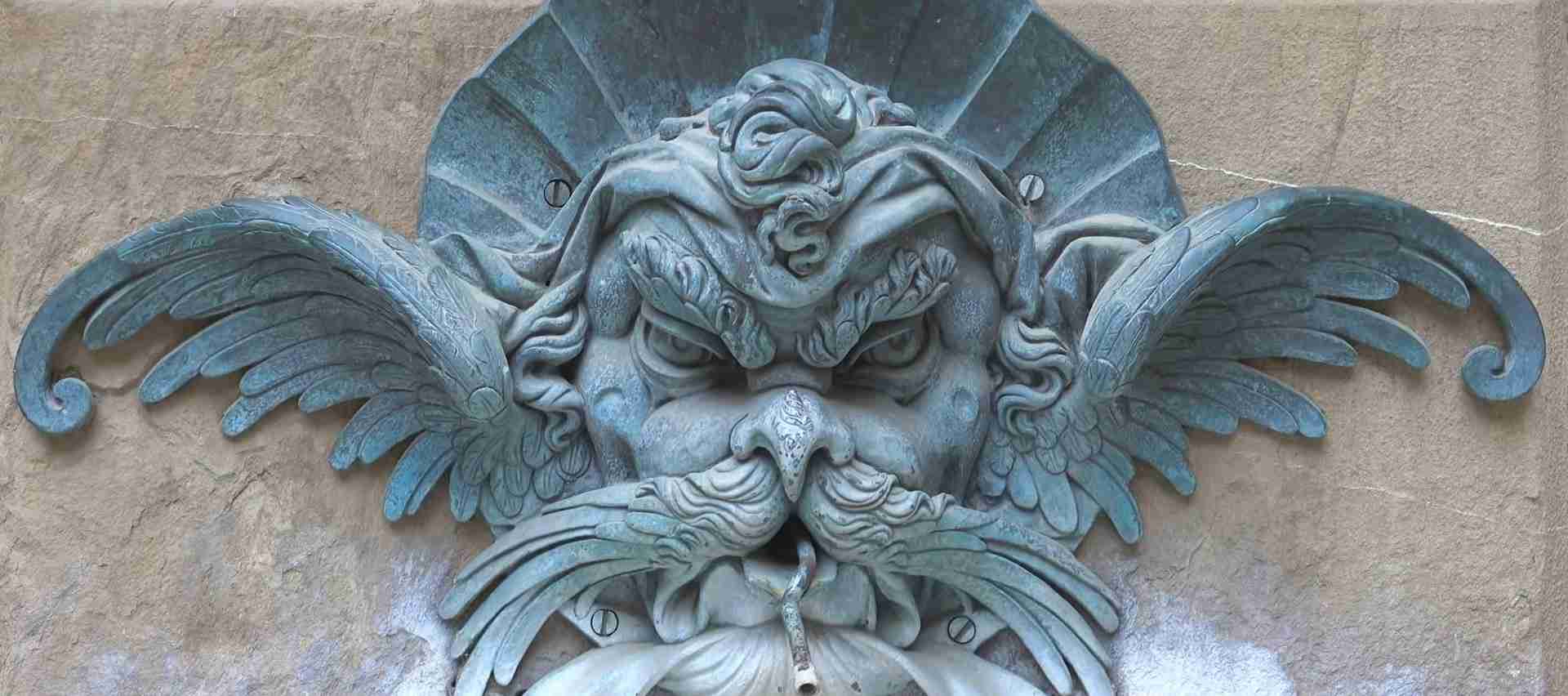
Visiting Palazzo Pitti & Boboli Gardens: Complete Guide
Palazzo Pitti and Boboli Gardens form Florence’s largest museum complex, offering an unparalleled journey through five centuries of Medici power, artistic patronage, and landscape architecture across 45 hectares of Renaissance grandeur. This comprehensive guide reveals both the iconic masterpieces and hidden treasures that make this destination essential for understanding Florence’s cultural supremacy.
Key Takeaways
- Palazzo Pitti houses five distinct museums with over 500 Renaissance and Baroque masterpieces, including the world’s largest Raphael collection in the Palatine Gallery’s 28 lavishly frescoed rooms
- Boboli Gardens pioneered the Italian formal garden style that influenced European court design for three centuries, featuring monumental fountains, theatrical grottos, and panoramic terraces across 111 acres
- The complex serves as a complete architectural and artistic record of three ruling dynasties—Medici, Habsburg-Lorraine, and Savoy—with preserved royal apartments, ceremonial halls, and courtly entertainment spaces
- Strategic visiting requires 4-6 hours minimum to experience both palace galleries and gardens comprehensively, with early morning entry (8:15 AM) providing optimal lighting for art viewing and cooler garden temperatures
- The site offers multiple thematic experiences—art history through Renaissance and Baroque masterpieces, fashion evolution through 400 years of costume collections, landscape architecture through pioneering garden design, and Medici history through preserved living spaces
- Four garden entrances (Pitti Palace courtyard, Annalena gate, Porta Romana, Forte Belvedere) enable different exploration routes, with the Viottolone cypress avenue and Buontalenti Grotto representing unmissable highlights
People Also Ask About Palazzo Pitti & Boboli Gardens
How Much Time Do You Need at Palazzo Pitti and Boboli Gardens?
A comprehensive visit to Palazzo Pitti and Boboli Gardens requires 4-6 hours to experience the major highlights across all five palace museums and the garden’s key features. The Palatine Gallery alone deserves 90-120 minutes to properly appreciate the 28 rooms of Renaissance and Baroque masterpieces. The Gallery of Modern Art adds another 60-90 minutes for its chronological journey through 18th-20th century Italian painting and sculpture. The Treasury of the Grand Dukes (Silver Museum) requires 45-60 minutes to explore its ornate ground-floor rooms displaying Medici treasures, while the Costume and Fashion Museum benefits from 30-45 minutes to appreciate its rotating exhibitions of historical garments spanning four centuries.
Boboli Gardens exploration varies dramatically based on visitor interests and physical stamina. A focused tour covering the Amphitheatre, Buontalenti Grotto, Neptune Fountain, and Viottolone avenue takes 90-120 minutes at a moderate pace. Garden enthusiasts seeking to explore the upper terraces, Porcelain Museum, Kaffeehaus, and quieter pathways should allocate 2-3 hours. Photography-focused visitors often spend 3-4 hours capturing the gardens’ sculptural details, fountain compositions, and panoramic city views from elevated positions. Visitors combining both palace and gardens in a single day should plan arrival at 8:15 AM opening to complete the circuit before late afternoon fatigue sets in, particularly during summer months when garden temperatures reach uncomfortable levels after 2 PM.
What Is the Difference Between Palazzo Pitti and Boboli Gardens Tickets?
Palazzo Pitti and Boboli Gardens operate separate ticketing systems despite their physical connection, allowing visitors to purchase entrance to either location independently or through combined passes. The Palazzo Pitti ticket (€16 full price, €2 reduced, plus €3 reservation fee) grants access to all five palace museums: Palatine Gallery, Royal Apartments, Gallery of Modern Art, Treasury of the Grand Dukes, Museum of Costume and Fashion, and the Museum of Russian Icons with Palatine Chapel. This single palace ticket provides comprehensive coverage of the building’s interior spaces, from the ground-floor treasury rooms through the second-floor fashion galleries, and remains valid for the entire day of visit with no time restrictions once inside.
The Boboli Gardens ticket functions as a separate admission covering the gardens themselves plus the Porcelain Museum located within the upper terraces and access to the connected Bardini Gardens adjacent to the eastern boundary. Combined ticket options offer economic advantages for visitors planning to experience both locations—a single-day combined pass includes both palace museums and garden access, while a five-day PassePartout provides unlimited entry to Uffizi Gallery, Palazzo Pitti, and Boboli Gardens. Annual passes (PassePartout year-long) suit Florence residents and repeat visitors with unlimited priority admission to the entire Uffizi Galleries museum network. The separate ticketing structure allows art-focused visitors to skip the gardens during inclement weather or limited-time visits, while landscape and photography enthusiasts can access the gardens independently without museum obligations.
Can You Visit Boboli Gardens Without Entering Palazzo Pitti?
Boboli Gardens maintains independent access through three dedicated entrances that bypass Palazzo Pitti entirely, enabling garden visits without palace entry. The Annalena entrance on Via Romana provides direct garden access from Florence’s southern streets, positioning visitors near the Amphitheatre and lower terraces within minutes of entry. The Porta Romana gate at the southern garden boundary offers another street-level entrance, placing visitors at the gardens’ far extent with opportunities to walk northward toward the palace through progressively ascending terraces. The Forte Belvedere entrance (reopened July 2022) provides access from the eastern hilltop, delivering immediate panoramic views before descending through the gardens’ elevated sections.
These independent entrances serve strategic purposes beyond convenience. Garden-focused visitors can purchase Boboli Gardens-only tickets and explore the 111-acre landscape without palace museum obligations, reducing time commitment and ticket costs. Photography specialists often enter through Porta Romana or Forte Belvedere to capture morning light on sculptural features and fountain compositions before crowds arrive. The multiple access points also enable efficient circulation—visitors can enter through one gate, traverse the gardens’ full length, and exit through another, creating linear rather than backtracking routes. However, the primary Pitti Palace courtyard entrance remains the most popular access point, providing immediate orientation to the gardens’ layout and proximity to facilities including restrooms, bookshop, and information desk located within the palace courtyard.
What Are the Must-See Highlights in Palazzo Pitti?
Palazzo Pitti’s must-see highlights span five museums, but certain masterpieces and spaces represent non-negotiable stops for first-time visitors. The Palatine Gallery’s Sala di Saturno (Saturn Room) houses Raphael’s most important works including the Madonna della Seggiola and portraits demonstrating his mastery of psychological depth and compositional harmony—this room alone justifies the palace visit for Renaissance art enthusiasts. The adjacent Venus Room displays Titian’s sensuous La Bella and The Concert, while the Mars Room contains Rubens’ monumental Consequences of War, a Baroque masterpiece expressing the Thirty Years’ War’s devastation through allegorical figures. These three ceremonial rooms—part of the six-room facade suite—showcase the Palatine Gallery’s unique “quadreria” hanging style where paintings cover walls floor-to-ceiling in Renaissance display fashion rather than modern museum spacing.
Beyond the Palatine Gallery’s painting galleries, the Royal Apartments in the palace’s south wing present 14 ceremonial chambers reopened in January 2025 after extensive restoration, revealing how successive ruling families adapted Medici spaces to Habsburg-Lorraine and Savoy tastes through changing furniture, textiles, and decorative arts. The Treasury of the Grand Dukes (ground floor) contains jaw-dropping Medici treasures including Lorenzo the Magnificent’s vase collection, featuring ancient Roman vessels mounted in elaborate Renaissance settings created by court goldsmiths. The Gallery of Modern Art’s Sala delle Nicchie contains sculptures by Antonio Canova alongside paintings documenting the transition from Neoclassicism through Romanticism to Macchiaioli (Italian Impressionist) innovations, providing essential context for understanding 19th-century Italian cultural development.
Extended multi-day tours – 5+ days
Featured Florence Multi-Day Tour Packages
3 days
Florence 3-Day Discovery Tour
- ✓ Comprehensive Florence experience
- ✓ Expert local guides included
- ✓ All accommodation included
- ✓ Transportation provided
5 days
Florence 5-Day Highlights Experience
- ✓ Comprehensive Florence experience
- ✓ Expert local guides included
- ✓ All accommodation included
- ✓ Transportation provided
7 days
Florence 7-Day Cultural Journey
- ✓ Comprehensive Florence experience
- ✓ Expert local guides included
- ✓ All accommodation included
- ✓ Transportation provided
10 days
Florence 10-Day Complete Adventure
- ✓ Comprehensive Florence experience
- ✓ Expert local guides included
- ✓ All accommodation included
- ✓ Transportation provided
Multi-day tour packages powered by TourRadar. Prices and availability subject to change.
Introduction: Florence’s Royal Palace and Renaissance Garden Legacy
Palazzo Pitti transcends its identity as Florence’s largest museum complex to embody four centuries of political power, artistic patronage, and dynastic transformation that shaped European culture from the Renaissance through Italian unification. The massive three-story palace, stretching 205 meters across its rusticated stone facade, began in the 1450s as Florentine banker Luca Pitti’s ambitious residence—potentially designed by Filippo Brunelleschi—before becoming the Medici family’s principal residence in 1549 when Eleonora di Toledo purchased the property for her husband, Grand Duke Cosimo I de’ Medici. This acquisition transformed a wealthy merchant’s palace into the administrative and ceremonial heart of the Tuscan Grand Duchy, initiating centuries of expansion, artistic accumulation, and landscape development that created today’s museum complex.
The palace’s evolution mirrors Florence’s political transitions. The Medici dynasty (1549-1737) established the building’s artistic foundation, commissioning Pietro da Cortona’s breathtaking Baroque ceiling frescoes in the Palatine Gallery’s planetary rooms and accumulating Renaissance masterpieces through strategic marriages, diplomatic gifts, and direct artist commissions. The Habsburg-Lorraine grand dukes (1737-1859) introduced Neoclassical elements and expanded the collections with contemporary acquisitions, while opening portions of the galleries to public viewing—a progressive move anticipating modern museum concepts. The brief Savoy occupation as Italy’s royal residence (1865-1871 during Florence’s capital period) left final decorative layers before the palace’s 1919 donation to the Italian state transformed private royal apartments into public museums accessible to all citizens.
Boboli Gardens extends behind and above Palazzo Pitti across 45 hectares of sculpted terrain that pioneered the “Italian formal garden” model influencing Versailles, Schönbrunn, and countless European royal landscapes. Initiated by Cosimo I’s commission to architect Niccolò Tribolo in 1549, the gardens evolved through successive designers including Bartolomeo Ammannati, Bernardo Buontalenti, and Giulio and Alfonso Parigi, each adding theatrical elements—grottos, fountains, amphitheatres, tree-lined avenues—that transformed natural topography into controlled artistic expression. The gardens’ Renaissance conception viewed landscape as sculptural material shaped through geometric planning, axial perspectives, and architectural features that asserted human mastery over nature while creating outdoor rooms for courtly entertainment, botanical study, and aristocratic display.
The gardens opened to public access in 1766 under Grand Duke Peter Leopold, making them among Europe’s first royal gardens available to citizens rather than exclusively aristocratic visitors—a democratic gesture reflecting Enlightenment principles. Today, Boboli Gardens functions as an outdoor sculpture museum containing works spanning Roman antiquity through 20th-century installations, with monumental fountains, theatrical grottos, and hidden garden rooms revealing successive centuries of landscape architecture innovation. The terraced topography creates distinct microclimates and visual experiences—shaded grotto coolness transitions to sun-drenched amphitheatre exposure, while upper terraces deliver panoramic Florence views that contextualize the palace and city within Tuscany’s broader landscape.
Understanding Palazzo Pitti and Boboli Gardens requires recognizing their integrated identity as a single cultural complex where architecture, painting, decorative arts, fashion, and landscape design converge to document Florence’s evolution from Renaissance republic through grand ducal power to modern democratic state. The five palace museums preserve artistic achievements across media—from Raphael’s paintings to Medici silver treasures to 18th-century court costumes—while the gardens demonstrate how landscape architecture expressed political power through controlled natural beauty. Together, they represent the Medici legacy: artistic patronage that elevated Florence to European cultural dominance, collecting ambitions that preserved Renaissance masterpieces for future generations, and landscape vision that redefined gardens as high art rather than mere ornamental spaces.
Historical Evolution: From Pitti Ambition to Medici Power Center
Luca Pitti’s mid-15th century palace commission embodied merchant-class social ambition that challenged aristocratic architectural norms. As a wealthy Florentine banker aligned with the Medici family before turning rival, Pitti demanded a residence surpassing all contemporary palaces in scale and magnificence. The original design—attributed by some scholars to Filippo Brunelleschi, though likely executed by his follower Luca Fancelli after Brunelleschi’s death—featured seven bays of massive rusticated stonework creating an imposing facade that proclaimed Pitti’s wealth and status. The rustication style, using rough-hewn stones with deep joints, derived from military architecture and Roman civic buildings, lending the palace formidable presence compared to the smoother ashlar masonry favored by Florentine palazzi.
Pitti’s financial collapse halted construction around 1470, leaving the palace incomplete for nearly eight decades. The building remained a half-finished monument to overreaching ambition until 1549 when Eleonora di Toledo, wife of Grand Duke Cosimo I de’ Medici, purchased the property as the Medici family’s new principal residence. Eleonora recognized the palace’s strategic advantages: its location across the Arno River in the Oltrarno district provided distance from potential political unrest in the city center, while the extensive hillside property behind the palace enabled the grand-scale garden development impossible at the cramped Palazzo Vecchio site. Cosimo I immediately commissioned Bartolomeo Ammannati to enlarge and complete the palace, tripling its size through lateral extensions that maintained the original rusticated aesthetic while creating the imposing 205-meter facade dominating Piazza Pitti today.
The Medici era (1549-1737) transformed Palazzo Pitti from a private residence into the Tuscan state’s ceremonial and administrative heart. Grand Duke Cosimo I moved government functions from Palazzo Vecchio, establishing the palace as the seat of ducal power while constructing the Vasari Corridor—an elevated enclosed passageway connecting Palazzo Vecchio across the Ponte Vecchio to Palazzo Pitti—enabling secure movement between buildings during civic unrest. Successive grand dukes expanded the palace and gardens continuously. Francesco I added the Tribuna to display Medici treasures and commissioned Bernardo Buontalenti to create the theatrical grottos that became Boboli Gardens’ signature features. Ferdinando I extended the southern wing and commissioned the Amphitheatre’s completion, creating an outdoor theater for court entertainments including equestrian performances and early opera productions.
The 17th century witnessed Palazzo Pitti’s artistic zenith under Medici patronage. Grand Duke Ferdinando II commissioned Pietro da Cortona to fresco the Palatine Gallery’s planetary rooms (1637-1647), creating Baroque ceiling masterpieces celebrating Medici virtues through mythological allegories. These five interconnected rooms—dedicated to planets Venus, Jupiter, Mars, Apollo, and Saturn—feature illusionistic architectural frames opening to celestial scenes populated by gods and allegorical figures. Da Cortona’s innovative quadratura technique created the illusion of actual architecture supporting the painted heavens, influencing Baroque ceiling decoration across Europe. Simultaneously, the Medici accumulated the Renaissance and Baroque painting collection that forms today’s Palatine Gallery core, acquiring works by Raphael, Titian, Rubens, Caravaggio, and Artemisia Gentileschi through diplomatic gifts, strategic purchases, and direct artist commissions.
The Medici dynasty’s extinction in 1737 with Gian Gastone de’ Medici’s death transferred Palazzo Pitti to the Habsburg-Lorraine family under terms negotiated between European powers. The last Medici ruler, Electress Palatine Anna Maria Luisa, secured the “Family Pact” guaranteeing that Medici art collections would remain in Florence as inalienable public patrimony—a visionary stipulation that preserved the palace galleries for future generations. The Habsburg-Lorraine grand dukes (1737-1859) respected this agreement while introducing their own tastes. Grand Duke Peter Leopold instituted Enlightenment reforms including opening palace galleries and Boboli Gardens to the public, commissioning the Kaffeehaus pavilion in the gardens’ terraced area, and reorganizing collections according to emerging museum principles. His successors added Neoclassical elements including the Meridiana wing’s astronomical functions and the Empire-style furnishings that modernized royal apartments.
Palazzo Pitti’s final dynastic chapter began in 1865 when Florence became Italy’s capital following unification, making the palace the House of Savoy’s royal residence. King Victor Emmanuel II and Queen Margherita occupied the Royal Apartments, commissioning final decorative updates reflecting late 19th-century taste. The capital’s 1871 transfer to Rome ended the palace’s political functions, beginning its transformation toward full museum status. The Italian state’s 1919 acquisition completed this evolution, opening all palace areas to public visitation and establishing the current five-museum structure. Subsequent 20th-century developments added the Gallery of Modern Art (1922), Museum of Costume and Fashion (1983), and Museum of Russian Icons (2017), expanding the palace’s scope beyond Renaissance and Baroque art to encompass decorative arts, fashion history, and cultural exchange documentation.
Architecture and Spatial Organization: Understanding the Palace Layout
Palazzo Pitti’s architecture embodies Renaissance power aesthetics through monumental scale, rusticated stonework, and horizontal composition that prioritizes mass over decorative ornament. The 205-meter facade spans three stories above a raised basement, organized into 23 bays (window units) creating rhythmic repetition that emphasizes the building’s overwhelming length. The rustication—massive rough-hewn stones with deep recessed joints—derives from Florentine military architecture and Roman civic buildings, creating an imposing texture that catches shadow patterns and conveys permanence and strength. Unlike typical Renaissance palaces featuring distinct story differentiation through varying window treatments, Palazzo Pitti maintains uniform rustication across all three levels, creating unrelenting visual consistency that amplifies the building’s fortress-like presence.
The facade’s window design reflects Renaissance classical principles adapted to rusticated walls. Ground-floor windows feature pedimented frames alternating between triangular and segmental pediments—a motif derived from ancient Roman architecture visible at sites like the Pantheon and Hadrian’s Villa. First and second-floor windows display kneeling (or “inginocchiati”) frames where the pediments appear supported by console brackets in architectural anthropomorphism suggesting human figures. These windows increase in height on successive floors, creating upward visual movement despite the horizontal facade composition. The central entrance—a massive rusticated arch leading to the inner courtyard—provides the only vertical emphasis, drawing visitors toward the palace’s heart where spatial experience transforms from exterior monumentality to interior courtyard intimacy.
The Ammannati Courtyard, designed by Bartolomeo Ammannati in 1560-1570, creates the palace’s central hub connecting all museum sections and serving as the primary Boboli Gardens entrance. The three-story courtyard arcade displays Ammannati’s interpretation of Brunelleschi’s architectural vocabulary—round arches supported on Tuscan columns creating shaded loggias around an open central space. The courtyard’s U-shape opens toward the gardens, creating visual and physical transition from urban palace to hillside landscape. During Medici times, this courtyard hosted ceremonies, theatrical performances, and courtly gatherings, functioning as the palace’s social heart. Today, it orients museum visitors, providing access to ticketing, restrooms, the bookshop, and directional signage to the five museums and gardens.
The palace’s vertical organization reflects social and functional hierarchies maintained through centuries of aristocratic occupation. The ground floor housed service functions and the Treasury of the Grand Dukes (Silver Museum), where Medici treasures were stored, displayed, and inventoried. The piano nobile (first floor) contained the ceremonial state apartments—the Palatine Gallery’s planetary rooms and Royal Apartments—where grand dukes received ambassadors, hosted diplomatic banquets, and conducted state business. The second floor held private family quarters, later transformed into the Gallery of Modern Art and Museum of Costume and Fashion. This vertical stratification—service below, ceremony at mid-level, privacy above—typifies aristocratic palace planning across Europe, encoding social distinction into architectural space.
The palace’s wings extended the original Pitti core through Ammannati’s 16th-century expansions and later additions. The south wing houses the Royal Apartments’ 14 ceremonial chambers, recently restored and reopened to reveal Habsburg-Lorraine and Savoy decorative interventions over Medici foundations. The north wing contains additional Palatine Gallery rooms and Gallery of Modern Art spaces. The Meridiana wing, extending southward from the main palace block, added 18th-century living quarters and astronomical observation functions. These expansions created labyrinthine interior circulation requiring clear museum signage to prevent visitor disorientation—a common challenge in adapted aristocratic residences repurposed as public museums.
Palatine Gallery: Renaissance and Baroque Masterpiece Collection
The Palatine Gallery contains over 500 paintings displayed in 28 rooms spanning the palace’s first-floor piano nobile, representing one of Europe’s most important Renaissance and Baroque collections preserved in original aristocratic display context. Unlike modern museums organizing works chronologically or by school, the Palatine Gallery maintains its historical “quadreria” arrangement where paintings cover walls floor-to-ceiling in dense hanging patterns typical of 17th-18th century aristocratic collections. This presentation style reflects how grand dukes experienced art—as overwhelming visual abundance demonstrating wealth, taste, and cultural sophistication—rather than isolated masterpiece contemplation. The effect immerses visitors in Baroque visual culture while challenging modern viewing habits conditioned by white-walled galleries with generous spacing between works.
The Planetary Rooms—dedicated to Venus, Apollo, Mars, Jupiter, and Saturn—represent the gallery’s ceremonial heart and artistic pinnacle. Pietro da Cortona’s ceiling frescoes (1637-1647) transform each room into cosmic theater celebrating Medici virtues through planetary mythologies. The Venus Room ceiling shows the goddess claiming the young prince from the arms of Pallas Athena (wisdom) and drawing him toward love and beauty—an allegory of Grand Duke Ferdinando II’s education balancing martial discipline with aesthetic cultivation. The Mars Room ceiling depicts the god of war conquered by love and Hercules choosing between vice and virtue, while Jupiter’s ceiling shows the god enthroned in majesty surrounded by virtues. These elaborate mythological programs required educated viewers versed in classical literature to decode their political messages glorifying Medici rule.
Raphael’s works in the Palatine Gallery constitute the world’s largest museum collection of the Renaissance master’s paintings outside the Vatican. The Madonna della Seggiola (Madonna of the Chair) in the Sala di Saturno demonstrates Raphael’s mature tondo (circular) composition mastery, depicting the Virgin Mary, infant Christ, and John the Baptist within a circular frame that creates intimate psychological connection between holy figures and viewer. The painting’s brilliant color harmonies—deep reds, rich blues, golden yellows—and the tender maternal gesture of Mary embracing Christ showcase Raphael’s synthesis of naturalistic observation with idealized beauty. Other Raphael masterpieces include the Madonna del Granduca, an earlier work displaying the master’s Perugino training, and several portraits demonstrating his psychological penetration including the Portrait of Tommaso Inghirami showing the Vatican librarian in animated scholarly discourse.
Titian’s works span the Venetian master’s long career from Renaissance clarity to late-style expressionism. La Bella (The Beautiful Woman) in the Sala di Venere portrays an idealized female figure in sumptuous dress, exemplifying Titian’s mastery of texture rendering—silk, velvet, flesh, and jewelry each receive distinct painterly treatment. The painting’s identity remains debated—possibly Eleonora Gonzaga, Duchess of Urbino, or an idealized beauty type—but its visual impact transcends specific identity through Titian’s technical brilliance. The Concert in the same room demonstrates Titian’s ability to capture psychological interaction between figures through glance and gesture, while his later work Portrait of Pietro Aretino shows the elderly satirist-writer in dramatic chiaroscuro revealing character through light and shadow.
Caravaggio’s Sleeping Cupid in the Sala dell’Educazione di Giove represents the revolutionary Baroque master’s only work in the gallery, painted during his Malta period around 1608. The painting depicts the god of love as a sleeping adolescent boy with wings, rendered in Caravaggio’s signature tenebrism where dramatic light emerging from darkness models form with sculptural precision. The work’s naturalism—portraying a divine figure as ordinary sleeping youth—exemplifies Caravaggio’s democratization of religious and mythological subjects through contemporary observation. The painting’s presence among Palatine masterpieces demonstrates Medici collecting ambitions extending beyond local Florentine and Roman schools to embrace the most innovative contemporary artists regardless of origin.
Rubens’ monumental Consequences of War in the Sala di Marte showcases Baroque painting at its most ambitious scale and allegorical complexity. Painted in 1637-1638 during the Thirty Years’ War, the work depicts Mars (war) breaking free from Venus (love) to spread destruction, while various allegorical figures including Alecto (fury), a desperate mother with child, and symbols of architecture and music represent war’s devastation of civilization. Rubens explained the painting’s complex iconography in a letter preserved in Antwerp, providing rare insight into Baroque allegorical thinking. The painting’s turbulent composition, dramatic color contrasts, and emotional intensity create Baroque visual rhetoric arguing for peace through the horrific depiction of war’s consequences—a political message delivered through mythological narrative.
The gallery’s later rooms contain significant works by other masters including Artemisia Gentileschi’s Judith and Her Maidservant, Andrea del Sarto’s Assumption of the Virgin demonstrating the Florentine master’s monumental altarpiece composition, and Cristofano Allori’s Judith with the Head of Holofernes painted using the artist’s mistress as model—a biographical detail adding psychological dimension to the biblical narrative. Dutch and Flemish paintings including works by Rembrandt students and genre specialists represent the collection’s northern European component. The Portrait Gallery houses Habsburg-Lorraine family portraits documenting the dynasty’s physical appearance across generations, functioning as visual genealogy reinforcing dynastic legitimacy through painted representation.
Royal Apartments: Preserved Dynastic Living Spaces
The Royal Apartments occupy 14 ceremonial chambers in Palazzo Pitti’s south wing, reopened to visitors in January 2025 after extensive restoration revealing how three successive ruling dynasties adapted Medici spaces to Habsburg-Lorraine and Savoy tastes through furniture, textiles, and decorative arts. These rooms functioned as semi-public state apartments rather than private family quarters—spaces where grand dukes received important visitors, conducted formal audiences, and displayed dynastic power through architectural grandeur and artistic quality. The restoration preserved distinct decorative layers from different periods, enabling visitors to trace stylistic evolution from Baroque opulence through Neoclassical restraint to 19th-century eclecticism within interconnected rooms serving continuous ceremonial functions across centuries.
The Throne Room exemplifies Medici Baroque ceremonial space transformed by Habsburg-Lorraine Neoclassicism and Savoy modifications. The room’s basic architectural frame—wall pilasters, ceiling coffers, massive fireplace—dates from early Medici occupation, establishing proportions and spatial hierarchy appropriate for throne display and formal receptions. Habsburg-Lorraine interventions introduced Neoclassical furniture including gilded chairs with classical motifs replacing heavier Baroque seating, while updating wall textiles from rich crimson velvets to lighter silk damasks in fashionable colors. The Savoy period added the current throne canopy in red velvet with gold embroidery displaying the Italian royal coat of arms, marking the room’s final dynastic use before museum conversion. This palimpsest of decorative interventions within stable architectural framework demonstrates how aristocratic interiors evolved through stylistic updates rather than wholesale reconstruction.
The Chapel and Throne Room Antechambers reveal court protocol encoded in spatial sequence. Visitors progressed through increasingly restricted spaces—from public reception halls through antechambers to the throne room itself—with each threshold marking social distinction and proximity to royal presence. The antechambers’ furnishings reflect their function as waiting spaces where courtiers, ambassadors, and petitioners anticipated audience, requiring seating for extended waits while maintaining ceremonial dignity. The decorative arts in these spaces—Gobelins tapestries depicting mythological scenes, pietra dura (hardstone inlay) tables displaying Florentine craftsmanship, elaborate chandeliers providing candlelight illumination—demonstrated wealth and taste to visitors before they reached the throne room’s climactic audience with the grand duke.
The bedchambers within the Royal Apartments served ceremonial rather than actual sleeping functions in European court tradition. The State Bedchamber’s elaborately canopied bed, surrounded by gilt railings separating the bed platform from the room’s general space, recalls Versailles protocols where noble birth and royal death occurred semi-publicly within prescribed ceremonial frameworks. The bed’s sumptuous textiles—damask curtains, embroidered coverlets, silk pillows—represented extraordinary material investment in a piece of furniture that saw little actual sleep use. These ceremonial beds functioned as throne equivalents in private apartments, locations where the ruler received intimate advisors and family members in less formal settings than throne room audiences but maintaining spatial hierarchy through furniture placement and decorative emphasis.
The Audience Rooms preserve Habsburg-Lorraine furniture ensembles demonstrating Neoclassical taste’s influence on aristocratic interiors. Chairs, sofas, and tables designed in the Greek revival style—characterized by clean lines, classical motifs like acanthus leaves and Greek key patterns, and restrained gilding—replaced earlier Baroque furniture’s sculptural exuberance with geometric clarity and archaeological correctness. These pieces often originated from Florentine workshops trained in Neoclassical design principles that spread across Europe following Pompeii and Herculaneum excavations in the mid-18th century. The furniture’s arrangement in symmetrical groups around room perimeters, leaving central floor space clear, reflects Neoclassical spatial concepts emphasizing architectural clarity over Baroque dynamic asymmetry.
The Savoy modifications visible in several apartments demonstrate late 19th-century historicist taste mixing period elements in eclectic combinations. The Green Room’s furniture includes authentic 18th-century French pieces alongside 19th-century reproductions, creating period atmosphere rather than archaeological accuracy. Wall coverings in embossed leather, silk damasks, and painted wallpapers represent the era’s textile production advances enabling middle-class consumers to approximate aristocratic interior effects through industrial manufacturing. These Savoy-period rooms capture aristocratic domestic culture’s final phase before World War I—a moment when traditional ceremonial functions persisted alongside emerging bourgeois comfort values, visible in furniture design balancing formal appearance with actual usability.
Treasury of the Grand Dukes: Medici Precious Objects Collection
The Treasury of the Grand Dukes (Tesoro dei Granduchi), historically known as the Silver Museum (Museo degli Argenti), occupies Palazzo Pitti’s ground-floor summer apartments where Medici grand dukes resided during Florence’s hot months. The museum displays the Medici family’s extraordinary collection of precious objects including hardstone vessels, jewelry, cameos, ivory carvings, rock crystal pieces, amber objects, and the silver treasures that gave the museum its traditional name. These items functioned as dynastic wealth display, diplomatic gifts, alchemical curiosities, and aesthetic objects collected for their material rarity, artistic craftsmanship, and symbolic meanings. The collection’s diversity—spanning ancient Roman hardstone vessels through Renaissance goldsmith masterpieces to Baroque amber and ivory virtuosity—documents evolving collecting tastes across Medici generations while preserving objects whose material preciousness, technical difficulty, and artistic quality made them supreme luxury goods in pre-industrial Europe.
Lorenzo the Magnificent’s vase collection represents the museum’s most historically significant holdings, demonstrating Renaissance humanist collecting that valued ancient Roman objects for archaeological, aesthetic, and philosophical reasons. These hardstone vessels—carved from porphyry, serpentine, agate, jasper, and other semi-precious stones—originated in Roman imperial workshops where craftsmen exploited natural stone patterns and colors to create cups, bowls, and vases of extraordinary beauty. Lorenzo commissioned Renaissance goldsmiths to create elaborate gold and enamel mounts transforming ancient vessels into hybrid objects celebrating both classical past and contemporary craftsmanship. The famous Lorenzo Vase combines an ancient Egyptian agate cup with Renaissance gold mount bearing Lorenzo’s name in Latin inscription—a deliberate connection between Medici patronage and classical civilization legitimizing family cultural authority.
The museum’s ground-floor rooms preserve original Baroque fresco decoration creating architectural fantasies and trompe-l’oeil effects. Giovanni da San Giovanni’s ceiling frescoes in the Sala di Giovanni da San Giovanni depict Lorenzo the Magnificent’s reception of tribute from foreign ambassadors—a mythologized history painting celebrating Medici cultural prestige through imagined Renaissance scenes. Other rooms feature quadratura frescoes creating illusionistic architecture extending actual walls into painted colonnades, loggias, and terraces populated by allegorical figures. These frescoed environments transformed functional palace rooms into theatrical spaces where Medici treasures displayed against fantastical backdrops became props in aristocratic self-representation.
The Amber Room contains Europe’s finest collection of 17th-century Baltic amber objects when this fossilized resin enjoyed tremendous popularity among aristocratic collectors. Amber’s warm golden transparency, relative softness enabling detailed carving, and supposed medicinal properties made it precious despite organic rather than mineral composition. The collection includes elaborate caskets, portrait reliefs, drinking vessels, and devotional objects demonstrating German and Baltic craftsmen’s virtuosity in exploiting amber’s translucency through thin-carved panels and backlit effects. Many pieces combine amber with other materials—ivory, silver, precious woods—creating multimedia masterpieces where material contrasts enhance overall visual impact. The Amber Room’s environmental controls protect these fragile objects from light damage and temperature fluctuations that would crack or cloud the resin.
The ivory collection demonstrates another organic material’s importance in pre-industrial luxury production. Elephant ivory’s fine grain, cream color, and carving properties made it ideal for detailed relief sculpture, turned vessels, and inlay work. The museum’s ivories include German and Flemish baroque tankards carved with mythological narratives, Italian Renaissance relief plaques depicting classical scenes, and Indian Mughal vessels demonstrating cultural exchange between Medici Florence and Asian courts. Many ivory objects served dual functions as art works and useful implements—drinking cups, writing implements, scientific instruments—blurring boundaries between aesthetic and practical objects in ways challenging modern art versus craft distinctions.
The jewelry collection preserves Medici personal ornaments and diplomatic gifts demonstrating European goldsmith technique evolution from Renaissance simplicity through Baroque elaboration. Rings, necklaces, brooches, and hair ornaments employ techniques including enameling, gem-setting, filigree work, and granulation to transform gold and precious stones into wearable art. The collection’s cameos and intaglios—carved gemstones depicting portraits, mythological scenes, and classical subjects—represent miniature sculpture achieving remarkable detail in materials including onyx, sardonyx, and carnelian. These objects functioned as portable wealth, status symbols, and aesthetic luxuries while demonstrating the owner’s cultural sophistication through classical subject recognition.
Gallery of Modern Art: Italian Painting 1700s-1900s
The Gallery of Modern Art occupies Palazzo Pitti’s second floor in rooms that formerly served as Habsburg-Lorraine and Savoy private apartments. “Modern” in this context means post-Baroque, spanning Neoclassicism through Romanticism to early 20th-century movements rather than contemporary art in today’s usage. The collection documents Italian painting and sculpture evolution from 18th-century academicism through Macchiaioli (Italian Impressionist) innovations, providing essential context for understanding how Italian art navigated between classical tradition and modern experimentation. The gallery’s 30 rooms display approximately 2,000 works organized chronologically and by artistic movement, enabling visitors to trace stylistic development while appreciating individual masterpieces by significant Italian artists often overlooked in international museums favoring French and German modernism.
The Neoclassical galleries showcase Italian art’s response to archaeological discoveries at Pompeii and Herculaneum and the Roman Grand Tour phenomenon. Antonio Canova’s sculptures including Venus Italica (commissioned by Napoleon to replace the Medici Venus sent to Paris) demonstrate Neoclassical sculpture’s smooth marble surfaces, idealized proportions, and classical subject matter. Paintings by Pompeo Batoni, Giuseppe Bezzuoli, and Francesco Hayez reveal how Italian artists adapted classical themes to contemporary tastes, creating history paintings that satisfied aristocratic patronage while incorporating archaeological accuracy from direct ancient art study. These works embody the Neoclassical belief that artistic excellence required mastering classical precedent before attempting modern innovation.
The Romantic movement galleries transition from Neoclassical restraint to emotional expressiveness and historical subject matter celebrating Italian national identity. Francesco Hayez’s large-scale history paintings depicting medieval Italian events—crusaders, conspiracies, tragic romances—reflect 19th-century nationalism that viewed medieval communes and Renaissance republics as precursors to Italian unification. The Romantic landscapes by artists including Giacinto Gigante capture Italian scenery’s dramatic qualities—volcanic eruptions, storm-tossed coasts, moonlit ruins—that attracted northern European artists and writers to Italy seeking sublime experiences. These works demonstrate Romanticism’s dual character as both aesthetic movement emphasizing emotion and imagination and political force connecting cultural identity to territorial nationalism.
The Macchiaioli rooms contain the gallery’s most innovative works, documenting an Italian artistic movement paralleling French Impressionism while developing distinct characteristics rooted in Tuscan landscape and social realism. Macchiaioli painters including Giovanni Fattori, Silvestro Lega, and Telemaco Signorini rejected academic studio practices to paint outdoors (en plein air) using “macchie” (patches or spots) of color capturing light effects and visual impressions rather than detailed finish. Fattori’s military subjects and rural scenes employ bold color contrasts and simplified forms creating psychological immediacy, while Lega’s interior scenes capture intimate domestic moments with sophisticated spatial construction and light observation. These works predate Italian familiarity with French Impressionism, demonstrating that plein air painting and color patch techniques emerged independently across European art centers responding to similar desires for naturalistic observation and modern subject matter.
The early 20th-century galleries document Italian art’s engagement with Symbolism, Art Nouveau, and emerging modernist movements. Giovanni Boldini’s society portraits demonstrate Belle Époque elegance through fluid brushwork and fashionable costume rendering that made him Paris’s most sought-after portraitist. The Symbolist works explore mystical and psychological themes through dreamlike imagery and literary references, connecting Italian art to broader European Symbolist currents. The collection’s terminal point around 1920 positions the gallery as documenting Italian art’s path to modernism without entering full abstraction or Futurism—movements better represented in dedicated modern art museums. This temporal limitation reflects the collection’s formation during the period it represents, lacking retrospective perspective to evaluate most recent developments.
Museum of Costume and Fashion: Four Centuries of Dress
The Museum of Costume and Fashion (Galleria del Costume) occupies the Palazzina della Meridiana, an 18th-century southern extension of Palazzo Pitti, displaying rotating exhibitions from its permanent collection of approximately 6,000 garments and accessories spanning the 1700s through 1900s. The collection documents fashion evolution across social classes and occasions—court dress, bourgeois fashion, theatrical costumes, undergarments, accessories, and children’s clothing—preserving fragile textiles requiring careful environmental controls and limited light exposure. The museum’s rotating exhibition format prevents fabric deterioration from continuous display while enabling thematic explorations of specific periods, designers, or fashion phenomena. Current exhibitions typically feature 200-300 objects including complete ensembles with appropriate understructures, accessories, and contextual information explaining garment construction, social significance, and fashion industry development.
The 18th-century court dress collection preserves formal garments worn at Medici and Habsburg-Lorraine court functions, demonstrating how aristocratic fashion communicated social status, political allegiance, and cultural sophistication through textile quality, embroidery elaboration, and silhouette complexity. Women’s court gowns (robes à la française) feature wide panniers (side hoops), elaborate silk brocades with metallic thread embroidery, and fitted bodices requiring extensive structural undergarments. Men’s court suits include embroidered silk coats, matching waistcoats, knee breeches, and silk stockings, with embroidery concentration at garment edges—cuffs, pockets, coat fronts—creating decorative frames for the body. These garments required multiple skilled craftspeople—weavers, embroiderers, tailors, haberdashers—representing enormous economic investment that reinforced aristocratic social distinction through display of unproductive expenditure on appearance.
The 19th-century bourgeois fashion collections document democratization of style as industrial textile production and printed fashion plates enabled middle-class consumers to follow aristocratic trends at lower cost. The crinoline era (1850s-1860s) demonstrates how mechanical understructure innovations—steel cage crinolines replacing layered petticoats—created fashionable silhouettes without hand-sewn construction, while sewing machine invention accelerated garment production reducing labor costs. The bustle period (1870s-1880s) shows fashion’s capacity for rapid silhouette transformation from crinoline’s bell shape to bustle’s rear emphasis, driven by fashion industry mechanisms including seasonal collections, retail fashion departments, and illustrated magazines that accelerated trend cycles beyond aristocratic custom. These 19th-century garments reveal fashion’s evolution from elite hand-crafted luxury to industrial commodity consumed across expanding social classes.
The theatrical costume collection preserves garments worn by significant Italian opera and theater performers, documenting costume design’s relationship to historical accuracy, character psychology, and stage visual effect. Operatic costumes from 19th-century productions demonstrate designers’ interpretation of historical periods—Renaissance, Baroque, Napoleonic—through contemporary fashion lenses rather than archaeological accuracy. The elaborate embroidery, metallic trims, and exaggerated proportions of these garments prioritized visibility from theater seats over historical correctness, creating stage spectacle that enhanced musical drama. Later 20th-century theater costumes reveal modernist designers’ abstractions and Symbolist approaches transforming costume from historical illustration into psychological and aesthetic expression.
The accessories collection includes footwear, gloves, fans, parasols, handbags, and jewelry demonstrating how completing details distinguished fashionable from merely adequate dress. Shoes chart silhouette evolution from 18th-century heeled court shoes through 19th-century pointed-toe boots to early 20th-century Bar shoes, each style reflecting period aesthetic values and construction technology. Fans preserve painted decorations, carved ivory frames, and lace applications demonstrating luxury object craftsmanship while serving practical cooling and gestural communication functions in court settings. Gloves, parasols, and handbags complete ensemble presentations showing how accessories coordinated with garments through color harmony, material consistency, and stylistic unity, teaching modern viewers the period-appropriate assembly of complete fashionable appearance.
Boboli Gardens: Renaissance Landscape Architecture Masterpiece
Boboli Gardens extends across 45 hectares (111 acres) of sculpted terrain behind and above Palazzo Pitti, pioneering the Italian formal garden style that influenced European royal landscapes from Versailles to Schönbrunn through controlled geometry, axial perspectives, theatrical features, and botanical collections organized as outdoor rooms. Initiated by Cosimo I de’ Medici in 1549 following his wife Eleonora di Toledo’s palace purchase, the gardens evolved through four centuries of continuous development by successive designers including Niccolò Tribolo, Bartolomeo Ammannati, Bernardo Buontalenti, and the Parigi family. The gardens function simultaneously as Renaissance landscape architecture document, outdoor sculpture museum, botanical collection, and panoramic viewpoint platform, with distinct areas offering varied experiences from shaded grotto intimacy to sun-exposed amphitheater grandeur to upper terrace tranquility.
The gardens’ Renaissance conception viewed landscape as artistic material shaped through geometric planning that asserted human mastery over nature while creating outdoor entertainment spaces for courtly life. The primary axis runs from Palazzo Pitti’s rear facade up the hillside through terraced levels to the upper fortification walls, creating a strong central spine organizing lateral developments. This axial planning derived from Renaissance mathematical perspective theories applying architectural rationality to natural terrain, transforming irregular topography into ordered geometry through earthworks, retaining walls, and staircase connections. The terracing enabled garden development on steep slopes while creating distinct elevation experiences—lower gardens’ shade and enclosure contrasting with upper terraces’ exposure and panoramic views demonstrating landscape architecture’s spatial orchestration capacities.
The Amphitheatre, positioned on the hillside immediately behind Palazzo Pitti, represents one of the gardens’ earliest and most significant features. Designed by Bartolomeo Ammannati and later modified by Giulio and Alfonso Parigi, the Amphitheatre created an outdoor performance space for court entertainments including early opera productions, equestrian displays, and theatrical presentations. The horseshoe-shaped terraced seating carved into the hillside accommodated hundreds of courtiers watching performances on the flat arena floor, with Palazzo Pitti’s facade serving as architectural backdrop. The Amphitheatre’s current configuration dates primarily from 1630s expansions that added the granite basin and Egyptian obelisk creating a central fountain. This feature demonstrates how Renaissance gardens functioned as active entertainment venues rather than merely contemplative walking spaces, hosting the cultural productions—opera, theater, water spectacles—that defined court life.
Bernardo Buontalenti’s Grotto (1583-1593) exemplifies Mannerist garden architecture’s theatrical and alchemical qualities, creating artificial cave environments decorated with stalactite-form spugne (sponge rocks), shell mosaics, and sculptural figures that blur boundaries between natural formation and artistic construction. The grotto’s three chambers progress from lighter outer spaces to darker interior rooms, originally featuring hydraulic mechanisms creating water effects, mechanical singing birds, and surprise fountains drenching unsuspecting visitors. The first chamber contains copies of Michelangelo’s Prisoners (originals now in Accademia Gallery) positioned as if emerging from rough stone—a display emphasizing sculpture’s liberation from marble matrix that Michelangelo theorized. The second chamber features Paris and Helen by Vincenzo de’ Rossi, while the innermost chamber originally contained Giambologna’s Venus Emerging from Her Bath (now replaced by a copy) positioned in a shell-encrusted grotto suggesting the goddess’s sea birth. These grottos embodied Renaissance fascination with natural marvels, alchemical transformation, and the constructed “natural” environments anticipating Romantic-era follies and ruins.
The Viottolone, a monumental cypress-lined avenue descending from upper terraces toward the Isolotto (small island) fountain complex, demonstrates Baroque garden design’s embrace of axial perspectives creating controlled vistas through landscape manipulation. The avenue’s symmetrical cypress planting frames views toward the Isolotto while creating shaded walking spaces during Florence’s intense summer heat. Classical and Renaissance statues positioned along the avenue’s length transform the walk into an outdoor sculpture gallery where visitors encounter mythological figures—Apollo, Venus, satyrs, nymphs—placed as if inhabiting the garden landscape. The Viottolone’s gentle downward slope enhances perspective effects, making the Isolotto appear larger and more distant than actual measurements, demonstrating Baroque garden design’s sophistication in manipulating visual perception through planned viewpoints.
The Isolotto (Island Garden), created 1618-1620 by Giulio and Alfonso Parigi, represents Baroque garden design at its most elaborate. The oval pond contains a small island accessed by bridges, with Giovanni da Bologna’s Ocean Fountain as central feature surrounded by smaller sculptures depicting rivers, sea creatures, and allegorical figures. The fountain’s three gigantic male figures supporting a basin from which smaller figures emerge demonstrate Mannerist sculptural complexity, while the surrounding pond’s reflective water surface doubles the sculptural effects. The Isolotto’s geometric hedging, citrus trees in terracotta pots, and seasonal flower plantings create an idealized garden room—an enclosed outdoor space providing shade, water sounds, citrus fragrance, and visual complexity that offered respite from summer heat while demonstrating horticultural mastery through exotic plant cultivation.
The upper terraces provide panoramic Florence views positioning the city within its broader Tuscan landscape context. The Kaffeehaus, a Rococo pavilion designed by Zanobi del Rosso (1774-1776), exemplifies 18th-century garden architecture’s transition from Baroque monumentality to Rococo intimacy and decorative elaboration. The pavilion’s pastel-colored stucco, curved forms, and shell decorations create a light-hearted retreat contrasting with earlier garden features’ dramatic scale. The terrace location enabled grand dukes and guests to enjoy coffee or light refreshments while surveying Florence below—a garden experience prioritizing contemplative viewing over active entertainment. The Lemon House (Limonaia), also by del Rosso (1777-1778), demonstrates practical garden architecture sheltering potted citrus trees during winter months while creating additional display spaces for the vast terracotta pot collection housing lemons, oranges, and other tender plants requiring winter protection.
Garden Sculpture Collection: Outdoor Museum of Statuary
Boboli Gardens functions as an outdoor sculpture museum containing over 100 statues spanning Roman antiquity through contemporary installations, with concentration in Renaissance and Baroque works commissioned specifically for garden display. Unlike indoor sculpture galleries, Boboli’s statuary integrates with landscape architecture—positioned along axes, terminating vistas, marking intersections, adorning fountains—creating spatial relationships between sculpture, vegetation, water, and topography that define the Italian garden aesthetic. The collection’s diverse subjects—classical gods and heroes, mythological creatures, allegorical figures, portrait busts—reflect Renaissance and Baroque belief that gardens should educate through mythological narratives while delighting through artistic quality and surprising placements creating discovery moments along garden paths.
The Roman sculpture collection provides the gardens’ archaeological foundation, demonstrating Medici enthusiasm for ancient art that drove extensive excavation campaigns and antiquities collecting. These Roman works—portrait busts, funerary reliefs, decorative fragments, copies of Greek originals—originally adorned Medici villas and palaces before transfer to Boboli Gardens where they gained new contexts in Baroque garden rooms and along processional routes. The Dwarf Morgante riding a turtle near the Bacchus Fountain exemplifies Mannerist taste for grotesque subjects, portraying Cosimo I’s court dwarf Morgante in comic nude pose that mixed portraiture with mythological reference (Bacchus associations). This work demonstrates how garden sculpture ranged from classical idealization to humorous naturalism, creating tonal variety throughout the landscape.
The Perseus and Andromeda fountain group by Giambologna demonstrates Mannerist sculpture’s dynamic composition and technical virtuosity. The multi-figure bronze depicts Perseus rescuing Andromeda from the sea monster, with figures arranged in complex spiral composition rewarding viewing from multiple angles—a sculptural concept called “figura serpentinata” that Giambologna pioneered. The fountain setting adds water elements to the narrative—the sea monster emerges from actual water, Perseus’s reflection doubles in the basin—creating multimedia effects engaging multiple senses simultaneously. This integration of sculpture and hydraulics characterizes Italian Baroque gardens where water features brought mythological narratives to life through movement and sound supplementing static marble figures.
The Abundantia statue crowning Boboli’s highest terrace originally featured a gilded bronze figure (since removed) representing agricultural abundance and fertility, symbolically blessing Florence and the Tuscan countryside visible below. The statue’s elevated position made it a landmark visible from distant viewpoints throughout Florence, functioning as visual terminus to the gardens’ primary axis while asserting Medici beneficence over the territory they governed. The current stone version maintains the original’s symbolic function though lacking the gilded bronze’s visual drama that would have caught sunlight creating a golden beacon above the gardens. This placement demonstrates how garden sculpture served propagandistic purposes encoding political messages—Medici generosity bringing abundance to Tuscany—into landscape experience.
The contemporary sculpture interventions including works by Igor Mitoraj (bronze and marble figures positioned among historic statuary) demonstrate Boboli’s continuing evolution as a site for artistic dialogue between past and present. These modern additions spark controversy among preservation purists but continue the gardens’ historical pattern of successive generations adding contemporary works reflecting their aesthetic values. The juxtaposition of ancient Roman fragments, Renaissance bronzes, Baroque marble fountains, and contemporary installations creates temporal layering where garden visitors experience five centuries of artistic production simultaneously rather than viewing a frozen historical moment. This living quality distinguishes Boboli from static museum presentations, though it requires careful curatorial judgment balancing innovation with heritage preservation.
Palazzo Pitti Entrance Fees and Ticketing Information
Palazzo Pitti operates with entrance fees covering all five palace museums in a single ticket, priced at €16 for full admission and €2 for reduced-rate visitors, with an additional €3 reservation fee for advance online booking. The full-price ticket grants access to the Palatine Gallery, Royal Apartments, Gallery of Modern Art, Treasury of the Grand Dukes (Silver Museum), Museum of Costume and Fashion, and Museum of Russian Icons with Palatine Chapel—comprehensive coverage enabling complete palace exploration across all floors and collections within a single visit. This unified ticketing structure eliminates the need for separate museum admissions, though visitors cannot purchase partial access to individual palace sections at reduced rates. The ticket remains valid for the entire day of visit with no time restrictions once inside the palace, allowing visitors to pace their exploration according to personal interest and physical stamina rather than timed entry constraints.
Reduced-rate admission (€2) applies to European Union citizens aged 18-25 years upon presentation of valid identification proving both age and EU citizenship status. This substantial discount reflects European cultural policy encouraging young adult museum visitation through affordable access, though non-EU citizens under 26 years pay full admission regardless of age. Free admission extends to multiple visitor categories including anyone under 18 years of age (all nationalities), persons with disabilities and one accompanying caregiver, European Union teachers and education professionals, European Union art and architecture students, ICOM (International Council of Museums) members, tourism students, and other specialized professional categories. Free admission days include the first Sunday of each month and specific national holidays including April 25 (Liberation Day), June 2 (Republic Day), and November 4 (National Unity and Armed Forces Day), though these free days typically attract large crowds requiring patience with extended entry queues.
Online advance booking through the official Uffizi Galleries website (uffizi.it) adds a €3 reservation fee per ticket but provides significant advantages during peak visitation periods. Advance reservation guarantees admission at a specific time slot, eliminating wait times in general entry queues that can extend 60-90 minutes during high season (April-October) and weekends. The reservation fee also secures tickets for popular dates that may sell out, particularly during special exhibitions or major Florentine events when tourist numbers surge. Visitors purchasing tickets at the palace’s physical box office located in Piazza Pitti face potential availability limitations and extended queue waiting, though ticket office purchase remains possible for those preferring to arrange visits upon arrival rather than advance planning. The ticket office closes one hour before palace closing time, requiring afternoon visitors to arrive with sufficient margin before closure.
Combined ticket options provide economic value for visitors planning to experience both Palazzo Pitti and Boboli Gardens or multiple Uffizi Galleries sites. The single-day Pitti Palace and Boboli Gardens combined ticket includes all palace museums plus gardens access at a combined rate lower than purchasing separate admissions. The five-day PassePartout (€38) provides unlimited entry to Uffizi Gallery, Palazzo Pitti (all museums), and Boboli Gardens over five consecutive days, enabling leisurely exploration across multiple visits rather than compressed single-day viewing. This option suits travelers spending extended time in Florence who prefer dividing museum experiences into manageable sessions with rest days between intensive cultural immersion. The one-year PassePartout offers unlimited priority admission to all Uffizi Galleries sites for residents and frequent Florence visitors, with different pricing for adults and families representing significant value for anyone planning three or more visits annually.
Boboli Gardens Entrance Information and Seasonal Hours
Boboli Gardens maintains separate ticketing from Palazzo Pitti despite physical connection through the palace courtyard, enabling visitors to experience the gardens independently without palace museum admission. Garden entrance fees follow the same structure as palace admission—full-price tickets, reduced rates for EU citizens 18-25, and free admission for under-18 visitors and other qualifying categories. The gardens ticket includes access to Boboli Gardens, the Porcelain Museum located on the upper terraces, and the adjacent Bardini Gardens connected through a gate near Forte Belvedere, creating an extended green space network traversing Florence’s southern hillsides. Combined tickets incorporating both Palazzo Pitti museums and Boboli Gardens provide economic advantage for visitors planning comprehensive site exploration, while garden-only tickets serve those prioritizing outdoor sculpture, landscape architecture, and panoramic views over indoor art collections.
Boboli Gardens operates on seasonal hours reflecting daylight availability and seasonal weather patterns affecting comfortable garden exploration. The gardens open daily at 8:15 AM throughout the year, providing early morning access for visitors seeking cooler temperatures and optimal photography light. Closing times vary significantly by season: winter months (November, December, January, February) feature 4:30 PM closure reflecting shortened daylight hours and colder temperatures discouraging extended outdoor walks. Spring and autumn (March and October during standard time) close at 5:30 PM, while daylight saving periods (March-October) extend closure to 6:30 PM in transitional months (March with DST, April, May, September, October with DST). Summer months (June, July, August) offer the longest hours with 7:10 PM closure, enabling evening garden visits during Florence’s intense midday heat when shaded grotto areas and upper terrace breezes provide welcome respite.
Last admission to Boboli Gardens occurs one hour before closing time across all seasons, requiring visitors to enter by 3:30 PM during winter, 5:30 PM during spring/autumn, and 6:10 PM during summer for admission. This policy ensures adequate time for garden exploration before closure while allowing staff to begin closing procedures and directing remaining visitors toward exits. Gardens management may implement earlier closure or temporary restrictions during adverse weather conditions including heavy rain, high winds, or exceptional heat posing safety risks to visitors and potential damage to historic features. Severe weather closures protect visitors from falling branches, slippery pathways, and heat exhaustion while preserving the gardens’ centuries-old trees and sculptural elements from weather-related damage.
Garden closure days include the first and last Monday of each month plus major holidays: January 1 (New Year’s Day) and December 25 (Christmas Day). This closure pattern differs from Palazzo Pitti’s Monday closing, potentially causing confusion for visitors assuming unified schedules. The first and last Monday closures enable essential garden maintenance including pruning, pathway repairs, fountain maintenance, and sculptural conservation that requires visitor absence for safety and work efficiency. Special opening days occasionally occur for specific events including the annual free admission day on International Women’s Day (March 8) when women receive complimentary garden entrance, and periodic evening openings during summer months for special programs including outdoor concerts, theatrical performances, or extended visiting hours during cultural festivals.
Four garden entrance gates provide access flexibility enabling visitors to begin exploration from different starting points depending on accommodation location and planned itinerary. The primary entrance through Palazzo Pitti’s Ammannati Courtyard serves most visitors arriving from Florence’s city center, providing immediate orientation to the gardens’ layout and proximity to palace facilities including ticketing, restrooms, and bookshop. The Annalena entrance on Via Romana offers direct street-level access near the Amphitheatre for visitors approaching from the south, particularly useful for those staying in Oltrarno district accommodations or arriving by bus routes serving Via Romana. The Porta Romana gate at the gardens’ southern boundary enables entry near the Isolotto fountain complex, creating opportunities for reverse-direction exploration from the gardens’ far extent toward the palace. The Forte Belvedere entrance provides hilltop access with immediate panoramic views, though this gate’s opening depends on fortress restoration schedules and may not operate continuously.
Practical Visiting Strategies and Optimal Routes
Strategic visiting of Palazzo Pitti and Boboli Gardens requires planning to manage the site’s vast scale, multiple museums, outdoor exposure, and seasonal variables affecting comfort and experience quality. A comprehensive visit spanning both palace museums and gardens typically requires 5-6 hours minimum, demanding physical stamina for extensive walking, stair climbing, and prolonged standing while viewing artworks. Visitors should honestly assess their museum endurance and Florence itinerary constraints when planning the visit, potentially dividing the experience across multiple days using combined tickets rather than attempting exhaustive single-day coverage that risks fatigue reducing enjoyment and retention of the experience’s educational and aesthetic richness.
Early morning arrival at 8:15 AM opening provides optimal conditions across multiple dimensions. The Palatine Gallery receives natural light through large windows during morning hours, illuminating Renaissance paintings with the warm tones and directional shadows that reveal brushwork textures and color subtleties invisible under flat artificial lighting. Morning temperatures in Boboli Gardens remain comfortable during summer months before midday heat makes exposed areas uncomfortable, while winter mornings offer crisp air and dramatic low-angle sunlight creating long shadows that accentuate sculptural forms and garden architectural features. Early arrival also minimizes crowds—the site receives lighter visitation during the first 90 minutes after opening compared to mid-morning and afternoon peak periods when tour groups and cruise ship day-trippers converge.
The palace-first approach suits art-focused visitors prioritizing indoor museums over gardens. This strategy begins with Palatine Gallery exploration immediately upon arrival when energy levels peak and natural morning light optimizes painting viewing. The Palatine’s 28 rooms require 90-120 minutes for thorough appreciation without rushed viewing, proceeding through the planetary rooms (Venus, Apollo, Mars, Jupiter, Saturn) to appreciate Pietro da Cortona’s ceiling frescoes before examining wall-hung paintings. Royal Apartments follow logically from the Palatine Gallery given their physical connection and chronological relationship to palace ceremonial functions. The Treasury of the Grand Dukes on the ground floor provides welcome change from painting galleries through decorative arts diversity, while the Gallery of Modern Art and Costume Museum complete second-floor exploration. This sequence reserves Boboli Gardens for afternoon when palace museum fatigue benefits from outdoor environment change, though summer afternoon heat may challenge garden walking comfort.
The gardens-first alternative prioritizes outdoor features during optimal conditions before transitioning to climate-controlled palace museums. This approach suits photography specialists seeking morning light angles on sculptures and fountains, garden architecture enthusiasts interested in landscape rather than paintings, and visitors during April-June when spring blooms create peak visual appeal deserving priority attention. Gardens-first strategy typically begins with Amphitheatre exploration given its proximity to the Pitti courtyard entrance, proceeding uphill through terraces toward the Kaffeehaus and upper viewpoints before descending via the Viottolone to the Isolotto. Buontalenti’s Grotto deserves careful attention despite its proximity to the entrance—many visitors defer it for later exploration then forget to return. After completing garden circuits, the transition to palace museums occurs during midday heat when air-conditioned galleries provide welcome respite from outdoor exposure.
Targeted partial visits enable time-constrained travelers to experience highlights without comprehensive coverage requiring full-day commitment. A two-hour palace visit focuses exclusively on the Palatine Gallery’s planetary rooms and Raphael collection, skipping the Gallery of Modern Art and Costume Museum to concentrate depth over breadth. A two-hour garden visit covers the Amphitheatre, Buontalenti Grotto, Viottolone, and Isolotto before returning via upper terraces for city views, omitting more distant areas including the full Bardini Gardens circuit. These abbreviated strategies sacrifice completeness but deliver concentrated exposure to each site’s most significant features, appropriate for visitors fitting Palazzo Pitti into multi-site Florence itineraries including Uffizi, Duomo, and Accademia obligations.
Physical preparation for the visit should acknowledge the site’s demanding walking and stair climbing requirements. Boboli Gardens spans 111 acres of hilly terrain requiring continuous uphill and downhill walking on gravel pathways, stone stairs, and occasionally uneven surfaces challenging for visitors with mobility limitations. Comfortable walking shoes with good traction prevent ankle strains and blisters from extended walking on varied surfaces. Summer visits require sun protection including hats, sunglasses, and sunscreen for garden areas with limited shade during midday hours. Water bottles should accompany summer garden exploration given limited drinking fountains and the physical demands of hillside walking in Mediterranean heat. Winter visits benefit from layered clothing enabling adjustment between cool outdoor gardens and heated palace interiors with varying temperature controls across different museum sections.
Accessibility Considerations and Facilities
Palazzo Pitti and Boboli Gardens provide accessibility accommodations for visitors with mobility limitations, though the historic nature of Renaissance architecture and hillside topography creates inherent challenges impossible to fully eliminate without compromising architectural integrity. Palazzo Pitti features elevator access to upper floor museums, enabling wheelchair users and visitors with mobility impairments to reach the Palatine Gallery, Royal Apartments, Gallery of Modern Art, and Costume Museum without stair navigation. The palace’s ground floor Treasury of the Grand Dukes remains fully accessible through level floor circulation, while the courtyard and entrance areas accommodate wheelchairs through ramped access and wide passages. However, certain palace areas including some Royal Apartment chambers retain original floor transitions and narrow doorways limiting full accessibility despite staff assistance availability.
Boboli Gardens presents greater accessibility challenges given the hillside terrain, gravel pathways, and extensive stair connections between terraces. The gardens management provides a dedicated accessibility map identifying wheelchair-accessible routes with gradual slopes avoiding stairs, suggested itineraries with duration and difficulty ratings, and locations of accessible facilities. Two primary accessible routes enable partial garden experience: the southern Porta Romana entrance route provides relatively flat pathway access to the Isolotto area with its fountain and island features, while the upper terrace route from Pitti Palace enables access to the Kaffeehaus area and Porcelain Museum (partially accessible) before descending via gentle-slope pathways. However, many iconic garden features including the Amphitheatre’s upper levels, Buontalenti Grotto’s interior chambers, and certain sculpture placements remain inaccessible to wheelchair users given steep approaches and stair-only access.
Visitors with mobility limitations should contact the Uffizi Galleries Accessibility and Inclusion Department (+39 055 2388617, Monday-Friday 9:30 AM-4:30 PM, [email protected]) for advance visit planning, customized itinerary development, and assistance coordination. The department provides detailed accessibility information beyond general public materials, helping visitors with specific limitations understand which areas remain accessible and which present insurmountable barriers. Staff assistance for wheelchair users can be arranged through advance contact, including help navigating challenging transitions and accessing less-obvious accessible routes. The gardens require wheelchair users to have an accompanying person given the gravel and sloped surfaces’ difficulty even on designated accessible pathways, with manual wheelchair use recommended over powered chairs given pathway surface characteristics.
Restroom facilities in both palace and gardens include accessible stalls equipped for wheelchair users. Within Palazzo Pitti, accessible restrooms are located in the courtyard area near the main entrance and ticket office. Boboli Gardens features accessible facilities on the right side of the Amphitheatre (requiring staff assistance to use a stair lift given the facility’s below-ground location) and at the Annalena entrance on Via Romana. Baby changing facilities are available in dedicated rooms within both palace basement areas and near the Amphitheatre in the gardens, providing private space for infant care during extended visits. Breastfeeding mothers can use these dedicated rooms for nursing privacy, though Italian cultural norms generally accept discreet public breastfeeding in museum contexts.
Stroller accessibility in the gardens faces similar challenges to wheelchair access given gravel pathways and terraced topography, though strollers’ lighter weight and smaller size enable some navigation on stairs impossible for wheelchairs. Parents should recognize that extensive stroller lifting will be required to access many garden areas, potentially making baby carriers more practical for young infants during garden exploration. The palace museums provide stroller storage in the courtyard cloakroom area, with museum galleries generally accessible via elevators once strollers are stored. Free admission for children under 18 makes Palazzo Pitti economically accessible for families, though the artistic content’s sophistication and required viewing stamina may challenge young children’s engagement levels, suggesting garden exploration as more age-appropriate than extended painting gallery visitation for elementary-age children.
Photography Opportunities and Visual Documentation
Photography policies at Palazzo Pitti and Boboli Gardens permit non-commercial personal photography without flash throughout both palace museums and garden spaces, enabling visitors to document their experience and create personal visual records of masterpieces and landscape features. This liberal photography policy reflects contemporary museum practice recognizing that visitors desire photographic memories while social media sharing promotes institutional visibility, though flash prohibition protects light-sensitive paintings and textiles from cumulative degradation. Tripod use remains prohibited in palace galleries due to visitor circulation obstruction in often-crowded rooms, while garden tripod usage is generally permitted in open spaces not blocking pathways or creating hazards for other visitors.
The Palatine Gallery presents photography challenges and opportunities that reward technical skill and compositional awareness. The dense quadreria hanging style creates complex visual fields requiring selective framing to isolate individual works from surrounding paintings, ceiling frescoes, and ornate decorative elements. Natural window light creates dramatic illumination but also introduces challenges including glare on varnished painting surfaces, high contrast ratios between lit and shadowed wall areas, and color temperature variations between daylight and artificial gallery lighting. Photographers should position themselves to minimize varnish reflections while exploiting window light to reveal painting textures and brushwork that flat artificial lighting obscures. The planetary rooms’ ceiling frescoes reward wide-angle photography capturing the illusionistic architectural frames and mythological narratives, though distortion correction may be required in post-processing to straighten vertical lines in compositions including both walls and ceilings.
Boboli Gardens offers exceptional photography opportunities spanning landscape, architecture, sculpture, and panoramic cityscape genres. The gardens’ seasonal transformations create varying visual conditions—spring wisteria and rose blooms add color to Renaissance stone, summer’s full foliage provides dense green backdrops for sculpture, autumn’s changing leaves create warm color palettes, and winter’s bare trees reveal architectural bones and distant views obscured by summer vegetation. Morning light (8:15-11:00 AM) provides warm directional illumination from the east, creating long shadows that accentuate sculptural form and architectural details while offering flattering light on Florence’s cityscape visible from upper terraces. Late afternoon light (particularly during summer extended hours) delivers golden-hour conditions ideal for landscape photography, though midday overhead sun creates harsh shadows and flat lighting unsuitable for optimal garden photography.
Specific garden features reward targeted photography attention. The Buontalenti Grotto’s dark interior chambers require high ISO settings or tripod support for proper exposure, while the stalactite decorations and embedded sculptures create atmospheric subjects emphasizing texture and mysterious ambiance. The Viottolone’s cypress-lined perspective creates classic formal garden compositions, particularly effective when photographed along the central axis with the Isolotto visible as distance terminus framed by converging trees. The Ocean Fountain’s sculptural complexity benefits from multiple viewpoint photography capturing different figure relationships and water effects, while reflection photography in the surrounding pond doubles compositional possibilities. The Amphitheatre’s terraced geometry creates architectural photography opportunities emphasizing Renaissance spatial organization through symmetry and axial composition.
Panoramic cityscape photography from Boboli’s upper terraces requires timing consideration for optimal light and atmospheric conditions. Morning hours typically provide clearer air and better visibility before afternoon heat haze reduces distant detail, while sunrise shooting during summer months captures Florence bathed in warm early light without crowds. The Kaffeehaus terrace and areas near the Abundantia statue provide elevated positions encompassing Florence’s major landmarks—the Duomo’s dome, Palazzo Vecchio’s tower, Santa Croce’s facade—within broader Tuscan landscape context including surrounding hills and the Arno river valley. Telephoto lenses compress these views emphasizing specific architectural features, while wide-angle compositions capture the city’s relationship to its geographic setting demonstrating how Florence occupies the valley floor surrounded by agricultural and forested hills.
Seasonal Considerations and Optimal Visitation Timing
Seasonal variation dramatically affects both the practical and aesthetic dimensions of visiting Palazzo Pitti and Boboli Gardens, with each season offering distinct advantages and challenges that should inform timing decisions for travelers with flexibility. Spring (March-May) represents peak conditions combining moderate temperatures, blooming gardens, comfortable walking weather, and reasonable crowd levels before summer’s overwhelming tourist surge. The gardens’ wisteria, roses, azaleas, and other flowering plants create maximum visual appeal during April-May, while museum visitation remains manageable compared to June-August’s crush. However, spring weather variability introduces uncertainty—pleasant sunny days alternate with rainy periods requiring indoor-only plans, while Easter week brings significant crowd increases challenging comfortable museum circulation.
Summer (June-August) delivers Florence’s peak tourist season with corresponding overcrowding at Palazzo Pitti and extended garden hours enabling evening visits during cooler temperatures. The palace museums become uncomfortably crowded during midday hours when cruise ship day-trippers and tour groups converge, creating bottlenecks in the Palatine Gallery’s narrower rooms and extended viewing delays for popular masterpieces. Gardens visitation during summer’s heat requires strategic timing—mornings before 11 AM and late afternoons after 5 PM provide tolerable temperatures, while midday exposure in unshaded garden areas creates genuine heat exhaustion risks during July-August when Florence temperatures regularly exceed 35°C (95°F). Summer’s advantages include extended daylight hours enabling comprehensive site coverage in a single day, and the gardens’ full foliage creating dense green environments contrasting with stone architecture and sculpture.
Autumn (September-November) provides Florence’s optimal visiting conditions balancing pleasant weather, thinner crowds, and garden beauty as foliage transitions to fall colors. September maintains summer warmth without peak crowds once school resumption reduces family tourism, while October’s moderate temperatures ideal for extended walking coincide with garden color changes—yellowing leaves, ripening fruit in orchards, changing light angles creating different shadow patterns. The grape harvest and fall agricultural cycle visible in surrounding Tuscan landscape creates broader seasonal context. November’s shorter days and occasional rain reduce comfortable outdoor time but dramatically decrease tourist numbers, enabling uncrowded palace museum visitation and peaceful garden walks during clear weather windows. Garden closing times revert to 4:30 PM in November, limiting afternoon visitation but encouraging morning exploration when light quality peaks.
Winter (December-February) represents low season with minimal crowds, significantly reduced accommodation and tour costs, and the unique experience of Renaissance gardens in dormant condition without the foliage and flowers typically associated with Italian landscape imagery. Garden aesthetics shift toward architectural bones—paths, walls, fountains, sculptures—revealed by bare trees and muted color palettes emphasizing stone, evergreen vegetation, and winter sky. The palace museums’ reduced visitation enables intimate viewing experiences with major masterpieces without crowd pressure, though shorter daylight hours (sunset around 5 PM) and early garden closure (4:30 PM) compress available time. Winter rain and occasional Florence fog create atmospheric conditions unsuitable for photography but memorable for visitors appreciating moody environment over optimal visual documentation. Some garden features close for winter maintenance, while fountain systems may operate on reduced schedules or shut down during freezing periods.
Weekday versus weekend timing significantly impacts crowd levels regardless of season. Tuesday through Thursday visitation typically remains lighter than Friday through Sunday patterns, with Saturdays representing peak weekly attendance when Florence’s day-trip visitor numbers from Rome, Bologna, and Milan add to overnight tourist populations. Mondays present specific considerations given Palazzo Pitti’s weekly closure—the palace museums do not operate Mondays, though Boboli Gardens remain open except the first and last Monday monthly closures. Visitors planning Monday Florence exploration should schedule alternative museums like the Accademia or Uffizi, reserving Palazzo Pitti for other weekdays when complete site access enables integrated palace-gardens experiences.
Combination Visits and Extended Florentine Itineraries
Palazzo Pitti’s location in the Oltrarno district south of the Arno River positions it within walking distance of numerous significant Florentine cultural sites, enabling efficient multi-attraction itineraries that maximize limited vacation time. The Ponte Vecchio (Old Bridge) connecting the city center to Oltrarno sits 300 meters from Palazzo Pitti, making the palace an obvious combination with Uffizi Gallery visits given the galleries’ historical connection—both formed parts of the unified Medici collection. Visitors can traverse the Vasari Corridor (when open for special tours) connecting Uffizi to Palazzo Pitti, following the elevated passageway Medici grand dukes used for secure movement between government administrative center and residential palace. Standard walking routes cross Ponte Vecchio at street level, enjoying the bridge’s jewelry shop displays and Arno River views before arriving at Piazza Pitti.
Santo Spirito Basilica, designed by Filippo Brunelleschi in the 15th century, stands 400 meters west of Palazzo Pitti in Piazza Santo Spirito, a neighborhood square hosting morning markets and evening gatherings. The church’s harmonious Renaissance interior demonstrates Brunelleschi’s architectural principles through column spacing, proportional relationships, and spatial clarity that influenced later Florentine ecclesiastical architecture. The combination Palazzo Pitti-Santo Spirito itinerary creates thematic continuity exploring Medici family patronage—Palazzo Pitti as residential palace, Santo Spirito as neighborhood church receiving Medici donations and commissioning works from family-sponsored artists. The Piazza Santo Spirito area features excellent restaurants and cafes suitable for lunch breaks between morning museum visitation and afternoon garden exploration.
The Brancacci Chapel in Santa Maria del Carmine church (600 meters west of Palazzo Pitti) contains Masaccio’s revolutionary early Renaissance frescoes (1425-1428) that influenced every subsequent Florentine painter including Michelangelo who studied there as a youth. The chapel requires separate admission and advance reservation due to visitor number limitations protecting the delicate frescoes, but art history enthusiasts should prioritize this site alongside Palazzo Pitti for comprehensive Renaissance painting understanding. The frescoes demonstrate perspective innovation, naturalistic human figures, dramatic narrative composition, and emotional intensity that broke from medieval painting conventions, creating visual revolution that Palazzo Pitti’s later Renaissance and Baroque collections continued and elaborated.
Bardini Gardens, connected to Boboli through a gate near Forte Belvedere, extends the hillside garden experience with different aesthetic approach emphasizing naturalistic planting over Boboli’s geometric formality. The gardens feature spectacular wisteria-covered pergola walks (peak bloom late April-early May), baroque stairways, panoramic terraces, and the Bardini Villa museum displaying decorative arts including majolica and architectural elements. Combined tickets often include Bardini Gardens with Boboli admission, making exploration of both gardens economically sensible for visitors interested in comparative garden design and extended hillside walking. The Bardini perspective on Florence differs from Boboli viewpoints, providing alternative photographic angles on the city’s skyline and closer proximity to eastern neighborhood areas including Santa Croce visible across the valley.
Full-day Oltrarno exploration itineraries combine Palazzo Pitti with neighborhood artisan workshops, traditional restaurants, smaller museums, and architectural landmarks creating comprehensive immersion in Florence’s “left bank” cultural identity distinct from the crowded right-bank tourist corridor. The Oltrarno maintains working artisan workshops including bookbinders, frame makers, furniture restorers, and leather craftspeople continuing centuries-old traditions in family businesses. These workshops often welcome visitors observing craftspeople at work, providing insight into the manual skills underlying Florence’s artistic heritage. The neighborhood’s restaurants and wine bars offer authentic Tuscan cuisine in less touristy environments than Duomo-area establishments, with local prices and clientele reflecting residential rather than tourist-oriented business models.
Hidden Details and Specialist Interests
Beyond the major galleries and famous garden features, Palazzo Pitti and Boboli Gardens contain numerous hidden details and specialized collections rewarding close observation and targeted exploration by visitors with specific artistic, historical, or horticultural interests. The Museum of Russian Icons on Palazzo Pitti’s ground floor displays a private collection of religious art documenting Orthodox Christian visual culture from Byzantine traditions through 19th-century Russian imperial patronage. This small museum receives minimal visitor traffic despite containing remarkable examples of icon painting technique, tempera on wood panel construction, and religious iconography foreign to Western European Catholic and Renaissance traditions. The collection provides counterpoint to the Palatine Gallery’s Catholic religious imagery, demonstrating how different Christian traditions developed distinct visual languages for representing sacred subjects.
The Palatine Chapel within the Royal Apartments functions as the palace’s private worship space, decorated with elaborate Baroque stucco work, religious paintings, and precious furnishings demonstrating how aristocratic piety combined personal devotion with artistic display. The chapel’s small scale creates intimate sacred space contrasting with Florence’s grand public churches, revealing how noble families experienced daily religious practice in private oratory settings where liturgical functions occurred for family members and household staff without public congregation. The preservation of original altar furnishings, liturgical vestments, and devotional objects provides tangible connection to court religious life across Medici and Habsburg-Lorraine periods.
Boboli’s Porcelain Museum occupies the Casino del Cavaliere pavilion in the gardens’ upper area, displaying table settings, decorative ceramics, and porcelain collections accumulated by Medici, Habsburg-Lorraine, and Savoy rulers. The collection documents European porcelain production evolution from earliest Medici soft-paste experiments through Ginori factory’s 18th-century hard-paste mastery, with comparative examples from Meissen, Sèvres, and other major European manufactories. Porcelain’s history as luxury commodity requiring technical expertise, rare materials, and court patronage parallels Medici collecting patterns in other media—pursuit of material preciousness, technical innovation, and competitive display against European rival courts. The museum’s small scale and specialized focus attract minimal visitation despite object quality, creating peaceful viewing conditions for ceramic enthusiasts.
The Botanical Garden area within Boboli’s lower sections demonstrates scientific horticulture complementing the gardens’ aesthetic and recreational functions. The Medici maintained exotic plant collections for botanical study and medicinal purposes, with specimens cultivated from seeds gathered during geographic exploration and diplomatic exchanges with distant cultures. While Boboli’s current plantings emphasize ornamental rather than botanical education purposes, certain areas preserve collections of Mediterranean plants, citrus varieties, and specialty roses maintaining scientific documentation traditions. Serious gardeners and horticultural specialists can request information from garden administrative offices about specific plantings, propagation techniques, and historical landscape management practices continuing Renaissance garden traditions.
The garden’s hidden sculpture details reward careful observation beyond the obvious fountain centerpieces and formal statuary. Small decorative putti (cherubs), grotesque masks, weathered inscriptions, and architectural fragments embedded in grotto walls, fountain bases, and stairway railings create accumulative detail density that reveals itself through slow, attentive walking rather than rushed touring. The transition zones between formal garden rooms—pathways, gates, thresholds—often feature subtle sculptural elements and architectural details that frame views, create spatial anticipation, and provide rest stops during hillside climbing. Photography specialists can spend hours documenting these minor features, creating visual records of garden ornament beyond postcard-famous major monuments.
Nearby Dining and Refreshment Options
Extended visits to Palazzo Pitti and Boboli Gardens require meal and refreshment planning, particularly during summer when all-day exploration creates need for multiple food breaks. The palace complex contains no internal cafeteria or café services beyond the courtyard bookshop’s limited selection of packaged snacks and bottled beverages, requiring visitors to exit for proper meals and return (same-day ticket permits re-entry to continue museum exploration). Boboli Gardens similarly lacks substantial food service within its boundaries—drinking fountains positioned at strategic locations provide free water, but no cafés or food vendors operate within the gardens. This absence of commercial food service reflects heritage preservation policies prioritizing historical character over visitor convenience, though it necessitates careful planning for refreshment needs during multi-hour visits.
Piazza Pitti’s immediate surroundings offer numerous café and restaurant options catering to museum visitor traffic, with establishments ranging from quick-service sandwich shops to full-service traditional Tuscan restaurants. The square’s cafés provide outdoor terrace seating facing the palace facade, enabling rest breaks while maintaining visual connection to the site. These businesses typically charge premium prices reflecting their strategic location near major tourist attraction, with coffee and light meals costing 30-50% above neighborhood average rates found blocks away from Piazza Pitti. Quality varies significantly—some establishments deliver authentic Tuscan specialties using quality ingredients, while others produce tourist-oriented mediocre food at inflated prices trading on location rather than culinary merit. Reading recent online reviews helps distinguish quality options from disappointing traps.
Superior dining experiences exist within 5-10 minutes’ walking radius in the Oltrarno district’s residential areas where neighborhood restaurants serve local residents alongside tourists, creating accountability to regular customers that enforces quality standards. Trattoria 4 Leoni in Piazza della Passera (400 meters from Palazzo Pitti) serves traditional Florentine dishes including ribollita (bread and vegetable soup), pappa al pomodoro (tomato-bread soup), and bistecca alla fiorentina (Tuscan steak) in a small piazza setting. The establishment’s reputation among Florentines and food-knowledgeable tourists maintains standards despite obvious popularity, though reservations for dinner service prove essential during peak season. La Casalinga in Via Michelozzi represents authentic working-class Tuscan cooking with generous portions, low prices, and no-frills presentation—the quintessential neighborhood trattoria experience where tourist presence doesn’t dilute local character.
Gelato shops throughout Oltrarno provide afternoon refreshment perfectly suited to Italian cultural patterns and Florence’s summer heat. Gelateria La Carraia on Piazza Nazario Sauro near Ponte alla Carraia produces artisanal gelato with natural ingredients, seasonal fruit flavors, and traditional techniques distinguishing it from industrial gelato using artificial flavoring and colors. A gelato break between palace museum visitation and garden exploration aligns with Italian tradition while providing sugar energy for continued walking, with costs (€3-5 per serving) remaining manageable compared to sit-down meal expenses. Consuming gelato while strolling through Boboli Gardens violates park regulations prohibiting food within garden boundaries, requiring completion before re-entry or planning consumption during exit-reentry transitions.
Picnic strategies prove impractical given Boboli Gardens’ prohibition on outside food consumption within its boundaries and absence of designated picnic areas. Visitors cannot bring purchased sandwiches, fruit, or other portable foods for consumption on garden benches or lawn areas—this rule enforcement protects historic spaces from litter, prevents pest attraction, and maintains garden dignity as cultural heritage site rather than recreational park. Those planning full-day visits should either exit for proper restaurant meals with ticket re-entry afterward, or schedule visits to conclude before meal times requiring outside dining. The mid-afternoon timing gap between typical Italian lunch (1-2:30 PM) and dinner (8-9 PM or later) challenges all-day museum visitors accustomed to earlier dinner schedules, suggesting snack purchases during exit periods to bridge this gap comfortably.
Conservation Challenges and Ongoing Restoration
Palazzo Pitti and Boboli Gardens face continuous conservation challenges inherent to Renaissance architecture, historic paintings, outdoor sculpture, and centuries-old landscape features exposed to environmental deterioration, visitor impact, and urban pollution. The palace’s vast art collections require climate control systems maintaining stable temperature and humidity levels preventing paint layer cracking, canvas expansion-contraction cycles, and pigment degradation from light exposure. The Palatine Gallery’s window-lit display creates tension between optimal art viewing conditions (natural light reveals color and texture subtleties) and conservation imperatives (light exposure causes cumulative damage). Museum staff balance these competing priorities through UV-filtering window treatments, seasonal shading adjustments, and periodic painting rotation giving light-sensitive works rest periods in dark storage.
The Royal Apartments’ recent restoration (completed January 2025) demonstrates the complex technical and scholarly work required to preserve historic interiors for public access. The multi-year project involved textile conservation treating fragile 18th-19th century damasks, velvets, and embroidered fabrics suffering from light damage, dust accumulation, and fiber weakening. Furniture conservation addressed structural instabilities, gilding losses, and upholstery deterioration while researching original surface treatments to guide sympathetic restoration. Paint analysis of wall surfaces and decorative elements revealed multiple layers of period interventions, requiring conservation decisions about which historical moment to emphasize versus overlay visibility. These restoration complexities multiply across 14 interconnected chambers, explaining the project’s extended timeline and substantial cost despite relatively small total area.
Boboli Gardens’ outdoor environment creates particularly severe conservation challenges for sculpture, fountains, architectural features, and historic plantings. Atmospheric pollution from Florence’s urban environment deposits acid compounds on marble surfaces accelerating erosion that transforms crisp sculptural details into softened, illegible forms over decades. The Buontalenti Grotto’s spugne (sponge rock) decorations and shell mosaics suffer from water infiltration, structural movement, and biological growth including lichens, mosses, and algae colonizing damp surfaces. Fountain systems require continuous maintenance addressing pipe corrosion, basin cracking, pump failures, and water chemistry management preventing algae blooms and mineral deposits. The gardens’ hydraulic complexity—original 16th-17th century infrastructure supplemented by later repairs and modern additions—creates maintenance challenges requiring specialized knowledge of historical techniques and materials.
Sculpture conservation efforts include both in-situ treatments maintaining pieces in original garden locations and removal to protected museum environments for long-term preservation. Many of Boboli’s most important Renaissance bronzes and marbles now exist as copies in the gardens while originals reside in climate-controlled museum storage, creating debate between authenticity (original works in historical settings deteriorating under environmental exposure) and preservation (copies maintaining visual experience while originals survive in optimal conditions). The Rape of the Sabines fountain group exemplifies this dilemma—the marble original moved to the Accademia Gallery while a copy occupies the original garden position maintaining the compositional relationship to surrounding landscape while protecting Giambologna’s masterpiece from further acid rain damage.
Plant conservation in historic gardens presents unique challenges balancing horticultural health, historical accuracy, and visitor experience. The gardens’ centuries-old trees including cypress, oak, and pine specimens represent irreplaceable living heritage—some plantings date to Medici grand dukes’ era, making them as historically significant as architectural features. These aged trees require careful arboricultural management including crown reduction, structural support, disease treatment, and succession planning identifying replacement specimens when ancient trees inevitably die. The formal hedge elements—box, laurel, cypress—need continuous pruning maintaining geometric precision despite plant growth, requiring skilled gardeners trained in historical hedge management techniques. Rose collections, ornamental plantings, and seasonal displays balance historical plant varieties (when documented) with modern cultivars offering disease resistance and extended bloom periods improving visitor experience.
Frequently Asked Questions About Visiting Palazzo Pitti and Boboli Gardens
Can You Buy Tickets at Palazzo Pitti or Must They Be Reserved in Advance?
Tickets can be purchased directly at Palazzo Pitti’s on-site box offices in Piazza Pitti without advance reservation, though advance online booking through the official Uffizi Galleries website (uffizi.it) provides significant advantages. Walk-up ticket purchase remains possible throughout the year, with ticket offices operating during museum hours (closing one hour before museum closure). However, during peak season (April-October) and weekends, general admission queues at the ticket office can extend 60-90 minutes during mid-morning and afternoon periods when visitation peaks. These queue times effectively reduce available museum time and create uncomfortable waiting conditions during summer heat. Advance online reservation adds a €3 fee per ticket but guarantees admission at a specific time slot, eliminating queues and securing tickets for dates that may sell out during special exhibitions or major events. The online system allows ticket purchase up to entry day, enabling even last-minute planners to secure time slots and avoid ticket office lines, making the minimal reservation fee worthwhile for most visitors.
How Long Does It Take to See Everything at Palazzo Pitti?
Comprehensive exploration of all five Palazzo Pitti museums—Palatine Gallery, Royal Apartments, Gallery of Modern Art, Treasury of the Grand Dukes, and Costume Museum—requires 4-5 hours minimum for attentive viewing without rushed pacing. The Palatine Gallery alone deserves 90-120 minutes to properly appreciate the 28 rooms containing over 500 Renaissance and Baroque paintings including the planetary rooms’ ceiling frescoes and Raphael’s masterpieces. The Royal Apartments add 45-60 minutes, while the Gallery of Modern Art requires another 60-90 minutes for visitors interested in 18th-20th century Italian art. The Treasury of the Grand Dukes takes 45-60 minutes to explore its ornate rooms and Medici precious object collections, and the Costume Museum benefits from 30-45 minutes depending on current exhibition content. These time estimates assume moderate viewing pace pausing for significant works without attempting to study every painting or object comprehensively. Art history specialists and particularly engaged visitors often spend 6-7 hours within the palace museums, while selective visitors focusing on major highlights can complete meaningful experiences in 2.5-3 hours by concentrating on the Palatine Gallery’s planetary rooms and bypassing the Gallery of Modern Art and Costume Museum.
What Is the Best Route Through Boboli Gardens to See All the Main Highlights?
The optimal Boboli Gardens route depends on entrance point and physical stamina, but a comprehensive circuit covering major highlights typically begins at the Pitti Palace courtyard entrance, proceeds through the Amphitheatre and Buontalenti Grotto (located immediately behind the palace), climbs to upper terraces via paths east of the Amphitheatre reaching the Kaffeehaus and Porcelain Museum area, descends westward via the Viottolone (cypress avenue) to the Isolotto fountain complex, then returns to the palace through lower paths completing a roughly circular route in 2-3 hours. This clockwise pattern tackles the steepest climbing early when energy levels remain high, rewards the climb with panoramic city views from upper terraces, and provides gentle downhill walking during the route’s second half when fatigue accumulates. Visitors entering through alternative gates should adapt this pattern to their starting position—Porta Romana entrance users might reverse the circuit beginning at the Isolotto and working upward, while Forte Belvedere entrance visitors start at the summit and work downward through terraces. The key principle involves experiencing diverse garden zones—theatrical architecture (Amphitheatre), artificial naturalism (grottos), formal geometry (Viottolone), water features (Isolotto), panoramic viewpoints (upper terraces)—rather than attempting to visit every path and secondary area exhaustively.
Are Palazzo Pitti and the Uffizi the Same Museum?
Palazzo Pitti and the Uffizi Gallery are separate museum buildings requiring separate tickets and offering distinct collections, though they share administrative oversight under the unified Uffizi Galleries state museum system. The two museums complement each other historically—the Uffizi was purpose-built by Cosimo I as government offices (uffizi means “offices”) with upper floors later adapted for Medici art display, while Palazzo Pitti served as the grand ducal residence housing different portions of the family collections. Today, the Uffizi concentrates on Italian painting from medieval through Renaissance periods (Giotto, Botticelli, Leonardo, Michelangelo) plus significant Northern European works, while Palazzo Pitti’s Palatine Gallery emphasizes Renaissance and Baroque paintings (Raphael, Titian, Rubens) displayed in original aristocratic hanging style within royal palace rooms. The museums’ proximity (300 meters apart connected by Ponte Vecchio crossing) makes same-day visits feasible, and combined ticket options exist including the five-day PassePartout enabling multiple visits to both locations. Serious art enthusiasts should allocate separate full days for each museum given their vast collections, while time-constrained visitors might select one based on preference—Uffizi for early Renaissance and Leonardo/Botticelli focus, Palazzo Pitti for High Renaissance/Baroque and palace architecture experience.
Can You Enter Boboli Gardens from Palazzo Pitti Without Exiting the Palace?
Yes, direct access to Boboli Gardens from Palazzo Pitti exists through the Ammannati Courtyard at the palace’s rear, enabling visitors to transition from palace museums to gardens without exiting to public streets or purchasing additional tickets if holding combined palace-gardens admission. This internal access represents the most common garden entry point for visitors beginning at the palace, positioning them immediately at the gardens’ lower extent near the Amphitheatre and Buontalenti Grotto. The courtyard serves as the circulation hub connecting all palace museums, garden access, ticket offices, and public facilities, with clear directional signage indicating the gardens entrance on the courtyard’s uphill side. Visitors holding palace-only tickets cannot access gardens through this entrance without purchasing garden admission at courtyard ticket desks, while those with garden-only tickets can enter the gardens through this point but cannot access palace museum interiors. The separate ticketing system requires attention to ticket type—combined tickets enable seamless palace-to-gardens movement, while separate admissions necessitate purchasing appropriate additional tickets or exiting palace grounds entirely to access gardens through alternative street-level entrances.
What Should I Not Miss in the Palatine Gallery?
The Palatine Gallery’s absolute highlights include Raphael’s Madonna della Seggiola in the Sala di Saturno, Pietro da Cortona’s ceiling frescoes in the five planetary rooms (Venus, Apollo, Mars, Jupiter, Saturn), Titian’s La Bella and The Concert in the Venus Room, Caravaggio’s Sleeping Cupid, and Rubens’ Consequences of War in the Mars Room. The Madonna della Seggiola represents Raphael’s mature mastery combining psychological intimacy, perfect circular composition, and brilliant color harmonies in a work that influenced religious painting for centuries. Da Cortona’s ceiling frescoes transform aristocratic chambers into Baroque cosmic theaters celebrating Medici virtues through mythological narratives and illusionistic architecture—these works exemplify Baroque painting at its most ambitious and should be viewed from room centers to appreciate their perspective effects and compositional unity. Titian’s works demonstrate the Venetian master’s painterly brilliance, particularly visible in La Bella’s sumptuous textile rendering and skin tone subtleties. These major highlights represent the gallery’s unique strengths—the world’s largest Raphael collection outside the Vatican, significant Venetian Renaissance works, and the planetary rooms’ in-situ Baroque ceiling decoration that cannot be experienced elsewhere. First-time visitors should prioritize these works before exploring the gallery’s extensive additional holdings in 16th-17th century Italian, Flemish, and Dutch painting.
How Difficult Is It to Walk Through Boboli Gardens?
Boboli Gardens presents moderate to challenging walking difficulty depending on route selection and visitor fitness levels. The gardens cover 111 acres of hillside terrain with elevation gain of approximately 50 meters (165 feet) from the palace level to upper terraces, requiring continuous uphill climbing on gravel paths, stone stairs, and occasionally uneven surfaces. Visitors should expect 3-5 kilometers (2-3 miles) of total walking for comprehensive garden exploration, with significant portions on inclined pathways rather than level ground. The gravel path surfaces provide good traction but require more effort than paved walkways, while intermittent stair sections vary from gentle multi-step transitions to steeper flights connecting terrace levels. Physical preparation appropriate for extended countryside hiking applies—comfortable walking shoes with ankle support, reasonable cardiovascular fitness, and realistic assessment of personal limitations. The gardens’ scale means rest stops occur naturally at architectural features (fountains, viewpoints, pavilions) rather than requiring sustained effort between distant points. Visitors with mobility limitations, joint problems, or limited walking endurance should select abbreviated routes focusing on lower garden areas accessible from the palace entrance (Amphitheatre, Buontalenti Grotto, lower pathways) while skipping upper terrace climbs and the full Viottolone circuit. The gardens reward physical effort with exceptional views, discoveries, and experiences, but visitors should acknowledge the requirement for sustained walking significantly more demanding than flat museum floor circulation.
What Are the Free Admission Days at Palazzo Pitti?
Palazzo Pitti and Boboli Gardens offer free admission on the first Sunday of each month year-round, plus specific national holidays including April 25 (Liberation Day), June 2 (Republic Day), and November 4 (National Unity and Armed Forces Day). Women receive free admission on International Women’s Day (March 8). These free admission days reflect Italian cultural policy promoting public access to state museums, though they create significant practical challenges for visitors due to extreme overcrowding. Free Sundays typically attract 3-4 times normal visitation levels as local residents and budget-conscious tourists converge, creating entry queues extending 90+ minutes, crowded gallery circulation making comfortable viewing difficult, and overall experience quality reduction from overwhelming visitor density. Serious art enthusiasts and photography-focused visitors should avoid free admission days unless financial constraints make paid admission impossible, as the saved ticket cost (€16) comes at the expense of substantially degraded experience. First-time visitors to Florence with limited time should particularly avoid free days, as the crowds and chaos undermine the palace and gardens’ aesthetic and contemplative qualities that justify their fame. Budget travelers might better allocate saved admission fees toward less-crowded paid visits enabling actual engagement with the collections rather than fighting crowds for glimpses of masterpieces.
Can You Bring Food and Drinks into Boboli Gardens?
Boboli Gardens prohibits outside food and beverage consumption within garden boundaries, with regulations forbidding picnics, packed lunches, snacks, and beverages except water bottles for hydration during walks. This policy protects the historic gardens from litter, prevents pest attraction, maintains the site’s cultural heritage dignity distinguishing it from recreational parks, and reduces maintenance burdens. Staff may request visitors to dispose of or store food items upon entry, particularly during summer months when picnic attempts increase. The prohibition extends to all food items regardless of packaging—sandwiches, fruit, pastries, and similar portable foods cannot be consumed on garden benches, lawns, or any garden areas. Drinking fountains positioned at strategic garden locations provide free water access throughout the grounds, enabling refilling of personal water bottles to maintain hydration during extended walking, particularly during summer heat when water consumption becomes essential for preventing heat exhaustion. Visitors planning full-day experiences should either exit the gardens for proper meals at nearby restaurants (same-day tickets permit re-entry) or time visits to conclude before or after meal periods requiring outside dining. The food prohibition does not apply to medical necessity items—visitors with diabetes or other conditions requiring regular food intake should carry medical documentation explaining their needs if questioned by staff about carried food items.
Is There a Dress Code for Visiting Palazzo Pitti?
Palazzo Pitti maintains no formal dress code beyond general standards of appropriate public attire—visitors should wear clothing covering shoulders, torso, and reaching at least to mid-thigh or knee, with footwear required throughout. Unlike active religious sites (churches, cathedrals) where modest dress requirements may prohibit tank tops, shorts, and revealing clothing, secular state museums like Palazzo Pitti apply more relaxed standards accepting typical tourist clothing including shorts, sundresses, and sleeveless tops during summer months. However, visitors should recognize that practical considerations influence appropriate clothing choices beyond formal requirements. Palazzo Pitti’s marble floors, stone staircases, and extensive gallery walking create slipping hazards for inappropriate footwear—flip-flops, high heels, and shoes with smooth soles pose safety risks and cause foot fatigue during extended museum exploration. Comfortable walking shoes with good support and traction serve both safety and comfort, enabling 4-5 hour museum visits without painful feet undermining enjoyment. Boboli Gardens walking similarly benefits from proper footwear given gravel paths and hillside terrain. Summer visits to palace museums should account for air conditioning creating temperature differences between outdoor heat and cooled interior spaces—carrying a light sweater or cardigan prevents discomfort from temperature transitions while allowing removal during outdoor garden portions. Winter visits benefit from layered clothing enabling adjustment between heated museum galleries and outdoor garden areas.