Visiting Northern Ireland: Ultimate Planning Resource & Travel Guide 2026
Northern Ireland combines dramatic coastal landscapes, Game of Thrones filming locations, world-class whiskey distilleries, and Belfast’s vibrant urban energy into one compact destination where medieval castles meet contemporary culture. This comprehensive 2026 planning guide delivers verified costs, proven travel strategies, and insider knowledge for planning an efficient, memorable visit whether you’re arriving for dramatic coastlines, cultural immersion, or historical exploration.
Key Takeaways for Northern Ireland 2026
- Budget Planning Reality: Daily costs range $75-130 per person for budget travelers staying in hostels, $170-245 for mid-range comfort in hotels (two sharing), and $335-520 for luxury experiences. A week costs approximately $525-910 budget, $1,190-1,715 mid-range, or $2,345-3,640 luxury per person including accommodation, meals, transport, and attractions.
- Optimal Timing Strategy 2026: May through September delivers best weather with 14-17 hours daylight for coastal exploration. July-August brings peak crowds and 20-30% higher accommodation costs. Shoulder seasons (April-May, September-October) offer warm weather, lower prices, and fewer tourists at major attractions like Giant’s Causeway and Carrick-a-Rede Rope Bridge.
- Transportation Economics: Belfast serves as the natural base with most coastal attractions within 90-minute drives. Sunday Day Tracker (£8/$10) provides unlimited train travel across Northern Ireland on Sundays. Freedom of Northern Ireland pass (£16/$20 daily) covers buses and trains. Rental cars offer greatest flexibility for Causeway Coastal Route exploration at £35-60 ($44-76) daily.
- Essential Logistics 2026: Northern Ireland uses British Pound Sterling (GBP), not Euro. UK visa requirements apply. Belfast International and Belfast City airports connect to major European cities. Border between Republic of Ireland and Northern Ireland is seamless with no checks. Mobile data roaming follows UK rates, not EU rates post-Brexit.
- Major Attractions Access: Giant’s Causeway remains free to access (£15/$19 official visitor center includes parking and exhibition). Titanic Belfast costs £24 ($30) for adults. Game of Thrones Studio Tour in Banbridge £30 ($38). Many world-class attractions including Ulster Museum, Belfast City Hall tours, and Cave Hill Country Park require no admission fees.
- Regional Coverage Strategy: Most visitors combine Belfast (2-3 days) with Causeway Coastal Route (2-3 days minimum) covering Carrick-a-Rede Rope Bridge, Dunluce Castle, Dark Hedges, and Bushmills Distillery. Derry adds historic Walled City (1-2 days). Mourne Mountains, Fermanagh Lakelands, and Armagh offer less-visited experiences requiring additional time allocation.
People Also Ask About Northern Ireland 2026
How Much Does Northern Ireland Cost Per Day in 2026?
Northern Ireland costs $75-130 per person daily for budget travelers, $170-245 for mid-range comfort, or $335-520 for luxury experiences in 2026. Budget travelers stay in hostel dormitories at $44-63 per night, eat pub meals and self-cater for $29-44 daily, use public transport for $4-10, and visit free attractions with occasional paid admissions. Mid-range travelers share hotel rooms at $85-105 per person nightly, dine in restaurants for $61-98 daily, combine public transport with occasional taxis for $10-19, and visit major paid attractions at $13-25 daily. Luxury visitors occupy upscale hotels at $165-222 per person, enjoy fine dining for $120-203 daily, use private transport for $25-44, and access premium experiences at $25-51 daily. These figures assume two people sharing hotel accommodation.
What’s the Best Time to Visit Northern Ireland in 2026?
May through September offers the best combination of weather, daylight, and accessibility in 2026, with temperatures ranging 12-19°C (54-66°F) and 14-17 hours of daylight for coastal exploration. July and August deliver warmest conditions but bring peak crowds and 20-30% higher accommodation rates in popular areas like Belfast and the Causeway Coast. Shoulder months of April-May and September-October provide excellent value with mild weather, fewer tourists at major attractions, and hotel rates 15-25% below summer peaks. Winter months (November-March) bring shorter days, frequent rain, and some coastal attractions operating on reduced schedules, but offer lowest prices and authentic local atmosphere in cities.
Is Northern Ireland Safe for Tourists in 2026?
Northern Ireland ranks among Europe’s safest destinations for tourists in 2026, with violent crime rates significantly lower than major European cities and political stability fully established for over two decades. The historic sectarian conflict known as The Troubles ended with the Good Friday Agreement in 1998, and Belfast has transformed into a modern, welcoming city with thriving restaurant scenes, cultural attractions, and international tourism infrastructure. Standard urban precautions apply in Belfast city center at night, similar to any European capital. Coastal areas, small towns, and rural regions experience virtually no crime affecting visitors. Some neighborhoods in Belfast and Derry display political murals and flags representing loyalist or republican communities, which form part of the historical landscape but pose no threat to respectful visitors.
Do I Need a Car to Visit Northern Ireland in 2026?
A rental car provides optimal flexibility for exploring the Causeway Coastal Route and reaching remote attractions like Mourne Mountains or Fermanagh Lakelands, with daily rental costs of $44-76 for economy vehicles in 2026. Belfast itself functions efficiently without a car using Translink Metro buses, Glider rapid transit, and walkable city center. The Enterprise train connects Belfast to Dublin in 2 hours 15 minutes. Northern Ireland Railways serves major towns including Derry, Portrush, and Bangor. However, many coastal highlights like Carrick-a-Rede Rope Bridge, Dark Hedges, Dunluce Castle, and Giant’s Causeway lack convenient public transport connections. Organized day tours from Belfast (£35-70/$44-89) provide car-free alternatives for visiting multiple Causeway Coast attractions in single days. Travelers focused exclusively on Belfast and accessible rail destinations can manage without vehicles, while those seeking comprehensive coastal exploration benefit significantly from rental cars.
Extended multi-day tours – 5+ days
Featured Northern Ireland Multi-Day Tour Packages
3 days
Northern Ireland 3-Day Discovery Tour
- ✓ Comprehensive Northern Ireland experience
- ✓ Expert local guides included
- ✓ All accommodation included
- ✓ Transportation provided
5 days
Northern Ireland 5-Day Highlights Experience
- ✓ Comprehensive Northern Ireland experience
- ✓ Expert local guides included
- ✓ All accommodation included
- ✓ Transportation provided
7 days
Northern Ireland 7-Day Cultural Journey
- ✓ Comprehensive Northern Ireland experience
- ✓ Expert local guides included
- ✓ All accommodation included
- ✓ Transportation provided
10 days
Northern Ireland 10-Day Complete Adventure
- ✓ Comprehensive Northern Ireland experience
- ✓ Expert local guides included
- ✓ All accommodation included
- ✓ Transportation provided
Multi-day tour packages powered by TourRadar. Prices and availability subject to change.
Introduction: Northern Ireland Travel Planning 2026
Northern Ireland occupies 14,130 square kilometers (5,456 square miles) of the island’s northeast, comprising six counties (Antrim, Armagh, Down, Fermanagh, Londonderry, and Tyrone) with a population of 1.9 million residents. This compact region delivers extraordinary diversity within easily manageable distances: the Giant’s Causeway lies just 100 kilometers (62 miles) from Belfast, the Mourne Mountains rise 50 kilometers (31 miles) south of the capital, and the medieval walls of Derry stand 110 kilometers (68 miles) northwest. Such concentrated geography allows travelers to experience rugged coastlines, historic cities, mountain ranges, and lakeland scenery within single week-long visits.
The transformation since the Good Friday Agreement in 1998 has been profound and continues accelerating in 2026. Belfast’s Cathedral Quarter pulses with street art, independent restaurants, and craft breweries occupying Victorian warehouses. The Titanic Quarter showcases world-class museums and waterfront development. Derry’s Peace Bridge symbolizes reconciliation while the city’s intact 17th-century walls remain among Europe’s finest. Meanwhile, the Causeway Coastal Route between Belfast and Derry has emerged as one of the world’s great scenic drives, rivaling California’s Highway 1 and Scotland’s North Coast 500 for dramatic landscapes and cultural attractions.
Northern Ireland’s unique position within the United Kingdom but sharing an island with the Republic of Ireland creates distinctive characteristics affecting practical planning. The region uses pound sterling (GBP), not euros, though many businesses near the border accept both currencies. UK visa requirements apply, not Irish requirements. Mobile phone roaming follows UK rates. The border with the Republic remains completely open with no checks, allowing seamless north-south travel. Brexit has created some regulatory differences from the EU, particularly regarding duty-free allowances and mobile data roaming costs, which this guide addresses in detail.
Climate realities shape optimal visit timing significantly. Northern Ireland experiences a temperate maritime climate with mild winters, cool summers, and frequent precipitation year-round. The Gulf Stream moderates temperatures, preventing extremes but creating high humidity and changeable weather patterns. Summer months (June-August) deliver longest daylight hours—up to 17 hours in late June—essential for coastal exploration and outdoor activities. However, summer also brings highest rainfall (60-80mm monthly) and peak tourism pressure. Understanding these patterns allows strategic planning around weather, crowds, and costs.
This guide addresses every practical dimension of Northern Ireland travel planning for 2026: verified budget calculations across three spending tiers with detailed cost breakdowns, accommodation strategies by region and budget level, transportation economics comparing public transit versus rental cars, seasonal pricing patterns and optimal booking windows, major attraction admission costs and recommended visit durations, regional routing suggestions balancing iconic highlights with lesser-known destinations, food scene navigation from budget cafes to Michelin-recommended restaurants, safety considerations addressing common concerns directly, essential logistics from currency to connectivity, and detailed FAQ section answering specific planning questions. All costs reflect 2026 pricing verified through official sources in April-May 2026.
Understanding Northern Ireland’s Regions and Geography 2026
Northern Ireland divides into six administrative counties, each offering distinct landscapes, attractions, and character. Understanding these regional differences enables efficient itinerary construction and realistic time allocation. The Causeway Coastal Route connects most visited areas along the northern shoreline, while the south and west contain less-touristed regions rewarding extended exploration.
County Antrim dominates tourism infrastructure, containing both Belfast and the Causeway Coast. Belfast anchors the east with 340,000 residents, Northern Ireland’s largest city and cultural capital. The Titanic Quarter, Cathedral Quarter, and restored waterfront occupy 2-3 days for thorough exploration. The Causeway Coastal Route stretches 195 kilometers (121 miles) from Belfast to Derry, passing through picturesque villages like Cushendun, Cushendall, and Ballintoy. The Giant’s Causeway UNESCO World Heritage Site lies 95 kilometers (59 miles) north of Belfast. Carrick-a-Rede Rope Bridge, Dunluce Castle, Dark Hedges, and Bushmills Distillery cluster within 30-kilometer radius. The Glens of Antrim cut inland from the coast, offering hiking trails through valleys shaped by glacial activity.
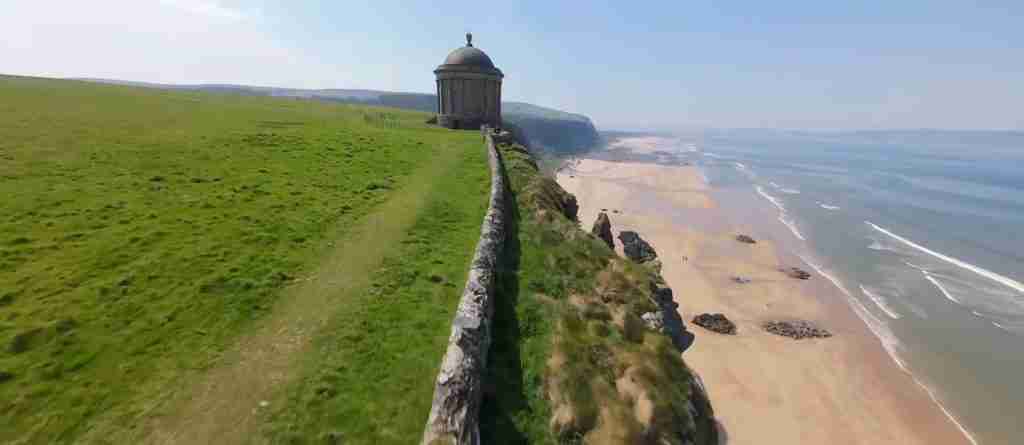
County Londonderry (also called County Derry) contains Northern Ireland’s second city, Derry (also called Londonderry), population 85,000. The historic Walled City represents Ireland’s only completely intact medieval fortifications, with 1.6-kilometer (1-mile) circumference walkable in 45 minutes. The Guildhall, Museum of Free Derry, and vibrant cultural scene justify 1-2 days’ exploration. Mussenden Temple perches dramatically on coastal cliffs 60 kilometers (37 miles) from the city. The Sperrin Mountains offer remote hiking and gold-panning experiences.
County Down extends south from Belfast to Carlingford Lough, encompassing the Ards Peninsula, Strangford Lough, and the Mourne Mountains. The Mournes rise to 850 meters (2,789 feet) at Slieve Donard, Northern Ireland’s highest peak, with extensive hiking networks and the Mourne Wall (35-kilometer dry stone construction crossing 15 peaks). Strangford Lough, the UK’s largest inlet, supports diverse marine life and kayaking opportunities. Castle Ward estate and Mount Stewart gardens deliver Georgian architecture and horticultural excellence. The area lies 50-80 kilometers (31-50 miles) south of Belfast.
County Armagh, the smallest county, centers on Armagh city (15,000 residents), the ecclesiastical capital containing Ireland’s only twin cathedrals (both named St. Patrick’s, one Catholic and one Church of Ireland). Navan Fort represents Ulster’s ancient capital with mythological significance. Apple orchards carpet the countryside, supplying Northern Ireland’s cider industry. The county lies 65 kilometers (40 miles) southwest of Belfast.
County Fermanagh contains Northern Ireland’s lake district with Upper and Lower Lough Erne forming inland waterways totaling 120 kilometers (75 miles) in length. Enniskillen, the county town (14,000 residents), straddles the channel connecting the loughs. Devenish Island monasteries, Marble Arch Caves, and Florencecourt House distribute across the landscape. The Fermanagh Lakelands appeal to boating enthusiasts, anglers, and travelers seeking remote tranquility. The region lies 135 kilometers (84 miles) west of Belfast.
County Tyrone, Northern Ireland’s largest county by area, remains least visited despite containing significant attractions. The Ulster American Folk Park near Omagh documents Irish emigration to North America through outdoor museum displays. Beaghmore Stone Circles date to Bronze Age (2000-1200 BCE). The Sperrin Mountains extend into Tyrone from County Londonderry. The county’s interior position and agricultural character create quieter atmosphere than coastal regions.
Most first-time visitors concentrate on the Belfast-Causeway Coast-Derry triangle, which contains highest concentration of must-see attractions within compact geography. This allows comfortable exploration in 5-7 days without excessive driving. Extended visits incorporate the Mournes (excellent hiking), Fermanagh (water activities), or Armagh (ecclesiastical history and rural character). The seamless border with the Republic enables easy extensions to Donegal’s dramatic northwest coast or Dublin’s urban attractions.
Best Time to Visit Northern Ireland 2026: Seasonal Planning
Northern Ireland experiences a temperate maritime climate characterized by mild temperatures, high humidity, and precipitation distributed throughout the year. No season guarantees dry weather, but significant differences in daylight hours, temperature, tourist crowds, and pricing create distinct advantages for different travel periods in 2026.
Summer Season 2026 (June-August): Peak Tourism
Summer delivers warmest temperatures averaging 15-19°C (59-66°F) with occasional peaks reaching 22-25°C (72-77°F) during heatwaves. Daylight extends from 14 hours in early June to 17 hours in late June (sunset near 10 PM), maximizing coastal exploration time. The Giant’s Causeway, Carrick-a-Rede Rope Bridge, and coastal viewpoints shine under extended evening light ideal for photography.
However, summer constitutes peak tourist season with significant implications. Accommodation prices in Belfast and Causeway Coast towns increase 20-30% compared to shoulder seasons. Popular attractions experience longest queues—Giant’s Causeway visitor center wait times can exceed 45 minutes on July-August weekends. Coastal car parks fill by midday at major sites. The Causeway Coastal Route experiences heavy traffic on sunny weekends.
Rainfall averages 60-80mm monthly across summer months, concentrated in brief showers rather than day-long downpours. Pack waterproof layers regardless of forecasts. Sea temperatures reach annual highs of 14-15°C (57-59°F), suitable for hardy swimmers but cold by Mediterranean standards.
Summer excels for outdoor activities requiring dry conditions and long daylight: coastal hiking, cycling the Causeway Route, kayaking Strangford Lough, and Mourne Mountain trekking. Festival season peaks with Cathedral Quarter Arts Festival (Belfast, early May), Féile an Phobail (West Belfast, August), and various music festivals. Book accommodations 2-3 months ahead for July-August visits.
Shoulder Seasons 2026 (April-May and September-October): Optimal Value
Shoulder months deliver excellent weather-to-value ratios with mild temperatures (10-16°C/50-61°F), adequate daylight (13-15 hours in late April-May, 12-14 hours in September), and 15-25% lower accommodation costs than summer peaks. Tourist numbers decline significantly after school holidays end in early September and before they begin in late June.
April and May bring spring bloom across Northern Ireland’s countryside with rhododendrons flowering in Mount Stewart gardens and wildflowers carpeting coastal paths. September and October provide autumn colors in Tollymore Forest and Glenariff Forest Park. Average monthly rainfall (55-70mm) runs slightly lower than summer months.
Major attractions operate full schedules during shoulder seasons without summer queues. The Giant’s Causeway remains accessible with shorter visitor center wait times. Carrick-a-Rede Rope Bridge opens from late March through October (check specific 2026 dates). Coastal car parks rarely fill before afternoon.
These months suit travelers prioritizing photography (dramatic spring skies or autumn light), budget optimization (lower costs across accommodation and tours), or crowd avoidance (major sites accessible without queuing). May offers particularly strong value with near-summer daylight and weather but pre-peak pricing. September combines pleasant weather with post-summer discounts. Book accommodations 4-6 weeks ahead for popular weekends.
Winter Season 2026 (November-March): Budget Option with Limitations
Winter brings shortest days (7-8 hours in December-January, expanding to 10-11 hours by late March), coolest temperatures (5-9°C/41-48°F), and highest monthly rainfall (70-90mm). However, prices drop to annual lows with Belfast hotels offering 30-40% discounts from summer rates and tour operators running winter promotions.
Many coastal attractions maintain operations on reduced winter schedules. Giant’s Causeway remains accessible year-round (visitor center hours may shorten). Carrick-a-Rede Rope Bridge typically closes November through mid-March for safety during storms. Some smaller attractions close entirely or operate weekends only.
Winter suits urban-focused visits to Belfast and Derry where museums, restaurants, pubs, and indoor attractions operate normally. The Titanic Belfast, Ulster Museum, Crumlin Road Gaol, and Derry’s museums provide full-day experiences regardless of weather. St. Patrick’s Day (March 17) brings festivals across Northern Ireland with parades in Belfast, Derry, Armagh, and Downpatrick.
Storm systems affect coastal areas November through February with strong winds occasionally closing cliff-edge paths and viewpoints. Mountain hiking becomes challenging with reduced visibility and muddy conditions. However, dramatic storm-watching from coastal viewpoints appeals to some travelers, and winter light creates moody photography opportunities. Pack comprehensive rain gear and warm layers. Book accommodations 2-3 weeks ahead except around Christmas-New Year and St. Patrick’s Day.
2026 Specific Considerations
School holiday periods in the UK and Ireland create mini-peaks affecting accommodation availability and attraction crowds: Easter holidays (April 14-28, 2026), July-August summer holidays (roughly July 1-August 31), and October mid-term break (roughly October 19-27). Accommodation in family-friendly areas like Portrush and Newcastle tightens during these windows.
Northern Ireland Marathon runs in Belfast on May 5, 2026, affecting city center accommodation availability that weekend. The Northwest 200 motorcycle road race (mid-May) impacts the Causeway Coast. Check event calendars when booking to avoid unintended conflicts or to intentionally experience major events.
Accommodation Costs and Options 2026
Northern Ireland offers diverse accommodation spanning budget hostels to luxury castle hotels, with significant regional and seasonal price variations. Belfast provides greatest choice and competitive pricing through high supply. Coastal towns command premiums during summer but offer shoulder-season value. Strategic accommodation selection significantly impacts overall trip costs while influencing daily logistics and experience quality.
Belfast Accommodation 2026
Belfast’s accommodation market serves business travelers, weekend visitors, and tourists year-round, creating competitive pricing and diverse options. The city divides into distinct neighborhoods affecting both rates and convenience. The Cathedral Quarter and City Centre offer walkable access to restaurants, pubs, and attractions. The Titanic Quarter provides waterfront modern hotels near Titanic Belfast. University Quarter (Queen’s University area) contains budget options popular with younger travelers. Rates quoted reflect averages for standard double rooms or hostel beds in 2026, sourced from booking platforms in April-May 2026.
Budget accommodation in Belfast centers on hostels offering dormitory beds and private rooms. Vagabonds Belfast (University Road) charges £20-28 ($25-35) for dormitory beds, £50-70 ($63-89) for private rooms with shared bathrooms. Global Village Backpackers (Cathedral Quarter) costs £22-32 ($28-40) for dorms, £55-75 ($70-95) for private rooms. Arnie’s Backpackers (city center) runs £18-25 ($23-32) for dorms. Budget hotels like Jurys Inn Belfast (Fisherwick Place) charge £65-95 ($82-120) for standard double rooms, Ibis Belfast City Centre £60-85 ($76-108). These properties include Wi-Fi and basic breakfast or self-catering facilities.
Mid-range Belfast hotels occupy the £100-160 ($127-203) range for standard doubles. The Merchant Hotel (Cathedral Quarter) offers boutique luxury in a converted bank building at £140-200 ($178-254). Malmaison Belfast (Victoria Street) features contemporary design at £110-150 ($140-190). Holiday Inn Belfast City Centre provides reliable chain standards at £95-135 ($120-171). AC Hotel Belfast (city center) delivers modern minimalism at £105-145 ($133-184). These hotels include en-suite bathrooms, city-center locations, and full breakfast options at £12-18 ($15-23) supplements.
Luxury Belfast properties begin around £180 ($229) for standard rooms, escalating to £300+ ($380+) for suites and executive floors. The Grand Central Hotel (Bedford Street) operates Northern Ireland’s tallest building with rooftop Observatory bar, charging £200-280 ($254-356) for city-view doubles. Europa Hotel (Great Victoria Street), Belfast’s most famous hotel, costs £150-210 ($190-267) for standard doubles. Titanic Hotel Belfast (Queens Quarter) occupies the former Harland & Wolff headquarters at £180-250 ($229-318). These properties provide concierge services, upscale dining, spas, and premium locations.
Apartment rentals through Airbnb and Vrbo range £70-120 ($89-152) nightly for one-bedroom units, £110-180 ($140-229) for two-bedroom properties in central locations. Apartments suit longer stays (3+ nights) and groups sharing costs, offering kitchens for self-catering and typically more space than equivalent hotel rooms. Cleaning fees (£30-60/$38-76) and service fees affect short stays but diminish per night on week-long bookings.
Causeway Coast Accommodation 2026
The Causeway Coastal Route towns—Portrush, Bushmills, Ballycastle, Cushendall—offer accommodation ranging from budget B&Bs to upscale guesthouses, with limited hostel options and few luxury hotels. Summer demand (July-August) creates tight availability and peak pricing. Shoulder seasons (May-June, September) offer better value. Winter (November-March) sees reduced operations at smaller properties.
Portrush, the largest coastal town with 6,500 residents, serves as a popular base near Giant’s Causeway (20 km/12 miles) and Carrick-a-Rede (30 km/19 miles). Budget B&Bs like Beulah Guest House charge £35-50 ($44-63) per person per night including full Irish breakfast. Mid-range hotels like Comfort Hotel Portrush cost £90-140 ($114-178) for doubles. The Portrush Atlantic Hotel provides upscale oceanfront accommodation at £150-220 ($190-280) for sea-view doubles. Guesthouses and B&Bs dominate the market, typically running £70-110 ($89-140) for doubles with breakfast included.
Bushmills, adjacent to the distillery and 3 kilometers (2 miles) from Giant’s Causeway, offers strategic positioning. The Bushmills Inn (historic coaching inn) charges £130-180 ($165-229) for standard doubles including breakfast. Causeway Hotel (National Trust property at Giant’s Causeway itself) costs £140-200 ($178-254) for doubles with direct site access before visitor center opening. Budget B&Bs in Bushmills run £65-90 ($82-114) for doubles. The village’s small size (1,300 residents) limits accommodation quantity; book 6-8 weeks ahead for summer stays.
Ballycastle anchors the eastern Causeway Coast with more accommodation variety. Leighinmohr House Hotel charges £75-110 ($95-140) for doubles. Budget B&Bs cost £60-85 ($76-108) per room. The Marine Hotel occupies the seafront at £100-145 ($127-184) for doubles. Ballycastle Backpackers provides hostel beds at £18-25 ($23-32) in dorms, private rooms £50-70 ($63-89).
The Glens of Antrim and smaller villages (Cushendun, Cushendall, Carnlough) contain primarily B&Bs and guesthouses at £65-95 ($82-120) for doubles with breakfast. These properties emphasize personal service and local knowledge but require advance booking as room counts stay small (4-8 rooms typically). The areas suit travelers seeking quiet coastal bases between major attractions.
Derry Accommodation 2026
Derry’s walled city and waterfront areas contain most visitor accommodation. Budget options include Derry City Independent Hostel (Magazine Street) at £18-28 ($23-35) for dorms, £55-75 ($70-95) for private rooms. Mid-range hotels like City Hotel Derry (Queen’s Quay) charge £85-125 ($108-159) for doubles. Maldron Hotel Derry (Butcher Street) costs £95-140 ($120-178) for city-view doubles. The luxury Everglades Hotel (waterfront) runs £140-195 ($178-248) for standard doubles. Bishop’s Gate Hotel (boutique property in historic building) charges £120-170 ($152-216). Derry’s accommodation market remains less expensive than Belfast’s, with comparable quality levels costing 10-20% less.
Regional and Rural Accommodation 2026
Counties Down, Armagh, Fermanagh, and Tyrone contain scattered accommodation serving specific regional attractions. The Mourne area (Newcastle, Kilkeel) offers seaside hotels and mountain guesthouses. Slieve Donard Resort (Newcastle) provides luxury at £180-260 ($229-330) for doubles. Budget B&Bs in Newcastle cost £60-90 ($76-114). Fermanagh lakeland accommodation centers on Enniskillen with Killyhevlin Hotel (lakefront) at £110-160 ($140-203) for doubles. Manor House Country Hotel (Killadeas) charges £95-145 ($120-184).
Castle and manor house hotels occupy historic properties throughout Northern Ireland at premium rates. Galgorm Resort & Spa (Ballymena) charges £200-320 ($254-407) for spa doubles. Ballygally Castle (Causeway Coast) costs £140-210 ($178-267). These properties deliver unique heritage experiences justifying higher costs for special occasions.
Booking Strategies and Timing 2026
Accommodation booking windows significantly affect availability and pricing. Belfast hotels can often be reserved 2-4 weeks ahead except major event weekends (marathon, conferences). Causeway Coast properties require 6-10 weeks advance booking for July-August, 4-6 weeks for shoulder seasons. Bushmills and Portrush sell out earliest during peak summer.
Booking.com, Hotels.com, and Expedia list most properties with occasional exclusive rates. Direct booking through hotel websites sometimes provides loyalty benefits or flexible cancellation. Airbnb and Vrbo offer apartment and cottage rentals competitive for groups and longer stays. Last-minute booking apps (Hotel Tonight) rarely deliver significant Northern Ireland discounts outside January-February due to limited hotel supply in popular areas.
Cancellation policies vary widely. Most hostels require full prepayment with no refunds. Budget hotels typically allow cancellation 24-48 hours ahead. Mid-range and luxury properties often permit cancellation up to 7 days before arrival. Flexible rates cost 10-20% more than non-refundable rates but provide valuable insurance against itinerary changes.
Transportation and Getting Around 2026
Northern Ireland’s compact size makes it remarkably accessible, with most major attractions reachable within 90 minutes from Belfast. Transportation choices significantly impact both costs and experiential quality, with public transit delivering budget efficiency, rental cars providing routing flexibility, and organized tours offering convenience at premium pricing. Understanding each option’s economics and limitations enables optimal decisions matching budget and travel style.
Arrival Transportation 2026
Most international visitors arrive via Belfast’s two airports or Dublin Airport in the Republic of Ireland. Belfast International Airport (BFS), located 30 kilometers (19 miles) northwest of Belfast city center, serves as the primary gateway with connections to over 80 destinations including London, Edinburgh, Birmingham, Manchester, and major European cities. Translink’s Airport Express 300 bus runs every 20-30 minutes (£8/$10 single, £11/$14 return) with 30-35 minute journey times to Belfast city center. Taxis cost £30-40 ($38-51) depending on traffic and destination. Private transfers through booking platforms run £35-50 ($44-63) for advance reservation.
Belfast City Airport (BHD) sits 5 kilometers (3 miles) from city center with flights primarily serving UK destinations and select European routes. The Airport Express 600 bus operates every 20 minutes (£3/$4 single) reaching city center in 15 minutes. Taxis cost £10-15 ($13-19). The airport’s proximity makes it more convenient for quick Belfast-focused visits.
Dublin Airport (DUB), 165 kilometers (103 miles) south of Belfast, offers more extensive international connections including direct transatlantic flights to North America. The Aircoach 705X/X3 operates direct service to Belfast (€25/$28, 2 hours 15 minutes). Alternatively, Bus Éireann and Dublin Coach run frequent Dublin city to Belfast services (€15-20/$17-22, 2-3 hours depending on route). The Enterprise train connects Dublin Connolly station to Belfast Lanyon Place (€25-35/$28-39, 2 hours 15 minutes, eight daily departures). Many visitors arriving via Dublin spend 1-2 days exploring the capital before continuing north.
Ferry services from Great Britain provide vehicle transport impossible on flights. Stena Line operates Cairnryan (Scotland) to Belfast services (from £150/$190 for car plus two passengers, 2 hours 15 minutes crossing). P&O Ferries runs Cairnryan to Larne route (from £130/$165, 2 hours). Ferry economics favor groups sharing vehicle costs or travelers bringing their own cars from Britain.
Public Transportation Within Northern Ireland 2026
Translink operates Northern Ireland’s integrated public transport network encompassing trains (Northern Ireland Railways), intercity coaches (Goldline), and local buses (Ulster bus and Belfast Metro). The system functions efficiently for city-to-city travel and urban exploration but provides limited access to coastal attractions and rural areas requiring flexible transportation.
Northern Ireland Railways serves four main routes radiating from Belfast: the Bangor line (coastal suburbs east of Belfast), Larne line (ferry port north of Belfast), Derry line via Coleraine and Portrush (serving Causeway Coast), and Portadown/Newry line (south toward Dublin). The Belfast-Derry route follows spectacular coastal scenery frequently cited among the world’s most scenic rail journeys, with trains hugging cliffs above the Atlantic between Castlerock and Coleraine.
Standard single fares run £5-18 ($6-23) depending on distance. The Sunday Day Tracker (£8/$10 adults, £4/$5 children) provides unlimited train travel throughout Northern Ireland on Sundays, delivering exceptional value for coastal exploration. Return tickets cost roughly 1.5x single fares. Advance booking online sometimes yields modest discounts but isn’t mandatory—walk-up fares remain reasonable compared to British rail pricing.
The Enterprise service operates between Belfast Lanyon Place and Dublin Connolly with eight daily departures (£25-40/$32-51 depending on booking advance and flexibility, 2 hours 15 minutes). This cross-border route requires no immigration checks or customs procedures despite crossing from UK to EU jurisdiction—the border remains completely open for passengers.
Belfast Metro operates extensive city bus network with fares from £2-3 ($3-4) per journey. The Glider rapid transit system connects east-west and north-south corridors with dedicated lanes. The Belfast Visitor Pass (£6.50/$8 for one day, £11/$14 for two days, £14.50/$18 for three days) provides unlimited Metro travel useful for city-focused itineraries visiting Titanic Quarter, Cathedral Quarter, and outlying attractions like Belfast Castle.
The iLink smartcard offers integrated bus and rail travel within five zones covering greater Belfast and surrounding areas. Daily caps prevent overspending: Zone 1-2 (Belfast Metro and close suburbs) caps at £6.70 ($9) daily, full Northern Ireland cap at £16.50 ($21). The card requires £5 ($6) deposit and can be loaded at stations and convenience stores.
Goldline coaches connect Belfast to major towns with comfortable highway-speed services. Belfast to Derry costs £12-16 ($15-20) single (1 hour 45 minutes). Belfast to Enniskillen (Fermanagh Lakelands) runs £14-18 ($18-23) single (2 hours 15 minutes). These services suit intercity transfers but don’t stop at coastal viewpoints or minor attractions.
Public transport limitations become apparent for coastal exploration. While trains reach Portrush (useful for Giant’s Causeway access via short taxi or seasonal shuttle), no direct services connect to Carrick-a-Rede Rope Bridge, Dunluce Castle, Dark Hedges, or Glens of Antrim villages. The Causeway Rambler bus operates summers only (June-September) along coastal route but runs infrequent schedules requiring extensive timetable coordination. Travelers without vehicles rely on organized tours or taxis for these attractions.
Rental Cars and Driving in Northern Ireland 2026
Rental cars provide maximum flexibility for coastal exploration, rural areas, and multi-stop itineraries, with economy class vehicles renting from £35-60 ($44-76) daily for week-long bookings in 2026. Costs increase for shorter rentals (£45-75/$57-95 daily for 2-3 day rentals) and automatic transmissions command £10-15 ($13-19) daily premiums over manual vehicles. Major companies (Enterprise, Europcar, Hertz, Budget) maintain desks at both Belfast airports and city center locations.
Northern Ireland follows left-side driving (opposite to continental Europe and North America). Roads range from modern motorways around Belfast to narrow country lanes in rural areas and mountain regions. The M2/M5 motorway connects Belfast to the Causeway Coast efficiently. The A2 Causeway Coastal Route follows the shoreline with numerous viewpoints and turnoffs requiring patient driving and frequent stops. Speed limits follow UK standards: 70 mph (113 km/h) on motorways, 60 mph (97 km/h) on rural roads, 30 mph (48 km/h) in built-up areas. Speed cameras operate extensively; fines follow automatically via rental company records.
Fuel costs £1.45-1.65 ($1.84-2.10) per liter for petrol (gasoline), £1.40-1.60 ($1.78-2.03) per liter for diesel in 2026. A week’s coastal driving typically consumes 200-300 kilometers (125-185 miles) worth of fuel costing £30-50 ($38-63) depending on vehicle efficiency. Fuel stations cluster in towns; rural areas can have 30-40 kilometer gaps between stations requiring planning on remote routes.
Parking in Belfast costs £1.50-3.00 ($1.90-3.80) per hour in city center car parks, with all-day rates £8-15 ($10-19). Many hotels charge £10-18 ($13-23) for overnight parking. Coastal towns like Portrush and Ballycastle offer free street parking outside peak summer months; July-August requires paid parking or arriving early to secure spaces. The Giant’s Causeway official car park costs £15 ($19) (included with visitor center admission) but alternative free parking exists along approach roads requiring 1-2 kilometer walks.
Insurance decisions significantly impact rental costs. Basic coverage (Collision Damage Waiver) typically includes excess (deductible) of £800-1,500 ($1,015-1,900). Supplemental insurance reducing excess to zero costs £12-20 ($15-25) daily through rental companies, or £40-70 ($51-89) total for week-long coverage through independent insurers like Insurance4CarHire (often better value). Check whether personal auto insurance or credit card benefits cover international rentals to avoid duplicate coverage.
One-way rentals between Belfast and Dublin allow efficient routing but incur fees (£50-100/$63-127 typically). Cross-border travel into the Republic of Ireland requires notification to rental companies (usually free but mandatory for insurance validity). Northern Ireland’s open border allows seamless driving into County Donegal or other Irish destinations.
Organized Tours from Belfast 2026
Organized day tours from Belfast provide convenient car-free access to Causeway Coast attractions, combining transport, guide commentary, and entrance fees into single packages. Tours suit travelers prioritizing convenience over flexibility or those making short Belfast-focused visits with limited time for independent coastal exploration.
Giant’s Causeway tours represent the most popular category. Full-day tours including Carrick-a-Rede Rope Bridge, Giant’s Causeway, Dunluce Castle, and Dark Hedges cost £35-55 ($44-70) per person with 8-10 hour durations. These typically depart Belfast 9-9:30 AM, returning 6-7 PM. Entry fees to individual attractions sometimes include in tour price, sometimes additional charges. Small-group tours (maximum 16 passengers) in minibuses cost £50-70 ($63-89), providing more personalized experiences and flexible timing than 40-50 passenger coaches.
Game of Thrones filming location tours visit Dark Hedges, Cushendun Caves, Ballintoy Harbor, and other series sites, often including Winterfell Tours archery experience or costume photo opportunities. Prices run £45-70 ($57-89) for full-day experiences. Dedicated fans justify the premium for guide expertise identifying specific scenes and behind-the-scenes stories impossible to access independently.
Belfast city tours operate as hop-on-hop-off buses (£15-18/$19-23 for 48-hour passes), walking tours (free with tips expected or £10-15/$13-19 for specialist themes), and black taxi political murals tours (£40-50/$51-63 for 1.5-2 hour private taxi tours explaining Troubles history and murals). The black taxi tours deliver unique local perspective worth experiencing even for visitors with rental cars.
Derry walking tours of the Walled City operate similarly with free walking tours and specialist themed experiences (£10-15/$13-19). The Bogside History Tours, led by local residents who experienced the Troubles, provide powerful first-person perspectives on events including Bloody Sunday.
Tour economics favor solo travelers and couples for whom rental car costs plus fuel don’t split efficiently. Groups of 3-4 find rental cars more economical for multi-day coastal exploration. Tours excel for single-day excursions from Belfast bases, allowing travelers to visit highlights without vehicle commitments or navigation challenges.
Taxis and Ride-Sharing 2026
Licensed taxis operate throughout Northern Ireland with metered fares in cities and agreed prices for longer journeys. Belfast city center journeys cost £6-12 ($8-15) typically. Rides from city center to Titanic Quarter run £8-10 ($10-13). Airport transfers cost £10-15 ($13-19) from City Airport, £30-40 ($38-51) from International Airport.
Uber operates in Belfast with pricing similar to traditional taxis (sometimes 10-15% cheaper, sometimes surge pricing equals or exceeds taxi rates). The FreeNow app (formerly Hailo) connects with licensed taxi drivers and often provides competitive rates, particularly useful in smaller towns where Uber doesn’t operate.
Taxis for coastal attractions work for specific point-to-point journeys but become expensive for full-day use. Portrush to Giant’s Causeway (12 km/7 miles) costs £15-20 ($19-25) each way. Hiring taxis for full-day coastal touring runs £150-250 ($190-318) depending on route and duration, approaching or exceeding rental car plus fuel costs.
Budget Planning and Daily Costs 2026
Northern Ireland’s daily costs vary significantly based on accommodation choices, dining preferences, transportation methods, and attraction selections. Understanding component costs across budget, mid-range, and luxury tiers enables realistic trip planning and appropriate fund allocation. All costs reflect 2026 pricing verified through official sources, booking platforms, and on-site research conducted April-May 2026. Currency conversions use £1 = $1.27 rate (approximate 2026 average). All daily costs expressed as per person, per day, assuming two people sharing hotel accommodation where applicable.
Budget Tier 2026: $75-130 Per Person Daily
Budget travelers prioritizing cost efficiency can explore Northern Ireland comfortably within $75-130 per person daily by combining hostel accommodation, strategic meal planning mixing self-catering with occasional restaurant meals, extensive public transportation use, and judicious attraction selection emphasizing free experiences supplemented with carefully chosen paid admissions.
Accommodation forms the foundation at $44-63 per person nightly in hostel dormitory beds. Belfast’s hostels (Vagabonds, Global Village, Arnie’s) charge £18-28 ($23-35) for dorm beds in 4-8 person rooms with shared bathrooms and common kitchens. Coastal hostel options exist in Ballycastle, Portrush, and Derry at similar rates. Hostels provide self-catering facilities essential for budget management plus social atmosphere connecting with fellow travelers.
Food costs target $29-44 daily through strategic mixing. Breakfast from hostel self-catering (bread, cereal, fruit from supermarkets) costs £3-5 ($4-6). Lunch from Tesco, Sainsbury’s, or local bakeries (sandwiches, pastries, fruit) runs £4-8 ($5-10). Dinner alternates between self-prepared meals using supermarket ingredients (£6-10/$8-13) and budget restaurant meals at pub food establishments (£10-15/$13-19 for mains). Spar, Centra, and Londis convenience stores operate throughout Northern Ireland with prepared meals and snacks £3-7 ($4-9). Belfast’s St. George’s Market (Friday-Sunday) offers international food stalls with meals £6-10 ($8-13).
Transportation leverages public transit and walking. Belfast Metro day pass (£6.50/$8) enables unlimited city exploration. The Sunday Day Tracker (£8/$10) delivers extraordinary value for coastal train journeys on Sundays. Weekday Belfast-Portrush return trains cost £16-20 ($20-25), Belfast-Derry £24-32 ($30-40). Walking between Belfast city center attractions (Titanic Quarter to Cathedral Quarter to City Hall) requires no transport costs. Budget £4-10 daily for mixed walking and public transit depending on routing.
Attractions emphasize free experiences: Ulster Museum (free admission), Belfast City Hall tours (free), Cave Hill Country Park hiking (free), Giant’s Causeway access via free parking and walking routes (avoiding £15/$19 visitor center), Derry’s city walls walk (free), Botanic Gardens Belfast (free), Carrickfergus Castle exterior and town exploration (free). Strategic paid admissions might include Titanic Belfast (£24/$30, the region’s signature experience) or Crumlin Road Gaol (£14/$18) spread across a week-long visit. Budget £0-10 daily for mixed free and occasional paid attractions.
Sample budget daily breakdown: Hostel bed £25 ($32), breakfast £4 ($5), lunch £6 ($8), dinner £12 ($15), transport £8 ($10), attractions £5 ($6). Total: £60 ($76) per person daily. This demonstrates the lower end achievable with disciplined self-catering and free attraction emphasis. More comfortable budget travel incorporating regular restaurant meals and additional paid attractions reaches the upper range of £102 ($130) daily.
Mid-Range Tier 2026: $170-245 Per Person Daily
Mid-range travelers seeking comfort without luxury optimize the quality-to-value ratio through moderate hotel accommodation, regular restaurant dining balanced with occasional self-catering, mixed public transit and taxis, and comprehensive attraction access including major paid sites. This tier delivers satisfying experiences across accommodation, food, and activities without budget anxiety.
Accommodation targets £67-83 ($85-105) per person nightly assuming two sharing double rooms in 3-star hotels or quality guesthouses. Belfast options like Holiday Inn Belfast City Centre, AC Hotel Belfast, or Malmaison Belfast fall into this range at £135-165 ($171-210) per room. Causeway Coast guesthouses and mid-tier hotels charge similar rates. These properties provide en-suite bathrooms, central locations, comfortable furnishings, and often breakfast options at £10-15 ($13-19) supplements when not included.
Food costs £48-77 ($61-98) daily through balanced restaurant dining. Breakfast at hotel or cafe (£8-12/$10-15), lunch at gastropubs or casual restaurants (£15-25/$19-32 for mains plus drink), dinner at mid-range restaurants (£25-40/$32-51 for mains plus wine or cocktails). Belfast’s Cathedral Quarter, Botanic Avenue, and Lisburn Road contain numerous options in this range. Coastal towns offer seafood restaurants and gastropubs at similar pricing. Occasional self-catered meals (picnic lunches during coastal drives) reduce daily averages while enjoying local products from markets.
Transportation combines public transit, taxis for convenience, and possibly short-term rental car for coastal days. Belfast city exploration uses walking plus occasional taxis (£8-12/$10-15 daily mixed). Rental car for 2-3 days coastal exploration costs £40-55 ($51-70) daily including fuel allocation. Public transit for longer journeys (Enterprise to Dublin, trains to Derry) adds £15-25 ($19-32) per journey day. Budget £10-19 daily for mixed transportation averaging across a week.
Attractions access all major paid sites without hesitation: Titanic Belfast £24 ($30), Giant’s Causeway visitor center £15 ($19), Carrick-a-Rede Rope Bridge £14 ($18), Game of Thrones Studio Tour £30 ($38), Crumlin Road Gaol £14 ($18), Bushmills Distillery tour £12 ($15), various castles £6-12 ($8-15). A week-long visit accessing 5-7 major attractions averages £10-20 ($13-25) daily. Some days involve free experiences (coastal drives, hiking, city walks) bringing daily average down.
Sample mid-range daily breakdown: Hotel £75 ($95) per person (two sharing £150/$190 room), breakfast £10 ($13), lunch £20 ($25), dinner £35 ($44), transport £15 ($19), attractions £15 ($19). Total: £170 ($216) per person daily. This represents comfortable mid-range travel with occasional splurges. Upper range reaches £193 ($245) with every meal at restaurants, daily paid attractions, and more extensive taxi use.
Luxury Tier 2026: $335-520 Per Person Daily
Luxury travelers prioritizing comfort, convenience, and premium experiences invest $335-520 per person daily in upscale hotels, fine dining, private transportation, and exclusive access. This tier eliminates budget considerations while maximizing quality across all experience dimensions.
Accommodation occupies 4-5 star hotels at £130-175 ($165-222) per person nightly assuming two sharing premium doubles or junior suites. The Merchant Hotel Belfast (£180-250/$229-318 per room), Grand Central Hotel (£200-280/$254-356), Titanic Hotel Belfast (£180-250/$229-318), and Galgorm Resort & Spa (£200-320/$254-407) exemplify this tier. Coastal options include Causeway Hotel at Giant’s Causeway (£140-200/$178-254) and upscale manor houses. These properties provide luxury bedding, premium toiletries, concierge services, spas, and exceptional dining.
Food costs £95-160 ($120-203) daily through fine dining emphasis. Breakfast at luxury hotel restaurants (£15-20/$19-25), lunch at quality establishments (£30-50/$38-63 for multiple courses), dinner at Michelin-recommended or high-end restaurants (£50-90/$63-114 for tasting menus or premium mains with wine pairings). Belfast’s OX Restaurant (Michelin-starred), Deanes EIPIC, and Muddlers Club represent this tier. James Street South, Howard Street, and The Barking Dog deliver excellent quality slightly below Michelin level. Coastal fine dining includes 55 Degrees North (Portrush) and Harry’s Shack (Portstewart).
Transportation emphasizes private drivers, taxis, and premium rental vehicles. Private driver services for full-day coastal tours cost £200-300 ($254-381), eliminating driving stress while accessing insider knowledge. Luxury car rentals (Mercedes, BMW, Range Rover) run £80-120 ($102-152) daily. Frequent taxi use for city exploration adds £20-35 ($25-44) daily. Business-class Enterprise train tickets to Dublin include lounge access and meal service at modest premiums over standard fares.
Attractions include premium experiences: private after-hours Giant’s Causeway tours (£150-250/$190-318), helicopter coastal flights (£200-350/$254-445 per person), private whiskey blending sessions at distilleries (£80-150/$102-190), exclusive Game of Thrones experiences with costume fittings and location access (£100-200/$127-254), chartered boats for island visits. These replace standard admission tickets with curated, personalized access. Budget £25-51 daily averaging exclusive experiences across a week.
Sample luxury daily breakdown: Hotel £150 ($190) per person (two sharing £300/$381 suite), breakfast £18 ($23), lunch £45 ($57), dinner £80 ($102), transport £30 ($38), exclusive experiences £30 ($38). Total: £353 ($448) per person daily. Upper luxury reaching £410 ($520) incorporates Michelin dining, private drivers daily, and premium exclusive experiences.
Weekly and Extended Stay Costs 2026
Weekly Northern Ireland visits cost approximately $525-910 per person for budget travel (seven days at $75-130 daily), $1,190-1,715 for mid-range comfort (seven days at $170-245 daily), or $2,345-3,640 for luxury experiences (seven days at $335-520 daily). These totals assume accommodation, meals, transport, and attractions but exclude international flights to Northern Ireland.
Extended stays benefit from weekly accommodation discounts (10-15% off nightly rates for seven-night bookings), reduced transportation costs through weekly car rental rates versus daily, and ability to pace attraction visits avoiding daily admission fees. Two-week visits don’t simply double weekly costs—strategic planning reduces per-day averages through efficiency.
Hidden Costs and Additional Expenses 2026
Beyond daily accommodation, food, transport, and attractions, travelers encounter supplemental costs affecting total trip budgets. Tipping culture in Northern Ireland follows UK patterns: restaurants add optional 10-12% service charges (can decline if service poor), cafes and pubs don’t expect tips for counter service, hotel porters receive £1-2 ($1-3) per bag, taxi drivers receive rounding up or 10% on meter fares. Unlike American tipping norms, service workers receive living wages making tips genuinely optional rewards for excellent service rather than expected supplements.
Alcoholic beverages add considerably for drinkers. Pub pints cost £4.50-6.00 ($6-8) for beer, £5.50-7.50 ($7-10) for cider, £6-9 ($8-11) for cocktails. A social evening involving 3-4 drinks costs £15-25 ($19-32) per person. Wine with restaurant meals adds £25-60 ($32-76) for bottles. Budget-conscious drinkers purchase supermarket alcohol (£8-15/$10-19 for decent wine bottles, £4-7/$5-9 for craft beer six-packs) for accommodation consumption before pub visits.
Laundry services at hotels cost £8-15 ($10-19) per load. Hostels often provide coin laundries at £3-5 ($4-6) per wash, £2-3 ($3-4) per dry. Week-long visits typically require one laundry cycle.
Travel insurance costs vary by age, trip length, and coverage level. Comprehensive policies covering medical emergencies, trip cancellation, lost baggage, and adventure activities cost £40-80 ($51-102) for week-long European coverage for adults under 65. Specialized policies covering pre-existing conditions or extreme sports cost more. Northern Ireland’s healthcare quality is excellent but can be expensive for visitors without UK/EU coverage.
Souvenirs and shopping budgets vary wildly by personal interest. Irish whiskey bottles cost £30-80 ($38-102) at distilleries, Irish linen products £20-100 ($25-127), locally made crafts £15-60 ($19-76). Belfast’s Victoria Square and CastleCourt shopping centers contain standard retail. St. George’s Market offers local artisan products.
Food and Dining Scene 2026
Northern Ireland’s culinary landscape has transformed dramatically over the past decade, evolving from basic pub fare and traditional Ulster fry breakfasts into a sophisticated dining scene earning Michelin stars while maintaining strong connections to local ingredients, traditional preparations, and convivial pub culture. Understanding the spectrum from budget cafes to fine dining enables strategic meal planning matching both budget and experiential goals across a Northern Ireland visit.
Traditional Northern Irish Food
The Ulster Fry represents Northern Ireland’s iconic breakfast: bacon, sausages, eggs, black pudding, white pudding, soda bread, potato bread, mushrooms, tomatoes, and baked beans assembled on a single plate. This substantial meal sustains through lunch and costs £7-12 ($9-15) in cafes, £10-16 ($13-20) in hotel restaurants. Quality varies significantly—seek establishments using local butchers for meats and baking fresh soda and potato bread daily rather than using packaged products.
Boxty (potato pancakes), champ (mashed potatoes with scallions), and colcannon (mashed potatoes with cabbage or kale) represent traditional potato-based sides accompanying meat mains. Irish stew features lamb or mutton with potatoes, carrots, and onions slow-cooked for hours. These dishes appear on pub menus at £12-18 ($15-23) for mains.
Seafood excellence follows naturally from extensive coastline. Oysters from Carlingford Lough cost £2-3 ($3-4) each at seafood restaurants. Fish and chips from coastal chippers (takeaway shops) run £8-12 ($10-15) for generous portions using fresh cod or haddock. Portrush, Portstewart, and Ballycastle contain excellent traditional chippers. Mussels appear in garlic butter or white wine preparations at £12-16 ($15-20) for starter portions, £18-25 ($23-32) for mains.
Budget Dining Options 2026
Budget meals under £10 ($13) remain readily available across Northern Ireland through strategic navigation. Supermarket meal deals at Tesco, Sainsbury’s, and Marks & Spencer provide sandwich, drink, and snack combinations for £3-5 ($4-6). Hot food counters sell rotisserie chickens (£5-7/$6-9), prepared salads (£2-4/$3-5), and ready meals heating in accommodation microwaves.
Chain cafes like Costa Coffee, Starbucks, and Caffè Nero offer breakfast pastries and sandwiches £3-6 ($4-8). Local bakeries provide better value and authenticity—Belfast’s Established Coffee, Clements, and General Merchants serve quality food at comparable prices. Sausage rolls, pastries, and filled baps (soft rolls) cost £2-4 ($3-5).
Budget restaurant chains operate throughout Belfast and larger towns. Wetherspoon pubs (The Bot in Belfast, The Diamond in Derry) serve breakfast £4-7 ($5-9), burgers and mains £7-12 ($9-15) including drink. Pizza Express, Prezzo, and Zizzi offer Italian food £9-15 ($11-19) for pizzas and pastas. Nando’s peri-peri chicken costs £9-14 ($11-18) for mains.
Chinese and Indian takeaways provide substantial meals £8-15 ($10-19) for curries, fried rice, and noodle dishes feeding 1-2 people. Belfast’s Chinese Quarter around Donegall Pass contains authentic options. Chip shops (fish and chips takeaways) cluster near town centers and beaches with portions £7-12 ($9-15).
Mid-Range Dining 2026
The £15-30 ($19-38) per main range contains Northern Ireland’s most dynamic dining, where local ingredients meet global techniques in gastropubs, bistros, and casual fine dining venues. This tier delivers excellent quality without fine-dining formality or pricing.
Belfast’s Cathedral Quarter concentrates exciting options. The Muddlers Club operates at Michelin star level with mains £28-38 ($36-48) but offers excellent value for quality. The Barking Dog (Botanic Avenue) serves modern Irish cuisine using local meats and seasonal vegetables at £16-28 ($20-36). Howard Street Restaurant delivers inventive small plates £9-16 ($11-20) ideal for sharing. Graze Belfast offers steaks and seafood £18-32 ($23-41).
Gastropubs elevate traditional pub food through quality sourcing and skilled preparation. The Dirty Onion (Hill Street) serves Irish stew, seafood chowder, and steaks £14-24 ($18-30). The National Grande Café (Dublin Road) provides French-influenced bistro food £16-28 ($20-36). Kelly’s Cellars, Belfast’s oldest pub (1720), offers traditional atmosphere with modern food quality at £12-20 ($15-25).
Coastal dining emphasizes seafood. 55 Degrees North (Portrush) overlooks the Atlantic with mains £16-32 ($20-41) focusing on Causeway Coast catches. Harry’s Shack (Portstewart) operates as a beach cafe with exceptional food at £12-24 ($15-30). The Bushmills Inn’s restaurant serves local produce in historic coaching inn setting at £18-32 ($23-41).
International cuisine flourishes in Belfast. Edo (Donegall Square) offers Japanese-Italian fusion £14-28 ($18-36). Home Restaurant (Wellington Place) serves contemporary European £16-30 ($20-38). Molly’s Yard (Botanic Avenue) occupies a converted stable with garden dining £15-27 ($19-34). The Cloth Ear (Merchant Hotel) provides casual dining in luxury hotel at £14-26 ($18-33).
Fine Dining and Special Occasions 2026
Northern Ireland’s fine dining scene, while smaller than major European cities, delivers exceptional quality with Michelin-starred restaurants and ambitious venues competing internationally. Main courses at this level cost £35-60 ($44-76), with tasting menus £75-120 ($95-152) per person before wine.
OX Restaurant (Belfast’s only current Michelin star) occupies a converted warehouse in Cathedral Quarter with minimalist design showcasing inventive tasting menus (£95/$121) celebrating Ulster ingredients through modern techniques. The precision and creativity justify the investment for food-focused travelers.
Deanes EIPIC (Howard Street) represents chef Michael Deane’s fine dining flagship with tasting menus £85-110 ($108-140) emphasizing seasonal Irish produce. The cooking matches international fine dining standards while maintaining regional identity. Deane also operates more casual MEAT Locker (aged steaks, mains £22-45/$28-57) and Deli Bistro (lunch-focused, £12-20/$15-25) providing access to his expertise across price points.
James Street South (Belfast) delivers refined modern Irish cuisine in elegant townhouse setting with mains £28-42 ($36-53). The multi-course lunch menu (£32/$41) offers exceptional value accessing similar quality at lower cost than dinner service.
Coastal fine dining includes Mourne Seafood Bar (Belfast and Dundrum) specializing in oysters, lobster, and daily catches at £24-48 ($30-61) for mains. The Merchant Hotel’s Great Room Restaurant provides formal dining in spectacular chandelier-adorned banking hall with mains £32-55 ($41-70).
Vegetarian, Vegan, and Dietary Requirements 2026
Northern Ireland’s plant-based dining options have expanded significantly, though not matching major European capitals for variety. Belfast leads with dedicated venues like Holohan’s at the Barge (vegan seafront restaurant, mains £12-18/$15-23), Established Coffee (vegan and vegetarian options throughout menu), and Bear Paw Pizza (vegan pizzas £10-14/$13-18).
Most mid-range and upscale restaurants now include vegetarian mains (£12-22/$15-28) and can accommodate vegans with advance notice. Traditional pubs remain challenging for strict vegetarians beyond chips and salads, though improvement continues. Indian and Chinese restaurants reliably provide vegetarian options, and many have vegan awareness.
Gluten-free options appear increasingly on menus, particularly at chains and higher-end establishments. The Coeliac Society of Ireland resources help identify suitable restaurants. Allergen information must legally display in restaurants, though smaller establishments may lack detailed knowledge—always confirm directly with staff.
Drinking Culture and Pubs 2026
Pubs form the social heart of Northern Irish culture, serving as community gathering spaces beyond mere alcohol venues. Understanding pub conventions enhances experiences: table service remains uncommon (order at bar), tipping is optional, food quality varies dramatically between establishments, children are often welcome in designated areas until 9 PM, and conversation with strangers is encouraged.
Beer prices range £4.50-6.00 ($6-8) per pint for mainstream lagers and ales, £5.00-6.50 ($6-8) for craft beers and premium imports, £5.50-7.50 ($7-10) for ciders. Belfast’s Crown Liquor Saloon (Great Victoria Street) represents Victorian pub architecture at its finest with ornate tilework and snug seating—worth visiting for historic atmosphere regardless of drinking preferences.
Craft beer culture has exploded with microbreweries throughout Northern Ireland. Belfast’s Beerhaus and Craftwork House stock 30+ local and international craft beers. The Dirty Onion includes oyster house and live traditional music alongside craft beer selection. Coastal towns increasingly have craft beer pubs—The Central Wine Bar (Portrush) and Sixty Six (Portstewart) exemplify the trend.
Irish whiskey tasting provides cultural immersion. Bushmills Distillery (the world’s oldest licensed distillery, 1608) offers tours £12-45 ($15-57) depending on depth, concluding with tastings. Echlinville Distillery (Ards Peninsula) provides tours £15-35 ($19-44). Belfast’s Merchant Hotel bar stocks over 300 Irish whiskeys with knowledgeable staff guiding selections. Whiskey prices in bars run £5-15 ($6-19) per measure for standard expressions, £12-40 ($15-51) for rare bottlings.
Gin distilleries capitalize on the global gin renaissance. Copeland Distillery (Belfast) and Boatyard Distillery (Fermanagh Lakelands) offer tours and tastings £15-30 ($19-38). Belfast’s Titanic Distillers (Titanic Quarter) combines production facility with bar and restaurant.
Major Attractions and Experiences 2026
Northern Ireland concentrates remarkable attractions within compact geography, from UNESCO World Heritage geological wonders to modern museums exploring tragic history, from medieval castles to contemporary cultural venues. Strategic attraction selection and sequencing maximize limited time while managing admission costs that accumulate rapidly across comprehensive itineraries.
Causeway Coast Attractions 2026
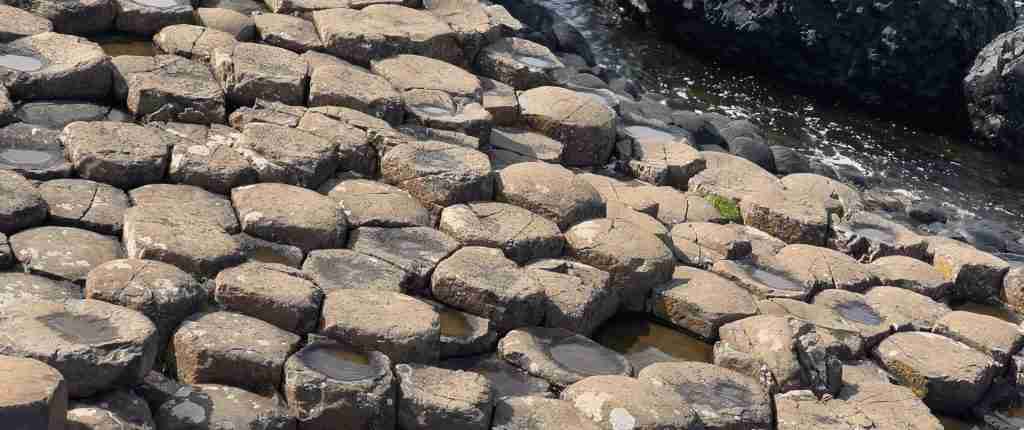
The Giant’s Causeway represents Northern Ireland’s most iconic natural attraction and only UNESCO World Heritage Site. This geological formation comprises approximately 40,000 interlocking basalt columns resulting from ancient volcanic activity 60 million years ago. The site itself remains free to access 24 hours daily. The National Trust visitor center charges £15 ($19) for parking and exhibition access including audio guide. Alternative free parking exists along Causeway Road requiring 15-20 minute walks to the formations. The site experiences highest crowds 10 AM-4 PM July-August; visit before 9 AM or after 5 PM for relative solitude. Allow 1.5-2 hours for comprehensive exploration including cliff-top walking trails.
Carrick-a-Rede Rope Bridge connects the mainland to a small island via 20-meter (66-foot) rope bridge suspended 30 meters (98 feet) above the Atlantic. The National Trust operates the attraction charging £14 ($18) for crossing tickets (book online to guarantee time slots during peak seasons). The coastal walk from car park to bridge takes 20 minutes through scenic clifftop landscape. The crossing itself lasts mere minutes but provides adrenaline rush for height-averse visitors. The bridge typically closes November through mid-March for winter storms and maintenance. Budget 1.5 hours total for the experience including coastal walk.
Dunluce Castle occupies dramatic clifftop ruins with portions having collapsed into the sea over centuries. This medieval fortress dating to the 13th century inspired C.S. Lewis’s Cair Paravel in Chronicles of Narnia and served as House Greyjoy’s castle in Game of Thrones filming. Admission costs £6 ($8) for adults covering both castle grounds and small exhibition. The atmospheric ruins photograph beautifully, particularly in moody weather. Allow 45-60 minutes for exploration.
The Dark Hedges form a natural tunnel of intertwined beech trees planted in the 18th century, creating one of Northern Ireland’s most photographed locations. Game of Thrones featured the avenue as the Kingsroad. Access remains free though the narrow road creates parking challenges. Visit early morning or late evening to avoid crowds and achieve best lighting. The site takes 15-20 minutes to experience and photograph.
Old Bushmills Distillery, licensed in 1608, operates as the world’s oldest licensed whiskey distillery with continuous production. Tours run £12-45 ($15-57) depending on depth and whiskey samples included. The standard tour (£12/$15) lasts 40 minutes explaining production process and concluding with single tasting. Premium tours include extended tastings and whiskey blending sessions. The on-site restaurant and bar enable extended visits. Book tours online ahead for guaranteed spots, particularly April-September.
Belfast Attractions 2026
Titanic Belfast occupies the former Harland & Wolff shipyard where RMS Titanic was built. This purpose-built museum chronicles the ship’s construction, launch, voyage, sinking, and legacy through nine interactive galleries. Admission costs £24 ($30) for adults, £20 ($25) for seniors and students, £11 ($14) for children. The comprehensive exhibition requires 2-3 hours for thorough exploration. Book online for modest discounts and guaranteed entry time slots—the museum reaches capacity during peak summer weekends. The SS Nomadic, Titanic’s tender ship and last remaining White Star Line vessel, docks adjacent to the museum with combined tickets available.
Crumlin Road Gaol operated as a working prison from 1845 to 1996, housing suffragettes, republicans, loyalists, and common criminals through Northern Ireland’s turbulent history. Guided tours (£14/$18 adults) last 75 minutes exploring cell blocks, the underground tunnel to courthouse, execution chamber, and detention areas while narrating the prison’s role during The Troubles. The atmospheric Victorian architecture and authentic artifacts create powerful historical immersion. The on-site restaurant occupies former prison spaces.
Ulster Museum (Botanic Gardens area) contains Northern Ireland’s premier art, history, and natural history collections spanning Egyptian mummies to contemporary art, from dinosaur skeletons to Troubles artifacts. Admission remains free making it exceptional value. The museum requires 2-3 hours for selective viewing, full day for comprehensive exploration. The adjacent Botanic Gardens provide peaceful walking and picnicking without admission fees.
Belfast City Hall offers free guided tours exploring the building’s Edwardian baroque architecture, council chambers, and Belfast’s civic history. Tours run multiple times daily without advance booking required. The building exterior and grounds warrant photography. Allow 45-60 minutes for tour and grounds. The surrounding Donegall Square contains shops, cafes, and transport connections.
St. George’s Market (East Bridge Street) operates as Belfast’s oldest covered market (1896) transformed into weekend food and craft market. Friday (6 AM-3 PM) focuses on fresh produce and fish, Saturday (9 AM-3 PM) on local crafts and street food, Sunday (10 AM-4 PM) on antiques and vintage goods. Admission remains free. The market provides authentic local atmosphere and excellent budget lunch options (£6-10/$8-13) from international food stalls. Allow 1-2 hours for browsing and eating.
The Peace Walls, built during The Troubles to separate nationalist and loyalist neighborhoods, remain standing with some reaching 25 feet high. Black taxi tours (£40-50/$51-63 for 1.5-2 hour private tour for up to 6 passengers) provide the most informative access with local drivers explaining the murals, history, and ongoing peace process. These tours deliver perspective impossible from guidebooks while supporting local guides who often experienced events firsthand. Visitors can also explore independently, though context and safety awareness matter—stick to main roads and respect residential areas.
Derry (Londonderry) Attractions 2026
Derry’s Walls represent Ireland’s only intact medieval walled city, completed in 1619 with circumference walkable in 40-50 minutes. The 1.6-kilometer (1-mile) circuit provides historical narrative plaques, excellent city views, and access to multiple gates and bastions. Walking the walls remains free and constitutes the essential Derry experience. Combine with Guildhall visit (free admission, magnificent stained glass windows) and Tower Museum (£5/$6, city history and Spanish Armada shipwreck artifacts).
The Museum of Free Derry (Glenfada Park) documents Bloody Sunday (January 30, 1972) when British soldiers killed 14 civil rights protesters. The museum’s powerful exhibits, survivor testimonies, and archival materials provide unflinching examination of the tragedy. Admission costs £7 ($9) with guided tours available. Bogside History Tours (led by local residents who witnessed events) operate from the museum providing 90-minute walking tours (£10/$13) explaining the civil rights movement, Bloody Sunday, and the Bogside murals commemorating struggles and peacemaking.
Regional and Specialty Attractions 2026
The Game of Thrones Studio Tour (Banbridge, 45 minutes south of Belfast) opened in 2022 showcasing original sets, costumes, props, and weapons from the HBO series. Tickets cost £30 ($38) for adults with timed entry. The self-guided experience lasts 2-3 hours exploring recreated Great Hall of Winterfell, walking the actual Dragonstone beach set, and sitting on the Iron Throne. Dedicated fans justify the admission for authentic set access; casual viewers may find better value in free outdoor filming locations.
Mourne Mountains offer Northern Ireland’s premier hiking with Slieve Donard (850m/2,789 feet, the region’s highest peak) achievable by fit hikers in 4-5 hours return from Newcastle. The Mourne Wall walking route crosses 15 peaks over 35 kilometers (22 miles) of dry-stone construction completed in 1922. The mountains provide free access with parking available at trailheads near Newcastle, Kilkeel, and Rostrevor. Tollymore Forest Park (£5/$6 parking) contains easier forest trails and served as Winterfell filming location. The Mournes reward active travelers seeking dramatic landscapes away from coastal crowds.
Mount Stewart (National Trust, Ards Peninsula) represents one of Ireland’s finest gardens with rare plants thriving in mild microclimate, plus Georgian mansion containing art collections. The estate charges £14 ($18) for house and gardens, £9 ($11) for gardens only. The formal gardens, lakeside walks, and shamrock-shaped topiary justify the visit for garden enthusiasts. Allow 2-3 hours for comprehensive exploration.
Marble Arch Caves (Fermanagh) provide underground boat tours through limestone cave system featuring stalactites, stalagmites, and underground rivers. Tours (£12.50/$16 adults) last 75 minutes and operate March through September weather permitting. The caves can close during heavy rain; check website before traveling. The remote Fermanagh location (1.5 hours from Belfast) suits travelers exploring the western lakes region.
Sample Itineraries 2026
Northern Ireland’s compact size enables efficient routing visiting major highlights within 3-7 days while allowing deeper regional exploration for extended visits. These sample itineraries demonstrate realistic pacing balancing attractions, travel time, and experiential quality across different trip lengths and focus areas. All routes assume Belfast as arrival/departure point. Costs quoted represent mid-range travel tier.
Three-Day Northern Ireland Highlights
This intensive itinerary captures Belfast essentials plus the Causeway Coast’s greatest hits, suitable for travelers with limited time or combining Northern Ireland with broader Ireland/UK trips. The pace is brisk requiring full-day commitments but achievable without excessive rushing. Total estimated cost: £510-715 ($648-908) per person assuming two sharing hotel rooms.
Day 1 – Belfast Immersion: Begin with Ulster Fry breakfast at café near accommodation (£8-12/$10-15). Morning visit Titanic Belfast (£24/$30 admission, 2.5 hours). Lunch in Titanic Quarter (£12-18/$15-23). Afternoon black taxi political murals tour (£25/$32 per person for two sharing taxi, 1.5 hours). Explore Cathedral Quarter on foot including St. George’s Market if Saturday/Sunday (free) and dinner at gastropub (£18-28/$23-36). Evening drinks in Crown Liquor Saloon or Cathedral Quarter bar (£12-20/$15-25). Accommodation: Belfast mid-range hotel £75 ($95) per person sharing double. Daily total: £174-228 ($221-290) per person.
Day 2 – Causeway Coastal Route: Early departure (8 AM) from Belfast via rental car or organized tour (£40-55/$51-70 per person for tour). Stop at Carrickfergus Castle exterior (free, 15 minutes), continue to Carrick-a-Rede Rope Bridge (£14/$18 admission, 1.5 hours). Lunch in Ballycastle (£10-15/$13-19). Afternoon Giant’s Causeway (£15/$19 visitor center, 2 hours) and Dunluce Castle (£6/$8, 45 minutes). Late afternoon Bushmills Distillery tour (£12/$15, 1 hour). Evening Dark Hedges photo stop (free, 15 minutes) and dinner in Portrush (£18-28/$23-36). Return to Belfast (1.5 hours) or overnight Causeway Coast adding accommodation cost. If day trip, daily total: £115-155 ($146-197) per person plus £40 ($51) car rental/fuel. If overnight Portrush, add £70 ($89) accommodation, dinner, breakfast.
Day 3 – Belfast Culture and Derry Extension (Alternative): Morning Ulster Museum (free, 1.5 hours) and Botanic Gardens walk (free, 30 minutes). Lunch Botanic Avenue (£12-18/$15-23). Afternoon options: (A) Crumlin Road Gaol tour (£14/$18, 1.5 hours) plus city shopping/exploring, or (B) Enterprise train to Derry (£25/$32, 2.5 hours), walk city walls (free, 1 hour), Museum of Free Derry (£7/$9, 1 hour), return to Belfast evening train. Farewell dinner Belfast (£20-32/$25-41). Accommodation: Belfast mid-range hotel £75 ($95) per person. Daily total: £128-179 ($163-227) per person.
Five-Day Belfast and Coast Comprehensive
This itinerary balances Belfast exploration with coastal highlights at sustainable pace including rest opportunities and flexibility for weather or interest adjustments. Total estimated cost: £850-1,225 ($1,080-1,557) per person assuming two sharing hotel rooms.
Day 1 – Belfast Arrival and Orientation: Afternoon arrival and hotel check-in. Evening Cathedral Quarter walk exploring street art, The Duke of York pub, and dinner at mid-range restaurant (£18-28/$23-36). Light day allowing jetlag recovery. Accommodation: Belfast £75 ($95) per person. Daily total: £93-128 ($118-163).
Day 2 – Titanic and Maritime Belfast: Morning Titanic Belfast (£24/$30, 2.5 hours) and SS Nomadic (combined ticket). Lunch Titanic Quarter (£12-18/$15-23). Afternoon choice: Belfast City Hall tour (free) and shopping, or Ulster Museum (free). Evening St. George’s Market if Friday, or Peace Walls black taxi tour (£25/$32 per person). Dinner and drinks (£25-35/$32-44). Accommodation: Belfast £75 ($95). Daily total: £161-207 ($204-263).
Day 3 – Causeway Coast Relocation: Morning Belfast city walk and checkout. Drive Causeway Coastal Route stopping at Carrickfergus Castle (£8/$10, 45 minutes), lunch in Glenarm (£10-15/$13-19). Afternoon Carrick-a-Rede Rope Bridge (£14/$18) and Giant’s Causeway (£15/$19). Evening check-in Bushmills or Portrush, dinner local restaurant (£18-28/$23-36). Accommodation: Causeway Coast £70 ($89) per person. Daily total including car rental: £175-228 ($222-290).
Day 4 – Coastal Exploration: Morning Dunluce Castle (£6/$8) and Dark Hedges photography (free). Bushmills Distillery tour (£12/$15). Lunch Bushmills (£10-15/$13-19). Afternoon Portrush beach walk and town exploration, or Dunluce Centre (£7/$9 family attractions). Evening coastal drive to Ballintoy Harbor (free, stunning harbor), dinner Portrush seafood restaurant (£22-35/$28-44). Accommodation: Causeway Coast £70 ($89). Daily total: £127-179 ($161-227).
Day 5 – Return via Glens of Antrim or Mourne Mountains: Morning coastal drive via Cushendun and Cushendall (Glens of Antrim scenic route) or southern route via Mourne Mountains if weather suitable. Multiple photo stops and short walks (all free). Lunch coastal village or Newcastle (£10-15/$13-19). Afternoon return Belfast, final shopping or museum visits. Farewell dinner Belfast (£20-32/$25-41). Accommodation: Belfast £75 ($95). Daily total: £115-157 ($146-199).
Seven-Day Northern Ireland Complete
This itinerary incorporates Belfast, the Causeway Coast, Derry, and either the Mourne Mountains or Fermanagh Lakelands, providing comprehensive regional coverage at relaxed pace. Total estimated cost: £1,190-1,715 ($1,511-2,178) per person.
Days 1-4 follow the five-day itinerary structure above. Day 5 – Derry Excursion: Morning drive Causeway Coast to Derry (1.5 hours) via Mussenden Temple (free, dramatic clifftop temple). Derry city walls walk (free, 1 hour), Guildhall visit (free), lunch Walled City (£12-18/$15-23). Afternoon Museum of Free Derry (£7/$9) or Tower Museum (£5/$6). Evening dinner Derry (£18-28/$23-36), overnight Derry accommodation (£65/$82 per person). Daily total: £112-163 ($142-207).
Day 6 – Regional Extension: Option A (Mourne Mountains): Morning drive to Newcastle (1.5 hours from Derry via Belfast). Slieve Donard hike (free, 4-5 hours return for summit, or shorter forest trails 1-2 hours). Lunch Newcastle (£10-15/$13-19). Afternoon Tollymore Forest Park (£5/$6 parking). Evening return Belfast via coastal route, dinner Belfast (£18-28/$23-36). Accommodation: Belfast £75 ($95). Daily total: £118-159 ($150-202).
Day 6 – Regional Extension: Option B (Fermanagh Lakelands): Morning drive Derry to Enniskillen (1 hour). Explore Enniskillen town and castle (£8/$10). Lunch waterfront (£12-18/$15-23). Afternoon Marble Arch Caves tour (£12.50/$16) or boat tour Upper Lough Erne (£20-30/$25-38). Evening drive to Belfast (2 hours), late dinner Belfast (£18-28/$23-36). Accommodation: Belfast £75 ($95). Daily total: £145-204 ($184-259).
Day 7 – Belfast Final Day: Morning Crumlin Road Gaol tour (£14/$18) or leisurely shopping and cafe time. Lunch Cathedral Quarter (£12-18/$15-23). Afternoon final attractions or relaxation before departure. Light day structure. Daily total: £26-51 ($33-65) excluding final accommodation if departing.
Practical Planning Tips and Money-Saving Strategies 2026
Strategic planning and informed decisions reduce Northern Ireland visit costs significantly while maintaining experiential quality. These proven strategies address accommodation, transportation, attractions, dining, and timing optimization based on extensive destination knowledge and traveler feedback.
Accommodation Savings
Booking timing dramatically affects rates. Belfast hotels offer lowest prices 6-8 weeks before arrival outside major events. Last-minute bookings (48-72 hours ahead) occasionally yield deals January-March but risk limited availability April-October. Causeway Coast accommodation requires earlier booking (8-12 weeks for July-August) due to limited supply. Shoulder seasons (April-May, September-October) deliver 15-25% savings versus summer peaks without sacrificing weather quality.
Midweek stays cost 10-20% less than weekends in tourist areas. A Wednesday-Friday Belfast visit saves versus Friday-Sunday stays. Consider Sunday-Thursday coastal stays when possible. Belfast business hotels offer weekend packages including breakfast and parking at reduced rates when business travel drops.
Apartment rentals through Airbnb or Vrbo become economical for 4+ nights when cleaning fees amortize across multiple days. Groups of 4-6 split two-bedroom apartment costs (£110-180/$140-229 nightly) for £18-30 ($23-38) per person versus £65-95 ($82-120) per person in hotel doubles. Apartments enable breakfast and some dinner self-catering reducing food costs £15-25 ($19-32) daily.
Hostel private rooms offer middle ground between dorms and hotels. A private double with shared bathroom costs £50-70 ($63-89) versus £90-140 ($114-178) for equivalent hotel room. The savings add substantially over week-long stays while maintaining couple privacy.
Transportation Economics
Car rental savings maximize through advance booking (4-8 weeks) and price comparison across companies. Belfast International Airport rentals cost 15-25% more than city center pickup locations. Return vehicles to original location avoiding expensive one-way fees (£50-100/$63-127). Manual transmission vehicles rent £10-15 ($13-19) daily cheaper than automatics; travelers comfortable with manual transmission save substantially.
Fuel costs benefit from supermarket stations (Tesco, Sainsbury’s, Asda) typically 3-5 pence per liter cheaper than branded stations. Fill tanks in large towns; rural areas charge premiums. Motorway service stations command highest prices—avoid unless necessary.
Public transport maximizes value through day passes and rail cards. The Sunday Day Tracker (£8/$10) for unlimited rail travel on Sundays enables Belfast-Portrush-Derry circular routes at fraction of individual ticket costs. Belfast Visitor Pass (£6.50/$8 daily) unlimited Metro travel benefits attraction-hopping itineraries. Book advance Enterprise tickets Belfast-Dublin for discounts up to 30% versus walk-up fares.
Walking reduces transport costs substantially in compact city centers. Belfast’s Titanic Quarter to City Hall to Cathedral Quarter circuit covers 3 kilometers (2 miles) easily walkable. Derry’s walled city requires no transport once inside walls. Coastal villages like Bushmills and Ballycastle offer car-free exploration once arrived.
Attraction Strategies
Free attractions deliver exceptional value when strategically incorporated. Ulster Museum (free), Belfast City Hall tours (free), Botanic Gardens (free), Derry city walls (free), Giant’s Causeway access avoiding visitor center (free), Cave Hill Country Park (free), and beach/coastal walks (free) constitute full days of high-quality experiences without admission charges. A 5-day itinerary including 60% free attractions and 40% paid admissions saves £50-80 ($63-102) per person versus 100% paid itinerary.
National Trust membership (£66/$84 annually for individuals, £114/$145 for families) provides free entry to Giant’s Causeway visitor center, Carrick-a-Rede Rope Bridge, Mount Stewart, and numerous other properties. The membership pays for itself after visiting 4-5 properties versus standard admission fees. UK residents and frequent UK travelers maximize value through annual memberships used across England, Scotland, Wales, and Northern Ireland.
Combination tickets sometimes offer discounts. Titanic Belfast plus SS Nomadic combined admission costs £32 ($41) versus £38 ($48) separately. Some hotels partner with attractions offering package deals including accommodation and tickets.
Timing visits around free hours and days matters for some attractions. St. George’s Market charges no admission (though food purchases add up). Many churches and cathedrals welcome visitors free during non-service hours. University museums during academic terms often provide free entry.
Food Cost Management
Breakfast inclusion in hotel rates saves £8-15 ($10-19) daily versus cafe breakfasts. When hotel breakfast isn’t included, supermarket supplies (cereal, milk, fruit, bread, spreads) assembled for self-catering cost £15-25 ($19-32) for week’s worth versus £56-105 ($71-133) for seven cafe breakfasts.
Lunch represents optimal restaurant meal for budget travelers. Many restaurants offer lunch specials £10-15 ($13-19) delivering similar quality to £18-28 ($23-36) dinner mains. The strategy: substantial restaurant lunch, light supermarket dinner. Early bird dinner menus (typically 5-7 PM) provide two-three courses £15-25 ($19-32) versus standard pricing £25-40 ($32-51).
Supermarket ready meals rival takeaway quality at lower cost. Tesco and Marks & Spencer prepared meals cost £3-6 ($4-8) versus £8-15 ($10-19) for equivalent takeaway portions. Rotisserie chickens (£5-7/$6-9) feed two people. Fresh bread, local cheeses, and produce from markets create picnic lunches £4-8 ($5-10) per person versus £10-15 ($13-19) cafe lunches.
Water refills from accommodation taps eliminate bottled water costs (£1-2/$1-3 per bottle accumulating to £10-20/$13-25 weekly). Northern Ireland’s tap water quality is excellent. Reusable water bottles access free refills throughout the day.
Alcohol costs benefit from supermarket purchase. Supermarket craft beer costs £1.50-2.50 ($2-3) per bottle versus £5.50-6.50 ($7-8) in pubs. Wine bottles £8-15 ($10-19) versus £25-40 ($32-51) in restaurants. Pre-accommodation drinks before pub visits reduce pub spending. Supermarket whiskey bottles cost £30-40 ($38-51) for quality expressions versus £7-12 ($9-15) per pub measure.
Seasonal Timing Optimization
May and September represent optimal value months combining near-summer weather and daylight with shoulder-season pricing. Accommodation costs 15-25% less than July-August peaks, attractions operate full schedules without peak crowds, and weather averages remain pleasant (12-16°C/54-61°F, 13-15 hour daylight).
January-February delivers lowest prices (30-40% below summer) but shortest days (8-9 hours daylight), coolest temperatures (5-8°C/41-46°F), and some attraction closures. This timing suits budget-focused city exploration but limits coastal and outdoor activities.
Avoiding UK school holidays significantly improves value and reduces crowds. Easter break (mid-April), summer holidays (July-August), and October half-term (late October) create mini-peaks in family-oriented areas. Adult travelers flexible on timing save substantially traveling outside these windows.
Safety and Travel Essentials 2026
Northern Ireland ranks among Europe’s safest destinations with violent crime rates significantly below EU averages and sophisticated tourism infrastructure supporting visitors efficiently. Understanding practical logistics from currency to connectivity ensures smooth experiences while addressing common concerns directly based on current conditions.
Safety Realities 2026
Belfast and Northern Ireland’s cities maintain safety levels comparable to other UK cities. Standard urban precautions apply: remain aware in nightlife areas, secure valuables in vehicles, avoid displaying expensive electronics unnecessarily, use licensed taxis from established ranks. Violent crime affecting tourists remains exceptionally rare. Petty theft (pickpocketing, bag snatching) occurs occasionally in crowded areas like Belfast city center shopping districts but far less frequently than major European cities.
The Troubles, the sectarian conflict that affected Northern Ireland from late 1960s through 1998’s Good Friday Agreement, ended over two decades ago. The peace process has held successfully with Northern Ireland transforming into stable, prosperous society. Political tensions persist in some communities but don’t affect visitor safety. The annual marching season (July 12th focusing on Orange Order parades) sees heightened community tensions but violence affecting tourists remains virtually unknown. Main roads and tourist areas function normally during this period.
Some Belfast and Derry neighborhoods display flags, murals, and painted curbs representing loyalist (British/Protestant) or republican (Irish/Catholic) identities. These constitute cultural and historical markers rather than danger indicators. Visitors exploring these areas respectfully encounter welcoming residents proud to explain their heritage. The black taxi political tours operate safely providing educational context. Exercise common sense: avoid attending contentious political events without local guidance, respect residential areas by not blocking driveways or making excessive noise, and treat murals and memorials with appropriate dignity.
Rural and coastal areas experience virtually no crime affecting visitors. Car break-ins at remote parking areas occur occasionally—don’t leave valuables visible in vehicles, particularly at popular trailheads.
Emergency services operate efficiently. Dial 999 or 112 for police, fire, or ambulance. Response times in cities are quick; rural areas experience longer response intervals but services remain professional. Belfast’s Royal Victoria Hospital and Ulster Hospital provide A&E (emergency room) services. Derry’s Altnagelvin Hospital serves northwestern areas.
Health and Medical Considerations
Northern Ireland’s National Health Service (NHS) provides healthcare to UK residents and reciprocal arrangements with some countries. EU/EEA citizens using valid European Health Insurance Cards receive emergency care at reduced costs. Visitors from countries without reciprocal agreements pay full fees: emergency room visits cost £200-500 ($254-635), hospital admissions escalate rapidly. Comprehensive travel insurance covering medical evacuation and hospital care is essential for non-UK residents.
Pharmacies (Boots, Lloyds Pharmacy) operate throughout cities and larger towns providing over-the-counter medications for minor ailments. Pharmacists offer informal health consultations free. Prescription medications require local prescriptions; bring adequate supplies of regular medications plus copies of prescriptions showing generic names.
No vaccinations are required for Northern Ireland visits from standard origin countries. Tap water is safe to drink. Food safety standards match UK/EU levels. Tick-borne Lyme disease exists in forested areas; use insect repellent during forest hikes and check for ticks afterward.
COVID-19 protocols in 2026 have largely normalized with no mask mandates or capacity restrictions on attractions. However, some venues may request masks during respiratory illness surges. Hand sanitizer stations remain common. Check specific venue websites for current policies if concerned.
Currency and Financial Matters
Northern Ireland uses pound sterling (GBP or £), the same currency as England, Scotland, and Wales. Northern Ireland banks issue their own banknotes (Danske Bank, Bank of Ireland, Ulster Bank, First Trust Bank) which are legal tender throughout the UK but occasionally refused in England/Scotland due to unfamiliarity. Bank of England notes are universally accepted in Northern Ireland. Converting Northern Irish notes before departing the region avoids potential exchange difficulties elsewhere.
The Republic of Ireland uses euros (EUR or €). Near the border, many businesses accept both currencies but offer poor exchange rates favoring their primary currency. Use appropriate currency to avoid 10-15% hidden exchange rate markups.
ATMs (cash machines) operate extensively in cities and towns. Most accept international cards (Visa, Mastercard, Maestro) charging modest fees (£1.50-3.00/$2-4 per withdrawal) plus home bank foreign transaction fees (0-3% typically). Withdraw larger amounts less frequently to minimize per-transaction fees. Some ATMs (particularly in convenience stores) charge excessive fees (£3-5/$4-6); banks and building societies offer fee-free ATM access for their customers and often waive fees for all users.
Credit and debit cards see universal acceptance in hotels, restaurants, shops, and attractions. Contactless payment works for purchases under £100 ($127). Smaller establishments, markets, and rural areas occasionally operate cash-only; maintain £50-100 ($63-127) cash reserves for backup. Visa and Mastercard dominate; American Express sees limited acceptance. Inform card issuers of Northern Ireland travel to prevent fraud blocks.
Currency exchange at airports offers poor rates with high commissions. Banks and building societies provide better rates with lower fees. Post Offices handle currency exchange at competitive rates. Using ATMs for cash and credit cards for most purchases typically delivers better effective exchange rates than pre-exchanging large amounts.
Tipping practices follow UK norms as detailed in dining section: 10-12% in restaurants for good service (often automatically added, can be declined if poor), round up taxi fares or add 10%, no tipping in pubs for counter service, £1-2 ($1-3) per bag for hotel porters. Unlike American practices, service workers receive living wages making tips genuine bonuses rather than expected income supplements.
Connectivity and Communication
Northern Ireland follows UK mobile networks and internet infrastructure. The region uses UK dialing codes (+44) rather than Republic of Ireland codes (+353). Northern Ireland mobile networks include EE, Vodafone, Three, and O2.
International travelers face several mobile options. UK SIM cards providing Northern Ireland coverage cost £10-20 ($13-25) for tourist packages offering 5-15 GB data plus calls and texts valid 30 days. These work throughout the UK but may incur roaming charges in the Republic of Ireland (despite physical border proximity, different country networks apply). Purchase UK SIMs at airport kiosks, mobile shops, or supermarkets.
Post-Brexit, EU mobile phone roaming is no longer automatically free for UK visitors. EU citizens visiting Northern Ireland may face roaming charges depending on their carrier’s post-Brexit policies. Check with home carriers before traveling to understand specific roaming rates. Some carriers maintain free roaming agreements; others charge daily fees (€3-5/$3-6) or per-use rates. Alternatively, UK SIM cards work for EU visitors as for other international travelers.
Wi-Fi availability is excellent. Hotels, hostels, cafes, restaurants, and pubs typically offer free Wi-Fi requiring simple registration or password requests. Internet speeds are generally good supporting video calls and streaming. Some rural accommodations have slower connections but adequate for email and browsing.
Public libraries in Belfast and major towns provide free Wi-Fi and computer access for visitors. Tourist information centers often offer Wi-Fi.
Practical Logistics
Northern Ireland operates on Greenwich Mean Time (GMT, UTC+0) winter months, British Summer Time (BST, UTC+1) late March through late October (clocks forward one hour last Sunday in March, back last Sunday in October). This matches the rest of UK and differs from Irish Standard Time only during brief transition periods.
Electrical outlets use UK-style three-pin plugs (Type G) with 230V 50Hz power. Travelers from continental Europe, North America, and most other regions require plug adapters. Universal adapters cost £5-10 ($6-13) at airports, electronics shops, and supermarkets. Many hotels provide adapter loans at front desks.
Northern Ireland drives on the left side of roads with steering wheels on right side of vehicles. This matches UK, Ireland, Malta, and Cyprus in Europe but differs from continental Europe. Speed limits display in miles per hour (mph), not kilometers per hour. Distances on road signs use miles. This differs from Republic of Ireland which uses kilometers for speeds and distances despite also driving on the left.
The metric system applies partially: fuel sells by the liter, food by kilograms, but distances use miles and people commonly use feet/inches for heights. This mixed system follows broader UK practices.
Shop hours typically run 9 AM-5:30 PM Monday-Saturday, with late-night shopping (until 8-9 PM) on Thursdays in cities. Sunday trading hours restrict large shops to 10 AM-6 PM with smaller shops unrestricted. Rural areas close earlier and may shut Sundays completely.
Public holidays affecting opening hours include New Year’s Day, St. Patrick’s Day (March 17), Good Friday, Easter Monday, May Day (early May), Spring Bank Holiday (late May), Battle of the Boyne (July 12, Northern Ireland-specific), Summer Bank Holiday (late August), Christmas Day, and Boxing Day (December 26). Many attractions close on Christmas Day and operate reduced hours on other holidays.
Smoking bans prohibit smoking in enclosed public spaces including restaurants, pubs, shops, and public transport. Designated outdoor smoking areas exist outside pubs and restaurants. E-cigarettes/vaping faces similar restrictions in many establishments.
Regional Day Trips and Extended Options 2026
Northern Ireland’s compact size and excellent road networks enable comfortable day trips from Belfast to virtually any regional attraction. However, some destinations reward overnight stays providing deeper immersion and reducing travel stress. Understanding trip timing and logistics optimizes itinerary efficiency whether operating from single Belfast base or incorporating multi-night regional stays.
Belfast-Based Day Trips
The Causeway Coast represents Northern Ireland’s most popular day trip combining Giant’s Causeway, Carrick-a-Rede Rope Bridge, Dunluce Castle, and often Bushmills Distillery in single long days (8-10 hours). The 160-kilometer (100-mile) journey from Belfast takes 1.5-2 hours each direction via M2/M5 motorway or coastal A2 scenic route. Organized tours (£35-70/$44-89) handle logistics allowing relaxation; rental cars provide routing flexibility stopping at additional points like Dark Hedges and Ballintoy Harbor. Early 8 AM departures maximize time on coast before crowds peak. Return journeys via Glens of Antrim add scenic variety and coastal villages.
The Mourne Mountains suit active travelers seeking hiking within 90 minutes of Belfast. Newcastle serves as base town for Slieve Donard summit attempts (4-5 hours return, 850m/2,789 feet elevation gain, demanding fitness) or gentle Tollymore Forest walks (1-3 hours, minimal elevation, family-friendly). Silent Valley Reservoir offers dam walks and mountain viewpoints (£5/$6 parking). Combined with lunch in Newcastle and potentially coastal drive returning via Strangford Lough, the Mournes constitute full satisfying day trips for outdoor enthusiasts. Poor weather limits visibility making fair weather essential for optimal experiences.
Armagh and Navan Fort create cultural day trips 65 kilometers (40 miles) southwest of Belfast. Armagh’s twin St. Patrick’s Cathedrals (one Catholic, one Church of Ireland), Georgian architecture, and Apple Blossom country ambiance provide 2-3 hours’ exploration. Navan Fort, ancient seat of Ulster kings with mythological significance, adds historical dimension. The compact itinerary allows relaxed morning departure returning mid-afternoon, or extension to Oxford Island nature reserve on Lough Neagh returning via Lurgan.
Strangford Lough and Ards Peninsula combine coastal scenery, historic estates, and villages 40-60 kilometers (25-37 miles) from Belfast. Mount Stewart gardens (£14/$18) require 2 hours, Portaferry village and Strangford ferry crossing (£6/$8 car plus passengers each way, 8 minutes, scenic crossing) add coastal character. Castle Ward estate (Game of Thrones Winterfell filming location) provides additional attraction. The circuit via Newtownards, down eastern peninsula shore, ferry to Strangford, return via western shore covers 120 kilometers (75 miles) comfortably in half-day or full-day depending on stop duration.
Derry reaches from Belfast in 1 hour 45 minutes via A6 highway (113 kilometers/70 miles). Full-day trips enable city walls walk, Guildhall visit, Museum of Free Derry exploration, lunch in walled city, and potential Bogside murals tour. Enterprise train service (£25-40/$32-51 return) provides relaxed alternative to driving, allowing reading/working during travel. Overnight Derry stays enable evening city atmosphere, potential pub music, and either Donegal extension (Ireland’s northwest coast, 45 minutes additional) or return via Causeway Coast (2-3 hours scenic drive) covering two regions in two-day trip.
Multi-Night Regional Bases
Causeway Coast overnight stays transform rushed day-trip experiences into relaxed exploration. Basing 2-3 nights in Portrush, Bushmills, or Ballycastle enables morning visits to attractions before crowds, evening coastal walks in extended summer light, local restaurant experiences, and potential rainy day flexibility rescheduling outdoor activities. This pace suits photographers seeking optimal light conditions, families with children requiring flexible scheduling, and travelers valuing depth over breadth.
Fermanagh Lakelands require overnight stays due to 2-hour distance from Belfast plus slow winding roads. Enniskillen serves as base town for Marble Arch Caves, Upper and Lower Lough Erne boat trips, Devenish Island monasteries, and Florencecourt House. The region rewards 2-3 night stays emphasizing tranquility, boating, fishing, and rural landscapes over intensive sightseeing. This destination suits travelers seeking peaceful retreats away from tourism crowds and those with specific interests in water activities or ancient Christian sites.
Mourne Mountains bases in Newcastle or Rostrevor support multi-day hiking itineraries including Slieve Donard, Mourne Wall sections, and valley walks impossible as Belfast day trips without pre-dawn departures. The mountains offer accommodation spanning hostels to coastal hotels with 2-3 night stays enabling weather-dependent route selection and rest days between strenuous hikes.
Cross-Border Extensions into Ireland
The open border between Northern Ireland and the Republic of Ireland enables seamless extensions southward without customs checks, immigration procedures, or travel complications beyond currency change (euro in Republic, pound sterling in North). Several routes reward exploration.
County Donegal’s dramatic northwest coast lies 45-90 minutes from Derry via N13/N15 roads. Slieve League cliffs rival Cliffs of Moher for height and drama while receiving fraction of visitors. Glenveagh National Park protects mountains, lakes, and castle gardens. The Wild Atlantic Way coastal route creates spectacular driving. Donegal works as day trips from Derry or multi-night extensions for comprehensive exploration.
Dublin sits 165 kilometers (103 miles) south of Belfast via M1/A1 motorway (2 hours driving) or Enterprise train (2 hours 15 minutes, £25-40/$32-51 return). The Irish capital deserves 2-3 days for Trinity College, Guinness Storehouse, Kilmainham Gaol, Temple Bar district, and Georgian architecture. Many travelers combine Belfast (3-4 days) with Dublin (2-3 days) in single Ireland trips maximizing island coverage.
The Causeway Coast and Donegal combination creates superb extended itineraries. Base in Derry exploring both Causeway Coast eastward (Giant’s Causeway, Carrick-a-Rede 50-70 kilometers away) and Donegal westward (Slieve League 80 kilometers away) in 4-5 day trips. This routing captures Northern Ireland’s highlights plus Republic of Ireland’s wildest Atlantic scenery without excessive driving.
Frequently Asked Questions About Northern Ireland 2026
What Language is Spoken in Northern Ireland?
English is the primary and official language spoken throughout Northern Ireland with near-universal fluency. The Northern Irish accent varies regionally but remains fully comprehensible to English speakers from other countries with minimal adjustment period. Irish (Gaeilge) maintains cultural significance particularly in republican communities and appears on some bilingual street signs and public signage, but English dominates daily communication including all tourism services, transportation, shops, and attractions. Ulster-Scots, a linguistic variety distinct from both English and Scottish Gaelic, has official minority language status but limited daily usage outside specific communities. Visitors need only English for all practical purposes.
Do I Need a Visa to Visit Northern Ireland in 2026?
Northern Ireland follows UK visa requirements as part of the United Kingdom. EU, EEA, and Swiss citizens can enter for tourism without visas for stays up to six months following post-Brexit regulations introduced in 2021. US, Canadian, Australian, and New Zealand citizens similarly enter visa-free for tourism up to six months. Citizens of many other countries require Standard Visitor visas obtained before travel through UK government channels. Check the official UK government website for your specific nationality’s requirements as these differ from Republic of Ireland visa policies despite the shared island. The seamless open border between Northern Ireland and Republic of Ireland allows crossing without checks, but your legal entry must match your citizenship requirements for whichever side of border you arrive.
Can I Use Euros in Northern Ireland?
Northern Ireland officially uses pound sterling (£/GBP), not euros (€/EUR), despite sharing an island with the euro-using Republic of Ireland. Some businesses near the border, in tourist areas, and major hotels accept euros as convenience but typically offer poor exchange rates (8-12% worse than official rates) making this inadvisable for regular transactions. ATMs dispense pounds sterling only. Use pounds sterling for all Northern Ireland transactions and euros in the Republic to avoid unfavorable conversion rates. The border remains completely open allowing easy travel between currency zones; simply exchange money when crossing or withdraw local currency from ATMs in each region as needed.
Is Northern Ireland Expensive Compared to Other European Destinations?
Northern Ireland’s costs position it mid-range within European tourism pricing, less expensive than Switzerland, Scandinavia, and Iceland but more costly than Spain, Portugal, Eastern Europe, and the Balkans. Accommodation and dining costs roughly match or slightly undercut England and Scotland while exceeding Czech Republic, Poland, or Hungary prices. The region offers better value than the Republic of Ireland for equivalent quality levels, with Belfast accommodation and dining running 10-20% cheaper than Dublin. Budget travelers can manage comfortably at $75-130 daily through hostel stays and strategic spending, while mid-range comfort at $170-245 daily delivers quality experiences without luxury pricing. The combination of affordable attractions (many world-class free experiences), compact geography reducing transportation costs, and pound sterling strength variations creates good value for organized travelers.
How Many Days Should I Spend in Northern Ireland?
Five to seven days provides ideal duration experiencing Belfast, the Causeway Coast, and Derry without rushing while allowing weather-dependent flexibility and some rest time. This duration enables comprehensive Belfast exploration (2-3 days), relaxed Causeway Coast coverage including overnight stays for atmospheric evening coastal experiences (2-3 days), and Derry day trip or overnight. Three-day intensive visits capture Belfast essentials plus Causeway Coast highlights via long day trips but require efficient planning and full-day commitments. Shorter visits sacrifice either coastal depth or Belfast cultural immersion. Extended 10-14 day visits incorporate Mourne Mountains, Fermanagh Lakelands, and potential cross-border Donegal or Dublin extensions creating comprehensive Northern Ireland and Ireland combinations. The optimal duration balances travel style (fast-paced versus relaxed), specific interests (city culture, coastal landscapes, hiking, historical sites), and connections with broader UK or Ireland itineraries.
What Should I Pack for Northern Ireland in 2026?
Northern Ireland’s changeable maritime climate requires layered clothing and rain protection regardless of season. Essential items include waterproof jacket with hood (rain occurs year-round, often as brief showers), comfortable waterproof walking shoes or boots (cobblestones, coastal paths, and potential mud), layering pieces (fleece or light sweater, long-sleeve shirts) for temperature adaptation, long trousers or jeans for cool weather and modest venues, one smarter outfit for quality restaurants or evenings out, sun protection including sunscreen and sunglasses (summer UV levels require protection despite cool temperatures), small daypack for attractions and day trips, reusable water bottle for refills, UK electrical adapter (three-pin Type G), and any prescription medications with copies showing generic names. Summer visits (June-August) additionally need light layers for warmer days reaching 20-25°C (68-77°F). Winter visits (November-March) require warm jacket, gloves, and warm layers for 5-10°C (41-50°F) temperatures. The “layers and waterproofs” philosophy trumps heavy single garments allowing adaptation to Northern Ireland’s frequent weather changes within single days.
Are There Any Cultural Sensitivities I Should Be Aware of in Northern Ireland?
Northern Ireland’s history of sectarian division between primarily Protestant British unionists/loyalists and primarily Catholic Irish nationalists/republicans creates some cultural sensitivities, though the peace process has normalized daily life dramatically since 1998. Visitors should respect several considerations: avoid assuming political or religious affiliations based on neighborhoods or individuals without invitation to discuss (most residents welcome respectful questions but dislike presumptions), treat murals, memorials, and flags with dignity regardless of which community they represent, understand that referring to “Derry” versus “Londonderry” can carry political connotations (locals use both; visitors can simply ask which the person prefers or use the context-appropriate term), recognize that sports allegiances often reflect community identity (rugby and cricket tend toward unionist support, Gaelic games toward nationalist), refrain from simplistic judgments about “right and wrong” in Troubles history (local perspectives are nuanced and personal experiences varied), and approach black taxi political tours and similar experiences with open minds rather than predetermined conclusions. Most Northern Irish people display remarkable openness discussing their history and society when approached respectfully and genuinely, with younger generations particularly focused on shared future rather than divided past. Standard courtesy and cultural humility serve visitors well in navigating any sensitive situations.
What is the Best Way to Experience Northern Ireland’s Game of Thrones Filming Locations?
Northern Ireland hosted over 25 Game of Thrones filming locations across its landscapes from 2011-2019, creating significant tourism infrastructure around the series. The most accessible approach combines the Game of Thrones Studio Tour in Banbridge (£30/$38, 2-3 hours, original sets and props) with independent or guided visits to outdoor filming sites. Key outdoor locations include Dark Hedges (Kingsroad, free access, 15 minutes from Ballintoy), Ballintoy Harbor (Pyke harbor scenes, free access with spectacular natural beauty beyond the series), Cushendun Caves (Stormlands cave scenes, free access, 45 minutes from Giant’s Causeway), and Tollymore Forest Park (Winterfell opener scenes, £5/$6 parking). Organized Game of Thrones tours from Belfast (£45-70/$57-89 full-day) provide transportation, guide expertise identifying specific scenes, and context impossible to access independently. The Castle Ward estate served as primary Winterfell location and offers archery experiences in costume. For dedicated fans, the multi-day approach combining studio tour with 2-3 days coastal driving accessing outdoor locations at leisure provides most comprehensive experience. Casual viewers find the studio tour sufficient while using outdoor locations as photography opportunities appreciated independent of series knowledge. Many filming sites possess inherent natural or historical significance transcending television association, making them worthwhile visits regardless of series familiarity.
How Does Northern Ireland Weather Affect Travel Planning?
Northern Ireland’s temperate maritime climate creates mild year-round temperatures but high humidity, frequent cloud cover, and precipitation in all months requiring weather-adaptive planning rather than guaranteed sunshine. Summer (June-August) temperatures average 15-19°C (59-66°F) with occasional 22-25°C (72-77°F) peaks during anticyclonic periods, but also bring 60-80mm monthly rainfall typically in brief showers. Winter (December-February) averages 5-9°C (41-48°F) with 70-90mm monthly precipitation sometimes as drizzle. Snow remains rare at sea level but affects mountains occasionally. The practical implications: pack waterproof layers year-round prioritizing breathable rain jackets over umbrellas for windy conditions, plan flexible daily schedules allowing activity resequencing if weather deteriorates (museums or distillery tours substitute for coastal walks during heavy rain), check detailed forecasts for specific locations as microclimates vary (coastal areas windier than inland, mountains receive more precipitation than lowlands), understand that “four seasons in one day” represents reality requiring morning rain gear despite afternoon sunshine, and embrace the atmospheric conditions rather than fighting them (moody skies create dramatic coastal photography, and many locals insist proper Irish weather includes some rain). May and September deliver statistically better weather than summer months July-August despite common assumptions, with lower rainfall averages and comparable temperatures. However, weather patterns remain variable regardless of statistics, making flexible attitudes more valuable than rigid expectations.
Can I Visit Both Northern Ireland and the Republic of Ireland in One Trip?
The open border between Northern Ireland and the Republic of Ireland enables seamless movement between UK (Northern Ireland) and EU (Republic) jurisdictions without customs checks, immigration procedures, or visible border infrastructure despite different nations and regulatory frameworks. Visitors can absolutely combine both regions in single trips with several considerations: remember currency changes (pound sterling in Northern Ireland, euros in Republic), understand visa requirements differ (UK visa policies for Northern Ireland, Irish/EU policies for Republic, though many nationalities have visa-free access to both), note mobile phone roaming potentially incurs charges crossing from one jurisdiction to another despite no physical border (check carrier policies), and recognize some car insurance and rental agreements require notification of cross-border travel (usually free but mandatory). Common combination itineraries include Belfast (2-3 days) plus Dublin (2-3 days) connected by Enterprise train, Belfast and Causeway Coast (4-5 days) plus Donegal’s Wild Atlantic Way (2-3 days) creating comprehensive island north coverage, or circular drives starting Belfast covering Causeway Coast, crossing to Donegal, continuing to Galway/Cliffs of Moher, ending Dublin over 7-10 days. The lack of border controls makes these combinations extraordinarily convenient compared to most international borders, though travelers should respect that despite geographic proximity and some cultural overlap, these remain distinct countries with separate governments, laws, and national identities.