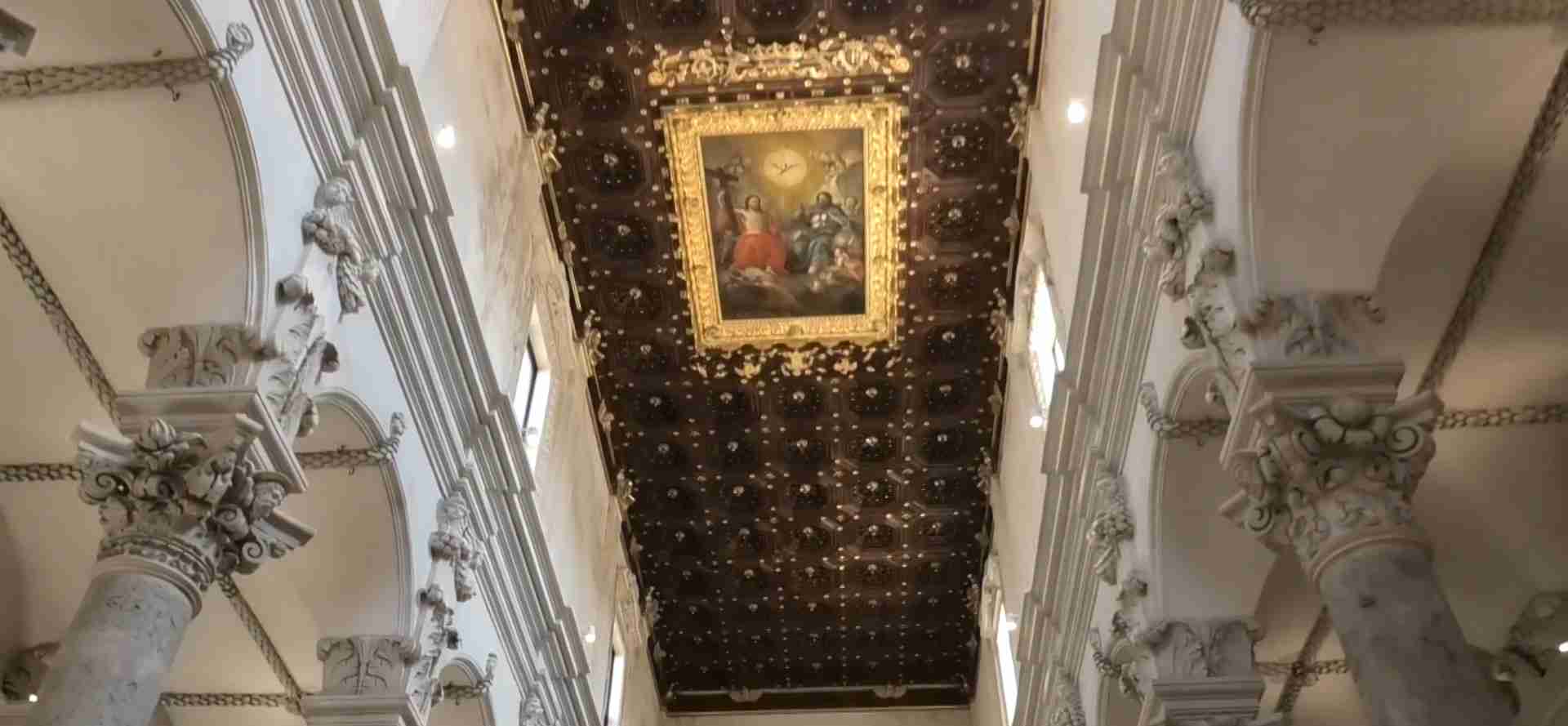
Visiting Lecce: The Florence of the South Guide
Lecce stands as one of Southern Italy’s most extraordinary artistic treasures, where honey-colored baroque palaces transform narrow streets into an open-air museum of sculptural magnificence. The city’s unique architectural style, born from local limestone and masterful artisans, creates a visual experience unlike anywhere else in Italy. This guide explores the cultural layers, architectural masterpieces, and hidden corners that make Lecce an essential destination for understanding Italy’s baroque heritage.
Key Takeaways
- Barocco Leccese Architecture: Lecce developed a distinctive baroque style between the 16th and 17th centuries, characterized by extraordinarily detailed stone carvings made possible by the soft local pietra leccese limestone, creating facades unlike any other Italian city
- UNESCO Tentative List Status: The city and broader Salento region have been on UNESCO’s Tentative List since 2006 for their exceptional baroque architectural heritage, representing a unique cultural phenomenon in European art history
- Historical Layers: Over 2,000 years of continuous habitation created a palimpsest of Messapian, Roman, Byzantine, Norman, and Spanish influences, with each civilization leaving architectural and cultural traces visible throughout the historic center
- Pedestrian Historic Center: The compact centro storico, enclosed by remnants of ancient walls with three preserved gates, offers entirely walkable exploration of 22 major churches and countless palaces within a square kilometer
- Pietra Leccese Mastery: Local artisans transformed the region’s honey-colored limestone into intricate sculptures covering entire building facades, a tradition that continues in workshops throughout the city today
- Cultural Capital of Salento: Beyond architecture, Lecce serves as the cultural heart of the broader Salento peninsula, preserving traditions from ancient Greek settlement including the Griko dialect still spoken in nearby villages
People Also Ask About Lecce
Why is Lecce called the Florence of the South?
Lecce earned the nickname “Florence of the South” for its extraordinary concentration of baroque art and architecture rivaling Northern Italian Renaissance cities in artistic achievement and cultural significance. The comparison reflects the city’s role as a major artistic center where local workshops produced sculptures, architectural elements, and decorative arts of exceptional quality during the 16th and 17th centuries. Unlike Florence’s Renaissance focus, Lecce specialized in baroque expression, developing a unique local style called Barocco Leccese that transformed entire city blocks into sculptural ensembles. The soft pietra leccese limestone allowed artisans to achieve unprecedented decorative detail, creating building facades that function as three-dimensional artworks. This artistic density, combined with excellent preservation and the city’s cultural vitality, justifies the comparison to Florence despite the different artistic periods and styles.
What makes Barocco Leccese architecture unique?
Barocco Leccese represents a distinctive baroque variant characterized by exuberant stone carving, local iconography mixing Christian and secular symbols, and architectural solutions adapted to the warm climate and local building materials. The style emerged from the combination of Counter-Reformation religious fervor, Spanish Habsburg patronage, local limestone properties, and skilled artisan workshops concentrated in Lecce and surrounding towns. Facades feature densely packed sculptural elements including human figures, animals, flowers, fruits, fantastical creatures, and geometric patterns executed with extraordinary precision. The soft pietra leccese allowed carvers to achieve detail impossible in harder stones, creating lace-like effects and deeply undercut reliefs. Architectural elements like columns, balconies, portals, and window frames became canvases for sculptural programs that overflow with organic and symbolic imagery, creating a visual richness that distinguishes Leccese baroque from Roman or Sicilian baroque traditions.
How old is Lecce and what civilizations shaped it?
Lecce traces its origins to Messapian settlement around the 4th century BC, with continuous urban occupation spanning over 2,000 years through successive civilizations that each left architectural and cultural imprints. The Messapians, migrants from Crete or Illyria, founded the settlement called Sybar before Roman conquest in the 3rd century BC transformed it into Lupiae. Emperor Hadrian moved and expanded the city in the 2nd century AD, renaming it Licea. Byzantine rule beginning in 549 AD brought Orthodox Christianity and Greek cultural influence that persisted for centuries. Norman conquest in the 11th century initiated Western Catholic dominance, though Greek traditions survived in the Salento countryside. The most transformative period came under Spanish Habsburg rule from 1463 to 1707, when Counter-Reformation religious orders and local nobility commissioned the baroque building campaigns that define the city’s current appearance. Each layer remains visible in archaeological sites, building foundations, street patterns, and cultural practices.
What is pietra leccese and why was it important for Lecce’s architecture?
Pietra leccese is a honey-colored, fine-grained calcareous limestone quarried from the Salento peninsula, characterized by unusual softness when freshly cut that allows detailed carving before naturally hardening through exposure to air. This stone enabled Lecce’s artisans to achieve sculptural complexity impossible with harder marbles or stones, as carvers could work the material with tools producing lace-like effects and deeply undercut three-dimensional forms. Historical sources describe the stone as soft enough to cut with a penknife when newly quarried, though it gains weather resistance through a traditional treatment involving milk proteins that sealed the porous surface. The warm golden color, ranging from pale cream to deep amber depending on iron oxide content, creates visual harmony across the historic center and responds beautifully to southern Mediterranean light. Local quarries continue operating today, supplying stone for restoration projects and contemporary sculptors maintaining traditional techniques, making pietra leccese both the material foundation and ongoing living tradition of Leccese artistic identity.
Extended multi-day tours – 5+ days
Featured Lecce Multi-Day Tour Packages

6 days
The Best of Apulia, Private Tour from Bari
- ✓ Booking needs min. 2 travelers
7 days
Apulia – Experiencing the Real Italy Even without a Car
- ✓ Booking needs min. 2 travelers
7 days
7 Day Highlights of Puglia Tour Package
- ✓ Comprehensive Lecce tour
- ✓ Expert local guides included
- ✓ All accommodation arranged
- ✓ Transportation provided
5 days
Bari & Lecce: Focaccia & Pasticciotto Private Experience – 5 Days
- ✓ Comprehensive Lecce tour
- ✓ Expert local guides included
- ✓ All accommodation arranged
- ✓ Transportation provided
Multi-day tour packages powered by TourRadar. Prices and availability subject to change.
Introduction
Lecce occupies a unique position in the Italian cultural landscape, representing the apotheosis of Southern Italian baroque expression while maintaining strong connections to its ancient Mediterranean heritage. Located in the heel of Italy’s boot on the Salento peninsula between the Adriatic and Ionian seas, the city developed as a regional capital whose artistic achievements rival those of much larger Italian centers. The extraordinary preservation of its baroque urban fabric, combined with underlying archaeological layers and continued cultural vitality, creates a destination offering both visual splendor and historical depth.
The city’s transformation during the 16th and 17th centuries occurred during a specific historical moment when several factors converged: Spanish Habsburg political control brought wealth and patronage; Counter-Reformation religious fervor motivated church building and decoration; established artisan workshops possessed exceptional skills in stone carving; and the availability of easily worked local limestone enabled ambitious sculptural programs. This combination produced an urban environment where architecture transcends functional purposes to become comprehensive artistic expression, with buildings serving as canvases for complex iconographic programs blending religious devotion, classical learning, natural observation, and pure decorative imagination.
Understanding Lecce requires recognizing both its distinctiveness and its connections to broader cultural currents. While the baroque style originated in Rome and spread throughout Catholic Europe, Lecce adapted these international trends to local materials, climate, traditions, and sensibilities. The result is neither simply provincial imitation nor isolated local expression, but rather a sophisticated synthesis that created something genuinely original. The city’s artisans absorbed influences from Spanish, Roman, and Neapolitan sources while maintaining strong ties to the region’s Greek heritage and developing techniques specifically suited to pietra leccese’s properties.
Today’s visitor encounters this heritage in remarkably intact form. Unlike many Italian cities where 19th and 20th century development destroyed or obscured historic centers, Lecce’s economic stagnation during the industrial era ironically preserved its baroque character. Modern appreciation and UNESCO Tentative List recognition have supported conservation efforts while tourism growth has revitalized the city without destroying its essential character. Walking through the pedestrian-friendly centro storico reveals layer upon layer of history, from Roman amphitheaters and Byzantine churches to baroque palaces and contemporary artisan workshops maintaining centuries-old traditions.
Understanding Lecce: The Capital of Barocco Leccese
Lecce functions as the artistic and cultural epicenter of the Barocco Leccese phenomenon, a baroque architectural and decorative style that flourished in the Salento peninsula during the late 16th and 17th centuries. The city concentrates the finest examples of this distinctive baroque variant, with major monuments, churches, and palaces demonstrating the style’s evolution from early Counter-Reformation austerity toward increasingly exuberant decorative excess. The concentration of high-quality baroque architecture within the compact historic center creates an immersive environment where visitors experience the style’s full range from grand civic and religious monuments to modest residential buildings and utilitarian structures.
The term “Barocco Leccese” encompasses both architectural forms and decorative programs specific to this region. Structurally, buildings often follow conventional baroque plans with central-plan churches, rectangular palace facades, and traditional Italian urban layouts. The distinction emerges in the treatment of surfaces, where local artisans covered walls with dense sculptural decoration executed in pietra leccese. This surface treatment transforms architecture into sculpture, with columns, pilasters, cornices, window frames, balconies, and portals serving as armatures for figurative and ornamental carving. The iconographic programs mix Christian symbols with classical motifs, local flora and fauna, heraldic devices, and fantastical creatures, creating visual narratives that reward extended observation.
Several factors distinguish Leccese baroque from other regional baroque traditions. The soft limestone permitted deeper undercutting and finer detail than harder stones, allowing artisans to create almost filigree effects in stone. The warm climate influenced architectural solutions, with deep portals providing shade, minimal window openings reducing heat, and projecting balconies and cornices creating shadow patterns that enhance sculptural modeling. Local workshops developed specialized techniques and motifs, including characteristic putti (cherubs), plant forms based on Salento flora, and complex geometric patterns reflecting both Islamic influences from Spanish rule and classical Roman precedents visible in local archaeological remains.
The social and economic context shaped artistic production. Religious orders, particularly Theatines and Jesuits arriving during the Counter-Reformation, commissioned major churches designed to inspire devotion through visual splendor. The local nobility, enriched by agricultural estates producing olive oil and wine, competed in palace construction and church patronage. Artisan families formed workshops passing skills through generations, with master carvers, architects, and decorators collaborating on complex projects. This combination of religious motivation, aristocratic patronage, and skilled labor created sustained demand supporting artistic innovation over more than a century.
Lecce’s role as provincial capital and episcopal seat concentrated resources and talent. The city hosted religious institutions, noble families, administrative functions, and commercial activities that generated wealth supporting artistic production. Major workshops attracted commissions from throughout the Salento region, with Leccese masters designing churches and palaces in smaller towns while local artisans adopted Leccese models. This regional influence created stylistic coherence across the Salento peninsula, though Lecce retained supremacy in quality and innovation. The city’s artistic community also maintained connections to larger Italian centers, with some architects and sculptors training in Naples or Rome before returning to establish Leccese practices.
The baroque transformation coincided with urban expansion beyond medieval walls. New streets, squares, and building lots provided opportunities for comprehensive planning rather than piecemeal renovation of older neighborhoods. Major monuments anchored urban spaces, with church facades designed to terminate street perspectives and create theatrical effects. The integration of architecture, urbanism, and decoration produced harmonious ensembles where individual buildings contribute to larger compositions. This urban baroque creates dramatic experiences of discovery, surprise, and visual pleasure as visitors move through spaces designed to guide sight lines, frame monuments, and create rhythmic alternation between enclosed streets and open squares.
Architectural Heritage: Pietra Leccese and Baroque Masterpieces
Pietra leccese limestone forms both the material foundation and defining characteristic of Lecce’s architectural identity, with the stone’s unique properties enabling the sculptural richness that distinguishes Leccese baroque from other baroque traditions. Quarried from sedimentary deposits underlying the Salento peninsula, the stone consists of fine-grained calcareous limestone formed from marine organisms during the Miocene epoch approximately 20 million years ago. The geological composition creates a relatively soft stone when freshly quarried, allowing carvers to achieve extraordinary detail, while natural hardening through air exposure and traditional milk-protein treatments provides weather resistance suitable for exterior architectural use.
The color spectrum of pietra leccese ranges from pale cream to rich golden amber, with variations depending on iron oxide content and quarry location. This warm tonality creates visual harmony across the historic center while responding dramatically to changing light conditions. Morning sun illuminates facades with cool golden light, midday sun intensifies the amber tones, and evening light creates rich shadows emphasizing the sculptural depth of carved elements. The stone’s porosity allows it to absorb and reflect light differently than dense marbles, creating a soft luminosity rather than hard brilliance. This quality enhances the baroque aesthetic, where light and shadow modeling reveals three-dimensional forms and creates dramatic visual effects.
Traditional quarrying and carving techniques developed specifically for pietra leccese’s properties. Quarries operated as open pits rather than underground mines, with workers cutting blocks from horizontal beds using hand tools and later mechanical saws. The stone’s softness when freshly cut allowed relatively easy extraction and transport, though requiring careful handling to prevent damage. Workshops received rough blocks that carvers shaped using chisels, gouges, and drills while the stone remained workable. Master carvers achieved fine details including deep undercutting, delicate foliage, and complex figurative sculpture. The hardening process occurred gradually after installation, with the milk-protein sealing treatment providing additional protection against weathering and water absorption.
The architectural applications of pietra leccese extended beyond decorative carving to include structural elements. Blocks formed walls, columns, vaults, and load-bearing elements, with the stone’s compressive strength adequate for typical baroque building heights. However, the material’s relative softness compared to granite or harder limestones required careful engineering and proper maintenance. Weight distribution through buttresses, thick walls, and vault designs accounted for the stone’s properties. Conservation challenges include erosion from air pollution, salt crystallization from rising damp, biological growth in crevices, and mechanical damage from vibrations and structural movement. Modern restoration techniques have developed methods for cleaning, consolidating, and replacing damaged elements while respecting traditional craftsmanship and historical authenticity.
Contemporary pietra leccese quarrying continues in the Salento region, supplying stone for restoration projects and new construction. Several traditional workshops maintain carving skills, training new generations in historical techniques while adapting to modern tools and methods. The stone’s continued availability enables authentic restoration of damaged or deteriorated architectural elements, as matching the original material’s color, grain, and carving quality proves essential for maintaining the historic center’s visual coherence. Some contemporary architects and sculptors also work with pietra leccese, creating modern artworks and buildings that reference baroque traditions while expressing contemporary aesthetics. This living tradition connects past and present, maintaining technical knowledge and cultural continuity while allowing creative innovation.
The economic importance of pietra leccese extends beyond construction to tourism and cultural identity. The stone’s distinctive appearance and association with Leccese baroque creates strong place identity, with the golden facades serving as visual symbols of the city and region. Tourism focused on architectural heritage generates economic activity supporting conservation efforts, artisan workshops, and cultural institutions. The stone’s exportation for use in other regions and countries demonstrates its continuing commercial value, though the finest quality material remains reserved for local projects. The designation of the Salento region and Barocco Leccese as a UNESCO Tentative List site recognizes the architectural ensemble’s outstanding universal value, potentially supporting future conservation funding and international recognition while increasing tourism and cultural prestige.
Major Monuments and Landmarks in Lecce’s Historic Center
The Basilica di Santa Croce represents the apex of Leccese baroque achievement, with a facade that functions as a comprehensive encyclopedia of baroque decorative motifs executed with extraordinary technical skill and imaginative flair. Construction spanned from 1549 to 1695, engaging multiple generations of Lecce’s finest architects and sculptors including Gabriele Riccardi, Francesco Antonio Zimbalo, and Cesare Penna. The facade rises through two distinct levels, with the lower portion featuring a central portal flanked by columns and lateral portals, while the upper level presents a rose window surrounded by sculptural elements creating an almost overwhelming visual complexity.
The iconographic program of Santa Croce’s facade blends religious symbolism with naturalistic observation and pure decorative invention. The central portal depicts sacred scenes and figures surrounded by angels, saints, and allegorical representations. Columns twist with vine motifs, capitals explode with acanthus leaves and human heads, and every available surface receives sculptural treatment. Particularly remarkable are the fantastical creatures including winged lions, dragons, griffins, and hybrid beings that populate the upper facade alongside more conventional religious imagery. This mixture of sacred and profane, Christian and classical, realistic and fantastic creates a visual program that rewards extended study, as new details emerge with continued observation.
The adjacent Governor’s Palace completes the ensemble facing Piazza Sant’Oronzo, demonstrating how civic and religious architecture collaborated in creating baroque urban spaces. The palace facade displays more restrained decoration than Santa Croce, reflecting its governmental function, but maintains the characteristic Leccese baroque treatment of portals, windows, and cornices. The relationship between these buildings and the public square creates a theatrical setting for civic and religious ceremonies, with the architecture providing a monumental backdrop for urban life. The preservation of this ensemble allows contemporary visitors to experience baroque urbanism as designed, with architecture shaping spatial experience and creating dramatic visual effects.
The Duomo (Cathedral of Santa Maria Assunta) occupies the center of Piazza del Duomo, an enclosed square entered through a narrow street that creates a dramatic reveal effect characteristic of baroque urban design. Giuseppe Zimbalo designed the cathedral’s reconstruction between 1659 and 1670, creating a building with two contrasting facades. The primary facade facing the Bishop’s Palace displays relative restraint with classical orders and measured decoration, while the lateral facade facing the Campanile (bell tower) demonstrates full baroque exuberance with dense sculptural covering and complex iconographic programs. This dual treatment reflects functional considerations, with the more visible lateral facade receiving greater decorative investment while the primary facade maintains dignity appropriate to its religious function.
The Cathedral’s bell tower, completed in 1682, rises 70 meters through five levels topped by an octagonal lantern and cross. The structure demonstrates baroque architectural engineering adapted to Salento’s seismic conditions, with thick walls at the base tapering toward the summit and internal buttressing providing stability. Decorative treatment increases with height, as the upper levels feature more elaborate carving and openwork balustrades creating vertical rhythm and visual interest. The tower functions as both religious symbol and urban landmark, visible from throughout the historic center and surrounding areas, orienting visitors and residents while asserting the cathedral’s dominance of the urban skyline.
Piazza del Duomo itself represents one of Italy’s finest baroque urban spaces, with the cathedral, campanile, Bishop’s Palace, and Seminary creating an enclosed square that focuses attention inward while controlling views outward. The single entrance creates anticipation and surprise, with visitors emerging from a narrow street into the expansive square surrounded by monumental architecture. This theatrical approach to urban space reflects baroque aesthetic principles emphasizing drama, emotional impact, and carefully controlled visual experiences. The square functions for both religious ceremonies and civic gatherings, with the architecture providing a dignified setting while the spatial design manages crowd movement and sight lines.
The Roman Amphitheater in Piazza Sant’Oronzo reveals Lecce’s ancient layers, with the elliptical structure dating to the 2nd century AD during the city’s Roman period as Lupiae. Excavated in the early 20th century after centuries of burial beneath medieval and baroque construction, the amphitheater’s preserved lower arcade demonstrates Roman engineering and architectural achievement. The structure originally accommodated approximately 25,000 spectators for gladiatorial games and public spectacles, indicating Lupiae’s importance as a provincial Roman center. The integration of these Roman remains into the baroque urban fabric creates temporal juxtaposition, with classical and baroque monuments coexisting in a palimpsest demonstrating Lecce’s continuous urban occupation.
The Column of Sant’Oronzo, Lecce’s patron saint, rises in the center of Piazza Sant’Oronzo on a Roman column originally from Brindisi’s Via Appia terminal. The column’s transfer to Lecce in 1666 commemorated the city’s deliverance from plague, with Sant’Oronzo’s statue crowning the ancient shaft. This combination of Roman architectural element and baroque religious iconography exemplifies Lecce’s approach to its classical heritage, repurposing ancient materials while transforming their meaning through Christian recontextualization. The plaza surrounding the column functions as the city’s central gathering space, with cafes, shops, and civic buildings creating a living urban center where historical monuments integrate with contemporary activity.
Churches and Religious Architecture Across Lecce
The Church of San Matteo presents one of Lecce’s most unusual baroque facades, with an undulating convex-concave design by Francesco Antonio Zimbalo that anticipates Borromini’s Roman innovations while adapting them to local traditions and materials. Completed in 1700, the facade alternates projecting and receding bays creating dynamic spatial effects enhanced by varied window shapes, sculptural decoration, and the play of light across the curving surface. The lower level features paired columns framing a central portal, while the upper level develops the convex-concave rhythm through curved pediments and complex window surrounds. The church’s interior displays equally inventive baroque spatial design with oval plan, side chapels, and decorative programs integrating architecture, sculpture, and painting.
Santa Chiara, built between 1687 and 1691, demonstrates the baroque aesthetic applied to a smaller-scale religious foundation. The church served a Poor Clares convent, with the architectural program reflecting both the order’s contemplative character and the baroque period’s devotional intensity. The facade displays characteristic Leccese decoration with naturalistic and symbolic carving surrounding the portal and windows. The interior preserves remarkable papier-mâché decorations, a distinctive Leccese craft tradition using layered paper, cloth, and plaster to create lightweight sculptural elements including altarpieces, statues, and architectural details. These papier-mâché works demonstrate technical virtuosity in a humble material, creating effects rivaling stone or wood carving while reducing weight and cost.
The Chiesa del Gesù (Church of Jesus), also known as Chiesa del Buon Consiglio, features a facade attributed to Giuseppe Zimbalo combining architectural monumentality with sculptural richness. The church belongs to the Jesuit order, whose Counter-Reformation mission emphasized spectacular architectural settings for worship designed to inspire devotion and demonstrate Catholic faith’s vitality. The facade’s two levels develop baroque themes through paired columns, deep portals, complex window surrounds, and densely carved decorative elements. The upper level features a large window with baroque frame surrounded by sculptural angels, saints, and symbolic motifs. The interior displays typical Jesuit planning with single nave, side chapels, and transept creating processional space and focusing attention on the main altar.
Sant’Irene, dedicated to Lecce’s former patron saint before Sant’Oronzo, occupies a prominent position on Via Vittorio Emanuele II, the historic center’s main thoroughfare. Francesco Grimaldi designed the church between 1591 and 1639, creating a facade that represents an earlier phase of Leccese baroque before the style reached its most exuberant development. The facade displays more architectural restraint than later churches, with classical orders, measured decoration, and emphasis on structural clarity rather than sculptural excess. This earlier baroque approach demonstrates the style’s evolution in Lecce from Counter-Reformation austerity toward increasing decorative elaboration, providing context for understanding the more ornate churches built later in the 17th century.
The Church of San Giovanni Battista (Rosario) presents a masterwork by Giuseppe Zimbalo completed in 1728, representing the culmination of Leccese baroque before the style’s 18th-century decline. The facade rises through two levels with exceptional sculptural richness, featuring Zimbalo’s characteristic attention to decorative detail and inventive combination of architectural and sculptural elements. The upper level develops unusual curved and broken pediments creating dynamic skyline silhouettes. The church served the Dominican order, with the architectural program reflecting both Dominican spiritual traditions and the baroque period’s aesthetic preferences. The interior preserves significant baroque altars, paintings, and decorative programs demonstrating the integration of multiple art forms in creating comprehensive devotional environments.
Santa Maria della Provvidenza, a small church in the historic center, demonstrates how baroque aesthetic principles adapted to modest buildings and limited budgets. The facade, though less elaborate than major monuments, displays characteristic Leccese baroque motifs including sculptural portal surrounds, decorative cornices, and carefully proportioned classical orders. This example illustrates the baroque style’s permeation throughout the urban fabric, with even minor religious buildings receiving architectural attention and decorative treatment. The preservation of such lesser monuments contributes to the historic center’s overall character, as the baroque ensemble includes buildings at all scales rather than isolated masterpieces surrounded by utilitarian construction.
The churches collectively demonstrate recurring baroque themes and variations: theatrical facades designed for visual impact from specific viewpoints; dense sculptural decoration mixing sacred and secular motifs; integration of architecture, sculpture, and painting in comprehensive decorative programs; adaptation of international baroque principles to local materials and traditions; and emphasis on emotional engagement and sensory richness as vehicles for religious devotion. Each church presents unique solutions to these common concerns, creating variety within stylistic coherence. The concentration of high-quality baroque churches within a small geographic area allows visitors to compare approaches, recognize individual architects’ characteristics, and understand the style’s evolution through chronological study of dated monuments.
Museums and Cultural Institutions Preserving Lecce’s Heritage
The Museo Faggiano reveals Lecce’s archaeological stratification through the vertical excavation of a private palace undertaken during renovation work that discovered multiple historical layers beneath the baroque building. The museum displays Roman walls and floors, medieval structures, Messapian pottery fragments, Byzantine cisterns, and Templar symbols discovered during archaeological investigation. This vertical museum demonstrates 2,000 years of continuous occupation in a single building location, with artifacts and architectural remains providing evidence of changing uses, populations, and building technologies. The preservation of archaeological materials within their original context offers educational value exceeding conventional museum displays, as visitors understand stratigraphic relationships and spatial continuity rather than viewing decontextualized artifacts.
The Museo Provinciale Sigismondo Castromediano, established in 1868, houses Lecce’s principal archaeological and artistic collections in a modern facility designed for comprehensive exhibitions. The museum’s name honors Count Sigismondo Castromediano, a 19th-century patriot and cultural figure who promoted Salento’s heritage. Collections span from prehistoric Messapian ceramics through Greek and Roman sculptures to medieval and baroque artworks. Particularly significant are the Messapian pottery collections displaying geometric and figurative decoration characteristic of this pre-Roman culture, and the Roman sculptural fragments recovered from excavations throughout the region. The museum provides essential context for understanding Lecce’s development, with archaeological materials documenting the cultural transitions from Messapian to Roman to Byzantine to Norman and Spanish periods.
MUST – Museo Storico-Archeologico dell’Università del Salento occupies the former Santa Monica convent, combining baroque architectural setting with contemporary exhibition design. The museum displays archaeological materials from University of Salento excavations throughout the region, with particular strengths in prehistoric, Messapian, and Roman periods. Exhibition strategies emphasize educational accessibility through multimedia presentations, interactive displays, and comprehensive labeling. The museum’s location in a restored baroque convent creates dialogue between historical architecture and contemporary museum practice, as exhibition spaces respect the building’s character while incorporating modern environmental controls, lighting, and visitor services.
The Museo della Cartapesta (Papier-Mâché Museum) celebrates a distinctive Leccese craft tradition that flourished during the baroque period as an economical alternative to stone or wood sculpture for church decoration. Artisans created lightweight statues, altarpieces, architectural elements, and decorative objects using layered paper, cloth, glue, and plaster shaped over wooden armatures. The technique allowed creation of complex forms with fine detail while reducing material costs and structural weight. The museum displays historical examples demonstrating technical achievement and artistic quality, with some papier-mâché works rivaling stone sculpture in expressiveness and refinement. Contemporary artisans continue the tradition, creating both religious artworks and secular decorative objects marketed to collectors and tourists.
Teatro Politeama Greco, Lecce’s principal theater, occupies a late 19th-century building that represents the city’s cultural ambitions during Italy’s post-unification period. The theater hosts opera, drama, concerts, and dance performances, functioning as a venue for both classical repertoire and contemporary productions. The building’s neoclassical architecture contrasts with the surrounding baroque environment while demonstrating continued civic investment in cultural infrastructure. The theater’s programming includes both international touring productions and local companies, with particular emphasis on promoting Salento’s musical and theatrical traditions. The institution contributes to Lecce’s identity as a cultural center extending beyond architectural heritage to include performing arts and contemporary creativity.
Palazzo Turrisi Palumbo serves as a rare example of a baroque noble palace open for public visits, demonstrating aristocratic domestic architecture and decoration from the 17th and 18th centuries. The palace preserves original frescoed ceilings, antique furnishings, art collections, and architectural details including carved stone fireplaces, decorative floors, and baroque staircases. These domestic interiors complement the public facades visible throughout the historic center, revealing the comprehensive baroque aesthetic that extended from monumental religious and civic buildings to private aristocratic residences. The palace illustrates social hierarchies and living patterns of the baroque elite, with spatial organization reflecting both Italian palazzo traditions and adaptations to Salento’s climate including courtyard cooling, thick walls providing thermal mass, and minimal window openings reducing heat gain.
Hidden Corners and Lesser-Known Treasures in Lecce
The Jewish Quarter, located in the southwestern section of the historic center, preserves narrow medieval street patterns predating the baroque transformation. This neighborhood housed Lecce’s Jewish community until their expulsion under Spanish rule in the early 16th century. The area maintains architectural character distinct from the baroque center, with narrower buildings, irregular street alignments, and evidence of medieval construction techniques. While most buildings received baroque facades during later renovations, underlying structures and spatial organization reflect earlier periods. The quarter’s modest scale and residential character provide contrast to the monumental baroque districts, revealing urban diversity and historical complexity obscured by the baroque overlay in other areas.
Porta Napoli, one of three surviving gates from Lecce’s defensive walls, demonstrates Renaissance military architecture adapted to represent civic pride and territorial control. Constructed in 1548 to commemorate Emperor Charles V, the gate features a triumphal arch design referencing Roman imperial monuments while incorporating defensive elements including flanking towers and positions for artillery. The structure’s dual character as both fortification and ceremonial entrance reflects 16th-century military architecture’s evolution toward symbolic representation as gunpowder technology rendered traditional walls obsolete. The gate’s preservation while surrounding walls were demolished for urban expansion creates a historical marker anchoring one edge of the centro storico and providing orientation for contemporary visitors.
Porta Rudiae, the eastern gate, takes its name from the ancient Messapian city of Rudiae located nearby, legendary birthplace of the Roman poet Ennius. The gate’s simple arch design contrasts with Porta Napoli’s elaborate baroque treatment, demonstrating functional approaches to defensive architecture. The structure provides access to streets leading toward Adriatic coastal towns, maintaining its historical role as a directional marker and threshold between urban and rural territories. The gate’s neighborhood preserves quieter residential character with fewer tourist services, offering glimpses of local daily life and less monumental architecture revealing the historic center’s functional diversity beyond showcase monuments.
Porta San Biagio, the western gate, marks the direction toward Rome along historical communication routes. Like the other gates, San Biagio survived defensive wall demolition to function as historical landmark and urban threshold. The gate’s neighborhood includes artisan workshops maintaining traditional crafts including pietra leccese carving, papier-mâché sculpture, wrought iron work, and textile weaving. These workshops continue centuries-old techniques while adapting to contemporary markets, creating both restoration elements for historic buildings and decorative objects for collectors and tourists. Visiting these workshops provides insight into craft traditions underlying baroque artistic achievement, as modern artisans employ tools and methods similar to their baroque predecessors.
The Giardini Pubblici (Public Gardens) occupy former defensive earthworks transformed into landscaped parks during the 19th century. These green spaces provide relief from the dense urban fabric of the historic center, with tree-lined walks, fountains, and viewpoints overlooking surrounding countryside. The gardens demonstrate 19th-century urban improvement initiatives modernizing Italian cities through public amenities including parks, sewers, street lighting, and institutional buildings. The landscaping incorporates both formal Italian garden design traditions and naturalistic English landscape approaches, creating varied spatial experiences and botanical diversity. The gardens function as neighborhood amenities serving local residents while offering tourists retreat spaces and perspectives on the historic center’s setting within the broader Salento landscape.
The Villa Comunale, a smaller park near the historic center, features a bandstand, monuments, and plantings creating ceremonial space for civic gatherings and public events. The park’s design reflects late 19th and early 20th century aesthetic preferences emphasizing geometric layouts, exotic plantings, and commemorative sculptures. These green spaces complement the historic center’s dense baroque architecture, providing environmental benefits including shade, cooling, air quality improvement, and recreational opportunities. The parks’ preservation despite modern development pressures demonstrates continued commitment to public space quality and urban livability values established during the 19th-century improvement campaigns.
Archaeological sites scattered throughout the historic center and immediate surroundings reveal Roman Lecce’s extent and character. Besides the visible amphitheater in Piazza Sant’Oronzo, excavations have uncovered portions of the Roman theater, city walls, residential structures, and commercial areas. Many remains lie beneath baroque buildings or modern streets, discovered during construction or renovation work. Some sites remain accessible through basement windows or incorporated into building foundations, while others exist only in archaeological reports and historical documentation. This buried archaeology demonstrates both preservation challenges when historical layers conflict with modern urban functions and opportunities for enhanced understanding through systematic investigation coordinating with urban development activities.
Local Culture and Traditions in the Salento Region
The Salento peninsula maintains distinctive cultural identity within Southern Italy, shaped by geographical isolation, Greek settlement heritage, Spanish rule, and agricultural economy based on olive cultivation and wine production. Lecce functions as the cultural capital synthesizing urban sophistication with countryside traditions, serving as market center, administrative seat, and venue for regional festivals and celebrations. This urban-rural relationship created cultural exchange where aristocratic patronage supported artistic production while popular traditions influenced decorative motifs and iconographic programs visible in baroque architecture.
The Griko dialect, a Greek language variant surviving in nine Salento villages collectively called Grecia Salentina, represents the region’s ancient Hellenic heritage dating to Magna Graecia colonization and Byzantine rule. While Griko speakers have declined dramatically during the 20th century, cultural revival efforts promote the language through education, publications, and cultural events. Lecce hosts academic institutions and cultural organizations studying Griko and broader Hellenic influences on Salento culture. This Greek heritage extends beyond language to include Orthodox religious traditions, agricultural techniques, musical forms, and folk customs creating cultural continuity across millennia despite political changes and Latin Catholic dominance.
Traditional music and dance forms including pizzica, a rapid folk dance accompanied by tambourines, violins, and guitars, express Salento’s cultural vitality and historical memory. Pizzica performances occur during festivals, celebrations, and increasingly as tourist attractions presenting folk culture in commercial contexts. The dance’s origins link to medieval tarantism rituals believed to cure spider bites through ecstatic movement, though contemporary practice emphasizes entertainment and cultural expression rather than therapeutic functions. Music festivals throughout the Salento region feature traditional instruments and styles alongside contemporary interpretations blending folk traditions with modern genres, demonstrating living culture’s evolution while maintaining connections to historical roots.
Culinary traditions reflect Salento’s agricultural products, Mediterranean climate, and historical influences from Greek, Byzantine, Arab, Spanish, and broader Italian sources. Olive oil production dominates the regional economy and cuisine, with ancient olive groves producing oils of exceptional quality used in local cooking and exported internationally. Wheat cultivation supports pasta and bread production, while vegetables including tomatoes, eggplant, peppers, and legumes feature prominently in traditional recipes. Seafood from both Adriatic and Ionian coasts provides protein, with preparations emphasizing simple methods highlighting ingredient quality. Wine production, particularly robust red wines from Primitivo and Negroamaro grapes, complements the cuisine and represents another major agricultural export strengthening regional identity and economy.
Religious festivals and civic celebrations demonstrate baroque traditions’ continuation into contemporary culture. The Festa di Sant’Oronzo, honoring Lecce’s patron saint, occurs annually in late August with processions, concerts, fireworks, and religious ceremonies. The festival transforms the historic center into outdoor celebration space, with baroque monuments providing theatrical backdrops for contemporary festivities. This continuity of use demonstrates how historical architecture remains integrated with living culture rather than preserved as museum pieces. Other festivals including Holy Week observances, Christmas celebrations, and saints’ day processions maintain traditional practices while adapting to changing social contexts and incorporating modern elements including sound systems, lighting effects, and media coverage.
Artisan crafts including pietra leccese carving, papier-mâché sculpture, ceramics, wrought iron work, embroidery, and basket weaving maintain traditional techniques while adapting to contemporary markets. Workshops throughout Lecce and surrounding towns train new generations in historical methods while creating products for restoration projects, collectors, and tourists. This craft continuity provides both economic activity and cultural transmission, as artisans preserve technical knowledge and aesthetic sensibilities underlying baroque artistic achievement. Some craftspeople maintain pure traditional approaches replicating historical methods and forms, while others innovate by applying traditional techniques to contemporary design aesthetics or experimental materials.
Photography Guide: Capturing Lecce’s Baroque Beauty
Photographing Lecce’s baroque architecture requires understanding how pietra leccese responds to changing light conditions and how to capture three-dimensional sculptural detail in two-dimensional images. The honey-colored stone displays varying tonalities throughout the day, from cool golden hues in morning light through intense amber at midday to rich warm tones during late afternoon and sunset. Photographers should plan shooting schedules considering how light direction and quality affect architectural photography, with early morning and late afternoon providing optimal conditions for revealing sculptural modeling through raking light that emphasizes depth and texture.
Wide-angle lenses prove essential for capturing complete building facades within narrow street contexts, though requiring careful composition to minimize distortion and maintain architectural proportions. The baroque facades’ vertical development and dense decoration benefit from perspective control through tilt-shift lenses or digital correction in post-processing to prevent converging verticals. For detail photography emphasizing sculptural elements, longer focal lengths isolate specific architectural features from surrounding context, creating graphic compositions exploring pattern, texture, and ornamental complexity. Macro capabilities allow extreme close-up documentation of carving techniques and stone weathering patterns invisible to casual observation.
Compositional strategies should consider baroque architecture’s theatrical character and designed viewpoints. Many facades were conceived for specific viewing angles, with sculptural programs optimized for street-level perspectives or particular approach directions. Identifying these designed viewpoints and using them as primary shooting positions captures the architecture as the original designers intended while also revealing compositional logic underlying facade organization. Alternative viewpoints including low angles emphasizing vertical development, high angles from adjacent buildings providing unusual perspectives, and oblique angles revealing multiple facades simultaneously create varied interpretations beyond documentary recording.
Interior photography presents technical challenges including low light levels, high contrast between windows and dark spaces, and restrictions on tripod use or flash photography in religious buildings. Wide-angle lenses capture spatial character and architectural elements, while higher ISO sensitivity allows handheld shooting in available light. Bracketed exposures enable HDR processing balancing highlight and shadow detail, though careful processing avoids unrealistic results. Available light photography preserves atmospheric quality often lost in flash-illuminated images, with natural light streaming through windows creating dramatic effects enhancing baroque spatial drama. Respecting photography restrictions and avoiding disruption of religious services demonstrates cultural sensitivity essential when photographing functioning sacred spaces.
Detail photography explores baroque decoration’s incredible complexity, from figural sculptures and ornamental carving to weathering patterns revealing stone’s geological character and historical aging. Close examination discovers elements invisible from street level, including small-scale sculptures positioned high on facades, subtle variations in carving quality indicating multiple artisans’ work, and repairs using different stone sources. These details provide evidence for understanding construction chronology, workshop practices, and conservation history, offering insights beyond general architectural appreciation. Photographers documenting these details contribute to preservation efforts by creating visual records supporting conservation planning and historical research.
Black and white photography emphasizes architectural form, sculptural modeling, and textural qualities while eliminating color’s potential distraction. The baroque emphasis on light and shadow creates inherently dramatic compositions well-suited to monochrome interpretation, particularly when raking light reveals deep three-dimensional carving. Converting color images to black and white through digital processing allows control over tonal relationships and contrast, emphasizing particular architectural features or creating specific atmospheric effects. Comparing color and monochrome versions of the same subjects reveals different interpretative possibilities and aesthetic considerations.
Timing visits to avoid tourist crowds improves both photographic opportunities and architectural experience. Early morning before 9 AM and late afternoon after 5 PM typically offer reduced pedestrian traffic in major tourist areas, allowing clear views and unobstructed photography. Winter months and weekdays see fewer visitors than summer and weekends. Some monuments open early for worshippers before tourist hours, providing opportunities for photography in active religious contexts rather than museum-like conditions. Patience waiting for clear views and returning multiple times to challenging locations yields better results than accepting compromised compositions with unwanted elements.
Understanding Lecce’s Historical Layers and Urban Evolution
Lecce’s urban development reflects over 2,000 years of continuous occupation with each period leaving architectural and spatial traces visible in the contemporary city. The Messapian settlement of Sybar, founded in the 4th century BC, occupied a strategic position on a slight elevation above the surrounding Salento plain. Archaeological evidence including defensive walls, pottery, and burial sites demonstrates the settlement’s importance as a Messapian center before Roman conquest. The Messapian urban pattern, though largely obscured by later development, established fundamental site characteristics including the elevated core area and relationships to surrounding agricultural territories and communication routes toward coastal ports.
Roman conquest in the 3rd century BC transformed the settlement into Lupiae, a municipium within the Roman provincial system. Emperor Hadrian’s 2nd-century AD expansion moved and rebuilt the city 3 kilometers northeast, renaming it Licea. This Roman urban layout established street patterns, forum location, defensive walls, and major public buildings including the amphitheater, theater, and bath complexes partially excavated in modern times. The Roman grid partially survives in the historic center’s street alignments, though medieval and baroque modifications obscured the original orthogonal planning. Roman defensive walls enclosed a larger area than medieval walls, with the Roman circuit’s traces visible in suburban archaeological sites and street alignments beyond the historic center.
Byzantine rule beginning in 549 AD brought Orthodox Christianity, Greek cultural influence, and integration with Eastern Mediterranean trade networks. The period’s architecture largely disappeared during later rebuilding, though some churches preserve Byzantine foundations or incorporate Byzantine elements in medieval and baroque structures. The Byzantine period’s cultural legacy proved more enduring than its architecture, as Greek language, Orthodox religious practices, and Eastern cultural traditions persisted in rural areas centuries after Latin Catholic dominance became politically and institutionally established. Urban development during this period likely modified Roman structures while maintaining fundamental spatial organization.
Norman conquest in the 11th century initiated Western medieval urbanization with construction of new religious foundations, defensive improvements, and aristocratic residences. The Norman and subsequent Swabian periods saw cathedral construction, monastery establishment, and defensive wall rebuilding defining the medieval urban perimeter largely preserved until 19th-century expansion. Gothic and Romanesque architectural elements survive in some buildings, though baroque renovations transformed most medieval structures beyond recognition. The medieval urban fabric established neighborhood patterns, street hierarchies, and property boundaries that conditioned baroque development despite wholesale architectural replacement.
Spanish Habsburg rule from 1463 to 1707 coincided with Counter-Reformation religious fervor and baroque artistic development, producing the comprehensive architectural transformation defining Lecce’s current character. The period’s economic prosperity supported major building campaigns replacing medieval structures with baroque palaces, churches, and civic buildings. Urban planning initiatives created new streets, reorganized squares, and coordinated building facades creating theatrical urban ensembles. The concentration of construction activity within a limited time period, approximately 1550 to 1730, created unusual stylistic coherence as most major monuments date to this baroque transformation rather than representing accumulated development across centuries.
Post-baroque development brought declining economic importance as political centralization in Naples and later Italian unification relegated Lecce to provincial status. This economic stagnation ironically preserved baroque character as lack of development pressure prevented demolition and modernization occurring in more prosperous cities. The 19th-century improvements including wall demolition, garden creation, and infrastructure modernization modified urban form while respecting historic core integrity. 20th-century conservation awareness, historic district protections, and tourism development supported preservation while generating economic activity replacing earlier agricultural and commercial functions.
Contemporary Lecce balances preservation with modern urban needs including housing, commerce, education, and cultural activities. The historic center maintains residential character with permanent populations living among monuments rather than creating museum-like tourist zones devoid of authentic daily life. Conversion of baroque palaces to museums, hotels, restaurants, and shops reuses historic architecture while changing functions, raising conservation concerns regarding appropriate interventions and authentic character preservation. Debates regarding pedestrianization, tourist carrying capacity, development pressures, and conservation priorities continue as the city negotiates between heritage preservation values and contemporary economic and social needs.
Day Trips and Nearby Destinations from Lecce
Otranto, located 40 kilometers southeast on the Adriatic coast, combines Byzantine heritage, medieval architecture, and coastal scenery creating a complementary destination to Lecce’s baroque focus. The cathedral’s 12th-century mosaic floor, one of Italy’s largest and most impressive medieval mosaics, depicts biblical scenes, mythological figures, historical events, and fantastical creatures in an encyclopedic program covering the entire nave. The mosaic’s artistic quality and iconographic complexity demonstrate Southern Italian medieval culture’s sophistication during Norman rule. Otranto’s historic center preserves medieval character with narrow streets, fortified walls, and Aragonese castle demonstrating different architectural traditions from Lecce’s baroque emphasis. The coastal location provides beaches and seafood restaurants contrasting with Lecce’s inland agricultural setting.
Gallipoli, positioned on the Ionian coast 40 kilometers southwest, offers another coastal destination with baroque architecture complementing Lecce’s monuments while demonstrating different urban conditions created by island setting and maritime economy. The historic center occupies a small island connected to mainland suburbs by a bridge, with defensive walls, churches, and palaces compressed into limited space creating dense urban fabric. The cathedral and several churches display baroque architecture by Leccese-trained architects, demonstrating the style’s regional spread while adapting to different site conditions and patron requirements. The fish market, harbor, and seafood restaurants emphasize maritime traditions contrasting with Lecce’s agricultural economy.
Galatina, 25 kilometers south, hosts the Basilica di Santa Caterina d’Alessandria, one of Southern Italy’s finest Gothic churches featuring exceptional 14th and 15th-century frescoes covering interior walls and vaults. The fresco cycle depicts biblical scenes, saints’ lives, and theological concepts executed with sophisticated composition, color, and narrative clarity rivaling contemporary painting in Northern Italy and Southern France. The church demonstrates pre-baroque artistic achievement in the Salento region, providing historical context for understanding baroque development as transformation of existing cultural traditions rather than isolated phenomenon. Galatina also maintains the Griko dialect and Greek cultural traditions more strongly than larger towns, offering insights into Salento’s Hellenic heritage.
The Grecia Salentina villages including Calimera, Martano, and Zollino preserve Greek dialect and cultural traditions dating to ancient colonization and Byzantine rule. These small towns offer authentic rural character, traditional architecture, and cultural events promoting Griko language and customs. Visiting these communities provides understanding of Salento’s cultural diversity beyond coastal resorts and tourist-oriented cities, revealing agricultural traditions, vernacular architecture, and local customs maintaining continuity with historical practices. The landscape of ancient olive groves, dry stone walls, and agricultural buildings creates scenic countryside contrasting with urban environments.
Alberobello, located 90 kilometers north in the Itria Valley, contains the UNESCO World Heritage trulli district featuring distinctive conical-roofed limestone buildings unique to this region. While requiring longer travel time from Lecce, Alberobello represents another aspect of Puglia’s architectural heritage based on vernacular building traditions and local stone construction techniques. The trulli demonstrate peasant architecture adapted to local materials and climate, contrasting with baroque aristocratic and ecclesiastical monuments. The preservation of over 1,500 trulli creates an unusual urban landscape offering different perspectives on stone construction and historical architecture.
Castel del Monte, approximately 130 kilometers northwest near Andria, stands as one of Italy’s most enigmatic medieval monuments and a UNESCO World Heritage Site. Emperor Frederick II’s 13th-century octagonal castle combines Gothic, Islamic, and classical architectural elements in a mathematically precise design whose function and symbolic program remain debated. While distant from Lecce requiring full-day excursion, the monument represents medieval architectural achievement predating baroque development and demonstrating different cultural influences and aesthetic principles. The castle’s isolated hilltop position provides dramatic setting and panoramic views across Puglia’s landscape.
The Salento coastline offers numerous beach destinations along both Adriatic and Ionian shores, with rocky coves, sandy beaches, and coastal towns providing swimming, water sports, and seaside dining. Popular destinations include Santa Cesarea Terme, Castro, Santa Maria di Leuca, and Torre dell’Orso, each offering different coastal characters from dramatic cliffs to gentle beaches. Summer months attract Italian and international tourists creating lively beach culture, while shoulder seasons offer quieter conditions with pleasant weather suitable for coastal exploration. These coastal destinations complement cultural tourism in Lecce and other inland towns, allowing visitors to combine architectural heritage with beach recreation.
Frequently Asked Questions About Visiting Lecce
What is the best time of year to visit Lecce?
Late spring from April through June and early autumn from September through October offer ideal conditions combining pleasant weather, manageable tourist crowds, and seasonal events. Summer temperatures regularly exceed 35°C (95°F) with intense sun and substantial tourist crowds, though evening temperatures cool enough for comfortable walking. Winter remains mild compared to Northern Italy with occasional rain, fewer tourists, and most cultural sites maintaining regular hours. Festival schedules influence visit timing, with the Festa di Sant’Oronzo in late August representing the major annual celebration, while Holy Week observances provide distinctive religious cultural experiences during spring.
How many days should I spend in Lecce?
A minimum of two full days allows thorough exploration of major monuments, museums, and neighborhoods, though three to four days permits deeper engagement including day trips, artisan workshop visits, and relaxed appreciation without rushing. The compact historic center enables efficient sightseeing, with major churches and monuments located within easy walking distance. Additional days allow exploration of surrounding Salento destinations including Otranto, Gallipoli, and coastal areas, creating comprehensive regional experience rather than city-focused visits. Travelers interested in photography, architectural study, or cultural immersion benefit from extended stays allowing multiple visits to monuments in different light conditions and discovering lesser-known corners beyond obvious tourist attractions.
Is Lecce’s historic center walkable or do I need transportation?
The entire historic center functions as a pedestrian-friendly zone with most streets restricted to foot traffic, making walking the primary and most enjoyable transportation mode. The area’s compact size permits walking between all major monuments within 15-20 minutes, with the farthest points rarely exceeding one kilometer from the center. Comfortable walking shoes prove essential given cobblestone surfaces and extended exploration periods. Car access remains restricted within the historic center with limited parking, while the pedestrian orientation creates pleasant strolling environment with cafes, shops, and architectural discoveries throughout. Bicycles offer alternative mobility for some visitors, though narrow crowded streets during peak hours limit cycling practicality.
What are Lecce’s must-see monuments and attractions?
The Basilica di Santa Croce represents the absolute masterpiece of Leccese baroque with its extraordinarily decorated facade demonstrating the style’s full sculptural richness. The Duomo and Piazza del Duomo create one of Italy’s finest baroque urban ensembles combining cathedral, bell tower, bishop’s palace, and seminary in a theatrically designed square. The Roman amphitheater reveals ancient layers beneath the baroque overlay, while Piazza Sant’Oronzo functions as the city’s central gathering space. Additional essential visits include San Matteo for its unusual undulating facade, Santa Chiara for papier-mâché decorations, and the Jewish Quarter for medieval urban character. Museums including Museo Faggiano and Museo Provinciale provide historical context and artifact collections complementing architectural sightseeing.
Are churches free to enter or do they charge admission?
Major churches including the Duomo, Santa Croce, and most parish churches maintain free admission as functioning religious buildings rather than museums, though some request donations for maintenance or restrict access during services. Visitors should respect religious character by dressing appropriately with covered shoulders and knees, maintaining quiet behavior, and avoiding photography during masses. Some churches close during midday hours typically from noon to 4 PM, reopening for afternoon and evening visiting. Special areas within churches may charge small fees, while attached museums or treasury collections require separate admission. Checking opening hours before visiting prevents disappointment, as schedules vary and special events or celebrations may close churches to tourists.
What local foods should I try in Lecce?
Salento culinary traditions emphasize simple preparations highlighting quality local ingredients including olive oil, vegetables, and seafood. Pasticciotto, a breakfast pastry filled with custard cream, represents Lecce’s signature sweet available in bars throughout the city. Rustico Leccese, a savory filled pastry with mozzarella, tomato, and béchamel, provides traditional snack food. Pasta dishes including orecchiette with cime di rapa (broccoli rabe), ciceri e tria combining pasta with chickpeas, and seafood preparations reflect local preferences. Negroamaro and Primitivo red wines from Salento vineyards complement meals, while Salice Salentino represents a significant wine designation. Gelato shops offering artisanal flavors provide refreshment during hot weather explorations.
Does Lecce have good shopping opportunities for local crafts?
Artisan workshops throughout the historic center and surrounding neighborhoods produce traditional crafts including pietra leccese carvings, papier-mâché sculptures, ceramics, textiles, and wrought iron work. Shops selling these crafts range from workshop-showrooms where visitors observe production to retail boutiques offering curated selections. Quality and authenticity vary, with some producers maintaining pure traditional methods while others create tourist-oriented products of lesser quality. Purchasing directly from artisan workshops supports craft traditions and provides opportunities to discuss techniques and traditions with makers. Ceramics from nearby Grottaglie, a major pottery center, appear in many Lecce shops alongside local productions. Markets including weekly street markets offer additional shopping including food products, clothing, and household items alongside craft selections.
Is English widely spoken in Lecce?
English proficiency varies, with hotels, major restaurants, and tourist-oriented businesses generally having English-speaking staff, while smaller establishments, shops, and local services may have limited English capabilities. The tourism industry’s growth has increased English usage, particularly among younger residents and those working in hospitality sectors. Learning basic Italian phrases enhances interactions and demonstrates cultural respect, with locals typically appreciating efforts to communicate in Italian even imperfectly. Translation apps on smartphones provide helpful support for reading menus, signs, and basic communication when language barriers arise. The compact size and tourist infrastructure enable navigation with limited Italian, though language skills enrich cultural understanding and local interactions.
Can I visit Lecce as a day trip from other Puglia cities?
Lecce functions well as a day trip destination from Brindisi (40 kilometers), Taranto (85 kilometers), or Bari (150 kilometers), with train connections providing convenient transportation. However, day trips limit time for thorough exploration, with rushed visits missing the city’s full character and opportunities for evening atmosphere when the historic center becomes particularly pleasant. The distance from Bari makes day trips quite long, with travel time reducing actual visiting hours significantly. Overnight stays allow morning and evening exploration when lighting enhances baroque architecture and crowds diminish, while also permitting visits to nearby Salento destinations. The region’s relatively concentrated attractions make Lecce an effective base for multi-day Salento exploration rather than a quick stop within broader Puglia tours.
How does Lecce compare to other baroque cities like Noto in Sicily?
Lecce and Noto both represent baroque architectural masterpieces, though with different characteristics reflecting distinct regional contexts, building materials, and urban histories. Noto’s baroque resulted from complete reconstruction after the 1693 earthquake destroyed the medieval city, creating comprehensive baroque planning with uniform building heights, coordinated facades, and theatrical urban perspectives. Lecce’s baroque developed gradually through renovation and replacement of existing structures within an established urban fabric, creating more varied building types and scales. The pietra leccese’s softness enabled more intricate sculptural decoration than Noto’s harder limestone, though both create golden architectural ensembles particularly beautiful in late afternoon light. Lecce’s greater size and continuing role as provincial capital maintains more active urban life, while Noto’s smaller scale and tourist-oriented economy create different visitation experiences.