
Visiting Lake Bracciano: Ultimate Planning Resource & Travel Guide 2026
Lake Bracciano sits just 40 kilometers northwest of Rome, yet it moves at an entirely different pace from the capital — a clear volcanic lake ringed by medieval hilltowns, where gasoline-powered boats are banned and afternoons unfold around lakeside tables with freshwater fish and crisp Lazio white wine. This guide covers everything you need to plan your 2026 visit: transport options, accommodation ranges, the best attractions, water activities, dining, and day-trip ideas for the broader area, whether you are arriving for a single morning or a multi-day stay.
Key Takeaways
- The Trenitalia FL3 regional train connects Rome to Bracciano in approximately one hour for around €3 one way, making Lake Bracciano one of the most accessible — and most underused by international visitors — escapes from the capital.
- Odescalchi Castle, the dramatic 15th-century fortress overlooking the water, charges €10 for adult admission in 2026; the Italian Air Force Museum at nearby Vigna di Valle costs €7.50 and is one of the most underrated museum experiences in central Italy.
- Gasoline-powered motorized boats are prohibited on the lake because it serves as Rome’s protected drinking water reservoir, making the surface unusually quiet and the water quality consistently excellent for swimming.
- Budget travelers spending the night near the lake typically need €85–125 per person per day (two sharing a budget guesthouse); mid-range visitors staying at a hotel with lake views typically spend €135–205 per person per day (two sharing a mid-range hotel).
- Three distinctive towns — Bracciano, Anguillara Sabazia, and Trevignano Romano — each offer a different character; a tourist ferry links all three for €4 per leg or €10 for a full round trip.
- May and September offer the best balance of warm weather suitable for swimming, meaningfully thinner crowds than the July–August peak, and noticeably lower accommodation prices.
People Also Ask About Lake Bracciano 2026
How do I get to Lake Bracciano from Rome in 2026?
The simplest and most affordable way to reach Lake Bracciano from Rome in 2026 is the Trenitalia FL3 regional train. Services depart frequently from Roma Ostiense, with additional stops at Roma Trastevere and Roma San Pietro, and run to both Bracciano station and Anguillara Sabazia station. The journey takes approximately 50–70 minutes depending on your boarding point and which service you catch, and a single ticket costs around €3 (check current fares at trenitalia.com before you travel, as regional zone pricing may vary). Trains run roughly every 30 minutes throughout the day from early morning until approximately 10 PM. By car, the drive from central Rome takes about 45–55 minutes via the SS2 Via Cassia to La Storta and then the Braccianese-Claudia road. Trevignano Romano has no train station; from Anguillara or Bracciano, a Cotral regional bus runs along the lakeside road to reach it, or the tourist ferry connects all three towns seasonally.
How much does it cost to visit Lake Bracciano in 2026?
A comfortable day trip from Rome to Lake Bracciano in 2026 costs approximately €50–65 per person all-in. The component costs: FL3 train round trip roughly €6; Odescalchi Castle admission €10; a mid-range lakeside trattoria lunch €25–35; coffee, gelato, and incidentals €5–8; an optional ferry leg between towns €4. For overnight stays, budget travelers (two sharing a guesthouse) need roughly €85–125 per person per day; mid-range travelers (two sharing a lakefront hotel) spend approximately €135–205 per person per day; and visitors staying at boutique spa properties spend €215–365 or more per person daily. A 2-night mid-range trip including all meals, the castle, the Italian Air Force Museum, and transport from Rome totals approximately €370–515 per person.
What are the best things to do at Lake Bracciano in 2026?
The best experiences at Lake Bracciano in 2026 include touring the interior of Odescalchi Castle with its remarkable Renaissance collections, exploring the Italian Air Force Museum at Vigna di Valle (one of Europe’s great aviation collections), swimming and paddleboarding on the exceptionally clean volcanic water, taking the tourist ferry between Bracciano, Anguillara Sabazia, and Trevignano Romano, and cycling the 33-kilometer lakeside road. Beyond the lake itself, the ruined ghost town of ancient Monterano in the Monterano Regional Nature Reserve makes an outstanding half-day excursion by car. Windsurfing and sailing schools operate along the shoreline, and the Bracciano-Martignano Regional Natural Park offers trails ranging from easy lakeside walks to longer hikes in the Sabatini Hills.
What is the best time to visit Lake Bracciano in 2026?
May and September are generally the best months to visit Lake Bracciano in 2026. Both months offer sunshine and lake temperatures comfortable for swimming, considerably thinner crowds than the peak summer weeks, and accommodation prices that run 20–30% lower than July–August peaks. July and August bring the liveliest atmosphere but also the most crowded beaches and the highest hotel rates. Spring from April through May is ideal for cycling and hiking, with the surrounding hills in bloom. October is dry and pleasant for sightseeing but too cool for most swimmers. Winter is the quietest and cheapest time, with the castle and museum remaining open but most beach infrastructure and the tourist ferry suspended.
Extended multi-day tours – 5+ days
Featured Region Lazio Marche Abruzzo Hiking Trekking Multi-Day Tour Packages
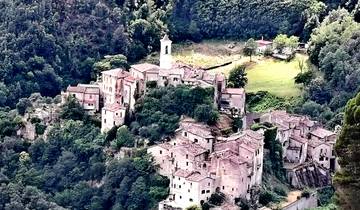
11 days
Italien – Rom, das "heilige Tal" und die Sabiner Berge
- ✓ Comprehensive Region Lazio Marche Abruzzo Hiking Trekking tour
- ✓ Expert local guides included
- ✓ All accommodation arranged
- ✓ Transportation provided

7 days
Cultural, Culinary & Walking Experience in Abruzzo
- ✓ Comprehensive Region Lazio Marche Abruzzo Hiking Trekking tour
- ✓ Expert local guides included
- ✓ All accommodation arranged
- ✓ Transportation provided
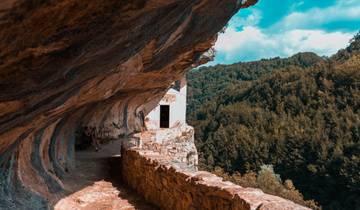
9 days
Italy – Abruzzo
- ✓ Comprehensive Region Lazio Marche Abruzzo Hiking Trekking tour
- ✓ Expert local guides included
- ✓ All accommodation arranged
- ✓ Transportation provided

9 days
Abruzzo – Central Italy's Untouched Wilderness 9 Days
- ✓ Comprehensive Region Lazio Marche Abruzzo Hiking Trekking tour
- ✓ Expert local guides included
- ✓ All accommodation arranged
- ✓ Transportation provided
Multi-day tour packages powered by TourRadar. Prices and availability subject to change.
Introduction: Why Visit Lake Bracciano in 2026
Lake Bracciano occupies an unusual position in Italian tourism geography: close enough to Rome to reach in under an hour by regional train, large and clear enough to support serious water sports, and consistent enough in water quality to serve as the capital’s drinking water reservoir — yet consistently overlooked by the international visitors who crowd the Eternal City just 40 kilometers southeast. That combination of genuine accessibility and relative freedom from tourist saturation is precisely what makes it worth planning a dedicated visit in 2026.
The lake is volcanic in origin, formed within the collapsed crater of an ancient eruption in the Sabatini volcanic complex. It covers approximately 57 square kilometers and reaches depths of around 165 meters, making it one of the deepest lakes in central Italy and the eighth-largest lake in the country by surface area. The volcanic geology produces water of exceptional clarity, and because motorized combustion engines are prohibited on the lake to protect the municipal water supply, the surface stays quiet in a way that is almost startling — no roar of speedboats, just the sound of wind and oars and the distant lapping of reeds against the volcanic shore.
Three towns sit at the lake’s edge, each with a distinct personality. Bracciano is the largest and most historically significant, dominated by its 15th-century fortress and a layered medieval center. Anguillara Sabazia occupies a rocky promontory on the southern shore with one of the area’s few proper Blue Flag-designated beaches. Trevignano Romano stretches along the northern curve with the lake’s longest promenade and the densest concentration of lakefront restaurants. Together they form a natural circuit that can be explored by ferry, bicycle, car, or a combination of all three.
Beyond the lakefront, the wider landscape rewards visitors who invest time in exploring it. The Bracciano-Martignano Regional Natural Park, established in 1999 to protect this volcanic ecosystem, encompasses the lake, the smaller and wilder Lake Martignano, dense mixed forest, wetland, and the flanks of the Sabatini Hills. The nearby ghost town of ancient Monterano — an abandoned Baroque village slowly reclaimed by vegetation — adds a dimension of eerie atmospheric depth entirely unlike the polished heritage sites of central Rome. For visitors arriving from the capital, Lake Bracciano rewards equally whether you have a single free afternoon or three unhurried days.
Getting to Lake Bracciano from Rome in 2026
By Train: The FL3 Trenitalia Line in 2026
The Trenitalia FL3 regional rail line is the most practical way to reach Lake Bracciano from Rome for visitors without a car. Trains depart roughly every 30 minutes throughout the day from Roma Ostiense and stop additionally at Roma Trastevere, Roma San Pietro, and several other stations across the western side of the city before heading northwest through the Roman Campagna toward the lake. Both Bracciano station and Anguillara Sabazia station lie on the FL3 line; the journey takes approximately 50–70 minutes from Roma Ostiense, depending on the service. A single one-way ticket costs around €3 per person — check current fares at trenitalia.com or purchase at any station machine, as prices may vary slightly by zone. Services begin around 5 AM and run until approximately 10 PM daily.
An important logistical note: Trevignano Romano has no FL3 station of its own. Visitors heading there directly should disembark at Anguillara Sabazia and take a Cotral regional bus along the lakeside road, or alight at Bracciano and do the same. The Cotral bus schedule varies by season; check current timetables at the Cotral website or at the tourist information point in either town before traveling. Alternatively, if you plan to see all three towns in a single day, taking the tourist ferry from whichever town you arrive at by train is the most pleasant solution.
By Car: Flexibility for the Wider Area in 2026
Driving from central Rome to Bracciano takes approximately 45–55 minutes in normal traffic, typically via the Via Cassia (SS2) as far as La Storta, then taking the Braccianese-Claudia road northwest toward the lake, or more directly via the GRA ring road. Parking in Bracciano is available near the train station and in designated areas below the historic center; during summer weekends spots fill quickly, and arriving before 10 AM gives a significant advantage. Anguillara Sabazia and Trevignano Romano both have lakeside parking areas that become very competitive on hot summer Saturdays.
A car is effectively essential if you want to explore beyond the three main lakeside towns — reaching Lake Martignano, the Canale Monterano ruins, the Bracciano-Martignano Regional Natural Park’s more remote hiking sectors, or the Italian Air Force Museum at Vigna di Valle from outside normal train connections. Rental cars are available at Rome’s airports and major train stations; booking in advance for summer weekends is strongly advisable.
By Guided Tour from Rome in 2026
A variety of guided day tours operate from Rome to Lake Bracciano, typically combining a guided visit of Odescalchi Castle with a lakeside lunch and sometimes including stops at additional destinations such as Cerveteri’s Etruscan Necropolis of Banditaccia — a UNESCO World Heritage Site inscribed in 2004. Small-group tours start at approximately €85–120 per person including transport, entrance fees, and in some cases a set lunch; private tours with hotel pickup cost considerably more but offer full itinerary flexibility. For visitors who prefer not to navigate transport logistics independently, or who want local narrative context for the castle and surrounding area, organized tours represent reasonable value for a one-day visit.
The Three Lake Towns in 2026: Bracciano, Anguillara Sabazia, and Trevignano Romano
Bracciano: Castle Town and Lake Gateway
Bracciano is the largest settlement on the lake and the most practical base for visitors arriving by train, since the station sits at the edge of town within reasonable walking distance of the center. The historic upper town occupies a hilltop position and requires a 10–15-minute uphill walk from the station through the lower town to reach Odescalchi Castle and the main square, Piazza IV Novembre. The town’s medieval lanes, cobbled streets, and small independent shops and cafés give it a genuinely lived-in character that many hilltowns near Rome have surrendered to tourist commerce. The Sentinella Viewpoint, a short walk from the historic center, delivers one of the finest elevated panoramas over the lake and the surrounding hills.
One important practical note: Bracciano’s lakefront lies considerably below the historic center, and the walk from the ferry dock to the castle takes approximately 40 minutes uphill. Visitors arriving by ferry who want to see the castle should plan for this climb, or look for a local taxi or bus connection. The castle ticket office and entrance are at Via Giulio Volpi 12, walkable from the main square.
Anguillara Sabazia: Promontory Town and Blue Flag Beach
Anguillara Sabazia occupies the southern curve of the lake on a rocky promontory, and its compact historic center sits directly above the water, making it one of the most photogenic lake towns in Lazio. The town holds the area’s Blue Flag beach designation — a recognized indicator of water quality standards — making it particularly popular with families during summer. The lakefront promenade runs below the historic center and is lined with restaurants specializing in freshwater fish: perch, coregone (a delicate mild-flavored whitefish), and eel, all prepared in traditional Lazio styles that predate the influx of Roman summer visitors by centuries.
Anguillara has its own FL3 station, making it equally accessible to Bracciano by public transport from Rome. The station sits a short walk or taxi ride from the lakefront. The town also has a small Civic Museum covering local history, and the beach area south of the promontory is the main base for water sports rental and paddleboarding operations along the southern shore.
Trevignano Romano: Promenade Town and Sunset Views
Trevignano Romano, on the northern shore, operates at a pace even slower than its two neighbors — less fortress, more lakeside village, with the longest promenade on the water framing some of the area’s most spectacular sunset views. The waterfront is lined with cafés, trattorias, gelato shops, and the occasional weekend craft market. Above the promenade stand the ruins of the Vico Fortress and the Church of the Assumption, while the Etruscan-Roman Museum of Trevignano Romano houses finds from the area’s pre-Roman necropolis. The town’s Etruscan roots are tangible in both the museum and the topography; the surrounding hills contain ancient burial sites that have yielded significant archaeological material.
Because Trevignano has no train station, reaching it requires either a car, the Cotral bus from Anguillara or Bracciano, or the tourist ferry. For visitors staying near the lake rather than day-tripping from Rome, Trevignano’s lakefront accommodation — small hotels and B&Bs with direct water views — makes it the most romantically positioned base. The town’s beach area includes water sports rental operators including WOZ Way-Out-Zone near Via della Rena, with kayaks and paddleboards available in season.
Getting Between the Three Towns: The Tourist Ferry in 2026
A tourist ferry service connects all three lake towns and makes it practical to visit all of them in a single day without retracing your steps or competing for parking. The ferry operates seasonally — primarily from spring through autumn — with each single leg costing €4 and a full round trip covering all three towns priced at €10. The docks at Anguillara Sabazia and Trevignano Romano both sit steps from the respective historic centers; the Bracciano dock, as noted above, requires a long uphill walk to reach the castle and town center. Check current seasonal schedules with local operators, as ferry times and operating months vary year to year.
Odescalchi Castle 2026: What to Expect on Your Visit
Odescalchi Castle dominates the Bracciano skyline from its hilltop position above the lake and is the most substantive historical attraction in the area. The castle was built by the Orsini family in the late 15th century as a fortified residence, and its five towers, battlements, and hanging gardens remain exceptionally well-preserved; it is consistently cited as one of the best-maintained Renaissance castles in Italy. The Orsini family controlled the castle for roughly two centuries until the late 17th century, when it passed to the Odescalchi family, who gave it the name it carries today. The castle has been open to the public since 1952 by the will of Prince Livio IV Odescalchi, and it continues to function both as a museum and as a celebrated private events venue — one whose dramatic setting has attracted high-profile private ceremonies, including a well-publicized celebrity wedding in 2006 that brought it to international attention.
The interior holds a significant collection of period furniture, decorative arts, armor, 16th-century Flemish tapestries, and frescoed halls assembled by Prince Baldassarre Odescalchi during the second half of the 19th century, when he undertook an extensive restoration and transformed the family seat into a museum. Visitors can follow a self-guided audio tour downloadable to a smartphone, allowing them to move through the rooms and courtyard at their own pace. On Sundays and public holidays, optional guided tours are included in the entry price. Plan 1.5–2.5 hours for a comfortable visit; the courtyard alone, with its panoramic views over the lake, rewards unhurried exploration.
Odescalchi Castle Opening Hours and Tickets 2026
Odescalchi Castle is open every day of the year except December 25. Summer hours (roughly spring through autumn) run Monday through Friday 10:00–18:00, with the last admission at 17:00; Saturday, Sunday, and public holidays 10:00–19:00, with the last admission at 18:00. Winter hours are slightly shorter: Monday through Friday 10:00–17:00 (last admission 16:00), Saturday, Sunday, and holidays 10:00–18:00 (last admission 17:00). The ticket office closes one hour before the stated closing time. Hours are subject to change on days when private events are scheduled at short notice; checking the official site at odescalchi.it before your visit is strongly recommended.
Adult full-price admission in 2026 costs €10. The reduced adult rate (qualifying discounts) is €9. Children aged 6–12 pay €8. Children under 6 enter free. The castle accepts VISA, MAESTRO, and MASTERCARD; small dogs carried in arms or in a carrier are permitted. The visitor entrance is at Via Giulio Volpi 12, Bracciano — not at the Piazza Mazzini administrative address listed in some sources. Check the official site for any updates to pricing, as private event closures occasionally affect walk-in visitor availability.
Italian Air Force Museum 2026: Visiting Vigna di Valle
The Italian Air Force Museum — known by its Italian acronym MUSAM (Museo Storico dell’Aeronautica Militare) — at Vigna di Valle on the southern shore of Lake Bracciano is one of Italy’s most underrated museum experiences and holds what is considered the world’s largest display of historic seaplanes. The site has deep aeronautical significance: military dirigibles operated here from 1906, and it functioned as a seaplane base through both World Wars. The museum was inaugurated in 1977 and underwent a comprehensive transformation in 2023, reopening in June of that year — coinciding with the Italian Air Force’s centenary — with significantly expanded exhibition space across five modern pavilions covering some 16,000 square meters.
The collection spans more than a century of Italian military aviation, arranged chronologically from early pioneer biplanes and First World War fighters through airships and transatlantic seaplanes to Cold War jets. Approximately 80 historic aircraft are on display, including rare machines from the international Schneider Cup seaplane racing competitions and equipment associated with General Umberto Nobile’s Arctic expeditions. A separate gallery connects Italian aviation to the Futurist art movement, with works by Futurist painters who saw the aircraft as a symbol of modernity. The post-2023 redesign substantially improved the visitor experience with new signage, simulators, rearranged aircraft, and an educational exhibition hall. For aviation enthusiasts and history buffs it is an outstanding destination; visitors without any prior aviation interest frequently find it more compelling than anticipated.
Italian Air Force Museum Hours and Tickets 2026
The Italian Air Force Museum opens Tuesday through Friday from 10:00 to 16:30, with the last admission at 15:30. Saturday, Sunday, and public holidays it opens 10:00 to 18:00, with the last admission at 17:00. It is closed on Mondays, January 1, Easter Sunday, December 25, 26, and 31. Admission in 2026 costs €7.50 per person; confirm current pricing at aeronautica.difesa.it before your visit. The museum is not directly served by the FL3 train; from Bracciano, a local bus (Line D/1, departing from Piazzale Pasqualetti) operates on weekdays, and taxi services are available from both Bracciano and Anguillara. By car from Rome, follow the Via Cassia to La Storta, then take the Braccianese-Claudia for 18 kilometers to the Vigna di Valle junction and turn right. Allow 2–3 hours for a thorough visit.
Water Activities on Lake Bracciano in 2026
The prohibition on gasoline-powered motorized boats — enforced specifically because Lake Bracciano serves as a protected drinking water reservoir for Rome — transforms the lake’s character for visitors. The only powered craft permitted are electric boats and authorized ferries, which means the water’s surface stays calm, the clarity is consistently high, and there is no concern about navigating among high-speed vessels. This makes Lake Bracciano one of the safest and most pleasant large lakes for water sports in central Italy.
Sailing, Windsurfing, and Paddleboarding in 2026
Sailing and windsurfing are the dominant water sports on the lake, and the combination of regular thermal breezes generated by the surrounding hills and a large expanse of open water makes Bracciano genuinely good conditions for both. Rental equipment and lessons are available from several operators along the lakefront. Centro Surf Bracciano operates a private beach facility offering windsurf boards, sailboats, kayaks, and stand-up paddleboards for rent, together with changing rooms, showers, and a safety rescue boat. Similar services operate in Trevignano Romano (WOZ Way-Out-Zone near Via della Rena) and in Anguillara Sabazia. Rental rates for kayaks and paddleboards typically run around €10–20 per hour; windsurfing equipment with basic instruction tends to start around €30–50 per session, though pricing varies by operator and season. Confirm current costs and availability directly with the operator before arriving, as smaller seasonal businesses may vary their offerings.
Electric Boat Rental in 2026
Since petrol engines are prohibited, electric boat rental has become a popular alternative for visitors who want to explore the lake’s surface independently. The operator E-Boats and Go (reachable via the number listed on their booking page; located on Via della Sposetta Vecchia) provides electric-powered craft requiring no boating license, making them accessible to visitors without maritime certification. The boats are designed for leisure — picnicking on the water, swimming from anchor, and exploring quiet coves — and the operator can arrange aperitivo or dinner onboard in partnership with local caterers. As a small seasonal operator, availability should be confirmed in advance; check their current rates and booking arrangements directly.
Scuba Diving and Underwater Exploration
Lake Bracciano’s exceptional water clarity, combined with the absence of currents and calm surface conditions, makes it a recognized freshwater scuba diving destination. Several dive centers operating around the lake offer guided dives and equipment rental; the volcanic lakebed features unusual geological formations, and underwater visibility frequently extends to significant depths. Diving in a freshwater volcanic lake is a qualitatively different experience from sea diving and is approachable for divers at most skill levels. Contact local dive centers in advance to confirm availability, particularly outside the summer season when some operators reduce their hours.
Beaches and Swimming at Lake Bracciano 2026
Swimming in Lake Bracciano is one of the region’s most popular summer activities and one of the best reasons to visit. The lake functions as a protected water supply, which means environmental regulations maintain consistently high water quality; the volcanic geology produces water that is clear and relatively soft. The shoreline offers a mix of free public access points and private beach clubs (stabilimenti) where you can rent sunbeds, umbrellas, and equipment. The volcanic lakebed has a characteristic soft, sometimes slightly squishy texture that surprises visitors accustomed to sand or gravel; water shoes are a practical investment, particularly for young children.
Best Beach Areas at Lake Bracciano in 2026
The Vigna di Valle beach area on the southern shore near Anguillara is one of the most popular family destinations, with sun lounger and umbrella rental available and children’s inflatable structures in operation during peak summer. The beach at Anguillara Sabazia near the promenade carries the Blue Flag designation, reflecting consistent water quality standards and beach management; it tends to be better maintained than more remote free-access points. In Trevignano Romano, the town beach and adjacent free areas along the long promenade are busy on summer weekends but considerably quieter on weekdays; dog-friendly sections near the Bar Oltre café are locally known as a good option for visitors with pets. For a wider expanse of shoreline with a less developed feel, the Sabbianera beach area on the western shore is more spacious and attracts a slightly less crowded crowd, though it requires a car or bicycle to reach comfortably.
Free public access to the water is available at many points around the 33-kilometer perimeter, though maintenance quality at remote free spots varies. Arriving at any of the popular beaches before 10 AM on summer weekends is strongly advisable; midweek visits offer a significantly more relaxed experience throughout the season.
Hiking, Cycling, and Outdoor Activities 2026
Cycling the Lake Perimeter in 2026
A well-used 33-kilometer road circuits the perimeter of Lake Bracciano, and the largely flat terrain along the shoreline sections makes it manageable for cyclists at a moderate fitness level, with moderate hills between the towns. Bicycle and e-bike rental is available in all three lakeside towns, typically from shops near the lakefront or town center; standard bicycle rental generally runs €15–25 per day and e-bikes €25–40, though prices vary by season and operator. The full circuit takes 2–3 hours at a comfortable pace on a standard bicycle. For a more traffic-free experience, the dedicated Lakes Cycle Path begins at the park gateway in Anguillara Sabazia and covers 10 kilometers connecting Lake Bracciano to Lake Martignano through the regional park, away from the main road.
Hiking in the Bracciano-Martignano Regional Natural Park in 2026
The Bracciano-Martignano Regional Natural Park, established in 1999 to protect this volcanic ecosystem, encompasses both lakes, their connecting hills, mixed forest, and wetland. A network of marked trails ranges from easy lakeside rambles to more demanding routes into the Sabatini Hills. The Santo Celso trail is a local favorite for birdwatching and spring flora; the park’s bird life includes herons, great crested grebes, coots, red kites, and, according to park records, occasional osprey sightings. For a more unusual natural experience, the Manziana forest area — accessible from the lakeside road — includes the Manziana Caldera Natural Monument: a curious circular volcanic depression with natural sulfur emissions and an unusual flora adapted to the acidic soil, popular with botanists and hikers seeking something genuinely off the standard visitor circuit.
Trail maps are available at the tourist information points in all three lakeside towns; conditions can become muddy after rain, and walking boots are advisable for any route into the hills. Most of the well-marked trails are free to access; some sectors of the park have entry points with a small seasonal car park fee.
Horseback Riding and Other Outdoor Activities
The park’s network of dirt roads and forest tracks is well-suited to horseback riding, and several farm stays (agriturismi) and equestrian centers in the hills around the lake offer guided riding excursions ranging from a single hour to full-day routes. Mountain biking on more technical terrain is available within the park for riders seeking more challenge than the lakeside road provides. For fishing enthusiasts, the lake supports a variety of freshwater species — pike, perch, bass — and guided fishing trips by electric boat can be arranged through specialist operators; a fishing license is required and can be obtained locally. Check current offerings at local tourism offices, as specific operators vary between seasons.
Day Trips from Lake Bracciano in 2026
Canale Monterano: Abandoned Ghost Town and Nature Reserve
The most atmospheric and unusual day trip from Lake Bracciano is to Canale Monterano, approximately 15 kilometers northwest of Bracciano by car. The ruined ghost town of ancient Monterano occupies a tufa hilltop surrounded by two river gorges within the Monterano Regional Nature Reserve. Human settlement here spans the Bronze Age through Etruscan, Roman, and medieval periods. The town reached its peak as a prosperous ducal seat under powerful Roman noble families before French troops devastated it in 1799 during the Napoleonic campaigns; the remaining inhabitants relocated to the nearby settlement of Canale Monterano, leaving the old hilltop to be gradually reclaimed by vegetation.
What remains is genuinely extraordinary: the ruins of a church, a former ducal palace (attributed to the school of Bernini in local tradition, though the extent of that attribution is debated by scholars), Baroque gate structures, the remains of a Roman aqueduct, and a distinctive lion fountain all draped in fig trees, ivy, and tall grasses, with horses grazing freely through the broken arches. Interiors are cordoned off for safety, but the exteriors and the large open spaces are freely accessible on foot via a short trail of approximately 200 meters from the car park. The site has served as a film location for several productions over the decades. Entry to the nature reserve is free. By car from Bracciano the drive takes about 20 minutes along the countryside road; by public transport it requires a combination of train and Cotral bus connections, making the car the practical choice for this excursion.
Lake Martignano: The Wilder Neighbor
Lake Martignano lies immediately adjacent to Lake Bracciano and is encompassed within the same regional park. Where Bracciano is organized and dotted with towns, Martignano is deliberately left undeveloped — a single agriturismo and restaurant on the shore, no buildings, no beach clubs, no motorized boat traffic of any kind. The lake is spring-fed and slightly smaller than Bracciano; its shoreline is pebbled and its waters are clear and cool. Swimming is possible from the free shore, and the surrounding oak and chestnut woodland is ideal for a quiet picnic or a short walk. Lake Martignano is only accessible by car or bicycle — approximately 6 kilometers from Anguillara Sabazia via the Lakes Cycle Path — and a small seasonal car park fee applies at the entrance in peak months. It offers the most peaceful and uncrowded swimming experience within reach of the three main lake towns.
Cerveteri and the Etruscan Necropolis of Banditaccia
Cerveteri, approximately 30 kilometers west of Lake Bracciano, is home to the Etruscan Necropolis of Banditaccia, jointly inscribed on the UNESCO World Heritage List in 2004 (together with the painted tombs of Tarquinia) as a testament to Etruscan funerary culture. The necropolis contains thousands of tombs spanning the 9th to 3rd centuries BC and is one of the most extensive and best-preserved Etruscan burial complexes in existence, with entire tomb streets laid out like an underground city. Many guided day tours from Rome or Lake Bracciano combine a castle visit with a stop at Cerveteri; the combination of a medieval hilltop fortress above a volcanic lake and an ancient underground city less than 30 kilometers apart makes for an unusually rich single-day itinerary. Check current admission prices at the official MiC website before visiting, as Italian state museum pricing is subject to periodic updates.
Sutri, Caprarola, and Nearby Hilltowns
The broader area north and northwest of Lake Bracciano contains some of Lazio’s most rewarding lesser-visited destinations. Sutri, approximately 30 kilometers north of Bracciano, preserves a Roman amphitheater carved directly into a tufa rock face — an unusual survival open to visitors — alongside an ancient Mithraic temple later converted to a Christian church. Caprarola, 35 kilometers north, is dominated by the imposing pentagonal Villa Farnese, one of the grandest Renaissance palace-villas in Italy. Tarquinia, about 55 kilometers northwest, holds UNESCO-inscribed painted Etruscan tombs with extraordinary figurative decoration. For visitors based at Lake Bracciano for two or more nights, this cluster of archaeological and architectural sites adds substantial depth to the stay, though all require a car to reach comfortably.
Dining and Food at Lake Bracciano 2026
The culinary identity of the Lake Bracciano area centers on freshwater fish from the lake — particularly coregone (a delicate, mild whitefish sometimes called lavaret), perch, pike, and eel — combined with the wider Roman and Lazio pantry: porchetta, the canonical Roman pasta preparations (cacio e pepe, carbonara, amatriciana), seasonal vegetables from the volcanic soil, mushrooms from the surrounding hills, and the local dry white wines produced on both volcanic flanks and at estates further north toward Viterbo. Lakeview dining is available at all three towns, and the quality of the better trattorias and osterie is genuinely high relative to price.
What to Eat: Lake Bracciano Specialties in 2026
The dish to seek out is coregone in any form — grilled with lemon and herbs, baked, in a risotto, or as the filling for a housemade pasta. Pike linguine is a regional specialty, as is eel served in the traditional Lazio style (slow-cooked with tomato and herbs). Porchetta — the herb-roasted whole pig associated with the Roman countryside — is excellent here and available from dedicated informal pork bars (fraschette) in Bracciano town; a generous sandwich with bread costs roughly €5–8 and makes an outstanding budget lunch. For first courses, the Roman classics appear on most menus alongside more locally specific options. The house white wine served in carafes at lakefront trattorias is worth requesting specifically; the volcanic soil produces wines with a mineral freshness that pairs naturally with the lake fish.
Dining Costs at Lake Bracciano in 2026
Lakeside dining in 2026 spans a considerable range. At the budget end, a bar lunch of bruschetta, a plate of porchetta, or a single pasta dish at a casual café or fraschetta runs approximately €8–15 per person. A full trattoria meal — antipasto, primo, secondo with side dish, dessert, a carafe of house wine, and coffee — typically costs €25–40 per person at a mid-range restaurant. The better lakefront restaurants in Trevignano Romano and Anguillara, where a lake view accompanies multiple courses and the wine list extends beyond the house carafe, tend to run €40–65 per person for a full meal with wine. A coffee at a bar costs approximately €1.50–2; an aperitivo spritz on the promenade runs €5–8.
Budget travelers eating mainly at bars, fraschette, and market stalls while reserving their one proper restaurant meal for the evening can keep daily food costs to approximately €20–35 per person. Mid-range travelers having a café lunch and a full trattoria dinner daily spend roughly €45–65 per person per day on food. Those planning to enjoy the full lakefront dining experience at both lunch and dinner should budget €80–130 per person per day for food alone.
Best Towns for Dining at Lake Bracciano
Trevignano Romano has the densest concentration of waterfront restaurants and is regarded as the most refined dining destination on the lake; the long promenade means you can compare menus and settings before choosing. Anguillara Sabazia’s fishing-town character produces restaurants that lean heavily on authentic lake fish preparation and generally offer some of the best value-to-quality ratios in the area. Bracciano town center has fewer lakeside options (the lake lies far below the historic center) but several excellent trattorias and pizzerias in the streets around the castle and Piazza IV Novembre. Reservation at the more popular waterfront restaurants is advisable on summer weekends and particularly on Sunday lunchtimes, when local Roman families treat the lake as their preferred warm-weather table.
Where to Stay Around Lake Bracciano 2026
Accommodation around Lake Bracciano ranges from simple B&Bs and rural farm stays to boutique hotels with lake views, spa retreats in the countryside, and self-catering apartments in the lakeside towns. The area lists around 100 properties of various types on major booking platforms; supply concentrates in Bracciano, Trevignano Romano, and Anguillara Sabazia, with additional options in the countryside hills.
Budget Accommodation: B&Bs and Guesthouses in 2026
The most affordable accommodation near Lake Bracciano takes the form of small B&Bs and guesthouses, primarily in or near the three towns. Room rates at the lower end of the market start around €75–100 per room per night in peak season (June–August), dropping to €50–75 in shoulder season (April–May and September–October) and further in winter. Most budget properties offer rooms with private bathrooms; breakfast may or may not be included and ranges from a simple continental provision to nothing at all. Self-catering apartments in the historic centers of Bracciano and Trevignano Romano represent some of the best value in this segment, offering independence and the chance to cook using fresh market ingredients — a genuine advantage if you plan more than one or two nights.
Mid-Range Accommodation: Hotels and Farm Stays in 2026
The mid-range bracket — roughly €100–160 per room per night in peak season — covers a diverse group including three-star hotels on or near the lakefront, converted medieval buildings adapted as small hotels, and farm stays (agriturismi) in the hills above the lake combining comfortable rooms with rural views, swimming pools, and restaurant meals. Properties in this tier typically include breakfast, air conditioning, and WiFi. Hotel Massimino in Anguillara Sabazia is a frequently cited option with lakeside positioning, garden, and restaurant near the train station. Hotel Borgo Vistalago in Trevignano Romano occupies a set of converted medieval buildings across the road from the lake and is well-reviewed for both rooms and terrace. Prices in this tier drop meaningfully — typically 20–30% — in shoulder season.
Luxury Accommodation: Boutique Hotels and Spa Retreats in 2026
The upper end of the Lake Bracciano accommodation market includes a small number of genuinely distinguished properties. Hotel Villa Clementina is a beautifully converted historic villa near the lake shore with seven individually decorated rooms featuring exposed beams, tiled floors, hand-painted murals, a garden pool, and a seasonal thalassotherapy pool — consistently praised for its combination of intimacy, design quality, and setting amid sunflower fields. Grand Hotel Terme di Stigliano, a spa hotel on a secluded estate in the hills above Bracciano, is built around five natural thermal springs and offers 46 rooms in a traditional country house setting with a substantial spa, tennis courts, and a restaurant serving regional cuisine on a sun-facing terrace. Room rates at these properties run approximately €200–350 per room per night in peak season. Vigna Caio Relais & Spa, an adults-only boutique property near Bracciano with outdoor pool and garden, is another well-reviewed option in this bracket.
Best Base by Visitor Type in 2026
For visitors arriving by train without a car, Bracciano provides the most convenient base: the station is close, the castle is walkable, and a good range of restaurants surrounds the historic center. For families with young children prioritizing beach access and a flat lakefront for walking, Anguillara Sabazia’s Blue Flag beach and level promenade make it the most practical lakeside base. For couples seeking the most romantic setting with the best restaurant concentration, Trevignano Romano’s promenade and boutique B&Bs offer the strongest combination. For visitors with a car who want to explore the natural park, day-trip to Canale Monterano, and have a pool and rural privacy, an agriturismo in the hills above the lake is the ideal choice.
Lake Bracciano Budget and Costs in 2026
Understanding the cost of visiting Lake Bracciano in 2026 depends on whether you are day-tripping from Rome or staying overnight, and on your accommodation and dining expectations. All per-person costs below assume two people sharing accommodation unless stated otherwise.
Day Trip from Rome: What to Budget in 2026
A well-structured day trip from Rome to Lake Bracciano — covering Odescalchi Castle and a lakeside lunch — costs approximately €50–65 per person. The breakdown: FL3 train round trip €6; Odescalchi Castle admission €10; a mid-range trattoria lunch €25–35; coffee, gelato, and minor incidentals €5–8; an optional single-leg ferry ride between towns €4. Budget-conscious visitors who skip the castle and buy a picnic from a fraschetta or market can reduce the day trip to roughly €15–25 per person. Those who add the Italian Air Force Museum (€7.50) and linger for an evening aperitivo on the promenade before the return train should plan for approximately €70–90 per person.
Overnight and Multi-Night Stay: Budget Tiers in 2026
For visitors spending one or more nights near the lake, the following ranges apply per person per day (two sharing accommodation, all costs pre-calculated).
Budget travelers — guesthouse or B&B, eating modestly — need approximately €85–125 per person per day. Accommodation per person: €37–50 (room €75–100 divided by two); meals across the day: €35–55 (light breakfast, trattoria lunch or picnic, simple dinner); local transport and attraction entry: €12–20. Total: approximately €85–125 per person daily, two sharing a budget guesthouse. Check current accommodation prices on booking platforms, as rates vary by season.
Mid-range travelers — three-star hotel with breakfast included, full lakeside restaurant meals — spend approximately €135–205 per person per day. Accommodation per person: €55–80 (room €110–160 divided by two); meals (included hotel breakfast, trattoria lunch, waterfront dinner with wine): €70–100; local transport and activities: €10–25. Total: approximately €135–205 per person daily, two sharing a mid-range hotel.
Luxury travelers — boutique hotel or spa retreat, full dining with wine at the area’s best restaurants — typically spend €215–365 or more per person per day. Accommodation per person: €100–175 (room €200–350 divided by two); meals (full multi-course lunches and dinners, aperitivi, quality wine): €90–150; activities and transport: €25–40. Total: approximately €215–365 per person daily, two sharing a luxury property.
Sample 2-Night Mid-Range Trip Budget 2026
A typical weekend stay — arriving Friday evening and returning Sunday — at mid-range comfort level costs the following per person: FL3 return train from Rome €6; mid-range hotel for two nights per person €110–160 (two nights at €55–80 per person per night); meals across three days €210–300 (seven food occasions averaging €30–43 each); Odescalchi Castle admission €10; Italian Air Force Museum €7.50; tourist ferry full round trip €10; incidental local transport and miscellaneous €15–25. Listing all items: train €6, hotel €110–160, meals €210–300, castle €10, museum €7.50, ferry €10, incidentals €15–25. Total: approximately €370–515 per person for a 2-night, 3-day visit at mid-range comfort.
Free and Low-Cost Highlights in 2026
Several of the best experiences at Lake Bracciano cost nothing. Walking the lakefront promenades in Trevignano Romano and Anguillara Sabazia, swimming at the free public shore access points, exploring the historic centers of Bracciano and Anguillara on foot, hiking the trail network in the regional park, visiting the Canale Monterano ruins (nature reserve entry free), and watching the sunset from the Sentinella Viewpoint in Bracciano all represent excellent value at no admission charge. The Etruscan-Roman Museum of Trevignano Romano charges a modest entry fee; confirm the current price locally, as small civic museums often update their pricing.
Best Time to Visit Lake Bracciano in 2026
Spring 2026 (April–May): Best for Outdoors and Calm Conditions
April and May bring warm, clear days — typical afternoon temperatures reach 18–24°C — with the regional park in full bloom and far fewer visitors than the summer peak. Swimming becomes practical from mid-May onward for those not deterred by lake water temperatures that remain cool (around 16–18°C in May, warming through the month). Accommodation rates are 20–30% lower than peak season for equivalent properties. Hiking and cycling conditions are optimal: the trails are not yet dusty, the hills are green and fragrant, and the clear spring light over the lake is particularly rewarding to photograph. Easter week draws Italian domestic visitors; arriving after Easter and before mid-June gives the quietest and most comfortable experience of the lake in its seasonal transition.
Summer 2026 (June–August): Peak Season for Swimming and Water Sports
June through August is high season. Lake water temperatures reach 22–26°C by July, making swimming genuinely comfortable. Beach clubs are fully operational; all water sports rental services are open; the tourist ferry runs its fullest schedule; and the promenades at Trevignano Romano and Anguillara Sabazia stay busy until late evening. The lake takes on a festive, summery energy that is hard to replicate in other seasons. However, accommodation prices are at their annual peak, popular waterfront restaurants require advance reservation, and parking in all three towns becomes seriously competitive on summer Saturdays. Arriving midweek, or reaching your chosen beach before 10 AM on weekends, substantially improves the summer experience.
Autumn 2026 (September–October): Best Balance of Factors
September is arguably the optimal month to visit Lake Bracciano in 2026. Water temperatures remain comfortable for swimming through at least the first three weeks of the month; the summer crowds thin considerably after the Italian school year resumes in early September; accommodation rates begin to drop; and the quality of light and the early autumn colors of the surrounding forest reach a particular beauty. October is dry and remains pleasant for cycling, hiking, and sightseeing, but is too cool for most swimmers; it is ideal for visitors whose priorities are the castle, the Italian Air Force Museum, the hilltowns, and the nature reserve.
Winter 2026 (November–March): Quiet and Atmospheric
The lake in winter belongs almost entirely to locals. Hotels charge their lowest rates, many lakefront restaurants in Trevignano Romano and Anguillara reduce their hours or close midweek, and the tourist ferry operates on a reduced or suspended schedule. The castle and Italian Air Force Museum remain open year-round (with their winter hours). Misty winter mornings over the lake are genuinely photogenic, and the Canale Monterano ruins feel particularly otherworldly in November or February silence. For visitors who prioritize peace, low cost, and an entirely different visual register of the landscape, off-season visits have their own rewards — though the swimming, paddleboarding, and water sports season is definitively closed.
Practical Information for Visiting Lake Bracciano 2026
Local Transport: Buses and Getting Around
The Cotral regional bus service connects Bracciano, Anguillara Sabazia, and Trevignano Romano along the lakeside road. Services are less frequent than the train and vary significantly by season and time of day; timetables can change without prominent announcement. For visitors without a car who want to reach Trevignano Romano independently of the ferry, the Cotral bus from Anguillara station is the principal option. Local bus lines in the Bracciano area also connect certain points of the town and the Italian Air Force Museum at Vigna di Valle (weekday service only from Piazzale Pasqualetti in Bracciano). Check the Cotral website or the tourist information points in each town for current timetables before relying on specific departures.
Cycling Practicalities
Bicycle and e-bike rental is available in all three towns, typically from shops near the lakefront. Standard bikes generally cost €15–25 per day; e-bikes cost €25–40. The lake circuit road (33 km) is mostly flat along the shoreline sections with moderate climbs between towns; most reasonably fit cyclists complete the full circuit in 2–3 hours. The dedicated Lakes Cycle Path connecting Bracciano and Lake Martignano via Anguillara covers 10 traffic-free kilometers through the regional park. Helmets are recommended; ask when renting, as they may not be provided automatically. Puncture repair kits are worth carrying on any longer route.
Swimming Safety and Lake Regulations
Swimming is generally permitted throughout the lake. Certain restrictions apply to water sports equipment: paddlers and kayakers are typically required to remain within approximately 50 meters of the shore in many areas, and the lake’s status as a protected water supply means additional proximity restrictions may apply near certain infrastructure. Respect any posted signs. Water shoes are recommended due to the volcanic lakebed texture. The cleanliness of free public beach areas varies; the stabilimenti and town beaches at the three main towns offer more reliably maintained facilities. The lake does not experience significant wave action in normal conditions but can develop chop during strong winds, which can arrive quickly in summer afternoons.
Visitor Services and Practical Tips
All three towns have cafés and bars with WiFi, ATMs, pharmacies, and small food shops or supermarkets. Tourist information points (PIT offices) operate seasonally in each town and can provide hiking maps, ferry timetables, and local event listings. Bracciano has the nearest hospital. English is spoken at Odescalchi Castle, the Italian Air Force Museum, and at the better-reviewed restaurants and hotels; however, many local bars and smaller businesses operate primarily in Italian, and a few phrases in Italian are warmly appreciated and practically useful. Mobile phone coverage is generally good throughout the lake area, with the exception of some of the more remote trail sections in the park. Sunscreen, a hat, a reusable water bottle (public drinking fountains operate in all three town centers), comfortable walking shoes, and light layers for cooler evenings on the water round out what you need for a comfortable visit at any time of year.
Frequently Asked Questions
Is Lake Bracciano worth visiting in 2026?
Yes, Lake Bracciano is one of the most rewarding and most underappreciated day trips or short stays within reach of Rome, and in 2026 it remains significantly less crowded with international visitors than its quality would justify. The combination of a clean volcanic lake (with exceptionally good water quality precisely because it is Rome’s water reservoir), three medieval hilltowns each with distinct character, one of Italy’s finest and best-preserved private castles, an extraordinary aviation museum that genuinely surprises most visitors, and excellent freshwater fish cuisine — all accessible in under one hour by train for around €3 — makes it exceptional value for time and money. The absence of motorized boats and the unusual silence on the water surface are genuinely rare for a lake this close to a major European capital.
How do you get from Rome to Lake Bracciano in 2026?
The best public transport option is the Trenitalia FL3 regional train from Roma Ostiense (also serving Roma Trastevere and Roma San Pietro) to Bracciano or Anguillara Sabazia. Trains run roughly every 30 minutes throughout the day; the journey takes approximately 50–70 minutes; a single ticket costs around €3. By car, the drive from central Rome takes approximately 45–55 minutes via the Via Cassia (SS2) to La Storta and then the Braccianese-Claudia road. Guided day tours from Rome combining the castle with lunch and sometimes Cerveteri are also available from most major tour booking platforms, starting at roughly €85–120 per person.
Is Odescalchi Castle open in 2026, and how much does it cost?
Odescalchi Castle is open in 2026 every day except December 25. Summer hours (roughly spring through autumn) run Monday–Friday 10:00–18:00 (last admission 17:00) and Saturday, Sunday, and public holidays 10:00–19:00 (last admission 18:00); winter hours are slightly shorter. Full adult admission is €10; the reduced rate is €9; children 6–12 pay €8; children under 6 enter free. The castle may close on short notice for private events; checking odescalchi.it before your visit is strongly advisable. The visitor entrance is at Via Giulio Volpi 12 in Bracciano.
What is there to do at Lake Bracciano beyond the castle in 2026?
Beyond Odescalchi Castle, the area offers the Italian Air Force Museum at Vigna di Valle (€7.50 admission, one of Europe’s great aviation collections, reopened and expanded in 2023), swimming and water sports on the clean volcanic lake, cycling the 33-kilometer lake circuit, hiking in the Bracciano-Martignano Regional Natural Park, exploring all three lakeside towns on foot and by ferry, and excellent freshwater fish dining. Day excursions within easy reach include the ruined ghost town of ancient Monterano (free reserve entry, best by car), the wilder Lake Martignano (bicycle or car), and Cerveteri’s UNESCO-listed Etruscan Necropolis of Banditaccia. The range of activities comfortably supports stays of 2–4 nights.
Can you swim in Lake Bracciano in 2026?
Yes. Swimming is one of the primary reasons Romans and visitors come to Lake Bracciano during summer, and the water quality is genuinely excellent. The lake is a protected drinking water reservoir, which means environmental standards are enforced and gasoline-powered boats are banned; the result is water clarity that is unusual for a large lake this close to an urban area. Free public access points exist throughout the perimeter; private beach clubs (stabilimenti) offer sunbeds, umbrellas, and equipment rental. The best swimming season runs June through September; May and early October are possible for those undeterred by cooler water. The volcanic lakebed is soft and slightly squishy; water shoes are recommended, particularly for children.
What are the best restaurants at Lake Bracciano in 2026?
The best dining at Lake Bracciano centers on freshwater fish eaten at a lakefront trattoria with a view of the water. Trevignano Romano has the highest concentration of waterfront restaurants and the most refined menus; Anguillara Sabazia’s smaller establishments lean toward authentic lake fish cooking at generally better value. Budget for €25–40 per person for a full mid-range meal with house wine; €40–65 per person at the better lakefront spots in Trevignano. Reservation is advisable at popular waterfront restaurants on summer weekends and for Sunday lunch throughout the season. In Bracciano town itself, the informal pork bars (fraschette) selling porchetta sandwiches for €5–8 are an outstanding budget option and a local culinary experience worth seeking out.
Where should you stay at Lake Bracciano in 2026?
The best base depends on priorities. Bracciano is most practical for visitors arriving by train without a car and for direct access to the castle. Anguillara Sabazia is best for families prioritizing the Blue Flag beach and a flat lakefront promenade. Trevignano Romano offers the most romantic atmosphere, the best promenade dining, and the loveliest sunset views, but requires a car, ferry, or bus to reach. Mid-range accommodation (room rates €100–160 per night in peak season) is available in all three towns; spa and boutique hotel rates run €200–350 per night and concentrate in Bracciano and its surrounding countryside. Shoulder season pricing in May, September, and October typically runs 20–30% lower than peak.
Is Lake Bracciano good for families in 2026?
Yes, Lake Bracciano is well-suited to families with children. The prohibition on motorized boats makes the water safer than many lake destinations with heavy boat traffic; there are no speedboat wakes to contend with. Beach areas at Anguillara Sabazia (Blue Flag) and near Vigna di Valle provide children’s inflatables and shallow-entry water during summer. Odescalchi Castle offers child-oriented guided tours with discovery games, puzzles, and storytelling elements, bookable separately in advance. The Italian Air Force Museum is highly engaging for older children and teenagers. Renting bicycles and riding the lake perimeter as a family is practical given the flat shoreline sections. Farm stays (agriturismi) in the hills above the lake frequently have play areas, animals, and space that urban accommodation cannot match.
How do you reach Trevignano Romano without a car in 2026?
Trevignano Romano does not have its own FL3 rail station. From Rome, reach it by taking the FL3 train to Anguillara Sabazia or Bracciano and then connecting by Cotral regional bus along the lakeside road (varying frequency by season), by the tourist ferry (€4 per leg, operating spring through autumn), or by taxi from either station. In peak season the ferry is the most pleasant approach; confirm the current schedule in advance. For visitors based at Trevignano Romano for multiple nights, a rental car or bicycle from one of the local shops significantly expands day-trip options to Canale Monterano, Lake Martignano, and the regional park.
What is the Italian Air Force Museum at Vigna di Valle, and is it worth visiting in 2026?
The Italian Air Force Museum (MUSAM) at Vigna di Valle is a major aviation collection on the shores of Lake Bracciano operated by the Italian Air Force. It houses approximately 80 historic aircraft across 16,000 square meters in five pavilions and is considered the world’s largest display of historic seaplanes; the overall collection covers Italian military aviation from the early 20th century to the present day. The museum reopened in June 2023 after a comprehensive renovation that added new exhibition space, redesigned displays, a flight simulator section, and an updated educational gallery. Admission costs €7.50; it opens Tuesday–Friday 10:00–16:30 and Saturday–Sunday 10:00–18:00, closed Mondays. For aviation enthusiasts it is unmissable; most visitors without prior aviation interest are nonetheless surprised by how engaging it is. Combining it with a half-day at the lake makes a full and varied day from Rome.