Visiting Jungfraujoch (Top of Europe): Complete Guide 2026
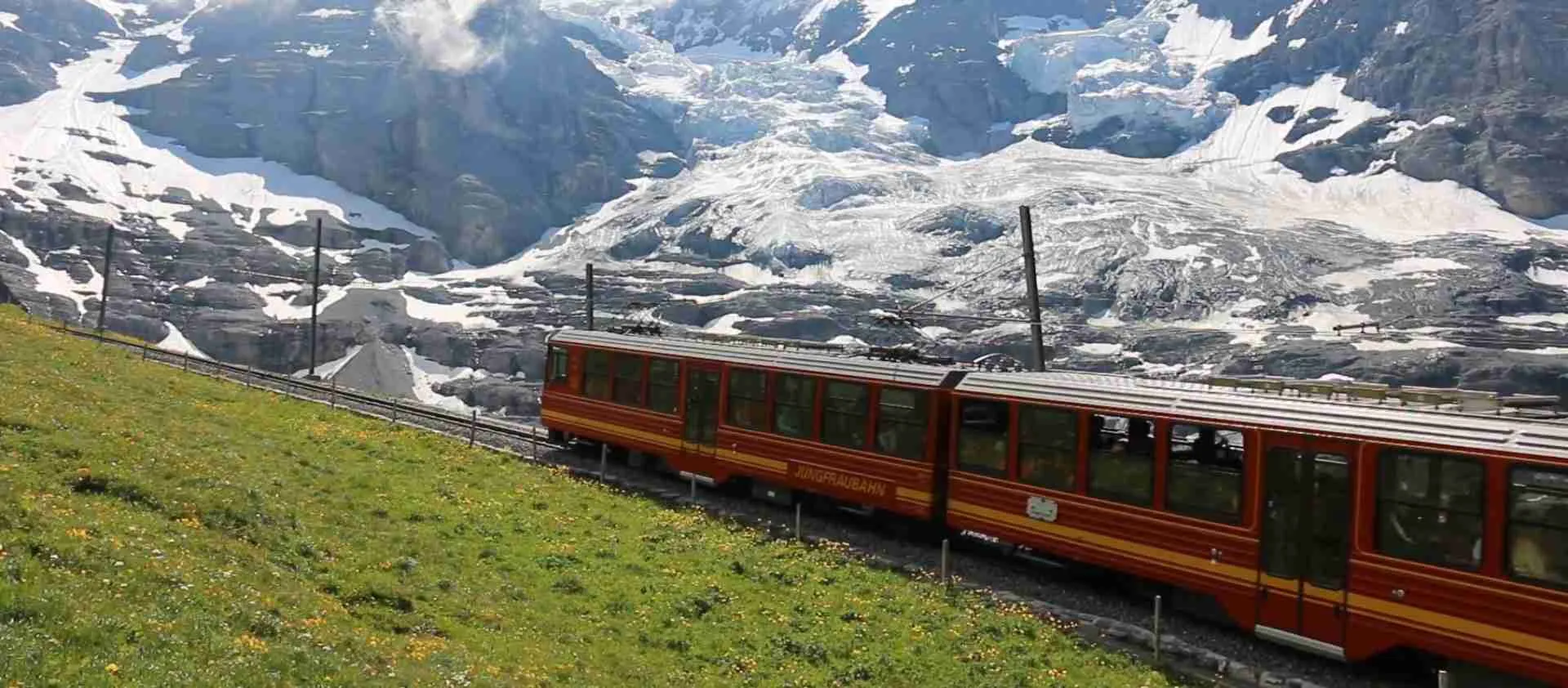
Jungfraujoch stands at 3,454 meters as Europe’s highest railway station, offering year-round access to glacial landscapes, panoramic viewing platforms, and unique high-altitude experiences in Switzerland’s Bernese Oberland. This guide provides complete planning information for visiting the Top of Europe in 2026, from ticket options and seasonal considerations to budget breakdowns and practical logistics. Whether arriving via the modern Eiger Express or the classic cogwheel railway, travelers encounter engineering marvels carved through mountain faces alongside UNESCO-protected alpine scenery.
Key Takeaways About Visiting Jungfraujoch 2026
- Year-Round Accessibility: Jungfraujoch operates 365 days annually with trains running approximately 6:30 AM to 4:30 PM, though exact schedules vary by season and maintenance periods affect specific routes in April and November 2026
- Ticket Costs and Reservations: Standard return tickets from Interlaken Ost cost CHF 261 ($300) during peak season May through October and CHF 224 ($255) in other months, with mandatory seat reservations at CHF 10 ($12) per person during peak season
- Budget Range 2026: Daily costs range from CHF 220-290 ($255-330) per person for budget travelers using Half Fare Cards and economy accommodations, CHF 325-450 ($375-520) for mid-range comfort with Swiss Travel Pass benefits, and CHF 545-800 ($625-920) for luxury experiences with premium hotels and dining
- Optimal Visit Timing: June through September offers warmest summit temperatures between minus 2°C and plus 3°C with maximum daylight, while December through March provides pristine snow conditions and fewer crowds despite temperatures dropping below minus 15°C
- Route Efficiency: The Eiger Express from Grindelwald Terminal to Eiger Glacier takes just 15 minutes compared to 45 minutes via Kleine Scheidegg, reducing total journey time from Interlaken to summit to approximately 90 minutes
- Altitude Considerations: The 3,454-meter elevation causes rapid temperature drops and potential altitude effects requiring layered winter clothing year-round, gradual acclimatization upon arrival, and awareness that weather conditions change within minutes at high altitude
People Also Ask About Visiting Jungfraujoch 2026
How much does it cost to visit Jungfraujoch in 2026?
Standard return tickets from Interlaken Ost to Jungfraujoch cost CHF 261 ($300) during peak season from May 1 through October 31, 2026, and CHF 224 ($255) during low season from November through April. Tickets from Grindelwald or Wengen run CHF 239 ($275) peak season and CHF 201 ($230) low season. Swiss Travel Pass holders pay CHF 177 ($205) peak or CHF 149 ($170) low for the discounted sections. Swiss Half Fare Card reduces costs to CHF 131 ($150) peak or CHF 112 ($130) low from Interlaken. Seat reservations add CHF 10 ($12) per person and are mandatory during peak season. Total daily costs including accommodation in Interlaken, meals, and train tickets range from CHF 220-290 ($255-330) for budget travelers, CHF 325-450 ($375-520) for mid-range comfort, and CHF 545-800 ($625-920) for luxury experiences.
What is the best time to visit Jungfraujoch in 2026?
June through August offers the warmest summit temperatures reaching plus 3°C in July alongside maximum daylight hours and clearest visibility for glacier views, making this prime time for hiking lower-altitude trails and enjoying extended outdoor time. September provides excellent shoulder-season conditions with summer-like temperatures between 0°C and 3°C but significantly fewer crowds and potentially lower accommodation costs. December through February delivers pristine winter conditions with temperatures below minus 15°C and the clearest air of the year, ideal for experiencing the Ice Palace at its most spectacular. April and May represent transition months with improving weather and thinner crowds but variable conditions requiring flexible planning around weather forecasts.
How long does it take to get to Jungfraujoch in 2026?
The fastest route from Grindelwald Terminal via Eiger Express reaches Jungfraujoch in approximately 50 minutes total, with a 15-minute gondola ride to Eiger Glacier station followed by a 35-minute cogwheel train journey to the summit. The classic route from Interlaken Ost takes approximately 2 hours and 15 minutes via Lauterbrunnen and Wengen with connections at Kleine Scheidegg. From Interlaken via Grindelwald Terminal using the Eiger Express, total journey time including regional train connections reaches approximately 90 minutes. Plan to spend 3 to 5 hours at the summit itself to experience the Sphinx Observatory, Ice Palace, glacier plateau, and Alpine Sensation exhibition without rushing.
Do I need to book Jungfraujoch tickets in advance for 2026?
Seat reservations are mandatory from May 1 through October 31, 2026, for all travel on the Jungfrau Railway between Eigergletscher or Kleine Scheidegg and Jungfraujoch. These reservations cost CHF 10 ($12) per person for the round trip and guarantee departure at your selected time, as trains often reach capacity during peak periods between 10:30 AM and 2:30 PM. Outside peak season from November through April, reservations remain optional but strongly recommended for first morning trains during winter sports season. Tickets can be purchased online through the official Jungfrau Railways website or Swiss travel platforms, with e-tickets delivered via email within minutes. Checking live webcams on the morning of your visit allows weather-dependent decisions before finalizing tickets for same-day travel.
Extended multi-day tours – 5+ days
Featured Bern Multi-Day Tour Packages
4 days
Switzerland 4-Day Tour: Alpine Classics (Jungfraujoch, Thermal Spa & Steep Funicular)
- ✓ Booking needs min. 2 travelers
7 days
7 Days Swiss Icons: Zurich, Titlis, Lucerne & Rhine Falls
- ✓ Comprehensive Bern tour
- ✓ Expert local guides included
- ✓ All accommodation arranged
- ✓ Transportation provided
5 days
5 Day Lucerne Including Bern, Pilatus And 1 Day Zurich
- ✓ Comprehensive Bern tour
- ✓ Expert local guides included
- ✓ All accommodation arranged
- ✓ Transportation provided
7 days
7 Days by Train in Munich & Zurich: Alpine Dreams & Bavarian Charms
- ✓ Comprehensive Bern tour
- ✓ Expert local guides included
- ✓ All accommodation arranged
- ✓ Transportation provided
Multi-day tour packages powered by TourRadar. Prices and availability subject to change.
Introduction: Planning Your Jungfraujoch Adventure 2026
Jungfraujoch stands as a singular achievement in alpine tourism, where engineering ambition carved railway tunnels through solid rock beneath the Eiger and Mönch peaks to reach Europe’s highest train station at 3,454 meters above sea level. Since the Jungfrau Railway’s 1912 opening after 16 years of construction, visitors have ascended through mountain faces to encounter permanent glaciers, subzero temperatures year-round, and panoramic views stretching from Germany’s Black Forest to France’s Vosges Mountains. The station complex houses multiple attractions including the Sphinx Observatory at 3,571 meters, an ice palace carved within the Aletsch Glacier, and viewing platforms overlooking the Alps’ longest ice river—all accessible without mountaineering skills or specialized equipment.
The UNESCO World Heritage designation of the Swiss Alps Jungfrau-Aletsch region in 2001 recognized not only the geological significance of glacial formations but the cultural importance of mountain railways that democratized access to environments once reserved for experienced climbers. Modern infrastructure including the 2020-opened Eiger Express tricable gondola reduces journey times from Grindelwald to the summit to under one hour while maintaining the historic character of cogwheel trains ascending through glass-windowed tunnels with brief stops at Eigerwand and Eismeer stations. This combination of preserved heritage railways and contemporary transport creates multiple route options for visitors planning day trips from Interlaken, Lucerne, Zurich, or other Swiss cities.
Planning a Jungfraujoch visit in 2026 requires understanding seasonal variations in weather, crowds, and costs, as well as navigating ticket options ranging from standard fares to pass discounts and special promotion periods. The mandatory seat reservation system during peak months from May through October necessitates advance booking to secure preferred departure times, while morning visits typically offer clearest views before afternoon cloud buildup. Budget considerations extend beyond train tickets to encompass accommodation choices in base towns like Interlaken, Grindelwald, or Wengen, meal costs at high-altitude restaurants with premium pricing, and potential add-on experiences like the Snow Fun Park or hiking to Mönchsjoch Hut. This guide addresses these planning elements comprehensively to prepare travelers for one of Switzerland’s most iconic alpine experiences.
Understanding Jungfraujoch: Top of Europe Geography and Significance
Jungfraujoch occupies a glacier saddle connecting the Jungfrau peak at 4,158 meters with the Mönch at 4,107 meters within the Bernese Alps of Switzerland’s Bernese Oberland region. The railway station sits precisely at 3,454 meters elevation, earning the “Top of Europe” designation as the continent’s highest train-accessible point with permanent infrastructure including restaurants, shops, research facilities, and visitor attractions. The site overlooks the Aletsch Glacier, which extends 23 kilometers as the Alps’ longest ice river and anchors the UNESCO World Heritage area encompassing 824 square kilometers of protected alpine environment. This location places visitors within the eternal snow zone where glacial ice persists year-round and average annual temperatures hover around minus 8°C.
The geological setting features massive limestone and crystalline formations dating to the Alpine orogeny when tectonic collision between African and European plates thrust rock layers upward over millions of years. Glacial erosion carved the distinctive horn peaks and U-shaped valleys visible from summit viewing platforms, while ongoing ice movement shapes the landscape through processes observable at the Ice Palace where visitors walk through tunnels carved directly into the glacier body. The position between two major peaks creates a natural viewing amphitheater with sightlines extending across fourteen four-thousand-meter peaks including the Eiger’s notorious north face, the Matterhorn’s distant profile, and on exceptionally clear days, Mont Blanc’s summit 180 kilometers southwest.
The Sphinx Observatory crowning a rocky outcrop at 3,571 meters serves dual purposes as both astronomical research station and public viewing platform. Scientists conduct atmospheric studies, climate monitoring, and high-altitude physiology research leveraging the thin air and reduced light pollution, while tourists access the observation deck via a 25-second elevator ride from the station complex below. Adjacent to the observatory, the Sphinx Terrace provides outdoor viewing space where visitors experience windchill temperatures often 10 to 15 degrees below the station’s interior climate, along with immediate exposure to weather systems that can shift from clear skies to blizzard conditions within 30 minutes.
Getting to Jungfraujoch in 2026: Routes and Transportation Options
Three primary gateway towns provide starting points for Jungfraujoch journeys: Interlaken Ost serves as the main hub with frequent regional train connections to both Grindelwald and Lauterbrunnen valleys, Grindelwald offers direct access to the fast Eiger Express route, and Lauterbrunnen connects via Wengen and Kleine Scheidegg for the classic cogwheel railway experience. International travelers typically reach Interlaken via train from Zurich Airport in approximately 2 hours and 15 minutes, from Geneva Airport in 2 hours and 45 minutes, or from Lucerne in 1 hour and 50 minutes. The Swiss rail network’s integration means seamless connections with timed transfers typically allowing 5 to 12 minutes between trains at intermediate stations.
The modern Eiger Express route from Grindelwald Terminal provides the fastest ascent to Jungfraujoch, with the tricable gondola covering the distance to Eiger Glacier station in just 15 minutes while offering dramatic views of the Eiger north face through floor-to-ceiling windows. From Grindelwald Terminal, passengers board 26-person gondolas departing every 15 minutes during operating hours, ascending 2,320 meters to the Eiger Glacier station at 2,320 meters elevation. At Eiger Glacier, travelers transfer to the Jungfrau Railway cogwheel train for the final 35-minute journey through mountain tunnels to Jungfraujoch, with brief stops at Eigerwand at 2,865 meters and Eismeer at 3,160 meters where passengers can step off for 5 minutes to photograph through panoramic windows carved into the rock face.
The classic route via Kleine Scheidegg follows the historic Wengernalp Railway through either the Grindelwald valley or the Lauterbrunnen valley before both lines converge at Kleine Scheidegg station at 2,061 meters. From Lauterbrunnen, the journey traverses the valley floor passing Staubbach Falls and climbing through Wengen resort town, taking approximately 45 minutes to Kleine Scheidegg. From Grindelwald, the route ascends through Alpine meadows and past traditional chalets, also reaching Kleine Scheidegg in roughly 45 minutes. At Kleine Scheidegg, passengers transfer to the Jungfrau Railway for the same summit route used by Eiger Express travelers, though the cumulative journey time from Interlaken reaches approximately 2 hours and 15 minutes versus 90 minutes via the express gondola.
Travelers with mobility considerations find complete wheelchair accessibility throughout the journey including adapted railway carriages, station elevators, and barrier-free access to major attractions including the Ice Palace, Sphinx Observatory, and restaurant facilities. The Eiger Glacier station offers accessible restrooms and transfer areas, while staff assistance is available at all stations to facilitate boarding and disembarking. Visitors requiring assistance should contact Jungfrau Railways in advance via telephone at Kleine Scheidegg station to arrange support services ensuring smooth transitions between trains and access to viewing areas.
Scheduled Maintenance and Route Disruptions 2026
Several maintenance periods affect route availability during 2026 requiring alternative planning for specific travel dates. The Eiger Express will be closed from April 20 through April 24, 2026, and again from November 9 through November 20, 2026, requiring all travelers to use the traditional cogwheel railway via Kleine Scheidegg during these periods. The Wengen to Kleine Scheidegg line closes from November 9 through December 4, 2026, while the Grindelwald to Kleine Scheidegg line undergoes maintenance from October 26 through November 6, 2026. The Lauterbrunnen to Grütschalp aerial cableway faces renewal work from April 13 through July 10, 2026, with replacement bus service connecting Lauterbrunnen to Stechelberg during this extended closure.
Jungfraujoch Ticket Options and Costs 2026
Standard round-trip tickets from Interlaken Ost to Jungfraujoch cost CHF 261 ($300) during peak season from May 1 through October 31, 2026, and CHF 224 ($255) during low season covering November through April. These full-fare tickets include unlimited use of Bernese Oberland Railway connections between Interlaken and either Grindelwald or Lauterbrunnen, the choice of Eiger Express or classic cogwheel route to Kleine Scheidegg or Eiger Glacier, and the Jungfrau Railway ascent to the summit. Return journey can follow a different route than the outbound trip at no additional cost, allowing travelers to experience both the Eiger Express and Kleine Scheidegg routes within a single ticket. Tickets purchased at station counters, through the official Jungfrau Railways website at jungfrau.ch, or via the Swiss Railways tourist platform at swissrailways.com carry identical pricing with e-tickets delivered electronically within minutes of online purchase.
Tickets departing from Grindelwald Terminal or Wengen reduce costs to CHF 239 ($275) peak season and CHF 201 ($230) low season since these starting points eliminate the Interlaken Ost to valley floor segment already included in higher-priced tickets. Travelers staying in Grindelwald or Lauterbrunnen benefit from this pricing structure, though those based in Interlaken can still purchase point-to-point tickets to valley stations first if seeking to match these lower fares. The pricing remains consistent whether traveling via Eiger Express modern gondolas or traditional cogwheel railways through Kleine Scheidegg, giving route flexibility without cost penalties.
Swiss Travel Pass Discounts and Benefits 2026
Swiss Travel Pass holders receive free travel on all Bernese Oberland Railway segments from Interlaken to Grindelwald, Wengen, or Lauterbrunnen, plus a 25 percent discount on the mountain railway sections from valley floors to Jungfraujoch. The discounted supplement costs CHF 177 ($205) during peak season and CHF 149 ($170) during low season, representing savings of CHF 84 to CHF 75 compared to standard fares. This discount applies to Swiss Travel Pass Continuous versions valid for 3, 4, 6, 8, or 15 consecutive days, as well as Swiss Travel Pass Flex allowing non-consecutive travel days within one month. Seat reservations remain mandatory during peak season at CHF 10 ($12) per person and are not covered by Swiss Travel Pass benefits.
The Swiss Half Fare Card reduces all railway segments by 50 percent including both Bernese Oberland local trains and mountain railway sections, resulting in peak season costs of CHF 131 ($150) from Interlaken or CHF 120 ($140) from Grindelwald or Wengen. Low season pricing drops to CHF 112 ($130) from Interlaken or CHF 101 ($115) from valley stations. This pass costs CHF 120 ($140) for one month of validity and provides value for travelers planning multiple train journeys throughout Switzerland beyond the Jungfraujoch excursion alone. The Half Fare Card particularly benefits solo travelers or those not maximizing the Swiss Travel Pass’s unlimited travel features, as the Jungfraujoch savings alone nearly offset the card’s purchase cost.
Jungfrau Travel Pass Multi-Day Options 2026
The Jungfrau Travel Pass provides unlimited travel throughout the Jungfrau Region for 3 to 8 consecutive days including repeated Jungfraujoch visits plus access to Grindelwald First, Harder Kulm, Schynige Platte, and all local buses and trains between Interlaken, Grindelwald, Wengen, and Mürren. Pass holders pay only a discounted connecting ticket from Eigergletscher to Jungfraujoch at CHF 63 ($75) during low season or CHF 79 ($95) during peak season, with unlimited repeat visits at this supplement price rather than full fares. Three-day passes cost CHF 250 ($290) while 8-day versions reach CHF 445 ($515), making this option economical for travelers planning multiple mountain excursions over several days.
The pass includes 100 percent coverage of all transportation within the designated area from Interlaken through both valleys up to Eigergletscher station, meaning travelers pay nothing for cable car rides to Grindelwald First, the Harder Kulm funicular from Interlaken, cogwheel train to Schynige Platte, or any regional trains and postal buses connecting valley towns. For Jungfraujoch specifically, purchasing the CHF 63 to CHF 79 supplement remains necessary, but visitors can return to the Top of Europe multiple times during their pass validity for additional supplement fees rather than full ticket prices. This structure benefits photographers seeking optimal weather conditions across multiple days or travelers building comprehensive Jungfrau Region itineraries.
Special Offers and Good Morning Tickets 2026
Good Morning Tickets provide 20 percent discounts for travelers taking one of the day’s first two or three train connections to Jungfraujoch, available from May through November with specific eligibility verified at the time of booking. These discounted tickets require using early morning departures and mandate afternoon return journeys typically by 2:30 PM, restricting summit time to approximately 3 to 4 hours. The early departure requirement coincides with optimal viewing conditions as morning hours typically offer clearest skies before afternoon cloud buildup, while the forced early return opens scheduling flexibility for exploring valley towns during afternoon hours.
From February 11 through April 30, 2026, Jungfrau Railways offers a special low-season promotion reducing the connecting ticket from Eigergletscher to Jungfraujoch to CHF 49 ($60) instead of the regular CHF 63 ($75), providing additional savings during the late winter and early spring period when tourist volumes decrease. This promotion applies to all ticket types including Swiss Travel Pass holders and Half Fare Card users, stacking with existing discounts for maximum value during these months.
Seat Reservation Requirements and Procedures 2026
Mandatory seat reservations apply from May 1 through October 31, 2026, for all passengers traveling on the Jungfrau Railway between Eigergletscher or Kleine Scheidegg and Jungfraujoch. These reservations cost CHF 10 ($12) per person for the round trip and guarantee departure at pre-selected times in both directions, though they do not assign specific seats or carriage locations within trains. Reservations can be purchased through the official Jungfrau Railways reservation portal at jungfrau.ch/seatreservation, with immediate confirmation provided upon payment. Travelers holding any ticket type including standard fares, pass discounts, or promotional offers must purchase separate seat reservations during the mandatory period.
Outside peak season from November through April, seat reservations remain optional though strongly recommended for first morning trains between 6:30 AM and 8:00 AM during winter sports season when skiers and snowboarders fill early departures heading to Kleine Scheidegg ski areas. Afternoon and midday trains during low season typically have ample available capacity allowing walk-up boarding without prior reservations. The CHF 10 fee covers both ascent and descent journeys on the same calendar day, so travelers selecting different return times than their outbound reservation maintain flexibility within the overall daily ticket validity.
Best Time to Visit Jungfraujoch in 2026: Seasonal Considerations
Jungfraujoch’s 3,454-meter elevation creates subzero conditions year-round with average annual temperatures around minus 8°C, though significant variations occur between summer peaks reaching plus 3°C in July and winter lows dropping below minus 15°C in January and February. The designation “best time” depends entirely on visitor priorities balancing weather conditions, crowd levels, activity availability, and cost considerations that shift dramatically across seasons. Peak summer months from June through August deliver warmest temperatures, maximum daylight extending past 9 PM in valley towns, and clearest visibility for glacier panoramas, but coincide with highest visitor volumes filling trains between 10 AM and 2 PM. Winter months from December through March offer pristine snow conditions, dramatically reduced crowds outside holiday periods, and the clearest atmospheric conditions of the year with visibility often exceeding 100 kilometers, though bitter cold and shorter daylight hours restrict outdoor exposure time.
Summer Season June Through August 2026
June through August represents peak season at Jungfraujoch when summit temperatures range from minus 5°C in early June to plus 3°C during July’s warmest days, making this the only period when thermometers occasionally register above freezing. July stands as the warmest month with average high temperatures reaching 3°C and overnight lows around minus 2°C, though visitors must remember these are averages and individual days can vary significantly. Daylight extends approximately 16 hours in June and July at valley elevations though summit conditions remain fully alpine with perpetual snow cover and active glacier movement visible across the Aletsch ice fields.
These warmer conditions coincide with optimal hiking accessibility on lower-altitude trails around Kleine Scheidegg, Männlichen, and Eigergletscher stations where snow cover retreats to reveal alpine meadows between June and September. The Snow Fun Park operates daily from mid-May through mid-October providing zip line and sledding activities requiring separate admission tickets at CHF 20 ($23) for zip line or CHF 15 ($18) for tubing. Hiking to Mönchsjoch Hut becomes feasible for fit visitors from mid-March through mid-September when the route across glacier sections opens with proper equipment and awareness of crevasse locations marked by rangers.
Summer’s popularity creates significant crowding with international tour groups, cruise ship excursions, and independent travelers converging during morning departure windows between 9 AM and 11 AM. Trains often reach capacity requiring seat reservation enforcement and potential wait times of 30 to 60 minutes for subsequent departures when reserved trains fill completely. Accommodation costs in Interlaken, Grindelwald, and Wengen peak during July and August with mid-range hotels commanding CHF 200 to CHF 300 ($230 to $345) per night, up 30 to 40 percent from shoulder season rates.
Shoulder Season April, May, September, and October 2026
April and May represent the spring transition period when valley towns shed winter snow while Jungfraujoch maintains full winter conditions with temperatures ranging from minus 10°C to minus 2°C at the summit. Weather becomes increasingly variable with some brilliantly clear days offering exceptional visibility interspersed with cloudy periods that obscure views entirely. Checking live webcams on the morning of planned visits becomes essential during shoulder months as conditions can shift daily rather than following predictable patterns. Tourist volumes decline significantly compared to summer peaks especially in April before European school holidays begin in late May, creating opportunities for quieter experiences and more comfortable viewing platform access.
September continues summer-like conditions at the summit with temperatures between 0°C and 3°C alongside dramatically reduced crowds as European students return to school and North American summer travel season concludes. This month attracts experienced travelers and photographers who appreciate the golden-hour lighting quality and autumn colors beginning to appear in valley landscapes while summit views remain clear. By late September, first significant snowfalls can occur at valley elevations around Kleine Scheidegg though railway operations continue normally with snow removal equipment maintaining track accessibility.
October marks the definitive transition to winter conditions with summit temperatures falling reliably below minus 5°C and snow accumulation increasing on glaciers. Tourist numbers drop to their lowest levels before winter sports season begins in December, creating exceptional value for budget travelers who accept weather uncertainties. Some hotels and restaurants in valley towns close for annual maintenance during October and November, though Interlaken maintains year-round services. Accommodation costs fall 25 to 35 percent below summer peak rates during shoulder season months.
Winter Season December Through March 2026
December through March delivers the most severe weather conditions at Jungfraujoch with January and February seeing average temperatures between minus 16°C and minus 10°C alongside frequent storms bringing heavy snowfall and wind speeds occasionally exceeding 90 kilometers per hour. February holds the record as the coldest month with temperatures sometimes plunging to minus 25°C during stable high-pressure systems. These harsh conditions paradoxically create the clearest atmospheric visibility of the entire year as cold dense air settles and minimal moisture content eliminates haze, allowing views extending to the Black Forest in Germany and Vosges Mountains in France on optimal days.
The Ice Palace reaches its most spectacular presentation during winter months when subzero temperatures throughout the facility create the hardest ice formations and clearest tunnel walls free from summer melt-water that can cloud ice transparency. The Sphinx Terrace outdoor viewing platform becomes dramatically more challenging to access during winter as windchill can make minus 10°C ambient temperature feel like minus 30°C with exposed skin at risk of frostbite within 10 minutes. Layered winter clothing becomes absolutely essential with insulated waterproof outer shells, thermal base layers, winter gloves, face protection, and insulated boots mandatory for any outdoor exposure.
Winter sports enthusiasts converge at Kleine Scheidegg which serves as a major ski area base station independent of the Jungfraujoch summit journey. Morning trains during December through February see capacity usage from skiers heading to Kleine Scheidegg slopes, though after the ski crowd disembarks, trains continuing to Jungfraujoch often carry minimal passengers creating nearly private viewing experiences at the Top of Europe. Christmas and New Year periods represent exceptions with booking surge requiring advance reservations even during optional periods, while late January through February sees lowest overall visitor volumes of the year.
Optimal Visit Times by Priority 2026
For maximum weather reliability and warmest conditions, plan visits during late June through August accepting premium costs and significant crowds between 10 AM and 2 PM. For optimal balance between good weather and manageable crowds, target early September when summer conditions persist but tourist volumes drop by 40 to 50 percent. For budget-conscious travel and winter wonderland aesthetics, choose late January through February when hotel costs fall to annual lows and pristine snow conditions create the most photogenic glacier landscapes. For avoiding crowds entirely while accepting weather variability, consider April or November when tour group presence declines dramatically and trains may carry only 20 to 40 passengers to the summit.
Within any season, morning departures between 8 AM and 10 AM consistently offer better visibility than afternoon visits as mountain weather patterns typically bring afternoon cloud buildup especially during summer months when valley heating creates convective systems that rise to summit elevations. Arriving at the summit before 11 AM guarantees access to the Sphinx Terrace before peak crowding and allows photography of glacier views in optimal morning light. Weekday visits encounter fewer crowds than weekend departures year-round with Monday through Wednesday typically showing lowest passenger counts.
What to Do at Jungfraujoch: Attractions and Activities 2026
The Jungfraujoch station complex houses multiple attractions accessible with standard admission tickets requiring no additional fees beyond the Snow Fun Park’s separate charges. A complete visit covering all major sites typically requires 3 to 5 hours allowing adequate time for elevator waits, attraction exploration, meal breaks, and adapting to altitude effects that can slow movement initially. The layout connects interconnected buildings at different levels with elevators and tunnels creating weather-protected circulation between attractions regardless of exterior conditions that may include blizzards or extreme cold.
Sphinx Observatory and Viewing Terrace 2026
The Sphinx Observatory crowns a rocky outcrop at 3,571 meters serving as Europe’s highest astronomical observation station with research laboratories closed to public access but an adjacent viewing platform open to all visitors. A 25-second elevator ride from the station complex climbs 108 meters to the observatory level where an indoor viewing corridor with floor-to-ceiling windows provides protected sightlines across the glacier before doors open to the outdoor Sphinx Terrace. This terrace represents the highest point accessible to tourists at Jungfraujoch and offers 360-degree panoramic views encompassing the Aletsch Glacier stretching 23 kilometers toward the Rhone Valley, the Eiger and Mönch peaks at immediate proximity, and on clear days visibility extending to Mont Blanc, the Matterhorn, and the Bernese, Valais, and Pennine Alps ranges.
Outdoor exposure on the Sphinx Terrace subjects visitors to true alpine conditions including temperature drops of 10 to 15 degrees below the station’s interior climate, sustained winds frequently exceeding 40 kilometers per hour creating significant windchill effects, and intense ultraviolet radiation at high altitude requiring sunglasses and sunscreen even during winter months. Summer visits allow 10 to 15 minutes of comfortable viewing time with proper winter clothing, while winter conditions often restrict outdoor stays to 3 to 5 minutes before cold exposure becomes uncomfortable. The iconic Swiss flag photo opportunity marking Europe’s highest viewing platform occupies the terrace’s central area with queue times varying from immediate access during quiet periods to 15 to 20 minutes during midday peak hours in summer.
Ice Palace Within Aletsch Glacier 2026
The Ice Palace consists of tunnels and chambers carved directly into the Aletsch Glacier body extending approximately 1,000 square meters beneath the glacier’s surface with illuminated pathways winding through frozen corridors maintained at consistent subzero temperatures year-round. Ice sculptors create and maintain intricate figures including bears, eagles, penguins, and abstract forms carved from glacial ice using chainsaws and specialized tools, with new sculptures added periodically while existing works slowly deform from natural ice flow compressing and shifting the tunnel structure. The palace entrance lies within the station complex requiring no outdoor exposure, with gentle ramps and handrails providing accessibility though floor surfaces become slippery necessitating careful footing.
Interior temperatures remain between minus 3°C and minus 5°C creating the most comfortable climate within the Ice Palace during winter months when the differential from exterior conditions stays minimal, while summer visits encounter a 8 to 10 degree temperature drop upon entering from warmer station corridors. The bluish translucent quality of glacial ice becomes most apparent when viewing thick ice walls where compressed snow excludes air bubbles creating dense crystalline structures that absorb red light wavelengths while transmitting blue tones. Photographers find the Ice Palace challenging due to blue color casts from ambient ice reflections, high contrast between illuminated sculptures and darker corridors, and restrictions on tripod use during busy periods, though modern smartphone cameras with HDR processing typically produce acceptable results.
Alpine Sensation Historical Exhibition 2026
The Alpine Sensation exhibition occupies a 250-meter corridor connecting different station levels via a moving walkway that transports visitors through an immersive multimedia presentation chronicling Jungfrau Railway construction history and the development of alpine tourism. The exhibition begins with projections depicting the engineering challenges faced during railway tunnel excavation between 1896 and 1912 including avalanche fatalities, dynamite accidents, and the physical toll of working at altitude, then transitions to celebrations of the line’s opening and its evolution into Switzerland’s most visited mountain attraction. Themed sections explore environmental conservation efforts, climate change impacts on glaciers measured through century-long photographic comparisons, and the UNESCO World Heritage designation process recognizing the Jungfrau-Aletsch region’s global significance.
Interactive elements include touchscreen displays showing seasonal variations in glacier extent, audio recordings of construction workers’ accounts from historical archives, and a 360-degree cinema presenting time-lapse sequences of weather systems moving across the summit. The moving walkway eliminates physical exertion during the exhibition allowing altitude acclimatization while absorbing historical context before proceeding to the physically demanding viewing areas. Average visit duration runs 15 to 20 minutes for thorough engagement with all exhibition elements, though the walkway continues moving allowing faster transit for visitors prioritizing summit viewing time over historical content.
Plateau and Glacier Access 2026
The glacier plateau adjacent to the station complex provides direct snow surface access where visitors walk on compacted snow and ice surfaces marking the glacier’s upper reaches. During summer months, the plateau sees boot traffic compacting a hard surface suitable for walking in regular insulated boots, while winter visits encounter deeper fresh snow potentially requiring postholing unless following groomed paths maintained by station staff. The plateau extends approximately 200 meters from station exits before transitioning to crevassed glacier terrain requiring specialized equipment and training for further exploration.
Photography enthusiasts use the plateau as a foreground for composing images with surrounding peaks as backdrops, while families build small snowmen or allow children supervised play in snow conditions impossible at home elevations. The plateau’s exposure to wind makes winter visits particularly challenging as sustained winds accelerate heat loss through convective cooling and can create whiteout conditions during snowfall reducing visibility to under 10 meters. Summer plateau visits allow 15 to 30 minutes of comfortable exploration time, while winter exposure typically limits outdoor time to 5 to 10 minutes before retreating to indoor warming areas.
Snow Fun Park Activities 2026
The Snow Fun Park operates from mid-May through mid-October providing summer snow experiences including a zip line spanning 80 meters at speeds reaching 50 kilometers per hour and snow tubing runs where visitors slide down groomed slopes on inflatable tubes. Access requires purchasing separate tickets at CHF 20 ($23) for zip line experiences or CHF 15 ($18) for tubing activities with operating hours from 10:30 AM to 4:30 PM daily during the season. The park occupies groomed areas adjacent to the glacier plateau using natural snow cover supplemented by snow-making equipment during lean snow years to maintain consistent surface conditions.
Minimum age requirements restrict zip line participation to children 6 years and older accompanied by adults, while tubing accepts younger children with parental supervision. Proper winter clothing remains essential as participants spend extended time outdoors on snow surfaces with potential for wetness from snow contact requiring waterproof pants and gloves. The activities appeal particularly to families with children who find static viewing platforms less engaging than dynamic snow play opportunities, though adult visitors also participate in both activities when seeking active experiences beyond photography and sightseeing.
Dining Options at Jungfraujoch 2026
Multiple restaurant options operate within the station complex serving breakfast, lunch, and snacks with premium pricing reflecting the logistics of transporting food to 3,454 meters elevation. The Crystal Restaurant offers the most elegant dining with floor-to-ceiling windows overlooking the glacier and table service presenting Swiss specialties including fondue, raclette, and rösti at CHF 25 to CHF 45 ($29 to $52) per main course. The Bollywood Restaurant serves Indian buffet cuisine operating from April 1 through October 30, 2026, with all-you-can-eat pricing around CHF 35 to CHF 40 ($40 to $46) per person appealing to visitors seeking alternatives to Swiss fare.
Self-service facilities include the Aletsch Bar offering sandwiches, pastries, hot drinks, and soup at CHF 8 to CHF 15 ($9 to $18) per item allowing budget-conscious travelers to minimize meal costs while maintaining energy levels. Visitors can bring their own food and snacks as no restrictions prohibit outside food, though designated eating areas concentrate in restaurant zones with limited casual seating elsewhere in the complex. Water fountains provide free drinking water crucial for high-altitude hydration, while vending machines sell packaged snacks and beverages at elevated prices typical of mountain locations.
Shopping and Lindt Chocolate Heaven 2026
Multiple souvenir shops throughout the station complex sell Swiss watches, chocolates, textiles, and Jungfraujoch-branded merchandise alongside practical items including gloves, hats, scarves, and sunglasses for underprepared visitors. Lindt Chocolate Heaven occupies dedicated retail space featuring Lindt’s premium chocolate products with multimedia presentations explaining Swiss chocolate-making traditions and processes from cocoa bean to finished bar. Interactive displays allow chocolate tasting and product sampling creating an experiential retail environment beyond simple product sales, though prices exceed valley retail costs by 20 to 30 percent reflecting location premiums.
Europe’s Highest Post Office 2026
A fully operational Swiss Post office at 3,454 meters holds the distinction as Europe’s highest postal facility with its own area code of 3081. Visitors can purchase postcards and stamps, write messages to friends and family, then mail items directly from the mountain with special postmarks commemorating the Jungfraujoch origin. Standard Swiss postal rates apply with postcards to international destinations costing CHF 1.90 ($2.20) for basic service or CHF 2.50 ($2.90) for priority delivery, with 5 to 10 business days typical for delivery to North American or Asian addresses.
Planning Your Jungfraujoch Visit 2026: Practical Logistics
Successful Jungfraujoch visits require advance planning addressing weather monitoring, appropriate clothing preparation, timing optimization, and realistic scheduling accounting for altitude effects that can slow physical movement and reduce exertion tolerance. The complexity stems from combining mountain railway logistics with high-altitude environmental challenges and seasonal weather variability that can transform conditions from clear blue skies to blizzard whiteout within 30 minutes.
Weather Monitoring and Trip Timing 2026
Checking live webcam feeds on the morning of planned visits provides crucial current conditions assessment allowing informed decisions about whether clear summit views justify the expense and effort of ascending 3,454 meters. The official Jungfrau Railways website at jungfrau.ch maintains multiple webcam positions including Sphinx Terrace, glacier plateau, and intermediate stations showing real-time visibility, cloud cover, and precipitation conditions. Complete cloud cover obscuring all mountain views makes summit visits largely pointless as the primary attraction involves glacier and peak panoramas impossible to appreciate in fog or storm conditions.
Weather forecasts for mountain areas prove less reliable than valley predictions due to rapid microclimate changes, localized storm formation, and orographic effects creating precipitation on windward slopes while leeward areas remain clear. Multi-day travelers benefit from building schedule flexibility allowing weather-dependent decisions about which day to attempt Jungfraujoch versus exploring alternative attractions like Interlaken, Grindelwald First, or valley hiking trails during suboptimal summit conditions. Single-day visitors with fixed departure schedules face greater risk of ascending during poor visibility requiring acceptance that mountain weather uncertainty forms part of the authentic alpine experience.
Clothing and Equipment Requirements 2026
Winter clothing proves essential year-round at Jungfraujoch regardless of valley temperatures that may reach 25°C to 30°C during summer afternoons. The essential layering system includes thermal base layers against skin providing moisture wicking, an insulating mid-layer such as fleece or down jacket trapping body heat, and a windproof waterproof outer shell blocking wind penetration and precipitation. Quality winter gloves prove mandatory as bare hands become painfully cold within 2 to 3 minutes at minus 10°C ambient temperatures, while a warm hat covering ears prevents heat loss through the head’s high blood flow to the brain.
Sunglasses providing 100 percent UV protection become crucial equipment at high altitude where ultraviolet radiation intensity increases approximately 10 percent per 1,000 meters elevation gain, meaning Jungfraujoch experiences roughly 30 percent more UV than sea level exposures. Snow blindness from unprotected sun exposure on glacier surfaces can develop within 30 to 60 minutes causing temporary vision impairment and severe eye pain lasting 24 to 48 hours. Sunscreen with SPF 30 or higher protects exposed facial skin though proper clothing coverage eliminates most skin exposure during winter conditions.
Footwear requirements vary by season and planned activities with indoor-only visits manageable in regular walking shoes or sneakers, while plateau exploration or Snow Fun Park participation demands waterproof insulated boots preventing cold feet and wet socks. The station complex maintains heated indoor floors preventing slippery ice accumulation, though bathroom facilities and some corridor sections can develop moisture creating slippery surfaces requiring careful footing. Visitors underprepared for cold conditions can purchase emergency clothing items including gloves, hats, and scarves from souvenir shops at premium prices, though proper advance preparation proves more economical.
Altitude Acclimatization and Health Considerations 2026
The 3,454-meter elevation creates reduced oxygen partial pressure with atmospheric pressure at approximately 65 percent of sea level values meaning each breath delivers 35 percent less oxygen to the bloodstream compared to low elevation breathing. Most visitors ascending from valley elevations around 600 meters experience mild altitude effects including slightly elevated heart rate, faster breathing during physical activity, and potential mild headache or lightheadedness especially upon first arrival at the summit. These symptoms typically diminish after 15 to 30 minutes as physiological adjustments increase breathing rate and cardiac output compensating for reduced oxygen availability.
Moving slowly upon arrival and avoiding rapid exertion minimizes altitude symptoms allowing gradual acclimatization before attempting stairs, outdoor exposure, or extensive walking. The elevator to Sphinx Observatory eliminates stair climbing while the moving walkway through Alpine Sensation removes walking exertion, making these attractions ideal first activities before energy-demanding plateau exploration. Drinking water regularly combats altitude-related dehydration from increased respiratory moisture loss in dry mountain air, with recommendations suggesting 500 milliliters per hour at elevation versus typical sea level hydration needs.
Individuals with pre-existing heart conditions, severe respiratory disease, or sickle cell trait should consult physicians before high-altitude travel as these conditions increase risks of adverse altitude responses. Pregnant women generally tolerate Jungfraujoch’s elevation safely though may notice increased altitude symptoms compared to non-pregnant states. Most healthy travelers including elderly visitors and children experience minimal problems beyond mild symptoms requiring brief rest periods, though severe altitude sickness remains possible though rare at this moderate elevation requiring descent if symptoms include severe headache, nausea, or confusion.
Optimal Time Allocation and Visit Duration 2026
A thorough Jungfraujoch visit covering all major attractions without rushing typically requires 3 to 5 hours at the summit allowing adequate time for elevator waits, attraction exploration, meal service, photography sessions, and outdoor viewing platform access during acceptable weather windows. Visitors prioritizing specific attractions while accepting missed secondary sites can complete focused visits in 2 to 3 hours concentrating on Sphinx Observatory, Ice Palace, and one meal or snack break. Extended visits exceeding 5 hours appeal to photographers waiting for optimal light conditions, hiking enthusiasts trekking to Mönchsjoch Hut, or visitors seeking repeat outdoor exposures as weather windows open and close throughout the day.
First morning trains departing valley stations between 6:30 AM and 8:00 AM reach the summit by 8:00 AM to 9:30 AM before midday crowds arrive and before afternoon cloud buildup obscures views. These early arrivals encounter minimal elevator wait times at Sphinx Observatory, immediate access to Ice Palace without congestion, and outdoor viewing platforms occupied by only 10 to 20 other visitors versus 100 to 200 during peak midday periods. Morning light provides superior glacier photography with side-lighting revealing ice texture and crevasse patterns lost in flat midday overhead illumination, though morning temperatures run 2 to 3 degrees colder than afternoon summit conditions requiring extra clothing layers.
Afternoon visits from 2 PM onward encounter declining crowds as morning visitors depart for valley destinations and tour groups complete their scheduled summit time. The last trains descending around 4:30 PM to 5:00 PM depending on season create pressure to exit the station by specific deadlines unlike morning arrivals who control their own departure timing. Afternoon light quality varies by season with summer months maintaining good visibility through 3 PM to 4 PM while winter sees light quality declining by 2 PM to 3 PM as low sun angles create long shadows and reduce illumination intensity.
Jungfraujoch Budget Guide 2026: Complete Cost Breakdown
Planning accurate Jungfraujoch visit budgets requires understanding the full cost spectrum from economy approaches minimizing expenses through strategic timing and pass purchases, to luxury experiences emphasizing comfort and premium services regardless of price premiums. The significant variation between budget tiers stems primarily from accommodation choices in base towns like Interlaken, meal selections ranging from packed lunches to full restaurant dining, and ticket options leveraging discount passes versus standard fares. All budget calculations below express per-person daily costs assuming two travelers sharing hotel accommodation with room rates divided by two before incorporation into per-person totals.
Budget Traveler Costs 2026
Budget-conscious travelers minimize Jungfraujoch visit costs through strategic advance purchase of Swiss Half Fare Card reducing train tickets by 50 percent, selection of economy accommodations in Interlaken hostels or budget hotels, and careful meal planning combining grocery purchases with limited restaurant dining. Budget hotel rooms in Interlaken range from CHF 100 to CHF 150 ($115 to $175) per night for double occupancy, translating to CHF 50 to CHF 75 ($60 to $90) per person when sharing. Simple breakfast at bakeries or hotel buffets costs CHF 10 to CHF 15 ($12 to $18), while lunch combining packed snacks purchased at valley supermarkets with one warm item at mountain restaurants runs CHF 18 to CHF 25 ($21 to $29). Dinner at casual restaurants in Interlaken serving pizza, pasta, or Swiss basics reaches CHF 20 to CHF 30 ($23 to $35) per person.
Train tickets with Swiss Half Fare Card from Interlaken Ost to Jungfraujoch cost CHF 112 ($130) during low season November through April or CHF 131 ($150) during peak season May through October, with mandatory seat reservations adding CHF 10 ($12) during peak months. These ticket savings of approximately CHF 100 to CHF 130 compared to standard fares nearly offset the CHF 120 ($140) Half Fare Card purchase cost when combined with just one or two additional train journeys elsewhere in Switzerland. Combining all budget components produces daily costs ranging from CHF 220 to CHF 290 ($255 to $330) per person including shared accommodation, three meals, train tickets with Half Fare Card discount, and seat reservation where required.
Mid-Range Comfort Costs 2026
Mid-range travelers prioritize comfort and convenience through hotel room upgrades, fuller restaurant meal experiences, and Swiss Travel Pass purchases providing unlimited train travel flexibility throughout Switzerland beyond the single Jungfraujoch excursion. Mid-range hotels in Interlaken charge CHF 180 to CHF 280 ($210 to $320) per night for double rooms with private bathrooms, breakfast included, and central locations near railway stations, producing per-person accommodation costs of CHF 90 to CHF 140 ($105 to $165) when sharing between two guests. Restaurant breakfasts at sit-down establishments serving egg dishes, cold cuts, breads, and coffee run CHF 15 to CHF 25 ($18 to $29), while lunch at mountain restaurants with table service costs CHF 25 to CHF 40 ($29 to $46). Dinner at mid-level Interlaken restaurants presenting Swiss specialties, international cuisine, or lakeside dining reaches CHF 35 to CHF 60 ($40 to $70) per person including beverages.
Swiss Travel Pass holders pay CHF 149 ($170) for the discounted Jungfraujoch segment during low season or CHF 177 ($205) during peak season, with pass prices starting at CHF 232 ($270) for three consecutive days of unlimited travel increasing to CHF 372 ($430) for eight days. The pass eliminates payment concerns for all other train, bus, and boat travel throughout Switzerland making it economically attractive for multi-destination itineraries. Mandatory seat reservations during peak season add CHF 10 ($12) per person on top of pass supplements. Combining all mid-range components yields daily costs from CHF 325 to CHF 450 ($375 to $520) per person including shared hotel accommodation, three restaurant meals, Swiss Travel Pass supplements for Jungfraujoch, and peak season reservations where applicable.
Luxury Experience Costs 2026
Luxury-focused travelers select premium accommodations, unrestricted dining at high-end establishments, and first-class train travel with standard tickets avoiding pass restrictions that mandate second-class carriages on some routes. Luxury hotels in Interlaken command CHF 350 to CHF 600+ ($400 to $690+) per night for superior rooms or suites with mountain views, spa access, and concierge services, producing per-person nightly costs of CHF 175 to CHF 300+ ($200 to $345+) when shared between two guests. Gourmet breakfast at hotel restaurants or specialty cafes costs CHF 25 to CHF 40 ($29 to $46), midday meals at summit restaurants selecting premium menu items reach CHF 40 to CHF 70 ($46 to $80), and dinner at fine dining establishments featuring wine pairings and multi-course presentations runs CHF 70 to CHF 120+ ($80 to $140+) per person.
Standard train tickets without pass discounts cost CHF 224 ($255) from Interlaken during low season or CHF 261 ($300) during peak season, providing first-class carriage access throughout the journey with superior seating comfort, larger windows, and lower passenger density. First-class supplements add approximately 50 percent to standard fares but deliver tangible comfort improvements during the 90-minute to 2-hour journey each direction. Seat reservations add CHF 10 ($12) during mandatory periods. Luxury travelers might also book private guided experiences, helicopter tours, or extended stays at mountain hotels like Kleine Scheidegg adding costs beyond the basic visit framework. Total daily luxury costs reach CHF 545 to CHF 800+ ($625 to $920+) per person including shared premium accommodation, three high-end meals, first-class train tickets, and seat reservations.
Additional Costs and Hidden Expenses 2026
Several potential additional costs beyond basic admission and meals can affect total visit budgets. Snow Fun Park activities require separate tickets at CHF 15 to CHF 20 ($18 to $23) per person per activity. Souvenir purchases ranging from CHF 5 ($6) for postcards to CHF 50+ ($60+) for Swiss watches or textiles add variable amounts depending on individual shopping interests. Baggage lockers at Interlaken Ost station cost CHF 5 to CHF 9 ($6 to $10) for day storage eliminating need to carry luggage on the mountain railway. Travel insurance covering trip cancellation, medical emergencies, or helicopter evacuation costs approximately 5 to 7 percent of total trip value for multi-day Switzerland visits.
Photography enthusiasts might invest in glove liners allowing camera operation in cold conditions at CHF 20 to CHF 40 ($23 to $46), spare batteries for cold-weather camera use at CHF 40 to CHF 80 ($46 to $92), or polarizing filters reducing glacier glare at CHF 50 to CHF 150 ($60 to $175) depending on lens diameter. These optional costs vary dramatically by individual priorities and interests creating budget ranges rather than fixed totals.
Sample Jungfraujoch Itineraries 2026
These sample itineraries provide realistic scheduling templates for different visitor priorities and time constraints, demonstrating how to structure day trips maximizing summit experiences while managing transportation logistics and activity pacing.
Full Day Budget Itinerary from Interlaken 2026
This itinerary emphasizes early departure capturing optimal morning conditions while minimizing meal costs through strategic planning and grocery purchases.
6:00 AM: Wake at budget hotel in Interlaken, quick shower and room preparation. 6:30 AM: Walk to nearby bakery, purchase coffee CHF 4.50 and croissants CHF 6 for breakfast totaling CHF 10.50. 7:00 AM: Board train at Interlaken Ost toward Grindelwald Terminal, arrive 7:35 AM. 7:45 AM: Board Eiger Express gondola to Eiger Glacier, arrive 8:00 AM. 8:15 AM: Board Jungfrau Railway to Jungfraujoch, arrive 8:50 AM. 9:00 AM: Begin summit activities with elevator to Sphinx Observatory, spend 30 minutes photographing glacier views and orientation. 9:30 AM: Explore Ice Palace taking 30 minutes for complete circuit. 10:00 AM: Visit Alpine Sensation exhibition, transit 20 minutes on moving walkway. 10:30 AM: Access glacier plateau for outdoor snow experience, 20 minutes exposure. 11:00 AM: Return indoors for packed lunch purchased previous evening at Coop supermarket in Interlaken totaling CHF 12, eat in designated areas. 11:45 AM: Return to Sphinx Terrace for second viewing session capturing midday light conditions, 20 minutes. 12:15 PM: Visit souvenir shops, mail postcards from Europe’s highest post office spending CHF 8 on cards and stamps. 1:00 PM: Depart Jungfraujoch on reserved return train. 1:35 PM: Arrive Eiger Glacier, transfer to Eiger Express. 1:50 PM: Arrive Grindelwald Terminal, transfer to regional train. 2:25 PM: Arrive Interlaken Ost. 3:00 PM: Walk to Höhematte park for free afternoon activity, relax after altitude exposure. 6:00 PM: Dinner at casual restaurant serving pizza, total CHF 28 with beverage. 8:00 PM: Return to hotel for evening rest.
Daily cost breakdown: Accommodation CHF 60 per person (sharing CHF 120 double room), breakfast CHF 10.50, packed lunch CHF 12, dinner CHF 28, train tickets CHF 131 with Half Fare Card plus CHF 10 seat reservation, postcards CHF 8. Total: approximately CHF 260 per person.
Leisurely Mid-Range Itinerary with Swiss Travel Pass 2026
This schedule allows unhurried exploration with extended summit time and restaurant meals throughout the day.
7:30 AM: Breakfast at hotel included with mid-range room rate, full buffet. 8:30 AM: Walk to Interlaken Ost station, board 8:43 AM train to Lauterbrunnen. 9:05 AM: Arrive Lauterbrunnen, transfer to Wengernalp Railway toward Wengen and Kleine Scheidegg. 9:50 AM: Arrive Kleine Scheidegg, 15-minute break photographing Eiger north face views. 10:05 AM: Board Jungfrau Railway to summit. 10:40 AM: Arrive Jungfraujoch, begin activities with Alpine Sensation exhibition. 11:10 AM: Visit Ice Palace, thorough exploration 40 minutes. 11:50 AM: Elevator to Sphinx Observatory, outdoor terrace access 20 minutes. 12:20 PM: Return indoors, reserve table at Crystal Restaurant. 12:30 PM: Lunch with glacier views, Swiss rösti main course CHF 32 plus drink CHF 6, total CHF 38. 1:45 PM: Glacier plateau outdoor access, 25 minutes snow experience. 2:15 PM: Shopping time browsing Lindt Chocolate Heaven and souvenir shops, purchase chocolates CHF 25. 2:45 PM: Return to Sphinx Terrace for afternoon light photography session, 15 minutes. 3:15 PM: Depart summit on reserved return train via Kleine Scheidegg. 3:50 PM: Arrive Kleine Scheidegg, coffee break CHF 8 at station restaurant. 4:20 PM: Board Wengernalp Railway descending toward Wengen. 5:05 PM: Arrive Wengen, walk through village 20 minutes exploring car-free streets. 5:35 PM: Board train to Lauterbrunnen. 5:50 PM: Arrive Lauterbrunnen, transfer to Interlaken. 6:15 PM: Arrive Interlaken Ost. 7:00 PM: Dinner at lakeside restaurant, fondue for two CHF 92 shared with salad and wine, total CHF 46 per person. 9:00 PM: Evening walk along Höheweg shopping street before returning to hotel.
Daily cost breakdown: Accommodation CHF 115 per person (sharing CHF 230 double room), breakfast included, lunch CHF 38, coffee CHF 8, chocolates CHF 25, dinner CHF 46, train tickets CHF 177 Swiss Travel Pass supplement plus CHF 10 seat reservation. Total: approximately CHF 420 per person.
Luxury Photographer’s Itinerary 2026
This schedule prioritizes optimal lighting conditions with multiple summit sessions and flexibility for weather-dependent photography.
5:30 AM: Early wake at luxury hotel, gourmet breakfast at hotel restaurant CHF 38. 6:45 AM: Private car transfer to Interlaken Ost station arranged by hotel concierge, CHF 40. 7:12 AM: Board first train to Grindelwald in first-class carriage. 7:47 AM: Arrive Grindelwald Terminal, immediate boarding of Eiger Express. 8:05 AM: Arrive Eiger Glacier, board Jungfrau Railway. 8:40 AM: Arrive Jungfraujoch, immediately access Sphinx Terrace capturing sunrise-lit glacier conditions, 45 minutes photography. 9:30 AM: Quick visit to Ice Palace, 20 minutes focusing on ice sculpture details. 9:50 AM: Return to Sphinx Terrace as light angles change, 30 minutes second session. 10:20 AM: Coffee break at Crystal Restaurant CHF 8.50, review morning images. 10:45 AM: Glacier plateau access with telephoto lens work capturing crevasse patterns, 40 minutes. 11:30 AM: Indoor warming break, upload selected images to cloud storage. 12:00 PM: Lunch at Crystal Restaurant, three-course meal CHF 58 with wine. 1:30 PM: Third Sphinx Terrace session photographing afternoon light on Eiger north face, 35 minutes. 2:15 PM: Second glacier plateau session capturing different angle perspectives, 30 minutes. 2:50 PM: Final Ice Palace visit focusing on previously identified compositions, 25 minutes. 3:20 PM: Shopping for premium Swiss watches at souvenir shop, purchase CHF 350. 4:15 PM: Depart summit on late afternoon train. 4:50 PM: Arrive Eiger Glacier, immediate transfer to Eiger Express. 5:10 PM: Arrive Grindelwald Terminal, transfer to first-class regional train. 5:45 PM: Arrive Interlaken Ost, private car transfer to hotel CHF 40. 7:30 PM: Fine dining dinner at hotel’s Michelin-recommended restaurant, tasting menu CHF 140 with wine pairing. 10:00 PM: Image processing session in hotel room reviewing day’s photography.
Daily cost breakdown: Accommodation CHF 240 per person (sharing CHF 480 luxury suite), breakfast CHF 38, transfers CHF 80, coffee CHF 8.50, lunch CHF 58, shopping CHF 350, dinner CHF 140, train tickets CHF 261 first-class plus CHF 10 seat reservation. Total: approximately CHF 1,186 per person (note: shopping adds variable costs above base travel expenses).
Practical Tips for Visiting Jungfraujoch 2026
These operational tips address common visitor questions and challenges based on frequent travel scenarios and seasonal conditions affecting the Jungfraujoch experience.
Money-Saving Strategies 2026
Purchase Swiss Half Fare Card for CHF 120 ($140) when planning multiple train journeys beyond Jungfraujoch as the card reduces Jungfraujoch tickets by approximately CHF 100 to CHF 130 while also discounting all other Swiss train, bus, and boat travel by 50 percent. Consider traveling during shoulder season months April, May, September, or October when accommodation costs drop 25 to 35 percent below summer peaks while weather reliability remains acceptable. Book budget hotel accommodations in Interlaken rather than Grindelwald or Wengen as Interlaken offers greater lodging competition driving prices lower while adding only 20 to 30 minutes to overall journey time. Pack lunch from valley supermarkets where sandwiches, fruit, and snacks cost CHF 10 to CHF 15 ($12 to $18) versus CHF 25 to CHF 40 ($29 to $46) for comparable mountain restaurant meals.
Take advantage of the special February through April promotion offering CHF 49 ($60) connecting tickets from Eigergletscher to Jungfraujoch instead of regular CHF 63 ($75) rates when traveling during this specific period. Consider Good Morning Tickets during May through November saving 20 percent on standard fares in exchange for early departures and mandatory afternoon returns by 2:30 PM. Book accommodations with breakfast included as this typically costs CHF 5 to CHF 10 ($6 to $12) less per person than à la carte breakfast ordering at restaurants. Avoid weekend visits when Swiss domestic tourism peaks driving higher crowds and occasionally premium weekend hotel rates compared to midweek travel.
What to Bring and What to Leave Behind 2026
Essential items include warm winter clothing regardless of season with insulated waterproof jacket, thermal layers, winter gloves, warm hat, and sunglasses providing UV protection. Bring cameras with spare batteries as cold temperatures accelerate battery drain reducing normal charge duration by 40 to 60 percent, plus memory cards with adequate capacity for hundreds of photos capturing glacier scenery. Carry water bottles for high-altitude hydration needs that exceed normal sea level requirements, with water fountains at the summit allowing free refills. Pack sunscreen SPF 30 or higher protecting exposed skin from intense high-altitude UV radiation that causes sunburn in 20 to 30 minutes of unprotected exposure even during winter months.
Leave behind large backpacks or luggage as mountain trains lack overhead storage with only limited space beneath seats, instead using day packs carrying only items needed at the summit. Skip bringing food requiring refrigeration as no cold storage exists for visitor use, focusing instead on shelf-stable snacks like energy bars, nuts, or dried fruit. Avoid packing excessive electronic devices or computers as limited seating and table space in warming areas make extended device use uncomfortable, plus altitude effects reduce concentration for complex computer tasks. Leave expensive jewelry or valuables in hotel safes rather than carrying to the summit where crowded conditions and outdoor photography create theft or loss risks.
Photography Tips for Jungfraujoch 2026
Arrive during morning hours before 10 AM when side-lighting from low sun angles creates texture and depth in glacier ice surfaces while afternoon overhead sun produces flat lighting lacking dimensional interest. Use polarizing filters reducing glare from snow surfaces and intensifying blue sky tones, though rotate polarizers to partial effect as full polarization can create unnaturally dark skies in high-altitude thin atmosphere. Bring extra batteries keeping spares warm in interior jacket pockets against body heat as cold air drains battery power rapidly with camera failures possible when batteries drop below minus 5°C temperature.
Shoot in RAW format allowing extensive post-processing flexibility for exposure adjustment as bright snow surfaces fool camera meters into underexposure requiring plus 0.7 to plus 1.5 stops compensation for accurate snow rendering. Include foreground elements like ice formations, viewing platform railings, or human figures providing scale reference as vast glacier expanses can appear flat without foreground context. Wait for brief cloud shadows moving across glacier surfaces creating dramatic lighting contrasts highlighting ice textures and crevasse patterns lost in uniform sunlight. Protect cameras from rapid temperature changes when moving between minus 10°C outdoor terrace and plus 15°C indoor corridors as condensation forms on cold lenses entering warm humid air potentially causing internal fogging requiring 15 to 20 minutes warm-up time.
Traveling with Children at Jungfraujoch 2026
Children under 6 years travel free on all trains requiring no tickets, while children aged 6 through 15 either travel free with Junior Card, Children’s Travelpass, or Swiss Family Card that parents purchase for CHF 30 per child at any SBB station, or pay reduced fares of CHF 20 per ticket. Mandatory seat reservations during peak season cost CHF 10 ($12) for children 6 and older even when base tickets are free or heavily discounted. The Ice Palace particularly appeals to children who enjoy walking through illuminated tunnels and viewing ice sculptures, while the Snow Fun Park operates mid-May through mid-October providing tubing and zip line activities specifically designed for younger visitors though requiring separate admission tickets and appropriate cold-weather clothing.
Plan shorter summit stays of 2 to 3 hours for young children as altitude effects, cold temperatures, and limited play areas make extended visits challenging for kids with short attention spans or limited cold tolerance. Bring familiar snacks from home as mountain restaurant menus may not match children’s preferences while familiar comfort foods help maintain energy and morale during the long train journey and altitude exposure. Pack extra gloves and hats as children frequently lose or discard these items during snow play, and wet cold fingers quickly become uncomfortable requiring immediate indoor warming to prevent tears and complaints. Consider splitting longer stays with one parent taking children for shorter summit time while the other parent extends photography or viewing platform access, then reuniting for return journey together.
Accessibility and Special Needs Considerations 2026
Complete wheelchair accessibility exists throughout the Jungfraujoch journey including train boarding with fold-out ramps, station elevators, adapted restrooms, and barrier-free access to Ice Palace, Alpine Sensation, Sphinx Observatory via elevator, and restaurant facilities. Wheelchair users should notify Jungfrau Railways in advance via telephone to Kleine Scheidegg station requesting assistance with boarding and disembarking as staff provide wheelchair ramps and physical support during platform transfers. The glacier plateau remains challenging for wheelchair access due to snow surfaces and lack of paved paths, though viewing from the Sphinx Terrace provides comparable glacier views from fully accessible indoor positions.
Visitors with heart conditions or respiratory issues should consult physicians before high-altitude travel as the 3,454-meter elevation creates physiological stress potentially triggering cardiac symptoms or breathing difficulties in susceptible individuals. Pregnant women generally tolerate the altitude safely though may experience stronger altitude symptoms than non-pregnant states requiring more frequent rest periods and slower pacing through attractions. Elderly visitors commonly visit Jungfraujoch successfully as the elevator infrastructure eliminates stair climbing requirements, though cold temperatures and potential altitude effects warrant conservative pacing and willingness to return indoors if symptoms develop rather than pushing through discomfort.
Language Considerations 2026
German serves as the primary language in the Bernese Oberland with most railway staff, restaurant servers, and shop workers speaking Swiss German dialect locally though switching to Standard High German when addressing tourists. English enjoys wide usage at Jungfraujoch with virtually all staff members speaking functional to fluent English allowing smooth communication for ticket purchases, restaurant ordering, and assistance requests. French appears on signage and informational materials alongside German and English as Switzerland’s multilingual character extends to tourist infrastructure, while Italian and increasingly Chinese language support exists in major visitor areas. Translation apps on smartphones provide backup communication options when verbal exchanges prove challenging, though pointing at menu items and using basic phrases like “please,” “thank you,” and numbers typically suffices for routine transactions.
Frequently Asked Questions About Visiting Jungfraujoch 2026
Is Jungfraujoch worth the high ticket price in 2026?
Jungfraujoch justifies its CHF 224 to CHF 261 ($255 to $300) standard ticket cost through unique access to 3,454-meter elevation viewing platforms, UNESCO World Heritage glacier scenery, and attractions impossible to replicate elsewhere including Europe’s highest observatory and an ice palace carved within a glacier. The experience combines spectacular natural scenery with remarkable engineering heritage where century-old railway tunnels pierce mountain faces, plus comfortable infrastructure allowing access without mountaineering skills or specialized equipment. Budget-conscious travelers can reduce costs significantly using Swiss Half Fare Card cutting tickets to CHF 112 to CHF 131 ($130 to $150) or traveling during April’s promotional period with CHF 49 ($60) connecting tickets. The value assessment ultimately depends on individual priorities weighing scenic experience against financial costs, though most visitors report the summit visit as a Switzerland trip highlight worth the expense when weather cooperates providing clear views.
Can I visit Jungfraujoch in winter and what should I expect?
Winter visits from December through March offer pristine snow conditions, dramatically reduced crowds outside holiday periods, and the clearest atmospheric visibility of the year allowing glacier views extending over 100 kilometers on optimal days. Temperatures plunge below minus 15°C regularly with January and February seeing extremes reaching minus 25°C, requiring serious winter clothing including insulated waterproof outer layers, thermal base layers, quality winter gloves, face protection against windchill, and insulated boots. The Ice Palace presents its most spectacular appearance during winter when continuous subzero temperatures create the hardest ice formations and clearest tunnel walls. Shorter daylight hours restrict visit timing with trains running reduced schedules and daylight quality declining by 2 PM to 3 PM limiting optimal photography windows. Snow Fun Park closes during winter though viewing platforms, restaurants, and indoor attractions operate normally year-round. Winter visits appeal particularly to travelers seeking authentic alpine conditions, winter photography opportunities, and avoiding summer crowds willing to accept significant cold exposure as part of the mountain experience.
How long does it take to visit Jungfraujoch and should I book a full day?
Plan minimum half-day excursions allocating 5 to 6 hours total including 90 minutes to 2 hours travel time each direction from Interlaken plus 3 to 4 hours at the summit covering major attractions without rushing. The fastest Eiger Express route from Interlaken via Grindelwald reaches the summit in approximately 90 minutes while the classic Kleine Scheidegg route requires 2 hours to 2 hours and 15 minutes each direction. At the summit, allow 30 minutes for Sphinx Observatory and outdoor terrace, 30 minutes for Ice Palace, 20 minutes for Alpine Sensation, 30 minutes for glacier plateau access, and 60 to 90 minutes for meals plus shopping totaling 3 to 4 hours comfortable pacing. Photographers, hiking enthusiasts trekking to Mönchsjoch Hut, or visitors seeking multiple outdoor exposure windows during changing light conditions may easily spend 5 to 6 hours at the summit extending total trip duration to 8 to 10 hours. First morning trains departing 6:30 AM to 8:00 AM allow full-day trips returning to Interlaken by 2 PM to 4 PM with remainder of afternoon available for valley activities, while midday departures around 10 AM typically return by 5 PM to 7 PM consuming most of the active day.
What are the main differences between Eiger Express and Kleine Scheidegg routes?
The modern Eiger Express tricable gondola from Grindelwald Terminal reaches Eiger Glacier station in 15 minutes with spectacular close-up views of the Eiger north face through floor-to-ceiling windows, cutting 45 minutes from total journey time compared to the cogwheel railway via Kleine Scheidegg. The classic Kleine Scheidegg route traverses alpine meadows and traditional villages via cogwheel trains offering quintessential Swiss mountain railway ambiance with heritage carriages and gradual scenic evolution from valley floors to high alpine environments. Both routes converge at Eiger Glacier or Kleine Scheidegg before taking the identical final segment on the Jungfrau Railway through mountain tunnels to Jungfraujoch, meaning summit access and available attractions remain unchanged regardless of ascent route chosen. Round-trip tickets allow mixing routes ascending via one option and descending via the other experiencing both journey types within a single ticket at no additional cost. Photographers often prefer ascending via Eiger Express for time efficiency while descending via Kleine Scheidegg for afternoon light on meadow landscapes, while heritage railway enthusiasts prioritize the full cogwheel train experience via Kleine Scheidegg in both directions appreciating historic railway character over speed.
Do I need travel insurance for Jungfraujoch visits?
Travel insurance provides valuable protection covering trip cancellation if weather conditions make summit visits pointless with complete cloud cover, medical emergencies including altitude sickness requiring descent or professional care, and potential helicopter evacuation from mountain locations if serious medical situations develop costing CHF 5,000 to CHF 15,000 ($6,000 to $18,000) without insurance coverage. Policies typically cost 5 to 7 percent of total trip value for multi-day Switzerland visits covering not only Jungfraujoch but entire itinerary value. Standard travel insurance policies include trip interruption coverage reimbursing non-refundable expenses if illness or family emergencies require trip cancellation, emergency medical coverage paying Swiss healthcare costs that can reach CHF 2,000 to CHF 5,000 ($2,300 to $6,000) for emergency room visits or hospitalization, and baggage protection covering lost luggage during international travel. European residents with European Health Insurance Cards receive Swiss medical care at reduced costs making additional medical coverage less critical, while North American and Asian travelers lacking reciprocal health agreements face full private-pay healthcare costs making insurance protection particularly valuable. The decision balances the policy premium against risk tolerance for potential financial losses, though most experienced travelers recommend insurance for international trips involving mountain activities where weather uncertainties and altitude risks exceed normal travel variables.
Can I do Jungfraujoch as a day trip from Zurich or Lucerne?
Day trips from Zurich or Lucerne prove feasible though require very early departures and late returns maximizing available summit time while managing 3 to 4 hours round-trip travel time from these cities to Interlaken base. Zurich to Interlaken Ost requires 2 hours to 2 hours and 15 minutes via direct trains departing Zurich Hauptbahnhof, while Lucerne to Interlaken takes 1 hour and 50 minutes with scenic routing along mountain passes and lakeshores. Adding Interlaken to Jungfraujoch summit transit of 90 minutes to 2 hours each direction creates cumulative travel times of approximately 7 to 8 hours for the complete round trip from Zurich or 6 to 7 hours from Lucerne, leaving 3 to 4 hours actual summit time within a 12 to 14 hour day trip. Departing Zurich around 6 AM reaches Jungfraujoch by 10 AM allowing summit time until 1 PM to 2 PM before beginning return journey arriving Zurich around 6 PM to 7 PM. These extended day trips prove exhausting but accomplish the Jungfraujoch visit without overnight accommodation in the Bernese Oberland, appealing to travelers with limited Switzerland time or those completing Zurich-based itineraries. Overnight stays in Interlaken, Grindelwald, or Wengen provide more relaxed pacing, better weather flexibility, and opportunities for evening valley exploration impossible with same-day returns to distant cities.
What happens if weather is bad when I arrive at Jungfraujoch?
Complete cloud cover or blizzard conditions obscuring all mountain views make summit visits largely unsatisfactory as the primary attractions involve glacier panoramas, surrounding peak vistas, and outdoor viewing platform experiences impossible to appreciate in zero visibility conditions. Tickets purchased online typically include cancellation provisions allowing refunds or date changes if requested 24 to 48 hours before travel date, though same-day weather decisions result in non-refundable tickets requiring full expense despite poor conditions. The Ice Palace, Alpine Sensation exhibition, restaurants, and shops function normally regardless of exterior weather providing some activity options during poor visibility, though these indoor attractions alone rarely justify the significant ticket expense when compared to the comprehensive experience available during clear conditions. Monitoring live webcams on visit morning allows informed decisions about proceeding with planned ascent versus postponing for better weather days when schedule flexibility exists. Multi-day travelers benefit from holding Jungfraujoch visit as weather-dependent activity completing alternative valley attractions on poor visibility days while reserving summit ascent for clear forecast periods, maximizing likelihood of spectacular glacier views justifying the time and financial investment required for this premier Swiss alpine experience.
Are there altitude sickness risks at Jungfraujoch and how can I minimize them?
Most visitors experience mild altitude effects at 3,454 meters including slightly elevated heart rate, faster breathing during physical activity, and occasional mild headache or lightheadedness that typically resolves within 15 to 30 minutes as physiological adaptations increase breathing rate and cardiac output. Severe altitude sickness remains rare at this moderate elevation though possible in susceptible individuals presenting as persistent severe headache, nausea, confusion, or coordination difficulties requiring immediate descent if symptoms develop. Minimize altitude risks by ascending slowly with the train journey providing gradual elevation gain over 90 to 120 minutes allowing partial acclimatization before reaching summit altitude, moving slowly upon arrival avoiding rapid physical exertion or stair climbing during first 30 minutes at elevation, drinking water regularly with recommendations suggesting 500 milliliters per hour combating altitude-related dehydration, and avoiding alcohol or sleeping medications before and during the visit as these suppress respiratory drive worsening altitude response. Individuals with pre-existing heart conditions, severe respiratory disease, or sickle cell trait should consult physicians before high-altitude travel, while pregnant women generally tolerate the altitude safely though may notice increased symptoms. Most healthy visitors including elderly travelers and children experience minimal problems beyond brief rest periods needed for physiological adjustment to reduced oxygen availability at high elevation.
Can I hike from Jungfraujoch or are there trails accessible from the summit?
The glacier saddle location at 3,454 meters places Jungfraujoch within technical mountaineering terrain requiring specialized equipment including crampons, ice axes, rope systems, and avalanche safety gear for travel beyond immediate station vicinity. The marked trail to Mönchsjoch Hut provides the only accessible hiking option departing the glacier plateau adjacent to the station complex and traversing 2 kilometers across glacier surfaces reaching the hut at 3,650 meters in approximately 45 minutes one-way for fit hikers. This route requires sturdy waterproof hiking boots with good ankle support, previous hiking experience at altitude, and awareness that glacier travel carries inherent risks from hidden crevasses marked by ranger-placed wands though not eliminated entirely. The hut operates mid-March through mid-September serving drinks and light meals providing rest opportunities before return traverse to the station. Beyond Mönchsjoch Hut, continued travel requires mountaineering skills and guided leadership as routes ascend toward Mönch summit at 4,107 meters crossing technical terrain inappropriate for casual hikers. Most Jungfraujoch visitors remain within the immediate station area, glacier plateau, and viewing platforms designed for tourist access without hiking experience, while serious hikers and mountaineers use Jungfraujoch primarily as transportation to higher peaks requiring technical climbing skills and proper safety equipment managed through professional guide services.
How much time should I allocate at different attractions within Jungfraujoch?
The Sphinx Observatory including elevator access and outdoor terrace viewing typically requires 30 to 45 minutes allowing time for elevator waits during busy periods, indoor corridor viewing through windows, outdoor terrace photography sessions, and the Swiss flag photo opportunity that may require 5 to 15 minutes queuing during peak midday hours. The Ice Palace deserves 30 to 40 minutes for complete tunnel exploration, ice sculpture photography, and reading informational displays about glacier formation and ice palace construction history. Alpine Sensation exhibition takes 15 to 20 minutes via moving walkway transit through the full multimedia presentation, though visitors can walk faster traversing in 10 minutes if prioritizing other attractions over historical content. Glacier plateau outdoor access varies dramatically by weather with comfortable summer conditions allowing 20 to 30 minutes snow exploration and photography while harsh winter conditions may restrict outdoor exposure to 5 to 10 minutes before cold temperatures drive retreat to indoor warming areas. Restaurant meals consume 45 to 90 minutes depending on service style with self-service cafeteria options around 30 to 45 minutes while full table service at Crystal Restaurant reaches 60 to 90 minutes including ordering, meal preparation, eating time, and bill settlement. Shopping and souvenir browsing adds 15 to 30 minutes though serious Swiss watch or chocolate purchases may extend to 45 minutes when comparing options and making significant financial decisions. Allocating total summit time of 3 to 4 hours allows comfortable coverage of all major attractions without rushing, while extended 5 to 6 hour visits accommodate repeat viewing platform access during changing light conditions, hiking to Mönchsjoch Hut, or Snow Fun Park activities during summer operating season.