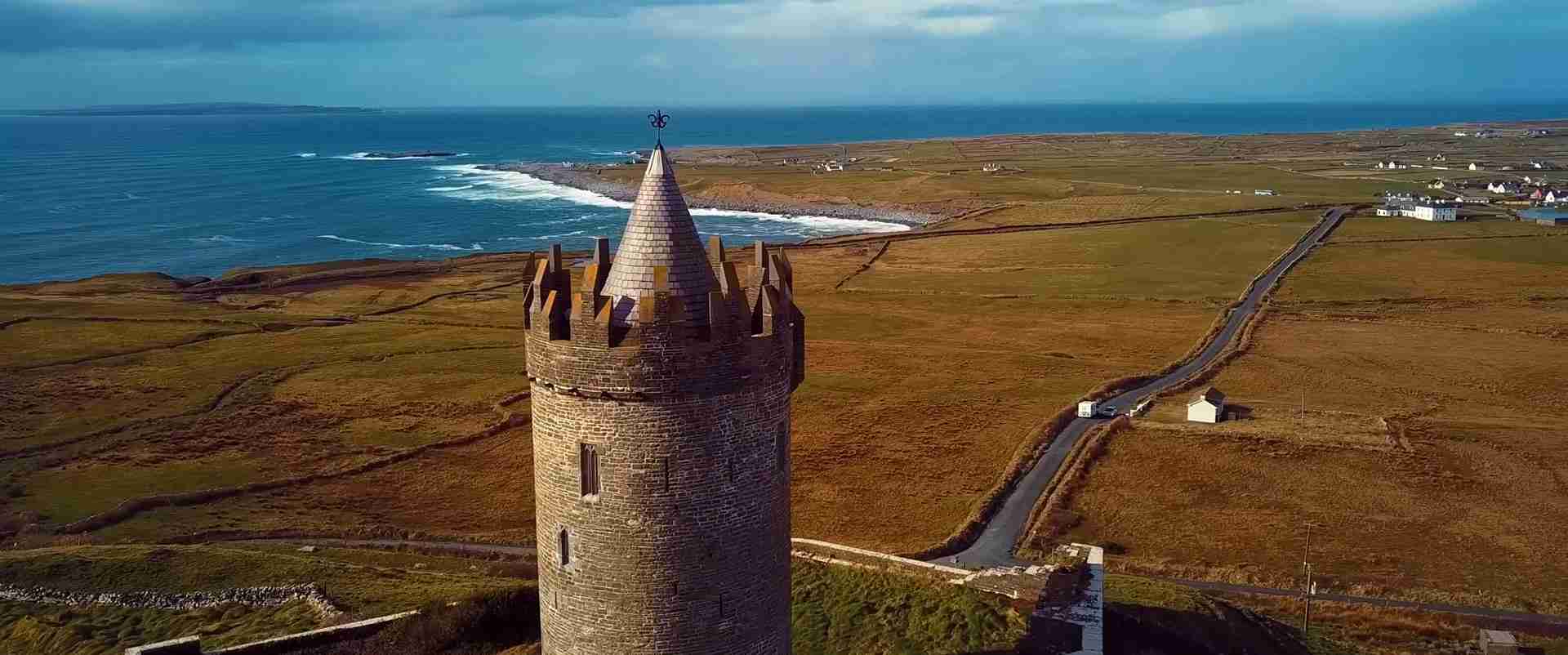
Visiting Ireland: Ultimate Planning Resource & Travel Guide 2026
Ireland beckons travelers with dramatic coastal cliffs, vibrant cities steeped in literary heritage, and countryside dotted with ancient castles and medieval ruins. Whether you’re drawn to Dublin’s Georgian architecture and buzzing pub culture, the wild Atlantic landscapes of the west coast, or the mystical sites of Celtic Ireland, this comprehensive planning guide provides everything you need to create an unforgettable Irish adventure in 2026.
Key Takeaways for Visiting Ireland in 2026
- No Visa Required: US, Canadian, Australian, and EU citizens can visit Ireland visa-free for up to 90 days, with a valid passport required for the duration of your stay.
- Budget Planning: Daily costs range €90-150 per person for budget travelers (hostel dormitories, pub meals, public transport), €155-260 for mid-range comfort (3-4 star hotels, restaurant dining, mixed transport), and €325-535 for luxury experiences (boutique hotels, fine dining, private transfers), assuming two people sharing accommodation.
- Best Time to Visit 2026: May, September, and early October offer the sweet spot of mild weather, fewer crowds, and lower prices compared to peak summer months (June-August) when accommodation costs increase and popular sites become congested.
- Transportation Infrastructure: Ireland’s public transport connects major cities effectively through rail and bus networks, but rural areas and iconic natural sites require either a rental car or organized tours for practical access.
- Accommodation Strategy: Dublin’s accommodation costs significantly exceed the rest of Ireland, with hostel dormitories reaching €100 per night in peak season versus €40-60 elsewhere, making it strategic to minimize nights in the capital or book months in advance.
- Cultural Immersion: Ireland’s authentic experiences lie beyond the tourist trail—neighborhood pubs outside Temple Bar, local markets, traditional music sessions, and free walking tours provide genuine connections with Irish culture without premium pricing.
People Also Ask About Visiting Ireland 2026
How Much Does a Week in Ireland Cost in 2026?
A week in Ireland costs €630-1050 per person for budget travelers, €1085-1820 for mid-range comfort, or €2275-3745 for luxury experiences, assuming two people sharing accommodation. Budget travelers stay in hostels, eat primarily pub meals, and use public transport. Mid-range travelers enjoy comfortable 3-4 star hotels, dine at sit-down restaurants, and mix public transport with occasional taxis. Luxury travelers experience boutique hotels, fine dining, and private transfers. These ranges exclude international flights but include accommodation, meals, local transport, and attractions.
Do I Need a Car to Travel Ireland in 2026?
You don’t need a car for Ireland’s cities and major towns connected by rail and bus networks, but accessing rural attractions like the Ring of Kerry, Dingle Peninsula, and many coastal areas requires either a rental car or organized tours. Dublin, Cork, Galway, and Belfast function well without a car using public transport. Rental cars cost €95-140 per day for economy models, plus fuel at €1.70 per liter. If visiting only urban areas and willing to join group tours for countryside excursions, public transport suffices and saves the cost and stress of left-side driving on narrow rural roads.
What’s the Weather Like in Ireland Throughout 2026?
Ireland’s temperate maritime climate in 2026 brings mild conditions year-round but frequent rainfall requiring waterproof layers regardless of season. Summer months (June-August) average 15-20°C with longest daylight hours but increased crowds and prices. Spring (April-May) and autumn (September-October) offer 10-15°C temperatures with manageable rainfall and fewer tourists. Winter (November-March) sees 5-10°C temperatures, shortest days, and heaviest rainfall but lowest accommodation costs. Pack layers, waterproof jacket, and comfortable walking shoes for all seasons—Irish weather changes rapidly throughout the day.
How Much Time Should I Spend in Ireland in 2026?
Seven to ten days allows comprehensive exploration of Ireland’s highlights without constant rushing between destinations. A week covers Dublin (2 days), Galway and Connemara (2 days), Cliffs of Moher and Doolin (1 day), Dingle Peninsula or Ring of Kerry (2 days), and return to Dublin (1 day). Ten days adds Cork, Killarney National Park, or Northern Ireland’s Causeway Coast. First-time visitors attempting to see everything in less than a week experience more time in transit than at destinations. Ireland rewards slower travel—lingering in pubs, spontaneous conversations with locals, and unhurried countryside rambles create the most memorable experiences.
Extended multi-day tours – 5+ days
Featured Ireland Multi-Day Tour Packages
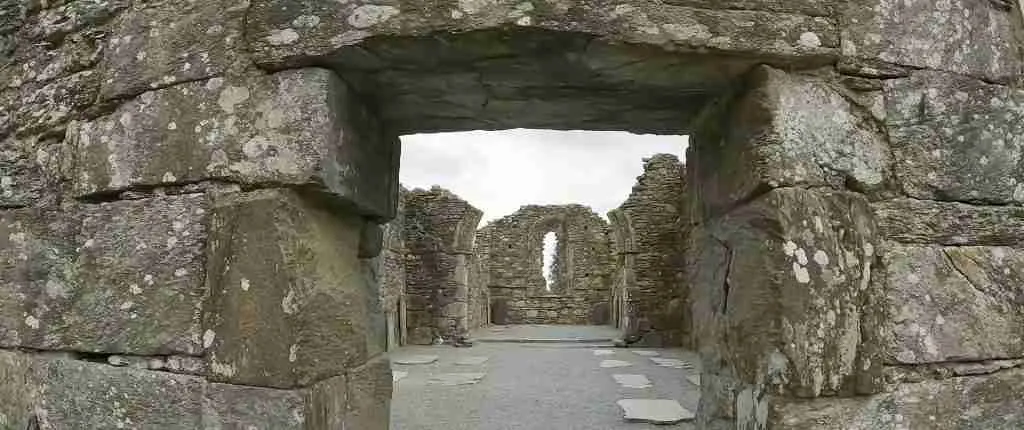
3 days
Ireland 3-Day Discovery Tour
- ✓ Comprehensive Ireland experience
- ✓ Expert local guides included
- ✓ All accommodation included
- ✓ Transportation provided
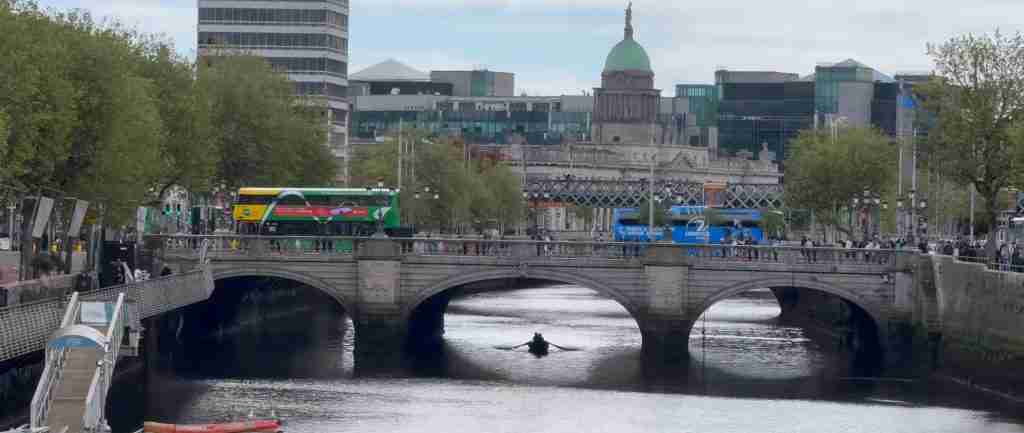
5 days
Ireland 5-Day Highlights Experience
- ✓ Comprehensive Ireland experience
- ✓ Expert local guides included
- ✓ All accommodation included
- ✓ Transportation provided

7 days
Ireland 7-Day Cultural Journey
- ✓ Comprehensive Ireland experience
- ✓ Expert local guides included
- ✓ All accommodation included
- ✓ Transportation provided

10 days
Ireland 10-Day Complete Adventure
- ✓ Comprehensive Ireland experience
- ✓ Expert local guides included
- ✓ All accommodation included
- ✓ Transportation provided
Multi-day tour packages powered by TourRadar. Prices and availability subject to change.
Introduction to Visiting Ireland in 2026
Ireland stands as one of Europe’s most rewarding destinations, combining accessibility for English-speaking travelers with distinctly Celtic culture that feels simultaneously familiar and exotic. The island’s compact geography—roughly the size of South Carolina—belies its dramatic diversity of landscapes, from limestone karst formations in the Burren to prehistoric archaeological sites in the Boyne Valley to the craggy Atlantic peninsulas of County Kerry. This Ultimate Planning Resource addresses the practical realities of visiting Ireland in 2026, from visa requirements and transportation logistics to accommodation booking strategies and daily budget planning.
Ireland in 2026 presents both opportunities and challenges for visitors. Post-pandemic tourism has fully recovered, bringing robust flight connections and comprehensive tour options but also increased competition for accommodation, particularly in Dublin where lodging costs have reached unprecedented levels. The country’s public transport network continues expanding with ongoing investments in rail electrification and bus corridor development, yet rural areas remain dependent on private vehicles or organized tours for access. Understanding these dynamics helps travelers maximize their experience while managing costs effectively.
This guide focuses on actionable planning information rather than surface-level descriptions. You’ll find specific accommodation cost ranges by city and season, detailed transportation options with actual 2026 pricing, comprehensive daily budget breakdowns across three spending tiers, and strategic advice on timing, routing, and booking. Whether planning a literary pilgrimage through Dublin’s Georgian squares, a coastal adventure along the Wild Atlantic Way, or a deep dive into Neolithic heritage, this resource provides the foundation for confident, well-informed trip planning.
The Irish tourism infrastructure has evolved significantly in recent years, with contactless payment systems rolling out across public transport, advance booking becoming essential rather than optional for major attractions, and sustainability initiatives reshaping how visitors access natural sites. These developments affect practical planning in ways that generic guidebook advice may not address. This guide incorporates these realities while maintaining focus on the experiences that make Ireland extraordinary—the impromptu music sessions, the storytelling over pints, the windswept walks along empty beaches, and the sense of stepping into landscapes shaped by millennia of human habitation.
Understanding Ireland Visa and Entry Requirements 2026
Ireland operates its own visa system separate from the European Union’s Schengen Area, creating distinct entry requirements that differ from continental Europe. US citizens, Canadians, Australians, New Zealanders, and nationals of most EU countries can visit Ireland visa-free for tourism or business purposes for up to 90 days. No visa application, advance authorization, or entry fee applies for these travelers—simply present a passport valid for the duration of your stay at Irish immigration.
Important distinction: Ireland is NOT part of the Schengen Area, meaning time spent in Ireland does not count toward the Schengen zone’s 90-day limit. Travelers can spend 90 days in Ireland, then move to Schengen countries for an additional 90 days, or vice versa. The upcoming ETIAS (European Travel Information and Authorization System) for Schengen countries will NOT apply to Ireland when it launches in late 2026. Passport control exists between Ireland and Schengen countries—your Irish stamp does not grant entry to France, Spain, or other Schengen nations.
Entry requirements are straightforward but non-negotiable. Immigration officers at Dublin Airport, Shannon Airport, Cork Airport, and Belfast International Airport expect travelers to demonstrate travel intent and means of support. Have readily available: return or onward flight confirmation, accommodation bookings or addresses, and proof of sufficient funds for your stay. While rarely requested, inability to provide this information can result in entry denial or limited stay duration. The increased number of American visitors refused entry in recent years stems from inadequate demonstration of genuine tourism purpose rather than from restrictive policies.
Cash declaration requirements apply when entering or leaving Ireland with €10,000 or more in currency or monetary instruments. Declare amounts at customs—failure to declare can result in confiscation and penalties. This regulation targets money laundering rather than typical tourism, but travelers carrying substantial cash for extended stays or purchases should complete the declaration form.
Specific restrictions affect certain items. It is illegal to bring marijuana, cannabis, CBD products or derivatives into Ireland regardless of legality in your home country or medical prescription status. Penalties include fines, arrest, and detention. Firearms, ammunition, spent shells, and casings are similarly prohibited even for sporting purposes—Ireland maintains strict weapons control. Prescription medications require certain documentation: carry up to three months’ supply in original packaging with prescriptions, and check the Irish Medicines Board website to confirm the medication’s legal status in Ireland before travel.
Northern Ireland Considerations
Northern Ireland is part of the United Kingdom, not the Republic of Ireland, creating a border within the island. However, the Common Travel Area agreement between Ireland and the UK means land border crossings involve no passport checks or customs inspections for most travelers. The transition from Republic to Northern Ireland occurs seamlessly while driving—road signs change from kilometers to miles and euros to pounds, but no checkpoint exists.
From April 2025, travelers to Northern Ireland who don’t need a UK visa require an Electronic Travel Authorization (ETA) assigned to a valid passport. This affects US citizens visiting Belfast or the Causeway Coast. The ETA costs £10, applies for two years, and processes quickly through the UK government website. If your Ireland itinerary includes Northern Ireland, obtain the ETA before arrival. Traveling from Dublin to Belfast by train or bus requires no special procedures—the journey functions like domestic travel despite crossing an international border.
Planning Your 2026 Ireland Travel Budget
Ireland ranks among Europe’s more expensive destinations, comparable to the United Kingdom, Switzerland, and Scandinavia in terms of daily costs. However, strategic planning and understanding where expenses concentrate enables travelers across all budget levels to experience Ireland meaningfully. This section breaks down actual 2026 costs across three distinct budget tiers, providing realistic daily and weekly projections based on current pricing.
Budget Travel in Ireland 2026
Budget travelers spending €90-150 per person daily can experience Ireland authentically while minimizing accommodation and dining costs. This tier requires staying in hostel dormitories, preparing some meals, using public transport exclusively, and prioritizing free attractions alongside selective paid sites.
Accommodation dominates the budget traveler’s daily costs. Hostel dormitory beds outside Dublin cost €40-60 per night depending on location and season. Dublin hostels charge significantly more—€70-100 per night even for dormitory beds during summer months. Private rooms in hostels cost €80-140, approaching budget hotel prices. Budget travelers should minimize Dublin nights or book months in advance for reasonable rates. Outside the capital, hostels in Galway, Cork, Killarney, and smaller towns offer good facilities at the lower end of the range.
Food costs for budget travelers average €35-50 daily through a mix of self-catering and inexpensive restaurant meals. Many hostels provide guest kitchens where travelers can prepare breakfast and pack lunches using supermarket groceries. A typical supermarket breakfast supply (bread, eggs, milk, butter, fruit) costs €12-15 for multiple days. Lunch from delis or takeaway shops runs €8-15 for substantial sandwiches or wraps. One pub dinner daily provides authentic Irish atmosphere and hearty food for €15-22. This strategy yields approximately €35-50 daily food costs while allowing the essential experience of Irish pub culture.
Public transport within and between cities costs €10-20 daily. Dublin’s 72-hour Leap Visitor Card provides unlimited bus and tram travel for €18. Inter-city bus travel through Bus Éireann costs €15-25 per journey depending on distance—Dublin to Galway costs approximately €18-22 when booked in advance. Irish Rail offers similar pricing but less frequent rural service. Walking extensively within cities and towns reduces daily transport costs while providing immersive urban exploration.
Attractions and activities require strategic selection to stay within budget. Ireland’s finest natural attractions—Cliffs of Moher, Connemara National Park, Killarney National Park, beaches throughout the west coast—are either free or charge minimal parking fees. State-run heritage sites like Dublin Castle, Rock of Cashel, and Kilmainham Gaol cost €8-11. Reserve one or two paid attractions daily while balancing with free walking tours, pub music sessions, public parks, and coastal walks. Budget €5-15 daily for attractions through selective choices.
Weekly budget traveler costs total €630-1050 per person assuming two people sharing hostel private rooms when available or occupying separate dormitory beds. This budget requires discipline but doesn’t sacrifice authenticity—staying in hostels facilitates meeting fellow travelers, pub meals provide cultural immersion, and public transport forces slower, more observant travel.
Mid-Range Comfort Travel in Ireland 2026
Mid-range travelers spending €155-260 per person daily enjoy comfortable 3-4 star hotels, flexibility in dining choices, mixed transportation options, and admission to major paid attractions without constant budget calculations. This tier represents the sweet spot for most visitors seeking comfort without luxury pricing.
Accommodation in this bracket means 3-4 star hotels or excellent B&Bs with ensuite bathrooms, consistent quality standards, and often included breakfast. Hotels cost €120-200 per room outside Dublin, translating to €60-100 per person when two share. Dublin hotels in this category cost €160-280 per room. B&Bs offer exceptional value with generous Irish breakfasts included—expect €80-140 per room for comfortable, characterful properties. Book direct with B&Bs for best rates and personal interaction with hosts who provide valuable local recommendations.
Mid-range dining budgets allow flexibility between pub meals, casual restaurants, and occasional fine dining. Breakfast at hotels or cafes costs €12-18. Lunch at sit-down restaurants runs €18-28 for quality meals. Dinner at mid-range restaurants costs €30-45 per person for appetizer and main course or three-course early bird menus. Include €15-25 daily for coffee, snacks, and drinks—two pints of Guinness cost €12-15. Total daily food costs average €55-100 depending on indulgence level and alcohol consumption.
Transportation flexibility characterizes mid-range travel. Mix of public transport, occasional taxis, and potentially short-term car rentals provides convenience without constant cost awareness. Daily transport costs €15-30 including city bus travel, inter-city train or bus journeys, and taxi rides when convenient. A three-day car rental splits to €50-70 per person daily including fuel when shared between two travelers, but eliminates this cost on city-based days using public transport.
Attraction budgets expand to include premium experiences. Major paid sites like Guinness Storehouse (€31), Kylemore Abbey (€18), and various castle tours fit comfortably within €20-35 daily attraction budgets. Add occasional guided day tours (€75-95 per person) without disrupting overall budget. This tier enables saying yes to most experiences that appeal rather than constant cost-benefit calculations.
Weekly mid-range costs total €1085-1820 per person for two sharing accommodation. This budget delivers comfortable, memorable travel with good hotels, diverse dining, attraction access, and transportation flexibility. Most travelers find this range optimizes the balance between experience quality and reasonable spending.
Luxury Travel in Ireland 2026
Luxury travelers spending €325-535 per person daily experience Ireland’s finest hotels, exceptional dining, private transportation, and premium guided experiences. This tier delivers comfort, convenience, and exclusive access while supporting Ireland’s boutique hospitality sector and artisan food producers.
Accommodation at luxury level means 5-star hotels, castle hotels, or exceptional boutique properties with distinctive character and impeccable service. Luxury hotels cost €300-500 per room, translating to €150-250 per person when sharing. Dublin’s 5-star properties like The Merrion or The Shelbourne command €400-600 per room. Castle hotels throughout the countryside—Ashford Castle, Dromoland Castle, Lough Eske Castle—provide extraordinary settings for €400-800 per room depending on season and room category. These properties include premium amenities, spa facilities, fine dining restaurants, and attentive service.
Dining at luxury level emphasizes Ireland’s exceptional farm-to-table restaurant scene. Breakfast costs €20-30 at hotel restaurants or premium cafes. Lunch at quality restaurants runs €35-55. Dinner at acclaimed restaurants costs €50-80 per person for multi-course meals featuring local produce, artisan cheeses, and Irish seafood. Michelin-starred establishments like Restaurant Patrick Guilbaud in Dublin or Aniar in Galway deliver exceptional experiences at premium prices. Budget €15-25 daily for afternoon tea, craft cocktails, or wine with dinner. Total daily dining costs reach €105-180 for exceptional food experiences.
Private transportation eliminates public transport constraints. Private driver services cost €200-300 daily, providing door-to-door convenience, flexible itineraries, and knowledgeable local guides. Alternatively, luxury car rentals (€120-180 daily) with comprehensive insurance provide independent exploration in premium vehicles. Daily transport costs of €30-50 per person when sharing private services deliver stress-free travel between destinations.
Premium experiences define luxury travel in Ireland. Private castle tours, exclusive whiskey tastings, private boat charters to islands, helicopter tours over dramatic coastlines, and bespoke cultural experiences cost €40-70 per person daily on average. These experiences provide access, intimacy, and expertise unavailable to general admission visitors. Luxury travelers often book multi-day packages with established tour operators like Vagabond or Authentic Ireland, bundling accommodation, transport, and experiences into curated itineraries.
Weekly luxury costs total €2275-3745 per person for two sharing accommodation. This budget delivers Ireland at its finest—no compromises, no stress, only exceptional experiences and lasting memories. Luxury travelers invest not just in comfort but in supporting Ireland’s premium hospitality, artisan food producers, and family-run estates maintaining historic properties.
Best Time to Visit Ireland in 2026
Ireland’s temperate maritime climate creates year-round visitability, but distinct seasonal patterns affect weather, crowds, costs, and activity availability. No perfect universal answer exists—the ideal time depends on whether you prioritize weather, budget, crowds, or specific experiences. This section breaks down 2026 by season with honest assessments of advantages and disadvantages.
Spring in Ireland 2026 (March-May)
Spring brings awakening landscapes, lengthening days, and increasing temperatures from winter’s chill. March starts cool and often wet with average temperatures of 8-10°C, but by May temperatures reach 12-15°C with frequent sunny periods between showers. This shoulder season offers significant advantages for travelers willing to accept variable weather.
Accommodation prices remain low through March and early April, then increase moderately through May as summer approaches. Dublin hotels cost €20-40 less per night compared to July-August rates. Rural hotels and B&Bs offer even greater savings. Tourist crowds stay manageable except around St. Patrick’s Day (March 17) when Dublin experiences massive crowds and inflated accommodation rates. Book Dublin accommodation three months ahead if visiting for St. Patrick’s celebrations—spontaneous visits find everything full or prohibitively expensive.
Landscapes bloom spectacularly throughout spring. Wild-flowers carpet the Burren’s limestone pavements in May. Gardens across Ireland showcase spring bulbs, rhododendrons, and azaleas. Lambing season brings newborn sheep to fields throughout the countryside, creating postcard pastoral scenes. Days lengthen significantly—by late May sunset occurs around 9:30 PM, providing extensive daylight for sightseeing and outdoor activities.
Weather reliability increases through spring but remains variable. Pack waterproof layers and expect rain regardless of forecasts. Spring offers mild temperatures ideal for hiking and outdoor exploration without summer heat, though strong Atlantic winds persist along west coast areas. Indoor attractions experience minimal crowds, allowing relaxed exploration of museums, distilleries, and historic sites.
Summer in Ireland 2026 (June-August)
Summer delivers Ireland’s warmest weather, longest days, and most vibrant cultural calendar alongside highest prices, largest crowds, and frequent disappointment from weather failing to meet “summer” expectations by continental standards. Average temperatures reach 15-20°C—pleasant rather than hot, with frequent cool, overcast, or rainy days interspersed with glorious sunshine.
Accommodation costs peak June through August, with Dublin hotels charging €180-280 per room compared to €120-180 in shoulder seasons. Book summer accommodation three to six months ahead, particularly in popular areas like Galway, Dingle, Killarney, and coastal villages. Late booking finds limited availability and premium pricing. Hostels in Dublin charge €80-100 per dormitory bed during peak summer weeks.
Crowds concentrate at major attractions during summer months. Cliffs of Moher, Trinity College Book of Kells, Guinness Storehouse, and Ring of Kerry experience congestion that diminishes enjoyment. Arrive early morning (before 9 AM) or late afternoon (after 4 PM) to avoid tour bus crowds. Many attractions now require advance booking to guarantee entry at preferred times.
Cultural events define summer in Ireland. Music festivals, agricultural shows, literary festivals, and traditional cultural celebrations occur throughout the season. The Galway International Arts Festival (late July), Willie Clancy Summer School in Clare (July), Fleadh Cheoil traditional music festival (different location annually, August), and countless smaller festivals provide authentic cultural immersion. Summer also brings extended pub hours, outdoor dining, and beach activities on rare sunny days.
Daylight hours extend dramatically—sunset occurs after 10 PM in June and July, enabling full sightseeing days plus evening activities. Conversely, this leaves minimal time for dark-sky photography or atmospheric evening explorations that benefit from earlier darkness. Summer represents ideal timing for families with school-age children or travelers prioritizing weather over budget, but creates genuine tradeoffs compared to shoulder seasons.
Autumn in Ireland 2026 (September-November)
Autumn emerges as many experienced travelers’ preferred season, particularly September and early October. Weather remains reasonably mild, crowds dissipate significantly, prices drop from summer peaks, and autumn colors transform landscapes. This combination delivers optimal value for visitors prioritizing experience quality over guaranteed sunshine.
September functions as extended summer with continued mild weather (14-16°C), manageable crowds, and lower accommodation rates. October brings cooler temperatures (10-14°C), increased rainfall, and beautifully atmospheric conditions—mist-shrouded hills, dramatic cloud formations, and golden evening light. November transitions toward winter with shorter days, cooler temperatures (7-11°C), and frequent rain, but maintains significant cost advantages and minimal crowds.
Accommodation pricing decreases notably after Labor Day in early September. Mid-range hotels costing €180-240 per room in July-August drop to €120-180 in September-October. Negotiate better rates with B&Bs when booking directly, particularly for multi-night stays. November brings winter low-season pricing despite relatively mild conditions.
Autumn landscapes create photographic magic. Deciduous trees throughout Ireland’s parks, estates, and countryside turn gold and russet. Ancient forests in Killarney National Park and Glenveagh National Park showcase stunning autumn colors. Reduced tourist traffic enables intimate experiences at major attractions without summer congestion. Tour buses diminish significantly after September, particularly on weekdays.
Daylight hours shorten through autumn—September maintains good daylight until 8 PM, but by November sunset occurs around 5 PM. Shorter days require tighter scheduling but create opportunities for cozy pub evenings and leisurely dinners impossible during endless summer daylight. Halloween (October 31) originates from ancient Irish Samhain festival, making Ireland particularly atmospheric for this celebration.
Winter in Ireland 2026 (December-February)
Winter represents Ireland’s most challenging but economical season. Cold, wet, and dark conditions deter many tourists, creating rock-bottom accommodation prices and empty attractions. Travelers prioritizing budget over weather and willing to embrace atmospheric conditions discover authentic Ireland minus tourist infrastructure.
Accommodation costs hit annual lows throughout winter except around Christmas and New Year when brief price spikes occur. Dublin hotels costing €200+ in summer drop to €100-150 in January-February. Rural properties offer exceptional deals—negotiate with B&Bs for extended stay discounts. Many coastal hotels and restaurants close entirely December through February, particularly in smaller villages dependent on summer tourism.
Weather challenges winter visitors significantly. Average temperatures hover 5-10°C—not freezing but damp cold that penetrates. Rain falls frequently, often continuously for days. Atlantic storms bring strong winds and dramatic coastal conditions. Pack quality waterproof layers, warm clothing, and embrace the atmospheric conditions rather than fighting them. Winter weather creates dramatic photography opportunities—stormy seas, mist-shrouded mountains, and moody landscapes.
Daylight hours contract severely in December-January with sunset around 4:30 PM and overcast conditions making days feel even shorter. This limits outdoor activity time but enables extended museum visits, whiskey distillery tours, pub sessions, and cultural activities unrushed by daylight imperatives. Christmas in Ireland brings festive atmosphere, particularly in Dublin and Galway with markets, lights, and celebrations.
Winter attracts specific traveler types—budget travelers maximizing limited funds, photographers seeking dramatic atmospheric conditions, writers and artists seeking solitude, and Irish diaspora visiting family. Tourism infrastructure operates on reduced schedules with many tour operators, boat services, and seasonal attractions closed. Research carefully to confirm desired experiences operate during winter months.
Getting to and Around Ireland in 2026
Ireland’s transportation infrastructure combines modern, efficient connections between major cities with more limited options for rural and coastal areas. Understanding the system’s strengths and gaps enables realistic itinerary planning and appropriate transportation mode selection. This section covers international arrival, public transport networks, car rental considerations, and strategic transportation planning for different itineraries.
Flying to Ireland in 2026
Dublin Airport serves as Ireland’s primary international gateway, offering direct flights from major North American cities, extensive European connections, and UK regional airports. Direct transatlantic service operates from Boston, New York (JFK and Newark), Chicago, Washington DC, Philadelphia, Atlanta, Los Angeles, San Francisco, and Toronto with multiple daily flights in peak season. Flying time from US East Coast cities averages 6-7 hours eastbound, 7-8 hours westbound. Aer Lingus dominates transatlantic routes with competitive pricing and checked baggage included, while Delta, United, and American operate selected routes. Budget carriers like Norse Atlantic occasionally offer lower fares but charge separately for all baggage, meals, and seat selection—calculate total cost including fees.
Shannon Airport on Ireland’s west coast offers alternative entry point particularly valuable for visitors focusing on western regions. Direct flights operate from Boston, New York, and Chicago seasonally (primarily May-September). Shannon provides immediate access to Clare, Kerry, and Galway without Dublin transit, saving substantial time for west-coast-focused itineraries. Cork Airport in southern Ireland serves limited international flights, primarily UK and European connections rather than transatlantic routes.
Belfast International Airport and Belfast City Airport serve Northern Ireland with extensive UK connections and limited international routes. Budget carriers including Ryanair and easyJet connect Belfast with European cities at competitive fares. Belfast makes sense as entry point only when Northern Ireland features prominently in itinerary or connecting through UK cities.
Airfare costs vary dramatically by season, booking timing, and flexibility. Summer transatlantic fares (June-August) range €600-900 return economy class when booked 3-6 months ahead. Shoulder season (April-May, September-October) offers €450-700 fares. Winter deals occasionally reach €350-500 for flexible travelers. Book early for summer travel—fares increase significantly within three months of departure. Consider positioning flights through UK or European hubs for complex multi-country itineraries, but factor visa requirements and connection complexity.
Public Transport Within Ireland 2026
Ireland’s public transport network effectively connects major cities and towns through rail and bus services but provides limited rural access. Understanding what public transport does and doesn’t reach prevents frustrating itinerary gaps. Public transport works well for city-hopping itineraries (Dublin-Cork-Galway-Belfast) but struggles with rural attractions and coastal areas.
Irish Rail (Iarnród Éireann) operates intercity rail services radiating from Dublin to Cork, Galway, Limerick, Waterford, Sligo, and Belfast. Important note: Dublin has two separate main stations not connected by rail. Heuston Station serves Cork, Galway, Limerick, Killarney, and western/southern routes. Connolly Station serves Belfast, Sligo, and northern/eastern routes. Transfer between stations requires 15-minute Luas tram ride on Red Line or bus. Trains offer comfortable, scenic travel with WiFi and cafe service on major routes. Book advance fares online for significant savings—Dublin to Galway drops from €45 walk-up fare to €18-28 when booked weeks ahead. Ireland’s rail network operates hub-and-spoke pattern requiring Dublin connections for cross-country routes—traveling Galway to Cork requires changing in Dublin despite the indirect routing.
Bus Éireann operates comprehensive intercity bus network reaching smaller towns and villages inaccessible by rail. Buses cost less than trains but travel slower on rural roads. Dublin to Galway by bus costs €18-25 compared to train fares of €28-45. Advance booking essential for guaranteed seating on popular routes. Private bus companies including GoBus, Citylink, and Aircoach offer additional intercity services, often with premium coaches, WiFi, and direct airport connections.
Dublin public transport includes buses, Luas tram network, and DART suburban rail. The Leap Visitor Card (€18 for 72 hours) provides unlimited travel across all modes and delivers excellent value for tourists. Single bus or tram fares cost €2-3 with exact change required on buses. Dublin Bus operates extensive route network covering the city center and suburbs with frequent service. Luas operates two tram lines (Red and Green) connecting major destinations including Heuston Station, Connolly Station, and city center. DART suburban rail serves coastal suburbs north and south of city center—useful for visiting Howth, Dun Laoghaire, and Bray.
Other cities operate more limited public transport. Cork, Galway, Limerick, and Waterford have bus networks but compact city centers make walking practical for most tourist activities. Belfast has extensive bus service and local rail connecting suburbs, but most visitors find central attractions within walking distance.
Renting a Car in Ireland 2026
Car rental provides freedom and access that public transport cannot match, particularly for exploring rural areas, coastal routes, and multiple scattered attractions. However, driving in Ireland presents challenges that some travelers underestimate. Left-side driving, narrow rural roads, stone walls flanking roads with minimal clearance, roundabouts, and unfamiliar traffic patterns require adjustment and careful attention. If hesitant about driving stress, organized tours or limiting car rental to specific legs may prove wiser.
Rental costs vary by season, booking timing, and insurance choices. Economy manual transmission cars cost €95-140 per day in peak summer, dropping to €60-90 in winter. Automatic transmissions add €15-25 daily premium and availability can be limited—book automatics well in advance. Week-long rentals offer better daily rates than short periods. Book through comparison sites like AutoEurope or CarRentals.com, then verify final price directly with rental company including all mandatory fees and insurance.
Insurance deserves careful attention. Irish rental companies charge €25-40 daily for Collision Damage Waiver reducing your liability for damage. Alternatively, purchase annual travel insurance including rental car coverage for €40-80 total, saving substantially on week-long rentals. Verify coverage limits and requirements—some policies require declining rental company insurance, others work as supplementary coverage. Credit card rental insurance often excludes Ireland or specific vehicle categories—verify coverage before relying on credit card protection.
Fuel costs approximately €1.70 per liter (€6.40 per gallon) for petrol, slightly more for diesel. Most rental cars use diesel offering better fuel economy. Budget €15-25 daily fuel cost depending on driving distance. Toll roads around Dublin (M50 motorway) require registering vehicles or paying online—rental companies handle registration and charge tolls plus admin fees to your final bill.
Parking in Irish cities presents challenges and costs. Dublin city center parking costs €3-4 per hour with limited availability. Park-and-ride facilities on city outskirts combined with public transport offer cost-effective alternatives. Smaller cities and towns generally provide more accessible parking. Many hotels outside cities offer free parking—confirm before booking if traveling with rental car. Traffic wardens aggressively enforce parking restrictions—read signs carefully and don’t risk penalties.
Practical tips for Irish driving: Rent smallest car size adequate for your party and luggage—narrow roads punish oversized vehicles. Fold mirrors in when parked on streets. Allow extra time for journeys on rural roads—scenic routes like Ring of Kerry or Slea Head Drive require slow speeds. Pull into passing places to allow faster local drivers to pass. Right of way at roundabouts goes to traffic already in the roundabout—yield before entering. Speed limits display in kilometers per hour (50 km/h urban, 80 km/h rural, 120 km/h motorway). Garda (police) enforce speed limits with cameras and mobile checkpoints—fines apply immediately to rental charges.
Organized Tours as Transportation Alternative
Multi-day organized tours solve transportation and logistics while providing guided interpretation, meeting fellow travelers, and eliminating driving stress. Tours range from large coach groups to small van tours to private experiences. Large coach tours (40+ passengers) cost €800-1200 per person for week-long itineraries including accommodation, transport, and some meals. Small group tours (8-16 passengers) cost €1200-1800 weekly with similar inclusions but more flexibility and personal attention. Private guided tours range €2000-3500 per person weekly depending on accommodation level and experience customization.
Day tours from Dublin, Galway, and Cork provide cost-effective access to specific attractions. Cliffs of Moher day tour from Dublin costs €75-95 including transport and guided commentary. Giant’s Causeway tour from Dublin runs €75-90. Dingle Peninsula tour from Killarney costs €45-60. These tours eliminate public transport gaps and rental car hassles while providing local knowledge and context. The tradeoff involves fixed schedules, group pace, and touristy restaurant stops.
Where to Stay in Ireland 2026: Accommodation Planning
Accommodation represents travelers’ largest single expense category in Ireland, particularly in Dublin where costs significantly exceed other regions. Strategic accommodation planning—balancing location, comfort, and cost while booking at optimal timing—substantially affects overall trip budget. This section examines accommodation types, regional cost variations, and booking strategies.
Dublin Accommodation 2026
Dublin presents Ireland’s most expensive and challenging accommodation market. Budget travelers face dormitory beds costing €70-100 per night during peak season compared to €40-60 elsewhere in Ireland. Mid-range hotels cost €160-280 per room when better properties in Cork or Galway charge €120-180. This premium reflects Dublin’s popularity, limited new hotel development, and strong business travel demand.
Book Dublin accommodation three to six months ahead for summer visits. Spontaneous booking finds limited availability and premium pricing. Compare prices across Booking.com, Hotels.com, and direct hotel websites—occasionally direct booking yields better rates or value-added perks. Trinity College area, Temple Bar, Georgian Dublin around Merrion Square, and Smithfield offer central locations within walking distance of major attractions. Areas slightly outside city center like Stoneybatter, Phibsborough, or Ballsbridge provide better value while maintaining good public transport links.
Dublin’s hostel scene caters primarily to younger travelers but provides budget options. Generator Hostel, Isaacs Hostel, and Abbey Court Hostel offer reasonable facilities and social atmosphere. Private rooms in hostels cost nearly as much as budget hotels while sacrificing privacy and amenity quality. Consider budget hotels like Jurys Inn or Maldron chains offering consistent quality at competitive rates when booked early.
Mid-range Dublin hotels include reliable chains (Clayton, Maldron, Hilton Garden Inn) and independent properties with character. The Morrison, The Dean, and Clontarf Castle combine quality accommodation with distinct personality. Boutique hotels like The Merrion, The Shelbourne, and The Westbury represent luxury tier with heritage properties, exceptional service, and prime locations commanding €350-600 per room.
Strategic travelers minimize Dublin nights while maintaining sufficient time for key attractions. Three nights enables Trinity College, museums, Temple Bar exploration, and day trip while avoiding excessive accommodation costs. Consider staying outside Dublin and taking day trips via public transport—towns like Howth, Dun Laoghaire, or Malahide offer coastal settings, lower hotel costs, and 30-minute train connections to Dublin city center.
Regional Ireland Accommodation 2026
Accommodation outside Dublin offers better value, greater character, and warmer hospitality through Ireland’s extensive B&B network and regional hotels. Cork, Galway, Killarney, Dingle, Westport, and Doolin provide bases for exploring regions without Dublin’s cost premium.
Cork city hotels range €120-180 per room for mid-range properties including The River Lee, The Imperial, and Clayton Silversprings. Galway city center hotels cost similar amounts with The g Hotel, The Hardiman, and Jury’s Inn Galway offering good quality. Killarney, gateway to Ring of Kerry and Killarney National Park, has numerous hotels in all categories from budget (€100-140) to luxury castle hotels (€300-500). Book Killarney early—summer availability disappears months ahead.
B&Bs represent quintessential Irish accommodation offering personal interaction with hosts, generous breakfasts, and insider local knowledge. B&Bs cost €80-140 per room for comfortable properties with ensuite bathrooms. Hosts typically provide travel advice, restaurant recommendations, and conversation about local history and culture. B&B breakfasts feature full Irish breakfast—eggs, bacon, sausage, black pudding, mushrooms, tomatoes, toast—plus cereal, fruit, and tea/coffee. This substantial breakfast eliminates need for lunch, reducing daily food costs.
Find B&Bs through Booking.com or specialized sites like BandBIreland.com. Best values often come from directly contacting B&Bs by phone or email, particularly for multi-night stays or off-season visits. Many B&Bs don’t accept credit cards—confirm payment methods when booking. B&Bs suit travelers seeking authentic experiences and personal interaction but less suitable for those prioritizing anonymity and hotel amenities.
Self-catering cottages provide excellent value for families, groups, or extended stays. Weekly cottage rentals cost €700-1400 depending on size, location, and season, translating to €100-200 nightly. Cottages include full kitchens, living spaces, and often multiple bedrooms. Cooking substantial meals at cottages reduces daily food costs significantly. Sites like Irish Cottage Holidays and Sykes Cottages feature extensive selections. Book popular areas like Dingle Peninsula and Connemara six months ahead for summer weeks.
Accommodation Booking Strategy 2026
Timing dramatically affects accommodation cost and availability in Ireland’s seasonal market. Book summer accommodation (June-August) three to six months ahead for best selection at reasonable rates. Waiting until one month before arrival finds limited availability, particularly in popular areas, forcing acceptance of whatever remains at premium pricing. Shoulder season (April-May, September-October) allows two-to-three-month lead time. Winter accommodation can be booked one month ahead with confidence.
Price comparison across booking platforms reveals surprising variation. Check Booking.com, Hotels.com, Expedia, and hotel direct websites. Sometimes direct booking yields better rates or value-adds (free breakfast, room upgrade, flexible cancellation). Compare total prices including all taxes and fees—some sites display rates excluding VAT while others include everything. Read cancellation policies carefully—free cancellation provides flexibility worth paying small premiums for uncertain travel dates.
Consider accommodation location strategically. Central city locations cost more but eliminate transport costs and time. Slightly outside center often provides better value—verify public transport links or parking availability. Rural areas offer peace and scenic settings but require rental car for activities and dining. Base selection on specific itinerary—Ring of Kerry exploration benefits from Killarney base; Connemara exploration suits Clifden or Letterfrack; Burren exploration works from Doolin or Ballyvaughan.
What to Eat and Drink in Ireland 2026: Food and Dining Guide
Irish food has transformed dramatically over recent decades from basic meat-and-potatoes reputation to celebrated farm-to-table dining scene showcasing local produce, artisan ingredients, and innovative chefs. Understanding Ireland’s dining options, cost ranges, and cultural traditions enhances the travel experience while managing daily food budgets effectively.
Irish Food Culture and Traditional Dishes
Traditional Irish cuisine centers on locally sourced ingredients shaped by agricultural heritage and coastal geography. Potatoes feature prominently—boiled, mashed, roasted, or formed into specialties like boxty (potato pancakes) and colcannon (mashed potatoes with cabbage). Grass-fed beef and lamb from small farms provide exceptional quality meat. Coastal proximity delivers outstanding seafood—Atlantic salmon, Irish oysters, Dublin Bay prawns, and fresh catch from fishing villages.
Full Irish breakfast constitutes essential cultural experience and practical meal strategy. This substantial morning feast includes eggs (fried or scrambled), bacon rashers, sausages, black pudding, white pudding, grilled tomato, mushrooms, baked beans, and toast with abundant tea or coffee. B&Bs and hotels typically include full Irish breakfast with room rate—take advantage of this substantial meal to reduce lunch costs. Cafes and restaurants serve full Irish breakfast for €12-18, while many pubs offer breakfast menus until 11 AM or noon.
Irish stew represents the nation’s signature dish—slow-cooked lamb or mutton with potatoes, carrots, and onions creating hearty, warming comfort food. Variations include Guinness stew (beef braised in dark stout) and seafood chowder (thick, creamy soup with fish, shellfish, and potatoes). Bread holds special significance in Irish culture—brown soda bread (made with buttermilk and baking soda rather than yeast) accompanies most meals, while white soda bread and wheaten bread appear at breakfast.
Fish and chips maintain popularity as casual meal or seaside treat. Quality varies dramatically—seek local recommendations rather than tourist-trap locations. Proper fish and chips feature fresh cod or haddock in crisp batter, thick-cut chips (fries), and optional mushy peas. Prices range €12-17 depending on location and quality. Coastal towns generally deliver best fish and chips using daily catch.
Restaurant and Pub Dining Costs 2026
Irish dining costs vary by establishment type, location, and meal timing. Understanding cost ranges across dining categories enables realistic daily budget planning while avoiding tourist-trap overcharges in areas like Dublin’s Temple Bar.
Budget dining includes takeaway sandwiches from delis (€7-12), fish and chips (€12-17), pub lunches (€12-18), and quick-service restaurants. Supermarket delis offer good-value sandwiches, salads, and hot food for picnic lunches. Many pubs serve lunch specials €12-15 including soup and sandwich or simple main courses. Chinese and Indian takeaway restaurants provide filling meals for €10-15. Budget travelers can maintain €25-35 daily food costs through strategic combination of supermarket breakfast supplies, takeaway lunches, and pub dinners.
Mid-range dining means sit-down restaurants with table service, varied menus, and quality ingredients. Lunch at casual restaurants costs €15-22 for main courses. Dinner main courses range €20-35 depending on restaurant type and location. Three-course dinners at good restaurants typically cost €35-55 per person before drinks. “Early bird” menus (typically 5:00-7:00 PM) offer two or three courses for €25-35, providing significant savings on quality dinners. Dublin restaurants charge noticeably more than Cork, Galway, or smaller cities for comparable quality.
Fine dining experiences showcase Ireland’s culinary evolution. Michelin-starred restaurants like Chapter One (Dublin), Restaurant Patrick Guilbaud (Dublin), Ichigo Ichie (Cork), and Aniar (Galway) deliver exceptional multi-course tasting menus for €80-130 per person before wine. These represent special-occasion splurges demonstrating Irish food at its finest—local ingredients, innovative preparation, and artistic presentation.
Pub dining occupies special place in Irish culture—combining food with atmosphere, music, and social interaction. Pub meals cost €15-22 for burgers, steaks, fish, stews, and substantial portions. Pub food quality varies dramatically—touristy pubs serve mediocre food at premium prices while neighborhood pubs provide excellent value and authentic atmosphere. Ask hotel staff or locals for pub recommendations avoiding tourist traps. Pubs welcome non-drinkers—ordering food doesn’t require alcohol purchase.
Irish Pub Culture and Drinking Costs 2026
Pub culture defines Irish social life more than any other activity. Pubs function as community gathering places for conversation, live music, sports viewing, and connection with locals and fellow travelers. Understanding pub etiquette and drink costs enhances this quintessential Irish experience.
Pint of Guinness costs €6.50-7.50 in Dublin pubs, €5.50-6.50 in smaller cities and towns. Temple Bar charges €8-9 per pint—avoid this overpriced tourist district for drinking. Other Irish stouts (Murphy’s, Beamish) typically cost €0.50 less than Guinness. Lagers and ales cost similar amounts. Craft beer from Irish microbreweries runs €6-8 per pint. Cider (primarily drunk by women in Irish culture) costs €5.50-7.00. Wine by glass costs €7-10 for basic selections, more for premium wines.
Irish whiskey deserves attention while visiting its homeland. Pub whiskey pours cost €6-10 depending on selection. Major brands like Jameson, Bushmills, Powers, and Tullamore Dew represent standard options, while premium selections from independent distilleries showcase Ireland’s whiskey renaissance. Whiskey distillery tours in Dublin (Jameson, Teeling, Pearse Lyons), County Cork (Midleton), County Antrim (Bushmills), and elsewhere provide education and tastings for €18-28.
Pub etiquette follows informal but important patterns. Order drinks at the bar rather than expecting table service (except gastropubs with table service). Pay when ordering—tabs aren’t typical. Bartenders expect no tips for pulling pints—tipping is optional and uncommon. Round-buying tradition means taking turns buying rounds for your group—”it’s my round” signals willingness to buy for everyone. Join conversation easily—pubs encourage friendly interaction between strangers. Traditional music sessions (trad sessions) occur spontaneously or scheduled weekly—respect musicians by listening quietly during tunes, conversing between sets.
Top Attractions and Activities in Ireland 2026
Ireland’s attractions span prehistoric archaeological sites, medieval castles, Georgian architecture, literary landmarks, dramatic coastal scenery, and vibrant contemporary culture. This section highlights essential experiences across categories with practical access information and 2026 admission costs.
Dublin Essential Attractions
Trinity College and Book of Kells form Dublin’s most visited cultural attraction. The Book of Kells—illuminated manuscript dating to 800 AD—displays in stunning Long Room Library featuring 200,000 ancient volumes on floor-to-ceiling shelves. Tickets cost €18 for adults, with timed entry preventing overcrowding. Book online weeks ahead for summer visits as walk-up entry frequently sells out. Allow 60-90 minutes including security queue, exhibition, and library viewing.
Guinness Storehouse explores Ireland’s iconic stout through seven floors of interactive exhibits culminating in Gravity Bar offering 360-degree Dublin views with complimentary pint. Tickets cost €31 online, €34 walk-up. This heavily marketed attraction delivers engaging experience despite tourist-focused presentation. Alternative: visit smaller Teeling Distillery (€22) or Pearse Lyons Distillery (€20) for whiskey focus with similar storytelling approach in more intimate settings.
Kilmainham Gaol served as political prison during Irish independence struggle, housing leaders of 1916 Easter Rising before their execution. Guided tours explore cells, courtyards, and execution sites while explaining Irish revolutionary history. Tickets cost €8 for adults. Tours sell out weeks ahead online—booking essential. Emotionally powerful experience requiring historical context to fully appreciate significance.
Dublin Castle hosts Irish government functions in historic complex dating to medieval period. Guided tours (€8) explore State Apartments, Medieval Undercroft, and Chapel Royal. Gardens provide peaceful city-center retreat. National Museum of Ireland operates multiple free locations: Archaeology Museum showcases prehistoric gold ornaments and Celtic metalwork; Decorative Arts Museum displays Irish furniture, ceramics, and silver; Natural History Museum presents Victorian-era taxidermy collection.
Trinity College walking tours, neighborhood walks through Georgian Dublin, and Glasnevin Cemetery historical tours provide engaging introductions to Dublin’s layered history. Free walking tours operate on tips-based model—guides work for gratuities rather than fixed fees. Commercial walking tours cost €15-20 and often include Trinity College campus access.
Western Ireland Natural Attractions
Cliffs of Moher rank among Europe’s most dramatic coastal formations—214-meter vertical cliffs extending 8 kilometers along County Clare coastline. Visitor center admission costs €7 for adults including parking, cliff-edge pathway access, and visitor center exhibitions. Arrive early morning (before 9 AM) or late afternoon (after 4 PM) to avoid tour bus crowds. Cliff pathway extends beyond official entry point—walking north or south provides free access outside gated visitor center area with equally spectacular views.
Connemara National Park protects 2,000 hectares of mountains, bogs, heaths, and grasslands in County Galway’s wild landscapes. Visitor center provides free exhibitions and hiking trail information. Multiple hiking trails range from easy 30-minute walks to strenuous mountain climbs. Diamond Hill trail (7 kilometers, 3-4 hours) rewards effort with panoramic Atlantic views. Connemara region extends beyond national park—scenic drives through mountain passes, along island-dotted coastline, and past stone-walled fields showcase Ireland’s western beauty. Sky Road near Clifden delivers spectacular circular drive.
Killarney National Park encompasses Ireland’s first national park featuring lakes, mountains, oak forests, and 19th-century Muckross House estate. Park access is free with activities including hiking Ross Island trails, cycling on traffic-free pathways, visiting Muckross Abbey ruins, and touring Muckross House (€9). Torc Waterfall and Ladies View provide popular photo stops. Killarney town serves as gateway with extensive accommodation and tour options including jaunting car rides (horse-drawn carriages) through park.
Dingle Peninsula combines coastal scenery, archaeological sites, and charming harbor town into compelling west Kerry destination. Slea Head Drive circles peninsula passing prehistoric beehive huts, early Christian sites, Irish-speaking villages, and dramatic Atlantic cliffs. Drive requires 3-4 hours with stops. Dingle town offers colorful harbor-front setting with excellent seafood restaurants, traditional pubs featuring nightly music, and working fishing fleet. Fungi the dolphin—wild dolphin residing in Dingle harbor since 1983—became local celebrity until disappearing in 2020, though dolphin-watching boat tours continue seeking other marine life.
Ancient Ireland Historical Sites
Newgrange prehistoric tomb in Boyne Valley predates Stonehenge and Egyptian pyramids. This 5,200-year-old passage tomb features astronomical alignment allowing winter solstice sunrise to illuminate interior chamber. Guided tours (€8) access via Brú na Bóinne Visitor Centre near Drogheda. Tours book out weeks ahead—reserve online as soon as tickets become available. Winter solstice viewing lottery receives thousands of applications for 50 available spaces—extraordinary luck required for this experience.
Rock of Cashel dominates Tipperary landscape—medieval complex of cathedral, round tower, and chapel on limestone outcrop. Admission €8 includes audio guide explaining 800 years of ecclesiastical history. Striking silhouette makes this Ireland’s most photogenic historical site. Allow 90 minutes for thorough exploration. Nearby Hore Abbey ruins provide free atmospheric complement reached by 10-minute walk across fields.
Clonmacnoise monastery ruins occupy Shannon River location where St. Ciarán founded religious settlement in 545 AD. Remains include cathedral, eight churches, two round towers, three high crosses, and largest collection of Early Christian grave slabs in Western Europe. Admission €8. Evocative riverside setting and wealth of architectural remains justify stop despite remote location in midlands.
Northern Ireland Attractions
Giant’s Causeway forms UNESCO World Heritage site featuring 40,000 interlocking basalt columns created by volcanic activity 60 million years ago. Official visitor center charges €12 parking and access, but public footpath from nearby Dunseverick provides free access requiring 30-minute walk. Coastal Causeway route extends 16 kilometers from Carrick-a-Rede rope bridge to Bushmills with spectacular scenery throughout. Bushmills Distillery, world’s oldest licensed whiskey distillery, offers tours (€18) in village adjacent to causeway.
Belfast’s Titanic Quarter explores ill-fated ocean liner’s construction in city’s shipyards. Titanic Belfast museum (€24) uses interactive exhibits across nine galleries telling Titanic story from construction through sinking to discovery of wreck. Excellent museum meriting half-day visit. Black taxi tours (€35-50 per taxi, not per person) provide political tours of Belfast’s divided communities, murals commemorating Troubles, and peace walls separating neighborhoods. These deeply insightful tours explain Northern Ireland’s troubled history through local perspectives.
Practical Travel Tips for Ireland 2026
Successful Ireland travel combines advance planning with flexibility for weather changes and spontaneous opportunities. This section covers practical details from tipping customs and payment methods to internet access and laundry facilities.
Money Matters and Payment Methods
Ireland and Northern Ireland use different currencies creating practical consideration when traveling the entire island. Republic of Ireland uses euro (€) while Northern Ireland uses pound sterling (£). No currency exchange occurs at the land border—you’ll simply notice prices switching from euros to pounds as you drive north. Keep separate cash supplies for each currency or rely on credit cards automatically converting at point of purchase.
Credit and debit cards provide most convenient payment method throughout Ireland. Visa and Mastercard acceptance is universal in hotels, restaurants, shops, and attractions. American Express works at hotels and larger establishments but many small businesses don’t accept Amex. Contactless payment up to €50 speeds purchases at most retailers. Inform your bank of travel dates to prevent fraud blocks on foreign transactions.
ATMs (called cash machines in Ireland) provide best exchange rates for cash needs. Withdraw larger amounts less frequently to minimize ATM fees. Many banks charge €3-5 foreign transaction fees per withdrawal—check your bank’s policy and consider opening fee-free travel account before departure. Avoid currency exchange bureaus charging poor rates and high commissions. Dynamic currency conversion (offering to charge your card in home currency rather than euros) always delivers worse rate—always choose to pay in local currency.
Carry €100-200 cash for small purchases, rural businesses without card readers, and tipping. Some B&Bs and small restaurants accept cash only, particularly outside cities. However, most purchases can be made by card including public transport, taxis, and virtually all tourist-oriented businesses.
Tipping Customs in Ireland 2026
Irish tipping customs follow European norms rather than American practices—tipping occurs but at lower rates and less universally than United States. Understanding appropriate tipping prevents both over-tipping and awkward situations.
Restaurants with table service warrant 10-12% tip for good service. Check bill first—some restaurants add service charge automatically making additional tip unnecessary. If service charge appears on bill, no additional tip needed. Round up slightly or leave small additional amount for exceptional service. Fast food, takeaway, and counter-service restaurants require no tip. Cafe servers appreciate small tip (€1-2) for table service but don’t expect percentage-based tips.
Hotel housekeeping receives €2-5 per night left in room at checkout. Tip porters €2-5 per bag for luggage assistance. Front desk staff don’t expect tips for providing directions or recommendations. Bar staff and pub bartenders don’t expect tips for pulling pints—Irish pub culture doesn’t include tipping for drink service. Round up to nearest euro or say “keep the change” if feeling generous, but no percentage tip expected. Tip restaurant servers within pubs normally if having table-service meals.
Taxi drivers appreciate rounding up fare to nearest euro or leaving €2-3 on longer journeys, but percentage tipping not expected. Tour guides on multi-day tours receive €5-10 per person per day depending on quality and trip duration. Day tour guides receive €5-10 per person for full-day tours. Free walking tour guides work for tips—€5-10 per person represents fair compensation for 2-3 hour tours.
Internet Access and Mobile Phone Options
WiFi availability throughout Ireland enables staying connected without expensive international roaming charges. Hotels, B&Bs, hostels, cafes, and restaurants provide free WiFi with varying quality and speed. Hotel WiFi generally works reliably in common areas and rooms. Rural B&Bs occasionally have slower connections. Request WiFi password at check-in or look for posted information.
Public WiFi networks operate in Dublin, Cork, Galway, and other cities through municipal hotspots or private business networks. Library WiFi provides free reliable access in every Irish town. Shopping centers and airports offer free WiFi. Use VPN (virtual private network) when accessing sensitive information on public networks.
Mobile phone options include international roaming plans from home carrier or Irish SIM cards for unlocked phones. Verify your phone is unlocked before departure—contact carrier if uncertain. Irish mobile carriers (Three, Vodafone, Eir) sell prepaid SIM cards at airports, convenience stores, and mobile phone shops for €20-30 including data allowance. SIM cards provide Irish phone number useful for booking restaurants, contacting accommodation, and local communication.
US T-Mobile customers receive free unlimited data and texting in Ireland at reduced speeds adequate for maps and messaging. Verizon and AT&T charge daily international fees (€10 per day) or sell international packages. Compare these options with Irish prepaid SIM considering your data needs and trip duration. Most travelers find free WiFi adequate with occasional mobile data use for maps and emergency communication.
Weather Preparation and Packing Essentials
Irish weather’s legendary unpredictability requires preparation for rain, wind, and rapid changes regardless of season. Pack waterproof layers even for summer visits—rain can occur any day, and coastal winds intensify quickly. Three-layer system provides flexibility: base layer (long-sleeve shirt or light fleece), mid-layer (sweater or fleece jacket), and waterproof outer shell with hood. Waterproof jacket represents single most important clothing item—invest in quality breathable rain jacket rather than disposable poncho.
Footwear requires careful consideration. Comfortable walking shoes with good traction handle cobblestone streets and uneven paths. Waterproof hiking boots suit extensive countryside exploration, though many travelers find athletic shoes adequate for moderate walking. Pack extra pair of shoes since wet feet from rain-soaked shoes cause misery. Avoid brand-new shoes—break in footwear before trip to prevent blisters.
Layers enable adapting to temperature changes throughout the day. Irish summer rarely requires heavy jackets—light layers suffice even on cool days. Spring and autumn need warmer layers as temperatures drop evenings. Winter requires warm coat, gloves, scarf, and hat. Pack clothes you can mix and match rather than numerous complete outfits. Laundry facilities exist throughout Ireland enabling clothes washing mid-trip.
Umbrella versus rain jacket represents personal preference. Windproof umbrella handles light rain in cities but becomes useless fighting Atlantic gales on clifftop walks. Rain jacket with hood provides hands-free weather protection suitable for both urban and rural exploration. Many travelers bring both for flexibility.
Electrical adapter requirements: Ireland uses UK-style three-prong plug (Type G) with 230V electricity. Bring appropriate adapters for charging phones, cameras, and other devices. Universal adapters with USB ports serve multiple devices through one outlet. Most modern electronics (phones, laptops, cameras) accept 230V—check device specifications before using plug adapters alone or with voltage converters.
Sample Ireland Itineraries for Different Trip Lengths 2026
The following itineraries provide realistic frameworks for different trip durations, balancing major highlights with practical travel distances and allowing time for spontaneous discoveries that make Ireland memorable. Adapt based on personal interests, pace preferences, and transportation choices.
Five-Day First-Time Ireland Itinerary
Day 1: Arrive Dublin morning flight. Drop bags at accommodation and begin exploring Trinity College and Book of Kells (pre-booked tickets). Walk through Temple Bar observing daytime character before evening crowds. Visit Dublin Castle or National Museum of Archaeology depending on energy. Evening: dinner at neighborhood pub outside tourist areas, possibly catching traditional music session. Hotel €140, meals €50, attractions €25, transport €10. Total approximately €225 per person.
Day 2: Full Dublin day covering remaining priorities—Kilmainham Gaol (pre-booked), Guinness Storehouse or smaller distillery tour, Georgian Dublin walking tour, shopping on Grafton Street. Evening pub dinner and drinks. Hotel €140, meals €55, attractions €40, transport €10. Total approximately €245 per person.
Day 3: Early departure Dublin to Cliffs of Moher via rental car (3 hours) or organized tour (€90 per person). Stop Clonmacnoise monastery en route if driving. Spend afternoon at Cliffs of Moher arriving late to avoid crowds. Continue to Galway for evening (30 minutes from Cliffs). Explore Galway’s Latin Quarter, dine at waterfront restaurant, experience vibrant pub scene. Hotel €120, meals €50, Cliffs entry €7, fuel €25. Total approximately €200 per person (add €40 if joining organized tour).
Day 4: Morning exploring Galway city—Spanish Arch, Galway City Museum (free), Saturday market if timing works. Afternoon Connemara National Park drive via Clifden and Sky Road (allow full afternoon for this scenic journey). Return Galway for final evening, dinner at upscale restaurant celebrating trip. Hotel €120, meals €65, fuel €30. Total approximately €215 per person.
Day 5: Drive Galway to Dublin (2.5 hours) or take bus/train. Drop rental car. Depending on flight time, visit areas missed earlier or shop for gifts. Depart evening flight. Breakfast €15, fuel €25. Total approximately €40 per person plus rental car return.
Five-day total per person (mid-range): approximately €925 before international flights and rental car costs, assuming two sharing accommodation and car.
Ten-Day Comprehensive Ireland Itinerary
This expanded itinerary includes Northern Ireland and southwestern highlights while maintaining reasonable daily driving distances. Assumes rental car throughout.
Days 1-2: Dublin as described in five-day itinerary.
Day 3: Drive Dublin to Belfast (2 hours). Giant’s Causeway via coastal route (additional 90 minutes). Explore causeway walking free coastal path. Continue Belfast, check accommodation, explore Titanic Quarter and city center. Evening Cathedral Quarter for dinner and pubs. Hotel €110, meals €50, causeway parking €12, fuel €35. Total approximately €205 per person.
Day 4: Morning Black Taxi tour providing political context and Troubles history (€45 per taxi). Afternoon Ulster Museum (free) and Botanic Gardens. Alternatively, day trip to Derry/Londonderry (90 minutes) exploring walled city and political murals. Return Belfast for evening. Hotel €110, meals €50, taxi tour €25 per person, fuel €30. Total approximately €215 per person.
Day 5: Drive Belfast to Galway (4 hours) via inland route. Stop Clonmacnoise. Afternoon arrival Galway, evening exploring city. Hotel €130, meals €50, attractions €8, fuel €50. Total approximately €240 per person.
Day 6: Connemara exploration—Kylemore Abbey, Connemara National Park, Sky Road. Full day scenic drives and walks. Return Galway evening. Hotel €130, meals €55, Kylemore entry €18, fuel €40. Total approximately €245 per person.
Day 7: Drive Galway to Dingle (2.5 hours) via Cliffs of Moher and Doolin. Explore Cliffs of Moher midday. Continue to Dingle Peninsula, settle in Dingle town. Evening exploring harbor town, dinner at seafood restaurant, traditional music in pubs. Hotel €120, meals €55, Cliffs entry €7, fuel €45. Total approximately €230 per person.
Day 8: Slea Head Drive—full day circling Dingle Peninsula visiting beehive huts, Dunquin harbor, Blasket Centre, Inch Beach, mountain passes. Evening back in Dingle. Hotel €120, meals €50, attractions €15, fuel €30. Total approximately €215 per person.
Day 9: Drive Dingle to Cork (2.5 hours) via Killarney. Morning exploring Killarney National Park—Ross Castle, Muckross House, Ladies View. Afternoon arriving Cork, exploring English Market, waterfront. Evening dinner in Kinsale (30 minutes south) or Cork city. Hotel €130, meals €60, attractions €12, fuel €50. Total approximately €250 per person.
Day 10: Cork to Dublin return (3 hours). Stop Rock of Cashel en route. Arrive Dublin afternoon for evening flight or overnight before morning departure. Breakfast €15, attractions €8, fuel €40. Total approximately €65 per person.
Ten-day total per person (mid-range): approximately €2080 before international flights and car rental, assuming two sharing accommodation and car.
Frequently Asked Questions About Visiting Ireland 2026
Is Ireland Expensive Compared to Other European Destinations?
Ireland ranks among Europe’s more expensive destinations, comparable to United Kingdom, Switzerland, and Scandinavia but more costly than Southern or Eastern Europe. Accommodation, dining, and alcohol prices significantly exceed Spain, Portugal, Greece, or Central European countries. However, many travelers report Ireland delivers excellent value despite higher costs through quality experiences, safety, English accessibility, and genuine cultural immersion. Strategic planning—booking accommodation early, mixing budget and mid-range dining, using public transport where practical, and balancing paid attractions with free natural sites—enables travelers across all budget levels to experience Ireland meaningfully without breaking budgets entirely.
Can You Visit Ireland Without Speaking Irish?
English serves as primary language throughout Ireland for business, tourism, education, and daily life. Every Irish person speaks English fluently, and all tourism infrastructure operates in English. Irish language (Gaeilge) maintains cultural significance and official status but practical necessity only in Gaeltacht areas (Irish-speaking regions) primarily in western counties where Irish remains community language. Even in Gaeltacht areas, residents speak English. Road signs display both English and Irish throughout the country—Irish first, English second. Learning basic Irish phrases (hello = dia dhuit, thank you = go raibh maith agat, cheers = sláinte) demonstrates cultural respect but isn’t necessary for communication. Northern Ireland operates entirely in English with minimal Irish usage except in Republican communities where Irish holds political symbolism.
How Much Should I Budget for Meals in Ireland in 2026?
Daily meal budgets in Ireland range €35-50 for budget travelers eating mix of self-catered meals and pub dinners, €55-100 for mid-range travelers dining at sit-down restaurants for most meals, and €105-180 for luxury travelers emphasizing fine dining experiences. Budget breakdown per meal type: breakfast €8-18 depending on location (often included in accommodation), lunch €12-28 ranging from takeaway sandwiches to casual restaurant meals, dinner €20-55 from pub meals to mid-range restaurant dining. Add €15-30 daily for coffee, snacks, and alcohol. Dublin costs notably more than other cities. Early bird menus (5:00-7:00 PM) and pub specials provide quality dining at reduced costs. Supermarket food shopping enables substantial savings—full Irish breakfast ingredients for week cost €25-30 compared to €12-18 per breakfast at cafes.
Do I Need Travel Insurance for Ireland?
Travel insurance is not mandatory but strongly recommended for Ireland visits. Comprehensive travel insurance covers trip cancellation, medical emergencies, lost luggage, and travel delays. Medical coverage particularly important for non-EU visitors as Ireland’s public healthcare doesn’t cover tourists—medical treatment and emergency room visits require payment at time of service. US health insurance typically doesn’t cover international medical care. Quality travel insurance costs €40-80 for week-long trips covering medical emergencies up to €100,000, trip cancellation, baggage loss, and travel delays. European Health Insurance Card (EHIC) provides EU citizens with access to Irish public healthcare at reduced costs but doesn’t cover repatriation or many services. Consider insurance including rental car coverage reducing need for expensive rental company collision waivers.
What’s the Best Way to See Rural Ireland Without a Car?
Seeing rural Ireland without car requires combination of organized tours, strategic public transport use, and occasional taxis or ride-sharing. Bus Éireann operates intercity routes reaching smaller towns with connections to major attractions—research specific routes and schedules as frequency varies. Organized day tours from Dublin, Galway, Cork, and Killarney provide access to Cliffs of Moher, Ring of Kerry, Connemara, Dingle Peninsula, and other rural areas without driving stress. Tours typically cost €75-95 per person including transport and guided commentary. Multi-day small-group tours (8-16 passengers) deliver comprehensive rural exploration with accommodations included for €1200-1800 weekly. Base yourself in towns with good public transport links (Galway for Connemara access, Killarney for Kerry, Dingle town for peninsula). Use local taxi services or bike rentals for shorter distances. Accept that some remote sites remain genuinely difficult without private vehicle—prioritize accessible highlights rather than attempting comprehensive coverage.
Is One Week Enough Time to See Ireland?
One week provides sufficient time to see Ireland’s essential highlights along concentrated route but requires prioritizing regions rather than attempting comprehensive coverage. Most successful one-week itineraries follow two patterns: circular route covering Dublin-Galway-Cliffs of Moher-Dingle/Kerry-Cork-Dublin, or deeper exploration of fewer regions like Dublin plus Northern Ireland, or western regions only (Galway-Connemara-Cliffs-Dingle-Killarney). Attempting to see everything in one week results in more time driving than experiencing destinations. Seven days works well for first-time visitors seeking overview before potential return trips. Ten days to two weeks allows more relaxed pace, inclusion of Northern Ireland and southwestern highlights, and spontaneous discoveries. Consider your travel style—rushed itinerary hitting major sites versus slower pace with time for conversations, pub evenings, unplanned walks, and genuine cultural immersion. Ireland rewards slower travel more than checklist approach.
What Vaccinations Do I Need for Ireland?
No vaccinations are required for entering Ireland from any country. Ireland poses no unique health risks requiring special immunizations. Travelers should be current on routine vaccinations recommended for home countries including measles-mumps-rubella (MMR), diphtheria-tetanus-pertussis, varicella (chickenpox), and annual flu vaccine, but these represent standard health maintenance rather than Ireland-specific requirements. COVID-19 vaccination requirements had been removed entirely as of 2023—no vaccine mandates, testing requirements, or health declarations exist for Ireland entry in 2026. Tap water is safe to drink throughout Ireland. No malaria, yellow fever, or tropical disease risks exist. Tick-borne Lyme disease occurs in rural areas—use insect repellent and check for ticks after walking through long grass or wooded areas. Standard travel health precautions apply: comprehensive travel insurance including medical coverage, copies of prescriptions, adequate supply of necessary medications in original packaging.
Can I Drive from Dublin to Belfast Easily?
Driving Dublin to Belfast is straightforward and takes approximately 2 hours via M1/A1 motorway through Drogheda and Dundalk. The border between Republic of Ireland and Northern Ireland involves no checkpoint, customs inspection, or passport control—you’ll notice road signs changing from kilometers to miles and euros to pounds but no actual border infrastructure exists. Common Travel Area agreement between Ireland and UK enables free movement across the border. However, practical considerations affect cross-border driving. Rental cars from Republic of Ireland companies sometimes restrict Northern Ireland travel—verify this before booking as additional insurance may be required or travel prohibited entirely. UK rental cars similarly sometimes restrict Republic of Ireland travel. Comprehensive insurance covering both jurisdictions costs extra. Speed limit signs change from km/h to mph at the border—set GPS to display appropriate units. Fuel costs less in Northern Ireland than Republic—many border residents cross specifically for cheaper fuel. One practical consideration: if renting car in Dublin and planning Northern Ireland visit, consider one-way rental dropping car in Belfast (additional fee applies) rather than returning to Dublin if your itinerary flows this direction.
What Should I Pack for Ireland Weather in Summer?
Irish summer weather (June-August) averages 15-20°C with frequent rain, wind, and rapid changes requiring versatile layering system rather than assuming warm summer conditions. Essential items: waterproof jacket with hood (single most important item), comfortable walking shoes with good traction, long pants or jeans for cool days, long-sleeve shirts or light sweaters for layering, one warmer fleece or jacket for evenings, short-sleeve shirts or t-shirts for occasional warm days, lightweight scarf for wind protection, sunglasses and sunscreen for sunny periods, small backpack for daily outings, compact umbrella (optional), casual outfit for restaurant dining, comfortable shoes for walking extensive distances. Avoid excessive packing—you’ll wear layers repeatedly and many accommodations provide laundry facilities. Light colors and quick-dry fabrics prove practical for frequent rain. Leave space in luggage for woolens and other purchases. Most importantly: don’t pack for Mediterranean beach holiday—Ireland’s summer requires preparation for cool, wet, windy conditions punctuated by beautiful sunny spells.
Are Credit Cards Widely Accepted Throughout Ireland?
Credit and debit cards are widely accepted throughout Ireland in hotels, restaurants, shops, attractions, public transport, and taxis. Visa and Mastercard work universally while American Express acceptance is limited primarily to hotels and larger establishments. However, several situations require cash: small rural B&Bs sometimes accept cash only, local buses may require exact change, some market vendors and craft shops prefer cash, tipping works better with cash, and tiny villages may lack card readers. Carry €100-200 cash for these situations plus emergency backup. Contactless payment works up to €50 at most retailers providing convenient quick transactions. Inform your bank of travel dates to prevent fraud alerts blocking legitimate purchases. Always choose to pay in local currency (euros) when offered dynamic currency conversion—paying in home currency delivers poor exchange rate. ATMs provide best exchange rates for cash withdrawals—withdraw larger amounts less frequently to minimize fees. Overall, Ireland functions effectively as cashless society for tourists, but small amount of cash remains useful for specific situations.