
Visiting Dover: Ultimate Planning Resource & Travel Guide 2026
Dover stands at the edge of England where the chalk downs meet the sea, packing more layers of history, natural drama, and practical travel value into a compact port town than almost anywhere in Britain. Whether you are walking the famous White Cliffs, exploring one of England’s greatest medieval castles, or crossing to France by ferry, this guide covers everything needed for a rewarding 2026 visit — from verified ticket prices and transport costs to seasonal tips and a complete budget breakdown for every spending level.
Key Takeaways
- Budget travelers spending two nights in Dover can expect to pay approximately £45–80 per person daily (two sharing a budget hotel or B&B); mid-range visitors typically spend £100–160 per person, and luxury budgets run £175–280 or more.
- Dover Castle is England’s most historically layered military fortress, spanning Iron Age earthworks, a medieval great tower, Napoleonic barracks, and Second World War tunnels; adult admission runs approximately £25–28 at the gate in 2026, or around £21–24 when booked in advance online. Check english-heritage.org.uk for current rates before visiting, as the English Heritage website offers a 15% advance-booking discount.
- The White Cliffs of Dover cost nothing to walk along — the National Trust car park charges around £5 for non-members (free for NT members), but foot travelers from Dover Priory station can reach the cliffside paths without any admission charge.
- Dover Museum and Bronze Age Boat Gallery and the Roman Painted House are both free to enter, making Dover one of the best-value heritage destinations in southeast England.
- Canterbury Cathedral (16 minutes by train from Dover Priory, from £9 single) and the medieval coastal town of Deal (25 minutes by train) are outstanding day trips that make Dover a superb Kent base.
- The fastest trains from London St Pancras International to Dover Priory take around 65 minutes, with Southeastern advance fares from as low as £17 each way — well under an hour of travel for one of England’s richest historic destinations.
People Also Ask About Visiting Dover 2026
How much does a trip to Dover cost in 2026?
A Dover trip costs roughly £45–80 per person per day on a budget (two sharing a budget hotel), £100–160 per person on a mid-range footing, and £175–280 or more for a comfortable luxury stay. The single biggest cost driver is whether you visit Dover Castle — adult admission there runs approximately £25–28 at the gate (or £21–24 with an advance online booking). Beyond the castle, Dover offers a remarkable range of free experiences: the White Cliffs walking paths, the Museum and Bronze Age Boat Gallery, the Roman Painted House, and the Samphire Hoe nature reserve all cost nothing to enter. A London day-tripper spending one day at the castle and cliffs, arriving and leaving by train, should budget approximately £80–140 for the full day including transport, admission, and meals.
What are the best things to do in Dover in 2026?
The highest-priority experiences for a 2026 Dover visit are Dover Castle and its new immersive Dover Castle Under Siege attraction, a walk along the White Cliffs to Langdon Cliffs and the Fan Bay Deep Shelter, and the free Dover Museum with its 3,500-year-old Bronze Age Boat — the oldest known seagoing vessel in the world. The Roman Painted House, a free and remarkably preserved Roman townhouse, is ideal for a short cultural detour in the town center. From Dover, a day trip to Canterbury Cathedral (a UNESCO World Heritage Site) by train is one of the most memorable outings in Kent. Travelers who want to tick off a continent in a day can take the P&O Ferries foot-passenger crossing to Calais in around 90 minutes.
How do I get from London to Dover in 2026?
The fastest route from London to Dover is by train from London St Pancras International, operated by Southeastern, which takes as little as 65 minutes and arrives at Dover Priory station. Advance single fares start from approximately £17; anytime day singles cost up to £49. Slower services from London Victoria and London Charing Cross take roughly 1 hour 45 minutes to 2 hours and may offer lower walk-up fares. National Express coaches are cheaper but slower, with journey times from around 2.5 hours and return fares from approximately £15–25 if booked ahead. Drivers follow the M20 motorway from the M25, a route of around 75 miles (120 km), taking 1.5–2 hours depending on traffic.
When is the best time to visit Dover in 2026?
May, June, and September strike the best balance of pleasant weather, manageable crowds, and reasonable hotel rates in Dover. July and August bring the best sailing weather and the longest daylight hours for cliff walks — plus a full roster of events at Dover Castle — but also the highest prices and busiest ferry port traffic. October and November reward visitors with atmospheric autumn light on the cliffs and noticeably thinner crowds, though some seasonal attractions reduce their hours from October onward. Winter visits (December–March) suit those focused purely on Dover Castle, which stays open year-round, but the White Cliffs are exposed to cold Channel winds and shorter days.
Extended multi-day tours – 5+ days
Featured South East England Multi-Day Tour Packages
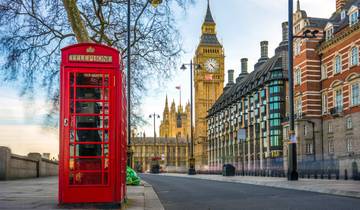
7 days
Kent: The Garden of England
- ✓ Comprehensive South East England tour
- ✓ Expert local guides included
- ✓ All accommodation arranged
- ✓ Transportation provided
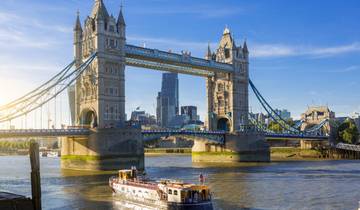
7 days
Kent: The Garden of England
- ✓ Comprehensive South East England tour
- ✓ Expert local guides included
- ✓ All accommodation arranged
- ✓ Transportation provided
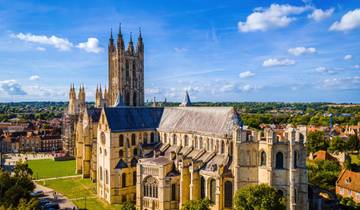
8 days
Castles & Crown: Kent to London
- ✓ Comprehensive South East England tour
- ✓ Expert local guides included
- ✓ All accommodation arranged
- ✓ Transportation provided
8 days
Chelsea Flower Show (Eastbound) 2027
- ✓ Comprehensive South East England tour
- ✓ Expert local guides included
- ✓ All accommodation arranged
- ✓ Transportation provided
Multi-day tour packages powered by TourRadar. Prices and availability subject to change.
Why Dover Belongs on Your 2026 Travel List
Dover is one of those towns that functions simultaneously as a starting point and a destination in its own right — a place most people pass through but relatively few stop long enough to know. That is a significant missed opportunity. The White Cliffs are justifiably iconic, among the most recognized natural landscapes in Europe, but the town they frame holds a density of history — from Roman Britain to the Second World War — that rivals far better-publicized English heritage towns. In 2026, with a new major immersive attraction recently opened at the castle and the National Trust’s ongoing improvements to the clifftop paths, Dover is arguably in the best visitor shape it has been in for years.
The town’s identity is shaped by its geography: a natural gap in the chalk escarpment where the Dour valley meets the narrowest stretch of the English Channel. That gap made Dover the obvious landing point for Roman invasion fleets, Norman conquerors, and every occupying force that has crossed the Channel since. It also made it the target for intensive fortification across two thousand years. The Iron Age earthworks that predate Roman occupation, the Norman stone keep rebuilt by Henry II in the 12th century, the Napoleonic barracks, the Second World War tunnels from which Vice-Admiral Bertram Ramsay coordinated the Dunkirk evacuation — all of these phases are layered on the same chalk headland, visible from the castle ramparts, and thoroughly interpreted inside the English Heritage site.
Alongside this military heritage, Dover holds two genuinely surprising free-admission attractions. The Dover Museum on Market Square houses the world’s oldest known seagoing vessel: a Bronze Age log-built boat discovered in 1992 during road construction, approximately 3,500 years old. It is an extraordinary object, displayed in its own dedicated gallery and interpreted with thoughtful exhibitions on Bronze Age seafaring. Nearby, the Roman Painted House preserves some of the finest in-situ Roman wall paintings found north of the Alps, in a structure believed to date to around the 3rd century AD — also free to visit during its seasonal opening.
Dover’s other major draw — the ferry port — is both a logistical backdrop and an opportunity. The Channel crossing to Calais takes around 90 minutes by ferry, meaning a day trip to France from Dover is a realistic option for visitors staying overnight. The ferry terminal sits within easy reach of the town center, and the view from the Western Heights fortifications across the busy Strait of Dover — one of the world’s most congested shipping lanes — is itself a spectacle worth seeking out.
For travelers using Dover as a base rather than a single-day stop, the Kent countryside opens quickly in every direction. Canterbury is 16 minutes by train; the coastal town of Deal, with its Tudor castle and pebble beach, is 25 minutes. Folkestone’s Creative Quarter and regenerated harbor are a short drive or direct train ride away. The entire Garden of England is within comfortable reach, making Dover far more than a ferry holding pen.
Getting to Dover in 2026: Trains, Coaches, and Driving
The train from London is the most convenient option for most visitors, and on the High Speed 1 route out of London St Pancras International, it is also genuinely fast. Southeastern operates direct services roughly every hour, and the journey to Dover Priory station takes as little as 65 minutes on the fastest trains, with an average journey time of around 1 hour 10 minutes. Advance fares start from approximately £17 for a single in 2026 (check current prices on the Southeastern or National Rail websites when booking); an Anytime Day Single costs up to around £49. For a return day trip, booking both legs in advance brings the total rail cost to roughly £30–50, which competes favorably with driving costs once fuel and parking are factored in. Trains from London Victoria and London Charing Cross also serve Dover Priory, with journey times of around 1 hour 45 minutes to 2 hours; these slower services can occasionally offer slightly lower walk-up fares, and they may suit travelers coming from south or central London without a change at St Pancras.
Railcard holders can reduce train fares by a third. The 16–25 Railcard, 26–30 Railcard, Network Railcard, Two Together Railcard, and Senior Railcard are all valid on Southeastern services. For regular visitors or Kent-based travelers planning multiple trips, a railcard pays for itself quickly on this route. It is also worth checking whether splitting your ticket — buying separate tickets for sub-segments of the journey — offers a saving, as is sometimes the case on longer Kent routes.
National Express coaches serve Dover from London Victoria Coach Station. Journey times vary from around 2.5 hours to over 3 hours depending on traffic and the specific service, but return fares booked in advance can be as low as £15–25, making coaches the cheapest option from London for non-railcard holders. The coach drops at Dover’s bus and coach station near the ferry terminal, from which the town center is walkable and Dover Priory station is a short taxi or bus ride away.
Drivers from London follow the M25 to Junction 3 (or 5 for the M26/M20 join) and then the M20 motorway toward Folkestone, where it transitions to the A20 into Dover. The journey from central London covers roughly 75 miles (120 km) and takes 1.5–2 hours in good traffic, longer during summer weekends when Channel traffic is heavy. Several car parks serve the town center; the Dover Castle car park is on Castle Hill Road and is managed by English Heritage, included for members and available for non-members at a daily fee. The National Trust car park at the White Cliffs charges approximately £5 per day for non-members. If you are arriving on a ferry crossing as a vehicle passenger, you will enter the Eastern Docks terminal directly from the A20 and exit back onto the same road for the short drive into town.
Dover Priory station sits in the town valley, roughly a 20-minute uphill walk to Dover Castle and about 10 minutes on foot to the town center and the Museum. Stagecoach operates local bus services within Dover and across Kent; the Number 15 bus connects the station, town center, and the castle area. A new Stagecoach foot-passenger shuttle service, introduced from late July 2026 by P&O Ferries, connects the Port of Dover, Dover Priory station, and outlying points for travelers using the ferry without a vehicle — a useful addition for those arriving from the continent by foot.
Dover Castle in 2026: England’s Greatest Medieval Fortress
Dover Castle is one of the most complex and rewarding heritage sites in England — not because it excels in any single period, but because it covers so many periods with comparable depth. Iron Age earthworks predate the Norman stone construction; the pharos, a Roman lighthouse that still stands to a considerable height within the castle grounds, dates to the 1st or 2nd century AD and is one of the tallest surviving Roman buildings in Britain. The medieval great keep — a massive stone tower built under Henry II in the late 12th century and known as the Great Tower — anchors the site, surrounded by concentric curtain walls that represent some of the most sophisticated military engineering of medieval England.
The English Heritage interpretation inside the Great Tower is particularly effective, using hologram figures, recreated interiors, and replica furnishings to evoke the court of Henry II. Visitors can climb through multiple floors and reach the roof for panoramic views across the castle precinct, the Channel, and on a clear day the coast of France. Medieval banqueting halls, royal chambers, and a 12th-century chapel are all part of the standard admission, and uniformed volunteers fire a WWI-era 3-inch gun from the fire command post on Saturday afternoons at 12.30pm and 1.30pm.
A significant addition at the time of writing is Dover Castle Under Siege, a new immersive attraction telling the story of the castle’s most threatened periods through interactive displays and reopened medieval tunnels. It adds a substantial new dimension to the site without overlapping with the wartime interpretation, and reviewers in 2026 have noted it substantially extends the total visit time — which was already considerable at six hours or more for a thorough exploration.
Visitors planning to see the Second World War tunnels should check the English Heritage website before traveling. As of mid-2026, some sections of the Secret Wartime Tunnels have been closed for essential maintenance; the Operation Dynamo section, where Vice-Admiral Ramsay coordinated the 1940 Dunkirk evacuation, has been affected by the works. English Heritage updates the access status on its website and recommends checking current availability before booking. The castle’s website is english-heritage.org.uk.
Adult admission in 2026 costs approximately £25–28 at the gate (check the English Heritage website for the current price, as it varies seasonally). Booking online in advance saves 15%, reducing the effective cost to approximately £21–24 per adult. Concessions are available for children, seniors, and students; children under 5 enter free. English Heritage members enter free and can book their timed entry slot online at no charge. A family ticket (two adults and up to three children) saves considerably over individual adult prices — check the website for the current family rate. The castle operates timed entry; the last admission slot is two hours before closing. Opening hours vary by season, with longer summer hours and shorter winter hours, so verify your planned date on the booking page before arrival.
Practical tips for Dover Castle: allocate a full day to do it justice — the combination of the Great Tower, the new Under Siege exhibition, any open wartime tunnels, the outer fortifications, the Roman lighthouse, and the Saxon church of St Mary in Castro amounts to six or more hours of walking and exploring. Wear comfortable shoes, as the site involves significant walking across uneven and sloping ground. Two cafés on site serve food and drinks; the NAAFI café near the tunnels area has been praised by visitors for its food. Parking is included for English Heritage members; non-member parking is available at the on-site car park for a daily fee.
The White Cliffs of Dover: Experiencing Them in 2026
The White Cliffs of Dover are so embedded in British cultural consciousness that seeing them in person carries an emotional charge that photographs do not quite prepare you for. Standing at the cliff edge above Langdon Bay, with the Channel laid out below and the shipping lanes busy in the Strait, feels like standing at the geographical center of the idea of England itself — which is part of why the cliffs became such a potent symbol during the Second World War. The National Trust cares for roughly 8 kilometers of this coastline and has continued improving the visitor infrastructure in recent years, most recently surfacing a section of the King Charles III England Coast Path along the clifftops.
Walking the cliffs requires no ticket and no booking. Foot visitors arrive free from any direction; the only cost arises if you drive and park at the National Trust Visitor Centre car park at Langdon Cliffs (postcode CT15 5NA), which charges approximately £5 per day for non-members. National Trust members park free. The car park is locked at 7pm daily; plan your walk to allow enough return time. Arriving by bus or on foot from Dover town center (a walk of around 45 minutes on the Saxon Shore Way) avoids the parking charge entirely.
The National Trust Visitor Centre sits at the top of the cliffs and provides free maps, a café offering cream teas and light meals, a gift shop, toilets, and information panels about the wildlife and geology of the site. The café receives strong visitor reviews — it is a genuine destination for a cream tea after a walk. Dogs are welcome on leads throughout the site.
The most rewarding walking route follows the clifftop path eastward from the Visitor Centre toward South Foreland Lighthouse, a Victorian lighthouse managed by the National Trust. Fan Bay Deep Shelter, a restored Second World War tunnel complex cut directly into the chalk beneath the clifftop gun battery and opened to the public by the National Trust, sits partway along this route. The shelter is accessible only by guided tour, which the National Trust organizes seasonally — check the National Trust website (nationaltrust.org.uk) for 2026 tour dates and booking. South Foreland Lighthouse offers guided tours and panoramic views from its light tower when open; check the National Trust website for current hours.
On clear days, the French coast is genuinely visible from the clifftops. The gap of approximately 33 kilometers (21 miles) between Dover and Calais is the narrowest point of the English Channel, and when conditions allow, the chalk formations of Cap Blanc Nez and Cap Gris Nez across the water are unmistakable. Early mornings and late afternoons in settled summer weather tend to give the best visibility. Skylarks sing along the clifftop in spring and summer, making the walk excellent for birdwatching alongside the scenery.
Samphire Hoe, a National Nature Reserve created from the chalk spoil excavated during the Channel Tunnel construction in the early 1990s, lies below the Western Cliffs on the opposite side of Dover from the National Trust site. It is reached via a tunnel under the railway line at the western end of the seafront and provides a low-level coastal walk with the cliffs rising dramatically above. Entry and parking are free, and the reserve is open daily from sunrise to sunset. It offers a completely different perspective on the cliffs — looking up rather than down — and is significantly quieter than the Langdon Cliffs area.
Dover’s Other Heritage Attractions in 2026
The two free museum attractions in Dover town center reward visitors who allow time beyond the castle and cliffs. Dover Museum and Bronze Age Boat Gallery, located on Market Square in the heart of the town, is one of the most underrated regional museums in England. Its centerpiece is the Dover Bronze Age Boat: a prehistoric planked timber vessel discovered by construction workers in 1992 during road-building work, and believed to be approximately 3,500 years old. Considered the world’s oldest known seagoing vessel, the boat is displayed in its own dedicated gallery with interactive exhibits and detailed interpretation of Bronze Age seafaring across the Channel. Alongside the boat, the main museum covers Dover’s history from the Neolithic through to the modern era, with displays on the town’s Roman period, harbor development, and Channel maritime heritage. A permanent polar bear exhibit — Fred, a taxidermied specimen — is particularly well-remembered by visiting children. Admission to the museum and the Bronze Age Boat Gallery is entirely free. In 2026, the museum operates Thursday to Sunday during school holidays (10am–4pm) and on Saturdays only during term time (10am–4pm), with seasonal opening running from April through October — check dovermuseum.co.uk for current hours before visiting.
The Roman Painted House, located on New Street a short walk from the Museum, preserves a remarkable set of painted Roman wall plaster covering what is believed to be a substantial Roman guest house or mansio. The frescoes depict garden architecture in a Pompeian style, with painted columns, foliage, and architectural detail that survived because a later military rampart was built over the site, sealing and protecting the paintings in their original position. The quality of the preserved plasterwork is extraordinary; visitors view the house from a gallery looking down into the excavated structure and from a lower vantage point at the same level as the Roman floors and hypocaust underfloor heating system. Admission is free. The house operates seasonally with limited hours and is staffed entirely by volunteers, so checking the opening schedule at dovermuseum.co.uk/rph before a dedicated visit is recommended, particularly outside the peak summer period.
The Western Heights, the Victorian-era fortification complex on the chalk hill opposite Dover Castle across the town valley, is worth knowing about even though access to its interior structures is limited. The earthwork ramparts, dry moat, and panoramic views over the port and castle are freely accessible on foot and provide excellent photography positions. Within the Western Heights, the Grand Shaft is a remarkable engineering curiosity: a vertical shaft containing three parallel spiral staircases cut through the chalk, originally built to allow Napoleonic-era troops to move rapidly between the barracks on the heights and the town below. English Heritage manages the Grand Shaft and opens it for guided visits on selected dates — check english-heritage.org.uk for 2026 event listings.
St Mary-in-Castro, the Saxon and Norman church standing within the Dover Castle precinct adjacent to the Roman pharos lighthouse, is included in castle admission and merits particular attention. The church was substantially restored in the Victorian era but retains its pre-Conquest origins, and the contrast between the Roman lighthouse masonry and the medieval church masonry on the same hilltop illustrates visually the layered timeline that makes Dover so historically dense.
Neighborhoods and Local Character in Dover 2026
Dover town center occupies the valley between the castle heights and the Western Heights, centered on Market Square, King Street, and the pedestrian shopping areas around the White Cliffs Shopping Centre. It is a compact, walkable center with a mix of high street shops, independent cafés, and local pubs. The town carries the economic challenges that affect many English port towns, but recent regeneration investment — particularly around the seafront promenade and the Waterfront area — has improved the visitor experience considerably, and the concentration of museums, heritage sites, and free attractions makes the center genuinely worth exploring on foot.
The seafront along the Western Docks and Eastern Docks is dominated by the ferry infrastructure, but the Dover seafront promenade between the hoverport area and the Admiralty Pier has been improved and provides a pleasant waterfront walk. The view across the busy harbor, with ferries moving continuously in and out of the Eastern Docks, is a spectacle in itself.
The Castle Hill Road area, climbing from the town center toward Dover Castle, has a concentration of B&B accommodation and small hotels that place guests within walking distance of the castle. The Folkestone Road and London Road corridors host many of the town’s larger hotel chains. For travelers who want a quieter, more village-scale base while remaining within easy reach of Dover, the nearby towns of Deal (25 minutes by train) and Sandwich offer historic character and more independent accommodation options.
Where to Stay in Dover 2026: Accommodation by Budget
Dover’s accommodation market covers the full range from basic budget chains to comfortable independent hotels, with prices reflecting both the town’s role as a transit hub and its growing reputation as a heritage destination. The following are indicative per-room, per-night ranges for 2026 based on typical booking platform pricing; rates vary with season and availability, so checking Booking.com or direct hotel websites at the time of travel will give the most current figures.
Budget accommodation in Dover centers on chain hotels and local B&Bs. The Travelodge Dover on Townwall Street is centrally located near the seafront and typically prices at £55–80 per room for a double, making it a practical base for travelers focused on value. Independent B&Bs, which are well-represented in Dover particularly along the Castle Hill Road and London Road corridors, offer a more personal alternative at similar price points. Budget rooms in the £55–80 range are best booked in advance for summer visits; walk-up availability in peak July and August is limited and prices rise accordingly.
Mid-range hotels in Dover include the Holiday Inn Express Dover and several independent properties in the £85–130 per room range. For a notable step up in character, the Best Western Plus Dover Marina Hotel on Waterloo Crescent overlooks the seafront and the harbor and has received consistently positive visitor reviews for its location and comfort. The Premier Inn Dover also offers reliable mid-range accommodation with the chain’s standard guarantee. This tier suits couples or travelers who want a comfortable base without luxury pricing, and a room in the £85–130 range divided between two people costs £43–65 per person per night.
Luxury accommodation is limited within Dover itself; travelers seeking premium options often look to Canterbury (30 minutes by train) or the wider Kent countryside. The best-reviewed upper-tier option in the Dover area is Wallett’s Court Hotel and Restaurant, a country house hotel in nearby St Margaret’s-at-Cliffe, approximately 5 miles from Dover and close to the cliffs. Room rates here are significantly higher than town hotels, typically £140–220 or more per room, but the setting and restaurant quality are considered exceptional. For travelers combining Dover with Canterbury or the broader Kent Heritage Coast, a luxury base in Canterbury offers a wider choice of premium properties.
English Heritage holiday cottages are available to rent within the Dover Castle grounds on a weekly basis and provide an extraordinary base for heritage-focused visits — sleeping inside the castle walls is an experience with no direct equivalent in England. These cottages book up well in advance; check english-heritage.org.uk/visit/holiday-cottages for availability.
Eating and Drinking in Dover in 2026
Dover’s food scene reflects its status as a coastal port town with a strong working character. The strongest local tradition is fish and chips, and the quality of the seafood available on this stretch of Kent coast is genuinely good. Chaplin’s Fish Bar on London Road and the various chip shops clustered near the waterfront are the go-to options for a classic Kent fish supper at budget prices — expect to pay around £8–14 for a full fish and chips meal. These are the kind of straightforward, unpretentious places that travelers on a tight budget will find invaluable.
For sit-down dining, the town center and seafront offer a range of pubs and independent restaurants. The Eight Bells on Cannon Street is a well-regarded local pub serving solid pub lunches; the La Scala restaurant on Castle Street has been praised for its Italian menu at reasonable prices. The Coastline restaurant at the Premier Inn on Marine Parade offers harbor views with its meals. Café culture is well-represented around Market Square, particularly during the day, and the Visitor Centre café at the White Cliffs serves cream teas that reviewers consistently rate as a highlight of the cliffside visit.
Within Dover Castle, English Heritage operates two cafés: the main café near the entrance area and the NAAFI café near the tunnel complex. The NAAFI, styled in the manner of a wartime British Army canteen, serves hot meals and snacks and receives strong reviews from visitors for both the food quality and the atmospheric setting. For a full day at the castle, eating on-site is the most practical option — the site is large enough that leaving and returning would require additional ticket verification.
Dinner options are somewhat limited within Dover itself compared to Canterbury or Folkestone, and travelers who are staying for several nights may find themselves combining Dover meals with a dinner out in Deal or Canterbury on one evening — both towns have stronger independent restaurant scenes. At a mid-range level, budget approximately £30–50 per person for a sit-down dinner with drinks in Dover; budget restaurants and fish and chips bring this down to £12–20 per person.
The pub culture in Dover is genuine and accessible. The Louis Armstrong on Maison Dieu Road and the Britannia in Hawkhill are among the local pubs that draw a consistent local crowd and provide a more authentic experience than tourist-oriented establishments. Real ales from Kent’s excellent local breweries, including Shepherd Neame (England’s oldest brewer, based in Faversham), are well-represented across Dover’s pubs.
Day Trips from Dover in 2026: Canterbury and Beyond
Canterbury is the standout day trip from Dover, and the train journey makes it almost effortless. Southeastern trains from Dover Priory to Canterbury take between 15 and 28 minutes depending on service, with fares from £9.10 for a single and trains running roughly every 30 minutes throughout the day. The combination of Dover’s military and natural heritage with Canterbury’s ecclesiastical and medieval character makes a two-destination day a genuinely complete picture of Kent history.
Canterbury Cathedral, a UNESCO World Heritage Site and the mother church of the Anglican Communion, charges adult admission of approximately £16–20 in 2026 (book online for a slight discount over the walk-up rate, and check the official pricing at canterbury-cathedral.org as summer 2026 has a temporary VAT reduction in effect). Children under 17 enter free when accompanied by a paying adult — a significant family benefit. The cathedral’s crypt, cloisters, and Chapter House are all included in the standard ticket. Evensong, sung at 5.30pm most evenings, is free to attend as a service participant. From the Cathedral Precincts, the medieval Westgate Towers, the Roman City Wall, Beaney House of Art and Knowledge (free), and the winding lanes of the city center are all within a short walk. Canterbury is extremely well suited to a full day from Dover.
Deal, 25 minutes from Dover Priory by train (fares from approximately £9 single), is a beautifully preserved Georgian coastal town with a distinctive character and a fascinating Tudor castle managed by English Heritage. Deal Castle is one of the finest surviving coastal artillery forts of the Tudor period, built under Henry VIII in the 1540s to defend against European invasion; English Heritage members enter free, non-members pay an admission fee (check english-heritage.org.uk for current rates). The town’s seafront, with its shingle beach, colorful beach huts, and working fishing boats landing their catch, rewards a leisurely half-day, and the independent shops and cafés along Beach Street are among the most pleasant in Kent. Deal pairs well with a visit to the nearby village of Sandwich — England’s most intact medieval town — or the golf links of Royal St George’s, which has hosted the Open Championship.
Folkestone is 15 minutes by train from Dover (fares from approximately £6 single) and has undergone remarkable regeneration centered on its Creative Quarter and the Folkestone Harbour Arm — a converted Victorian railway viaduct over the harbor now lined with independent restaurants, street food stalls, and bars. The Folkestone Triennial, a major public art event, brings large-scale outdoor artworks to the town on a three-yearly cycle. The Folkestone Warren, a dramatic landslip geology nature reserve below the chalk cliffs east of the town, is free to walk and offers striking cliff scenery different in character from the White Cliffs but equally impressive.
A day trip to France from Dover remains one of the most memorable things a visitor to this coast can do. P&O Ferries operates foot-passenger crossings on the Dover–Calais route, with tickets typically starting from £20 per person each way — check poferries.com for day-trip packages, which may offer savings over individual single fares. The crossing takes approximately 90 minutes. Day-trip car crossings start from around £55 return with P&O for a vehicle plus passengers. DFDS and Irish Ferries serve the same route but do not accept foot passengers, so a vehicle is required on those operators.
British passport holders crossing to France in 2026 should be aware that the EU Entry/Exit System (EES) is now in operation at the Calais border. EES requires non-EU nationals — including British citizens — to register biometric details (fingerprints and facial scan) when entering the Schengen area. For first-time registrants, this process takes approximately 3–5 minutes at the kiosk or border desk at Calais. Subsequent entries after registration are faster. Allow extra time at the border on your first crossing, and consider using the “Travel to Europe” app for optional passport data pre-registration within 72 hours before travel. A valid passport is required for the crossing; allow sufficient passport validity for the duration of your stay in France. No visa is required for UK citizens visiting France for up to 90 days in any 180-day period.
Dover Budget Breakdown 2026: What to Expect Per Day
Dover is a destination where spending decisions hinge almost entirely on whether you visit Dover Castle and whether you drive or take public transport. The castle’s admission is the site’s highest single cost, but the town’s free attractions are extensive enough that budget travelers can build a rich two-day itinerary without paying for any attraction beyond the castle itself. The following breakdown covers all components per person per day, with hotel costs halved for two people sharing a room.
Budget travelers staying in a budget hotel or B&B (room £55–80 per night, so £28–40 per person when two share) can expect to spend £15–25 on meals covering a basic breakfast from a café, lunch from a fish and chip shop or sandwich bar, and a modest pub dinner. Local transport adds £3–8 depending on whether they walk or take the occasional bus. On a free-attraction day — White Cliffs, Museum, Roman Painted House — attraction costs are £0–5 (the NT car park fee, if applicable). This produces a daily total of approximately £45–80 per person.
Mid-range visitors staying in a hotel at £85–130 per room (£43–65 per person for two sharing) and eating at sit-down restaurants for lunch and dinner (£30–50 per person daily) with local transport at £8–15 and Dover Castle admission of approximately £21–24 advance or £25–28 walk-up — call it £20–28 averaged across a multi-day visit with one castle day and one free-attraction day — spend approximately £100–160 per person daily. At the lower end of this range, travelers get genuine comfort; at the upper end, a comfortable hotel, a restaurant dinner, and the full castle visit are all included.
Luxury visitors staying in higher-end hotels such as Wallett’s Court or premium Canterbury properties (rooms £140–220+ per night, so £70–110 per person) with restaurant meals at £60–95 per person, taxis or private transport at £15–30, and premium experiences such as guided tours and advance-booked activities at £28–45, will spend approximately £175–280 per person daily. At this budget level, the Kent countryside opens fully — luxury accommodation, farm-to-table Kent cooking, and private access to heritage sites are all available.
For London-based day-trippers, the day trip equation is different: there is no overnight accommodation cost, but train travel to and from London adds significantly. Advance return fares from St Pancras can be as low as £33–40; anytime returns are £80–100 or more. A typical day trip at mid-range — advance return train from London, Dover Castle admission (advance online price), a pub lunch near the castle, and an afternoon White Cliffs walk — costs approximately £75–120 per person including all transport. Budget day-trippers who skip the castle can experience the White Cliffs, the Museum, and the Roman Painted House for the cost of the train ticket alone.
Free attractions checklist for Dover 2026: White Cliffs walking paths (entry free, parking £5 for non-NT members); Dover Museum and Bronze Age Boat Gallery (free); Roman Painted House (free, seasonal); Samphire Hoe nature reserve (free, parking free); Western Heights ramparts (free to walk); St Mary-in-Castro church (included in Dover Castle admission); seafront and harbor walks (free).
Seasonal Guide and Best Time to Visit Dover in 2026
Spring (March–May) delivers some of the most rewarding Dover visits. The chalk downland behind the cliffs comes alive with wildflowers — orchids, cowslips, and the chalk-loving plants that skylarks depend on are at their finest from April onward. Dover Castle is fully operational through spring, crowds are manageable, and hotel rates are reasonable. Easter weekend brings family programming to the castle and higher visitor numbers to the cliffs; booking accommodation in advance for Easter is strongly advisable.
Early summer (June) is arguably the best single month for a Dover visit. The light over the Channel at midsummer is outstanding, with long evenings that allow cliff walks well past 9pm. Ferry crossings are busy but not at their August peak; hotel prices are approaching but not yet at summer highs; and the full castle program, including weekend gun firings and volunteer-led activities, is running. June represents the best balance of all variables.
Peak season (July–August) brings the largest crowds, the highest hotel rates, and the warmest Channel swimming weather. The castle runs its fullest events calendar through summer, and the National Trust café at the cliffs is at its most animated. Families with school-age children will naturally be concentrated here. Book accommodation and castle tickets weeks in advance for any weekend in July and August; weekdays are somewhat calmer. The White Cliffs car park operates extended opening on peak weekends in 2026, including additional overflow parking near South Foreland Lighthouse.
Autumn (September–October) is strongly recommended for independent travelers without school-age children. September’s Heritage Open Days — typically the second weekend of September — bring free access to buildings normally closed, including at Dover Castle itself and across the wider Kent heritage network. The light in September and October is exceptionally photogenic, with lower sun angles enriching the chalk cliff colors. Canterbury day trips are particularly rewarding in autumn, when the cathedral precincts are less crowded than in summer. Samphire Hoe and the Western Heights have an atmospheric quality in October that summer crowds tend to dilute.
Winter (November–February) suits visitors whose primary goal is Dover Castle; the site is open year-round and considerably quieter in winter, making it possible to explore the Great Tower and the outer fortifications at a contemplative pace that is impossible in August. The White Cliffs can be bleak in winter wind and rain — not dangerous if properly dressed, but rarely the uplifting experience they are in summer. The Museum and Bronze Age Boat Gallery close in winter (November through March), which removes a significant free-admission option from the winter itinerary. Hotel rates drop substantially, and some B&Bs close for part of the winter period.
Money-Saving Strategies for Dover in 2026
The single most effective cost-reducing decision for a Dover visit focused on Dover Castle is an English Heritage membership. Membership costs approximately £65–85 per adult annually depending on the tier (check english-heritage.org.uk for current membership prices), but it provides free entry to over 400 English Heritage sites across England, including Dover Castle. One adult visit to the castle at walk-up prices uses a significant fraction of the annual membership cost, and anyone planning two or more English Heritage visits per year — Stonehenge, Battle Abbey, Tintagel, and Osborne are all in the same network — will find membership cost-effective within a single season. Members also park free at English Heritage sites and receive priority booking access for special events.
A National Trust membership (approximately £60–90 per adult annually — check nationaltrust.org.uk for current rates) provides free parking at the White Cliffs Visitor Centre car park, free parking at South Foreland Lighthouse, and access to over 500 NT properties across the UK. For regular visitors to the White Cliffs, the car park alone justifies the saving quickly for those who drive; for walkers arriving by bus or on foot, the cliffs themselves are already free and NT membership matters less for a single Dover visit.
Train fares respond strongly to advance booking. Southeastern advance fares from London to Dover are typically available up to 12 weeks ahead of travel; booking the moment advance tickets are released — midnight of the day 12 weeks before travel — gives access to the cheapest allocations. Railcards provide a consistent one-third reduction on eligible fares; the Two Together Railcard (valid for two named travelers always booking and traveling together) is particularly effective for couples planning a Dover visit and costs around £30 for a year.
Dover Castle’s 15% advance online discount is straightforward to use and meaningfully reduces the adult ticket cost. Book through english-heritage.org.uk rather than third-party platforms, which may add booking fees. The castle’s timed-entry system means that booking ahead is also necessary to guarantee access on peak summer days regardless of the price advantage.
Combining Dover with a Canterbury day trip extends the trip’s value per travel pound. A Southeastern rail rover ticket covering Dover, Canterbury, Deal, and Folkestone may offer savings over individual point-to-point tickets for travelers planning multiple stops — check the National Rail website’s ticket options for Southeast England.
Self-catering accommodation in Kent — farmhouses, holiday cottages, and Airbnb-style properties in villages near Dover — often costs less than town hotels and provides kitchen facilities that reduce meal costs considerably. The Kent countryside between Dover and Canterbury has several well-reviewed holiday cottages within reasonable driving or cycling distance of both towns.
Practical Travel Tips for Dover 2026
Passport: a valid passport is required for any crossing to France via the ferry or Channel Tunnel. British travelers entering the Schengen area in 2026 are subject to EES biometric registration (fingerprints and facial scan) on their first crossing; this is handled at the Calais border on outbound journeys and typically takes 3–5 minutes for first-time registrants. UK citizens do not require a visa for stays of up to 90 days in France or the wider Schengen area. Carry your passport for the Dover visit itself even if you are not crossing to France — it is useful ID for museum bookings and at some English Heritage sites.
Getting around within Dover requires minimal planning. The town center, the Museum, the Roman Painted House, and the town’s seafront are all within comfortable walking distance of each other and of Dover Priory station. Dover Castle is approximately a 20-minute uphill walk from the station, or a shorter taxi ride costing around £6–8. The White Cliffs (Langdon Cliffs) are approximately 45 minutes on foot from the town center via the seafront path, or accessible by the Stagecoach Number 15 bus. The castle’s on-site shuttle vehicle assists visitors with limited mobility around the large site — email [email protected] in advance to arrange a mobility scooter if required.
Weather and clothing: the Kentish coast is exposed to Channel weather, which changes faster than inland forecasts suggest. Bring a waterproof layer and a windproof outer shell for cliff walks regardless of the season; the chalk cliff edge can be dramatically windier than conditions in the town below. Strong winds are particularly common in winter and autumn but can occur even in July and August. Comfortable, sturdy shoes are essential for both the castle site (uneven ground, gravel paths, long distances) and the cliff walks (firm ground but with some steep sections near the viewpoint).
Luggage: Dover has no large left-luggage facility in the town center, though luggage lockers have been available at Dover Priory station — check the station’s facilities page on the Southeastern website for current availability. Travelers arriving on a ferry crossing and spending a day in Dover before catching a train to London should factor luggage logistics into their planning, as the town’s heritage sites are not well-suited to carrying large bags.
Ferry logistics for foot passengers: P&O Ferries accepts foot passengers on the Dover–Calais route. Foot-passenger check-in is at the Eastern Docks Ferry Terminal; arrive at the terminal at least 30 minutes before departure, earlier in peak summer. The P&O foot-passenger shuttle bus from Dover Priory station (introduced from late July 2026) simplifies the connection from the train. Confirm your sailing time directly with P&O Ferries on the day, as crossings can be affected by weather, particularly in autumn and winter.
Currency: England uses pounds sterling (£). Card payments are accepted almost universally in Dover’s restaurants, shops, and attractions. The White Cliffs car park accepts card payment; the National Trust website confirms this in its visitor information. Having a small amount of cash (£20–40) is useful for smaller purchases at independent cafés, fish and chip shops, and market stalls, though it is rarely essential.
Frequently Asked Questions About Visiting Dover 2026
Is Dover Castle worth visiting in 2026?
Yes — Dover Castle is one of the most historically rich and physically impressive English Heritage sites in England, and the addition of the Dover Castle Under Siege attraction in 2026 makes it even more rewarding than before. The site spans Iron Age to Cold War, with the medieval Great Tower, Roman lighthouse, Saxon church, and wartime tunnel network all included in a single admission. The one caveat for 2026 visitors is that some sections of the Secret Wartime Tunnels have been closed for maintenance — check english-heritage.org.uk for the latest access information before booking. Even with restrictions in place, the castle comfortably fills a full day. Adult admission is approximately £25–28 at the gate (£21–24 advance online); English Heritage members enter free.
How long does it take to visit Dover Castle in 2026?
Plan for a full day — at minimum five to six hours, and more if you want to explore thoroughly. The Great Tower, the new Under Siege exhibition, any open wartime tunnels, the outer fortifications, the Roman pharos lighthouse, the medieval tunnels, and the two cafés together add up to a substantial site. The English Heritage website suggests allowing the full day. Arriving at opening time and leaving at the last entry point gives the most complete experience. Families with younger children who engage with the Siege Play Area and interactive elements may find the day feels even fuller.
Can I see France from the White Cliffs of Dover in 2026?
Yes, on clear days France is clearly visible from the clifftops at Langdon Cliffs. The French coast at Cap Blanc Nez and Cap Gris Nez lies approximately 33 kilometers (21 miles) away — the narrowest point of the English Channel — and the chalk formations on the French side mirror the White Cliffs. The best visibility occurs in settled summer weather with good atmospheric clarity; early mornings and late afternoons tend to offer sharper views than midday. Heavy cloud, Channel sea mist (known locally as haar), and poor visibility days are not uncommon, particularly in autumn and winter. The Visitor Centre provides information about visibility conditions, and the cliffside information panels show what you are looking at across the water on a clear day.
How much is a day trip from London to Dover in 2026?
A well-planned London day trip to Dover — covering Dover Castle and the White Cliffs — costs approximately £75–120 per person at mid-range. This breaks down as: a Southeastern advance return from London St Pancras (approximately £33–50 booked ahead), Dover Castle advance admission (approximately £21–24 per adult), lunch near the castle or at the White Cliffs café (approximately £12–20), and bus or taxi for one leg between the station and castle (approximately £4–8). Budget travelers who skip the castle and spend the day at the free White Cliffs, Museum, and town center can complete the day trip for the cost of the train ticket alone — making Dover one of the most economical full-day heritage day trips from London.
Is Dover a good base for exploring Kent in 2026?
Yes, particularly for travelers focused on the eastern end of the county. Canterbury (16 minutes by train), Deal (25 minutes), Folkestone (15 minutes), and Ramsgate (45 minutes) are all within easy striking distance of Dover Priory station. The Kent Heritage Coast — stretching from Folkestone through Dover and Deal to Sandwich and the Isle of Thanet — is one of England’s richest concentrations of castles, Tudor fortifications, ancient churches, and natural landscape. For a Kent Heritage Coast itinerary of three to five nights, Dover makes a practical and cost-effective base, particularly compared to Canterbury where accommodation prices can be higher. The limitation is that the western end of Kent — Hever Castle, Penshurst Place, the Weald — requires a car or a train change, and some rural areas around the Romney Marsh are more easily reached from Folkestone.
What is the Dover Bronze Age Boat and is it free to see in 2026?
The Dover Bronze Age Boat is a prehistoric planked timber vessel discovered in 1992 during construction work in Dover town center. Believed to be approximately 3,500 years old, it is considered the oldest known seagoing vessel in the world. The boat was painstakingly conserved over seven years and returned to Dover for permanent display in its own dedicated gallery at Dover Museum and Bronze Age Boat Gallery on Market Square. Entry is completely free in 2026. The gallery includes interactive exhibits, detailed interpretation of Bronze Age Channel crossing and trade, and microscopes for close examination of the boat’s construction. Opening hours in 2026 are Thursday to Sunday (10am–4pm) during school holidays and Saturdays only (10am–4pm) in term time, from April through October. Check dovermuseum.co.uk for the current schedule.
How do I take a day trip to France from Dover in 2026?
P&O Ferries offers foot-passenger crossings from Dover Eastern Docks to Calais, with tickets typically starting from £20 per person each way — book at poferries.com and check day-trip return packages for savings. The crossing takes approximately 90 minutes, giving a comfortable day in Calais or the nearby coastal area before the return sailing. Calais itself has a good covered market, good quality shops for French produce and wine, and the impressive Cité de la Dentelle et de la Mode (Lace and Fashion Museum). DFDS and Irish Ferries also serve the route but require a vehicle. British citizens crossing in 2026 are subject to the EU Entry/Exit System (EES): biometric registration (fingerprints and facial scan) at the Calais border is required for first-time entrants, typically taking 3–5 minutes. Carry a valid passport; no visa is required for UK citizens staying up to 90 days in France.
Are there good restaurants in Dover in 2026?
Dover’s food scene is improving but remains more limited in fine dining than Canterbury or Folkestone. The strongest options are fish and chips — the quality of the local catch is genuinely high — at budget prices of £8–14 per person, and solid pub food at mid-range prices of £12–22 per person. For evening dining, the Best Western Plus Dover Marina Hotel restaurant and a handful of independent restaurants on Castle Street and Biggin Street cover the mid-range. The NAAFI café at Dover Castle is highly regarded for hot meals during a castle visit. For a special dinner, many visitors take the 16-minute train to Canterbury, which has a far richer independent restaurant scene including several Kent-produce-focused restaurants. Budget approximately £18–30 per person for a mid-range Dover dinner; Canterbury restaurant dinners typically run £30–50 per person with drinks.
What are the hidden gems worth visiting in Dover in 2026?
Three experiences stand out as significantly underrated. First, the Roman Painted House on New Street — a free-admission archaeological site with some of the finest Roman frescoes in Britain, discovered beneath a modern street and remarkably well-preserved. Many visitors to Dover never discover it, despite it being a short walk from the Museum. Second, Samphire Hoe nature reserve, reached via a tunnel under the railway at the western seafront: a unique coastal nature reserve built on Channel Tunnel spoil, free to enter, uncrowded, and offering an upward perspective on the White Cliffs that few visitors experience. Third, the view from the Western Heights ramparts — a free, uphill walk from town that places you on the chalk hilltop opposite Dover Castle with panoramic views across the entire harbor and castle complex, superior in some respects to views from the castle itself. None of these three requires an admission fee.
Is Dover suitable for a family trip in 2026?
Yes, Dover offers strong family value. Dover Castle is one of English Heritage’s best family sites, with the Siege Play Area, interactive Great Tower displays, costumed volunteers, and weekend gun demonstrations all engaging children across a wide age range. The White Cliffs walk is suitable for children who are steady on their feet — the main path is surfaced and even, though the cliff edge requires close supervision. The Bronze Age Boat Gallery runs family-friendly activities during school holidays, and the Roman Painted House offers a hands-on trail for children during summer opening. Several of Dover’s free attractions — the seafront, Samphire Hoe, the harbor watching area — cost nothing and entertain children well. The Canterbury day trip adds the Cathedral and the Roman Museum (Canterbury’s standalone Roman site), rounding out an excellent multi-day family itinerary. Families with two adults and up to three children should check English Heritage’s family ticket pricing, which offers savings over individual adult admission rates.