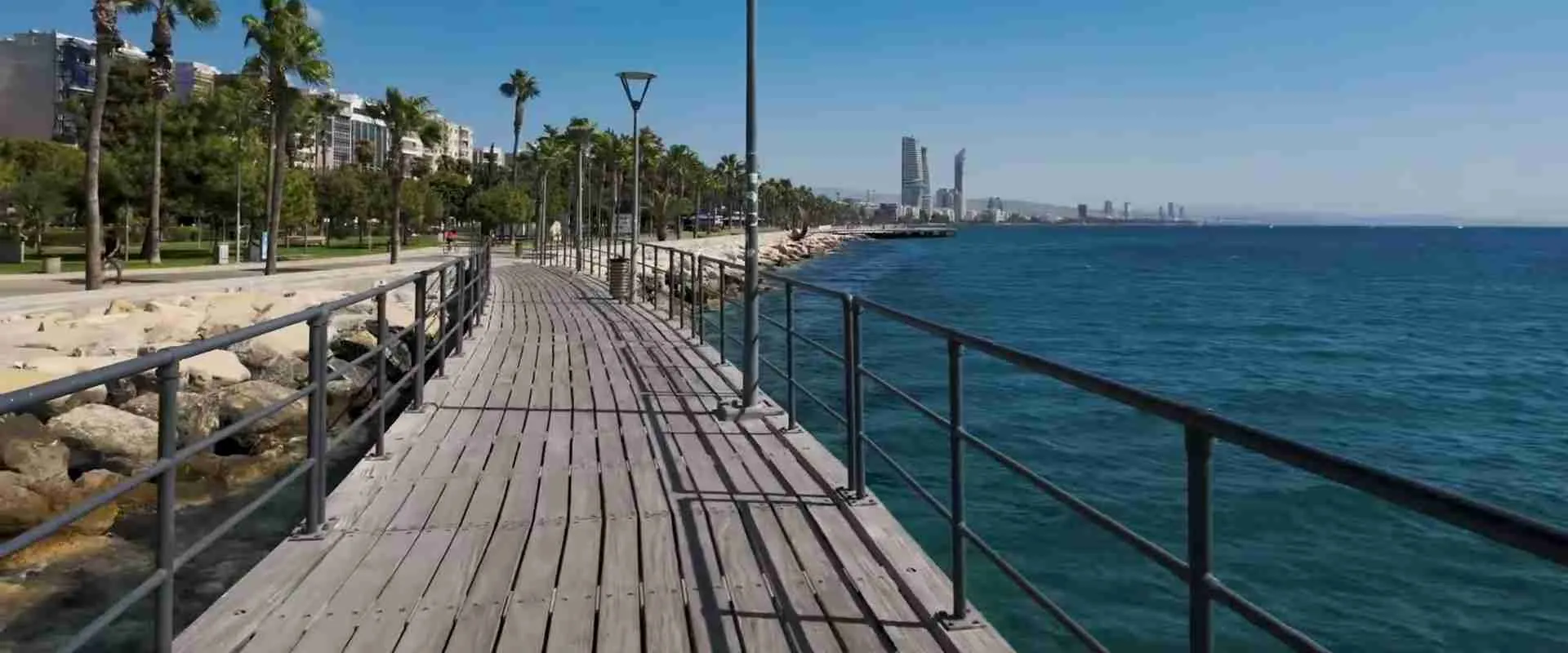
Visiting Cyprus with Kids 2026: Complete Family Guide
Cyprus combines Mediterranean sunshine with family-friendly beaches, ancient ruins, and waterparks, creating an ideal destination for families seeking both relaxation and adventure. With shallow, warm waters along most coastlines, extensive resort facilities designed for children, and a compact size that makes multi-destination itineraries manageable, the island delivers memorable experiences for families with children of all ages.
Key Takeaways
- Budget-Friendly Family Destination: Families of four traveling on a budget spend €230-340 per day, mid-range families €400-580 daily, covering accommodation in family rooms, meals, transport, and attractions across Cyprus’s most popular family resorts
- Three Major Family Zones 2026: Paphos offers the closest airport access and extensive archaeological sites, Ayia Napa combines beaches with WaterWorld waterpark, and Protaras delivers the calmest swimming conditions with Fig Tree Bay’s shallow waters perfect for toddlers
- Waterpark Triangle: Cyprus features three major waterparks strategically positioned across the island—Aphrodite Waterpark in Paphos (€33 adults, €19 children under 12), WaterWorld in Ayia Napa with ancient Greek theming, and Fasouri Watermania in Limassol spanning 100,000 square meters with 30 attractions
- Year-Round Destination with Peak Windows: May through October delivers consistent beach weather, with July-August reaching 32-35°C (schools out but intense heat), while April and November provide comfortable 22-25°C temperatures with significantly fewer crowds and lower accommodation costs
- Car Rental Essential for Families: Public transport reaches major coastal resorts but proves impractical for families with young children, nap schedules, and multiple daily destinations—economy car rentals cost €25-35 daily and transform the island into an accessible base for day trips
- All-Inclusive Value for Families: Family-focused all-inclusive resorts with kids’ clubs, multiple pools, and waterslides eliminate meal planning stress and provide predictable daily costs, with packages starting from €140-200 per night for families of four in mid-range properties
People Also Ask About Cyprus with Kids 2026
How much does a family trip to Cyprus cost per day in 2026?
Families of four spending on a budget require €230-340 per day in Cyprus, covering family room accommodation (€80-110 nightly divided between adults), meals at tavernas and self-catering options, car rental costs, and free beach time with occasional paid attractions. Mid-range families spend €400-580 daily for comfortable resort accommodation, restaurant dining for all meals, and regular waterpark or attraction visits. Luxury family travel costs €740-1,120 per day with five-star resort stays, upscale dining, and premium activities including boat trips and private tours. These figures represent per-day costs for two adults and two children, with accommodation costs divided appropriately across family members.
Which Cyprus resort is best for families with young children in 2026?
Protaras ranks as the top choice for families with children under 8 in 2026, offering Fig Tree Bay’s extraordinarily shallow, calm waters where toddlers wade safely 30 meters from shore, complemented by a compact resort layout where everything sits within walking distance. Ayia Napa suits families with children aged 8-15 who want waterpark thrills and active beach sports alongside traditional beach relaxation. Paphos works best for families mixing beach time with cultural exploration, positioning you 15 minutes from the airport and within easy reach of archaeological sites, botanic gardens, and the Akamas Peninsula’s natural attractions. All three zones offer excellent family resort infrastructure with kids’ clubs, children’s pools, and family-friendly dining.
What are the best family activities in Cyprus beyond beaches in 2026?
Cyprus delivers diverse family experiences beyond its beaches throughout 2026. WaterWorld Ayia Napa, Aphrodite Waterpark Paphos, and Fasouri Watermania Limassol provide full-day aquatic entertainment with slides for all ages. The Camel Park between Larnaca and Limassol offers camel rides, petting zoos, and traditional Cypriot village experiences children remember for years. Akamas Peninsula boat trips from Paphos explore sea caves and the Blue Lagoon’s turquoise waters. Avakas Gorge near Paphos creates adventure-trail excitement for families with children aged 6 and up, navigating narrow rock passages and stepping stones. Paphos Zoo features animal feeding sessions and bird shows. Indoor options include Fun Factory Playground and Rock N Bowl bowling centers providing refuge during rare rainy days or midday heat breaks.
Is Cyprus safe for traveling families with children in 2026?
Cyprus maintains exceptionally high safety standards for families throughout 2026, ranking among Europe’s safest destinations with low crime rates, excellent healthcare infrastructure in all major resorts, and English widely spoken across tourist areas. Beach safety receives particular attention—major family beaches employ lifeguards May through October, waters remain calm along south and east coasts, and jellyfish encounters prove rare. The island’s compact size and excellent road conditions make car travel with children straightforward and stress-free. Tap water meets EU standards across the island. Summer heat (July-August reaching 35°C) requires vigilance about hydration and midday sun exposure for young children, but shaded beach areas and hotel pools provide comfortable alternatives. Family-focused resorts maintain high cleanliness standards and offer childproofed accommodation options.
Extended multi-day tours – 5+ days
Featured Cyprus Multi-Day Tour Packages

3 days
Cyprus 3-Day Discovery Tour
- ✓ Comprehensive Cyprus experience
- ✓ Expert local guides included
- ✓ All accommodation included
- ✓ Transportation provided

5 days
Cyprus 5-Day Highlights Experience
- ✓ Comprehensive Cyprus experience
- ✓ Expert local guides included
- ✓ All accommodation included
- ✓ Transportation provided
7 days
Cyprus 7-Day Cultural Journey
- ✓ Comprehensive Cyprus experience
- ✓ Expert local guides included
- ✓ All accommodation included
- ✓ Transportation provided

10 days
Cyprus 10-Day Complete Adventure
- ✓ Comprehensive Cyprus experience
- ✓ Expert local guides included
- ✓ All accommodation included
- ✓ Transportation provided
Multi-day tour packages powered by TourRadar. Prices and availability subject to change.
Introduction: Why Cyprus Excels as a Family Destination in 2026
Cyprus occupies a unique position among Mediterranean family destinations in 2026, combining the infrastructure and safety standards families require with genuinely family-oriented cultural attitudes that make traveling with children remarkably stress-free. Unlike destinations where children sometimes feel merely tolerated in restaurants and hotels, Cyprus embraces families enthusiastically—taverna owners bring special treats for children, hotel staff genuinely engage with kids rather than merely accommodating them, and the island’s culture celebrates family life as central to daily existence.
The island’s geography works perfectly for families managing different age groups and attention spans. Cyprus measures just 240 kilometers east to west and 100 kilometers north to south, meaning every corner sits within a comfortable drive from any base. A family staying in Paphos reaches Troodos Mountains’ cool pine forests in 90 minutes, Ayia Napa’s beaches in two hours, and Limassol’s attractions in 45 minutes. This compact size eliminates the exhausting multi-hour drives that plague family trips in larger countries, keeping children comfortable and parents relaxed throughout day trips.
Weather reliability distinguishes Cyprus from less predictable Mediterranean destinations. May through October delivers consistent sunshine with minimal rainfall—families booking summer holidays face virtually zero chance of beach days lost to weather. July and August guarantee beach conditions but bring intense heat (32-35°C) requiring careful planning around midday sun. Shoulder seasons of April-May and September-October offer the ideal balance: comfortable 24-28°C temperatures, significantly fewer crowds, lower accommodation costs, and weather still warm enough for daily swimming.
Infrastructure quality throughout Cyprus exceeds expectations for a relatively small island. Three international airports serve the south—Paphos, Larnaca, and the forthcoming expanded facilities—providing direct flights from across Europe throughout the year. Roads maintain excellent condition, car rental operates efficiently with numerous providers offering child seats and family vehicles, and resort areas feature modern facilities including well-stocked supermarkets, pharmacies carrying familiar brands, and healthcare centers staffed with English-speaking doctors. This combination of infrastructure and proximity to home (three to four hour flights from most European capitals) makes Cyprus accessible even for families with very young children.
Beach quality and safety form the foundation of Cyprus’s family appeal. The island’s southern and eastern coastlines feature dozens of Blue Flag beaches with gently sloping entries, calm waters protected from currents, and soft sand suitable for castle-building and play. Many family beaches maintain lifeguard coverage during summer months, beachside facilities include clean changing areas and showers, and shallow water extends far from shore—particularly at Protaras’s Fig Tree Bay and Nissi Beach in Ayia Napa, where toddlers safely wade while remaining within arm’s reach of parents.
All-inclusive resort proliferation across Cyprus simplifies family travel logistics considerably. Properties in Paphos, Ayia Napa, Protaras, and Limassol offer comprehensive packages including accommodation, all meals, children’s entertainment programs, kids’ clubs with supervised activities, multiple pools including dedicated children’s sections, and evening entertainment suitable for families. These all-inclusive options eliminate the daily stress of planning meals, provide safe supervised play allowing parents brief breaks, and deliver predictable total costs without constant spending decisions.
Cyprus’s cultural sites and natural attractions provide educational depth beyond pure beach relaxation. Ancient cities including Kourion and Paphos Archaeological Park bring history tangibly alive for children, Byzantine castles dot the Troodos Mountains, and nature trails through Akamas Peninsula reveal endemic wildlife. These experiences intersperse naturally with beach days, creating balanced itineraries that engage children intellectually while maintaining the relaxation parents seek.
Understanding Cyprus’s Three Major Family Zones 2026
Cyprus organizes naturally into three distinct family destination zones, each delivering different combinations of beach quality, attractions, resort infrastructure, and atmosphere. Understanding these zones helps families select the optimal base for their specific children’s ages, interests, and travel style.
Paphos: Cultural Richness with Family-Friendly Beaches
Paphos positions itself as the cultural center of Cyprus family travel, combining excellent beaches with the island’s highest concentration of archaeological sites and historical attractions. The destination suits families seeking to balance beach relaxation with educational experiences, particularly those with children aged 8 and above who engage more deeply with historical content.
Paphos International Airport sits just 15 minutes from the main resort area, delivering the shortest airport-to-hotel transfer time on the island—a significant advantage for families with very young children or those arriving on evening flights. The compact airport processes families efficiently, with short queues and straightforward navigation even for first-time visitors.
Coral Bay forms Paphos’s family beach centerpiece, delivering a protected horseshoe bay with calm, shallow waters and soft golden sand. The beach stretches wide enough to accommodate crowds without feeling overcrowded even in August, lifeguards patrol during summer months, and beachside facilities include clean toilets, showers, and multiple cafes. Sunbed and umbrella rentals cost €3 per item, though families often bring their own equipment given the proximity to accommodation. The bay’s sheltered position creates consistently calm conditions ideal for young swimmers.
Paphos Archaeological Park provides Cyprus’s most accessible ancient site for families, where children explore Roman villas with extraordinarily preserved mosaics depicting mythological scenes. The site sprawls across a manageable area families cover in two hours, shaded olive trees provide breaks from sun, and the visual nature of mosaic floors engages children more effectively than ruins alone. Entry costs €5 adults, children under 16 enter free. Early morning visits (8-10 AM) or late afternoon (after 4 PM) avoid peak heat.
Aphrodite Waterpark, Cyprus’s premier waterpark in the Paphos region, sits along the coastal road 10 minutes from the harbor. The facility features 30 different attractions spanning gentle children’s play areas through adrenaline-pumping slides including Kamikaze, Free Fall, and Gravity. Entry costs €33 adults, €19 children under 12, and free for children under 3. Families spending full days appreciate the lazy river for relaxation between slides, wave pools, multiple dining options, and locker facilities for securing valuables. The waterpark opens May through October, operating 10 AM to 6 PM during peak season.
Paphos Zoo extends across 100,000 square meters 15 minutes north of the resort area, housing extensive bird collections, mammals, and reptiles. Animal feeding sessions occur throughout the day, children’s play areas provide breaks from animal viewing, and the site’s naturalistic setting under pine trees offers pleasant walking even during summer heat. Entry costs €17 adults, €9 children ages 2-15.
ADONIS Botanic Garden, 20 minutes from Paphos near Coral Bay, creates a peaceful family attraction combining exotic plants, a small village museum, olive oil demonstrations, and natural spring pools where children swim in cool mountain water. The garden suits families seeking quieter alternatives to crowded beaches, with herb gardens children enjoy exploring and shaded paths comfortable even midday. Entry costs €8 adults, €4 children.
Akamas Peninsula day trips from Paphos explore Cyprus’s last significant wilderness area, accessible via boat tours to the Blue Lagoon or 4×4 safaris through mountain tracks. Boat trips suit families with children of all ages, offering swimming stops in pristine turquoise waters, sea cave exploration, and wildlife spotting without difficult hiking. Tours operate April through October, costing €35-45 adults, €20-25 children for half-day excursions.
Paphos accommodation concentrates along the coastal strip from the harbor to Coral Bay. Family-friendly all-inclusive resorts include Elysium Hotel with extensive pools and kids’ club, Leonardo Laura Beach featuring an on-site waterpark, and Constantinou Bros Athena Beach Hotel offering interconnecting rooms and children’s programs. Budget families find apartment accommodation in Kato Paphos with kitchens for self-catering, ranging €70-100 nightly for two-bedroom units. Mid-range hotels with family rooms cost €140-200 per night including breakfast.
Ayia Napa and Protaras: Beach Paradise with Action and Calm
Cyprus’s southeastern coast divides into two adjacent but distinctly different family resorts. Ayia Napa delivers more action-oriented beach experiences with waterparks, water sports, and livelier atmosphere, while Protaras five kilometers east provides calmer beaches perfect for very young children and families seeking quieter holidays.
Nissi Beach in Ayia Napa ranks among Cyprus’s most photographed beaches, featuring brilliant white sand, crystal-clear waters, and a small peninsula creating two distinct swimming areas. The beach’s beauty comes with crowds—July and August see thousands of visitors daily, making early morning or late afternoon the best family visit times. The central section caters to water sports enthusiasts with jet skis, parasailing, and banana boats, while the eastern end maintains calmer conditions better for young children. Beach facilities include numerous restaurants, clean toilets, and ample sunbed space. Sunbeds cost €3-4 per person.
WaterWorld Themed Waterpark creates Ayia Napa’s headline family attraction, designing the entire facility around ancient Greek mythology. Children navigate through Mount Olympus slides, splash in Poseidon’s pools, and explore the Trojan Horse play area while parents relax on the lazy river or tackle adrenaline-pumping attractions. The facility’s theming provides educational context alongside entertainment—information panels explain Greek myths, architectural elements recreate ancient temples, and staff costumes reinforce the historical atmosphere. Entry costs €38 adults, €22 children ages 3-12. The waterpark operates May through October, opening 10 AM and closing 5 PM in spring/autumn, extending to 6 PM during July-August. Families spending full days appreciate the three on-site restaurants, multiple snack bars, and numerous shaded seating areas.
Cape Greco Natural Reserve between Ayia Napa and Protaras offers family hiking along coastal trails with spectacular sea views, natural bridge formations, and sea caves accessible via easy walks. The reserve’s trail system ranges from 30-minute strolls suitable for families with toddlers in strollers to longer 2-3 hour hikes for older children. Caves along the coastline provide swimming opportunities in crystal-clear waters away from crowded beaches. The reserve remains free to access, with parking available near main trail entrances.
Fig Tree Bay in Protaras delivers Cyprus’s most family-friendly beach conditions. The beach’s extraordinarily gradual slope means children wade safely in waist-deep water 25-30 meters from shore—parents supervise easily while remaining dry on the beach. The bay’s protection from wind and currents creates consistently calm conditions, and the fine golden sand works perfectly for castle building. A small island 100 meters offshore provides a swimming destination for stronger swimmers. Facilities include multiple beach restaurants, clean changing areas, and extensive sunbed sections. The beach’s popularity means August sees significant crowds, but the wide beach prevents overwhelming congestion.
Protaras Ocean Aquarium provides an indoor alternative for rare rainy days or midday heat breaks, housing Mediterranean sea life in well-maintained tanks. The facility suits younger children (ages 3-10) more than teens, with touch pools, turtle rehabilitation displays, and penguin feeding sessions. Entry costs €9 adults, €5 children ages 3-12. The compact size allows visits in 60-90 minutes.
Ayia Napa Sculpture Park stretches along the coastal path, displaying over 100 modern sculptures in a free open-air setting. Families walk the paths while children spot different artworks, combining exercise with cultural exposure without entry fees or time pressure. The park works best during evening walks when temperatures cool.
Ayia Napa accommodations range from budget apartments to luxury all-inclusive resorts. Family-friendly properties include Grecian Bay Hotel with extensive beach frontage and multiple pools, Atlantica Aeneas Resort offering kids’ clubs and entertainment programs, and numerous apartment complexes with kitchens for self-catering. Protaras accommodation focuses more heavily on family resorts and aparthotels. Capo Bay Hotel delivers upscale family comfort with pools, kids’ clubs, and beachfront access. Mid-range family rooms in both areas cost €140-220 nightly.
Limassol: Central Base with Mountain Access
Limassol functions as Cyprus’s second-largest city and most developed resort area, combining urban amenities with beach access and serving as the gateway to Troodos Mountains. The destination suits families seeking more varied experiences beyond pure beach focus, particularly those planning multi-day itineraries incorporating mountains, villages, and cultural sites alongside beach time.
Limassol beaches stretch along the city’s coastline, with Lady’s Mile Beach extending five kilometers southeast of the city center. This long, wide beach provides ample space even during peak season, with shallow waters and sandy sections interspersed with some pebbles. The beach’s length allows families to find quieter sections away from central areas. Facilities include beach bars, water sports operators, and sunbed rentals at €3 per item. The beach lacks the postcard beauty of Ayia Napa or Protaras but delivers functional swimming and beach play for families based in Limassol for mountain access.
Fasouri Watermania Waterpark represents Cyprus’s largest waterpark, spreading across 100,000 square meters with 30 different attractions. The scale exceeds both Ayia Napa and Paphos waterparks, requiring full days to experience all areas. Attractions range from extreme slides for thrill-seekers through gentle wave pools and dedicated children’s sections for younger visitors. The facility includes a fish spa, three themed restaurants offering varied cuisine beyond standard fast food, and numerous cocktail bars for parents. The waterpark’s inland location (15 minutes from Limassol beaches) means slightly lower temperatures than coastal alternatives—welcomed during July-August heat. Entry pricing follows seasonal structure with peak summer tickets costing €35-40 adults, €20-25 children.
Limassol Marina provides an upscale waterfront destination for evening family walks, featuring yacht berths, upscale restaurants, gelato shops, and open squares where children run safely. The marina’s modern development contrasts with older parts of Limassol, offering a polished, clean environment. Dining here costs more than traditional tavernas but provides variety and quality.
Limassol Castle in the old town houses a medieval museum children explore in 45-60 minutes. The compact castle’s manageable size prevents overwhelming young visitors, displays include armor and weapons engaging children’s imagination, and the setting provides historical context for Cyprus’s crusader period. Entry costs €5 adults, children under 16 free.
Limassol positions perfectly for Troodos Mountains day trips, reaching Platres village in 45 minutes and accessing mountain trails, waterfalls, and Byzantine churches within an hour. Mountain temperatures run 8-12°C cooler than the coast—welcome relief during summer heat and making Troodos visits essential components of July-August family itineraries.
Kourion archaeological site 15 kilometers west of Limassol delivers Cyprus’s most dramatically positioned ancient city, perched on cliffs overlooking the sea. The Greco-Roman theater, restored and still used for summer performances, impresses visitors of all ages. Well-preserved mosaics, public baths, and the House of Gladiators create engaging exploration for families with children aged 8 and up. Entry costs €5 adults, children under 16 free. The exposed clifftop position provides cooling breezes even in summer but offers minimal shade—early morning or late afternoon visits work best.
Limassol accommodation spans budget apartments in residential areas through resort hotels along the beachfront. Family-friendly properties include St. Raphael Resort with extensive kids’ clubs and entertainment programs, Amathus Beach Hotel providing beachfront access and family suites, and numerous apartment complexes with kitchens. All-inclusive family resorts here cost €180-250 nightly.
Planning Your Cyprus Family Itinerary 2026: Duration and Structure
Cyprus family holidays work optimally across one-week timespans, providing sufficient time to settle into island rhythms, establish beach routines children enjoy, explore beyond your home resort without exhausting pressure, and still maintain the relaxation families seek. Shorter stays feel rushed given flight times and adjustment periods, while holidays exceeding 10 days sometimes see older children growing restless without the activity variety found in larger, more diverse destinations.
Single-base holidays deliver maximum simplicity for families with children under 8. Selecting one resort (Paphos, Protaras, or Limassol) and remaining there throughout eliminates the stress of packing, moving hotels, and disrupting routines that younger children rely on. This approach allows children to develop familiarity with their resort, make friends in kids’ clubs, establish favorite beach spots, and maintain consistent sleep schedules. Day trips from a single base reach most island attractions within comfortable driving distances—even distant destinations like Troodos Mountains or Cape Greco fall within two-hour drives.
Split-base itineraries suit families with children aged 9 and above who handle transitions more easily and benefit from experiencing different environments. A common pattern divides seven nights between Paphos (three-four nights) and Ayia Napa/Protaras (three-four nights), experiencing both the archaeological richness of the west and the superior beaches of the southeast. Families moving between bases typically schedule the transfer mid-holiday after establishing initial vacation rhythm, making the change feel like an adventure rather than disruption. Split-base itineraries require more planning—booking two accommodations, coordinating car rental for the full period, and packing strategically to avoid full unpacking at each location.
Mountain-coast combinations appeal to families visiting during July-August heat, when Troodos Mountains’ cool pine forests provide essential relief from coastal temperatures. These itineraries typically dedicate two-three nights to mountain villages (Platres or Kakopetria) before or after four-five nights in coastal resorts. Mountain accommodations offer different experiences—traditional stone houses, forest trails beginning from hotel doorsteps, and evening temperatures cool enough for sweaters. This combination reduces total beach days but creates memorable variety, particularly for families who hike or cycle together.
Sample One-Week Itinerary: Paphos Base with Day Trips
This itinerary suits families with children aged 3-12 seeking balanced experiences between beach relaxation, cultural exploration, and active attractions, using Paphos as a convenient single base.
Day 1 – Arrival and Beach Introduction: Arrive Paphos airport afternoon, transfer to accommodation, settle into family room. Evening beach visit at Coral Bay introduces children to Mediterranean swimming, followed by early dinner at nearby taverna. Family accommodation €85, dinner €50, beach equipment rental €10. Day cost: €145 for family of four.
Day 2 – Waterpark Day: Full day at Aphrodite Waterpark (€33 adults, €19 children under 12 = €104 for family). Pack lunch reduces food costs, though in-park dining available. Return to accommodation for evening pool time. Accommodation €85, waterpark €104, meals €40. Day cost: €230.
Day 3 – Beach and Archaeological Park: Morning at Coral Bay beach, lunch at beachside taverna (€45), afternoon exploring Paphos Archaeological Park (€10 adults total, children free). Evening walk through Paphos Harbor. Accommodation €85, meals €65, entrance fees €10, beach €5. Day cost: €165.
Day 4 – Akamas Peninsula Boat Trip: Full-day boat excursion to Blue Lagoon with swimming stops and sea cave exploration (€35 adults, €20 children = €110). Lunch included in most boat trips. Evening relaxation at resort. Accommodation €85, boat trip €110, evening snacks €20. Day cost: €215.
Day 5 – Beach Day with Zoo Afternoon: Morning beach time at Coral Bay, lunch at accommodation, afternoon visit to Paphos Zoo (€17 adults, €9 children ages 2-15 = €52). Evening dinner at Coral Bay taverna. Accommodation €85, zoo €52, meals €60. Day cost: €200.
Day 6 – ADONIS Gardens and Coral Bay: Morning visit to ADONIS Botanic Garden (€8 adults, €4 children = €24) with natural pool swimming. Afternoon return to Coral Bay beach. Farewell dinner at quality taverna (€70). Accommodation €85, gardens €24, meals €90. Day cost: €200.
Day 7 – Final Beach Morning and Departure: Beach morning at Coral Bay, lunch at beachside cafe, early afternoon departure to airport. Final accommodation €85, meals €40, beach €5. Day cost: €130.
Seven-Day Total: Accommodation €595, food €375, activities and attractions €300, miscellaneous €30. Total approximately €1,300 for budget-conscious family of four, excluding flights and car rental.
Sample One-Week Itinerary: Protaras-Ayia Napa Base for Beach Focus
This itinerary prioritizes beach time and water activities, ideal for families with younger children (ages 2-8) who thrive on routine and calm water conditions.
Day 1 – Arrival and Fig Tree Bay: Arrive Larnaca airport afternoon (Larnaca closer to Protaras than Paphos airport), 45-minute transfer to Protaras accommodation. Evening at Fig Tree Bay beach. Accommodation €95, transfer snacks €15, dinner €55. Day cost: €165.
Day 2 – Full Beach Day Fig Tree Bay: Establish beach routine at Fig Tree Bay’s exceptionally shallow, calm waters. Rent sunbeds (€6 total), lunch at beach taverna (€50), remain beachside until evening. Accommodation €95, beach day including sunbeds and meals €75. Day cost: €170.
Day 3 – Cape Greco Nature Reserve: Morning exploration of Cape Greco trails and sea caves, picnic lunch, afternoon beach at quiet cove within reserve. Evening at resort pool. Accommodation €95, food and parking €45, beach equipment €5. Day cost: €145.
Day 4 – WaterWorld Waterpark: Transfer to Ayia Napa (15 minutes) for full day at WaterWorld (€38 adults, €22 children ages 3-12 = €120 for family). Lunch at waterpark (€40). Return to Protaras evening. Accommodation €95, waterpark €120, meals €50. Day cost: €265.
Day 5 – Nissi Beach Exploration: Day trip to Ayia Napa’s Nissi Beach, experiencing different beach atmosphere and sandbar walks. Lunch at beachside restaurant (€60). Afternoon beach time. Accommodation €95, beach day €80. Day cost: €175.
Day 6 – Morning Beach, Afternoon Aquarium: Morning at Fig Tree Bay, lunch at accommodation, afternoon at Protaras Ocean Aquarium (€9 adults, €5 children = €28). Evening harbor walk in Ayia Napa. Accommodation €95, aquarium €28, meals €65. Day cost: €190.
Day 7 – Final Beach Morning and Departure: Beach morning at Fig Tree Bay, lunch near beach, early afternoon transfer to Larnaca airport. Final accommodation €95, meals €45, beach €5. Day cost: €145.
Seven-Day Total: Accommodation €665, food €380, activities and attractions €230, miscellaneous €30. Total approximately €1,305 for beach-focused family of four, excluding flights and car rental.
Accommodation Strategies for Families in Cyprus 2026
Cyprus accommodation for families divides into three distinct categories, each delivering different combinations of convenience, cost, and experience quality. Understanding these categories and their trade-offs helps families select optimal lodging matching their priorities, children’s ages, and travel budget.
All-Inclusive Family Resorts: Maximum Convenience
All-inclusive resorts dominate Cyprus’s family accommodation landscape, particularly in Paphos, Ayia Napa, and Protaras. These properties deliver comprehensive packages including accommodation, all meals from breakfast through late-night snacks, unlimited beverages including alcohol for adults and soft drinks for children, kids’ clubs with supervised activities, evening entertainment programs, and extensive pool complexes with water slides and dedicated children’s sections.
The all-inclusive model simplifies family travel logistics dramatically. Meal planning disappears—families eat whenever hungry without restaurant searches or menu negotiations. Kids’ clubs provide supervised entertainment for children aged 4-12, allowing parents breaks for spa visits, quiet pool time, or simply relaxing with a book. Evening entertainment programs keep children engaged after dinner, extending parents’ relaxation time. Multiple pools mean families find their preferred atmosphere—active pools with games and slides for children versus quiet pools for adults seeking peace.
Cyprus all-inclusive resorts vary significantly in quality and amenities. Top-tier properties include extensive facilities, multiple restaurants offering varied cuisine beyond buffet service, higher quality ingredients in meals, modern rooms with family-appropriate layouts, and professional kids’ club staff who truly engage children rather than simply supervising. Mid-tier properties provide functional service with more limited restaurant variety, basic room configurations, and adequate but not exceptional kids’ club programs. Budget all-inclusive resorts cut corners on food quality, offer limited beverage selections, and sometimes show wear in room conditions.
Family of four costs for all-inclusive accommodation range €180-280 nightly for mid-tier three-star properties, €220-350 for upper mid-range four-star resorts, and €350-600+ for five-star luxury properties. These rates typically cover two adults and two children in family rooms or suites, including all meals, drinks, and basic activities. Booking directly through resort websites often provides better rates than third-party aggregators, particularly for longer stays exceeding five nights. Early booking (six months advance) delivers the widest room selection and best rates, while last-minute bookings sometimes find bargains when properties need to fill remaining inventory.
All-inclusive resorts work exceptionally well for families with children under 10, where the convenience, predictable costs, and child-focused facilities justify the higher nightly rates. Families with teenagers sometimes find all-inclusive limiting—teens often prefer more independence, eat more than packages economically justify, and appreciate experiencing local restaurants beyond resort confines.
Self-Catering Apartments: Flexibility and Cost Control
Apartment accommodation with full kitchens provides maximum flexibility for families managing specific dietary requirements, budgets requiring tight control, or children’s eating schedules incompatible with restaurant timing. Cyprus offers extensive apartment inventory across all resort areas, ranging from basic studio units through spacious three-bedroom properties with pools and sea views.
Kitchen facilities eliminate pressure around meal timing, accommodate fussy eaters through familiar food preparation, and dramatically reduce daily food costs compared to restaurant dining for every meal. Families shop at local supermarkets where groceries cost significantly less than restaurant equivalents—a typical family of four spends €50-70 daily on supermarket groceries versus €100-140 dining out for all meals. Many families adopt hybrid approaches, cooking breakfasts and some lunches while dining out for dinners, balancing cost savings with experiencing local cuisine.
Apartment accommodation typically lacks the amenities all-inclusive resorts provide—no kids’ clubs, limited or no evening entertainment, and often simpler pool facilities. These properties suit families comfortable entertaining children independently, who value apartment space over resort activities, and who prefer quieter holidays without resort animation.
Two-bedroom apartment costs range €70-100 nightly for basic properties 10-15 minutes from beaches, €100-140 for mid-range units with pools and beachside locations, and €140-200+ for modern, well-appointed apartments in prime positions. Booking platforms including Airbnb, Booking.com, and direct owner websites all list extensive Cyprus apartment inventory. Reading recent reviews proves essential—apartment quality varies dramatically, and photographs often prove misleading regarding actual condition, location relative to beaches, and neighborhood noise levels.
Apartments work particularly well for families planning longer stays (10-14 nights), those with very young children whose nap schedules benefit from apartment flexibility, and families where parents enjoy cooking and consider it relaxing rather than burdensome. Multi-family groups (two families traveling together) find apartments especially economical—three-bedroom units cost only slightly more than two-bedroom properties, allowing cost sharing that delivers luxury accommodation at moderate per-family prices.
Traditional Hotels with Meal Flexibility
Traditional hotels offering bed-and-breakfast or half-board arrangements occupy the middle ground between all-inclusive resorts and apartments. These properties provide hotel services including daily cleaning, reception support, and often pool facilities, while allowing meal flexibility that all-inclusive packages lack.
Bed-and-breakfast arrangements include daily breakfast (typically buffet-style) while leaving lunch and dinner to family discretion. This approach suits families who enjoy exploring local tavernas, trying different restaurants, and maintaining flexibility around daily activities without fixed meal times. Half-board packages add dinner (again typically buffet) while leaving lunch flexible—useful for families spending full days at beaches or attractions where lunch happens naturally at nearby facilities.
Family room costs in traditional hotels range €90-140 nightly including breakfast for mid-range three-star properties, €140-220 for four-star hotels with upgraded amenities, and €220-350+ for upscale properties with exceptional facilities. These rates typically cover family rooms accommodating four, though larger families might require interconnecting rooms at premium rates.
Traditional hotels work well for families with older children (8+) who appreciate restaurant variety, those who enjoy integrating with local life beyond resort environments, and families planning active itineraries where days end at different times making fixed dinner schedules impractical. The approach requires more daily decision-making than all-inclusive simplicity but provides authentic cultural experiences and often higher quality individual meals than buffet standards.
Transportation in Cyprus for Families 2026: Car Rental Essentials
Car rental transforms Cyprus family holidays from resort-bound experiences into island-wide adventures, delivering independence, flexibility, and access to attractions public transport cannot reach. While buses serve main coastal routes between major towns, family travel with young children, nap schedules, beach equipment, and spontaneous itinerary changes makes car rental practically essential for maximizing a Cyprus family holiday.
Why Car Rental Matters for Families
Public buses in Cyprus operate limited schedules, particularly connecting smaller beaches and attractions to main resort areas. Routes between Paphos and Coral Bay operate frequently, but reaching ADONIS Gardens, Akamas Peninsula trailheads, or mountain villages requires transfers and extended journey times incompatible with young children’s patience. Taxis solve immediate transport needs but cost accumulates rapidly—a return trip from Paphos to ADONIS Gardens costs €50-60 versus negligible fuel cost with a rental car.
Car rental provides climate control critical for children’s comfort in Cyprus summer heat. Air conditioning keeps children comfortable during midday drives when outdoor temperatures exceed 35°C, while cars offer shelter during rare rainy weather. Storage space accommodates beach equipment, snacks, drinks, spare clothing, strollers, and all the gear families accumulate—impossible to manage on public buses.
Scheduling flexibility proves invaluable with unpredictable children’s rhythms. If a child needs an earlier-than-planned nap, families drive directly to accommodation rather than waiting for next bus departure. If a beach visit ends earlier than expected, immediate departure becomes possible. Restaurant choices expand dramatically—families drive to recommended tavernas in traditional villages rather than limiting themselves to tourist-oriented restaurants near bus stops.
Rental Car Selection for Families 2026
Economy cars cost €25-35 daily in 2026 for week-long rentals during shoulder seasons (April-May, September-October), rising to €35-45 daily during July-August peak. These compact vehicles (Nissan Micra, Toyota Yaris, Fiat Panda class) technically seat five but lack boot space families require for luggage, beach equipment, and shopping. Economy cars suit families of three or four traveling very light, but most families find them uncomfortably cramped within a day.
Compact family cars (VW Golf, Opel Astra, Toyota Corolla class) provide better balance between cost and practicality. These vehicles offer adequate boot space for four people’s luggage plus beach equipment, rear air conditioning vents keeping back-seat children comfortable, and enough power for mountain roads without struggling. Compact family cars cost €35-50 daily for week-long rentals, representing the sweet spot for most families. These vehicles comfortably accommodate four with moderate luggage or three traveling with extensive equipment.
MPVs and seven-seaters (Citroen Berlingo, Renault Scenic, larger vehicles) suit families of five, those traveling with grandparents, or families requiring maximum storage for longer stays. These vehicles cost €60-90 daily, justify their premium through space and comfort, and make a significant difference when managing multiple children, strollers, and equipment. The additional cost proves worth it for families who otherwise squeeze uncomfortably into smaller vehicles.
All rental cars in Cyprus include mandatory third-party insurance. Collision damage waiver (CDW) reduces rental company excess charges if damage occurs, costing €12-18 daily added to base rates. Many families purchase annual multi-trip excess insurance policies from independent providers (iCarHireInsurance, Insurance4CarHire) costing €40-60 annually and covering unlimited rentals globally—far more economical than paying daily CDW rates for week-long rentals.
Child Seat Requirements and Booking 2026
Cyprus law requires child restraints for children under 5 years old and shorter than 1.35 meters. Rear-facing infant seats accommodate children up to 13kg, forward-facing child seats fit children 9-18kg, and booster seats serve children 15-36kg. Children over 1.35 meters tall may use adult seat belts without boosters.
Rental companies provide child seats costing €5-8 daily per seat, though availability sometimes proves limited during peak season. Families needing multiple seats (infant seat plus booster for two children) face €10-16 daily surcharges adding significantly to rental costs. Booking child seats simultaneously with car rental guarantees availability—last-minute requests sometimes cannot be fulfilled when companies run short on specific seat types.
Some families travel with lightweight portable boosters avoiding rental fees, though these work only for children who’ve outgrown forward-facing harness seats. Infant seats and young children’s car seats prove impractical to transport given their size and weight. Families visiting Cyprus repeatedly might consider leaving car seats with Cypriot friends or purchasing inexpensive seats locally then donating them before departure—new basic car seats cost €30-50 at Cyprus supermarkets.
Driving in Cyprus with Family Considerations
Cyprus drives on the left, following British road conventions inherited from colonial history. Drivers accustomed to right-hand driving require brief adjustment periods, though most families adapt within hours. Rental cars feature right-hand drive (steering wheel on right side), feeling natural for British and Irish visitors but requiring adjustment for continental Europeans and Americans.
Road quality throughout Cyprus exceeds expectations. Major highways connecting cities maintain excellent condition, coastal roads serve family destinations well, and even mountain routes feature good surfaces. Signage appears in Greek and English throughout tourist areas, though rural signs sometimes show only Greek—GPS navigation proves essential for finding specific destinations beyond main routes.
Parking in resort areas generally poses minimal difficulty. Most accommodation provides free parking, public beaches include parking areas (sometimes €2-3 daily fees), and town parking remains available though sometimes requiring short walks to main areas. Paphos Archaeological Park, major attractions, and archaeological sites all maintain visitor parking.
Fuel costs in Cyprus average €1.45-1.55 per liter in 2026. Compact family cars consuming 6-7 liters per 100km cost €25-30 weekly for typical family itineraries covering 300-400km (resort to beaches to attractions and back). Filling stations operate along all main routes, accept credit cards universally, and cluster near resort areas providing convenient refueling before airport returns.
Practical Tips for Family Road Trips
Always carry water bottles, snacks, and entertainment for children. Even short Cyprus drives sometimes encounter delays, and children’s patience diminishes quickly in heat. Refillable water bottles filled from hotel sources provide constant hydration without constantly buying bottled water. Snack bags prevent “hungry” complaints triggering stops at convenience stores where few healthy options exist and costs exceed supermarket equivalents.
Plan drives around nap times when possible. Younger children often sleep during car journeys—scheduling longer drives (Paphos to Ayia Napa, coastal resorts to mountains) during normal nap windows transforms potentially difficult journeys into peaceful transits. Air conditioning set slightly cooler than comfortable for adults helps children sleep.
Break longer drives with strategic stops. Cyprus’s compact size means few drives exceed two hours, but families with very young children benefit from 20-30 minute breaks at midpoints. Coastal drives offer beach stops where children run off energy, mountain routes provide villages with playgrounds, and major highways feature rest areas with facilities.
Avoid driving during hottest hours (1-4 PM) during July-August when possible. Vehicles parked at beaches heat dramatically, air conditioning strains to cope, and children become uncomfortable even with climate control. Schedule beach departures earlier or later avoids peak heat discomfort.
Dining with Children in Cyprus 2026: Food Culture and Strategies
Cyprus food culture embraces families and children enthusiastically, making dining out with kids remarkably stress-free compared to destinations where children receive mere tolerance. Taverna owners genuinely welcome families, often presenting special treats for children, and the Mediterranean dining pace accommodates children’s needs without pressure or judgment.
Understanding Cypriot Family-Friendly Dining Culture
Cypriots dine late by northern European standards—lunch service extends from noon until 3 PM, dinner begins 7 PM and continues until 11 PM. Families with young children who eat earlier find accommodation easily—restaurants serve families arriving at 6 PM without difficulty, though prime outdoor seating fills later as local families arrive. Many tavernas maintain flexible attitudes toward children, allowing them to play safely in adjoining areas while parents finish meals rather than insisting on seated stillness throughout extended dinners.
Complimentary offerings accompany most restaurant meals. Tavernas typically bring bread with spreads (tzatziki, tahini, melitzanosalata) before main courses arrive—these keep hungry children occupied while parents review menus and order. After meals, complimentary fruit plates, small desserts, or sweets often appear alongside the bill, delighting children and extending positive dining experiences.
Cyprus tavernas function differently from rushed tourist restaurants in some Mediterranean destinations. Service proceeds at relaxed pace, tables remain yours for the evening without pressure to vacate for next seating, and staff genuinely interact with children rather than simply taking orders. This unhurried atmosphere suits families—children move between eating, playing, and returning to tables without generating staff annoyance, and parents actually relax rather than managing strict behavior in rigid restaurant environments.
Cypriot Dishes Children Love
Souvlaki proves the ultimate Cyprus child-friendly meal—grilled chicken or pork cubes served on skewers or in pita bread with salad and chips. The straightforward, recognizable format appeals to children wary of unfamiliar foods, portions prove manageable for small appetites, and the meal remains inexpensive. Souvlaki costs €7-10 in tavernas, providing substantial child portions. Most children’s menus feature souvlaki prominently.
Halloumi cheese becomes many children’s Cyprus favorite discovery. This semi-hard cheese grills without melting, developing golden exterior and soft interior. Served as appetizer or side dish, halloumi’s mild, slightly salty flavor and firm texture appeal to children who dislike soft cheeses. Grilled halloumi costs €6-8 as appetizer portion sufficient for two children to share.
Fresh-cut chips appear with almost every meal. Unlike frozen chips common elsewhere, Cyprus tavernas hand-cut potatoes daily and fry to order. The superior texture and flavor often convinces even chip-ambivalent children. Children’s meals universally include generous chip portions.
Moussaka delivers a hearty, familiar-feeling dish—layers of potato, eggplant, and seasoned meat with béchamel topping baked until golden. While some children reject eggplant, others enthusiastically embrace moussaka’s comforting flavors. The dish’s substantial nature makes it excellent for sharing—many families order one moussaka alongside children’s meals, allowing kids to taste without committing to full portions.
Meze creates ideal family dining experiences. This Cyprus tradition involves ordering numerous small dishes (10-15+ items) rather than individual mains, served progressively throughout meals. Families share everything, children sample diverse foods without pressure, and everyone finds multiple items they enjoy among the variety. Meze costs €18-25 per person in tavernas, with children often charged half-price. The extended service time—meze meals stretch 90-120 minutes—keeps children engaged as new dishes regularly arrive.
Restaurant Categories and Family Suitability
Traditional tavernas deliver authentic Cyprus dining at reasonable prices with genuine family welcome. These locally-owned establishments serve home-style cooking, maintain moderate prices (€40-60 for family of four), and operate primarily for Cypriot families rather than tourists—the best indicator of quality. Traditional tavernas cluster in inland villages, older town centers, and residential neighborhoods outside main tourist strips. Service sometimes proceeds slowly by hurried tourist standards but creates the relaxed atmosphere families appreciate. English-speaking ability varies—main dishes receive English translations on menus, though specials and some sides remain Greek-only.
Tourist-oriented restaurants along waterfronts and main resort strips provide convenient locations and English-fluent service but sacrifice authenticity and value. These establishments charge premium prices (€70-100+ family of four), menus emphasize international dishes alongside Cyprus options, and food quality typically falls below traditional tavernas. Families use these restaurants for convenience—beachside lunch between swimming sessions, quick early dinners before returning to hotels—rather than seeking memorable dining experiences.
All-inclusive resort restaurants provide buffet service with extensive variety accommodating fussy eaters, though food quality ranges from adequate to genuinely impressive depending on resort tier. Top-tier resorts employ professional chefs creating varied, well-prepared options including local specialties and international favorites. Mid-tier properties offer functional but uninspiring buffets emphasizing quantity over quality. Children generally find items they enjoy regardless of resort level—chips, pasta, grilled chicken, and desserts appear universally—though parents seeking interesting food sometimes feel disappointed with limited quality at budget properties.
Fast food chains (McDonald’s, Burger King, KFC) operate in larger towns and near airports, providing familiar fallback options for overwhelmed children or desperate parents. A family meal costs €25-30. These chains prove useful for rare days when nothing else works but contribute nothing to authentic Cyprus experiences.
Self-Catering Strategies for Families
Supermarkets throughout Cyprus stock comprehensive grocery selections including familiar international brands alongside local products. Major chains include Lidl (German discount chain with excellent prices), Papantoniou (local chain with extensive produce sections), and AlphaMega (upscale local chain with premium selections). Supermarkets open Monday-Saturday 7 AM-7 PM, with some Lidl locations maintaining longer hours and Sunday morning trading.
Local markets operate weekly in most towns, providing fresh seasonal produce at prices below supermarket rates. Farmers bring vegetables, fruits, olives, cheeses, and homemade products directly from farms. Markets open early (6-7 AM) and pack up by noon. Notable family-friendly markets include Paphos Municipal Market (covered market open Tuesday-Saturday), Larnaca Saturday Market, and Limassol Central Market. Markets accept only cash, and stallholders appreciate some Greek greetings though English suffices for transactions.
Families self-catering breakfast and lunch while dining out for dinner balance cost control with authentic experiences. Supermarket breakfast staples—yogurt, fresh bread, spreads, fruits, cereals—cost €15-20 per family for three days. Packed beach lunches incorporating supermarket supplies—sandwiches, fresh fruit, vegetables, chips, drinks—cost €8-12 daily versus €40-50 for beachside restaurant lunch. This hybrid approach reduces daily food costs from €100-140 to €50-70 while maintaining evening restaurant experiences.
Greek yogurt with honey serves as nutritious, inexpensive breakfast beloved by most children. Local yogurt costs €3-4 per liter, Cyprus honey €5-7 per jar, together providing five-six family breakfasts for minimal cost. Fresh seasonal fruits from markets—watermelon, grapes, peaches, figs—offer healthy snacks children enjoy while significantly cheaper than packaged snacks.
Best Beaches for Families in Cyprus 2026
Cyprus beaches span dramatic variety from wild, untouched coastlines through developed resort beaches with full facilities. Understanding beach characteristics helps families select optimal locations matching children’s swimming abilities, ages, and comfort requirements.
Fig Tree Bay, Protaras: Supreme Shallow-Water Beach
Fig Tree Bay delivers Cyprus’s most family-friendly swimming conditions, featuring extraordinarily gradual depth progression where children aged 3-8 safely wade and play 20-30 meters from shore while remaining in knee-to-waist-deep water. Parents supervise easily from beach without entering water themselves, and the gentle slope eliminates sudden depth changes causing panic in young swimmers.
The bay’s horseshoe shape and eastern position create natural protection from wind and waves. Conditions remain calm even when other Cyprus beaches experience chop, making Fig Tree Bay reliable for families with toddlers and nervous swimmers. A small island 100 meters offshore provides swimming goals for stronger swimmers aged 10+, visible from the beach allowing parents to monitor progress.
Soft, golden sand covers the beach completely, ideal for castle building and play without rocks or pebbles irritating small feet. The beach extends wide enough to accommodate August crowds without overwhelming congestion, and the length provides areas for active play away from quieter zones where families prefer peace.
Facilities include multiple beachside restaurants serving lunch and snacks, clean public toilets, showers rinsing sand, and extensive sunbed sections with umbrellas. Sunbed rental costs €3 per item, though families often bring their own beach umbrellas and mats given reasonable pricing. Lifeguards patrol during summer season (May-October), and the calm conditions mean rescues rarely occur.
Fig Tree Bay works best during morning hours (8 AM-noon) and late afternoon (4 PM onward) when heat moderates and crowds thin. Midday July-August sees maximum beach occupancy and peak sun intensity—families with very young children often return to accommodations 12:30-3:30 PM for lunch, naps, and midday pool time before returning to the beach later.
Coral Bay, Paphos: Sheltered Family Beach
Coral Bay forms a protected horseshoe approximately 600 meters wide, delivering calm swimming conditions and soft sand beaches. While not quite matching Fig Tree Bay’s extreme shallows, Coral Bay provides safe conditions for children aged 4 and up, with gradual depth increases and typically calm waters.
The bay’s western orientation catches afternoon-evening sun, making it particularly pleasant for late-day beach sessions after morning attractions or midday rest. The wide beach accommodates high August visitor numbers without feeling sardine-packed, and multiple entry points along the bay’s length mean families find their preferred spots—active central areas versus quieter southern edges.
Beach facilities cluster centrally, including restaurants serving full meals and snacks, toilets, showers, watersports operators offering kayak and pedalo rentals, and parasailing/banana boat operations (though these concentrate enough to avoid disturbing the entire bay). Sunbed costs match Fig Tree Bay at €3 per item. Parking sits immediately adjacent to the beach, simplifying arrival and departure with young children and beach equipment.
Coral Bay’s proximity to Paphos accommodation (3-5km from most properties) makes multiple daily visits practical—families often do morning beach sessions, return to accommodation for lunch and early-afternoon rest, then return to the beach 4-6 PM for cooler swimming and sunset atmosphere.
Nissi Beach, Ayia Napa: Iconic Cyprus Beach
Nissi Beach delivers the quintessential Cyprus beach experience—brilliant white sand, crystal-clear turquoise water, a distinctive rock peninsula creating two swimming areas, and the island’s most photographed scenery. The beach suits families with children aged 6+, as conditions prove more active than Coral Bay or Fig Tree Bay with greater water sports activity, music, and general energy.
The central section concentrates water sports operators offering jet skis (€50 for 15 minutes), parasailing (€60), banana boat rides (€20), and various inflatable options. This activity creates excitement older children love but overwhelms some younger visitors with noise and activity. The eastern beach section maintains calmer atmosphere better for families with young children—same excellent swimming but quieter environment.
The white sand peninsula extends toward a small offshore island, creating a natural sandbar families walk during calm conditions. This feature provides adventure for children without actual swimming distances, and shallow channels between sand formations offer safe exploration for supervised younger swimmers.
Beach facilities include numerous restaurants and bars, clean facilities, full sunbed coverage, and lifeguard stations. Sunbed costs match other major beaches at €3 per person. Parking requires either paid lots (€3-5 daily) or street parking in nearby areas with brief walks to beach access.
Nissi Beach reaches maximum capacity during July-August, particularly weekends when thousands descend. Families finding crowds overwhelming have two options: arrive very early (before 9 AM) securing prime spots before peak crowds, or visit late afternoon (after 4 PM) when many day visitors depart. Alternatively, shift to quieter nearby beaches including Macronissos Beach 2km east, which delivers similar sand and water quality with dramatically fewer crowds.
Konnos Bay, Between Protaras and Cape Greco: Scenic Family Beach
Konnos Bay occupies a small, protected inlet between Protaras and Cape Greco Natural Reserve, combining excellent swimming conditions with dramatic rocky scenery. The compact beach spans approximately 200 meters, limiting crowds naturally—even August rarely sees overwhelming numbers given the contained space.
Pine trees extend to the beach edges, providing natural shade during morning and late-afternoon hours when sun angles bring tree cover to beach areas. This natural shading proves valuable for families with very young children requiring sun breaks without returning to distant accommodation. The surrounding rocky cliffs create wind protection, maintaining calm conditions even when exposed beaches experience chop.
Water clarity at Konnos Bay exceeds most Cyprus beaches, with visibility often reaching 10+ meters allowing children to spot fish, sea urchins attached to rocks (remaining safely distant), and underwater features. Depth increases somewhat faster than Fig Tree Bay but remains manageable for confident swimmers aged 5+.
Facilities remain basic—a single restaurant/bar, minimal sunbed sections, and basic toilets. This simplicity appeals to families seeking quieter beach experiences without constant commercial activity. Parking sits immediately adjacent in a large paved lot (free), and the beach’s position between Protaras and Cape Greco makes it perfect for combining beach time with nature reserve exploration.
Governor’s Beach, Near Limassol: Dramatic Cliffside Setting
Governor’s Beach creates a distinctive setting among white cliffs 20 minutes east of Limassol, featuring a series of small sandy coves separated by rock formations. The dramatic scenery photographs beautifully, while the cove structure provides natural division creating more intimate beach spaces than vast open beaches.
Each cove maintains individual character—some coves feature beach bars with sunbeds and music, others remain quiet and undeveloped. Families select coves matching their mood and children’s energy levels, moving between coves easily via short walks along connecting paths.
Water conditions prove calm in the protected coves, with sufficient depth for swimming but manageable for children aged 6+ who swim confidently. The beach’s compact size and multiple coves mean parents easily maintain visual contact with children even when they explore adjacent coves or rock pools.
Governor’s Beach works particularly well for families based in Limassol who want beach variety beyond the city’s main beaches, or for day trips when mountain exploration and beach time combine in single itineraries. The beach’s eastern position means morning visits before noon avoid peak sun intensity, while the cliff shadows provide afternoon cover on the beach’s western edges.
Major Waterparks in Cyprus: Complete Family Guide 2026
Cyprus waterparks deliver full-day family entertainment combining adrenaline-pumping slides for older children and teens, dedicated play areas for younger visitors, lazy rivers allowing relaxation, and wave pools offering controlled aquatic excitement. Understanding each park’s character and optimal strategies helps families maximize enjoyment while managing costs and logistics.
Aphrodite Waterpark, Paphos: Premier Western Cyprus Waterpark
Aphrodite Waterpark positions along the coastal road in Kato Paphos, 10 minutes walking from Paphos Harbor and easily accessible via public bus route 615 from any Paphos accommodation. The facility spreads across a hillside site providing elevated views across the Mediterranean while capitalizing on natural slopes for dramatic slide descents.
The waterpark’s 30 different attractions divide naturally into zones. The Adrenaline Zone concentrates extreme slides including Kamikaze (50-foot near-vertical drops), Free Fall (dramatic height with stomach-dropping descents), Gravity (body boarding through high-speed curves), and Adventure (raft rides navigating tunnels and turns). These slides impose height restrictions typically 130-140cm minimum, suiting older children and teens. Waiting times for popular extreme slides reach 15-20 minutes during July-August midday peaks but drop to near-immediate access during morning hours (10-11:30 AM) and late afternoon (after 4:30 PM).
Family zones feature gentler attractions including the lazy river circuit (one kilometer length providing 15-minute float journeys), wave pools creating beach-style conditions, and family raft rides accommodating groups of four sliding together through enclosed tubes. These attractions suit mixed-age families where not everyone seeks extreme thrills.
Dedicated children’s areas provide safe play for ages 3-8, featuring mini-slides scaled for small bodies, splash pads with water jets and tipping buckets, shallow pools allowing confident play without deep-water concerns, and playground structures incorporating water features. Parents supervise from surrounding sunbed areas maintaining clear sight lines into children’s zones.
Food service includes three full-service restaurants offering sit-down meals (burgers, pizzas, salads, grilled options) costing €8-12 per main dish, plus numerous snack bars serving hot dogs, chips, ice cream, and beverages at €4-6 per item. The waterpark prohibits outside food but tolerates small snack items for young children with dietary requirements—security performs light bag checks at entry but focuses on preventing coolers and meal-quantity food rather than confiscating children’s snacks.
Locker rentals cost €5 for small lockers (adequate for keys, phones, wallets) or €7 for large lockers (fitting backpacks and clothing for families). The waterpark’s hillside layout means significant walking between zones—families make multiple locker visits retrieving suncream, snacks, or clothing as needed throughout the day. Many families assign one parent locker-access responsibility while the other remains with children at a chosen zone, avoiding everyone walking distances repeatedly.
Entry costs €33 adults (16+), €19 children ages 3-12, and free for children under 3. The waterpark opens 10 AM daily throughout May-October, closing 5 PM in shoulder months and 6 PM during July-August. The latest recommended arrival time for worthwhile visits is 1 PM—arriving later provides insufficient time to experience major attractions given afternoon crowds and pre-closing rushes. Ideal arrival times fall between 10-11 AM, immediately accessing popular slides before crowds build, then settling into relaxed afternoon patterns after experiencing priority attractions.
WaterWorld Ayia Napa: Ancient Greek Themed Waterpark
WaterWorld occupies a large inland site 3 kilometers from Ayia Napa center, positioning close enough for easy access via public bus route 711 or 5-minute taxi rides (€8-10), yet far enough from the coast to utilize significant land area creating expansive facilities. The waterpark’s distinctive ancient Greek theming differentiates it from competitors—slides and attractions bear names like Mount Olympus, Poseidon’s Wave Pool, Trojan Adventure, and Fall of Icarus, while architecture incorporates temple columns, mythological statues, and Greek design elements.
This theming creates educational opportunities beyond pure entertainment. Information panels throughout the park explain relevant Greek myths—children sliding down Icarus experience the fall while learning the story, families floating the lazy river pass explanations of Poseidon’s sea domain, and queue lines feature myth summaries transforming waiting time into learning opportunities. Parents appreciate this intellectual component elevating the experience above standard waterparks.
WaterWorld’s attraction variety spans all age ranges and thrill tolerances. Extreme slides concentrate in the Mount Olympus section, featuring Drop to Atlantis (trap-door drops through enclosed tubes), Zeus’s Thunder (six-lane racing slides), and Icarus’s multi-platform tower offering choices between gentle descent slides and near-vertical plunges. Height restrictions apply to extreme attractions (typically 130cm minimum), with measuring stations at ride entrances preventing unsafe access.
Family raft rides provide bonding experiences—four-person rafts navigate multi-directional slides, sudden drops, and dark tunnel sections while everyone screams together. These attractions suit mixed-ability families where some members seek thrills while others prefer shared rather than solo experiences.
Trojan Adventure creates the park’s signature children’s area, constructing a massive multi-level Trojan Horse incorporating dozens of slides, climbing structures, water cannons, tipping buckets, and interactive features. The structure’s scale impresses even adults—children aged 4-12 spend hours exploring different levels, discovering secret passages, and engaging in water battles. Shallow pools surround the structure, and parental supervision remains straightforward from surrounding sunbed areas.
Wave pools operate on schedules, generating 10-minute wave cycles every 30 minutes throughout operating hours. The pools create beach-like conditions without actual beach—families float on provided tubes, children body-surf small waves, and everyone enjoys controlled aquatic action without ocean concerns regarding currents or depths.
Dining options include sit-down restaurants serving Mediterranean cuisine, taverna-style dishes, and international options costing €10-15 per main course, alongside numerous quick-service locations offering souvlaki, burgers, chips, and snacks at €5-8 per item. The waterpark permits small snacks but prohibits meal-quantity outside food—security checks bags at entry, though enforcement remains reasonable regarding children’s dietary requirements.
Lockers cost €5 small or €7 large for full-day access. The park’s sprawling layout means locker placement matters—families select lockers near their primary zone of interest rather than accepting random assignments, minimizing walks to access stored items. Sunbeds throughout the park remain free, though premium shaded cabanas cost €40-60 daily providing exclusive seating, tables, and shade for families preferring upgraded comfort.
WaterWorld entry costs €38 adults, €22 children ages 3-12, free under 3. Operating hours match Aphrodite Waterpark—10 AM opening, 5 PM closing in shoulder months, 6 PM July-August. Peak crowding occurs 12-3 PM when combination of morning arrivals and midday arrivals creates maximum capacity. Families arriving at 10 AM opening access popular attractions immediately with minimal waits, families arriving 2-3 PM encounter longest queues, and late arrivals after 4 PM find diminishing waits but insufficient time to experience everything.
Fasouri Watermania, Limassol: Cyprus’s Largest Waterpark
Fasouri Watermania claims the title of Cyprus’s largest waterpark, sprawling across 100,000 square meters (approximately 25 acres) located 15 minutes west of Limassol center on the inland road toward Paphos. The facility’s scale exceeds both Paphos and Ayia Napa waterparks, requiring strategic planning to experience highlights within single-day visits—the size proves both advantage (extensive variety) and challenge (potential to miss attractions through poor navigation).
Attraction variety at Fasouri includes everything found at other Cyprus waterparks plus additional features. Extreme slides exceed competitors in number and intensity, family raft rides offer longer duration descents, children’s areas spread across multiple zones rather than single concentrated spaces, and the lazy river extends significantly longer providing extended relaxation floats. The wave pool ranks as Cyprus’s largest, generating more powerful waves than competitors—thrilling for older children, potentially overwhelming for younger visitors.
Unique attractions distinguish Fasouri from competitors. The fish spa operates as additional paid experience (€10 for 15 minutes) where small fish nibble dead skin from feet—children find this simultaneously gross and fascinating, creating memorable experiences. Multiple themed restaurant areas exceed standard waterpark dining, offering Cypriot taverna cuisine, Asian options, and Mediterranean dishes alongside expected burgers and pizza. The variety means families eat quality meals rather than tolerating substandard fast food.
The waterpark’s inland position away from coastal breezes means temperatures run 2-3°C hotter than seaside locations—welcome during shoulder seasons (April-May, September-October) when coastal areas sometimes feel cool, potentially uncomfortable during peak July-August heat. The facility compensates with extensive shaded areas, more covered seating than competitors, and generally better temperature management through tree coverage and architectural shade.
Entry pricing follows dynamic structure with tickets purchased online in advance costing less than gate prices. Online pre-purchase costs €35 adults, €20 children, versus €40 and €25 at the gate. The waterpark recommends advance booking during July-August when daily capacity sometimes sells out—showing up without tickets risks turned away at entrance. Operating hours mirror other parks—10 AM opening, 5-6 PM closing depending on season.
Fasouri’s large scale suits families planning full-day visits seeking maximum variety, particularly those with children spanning wide age ranges (toddlers through teens) where everyone finds appropriate attractions. Single-base families staying in Limassol find Fasouri the obvious waterpark choice, while families based in Paphos or Ayia Napa weigh whether the journey (90-120 minutes each direction) justifies visiting when local waterparks deliver excellent alternatives closer.
Day Trips from Cyprus Resort Bases 2026: Family Adventures
Cyprus’s compact geography transforms ambitious-sounding day trips into manageable family outings, with most island destinations reachable within two-hour drives from any coastal resort base. Strategic day trip planning balances beach relaxation with educational experiences, natural attractions, and adventure activities creating varied itineraries preventing the boredom sometimes affecting children during extended beach-focused holidays.
Troodos Mountains from Coastal Resorts: Cool Alpine Escape
Troodos Mountains rise dramatically 50 kilometers inland from south coast resorts, reaching 1,950 meters at Mount Olympus and creating an alpine environment startlingly different from coastal Cyprus. The mountain region delivers essential relief during July-August heat waves, with temperatures 8-12°C cooler than the coast—a seaside day reaching 35°C corresponds with comfortable 23-27°C in Troodos villages.
The drive from Limassol to Troodos villages takes 45-60 minutes ascending excellent mountain roads through progressive climate zones—passing vineyards in foothills, entering pine forests mid-elevation, and reaching villages nestled in alpine valleys. The scenic route rewards frequent photo stops at viewpoints, and children enjoy watching landscape transformation from Mediterranean scrub to genuine forests.
Troodos Square forms the mountain region’s hub, offering restaurants, cafes, souvenir shops, and trailhead access for numerous hiking paths. Families arrive midday, eat lunch at mountain tavernas serving hearty stews and grilled meats, then choose afternoon activities matching children’s ages and energy levels.
Caledonia Falls Trail provides Troodos’s most accessible family hike, following a clear 3-kilometer path (one way) through pine forest alongside a mountain stream to a 12-meter waterfall. The trail remains generally flat with minimal elevation change, though rocky sections require attention with young children. Total hiking time spans 90 minutes return journey for families with children aged 5+, extending to 2+ hours with very young children requiring breaks. The trail’s shade remains welcome during summer heat, and the stream provides cool water for dabbling hands and feet at multiple points.
Shorter woodland trails near Troodos Square suit families with toddlers or those preferring brief nature walks over extended hikes. These paths loop 20-40 minutes through pine forest, with information panels explaining endemic plants and wildlife, and benches providing rest points.
Platres village 5 kilometers below Troodos Square offers chocolate factories where children watch chocolate-making demonstrations and taste samples (free entry, purchases optional), plus traditional cafes serving syrupy Cypriot sweets and Turkish coffee.
Byzantine churches scattered throughout Troodos Mountains feature UNESCO-listed frescoes, though these suit families with older children interested in art and history rather than active young children. The most accessible include Panagia tou Araka near Lagoudera (15th-century frescoes), and Panagia Forviotissa Asinou northwest of Troodos (11th-century artwork remarkably preserved). Churches impose modest dress codes (covered shoulders and knees), remain free to enter, and visits take 20-30 minutes.
Combining Troodos day trips with mountain village dining creates authentic experiences beyond resort tourist zones. Platres, Kakopetria, and Omodos villages maintain traditional tavernas serving mountain specialties—slow-cooked stews, freshwater trout, wild mushrooms, local sausages—at prices below coastal equivalents. These meals cost €12-18 per person versus €15-25 in resort restaurants.
Troodos day trips work optimally starting early (departing coastal accommodation 9-10 AM), reaching mountains by late morning, spending midday through mid-afternoon exploring trails and villages while avoiding coastal heat peaks, then returning to coast late afternoon (4-5 PM arrival) for evening beach time or pool relaxation. This pattern transforms potentially overwhelming heat days into varied, comfortable experiences.
Akamas Peninsula from Paphos: Wilderness and Blue Lagoon
Akamas Peninsula extends northwest from Paphos, protecting Cyprus’s last significant wilderness area where development remains prohibited, endemic species thrive in natural habitats, and dramatic coastal scenery rivals anything in the Mediterranean. Families access Akamas via boat tours from Paphos or Latchi, or 4×4 safaris navigating rough inland tracks.
Boat tours deliver the most family-friendly Akamas experience. Vessels depart Paphos Harbor morning (typically 10-10:30 AM), sailing along spectacular coastal cliffs, exploring sea caves carved by millennia of wave action, and stopping at the famous Blue Lagoon where water achieves impossible shades of turquoise thanks to white sand bottom reflecting sunlight through crystalline water.
The Blue Lagoon swimming stop spans 60-90 minutes—families swim from boats via ladders, snorkel viewing fish and underwater features, and young children paddle in chest-deep water near boat (life jackets provided and mandatory for children). The sheltered bay’s calm conditions make this suitable even for nervous swimmers, and the clear water allows parents supervising children to see them constantly underwater.
Most boat tours include lunch—either full meals served aboard or stopping at Latchi for taverna dining included in ticket prices. The combination of sailing, swimming, cave exploration, and meal creates full-day experiences (5-6 hours total) costing €35-45 adults, €20-25 children ages 4-12, free for children under 4.
Boat tours suit families with children aged 4+, while younger toddlers find the journey length and bathroom limitations (boats provide basic toilets) potentially challenging. Sea conditions matter—calm summer days (majority of May-October) deliver smooth, comfortable sailing, while occasional windy days create choppy conditions unsuitable for young children or those prone to seasickness.
Alternative 4×4 safari tours explore inland Akamas via rough tracks, visiting Avakas Gorge (dramatic narrow canyon families hike 45-60 minutes to reach the narrowest section where walls close to 3 meters apart), mountain viewpoints, and traditional villages. These tours work better for families with children aged 8+ who handle bumpy rides and moderate hiking, while younger children find the roughness uncomfortable and Avakas’s terrain challenging.
Nicosia Day Trip: Divided Capital City
Nicosia occupies unique status as the world’s last divided capital, split between Greek Cypriot south and Turkish Cypriot north since 1974. The city’s historical significance, museums, and opportunity to cross into North Cyprus create educational day trips for families with children aged 10+, though younger children find limited direct appeal beyond the novelty of crossing borders.
The drive from southern coastal resorts takes 60-90 minutes reaching Nicosia’s outskirts, where families park in municipal lots (€3-4 daily) and walk to the old city center. Ledra Street pedestrian zone provides the main tourist focus, lined with shops, cafes, and leading to the checkpoint allowing pedestrian crossing into northern Nicosia.
Crossing into North Cyprus proves straightforward—families present passports at the checkpoint (wait times typically 5-15 minutes), walk through neutral buffer zone managed by United Nations peacekeepers (a distinctive experience children remember), and emerge in northern Nicosia where Turkish flags fly, Turkish spoken replaces Greek, and prices drop noticeably below southern levels.
Northern Nicosia’s old city features the Selimiye Mosque (originally Gothic Christian cathedral converted to mosque in 16th century—remarkable architectural hybrid), traditional markets selling spices and crafts, and cafes serving Turkish coffee and baklava at prices 30-40% below southern equivalents. The northern side feels distinctly different—less polished, more traditional, providing contrast making the divided-city concept tangible for older children studying history or politics.
Southern Nicosia museums include Cyprus Museum showcasing archaeological finds from ancient kingdoms, though the extensive collection suits history-interested families rather than those seeking active entertainment. The museum costs €5 adults, children under 18 free.
Nicosia day trips work best mid-week (Tuesday-Thursday) avoiding weekend crowds, and combining city exploration with lunch in traditional tavernas either south or north side—northern tavernas serve excellent meat dishes at remarkably low prices (full meals €10-12 per person versus €15-20 southern equivalents). The heat in Nicosia during July-August exceeds coastal areas—plan visits during shoulder seasons or limit summer visits to morning hours.
Daily Budget Breakdown for Families in Cyprus 2026
Understanding realistic daily costs helps families budget accurately for Cyprus holidays, avoiding the unpleasant surprises that derail vacation enjoyment when spending exceeds expectations. These detailed breakdowns reflect actual family expenses including accommodation, meals, transport, and attractions for families of four (two adults, two children under 12).
Budget Travel: €230-340 Per Day
Budget-conscious families traveling Cyprus comfortably on €230-340 daily achieve this through strategic choices prioritizing value without sacrificing enjoyment or children’s happiness. This approach requires planning and trade-offs but delivers genuine Cyprus experiences within tight financial parameters.
Accommodation forms the largest budget category. Budget families secure family rooms or apartments for €80-110 nightly through advance booking on platforms including Booking.com and Airbnb. These properties typically locate 10-15 minute walks from main beaches, provide basic but clean rooms with air conditioning and small kitchenettes, and offer minimal services (no pools, no kids’ clubs, no entertainment programs). Adults pay €40-55 per person daily as their accommodation share, while children’s accommodation costs factor into family room rates already.
Meals at the budget level combine strategic supermarket shopping with occasional restaurant dining. Families prepare breakfasts in accommodation using supermarket purchases—bread, spreads, cereals, fresh fruit, yogurt—costing €4-6 per person daily. Lunches at tavernas or beach cafes run €12-18 per adult, €8-12 per child, selecting shared dishes like souvlaki, salads, and chips. Dinners follow similar patterns, with adults spending €15-22 per person, children €10-14. Total daily food costs reach €33-50 per adult, €22-32 per child. Families reduce costs further through picnic lunches using supermarket ingredients—sandwiches, fresh vegetables, fruits, snacks—cutting lunch costs by half.
Transportation centers on rental cars costing €25-35 daily for economy vehicles adequate for family of four with moderate luggage. Fuel adds €4-6 daily for typical resort-beach-attraction patterns. Per-person transport costs reach €6-8 daily dividing rental and fuel expenses across four family members.
Activities emphasize free and low-cost options. Cyprus beaches remain free (occasionally €2-3 parking fees), hiking trails through nature reserves cost nothing, playgrounds in most resort areas operate freely, and many archaeological sites admit children under 16 free with adult tickets costing just €5. Budget families allocate €5-10 per adult, €3-5 per child daily for occasional paid attractions, waterpark visits once during week-long stays, or boat trips as highlight experiences.
Budget family daily cost summary: Adults €85-125 each (accommodation €40-55, meals €33-50, transport €6-8, activities €5-10), children €30-45 each (meals €22-32, transport €6-8, activities €3-5). Total family of four: €230-340 per day.
Mid-Range Comfort: €400-580 Per Day
Mid-range families traveling Cyprus at €400-580 daily achieve comfortable holidays balancing enjoyment with cost consciousness, staying in good hotels with facilities, eating quality restaurant meals, and experiencing attractions without constant budgeting stress.
Accommodation upgrades significantly at this level. Mid-range families book three-star and four-star family resorts or quality apartments with pools for €140-200 nightly. These properties deliver beachfront or very close positions (5-minute walks), feature swimming pools with children’s sections, provide kids’ clubs offering supervised activities 3-4 hours daily, and maintain higher service standards. Adults pay €70-100 per person daily as accommodation shares.
Meals shift primarily to restaurant dining. Breakfast typically includes at hotels (buffet service), while families dine out for lunch and dinner at traditional tavernas and mid-range restaurants. Adults spend €10-15 breakfast, €18-28 lunch, €25-40 dinner, totaling €53-83 daily. Children eat similarly but smaller portions at slightly reduced costs—€7-10 breakfast, €12-18 lunch, €18-25 dinner, totaling €37-53 daily. This approach delivers varied, quality meals without requiring cooking during vacation.
Transportation remains rental cars, potentially upgrading to larger vehicles (€35-45 daily) providing more comfort and storage space. Daily driving patterns mirror budget travelers but potentially include more day trips and casual driving exploration. Transport costs per person reach €6-8 daily.
Activities expand considerably. Mid-range families visit waterparks multiple times during week-long stays, book boat trips and tours regularly, pay entrance fees to archaeological sites and museums without hesitation, and occasionally splurge on special experiences like sunset sailing or 4×4 safaris. Daily activity budgets reach €15-25 per adult, €10-15 per child.
Mid-range family daily cost summary: Adults €145-215 each (accommodation €70-100, meals €53-83, transport €6-8, activities €15-25), children €55-75 each (meals €37-53, transport €6-8, activities €10-15). Total family of four: €400-580 per day.
Luxury Experience: €740-1,120 Per Day
Luxury-level families traveling Cyprus at €740-1,120 daily prioritize comfort, service quality, and premium experiences, eliminating budgeting concerns to focus purely on family enjoyment and creating exceptional memories.
Accommodation centers on five-star family resorts featuring extensive facilities. Properties like Elysium Hotel Paphos, Capo Bay Hotel Protaras, and top Limassol resorts charge €250-400 nightly for family suites or interconnecting rooms. These resorts deliver private beaches or prime beachfront positions, multiple swimming pools including zero-entry designs for toddlers, comprehensive kids’ clubs operating full days with professional staff and varied programs, on-site spas allowing parental relaxation, evening entertainment programs, and premium all-inclusive packages available. Adults pay €125-200 per person daily accommodation shares.
Dining emphasizes quality and variety. Breakfasts at luxury hotels feature extensive buffets with fresh-prepared items and table service for hot dishes. Lunches and dinners alternate between resort restaurants offering à la carte menus and reservations at premium Paphos, Limassol, and village restaurants known for exceptional cuisine. Adults spend €18-25 breakfast, €35-50 lunch, €50-75 dinner, totaling €103-150 daily. Children at this level enjoy similarly but age-appropriate portions—€12-18 breakfast, €22-35 lunch, €35-50 dinner, totaling €69-103 daily.
Transportation upgrades to luxury or SUV rentals (€60-80 daily) providing maximum comfort, or families employ taxis and private transfers eliminating driving entirely. Occasional private boat charters, helicopter transfers, or chauffeur services elevate transportation to experience level. Daily per-person transport costs reach €10-13.
Activities include everything without hesitation—waterpark visits, boat trips, private tours with personal guides, spa days, premium restaurants, special excursions, and spontaneous experiences without budget concerns. Luxury families allocate €30-50 per adult, €20-30 per child daily for activities.
Luxury family daily cost summary: Adults €270-415 each (accommodation €125-200, meals €103-150, transport €10-13, activities €30-50), children €100-145 each (meals €69-103, transport €10-13, activities €20-30). Total family of four: €740-1,120 per day.
Money-Saving Strategies for Cyprus Family Holidays 2026
Implementing strategic cost-reduction approaches allows families to experience quality Cyprus holidays while significantly reducing expenses below default tourist pricing. These tactics require planning and occasional trade-offs but deliver genuine savings without sacrificing vacation enjoyment.
Timing Strategies: Shoulder Season Advantages
Traveling during shoulder seasons (April-May, late September-October) cuts accommodation costs 30-50% versus July-August peaks. Mid-range family hotels charging €200-250 nightly in August drop to €140-180 during May, representing €420-490 weekly savings for identical properties and services. Shoulder season weather remains excellent—April-May temperatures reach 22-27°C with warm swimming conditions, while September-October delivers 24-29°C with still-warm sea from summer heating. Crowds thin dramatically, beaches feel spacious, and attractions operate without overwhelming queues.
School holiday constraints limit shoulder season flexibility for families with school-age children, though families with pre-school children or those able to remove children briefly from school gain substantial savings and superior experiences. Even within peak season, avoiding absolute peak (first two weeks of August) by traveling late June or late August delivers moderate savings and reduced crowds.
Accommodation Tactics: Maximizing Value
Direct hotel booking often beats aggregator prices, particularly when contacting properties via email requesting best available rates for specific dates. Many family hotels offer unpublished discounts for longer stays (7+ nights), advance payment, or direct bookings eliminating platform commission costs. Always compare direct prices against Booking.com and Expedia after requesting hotel direct quotes—sometimes aggregators remain cheaper, sometimes direct wins, but checking ensures optimal pricing.
Apartment accommodation dramatically reduces costs for families comfortable with self-catering. Two-bedroom apartments with kitchens rent €70-110 nightly versus €140-200 for equivalent hotel rooms, and grocery costs run 40-50% below restaurant dining for every meal. Even partial self-catering (preparing breakfasts and some lunches while dining out for dinners) saves substantially while maintaining vacation restaurant experiences.
All-inclusive packages require careful calculation—compare package total costs versus equivalent accommodation plus estimated à la carte dining expenses. Sometimes all-inclusive delivers genuine value, particularly at properties offering quality buffets, premium drinks, and extensive kids’ club services justifying higher nightly rates. Other times, package prices substantially exceed realistic family dining costs, making half-board or room-only options more economical.
Food Cost Management Without Sacrifice
Supermarket shopping for breakfasts, snacks, and beach supplies cuts food costs dramatically. Breakfast ingredients—bread, spreads, yogurt, cereal, fresh fruit—cost €15-20 supplying family of four for three days versus €40-60 daily at hotel breakfast buffets or cafes. Beach snack packs assembled from supermarket purchases—fresh fruit, vegetables, chips, drinks—cost €8-12 versus €30-40 purchasing identical items from beach vendors.
Lunch represents the optimal restaurant cost-cutting opportunity. Traditional tavernas in residential areas and villages charge 20-30% less than beachfront tourist restaurants for identical dishes. Family lunch at beach taverna costs €50-70, while inland village taverna delivers equivalent meal quality for €35-50. The 15-minute drive to village tavernas pays dividends beyond cost savings—authentic atmosphere, genuine local interaction, and often superior food quality versus tourist-focused establishments.
Sharing dishes strategically reduces restaurant costs without reducing satisfaction. Most Cyprus taverna portions generously feed two people—families order 2-3 main dishes for four people plus shared sides and salads, everyone samples variety, and total costs drop 30-40% below individual main courses per person. Children’s appetites typically allow multiple children sharing single adult portions comfortably.
Activity and Attraction Savings
Beach-focused days cost virtually nothing—Cyprus beaches remain free, families bring their own umbrellas and equipment (one-time €20-30 investment versus €6-8 daily rental), and packed lunches eliminate beachside restaurant expenses. Dedicating half the vacation days to beach-only activities while concentrating paid attractions into remaining days balances experiences while controlling costs.
Free hiking trails through Cape Greco, Akamas Peninsula road-accessible areas, and Troodos Mountains deliver memorable experiences without entrance fees. Children enjoy trail exploration, wildlife spotting, and outdoor adventure as much as paid attractions, while parents appreciate the exercise and natural beauty. Combining free morning hikes with afternoon beach time creates full, satisfying days costing only transport fuel.
Archaeological site family passes deliver value—many sites charge per person but cap family totals at reasonable rates. For example, Kourion charges €5 adults but families of four pay maximum €10 total rather than €20 for two adults plus children. Always ask at ticket counters whether family rates exist rather than assuming per-person pricing.
Waterpark visits concentrate value by spending full days rather than half-days. Entry tickets cost the same regardless of duration—families arriving at 10 AM opening and remaining until closing extract maximum value from €100+ family tickets versus arriving 2 PM and leaving before closing, paying identical price for half the time.
Transportation Cost Control
Car rental comparison shopping via aggregators (Discover Cars, Rental Cars) identifies the lowest rates across multiple providers, with prices sometimes varying 40-50% between expensive international brands and local Cyprus companies offering identical vehicles. Local companies (Hermes, Petros, Dynasty) frequently undercut international brands while delivering equivalent service—reviews on TripAdvisor and Google identify reliable local operators.
Fuel economy matters significantly for families driving extensively. Economy cars consuming 5-6 liters per 100km versus larger vehicles consuming 8-10 liters translate to €20-30 weekly fuel savings on typical 300-400km family itineraries. Unless space requirements truly necessitate larger vehicles, economy cars deliver adequate functionality at meaningful cost savings.
Bringing portable child booster seats from home (if traveling by car to Cyprus or willing to check them on flights) eliminates €5-8 daily rental charges per child. For week-long trips with two children, this saves €70-110—sufficient to justify checked baggage fees if not already included. Infant car seats prove less practical to transport given weight and size, but lightweight boosters fold compact enough for suitcase packing.
Practical Considerations for Families in Cyprus 2026
Beyond obvious planning around accommodation, transport, and activities, numerous practical considerations affect family travel success in Cyprus. Addressing these details prevents frustration and ensures smooth, enjoyable holidays.
Health and Safety Essentials
Cyprus maintains high healthcare standards, with modern hospitals and clinics in all major resort areas staffed by doctors speaking English. European Health Insurance Cards (EHIC) provide EU citizens access to public healthcare at reduced costs, though private clinics often prove faster for non-emergency issues. Travel insurance remains essential for comprehensive coverage including emergency evacuation, private healthcare access, and repatriation if needed.
Pharmacies throughout Cyprus stock familiar medications including children’s pain relievers, antihistamines for allergic reactions, and antibiotics (prescription required). Pharmacists speak English generally, provide professional advice, and often recommend appropriate over-counter medications for minor conditions. Pharmacies displaying green crosses operate standard hours (Monday-Saturday 8 AM-7 PM), with rotating after-hours emergency pharmacies listed on all pharmacy doors and local press.
Sun protection requires vigilant attention during Cyprus summers. Mediterranean sun intensity during June-August exceeds northern European norms—children burn within 15-20 minutes without protection. Factor 50 sunscreen applied generously every two hours, reapplied after swimming, represents minimum protection for fair-skinned children. Rash guards for beach and pool play protect torsos without constant reapplication, wide-brimmed hats shield faces and necks, and UV-protective sunglasses protect young eyes from sun damage accumulating over years.
Hydration matters critically during summer heat. Children playing actively on beaches and in pools dehydrate quickly, particularly when absorbed in play and ignoring thirst signals. Families maintain constant water availability—refillable bottles filled from hotel sources, frequent water breaks every 30 minutes during active play, and additional hydration during meals. Signs of dehydration include fussiness, fatigue, and reduced urination frequency—if suspected, move children to shade, provide water or diluted juice slowly, and monitor improvement over 30 minutes. Severe cases warrant medical attention.
Language and Communication
English functions effectively throughout Cyprus tourist areas. Hotel staff, restaurant servers, rental car agents, attraction employees, and most shop workers speak English fluently enough for all practical purposes. Written signage in tourist zones includes English translations, menus feature English alongside Greek, and restaurant staff patiently explain dishes for unfamiliar diners.
Greek language basics enhance experiences and demonstrate respect for local culture. Simple phrases—”Kalimera” (good morning), “Efharisto” (thank you), “Parakalo” (please/you’re welcome), “Nero” (water)—bring smiles and warmer interactions. Children enjoy learning basic greetings, and Cypriot patience with attempted Greek encourages linguistic experimentation without embarrassment over mistakes.
Wi-Fi availability remains excellent across Cyprus. Hotels, restaurants, cafes, and public spaces provide free Wi-Fi generally, allowing families to maintain communication with home, access maps and information, and manage bookings without roaming charges. Mobile data proves unnecessary for most families given ubiquitous Wi-Fi, though European mobile plans now include Cyprus in roaming-free zones (for EU citizens), and international visitors can purchase local SIM cards inexpensively if mobile data proves essential.
Cultural Considerations and Etiquette
Cyprus culture embraces children warmly, viewing them as integral to family and social life rather than nuisances requiring control. Taverna owners often bring small gifts or treats for children, locals smile and interact with kids positively, and the culture generally tolerates reasonable child exuberance without the disapproval sometimes encountered in less child-friendly societies. This welcoming attitude relieves parental stress significantly—families relax knowing their children’s presence brings pleasure rather than annoyance.
Modest dress standards apply at religious sites. Orthodox churches and monasteries require covered shoulders and knees—women should bring shawls or light cardigans, men should wear long pants rather than shorts. Some sites provide covering garments at entrances, though carrying appropriate clothing proves simpler. These dress codes apply equally to children above toddler age—parents should pack appropriate clothing for planned church visits.
Tipping practices in Cyprus follow Mediterranean norms. Restaurant tips of 5-10% represent appropriate appreciation for good service, with €5-10 typical for family meals costing €50-70. Rounding up taxi fares by €1-2 suffices, hotel porters receive €1-2 per bag, and housekeeping staff appreciate €2-3 daily left in rooms. Tipping remains appreciated but not mandatory—service charges sometimes appear on restaurant bills already, eliminating separate tips.
Seasonal Considerations and Timing
July-August heat requires schedule adaptation for families with young children. Peak sun intensity and heat occur 12-4 PM when beach temperatures reach 35°C+ and playground equipment becomes too hot to touch safely. Families adopt Mediterranean schedules—beach mornings 8 AM-noon, return to accommodation for lunch and afternoon rest/pool time during peak heat, then return to beaches or evening activities 4 PM onward when temperatures moderate. This rhythm prevents heat exhaustion while maximizing comfortable outdoor time.
Easter timing affects Cyprus significantly. Greek Orthodox Easter often occurs different weeks than Western Easter, bringing Cypriot families on holiday creating crowded conditions at popular beaches and attractions. Checking Orthodox Easter dates (online calendars show differences annually) helps families avoid unexpected crowds or book specifically for Orthodox Easter experiencing unique cultural celebrations including Saturday midnight church services, Sunday lamb roasts, and festive atmospheres throughout villages.
School holiday periods drive pricing and availability throughout Europe. British school holidays (late July through early September) create peak demand from UK families comprising Cyprus’s largest visitor demographic. Avoiding these absolute peaks by traveling late June or September delivers lower prices and reduced crowds while maintaining excellent weather. For families flexible around school calendars, these shoulder periods represent optimal timing.
Frequently Asked Questions: Families Visiting Cyprus 2026
What age children suit Cyprus family holidays best?
Cyprus accommodates families with children of all ages, though the destination particularly excels for families with children aged 2-12. Toddlers and preschoolers (2-5) thrive on Cyprus’s shallow beaches where they safely paddle and play, simple beach activities occupy them happily for hours, and resort kids’ clubs provide age-appropriate supervision. Primary school children (6-12) enjoy the activity variety—waterparks, boat trips, nature trails, archaeological sites presented engagingly—while still valuing significant beach time. Teenagers sometimes find Cyprus limiting compared to destinations offering more diverse activities beyond beaches, though families with teens who enjoy water sports, snorkeling, and outdoor activities still experience positive holidays. Infants under 2 travel to Cyprus successfully though benefit less from destination-specific features—any warm beach destination functions equivalently for babies.
Is Cyprus beach swimming safe for young children throughout summer 2026?
Cyprus beaches provide exceptionally safe swimming conditions for young children May through October. South and east coast beaches where family resorts concentrate feature gentle slopes, calm waters protected from currents, and sandy bottoms without sharp rocks or sea urchins. Major family beaches including Fig Tree Bay, Coral Bay, and Nissi Beach employ lifeguards throughout summer season, though parental supervision remains essential regardless of lifeguard presence. The Mediterranean’s relative calm compared to Atlantic coastlines creates conditions suitable even for tentative swimmers—waves rarely exceed gentle swells except during unusual weather, and the warm water temperature (24-28°C summer months) allows extended comfortable swimming. Sea urchins exist on rocky sections and near piers but remain easily avoided on main sandy beaches where families swim. Jellyfish occasionally appear but prove relatively uncommon along family beaches—if jellyfish sightings increase, beaches typically post warnings, and affected areas clear within days as jellyfish move on with currents.
How hot does Cyprus get for families with young children during July-August 2026?
July-August temperatures in Cyprus frequently reach 32-35°C (90-95°F) in coastal resort areas, with inland areas including Nicosia reaching 38-40°C. This heat proves intense for young children, particularly during midday peak hours when sun exposure combines with high temperatures. Families manage July-August heat through schedule adaptation—conducting beach activities early morning (7:30-11:30 AM) and late afternoon (4:30 PM onward), returning to air-conditioned accommodation or hotel pools during midday heat peaks, and planning indoor activities (shopping, aquariums, waterparks with shaded areas) for hottest periods. Troodos Mountains day trips provide essential relief during heat waves, with mountain temperatures 8-12°C cooler than the coast creating comfortable conditions even mid-afternoon. Families with very young children (under 4) or those uncomfortable in extreme heat might prefer May-June or September when temperatures remain warm (27-32°C) but less intense, while still maintaining excellent beach weather.
What Cyprus resort should families choose for first visit in 2026?
Protaras represents the optimal choice for first-time family visitors to Cyprus, delivering the combination of outstanding beaches with Fig Tree Bay’s supremely shallow, calm waters, compact resort layout where everything remains within easy reach reducing daily driving, excellent family resort infrastructure with numerous kid-friendly hotels and activities, and peaceful atmosphere without overwhelming tourist crowds or party scene elements. Families with children under 8 particularly benefit from Protaras’s beach superiority and manageable size. Paphos suits families prioritizing cultural content alongside beaches—the archaeological sites, longer stay in museums and ruins, and proximity to Akamas Peninsula natural attractions appeal to families with children aged 8+ who engage more with historical content. Ayia Napa works for families seeking more action—the waterpark, livelier beach scene, and greater restaurant variety match families with slightly older children (8-14) wanting more entertainment beyond pure beach focus. Limassol serves families planning extensive inland exploration—mountains, villages, archaeological sites—who view beaches as supplements rather than primary focus.
Can families visit Cyprus without renting a car in 2026?
Families can visit Cyprus without cars but face significant limitations reducing experiences compared to families with rental vehicles. Public buses operate along main coastal routes connecting Paphos-Limassol-Larnaca-Ayia Napa, running hourly during daytime with services from major resorts to nearby beaches and attractions. This network provides basic transportation allowing families to reach accommodation, main beaches, and central resort areas without cars. However, buses prove impractical for families with young children when considering schedule rigidity (missing a bus means hour-long waits with restless children), inability to accommodate nap schedules (children sleep when ready, not when next bus departs), limited beach equipment capacity (strollers, coolers, beach gear), and inability to reach numerous family attractions including Troodos Mountains, Akamas Peninsula, ADONIS Gardens, and village tavernas. Taxis supplement buses but costs accumulate rapidly—daily taxi expenses for typical family itineraries often exceed car rental costs while providing less flexibility. Families staying at all-inclusive resorts with extensive on-site facilities and organized excursions sometimes manage successfully without cars, though self-driven itineraries deliver substantially richer experiences.
What should families pack for Cyprus beyond standard beach holiday items in 2026?
Beyond obvious beach holiday essentials (swimwear, sun protection, summer clothing), families should pack lightweight long-sleeve shirts and long pants for evening mosquito protection and religious site visits, light rain jackets for rare showers during shoulder seasons, comfortable closed-toe walking shoes for archaeological sites and nature trails (flip-flops prove inadequate for uneven terrain), reusable water bottles reducing constant bottled water purchases, basic first aid supplies including children’s pain reliever and antihistamine (available locally but convenient having immediately), small backpacks for day trips carrying snacks and supplies, and charging adapters for UK-style three-prong sockets (Type G plugs). Families planning Troodos Mountains visits should pack light sweaters or fleeces—mountain temperatures run significantly cooler than coast even during summer. Snorkeling gear including masks and fins suits families planning significant water time—while available for rental at beaches, having properly-fitted equipment proves more comfortable and economical for week-long stays. Portable high chairs or booster seats help families with toddlers dining out, though not essential given most restaurants accommodate young children with makeshift seating.
Are there any health concerns families should know about for Cyprus 2026?
Cyprus presents minimal health concerns for visiting families. Tap water meets EU standards throughout the island and proves safe for drinking, brushing teeth, and preparing infant formula, though some families prefer bottled water for taste preferences rather than safety concerns. No vaccinations are required or recommended beyond standard childhood immunizations. Mosquitoes exist but carry no diseases—malaria, dengue, and other mosquito-borne illnesses remain absent from Cyprus. The Mediterranean climate limits tropical disease concerns present in some warm-weather destinations. Sun exposure and heat represent the primary health considerations—sunburn, heat exhaustion, and dehydration prove the most common issues affecting children. Gastric issues occasionally occur from dietary changes or different food preparation standards but remain less common than tropical destinations where food safety proves more variable. Pharmacies stock all standard medications, hospitals maintain modern facilities, and healthcare quality matches or exceeds most European standards. Private medical insurance or EHIC cards provide appropriate coverage, though costs remain reasonable even for private clinic visits.
How do Cyprus hotel kids’ clubs operate in 2026?
Cyprus resort kids’ clubs typically accept children aged 4-12, though some properties accommodate younger children (3+) and a few extend programs to age 14. Clubs operate defined hours, commonly 10 AM-12:30 PM and 2-5 PM, with some properties offering extended hours or full-day programs. Activities include supervised crafts, games, beach and pool play, mini-discos, and themed entertainment varying by resort quality level. Top-tier resorts employ professional staff with childcare training conducting structured programs that genuinely engage children, while budget properties offer more basic supervision with less sophisticated programming. Registration typically requires completing health and contact information forms, providing emergency contacts, and sometimes paying nominal fees (though many clubs remain complimentary for hotel guests). Children can attend flexibly—parents drop off for full sessions or partial time as needed. Language sometimes presents challenges as staff at Cypriot hotels may speak limited English, though most clubs in tourist areas maintain English-speaking staff given international clientele. Kids’ clubs prove valuable allowing parents 2-3 hour breaks for spa visits, quiet pool time, or simply relaxing while children engage in supervised activities, making them significant considerations when selecting family hotels.
What rainy-day activities exist for families in Cyprus during unexpected bad weather in 2026?
Cyprus experiences minimal rainfall May through October, with rainy days affecting fewer than 5% of summer holidays. When rain does occur, families have multiple indoor alternatives. Indoor shopping malls including Kings Avenue Mall in Paphos and My Mall Limassol feature air-conditioned environments, children’s play areas, bowling alleys (Rock N Bowl in Limassol), and cinema multiplexes showing English-language films. Museums including Cyprus Museum in Nicosia and Paphos Archaeological Museum provide cultural indoor experiences, though archaeological content suits older children better than young kids finding museums boring. Indoor playgrounds and soft-play centers operate in most resort areas—Fun Factory in Paphos offers extensive play structures for children aged 2-10. Hotel facilities prove valuable rainy-day options—swimming pools (most Cyprus hotels feature large covered or fully indoor pools usable regardless of weather), kids’ clubs running indoor activities, game rooms, and on-site restaurants. Some families embrace rainy days as rest days—catching up on sleep, watching movies in rooms, allowing children screen time usually limited, and generally treating it as downtime after active beach days. Rainfall rarely persists all day—afternoon clearing often allows evening beach walks or restaurant outings even on days beginning with morning rain.
How does Cyprus compare to other Mediterranean family destinations for 2026 value?
Cyprus delivers competitive value among Mediterranean family destinations while providing advantages in specific areas. Compared to Spain (Costa Blanca, Costa del Sol), Cyprus offers superior beach quality and calmer waters particularly valuable for young children, though Spain provides slightly lower accommodation and dining costs. Greek islands deliver similar culture and beach quality but involve more complex logistics with inter-island ferries and less developed infrastructure in smaller islands, while Crete and Rhodes provide comparable experiences at similar price points. Turkish Mediterranean coast significantly undercuts Cyprus on price—hotels and meals cost 30-40% less—though requiring tolerance for less English fluency and different cultural norms. Italian coastal destinations (Puglia, Sicily) charge premium prices versus Cyprus while delivering different cultural experiences emphasizing history over pure beach focus. Portugal (Algarve) rivals Cyprus on beach quality and costs, offering cooler temperatures (advantage or disadvantage depending on preference) and different cultural atmosphere. Cyprus’s advantages include exceptional English proficiency making family travel stress-free, outstanding flight connections from across Europe, compact geography facilitating varied itineraries without excessive driving, and genuine family-friendly culture where children receive warm welcome rather than tolerance. Families prioritizing pure beach quality and young children’s swimming safety find Cyprus among the Mediterranean’s top choices.