
Visiting Chicago with Kids 2026: Complete Family Guide
Chicago transforms into an extraordinary family destination in 2026, blending world-class museums with interactive experiences that captivate children of all ages. From touching stingrays at Shedd Aquarium to exploring a real German submarine, the city delivers educational adventures that feel like play. This comprehensive guide navigates Chicago’s family-friendly attractions, transportation systems, accommodation options, and budget strategies to help you plan an unforgettable trip with your children.
Key Takeaways About Chicago Family Travel 2026
- Budget Planning 2026: Expect $165-250 per person daily for mid-range family travel, assuming two adults sharing hotel accommodation with children. Budget-conscious families can experience Chicago for $65-125 per person daily by utilizing free museum days, selecting budget accommodations, and packing picnic lunches. Luxury family experiences range $365-555 per person daily.
- Free Admission Opportunities: Illinois residents access free admission days at Museum of Science and Industry, Field Museum, Shedd Aquarium, and Art Institute throughout 2026. Lincoln Park Zoo remains completely free year-round for all visitors. These free days require advance online reservations and fill quickly, especially during summer months and holiday weekends.
- Transportation Efficiency 2026: CTA passes eliminate per-ride costs and simplify family travel. The 7-day pass at $20 per person covers unlimited buses and trains, while children under 7 ride free with paying adults. Most major attractions cluster within efficient CTA access, making rental cars unnecessary for families staying downtown.
- Optimal Visit Timing: May through September delivers warm weather perfect for outdoor attractions, though crowds peak during summer vacation. March through early May and September through October offer moderate temperatures, smaller crowds at museums, and lower hotel rates while maintaining full attraction schedules.
- Kid-Friendly Geography: Downtown Chicago, River North, and South Loop neighborhoods position families within walking distance of Museum Campus, Navy Pier, Millennium Park, and major museums. Family hotels in these areas eliminate extensive transportation time, maximizing attraction hours with tired children.
- Attraction Advance Planning: Popular attractions like Museum of Science and Industry submarine tours, Shedd Aquarium’s 4-D Experience, and Chicago Children’s Museum weekend slots sell out weeks ahead during peak season. Book timed-entry tickets and special experiences 2-4 weeks before your visit to guarantee access and preferred time slots.
People Also Ask About Visiting Chicago with Kids 2026
What are the Best Museums in Chicago for Kids in 2026?
Museum of Science and Industry ranks as Chicago’s premier family destination, featuring interactive exhibits including a real German U-505 submarine, working coal mine descent, and 40-foot indoor tornado. Children operate scientific equipment, climb through aircraft, and explore hands-on technology exhibits. Chicago Children’s Museum at Navy Pier specializes in play-based learning for ages 0-10 with three-story climbing structures, water play areas, and construction zones using real tools. Shedd Aquarium mesmerizes all ages with 32,000 aquatic animals including beluga whale encounters, penguin feedings, and touch pools where children handle stingrays and starfish. Field Museum combines natural history with interactive experiences, showcasing SUE the T. rex, Egyptian mummies, and rotating family-oriented special exhibitions. Lincoln Park Zoo offers free admission to observe gorillas, lions, penguins, and farm animals in naturalistic habitats with multiple playgrounds and splash areas integrated throughout.
How Much Does Chicago Cost for a Family in 2026?
Mid-range family travel in Chicago costs $165-250 per person daily in 2026, assuming two adults sharing hotel accommodation with children. This daily budget includes hotel $90-140 per adult share, meals $44-66, transportation $8-11, and attractions $25-35. A family of four spending five days requires approximately $3,900-5,200 total including accommodation, meals, transport passes, and attraction tickets. Budget families reduce costs to $65-125 per person daily by selecting budget hotels, utilizing free museum days, packing lunches, and focusing on free attractions like Lincoln Park Zoo and lakefront parks. Luxury families investing in upscale hotels, fine dining, and premium attraction experiences spend $365-555 per person daily. Children’s admission discounts at most attractions and CTA free rides for kids under 7 significantly reduce family costs compared to adult-only travel.
Is Chicago Safe for Families with Kids in 2026?
Downtown Chicago, Magnificent Mile, River North, South Loop, Lincoln Park, and Museum Campus neighborhoods maintain excellent safety records for tourists and families. These areas feature heavy pedestrian traffic, visible security presence, and well-lit streets day and night. Chicago’s family attractions implement comprehensive safety protocols including security screenings, trained staff, and emergency procedures. Families should practice standard urban awareness including monitoring belongings in crowded areas, staying in well-populated neighborhoods after dark, and using rideshare services or CTA rather than wandering unfamiliar areas late evening. Hotel concierges provide specific neighborhood guidance and safe route recommendations. Millions of families visit Chicago annually without incident by staying aware and following common-sense urban precautions.
What is the Best Time to Visit Chicago with Kids in 2026?
May through September provides optimal weather for Chicago family visits, with temperatures ranging 65-85°F perfect for outdoor attractions, lakefront activities, and festival attendance. Summer vacation months of June through August deliver peak family-friendly programming at museums and special events, though crowds intensify and hotel rates increase 30-50% above off-season pricing. Shoulder seasons of late April through May and September through October offer comfortable 55-75°F temperatures, reduced crowds at attractions, lower hotel rates, and full attraction operating schedules without summer congestion. Winter visits from November through March bring significant hotel and attraction discounts but require indoor-focused itineraries and cold-weather preparation. Spring break weeks in March and April combine moderate pricing with manageable crowds, though Chicago weather remains unpredictable with temperatures ranging 35-60°F.
Extended multi-day tours – 5+ days
Featured Midwest Usa Multi-Day Tour Packages

3 days
Midwest Usa 3-Day Discovery Tour
- ✓ Comprehensive Midwest Usa experience
- ✓ Expert local guides included
- ✓ All accommodation included
- ✓ Transportation provided
5 days
Midwest Usa 5-Day Highlights Experience
- ✓ Comprehensive Midwest Usa experience
- ✓ Expert local guides included
- ✓ All accommodation included
- ✓ Transportation provided

7 days
Midwest Usa 7-Day Cultural Journey
- ✓ Comprehensive Midwest Usa experience
- ✓ Expert local guides included
- ✓ All accommodation included
- ✓ Transportation provided

10 days
Midwest Usa 10-Day Complete Adventure
- ✓ Comprehensive Midwest Usa experience
- ✓ Expert local guides included
- ✓ All accommodation included
- ✓ Transportation provided
Multi-day tour packages powered by TourRadar. Prices and availability subject to change.
Understanding Chicago’s Family Travel Landscape 2026
Chicago establishes itself as one of North America’s most compelling family destinations by combining world-renowned cultural institutions with accessible urban design and extensive child-focused programming. The city’s concentrated attraction geography allows families to experience multiple world-class museums, interactive exhibits, and outdoor spaces within compact areas reachable by public transportation. Unlike sprawling destinations requiring extensive driving, Chicago’s family attractions cluster in walkable neighborhoods connected by efficient transit systems.
The Museum Campus consolidates Field Museum, Shedd Aquarium, and Adler Planetarium within a single lakefront location accessible via one bus route, while Navy Pier houses Chicago Children’s Museum alongside entertainment venues and dining options. Downtown and River North neighborhoods position families within walking distance of Millennium Park’s Crown Fountain where children splash in summer, interactive public art installations, and the Chicago Riverwalk’s playgrounds and dining patios.
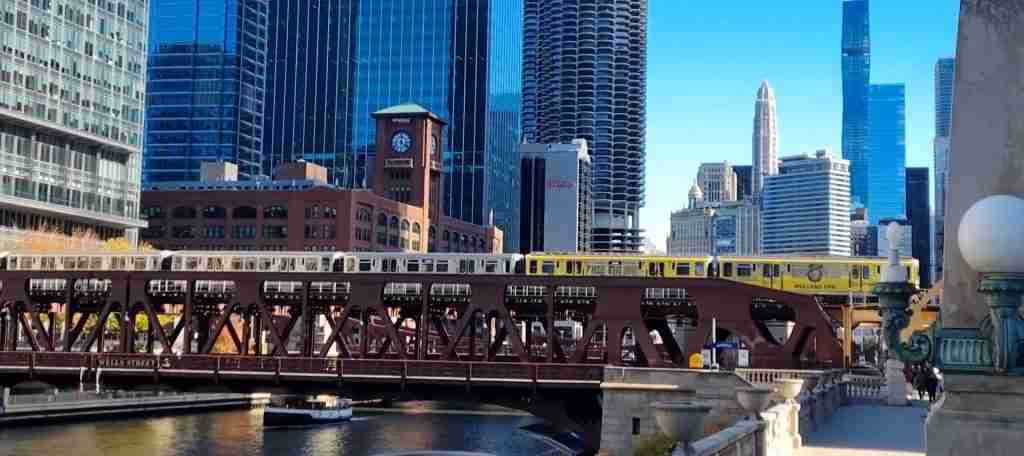
Chicago’s architectural density creates urban discovery opportunities absent in suburban attractions. Children riding elevated CTA trains observe city life from elevated perspectives, walk beneath iconic skyscrapers creating dramatic urban canyons, and experience public transportation systems demonstrating civic infrastructure. The city’s diverse neighborhoods offer cultural experiences from Chinatown’s authentic restaurants to Little Italy’s family trattorias to Polish neighborhoods serving pierogi.
Family-friendly infrastructure pervades Chicago’s tourism ecosystem. Restaurants provide children’s menus, crayons, and high chairs as standard offerings. Museums design family restrooms with nursing areas and diaper-changing stations. Hotels stock cribs, rollaway beds, and children’s amenities. Public parks integrate playgrounds with splash pads throughout the city. CTA trains accommodate strollers and offer priority seating for families with small children.
Chicago’s museum community pioneered interactive, hands-on exhibit design specifically engaging young visitors. Rather than passive observation, children manipulate scientific equipment, construct architectural models, touch marine animals, and participate in theatrical performances. This educational philosophy transforms potentially tedious museum visits into active adventures sustaining children’s attention for extended periods.
The city’s lakefront provides constant outdoor respite from indoor attractions. Lincoln Park’s 1,200 acres extend along Lake Michigan, offering beaches, playgrounds, nature trails, and free zoo access. Families overwhelmed by museum crowds escape to lakefront parks for running, playing, and relaxation without leaving downtown areas. Summer months activate beaches with swimming, sandcastle building, and waterfront dining accessible via short CTA rides or walks from downtown hotels.
Planning Your Chicago Family Visit 2026
Successful Chicago family trips balance structured attraction visits with spontaneous exploration and rest periods accommodating children’s varying energy levels and attention spans. Advanced planning secures attraction tickets and hotel reservations during peak seasons, while maintaining schedule flexibility prevents exhaustion and meltdowns common when over-programming family itineraries.
Chicago’s compact geography enables families to experience the city without rental cars, eliminating parking fees, navigation stress, and traffic frustrations. CTA trains and buses reach every major attraction, while rideshare services provide door-to-door convenience when public transit proves challenging with tired children or strollers. Downtown hotels position families within walking distance of multiple attractions, restaurants, and parks, reducing daily transportation needs.
Seasonal considerations significantly impact family experiences. Summer delivers peak weather and programming but maximum crowds and premium pricing. Shoulder seasons offer comfortable temperatures and reduced congestion ideal for museum visits and outdoor exploration. Winter provides budget advantages and uncrowded attractions but requires indoor contingency plans and cold-weather clothing preparation.
Best Seasons for Chicago Family Travel 2026
Summer months from June through August maximize outdoor opportunities with consistent 75-85°F temperatures perfect for lakefront beaches, outdoor festivals, and extended park time. Museums activate outdoor spaces, Navy Pier operates full entertainment schedules, and Lincoln Park Zoo extends evening hours. However, summer crowds intensify museum congestion, hotel rates increase 30-50%, and popular attractions require advance reservations weeks ahead. Families tolerating crowds in exchange for optimal weather find summer rewarding, especially when booking accommodations and attraction tickets months in advance.
Shoulder seasons deliver Chicago’s optimal value-to-experience ratio. Late April through May features warming temperatures averaging 55-70°F, blooming gardens in Grant Park and Lincoln Park, and reduced tourist crowds compared to summer peaks. Museums operate full schedules without summer congestion, hotels reduce rates 20-30% below summer pricing, and restaurants accommodate families without extensive waits. September through October provides similar advantages with comfortable 60-75°F temperatures, autumn foliage creating colorful backdrops, and families having departed after Labor Day weekend.
Spring break weeks in March and early April offer moderate pricing between winter low season and summer high season. Chicago weather remains unpredictable with temperatures ranging 35-60°F and occasional snow or rain requiring flexible indoor backup plans. Families prioritizing budget over guaranteed weather find excellent value during spring break periods when southern destinations charge premium rates.
Winter visits from November through March attract families seeking significant savings and uncrowded museum experiences. Hotel rates drop 40-60% below summer peaks, attractions operate without lines, and holiday programming from Thanksgiving through January creates festive atmospheres. However, temperatures averaging 25-40°F with wind chill factors require substantial cold-weather clothing, outdoor activities become limited, and families must structure itineraries around indoor attractions. Winter works best for families comfortable with cold weather and focused on museum-intensive visits.
Chicago Neighborhoods for Families 2026
Downtown Chicago and the Loop position families within walking distance of Millennium Park, Art Institute, Willis Tower Skydeck, Chicago Riverwalk, and Theater District. Hotels concentrate along Michigan Avenue and State Street, providing elevator access to CTA trains and buses reaching all major attractions. Downtown’s central location enables families to walk to breakfast spots, museums, and parks while returning to hotels for midday rest breaks without lengthy transportation. Evening restaurant options range from casual pizza joints to upscale steakhouses within blocks of downtown hotels.
River North sits immediately north of the Chicago River, offering quieter residential atmosphere while maintaining downtown proximity. Families walk across bridges to reach Millennium Park and Museum Campus in 15-20 minutes or ride CTA buses for quicker access. River North provides diverse restaurant options including family-friendly Italian, Mexican, and American establishments less tourist-focused than downtown corridors. Hotels in River North often cost 10-20% less than equivalent Loop properties while delivering similar attraction access.
South Loop neighborhoods adjacent to Museum Campus eliminate transportation needs for families prioritizing Field Museum, Shedd Aquarium, and Adler Planetarium visits. Hotels here position families within 5-10 minute walks of all three Museum Campus institutions, while remaining accessible to downtown attractions via short CTA rides or 20-minute walks. South Loop offers quieter evening atmospheres compared to downtown congestion, appealing to families with young children requiring early bedtimes.
Lincoln Park combines urban convenience with neighborhood character, offering tree-lined residential streets, local restaurants, boutique shops, and the massive Lincoln Park with free zoo access. Families staying in Lincoln Park experience Chicago as residents rather than tourists, shopping at farmers markets, dining at neighborhood bistros, and playing in community parks. Lincoln Park hotels typically cost 15-25% less than downtown equivalents while remaining accessible via CTA trains reaching downtown in 15-20 minutes. This neighborhood appeals to families seeking authentic Chicago experiences beyond tourist corridors.
Magnificent Mile along North Michigan Avenue caters to upscale family travel with luxury hotels, high-end shopping, and premium dining. Families staying here access Water Tower Place’s indoor shopping and restaurants, Oak Street Beach for summer swimming, and Navy Pier via short CTA rides or 25-minute lakefront walks. Magnificent Mile hotels often provide family-focused amenities including children’s programs, in-room entertainment systems, and kid-friendly restaurant options. This area suits families prioritizing luxury accommodations and convenient shopping alongside attraction visits.
Chicago Family Attractions and Experiences 2026
Chicago’s family attraction ecosystem balances internationally recognized institutions with neighborhood discoveries creating diverse daily experiences. Rather than exhausting children with museum marathons, successful families interweave major attractions with playground breaks, lakefront time, and spontaneous exploration sustaining engagement throughout multi-day visits.
Museum of Science and Industry Chicago 2026
Museum of Science and Industry dominates Chicago’s family attraction landscape as the Western Hemisphere’s largest science center, occupying 400,000 square feet of interactive exhibits designed specifically for hands-on engagement. Children of all ages find compelling activities from toddler-friendly Idea Factory spaces through teenage-appropriate robotics and genetics exhibits.
The German U-505 submarine represents MSI’s signature attraction, allowing families to board the only captured World War II German submarine in the United States. Children walk through cramped quarters where 59 sailors lived during extended ocean patrols, observing torpedo rooms, periscopes, and navigation equipment. The immersive experience communicates historical realities through tangible exploration rather than passive museum displays. Submarine tours require additional tickets beyond general admission purchased at the time of arrival or reserved online in advance. Adults pay $18 and children ages 3-11 pay $14 for the enhanced U-505 Onboard Tour providing docent-led explanations of submarine operations.
Science Storms captivates all ages with full-scale natural phenomena recreated indoors. A 40-foot tornado demonstrates vortex physics as mist swirls in controlled patterns. A 20-foot Tesla Coil generates artificial lightning with visible electrical arcs and dramatic sound effects. A 30-foot avalanche disc illustrates snow dynamics through kinetic modeling. Children manipulate controls affecting these exhibits, transforming passive observation into active scientific experimentation.
The working coal mine descent takes families 50 feet underground through an authentic recreation of an Illinois coal mine. Former miners guide tours explaining extraction techniques, safety procedures, and mining history while families navigate low tunnels and confined spaces. This 15-minute experience provides historical context for Chicago’s industrial development while offering adventure appealing to children.
Transportation Gallery showcases historic aircraft suspended from ceilings, vintage locomotives, and a full Boeing 727 jetliner that families can board. Children climb into cockpits, explore cargo holds, and imagine piloting massive machines. The hands-on access distinguishes MSI from traditional aviation museums where aircraft sit behind ropes.
General admission to Museum of Science and Industry costs $26 for adults and $15 for children ages 3-11 in 2026, with Chicago residents receiving discounted rates (check official website for current rates). Children under 3 enter free. Illinois residents access free general admission on numerous dates throughout winter and spring months including multiple days in January, February, April, and June. These free days require advance online reservations that typically open several weeks before the target date and fill within days of release. Premium experiences including submarine tours, Giant Dome Theater films, and special exhibitions require additional fees beyond general admission.
The museum operates daily from 9:30 AM to 4:00 PM with extended hours during summer months and holiday periods. Families should allocate minimum 4-5 hours for comprehensive visits, though dedicated science enthusiasts can easily spend entire days exploring exhibits. Arriving at opening time provides access to popular exhibits before afternoon crowds intensify. The museum provides multiple dining options including a food court with pizza, burgers, and salads, though outside food is permitted in designated picnic areas.
MSI sits in Hyde Park on Chicago’s South Side, requiring CTA bus routes #2, #6, or #10 from downtown areas. The bus journey takes 25-35 minutes depending on traffic and departure location. Families can also reach MSI via Metra Electric train to 57th Street station followed by a two-block walk. The museum offers on-site underground parking for $22 per vehicle, providing convenience for families driving or using rideshare services.
Shedd Aquarium Family Experiences 2026
Shedd Aquarium immerses families in aquatic environments housing 32,000 animals representing 1,500 species from oceans, rivers, lakes, and reefs worldwide. The facility’s comprehensive exhibits span freshwater ecosystems through oceanic habitats, creating diverse environments within a single lakefront building.
Caribbean Reef features a 90,000-gallon cylindrical tank where sharks, sea turtles, stingrays, and tropical fish swim in 360-degree views. Children identify dozens of species while observing feeding behaviors and social interactions. The circular viewing area accommodates families comfortably without crowding, allowing extended observation time particularly during scheduled feedings when divers hand-feed animals while communicating through underwater microphones.
Abbott Oceanarium recreates Pacific Northwest coastal environments housing beluga whales, Pacific white-sided dolphins, sea otters, and harbor seals. Underwater viewing galleries position children at eye level with swimming marine mammals, providing intimate perspectives on natural behaviors. The adjacent outdoor habitat allows families to observe animals in sunlight during warmer months. Beluga whale training sessions occur throughout the day, demonstrating animal intelligence and human-animal cooperation through voluntary participation exercises.
Amazon Rising transports families into South American rainforest ecosystems featuring piranhas, anacondas, caimans, and hundreds of tropical fish species. The exhibit recreates seasonal flooding cycles demonstrating environmental adaptation. Children search for camouflaged animals among vegetation while learning about rainforest ecology and conservation challenges. Interactive displays explain how seasonal river changes affect animal behavior and survival strategies.
Wild Reef immerses families in Indo-Pacific coral reef environments through floor-to-ceiling windows revealing sharks, rays, and reef fish from multiple perspectives. Children observe hammerhead sharks, blacktip reef sharks, and zebra sharks swimming overhead through acrylic tunnels. Touch pools allow hands-on interaction with starfish, anemones, and other tide pool creatures under staff supervision. This tactile engagement transforms passive viewing into memorable sensory experiences.
Shedd implements dynamic pricing for non-Chicago residents, with advance-purchase tickets providing savings compared to last-minute purchases. Adult general admission typically ranges $30-40 depending on date and time selected, while children ages 3-11 pay slightly reduced rates. Chicago residents enjoy fixed pricing of $20 for adults and $15 for children regardless of visit date, providing significant savings for local families. Children under 3 enter free. General admission includes all permanent exhibits plus seasonal stingray touch experiences. The 4-D Experience theater requires additional tickets when operating, offering multi-sensory films combining 3-D visuals with physical effects like mist, motion, and scents.
Illinois residents access free admission during select weekday periods in winter and spring, plus weeknight hours from 5:00 PM to 9:00 PM on specific dates. These free admission periods require advance online reservations with a small convenience fee of $5 per order. Free admission dates typically include multiple days in January, February, March, April, and May, though specific dates vary annually. Reservations open several weeks before free admission dates and fill rapidly, particularly for weekend and holiday periods.
The aquarium operates daily with hours varying seasonally, typically 9:00 AM to 5:00 PM during standard seasons with extended hours during summer and holiday periods. Families should allocate 2.5-3.5 hours for comprehensive visits including all exhibits and viewing opportunities. Morning arrivals provide access before afternoon crowds, while weekday visits typically offer less congestion than weekends. The facility includes dining options, though prices exceed typical restaurant rates as common in major attractions.
Shedd Aquarium anchors Museum Campus on Chicago’s lakefront adjacent to Field Museum and Adler Planetarium. CTA bus #146 provides direct service from downtown areas with 15-20 minute travel times. Families can also walk from downtown hotels in approximately 25-30 minutes through Grant Park, offering pleasant lakefront routes weather permitting. On-site parking through nearby garages costs approximately $30-40 for the day, though advance booking through parking apps can reduce rates 30-50%.
Field Museum Natural History 2026
Field Museum anchors Chicago’s Museum Campus as one of the world’s premier natural history institutions, housing 40 million specimens and artifacts spanning earth science, anthropology, botany, and zoology. The facility balances serious scientific research with engaging public exhibits designed for diverse age groups including young children.
SUE the T. rex dominates the museum’s central Stanley Field Hall as the largest and most complete Tyrannosaurus rex skeleton ever discovered. The 40-foot-long predator stands three stories tall, allowing children to observe massive skull, powerful legs, and tiny arms from multiple viewing levels. Interactive displays explain dinosaur biology, hunting behaviors, and extinction events through age-appropriate presentations. SUE represents many children’s primary motivation for visiting Field Museum, creating immediate engagement upon entering the building.
Ancient Egypt exhibition transports families 5,000 years into past civilizations through mummies, burial artifacts, hieroglyphic texts, and reconstructed tomb chambers. Children observe actual mummified remains including human mummies and animal mummies, learning about preservation techniques, religious beliefs, and daily life in ancient societies. Interactive stations allow families to decipher hieroglyphics, examine replica artifacts, and understand archaeological processes bringing ancient cultures into contemporary understanding.
The museum’s dinosaur halls extend beyond SUE to showcase dozens of additional dinosaur skeletons, fossils, and prehistoric creatures from multiple geological eras. Children compare herbivores to carnivores, examine fossilized eggs and footprints, and observe evolutionary relationships between ancient reptiles and modern birds. The comprehensive paleontology collection provides context for dinosaur diversity and extinction rather than focusing solely on popular species.
Grainger Hall of Gems reveals Earth’s geological treasures through diamonds, rubies, emeralds, and rare minerals displayed under specialized lighting emphasizing color and clarity. Children learn about mineral formation, crystal structures, and gemstone properties while observing spectacular specimens worth millions of dollars. Interactive displays explain how geological processes create precious stones over millions of years.
Crown Family PlayLab specifically targets children ages 0-6 with hands-on activities, climbing structures, and imaginative play spaces themed around natural history concepts. This dedicated family area provides respite when older museum exhibits overwhelm young children’s attention spans, allowing toddlers and preschoolers to engage actively rather than walking passively through galleries designed for older visitors.
General admission to Field Museum costs $30 for adults and varies for children depending on age and residency status, with discounts available for Chicago residents (check official website for current rates). Children under 3 enter free. Illinois residents access free general admission every Wednesday throughout the year, though special exhibition tickets require additional fees even on free admission days. Free Wednesday tickets require advance online reservations opening several weeks before target dates. These reservations fill within days of release during summer months and school vacation periods, though winter and spring dates remain available longer.
Special exhibitions rotate throughout the year, requiring separate admission tickets beyond general museum entry. Recent exhibitions have included Pokémon-themed natural history displays, cultural artifacts from global civilizations, and traveling exhibitions from international institutions. Special exhibition tickets typically cost $18-22 for adults and $14-16 for children depending on the specific exhibition and visit date selected.
The museum operates daily from 9:00 AM to 5:00 PM with occasional extended hours during summer months and holiday periods. Families should allocate 3-4 hours for comprehensive visits covering major exhibitions and dinosaur halls. Morning arrivals provide access before afternoon tour groups arrive from schools and tourist groups. The museum includes dining options at the Field Bistro serving sandwiches, salads, and children’s meals, though families may bring outside food for consumption in designated areas.
Field Museum shares Museum Campus with Shedd Aquarium and Adler Planetarium, accessible via CTA bus #146 from downtown areas. The same transportation and parking information applies as described for Shedd Aquarium, allowing families to visit multiple Museum Campus attractions during single trips when scheduling permits.
Lincoln Park Zoo Free Family Attraction 2026
Lincoln Park Zoo maintains free admission year-round as one of the oldest zoos in the United States, housing animals from global ecosystems within 35 acres of landscaped grounds. The facility provides world-class animal exhibits, conservation education, and family programming without admission fees, relying instead on donations, memberships, and concession revenue.
Regenstein Center for African Apes houses gorillas and chimpanzees in naturalistic habitats replicating central African rainforest environments. Floor-to-ceiling glass allows children to observe great apes at eye level, watching family groups interact, play, and demonstrate complex social behaviors. The exhibit includes both indoor climate-controlled spaces and outdoor yards where apes spend warm weather months. Educational programming explains ape conservation, habitat threats, and behavioral research conducted at the zoo.
Kovler Lion House features African lions, Amur tigers, and other big cats in renovated historic facilities combining classic architecture with modern animal welfare standards. Children observe powerful predators lounging, playing, and moving through interconnected indoor and outdoor spaces. Scheduled feeding times draw crowds watching carnivores consume meals while zookeepers explain hunting behaviors, social structures, and conservation status of threatened big cat species.
Regenstein Small Mammal-Reptile House captivates children with diverse species from poison dart frogs to pythons to naked mole rats. The climate-controlled facility maintains specialized environments for tropical, desert, and temperate species. Families observe camouflage demonstrations, predator-prey relationships, and unusual adaptations through carefully designed exhibits bringing small creatures to eye level for close observation.
Farm-in-the-Zoo provides hands-on agricultural experiences where children pet goats, observe cow milking demonstrations, and learn about food production and sustainable farming. This interactive area particularly engages young children through direct animal contact and daily programming explaining farm animal care, lifecycle processes, and agricultural history. The farm includes a tractor display, chicken coops, and educational signage appropriate for elementary-age readers.
Nature Boardwalk surrounds the zoo’s South Pond with elevated wooden walkways traversing wetland habitats populated by native birds, turtles, fish, and aquatic plants. Families observe Chicago’s urban wildlife while learning about ecosystem restoration and environmental stewardship. The boardwalk provides peaceful respite from busier zoo areas while demonstrating conservation principles through accessible natural spaces.
The zoo operates daily year-round with free admission, though parking fees apply in adjacent lots managed by Chicago Park District. The facility opens at 10:00 AM daily, closing at 5:00 PM during winter months and extending to 6:30 PM during summer. Many animal exhibits remain accessible during all weather conditions through connected indoor viewing areas, making the zoo viable even during cold or rainy days when outdoor exhibits close temporarily.
Seasonal programming enhances visits during specific periods. ZooLights transforms the zoo into an illuminated wonderland during late November through early January with millions of LED lights, ice carving demonstrations, and holiday music creating festive evening experiences. Summer concerts provide free weekend entertainment with local musicians performing in zoo amphitheaters. Special events throughout the year include conservation celebrations, cultural festivals, and educational programming aligned with animal awareness days.
Dining options within the zoo include cafés serving sandwiches, pizza, and snacks at typical concession pricing. Families commonly bring picnic lunches for consumption at designated seating areas throughout the grounds. The zoo includes multiple playgrounds integrated into the grounds, allowing children to burn energy between animal exhibits. These play structures feature age-appropriate equipment for toddlers through elementary-age children.
Lincoln Park Zoo sits in the Lincoln Park neighborhood approximately 3 miles north of downtown Chicago. CTA bus routes #151 and #156 provide direct access from downtown areas with 20-25 minute travel times. Families can also reach the zoo via CTA Brown, Purple, or Red Line trains to Fullerton station followed by a 10-minute walk through Lincoln Park. The zoo’s lakefront location allows pleasant walks from nearby neighborhoods during warm weather months.
Navy Pier Family Entertainment 2026
Navy Pier extends 3,300 feet into Lake Michigan as Chicago’s most-visited recreational destination, combining entertainment venues, restaurants, attractions, and lakefront access in a single complex. The pier underwent extensive renovations creating contemporary family-friendly spaces while maintaining historic elements from its 1916 construction.
Chicago Children’s Museum occupies three floors at Navy Pier’s entrance, providing 57,000 square feet of interactive exhibits designed for children ages 0-10. The museum specializes in play-based learning through construction zones, water exploration areas, climbing structures, and creative arts spaces. Admission costs $21 for Illinois residents and $25 for non-Illinois residents, with children under 1 entering free. The museum operates Thursday through Monday from 10:00 AM to 5:00 PM, closing Tuesday and Wednesday except during summer months and holiday periods when daily operations resume.
Centennial Wheel dominates Navy Pier’s profile as a 200-foot Ferris wheel providing panoramic Chicago skyline and Lake Michigan views. Climate-controlled gondolas operate year-round, offering 15-minute rides reaching 200 feet above water level. Adults pay approximately $18 for standard gondola rides while children ages 3-11 pay approximately $15, with infants under 3 riding free. VIP gondolas featuring glass floors, leather seats, and extended ride times cost additional premiums for families seeking enhanced experiences.
Pier Park operates seasonally from spring through fall, featuring carnival-style rides including swinging ships, spinning teacups, and a musical carousel suitable for various age groups. Individual ride tickets or unlimited day passes allow families to customize participation based on children’s ages and interests. The miniature golf course challenges families through nautical-themed holes with Lake Michigan providing backdrop views.
Chicago Shakespeare Theater on Navy Pier produces family-friendly Shakespeare adaptations plus original productions designed for young audiences. Performances range from abbreviated versions of classic plays to interactive storytelling sessions tailored for specific age groups. The theater schedules matinee performances during school vacation periods accommodating family schedules while maintaining evening performances for adult audiences.
The pier’s lakefront location provides exceptional skyline photography opportunities, especially during sunset hours when Chicago’s towers illuminate against darkening skies. Families walk the pier’s length photographing architectural icons, boats passing through Chicago Harbor, and Lake Michigan extending to the horizon. Summer months activate fountains, public art installations, and outdoor seating areas creating vibrant recreational atmosphere.
Dining options range from counter-service restaurants to upscale establishments with lakefront views. Jimmy Buffett’s Margaritaville provides casual tropical-themed dining with children’s menus, while Harry Caray’s Tavern offers Chicago sports bar atmosphere with traditional American fare. Counter-service options include Chicago-style hot dogs, pizza, ice cream shops, and popcorn vendors allowing quick meals between activities. Pricing reflects tourist-destination premiums typical of major attractions.
Navy Pier operates year-round with varying seasonal hours. Summer months from May through September feature daily operations from 10:00 AM to 10:00 PM. Winter hours contract to 10:00 AM to 6:00 PM on weekdays with extended weekend hours. The pier remains accessible during all weather conditions through connected indoor spaces, though outdoor attractions close during severe weather or extremely cold temperatures.
CTA bus routes #2, #29, #65, and #66 provide direct Navy Pier access from downtown areas with 10-15 minute travel times. Free seasonal trolleys operate between Navy Pier and Michigan Avenue during summer months, providing alternative transportation without CTA fare requirements. Families can walk from downtown hotels in approximately 20-25 minutes through Millennium Park and lakefront paths. On-site parking garages charge approximately $30-40 for the day with advance online booking providing potential discounts.
Chicago Children’s Museum Dedicated Spaces 2026
Chicago Children’s Museum at Navy Pier specializes in interactive, play-based learning specifically designed for children ages 0-10, distinguishing itself from general-audience museums through age-appropriate exhibits emphasizing hands-on engagement over passive observation. The facility occupies three floors at Navy Pier’s entrance, providing climate-controlled indoor space ideal for cold weather days or breaks from outdoor walking.
Water City represents the museum’s newest major exhibition, featuring interactive water play demonstrating physical properties, engineering concepts, and Chicago’s relationship with Lake Michigan and the Chicago River. Children manipulate water flow through channels, locks, and dams while learning about hydraulic systems and urban water management. The exhibit includes rain gear and drying stations, acknowledging enthusiastic water play creating wet children. Parents appreciate the educational framework justifying what essentially becomes constructive splashing.
Cloud Buster climbing structure rises three stories through the museum’s center, offering cargo nets, tunnels, balance beams, and observation platforms challenging gross motor skills while building confidence. Different climbing routes accommodate varying skill levels from cautious beginners through adventurous climbers. The structure’s height creates dramatic visual impact while providing vertical spatial navigation absent in home environments. Parents can access multiple viewing platforms observing children climbing from various perspectives or participating alongside younger children requiring assistance.
Tinkering Lab provides tools, materials, and maker space philosophy allowing children to construct projects using real equipment including hammers, screwdrivers, saws, and drills under staff supervision. Children design creations from wood, plastic, fabric, and recycled materials, developing problem-solving skills through trial-and-error construction. The lab’s emphasis on process over product encourages experimentation without concern for perfection. An early learning nook within the space accommodates babies and toddlers with age-appropriate manipulatives and soft construction materials.
Dinosaur Expedition transports children into paleontology fieldwork through fossil excavation, skeleton assembly, and scientific observation activities. Children brush sand revealing hidden “fossils,” piece together dinosaur puzzles, and role-play as paleontologists documenting discoveries. The exhibit combines imaginative play with scientific concepts appropriate for elementary-age comprehension levels.
Kovler Family Climbing Schooner replicates a three-masted ship where children climb rigging, navigate deck obstacles, and imagine maritime adventures. The nautical theme connects to Chicago’s Great Lakes maritime history while providing physical challenge and dramatic play opportunities. Different climbing challenges accommodate various ages from toddlers navigating simple structures through older children tackling complex cargo net climbing.
The museum operates Thursday through Monday from 10:00 AM to 5:00 PM, closing Tuesday and Wednesday except during summer months, holiday periods, and school vacation weeks when daily operations resume. Final admissions occur 60 minutes before closing to ensure families have adequate time to explore exhibits. The museum requires at least one adult per child for admission, enforcing supervision policies protecting both children and museum operations.
Admission costs $21 for Illinois residents and $25 for non-Illinois residents for both adults and children ages 1 and older. Children under 1 enter free. The museum does not announce free admission days, instead partnering with library systems and community organizations providing free passes to qualifying families. Museums for All program participants present EBT or WIC cards receiving discounted $5 admission for up to six family members, making the museum accessible to families receiving food assistance.
The museum includes designated snack areas where families consume food brought from outside or purchased at Navy Pier’s restaurants. Water fountains provide hydration throughout the facility. Strollers are permitted and can be checked in an unattended coat room, though many families keep strollers for carrying supplies and providing rest spots for tired toddlers between active exhibits.
Chicago Transportation for Families 2026
Chicago’s public transportation infrastructure eliminates rental car necessity for families staying in downtown areas, providing extensive bus and train networks reaching all major attractions while avoiding parking fees, traffic congestion, and navigation challenges in unfamiliar urban environments. The Chicago Transit Authority operates 1,864 buses and eight rail lines creating comprehensive coverage across the city and surrounding neighborhoods.
CTA System Overview and Family Strategies 2026
The CTA operates color-coded rail lines including Red, Blue, Brown, Orange, Green, Pink, Purple, and Yellow lines radiating from downtown Loop stations to neighborhoods throughout Chicago. Trains run frequently during daytime hours with 5-10 minute intervals on major lines, reducing wait times and schedule anxiety for families traveling spontaneously rather than according to fixed timetables.
CTA base fares remain $2.25 for buses and $2.50 for trains in 2026 following Illinois legislation providing new transit funding that prevented previously announced fare increases. Children under age 7 ride free when accompanied by fare-paying adults, with each adult eligible to bring up to two children without additional cost. This family discount significantly reduces transportation expenses compared to destinations charging per-person fares regardless of age.
Unlimited ride passes eliminate per-trip fare calculations, simplifying travel for families making multiple daily journeys. One-day passes cost $5, seven-day passes cost $20, and 30-day passes cost $75. Families visiting Chicago for 4-5 days find seven-day passes cost-effective when making four or more trips daily between hotels and attractions. For example, a family of two adults taking two daily round trips (hotel to attraction and return) would spend $10 per day with single fares but only approximately $3 per adult daily with seven-day passes.
Ventra cards and Ventra mobile app provide contactless payment options eliminating paper ticket needs. Cards cost $5 initially but that amount loads as travel credit. The mobile app allows account management, pass purchases, and fare tracking from smartphones, convenient for families monitoring transportation spending. Contactless credit card payment is also accepted directly at turnstiles, though this charges higher per-ride fees of approximately $3.50.
Family travel requires advance planning around stroller accessibility and elevator locations. All CTA trains accommodate strollers without folding requirements, with designated priority areas for families with young children. However, not all stations include elevators, requiring families to navigate stairs with strollers or children. The CTA website and mobile apps indicate which stations offer elevator access, allowing route planning avoiding stair-only stations. Downtown stations generally include full accessibility while neighborhood stations vary in elevator availability.
Safety practices for family CTA use include supervising children continuously in crowded stations and trains, securing belongings against pickpockets in tourist-heavy areas, and staying in well-populated train cars during evening hours. Families should explain transit etiquette to children before boarding including letting passengers exit before entering, keeping voices at appropriate volumes, and respecting priority seating for elderly and disabled riders.
Peak travel times between 7:00-9:00 AM and 4:00-6:00 PM weekdays create crowded conditions as commuters travel to and from work. Families traveling during midday hours between 10:00 AM and 3:00 PM experience less congestion, easier seat availability, and calmer environments suitable for young children. Weekend travel patterns differ as tourists and recreational travelers create steady moderate crowds throughout daylight hours without extreme peak periods.
Getting from Airports to Downtown 2026
Chicago’s two airports provide distinct transportation options with varying costs, travel times, and convenience levels for families arriving with luggage and tired children from flights.
O’Hare International Airport sits 17 miles northwest of downtown Chicago, serving as the city’s primary international gateway. The CTA Blue Line provides direct rail service between O’Hare and downtown Loop stations, operating 24 hours daily with approximately 15-20 minute intervals during daytime hours. The 45-minute train journey costs the standard $2.50 CTA train fare per adult with children under 7 riding free, making this Chicago’s most economical airport transfer option for families. However, the Blue Line does not serve all downtown hotels directly, potentially requiring transfers to other lines or short walks with luggage. Trains can become crowded during peak commuter hours, potentially challenging for families with multiple bags and restless post-flight children.
Airport Express shuttle vans provide shared-ride door-to-door service from O’Hare to downtown hotels, costing approximately $35-45 per person. While more expensive than CTA trains, shuttles eliminate transfer navigation and deliver families directly to hotel entrances. However, shuttle routes make multiple hotel stops extending total travel time to 60-90 minutes as other passengers disembark at various downtown locations. Families with young children may find extended van rides challenging despite increased convenience.
Rideshare services including Uber and Lyft provide private vehicle transportation directly between O’Hare and downtown hotels, costing approximately $35-50 depending on traffic conditions, time of day, and surge pricing. For families of 3-4 people, rideshare costs become competitive with per-person shuttle fares while providing privacy, direct routing without multiple stops, and flexibility for child car seats when requested. Travel time typically ranges 30-45 minutes depending on traffic, significantly faster than shuttle vans though subject to Interstate 90 congestion during rush hours.
Midway International Airport sits 10 miles southwest of downtown Chicago, serving as Chicago’s secondary airport focused on domestic flights and budget carriers. The CTA Orange Line connects Midway directly to downtown Loop stations with approximately 15-minute intervals during daytime hours. The 30-minute train journey costs standard $2.50 per adult CTA fare with children under 7 free. The Orange Line terminates at Midway rather than continuing beyond, ensuring families board correct trains without directional confusion common on lines serving both terminals and neighborhoods.
Rideshare services between Midway and downtown typically cost $30-45 with 25-35 minute travel times under normal traffic conditions. The shorter distance compared to O’Hare makes Midway rideshare more competitive versus public transit when factoring family size, luggage quantity, and convenience preferences. Shared shuttle services operate similarly to O’Hare options though with fewer passengers and potentially shorter routing times given Midway’s smaller scale.
Families should consider total door-to-door time including waiting periods, transfers, and walking distances when comparing transportation options rather than focusing solely on vehicle travel times. A 30-minute train ride requiring 15-minute walks at both ends consumes 60 total minutes while a 45-minute direct rideshare may prove faster overall despite longer vehicle time. Luggage quantity, child ages, post-flight energy levels, and budget priorities determine optimal choices varying by individual family circumstances.
Getting Around Museum Campus 2026
Museum Campus consolidates Field Museum, Shedd Aquarium, and Adler Planetarium within a single lakefront complex connected by pedestrian pathways, allowing families to visit multiple institutions during single days without returning downtown between attractions. The campus design creates efficient multi-attraction days maximizing educational experiences while minimizing transportation between venues.
CTA bus #146 provides dedicated Museum Campus Express service operating 15-20 minute intervals during peak season from downtown Michigan Avenue through Museum Campus with direct stops at each institution. The express routing eliminates local stops between downtown and museums, reducing travel time to approximately 15 minutes from central downtown hotels. Standard CTA fares apply at $2.25 per adult with children under 7 free. The #146 operates seasonally from late spring through early fall, with year-round service provided by bus #130.
Walking from downtown hotels to Museum Campus takes approximately 25-30 minutes through Grant Park’s tree-lined pathways and lakefront trails, providing pleasant outdoor transit during favorable weather months. The route passes Buckingham Fountain (operating May through October), Millennium Park, and Grant Park gardens creating scenic approaches to museums. However, the distance challenges families with young children requiring strollers or frequent rest breaks, making walking most practical for families with elementary-age children capable of sustained walking distances.
Between Museum Campus institutions, families walk 5-10 minutes along pedestrian paths connecting Field Museum, Shedd Aquarium, and Adler Planetarium. These short distances make visiting multiple museums feasible during single days, though families should consider children’s endurance levels and museum fatigue when planning multi-attraction itineraries. Most families successfully visit two museums during full days, finding three institutions overwhelming even for enthusiastic older children.
Rideshare services provide door-to-door Museum Campus access from downtown hotels costing approximately $10-15 for short trips. The convenience benefits families with very young children, stroller needs, or time constraints though rideshare’s cost effectiveness diminishes when comparing single trips to unlimited CTA pass benefits covering multiple daily journeys.
Chicago Family Accommodation Strategies 2026
Chicago hotel rates vary dramatically by neighborhood, season, and booking timing, with family-friendly properties ranging from budget chains providing basic amenities through luxury establishments offering kids’ programs and specialized family services. Strategic accommodation selection balances location convenience, room configurations, amenities, and pricing to optimize family experiences while managing travel budgets.
Hotel Neighborhoods and Family Considerations 2026
Downtown Loop hotels position families within walking distance of Millennium Park, Art Institute, theater district, and CTA hub stations providing direct access to all Chicago neighborhoods. The Loop’s dense hotel concentration creates competitive pricing during off-peak periods while premium rates apply during convention weeks and summer high season. Families staying downtown walk to breakfast restaurants, museums, and parks while returning to hotels for midday rest breaks without lengthy transportation, valuable for families with young children requiring naps or quiet time between activities.
Room configurations in Loop hotels typically feature compact layouts reflecting expensive downtown real estate, with standard rooms accommodating families of three or four through rollaway beds or sleeper sofas rather than separate bedrooms. Families of five or more typically require suite accommodations at significantly higher rates. Downtown hotels increasingly offer family packages including attraction discounts, children’s welcome amenities, and breakfast options, though families should verify specific package contents rather than assuming standardized inclusions.
River North hotels offer quieter atmospheres while maintaining downtown proximity, sitting immediately north of Chicago River within 10-15 minute walks to major attractions. This neighborhood balances convenience with residential character, providing diverse restaurant options including family-friendly Italian, Mexican, and American establishments less tourist-focused than Loop corridors. River North hotels often cost 10-20% less than equivalent Loop properties while delivering comparable attraction access, appealing to budget-conscious families prioritizing value.
South Loop accommodations adjacent to Museum Campus eliminate transportation for families prioritizing Field Museum, Shedd Aquarium, and Adler Planetarium visits. Hotels here position families within 5-10 minute walks of Museum Campus institutions while remaining accessible to downtown attractions via CTA trains or 20-minute walks. South Loop’s evening atmosphere skews quieter than downtown congestion, benefiting families with young children requiring early bedtimes. However, restaurant density decreases compared to Loop and River North, potentially requiring additional walking for dinner options.
Lincoln Park hotels combine neighborhood character with urban convenience, offering tree-lined streets, local dining, and Lincoln Park with free zoo access. This neighborhood provides authentic Chicago residential experiences beyond tourist corridors while remaining accessible to downtown attractions via 15-20 minute CTA rides. Lincoln Park accommodations typically cost 15-25% less than downtown equivalents while offering larger room configurations reflecting neighborhood rather than high-rise construction patterns. Families seeking extended stays or those prioritizing authentic local experiences over maximum attraction proximity find Lincoln Park appealing.
Magnificent Mile properties along North Michigan Avenue cater to upscale family travel with luxury amenities, premium locations, and high-end shopping access. These hotels often provide family-focused programming including children’s menus, kids’ clubs, pool facilities, and in-room entertainment systems. The Magnificent Mile’s walkable corridor connects Water Tower Place indoor shopping, Oak Street Beach, and Navy Pier while positioning families near numerous restaurants and entertainment options. Premium pricing reflects location and amenities, with rates often exceeding Loop hotels by 20-40% during comparable periods.
Hotel Budget Planning Chicago 2026
Chicago hotel rates span dramatic ranges by season, with summer peak season (June through August) commanding 30-50% premiums above shoulder seasons and 60-80% above winter low season. Convention schedules significantly impact downtown availability and pricing, with certain weeks experiencing complete hotel booking and premium rates regardless of season. Families should research Chicago convention calendar when planning visits, as major trade shows bring 50,000+ attendees straining hotel inventory and inflating pricing across all categories.
Budget family hotels in Chicago cost approximately $95-150 per night, encompassing national chain properties including Hampton Inn, Holiday Inn Express, Fairfield Inn, and Best Western locations in downtown periphery and neighborhood locations. These properties typically include free breakfast, free WiFi, basic fitness facilities, and indoor pools appealing to families. Room configurations generally accommodate four people through two double beds or one king bed plus sleeper sofa. Budget hotels rarely include on-site restaurants beyond breakfast service, requiring families to seek dinner options in surrounding neighborhoods. Parking fees of $30-45 daily apply at most downtown budget hotels, though some neighborhood locations include free parking.
Mid-range family hotels range $150-250 per night, including Hilton, Marriott, Hyatt, and boutique properties offering enhanced amenities, downtown locations, and improved service standards. These hotels typically feature on-site restaurants for breakfast and dinner, room service, concierge services, fitness facilities, and business centers. Room sizes increase compared to budget properties while maintaining similar maximum occupancy of four people in standard rooms. Many mid-range hotels offer family packages including attraction tickets, dining credits, or late checkout accommodating family schedules. Parking costs $35-55 daily at most mid-range downtown properties.
Luxury family hotels exceed $250 per night, reaching $400-600 during peak seasons at premium properties including Four Seasons, Peninsula, Park Hyatt, and Ritz-Carlton. These establishments provide exceptional service, premium locations, spacious rooms, fine dining options, full-service spas, and children’s programming including kids’ clubs, welcome amenities, and specialized menus. Room configurations accommodate families more comfortably through suites or connecting rooms rather than cramming four people into standard layouts. Luxury hotels justify premium pricing through location, service quality, and amenities though families prioritizing budget efficiency find comparable attraction access at lower price points. Parking costs $55-75 daily at luxury properties.
Suite hotels including Homewood Suites, Residence Inn, and Embassy Suites provide separate bedroom and living areas plus kitchenettes or full kitchens allowing families to prepare simple meals, store groceries, and reduce restaurant dependence. These properties typically cost $140-220 per night depending on location and season, offering exceptional value for families of four or five requiring space beyond standard hotel rooms. Free breakfast typically includes hot options beyond continental service, further reducing daily food costs. Kitchenette access allows families to store milk, snacks, and simple breakfast items from grocery stores, reducing reliance on expensive hotel or restaurant meals for every dining occasion.
Families booking Chicago hotels should compare total costs including parking, resort fees (when applicable), and breakfast expenses rather than focusing solely on nightly rates. A $140 hotel including free breakfast and parking may cost less overall than a $120 hotel charging $40 parking and requiring restaurant breakfasts for four people at $60 daily. Booking directly through hotel websites rather than third-party aggregators sometimes provides better rates plus benefits including flexible cancellation policies, loyalty program points, and complimentary upgrades when available.
Chicago Family Dining and Food Strategies 2026
Chicago’s diverse dining scene accommodates family budgets from budget-conscious fast casual through upscale establishments, with the city’s signature foods including deep-dish pizza, Chicago-style hot dogs, Italian beef sandwiches, and diverse international cuisines reflecting the city’s multicultural population. Strategic meal planning balances iconic Chicago food experiences with practical daily nutrition and budget management for multi-day visits.
Chicago Signature Foods Families Must Try 2026
Deep-dish pizza represents Chicago’s most famous culinary contribution, featuring thick buttery crust forming a bowl containing layers of cheese, toppings, and chunky tomato sauce. Lou Malnati’s, Giordano’s, Gino’s East, and Pequod’s operate multiple locations throughout Chicago serving variations on deep-dish traditions. A large deep-dish pizza serving four people costs approximately $35-45 depending on toppings, with individual slices available at some locations for approximately $8-10. The substantial thickness means one or two slices satisfies most appetites, making deep-dish economical compared to thin-crust pizza requiring more pieces per person. Families should expect 30-45 minute preparation times from order to table, as deep-dish requires extensive baking time creating proper crust texture and cheese melting.
Chicago-style hot dogs follow strict preparation rules including Vienna Beef all-beef hot dogs on poppy seed buns topped with yellow mustard, chopped white onions, bright green sweet pickle relish, tomato wedges, pickled sport peppers, dill pickle spear, and celery salt—never ketchup. Portillo’s represents the most recognized chain serving authentic Chicago dogs citywide, with locations accommodating families through fast-casual service, children’s meals, and moderate pricing. Chicago dogs cost approximately $5-7 each with fries adding $3-5, making hot dog meals among Chicago’s most budget-friendly signature food experiences. Families can experience authentic Chicago cuisine while spending $25-35 for four people including sides and drinks.
Italian beef sandwiches feature thinly sliced seasoned roast beef piled on Italian rolls, soaked in natural meat juices called “gravy,” topped with sweet peppers or spicy giardiniera. Portillo’s and Al’s Beef operate throughout Chicago serving this working-class sandwich tradition. Italian beef sandwiches cost approximately $8-11, offering substantial portions appealing to hearty appetites. The sandwiches’ messy nature entertains children while requiring abundant napkins and potentially extra shirts for younger kids prone to extensive sauce distribution.
Garrett Popcorn represents Chicago’s gourmet popcorn institution, famous for mixing cheese and caramel popcorn creating sweet-savory combinations. Multiple downtown locations create convenient snack opportunities between attractions. Small bags cost approximately $10-12, medium bags $15-20, and large bags $25-30. The substantial portions provide shareable snacks for families throughout afternoon attraction visits or evening hotel room treats.
Daily Family Meal Budget Strategies 2026
Budget-conscious family dining in Chicago requires strategic planning combining grocery store purchases, counter-service meals, and selective sit-down experiences rather than defaulting to restaurant meals for all daily nutrition. Families can significantly reduce food costs through advance preparation while maintaining nutrition and occasional splurge experiences.
Breakfast represents families’ most controllable meal expense through hotel selection including free breakfast, packing shelf-stable foods from home, or shopping at Chicago grocery stores. Hotel breakfasts typically include hot items like eggs, sausage, waffles, and oatmeal plus cold options like cereal, yogurt, fruit, and pastries, providing substantial morning nutrition supporting active museum days. Families without hotel breakfast access can purchase groceries from Whole Foods, Mariano’s, or Target stores near downtown areas, with basic breakfast supplies including bread, peanut butter, bananas, milk, and cereal costing approximately $25-30 providing multiple days’ breakfasts. Bagel shops throughout Chicago offer quick breakfast options for approximately $8-12 per person including bagel sandwiches and coffee.
Lunch flexibility allows families to choose counter-service speed when prioritizing attraction time or sit-down meals when rest breaks benefit tired children. Counter-service options throughout downtown and near major attractions include sandwich shops, pizza counters, hot dog stands, and fast-casual chains averaging $12-18 per adult and $8-12 per child including drinks and sides. Chipotle, Panera, Potbelly, and similar chains throughout Chicago provide reliable meals families recognize from home cities. Packing lunch from grocery stores—sandwiches, fruit, chips, drinks—costs approximately $15-20 for four people while supporting flexible eating schedules accommodating naptime or avoiding restaurant waits with hungry children.
Dinner typically represents families’ largest daily meal expense through sit-down restaurants, higher-quality food, and beverage costs including alcohol for adults. Casual family restaurants including Giordano’s, Lou Malnati’s, Portillo’s, and neighborhood Italian or Mexican establishments average $20-30 per adult and $10-15 per child including appetizers, entrees, drinks, tax, and tip. Families choosing upscale dining experiences or steakhouses can easily spend $40-65 per adult and $15-25 per child. Strategic dinner planning reserves expensive meals for one or two special experiences during multi-day visits while relying on casual options for remaining evenings, balancing budget with memorable dining experiences.
Snack management significantly impacts daily food spending as families navigate between meals during long attraction days. Carrying snacks from grocery stores including granola bars, crackers, fruit, and water bottles prevents expensive impulse purchases at museum cafeterias or attraction vendors charging premium prices. Museum and attraction vending machines typically charge $3-5 for snacks costing $1-2 at grocery stores. Water bottles refilled at public fountains eliminate repeated bottled water purchases at $3-4 each, saving $20-30 daily for families of four across multiple refills.
Restaurant Recommendations by Budget Tier 2026
Budget family dining in downtown Chicago includes Portillo’s Hot Dogs for authentic Chicago fast-casual cuisine at $8-12 per person, Giordano’s or Lou Malnati’s for deep-dish pizza averaging $12-18 per person including shared appetizers, and Chipotle or similar fast-casual chains at $10-15 per person. These establishments accommodate families through kids’ menus, casual atmospheres accepting children’s energy and occasional noise, and moderate pricing supporting daily dining without budget devastation. Wait times rarely exceed 30 minutes even during peak dinner hours, important for families with hungry, tired children having limited patience for extended restaurant waits.
Mid-range family restaurants include RPM Italian in River North for contemporary Italian cuisine at $25-35 per adult and $15-20 per child, Wildberry Pancakes and Café for breakfast and brunch at $15-22 per person, and Quartino featuring Italian small plates at $20-30 per person. These establishments provide enhanced food quality, interesting atmospheres, and memorable dining experiences while maintaining approachability for families with children. Reservations are recommended especially for weekend dinners when walk-in waits extend to 60-90 minutes at popular establishments.
Upscale family dining options include Shaw’s Crab House for seafood experiences at $40-65 per adult and $20-30 per child, Girl and the Goat offering creative American cuisine at $45-70 per adult, and Chicago Cut Steakhouse for premium steakhouse dining at $60-95 per adult and $25-40 per child. These establishments welcome families while catering primarily to adult diners, requiring children capable of sitting through extended multi-course meals and maintaining restaurant-appropriate behavior. Upscale dining provides special occasion celebrations perfect for milestone birthdays, trip final nights, or rewarding older children after cooperating throughout museum visits.
Chicago Family Budget Planning 2026
Comprehensive family budget planning for Chicago requires calculating accommodation, meals, transportation, attraction tickets, and incidentals to establish realistic daily spending expectations preventing mid-trip budget surprises. Chicago’s wide cost range from budget to luxury allows families to customize experiences matching financial comfort while experiencing the city’s signature attractions and experiences.
Daily Cost Breakdowns by Budget Tier 2026
Budget family travel in Chicago costs $65-125 per person daily assuming two adults sharing accommodation with children. This budget tier requires discipline around accommodation selection, strategic free attraction utilization, and grocery store meal supplementation.
Budget tier accommodation costs $95-150 per night for family of four in national chain hotels with free breakfast, dividing to $48-75 per adult when two adults share the room cost. Free hotel breakfast eliminates morning meal expenses. Packed grocery store lunches cost approximately $15-20 daily for family of four, averaging $4-5 per person. Budget-friendly dinner at Portillo’s, fast-casual chains, or grocery deli meals costs $35-50 for family of four, approximately $9-13 per person. Total daily food expenses reach $55-80 for family of four, averaging $14-20 per person.
Transportation via CTA seven-day passes costs $20 per adult, approximately $3 daily per adult. Children under 7 ride free. Attraction costs utilize free admission opportunities including Lincoln Park Zoo year-round, museum free days for Illinois residents, and lakefront parks and beaches requiring no fees. Paid attractions on non-free days cost approximately $20-25 per person at major museums. Strategic scheduling around free admission days significantly reduces attraction expenses while experiencing identical exhibits and collections.
Total budget-tier daily costs per person: accommodation $48-75 per adult (two sharing), meals $14-20, transportation $3, attractions $0-25. Budget families spend approximately $65-125 per person daily when carefully managing expenses and prioritizing free opportunities.
Mid-range family travel in Chicago costs $165-250 per person daily, providing comfortable accommodation, regular restaurant meals, and paid attraction access without free day constraints.
Mid-range accommodation costs $180-280 per night for downtown or River North hotels with breakfast included or $200-300 without breakfast, dividing to $90-140 per adult when two adults share with children. Breakfast at hotel or restaurants costs $12-18 per person. Lunch at casual restaurants or counter-service costs $12-18 per person. Dinner at mid-range family restaurants costs $20-30 per person. Total daily food expenses reach $44-66 per person across three meals.
Transportation via CTA seven-day passes costs approximately $3 per adult daily. Occasional rideshare services add $5-8 per person when splitting among family members. Attraction admission at major museums costs $25-35 per person for general admission at Field Museum, Shedd Aquarium, Museum of Science and Industry, and similar institutions. Some days require additional special exhibition tickets adding $15-20 per person.
Total mid-range daily costs per person: accommodation $90-140 per adult (two sharing), meals $44-66, transportation $8-11, attractions $25-35. Mid-range families spend approximately $165-250 per person daily maintaining comfortable travel standards without luxury premiums.
Luxury family travel in Chicago costs $365-555 per person daily, featuring upscale hotels, fine dining, private transportation, and premium attraction experiences.
Luxury accommodation costs $400-600 per night for Four Seasons, Peninsula, or Park Hyatt properties, dividing to $200-300 per adult when two adults share premium rooms. Breakfast at hotel restaurants costs $25-35 per person. Lunch at quality establishments costs $25-40 per person. Dinner at upscale restaurants costs $60-95 per person including appetizers, entrees, and beverages. Total daily food expenses reach $110-170 per person.
Transportation primarily utilizes rideshare services for convenience, costing approximately $15-25 per person daily when dividing among family. Attraction admission includes premium experiences beyond general admission, adding submarine tours, 4-D theater films, and special exhibitions totaling $40-60 per person daily.
Total luxury daily costs per person: accommodation $200-300 per adult (two sharing), meals $110-170, transportation $15-25, attractions $40-60. Luxury families spend approximately $365-555 per person daily accessing Chicago’s finest accommodations, dining, and experiences.
Five-Day Chicago Family Trip Total Costs 2026
Budget five-day Chicago family trip for four people (two adults, two children ages 8 and 10): accommodation $500 (five nights at $100 average), food $350 (averaging $70 daily for family), transportation $40 (two adult seven-day passes), attractions $280 (utilizing three free days, paying two days at reduced children’s rates). Total trip cost approximately $1,170, or approximately $60 per person daily averaged across the five-day visit.
Mid-range five-day Chicago family trip for four people: accommodation $1,100 (five nights at $220 average), food $950 (averaging $190 daily for family), transportation $100 (two adult passes plus occasional rideshare), attractions $520 (general admission to multiple museums across five days). Total trip cost approximately $2,670, or approximately $135 per person daily.
Luxury five-day Chicago family trip for four people: accommodation $2,400 (five nights at $480 average), food $2,200 (averaging $440 daily for family), transportation $320 (rideshare services throughout trip), attractions $960 (premium experiences at all major museums). Total trip cost approximately $5,880, or approximately $295 per person daily.
These estimates exclude airfare to Chicago, travel insurance, shopping, and emergency expenses. Families should budget additional 10-15% above calculated costs to accommodate unexpected expenses, souvenir purchases, and pricing variations from estimated averages.
Seasonal Considerations Chicago Families 2026
Chicago’s four distinct seasons create dramatically different family travel experiences, with weather conditions, attraction programming, crowd levels, and pricing varying throughout the year. Understanding seasonal patterns helps families select optimal visit timing matching weather preferences, budget constraints, and attraction priorities.
Summer Family Travel Chicago 2026
Summer months from June through August deliver Chicago’s peak family travel season with warm temperatures averaging 75-85°F, outdoor festivals activating parks and neighborhoods, and extended attraction hours accommodating longer daylight periods. Lakefront beaches open for swimming from late May through Labor Day, providing free recreational opportunities appealing to children tired of museum visits. Navy Pier operates full entertainment schedules including amusement rides, fireworks displays on Wednesday and Saturday evenings, and outdoor concert series.
Summer crowds intensify at major attractions, with museum ticket lines extending during midday hours and popular exhibits experiencing congestion. Families should arrive at museums when doors open at 9:00 or 9:30 AM, accessing exhibits before afternoon tour groups and general visitors arrive. Advance online ticket purchases with timed entry slots bypass walk-up lines, particularly valuable during July and August when summer vacation peaks. Hotel rates increase 30-50% above shoulder season pricing, with downtown properties frequently selling out during convention weeks and peak summer weekends.
Outdoor festivals throughout summer provide free family entertainment including Taste of Chicago in Grant Park (July), neighborhood street fairs with carnival rides and food vendors, and concert series in Millennium Park. These events create festive atmospheres while offering budget-friendly entertainment alternatives to paid attractions. However, festival crowds can overwhelm families with small children sensitive to noise, congestion, and extensive walking distances within festival footprints.
Summer weather reliability allows confident outdoor planning, though occasional heat waves exceeding 95°F require heat management strategies including frequent water breaks, midday hotel returns for air conditioning and rest, and prioritizing indoor attractions during afternoon heat peaks. Thunderstorms develop quickly during summer afternoons, requiring families to monitor weather forecasts and carry rain jackets during outdoor activities. Museums provide convenient weather backup plans when storms cancel outdoor activities.
Spring and Fall Shoulder Seasons 2026
Late April through May and September through October deliver optimal value-to-experience ratios combining comfortable temperatures averaging 55-75°F, reduced crowds compared to summer peaks, lower hotel rates, and full attraction operating schedules. Spring features blooming trees and flowers in Grant Park, Lincoln Park, and Chicago Botanic Garden creating photogenic backdrops for family photos. Fall foliage transforms parks into autumn color displays while temperatures remain comfortable for extended outdoor walking.
Hotel rates decrease 20-30% below summer pricing during shoulder seasons, with similar room inventory available allowing flexible booking without months-advance planning required during summer peaks. Attraction crowds thin significantly after Labor Day as schools resume and families return home from summer vacations. Museums experience moderate visitor levels allowing comfortable exhibit viewing without summer congestion, particularly beneficial for families with young children requiring space and quiet for sustained concentration.
Shoulder season weather introduces unpredictability requiring flexible planning. Spring temperatures can range from near-freezing mornings to 70°F afternoons, necessitating layered clothing accommodating temperature swings. Spring also brings increased rainfall, with April averaging 12 rainy days. Fall weather proves more stable though temperatures decline through October as winter approaches. Families should pack versatile clothing including light jackets, long pants, and layers rather than assuming consistently warm weather.
Attraction operating hours contract slightly compared to summer peaks, with some outdoor attractions closing or reducing schedules. Navy Pier transitions from full summer entertainment to reduced fall schedules, with some attractions closing after Labor Day. However, major museums maintain year-round daily operations with consistent hours regardless of season. The operational adjustments rarely impact family itineraries focused on museums and indoor attractions rather than outdoor entertainment venues.
Winter Chicago Family Visits 2026
Winter visits from November through March provide significant cost advantages with hotel rates dropping 40-60% below summer peaks and attraction crowds declining dramatically. Families comfortable with cold weather and indoor-focused itineraries find exceptional value during winter months when premium summer hotels become affordable for budget-conscious families. Holiday programming from Thanksgiving through early January creates festive atmospheres with decorated downtown areas, holiday window displays along State Street and Michigan Avenue, and special holiday programming at museums.
Chicago winters deliver harsh conditions with temperatures averaging 25-40°F and wind chill factors reducing feels-like temperatures an additional 10-20 degrees. Families must invest in proper cold-weather clothing including heavy coats, insulated gloves, winter hats, scarves, and waterproof boots to safely navigate outdoor walking between hotels, restaurants, and transit stations. Even short outdoor exposures prove uncomfortable without adequate clothing, particularly for children unaccustomed to prolonged cold weather exposure.
Winter weather forces indoor-focused itineraries limiting outdoor activities including lakefront beaches, extensive park time, and walking-intensive neighborhood exploration. However, Chicago’s museum density creates natural winter destinations, allowing families to spend entire days inside climate-controlled institutions without feeling constrained by weather limitations. The Chicago Cultural Center, Harold Washington Library, and various shopping districts provide additional indoor spaces for walking and exploring when museum fatigue sets in.
Special winter programming enhances cold-weather visits. The Christkindlmarket German holiday market in Daley Plaza operates November through December, offering European-style crafts, food vendors, and festive atmosphere. Ice skating at Millennium Park’s McCormick Tribune Ice Rink provides outdoor winter recreation in downtown settings. ZooLights at Lincoln Park Zoo transforms the grounds into illuminated winter wonderland with millions of LED lights, ice carving demonstrations, and holiday entertainment creating magical evening experiences without admission fees.
Winter hotel packages often bundle attraction tickets, parking, and dining credits at discount rates unavailable during peak seasons. The reduced demand allows hotels to offer creative packages attracting family travelers during traditionally slow periods. Families should research hotel websites directly for winter promotions sometimes providing 30-40% savings compared to booking room rates and attractions separately.
Safety and Practical Family Considerations 2026
Chicago family travel prioritizes safety through awareness, preparation, and common-sense urban practices applicable to any major city destination. The city’s tourist districts and family attractions maintain excellent safety records through visible security presence, well-lit public spaces, and infrastructure designed specifically accommodating millions of annual visitors including families with young children.
Urban Safety Awareness for Families 2026
Downtown Chicago, Magnificent Mile, River North, South Loop, Lincoln Park, and Museum Campus neighborhoods maintain excellent safety for tourists through heavy pedestrian traffic creating natural surveillance, Chicago Police presence in tourist districts, and well-maintained infrastructure including lighting and clean public spaces. These areas attract millions of visitors annually without significant incidents affecting tourists practicing basic urban awareness.
Families should practice standard urban precautions applicable to any major city. Monitor belongings in crowded areas including CTA trains, museum galleries, and restaurant seating to prevent opportunistic theft targeting distracted tourists. Use crosswalks and obey pedestrian signals rather than jaywalking through busy intersections, particularly important when supervising children unfamiliar with urban traffic patterns. Stay in well-populated areas during evening hours rather than exploring isolated streets or parks after dark when foot traffic declines.
Hotel concierges provide specific neighborhood guidance including safe walking routes, areas to avoid after dark, and appropriate precautions for specific locations families plan visiting. Concierges represent valuable local knowledge resources familiar with neighborhood dynamics and tourist safety patterns. Families should request concierge advice when planning activities outside familiar tourist corridors or when visiting neighborhoods unfamiliar from research and guidebook descriptions.
Emergency services throughout Chicago respond quickly to incidents, with 911 providing universal emergency contact for police, fire, and medical situations. Non-emergency situations requiring police assistance use 311 connecting to Chicago’s non-emergency response system. Most downtown areas include nearby hospitals with emergency departments including Northwestern Memorial Hospital, Rush University Medical Center, and other facilities treating tourists experiencing medical emergencies.
Chicago’s tourist infrastructure includes family restrooms, first aid stations at major attractions, and lost child procedures at museums, Navy Pier, and large venues. Parents should photograph children each morning before leaving hotels, creating recent images useful if children become separated in crowded museums or attractions. Establishing meeting points at obvious landmarks within attractions provides backup plans if family members separate inadvertently.
Practical Family Travel Tips 2026
Stroller decisions significantly impact family mobility throughout Chicago visits. Umbrella strollers provide lightweight portability through CTA turnstiles, museum galleries, and restaurant aisles while full-size strollers offer comfort for younger children requiring extended seating and napping opportunities. Most attractions accommodate strollers throughout facilities including Field Museum, Shedd Aquarium, and Museum of Science and Industry. However, crowds during peak summer season and weekends can create challenging stroller navigation requiring patience and flexibility.
CTA trains accept strollers without folding requirements though families should board through accessible doors rather than standard turnstiles. Elevators at CTA stations eliminate stair navigation though not all stations include elevator access, requiring route planning avoiding stair-only stations. Many families successfully navigate Chicago without strollers by using baby carriers for infants and toddlers, eliminating stroller wrestling on public transit while maintaining hands-free mobility.
Diaper changing facilities exist throughout Chicago’s family attractions including museums, Navy Pier, and family-friendly restaurants. Most major museums provide family restrooms with nursing areas offering privacy for breastfeeding mothers plus diaper changing stations for infants and toddlers. Downtown parks including Millennium Park and Grant Park include public restrooms with changing tables accessible during park operating hours.
Packing strategies for Chicago family visits should include layered clothing accommodating temperature fluctuations between outdoor walking and air-conditioned indoor spaces. Summer visits require light layers, sunscreen, hats, and refillable water bottles preventing dehydration and sun exposure. Spring and fall visits need jackets, rain gear, and versatile clothing adapting to unpredictable weather. Winter visits demand heavy coats, insulated accessories, and waterproof footwear preventing cold exposure during outdoor transit.
First aid supplies including bandages, pain relievers, antihistamines, and children’s medications should travel with families rather than relying on finding pharmacies while managing tired children and attraction schedules. Downtown Chicago includes numerous Walgreens and CVS locations though purchasing supplies proactively prevents urgent medication runs interrupting family schedules.
Extending Your Chicago Family Visit 2026
Families spending more than 3-4 days in Chicago can explore beyond mainstream tourist attractions, discovering neighborhood gems, specialty museums, and surrounding suburbs offering additional family experiences. Extended visits allow deeper Chicago immersion while reducing daily rushing between major attractions.
Beyond Downtown Chicago Family Attractions 2026
Garfield Park Conservatory on Chicago’s West Side houses 4.5 acres of indoor botanical gardens within historic glass conservatories featuring tropical plants, desert environments, and seasonal flower shows. Children explore jungle-like pathways, observe exotic plants, and participate in hands-on programs during summer camps and weekend workshops. Admission remains free year-round though donations support operations. The conservatory operates daily from 9:00 AM to 5:00 PM, providing peaceful indoor nature experiences contrasting with downtown’s urban energy. CTA Green Line trains reach the conservatory in approximately 20 minutes from downtown Loop stations.
Chinatown neighborhood approximately 2 miles south of downtown offers authentic cultural experiences including traditional restaurants, bakeries, gift shops, and Chinese New Year celebrations. Families explore Chinatown Square outdoor mall featuring Asian architectural elements, Chinese zodiac sculptures, and diverse dining options from dim sum to Sichuan cuisine. The neighborhood welcomes families through casual atmospheres accepting children’s presence and energy levels. CTA Red Line trains to Cermak-Chinatown station provide direct access from downtown areas.
Chicago Botanic Garden in suburban Glencoe encompasses 385 acres of gardens, nature trails, and educational facilities approximately 25 miles north of downtown Chicago. The facility maintains free admission though parking costs $30 per car for non-members. Families explore Japanese gardens, rose gardens, prairie landscapes, and interactive children’s garden areas designed specifically for young visitors. The Model Railroad Garden features miniature trains navigating through scaled replicas of famous American landmarks created from natural materials. Metra train service on the Union Pacific North Line reaches Glencoe station followed by short bus connection to the garden.
Brookfield Zoo in suburban Brookfield houses 2,300 animals representing 450 species within 216 acres of naturalistic habitats approximately 14 miles west of downtown Chicago. General admission costs $25-30 for adults and $18-20 for children ages 3-11, with free admission days throughout winter months for Illinois residents. The zoo features dolphin shows, penguin encounters, rainforest exhibitions, and children’s zoo areas with petting opportunities. CTA trains do not reach Brookfield Zoo directly, requiring families to drive, take Metra trains plus buses, or use rideshare services for access. Families prioritizing zoo experiences may find Brookfield’s larger scale and diversity justifying transportation efforts beyond free Lincoln Park Zoo visited during downtown days.
Frequently Asked Questions About Chicago Family Travel 2026
What are the must-see attractions for kids in Chicago?
Museum of Science and Industry ranks as Chicago’s premier family destination featuring interactive exhibits including a real German submarine, working coal mine, 40-foot tornado, and hands-on science stations engaging children ages 3-18. Shedd Aquarium provides marine animal encounters including beluga whales, sharks, penguins, and touch pools where children handle stingrays and starfish. Field Museum showcases SUE the T. rex, Egyptian mummies, and comprehensive natural history collections appealing to dinosaur enthusiasts and science-curious children. Lincoln Park Zoo offers completely free admission year-round with diverse animal exhibits including great apes, big cats, and interactive farm areas. Chicago Children’s Museum at Navy Pier specializes in play-based learning for ages 0-10 with climbing structures, water play, and construction zones. Navy Pier itself provides Ferris wheel rides, amusement attractions, and lakefront access creating full-day family destinations. Millennium Park’s Crown Fountain allows children to splash in interactive water features during warm months while Cloud Gate sculpture offers photo opportunities. These seven attractions form comprehensive Chicago family itineraries covering museums, animals, interactive learning, outdoor recreation, and iconic landmarks across 4-5 day visits.
How many days should families spend in Chicago?
Four to five days provides ideal duration for comprehensive Chicago family experiences without overwhelming children with excessive museum visits or rushed itineraries. This timeframe allows families to visit 3-4 major museums, experience Navy Pier, explore Lincoln Park Zoo, enjoy lakefront parks, sample signature Chicago foods, and incorporate rest periods preventing exhaustion. A typical five-day itinerary includes Museum of Science and Industry (full day), Shedd Aquarium plus Field Museum (full day), Lincoln Park Zoo plus neighborhood exploration (full day), Navy Pier plus Millennium Park (full day), and flexible day for shopping, repeat favorite attractions, or recovery from tired children. Families with young children requiring extensive naps and slower pacing may extend to 6-7 days spreading activities more gradually. Families with older children capable of sustained activity could compress experiences into 3-4 days though this aggressive pacing risks fatigue and complaints. Extended visits beyond five days allow suburb exploration, specialty museums, day trips to destinations like Starved Rock State Park or Milwaukee, or simply slower pacing appreciating neighborhood character beyond tourist attractions.
Is Chicago public transportation safe and easy for families?
CTA trains and buses provide safe, efficient transportation for families throughout Chicago’s tourist districts and family attractions. The system operates extensively during daytime hours with frequent service on major lines eliminating long waits at stations or bus stops. Downtown stations and tourist areas maintain heavy traffic creating natural safety through crowds and visibility. Families ride free for children under 7 (up to two per paying adult), significantly reducing transportation costs compared to destinations charging per-person fares regardless of age. CTA trains accommodate strollers without folding requirements and designate priority seating for families with small children. However, not all stations include elevator access, requiring families using strollers to plan routes around accessible stations. Peak commuter hours from 7:00-9:00 AM and 4:00-6:00 PM weekdays create crowded conditions potentially challenging with young children, making midday travel between 10:00 AM and 3:00 PM preferable for families. Safety precautions include monitoring belongings in crowded trains, supervising children continuously particularly near platform edges, and staying in populated train cars during evening hours. Seven-day passes at $20 per adult provide unlimited rides eliminating per-trip fare calculations and ticket purchasing hassles, particularly convenient for families making multiple daily journeys between hotels and attractions.
What is the best time of year to visit Chicago with kids?
May through June and September through early October deliver optimal conditions balancing comfortable weather, moderate crowds, reasonable hotel rates, and full attraction operations. These shoulder season months feature temperatures ranging 60-75°F ideal for outdoor activities without summer heat intensity, with May offering spring blooms and September providing autumn colors creating photogenic park visits. Hotel rates during shoulder seasons cost 20-30% less than summer peaks while maintaining availability without months-advance booking requirements. Attraction crowds thin after Labor Day as schools resume, creating comfortable museum experiences without summer congestion particularly beneficial for families with young children. Summer months from July through August maximize outdoor opportunities with consistent warm weather, lakefront beach access, outdoor festivals, and extended attraction hours, though crowds intensify, hotel rates increase 30-50%, and popular attractions require advance reservations weeks ahead. Winter visits from November through March deliver exceptional hotel value and uncrowded museums but require cold-weather preparation and indoor-focused itineraries limiting outdoor activities. Spring break weeks in March and early April provide moderate pricing though weather remains unpredictable ranging 35-60°F with possible snow or rain requiring flexible backup plans. Families prioritizing weather reliability and outdoor activities should target late May through June, while families prioritizing budget and uncrowded museums find September through October delivers best overall value.
Can families visit Chicago on a budget?
Chicago offers exceptional budget family opportunities through strategic planning utilizing free attractions, Illinois resident free admission days, and cost-effective accommodation options. Lincoln Park Zoo provides completely free admission year-round showcasing diverse animal exhibits comparable to paid zoos in other cities. Field Museum, Shedd Aquarium, Museum of Science and Industry, and Art Institute all offer free admission days for Illinois residents throughout winter and spring months, allowing families staying extended periods to schedule visits around free days reducing attraction costs from $100-120 daily to zero. Budget hotels including Hampton Inn, Holiday Inn Express, and similar chains cost $95-150 nightly including free breakfast eliminating morning meal expenses. CTA seven-day passes at $20 per adult cover unlimited transportation for families staying 4-5 days, with children under 7 riding free. Grocery store meals for lunch combined with budget-friendly dinner at Portillo’s or similar establishments keep daily food costs to $55-80 for family of four. Lakefront parks and beaches provide free outdoor recreation during warm months. Millennium Park offers free concerts, interactive fountains, and public art creating full afternoon activities without admission fees. Budget-conscious families can experience comprehensive Chicago visits including world-class museums, signature foods, diverse neighborhoods, and major attractions while spending approximately $65-125 per person daily, less than half the cost of mid-range travel at $165-250 per person daily.
What are the best Chicago neighborhoods for families to stay?
Downtown Loop neighborhoods position families within walking distance of Millennium Park, Art Institute, Museum Campus, and CTA hub stations providing direct access to all attractions, making this location ideal for families prioritizing convenience and maximizing attraction time over neighborhood character. River North immediately north of Chicago River offers quieter residential atmosphere while maintaining downtown proximity through 10-15 minute walks or short CTA rides, often costing 10-20% less than Loop hotels while providing diverse restaurant options. South Loop adjacent to Museum Campus eliminates transportation for families prioritizing Field Museum, Shedd Aquarium, and Adler Planetarium visits through 5-10 minute walks to all three institutions while remaining accessible to downtown attractions via CTA or 20-minute walks. Lincoln Park combines urban convenience with neighborhood character including tree-lined streets, local restaurants, boutique shops, and Lincoln Park with free zoo access, providing authentic Chicago residential experiences beyond tourist corridors while remaining accessible via 15-20 minute CTA rides to downtown attractions. Lincoln Park hotels typically cost 15-25% less than downtown equivalents while offering larger room configurations. Magnificent Mile along North Michigan Avenue caters to upscale family travel with luxury hotels, high-end shopping, premium dining, and easy access to Navy Pier and Oak Street Beach, though premium pricing reflects location and amenities. Families should select neighborhoods balancing location convenience, budget constraints, desired neighborhood character, and specific attraction priorities rather than assuming one location suits all family preferences and travel styles.
Are Chicago museums really good for young children?
Chicago museums lead nationally in family-focused exhibit design emphasizing hands-on interaction, age-appropriate presentations, and engaging activities specifically targeting young children rather than solely serving adult audiences. Museum of Science and Industry features Idea Factory specifically designed for children under 10 with construction activities, water play, and manipulative exhibits encouraging exploration and experimentation. The submarine, coal mine, and tornado exhibits provide dramatic experiences captivating even restless children through adventure rather than passive observation. Field Museum includes Crown Family PlayLab dedicated to children ages 0-6 with climbing structures, imaginative play spaces, and activities themed around natural history concepts. The museum’s dinosaur halls feature touchable fossils and interactive stations explaining paleontology through participation rather than just viewing skeletons behind barriers. Shedd Aquarium maintains touch pools where children handle starfish, anemones, and other tide pool creatures under staff supervision, transforming passive viewing into memorable sensory experiences. Chicago Children’s Museum at Navy Pier serves children ages 0-10 exclusively through play-based learning including three-story climbing structures, water exploration areas, and construction zones using real tools. Lincoln Park Zoo integrates playgrounds throughout grounds allowing energy release between animal exhibits, recognizing children need active play alongside passive observation. These design philosophies create family-friendly museum environments where young children remain engaged for 2-4 hours rather than becoming bored after 30 minutes typical of traditional museums featuring exclusively passive viewing and reading-intensive text panels inappropriate for elementary-age comprehension levels.
What should families pack for Chicago weather?
Chicago weather requires versatile packing accommodating temperature fluctuations, potential rain, and seasonal extremes varying dramatically from winter through summer. Summer visits from June through August need light, breathable clothing including shorts, t-shirts, sundresses, and sandals for 75-85°F temperatures, plus light rain jackets for afternoon thunderstorms, wide-brim hats and sunscreen for sun protection during outdoor activities, and swimsuits if hotels include pools or families plan lakefront beach visits. Spring and fall shoulder seasons require layered approach with light jackets, long pants, long-sleeve shirts, and versatile clothing adapting to unpredictable 45-75°F temperature ranges throughout single days, plus sturdy rain gear as April and October average 10-12 rainy days monthly. Winter visits demand serious cold-weather preparation including heavy insulated coats, warm hats covering ears, insulated gloves, scarves, thermal underwear for extended outdoor exposure, waterproof boots with good traction for snow and ice, and multiple clothing layers allowing adjustment between outdoor cold and indoor heating. All seasons benefit from comfortable walking shoes with good support as Chicago sightseeing involves extensive walking through museums, parks, and neighborhoods potentially totaling 5-8 miles daily during active attraction days. Backpacks or daypacks carry essentials including water bottles, snacks, first aid supplies, extra layers, phone chargers, and children’s entertainment during transit time. Families should pack slightly more clothing than expected needs to accommodate unexpected weather changes, spills requiring outfit changes with young children, or laundry access limitations in hotels without guest laundry facilities.
How do families handle naps and rest breaks in Chicago?
Successful Chicago family visits balance structured attraction time with flexibility accommodating children’s varying energy levels, nap requirements, and need for unstructured downtime preventing exhaustion and behavior deterioration. Families with young children requiring regular naps should plan midday hotel returns after morning museum visits, allocating 1.5-2 hours for lunch, rest, and recharging before afternoon activities. Downtown hotel locations make these returns practical through 10-15 minute walks or short CTA rides rather than requiring 45-minute transit journeys consuming precious afternoon hours. Alternatively, families can pack portable strollers allowing young children to nap during transit or at outdoor parks while older siblings continue activities. Museum visits should target 2-3 hours rather than attempting all-day marathons exhausting children’s attention spans and cooperation levels. Strategic scheduling alternates active attractions requiring walking and participation with passive activities allowing rest including Ferris wheel rides providing seated rest with views, boat tours of Chicago Architecture Cruise providing educational experiences without walking, or simply relaxing in Grant Park or Millennium Park while children play on grass areas between structured activities. Hotel amenities including pools provide late afternoon activities when children tire of museums but remain too energetic for quiet hotel room time before dinner. Families should resist over-scheduling, maintaining flexible itineraries allowing spontaneous adjustments when children become overtired, overwhelmed, or simply need breaks from structured activities. Chicago’s compact geography and extensive nearby amenities support flexible scheduling unlike sprawling destinations requiring extensive travel between attractions preventing easy schedule modifications when children’s needs change unexpectedly throughout days.
What are Chicago’s best free family activities?
Chicago provides exceptional free family activities through parks, beaches, festivals, and museum free admission days creating comprehensive itineraries without admission costs. Lincoln Park Zoo remains completely free year-round, offering world-class animal exhibits including gorillas, lions, penguins, and farm animals within beautifully landscaped grounds plus integrated playgrounds for energy release. Millennium Park features Crown Fountain interactive water features where children splash during warm months, Cloud Gate sculpture providing photo opportunities, Pritzker Pavilion hosting free concerts throughout summer, and Great Lawn accommodating picnics and running space. Lakefront beaches from late May through Labor Day provide swimming, sandcastle building, and waterfront recreation without fees, accessible via CTA buses or short walks from downtown hotels. Grant Park sprawls across downtown lakefront, incorporating Buckingham Fountain (operating May through October), gardens, walking paths, and open spaces for playing, picnicking, and relaxation. Museum free admission days for Illinois residents occur throughout winter and spring months at Field Museum every Wednesday year-round, plus numerous free days at Museum of Science and Industry, Shedd Aquarium, and Art Institute, requiring advance online reservations but providing access to world-class collections without admission costs. Chicago Public Library’s Harold Washington Library Center downtown offers children’s areas, programming, and climate-controlled spaces for reading and rest during extreme weather. Neighborhood festivals throughout summer provide entertainment, food vendors, and carnival rides at no admission cost beyond food and activity purchases. The Chicago Riverwalk features playgrounds, public art, fountains, and dining patios creating pleasant outdoor walking destinations connecting architectural landmarks. These diverse free options allow budget-conscious families to experience comprehensive Chicago visits while minimizing or eliminating admission expenses that typically dominate family travel budgets in most major cities.