
Visiting Bern: Ultimate Planning Resource & Travel Guide 2026
Switzerland’s enchanting capital offers an irresistible combination of UNESCO-listed medieval architecture, world-class museums, pristine riverside scenery, and authentic Swiss culture at a more intimate scale than Zurich or Geneva. Bern rewards visitors with walkable cobblestone streets, iconic 16th-century fountains, the famous bear park, and easy access to the Bernese Oberland mountains, creating an ideal base for exploring central Switzerland while experiencing genuine Swiss daily life rather than tourist-focused atmospheres.
Key Takeaways for Visiting Bern in 2026
- Budget Planning 2026: Daily costs range CHF 115-175 ($130-195) for budget travelers, CHF 245-345 ($275-390) for mid-range comfort, and CHF 515-755 ($580-850) for luxury experiences, all per person assuming two sharing accommodation
- Best Time for Value 2026: Visit during shoulder seasons of April-May or September-October for 30-40% lower accommodation costs compared to peak summer months, with excellent weather still ideal for sightseeing
- Free Transportation Benefit 2026: Hotel guests receive complimentary Bern Ticket upon check-in, providing unlimited public transport throughout zones 100/101 for your entire stay, saving CHF 13 ($15) daily per person
- UNESCO Old Town Access 2026: The entire medieval city center is compact and pedestrian-friendly, with all major attractions within 20-minute walking distance, eliminating need for expensive private transport
- Museum Pass Savings 2026: The Swiss Travel Pass includes admission to over 500 museums including Bern’s top cultural institutions, potentially saving CHF 50-80 ($56-90) daily for culture-focused visitors
- Dining Strategy 2026: Lunch specials (Mittagsmenü) at quality restaurants cost CHF 20-30 ($22-34) compared to CHF 40-65 ($45-73) for identical evening meals, cutting food costs 40% while maintaining dining quality
People Also Ask About Visiting Bern 2026
How much does visiting Bern cost per day in 2026?
Daily costs in Bern range CHF 115-175 ($130-195) per person for budget travelers staying in hostels or budget hotels and eating at supermarkets and casual restaurants, CHF 245-345 ($275-390) per person for mid-range travelers enjoying 3-star hotels and restaurant meals, and CHF 515-755 ($580-850) per person for luxury travelers in premium hotels with fine dining. All figures assume two people sharing accommodation and represent complete daily budgets including lodging, meals, transportation, and attractions.
Is visiting Bern expensive compared to other Swiss cities in 2026?
Bern costs approximately 20-30% less than Zurich or Geneva for accommodation and dining while offering comparable cultural experiences and better value overall. Mid-range hotel rooms in Bern average CHF 280-360 ($315-405) nightly compared to CHF 380-520 ($425-585) in Zurich for equivalent quality. Restaurant meals cost CHF 25-50 ($28-56) in Bern versus CHF 35-70 ($39-79) in Geneva. The free Bern Ticket for hotel guests further increases value by eliminating local transport costs entirely.
How many days should I spend visiting Bern in 2026?
Plan 2-3 days to properly experience Bern’s UNESCO Old Town, major museums, riverside activities, and local culture without rushing. A well-paced 3-day itinerary allows one full day exploring the medieval center and cathedral, one day for museums like the Einstein Museum and Zentrum Paul Klee, and one day for the Bear Park, Rosengarten, and Aare River swimming or floating. Adding 2-3 days enables day trips to nearby Interlaken, Jungfraujoch, or Lake Thun while maintaining Bern as your comfortable base.
What is the best time to visit Bern in 2026?
Visit Bern during shoulder seasons of late April through May or September through mid-October in 2026 for optimal conditions combining pleasant weather with 30-40% lower accommodation costs and fewer crowds than peak summer months. Average temperatures reach 15-20°C (59-68°F) in these periods, perfect for walking tours and outdoor activities. Summer (June-August) offers warmest weather ideal for Aare River swimming but brings highest hotel rates and tourist numbers. Winter (December-February) provides authentic Swiss atmosphere, Christmas markets, and budget accommodation rates but limits outdoor activities.
Extended multi-day tours – 5+ days
Featured Bern Multi-Day Tour Packages
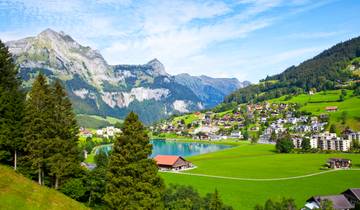
4 days
Switzerland 4-Day Tour: Alpine Classics (Jungfraujoch, Thermal Spa & Steep Funicular)
- ✓ Booking needs min. 2 travelers
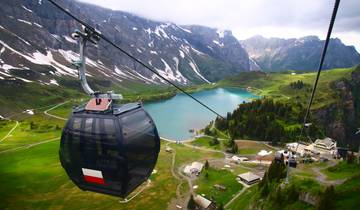
7 days
7 Days Swiss Icons: Zurich, Titlis, Lucerne & Rhine Falls
- ✓ Comprehensive Bern tour
- ✓ Expert local guides included
- ✓ All accommodation arranged
- ✓ Transportation provided
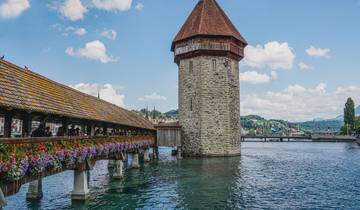
5 days
5 Day Lucerne Including Bern, Pilatus And 1 Day Zurich
- ✓ Comprehensive Bern tour
- ✓ Expert local guides included
- ✓ All accommodation arranged
- ✓ Transportation provided
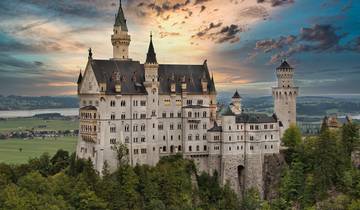
7 days
7 Days by Train in Munich & Zurich: Alpine Dreams & Bavarian Charms
- ✓ Comprehensive Bern tour
- ✓ Expert local guides included
- ✓ All accommodation arranged
- ✓ Transportation provided
Multi-day tour packages powered by TourRadar. Prices and availability subject to change.
Introduction to Visiting Bern in 2026
Bern stands apart from Switzerland’s larger cities through its remarkably preserved medieval character, intimate scale, and authentic local atmosphere that resists tourist commercialization. Unlike Zurich’s financial bustle or Geneva’s international formality, Switzerland’s de facto capital maintains the charm of a large town where residents still swim in the turquoise Aare River during lunch breaks, arcaded streets shelter independent shops rather than global chains, and the UNESCO-listed Old Town functions as a living neighborhood rather than an outdoor museum. This unique combination creates exceptional value for travelers seeking genuine Swiss experiences without premium Zurich pricing.
The city’s compact geography concentrates extraordinary cultural wealth within a easily walkable peninsula formed by the Aare River’s dramatic bend. Medieval sandstone buildings, 11 ornate Renaissance fountains, the country’s tallest cathedral spire, Einstein’s former apartment, world-class art collections, and the famous bear park all sit within 2 square kilometers, eliminating transport costs between attractions while creating natural opportunities for spontaneous discoveries down cobblestone side streets. This pedestrian-friendly layout, combined with the complimentary Bern Ticket for hotel guests and numerous free attractions, makes Bern Switzerland’s most accessible major city for budget-conscious travelers.
Bern’s strategic location in the heart of Switzerland positions visitors perfectly for day trips to iconic destinations throughout the Bernese Oberland region. The Jungfrau mountain massif, Interlaken’s adventure sports capital, Lakes Thun and Brienz, and dozens of Alpine villages lie within 30-90 minutes by train, while Zurich, Lucerne, Basel, and Lausanne are easily accessible for day visits. This geographic advantage allows travelers to maintain a single comfortable base with established routines and relationships while exploring Switzerland’s greatest highlights as convenient excursions, avoiding the inefficiency and expense of constant hotel changes.
Planning a 2026 visit requires understanding Bern’s seasonal dynamics, which dramatically affect costs and experiences. Summer delivers peak weather for outdoor activities and river swimming but brings accommodation costs 40-50% above shoulder season rates and significant crowding at major attractions. Spring and fall shoulder seasons offer the best overall value with pleasant temperatures, manageable tourist numbers, and hotel rates that make mid-range comfort affordable. Winter transforms the city into a Swiss fairytale with Christmas markets, snow-dusted architecture, and rock-bottom accommodation prices, though outdoor activities become limited and days are short.
This comprehensive guide provides the detailed practical information necessary to plan an efficient, economical, and deeply rewarding Bern experience in 2026. From accurate budget calculations across three spending tiers to neighborhood-by-neighborhood accommodation analysis, restaurant-specific dining strategies, attraction-by-attraction pricing, money-saving techniques, and complete sample itineraries, every section delivers actionable intelligence for maximizing your time and budget in Switzerland’s most underrated capital city.
Understanding Bern Costs and Budget Planning 2026
Switzerland’s reputation for high prices holds partially true in Bern, but strategic planning and understanding where costs concentrate allows travelers to control expenses far more effectively than in Zurich or Geneva. Accommodation and restaurant dining represent the primary expense categories, typically consuming 70-80% of daily budgets, while transportation costs often reduce to zero through the complimentary Bern Ticket. Many of the city’s finest attractions carry no admission fees, including the UNESCO Old Town itself, the bear park, Rosengarten panoramic viewpoint, riverside paths, all Renaissance fountains, and the Parliament Building exterior.
The pricing structure in Bern follows Switzerland’s general pattern where services cost significantly more than goods. Restaurant meals, accommodation, and guided tours demand premium pricing reflecting Swiss labor costs and standards, while supermarket groceries, bakery items, and self-catered meals cost only moderately above other European cities. This creates a clear cost-control strategy: accept accommodation expenses as unavoidable, minimize restaurant frequency by maximizing breakfast buffets and preparing some meals from supermarket ingredients, and prioritize free or low-cost attractions over expensive commercial tours.
Seasonal pricing variations in Bern create opportunities for 40-50% savings on identical experiences simply by timing your visit strategically. Peak summer months (July-August) command maximum accommodation rates with mid-range hotels reaching CHF 350-450 ($395-505) nightly, while identical rooms drop to CHF 200-280 ($225-315) during shoulder seasons and CHF 160-220 ($180-247) in winter. This seasonal differential means a couple sharing a mid-range hotel pays CHF 100-175 ($112-197) more per night in peak season – enough to fund an entire additional day of activities or upgrade dining quality substantially.
Understanding the Swiss franc-to-dollar exchange rate impact remains crucial for American travelers budgeting 2026 visits. Current exchange rates hover around CHF 0.89 per USD, meaning that prices stated in Swiss francs translate to slightly higher dollar amounts. Throughout this guide, prices appear first in Swiss francs (the actual local currency) followed by USD conversions in parentheses, recognizing that exchange rates fluctuate and travelers should verify current rates when finalizing budgets. The CHF values represent what you actually pay locally and remain stable; USD equivalents vary with exchange movements.
Accommodation Costs and Strategies Bern 2026
Accommodation represents the single largest expense category for Bern visitors, typically consuming 40-50% of total daily budgets. Understanding the neighborhood-price-quality matrix and booking strategies directly determines whether you achieve budget backpacker rates or pay luxury premiums for equivalent convenience and comfort. Bern’s compact size means virtually all accommodations provide excellent access to attractions, shifting selection criteria toward budget alignment, amenity preferences, and personal comfort standards rather than location advantages that dominate accommodation decisions in sprawling cities.
Budget Accommodation in Bern (CHF 45-160 / $50-180 Per Person Nightly)
Bern’s budget accommodation sector divides between genuine hostels offering dormitory beds at CHF 45-65 ($50-73) per person and budget hotels providing private rooms at CHF 120-180 ($135-202) per room (CHF 60-90 / $68-101 per person when two share). Bern Backpackers Hotel Glocke stands as the city’s premier hostel option, occupying a converted historic building 5 minutes walk from the train station with dormitory beds from CHF 48 ($54), private doubles from CHF 140 ($157), full kitchen facilities, common areas fostering social connections, and included breakfast. The central location, friendly atmosphere, and kitchen access make this the default choice for genuine budget travelers willing to accept hostel conditions.
Hotel-Pension Marthahaus represents the budget hotel category well, offering simple but clean private rooms with shared bathrooms from CHF 120 ($135) nightly in a quiet residential area 15 minutes walk from the Old Town. Rooms include basin sinks, basic furniture, and access to shared shower facilities, while the included breakfast buffet and free Bern Ticket provide solid value despite minimal amenities. Stay KooooK Bern City delivers a more modern budget experience with private rooms from CHF 140 ($157), contemporary design, shared kitchen facilities, and excellent reviews for cleanliness and staff helpfulness, positioning it between traditional hostels and standard hotels.
Budget travelers maximizing value should prioritize accommodations including breakfast in the room rate, immediately saving CHF 15-25 ($17-28) daily that restaurant breakfast costs would demand. The included breakfast typically features Swiss bread, cheese, cold cuts, yogurt, cereals, coffee, and juice – sufficient fuel for a full morning of sightseeing. Kitchen access in hostels and some budget hotels enables further savings by preparing simple dinners from supermarket ingredients, potentially reducing daily food costs from CHF 60-80 ($67-90) for all restaurant meals to CHF 35-50 ($39-56) with strategic self-catering.
Mid-Range Accommodation in Bern (CHF 280-420 / $315-472 Per Room Nightly)
Mid-range hotels in Bern deliver comfortable 3-4 star standards with private bathrooms, modern amenities, breakfast buffets, and professional service at prices significantly below Zurich equivalents. Hotel Bären Am Bundesplatz occupies a prime location directly on Parliament Square with renovated rooms from CHF 280 ($315), contemporary decor, excellent breakfast buffets, friendly multilingual staff, and walking distance to all central attractions. The combination of location, comfort, and fair pricing makes this a consistently recommended choice for mid-range travelers prioritizing convenience and quality.
Hotel Savoy Bern represents the upper mid-range category with exceptional guest ratings of 9.4/10, rooms from CHF 320 ($360), sophisticated contemporary design, premium breakfast service, and a location 400 meters from the train station providing instant access to both city attractions and regional train connections. The hotel’s attention to detail, helpful staff, and consistently high reviews justify the moderate premium over basic mid-range options. Ibis Styles Bern City offers more budget-conscious mid-range comfort with modern rooms from CHF 230 ($258), included breakfast, 24-hour fitness center, and a location 10 minutes walk from the Old Town that trades some convenience for better pricing.
Mid-range accommodation strategy in Bern centers on balancing location convenience against nightly rate differences. Hotels within 5 minutes of the Old Town or train station command CHF 40-80 ($45-90) premiums over equivalent quality properties 15-20 minutes away, but this premium often fails to justify itself given Bern’s exceptional walkability, the complimentary Bern Ticket eliminating any transport cost differentials, and the compact city size making even “distant” hotels easily accessible. Booking properties 10-15 minutes from the center can reduce accommodation costs 15-20% while sacrificing minimal convenience.
Seasonal pricing in the mid-range sector creates the most significant value opportunities for strategic travelers. Summer high season (June-August) pushes mid-range rooms to CHF 350-450 ($395-505), while identical properties drop to CHF 220-300 ($247-337) during spring/fall shoulder seasons and CHF 180-250 ($202-281) in winter. A couple staying three nights in shoulder season rather than peak summer saves CHF 390-450 ($438-505) on accommodation alone – enough to fund an additional travel day, upgrade all dining, or add premium attractions like Jungfraujoch excursions.
Luxury Accommodation in Bern (CHF 400-800+ / $450-900+ Per Room Nightly)
Luxury accommodation in Bern centers on several distinguished properties delivering five-star service, exceptional locations, premium amenities, and sophisticated atmospheres. Bellevue Palace Hotel stands as Bern’s most prestigious address with rooms from CHF 480 ($539), occupying a 1913 Belle Époque building directly across from Parliament with views toward the Alps, Michelin-quality dining, full-service spa, rooftop terrace, and impeccable service standards befitting Switzerland’s official government guest house. The hotel’s historical significance, architectural beauty, and unmatched central location justify premium pricing for travelers seeking Bern’s finest hospitality.
Hotel Schweizerhof Bern & Spa offers contemporary luxury with rooms from CHF 420 ($472), modern renovations preserving historical character, excellent spa facilities, Michelin-starred restaurant, and a location 3 minutes from the train station providing maximum convenience for arrival and regional excursions. Swissotel Kursaal Bern delivers a different luxury experience with rooms from CHF 380 ($427), stunning views across the Aare River toward the Old Town and Alps, casino access, riverside location perfect for morning runs, and a slightly quieter atmosphere away from the central bustle while maintaining 5-minute tram connections to all attractions.
Luxury travelers in Bern should consider whether the premium over upper mid-range options delivers proportional value given the city’s character and attraction types. Five-star hotels provide undeniable quality, but Bern’s appeal centers on walking medieval streets, visiting museums, and experiencing Swiss daily life rather than resort-style relaxation or high-society dining scenes where luxury accommodations most differentiate themselves. A couple spending three nights in luxury hotels pays CHF 1,200-2,400 ($1,348-2,696) for accommodation versus CHF 600-900 ($674-1,011) at excellent upper mid-range properties, with that CHF 600-1,500 ($674-1,685) differential potentially funding superior experiences elsewhere in Switzerland.
Booking Strategies and Money-Saving Tips for Bern Accommodation 2026
Advance booking delivers the most reliable savings in Bern’s accommodation market, with properties offering early-bird rates 15-25% below last-minute prices during high season. Booking 3-6 months ahead for summer visits or major events provides maximum selection and best rates, while shoulder season visits permit shorter booking windows of 4-8 weeks without significant premium. Flexible cancellation policies add minimal costs (typically CHF 10-20 / $11-22 extra) but provide valuable insurance against itinerary changes, weather concerns, or better deals appearing.
Direct booking through hotel websites sometimes yields better rates than third-party platforms, particularly for Swiss independent hotels valuing direct relationships over platform commissions. Always compare hotel website prices against Booking.com, Expedia, and Hotels.com after searching aggregators, and email hotels directly mentioning competitor rates when seeking price matching or upgrades. Many Bern hotels offer complimentary room upgrades to repeat guests or during low-occupancy periods, with polite requests at check-in sometimes securing better rooms at no additional cost.
Package deals combining accommodation with Swiss Travel Passes or Berner Oberland Passes occasionally deliver savings versus separate bookings, particularly for 5-7 day visits including regional excursions. Carefully calculate actual component costs before accepting package pricing, as packages sometimes bundle unnecessary elements or lock travelers into inflexible itineraries without meaningful savings. The Swiss Travel Pass independence often proves more valuable than small package discounts when maximizing spontaneous flexibility and daily attraction choices.
Dining and Food Costs in Bern 2026
Food represents Bern’s second-largest expense category but offers far greater cost control than accommodation through strategic meal planning, timing awareness, and understanding the lunch-dinner pricing differential. Swiss restaurants universally charge 40-60% more for identical dishes at dinner versus lunch, creating a simple money-saving strategy: eat your main meal during lunch when many quality restaurants offer Mittagsmenü specials, then opt for simpler evening options from supermarkets, bakeries, or casual takeaway establishments.
Budget Dining Strategies in Bern (CHF 40-65 / $45-73 Daily Per Person)
Budget travelers maintaining CHF 40-65 ($45-73) daily food costs achieve this through strategic supermarket shopping, maximizing included hotel breakfasts, selecting lunch specials over dinner dining, and occasional bakery or street food purchases. Migros and Coop supermarkets anchor this approach with ready-made sandwiches CHF 6-10 ($7-11), fresh bread CHF 3-5 ($3-6), excellent cheese and cold cut selections CHF 8-15 ($9-17), yogurt and fruit CHF 5-8 ($6-9), and prepared salads CHF 8-12 ($9-13) enabling complete meals for CHF 15-25 ($17-28) when assembled strategically.
Bakeries (Bäckerei) throughout Bern offer exceptional value for breakfast and lunch with fresh croissants CHF 2-4 ($2-4), filled sandwiches CHF 7-10 ($8-11), pretzels CHF 2-3 ($2-3), and daily pastries CHF 3-6 ($3-7). Artisanal bakeries near the Old Town provide superior quality worth seeking out, with establishments along Kramgasse and Gerechtigkeitsgasse offering traditional Swiss baked goods at fair prices. Purchasing a morning coffee and pastry from bakeries costs CHF 6-9 ($7-10) versus CHF 12-18 ($13-20) at cafés for identical items.
Budget-conscious lunch options include Mittagsmenü specials at local restaurants offering main courses with soup or salad for CHF 20-28 ($22-31), substantially below CHF 35-50 ($39-56) evening pricing for equivalent meals. Restaurants in university areas and working neighborhoods price more competitively than Old Town tourist zones, with establishments along Länggasse and around Helvetiaplatz offering quality Swiss and international cuisine at accessible prices. Street food vendors selling Bratwurst with bread charge CHF 8-12 ($9-13), providing quick, filling meals perfect for active sightseeing days.
Mid-Range Dining in Bern (CHF 75-120 / $84-135 Daily Per Person)
Mid-range dining budgets enable comfortable restaurant meals while mixing cost-control strategies to maintain reasonable daily totals. A typical day includes bakery or café breakfast CHF 12-18 ($13-20), restaurant lunch with drinks CHF 25-40 ($28-45), and dinner at quality establishments CHF 40-65 ($45-73), totaling CHF 77-123 ($86-138) with strategic choices. This budget supports genuine Swiss dining experiences including cheese fondue CHF 32-42 ($36-47) per person, traditional Bernese specialties like Berner Platte CHF 38-52 ($43-58), quality pasta dishes CHF 24-36 ($27-40), and fish or meat mains CHF 35-55 ($39-62).
Mid-range restaurant selection in Bern rewards exploration beyond immediate Old Town boundaries where tourist-focused establishments charge 20-30% premiums for location rather than quality. The Länggasse neighborhood north of the train station hosts numerous excellent restaurants serving authentic cuisine at fair prices, while areas around Kornhausplatz and along the Aare riverfront balance quality, atmosphere, and value effectively. Lorenzini represents classic mid-range Italian dining with pasta CHF 24-32 ($27-36), pizzas CHF 22-30 ($25-34), and warm hospitality, while Tramway offers Swiss specialties including the famous cordon bleu CHF 33 ($37) with generous portions justifying the price.
Wine and beverages significantly impact restaurant costs in Switzerland with glasses of wine CHF 8-14 ($9-16), beer CHF 6-9 ($7-10), and soft drinks CHF 4-6 ($4-7). Ordering tap water (Hahnenwasser) remains free and perfectly safe, immediately saving CHF 6-8 ($7-9) per person versus bottled water charges. Many restaurants automatically serve bottled water unless explicitly requesting tap water, so proactively asking for “Hahnenwasser bitte” prevents unnecessary charges while maintaining hydration.
Luxury Dining in Bern (CHF 140-250+ / $157-281+ Daily Per Person)
Luxury dining in Bern centers on Michelin-quality establishments, gourmet Swiss cuisine, exceptional wine pairings, and refined atmospheres worthy of special occasion dining. Restaurant Meridiano at Hotel Schweizerhof holds one Michelin star with tasting menus from CHF 180 ($202), innovative interpretations of Swiss ingredients, extensive wine cellar, and impeccable service. Jack’s Brasserie at Hotel Schweizerhof offers more casual fine dining with mains CHF 48-72 ($54-81), excellent steaks, seafood specialties, and a sophisticated brasserie atmosphere perfect for celebration dinners.
Traditional Swiss fine dining experiences like fondue or raclette at upscale establishments cost CHF 55-75 ($62-84) per person with premium cheese selections, quality wines, and refined presentations elevating simple peasant dishes to gourmet experiences. Multi-course tasting menus at Bern’s finest restaurants range CHF 120-200 ($135-225) without wine pairings, with wine pairings adding CHF 60-100 ($67-112) depending on selections. These prices align with Michelin-quality dining elsewhere in Switzerland while remaining 20-30% below Zurich or Geneva equivalents.
Luxury travelers should recognize that Bern’s culinary scene, while excellent, doesn’t match Zurich or Geneva’s Michelin density or international haute cuisine variety. The city offers several outstanding restaurants delivering memorable dining experiences, but travelers seeking cutting-edge molecular gastronomy or extensive Michelin three-star options should consider Zurich excursions for premier dining while maintaining Bern as their base for other experiences. This approach maximizes value by paying Bern’s lower accommodation and general costs while accessing Zurich’s superior dining scene selectively.
Supermarkets, Markets, and Self-Catering Options in Bern 2026
Migros and Coop supermarkets dominate Bern’s grocery landscape with multiple locations throughout the city center offering comprehensive selections, fair pricing, and excellent prepared food sections. The Migros at Marktgasse in the Old Town provides maximum convenience with extensive ready-made meal options, fresh bakery section, comprehensive cheese and cold cut counters, quality produce, and Swiss specialty items. Coop operates similar full-service locations with slightly higher prices but broader organic selections and Coop restaurant sections offering hot meals.
Typical supermarket prices in Bern include fresh bread CHF 3-6 ($3-7), quality Swiss cheese CHF 18-32 ($20-36) per kilogram, cold cuts CHF 15-28 ($17-31) per kilogram, yogurt CHF 1.5-3 ($2-3) per container, seasonal fruit CHF 3-7 ($3-8) per kilogram, prepared sandwiches CHF 6-11 ($7-12), and ready-made salads CHF 7-13 ($8-15). Strategic shopping enables complete picnic meals for two persons costing CHF 20-30 ($22-34) total – less than one person’s restaurant main course – while providing excellent quality Swiss products.
Bern’s weekly markets offer fresh produce, artisanal cheeses, baked goods, flowers, and local specialties with atmosphere and quality exceeding supermarket equivalents. The Tuesday and Saturday markets on Bundesplatz and surrounding areas create vibrant shopping experiences with farmers selling directly, cheese makers offering samples, bakers providing fresh-from-oven products, and vendors explaining regional specialties. Prices align roughly with supermarkets but superior freshness and local character justify any minimal premiums.
Transportation Costs and Getting Around Bern 2026
Transportation in Bern represents the budget category offering maximum savings potential through the complimentary Bern Ticket system and the city’s exceptional walkability. Most visitors spending 2-4 days in Bern incur zero local transport costs by walking the compact Old Town and using the free Bern Ticket for reaching peripheral attractions, restaurants, or accommodations outside immediate walking range. This contrasts sharply with cities requiring expensive metro passes, taxi fares, or complex transit calculations, positioning Bern as Switzerland’s most transport-economical major destination.
The Bern Ticket: Free Public Transport for Hotel Guests 2026
The Bern Ticket represents the city’s most valuable visitor benefit, providing unlimited free public transport throughout zones 100 and 101 (covering all city attractions and accommodations) for your entire stay. Hotels, hostels, guesthouses, and apartment rentals automatically provide Bern Tickets at check-in, valid from arrival day through departure day, eliminating any need to purchase transit tickets for local movements. This single benefit saves CHF 13 ($15) daily per person versus purchasing day passes, totaling CHF 39-91 ($44-102) for typical 3-7 day visits.
Zone 100/101 coverage includes all tram and bus lines serving central Bern, extending to suburbs like Köniz, Ostermundigen, and Muri bei Bern, plus the Marzilibahn funicular connecting Parliament to the riverside and the Gurtenbahn funicular ascending to Gurten mountain. This extensive coverage means virtually all attractions, restaurants, and visitor facilities lie within free transport access. Only regional trains to destinations beyond Bern city (Interlaken, Thun, Fribourg) require separate tickets, with the Bern Ticket ending at Bern’s administrative boundaries.
Activating and using the Bern Ticket involves simply presenting the card during occasional ticket inspections on trams and buses. No validation or scanning required – possession of a valid Bern Ticket for the current date serves as proof of fare payment. Ticket inspectors board vehicles randomly, checking passengers systematically, and accepting Bern Tickets as equivalent to purchased tickets. The Marzilibahn and Gurtenbahn funiculars scan Bern Tickets at entry gates, automatically granting free passage to ticket holders.
Walking Bern: The Primary Transportation Mode 2026
Walking serves as the optimal transportation method for experiencing Bern’s Old Town and central attractions, with the UNESCO-listed medieval center spanning approximately 1.5 kilometers east-west and 800 meters north-south. The Bear Park, Cathedral, Zytglogge clock tower, Einstein House, Parliament Building, Bundesplatz, Kramgasse shopping street, and riverside areas all lie within a 20-minute walking circuit from the train station. This compact geography eliminates practical need for any transport when sightseeing the historic core.
Bern’s arcaded streets (Lauben) provide weather-protected walking routes covering 6 kilometers of continuous arcades throughout the Old Town – Europe’s longest covered shopping promenade. These covered walkways enable comfortable year-round walking regardless of rain or snow, transforming Bern into Switzerland’s most pedestrian-friendly major city. The arcades also host shops, cafés, restaurants, and architectural details rewarding slow exploration impossible when using vehicular transport.
The Rose Garden (Rosengarten) panoramic viewpoint sits 100 vertical meters above the Old Town, accessible via a 15-minute uphill walk from the Bear Park or a quick ride on the free-with-Bern-Ticket bus 10. The climb rewards visitors with Bern’s finest cityscape views toward the medieval center and Alpine backdrop, plus beautiful rose gardens, playground facilities, and a café serving refreshments. Walking up and riding down (or vice versa) provides good exercise while minimizing effort through strategic use of free transport.
Public Transport Options Beyond the Bern Ticket 2026
Visitors extending beyond zones 100/101 into surrounding regions require additional transit tickets purchased through LIBERO fare network ticket machines at tram stops, bus stations, or the train station. Single tickets for zones 100/101 cost CHF 4.60 ($5) for adults without Bern Tickets, while day passes covering the same zones cost CHF 13 ($15). Regional expansions adding nearby zones increase proportionally, with zone 100-106 coverage (reaching Thun) costing CHF 21 ($24) for day passes.
The Swiss Travel Pass provides unlimited travel on trains, buses, boats, and mountain railways throughout Switzerland plus free admission to over 500 museums, making it valuable for visitors combining Bern with extensive regional exploration. Passes cost CHF 272 ($306) for 3 consecutive days, CHF 332 ($373) for 4 days, CHF 404 ($454) for 8 days, or CHF 488 ($548) for 15 days in second class, with 25% discounts for travelers under 26 years old. Calculate actual planned journey costs before purchasing to confirm value.
Regional day trips from Bern to popular destinations cost: Interlaken CHF 36 ($40) round-trip, Jungfraujoch CHF 240 ($270) round-trip including mountain trains, Lake Thun boat cruises CHF 46 ($52) round-trip, Grindelwald CHF 48 ($54) round-trip, and Lucerne CHF 62 ($70) round-trip. These individual ticket costs quickly justify Swiss Travel Pass investment for travelers making 2-3 major excursions, while those staying primarily in Bern find better value in selective ticket purchases as needed.
Attraction Costs and Major Sights in Bern 2026
Bern’s attraction pricing structure favors visitors significantly through numerous free or low-cost major sights combined with reasonable admission fees at premium museums. Unlike European capitals charging €15-25 for every major museum or monument, Bern provides its most iconic attractions – the UNESCO Old Town itself, Bear Park, Rosengarten viewpoint, all Renaissance fountains, riverside paths, and Parliament exterior – completely free. Paid attractions concentrate in specialized museums and niche cultural institutions, with most charging CHF 10-18 ($11-20) and offering good value relative to content quality and curation standards.
Free Attractions in Bern Worth Extended Visits 2026
The UNESCO World Heritage Old Town represents Bern’s premier free attraction and deserves minimum half-day exploration to appreciate architectural details, medieval street patterns, 16th-century fountains, arcaded shopping streets, and the overall urban character earning World Heritage status. The six-kilometer arcade network sheltering continuous covered walkways, the 11 ornate Renaissance fountains depicting historical and allegorical figures, and the exceptionally preserved sandstone buildings create an atmospheric historical environment rivaling any paid museum. Budget 3-4 hours minimum for comprehensive walking exploration including Kramgasse, Gerechtigkeitsgasse, Münstergasse, and Junkerngasse main streets.
The Bear Park (BärenPark) provides free viewing of Bern’s symbolic animals in a modern 6,000-square-meter riverside enclosure replacing the cramped historical bear pit. Four bears currently inhabit the naturalistic environment featuring forest sections, swimming areas, and viewing platforms allowing excellent observation opportunities. The park operates daily year-round with no admission charge, opening dawn to dusk with optimal bear activity during morning and late afternoon feeding times. Adjacent historic bear pit remains viewable for historical context showing previous captivity conditions.
The Rosengarten (Rose Garden) delivers Bern’s finest panoramic cityscape views absolutely free from an elevated park 100 vertical meters above the Old Town featuring 220 rose varieties, playground facilities, peaceful walking paths, and a restaurant terrace. The viewpoint encompasses the entire medieval peninsula with cathedral spire, red-tiled rooftops, Aare River bend, and Alpine backdrop creating Switzerland’s most photogenic capital cityscape. Visit sunrise or sunset for optimal lighting conditions and fewer tourists, or midday for brilliant rose colors during May-October blooming season.
The Parliament Building (Bundeshaus) exterior and terraces provide free access to Switzerland’s political center with impressive Belle Époque architecture, the Bundesplatz plaza hosting fountain shows and markets, and viewing terraces overlooking the Aare valley. Free guided tours operate when Parliament sessions don’t conflict, requiring advance booking through the visitor center but delivering fascinating insights into Swiss direct democracy, building history, and governmental processes. The Friday morning Bundesplatz market and summer evening fountain light shows add free entertainment enhancing the Parliament experience.
Paid Attractions Worth the Investment 2026
The Bern Cathedral (Berner Münster) charges CHF 5 ($6) for tower access climbing 254 steps to Switzerland’s tallest church spire at 100 meters elevation, delivering exceptional 360-degree panoramas encompassing the Old Town, Aare River, surrounding countryside, and Alpine horizon. The cathedral interior remains free to visit with remarkable Late Gothic architecture, stunning stained glass windows including the famous Dance of Death series, ornate Last Judgment portal sculpture, and magnificent 18th-century organ. The tower climb requires moderate fitness but rewards with views justifying the minimal admission fee through unique aerial perspectives impossible to obtain elsewhere in Bern.
The Einstein Museum within the Bernisches Historisches Museum costs CHF 18 ($20) for combined admission covering both Albert Einstein’s biographical exhibition and the Historical Museum’s extensive collections of archaeology, history, and ethnography. The Einstein component chronicles his Bern years (1903-1905) when developing groundbreaking physics theories in a Kramgasse apartment, while the Historical Museum showcases 500,000 objects spanning Stone Age to present including Burgundian tapestries, medieval weapons, Asian art, and Swiss cultural artifacts. Budget 2-3 hours for thorough exploration of both museum components.
The Zentrum Paul Klee features over 4,000 works by Bern-born artist Paul Klee within three undulating halls designed by Renzo Piano, charging CHF 20 ($22) for adults with rotating exhibitions complementing the permanent collection. The museum architecture itself merits attention as a contemporary masterpiece integrating landscape, while the extensive Klee holdings enable deep appreciation of his artistic evolution. Special temporary exhibitions occasionally incur surcharges, while educational programs, concerts, and children’s activities expand the museum’s cultural programming beyond static displays.
The Museum of Communication explores telecommunications history, postal systems, and media evolution through interactive exhibits costing CHF 15 ($17) for adults with English-language information supporting international visitors. The museum emphasizes hands-on experiences over passive observation, making it particularly engaging for families with children interested in technology and communication. Temporary exhibitions addressing contemporary digital issues complement permanent collections tracing communication development from postal carriages to smartphones.
Museum Passes and Discount Strategies 2026
The Swiss Museum Pass provides unlimited admission to over 500 museums throughout Switzerland for CHF 219 ($246) annually or CHF 143 ($161) for combined couples passes, delivering excellent value for visitors planning extensive museum exploration across multiple cities or returning to Switzerland regularly. The pass covers all Bern museums including Einstein Museum, Zentrum Paul Klee, Museum of Communication, Art Museum, and Natural History Museum, plus hundreds more throughout the country. Calculate planned museum visits to confirm value – visiting 8-10 museums across Switzerland during a two-week trip easily justifies the pass investment.
The Swiss Travel Pass includes free admission to the same 500+ museums covered by the Museum Pass while also providing unlimited public transport, creating dual value for visitors combining regional travel with museum interests. This pass proves particularly valuable for 7-14 day Swiss itineraries incorporating Bern as part of broader exploration, essentially providing free museum access as a bonus to the primary transport benefits. Compare Swiss Travel Pass costs against combined individual transport and museum tickets to confirm savings.
Individual museum discount strategies include visiting on first Sundays of each month when some Bern museums offer reduced admission or free entry, though policies vary by institution requiring specific checking. Student, senior, and family discounts apply at most museums with 20-40% reductions available upon presenting valid identification. Afternoon-only tickets sometimes offer modest savings at larger museums for visitors arriving after 2-3 PM, though reduced hours limit exhibition time available.
Day Trip Options from Bern 2026
Bern’s central Swiss location and excellent train connections position the city ideally as a base for exploring iconic destinations throughout the Bernese Oberland, Central Switzerland, and neighboring regions. Day trips ranging from 30-minute to 2-hour rail journeys access dramatic Alpine scenery, pristine lakes, charming towns, and legendary mountain excursions, with convenient return evening connections maintaining Bern accommodation while maximizing regional exploration. This multi-day base strategy eliminates constant hotel changes, enables relationship building with favorite local restaurants, and typically saves 20-30% on accommodation costs versus constantly moving between destinations.
Jungfraujoch: Top of Europe Day Trip 2026
The Jungfraujoch excursion represents Switzerland’s most famous mountain railway journey, ascending to 3,454 meters elevation for dramatic high-Alpine experiences including glacier views, ice palace, observation platforms, and the highest railway station in Europe. Round-trip tickets from Bern cost CHF 240 ($270) including all required trains and mountain railways via Interlaken and Grindelwald or Lauterbrunnen, with departures beginning 6-7 AM for full-day experiences allowing 2-3 hours at the summit. Swiss Travel Pass holders receive 25% discounts reducing costs to CHF 180 ($202), while Half-Fare Card holders pay CHF 120 ($135).
The journey requires approximately 2.5 hours each direction with stunning scenery throughout, making the travel itself a significant attraction component rather than mere logistics. Morning departures enable summit arrival around 9-10 AM before peak crowding intensifies, while afternoon return journeys allow flexibility for additional Lauterbrunnen or Grindelwald exploration. Weather checking proves essential as clouds can obscure views entirely, with postponing to clear-weather days always preferable to experiencing nothing at high cost. The Swiss railway website and app provide real-time weather conditions at Jungfraujoch for informed planning.
Interlaken and Lake Thun/Brienz Day Trips 2026
Interlaken sits 55 minutes from Bern by direct train with departures every 30 minutes, serving as the adventure sports capital offering paragliding CHF 170-220 ($191-247), skydiving CHF 360-440 ($405-494), canyon rappelling CHF 120-160 ($135-180), and scenic lake cruises CHF 46-92 ($52-103). The town itself provides shopping streets, mountain views between the Harder and Schilthorn peaks, and easy access to both Lake Thun and Lake Brienz for boat excursions. Budget CHF 36 ($40) round-trip train fare plus activity costs, or visit with Swiss Travel Pass for free transport and boat cruises.
Lake Thun and Lake Brienz boat cruises operate throughout summer (May-October) with vintage steamers and modern vessels providing 2-4 hour scenic journeys past waterfront castles, charming villages, and mountain backdrops. Cruises cost CHF 46-92 ($52-103) for various routes when purchased separately, or travel free with Swiss Travel Pass. The combination of Bern-Interlaken train, Lake Thun boat to Spiez or Thun, and return train creates a classic circular day trip showcasing lakes, mountains, and towns efficiently.
Grindelwald and Lauterbrunnen Valley Day Trips 2026
Grindelwald village beneath the Eiger North Face provides classic Swiss Alpine atmosphere, excellent hiking trails, cable car access to First mountain CHF 64 ($72) round-trip, and stunning glacier views all reachable 90 minutes from Bern via Interlaken. The village supports easy half-day or full-day visits with abundant restaurants, shops, and walking routes suitable for all fitness levels. First mountain delivers adventure activities including cliff walk, zip line, and mountain cart racing beyond basic sightseeing, appealing to active travelers seeking adrenaline experiences alongside scenery.
Lauterbrunnen Valley features 72 waterfalls cascading from cliffs surrounding one of Switzerland’s most dramatic valleys, with Staubbach Falls dropping 297 meters near the village center. The valley floor enables easy flat walking or cycling between villages while the Schilthorn cable car CHF 116 ($130) round-trip accesses the revolving Piz Gloria restaurant at 2,970 meters made famous by James Bond filming. Day trips combine valley floor waterfalls, village atmosphere, optional Schilthorn or Mürren excursions, and return to Bern within 6-8 hours total travel time.
Lucerne, Thun, and Other Day Trip Possibilities 2026
Lucerne lies 90 minutes from Bern by direct train with departures every 30 minutes, offering Chapel Bridge, lakefront promenades, old town charm, and Mount Pilatus or Rigi excursions as comprehensive day trip opportunities. The city merits full-day visits with extensive attractions justifying early departure and evening return, though some travelers prefer multi-night Lucerne stays given the content density. Round-trip train tickets cost CHF 62 ($70) or travel free with Swiss Travel Pass.
Thun sits 30 minutes from Bern by train with medieval castle CHF 10 ($11) admission, charming old town streets, Lake Thun waterfront, and boat connections enabling short day trips or pleasant half-day excursions. The proximity makes Thun ideal for weather-dependent flexible visits, where morning Bern activities can pivot to Thun exploration if conditions favor outdoor lakeside experiences. The castle museum showcases local history, weapons collections, and provides tower views across the town and lake.
Fribourg, Solothurn, and Basel represent additional day trip possibilities ranging 30-75 minutes from Bern, each offering distinct character: Fribourg’s medieval bilingual atmosphere, Solothurn’s baroque architecture and Italian influences, Basel’s contemporary art scene and Rhine River culture. These destinations suit travelers spending 5-7+ days in Bern seeking variety beyond the primary Bernese Oberland mountain destinations, or visitors with specific architectural, cultural, or artistic interests aligned with these cities’ specializations.
Sample Budget Breakdown: 3-Day Bern Visit 2026
This comprehensive budget breakdown demonstrates actual costs for a 3-day/2-night Bern visit across budget, mid-range, and luxury spending tiers. Each sample represents realistic expenses a couple would encounter, assuming two adults sharing accommodation and including all major cost categories from arrival to departure. These calculations follow the verified cost ranges established in detailed sections above, providing practical planning frameworks for different traveler preferences and financial capacities.
Budget 3-Day Bern Itinerary Costs 2026
Budget travelers sharing accommodation and controlling food costs through strategic supermarket shopping, lunch specials, and free attractions can experience comprehensive Bern exploration for CHF 345-525 ($388-590) per person covering three days and two nights. Accommodation in hostel dormitory or budget hotel two nights costs CHF 120-160 ($135-180) total, meals approximately CHF 130-180 ($146-202) total for six meals (breakfast, lunch, dinner × 2 days), attractions CHF 20-30 ($22-34) for selective paid entries like cathedral tower and one museum, transport CHF 0 with Bern Ticket, plus CHF 75-155 ($84-174) for optional regional excursion like Thun half-day trip.
Day 1 involves arrival at Bern train station, walking to hostel or budget hotel for check-in and Bern Ticket collection, supermarket picnic lunch from Migros CHF 12 ($13) per person, afternoon exploring UNESCO Old Town and free fountains, cathedral exterior, and Kramgasse shopping street, budget restaurant dinner with Swiss specialties CHF 28 ($31) per person, and evening walk along Aare riverside paths. Total daily cost approximately CHF 100-125 ($112-140) per person including accommodation portion.
Day 2 features included hotel breakfast, morning Bear Park visit (free) and Rosengarten viewpoint (free) with city panoramas, bakery lunch CHF 10 ($11) per person, afternoon Einstein House CHF 8 ($9) plus Historical Museum CHF 18 ($20) combined ticket, supermarket-assembled dinner picnic at riverside CHF 15 ($17) per person, and optional evening Parliament Building visit (free). Total daily cost approximately CHF 115-140 ($129-157) per person including accommodation portion.
Day 3 includes breakfast, cathedral tower climb CHF 5 ($6), Aare River swimming (summer only, free) or museum visits, lunch special at local restaurant CHF 22 ($25), afternoon optional Thun half-day excursion CHF 38 ($43) round-trip train plus castle CHF 10 ($11), returning Bern evening for departure. Total daily cost approximately CHF 130-165 ($146-185) per person without accommodation (checkout day).
Mid-Range 3-Day Bern Itinerary Costs 2026
Mid-range travelers balancing comfort, convenience, and reasonable costs can achieve quality Bern experiences for CHF 735-1,035 ($826-1,163) per person across three days and two nights. Accommodation in comfortable 3-star hotel two nights costs CHF 280-360 ($315-405) total, meals approximately CHF 240-330 ($270-371) for restaurant dining with lunch specials and moderate dinner choices, attractions CHF 50-80 ($56-90) covering multiple museums and premium experiences, transport CHF 0 with Bern Ticket, plus CHF 165-265 ($185-298) for Jungfraujoch or premium regional excursion with Swiss Travel Pass discounts.
Day 1 begins with train arrival, taxi to mid-range hotel if carrying significant luggage CHF 25 ($28), hotel check-in with Bern Ticket provision, lunch at quality Old Town restaurant with local specialties CHF 35 ($39) per person, afternoon UNESCO Old Town comprehensive walking exploration including fountains and arcades, dinner at recommended restaurant with Swiss wine CHF 55 ($62) per person, and evening stroll or Parliament light show (seasonal). Total daily cost approximately CHF 235-280 ($264-315) per person including accommodation portion.
Day 2 features substantial hotel breakfast buffet (included), morning cathedral visit and tower climb CHF 5 ($6), Einstein Museum CHF 18 ($20), café coffee break CHF 6 ($7), lunch at Italian restaurant with pasta and wine CHF 32 ($36) per person, afternoon Zentrum Paul Klee CHF 20 ($22) or Natural History Museum CHF 8 ($9), dinner at mid-range establishment featuring regional cuisine CHF 48 ($54) per person with drinks, and optional evening Parliament tour (free but advance booking required). Total daily cost approximately CHF 265-305 ($298-343) per person including accommodation portion.
Day 3 includes breakfast, morning Rosengarten visit (free) and final Old Town shopping, lunch restaurant CHF 30 ($34) per person, afternoon Jungfraujoch excursion departing 1 PM (half-day option) CHF 180 ($202) with Swiss Travel Pass discount, returning Bern evening for departure next morning or late evening departure same day. Total daily cost approximately CHF 235-450 ($264-506) per person without accommodation, depending on excursion choice.
Luxury 3-Day Bern Itinerary Costs 2026
Luxury travelers seeking premium experiences, finest dining, exclusive access, and superior comfort achieve comprehensive Bern immersion for CHF 1,545-2,265 ($1,736-2,545) per person across three days and two nights. Accommodation at Bellevue Palace or equivalent five-star property two nights costs CHF 560-800 ($630-900) total, meals approximately CHF 420-675 ($472-758) including gourmet restaurant experiences and Michelin-quality dining, attractions CHF 100-150 ($112-169) covering all museums plus guided private tours, transport CHF 60-100 ($67-112) including airport transfers and occasional taxis, plus CHF 405-540 ($455-607) for premium excursions with first-class rail and private guides.
Day 1 begins with private airport transfer from Bern-Belp airport or Zurich airport CHF 150-300 ($169-337) depending on origin, luxury hotel check-in with suite upgrade request, lunch at hotel restaurant or nearby fine dining establishment CHF 75 ($84) per person, afternoon private guided Old Town walking tour CHF 200 ($225) for two-person couple with expert local guide, dinner at Michelin-starred restaurant with wine pairing CHF 180 ($202) per person, and return to hotel for spa or lounge. Total daily cost approximately CHF 555-840 ($623-944) per person including accommodation portion.
Day 2 features luxury breakfast buffet or room service (included), morning private museum tour at Einstein Museum and Historical Museum CHF 150 ($169) for couple with curator commentary, café pause at exclusive Old Town establishment CHF 12 ($13) per person, lunch at gourmet Swiss restaurant CHF 85 ($95) per person with premium wine selection, afternoon Zentrum Paul Klee with private viewing time CHF 100 ($112) arranged through concierge, spa treatments at hotel CHF 120-180 ($135-202) per person, and dinner at Bellevue Palace Michelin restaurant CHF 160 ($180) per person with tasting menu. Total daily cost approximately CHF 625-825 ($702-927) per person including accommodation portion.
Day 3 includes breakfast, morning helicopter tour over Bernese Alps CHF 450 ($505) for couple covering Eiger, Jungfrau, and Aletsch glacier with champagne service, return for lunch at exclusive restaurant CHF 90 ($101) per person, afternoon final shopping at luxury boutiques and departure with private car transfer CHF 100 ($112) to train station or airport. Total daily cost approximately CHF 365-600 ($410-674) per person without accommodation.
Money-Saving Tips and Strategies for Bern 2026
Strategic travelers implementing proven cost-control techniques consistently reduce Bern expenses 30-50% below undisciplined spending while maintaining or enhancing experience quality through smarter choices rather than reduced consumption. The key insight: Switzerland’s high prices affect services far more than goods, creating opportunities to shift spending from expensive restaurant meals and commercial tours toward affordable supermarket food, self-guided exploration, and free attractions without sacrificing authentic Swiss experiences or cultural depth.
Timing visits for shoulder seasons (April-May, September-October) delivers the single largest cost reduction, immediately cutting accommodation expenses 30-40% versus peak summer while maintaining excellent weather, full attraction accessibility, and actually superior sightseeing conditions with fewer crowds. A couple spending four nights in Bern during September versus July saves CHF 400-600 ($450-674) on identical hotel quality simply through calendar awareness, with that differential funding substantial additional experiences like Jungfraujoch excursions, museum visits, or restaurant upgrades.
Maximizing included hotel breakfast buffets prevents CHF 15-25 ($17-28) per person daily restaurant breakfast costs while providing substantial food for active morning sightseeing. Many Swiss breakfast buffets offer exceptional quality and variety including fresh bread, multiple cheese varieties, quality cold cuts, yogurt, cereals, fruit, and unlimited coffee – easily enough nutrition to sustain exploration until lunch. Some budget travelers discreetly prepare sandwiches from breakfast buffet items for trail lunches, though this practice violates hotel policies and isn’t recommended despite widespread occurrence.
Lunch specials (Mittagsmenü) provide 40-60% savings versus identical dinner portions at the same restaurants, with quality Swiss establishments offering daily lunch menus CHF 20-30 ($22-34) featuring soup or salad, main course, and sometimes dessert or coffee. Structuring days around substantial lunch meals followed by light supermarket-assembled dinners maintains restaurant dining experiences while controlling costs. This pattern also aligns with European dining culture where lunch traditionally serves as the main meal.
Swiss tap water (Hahnenwasser) equals bottled water quality, costs nothing, and prevents CHF 6-8 ($7-9) per person restaurant water charges when explicitly requested. Many restaurants automatically serve bottled water unless customers proactively ask “Hahnenwasser bitte” (tap water please), making this simple phrase worth memorizing for consistent savings. Carrying a reusable water bottle and refilling at public fountains throughout Bern maintains hydration at zero cost while reducing plastic waste.
The Bern Ticket for hotel guests eliminates all local transport costs, saving CHF 13 ($15) daily per person versus purchasing day passes. This benefit alone justifies booking official accommodations versus informal arrangements, as the transport savings quickly offset any room rate differences. Ensure your accommodation participates in the Bern Ticket program by confirming during booking, though virtually all hotels, hostels, and legal guesthouses participate.
Picnic meals assembled from supermarket ingredients cost CHF 15-25 ($17-28) per person for generous portions versus CHF 35-65 ($39-73) restaurant meals of comparable quality. Bern’s beautiful riverside parks, Rosengarten terraces, and countless Old Town squares provide atmospheric picnic settings exceeding most restaurant ambiance, transforming cost-saving strategies into experience-enhancing choices. Supermarkets stock excellent bread, cheese, cold cuts, prepared salads, and desserts enabling varied picnic menus across multi-day stays.
Free walking tours operating on tip-basis provide expert local guides and comprehensive city orientation for CHF 10-20 ($11-22) suggested donations versus CHF 30-50 ($34-56) formal tour prices. Tours typically last 2-3 hours covering Old Town highlights, historical context, local culture, and insider recommendations. Guides work for tips, so quality service earns appropriate compensation, but the voluntary payment structure makes tours accessible to tight budgets while maintaining guide incentives through tipping culture.
Museum passes or Swiss Travel Passes deliver value for visitors planning extensive museum visits or regional excursions, but many travelers overestimate usage and purchase passes that never break even versus individual tickets. Calculate actual planned museum entries and train journeys before purchasing, comparing total individual ticket costs against pass prices. Passes only make financial sense when actual usage exceeds the break-even point; otherwise they waste money while creating psychological pressure to visit attractions just to justify the purchase.
Where to Stay in Bern: Neighborhood Guide 2026
Bern’s compact size means neighborhood selection matters less for sightseeing convenience than in sprawling cities, but distinct area characteristics still influence accommodation experiences regarding atmosphere, restaurant density, noise levels, and specific amenities. Understanding neighborhood personalities enables better matching between traveler preferences and location choices, while recognizing that all neighborhoods provide excellent Old Town access within 10-20 minutes walking or quick free tram rides with Bern Tickets.
Old Town Central (Innere Stadt): Maximum Convenience, Premium Prices
The historic Old Town core provides ultimate convenience for sightseeing with immediate access to all major attractions, abundant restaurant choices, atmospheric medieval surroundings, and the quintessential Bern experience of waking inside the UNESCO World Heritage zone. Hotels here command 15-25% premiums over identical quality properties in adjacent neighborhoods, with mid-range rooms ranging CHF 320-450 ($360-505) versus CHF 260-360 ($292-405) nearby. The location suits visitors prioritizing convenience over budget, those with limited mobility preferring minimal walking, and travelers making brief 1-2 night stops where maximizing limited time justifies premium costs.
Evening and night ambiance in the Old Town varies by specific street location, with Kramgasse and Gerechtigkeitsgasse experiencing moderate noise from restaurant activity and late-night pedestrian traffic, while quieter side streets like Münstergasse offer more peaceful sleep. Request rooms facing interior courtyards rather than main streets when booking to minimize noise disturbances. The tourist-focused restaurant density means convenient dining access but requires research to identify quality local establishments versus overpriced tourist traps.
Train Station Area (Bahnhof): Excellent Transit Access, Modern Options
The area surrounding Bern’s main train station combines maximum transit convenience for day trips and arrivals with modern hotel options, international restaurant variety, and slightly lower pricing than Old Town core properties. Hotels here range CHF 240-380 ($270-427) for mid-range quality, positioned 5-10 minutes walk from Old Town attractions while offering instant regional train access. This location particularly suits travelers planning frequent day trips to Interlaken, Jungfraujoch, Lucerne, or other regional destinations, as morning departures require no transit time to reach the station.
The station area lacks Old Town architectural charm and historical atmosphere, instead providing contemporary urban character with shopping centers, diverse cuisine options, and efficient functionality. This trade-off suits business travelers, those arriving with significant luggage appreciating minimal transfer distances, and visitors who prefer modern amenities over historical immersion. Several excellent mid-range chains operate near the station with reliable quality standards, multilingual staff, and predictable service levels.
Länggasse: University District Value and Local Character
The Länggasse neighborhood north of the station hosts the University of Bern and provides authentic local atmosphere, excellent value accommodation, diverse affordable restaurants serving students and residents rather than tourists, and convenient tram connections to the Old Town. Hotels and guesthouses here range CHF 200-300 ($225-337) for mid-range quality, often 20-30% below Old Town equivalents while maintaining comfortable standards and easy access via 10-minute tram rides included with Bern Tickets.
The neighborhood character emphasizes residential normalcy over tourist infrastructure, with local bakeries, neighborhood restaurants, and regular Swiss daily life visible around accommodations. This suits travelers seeking authentic cultural immersion, those comfortable in student-oriented environments, and visitors prioritizing value over immediate central location. Restaurant choices emphasize affordable international cuisine reflecting the university’s multicultural student population, providing variety and budget-friendly options often absent in tourist-focused Old Town establishments.
Kirchenfeld: Museums, Parks, and Quiet Elegance
Kirchenfeld neighborhood south of the Aare River combines museum density (Zentrum Paul Klee, Historical Museum, Alpine Museum), beautiful parkland, elegant residential architecture, and peaceful atmosphere with slightly longer walks to Old Town center but excellent value and character. Accommodations range CHF 220-340 ($247-382) for mid-range properties, offering 10-15% savings versus Old Town while providing superior tranquility and immediate access to major museum quarter.
This location suits culture-focused travelers planning extensive museum visits, those seeking quiet evening retreats from tourist activity, and visitors appreciating residential neighborhood character over commercial density. The Nydeggbrücke bridge crosses the Aare River connecting Kirchenfeld to the Old Town in 12-15 minutes walking, while tram lines provide quick alternative access. Several guesthouse and small hotel options deliver personal service and local character exceeding chain hotel standardization.
Seasonal Considerations for Visiting Bern 2026
Bern’s seasonal variations dramatically affect costs, crowd levels, activity availability, and overall visitor experience, with strategic timing enabling 40-50% expense reductions while potentially enhancing rather than diminishing trip quality. Understanding each season’s characteristics allows matching travel dates to personal priorities whether emphasizing budget minimization, optimal weather, specific activities, or cultural events.
Spring in Bern (April-May 2026): Optimal Shoulder Season Value
Spring represents Bern’s best overall value period combining pleasant weather, blooming flowers, manageable tourist numbers, and accommodation costs 30-35% below peak summer rates. Average temperatures reach 12-18°C (54-64°F) in April and 15-21°C (59-70°F) in May, perfect for comfortable walking tours without summer heat or winter cold. Mid-range hotels drop to CHF 240-320 ($270-360) versus CHF 350-450 ($395-505) summer pricing for identical properties, while restaurant wait times decrease and attractions operate without crowding.
The Rose Garden begins blooming in late May with hundreds of varieties creating colorful displays extending through summer, while riverside paths green up after winter dormancy. Regional excursions remain fully accessible with most mountain lifts operating by mid-April, though some high-altitude routes may retain snow limiting certain hiking trails until June. Spring weather includes occasional rain requiring flexible planning and waterproof layers, but precipitation rarely disrupts full days and often clears within hours.
Summer in Bern (June-August 2026): Peak Season Premium Costs
Summer delivers Bern’s warmest weather ideal for outdoor activities and Aare River swimming but commands maximum accommodation costs, attracts peak tourist numbers, and creates restaurant crowding requiring advance reservations. Average temperatures reach 20-25°C (68-77°F) making river floating popular with locals and visitors, while extended daylight enables 9-10 PM sunset sightseeing extending usable hours. Mid-range hotels escalate to CHF 340-450 ($382-505) with premium weekends reaching CHF 400-520 ($450-584), while popular restaurants fill early and attractions experience queuing.
The river swimming culture represents summer’s unique highlight, with locals floating downstream in the Aare’s swift current carrying waterproof bags containing clothes and valuables. Swimming requires strong swimming skills given the 4-6 km/h current and cold 18-20°C (64-68°F) water temperature, but observing from riverside paths costs nothing while providing entertainment and cultural immersion. Numerous entry and exit points line the river with locals demonstrating proper techniques.
Fall in Bern (September-October 2026): Second Shoulder Season Opportunity
Fall rivals spring for optimal value with crisp weather, autumn colors, harvest festivals, and accommodation costs dropping 35-40% below summer peaks while maintaining full activity accessibility and generally stable weather. Average temperatures range 15-20°C (59-68°F) in September and 10-15°C (50-59°F) in October, requiring layers but enabling comfortable sightseeing. Mid-range hotels return to CHF 240-320 ($270-360) after summer premiums end, while restaurant availability improves and tourist numbers decrease substantially after mid-September.
Regional fall foliage transforms mountain landscapes into gold, orange, and red displays particularly striking in valleys like Lauterbrunnen and around Lakes Thun and Brienz. Harvest wine festivals throughout Canton Bern celebrate regional vintages with tastings, traditional music, and local food specialties. October weather includes increased rain frequency requiring waterproof preparation, but temperatures remain mild enough for extensive walking tours with appropriate clothing layers.
Winter in Bern (November-March 2026): Budget Season Trade-offs
Winter provides Bern’s lowest accommodation costs with mid-range hotels dropping to CHF 180-260 ($202-292), reduced tourist numbers enabling peaceful sightseeing, magical Christmas market atmosphere December-January, but limited outdoor activities and short 8-9 hour daylight limiting exploration time. Average temperatures range 0-5°C (32-41°F) with occasional snow creating postcard scenes though persistent cold requires substantial winter clothing and limits river-based activities.
The Christmas market transforms Bundesplatz December 1-24 with traditional wooden chalets selling crafts, mulled wine, roasted chestnuts, and seasonal treats creating atmospheric holiday experiences. New Year celebrations include public events, special restaurant menus, and fireworks displays. January-February offer rock-bottom prices but minimal special events, suiting budget-focused travelers comfortable with cold weather and early darkness. Regional skiing and winter sports remain accessible via Bern’s excellent train connections to nearby resorts.
Practical Information for Visiting Bern 2026
Successful Bern visits require understanding practical logistics from currency and language through safety considerations and communication services. Switzerland’s high organization standards, excellent infrastructure, and tourist-friendly systems minimize hassle while occasionally confusing visitors expecting European norms differing from Swiss specificity.
Currency, Payment, and Banking in Bern 2026
Switzerland uses the Swiss Franc (CHF), divided into 100 rappen/centimes, with current exchange rates approximately CHF 0.89 per USD 1.00 subject to daily fluctuations. Switzerland remains outside the Eurozone despite geographic proximity, making Euro acceptance variable with most hotels and larger establishments accepting Euros but providing change in Swiss Francs at unfavorable exchange rates. Credit and debit cards work universally with Visa and Mastercard acceptance near-total while American Express functions at major establishments but faces occasional rejection at smaller businesses.
ATMs throughout Bern provide favorable exchange rates superior to exchange bureaus or credit card cash advances, with transaction fees typically CHF 5 ($6) plus 1-3% foreign transaction fees depending on your bank’s policies. Withdrawing larger amounts reduces per-withdrawal fees as a percentage of total, while avoiding currency exchange bureaus in tourist areas eliminates their 5-10% margin charges. Contact your bank before departure to notify them of Switzerland travel preventing fraud blocks on legitimate purchases.
Tipping practices in Switzerland differ from American standards with service charges included in restaurant bills, making additional tips optional rather than expected. Rounding up bills by 5-10% represents standard practice for good service, while exceptional experiences might warrant 10-15% gratuities. Taxi drivers appreciate rounded fares, hotel porters receive CHF 2-5 ($2-6) per bag, and tour guides merit CHF 5-10 ($6-11) per person for quality service. Never leave cash tips on tables when paying by credit card; hand directly to servers or add to card payment totals.
Language and Communication in Bern 2026
German serves as Bern’s primary language with the local Swiss German dialect (Bernese German) differing substantially from standard High German learned by most students. However, tourist industry workers universally speak excellent English with hotels, restaurants, museums, and attractions staffed by multilingual professionals communicating fluently in English, French, and often Italian. Learning basic German phrases enhances interactions and shows cultural respect, though language barriers rarely impede practical necessities.
Essential German phrases for Bern include: “Grüezi” (hello), “Merci” (thank you – French origin but commonly used), “Bitte” (please/you’re welcome), “Hahnenwasser bitte” (tap water please), “Die Rechnung bitte” (the bill please), “Sprechen Sie Englisch?” (do you speak English?), and “Entschuldigung” (excuse me). Swiss German dialect differs from textbook High German, so don’t worry if locals seem to speak incomprehensibly among themselves while switching to clear High German or English when addressing you.
Free WiFi operates in most hotels, many cafés, the train station, and some public spaces with connection speeds generally excellent supporting video calls and streaming. Mobile phone coverage throughout Bern and Switzerland generally operates flawlessly with 4G/5G networks providing fast data. Check international roaming costs with your provider before arrival as Switzerland sits outside the EU’s roaming-free zone, potentially triggering expensive charges. Swiss prepaid SIM cards from Swisscom, Salt, or Sunrise cost CHF 20-40 ($22-45) for tourist plans including data, texts, and calls.
Safety and Health Considerations in Bern 2026
Bern ranks among Europe’s safest cities with violent crime exceptionally rare and petty theft like pickpocketing far less common than major European capitals. Standard urban awareness suffices – secure valuables in hotel safes, maintain awareness in crowded areas, avoid displaying expensive electronics unnecessarily – though risk levels remain minimal. Tourist police assistance exists if needed, with English-speaking officers available and emergency number 117 providing immediate police response for serious situations.
Healthcare in Switzerland delivers world-class standards at premium costs requiring comprehensive travel insurance for non-Swiss residents. The European Health Insurance Card (EHIC) provides EU citizens basic coverage but Americans need separate travel medical insurance covering Swiss healthcare prices reaching CHF 200-500 ($225-562) for basic doctor consultations. Pharmacies (Apotheke/Pharmacie) staff offer professional medical advice for minor ailments, with many pharmacists speaking English and providing over-the-counter medications without requiring prescriptions mandatory elsewhere.
Tap water throughout Bern exceeds bottled water quality with hundreds of public fountains providing safe drinking water at no cost. All tap water in hotels, restaurants, and public facilities meets the same high standards, making reusable water bottles practical for constant hydration without purchase costs. The Aare River, while scenic and popular for swimming, flows with swift current and cold temperatures requiring strong swimming skills and proper entry/exit point knowledge – observe locals and ask for guidance before attempting river floating.
Frequently Asked Questions About Visiting Bern 2026
Is Bern worth visiting in 2026?
Bern absolutely merits visits in 2026 for travelers seeking authentic Swiss culture, UNESCO-listed medieval architecture, world-class museums, and exceptional value compared to Zurich or Geneva. The city provides intimate scale enabling comprehensive exploration in 2-3 days while serving as an ideal base for Bernese Oberland excursions. Bern delivers genuine Swiss daily life rather than tourist-focused commercialization, with locals swimming in the Aare River during lunch, shopping at weekly markets, and maintaining traditional cafe culture unchanged by mass tourism.
How many days do I need in Bern in 2026?
Plan 2-3 days for thorough Bern exploration covering the UNESCO Old Town, major museums, Bear Park, Rosengarten viewpoint, and local culture experiences without rushing. A comprehensive 3-day itinerary allows one full day exploring medieval streets and cathedral, one day for Einstein Museum and cultural institutions, and one day for riverside activities and shopping. Extending to 4-5 days enables relaxed pacing plus day trips to Interlaken, Jungfraujoch, or Lake Thun while maintaining Bern as your comfortable base.
What is the cheapest month to visit Bern in 2026?
January and February represent Bern’s cheapest months with mid-range accommodation costs dropping 40-50% below summer peaks to CHF 180-260 ($202-292) nightly, minimal tourist crowds, and excellent availability at all price points. However, winter cold limits outdoor activities, daylight hours reduce to 8-9 hours daily, and Christmas market atmosphere ends after early January. November and March offer slightly higher prices while providing better weather and more activities, making them preferable budget months for most travelers.
Can I visit Bern on a tight budget in 2026?
Budget travelers can visit Bern for CHF 115-175 ($130-195) per person daily including hostel accommodation, supermarket meals supplemented with lunch specials, free attractions, and complimentary Bern Ticket transport. Strategic approaches include staying in hostels with kitchen facilities CHF 45-65 ($50-73) per person, preparing breakfast and dinner from supermarket ingredients while enjoying daily lunch specials CHF 20-30 ($22-34), prioritizing free attractions like the Old Town and Bear Park, and selecting 1-2 paid museums maximum. Weekend visits avoiding Friday-Saturday hotel premiums reduce costs further.
Do I need a car in Bern in 2026?
Cars prove unnecessary and disadvantageous in Bern with the compact walkable Old Town, excellent public transport, free Bern Ticket for hotel guests, parking costs CHF 25-40 ($28-45) daily, and Switzerland’s exceptional train network accessing all regional destinations efficiently. Most travelers never need vehicular transport beyond walking and occasional tram rides covered by Bern Tickets. Rent cars only for specific multi-day road trip itineraries visiting remote Alpine villages inaccessible by public transport, not for standard Bern city visits.
What should I pack for Bern in 2026?
Pack comfortable walking shoes essential for cobblestone streets and extended sightseeing, layered clothing suitable for variable weather, rain jacket regardless of season, reusable water bottle for public fountain refills, daypack for carrying layers and purchases, and power adapter for Swiss three-prong outlets. Summer visits (June-August) require sunscreen and sunglasses for extended daylight hours, while winter visits (December-March) demand substantial warm layers, waterproof boots, and cold-weather accessories. Swiss weather changes rapidly requiring adaptable clothing across all seasons.
Is Bern expensive compared to other Swiss cities in 2026?
Bern costs 20-30% less than Zurich or Geneva for accommodation and dining while offering comparable cultural experiences and superior value overall. Mid-range hotels average CHF 280-360 ($315-405) nightly in Bern versus CHF 380-520 ($427-584) in Zurich, while restaurant meals cost CHF 25-50 ($28-56) compared to CHF 35-70 ($39-79) in Geneva. The free Bern Ticket for hotel guests further increases value by eliminating CHF 13 ($15) daily transport costs. Bern provides Switzerland’s most accessible major city experience for budget-conscious travelers.
What is the best way to get from Zurich Airport to Bern in 2026?
Direct trains from Zurich Airport to Bern depart every 30 minutes throughout the day with journey time 75 minutes and cost CHF 52 ($58) second class or CHF 84 ($94) first class each way. Trains provide the most efficient and economical airport transfer with no traffic concerns, comfortable seating, luggage space, and arrivals directly at Bern’s central train station. The Swiss Travel Pass includes this journey free if starting your pass on arrival day. Private car transfers cost CHF 280-380 ($315-427) for 1-4 passengers, justified only for groups of 3-4 or travelers with excessive luggage.
Are credit cards widely accepted in Bern in 2026?
Credit cards work universally in Bern with Visa and Mastercard accepted at virtually all hotels, restaurants, museums, shops, and attractions. American Express functions at major establishments but faces occasional rejection at smaller businesses. Contactless payment and mobile wallets like Apple Pay and Google Pay operate reliably throughout the city. However, some small cafés, market vendors, and occasional budget establishments prefer cash, making it advisable to carry CHF 50-100 ($56-112) cash for contingencies despite near-universal card acceptance.
Can I use Euros in Bern in 2026?
Major hotels and some larger restaurants accept Euros but provide change in Swiss Francs at unfavorable exchange rates typically 10-15% worse than official rates, making Euro use expensive and inefficient. Most shops, attractions, public transport, and smaller establishments refuse Euros entirely or accept them very reluctantly. Always use Swiss Francs in Bern obtained from ATMs at favorable exchange rates or brought as currency, reserving Euros only for absolute emergencies when no alternative exists. Switzerland’s non-EU status means Euros are foreign currency here despite geographic proximity to Eurozone neighbors.