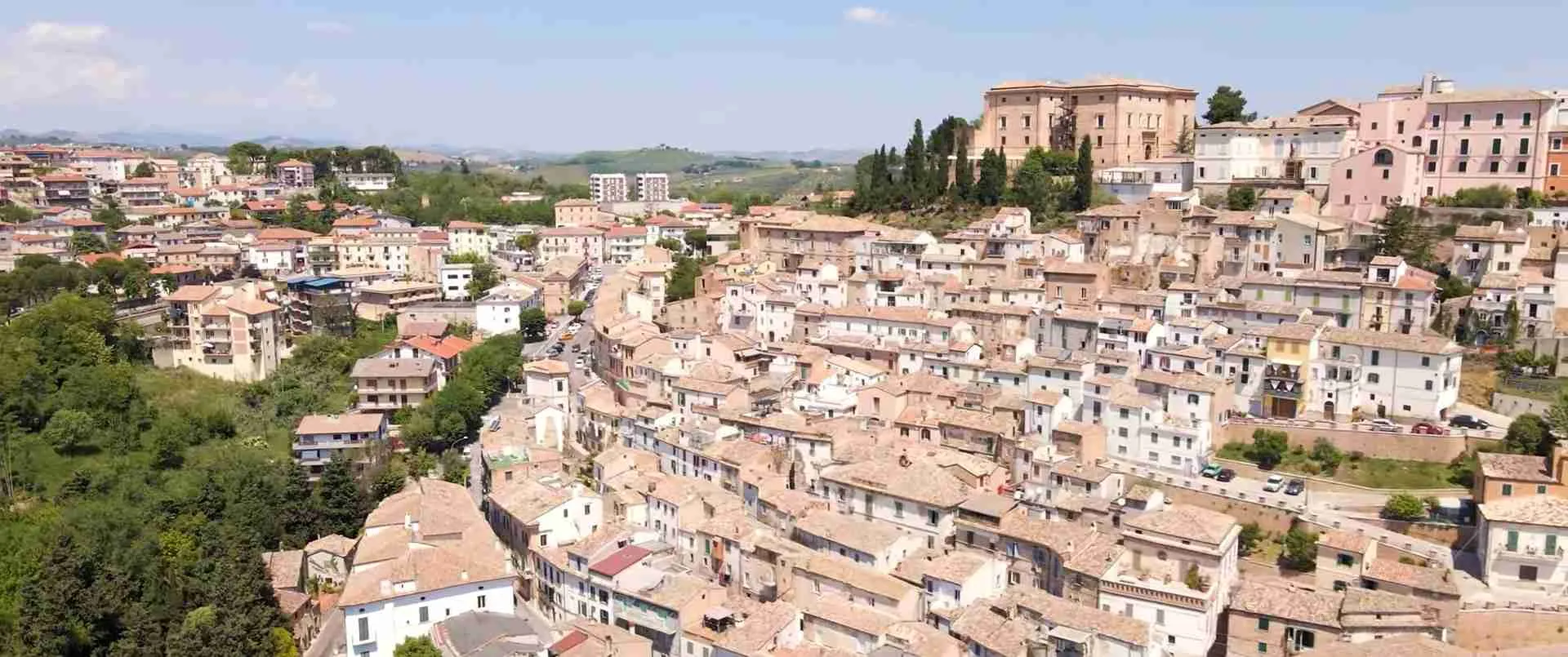
Visiting Abruzzo 2026: Ultimate Planning Resource & Travel Guide
Abruzzo emerges as central Italy’s wildest secret, where three national parks protect ancient beech forests and limestone peaks just hours from Rome, and medieval hilltop villages anchor valleys still producing exceptional wines and cheeses using methods unchanged for centuries. This comprehensive guide provides everything needed to plan an unforgettable journey through Italy’s “greenest region” in 2026, from budget breakdowns and transportation strategies to seasonal timing and insider experiences across mountains, coastline, and historic towns.
Key Takeaways for Visiting Abruzzo in 2026
- Budget Reality: Daily costs range €80-115 per person for budget travelers (two sharing accommodation), €160-245 for mid-range comfort, and €325-500 for luxury experiences, making Abruzzo significantly more affordable than Tuscany or Umbria while offering comparable cultural richness and superior natural landscapes.
- Essential Geography: Abruzzo spans from the Adriatic coastline through the Apennine Mountains to the Gran Sasso massif (2,912 meters, highest peak in the Apennines), covering three distinct national parks that protect one-third of the region’s territory and harbor rare wildlife including Marsican brown bears and Abruzzo chamois.
- Optimal Timing 2026: May through June and September through mid-October deliver ideal conditions across the region—comfortable temperatures (15-25°C), fewer crowds than peak summer, operational mountain facilities, and lower accommodation rates (20-30% below July-August peaks).
- Transportation Strategy: Car rental provides essential flexibility for exploring mountain villages and national parks (from €29 daily in 2026), though regional trains and buses connect major towns adequately for those focusing on coastal areas and larger settlements like L’Aquila, Pescara, and Sulmona.
- Accommodation Value: Agriturismi (working farms offering rooms) and alberghi diffusi (dispersed hotels in historic buildings) deliver authentic experiences at €65-130 nightly, while coastal Pescara and inland mountain resorts provide budget options from €65 and luxury at €280-400, all significantly below equivalent properties in Tuscany.
- Cultural Authenticity: Abruzzo remains remarkably untouched by mass tourism, preserving traditional pastoral culture, artisan food production, ancient festivals, and genuine hospitality that has largely disappeared from better-known Italian regions, with English still limited outside Pescara and major tourist sites.
People Also Ask About Visiting Abruzzo 2026
How much does visiting Abruzzo cost per day in 2026?
Daily costs per person in Abruzzo range €80-115 for budget travelers staying in hostels or budget hotels (two sharing), €160-245 for mid-range visitors enjoying comfortable hotels and restaurant meals, and €325-500 for luxury travelers selecting premium accommodations and upscale dining experiences. These figures assume two people sharing accommodation, include meals, transportation, and activities, and represent approximately 30-40% savings compared to Tuscany or the Amalfi Coast for equivalent experiences.
Is Abruzzo worth visiting compared to Tuscany or Umbria?
Abruzzo delivers exceptional value for travelers seeking authentic Italian experiences without crowds, offering dramatic mountain landscapes, pristine national parks, genuine pastoral culture, and medieval hilltop villages at significantly lower costs than Tuscany or Umbria. The region suits adventurous travelers who appreciate nature, traditional food culture, and cultural authenticity over polished tourism infrastructure, with the trade-off being fewer English speakers, less developed tourist services, and greater need for independent planning and possibly basic Italian language skills.
What is the best month to visit Abruzzo in 2026?
Late May through mid-June and mid-September through early October offer optimal conditions for visiting Abruzzo in 2026, combining comfortable temperatures (18-24°C), operational mountain facilities including Gran Sasso cable cars, open hiking trails, fewer summer crowds, and accommodation rates 20-30% below peak July-August prices. These shoulder season months deliver ideal weather for both coastal beach time and mountain hiking, with June wildflower displays in alpine meadows and September harvest festivals showcasing regional food traditions.
Do I need a car to explore Abruzzo in 2026?
A rental car significantly enhances Abruzzo exploration in 2026, providing access to remote mountain villages, national park trailheads, hilltop medieval towns, and artisan food producers that public transportation cannot reach efficiently. While regional trains connect major towns like L’Aquila, Pescara, Sulmona, and coastal cities, and TUA buses serve some mountain areas, car rental from €29 daily offers freedom to explore Abruzzo’s greatest assets—its wild landscapes and traditional villages—on flexible schedules without the limitations and infrequent service of rural public transport.
Extended multi-day tours – 5+ days
Featured Lazio Marche Abruzzo Multi-Day Tour Packages

3 days
Lazio Marche Abruzzo 3-Day Discovery Tour
- ✓ Comprehensive Lazio Marche Abruzzo experience
- ✓ Expert local guides included
- ✓ All accommodation included
- ✓ Transportation provided
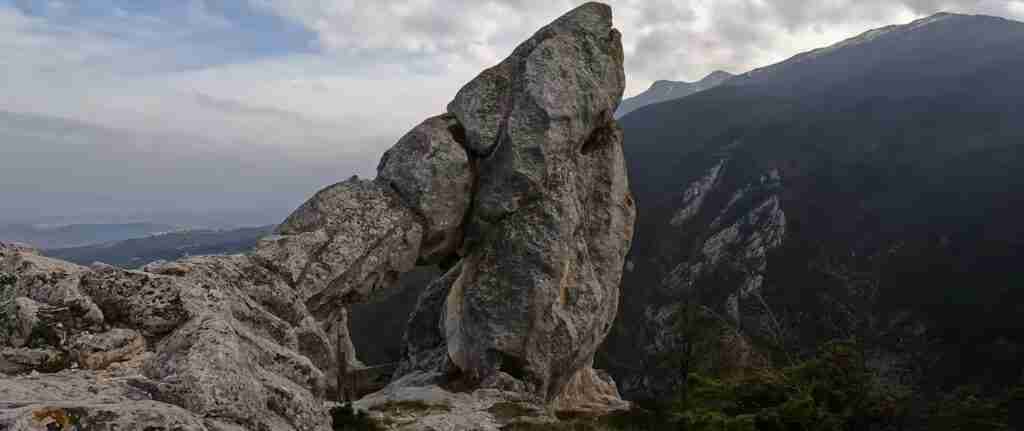
5 days
Lazio Marche Abruzzo 5-Day Highlights Experience
- ✓ Comprehensive Lazio Marche Abruzzo experience
- ✓ Expert local guides included
- ✓ All accommodation included
- ✓ Transportation provided
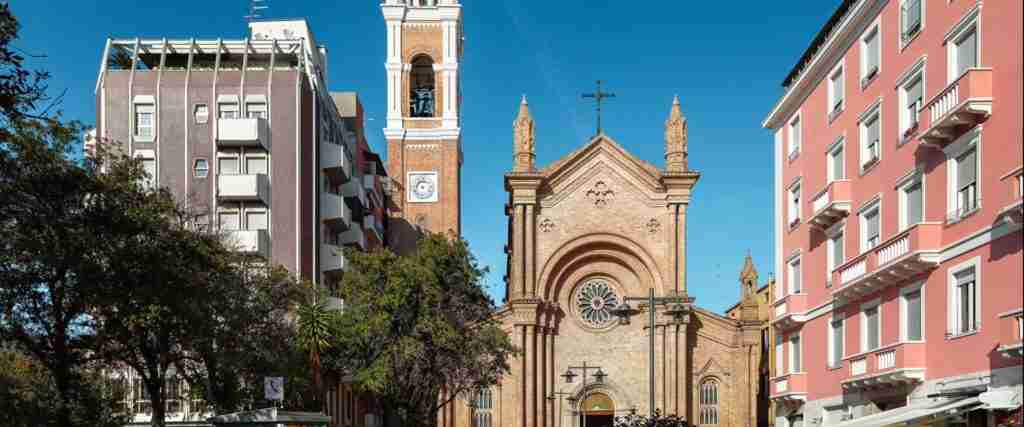
7 days
Lazio Marche Abruzzo 7-Day Cultural Journey
- ✓ Comprehensive Lazio Marche Abruzzo experience
- ✓ Expert local guides included
- ✓ All accommodation included
- ✓ Transportation provided

10 days
Lazio Marche Abruzzo 10-Day Complete Adventure
- ✓ Comprehensive Lazio Marche Abruzzo experience
- ✓ Expert local guides included
- ✓ All accommodation included
- ✓ Transportation provided
Multi-day tour packages powered by TourRadar. Prices and availability subject to change.
Introduction: Discovering Italy’s Wild Heart in 2026
Abruzzo stands apart from Italy’s better-known regions not through polished presentation but through raw authenticity. Where Tuscany’s cypress-lined roads lead to carefully preserved Renaissance towns serving international tourists, Abruzzo’s serpentine mountain highways climb to working shepherd villages where elderly men still speak the regional dialect and cheese production follows methods documented in medieval manuscripts. Where Umbria markets itself as Italy’s “green heart,” Abruzzo quietly protects more wilderness than any other Italian region—three national parks covering 300,000 hectares of beech forests, alpine meadows, and limestone peaks that harbor wolves, bears, and eagles in populations unseen elsewhere in Western Europe.
This isolation preserved not only wildlife but culture. Transhumance—the seasonal migration of sheep from mountain summer pastures to coastal winter grazing—shaped Abruzzo’s economy for millennia and continues today along ancient tratturi (sheep tracks) that cut straight across the landscape for hundreds of kilometers. The shepherds who still follow these routes produce pecorino cheeses and cured meats using traditional methods, selling directly from stone farmhouses rather than through curated agritourism experiences. Medieval hilltop villages like Santo Stefano di Sessanio and Scanno maintain populations of year-round residents rather than serving as second-home communities for Roman weekenders. Religious festivals dating to pagan roots still draw entire communities for multi-day celebrations involving processions, ritual meals, and folk music largely unknown to outsiders.
Geography explains this preservation. The Apennine mountain chain runs down Abruzzo’s spine, creating a formidable barrier between the coastal plains along the Adriatic and the Lazio plateau toward Rome. The Gran Sasso massif rises to 2,912 meters—the highest peak in the Apennines and Italy’s southernmost glacial remnant. These mountains trapped communities in relative isolation until modern road building in the mid-20th century, allowing linguistic and cultural traditions to persist while Tuscany and Umbria absorbed waves of international influence. Even today, driving from Pescara on the coast to L’Aquila in the interior requires navigating mountain passes that close in winter, explaining why many international travelers never venture beyond Abruzzo’s beaches.
The 2009 L’Aquila earthquake paradoxically increased Abruzzo’s appeal for certain travelers. The disaster devastated the regional capital and dozens of mountain villages, killing 309 people and displacing 65,000. Reconstruction continues in 2026, but the tragedy refocused attention on Abruzzo’s architectural and cultural heritage. International funding supported restoration of medieval churches, defensive towers, and Renaissance palazzi. Young Italians interested in sustainable tourism and traditional crafts moved to damaged villages, opening alberghi diffusi (dispersed hotels), organic farms, and artisan workshops. Santo Stefano di Sessanio transformed from a dying shepherd hamlet into a model of sensitive heritage tourism, while Navelli rebuilt its saffron industry and medieval urban fabric. The earthquake paradoxically saved Abruzzo from the overtourism afflicting Tuscany by forcing a reconstruction focused on quality over quantity.
For travelers in 2026, Abruzzo offers experiences unavailable in Italy’s mainstream destinations. Hike to 2,900-meter peaks and descend the same day to Adriatic beaches. Track wolves and bears with biologists in Abruzzo National Park. Learn traditional cheese-making from fifth-generation shepherds. Ski legitimate alpine terrain at Roccaraso and Campo Imperatore without lift queues. Cycle the Adriatic coastal bike path from Martinsicuro to San Salvo. Explore Byzantine frescoes in isolated mountain chapels. Taste the world’s most expensive spice—Navelli saffron—harvested from the same fields that supplied medieval Rome. Attend festivals where entire villages prepare ritual dishes and process behind medieval relics. These experiences require flexibility, basic Italian, and willingness to navigate uncertain signage and limited tourist infrastructure, but reward with authenticity increasingly rare in Western Europe.
Abruzzo’s reputation as “Italy’s greenest region” derives from measurable environmental protection rather than marketing. The three national parks—Gran Sasso e Monti della Laga (established 1995, 149,000 hectares), Majella (established 1991, 74,095 hectares), and Abruzzo, Lazio e Molise (established 1922, 50,683 hectares)—protect more than one-third of regional territory. This protection sustains biodiversity unmatched in Mediterranean Europe: 60 mammal species including Marsican brown bears (50-60 individuals), Apennine wolves (300+ individuals), and Abruzzo chamois (700+ individuals). Avian diversity includes golden eagles, Eurasian eagle-owls, and white-backed woodpeckers. Botanical richness spans Mediterranean maquis at sea level to alpine tundra above 2,500 meters, with endemic species including Apennine edelweiss and Majella violet.
This guide provides comprehensive planning resources for visiting Abruzzo in 2026. Budget breakdowns detail costs across accommodation, dining, transportation, and activities at budget, mid-range, and luxury tiers. Destination chapters explore coastal cities (Pescara, Giulianova, Vasto), mountain towns (L’Aquila, Sulmona, Scanno), and hilltop villages (Santo Stefano di Sessanio, Navelli, Pacentro). National park sections cover hiking routes, wildlife viewing, and access logistics for Gran Sasso, Majella, and Abruzzo National Park. Food and wine chapters examine regional specialties including arrosticini, mozzarella di bufala, Montepulciano d’Abruzzo wine, and Navelli saffron. Practical information addresses transportation options, accommodation types, Italian language basics, and seasonal considerations. Whether planning a mountain hiking expedition, cultural exploration of medieval villages, or combined mountain-and-coast itinerary, this guide provides tools for experiencing Abruzzo’s wild heart authentically and affordably.
Understanding Abruzzo’s Geography and Regions in 2026
Abruzzo occupies 10,763 square kilometers of central Italy, stretching 130 kilometers from the Adriatic coast inland to the Apennine watershed that forms the border with Lazio. The region divides into four provinces—L’Aquila, Teramo, Pescara, and Chieti—each offering distinct landscapes and cultural characteristics that shape visitor experiences.
The Gran Sasso massif dominates northern Abruzzo, anchoring the Gran Sasso e Monti della Laga National Park. Corno Grande, the massif’s highest peak at 2,912 meters, rises directly behind the provincial capital of L’Aquila, creating dramatic skyline views visible from the city’s medieval squares. The Campo Imperatore plateau extends at 1,500-1,800 meters elevation east of Corno Grande, offering what locals call “little Tibet”—a vast treeless expanse of alpine grassland that supported massive transhumance sheep migrations and now provides exceptional hiking and cross-country skiing. A cable car ascends from Fonte Cerreto (1,120 meters) to Campo Imperatore (2,130 meters) in twelve minutes, delivering hikers to high-altitude trails without extended climbing. The Calderone glacier clings to Corno Grande’s north face—Europe’s southernmost glacier and Italy’s last Apennine ice, though climate change continues shrinking its extent.
The Majella massif rises south of Gran Sasso, forming a compact mountain block that reaches 2,793 meters at Monte Amaro. Majella National Park protects 74,095 hectares of extraordinarily varied terrain—deep limestone gorges carved by the Orfento and Orta rivers, extensive beech forests, alpine meadows, and barren summit plateaus. The massif’s western flank presents sheer cliffs exceeding 1,000 meters, while the eastern slopes descend more gradually toward the Adriatic through a series of foothills dotted with medieval villages. Hermit caves and monasteries perch on cliff faces and in remote valleys, evidence of the Majella’s role as a spiritual retreat since early Christianity. The park’s extensive trail network includes routes to Hermitage of San Bartolomeo, Valley of the Orfento, and summit climbs of Monte Amaro, all accessible from base towns like Caramanico Terme and Pacentro.
The Abruzzo, Lazio e Molise National Park occupies the region’s southwestern corner, protecting 50,683 hectares of the most pristine wilderness in the Apennines. Established in 1922—Italy’s first national park—this protected area harbors the critically endangered Marsican brown bear (approximately 50-60 individuals), making it Europe’s most important refuge for this subspecies. Dense beech forests cover valley floors and mid-elevation slopes, opening to alpine meadows and rocky peaks above 2,000 meters. The park’s relative remoteness and strict protection regulations have preserved ecosystems and wildlife populations eliminated elsewhere in Western Europe, offering visitors legitimate wilderness experiences rare in Mediterranean countries. Base towns include Pescasseroli, Civitella Alfedena, and Scanno, each providing access to marked trails and wildlife viewing areas.
Between the mountain massifs and the Adriatic coastline, a series of parallel valleys and hills create transition zones that have historically supported agriculture and settlement. The Peligna Valley, with Sulmona at its center, lies ringed by mountains on all sides, creating a microclimate that supports the cultivation of red garlic, pink beans, and other specialty crops. The Tirino Valley preserves crystal-clear spring-fed rivers supporting native trout. The Aterno-Pescara River valley provides the primary transportation corridor between L’Aquila and the coast, followed by autostrada A25 and the region’s main railway line. These interior valleys contain some of Abruzzo’s most significant archaeological sites, including Alba Fucens (Roman colony) and Amiternum (Roman theater), plus medieval towns like Navelli, famous for saffron production.
The Adriatic coastline extends 130 kilometers from the Tronto River border with Marche to the Trigno River border with Molise. Unlike the dramatic cliffs of the Amalfi Coast or rocky coves of Liguria, Abruzzo’s shoreline consists primarily of sandy beaches backed by pine groves and dunes. Fourteen beaches hold Blue Flag status in 2026, indicating excellent water quality and environmental management. Coastal development varies considerably—Pescara (population 120,000) functions as Abruzzo’s largest city and primary commercial center, with a modern waterfront, active port, and extensive beach facilities. Smaller coastal towns like Giulianova, Roseto degli Abruzzi, Vasto, and Silvi Marina maintain more traditional characters, with historic centers sitting slightly inland from modern beach developments. The coastal bike path connects many beaches, allowing cyclists to travel from Martinsicuro to San Salvo on dedicated paths separated from automobile traffic.
Abruzzo’s inland hilltop villages represent its most distinctive architectural heritage. Dozens of medieval settlements perch on ridges and hilltops throughout the region, preserving defensive positions that controlled valley access routes during centuries of conflict between papal and imperial forces. Many villages remain remarkably intact, with stone houses built directly against each other to form continuous defensive walls, narrow cobblestone lanes barely wide enough for donkeys, and central piazzas dominated by churches and civic buildings. Santo Stefano di Sessanio, Navelli, Pacentro, Castel del Monte, Civitella del Tronto, Pretoro, and Scanno exemplify this typology. Some villages have suffered significant population decline as younger generations migrate to cities, creating atmospheric but slightly melancholy environments where centuries-old buildings stand empty or serve as weekend retreats for urban Italians. Others have successfully revitalized through sensitive tourism development that preserves architectural integrity while providing economic opportunities.
The region’s four provincial capitals serve different functions for visitors. L’Aquila (population 70,000), the regional capital, suffered catastrophic damage in the 2009 earthquake and continues reconstruction in 2026. The historic center remains partially closed, though major monuments including the Basilica of Santa Maria di Collemaggio and the 99-spout fountain have reopened. L’Aquila provides the best base for Gran Sasso exploration and access to mountain villages. Pescara (population 120,000) functions as Abruzzo’s economic center and primary transportation hub, with the region’s only international airport, extensive train connections, and modern commercial infrastructure. While lacking historic charm, Pescara offers practical advantages including English-speaking services, international cuisine, and easy coastal access. Teramo (population 54,000) occupies an agricultural zone between Gran Sasso and the coast, preserving a well-maintained medieval center with Roman foundations. Chieti (population 52,000) sits on a hilltop overlooking the Pescara River valley, maintaining extensive archaeological remains from its role as capital of the Marrucini people and later Roman municipium.
Climate varies dramatically with elevation. Coastal areas experience mild Mediterranean conditions with hot summers (28-32°C July-August), mild winters (5-12°C January-February), and moderate rainfall (600-800mm annually). Mountain areas endure true alpine conditions with heavy snowfall (2-4 meters accumulation), sub-zero winter temperatures, and cool summers. L’Aquila at 721 meters elevation experiences continental climate with cold winters and warm summers. Campo Imperatore at 1,500-2,100 meters receives snow from November through May, with winter temperatures regularly dropping below -15°C. These elevation gradients allow remarkably varied activities—swimming at Vasto beaches and skiing at Roccaraso on the same day, a 90-minute drive separating Mediterranean warmth from alpine conditions.
This geographic diversity creates complex seasonal patterns affecting visitation planning. Coastal areas peak July-August when Italian families crowd beaches and accommodation prices surge 40-60% above shoulder season rates. Mountain areas see two distinct peaks—winter skiing season from December through March at resorts like Roccaraso, Campo Imperatore, and Passo Lanciano, then summer hiking season from June through September when high trails become snow-free. Spring (April-June) and fall (September-October) deliver optimal conditions for combining coastal and mountain experiences, with comfortable temperatures, operational facilities, fewer crowds, and lower prices across both zones.
Planning Your Visit: Best Times to Experience Abruzzo in 2026
Seasonal timing profoundly affects Abruzzo experiences due to the region’s extreme elevation range and resulting climate variations. Optimal timing depends on intended activities—beach holidays, mountain hiking, cultural tourism, or combined experiences—and tolerance for crowds, weather uncertainty, and facility closures.
Late May through mid-June represents the year’s prime window for comprehensive Abruzzo exploration. Temperatures reach comfortable levels (18-24°C) across coastal and mid-elevation areas while high mountain trails shed winter snow, opening routes above 2,000 meters. Wildflower displays peak in alpine meadows during June, carpeting Campo Imperatore and Majella highlands in endemic species. Accommodation rates remain at shoulder season levels—20-30% below July-August peaks—and coastal areas remain uncrowded as Italian school holidays haven’t commenced. Mountain facilities including Gran Sasso cable cars and park visitor centers operate full schedules, national park trails stay accessible, and weather patterns stabilize following spring’s unpredictability. This period offers exceptional value for combining beach time, mountain hiking, and cultural site visits without extreme heat, summer crowds, or facility limitations.
Early July through late August delivers peak summer conditions with distinct advantages and challenges. Coastal temperatures reach 28-32°C with minimal rainfall, perfect for beach activities and water sports along Abruzzo’s 130-kilometer Adriatic coastline. Mountain areas experience genuinely warm weather (20-26°C at mid-elevations), making high-altitude hiking comfortable and alpine refuges fully operational. All tourist infrastructure operates at full capacity—museums extend hours, restaurants remain open daily, guided tours run multiple departures, and public transportation maintains frequent schedules. The trade-offs include accommodation prices 40-60% above shoulder seasons, crowded beaches particularly at Pescara and Silvi Marina, busy hiking trails on weekends, and intense summer heat in coastal cities and lower valleys that can exceed 35°C during heat waves. Italian August holiday (Ferragosto, August 15) brings peak crowding—families flood coastal resorts, booking accommodation months in advance and creating traffic congestion on beach access roads.
Mid-September through mid-October mirrors May-June’s advantages while adding harvest season appeal. Temperatures moderate to 18-25°C at coast and mid-elevations, delivering comfortable conditions for all activities without summer’s intensity. Autumn colors transform beech forests throughout national parks—Monte Genzana and Valle dell’Orfento become particularly spectacular—and grape harvest fills vineyards throughout Montepulciano d’Abruzzo wine country. Traditional sagre (harvest festivals) celebrate local products in dozens of villages, offering opportunities to taste regional specialties and participate in authentic cultural events rather than tourist-oriented performances. Accommodation rates drop to shoulder season levels, beaches empty substantially while water temperatures remain comfortable for swimming through September, and hiking trails clear of summer crowds. The risk involves weather unpredictability—September occasionally brings intense rainfall and October can see early snowfall closing high mountain routes. Mountain facilities begin reducing operations—cable cars switch to weekend-only schedules in October and some alpine refuges close entirely.
November through March presents a divided regional character. Coastal areas and lower valleys experience quiet off-season with cool, damp conditions (5-15°C), frequent rainfall, and minimal tourist activity. Many beach resorts close entirely, restaurants operate reduced schedules, and accommodation options narrow significantly outside major cities. Mountain areas transform into winter sports destinations—Roccaraso, Campo Imperatore, Campo Felice, and Passo Lanciano ski resorts operate from December through March depending on snow conditions. Winter 2025-26 saw extended ski seasons through early April due to favorable snowpack. Mountain villages take on atmospheric quiet with snow-covered cobblestones, wood smoke from fireplaces, and traditional winter foods like hearty soups and slow-cooked stews. This season suits winter sports enthusiasts, travelers seeking solitude and off-season rates (40-50% below summer peaks), and those interested in Abruzzo’s medieval villages without crowds. Winter driving requires snow tires or chains, many high mountain roads close completely, and some villages become inaccessible during heavy snowfall.
April and early May constitute shoulder season with variable conditions. Coastal areas warm gradually (12-20°C) but water temperatures remain too cold for swimming and beach facilities operate limited hours. Mountain areas transition between winter and summer—lower elevation trails become accessible while routes above 2,000 meters remain snow-covered until late May or early June. Spring wildflowers bloom at lower elevations, creating beautiful displays in foothills and valleys. Accommodation rates stay at shoulder levels and crowds remain minimal, but facility closures and unpredictable weather create planning challenges. This period works well for travelers prioritizing budget over certainty and focusing on cultural sites rather than nature activities.
Regional events and festivals create seasonal attractions beyond weather considerations. The Sulmona Good Friday procession ranks among Italy’s most elaborate Holy Week celebrations, drawing thousands of participants and spectators for torch-lit medieval processions and baroque religious displays. The Sagra degli Spaghetti alla Chitarra in various towns celebrates Abruzzo’s signature pasta shape with cook-offs and tastings. The Feast of San Domenico in Cocullo (first Thursday in May) features the extraordinary serpari ritual where live snakes drape a saint’s statue during processions—a pre-Christian tradition adapted to Catholic practice. Multiple wine festivals throughout September and October celebrate Montepulciano d’Abruzzo harvest. The Confetti Festival in Sulmona showcases the town’s centuries-old tradition of creating elaborate displays from sugar-coated almonds. Many festivals maintain authentic community character rather than tourist orientations, requiring Italian language skills and cultural sensitivity but rewarding with genuine participation in living traditions.
Getting to Abruzzo: Transportation and Access in 2026
Abruzzo’s relative isolation from major international routes requires strategic planning for access. The region lacks a major international hub comparable to Rome Fiumicino or Milan Malpensa, necessitating connections through larger Italian cities or alternative routing strategies.
Abruzzo Airport (Aeroporto d’Abruzzo) in Pescara (airport code PSR) serves as the region’s primary air gateway, located 4 kilometers from Pescara city center. The airport handles approximately 500,000 passengers annually through domestic and limited international routes. Ryanair operates seasonal services from several European cities including London Stansted, Brussels Charleroi, and Barcelona, with flight frequency increasing June-September. Volotea provides connections to Venice, Turin, and Palermo. Air Dolomiti and ITA Airways maintain Rome Fiumicino connections. The airport’s small size creates advantages—quick processing, minimal walking distances, and efficient car rental pickup—but limits direct international access. Ground transportation from Abruzzo Airport to Pescara city center costs €20-25 by taxi or €1.20 by TUA bus (Line 38) operating hourly. Car rental desks from major companies occupy the arrivals hall, with rates starting €29 daily for compact vehicles in 2026.
Rome Fiumicino Airport (FCO) provides the most convenient international gateway for Abruzzo access, located 200 kilometers from Pescara via autostrada A24/A25. This routing suits travelers prioritizing direct international flights and willing to drive 2-3 hours or arrange private transfers. Multiple car rental companies operate at Fiumicino, offering one-way rentals to Abruzzo pickup locations. Public transportation from Rome to Pescara requires train connections—Leonardo Express to Roma Termini (€14, 32 minutes), then Trenitalia regional or Intercity service to Pescara Centrale (€12-22, 3-4.5 hours depending on service). Total journey time approaches 5-6 hours with connections, making this option most practical for budget travelers without time constraints.
Regional trains connect Abruzzo’s major towns to Rome, Naples, and Adriatic cities. The Rome-Pescara line operated by Trenitalia runs along the Aterno-Pescara valley through L’Aquila, Sulmona, and smaller towns, offering scenic mountain views but slow progress due to frequent stops and single-track sections. Intercity services complete the journey in 3.5-4 hours (€22-28) while regional trains require 4.5-5.5 hours (€12-18). The coastal Adriatic railway runs from Ancona through Pescara to Termoli, providing connections to Rimini, Bologna, and southern Italian cities. Trains along this route maintain more frequent schedules and faster service than mountain routes. Sulmona serves as a railway junction connecting coastal and mountain lines, making it convenient for exploring both zones without a car. Train tickets purchase online at trenitalia.com or at station ticket machines and counters, with advance booking required for Intercity services but unnecessary for regional trains.
Long-distance buses provide alternatives to train service. FlixBus and Baltour operate routes connecting Abruzzo cities to Rome, Naples, Bologna, and Milan, often at lower fares (€15-35) than trains but with longer journey times due to highway routing and traffic. These services prove most valuable for travelers prioritizing budget or reaching towns without convenient train access. Domestic flights from Rome Fiumicino to Pescara via ITA Airways (€60-120) make sense primarily for business travelers or those with limited time, as the 50-minute flight plus airport transfers often total 3-4 hours door-to-door.
Driving from northern Europe or other Italian regions provides flexibility once in Abruzzo but requires significant time investment. From Rome, autostrada A24 runs east through the Apennines to L’Aquila, then continues as A25 to Pescara (200 kilometers, 2-3 hours, €16 tolls). From northern Italy, A14 autostrada follows the Adriatic coast through Abruzzo from Ancona to Vasto, passing Giulianova, Pescara, and Ortona (Ancona to Pescara 220 kilometers, 2.5 hours, €18 tolls). From Naples, A1 autostrada north connects to A25 at Cassino (Naples to Pescara 280 kilometers, 3-3.5 hours, €22 tolls). These toll highways provide efficient routing but bypass most mountain areas and interesting towns—exploring Abruzzo itself requires exiting to regional roads.
Private transfers and shuttle services operate between Rome airports and Abruzzo destinations. Companies like Rome Shuttle and Abruzzo Transfers provide door-to-door service at €200-300 for 2-4 passengers from Fiumicino to Pescara, L’Aquila, or Sulmona, competitive with train fares for groups and eliminating transfers. This option suits travelers with heavy luggage, tight schedules, or mobility limitations.
Getting Around Abruzzo: Transportation Options and Strategies for 2026
Transportation within Abruzzo requires different strategies depending on destination types. Coastal cities and major towns connect via adequate public transport, while mountain villages and national park trailheads demand car access or expensive taxi arrangements.
Car rental delivers maximum flexibility for comprehensive Abruzzo exploration, particularly for accessing mountain villages, national parks, and rural agriturismi. Rental rates in 2026 start at €29 daily for compact cars (Fiat 500, Peugeot 208) rising to €60-98 for mid-size sedans and SUVs better suited to mountain roads and unpaved tracks leading to trailheads. Booking in advance through aggregator sites like Rentalcars.com or AutoEurope typically yields 20-30% savings versus walk-up rates. Major rental companies including Hertz, Europcar, Avis, and Budget maintain offices at Pescara airport and downtown locations. Italian companies Sicily by Car, Maggiore, and Locauto often offer competitive rates. Insurance options include basic coverage (included), collision damage waiver CDW (€15-25 daily), and super CDW eliminating all deductibles (€25-35 daily). Check whether personal auto insurance or credit card benefits cover Italian rentals before purchasing redundant coverage.
Driving in Abruzzo presents challenges absent in urban Italy. Mountain roads narrow considerably, often barely wide enough for two cars to pass, with hairpin curves, limited guardrails, and steep grades. Villages perch on hilltops accessed by single-lane roads where drivers must use pull-outs to allow opposing traffic to pass. Many historic town centers prohibit vehicle access entirely (Zone a Traffico Limitato, ZTL), enforced by cameras that automatically ticket unauthorized vehicles—fines reach €100 and rental companies add processing fees. Park outside historic centers and walk in. Winter conditions from November through March require snow tires or chains above 800 meters elevation, with many mountain roads closed during heavy snowfall. GPS navigation sometimes suggests implausible routes through unmarked tracks or closed seasonal roads—verify major turns against paper maps or local advice. Gas stations in mountain areas close Sundays and operate limited hours weekdays—fuel up in larger towns.
Public transportation connects Abruzzo’s major cities and coastal towns adequately for travelers willing to work with limited schedules and plan carefully. TUA (Trasporto Unico Abruzzese) operates the primary regional bus network covering most towns and villages. Routes linking Pescara, L’Aquila, Sulmona, Teramo, and coastal cities maintain hourly service on weekdays with reduced weekend schedules. Mountain villages and remote trailheads receive 1-3 daily buses, often timed for commuters rather than tourists—departures at 6-7 AM, returns at 1-2 PM and 6-7 PM. This schedule works for day trips involving early starts and mid-afternoon returns but constrains flexibility. Bus tickets purchase from tobacco shops (tabacchi) displaying TUA signs, ticket machines at major stations, or sometimes from drivers (€1.20-8 depending on distance). Always validate tickets in machines upon boarding to avoid €50 fines. TUA maintains a comprehensive website (tuabruzzo.it) with schedules and route maps, though English versions contain limited information.
Urban bus systems operate in L’Aquila (AMA company, €1.20 for 80 minutes), Teramo (Baltour, €1.20 for 90 minutes), and Pescara (multiple companies with integrated ticketing, €1.20 for 90 minutes). These networks help navigate within cities but provide minimal utility for tourist attractions—most city buses serve residential neighborhoods and commercial zones rather than historic centers or museums. Pescara’s system proves most useful for reaching the airport, train station, and various neighborhoods.
Taxis operate in all cities and larger towns, but service differs substantially from major Italian cities. Pescara and L’Aquila maintain reasonable taxi availability at stations and airports with metered fares (€2.50 base, €1.20-1.50 per kilometer, supplements for luggage, night service, and holidays). Smaller towns often lack taxi stands—phone dispatch required, creating language barriers for non-Italian speakers. Rural areas provide minimal taxi service at premium rates (€40-60 for 20-30 kilometer trips). Uber and other ride-sharing services don’t operate in Abruzzo—traditional taxis maintain monopolies.
Cycling attracts increasing numbers of visitors to Abruzzo’s coastal bike path and mountain road routes. The Adriatic coastal bike path (Ciclovia Adriatica) extends 130 kilometers from Martinsicuro to San Salvo, mostly on dedicated paths separated from automobile traffic and passing through pine forests and beach areas. This route suits recreational cyclists and families, mostly flat with good surface conditions. Mountain road cycling demands serious fitness and experience—routes climb to 2,000+ meters with sustained grades exceeding 10%, narrow roads without shoulders, and aggressive Italian driving. Bike rentals available in Pescara (€20-30 daily for city bikes, €40-60 for road bikes) and some mountain towns. E-bike rentals (€40-60 daily) make mountain routes more accessible—guided e-bike tours of Campo Imperatore and Gran Sasso cost €90-150 including bike rental and guide.
Cable cars and chairlifts provide access to high-altitude areas without extended hiking. The Funivia del Gran Sasso cable car ascends from Fonte Cerreto (1,120 meters) to Campo Imperatore (2,130 meters) in twelve minutes, delivering visitors to the vast alpine plateau for hiking, skiing, or simply experiencing high mountain environments. Check official site for current rates as pricing may vary. The cable car operates year-round except November and May (maintenance closure), with continuous service during ski season (December-March) and reduced schedule (hourly departures) June-September. Campo Felice ski resort maintains chairlifts accessing hiking trails during summer months. These lifts allow visitors without cars to reach high trails via bus-cable car combinations, though careful schedule coordination remains essential.
Accommodation Options and Costs in Abruzzo 2026
Abruzzo offers diverse accommodation types at prices significantly below Tuscany, Umbria, and coastal regions like Cinque Terre or Amalfi. The key challenge involves not cost but rather selecting appropriate location and facility type for intended activities—beach holidays, mountain adventures, or cultural touring require different accommodation strategies.
Budget accommodation in Abruzzo centers on hostels, pensioni, and budget hotels charging €65-80 nightly for double rooms. Pescara maintains two hostels—Ostello del Mare (€25-30 dormitory beds) and Hostel Pescara (€22-28 dormitory beds)—both located near the train station and offering shared kitchens, common areas, and basic amenities. Mountain towns including Sulmona, L’Aquila, and Scanno offer simple pensioni (family-run guesthouses) at €50-70 nightly with breakfast included, private bathrooms, and occasionally shared kitchen access. These establishments provide authentic experiences but limited English and minimal amenities—expect basic rooms without air conditioning, simple breakfast (coffee and pastries), and owners who may not respond to email inquiries. Budget hotels like B&B Hotel Pescara (€65-80) provide standardized modern rooms, air conditioning, ensuite bathrooms, and breakfast buffets, trading character for reliability and English-speaking staff.
Agriturismi represent Abruzzo’s most distinctive accommodation option—working farms offering rooms to supplement agricultural income. These properties range from rustic stone farmhouses with simple rooms (€60-90 nightly) to restored estates with swimming pools and gourmet restaurants (€120-180 nightly). Most agriturismi occupy rural locations requiring cars, surrounded by olive groves, vineyards, or sheep pastures that supply ingredients for farm dinners (€25-40 per person). The experience emphasizes farm life—watching cheese production, collecting eggs, tasting estate wines—rather than resort amenities. Breakfast typically features farm products including fresh ricotta, eggs, preserves, and homemade bread. Many agriturismi offer half-board (room plus breakfast and dinner) at €80-120 per person, excellent value given food quality. Top-rated agriturismi include Agriturismo Colle degli Ulivi near Penne (€85-110), Azienda Agrituristica Di Nisio near Castel Frentano (€70-95), and Agriturismo Valle Scannese near Scanno (€75-105). Book directly via property websites or aggregators like agriturismi.it to avoid booking platform markups.
Mid-range hotels (€160-220 nightly for doubles) dominate urban areas and beach resorts, providing comfortable three-star and four-star properties with air conditioning, private bathrooms, breakfast buffets, and standard amenities. Pescara offers dozens of beachfront hotels including Hotel Esplanade (€140-190), Hotel Salus (€120-180), and Hotel Maja (€150-200), all within walking distance of beaches and restaurants. Mountain towns feature smaller properties—Hotel Airone in Sulmona (€110-160), Hotel Caldora in Scanno (€130-180), and Hotel Sole in L’Aquila (€140-190). These hotels provide reliable comfort without exceptional character, suitable for travelers prioritizing convenience and amenities over atmosphere. Many include restaurants serving regional cuisine, helpful reception staff for activity booking, and parking (essential for mountain properties).
Alberghi diffusi (dispersed hotels) offer distinctive alternatives—historic village buildings converted to hotel rooms while maintaining original architecture and scattered throughout compact medieval centers. Sextantio Albergo Diffuso in Santo Stefano di Sessanio exemplifies the concept—medieval tower houses restored with minimal intervention, preserving stone walls, wooden beams, and worn terracotta floors while adding discreet modern plumbing and heating. Rooms (€180-280) contain period furnishings, wood-burning fireplaces, and ensuite bathrooms hidden behind stone walls. The experience emphasizes living within history rather than viewing it from outside. Breakfast arrives at your room in a basket. Other alberghi diffusi include Diffuso Aurigo in Scanno (€120-180) and Albergo Diffuso Borgo Antico in Navelli (€90-140). This accommodation type particularly suits travelers interested in architecture and village life willing to navigate stairs, uneven floors, and period room layouts.
Luxury properties remain limited but expanding in Abruzzo. Relais Ducale Spa & Pool in Guardiagrele (€280-380) provides five-star facilities including spa, infinity pool, and Michelin-quality restaurant. Castello Chiola in Loreto Aprutino (€250-350) occupies a restored 16th-century castle with modern amenities including spa and gourmet dining. Hotel & Spa Capo La Gala in Vasto (€300-450) offers beachfront luxury with panoramic Adriatic views. These properties deliver international luxury standards but sacrifice the authentic simplicity that attracts many visitors to Abruzzo. They suit travelers seeking comfort and amenities within reach of Abruzzo attractions rather than immersive regional experiences.
Vacation rentals through platforms like Vrbo and Airbnb provide alternatives ranging from €50 daily for basic village apartments to €300 daily for restored farmhouses with pools. Weekly rentals often include discounts (15-25% off nightly rates). This option works well for families and groups able to cook meals using local market ingredients, saving substantially on restaurant costs. The trade-offs include minimal support services, need to arrange linens and cleaning, and potential isolation in rural locations. Always verify rental contracts clearly specify included utilities—some contracts exclude heating costs, creating unexpected expenses during cool seasons.
Seasonal price variations substantially affect accommodation costs. July-August peak season sees rates increase 40-60% above shoulder periods (May-June, September-October), with mandatory minimum stays of 3-7 nights at beach properties and agriturismi. Book peak season accommodation 3-6 months in advance as desirable properties sell out early. Shoulder seasons (April-June, September-October) offer 20-30% savings with flexible booking policies. Low season (November-March excluding December ski weeks) yields 40-50% discounts but faces widespread closures at beach areas and rural properties. Mountain villages maintain more year-round operations supporting ski tourism.
Location strategy proves crucial for maximizing Abruzzo experiences. Beach holiday accommodations logically cluster along the coast—Pescara for city amenities and nightlife, Giulianova or Vasto for quieter beach towns, Silvi Marina for family-oriented resorts. Mountain exploration requires accommodation near target parks—Sulmona for Majella access, L’Aquila or Assergi for Gran Sasso, Pescasseroli or Scanno for Abruzzo National Park. Combined mountain-coast itineraries benefit from splitting accommodation between zones rather than using single bases for day trips—the 90-minute drives between coast and high mountains become tedious when repeated daily. Consider 3-4 nights at mountain locations followed by 3-4 nights at beach bases, or vice versa.
Food and Dining: Abruzzo Cuisine and Restaurant Costs 2026
Abruzzo’s culinary traditions reflect its pastoral heritage and geographic isolation, preserving methods and recipes largely unchanged for centuries. The region’s food culture emphasizes sheep products (cheeses, cured meats), mountain vegetables, wild game, saffron from Navelli, and robust red wines, all prepared simply to highlight ingredient quality rather than elaborate technique.
Arrosticini define Abruzzo street food culture—small cubes of castrato (castrated ram) meat threaded on wooden skewers and grilled over charcoal in elongated braziers. These lamb kebabs originated with shepherds who needed portable protein during transhumance migrations. Every village maintains its arrosticini specialists—simple venues with outdoor seating, basic wines, and minimal menu beyond the skewers. Expect to pay €1-1.50 per skewer with most diners consuming 10-15 skewers plus side salad and wine for €12-20 total. Arrosticini taste best consumed standing around the grill chatting with other diners, washed down with Montepulciano d’Abruzzo from plastic cups, embodying the informal hospitality that characterizes rural Abruzzo.
Pecorino cheese production remains central to Abruzzo economy and cuisine. Dozens of small producers continue making cheese using raw sheep’s milk from transhumant flocks, aging wheels in natural caves and cellars that develop complex flavors absent from industrial products. Pecorino Canestrato di Castel del Monte, aged in rush baskets that leave distinctive patterns on rinds, earned DOP status protecting production methods. Pecorino di Farindola uses pig rennet rather than calf rennet, a unique preparation found nowhere else in Italy. Visit caseifici (cheese makers) throughout Peligna Valley and Gran Sasso foothills to taste fresh and aged pecorinos, learning production methods directly from shepherds. Many producers sell directly from farms at €10-18 per kilogram, far below retail prices.
Saffron from Navelli represents one of Italy’s most distinctive agricultural products. The medieval village and surrounding plateau have cultivated Crocus sativus since the 13th century, when Dominican monks introduced bulbs from Spain. Navelli saffron earned DOP status for its intense aroma and flavor superior to most global production. Each crocus produces only three stigmas, requiring 150,000 flowers for one kilogram of dried saffron, explaining prices of €15,000-30,000 per kilogram—the world’s most expensive spice by weight. Small quantities (0.5-2 grams) sell for €8-25, sufficient for multiple dishes. Visit Navelli during late October harvest to watch workers hand-picking flowers at dawn and separating stigmas during communal evening sessions accompanied by wine and traditional songs.
Regional pasta shapes include spaghetti alla chitarra (square-profile spaghetti cut using a stringed frame resembling a guitar), served traditionally with lamb ragù or aglione (spicy tomato sauce). Pasta alla mugnaia features handmade fettuccine with a sauce of anchovies, walnuts, and breadcrumbs—a medieval recipe from mountain villages. Timballo abruzzese involves layered baked pasta with ragù, cheese, and vegetables, served at festive occasions. Home cooks still prepare pasta by hand using bronze dies and wooden boards, maintaining techniques inherited through family lines.
Restaurant dining costs in Abruzzo remain substantially below comparable regions. Casual trattorie serve complete meals including pasta, meat course, vegetables, wine, and coffee for €15-25 per person. Mid-range restaurants offering regional specialties and quality wines charge €30-45 per person for three courses with wine. High-end dining at Michelin-level establishments like Villa Maiella in Guardiagrele costs €75-100 per person for tasting menus showcasing refined interpretations of traditional dishes. These prices reflect 30-40% savings versus Tuscan or Umbrian equivalents, allowing visitors to dine well throughout their stay without budget strain.
Specific cost examples for typical meals in 2026: breakfast at hotel buffets (included with most accommodation) or bars (€3-6 for cappuccino and cornetto); lunch at casual pizzeria (€10-15 including pizza, salad, and house wine); aperitivo at bars (€8-12 for cocktail and substantial appetizer buffet, common 6-8 PM); dinner at family trattoria (€18-28 for pasta, meat course, contorno, wine); wine bar tastings (€15-30 for three wines and cheese/cured meat plates); market picnic supplies (€15-25 for cheese, bread, salami, fruit, and wine from morning markets and alimentari).
Notable restaurants worth seeking include: Locanda Sotto gli Archi in Castel del Monte (€25-35 per person, outstanding arrosticini and lamb dishes); Ristorante Reale in Castel di Sangro (Michelin three-star, €180-250 tasting menus, reservations months in advance); La Bilancia in Loreto Aprutino (€35-50, farm-to-table dining at working olive oil estate); Clemente in Fossa (€25-38, simple trattoria specializing in transhumance shepherd cuisine); Villa Maiella in Guardiagrele (€70-95, refined regional cuisine using forgotten ingredients); Il Pescatore in Pescara (€40-60, seafood specialties showcasing Adriatic catch).
Markets provide economical alternatives to restaurant dining. Most towns operate weekly morning markets selling regional products—cheeses, cured meats, vegetables, bread, wine—at significantly lower prices than tourist-oriented shops. Sulmona hosts major Wednesday and Saturday markets. Pescara’s covered market operates daily except Sunday. Smaller villages schedule markets on various days—check locally. Purchase supplies for picnics, apartment cooking, or simple lunches, saving €30-50 daily compared to restaurant meals while experiencing authentic food shopping culture.
Wine deserves special attention. Abruzzo produces Montepulciano d’Abruzzo (red wine from Montepulciano grapes, not to be confused with Tuscan Vino Nobile di Montepulciano from Sangiovese), Trebbiano d’Abruzzo (white wine), and Cerasuolo d’Abruzzo (rosé made from Montepulciano grapes). Quality varies dramatically—industrial producers create bland wines for €3-5 bottles while estate wineries craft exceptional expressions at €12-30. Visit cantinas (wineries) throughout Peligna Valley, Teramo hills, and coastal zones for tastings (€10-25 per person including 4-6 wines and light food). Top producers include Emidio Pepe (organic/biodynamic, €30-80 bottles), Valentini (legendary traditional wines, €50-150), Valle Reale (modern estate, €15-40), Tiberio (mountain whites, €20-50), and Masciarelli (quality across price ranges, €8-35).
Comprehensive Budget Breakdown for Visiting Abruzzo 2026
Understanding daily costs enables realistic planning and prevents budget surprises. Abruzzo offers exceptional value compared to better-known Italian regions, but costs vary substantially based on accommodation type, dining choices, and seasonal timing.
Budget Traveler Daily Costs in Abruzzo 2026 (€80-115 Per Person)
Budget travel in Abruzzo remains feasible for travelers willing to stay in hostels or simple accommodation, eat casually, use public transportation, and prioritize free activities. Daily costs per person assuming two sharing accommodation break down as follows: hostel dormitory beds or budget hotel rooms €65-80 per room yield €33-40 per person, simple meals including market supplies for breakfast (€3-5), pizza or panini lunch (€8-12), casual trattoria dinner (€15-22) total €30-45 daily for food, public transportation via TUA buses and regional trains €5-8, and free activities including national park hiking, beach time, and self-guided village exploration with occasional paid entries €10-20. Total daily costs reach approximately €80-115 per person.
Budget travelers maximize value by shopping at markets and alimentari for breakfast and lunch supplies, eating one restaurant meal daily, using public transportation despite scheduling limitations, hiking free national park trails rather than paying for guided tours, and visiting free attractions including churches, village centers, and coastal paths. This approach requires flexibility with timing, tolerance for basic accommodation, and willingness to plan activities around bus schedules. Weekly costs total €560-805 per person, making Abruzzo accessible for extended stays even on limited budgets.
Mid-Range Comfort Daily Costs in Abruzzo 2026 (€160-245 Per Person)
Mid-range travel delivers comfortable three-star to four-star hotels, flexibility to eat most meals in restaurants, car rental for independent exploration, and budget for guided activities and attraction admissions. Daily costs per person assuming two sharing accommodation include mid-range hotels or agriturismi €160-220 per room yielding €80-110 per person, restaurant breakfast (€8-12), lunch (€15-25), dinner with wine (€25-40) totaling €48-77 for meals, car rental including fuel and tolls €10-20 per person when cost is split, and attractions including guided tours, museum admissions, and cable cars €20-40. Total daily costs approximate €160-245 per person.
Mid-range travelers enjoy comfortable accommodation with amenities, freedom to explore remote areas via rental car, ability to dine at quality restaurants without budget stress, and access to guided tours enhancing understanding of sites. This tier provides optimal balance between comfort and cost, suitable for most travelers seeking authentic Abruzzo experiences without luxury amenities or extreme budget restrictions. Weekly costs total €1,120-1,715 per person.
Luxury Experience Daily Costs in Abruzzo 2026 (€325-500 Per Person)
Luxury travel in Abruzzo emphasizes boutique accommodation, gourmet dining, private guides and experiences, and maximum comfort. Daily costs per person assuming two sharing accommodation comprise luxury hotels or exclusive agriturismi €280-400 per room providing €140-200 per person, breakfast at upscale venues (€15-20), refined lunch (€30-45), Michelin-level dinner with premium wine (€50-75) totaling €95-140 for dining, rental car with GPS and full insurance €40-60 per person when split, and premium experiences including private guides, exclusive tastings, and spa services €50-100. Total daily costs reach approximately €325-500 per person.
Luxury travelers access Abruzzo’s finest properties, dine at Michelin-starred restaurants and renowned agriturismi, enjoy private guides providing deep cultural insights, and experience premium wine tastings and exclusive activities. This tier suits travelers prioritizing comfort, personalized service, and extraordinary dining while exploring Abruzzo’s traditions and landscapes. Weekly costs total €2,275-3,500 per person.
Sample Multi-Day Budget Calculations for Abruzzo 2026
A five-day mid-range Abruzzo journey combining mountain and coast totals approximately €950-1,225 per person including accommodation €400-550, meals €240-385, transportation including car rental and fuel €100-150, attractions and activities €100-200, and miscellaneous expenses €110-140. This budget covers three nights in mountain areas (Gran Sasso or Majella) and two nights at the coast, one guided national park tour, several restaurant dinners, and museum admissions.
A week-long budget adventure focusing on hiking and villages costs approximately €685-920 per person including accommodation €330-420, meals €280-385, transportation via public buses and occasional taxis €70-105, and minimal paid activities with emphasis on free hiking €105-210. This approach prioritizes outdoor experiences and cultural immersion over dining and comfort amenities.
A luxurious three-day gourmet and cultural escape totals approximately €1,125-1,500 per person including luxury accommodation €420-600, exceptional dining at top restaurants €285-420, rental car with full insurance €120-180, and private tastings and guides €300-300. This concentrated experience showcases Abruzzo’s finest cuisine, wines, and cultural heritage through expert-led encounters.
Money-Saving Strategies for Abruzzo Travel in 2026
Strategic timing delivers substantial savings—shoulder seasons (May-June, September-October) reduce accommodation costs 20-30% versus July-August while maintaining excellent weather and operational facilities. Booking accommodation directly with properties rather than through platforms often secures 10-15% discounts plus flexibility with check-in times and special requests. Market shopping for breakfast and lunch supplies reduces meal costs by €20-30 daily compared to restaurant dining for every meal. Public transportation, while less convenient than car rental, costs €5-8 daily versus €40-60 for car rental including fuel.
National park hiking remains free with exceptional trail access and scenery rivaling paid attractions throughout Europe. Many museums and archaeological sites offer free admission on first Sundays of each month. Apartment rentals with kitchen facilities enable cooking with local market ingredients, dramatically reducing food costs while creating opportunities to prepare regional dishes. Wine tasting directly at cantinas costs €10-25 versus €30-50 for guided wine tours, with the bonus of purchasing bottles at cellar-door prices.
Essential Destinations: Coastal Cities and Beach Towns in 2026
Abruzzo’s 130-kilometer Adriatic coastline offers varied beach experiences from vibrant urban Pescara to quiet family resorts and historic coastal towns, all maintaining authentic Italian beach culture rather than international resort atmospheres.
Pescara functions as Abruzzo’s commercial and transportation hub with population 120,000, providing urban amenities, international connections, and active beach culture. The city’s 20 kilometers of sandy beaches attract Italian families July-August, creating lively atmosphere with beach clubs (stabilimenti balneari), volleyball courts, and waterfront restaurants. The Riviera Nord and Riviera Sud neighborhoods line the coast north and south of the port, offering mix of public beaches and private clubs charging €15-30 daily for umbrella and lounger rentals. The city center rebuilt after World War II destruction lacks historic charm but provides practical advantages—extensive hotel options (€100-250 nightly), diverse restaurants beyond regional cuisine, English-speaking services, and Abruzzo’s best nightlife including beach clubs and bars along Lungomare. The pedestrianized Corso Umberto shopping street runs perpendicular to the beach, connecting the historic center to waterfront. Ponte del Mare, a futuristic pedestrian and cycle bridge, spans the port connecting north and south beach areas with spectacular views. Pescara serves well as a base for travelers prioritizing convenience and urban amenities while day-tripping to mountains and cultural sites.
Giulianova sits 40 kilometers north of Pescara, dividing into historic hilltop Giulianova Alta and modern beachfront Giulianova Lido. The upper town preserves medieval character with 15th-century cathedral, Renaissance churches, and defensive walls offering sea views. The beach area developed primarily post-war with hotels, restaurants, and clubs catering to Italian summer visitors. Giulianova maintains more relaxed pace than Pescara with excellent fish restaurants along the lungomare specializing in brodetto giuliese (local fish stew) and grilled Adriatic catch. The town’s position midway between Pescara and Teramo facilitates day trips to both coast and mountains. Accommodation ranges from budget hotels (€70-110) to mid-range beachfront properties (€140-200).
Vasto occupies the southern Abruzzo coast 70 kilometers from Pescara, preserving the region’s best-maintained historic center overlooking the sea. The medieval quarter perches on a promontory with Palazzo d’Avalos (archaeological museum), Romanesque cathedral, and winding lanes of stone houses. Below, Vasto Marina provides 7 kilometers of sandy beaches backed by pine forests and nature reserves including Punta Penna, site of Italy’s second-tallest lighthouse. The Riserva Naturale di Punta Aderci protects wild coastline with dunes, Mediterranean maquis, and unspoiled beaches accessed by walking paths. Vasto combines cultural exploration in the historic upper town with beach relaxation below, appealing to travelers seeking both dimensions. The town maintains authentic character with limited international tourism and prices reflecting local rather than tourist economy—excellent trattorias serving €20-30 complete meals. Accommodation includes historic center B&Bs (€80-120) and beachfront hotels (€120-200).
Silvi Marina 20 kilometers north of Pescara caters specifically to family beach holidays with calm waters, shallow beaches, and extensive facilities including playgrounds, beach volleyball courts, and water sports rentals. The town lacks significant historic or cultural attractions but excels at providing relaxed beach experiences. Torre di Cerrano protected marine area preserves underwater archaeological remains and diverse marine life popular with snorkelers and divers. The medieval village Silvi Alta sits 3 kilometers inland on a hilltop with panoramic views. Silvi suits families prioritizing beaches and water activities over cultural exploration. Accommodation focuses on apartment rentals (€60-120 daily) and family-oriented hotels (€100-180) with pools and children’s facilities.
Roseto degli Abruzzi between Giulianova and Silvi earned its name from extensive rose gardens cultivating commercial rose production. The town offers 8 kilometers of Blue Flag beaches with mix of public and private access. The promenade (lungomare) runs the entire beachfront lined with palms, rose beds, beach clubs, and restaurants. Roseto provides convenient access to inland attractions including Atri’s medieval center and cathedral, Teramo provincial capital, and Gran Sasso foothills while maintaining quiet beach town character less hectic than Pescara. Accommodation ranges from budget hotels (€70-110) to comfortable beachfront properties (€130-200).
Ortona combines beach access with significant World War II history and working port atmosphere. The town suffered catastrophic damage during the 1943 Battle of Ortona when Canadian forces fought German paratroopers in brutal street combat that destroyed much of the historic center. The Moro River Canadian War Cemetery honors fallen soldiers. Despite war damage, Ortona preserves the Aragonese castle, cathedral containing Saint Thomas the Apostle’s relics, and passeggiata orientale (eastern promenade) with sea views. The working port maintains authentic grittiness absent from resort towns, with fishing boats unloading daily catch and local trattorias serving ultra-fresh seafood at €20-35 for complete meals. Ortona appeals to history enthusiasts and travelers interested in working port culture over resort amenities.
The coastal bike path (Ciclovia Adriatica) connects many beach towns along car-free routes totaling approximately 130 kilometers. The path primarily runs through pine forests and beach areas separated from roads, allowing safe family cycling. Most sections feature smooth asphalt surfaces suitable for standard bikes and trailers. Rental shops operate in all major beach towns (€15-25 daily for city bikes, €25-40 for e-bikes). This cycling infrastructure enables car-free beach holidays while visiting multiple coastal areas.
Mountain Towns and Historic Centers: L’Aquila, Sulmona, and Scanno 2026
Abruzzo’s interior mountain towns preserve medieval and Renaissance architecture, traditional culture, and authentic Italian life largely absent from coastal areas, serving as gateways to national parks while offering cultural depth independent of outdoor activities.
L’Aquila, Abruzzo’s regional capital, continues recovering from the catastrophic 2009 earthquake that killed 309 people and destroyed much of the historic center. In 2026, significant progress shows—the Basilica of Santa Maria di Collemaggio, the city’s most important monument, completed restoration and reopened for the Perdonanza Celestiniana (August 28-29 annual celebration of plenary indulgence granted by Pope Celestine V in 1294). The Fontana delle 99 Cannelle (Fountain of 99 Spouts), each representing a village in L’Aquila’s founding, underwent restoration. The Spanish fortress (Forte Spagnolo) reopened housing the Museo Nazionale d’Abruzzo with archaeological collections and medieval art. However, much of the historic center remains closed—red and yellow zone designations indicate building safety status, with many blocks still restricted. The visible reconstruction challenges create a melancholic atmosphere of a city fighting for its heritage.
Despite ongoing reconstruction, L’Aquila merits visits for several reasons. The city occupies a spectacular position at 721 meters elevation on a plateau entirely surrounded by mountains—Gran Sasso rises immediately north with Corno Grande visible from the main piazza. The city functions as the primary base for exploring Gran Sasso National Park and accessing Campo Imperatore plateau. Several excellent restaurants survived the earthquake and continue serving traditional cucina aquilana including pasta alla chitarra with lamb ragù and lamb arrosticini. The Fonte Cerreto cable car departs 25 kilometers from L’Aquila, providing access to Campo Imperatore in twelve minutes. Accommodation operates primarily outside the historic center in modern hotels (€100-160) and agriturismi in surrounding hills (€70-120).
Sulmona, birthplace of Ovid (43 BCE), preserves one of Abruzzo’s finest medieval centers ringed by mountains on all sides. The Peligna Valley location creates a dramatic setting—Majella massif rises 2,000 meters directly south while Monte Morrone forms a wall to the east. The city center maintains its medieval grid with Piazza Garibaldi at its heart, hosting Wednesday and Saturday morning markets that fill the square with produce, cheese, textiles, and tools. The Corso Ovidio runs through the center lined with Renaissance palazzi, artisan workshops, and confetti (sugar-coated almond) shops—Sulmona’s specialty industry since medieval times. Pelino and Di Carlo maintain historic confetti factories open for tours showing traditional production and elaborate confetti arrangements shaped into flowers, objects, and figures.
The Complesso della Santissima Annunziata combines Gothic church, Renaissance palace, and baroque facade in layers documenting architectural evolution from 1320-1700s. The upper piazza houses a museum with archaeological finds, religious art, and goldsmith work. The medieval aqueduct, partially preserved, crosses the center on substantial arches. The cathedral occupies Roman temple foundations with crypt preserving Romanesque columns. Sulmona functions as the ideal base for Majella National Park exploration—trails depart from villages 15-30 minutes’ drive, Caramanico Terme spa town lies 20 kilometers south, and Valle dell’Orfento hiking trails are accessible within 30 minutes. The city offers excellent accommodation value including historic center hotels (€90-140), agriturismi in surrounding valleys (€70-110), and alberghi diffusi maintaining traditional architecture (€100-160). Multiple restaurants serve authentic Peligna cuisine—Osteria Quattrociocchi (€25-35) specializes in lamb and mountain vegetables, while Il Vecchio Mulino (€20-30) occupies a converted mill with stream running underneath.
Scanno ranks among Italy’s most photographed medieval villages, perched at 1,050 meters elevation above the lake that bears its name. Stone houses built directly against each other create continuous defensive walls, narrow lanes barely wide enough for two people to pass connect the compact center, and baroque churches punctuate small squares. The village preserves traditional dress—elderly women occasionally wear elaborate costumes featuring distinctive headdresses (cappelletto) that signify marital status—and artisan goldsmith traditions creating intricate filigree jewelry. Lago di Scanno formed from a prehistoric landslide blocking the Tasso River, creating a heart-shaped mountain lake 1,050 meters elevation surrounded by beech forests. Beaches, paddle boat rentals, and lakeside restaurants operate June-September. Hiking trails climb from the lake through forests to mountain ridges offering exceptional views.
Scanno’s isolation preserved architecture and traditions but created economic challenges—young people migrate to cities, leaving an aging population. Tourism provides essential income but remains seasonal and Italian-focused with minimal international visitors. This creates authentic atmosphere but also occasional services gaps—limited English, restaurants closing unexpectedly, and variable accommodation quality. Despite challenges, Scanno delivers one of Abruzzo’s most atmospheric experiences particularly for photographers attracted by its medieval geometry, dramatic mountain setting, and traditional culture. Stay in alberghi diffusi (€90-160) occupying restored medieval buildings or lakeside hotels (€100-150). The village lies 35 kilometers from Sulmona via scenic mountain road requiring 50 minutes’ driving—adequate for day trips but worth overnight stays to experience evening and morning light.
Santo Stefano di Sessanio transformed from dying shepherd hamlet to model heritage tourism village, anchored by Sextantio Albergo Diffuso (€180-280). The village clings to a hilltop at 1,250 meters on Gran Sasso’s southwestern slopes, commanding views across Campo Imperatore and surrounding valleys. Medieval tower houses built from local limestone create a compact stone ensemble barely modified since the 16th century when the village served Medici sheep estates. The 2009 earthquake damaged many structures including the iconic tower, which partially collapsed. Reconstruction focused on sensitive restoration maintaining original materials and techniques rather than modernization. The result preserves extraordinary medieval atmosphere—cobblestone lanes, vaulted passages, external staircases, and minimal modern intrusions. The village attracts photography enthusiasts and travelers seeking total medieval immersion. Limited facilities include one restaurant (€35-50), the albergo diffuso, and few other services—bring supplies from larger towns. Santo Stefano functions best as a base for Gran Sasso hiking combined with cultural experience of living within medieval architecture. The village sits 15 kilometers from Campo Imperatore plateau via unpaved but passable road, providing backdoor access to high-altitude trails.
Pacentro, 8 kilometers east of Sulmona, exemplifies the stone villages dotting Majella’s foothills. Three defensive towers punctuate the village skyline, Renaissance palazzi line the main street, and narrow alleys descend steep hillsides. The village maintains working population and authentic community rather than serving primarily as tourist attraction—locals gather in the piazza for evening passeggiata, shops sell daily necessities rather than souvenirs, and restaurants cook for neighbors as well as visitors. This authenticity creates welcoming atmosphere but requires patience with limited English and traditional schedules—shops close 1-4 PM for lunch, many services operate reduced winter hours. Pacentro provides excellent access to Majella trails and serves as alternative to more touristed Scanno. Simple accommodation includes guesthouses (€60-90) and one small hotel (€80-120).
Navelli, the saffron capital, sits at 760 meters on a plateau surrounded by fields where purple crocuses bloom each October. The medieval village preserves stone architecture, baroque churches, and Renaissance palaces, but Navelli’s significance derives from its agricultural tradition. Saffron cultivation arrived with Dominican monks in the 13th century and continues today following traditional methods—hand-planting bulbs, dawn harvesting of flowers, and evening stigma separation. The DOP designation protects Navelli saffron production, ensuring quality and authenticity. Visit during late October harvest to observe picking and separation, attend evening communal stigma separation sessions, and purchase direct from producers (€8-25 for 0.5-2 grams). The village also produces excellent cheeses and operates several agriturismi (€70-110) offering farm stays and participation in agricultural activities. Navelli lies 35 kilometers from L’Aquila and 45 kilometers from Sulmona via scenic mountain roads.
Abruzzo’s Three National Parks: Hiking, Wildlife, and Wilderness in 2026
Abruzzo’s three national parks protect 273,778 hectares—more wilderness than any other Italian region. These protected areas maintain biodiversity, cultural landscapes, and recreation opportunities unmatched in Mediterranean Europe, ranging from Mediterranean maquis at 200 meters elevation to alpine tundra above 2,500 meters.
Gran Sasso e Monti della Laga National Park
Gran Sasso e Monti della Laga National Park covers 149,000 hectares across Abruzzo, Lazio, and Marche regions, making it the largest protected area in central Italy. The park divides into two distinct zones—the Gran Sasso massif in the south featuring limestone peaks and alpine environments, and the Monti della Laga in the north comprising gentler forested mountains with numerous streams and waterfalls. Entrance to the park remains free. However, if you plan to use specific facilities or guided tours, costs can vary, with guided tours typically ranging from €30 to €100 per person depending on length and inclusivity.
The Gran Sasso massif rises to 2,912 meters at Corno Grande, the Apennines’ highest peak accessible via trails suitable for fit hikers with mountain experience. The standard route from Campo Imperatore requires 5-6 hours round trip with 900-meter elevation gain, crossing boulder fields and occasional snow patches even in summer. The Calderone glacier clings to Corno Grande’s north face—Europe’s southernmost and lowest-elevation glacier, though climate change continues shrinking its extent from historical maximum of 7 hectares to less than 1 hectare in 2026. Specialized glacier hiking tours (€60-90 per person) explore the ice with crampons and guide instruction.
Campo Imperatore plateau at 1,500-2,100 meters elevation creates Abruzzo’s most distinctive landscape—a vast treeless grassland called “little Tibet” for its resemblance to Central Asian steppe. Summer wildflowers carpet the plateau in endemic species including Apennine edelweiss and mountain tulips. The Gran Sasso cable car ascends from Fonte Cerreto (1,120 meters) to Campo Imperatore (2,130 meters) in twelve minutes, providing car-free access to high-altitude trails. From the upper cable car station, numerous day hikes explore the plateau and surrounding peaks—the Valle d’Angione loop (3 hours, moderate), Vado di Corno (2 hours, easy plateau walk), and Monte Aquila via ferrata (4 hours, equipped route requiring harness). The cable car operates year-round except maintenance closures in November and May, with continuous service December-March (ski season) and hourly departures June-September. Check official site for current rates as pricing may vary.
The Rifugio Campo Imperatore Hotel (€90-140 nightly) provides overnight accommodation at 2,130 meters, allowing sunrise hikes and multi-day treks. Mussolini’s imprisonment in this hotel September 1943 before his rescue by German commandos adds historical significance. Several other rifugi (mountain huts) throughout the Gran Sasso massif provide meals and dormitory beds (€25-40 per person) or private rooms (€50-90) for hikers tackling multi-day routes. The Sentiero Italia long-distance trail crosses the Gran Sasso, and dozens of marked day hikes explore valleys, peaks, and ridges throughout the park.
The Monti della Laga section north of Gran Sasso proper presents different character—dense beech forests, rushing streams forming waterfalls, and gentler elevations peaking at 2,458 meters (Monte Gorzano). This area receives far fewer visitors than Gran Sasso despite excellent hiking, creating solitude rare in Italian protected areas. The Sentiero del Bosco del Cerquone near Amatrice loops through ancient beech forest (2 hours, easy). The Fosso del Salto waterfall near Montorio al Vomano drops 30 meters into a canyon accessible by short trail (1 hour round trip). Wildlife viewing proves easier in the Laga than the exposed Gran Sasso—Apennine wolves, wild boar, badgers, foxes, and diverse birdlife including golden eagles and Eurasian eagle-owls inhabit the forests.
Park visitor centers operate in multiple towns providing trail maps (€5-8), wildlife information, and guided tour bookings. The main visitor center in Assergi (15 kilometers from L’Aquila) maintains comprehensive exhibits, bookshop, and staff offering advice on trail conditions and wildlife viewing. Guided activities include wildlife tracking (€40-70 per person), wildflower identification hikes (€30-50), geology tours (€40-60), and snowshoe treks in winter (€35-55 including equipment rental). Independent hiking requires topographic maps (available at visitor centers and mountain shops) as trail marking quality varies—well-maintained around popular areas like Campo Imperatore, inconsistent in remote valleys.
Majella National Park
Majella National Park protects 74,095 hectares of the Majella and Morrone massifs, characterized by limestone geology creating spectacular gorges, caves, and karst features alongside extensive beech forests and alpine meadows. The park offers exceptional hiking diversity from easy valley walks to technical alpine routes, all within compact geography allowing access from valley base towns within 30-45 minutes’ drive. Entry to national parks remains free, though guided tours and specific facilities vary in cost (€30-100 depending on experience type).
The Orfento Valley provides the park’s most popular hiking destination—a deep limestone gorge carved by the Orfento River, lined with beech forests and waterfalls. Multiple trails explore the valley with varying difficulty—the easy riverside path from Caramanico Terme requires 2 hours round trip with minimal elevation gain, showcasing the valley’s lower section. The complete valley traverse to Monte Acquaviva demands 6-7 hours with 1,600 meters elevation gain, transitioning from Mediterranean vegetation through beech forests to alpine tundra. The Hermitage of San Giovanni all’Orfento clings to a cliff face 3 hours up the valley, accessible via steep trail—this 13th-century monastic complex carved partially into cliff walls demonstrates the Majella’s role as spiritual retreat. Pope Celestine V lived as a hermit in the Orfento and other Majella caves before his election in 1294.
Monte Amaro (2,793 meters), the Majella’s highest peak and second-highest in the Apennines, attracts summit hikers seeking dramatic panoramas extending to Gran Sasso, the Adriatic, and on clear days even Maiella’s sister across the valley. Multiple routes ascend to the summit—the most popular departs from Blockhaus (1,665 meters), a former ski area now serving primarily as trailhead. This route requires 5-6 hours round trip with 1,128 meters elevation gain across boulder fields and alpine terrain. Fit hikers complete the ascent June-October when snow clears. The summit rewards with 360-degree views and sense of true alpine environment rare in Mediterranean latitudes. Guided summit hikes (€60-90 per person) provide safety and navigation support plus natural history interpretation.
The Valley of the Saints (Valle dei Santi) near Serramonacesca contains numerous hermitages and monasteries built into cliff faces and caves throughout the valley. The Abbey of San Liberatore a Maiella, dating to 1080, preserves exceptional Romanesque architecture with carved capitals and three-apse design. Hiking trails connect the abbey to upper valley hermitages, creating spiritual and cultural hiking experience unique to the Majella. This combination of wilderness and sacred architecture explains the park’s motto “Montagna Madre” (Mother Mountain)—a landscape that has inspired spiritual retreat for millennia.
The Grotte del Cavallone, extensive cave systems on Monte Acquaviva’s eastern flank, open for guided tours June-September (€10 per person, departures every hour). The caves extend several kilometers with stalactites, stalagmites, underground lakes, and chambers reaching 60 meters height. Access requires cable car from Lama dei Peligni plus 20-minute uphill walk. The caves provided setting for portions of D’Annunzio’s novel “La Figlia di Iorio” and maintain cultural significance beyond geological interest.
Wildlife in Majella National Park includes stable populations of Apennine wolves (approximately 30 individuals), Marsican brown bears occasionally wandering from Abruzzo National Park (2-5 individuals, transient), Apennine chamois (approximately 600 individuals), red deer reintroduced in 1990s, and diverse birdlife including golden eagles, Eurasian eagle-owls, and peregrine falcons. The park offers guided wildlife observation programs (€50-80 per person) led by biologists using spotting scopes and tracking techniques to locate animals without disturbance. Dawn and dusk provide optimal viewing times.
Base towns for Majella exploration include Caramanico Terme (spa town with thermal baths, €15-35 day passes), Pacentro (medieval village with authentic atmosphere), Lama dei Peligni (quiet base with multiple trails), and Campo di Giove (ski area in winter, hiking base in summer). Accommodation ranges from simple guesthouses (€60-90) to comfortable hotels (€100-160) and agriturismi (€70-130). Park visitor centers operate in Caramanico Terme, Lama dei Peligni, and Sant’Eufemia a Maiella providing maps, trail conditions, and activity booking.
Abruzzo, Lazio e Molise National Park
Abruzzo, Lazio e Molise National Park, established 1922 as Italy’s first national park, protects 50,683 hectares of pristine wilderness harboring the most significant remaining population of critically endangered Marsican brown bears. The park’s relative remoteness, strict protection regulations, and extensive enforcement preserve ecosystems representing pre-industrial Apennine landscapes. Free entry grants access to this wilderness, with guided activities and facilities priced separately (€30-100 depending on program).
Approximately 50-60 Marsican brown bears survive exclusively within this park and surrounding buffer zones—the entire world population of this subspecies endemic to the Apennines. These bears diverged from European brown bears approximately 800,000 years ago, adapting to Mediterranean mountain environments. Adult males weigh 150-220 kilograms, females 100-140 kilograms. Unlike more aggressive European brown bear populations, Marsican bears generally avoid humans and display minimal aggression. Despite this docility, regulations prohibit approaching bears and require maintaining 100-meter distance. The park operates guided wildlife observation programs (€60-90 per person) combining hiking, tracking techniques, and spotting scope use to locate bears without disturbance or habituation. Spring (May-June) and autumn (September-October) provide best observation chances when bears feed intensively before and after hibernation.
Apennine wolves (approximately 50 individuals) range throughout the park in several family groups. These wolves represent genetically distinct populations adapting to Apennine environments over millennia. The park pioneered wolf conservation beginning in the 1970s when wolf populations throughout Italy approached extinction. Successful protection efforts restored populations, though conflicts with livestock herders continue requiring ongoing management programs including compensation for livestock losses and promotion of livestock guardian dogs. Guided wolf tracking programs (€50-70 per person) teach visitors to read signs—tracks, scat, prey remains—while explaining wolf ecology and conservation challenges.
Abruzzo chamois (Rupicapra pyrenaica ornata) survives exclusively in this park with approximately 700 individuals—another subspecies found nowhere else on Earth. These agile ungulates occupy rocky peaks and cliffs above tree line, demonstrating remarkable climbing ability on near-vertical terrain. Unlike brown bears requiring careful observation strategies, chamois prove relatively easy to spot during summer months when they frequent high meadows. Binocular-equipped hikers scanning above tree line regularly observe herds.
Hiking trails throughout the park range from easy valley walks to demanding mountain routes. The Camosciara Valley, the park’s most visited area, offers gentle valley trail (2 hours round trip, minimal elevation gain) following the Scerto River through beech forests to hanging valleys and waterfalls. This trail provides excellent chances for chamois viewing on surrounding cliffs and wolf sign on the trail. More demanding routes climb to mountain ridges—Monte Marsicano (2,245 meters) via 6-hour round trip from Opi, Monte Petroso (2,247 meters) from Civitella Alfedena in 5-6 hours, and Val Fondillo trail network connecting valleys and peaks throughout the park’s core.
The park operates excellent visitor centers providing context for wildlife and conservation. The Civitella Alfedena Wolf Museum documents wolf biology, conservation history, and ongoing research. The Pescasseroli visitor center includes exhibits on all park wildlife, geological history, and human cultural adaptations to mountain environments. Both centers provide trail maps, updated wildlife sighting reports, and guided activity booking.
Base towns include Pescasseroli (largest at 2,000 population, full services including hotels, restaurants, shops), Civitella Alfedena (quiet village with excellent wolf museum and authentic atmosphere), Opi (compact medieval village with stone architecture and panoramic position), Scanno (detailed previously, on park periphery), and Villetta Barrea (lakeside position providing distinct character). Accommodation ranges from budget guesthouses (€60-90) to comfortable hotels (€100-160) and mountain rifugi providing basic rooms and meals (€50-90).
The park enforces stricter regulations than Gran Sasso or Majella—camping permitted only in designated areas, fires prohibited except in authorized barbecue sites, dogs must remain leashed on all trails, and picking plants or disturbing wildlife carries substantial fines. These regulations protect the park’s exceptional biodiversity but require visitor compliance and advance planning regarding overnight locations and cooking arrangements.
Sample Itineraries for Different Travel Styles in 2026
Strategic itinerary planning maximizes Abruzzo experiences while accounting for driving times between zones, seasonal conditions, and activity combinations. The following itineraries provide frameworks adaptable to individual preferences and timing.
Seven-Day Mountain and Coast Combination for First-Time Visitors
Day 1: Arrive Pescara Airport, collect rental car, drive to Sulmona (90 minutes). Check into hotel or agriturismo, explore Sulmona historic center including confetti shops and Piazza Garibaldi market, dinner at traditional trattoria. Costs: accommodation €70-110 per person (two sharing mid-range hotel), meals €35-50, car rental €15 per person (split cost), minimal activities. Daily total approximately €120-175 per person.
Day 2: Day trip to Majella National Park. Drive to Caramanico Terme (30 minutes), hike Valle dell’Orfento trail (4-5 hours, moderate difficulty), lunch at agriturismo, afternoon visit to Pacentro medieval village, return to Sulmona for dinner. Costs: accommodation €70-110, meals €40-55, fuel €8, hiking free, afternoon coffee/gelato €5. Daily total approximately €123-178 per person.
Day 3: Morning visit to Scanno (50 minutes from Sulmona), explore medieval village and photo opportunities, lunch in Scanno, afternoon at Lago di Scanno (swimming in summer, hiking in other seasons), return to Sulmona via scenic mountain route. Costs: accommodation €70-110, meals €38-55, fuel €10. Daily total approximately €118-175 per person.
Day 4: Depart Sulmona for Gran Sasso area (75 minutes to Santo Stefano di Sessanio). Check into albergo diffuso or mountain hotel, lunch in village, afternoon hike to Campo Imperatore plateau or drive scenic route to Campo Imperatore via unpaved road, sunset views, dinner at hotel or village restaurant. Costs: accommodation €90-140 per person (two sharing unique heritage property), meals €45-65, fuel €12. Daily total approximately €147-217 per person.
Day 5: Gran Sasso cable car to Campo Imperatore (2,130 meters), high-altitude hiking on plateau trails (3-4 hours, views to Corno Grande), pack lunch or refugio meal, afternoon descent and drive to Pescara (90 minutes), check into beachfront hotel, seafood dinner on lungomare. Costs: accommodation €70-100 per person (two sharing beachfront hotel), meals €45-60, cable car check official site, fuel €15. Daily total approximately €130-175 per person.
Day 6: Beach day in Pescara—morning swim and sunbathing, lunch at beach club or restaurant, afternoon cycle on coastal bike path or visit Museo delle Genti d’Abruzzo (ethnographic museum), aperitivo on beach, dinner at upscale seafood restaurant. Costs: accommodation €70-100, meals €50-70, beach club €15-25, museum €5, bike rental €20 (optional). Daily total approximately €135-195 per person.
Day 7: Morning drive to Vasto (70 minutes), explore historic upper town including Palazzo d’Avalos and cathedral, lunch at trattoria, afternoon at Riserva Naturale Punta Aderci beaches, return to Pescara Airport (75 minutes) for evening departure. Costs: meals €35-50, fuel €18, beach parking €5. Daily total approximately €58-73 per person.
Seven-day total per person: approximately €831-1,188 for mid-range comfort covering mountain hiking, medieval villages, coastal relaxation, and cultural sites. This balanced itinerary showcases Abruzzo’s diversity without excessive driving or rushed schedules.
Five-Day Budget Mountain Hiking Adventure
Day 1: Train from Rome to Sulmona (3.5-4 hours, €18-22), check into budget hotel or hostel, afternoon explore town center, dinner at simple trattoria. Costs: accommodation €30-40 per person (two sharing budget hotel or hostel dormitory), meals €25-35, train ticket €18-22. Daily total approximately €73-97 per person.
Day 2: Bus to Caramanico Terme (TUA bus service), full-day hike in Valle dell’Orfento (6-7 hours to Hermitage of San Giovanni), pack lunch from market purchases, evening bus return to Sulmona. Costs: accommodation €30-40, meals €20-30, bus €5, hiking free. Daily total approximately €55-75 per person.
Day 3: Bus to Scanno (TUA service), hike from village to Lago di Scanno and surrounding trails (4-5 hours), lunch at lake café, afternoon village exploration, evening bus return to Sulmona. Costs: accommodation €30-40, meals €25-35, bus €6, hiking free. Daily total approximately €61-81 per person.
Day 4: Rent car for single day (€40-50 total, split between travelers), drive to Gran Sasso via Santo Stefano di Sessanio and Campo Imperatore, full-day hiking on plateau trails, pack lunch, return to Sulmona evening. Costs: accommodation €30-40, meals €15-25, car rental €20-25 per person (split), fuel €10. Daily total approximately €75-100 per person.
Day 5: Morning market in Sulmona, purchase regional products as souvenirs, lunch in town, train to Rome (€18-22), connection to airport or onward travel. Costs: meals €20-30, train ticket €18-22, souvenirs optional. Daily total approximately €38-52 per person.
Five-day total per person: approximately €302-405 for budget mountain adventure emphasizing hiking, public transportation, and simple accommodation. This approach requires schedule flexibility and fitness for substantial hiking but delivers authentic experiences at minimal cost.
Three-Day Luxury Gastronomy and Culture Focus
Day 1: Arrive Pescara Airport, private transfer to boutique agriturismo near Loreto Aprutino (45 minutes, €120 total for transfer, €60 per person split). Check into luxury accommodation, afternoon wine tasting at estate vineyard (€35 per person), sunset views, gourmet dinner at property restaurant featuring estate products. Costs: accommodation €140-200 per person (two sharing luxury agriturismo), meals €70-95 (lunch light, elaborate dinner), transfer €60, wine tasting €35. Daily total approximately €305-390 per person.
Day 2: Private guide for cultural day trip (€250 total, €125 per person split) visiting Sulmona confetti factories with tasting, Pacentro medieval village with guided tour, lunch at Michelin-recommended Villa Maiella in Guardiagrele (€75-100 per person), afternoon visit to artisan cheese producer with tasting. Return to agriturismo for spa treatment (€60-80), light dinner. Costs: accommodation €140-200, meals €90-120, private guide €125, spa €60-80. Daily total approximately €415-525 per person.
Day 3: Morning cooking class at agriturismo (€80 per person) learning traditional pasta and meat preparations, lunch featuring prepared dishes, afternoon drive to Navelli saffron village (90 minutes) with private tasting (€40 per person including exclusive access to producer), return via mountain scenic routes, farewell gourmet dinner at property restaurant. Private transfer to airport evening (€60 per person split). Costs: accommodation €140-200, meals €65-85 (cooking class lunch plus dinner), cooking class €80, saffron experience €40, transfer €60. Daily total approximately €385-465 per person.
Three-day total per person: approximately €1,105-1,380 for luxury gastronomy immersion emphasizing exceptional dining, private experiences, and cultural depth. This concentrated approach suits travelers with limited time prioritizing Abruzzo’s food culture and artisan traditions over outdoor activities.
Practical Information and Travel Tips for Abruzzo 2026
Strategic preparation addresses Abruzzo’s unique characteristics including limited English, seasonal facility closures, and need for flexibility that distinguishes it from more touristed Italian regions.
Language and Communication
Italian remains the primary language throughout Abruzzo with English spoken reliably only in Pescara and major tourist facilities. Regional dialect (Abruzzese) persists in villages and among older residents, sometimes unintelligible even to standard Italian speakers. Basic Italian phrases prove essential for navigating restaurants, shops, and local interactions. Key phrases include: “Buongiorno” (good morning/hello), “Per favore” (please), “Grazie” (thank you), “Dove è…” (where is…), “Quanto costa?” (how much does it cost?), “Il conto, per favore” (the check, please), “Parla inglese?” (do you speak English?). Download Italian language apps or carry phrasebooks. Google Translate camera function helps with menus and signs. Most importantly, attempt Italian rather than assuming English—Italians respond warmly to efforts even with poor grammar and pronunciation.
Money and Payment Systems
Italy uses the euro with coins in denominations of €0.01, €0.02, €0.05, €0.10, €0.20, €0.50, €1, €2 and banknotes of €5, €10, €20, €50, €100 (larger denominations exist but prove difficult to use in small purchases). ATMs (Bancomat) operate throughout cities and larger towns accepting international cards and offering competitive exchange rates. Carry cash as many small businesses, agriturismi, and mountain facilities don’t accept credit cards or impose minimum purchase requirements (€10-20). Notify banks of Italian travel to prevent fraud blocks on cards. Tipping remains minimal—round up to nearest euro at bars and casual restaurants, add €2-5 at mid-range restaurants, 10% at upscale establishments only if service exceptional. No tipping expected for taxis, hotels, or standard services.
Mobile Connectivity and Wi-Fi
Mobile coverage reaches most populated areas via Italy’s major carriers (TIM, Vodafone, WindTre). Mountain valleys and remote trails experience limited or no coverage—download offline maps before heading to wilderness areas. EU residents use their home data plans without roaming charges. Non-EU visitors should purchase Italian SIM cards at airports, phone shops, or tobacco shops (€10-20 for tourist plans with sufficient data). Most hotels, agriturismi, and restaurants provide Wi-Fi though speeds in rural areas may prove slow. Download essential information (maps, accommodation addresses, emergency contacts) before relying on connectivity in mountains.
Health and Safety
Italy maintains excellent healthcare standards with public hospitals and private clinics providing quality care. EU citizens use European Health Insurance Cards for coverage in public system. Non-EU visitors should carry travel insurance covering medical expenses and emergency evacuation. Pharmacies (farmacia) identified by green crosses provide medications, health advice, and basic medical supplies—pharmacists speak some English in larger towns. Emergency number 112 connects to police, medical, and fire services with multilingual operators. Mountain hiking risks include sudden weather changes, lightning during afternoon storms (seek shelter immediately if thunder approaches), dehydration at altitude, and trail navigation challenges. Carry adequate water (2-3 liters for full-day hikes), sun protection, layers for temperature changes, and paper maps as GPS devices fail in deep valleys. Wildlife poses minimal danger—Marsican brown bears avoid humans, wolves maintain distance, and venomous vipers (Vipera aspis) rarely encountered if maintaining trail awareness. Most common health issues involve dehydration, sunburn, twisted ankles, and minor gastrointestinal upset from dietary changes.
Cultural Etiquette and Social Norms
Italian culture emphasizes formality in initial interactions, relaxing as relationships develop. Address strangers and elders with formal “Lei” rather than informal “tu.” Dress modestly when visiting churches—covered shoulders and knees required, enforcement varies but respect expected. Lunch hours (1-4 PM) see widespread business closures including shops, banks, and offices—plan errands for morning or late afternoon. Dinner begins late (8-9 PM or later in summer) and extends leisurely—rushing meals offends. Order progression follows primo (pasta/risotto), secondo (meat/fish), contorno (vegetables) though ordering only primo remains acceptable. Coffee culture involves specific drinks at appropriate times—cappuccino only before 11 AM, espresso after meals, never cappuccino after lunch or dinner. Greetings involve handshakes or cheek kisses (two, alternating sides starting left) once acquainted. Maintain eye contact during conversation showing engagement and respect.
Seasonal Considerations and What to Pack
Summer (June-August): lightweight breathable clothing, sun protection (hat, sunscreen, sunglasses), swimwear, light jacket for mountain evenings, comfortable walking shoes, hiking boots for mountain trails. Temperatures range 25-35°C at coast, 20-28°C at mid-elevations, cooler above 2,000 meters. Afternoon thunderstorms common in mountains—carry rain jacket during hikes.
Spring/Fall (April-May, September-October): layered clothing adapting to variable temperatures (15-25°C at coast, 10-20°C mountains), waterproof jacket for occasional rain, comfortable walking shoes, hiking boots, light gloves and hat for early morning mountain hikes. Spring features more rainfall than fall but exceptional wildflower displays.
Winter (November-March): warm layers including insulated jacket, waterproof outer layer, thermal underwear for mountains, gloves, hat, sturdy waterproof boots, ski gear if planning winter sports. Coastal temperatures 5-15°C, mountains often below freezing with heavy snow above 800 meters. Snow tires or chains legally required for mountain driving November-March.
Year-round essentials: reusable water bottle, daypack for hiking and day trips, power adapter (Italy uses Type F and L plugs, 230V), basic first aid supplies, sunscreen, insect repellent (minimal issues but useful summer evenings), headlamp or flashlight, portable charger for devices.
Photography and Drone Regulations
Photography permitted throughout most areas with common-sense restrictions—don’t photograph military installations, ask permission before photographing individuals (especially in traditional dress), respect privacy in private property. Drone operation requires registration with ENAC (Italian Civil Aviation Authority) for recreational use, additional licensing for commercial operations. National parks prohibit drone flights to prevent wildlife disturbance—violations carry substantial fines. Many medieval villages ban drones to protect historic structures and resident privacy. Always verify local regulations before flying and maintain visual line-of-sight with aircraft.
Frequently Asked Questions About Visiting Abruzzo 2026
Is Abruzzo safe for solo travelers and women traveling alone?
Abruzzo maintains very low crime rates with minimal concerns for solo travelers including women. Villages and small towns preserve traditional close-knit communities where residents notice strangers and generally extend hospitality. Cities like Pescara and L’Aquila follow typical Italian urban safety norms—remain aware in nightlife areas, avoid poorly lit streets at night, secure valuables. The primary challenges for solo travelers involve language barriers in rural areas and potential isolation in remote mountain locations—maintain charged phone, inform accommodation of hiking plans, and carry emergency contact information. Solo female travelers report positive experiences but should exercise normal caution including avoiding isolated areas after dark and trusting instincts regarding uncomfortable situations.
Can I visit Abruzzo without speaking Italian?
Visiting Abruzzo without Italian proves more challenging than Tuscany or Venice but remains entirely feasible with preparation. English speakers work at Pescara airport, major hotels, and car rental offices. Basic Italian phrases, translation apps, and gesture communication enable restaurant orders, shop purchases, and simple interactions. The greater challenge involves complex situations requiring nuanced communication—explaining car rental problems, negotiating accommodation changes, or asking detailed directions. Download offline translation apps, carry written addresses and key phrases, and cultivate patience and humor when communication falters. Many Italians appreciate efforts to speak Italian even poorly, responding warmly and attempting to assist despite language gaps.
What is the average cost per day for mid-range travel in Abruzzo 2026?
Mid-range travelers typically spend €160-245 per person daily when two people share accommodation, including hotel (€80-110 per person share of €160-220 rooms), three restaurant meals (€48-77), transportation via rental car (€10-20 per person for fuel and tolls), and activities including museum admissions and occasional guided tours (€20-40). Weekly costs total approximately €1,120-1,715 per person. This budget covers comfortable three-star and four-star accommodation, freedom to dine at quality restaurants without restrictions, rental car access to remote areas, and participation in most activities. Costs can be reduced 20-30% during shoulder seasons (May-June, September-October) when accommodation rates drop and crowds thin.
Do I need a car to explore Abruzzo or can I rely on public transportation?
A rental car dramatically enhances Abruzzo exploration by providing access to remote mountain villages, national park trailheads, agriturismi, and artisan producers that public transportation cannot reach efficiently. Public transportation adequately connects major towns—Pescara, L’Aquila, Sulmona, Teramo, and coastal cities maintain regular train and bus service. However, reaching mountain villages, trailheads, and rural attractions via bus requires careful schedule coordination and accepts major time constraints—buses to remote areas often operate only 1-3 times daily timed for commuters rather than tourists. Travelers focusing exclusively on major towns and willing to limit mountain exploration can succeed with public transportation, but those prioritizing wilderness, villages, and comprehensive exploration strongly benefit from car rental despite higher costs.
What wildlife might I encounter hiking in Abruzzo’s national parks?
Abruzzo’s national parks harbor exceptional wildlife diversity for Mediterranean Europe. Realistic encounters during day hikes include chamois visible on cliffs and high meadows particularly in Majella and Abruzzo National Parks, wild boar signs including tracks and rooting though the animals remain nocturnal and avoid humans, red and roe deer especially during dawn and dusk, foxes and badgers occasionally seen, and diverse birdlife including golden eagles soaring on thermals, Eurasian eagle-owls in rocky areas, and multiple woodpecker species in forests. Apennine wolves range throughout all three parks in family groups of 4-8 individuals but generally remain hidden—spotting wild wolves requires guided dawn/dusk observation sessions with experienced trackers or exceptional luck. Marsican brown bears survive exclusively in Abruzzo, Lazio e Molise National Park with approximately 50-60 individuals, but sightings remain extremely rare due to the bears’ reclusive nature and low population density—guided wildlife observation programs using tracking techniques and spotting scopes offer best chances for distant views. Most hikers never encounter bears despite their presence. All parks prohibit approaching or feeding wildlife with violations carrying substantial fines.
How does Abruzzo compare to Tuscany for cultural and culinary tourism?
Abruzzo offers substantially different experiences than Tuscany despite both regions featuring medieval hill towns, wine production, and traditional cuisine. Tuscany provides polished Renaissance art, world-famous wines (Chianti, Brunello, Vino Nobile), international luxury accommodation, and well-developed English-language tourism infrastructure. Abruzzo delivers wilder mountain landscapes, pristine national parks, authentic pastoral culture, and significantly lower costs (30-40% savings on equivalent experiences). Tuscany’s sophistication and accessibility suit travelers prioritizing art history, luxury amenities, and effortless English communication. Abruzzo’s rawness and authenticity appeal to travelers seeking nature experiences, traditional food culture, and genuine Italian environments less modified by tourism. Neither surpasses the other—they serve different travel priorities and work excellently in combination for comprehensive Italian experiences.
What are the best day trips from Pescara?
Pescara’s coastal position and transportation connections enable numerous day trips throughout Abruzzo. Sulmona (90 minutes drive, 3 hours by bus) provides access to medieval architecture, confetti traditions, and proximity to Majella National Park trails—depart early morning, spend 5-6 hours exploring town and nearby sites, return evening. Santo Stefano di Sessanio and Campo Imperatore (90 minutes drive) deliver mountain village atmosphere and high-altitude plateau landscapes—take Gran Sasso cable car or drive mountain roads, hike available trails, return via scenic route. Vasto (75 minutes drive south) offers historic upper town, beaches at Punta Aderci natural reserve, and seafood restaurants—combine cultural exploration with beach time. Scanno (120 minutes drive) showcases Abruzzo’s most photogenic medieval village and heart-shaped mountain lake—allow full day for village exploration and lakeside activities. Chieti (30 minutes drive) presents archaeological museum with exceptional collection, Roman theater ruins, and medieval quarter overlooking Pescara Valley—half-day trip suitable for cultural focus. These day trips work best via rental car as bus schedules constrain timing and limit flexibility.
Are Abruzzo’s beaches suitable for families with young children?
Abruzzo’s Adriatic beaches excel for family holidays due to gently sloping sandy shores, calm waters protected by offshore sand bars, extensive shallow areas safe for young swimmers, and Italian beach club culture emphasizing family facilities. Most beaches offer stabilimenti balneari (beach clubs) renting umbrellas and loungers (€15-30 daily) with amenities including showers, changing rooms, playground equipment, and often swimming pools. Many clubs provide organized children’s activities during summer months. Water quality remains excellent—fourteen beaches maintain Blue Flag status in 2026. Silvi Marina, Roseto degli Abruzzi, and Giulianova specifically cater to family tourism with safe swimming conditions, numerous gelaterias, and child-friendly restaurants. The main considerations involve summer crowds (July-August when Italian families flood beaches) and lack of dramatic scenery compared to rocky coasts elsewhere in Italy. Overall, Abruzzo beaches provide safe, affordable, and child-appropriate alternatives to more expensive Mediterranean beach destinations.
What should I know about dining times and restaurant etiquette in Abruzzo?
Abruzzo follows traditional Italian meal timing with lunch (pranzo) from 12:30-3 PM and dinner (cena) from 7:30-10 PM, though rural areas may close kitchens earlier than cities. Restaurants close between lunch and dinner service—attempting to order food at 4 PM will fail. Many restaurants close one or two days weekly (typically Monday or Tuesday)—verify operating days before counting on specific venues. Reservations prove essential for upscale restaurants and advisable for popular trattorias especially weekends and summer months. Upon arrival, wait to be seated rather than selecting tables yourself. Order progression traditionally involves antipasto (optional), primo (pasta/risotto), secondo (meat/fish) with contorno (vegetable side), and dolce (dessert), though ordering only primo or primo plus secondo remains acceptable—no need to complete full traditional sequence. Bread arrives automatically and is included (no charge) unless noted on menu. Service charges (coperto) of €1-3 per person cover bread and table settings. Tips remain minimal—round bill to nearest euro or add €2-5 for exceptional service. Waitstaff won’t rush diners or present bills unrequested—signal readiness with “Il conto, per favore” (the check, please). Splitting bills (conti separati) proves less common than single bills—clarify payment arrangement before ordering if separation needed.
Can I visit Abruzzo in winter for skiing and winter sports?
Abruzzo operates several ski resorts December through March depending on snow conditions, providing legitimate alpine skiing within 2-3 hours of Rome. Roccaraso ranks as central and southern Italy’s largest ski area with 40 kilometers of runs, modern lifts, and full snow-making capacity ensuring reliable conditions. Campo Imperatore on Gran Sasso offers dramatic high-altitude terrain (up to 2,200 meters) with exceptional views though more limited lift infrastructure than Roccaraso. Campo Felice near L’Aquila and Passo Lanciano near Guardiagrele provide additional options. Lift ticket prices reach €35-45 daily with equipment rental €25-35. These resorts cannot match Alpine destinations (France, Switzerland, Austria) for terrain variety or snow reliability but deliver convenient access, authentic Italian mountain culture, and significantly lower costs than northern Italian resorts like Cortina or Cervinia. Winter sports enthusiasts seeking weekend escapes from Rome or Naples find Abruzzo ideal, while destination skiers prioritizing extensive terrain should consider larger Alpine areas. Beyond downhill skiing, Abruzzo excels for cross-country skiing (especially Campo Imperatore’s vast plateau), snowshoeing in national parks, and winter mountaineering for experienced alpinists.