Vienna Travel Guide 2026: Ultimate Planning Resource
Key Takeaways
- Budget Planning: Vienna costs €80-180 per day depending on travel style, with Schönbrunn Palace tickets at €20-32 and Vienna City Card providing significant savings on attractions and unlimited transport
- Optimal Timing: April-May and September-October offer perfect weather (15-22°C), manageable crowds, and mid-season pricing €30-50 lower than peak summer rates
- Transportation Value: Vienna’s €8 daily transport pass covers all public transit zones, while the airport CAT train costs €12 single or €21 return with 16-minute journey time
- Advance Booking Benefits: Opera tickets and Spanish Riding School performances sell out 2-3 months ahead, while accommodation booked 4-6 weeks early saves 20-35% on mid-season rates
- Cultural Immersion: Vienna’s coffeehouse culture, classical music heritage, and imperial architecture create an unparalleled European cultural experience enhanced by excellent English proficiency and visitor infrastructure
- Strategic Planning: Combining palace visits with neighborhood exploration, utilizing the 72-hour Vienna Pass for major attractions, and experiencing both traditional and contemporary Vienna maximizes your 2026 visit value
Introduction: Planning Your Vienna Experience in 2026
Vienna stands as one of Europe’s most magnificent capital cities, combining imperial grandeur with contemporary vitality in ways few destinations match. The former seat of the Habsburg Empire presents visitors with baroque palaces, world-class museums, legendary coffeehouses, and a musical heritage that shaped Western classical tradition. Planning your 2026 Vienna visit requires understanding the city’s seasonal rhythms, navigating its comprehensive public transportation network, and allocating sufficient time to experience both iconic landmarks and neighborhood discoveries that reveal Vienna’s multilayered character.
Vienna’s compact historic center, designated a UNESCO World Heritage site, concentrates major attractions within walkable distances, while the city’s famous Ringstrasse boulevard connects imperial monuments in an architectural procession. The city operates with characteristic Austrian efficiency—public transport runs precisely on schedule, museums maintain professional standards, and visitor services function seamlessly in English. This infrastructure excellence, combined with Vienna’s cultural depth, creates exceptional conditions for independent exploration while offering professional tour options for those preferring structured experiences.
Your 2026 Vienna planning centers on several key decisions: timing your visit to balance weather, crowds, and pricing; allocating days between major attractions and neighborhood exploration; choosing accommodation locations that optimize your access patterns; and deciding which experiences merit advance booking versus spontaneous discovery. Vienna rewards both meticulous planning and serendipitous wandering—the city’s sophisticated cafe culture encourages lingering, while its concentration of masterpieces demands focused attention. Understanding Vienna’s practical realities alongside its cultural offerings ensures your visit balances efficiency with the unhurried appreciation this elegant city deserves.
People Also Ask About Vienna 2026
How much does it cost to visit Vienna in 2026?
Vienna costs vary significantly by travel style and season. Budget travelers spend €80-110 per day covering hostel accommodation (€25-35), cheap eats and supermarket meals (€25-35), public transport (€8 day pass), and selective museum entries with student discounts. Mid-range visitors allocate €150-200 daily for 3-star hotels (€90-130), restaurant meals with wine (€45-60), full attraction access, and occasional taxis. Luxury travelers budget €300-500+ daily for 5-star properties (€200-400), fine dining experiences (€80-120), private guides, and premium concert seats.
Major attraction costs include Schönbrunn Palace Grand Tour €32, Hofburg Imperial Apartments €15, Belvedere Palace €18-22 depending on exhibitions, and Vienna State Opera standing room from €10 (seated tickets €50-300+). The Vienna City Card (€17 for 24 hours, €25 for 48 hours, €29 for 72 hours) provides unlimited public transport plus discounts at 210+ attractions, often recovering its cost after 2-3 paid entries. Check wien.info for current official rates as pricing may vary. Museums close Mondays typically, requiring schedule flexibility. Coffeehouse culture adds €8-15 daily for the essential Viennese experience of Melange coffee and Sachertorte in historic settings.
What is the best time to visit Vienna in 2026?
April through May and September through October provide optimal Vienna conditions, balancing pleasant weather (15-22°C), manageable tourist volumes, and attractive pricing. Spring brings blooming palace gardens and Easter market traditions, while autumn offers golden foliage in the Vienna Woods and harvest wine tavern celebrations. These shoulder seasons deliver mid-range accommodation rates €30-50 below July-August peaks, with hotel availability better and restaurant reservations easier to secure.
Summer (June-August) brings warmest weather (22-28°C) and longest daylight (sunset after 9 PM), perfect for outdoor concerts and beer garden evenings, but crowds intensify at major palaces and prices reach annual highs. Winter (December-March) creates magical Christmas market atmosphere (late November through December 26th), operatic and concert season peaks, and dramatic reduction in tourist numbers after New Year—but temperatures drop to -2°C to 5°C and some palace gardens close. Weather patterns show increasing summer heat and occasional intense rainfall events, making spring and autumn more reliably comfortable for extensive walking tours that Vienna exploration demands.
Do you need advance bookings for Vienna in 2026?
Vienna’s major experiences divide clearly between advance-booking-essential and walk-up-available. Spanish Riding School performances (€30-180) sell out 2-3 months ahead during peak season, as do Vienna State Opera premium seats (€100-300) and Friday night Schönbrunn Palace concerts (€55-95) in summer. Booking 6-8 weeks ahead secures preferred showtimes and seating. The Vienna Boys’ Choir Sunday Mass performances (free but limited capacity) require advance chapel reservations through their website.
Schönbrunn and Hofburg palaces accept walk-ins but advance tickets (available online) eliminate queues that reach 30-45 minutes in July-August, particularly 10 AM-2 PM. Museums rarely require booking except special exhibitions. Accommodation in central districts (1st, 4th, 6th, 7th) books solid 4-6 weeks ahead for September-October and April-May periods, making early reservation advisable for location preferences. Restaurant reservations matter only for Michelin-starred venues and traditional Beisl establishments seating under 30 guests. Coffee houses welcome walk-ins except Café Central on weekends (10-minute waits common). Overall, Vienna operates less reservation-dependent than Paris or Rome, but securing performances and prime accommodation requires planning 6-12 weeks out.
How many days do you need in Vienna in 2026?
Vienna merits 4-5 days for comprehensive coverage without rushed pacing. Three days covers major imperial landmarks (Hofburg, Schönbrunn, Belvedere), essential museums (Kunsthistorisches, Albertina), and coffeehouse immersion, but limits neighborhood exploration and concert attendance. Four days adds Ringstrasse architecture appreciation, Naschmarkt food culture, and a palace garden afternoon, creating balanced itineraries. Five days incorporates Vienna Woods excursions, contemporary museum district visits (MuseumsQuartier), and sufficient downtime for Vienna’s cafe culture that rewards unhurried lingering.
Weekend visitors (2-3 days) concentrate on the historic center’s UNESCO core—Hofburg complex, St. Stephen’s Cathedral, Museum of Art History, and one palace choice (Schönbrunn or Belvedere), supplemented by evening opera or concert attendance. Week-long stays permit deeper cultural immersion: Spanish Riding School training sessions, Heuriger wine tavern evenings in outer districts, day trips to Wachau Valley vineyards, and repeated returns to favorite coffee houses. Vienna’s compact geography makes short visits viable, but the city’s cultural depth and relaxed pace philosophy suggest 4-5 days optimally balance major sight coverage with the contemplative appreciation Vienna’s artistic heritage deserves.
Extended multi-day tours – 5+ days
Featured Vienna Multi-Day Tour Packages
3 days
Vienna 3-Day Discovery Tour
- ✓ Comprehensive Vienna experience
- ✓ Expert local guides included
- ✓ All accommodation included
- ✓ Transportation provided
5 days
Vienna 5-Day Highlights Experience
- ✓ Comprehensive Vienna experience
- ✓ Expert local guides included
- ✓ All accommodation included
- ✓ Transportation provided
7 days
Vienna 7-Day Cultural Journey
- ✓ Comprehensive Vienna experience
- ✓ Expert local guides included
- ✓ All accommodation included
- ✓ Transportation provided
10 days
Vienna 10-Day Complete Adventure
- ✓ Comprehensive Vienna experience
- ✓ Expert local guides included
- ✓ All accommodation included
- ✓ Transportation provided
Multi-day tour packages powered by TourRadar. Prices and availability subject to change.
Essential Planning Information 2026
Entry Requirements and Documentation
Austria belongs to the Schengen Area, allowing US, Canadian, Australian, UK, and most international visitors visa-free entry for stays up to 90 days within a 180-day period. Valid passports must extend at least three months beyond intended departure date. Entry requires no advance visa applications for tourism purposes—passport presentation at airport immigration suffices. EU/EEA citizens enter using national ID cards without passport requirements.
Vienna International Airport (VIE) processes arrivals efficiently, with non-EU passport holders facing 10-20 minute immigration queues during peak afternoon arrival banks (2 PM-5 PM). No vaccination requirements exist for Vienna entry from most countries, though health insurance coverage proves advisable—EU citizens bring European Health Insurance Cards, while others should verify their travel insurance includes Austrian medical coverage. Austria abolished COVID-19 entry restrictions in 2022 with no current testing or vaccination documentation required.
US citizens can use automated passport gates (EasyPASS) at Vienna Airport for faster processing. Register for ETIAS (European Travel Information and Authorization System) beginning mid-2025, requiring €7 online pre-authorization valid three years—application processes in minutes through official ETIAS website. Keep digital and physical copies of passport biodata pages and return tickets, as immigration officers occasionally request proof of onward travel and accommodation reservations, particularly for young independent travelers or those with recent Schengen zone stamps approaching 90-day limits.
Currency and Payment Methods
Austria uses the Euro (EUR/€), with Vienna offering excellent exchange infrastructure and diverse payment options. Airport exchange counters provide immediate currency access but charge 3-5% higher rates than city center banks—withdraw cash from airport ATMs instead using debit cards, which deliver interbank rates plus your bank’s foreign transaction fee (typically 1-3%). Vienna ATMs (Bankomats) saturate the historic center, with Erste Bank, Bank Austria, and Raiffeisen providing reliable networks accepting all major international cards.
Credit cards work universally at hotels, major restaurants, museums, and larger shops, with Visa and Mastercard acceptance near-complete, American Express and Discover more limited. Contactless payments (tap-to-pay) function throughout Vienna’s public transport system and most retail, with €50 daily contactless limits. However, traditional coffee houses, smaller Beisl restaurants, and market vendors often remain cash-only operations—carry €50-100 in mixed denominations (€5, €10, €20 notes) for these situations.
Tipping culture in Vienna adds 5-10% at restaurants (round up bills rather than calculating exact percentages), €1-2 per bag for hotel porters, and round up taxi fares to nearest euro. Many restaurants include service charges but appreciate additional rounding. Payment at Viennese establishments involves requesting the bill (“Die Rechnung, bitte”), receiving it at your table, then paying your server directly rather than leaving cash—state your intended total including tip when paying (“Make it €25” rather than leaving exact change). ATM withdrawal limits typically cap at €400 per transaction, with machines offering €50 and €100 note options (request smaller denominations for easier daily spending).
Best Time to Visit Vienna 2026
Seasonal Analysis for 2026
Spring (April-May) emerges as Vienna’s premier season, combining mild temperatures (12-22°C), blooming Schönbrunn gardens, and Easter festival atmosphere. April sees palace gardens reopening with tulip displays, outdoor cafe terraces returning to life, and concert season continuing its winter-established momentum. May delivers peak bloom conditions, longer daylight (sunset 8:15 PM by month’s end), and Wiener Festwochen cultural festival (mid-May through mid-June) presenting contemporary performances. Accommodation rates sit 15-25% below summer peaks, crowds remain manageable except Easter weekend (April 18-21, 2026), and weather proves reliable for walking-intensive exploration.
Summer (June-August) brings Vienna’s warmest conditions (20-28°C) and maximum tourist volumes. June offers ideal weather before July-August heat intensifies, while Vienna’s numerous parks and palace gardens reach full maturity. Summer palace concerts commence at Schönbrunn (Friday and Saturday evenings), outdoor opera screenings at Rathausplatz draw crowds, and beer gardens operate fully. However, accommodation costs peak €40-70 higher than shoulder seasons, major attractions see 45-60 minute queues, and afternoon temperatures occasionally exceed comfortable walking ranges. Many Viennese depart for August holidays, creating paradoxical conditions—some restaurants close while tourist attractions intensify.
Autumn (September-October) rivals spring as optimal visitation period, delivering comfortable temperatures (12-20°C declining through October), spectacular foliage in Vienna Woods, and harvest wine celebrations at suburban Heuriger taverns. September maintains summer operating hours at major sites while reducing crowds significantly—museums and palaces return to manageable visitor loads, restaurant reservations ease, and accommodation rates drop back toward mid-range levels. October introduces Christmas market preparations, opera and classical concert season intensifies, and early autumn sales appear in shopping districts. Weather remains reliably dry through mid-October, though layered clothing becomes necessary as month progresses.
Winter (November-March) splits into Christmas market enchantment (late November through December) and post-holiday bargain period (January-March). Christmas markets transform Vienna’s squares with traditional crafts, Glühwein stands, and festive lighting, while advent concerts and special performances create magical atmosphere. December accommodation reaches peak pricing except the week after Christmas (December 27-31), when rates moderate. January through March delivers Vienna’s lowest prices (€50-90 below summer for comparable hotels), minimal crowds, and peak opera/concert season—but temperatures drop to -2°C to 8°C, some palace gardens close, and daylight shrinks to 8 hours daily. Winter visitors experience Vienna’s cultural life without tourist masses, ideal for museum-focused trips and classical music enthusiasts prioritizing performances over sightseeing.
Weather Patterns and Crowd Predictions for 2026
Vienna’s continental climate produces distinct seasons with increasing weather variability. Spring 2026 forecasts show April averaging 13-18°C with 10-12 rainy days (brief showers rather than all-day rain), while May warms to 15-22°C with similar precipitation patterns. June through August brings 20-28°C with occasional heat waves pushing above 30°C—afternoon thunderstorms occur 8-10 days monthly during summer, intense but brief. September maintains pleasant 15-22°C before October cooling to 10-18°C, with autumn’s extended dry periods ideal for walking exploration. Winter months average 0-8°C with occasional cold snaps dropping below -5°C, though snowfall proves unreliable in recent winters—prepare for cold rain rather than guaranteed snow scenes.
Crowd dynamics in 2026 concentrate intensely during several key periods. Easter weekend (April 18-21) brings maximum spring visitation, Christmas market season (November 28-December 26) creates December peak, and summer months (July-August) maintain consistently high tourist numbers throughout. Schönbrunn Palace sees 3,000-4,000 daily visitors in peak months versus 1,200-1,800 in shoulder seasons. Museum lines form 10 AM-2 PM year-round but extend significantly in summer—arrive at 9 AM opening or after 3 PM for minimal queues. Traditional coffee houses remain crowded 10 AM-6 PM daily regardless of season, being equally popular with locals and tourists.
Optimal crowd avoidance targeting suggests visiting Tuesday-Thursday rather than weekends when domestic Austrian visitors supplement international tourists. Early morning palace visits (first entry slot at 8:30-9 AM) encounter light crowds even in July. The two weeks following Easter and mid-September through mid-October represent Vienna’s sweet spots—weather remains excellent while tourist numbers drop 30-40% from peaks. Vienna in January-February after New Year delivers perhaps the most authentic local experience with 70% fewer tourists than summer, though shorter days and cold temperatures limit outdoor activities to bundled-up essentials between extended cafe and museum sessions.
Vienna Costs and Budget Planning 2026
Accommodation Costs 2026
Vienna accommodation divides clearly into budget, mid-range, and luxury categories with significant seasonal variation. Budget travelers find hostel beds at €25-40 depending on season and dormitory size (8-bed dorms cheapest, 4-bed premium), with properties like Wombats City Hostel and Hostel Ruthensteiner offering central locations (6th-7th districts), basic breakfast, and social atmospheres. Budget hotels in outer districts (10th-15th) charge €60-85 for double rooms with private bath, while Airbnb studios in similar areas cost €55-75 nightly. These options require 15-25 minute public transport commutes to the historic center but deliver significant savings over central locations.
Mid-range hotels (3-star properties in 1st-7th districts) cost €120-180 for doubles in shoulder seasons (April-May, September-October), rising to €150-220 during summer and Christmas market periods. Check booking platforms for current rates. Properties like Hotel Altstadt Vienna (7th district) and Hotel am Brillantengrund (6th district) combine authentic Viennese character with modern amenities at these price points. Boutique hotels in converted townhouses charge premium €20-40 over chain properties but offer superior location and character. Breakfast adds €12-18 per person when not included, though Vienna’s coffeehouse culture makes hotel breakfast optional—many visitors prefer morning Melange and pastry at nearby cafes.
Luxury accommodations center on the Ringstrasse and inner city, with 5-star properties commanding €280-450 for standard doubles in mid-season. The Sacher Wien, Imperial Vienna, and Park Hyatt Vienna deliver €350-500 nightly with breakfast, while The Ring Hotel and DO&CO Hotel Stephansplatz offer modern luxury at €300-400. Suite categories and palace hotel options (€600-1200) cater to ultimate luxury seekers. Shoulder season and winter (except Christmas) rates drop 25-35% from summer peaks—identical rooms available for €200-320 in March or November. Booking 6-8 weeks ahead secures better rates and preferred room categories, while last-minute bookings (1-2 weeks out) sometimes yield deals during unexpected low-occupancy periods.
Dining and Food Budget
Vienna’s dining scene spans from €4 Würstelstand sausage stands to €200 Michelin-starred tasting menus, with quality food available at all price levels. Budget daily food spending of €25-35 combines supermarket breakfast supplies (yogurt, bread, cheese: €4-6), midday Würstel or kebab (€4-7), sit-down dinner at budget ethnic restaurants (€10-15 for substantial portions), and snacks (€3-5). Billa, Spar, and Hofer supermarkets throughout Vienna stock ready-made sandwiches (€3-5), salads (€4-6), and meal deals ideal for park picnics and budget travel.
Mid-range dining allocates €45-65 daily covering coffeehouse breakfast (Melange coffee €4-5, pastry €4-6, total €10-12), lunch at casual restaurants (€12-18 for mains), and dinner at traditional Beisl establishments (€18-28 for entrees, €5-8 for soup or appetizer, €3-5 for beer or wine glass). A three-course dinner with wine at quality traditional restaurants costs €35-50 per person. Naschmarkt food stalls offer excellent midday options (€8-14 for international cuisines), while lunch menus at nicer restaurants (available 11:30 AM-2:30 PM) discount €5-10 off dinner prices. Coffee house culture expenses add €8-15 daily for the essential Viennese afternoon cake-and-coffee ritual.
Luxury dining experiences include Michelin-starred venues (Steirereck, Silvio Nickol, Konstantin Filippou) at €120-200 per person for tasting menus with wine pairings adding €60-90. Traditional fine dining at Plachutta (famous for Tafelspitz beef) costs €40-60 per person with wine. Heuriger wine taverns in outer suburbs (Grinzing, Nussdorf) deliver authentic experiences at €25-40 per person including wine, though these represent cultural experiences rather than fine cuisine. Groceries for self-catering cost €40-60 weekly for one person shopping supermarkets, offering significant budget savings for longer stays. Restaurant bills include service but appreciate rounding up 5-10% as mentioned in tipping guidance.
Attractions and Activities Pricing
Vienna’s major imperial attractions anchor most budgets: Schönbrunn Palace Grand Tour costs €32 for adults, Imperial Tour €22, gardens free. Hofburg Imperial Apartments and Sisi Museum cost €15, Spanish Riding School morning training session €17, performances €30-180. Belvedere Palace Upper Belvedere costs €18-22 depending on temporary exhibitions, combined Upper and Lower ticket €27. Kunsthistorisches Museum charges €21, with winter half-price Friday evenings (6 PM-9 PM). St. Stephen’s Cathedral offers free nave access, but tower climbs (€6-7), catacombs (€7), and treasury (€7) add costs. Check official websites for current rates as pricing may vary.
The Vienna City Card provides exceptional value: 24-hour card €17, 48-hour €25, 72-hour €29, including unlimited public transport plus discounts (typically 10-25%) at 210+ attractions, tours, and restaurants. The card recovers its cost after two major museum entries plus transport use. Alternative Vienna Pass (€78 for 1 day, €112 for 2 days, €139 for 3 days) includes admission to 60+ attractions without additional payment—valuable for intensive sightseeing but requires visiting 3-4 major sites daily to justify the investment. Calculate your specific itinerary against pass costs before purchasing.
Cultural experiences add variable costs: Vienna State Opera standing room tickets cost €10-15 (arrive 80 minutes before performance for queue), seated orchestra tickets €50-300 depending on production and seat location. Concert tickets at Musikverein or Konzerthaus range €25-120, while tourist-oriented Mozart and Strauss concerts cost €45-95. Casual classical music experiences like church concerts run €20-35. Free options include Schönbrunn gardens, Stadtpark walks, Danube Island recreation, and Sunday morning Vienna Boys’ Choir Mass (free but reserve chapel seats in advance). Many museums offer free admission days monthly—Belvedere first Sunday, Kunsthistorisches first Sunday, though expect significant crowds during these promotions.
Transportation Guide 2026
Getting to Vienna in 2026
Vienna International Airport (VIE) serves as Austria’s primary international hub, located 18 kilometers southeast of the city center. Direct flights connect Vienna with major European cities (London, Paris, Frankfurt, Amsterdam) in 1.5-3 hours, while transatlantic routes link North America (New York, Washington, Chicago) in 9-11 hours eastbound. Austrian Airlines, Lufthansa, British Airways, and low-cost carriers (Ryanair, EasyJet, Wizz Air) serve Vienna with competitive pricing—booking 2-3 months ahead typically secures best fares.
Airport ground transportation offers several efficient options. The City Airport Train (CAT) delivers dedicated nonstop service to Wien Mitte station in 16 minutes, costing €12 single or €21 return (valid one month). Regular S-Bahn S7 train reaches the same station in 25 minutes for €4.50 using standard Vienna public transport tickets—departures every 30 minutes 4:30 AM-11:30 PM. Vienna Airport Lines buses (€9 single, €16 return) serve multiple city locations including Morzinplatz (Schwedenplatz U-Bahn), Westbahnhof, and major hotels, running every 30 minutes with 20-35 minute journey times depending on destination.
Taxis from airport to city center cost €35-45 depending on destination and traffic, with fixed-price options available through official airport taxi stands (avoid unmarked vehicles). Ride-sharing services operate at similar pricing. For early morning or late-night arrivals outside public transport hours, pre-booked airport transfers (€40-50 for sedans, €60-75 for vans accommodating 4+ passengers with luggage) provide reliable alternatives. The CAT and S7 operate all nights Friday-Saturday and before public holidays, making late arrivals manageable via public transport during weekends.
Public Transportation in Vienna 2026
Vienna’s public transportation system ranks among Europe’s finest, combining U-Bahn (metro), S-Bahn (suburban rail), trams (Straßenbahn), and buses into seamless integrated network. Five U-Bahn lines (U1, U2, U3, U4, U6—no U5 exists) form the network backbone, operating 5 AM-midnight weekdays, 24-hour Friday-Saturday and before holidays. Trams provide extensive coverage throughout inner districts with frequent service, while buses supplement routes not covered by rail. The entire system operates on barrier-free trust-based ticketing with random inspections (€105 fine plus ticket price if caught without valid ticket).
Single tickets cost €2.40, valid 90 minutes including changes. Daily tickets (€8) offer unlimited travel until 1 AM next morning, representing the best value for typical visitor usage—two journeys justify the daily pass. The 24-hour ticket (€8), 48-hour (€14.10), and 72-hour (€17.10) tickets provide extended validity, though the Vienna City Card (€17/24hr, €25/48hr, €29/72hr) includes identical transport access plus attraction discounts, making it superior value. Weekly tickets (€17.10, valid Monday-Monday) work well for longer stays. Purchase tickets at U-Bahn station machines (cash and card accepted), tobacco shops (Tabak Trafik), or via WienMobil smartphone app.
Vienna’s transport proves exceptionally user-friendly. U-Bahn runs every 2-7 minutes during daytime hours, extending to 15 minutes late evening. Digital displays show next arrival times accurately. Google Maps integrates Vienna transit perfectly for journey planning, while the official WienMobil app provides real-time information and mobile ticketing. Tram #1 and #2 circle the Ringstrasse past major monuments (Parliament, City Hall, Opera, museums), functioning as scenic tours while providing practical transport. Night buses (designated “N”) replace U-Bahn service midnight-5 AM on routes radiating from Schwedenplatz. The system’s reliability, frequency, and comprehensive coverage make car rental unnecessary for Vienna city exploration.
Vienna City Cards and Passes
Vienna offers several visitor pass options requiring careful calculation against individual travel patterns. The Vienna City Card combines unlimited public transport with discount percentages (typically 10-25%) at 210+ attractions, tours, restaurants, and shops. Pricing: €17 (24 hours), €25 (48 hours), €29 (72 hours). The card pays for itself through transport alone if making 3+ journeys daily, with attraction discounts representing additional value. Purchase online (10% discount) or at airport, hotels, and tourist offices. The card operates on trust—no validation required, but keep it with you as proof.
The Vienna Pass follows different economics: €78 (1 day), €112 (2 days), €139 (3 days), €159 (6 days), covering admission to 60+ major attractions plus hop-on-hop-off bus and airport transfer. The pass eliminates per-attraction costs but requires intensive sightseeing to justify expense—visiting Schönbrunn Grand Tour (€32), Hofburg (€15), Belvedere (€22), Kunsthistorisches (€21) in one day totals €90 in attraction costs alone, making the €78 pass viable. However, this demanding pace suits few travelers—most visitors see 2-3 major sites daily maximum, making pay-as-you-go more economical.
For museum enthusiasts, individual venue memberships offer alternatives. Annual passes to specific palaces or museum groups exist but rarely justify costs for single Vienna trips. Student travelers (under 27) receive significant discounts (typically 25-50%) at major attractions with valid ISIC cards, making passes less necessary. Senior citizens (65+) also access discounts at many venues. Calculate your specific planned attractions against pass costs—conservative estimates prevent overpaying for unused benefits. Most visitors find Vienna City Card valuable for combining transport and modest discounts, while Vienna Pass suits only extremely intensive sightseeing schedules packed into short stays.
Accommodation Strategies 2026
Budget Options 2026
Vienna’s budget accommodation concentrates in the 6th (Mariahilf), 7th (Neubau), 15th (Rudolfsheim-Fünfhaus), and outer districts, offering hostels, budget hotels, and apartment rentals at €25-85 nightly. Top-rated hostels include Wombats City Hostel (Mariahilferstrasse location), offering 6-8 bed dorms at €28-42 depending on season, private doubles €70-95, with included breakfast, bar, and strong social atmosphere attracting 18-35 age travelers. Hostel Ruthensteiner (15th district) provides quieter alternative at €25-38 for dorms, €65-80 doubles, with kitchen facilities and garden courtyard.
Budget hotels like A&O Wien Hauptbahnhof offer private rooms with en-suite bathrooms at €65-90 for doubles, located near the main train station (10-minute U-Bahn ride to center). ibis Budget Wien Sankt Marx and similar chain properties in outer districts cost €60-85 nightly, providing clean, efficient accommodation with minimal amenities beyond the room itself. These locations require 15-25 minute commutes via excellent public transport, a worthwhile trade-off for significant savings. Student housing conversions operating as summer hotels (July-August) occasionally offer €45-60 doubles with shared bathrooms.
Airbnb and vacation rentals provide alternatives at €50-75 for entire studio apartments or €35-55 for private rooms in shared flats. Areas like Margareten (5th), Mariahilf (6th), and Neubau (7th) combine residential character with restaurant access and transport links. Check listings carefully for cleaning fees (€20-40) that inflate per-night calculations, and verify proximity to U-Bahn stations—walkable access to underground lines transforms daily logistics. Winter and early spring (January-March) sometimes yield €15-25 nightly savings on identical accommodations compared to April-October rates. Booking direct through hostel websites occasionally saves €2-5 versus third-party platforms, and some properties offer 7+ night discounts worth investigating for longer stays.
Mid-Range Hotels 2026
Mid-range Vienna accommodations (€110-200 nightly) cluster in districts 1-9, offering proximity to major attractions, professional service, and Viennese architectural character. The 6th district (Mariahilf) and 7th district (Neubau) provide exceptional value—walking distance to MuseumsQuartier, Hofburg, and Ringstrasse attractions while maintaining lower prices than 1st district. Properties like Hotel Altstadt Vienna (7th) deliver boutique character in converted townhouses at €130-180 for doubles, including breakfast, while Hotel am Brillantengrund (6th) offers modern comfort at €115-165.
First district (Innere Stadt) hotels command premium €140-220 for 3-star properties but eliminate transport needs—everything reaches on foot. Hotels like Hotel am Stephansplatz and Boutique Hotel Stadthalle combine location with personality. Fourth district (Wieden) provides compromise positioning—5-10 minute walks to opera and Karlsplatz, at €120-170 price points. Traditional Viennese hotels incorporate period architecture (Art Nouveau facades, ornate lobbies, original parquet floors), creating atmosphere absent from modern chains.
Breakfast inclusion varies widely in this category—some properties include comprehensive buffets (value €12-18 per person), others charge separately. Question breakfast quality before declining included options—some hotels serve exceptional morning spreads worth the premium, while others offer basic continental selections better replaced by coffeehouse visits. Air conditioning appears in newer or renovated properties but remains absent from older buildings—Vienna’s summer heat makes AC valuable during July-August heat waves. Elevator access matters in historic buildings where rooms occupy upper floors up steep staircases.
Booking strategies for mid-range properties emphasize timing: 6-8 weeks ahead for April-May and September-October secures best combination of availability and pricing. Last-minute deals (3-7 days out) sometimes appear during unexpected low-occupancy periods but risk limited availability. Loyalty programs with international chains (Marriott, Hilton, IHG) occasionally deliver better rates than booking sites, particularly when combining points and member discounts. Direct hotel contact by email sometimes yields unpublished rates for extended stays (5+ nights) or early booking commitments. Always compare final prices inclusive of taxes and fees—Vienna’s city tax adds €3.20 per person per night, sometimes included in quoted rates, other times added at checkout.
Luxury Stays 2026
Vienna’s luxury hotel scene centers on Ringstrasse grand hotels and inner city boutique properties, commanding €280-600 nightly for standard rooms and €500-1500 for suites. The legendary Hotel Sacher Wien (€350-500 doubles) overlooks the opera with original Sachertorte served in red-velvet rooms dripping imperial atmosphere. Hotel Imperial Vienna (Marriott Luxury Collection, €300-450) occupies the former Württemberg Palace with gilded reception rooms and Michelin-starred Restaurant Opus. Park Hyatt Vienna (€320-480) brings contemporary luxury to Am Hof square with minimalist design and exceptional spa facilities.
Modern luxury properties include The Ritz-Carlton Vienna (€400-600), DO&CO Hotel Stephansplatz (€280-420 with cathedral views), and SO/ Vienna (€300-450, design-forward property near Prater). These deliver contemporary comfort, rooftop bars, gourmet restaurants, and concierge services arranging opera tickets, private museum tours, and restaurant reservations at Vienna’s toughest tables. Suite categories (€600-1200) provide separate living areas, some with terraces overlooking historic landmarks. Palace hotels like Palais Coburg (€500-900) convert aristocratic residences into ultimate luxury with wine cellars containing 60,000 bottles and Michelin 2-star dining.
Luxury tier includes services standard at this level but occasionally exceptional in Vienna: concierges securing sold-out Spanish Riding School tickets, arranging private Schönbrunn Palace tours before public opening, and booking Steirereck tasting menu reservations. Many properties provide courtesy cars for city center trips, eliminating taxi coordination. Breakfast transforms from meal to event—Hotel Sacher’s breakfast room overlooks the opera, Imperial’s breakfast hall features palace-worthy grandeur. Spa facilities (less common in Vienna than resort destinations) appear at Park Hyatt, Marriott properties, and SO/ Vienna, offering massages and treatments.
Shoulder season luxury travel (April, early May, September, October) delivers 20-30% savings over summer peaks—€350 summer rooms available at €250-280 in optimal weather months with fewer crowds. Christmas market period (late November-December 26) commands peak pricing equivalent to summer. Winter beyond Christmas (January-March except New Year’s week) yields deepest discounts—€450 summer rooms sometimes dropping to €280-320, ideal for opera and museum-focused cultural trips where palace gardens and outdoor activities matter less. Booking 8-12 weeks ahead through hotel direct websites sometimes yields better rates than third-party platforms at luxury tier, and loyalty program status (achieved through credit card partnerships) unlocks room upgrades and late checkout valuable for maximizing final day before evening flights.
Top Attractions Planning 2026
Imperial Palaces and Museums
Schönbrunn Palace dominates Vienna’s imperial attractions, requiring 3-4 hours for comprehensive visits. The Grand Tour (€32, 40 rooms) provides complete palace experience including Maria Theresa’s private apartments, Napoleon’s rooms, and Mirror Gallery where Mozart performed. Imperial Tour (€22, 22 rooms) covers state apartments and essential highlights adequately for time-constrained visitors. Gardens expand free across 160 hectares—Gloriette monument, Neptune Fountain, maze, and Palm House merit exploration. Summer sees palace concerts Friday-Saturday evenings (€55-95) featuring Mozart and Strauss in period costumes. Check schoenbrunn.at for current rates as pricing may vary. Arrive at 9 AM opening or after 3 PM to avoid mid-morning tour group peaks of 30-45 minute queues.
Hofburg Palace complex sprawls across Vienna’s center, housing Imperial Apartments (€15), Sisi Museum documenting Empress Elisabeth’s life, and Silver Collection displaying Habsburg table settings. Spanish Riding School occupies Hofburg’s Winter Riding School—morning training sessions (Tuesday-Saturday 10 AM-noon, €17) let you watch Lipizzaner stallions practice, while full performances (€30-180) showcase classical dressage. Book performances 6-8 weeks ahead through spanische-hofreitschule.at. Imperial Treasury (€14) displays Habsburg crown jewels separate from main palace ticket. Allow 2-3 hours for Hofburg highlights or 4-5 hours for thorough exploration including Treasury and extended Spanish Riding School experiences.
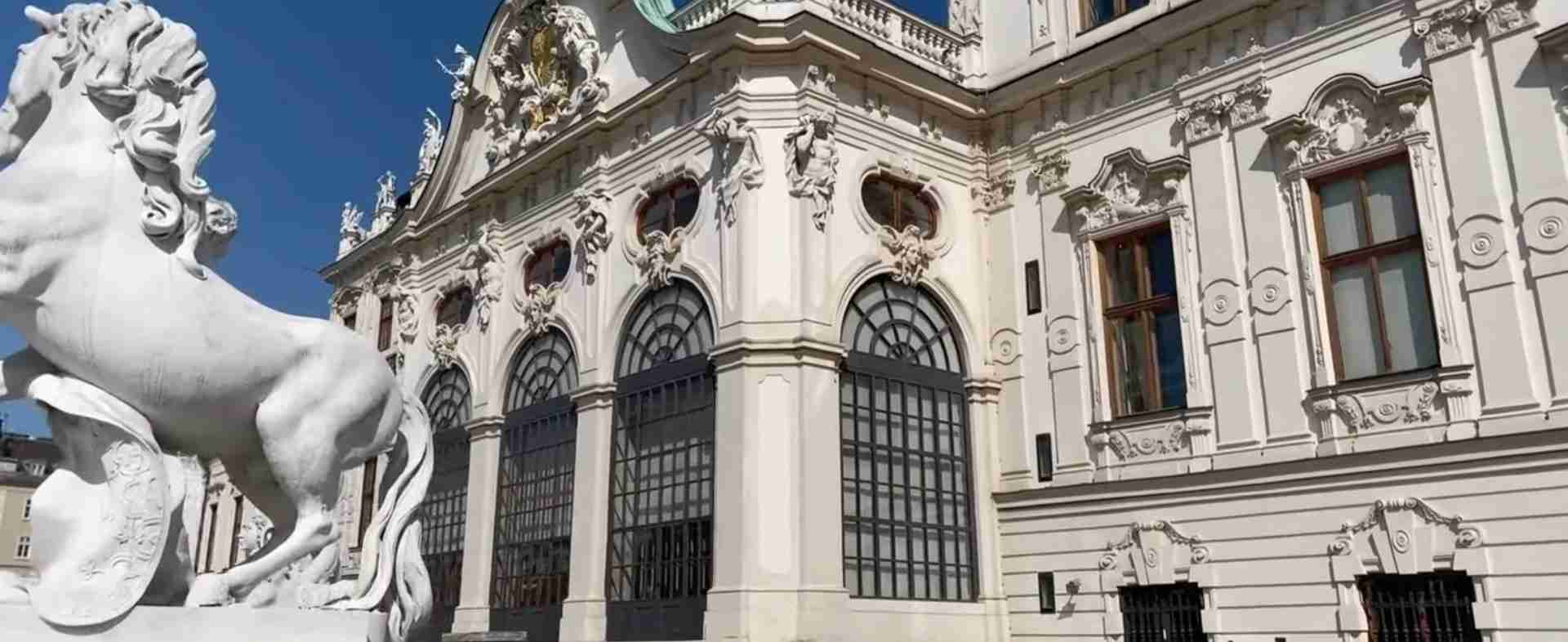
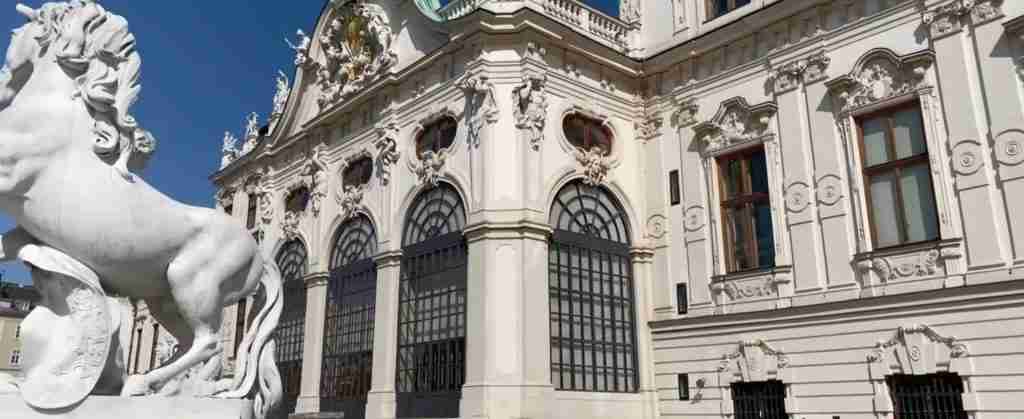
Belvedere Palace splits into Upper Belvedere (€18-22 including special exhibitions) housing Gustav Klimt’s “The Kiss” and Austrian art masterpieces, and Lower Belvedere (€16) presenting baroque halls and rotating exhibitions. Combined tickets (€27) cover both palaces and gardens. The palace gardens provide free access with magnificent city views—French baroque landscaping creates photography opportunities year-round. Kunsthistorisches Museum (Art History Museum, €21) ranks among world’s greatest art collections—Bruegel, Vermeer, Velázquez, Caravaggio fill galleries, while Egyptian and Greek antiquities occupy ground floor. Allocate 3-4 hours minimum for proper appreciation. Friday evenings (6-9 PM) offer half-price admission October-May (€10.50), though temporary exhibitions may carry separate fees.
Historic Center and Churches
St. Stephen’s Cathedral (Stephansdom) anchors Vienna’s UNESCO-designated historic center, offering free nave access during visiting hours (6 AM-10 PM weekdays, 7 AM-10 PM weekends). The South Tower climb (€6, 343 steps, no elevator) delivers panoramic city views from 72 meters, while North Tower elevator (€7) reaches 60 meters to Pummerin bell viewing chamber. Catacombs tours (€7, German and English) explore underground Habsburg burial vaults and medieval bone chambers. Cathedral Treasury (€7) displays religious artifacts separately. Combined cathedral experiences total €20-27 depending on selections—prioritize South Tower for views and catacombs for historical interest.
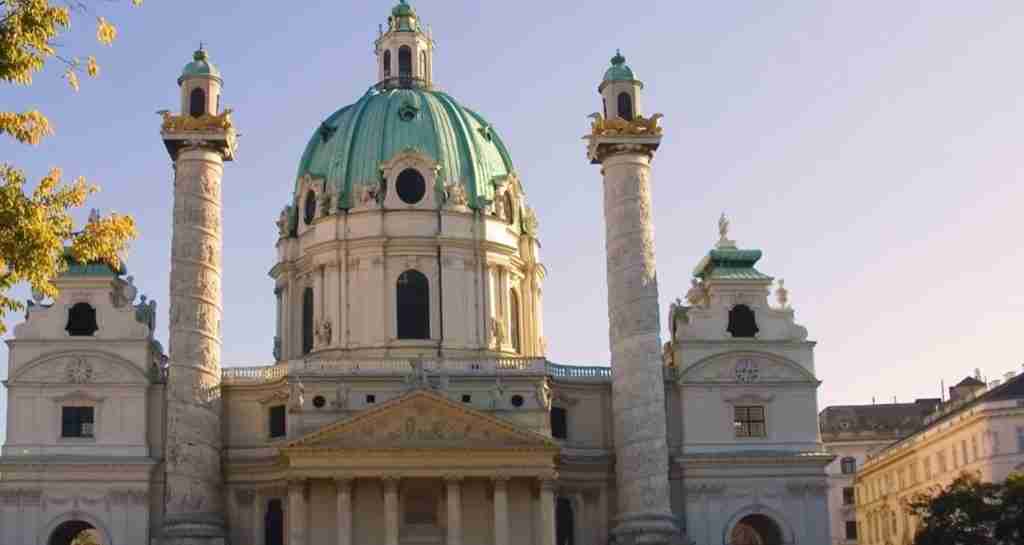
Karlskirche (St. Charles Church, €9.50 including elevator to dome) presents baroque architectural perfection with Rottmayr ceiling frescoes viewed via panoramic elevator ascending into cupola. Votivkirche (free entry) showcases neo-Gothic grandeur opposite the University. Peterskirche (free) crams baroque exuberance into compact space near Graben—free organ concerts occur regularly (donation requested). Vienna’s church architecture rewards wandering—Ruprechtskirche (Vienna’s oldest church), Minoritenkirche, and Augustinerkirche (Habsburg wedding church) provide free access to significant historical spaces.
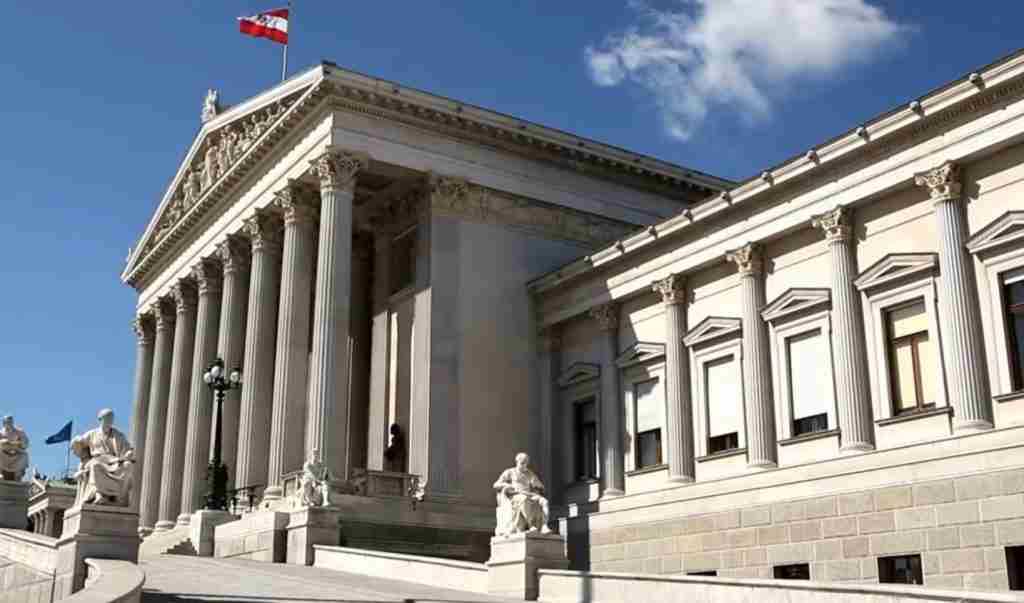
Ringstrasse monuments circle the historic center, combining architecture and cultural institutions. Parliament building, City Hall (Rathaus), Burgtheater, University, and Museums surround the old town along this grand boulevard. Walking the complete Ring (5 kilometers) takes 60-90 minutes, while trams #1 and #2 circle the route with frequent stops for exploration. Graben and Kohlmarkt pedestrian streets showcase Vienna’s shopping elegance and historic facades. Naschmarkt (free to wander) stretches 1.5 kilometers of food stalls, restaurants, and Saturday flea market (antiques and vintage finds). Allow 1-2 hours for market exploration, best visited 9-11 AM before afternoon crowds or 4-6 PM for early evening atmosphere.
Sample Vienna Itineraries 2026
3-Day Vienna Itinerary 2026
Day 1: Imperial Vienna Core
Begin at Hofburg Palace (9 AM opening) visiting Imperial Apartments and Sisi Museum before mid-morning crowds intensify (entrance €15, 90-120 minutes). Walk through Hofburg courtyards to Michaelerplatz, then proceed along Kohlmarkt luxury shopping street to Graben, admiring baroque facades and stopping at Demel confectionery (established 1786, traditional k.u.k. Hofzuckerbäcker). Reach St. Stephen’s Cathedral for South Tower climb (€6, 30-45 minutes including ascent and view appreciation) before 11 AM when queues form.
Lunch at Figlmüller (Wollzeile 5, €15-22 for famous oversized Wiener Schnitzel) or nearby Gasthaus Pöschl (€12-18 for traditional fare). Afternoon proceeds to Kunsthistorisches Museum (€21, 3-4 hours recommended for major collections—Bruegel room, Vermeer, Caravaggio, Egyptian galleries). Exit around 5 PM for Ringstrasse walk or tram #1/#2 circuit (included in day pass), observing Parliament, Rathaus, Burgtheater, and Opera from outside as architectural procession.
Dinner options include Plachutta Wollzeile (€25-40 for Tafelspitz specialty in traditional setting) or more casual Café Korb (€15-25 for solid Viennese cuisine). Evening attendance at Vienna State Opera (standing room €10-15, arrive 80 minutes before performance for queue, or seated tickets €50-300+ booked weeks ahead) or evening concert at Karlskirche or Musikverein (€30-80 depending on program and seats). Schnitzel €15-22, museum €21, tower €6, dinner €20-35, opera standing €12, public transport €8 day pass. Total day cost: €82-104 per person (excluding accommodation).
Day 2: Schönbrunn and Museums
Depart hotel 8:30 AM for Schönbrunn Palace (U4 to Schönbrunn station, 20-25 minutes from center), arriving at 9 AM opening for Grand Tour (€32, audioguide included, 50-60 minutes). Post-palace exploration spans gardens, Gloriette monument climb (€5, city views), Neptune Fountain, and Palm House greenhouse (€7.50). Pack picnic lunch from Naschmarkt purchases previous evening or eat at palace cafe (€12-18 for light meals, skip overpriced restaurants).
Return to city center (2:30 PM) for Belvedere Palace Upper Belvedere visit (€18-22, focus on Klimt “The Kiss” and Austrian art collection, 90 minutes). Walk through Belvedere gardens (free) photographing palace and fountain compositions. Late afternoon visits traditional Viennese coffeehouse—Café Central (Herrengasse 14, expect weekend waits), Café Sperl (Gumpendorferstrasse 11, authentic local atmosphere), or Café Landtmann (Universitätsring 4, Freud’s favorite). Order Melange coffee (€4.50) and Sachertorte or Apfelstrudel (€5-7), linger 60-90 minutes reading newspapers and observing Viennese cafe culture.
Dinner at Naschmarkt area restaurants—Neni (modern Middle Eastern-influenced, €18-28 mains), Tewa (Asian fusion, €15-24), or traditional Gasthaus Wickerl (€14-22 for classic Viennese). Evening options include MuseumsQuartier bar scene (Leopold Museum rooftop, MQ Libelle terrace) or classical concert at Konzerthaus. Palace Grand Tour €32, Gloriette €5, Palm House €7.50, Belvedere €20, coffeehouse €10, dinner €22-35, transport included in day pass €8. Total day cost: €104-119 per person (excluding accommodation).
Day 3: Culture and Neighborhoods
Morning explores Naschmarkt (arrive 9 AM, walk through stalls, sample foods, Saturday includes famous flea market with antiques and curiosities). Proceed to nearby Secession Building (€9.50, Klimt Beethoven Frieze, 30-45 minutes) representing Jugendstil (Art Nouveau) architecture. Walk through 4th district to Karlsplatz observing Otto Wagner’s Stadtbahn Pavilions (Art Nouveau subway entrance buildings), then visit Karlskirche (€9.50 including dome elevator, baroque masterpiece, 45-60 minutes).
Lunch at Motto am Fluss (canal-side modern Austrian, €15-25) or Strandbar Herrmann (summer beach bar atmosphere, €12-20). Afternoon options split between additional museums (Albertina for graphic arts €17.90, Leopold Museum for Schiele and Austrian modernism €15, Natural History Museum €16) or neighborhood exploration—7th district’s boutique shopping and independent cafes, Spittelberg quarter’s artisan shops, or Prater park and giant Ferris wheel (Riesenrad, €13.50, Vienna landmark since 1897).
Final evening features Heuriger wine tavern experience in suburbs (Grinzing or Nussdorf)—tram D to last stop, then 10-minute walk to traditional wine gardens. Order wines by the glass (€4-6) or quarterliter carafe (€5-8), sample cold buffet plates (€8-12 per person for mixed selection), enjoy traditional music (some venues charge €2-4 cover on live music nights). Return to city center via tram (last departures 11:30 PM-midnight). Secession €9.50, Karlskirche €9.50, lunch €18, Albertina OR Riesenrad €14-18, Heuriger dinner and wine €25-35, transport €8. Total day cost: €84-108 per person (excluding accommodation).
Three-Day Summary: Total sightseeing and meals approximately €270-331 per person over three days, plus accommodation (€180-450 depending on category) and initial transport card (€29 for 72-hour card including transport and attraction discounts). Overall trip budget €449-781 per person for three days excluding flights, varying by accommodation choice and dining style. This itinerary balances major imperial sights with cultural experiences and neighborhood discovery, allowing adequate time at each location without excessive rushing.
5-Day Vienna Itinerary 2026
The 5-day itinerary expands the 3-day foundation with additional palace depth, day trip options, and neighborhood immersion. Days 1-3 follow the intensive program above, while Days 4-5 add cultural layers and excursion possibilities.
Day 4: Vienna Woods and Wine
Morning departures (9 AM) for Vienna Woods exploration via public transport or organized day trips. Heiligenkreuz Abbey (Cistercian monastery, €11 guided tour, baroque and romanesque architecture, 90 minutes from Vienna via bus 360 from Baden bei Wien) combines with Mayerling hunting lodge (€8, site of Crown Prince Rudolf’s death, 20 minutes from abbey). Alternatively, visit Laxenburg Castle and park (30 minutes south via bus from Meidling, €9 park entry, boat rides to Franzensburg castle on lake €6).
Wine-focused day trips target Wachau Valley (UNESCO World Heritage wine region, 90 minutes west via S-Bahn to Krems, then bus or boat to Dürnstein). Visit Melk Abbey en route (€14.50, baroque monastery, Danube views), wine tastings at Wachau vineyards (€12-20 for tastings), and Dürnstein village exploration. Full-day organized Wachau tours cost €65-95 including transport, abbey visit, and tastings—evaluate against DIY public transport expense (€30-40 round-trip, attractions €25-35, meals €25-35) considering convenience versus savings.
Return to Vienna evening for dinner in 7th district Neubau—hip neighborhood with Restaurant Labstelle (seasonal Austrian, €22-35 mains), Ulrich (modern bistro, €18-28), or Glacis Beisl (MQ adjacent, €16-26). Post-dinner drinks at Loos American Bar (historic cocktail bar, €12-18 cocktails, reservation recommended) or MuseumsQuartier summer terraces. Abbey €11-14.50, park/tastings €18-30, lunch €15-25, dinner €25-40, public transport €20-30 for regional trips OR organized tour €75. Total day cost: €89-139 per person (excluding accommodation).
Day 5: Deep Culture and Departure Preparation
Morning museum selections target interests: MAK (Museum of Applied Arts, €14, Vienna Workshop design and Art Nouveau), Leopold Museum (€15, Schiele and Austrian Expressionism), or Albertina (€17.90, graphic arts and photography). Alternatively, revisit favorite neighborhoods for shopping—Kärntner Strasse pedestrian zone for international brands, Mariahilferstrasse for department stores (Peek & Cloppenburg, Gerngross), or 7th district boutiques for independent designers.
Late morning books Spanish Riding School performance (if not seen Day 1, €30-180) or Haus der Musik (€15, interactive sound museum, 2 hours). Lunch at Trzesniewski (famous open-faced sandwich shop, €1.50 per sandwich, order 6-8 for light lunch €9-12) or Bitzinger Würstelstand (Albertina corner, classic sausage stand, €4-6). Afternoon final palace visit—Liechtenstein Garden Palace (€15, private collection, baroque architecture, less crowded than major palaces) or Augarten Porcelain Manufactory tour (€12, Vienna porcelain production since 1718).
Farewell dinner elevates the culinary experience—Steirereck im Stadtpark (2 Michelin stars, €120-180 per person for tasting menu, book 4-6 weeks ahead) represents Vienna’s contemporary fine dining peak. Alternative high-quality traditional options include Zum Schwarzen Kameel (€30-50, Jugendstil interior, exceptional wine list) or Figlmüller flagship Bäckerstrasse location (€18-28, tourist favorite but authentic Schnitzel). Final evening stroll through illuminated historic center observing St. Stephen’s and Graben night atmosphere. Museum €14-18, lunch €10-15, palace/manufactory €12-15, dinner €35-180, transport €8. Total day cost: €79-236 per person (excluding accommodation, variance reflects Michelin dining option).
Five-Day Summary: Total sightseeing and meals approximately €522-813 per person over five days (including Days 1-3 base €270-331 plus Days 4-5 extension €252-482), plus accommodation (€450-900 for 5 nights depending on category) and transport card (€29 for 72 hours plus €17 extension or day passes). Overall trip budget €999-1742 per person for five days excluding flights. This extended itinerary permits relaxed pacing, deeper cultural engagement, regional excursions, and fine dining experiences while maintaining comprehensive Vienna coverage without daily rushing between packed schedules.
Money-Saving Strategies 2026
Strategic Vienna travel reduces costs significantly through timing, selective spending, and insider knowledge. Book accommodation 6-8 weeks ahead for shoulder seasons (April-May, September-October) when rates run €30-70 below summer peaks for identical properties. Target Tuesday-Thursday arrivals when weekend supplements don’t apply and business hotel inventory increases availability. Winter beyond Christmas (January-March) delivers deepest discounts—€120 summer rooms sometimes available at €75-90, though shorter days and cold limit outdoor activities.
The Vienna City Card (€29 for 72 hours) combines unlimited transport with attraction discounts, paying for itself through transport alone (€8 daily x 3 = €24) before discounts add value. However, calculate carefully—if visiting only 2-3 major sites over three days, individual tickets plus 72-hour transport ticket (€17.10) totals less. Free museum days (typically first Sunday monthly at Belvedere, Kunsthistorisches, Leopold) save €15-21 per person but attract intense crowds—arrive at opening for manageable conditions. Many churches offer free concerts (donation requested)—Peterskirche, Karlskirche, Augustinerkirche schedule regular performances.
Food savings accumulate through market shopping and strategic dining. Naschmarkt purchases (bread, cheese, cured meats, fruit: €12-18 per person) create picnic lunches consumed in palace gardens or city parks. Supermarkets (Billa, Spar, Hofer) stock ready-made meals at €4-8, a fraction of restaurant costs. Lunch menus at quality restaurants (11:30 AM-2:30 PM) discount €5-10 off evening prices for identical kitchens. Würstelstand sausage stands deliver authentic quick meals at €4-7 versus €15-25 restaurant equivalents. One coffeehouse splurge daily (€10-15) preserves the Viennese tradition without every meal requiring table service.
Vienna State Opera standing room tickets (€10-15) provide world-class performances at student prices—arrive 80 minutes before curtain for queue positions, bringing scarf to mark your spot, then explore nearby until 10 minutes before start. Concert hall standing sections similarly offer €10-18 access to performances costing €60-120 seated. The Vienna Pass (€78-159 depending on days) rarely justifies costs unless visiting 4+ major paid attractions daily—calculate specific plans against pass pricing before purchasing.
Walking replaces transport costs for historic center exploration—Hofburg to St. Stephen’s to Belvedere spans 3.5 kilometers manageable on foot, saving daily transit costs if your itinerary concentrates centrally. Bicycle rental (Citybike Wien stations offer first hour free, subsequent hours €1-4, register online before use) provides economical mobility for capable cyclists navigating Vienna’s bike lanes. Accommodation in 6th-7th districts versus 1st district saves €40-80 nightly for 10-15 minute U-Bahn commutes—significant multi-day savings for minimal inconvenience. These combined strategies can reduce typical daily costs by €30-60 per person without sacrificing Vienna’s essential experiences.
Booking and Reservations 2026
Vienna’s booking requirements divide clearly between advance-essential experiences and walk-up-friendly attractions. Spanish Riding School performances require 6-8 weeks advance booking through their official website (spanische-hofreitschule.at), particularly for peak season (April-October) and holiday performances. Vienna State Opera tickets for popular productions (La Traviata, Magic Flute, Swan Lake) sell out 4-8 weeks ahead for premium seats—book through wiener-staatsoper.at once performance schedule publishes. Standing room tickets remain available day-of-performance but require 80-minute pre-curtain queuing.
Accommodation in central districts (1st, 4th, 6th, 7th) books solid 6-8 weeks ahead for September-October and April-May optimal periods—delay risks limited availability or inferior locations. Christmas market season (late November-December 26) requires 8-12 weeks advance reservation for preferred properties at reasonable rates. January-March and November (pre-Christmas markets) offer more flexibility with 2-4 weeks typically sufficient except New Year’s week. Use booking.com, hotel direct websites, or Airbnb depending on accommodation type, comparing total prices including taxes and fees.
Restaurant reservations matter primarily for Michelin-starred venues (Steirereck, Silvio Nickol, Konstantin Filippou) requiring 4-6 weeks advance booking through restaurant websites or email. Traditional Beisl establishments and most casual restaurants welcome walk-ins or accept same-day phone reservations. Coffee houses operate walk-in only except Café Central on weekends (10-15 minute waits common). Heuriger wine taverns don’t accept reservations—arrive 6-7 PM for tables or 8-9 PM accepting shared seating during busy periods.
Palace and museum tickets rarely require advance purchase except to avoid queues. Schönbrunn and Hofburg online tickets (available through official palace websites) eliminate 30-45 minute summer waiting but don’t limit entry—walk-up remains possible. Special exhibitions at Belvedere, Albertina, or Kunsthistorisches sometimes implement timed entry requiring advance online booking. Day trip tours to Wachau Valley or Vienna Woods book 2-4 weeks ahead through Viator, GetYourGuide, or tour operator websites—essential for summer weekends, more flexible in shoulder seasons.
Concert tickets at Musikverein and Konzerthaus publish schedules months ahead—book 4-8 weeks early for famous performers or specific seating preferences through venue websites. Tourist-oriented Mozart and Strauss concerts rarely sell out but benefit from online booking (€5-10 cheaper than door prices). Church concerts operate walk-in with donations, no advance booking possible. Vienna Boys’ Choir Sunday Mass (free but limited capacity) requires advance chapel seat reservation through their website for guaranteed entry—arrive 30 minutes early for unreserved standing positions.
2026 Updates & Current Information
Vienna’s visitor infrastructure continues evolving in 2026 with several significant developments. The U2 metro line extension through Matzleinsdorfer Platz to Wienerberg opened late 2025, improving access to southern districts and reducing travel times from 4th district hotels. Schönbrunn Palace introduced augmented reality audio guides (included with Grand Tour tickets) allowing virtual reconstructions of historical room appearances. Hofburg Imperial Apartments expanded their Maria Theresa section adding three previously closed chambers to the public tour route.
Klimt 2026 commemorations mark 108 years since the artist’s death with special exhibitions at Belvedere Palace (March-September, €25 special exhibition ticket), Leopold Museum Schiele retrospective pairing (€18-22), and Secession Building Beethoven Frieze restoration completion celebration. These temporary exhibitions supplement permanent Klimt holdings, creating peak 2026 art programming. Austrian National Library introduced evening tours (Thursday-Friday 6-8 PM, €18) of the State Hall baroque library previously limited to daytime access.
Transportation updates include expanded bike-sharing networks with 200 new Citybike Wien stations throughout inner districts and introduction of electric scooter regulations requiring designated parking zones (fines €50 for improper parking). The airport CAT train implemented dynamic pricing (€12-18 depending on booking timing) rewarding advance online purchase. Vienna City Card expanded partner network to 240+ venues (from 210 in 2025) including new restaurant and tour operator discounts.
Practical considerations for 2026 include Austria’s full implementation of ETIAS pre-travel authorization (€7, valid three years) for visa-exempt visitors—register online before departure to avoid arrival delays. Many traditional coffeehouses and restaurants now accept credit cards universally following 2025 payment infrastructure upgrades, though smaller establishments and market vendors maintain cash preferences. Museum late hours expanded at Kunsthistorisches (Thursday until 9 PM year-round), Belvedere (Friday until 9 PM), and Leopold (Wednesday until 9 PM), facilitating flexible scheduling and evening cultural experiences previously unavailable.
Frequently Asked Questions About Vienna 2026
Is Vienna expensive compared to other European capitals?
Vienna’s costs position mid-range among Western European capitals—less expensive than London, Paris, or Zurich, comparable to Berlin or Munich, more costly than Prague or Budapest. Budget travelers spend €80-110 daily (hostels, cheap eats, selective attractions), mid-range visitors €150-200 (comfortable hotels, restaurant meals, full sightseeing), while luxury experiences cost €300-500+ daily. Coffee and cake culture adds €8-15 daily but represents essential Vienna experience worth the expense. Museum passes and transport cards deliver value if used intensively, though Vienna allows successful budget travel through strategic choices.
How safe is Vienna for tourists in 2026?
Vienna ranks among Europe’s safest capitals with low violent crime rates and minimal tourist-targeted problems. Pickpocketing occurs primarily on crowded trams (especially lines 1, 2, D around Ringstrasse) and tourist zones (Stephansplatz, Schönbrunn)—carry bags frontally, secure valuables in inside pockets, and maintain awareness in crowds. Neighborhoods feel safe for evening walks, including solo female travelers, with well-lit streets and good public awareness. Emergency number 112 connects to English-speaking operators. Scams remain rare but include overpriced “traditional” restaurants near St. Stephen’s targeting tourists (check menus and prices before sitting) and occasional taxi overcharging (use official stands or ride-sharing apps to avoid). Overall, safety concerns rank minimal compared to major European destinations.
What should I wear in Vienna?
Vienna maintains relatively formal European dress codes compared to casual American standards. Smart casual works for most situations—jeans acceptable at casual restaurants and sightseeing but upgrade to slacks/dresses for opera, concerts, and fine dining. Traditional coffeehouses welcome neat casual attire, though locals dress somewhat formally. Summer heat (June-August) permits shorts and sundresses, but bring cardigans for air-conditioned museums and evening temperature drops (10°C common). Churches require covered shoulders and knees (carry scarf for covering).
Seasonal considerations vary significantly: spring (April-May) needs layers for 10-20°C daily variation, light jacket essential. Summer requires sun protection, comfortable walking shoes (expect 8-12 kilometers daily), and light breathable fabrics. Autumn (September-October) brings similar conditions to spring with rain probability increasing—pack compact umbrella. Winter (December-March) demands warm coat, gloves, scarf for -2°C to 8°C conditions, though heated public transport and frequent indoor stops moderate cold exposure. Comfortable walking shoes matter year-round given Vienna’s cobblestone streets and extensive pedestrian exploration. Opera and concert attendance expects formal or smart attire (jackets for men, dresses or elegant pantsuits for women) though standing room sections permit slightly more casual presentation.
Can I visit Vienna without speaking German?
Vienna operates entirely accessible to English-only visitors. Tourist infrastructure (hotels, major restaurants, museums, ticket offices) functions in fluent English, while younger Viennese and service industry workers speak English well. Transportation apps, museum audio guides, and official websites provide English versions. Older generations and traditional establishments may have limited English, but basic courtesy words (Grüß Gott for hello, Danke for thanks) and gesture communication resolve most situations. German restaurant menus increasingly include English translations, and Google Translate camera function converts German text instantly when needed.
Cultural context: Viennese appreciate attempts at basic German courtesy phrases but respond happily to English rather than struggling through language barriers. Learn “Entschuldigung” (excuse me), “Sprechen Sie Englisch?” (do you speak English?), and “Die Rechnung, bitte” (the bill, please). Austrian German differs from Germany German in pronunciation and vocabulary (particularly food terms), but English suffices for all tourist needs. Museum audio guides in English provide professional narration at major sites. Traditional coffeehouse menus use German exclusively but servers explain options in English when requested. Overall, monolingual English speakers navigate Vienna successfully without language anxiety, though minimal German phrase knowledge demonstrates cultural respect appreciated by locals.
What’s the best way to get from the airport to the city center?
Vienna Airport transportation balances speed, cost, and convenience across several options. The City Airport Train (CAT) provides fastest transfer at 16 minutes to Wien Mitte station, costing €12 single or €21 return (valid one month). Regular S-Bahn S7 train delivers equivalent destination in 25 minutes for €4.50 using standard transport tickets—departures every 30 minutes 4:30 AM-midnight. The S7 represents best value for budget travelers, with time difference minimal and savings significant for couples or groups.
Vienna Airport Lines buses (€9 single, €16 return) serve multiple city locations including Schwedenplatz, Westbahnhof, and major hotels with 20-35 minute journey times depending on destination—useful for hotels not near Wien Mitte. Taxis cost €35-45 to city center (20-30 minutes depending on traffic), suitable for groups of 3-4 splitting costs or travelers with heavy luggage preferring door-to-door service. Pre-booked airport transfers (€40-50) provide fixed pricing without metering concerns.
Early morning or late-night arrivals outside public transport hours require taxis or pre-booked transfers, as S-Bahn operates limited schedules overnight (though CAT and S7 run all nights Friday-Saturday and before holidays). For departures, reverse these options—CAT runs 5:37 AM-11:39 PM from Wien Mitte, S7 operates 4:18 AM-11:49 PM. Book CAT tickets online for slight discounts, or purchase at Wien Mitte station machines before boarding. Vienna’s airport access ranks among Europe’s most efficient, with multiple good options serving different budget and timing priorities.
Should I buy the Vienna Pass or pay for attractions individually?
Vienna Pass justification requires intensive sightseeing schedules visiting 3-4 major paid attractions daily. The pass costs €78 (1 day), €112 (2 days), €139 (3 days), covering 60+ attractions without additional payment. Calculate your specific itinerary: Schönbrunn Grand Tour (€32) + Hofburg (€15) + Belvedere (€22) + Kunsthistorisches (€21) = €90 in one day justifies the €78 pass if you actually visit all four locations. However, most travelers see 2-3 major sites daily maximum, making individual payment more economical.
The Vienna City Card (€17/24hr, €25/48hr, €29/72hr) offers different value proposition—unlimited transport plus percentage discounts (10-25%) at 240+ venues. This card justifies through transport alone (€8 daily pass x 3 days = €24, making €29 72-hour card worthwhile) before discounts add value. The discounts rarely equal full Vienna Pass coverage but provide flexibility—pay only for attractions you actually visit while saving modest amounts.
Optimal strategy for most visitors: purchase 72-hour Vienna City Card for transport and minor savings, then pay individual major attractions (Schönbrunn, Hofburg, Belvedere, Kunsthistorisches). This combination totals approximately €29 (card) + €75-95 (four major sites) = €104-124 for three days versus Vienna Pass €139 for same period—while maintaining flexibility to skip attractions without waste. Student travelers with valid ISIC cards receive 25-50% discounts at major sites, making passes even less justified. Senior citizens (65+) also access discounts making pay-as-you-go preferable. Only travelers planning genuinely exhaustive sightseeing (4-5 paid attractions daily) benefit from full Vienna Pass investment.
What COVID-19 precautions are in place in 2026?
Austria abolished COVID-19 entry restrictions in 2022 with no current testing, vaccination documentation, or quarantine requirements for Vienna visitors. Hotels, restaurants, museums, and public transport operate without mask mandates or capacity restrictions. Sanitizer stations remain available at many public buildings from pandemic infrastructure but usage proves optional. Medical facilities maintain higher precautions—masks may be requested at hospitals and medical practices.
Practical considerations: carry small hand sanitizer for personal comfort, particularly before eating at outdoor markets or after public transport. Crowded attractions (Schönbrunn peak hours, packed U-Bahn trains) create close contact where individual precautions make sense regardless of mandates. Travel insurance covering medical needs proves advisable as always, though COVID-specific coverage requirements no longer apply. If feeling unwell, Austrian pharmacies (Apotheken) provide over-the-counter medications and professional advice—pharmacist consultation included in purchase price. Emergency medical treatment available through standard European procedures (EU citizens use European Health Insurance Card, others verify travel insurance coverage). Overall, Vienna operates post-pandemic normalcy with no special COVID procedures affecting tourist visits.
How do tipping and service charges work in Vienna?
Vienna tipping customs follow Austrian conventions—service charges typically included in restaurant prices but additional rounding appreciated. At restaurants, examine bills for “Bedienung” (service) inclusion, then round up total 5-10% depending on service quality. Payment protocol involves requesting bill (“Die Rechnung, bitte”), receiving it at table, then stating intended total including tip when paying server directly—say “Make it €35” for €32 bill rather than leaving exact change.
Specific guidance: coffee houses round up €1-2 for €8-12 bills, full-service restaurants add 5-10%, taxis round to nearest euro or add €1-2 for longer trips. Hotel porters receive €1-2 per bag, housekeeping €2-3 per night (leave on pillow final day), tour guides €3-5 per person for group tours or 10% for private guides. No tipping expected at museum ticket counters, public transport, or self-service establishments.
Cultural context: Austrian service styles lean formal and professional rather than American-style friendliness—don’t interpret reserved service as rudeness or poor quality. Servers provide attentive but discrete service, checking periodically rather than hovering. Credit card machines typically don’t include tip lines—state your total verbally or leave cash tip separately if paying by card. Some establishments add small cover charges (€1-3 per person) for bread or table service—this supplements rather than replaces tipping. Overall, Vienna tipping proves less intensive than American expectations but important for service industry workers whose wages assume modest gratuity supplements.
What are Vienna’s best free activities?
Vienna offers substantial free experiences balancing paid imperial attractions. Schönbrunn Palace gardens provide free access across 160 hectares—explore Neptune Fountain, tree-lined avenues, and Gloriette exterior (interior climb €5). Belvedere Palace gardens similarly open freely with magnificent baroque landscaping and palace facade photography. Stadtpark, Volksgarten, and Burggarten public parks offer manicured green spaces, monuments, and relaxation zones—Volksgarten’s June rose blooms create spectacular displays.
Architectural appreciation costs nothing—walk the Ringstrasse complete circuit observing Parliament, Rathaus, Burgtheater, Opera, and museums from outside. Wander Innere Stadt (historic center UNESCO zone) admiring baroque facades, window shopping luxury boutiques, and absorbing imperial Vienna atmosphere. St. Stephen’s Cathedral offers free nave access and daily services, while smaller churches (Peterskirche, Ruprechtskirche, Votivkirche) provide free entry to significant architectural spaces. Many churches schedule free concerts (donation requested)—Peterskirche and Augustinerkirche maintain regular programs.
Danube Island (Donauinsel) stretches 21 kilometers of recreational space with beaches, bike paths, and Vienna’s summer outdoor scene—entirely free access. Vienna Woods outer areas provide hiking and nature exploration accessible via public transport. Naschmarkt wandering costs nothing (purchases optional), as does Saturday flea market browsing. First Sunday of months brings free museum admission at Belvedere, Kunsthistorisches, and Leopold—arrive at opening for manageable crowds. These free options, combined with €8-15 daily coffeehouse cultural immersion and modest transport costs, enable rewarding Vienna visits on constrained budgets while experiencing essential city character.
When should I book accommodation and flights for best prices?
Vienna accommodation pricing follows clear patterns: book 6-8 weeks ahead for shoulder seasons (April-May, September-October) securing optimal rates before availability tightens. Christmas market period (late November-December 26) requires 10-12 weeks advance booking—rates increase significantly and central locations sell out. Summer (June-August) benefits from 6-8 week advance reservations avoiding peak prices that appear closer to dates. Winter beyond Christmas (January-March except New Year’s week) offers more flexibility—2-4 weeks typically sufficient with occasional last-minute deals appearing.
Flight pricing to Vienna depends heavily on origin and season. European flights book best 4-8 weeks ahead, while transatlantic routes benefit from 8-12 week advance purchase. Tuesday-Wednesday-Saturday departures typically cost €50-150 less than Friday-Sunday-Monday for identical routes. Shoulder season flights (April-May, September-October) run €100-200 cheaper than summer peaks from US East Coast (€600-900 versus €800-1100 round-trip economy). Budget carriers (Ryanair, Wizz Air) serving Vienna from European cities offer extreme savings (€30-80 round-trip from many cities) when booked 6-8 weeks ahead.
Combined booking strategy: monitor flights 12-16 weeks before intended travel, booking when acceptable fares appear (set fare alerts through Google Flights or Skyscanner). Lock accommodation 6-8 weeks out once flight commitment confirmed. This timing balances availability against early-booking savings without excessive advance commitment. Last-minute bookings (1-2 weeks) rarely yield Vienna deals except unexpected low-occupancy periods—generally prices increase approaching dates. Flexible travelers can score occasional bargains monitoring hotel booking sites 2-3 weeks out, but this strategy risks limited availability or poor locations during peak periods.