
Victoria Falls Travel Guide 2026: UNESCO World Heritage & Natural Wonder
Key Takeaways for Your 2026 Victoria Falls Visit
- Victoria Falls spans the border between Zimbabwe and Zambia, offering distinct experiences from each country with separate entry fees and visa requirements for 2026
- Peak water flow occurs March-May following the rainy season, while September-December offers the best combination of water levels and visibility for 2026 visitors
- Budget €80-150 per person daily for activities, meals, and park entries, with accommodation ranging €60-400+ depending on luxury level
- The KAZA UniVisa ($50) allows unlimited crossings between Zimbabwe and Zambia for 30 days, essential for exploring both sides in 2026
- Advance booking for helicopter flights, bungee jumping, and luxury lodges is essential during peak season (July-October 2026)
- Victoria Falls remains one of Africa’s most accessible UNESCO World Heritage sites, with direct flights from Johannesburg, Nairobi, and Addis Ababa
Introduction to Victoria Falls Planning 2026
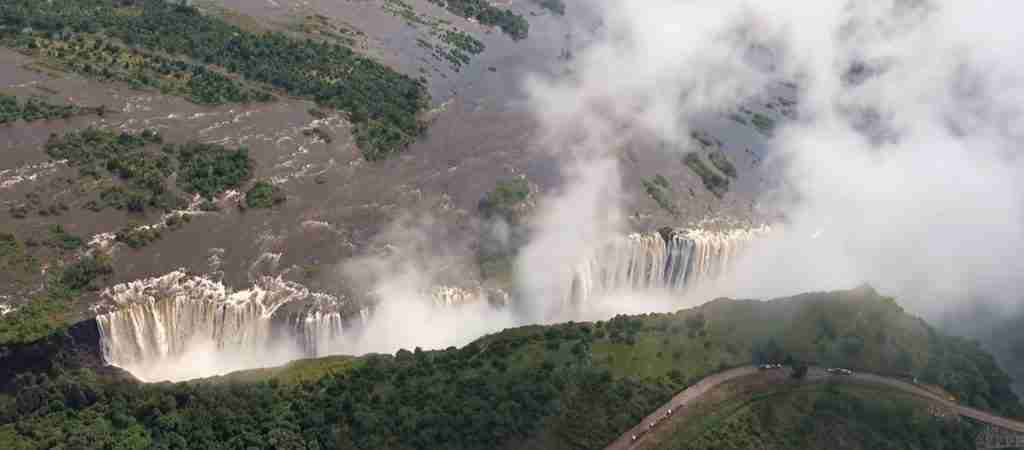
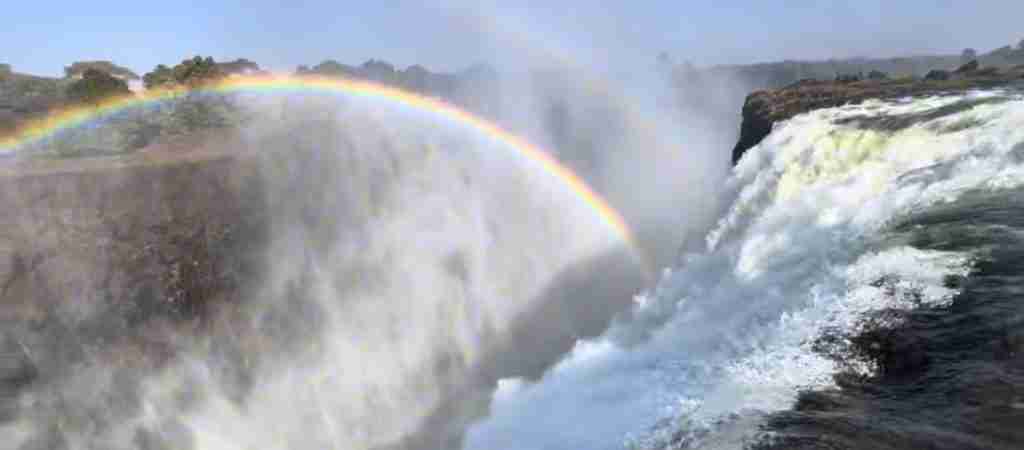
Victoria Falls stands as one of Earth’s most spectacular natural phenomena—a curtain of water stretching 1,708 meters wide and plunging 108 meters into the Batoka Gorge below. Known locally as “Mosi-oa-Tunya” (The Smoke That Thunders), this UNESCO World Heritage Site generates a spray visible from 50 kilometers away during peak flow, creating rainbows that dance across the gorge throughout the day. For 2026 visitors, Victoria Falls offers an unparalleled combination of natural wonder, adventure activities, and African wildlife experiences that few destinations can match.
Planning a 2026 visit to Victoria Falls requires understanding the unique dual-nation dynamic that defines this destination. The falls straddle the border between Zimbabwe and Zambia, with each country offering distinct perspectives, experiences, and practical considerations. Zimbabwe’s Victoria Falls town provides the most comprehensive frontal views of the falls and a more developed tourism infrastructure, while Zambia’s Livingstone offers closer proximity to the falls’ eastern cataract and a more laid-back atmosphere. Many 2026 visitors choose to experience both sides, taking advantage of the KAZA UniVisa system that simplifies border crossings.
The 2026 season brings continued infrastructure improvements to both the Zimbabwe and Zambia sides, with enhanced walkways, upgraded viewing platforms, and expanded accommodation options. Whether you’re seeking the adrenaline rush of bungee jumping from Victoria Falls Bridge, the serenity of a sunset cruise on the Zambezi River, or simply the profound experience of standing before one of the world’s greatest waterfalls, this complete guide provides everything needed to plan your perfect 2026 Victoria Falls adventure.
People Also Ask About Victoria Falls 2026
How much does it cost to visit Victoria Falls in 2026?
Visiting Victoria Falls in 2026 costs $50 for Zimbabwe park entry (foreign adults) and $25 for Zambia’s Mosi-oa-Tunya National Park entry. A full day exploring both sides with activities runs €150-300 per person. Budget travelers can experience Victoria Falls for €80-120 daily including accommodation, while mid-range visitors should budget €150-250 daily. Luxury experiences with helicopter flights and premium lodges cost €400-800+ per person daily. The KAZA UniVisa costs $50 and covers both countries for 30 days, offering excellent value for 2026 visitors planning to explore both sides.
When is the best time to visit Victoria Falls in 2026?
The best time to visit Victoria Falls in 2026 depends on your priorities. Peak water flow occurs March-May, creating the most dramatic spray and sound but limiting visibility due to mist. September-November 2026 offers the ideal balance of good water levels and clear visibility, plus excellent wildlife viewing as animals gather at water sources. July-August 2026 provides dry, comfortable weather but reduced water flow on the Zambian side. December-February brings afternoon thunderstorms but fewer crowds and lower prices.
Do I need a visa for Victoria Falls in 2026?
Most visitors to Victoria Falls in 2026 require visas for both Zimbabwe and Zambia. The KAZA UniVisa ($50) covers both countries and allows unlimited border crossings for 30 days—essential for visitors exploring both sides. Single-entry Zimbabwe visas cost $30 (single) or $45 (double), while Zambia charges $50 (single) or $80 (double). Citizens of most African nations, plus select countries including Singapore and Jamaica, enjoy visa-free access. Apply for e-visas through Zimbabwe’s evisa.gov.zw or Zambia’s evisa.zambiaimmigration.gov.zm at least 2 weeks before your 2026 arrival.
Is Victoria Falls worth visiting in 2026?
Victoria Falls absolutely justifies a 2026 visit as one of Africa’s most spectacular and accessible natural wonders. The falls generate twice the height of Niagara Falls and span over 1.7 kilometers—a scale that photographs cannot capture. Beyond the falls themselves, the destination offers world-class adventure activities (bungee jumping, white-water rafting, helicopter flights), excellent wildlife viewing in surrounding national parks, and authentic African cultural experiences. The 2026 season brings improved infrastructure and competitive pricing, making this an optimal time to experience this UNESCO World Heritage Site.
Extended multi-day tours – 5+ days
Featured Park Victoria Falls Multi-Day Tour Packages
3 days
Park Victoria Falls 3-Day Discovery Tour
- ✓ Comprehensive Park Victoria Falls experience
- ✓ Expert local guides included
- ✓ All accommodation included
- ✓ Transportation provided

5 days
Park Victoria Falls 5-Day Highlights Experience
- ✓ Comprehensive Park Victoria Falls experience
- ✓ Expert local guides included
- ✓ All accommodation included
- ✓ Transportation provided
7 days
Park Victoria Falls 7-Day Cultural Journey
- ✓ Comprehensive Park Victoria Falls experience
- ✓ Expert local guides included
- ✓ All accommodation included
- ✓ Transportation provided

10 days
Park Victoria Falls 10-Day Complete Adventure
- ✓ Comprehensive Park Victoria Falls experience
- ✓ Expert local guides included
- ✓ All accommodation included
- ✓ Transportation provided
Multi-day tour packages powered by TourRadar. Prices and availability subject to change.
Essential Planning Information 2026
Victoria Falls Entry Fees and Costs 2026
Victoria Falls National Park (Zimbabwe side) charges $50 for foreign adults and $25 for children aged 6-12 in 2026. Children under 6 enter free. The park opens 6:00 AM – 6:00 PM daily, with last entry at 5:30 PM. This fee includes access to all 16 viewpoints along the 1.7-kilometer path through the rainforest created by the falls’ spray. Check the Zimbabwe Parks and Wildlife Management Authority website for current official rates as pricing may adjust seasonally.
Mosi-oa-Tunya National Park (Zambia side) charges $25 for foreign adults and $15 for children in 2026. This provides access to the eastern cataract viewpoints, the Knife Edge Bridge with its dramatic gorge views, and the path to the Boiling Pot at the base of the falls. The Zambian side offers a more intimate experience with fewer crowds and the opportunity to stand at the very edge of the falls during low-water months (September-December).
The KAZA UniVisa costs $50 and represents the best value for 2026 visitors planning to experience both sides of Victoria Falls. This visa allows unlimited border crossings between Zimbabwe and Zambia for 30 days, meaning you can visit the Zimbabwe side in the morning, cross for lunch in Livingstone, and return for a sunset cruise—all on a single visa. The visa is available on arrival at Victoria Falls Airport, Livingstone Airport, and all land borders between the two countries.
2026 Transportation Options to Victoria Falls
Victoria Falls Airport (VFA) in Zimbabwe receives direct flights from Johannesburg (2 hours, South African Airways and Airlink), Nairobi (3 hours, Kenya Airways), and Addis Ababa (4 hours, Ethiopian Airlines). Flight prices from Johannesburg range $250-450 round-trip depending on season and booking advance. Harry Mwanga Nkumbula International Airport in Livingstone, Zambia offers additional connections including Proflight Zambia services from Lusaka ($180-280 round-trip).
Ground transportation between Victoria Falls town and Livingstone costs $20-30 by taxi (15-minute journey) or $5 by shared minibus. The border crossing at Victoria Falls Bridge operates 6:00 AM – 10:00 PM daily, with typical processing time of 15-30 minutes depending on queues. Walking across the bridge is permitted and offers spectacular views of the gorge below.
From Johannesburg, overland options include the Intercape bus service ($80-100, 16-18 hours) or organized overland tours combining Victoria Falls with Chobe National Park and the Okavango Delta. Self-driving from South Africa takes approximately 12 hours via Botswana (requiring a brief transit through Kasane) or 16 hours via Zimbabwe’s main highways.
Best Time to Visit Victoria Falls 2026
Seasonal Water Flow Patterns 2026
Victoria Falls’ dramatic seasonal variations create distinctly different experiences throughout 2026. The Zambezi River’s flow rate varies from approximately 500 million liters per minute during low water (November) to over 500 million liters per second during peak flood (April). Understanding these patterns is essential for planning your 2026 visit.
High water season (February-May 2026) delivers the most powerful and dramatic falls experience. The spray reaches heights of 400 meters and creates constant rainfall on the Zimbabwe viewing paths—waterproof gear is essential. Visibility of the actual falls can be limited during April-May when the mist is thickest, but the raw power and thunderous sound are unmatched. This period offers the most impressive photographic opportunities for capturing the falls’ full width.
Shoulder season (June-August 2026) sees gradually decreasing water levels while maintaining excellent visibility. The spray reduces enough for clear photography while the falls remain impressive across most of their width. This period coincides with peak tourist season due to dry, comfortable weather and optimal wildlife viewing conditions in nearby parks.
Low water season (September-December 2026) reveals the geological structure of the falls, with distinct cataracts separated by exposed rock faces. The Zambian side experiences the most dramatic reduction, with the eastern cataract sometimes reducing to a trickle by late November. However, this period offers unique opportunities including swimming in Devil’s Pool on the Zambian side and the clearest photography conditions.
Weather and Climate Considerations 2026
Victoria Falls enjoys a subtropical climate with distinct wet and dry seasons. The dry season (May-October 2026) brings daytime temperatures of 25-32°C, cool mornings (10-15°C), and virtually no rainfall. This period offers the most comfortable conditions for outdoor activities and the best wildlife viewing as animals concentrate around remaining water sources.
The wet season (November-April 2026) features afternoon thunderstorms, higher humidity, and daytime temperatures reaching 35-38°C. Morning activities remain pleasant, with storms building through the afternoon. This period offers lush green landscapes, fewer tourists, and lower accommodation prices—budget-conscious 2026 visitors find excellent value during these months.
Accommodation Strategies 2026
Budget Accommodation Options 2026
Victoria Falls town offers excellent backpacker and budget accommodation options for 2026 visitors seeking value. Shoestrings Backpackers charges $15-25 for dormitory beds and $45-60 for private rooms, including breakfast and a swimming pool. Victoria Falls Backpackers offers similar pricing with a central location walking distance from the falls entrance. Livingstone’s Jollyboys Backpackers provides Zambia-side budget accommodation at $12-20 for dorms and $40-55 for private rooms.
Budget guesthouses in both Victoria Falls town and Livingstone offer private rooms with breakfast for $50-80 per night. These family-run establishments provide authentic local experiences and insider tips from knowledgeable hosts. Amadeus Garden Guesthouse and N1 Hotel Victoria Falls represent solid mid-budget options with air conditioning, WiFi, and secure parking.
Mid-Range Hotels 2026
Mid-range accommodation in Victoria Falls town costs $120-250 per night for double rooms in 2026. The Victoria Falls Rainbow Hotel offers comfortable rooms from $130 per night with falls-view dining and a convenient location 2 kilometers from the park entrance. Ilala Lodge provides boutique accommodation from $180 per night, featuring wildlife wandering through the grounds and an acclaimed restaurant.
The Kingdom at Victoria Falls combines three-star comfort with unique African kingdom theming, offering rooms from $140 per night including breakfast and shuttle service to the falls. Cresta Sprayview Hotel provides reliable mid-range accommodation from $100 per night, popular with tour groups and independent travelers alike.
Luxury Lodges and Hotels 2026
Victoria Falls’ luxury accommodation includes some of Africa’s most iconic properties. The Victoria Falls Hotel, operating since 1904, offers colonial elegance with falls views from $450 per night, including high tea on the Stanley Terrace and access to well-maintained gardens overlooking the gorge. The Victoria Falls Safari Lodge provides bush-lodge atmosphere with waterhole views and nightly wildlife sightings from $350 per night.
On the Zambian side, The Royal Livingstone by Anantara delivers five-star riverside luxury from $500 per night, with the only hotel lounge offering direct falls views. Tongabezi Lodge, upstream on the Zambezi, offers romantic cottage accommodation from $600 per night including all meals, activities, and exceptional personalized service. Advance booking is essential for these properties during July-October 2026.
Transportation Guide 2026
Getting Around Victoria Falls 2026
Victoria Falls town covers a compact area easily navigated on foot. The main strip of restaurants and shops along Livingstone Way stretches approximately 1 kilometer, with the falls entrance 1.5 kilometers from the town center. Most hotels provide complimentary shuttle service to the falls entrance and activity pickup points.
Taxis within Victoria Falls town cost $5-10 for most journeys, with fixed rates to common destinations posted at the taxi rank near the post office. Negotiate prices before departure as meters are not used. Transfers to Victoria Falls Airport cost $25-30 per vehicle, while trips to Livingstone run $20-30 depending on negotiation skills.
Bicycle rental provides an enjoyable and economical way to explore the area in 2026, with rental shops charging $10-15 per half-day. The ride from town to the falls entrance takes 15-20 minutes along well-maintained paths. Many visitors cycle to the falls for sunrise entry, avoiding both crowds and midday heat.
Border Crossing Procedures 2026
The Victoria Falls Bridge border crossing between Zimbabwe and Zambia operates 6:00 AM – 10:00 PM daily. With a KAZA UniVisa, the process involves stamping out of one country and into the other—typically 15-20 minutes total during quiet periods, extending to 45-60 minutes during peak tourist season (July-September 2026).
Day trippers without a KAZA UniVisa face additional visa costs and processing time. Zimbabwe’s day-tripper visa costs $30, while Zambia charges $50 for single-entry visitors. Given these costs, the KAZA UniVisa ($50 total) offers significant savings for anyone planning even one border crossing.
Walking across Victoria Falls Bridge takes 10-15 minutes and provides exceptional views of the Batoka Gorge, the bungee jumping platform, and the spray rising from the falls. Vehicles face longer queues, especially at border opening times when commercial traffic backs up. Consider walking across and taking a taxi on the other side for the most efficient crossing.
Money-Saving Strategies 2026
Advance Booking Benefits 2026
Booking accommodation 2-3 months ahead for July-October 2026 travel typically saves 15-25% compared to walk-in rates. Many properties offer early-bird specials for bookings made 90+ days in advance. Flight prices to Victoria Falls fluctuate significantly—booking 6-8 weeks ahead generally captures optimal pricing before late-surge increases.
Activity operators offer combination packages providing better value than individual bookings. A helicopter flight plus sunset cruise combination typically costs $280-320 versus $350+ when booked separately. Multi-day adventure passes covering rafting, bungee, and zipline activities save $50-100 compared to individual activity purchases.
Budget Optimization Tips 2026
Visit the Zimbabwe side of the falls in the morning when the sun illuminates the main curtain of water and rainbow formation is optimal. Cross to Zambia in the afternoon when lighting favors the eastern cataract. This single-day strategy maximizes photographic opportunities while minimizing repeat park entry fees.
Eat at local restaurants away from the main tourist strip for significant savings. The Three Monkeys restaurant, located 5 minutes from the tourist center, serves excellent local cuisine for $8-15 per meal versus $20-40 at tourist-oriented establishments. Supermarkets in both Victoria Falls town and Livingstone allow budget travelers to prepare simple meals at guesthouse kitchens.
Travel during the “green season” (December-February 2026) for accommodation discounts of 30-50% compared to peak season pricing. While afternoon showers are common, mornings remain dry and the falls are impressively full from late December onward. Fewer tourists mean shorter queues, more intimate wildlife encounters, and easier activity bookings.
Sample Itineraries 2026
Two-Day Victoria Falls Itinerary 2026
Day 1: Zimbabwe Side and Adventure Activities
Begin with sunrise entry to Victoria Falls National Park (Zimbabwe) at 6:00 AM. The early morning light creates spectacular rainbows across the falls, and you’ll have many viewpoints to yourself before tour groups arrive around 9:00 AM. Allow 2-3 hours to explore all 16 viewpoints along the rainforest path. Lunch at the Lookout Café offers gorge views and excellent value at $15-25 per person.
Afternoon options include the Flight of Angels helicopter tour ($170-220 for 15-25 minutes) providing aerial perspectives impossible from the ground, or the Victoria Falls Bridge bungee jump ($160) for adventure seekers. Conclude with a sunset cruise on the Zambezi River ($65-85 including drinks and snacks), watching elephants drink at the water’s edge as the sun sets behind the spray.
Park entry $50, helicopter flight $190, sunset cruise $75, lunch $20, dinner $35. Total day cost: €320-370 per person (excluding accommodation €120-180).
Day 2: Zambia Side and Wildlife
Cross to Zambia via Victoria Falls Bridge (15 minutes walking) and enter Mosi-oa-Tunya National Park. The Zambian viewpoints offer closer proximity to the eastern cataract and the dramatic Knife Edge Bridge walk suspended over the gorge. During low-water months (September-December 2026), Devil’s Pool allows swimming at the very edge of the falls ($100-130 including park fees and guide).
Afternoon game drive in Mosi-oa-Tunya National Park offers rhino tracking and general wildlife viewing ($75-100, 3 hours). The park’s small size means excellent chances of rhino sightings, plus elephants, zebras, and giraffes. Return to Zimbabwe for dinner at The Palm restaurant ($30-45) featuring local game meats and African fusion cuisine.
Park entry $25, Devil’s Pool (seasonal) $115, game drive $85, lunch $15, dinner $40, taxi $25. Total day cost: €265-305 per person (excluding accommodation).
Four-Day Comprehensive Victoria Falls Itinerary 2026
Day 1: Arrival and Orientation
Arrive at Victoria Falls Airport with afternoon transfer to accommodation. Evening walking tour of Victoria Falls town, orientation visit to the craft market, and dinner at Mama Africa restaurant ($20-35). Early night to prepare for sunrise entry the following day.
Airport transfer $25, dinner $30, town exploration free. Total day cost: €55 per person (excluding accommodation €100-250).
Day 2: Zimbabwe Falls and Aerial Experience
Sunrise entry to Victoria Falls National Park Zimbabwe. Complete exploration of all viewpoints, timing your visit to witness rainbow formation between 9:00-11:00 AM. Lunch at The Three Monkeys ($15-20) before afternoon Flight of Angels helicopter tour for aerial perspectives. Sunset cruise on the Zambezi River to conclude the day.
Park entry $50, helicopter $190, sunset cruise $75, lunch $18, dinner $35. Total day cost: €368 per person (excluding accommodation).
Day 3: Zambia Side and Adventure
Morning crossing to Zambia for Mosi-oa-Tunya National Park exploration. Knife Edge Bridge walk and eastern cataract viewpoints. Lunch in Livingstone at Café Zambezi ($15-20). Afternoon white-water rafting on the Zambezi ($150-180 for full-day trip with lunch) or, during low water, Devil’s Pool swimming experience ($115). Evening dinner at Livingstone’s Royal Livingstone Hotel terrace ($45-60).
Park entry $25, rafting $165, lunch $18, dinner $50, border taxi $25. Total day cost: €283 per person (excluding accommodation).
Day 4: Wildlife and Culture
Morning game drive in Zambezi National Park (Zimbabwe side) for elephant, buffalo, and predator sightings ($85-110 including park fees). Lunch at Wild Horizons Lookout Café ($20-25). Afternoon visit to a local village for cultural immersion and traditional dance performance ($40-50). Final sunset viewing from Victoria Falls Hotel terrace with high tea ($35-45).
Game drive $95, cultural tour $45, lunch $22, high tea $40. Total day cost: €202 per person (excluding accommodation).
Activities and Experiences 2026
Adventure Activities 2026
Victoria Falls ranks among the world’s premier adventure destinations, with activities operating year-round. The Victoria Falls Bridge bungee jump sends participants 111 meters into the Batoka Gorge ($160, operates daily 8:00 AM – 5:00 PM). The bridge swing ($160) and zipline ($50) offer alternative adrenaline experiences for those preferring not to dive headfirst.
White-water rafting on the Zambezi River provides world-class rapids, rated Grade 5 during high water. Full-day trips cost $150-180 including transfers, lunch, and safety equipment. The rapids’ intensity varies seasonally—low-water months (August-December 2026) offer the most consistent conditions, while high-water periods (February-May 2026) create larger waves and more powerful hydraulics.
Helicopter tours range from 12-minute flights ($170) covering the falls to 25-minute flights ($250) extending over the gorges and surrounding wilderness. Morning flights offer the best lighting for photography, while late afternoon flights capture the falls in golden hour conditions. Microlight flights ($200-280) provide an open-cockpit alternative with unobstructed views and a more intimate experience.
Wildlife Experiences 2026
Zambezi National Park (Zimbabwe) borders Victoria Falls town, offering morning and afternoon game drives ($85-110, 3 hours) within 10 minutes of most hotels. The park supports healthy populations of elephants, buffalo, and various antelope species, with occasional leopard and lion sightings. Walking safaris ($100-120) provide closer wildlife encounters with experienced armed guides.
Chobe National Park (Botswana) lies 70 kilometers from Victoria Falls, accessible via day trips crossing at the Kazungula border ($180-250 including park fees, game drive, and boat cruise). The park hosts the world’s largest elephant population, with herds of 50+ animals common along the Chobe River. Day trips depart early morning and return by evening, offering a complete safari experience from Victoria Falls.
Mosi-oa-Tunya National Park (Zambia) offers specialized rhino tracking experiences ($75-100, 3 hours). The park’s white rhino population provides excellent sighting success rates, with tracking conducted on foot alongside armed rangers. General game drives in the same park encounter zebras, giraffes, elephants, and various antelope species.
Cultural Experiences 2026
Village visits provide insight into traditional Tonga and Lozi cultures, with tours ranging from 2-hour visits ($35-45) to half-day immersive experiences ($70-90) including traditional meals and craft demonstrations. The Victoria Falls Big Tree, a 1,500-year-old baobab, serves as a gathering point for cultural storytelling and historical interpretation.
The Boma restaurant offers nightly dinner-and-drum experiences ($55-70), combining traditional cuisine with live music and interactive drumming sessions. The evening includes face painting, fortune telling, and opportunity to sample local specialties including mopane worms and crocodile meat.
Booking and Reservations 2026
Official Booking Channels 2026
Victoria Falls National Park (Zimbabwe) does not require advance booking—pay at the gate upon arrival. However, downloading park maps and information from Zimbabwe Parks and Wildlife Authority website aids planning. Mosi-oa-Tunya National Park (Zambia) operates similarly, with entry fees collected at the gate.
Devil’s Pool swimming on the Zambian side requires advance booking through registered operators like Livingstone Island tours. Sessions run twice daily during low-water season (mid-August to mid-January) and sell out during peak months. Book 2-4 weeks ahead for September-October 2026 visits.
Activity bookings through operators like Wild Horizons, Shearwater, and Safari Par Excellence can be made through their websites or upon arrival in Victoria Falls. Walk-up booking works for most activities during green season, but July-October 2026 visitors should secure helicopter flights and rafting trips at least 48 hours in advance.
Tour Operator Recommendations 2026
Wild Horizons operates across both Zimbabwe and Zambia, offering comprehensive activity packages and reliable service standards. Their combination packages provide value for multi-activity bookings. Shearwater Adventures specializes in adventure activities including rafting and bungee operations, with offices in central Victoria Falls town.
Safari Par Excellence offers luxury-focused experiences including private helicopter charters and exclusive game drives. For budget-conscious travelers, Backpackers Africa and Shoestrings arrange economical activity packages and provide honest advice on value options.
2026 Updates and Current Information
Infrastructure Developments 2026
Victoria Falls town continues infrastructure improvements for 2026, including enhanced lighting along main walking routes and upgraded facilities at the falls viewing areas. The Zimbabwe side has expanded raincoat rental services and improved drainage on walkways prone to flooding during high-water months.
The Kazungula Bridge, opened in 2021, provides improved road connections between Botswana and Zambia, benefiting travelers combining Victoria Falls with Chobe National Park. The one-stop border post reduces crossing times significantly compared to the previous ferry system.
Health and Safety Considerations 2026
Malaria risk exists throughout the Victoria Falls region, with prophylaxis recommended for all visitors. Consult a travel health specialist 4-6 weeks before your 2026 trip for appropriate medication recommendations. Mosquito activity peaks during wet season months (November-April).
Yellow fever vaccination certificates are required for travelers arriving from endemic countries. Zimbabwe and Zambia do not require vaccinations for direct arrivals from non-endemic regions, but confirm current requirements with respective embassies before travel.
Water safety on the Zambezi demands respect—swim only at designated areas with qualified guides. The river hosts crocodiles and hippos, making independent swimming extremely dangerous. All reputable activity operators maintain strict safety protocols and provide comprehensive briefings.
Planning Your 2026 Visit
Victoria Falls rewards visitors who allocate sufficient time to appreciate both sides of this natural wonder. A minimum of two full days allows exploration of Zimbabwe’s comprehensive viewpoints and Zambia’s intimate eastern cataract experience, with time for at least one major activity like a helicopter flight or sunset cruise. Three to four days provides a more relaxed pace, incorporating wildlife experiences and adventure activities without rushing between destinations.
The dual-nation nature of Victoria Falls creates unique opportunities for 2026 visitors. The KAZA UniVisa ($50) transforms potential bureaucratic frustration into seamless exploration, allowing spontaneous decisions about which side to visit each day. Consider basing yourself in Victoria Falls town (Zimbabwe) for superior restaurant and nightlife options, or in Livingstone (Zambia) for a quieter atmosphere and direct falls access.
Whatever your priorities—adventure, wildlife, photography, or simply contemplating one of Earth’s greatest natural spectacles—Victoria Falls delivers experiences that remain vivid long after departure. The thundering water, the rainbow spray, the sheer scale of natural power on display—these create lasting memories that justify the journey to southern Africa’s most spectacular destination.
Frequently Asked Questions About Victoria Falls 2026
How many days do I need at Victoria Falls in 2026?
Two full days allows exploration of both Zimbabwe and Zambia viewpoints plus one major activity. Three to four days provides time for adventure activities, wildlife experiences, and a relaxed pace. Budget travelers can cover highlights in two days, while comprehensive exploration benefits from four to five days including a Chobe day trip.
What should I pack for Victoria Falls in 2026?
Essential items include waterproof camera protection or dry bags (essential March-July), light raincoat for falls spray, comfortable walking shoes with good grip, binoculars for wildlife viewing, sunscreen and hat for intense sun, and neutral-colored clothing for game drives. Bring layers for cool mornings during dry season (May-August).
Is it safe to visit Victoria Falls in 2026?
Victoria Falls maintains an excellent safety record for tourists. Both Zimbabwe and Zambia have stable tourism sectors with professional operators and established safety standards. Standard precautions apply: secure valuables, use reputable tour operators, and respect wildlife distances. The main risks involve water activities and wildlife—always follow guide instructions.
Can I visit Victoria Falls independently in 2026?
Independent visits work well for the falls themselves—simply purchase park entry and explore at your own pace. However, activities like rafting, helicopter flights, and Devil’s Pool require booking through licensed operators. The KAZA UniVisa simplifies border crossings for independent travelers exploring both sides.
What currency should I use at Victoria Falls in 2026?
US dollars are accepted everywhere in Victoria Falls town (Zimbabwe) and widely accepted in Livingstone (Zambia). Zimbabwe officially uses USD, ZWL, and ZAR, but USD is preferred for tourist transactions. Zambia uses Zambian Kwacha, but tourist establishments accept USD at reasonable exchange rates. ATMs dispense local currency; carry USD cash for best rates.
Are there crocodiles at Victoria Falls?
The Zambezi River above and below the falls contains both crocodiles and hippos. Swimming outside designated areas is extremely dangerous and prohibited. The falls spray zone itself is safe—crocodiles avoid the turbulent waters and mist. Sunset cruises operate safely in areas where wildlife has been managed for decades.
What happens if I only have one day at Victoria Falls in 2026?
Prioritize the Zimbabwe side for the most comprehensive views of the falls’ full width. Arrive at 6:00 AM opening for optimal lighting and fewer crowds. Spend 3 hours at the viewpoints, then take a quick helicopter flight (12 minutes, $170) for aerial perspective. Afternoon sunset cruise completes a memorable single-day experience.
Is Victoria Falls better from Zimbabwe or Zambia in 2026?
Zimbabwe offers frontal views of approximately 75% of the falls’ width and more comprehensive viewpoints. Zambia provides closer access to the eastern cataract and unique experiences like Devil’s Pool during low water. For a complete experience, visit both sides using the KAZA UniVisa. If choosing one, Zimbabwe provides the more dramatic overall viewing experience.