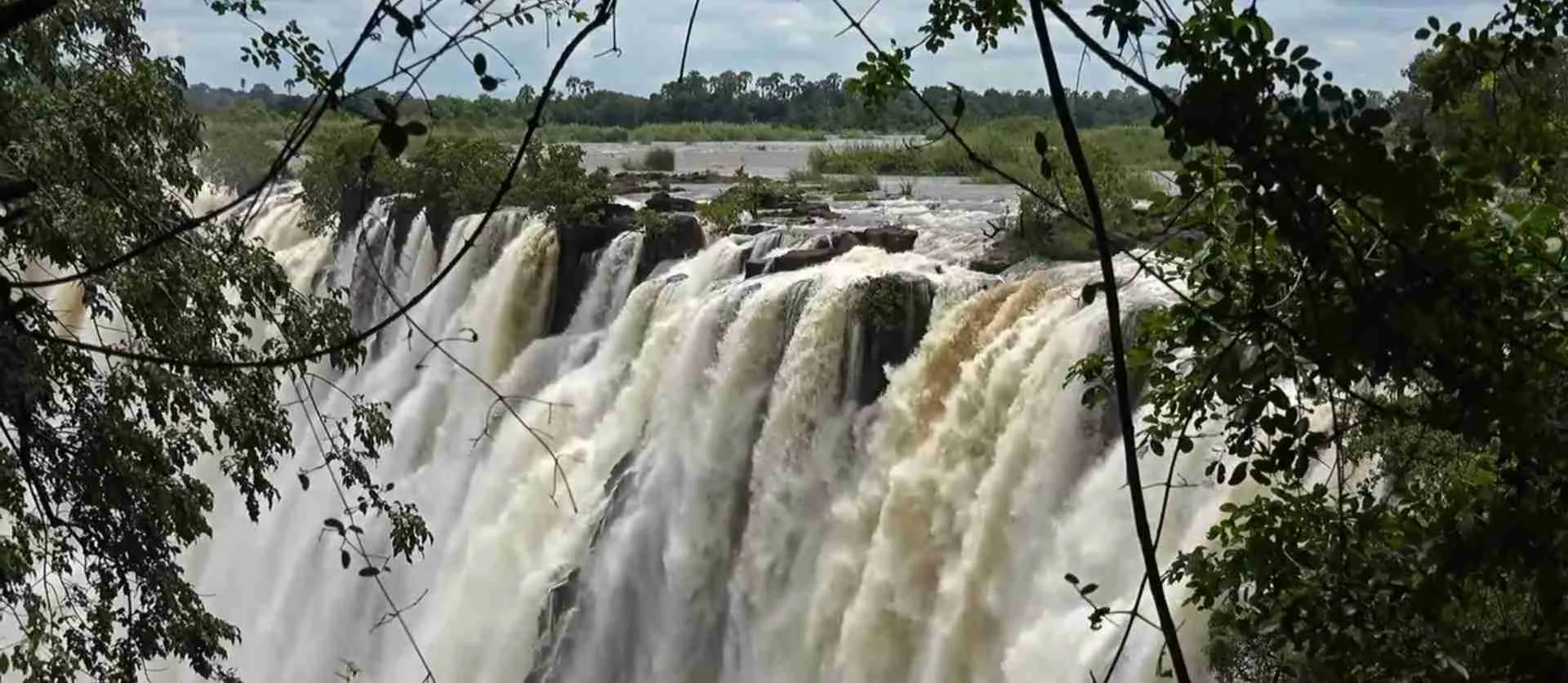
Victoria Falls on a Budget 2026: Complete Money-Saving Guide
Key Takeaways
- Budget travelers can experience Victoria Falls comprehensively for $100-150 per day including accommodation, meals, activities, and park fees
- Backpacker hostels charge $20-40 per night with private rooms available at $60-90, including breakfast and airport transfers
- Free experiences include walking across Victoria Falls Bridge, viewing the Big Tree, and exploring craft markets
- Booking activity combos through accommodation saves 15-25% compared to individual operator prices
- Green season (November-February) offers lowest prices on accommodation and tours with 30-50% discounts
- Strategic visa choices save money: single-entry Zimbabwe visa costs $30 versus $50 for KAZA UniVisa
Budget Travel to Victoria Falls in 2026
Victoria Falls delivers one of Africa’s most spectacular natural experiences without requiring a luxury safari budget. While the destination developed a reputation for expensive adventure tourism, savvy travelers discover remarkable value through strategic planning, timing flexibility, and knowledge of local alternatives to premium-priced experiences. The town of Victoria Falls in Zimbabwe and Livingstone in Zambia both cater to budget travelers with excellent backpacker infrastructure, affordable dining options, and activity operators competing for cost-conscious customers.
The key to budget travel at Victoria Falls lies in understanding price structures, seasonal variations, and the difference between essential experiences and optional luxuries. The falls themselves—the primary attraction—cost $50 to enter on the Zimbabwe side or $20 on the Zambia side, representing manageable expenses that deliver world-class natural wonder value. Adventure activities layer additional costs, but careful selection of one or two signature experiences rather than attempting everything maintains reasonable overall spending.
This comprehensive 2026 budget guide breaks down every cost category, reveals money-saving strategies tested by experienced travelers, and provides realistic daily budgets for visitors determined to witness the Smoke That Thunders without financial stress.
People Also Ask About Victoria Falls Budget Travel 2026
How much money do I need per day at Victoria Falls in 2026?
Budget travelers managing expenses carefully spend $80-120 per day at Victoria Falls in 2026, covering hostel accommodation, meals at local restaurants, one park entry, and transportation. Mid-budget travelers allocating $150-200 per day add one major adventure activity and comfortable mid-range accommodation. These figures exclude international flights but include all ground costs. A comprehensive three-day budget visit covering falls viewing, one adventure activity, and sunset cruise costs $350-450 total excluding flights and premium accommodation.
What is the cheapest way to visit Victoria Falls in 2026?
The cheapest approach involves staying at backpacker hostels ($20-35 per night), eating at local restaurants rather than tourist establishments ($5-15 per meal), choosing one side of the falls rather than both, skipping expensive helicopter tours in favor of free viewpoints, and traveling during green season (November-February) when accommodation prices drop 30-50%. Overland travel from Johannesburg or Kasane reduces costs compared to flying directly to Victoria Falls. Self-catering accommodation with kitchen facilities eliminates restaurant markup on basic meals.
Are there free things to do at Victoria Falls in 2026?
Yes, several worthwhile experiences cost nothing. Walking across Victoria Falls Bridge provides spectacular gorge and falls views without charge. The Big Tree, a 1,500-year-old baobab measuring 16 meters circumference, offers free access. Browsing the craft market entertains without obligation to purchase. Hotel grounds often welcome visitors for drinks while enjoying spray views. The Zambezi riverfront in Livingstone provides free wildlife viewing. Watching sunset from public viewpoints costs nothing beyond your time.
Is Victoria Falls expensive compared to other African destinations in 2026?
Victoria Falls sits mid-range among African safari destinations. Costs exceed budget-friendly Morocco or Tanzania beach destinations but remain lower than luxury Botswana safaris or exclusive Kenya camps. Daily budgets at Victoria Falls roughly match Cape Town or Nairobi spending. The adventure activity pricing reflects international standards—similar costs apply to bungee jumping or rafting in New Zealand or Costa Rica. Budget travelers find Victoria Falls more affordable than Cape Town for equivalent experience quality.
Extended multi-day tours – 5+ days
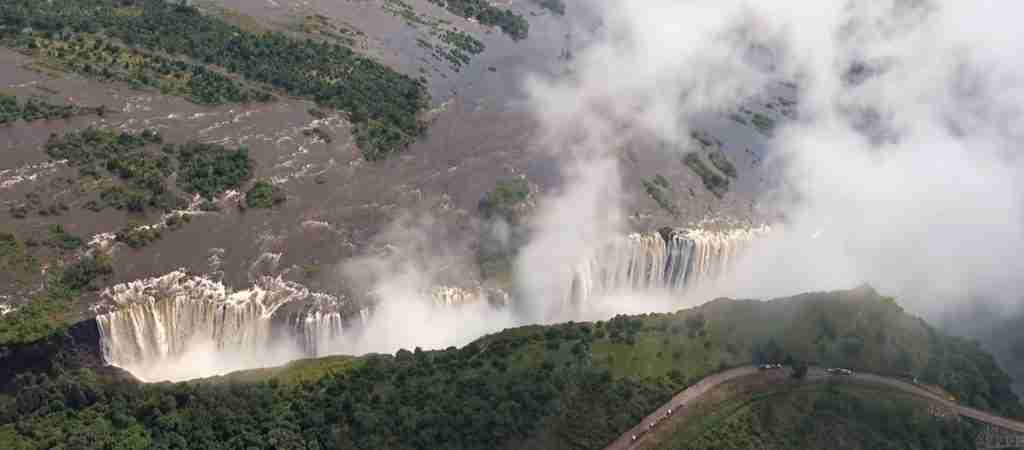
Featured Park Victoria Falls Multi-Day Tour Packages
3 days
Park Victoria Falls 3-Day Discovery Tour
- ✓ Comprehensive Park Victoria Falls experience
- ✓ Expert local guides included
- ✓ All accommodation included
- ✓ Transportation provided

5 days
Park Victoria Falls 5-Day Highlights Experience
- ✓ Comprehensive Park Victoria Falls experience
- ✓ Expert local guides included
- ✓ All accommodation included
- ✓ Transportation provided
7 days
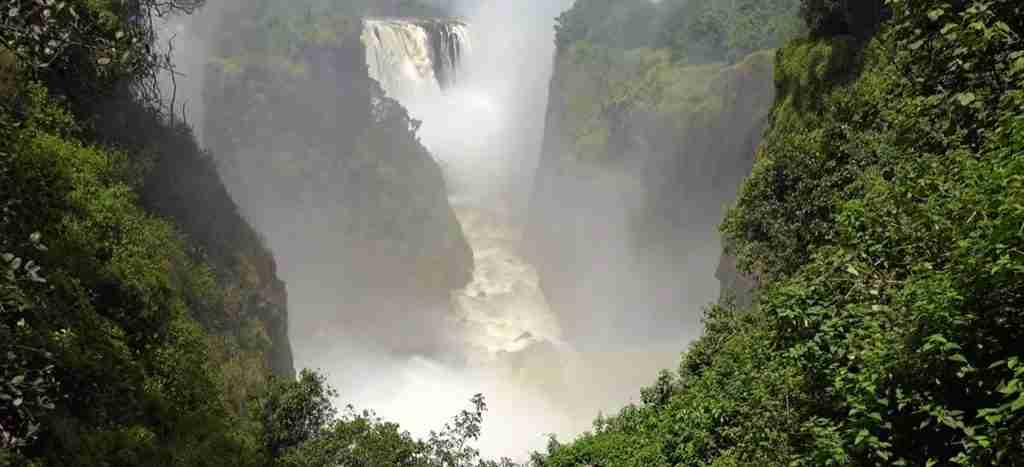
Park Victoria Falls 7-Day Cultural Journey
- ✓ Comprehensive Park Victoria Falls experience
- ✓ Expert local guides included
- ✓ All accommodation included
- ✓ Transportation provided

10 days
Park Victoria Falls 10-Day Complete Adventure
- ✓ Comprehensive Park Victoria Falls experience
- ✓ Expert local guides included
- ✓ All accommodation included
- ✓ Transportation provided
Multi-day tour packages powered by TourRadar. Prices and availability subject to change.
Complete Cost Breakdown for 2026
Visa and Entry Fees 2026
Understanding visa options saves significant money for budget travelers. Zimbabwe single-entry visa costs $30 for most nationalities. Zambia single-entry visa costs $50. The KAZA UniVisa provides multiple-entry access to both countries for $50—only worthwhile if crossing borders multiple times (check official immigration websites for current rates as fees may adjust).
Strategic approach for budget travelers: If visiting only Zimbabwe, pay $30 single-entry. If visiting only Zambia and holding UK, Irish, or Commonwealth passport, entry is free. If crossing once each way, single-entry Zimbabwe ($30) plus free/paid Zambia entry often beats KAZA. If crossing multiple times or holding nationality requiring paid Zambia visas, KAZA ($50) provides value.
Victoria Falls National Park (Zimbabwe) entrance costs $50 per person per day. Mosi-oa-Tunya National Park (Zambia) entrance costs $20 per person per day. Park fees represent fixed costs unavoidable for falls viewing—no discounts apply for nationalities or group bookings.
Accommodation Costs 2026
Backpacker hostels provide the most affordable accommodation with social atmospheres and travel resources. Shoestrings Backpackers charges $25-35 per night for dormitory beds and $70-90 for private doubles, including breakfast, pool access, and airport transfers. Victoria Falls Backpackers offers dormitory beds at $20-30 and private rooms at $60-80 with similar amenities in a quieter garden setting. Amadeus Garden charges $28-38 for dorms with excellent on-site restaurant offering budget meals.
In Livingstone, Zambia, Jollyboys Backpackers leads the budget market with dorm beds at $18-28 and private rooms at $55-75. Fawlty Towers offers dorms at $20-30 and doubles at $60-80 with swimming pool and bar. Livingstone accommodation provides cost savings on Zambia-side activities without daily border crossings.
Budget guesthouse alternatives include Lorries B&B ($45-65 per room), Pamusha Lodge ($50-75), and N1 Hotel budget rooms ($80-120). These offer privacy and comfort above hostels without reaching mid-range pricing.
Food and Drink Costs 2026
Restaurant prices vary dramatically between tourist establishments and local eateries. Tourist restaurants along Livingstone Way charge $15-35 for main courses. Local restaurants and food stalls serve substantial meals for $5-12. Supermarket self-catering reduces food costs to $15-25 per day for all meals.
Budget dining options in Victoria Falls town include Mama Africa (mains $8-15, large portions), In Da Belly (local dishes $6-12), and takeaway from supermarket delis ($4-8 per meal). Street food vendors near the craft market sell grilled meats, corn, and local snacks for $2-5.
In Livingstone, Café Zambezi serves excellent meals at $10-18 for mains. The Livingstone central market offers authentic local food for $3-6 per meal. Shoprite and Pick n Pay supermarkets provide self-catering supplies at reasonable prices.
Alcohol multiplies costs quickly. Hotel bars charge $4-8 per beer, $8-15 per cocktail. Supermarket beer costs $1.50-2.50 per bottle. Local chibuku (traditional beer) costs under $1 at local establishments.
Transportation Costs 2026
Victoria Falls town remains walkable for centrally-located accommodation, eliminating most local transport needs. Walking from town center to the falls entrance takes 20-25 minutes along a safe, paved road with sidewalks. Taxis cost $5-10 for in-town trips, $25-40 for airport transfers.
Cross-border transport between Victoria Falls and Livingstone costs $10-15 by shared minibus or $30-50 by private taxi. The 10-kilometer journey takes 30-45 minutes including border formalities. Some accommodation provides border shuttle services.
Regional buses connect Victoria Falls to Kasane, Botswana ($20-35, 2.5 hours), Bulawayo ($25-40, 6 hours), and Harare ($35-50, 10 hours). Intercape and Pathfinder operate comfortable coaches on major routes. Booking in advance online saves 10-15% versus station purchase.
Budget Accommodation Guide 2026
Best Backpacker Hostels 2026
Shoestrings Backpackers earns consistent praise as Victoria Falls’ premier budget accommodation. Located 2 kilometers from town center (10-minute walk to falls entrance), the property features dormitories ranging from 4-bed ($35) to 12-bed ($25) configurations, private rooms with en-suite bathrooms ($70-90), swimming pool, bar with affordable drinks, on-site activity booking desk, and complimentary airport transfers. The social atmosphere connects solo travelers with activity-sharing partners, reducing costs through group bookings.
Victoria Falls Backpackers provides a quieter alternative with garden setting, dormitory beds at $20-30, private rooms at $60-80, self-catering kitchen, and swimming pool. Located slightly further from the falls but with reliable shuttle service. Breakfast included in rates.
Victoria Falls Rest Camp and Lodges offers camping sites at $12-18 per person plus budget chalets at $50-70 per room. The campground atmosphere suits overland travelers with vehicles and provides the area’s cheapest accommodation option.
Budget Guesthouses and B&Bs 2026
Mid-budget travelers seeking privacy without mid-range prices find excellent options in the guesthouse category. Lorries B&B charges $45-65 per double room with breakfast, swimming pool, and friendly hosts providing local advice. Pamusha Lodge offers comparable comfort at $50-75 with traditional décor and garden setting.
N1 Hotel, the area’s best-value business hotel, provides air-conditioned rooms with modern amenities at $80-120 per night—significantly cheaper than tourist-focused properties while maintaining good standards. The central location eliminates transport costs.
Self-Catering Options 2026
Self-catering accommodation enables significant food budget savings. Victoria Falls Rest Camp chalets include kitchenettes. Several Airbnb properties offer full kitchens at $50-100 per night. Zambezi Waterfront Lodges in Livingstone provides self-catering chalets from $60-100 with kitchen facilities and riverside location.
Budget meal planning with self-catering: breakfast provisions from supermarket ($3-5), packed lunch sandwiches and fruit ($5-8), simple dinner from groceries ($8-12). Total daily food cost with self-catering reaches $15-25 versus $40-60 at restaurants.
Affordable Activities and Tours 2026
Essential Budget Experiences 2026
Victoria Falls National Park entry at $50 provides the trip’s essential experience. Allocate 3-4 hours for thorough exploration of all 16 viewpoints. Early morning arrival (6:00 AM gate opening) avoids crowds and provides optimal photography lighting. The single entry fee allows unlimited same-day exit and re-entry—bring lunch to picnic at viewpoints rather than paying restaurant prices inside the park.
The sunset cruise represents the best value-add experience at $65-80 per person. Two-hour cruises include unlimited drinks (beer, wine, spirits), snacks, wildlife viewing, and spectacular sunset photography opportunities. Book through accommodation desks for potential 10-15% discounts. This single activity combines wildlife, scenery, and refreshments that would cost more purchased separately.
Walking across Victoria Falls Bridge costs nothing and provides excellent views of the gorge, boiling pot, and falls spray. The bridge connects Zimbabwe and Zambia—walking to the midpoint requires no visa or border crossing. Dedicated bridge viewpoints on both ends offer photography opportunities without activity costs.
Budget-Friendly Adventure Activities 2026
Among adventure options, the zip line at $60 provides the lowest-cost adrenaline experience with falls and gorge views. The canopy tour at $55-65 for 2 hours offers multiple zip lines through rainforest with excellent value per hour. Bridge slide at $50 delivers quick thrills at minimal cost.
The gorge swing costs $120 and provides intense freefall experience without the premium bungee price tag of $160. For pure adrenaline-to-cost ratio, the gorge swing delivers superior value. The bridge swing at $145 offers similar sensations to bungee at slightly lower cost.
Half-day white water rafting (rapids 1-7) at $155-165 provides world-class experience at $30-40 less than full-day options. Morning departures finish by 2:00 PM, leaving afternoon available for other activities or recovery.
Free and Low-Cost Activities 2026
The Big Tree, a 1,500-year-old baobab, stands 7 kilometers from town along the Kazungula road with free access. The massive trunk (16 meters circumference) and historical significance—early explorers camped beneath it—merit the visit. Combine with border-area craft shopping.
Victoria Falls craft village and informal craft markets throughout town charge nothing for browsing. Skilled bargaining achieves quality souvenirs at 40-60% below initial asking prices. Budget $20-50 for meaningful purchases including Shona stone sculptures, wooden carvings, and batik textiles.
Hotel grounds at premium properties welcome visitors for drinks without accommodation. Sitting at the Victoria Falls Hotel terrace bar provides spray views for the cost of one drink ($6-12). Victoria Falls Safari Lodge’s waterhole viewpoint offers wildlife watching with sundowner purchases.
The Livingstone Museum in Zambia charges just $5 entry for comprehensive exhibits covering David Livingstone’s expeditions, Victoria Falls history, and Zambian cultural heritage. The collection justifies 1-2 hours of engaging exploration.
Money-Saving Strategies for 2026
Booking Strategies That Save Money 2026
Book activities through accommodation rather than directly with operators. Backpacker hostels and guesthouses receive 10-15% commissions that translate to guest discounts. Activity desks at Shoestrings and Victoria Falls Backpackers offer package deals unavailable online.
Combine activities with the same operator for substantial discounts. Shearwater and Wild Horizons both offer combo packages: bridge activities bundle (bungee + swing + zip line) saves 20-25%, adventure sampler packages save 15-20% on multiple activities. Ask specifically about combo pricing—operators don’t always advertise these deals.
Book accommodation directly with properties rather than through booking platforms. Direct bookings often include airport transfers, breakfast, and activity discounts that platforms don’t advertise. Email properties explaining budget constraints—many offer unpublished rates or upgrade incentives for direct bookings.
Seasonal Savings 2026
Green season (November through February) delivers dramatic savings of 30-50% on accommodation and tours. Rain arrives in brief afternoon bursts that rarely disrupt activities. Lower tourist numbers mean easier availability and more negotiation leverage. The falls maintain impressive flow during this period, though spray levels vary.
Shoulder season (June and November) balances reasonable weather with reduced prices. Accommodation drops 15-25% from peak July-August rates. Activity operators offer promotional pricing to fill capacity gaps.
Peak season (July through October) commands highest prices and fullest availability. Budget travelers visiting peak season should book accommodation 3-4 months ahead to secure budget options before they fill. Activity prices remain fixed year-round, but accommodation savings alone justify green season travel for flexible visitors.
Food and Drink Savings 2026
Eat breakfast at accommodation (included at most hostels and guesthouses). Pack lunch for day activities using supermarket supplies—bread, cheese, fruit, and snacks cost under $8 for filling midday meal. Reserve restaurant dining for one dinner daily at mid-range local establishments ($12-20).
Avoid hotel restaurant pricing—even budget hotels charge 30-50% premiums over standalone restaurants. The Three Monkeys, while not the cheapest option, provides good portions at fair prices ($18-28 mains). Mama Africa delivers substantial local dishes at $8-15. In Da Belly serves authentic Zimbabwean cuisine at $6-12.
Happy hour specials at bars run 4:00-7:00 PM with 2-for-1 drinks or reduced prices. Stanley’s Bar at the Victoria Falls Hotel offers discounted sundowner specials with spray views. Supermarket beer ($1.50-2.50) pre-games activities affordably.
Transport Savings 2026
Walk rather than taxi within Victoria Falls town. Central accommodation positions most attractions within 20-30 minutes on foot. The falls entrance sits 15 minutes walk from town center along safe roads. Early morning walks to the falls provide exercise and sunrise photography opportunities.
Shared transport for border crossings and airport transfers costs 60-70% less than private taxis. Accommodation desks arrange shared transfers at $10-15 per person versus $35-50 private. Minibuses run frequent border shuttles when demand exists.
Regional overland travel saves significantly over domestic flights. Intercape buses to Johannesburg cost $80-100 versus $200-350 for flights. The 20-hour journey suits budget travelers with schedule flexibility and provides landscape views.
Sample Budget Itineraries 2026
Ultra-Budget: 2 Days at $80-100 per Day 2026
Day 1: Dormitory accommodation $25, self-catered breakfast $4, Victoria Falls National Park entry $50, packed lunch $6, local dinner $12, evening at hostel bar $8. Total: $105.
Day 2: Accommodation $25, breakfast included, Big Tree visit (free), craft market browsing (free), local lunch $10, sunset at public viewpoint (free), dinner at Mama Africa $15. Total: $50.
Two-day total: $155 per person. This ultra-budget approach experiences the falls comprehensively while eliminating adventure activities. Add $60-120 for one activity (zip line or gorge swing) within budget constraints.
Budget-Comfortable: 2 Days at $120-150 per Day 2026
Day 1: Private hostel room $35 (per person sharing), breakfast included, Victoria Falls National Park $50, lunch at park picnic area $8, sunset cruise $70 (booked through hostel at discount), drinks on cruise included. Total: $163.
Day 2: Accommodation $35, breakfast included, zip line activity $60, lunch at In Da Belly $10, afternoon craft shopping $30, dinner at Three Monkeys $22. Total: $157.
Two-day total: $320 per person. This approach balances falls viewing, one adventure activity, sunset cruise, and comfortable private accommodation while maintaining reasonable spending.
Budget-Adventure: 3 Days at $130-160 per Day 2026
Day 1: Dormitory accommodation $28, breakfast included, Victoria Falls National Park $50, picnic lunch $8, gorge swing $120, local dinner $15. Total: $221.
Day 2: Accommodation $28, breakfast included, half-day rafting $160, lunch included in rafting, recovery afternoon at pool (free), dinner at budget restaurant $12. Total: $200.
Day 3: Accommodation $28, breakfast included, Zambia border crossing (free with UK passport or $20 visa), Mosi-oa-Tunya Park $20, Livingstone Museum $5, lunch in Livingstone $12, return transport $12, dinner $15. Total: $92.
Three-day total: $513 per person. This adventure-focused budget itinerary includes two major activities (gorge swing and rafting) plus comprehensive falls viewing on both sides.
Budget Planning Tools 2026
Daily Budget Calculator 2026
Fixed daily costs: Dormitory $25-35, private room $60-90 (divide by occupants). Food self-catering $18-25, food local restaurants $30-45. Local transport $0-10 (walking vs. taxis).
Variable activity costs: Zimbabwe park entry $50, Zambia park entry $20, sunset cruise $65-80, zip line $60, gorge swing $120, half-day rafting $160, full-day rafting $185, bungee jump $160, helicopter 15-min $180.
Formula: (Accommodation × nights) + (Daily food × days) + (Selected activities) + (Park entries) + (Transport) + (Visa) = Total trip cost.
Example calculation 3-day budget trip: ($30 × 3) + ($35 × 3) + ($70 cruise + $60 zip line) + ($50 Zimbabwe park) + ($15 transport) + ($30 visa) = $90 + $105 + $130 + $50 + $15 + $30 = $420 total.
Cost Comparison: Zimbabwe vs. Zambia Base 2026
Zimbabwe base advantages: More falls viewpoints (16 vs. 5), lower park entry if visiting Zambia on day trip using free nationalities, more backpacker accommodation options, walking distance to most activities.
Zambia base advantages: Lower park entry fee ($20 vs. $50), Devil’s Pool access during low water, proximity to Livingstone Island tours, sometimes cheaper accommodation in Livingstone, free entry for UK/Irish/Commonwealth passport holders.
Budget recommendation: Base in Zimbabwe for comprehensive falls access; day trip to Zambia if nationality allows free or cheap entry. Visitors with free Zambia access save by basing in Zambia and day-tripping to Zimbabwe for falls viewing.
Budget Travel Tips for 2026
What to Pack to Save Money 2026
Bring waterproof phone case rather than purchasing at tourist prices ($20-30 savings). Pack raincoat or poncho—rentals at park entrance cost $5-10 per use during high water season. Bring quick-dry clothing to avoid laundry services ($15-25 per load).
Carry refillable water bottle—park water and restaurant drinks markup significantly. Fill from accommodation filtered water. Bring sunscreen and insect repellent in sufficient quantity—pharmacy prices triple tourist area costs.
Pack binoculars for wildlife viewing if you own them—rental programs don’t exist, and missing wildlife during free Zambezi viewing wastes value. Bring camera with zoom capability rather than relying on phone cameras for distant subjects.
Money and Banking 2026
Carry USD cash in various denominations ($1, $5, $10, $20, $50). Zimbabwe operates on USD pricing with change given in local currency or USD. Large bills ($50, $100) prove difficult to change at small vendors and activities.
ATMs in Victoria Falls town and Livingstone dispense local currency. Withdraw strategically—$300-500 USD equivalent covers most budget trip cash needs. ATM fees average $3-5 per transaction; minimize withdrawals.
Credit cards work at hotels, established restaurants, and major activity operators. Visa and Mastercard widely accepted; American Express less common. Card payments sometimes incur 3-5% surcharges—carry cash for smaller transactions.
Avoiding Tourist Traps 2026
Decline unofficial guides offering “special prices” on activities—legitimate operators maintain consistent pricing and safety standards. Street vendors sometimes represent genuine products but often overcharge or misrepresent quality. Purchase crafts from established craft villages where quality verification exists.
Avoid restaurants immediately adjacent to the falls entrance—these capture foot traffic with inflated prices. Walk 5-10 minutes into town for 30-50% lower menu prices at equivalent quality establishments.
Currency exchange in hotels and tourist areas offers poor rates. Banks and official forex bureaus provide better exchange when converting currencies. Avoid street money changers despite seemingly attractive rates—scams and counterfeit notes occur.
Seasonal Budget Considerations 2026
Green Season Savings (November-February) 2026
Accommodation discounts reach 30-50% during rainy season, transforming mid-range properties into budget options. A $150 per night lodge drops to $75-100; backpackers reduce rates to fill empty beds. Activity operators maintain standard pricing but accept negotiation more readily during slow periods.
Weather impacts: Afternoon thunderstorms occur 3-4 days per week, lasting 1-2 hours. Morning activities proceed unaffected. Falls viewing benefits from dramatic cloud formations and storm lighting. Wildlife viewing improves as animals disperse to widely available water sources.
Crowd advantages: Popular viewpoints and activities see 50-70% fewer visitors. Photography opportunities multiply without crowds blocking compositions. Sunset cruises feel intimate rather than packed.
Peak Season Planning (July-October) 2026
Budget accommodation books 2-3 months ahead during peak season. Email properties early to secure dorm beds and budget rooms. Consider Livingstone as alternative base when Victoria Falls fills—accommodation often remains available at better rates.
Activity availability tightens but prices remain fixed. Book signature experiences (helicopter, rafting, Devil’s Pool) 2-4 weeks ahead. Walk-up availability exists for bridge activities and sunset cruises even during busy periods.
Peak season budget strategy: Book accommodation and must-do activities far in advance while remaining flexible on secondary experiences. Lock in costs early rather than paying premium last-minute rates.
Comprehensive Budget FAQ 2026
Can I visit Victoria Falls for under $500 total in 2026?
Yes, a 3-day budget trip excluding international flights costs $350-500. This includes dormitory accommodation, one side falls viewing, one budget activity, local restaurant meals, and visa. Ultra-budget travelers skipping all paid activities beyond park entry spend $200-280 for 2-3 days.
Is Victoria Falls backpacker-friendly in 2026?
Extremely. Victoria Falls developed as a backpacker destination before luxury tourism arrived. Excellent hostels, budget restaurants, walking distances, and activity-sharing culture support independent budget travelers. The backpacker infrastructure rivals Southeast Asia standards with African pricing.
What is the cheapest way to see both sides of the falls in 2026?
Base in Zimbabwe and day-trip to Zambia using free visa entry (UK/Irish/Commonwealth passports) or single-entry Zambia visa ($50). Zimbabwe park entry $50 plus Zambia park entry $20 plus transport $10-15 totals $80-95 for comprehensive viewing. KAZA UniVisa only saves money if making multiple crossings.
Should I skip adventure activities to save money in 2026?
Falls viewing alone delivers tremendous value—many visitors find the natural wonder sufficient. However, one adventure activity creates lasting memories and utilizes the unique geography. The zip line at $60 or canopy tour at $55-65 provides adventure experience at modest cost. Skip expensive helicopter tours and premium bungee in favor of budget-friendly alternatives if funds are limited.
How much should I budget for tips at Victoria Falls 2026?
Activity guides: $5-10 per person for good service. Restaurant servers: 10% if service charge not included. Accommodation staff: $2-5 per day for housekeeping. Safari/cruise crew: $5-10 per person. Airport/transfer drivers: $3-5. Budget $30-50 total for typical 2-3 day visit covering all tipping situations.
Can I negotiate prices at Victoria Falls in 2026?
Craft market prices negotiate freely—start at 50% of asking price and meet around 60-70%. Activity operators maintain fixed pricing but offer combo discounts. Accommodation sometimes negotiates during low season or for extended stays. Restaurant prices remain fixed. Taxi fares negotiate slightly, especially for longer journeys.
Is camping available at Victoria Falls in 2026?
Yes, Victoria Falls Rest Camp offers camping sites at $12-18 per person per night with ablution facilities, swimming pool access, and on-site restaurant. Bring your own tent and gear, or rent basic equipment on-site. Camping provides the absolute cheapest accommodation option for travelers with equipment.
What food should I bring to Victoria Falls to save money in 2026?
Pack energy bars, trail mix, and non-perishable snacks for activities and falls exploration. Supermarkets stock basics at reasonable prices—bring items unavailable locally or subject to import premium (specialty dietary items, particular brands). Most budget travelers purchase food locally rather than carrying supplies.
Are there student or youth discounts at Victoria Falls in 2026?
Park entrance fees offer no student discounts. Some activity operators provide 10% student discount with valid ID—ask when booking. Backpacker hostels sometimes offer returning visitor discounts or loyalty programs. International student cards (ISIC) provide limited utility at Victoria Falls compared to European destinations.
How do I avoid hidden costs at Victoria Falls in 2026?
Confirm all-inclusive pricing when booking activities (transfers, park fees, equipment). Check accommodation rates include breakfast and airport transfers before booking. Verify visa costs for your nationality before arrival. Understand sunset cruise drink inclusion versus cash bar policies. Ask about credit card surcharges before paying. Review restaurant menus for service charge inclusion.