
Victoria BC Photography Guide: Capturing the Garden City
Victoria BC presents photographers with an extraordinary blend of heritage architecture, world-renowned gardens, dramatic coastal landscapes, and vibrant urban scenes spanning from the illuminated Parliament Buildings reflected in the Inner Harbour to hidden forest trails throughout Greater Victoria. This guide explores the photography locations, techniques, lighting strategies, and compositional approaches that transform Victoria’s diverse settings into compelling visual narratives, whether you shoot with professional cameras or smartphones.
Key Takeaways
- Golden Hour Architecture: The Inner Harbour’s Parliament Buildings and Empress Hotel achieve their most dramatic lighting 30-45 minutes after sunrise and before sunset, when warm directional light enhances architectural details and creates rich reflections in the harbor water.
- Garden Photography Timing: Butchart Gardens rewards photographers who arrive during opening hours or late afternoon sessions, avoiding midday harsh shadows while capturing the interplay between cultivated blooms and natural Pacific Northwest forest backdrop across five distinct garden styles.
- Coastal Light Dynamics: Victoria’s southern Vancouver Island position creates unique atmospheric conditions where marine fog, dramatic cloud formations, and shifting light across the Juan de Fuca Strait demand flexible exposure strategies and weather-responsive shooting approaches.
- Urban Detail Opportunities: Chinatown’s Fan Tan Alley, Bastion Square’s heritage facades, and downtown’s pastel-painted storefronts provide architectural detail photography from intimate street-level perspectives to sweeping contextual compositions.
- Natural Landscape Diversity: Within 30 minutes of downtown Victoria, photographers access Garry oak meadows, rocky shorelines, temperate rainforest trails, and elevated viewpoints offering both intimate nature studies and expansive coastal panoramas.
- Blue Hour Advantage: Victoria’s illuminated landmarks create exceptional blue hour photography opportunities when artificial lighting balances with residual twilight, producing rich color saturation impossible during full daylight or complete darkness.
People Also Ask About Victoria BC Photography
What makes Victoria BC exceptional for photography compared to other Canadian cities?
Victoria combines British colonial architecture with Pacific Northwest natural beauty in a compact, walkable urban core surrounded by accessible wilderness. The Inner Harbour concentrates heritage buildings, working waterfront activity, and mountain backdrops within a single composition frame. Butchart Gardens offers world-class horticultural photography unavailable elsewhere in Canada. The temperate coastal climate produces distinctive atmospheric conditions including marine fog layers, dramatic storm light, and year-round photographic accessibility without extreme winter weather disruptions common in mainland Canadian cities. Victoria’s southern position creates longer golden hour windows and richer sunset colors than northern latitude locations.
Which photography locations in Victoria work best for different seasons?
Spring photography centers on Butchart Gardens’ peak bloom season and cherry blossom displays throughout Beacon Hill Park and residential neighborhoods. Summer favors coastal locations where extended daylight hours enable both early morning and late evening shooting sessions along Dallas Road and Cattle Point. Autumn transforms Beacon Hill Park’s deciduous trees into warm color palettes while storm systems create dramatic cloud formations over the Inner Harbour. Winter photography captures the Parliament Buildings’ holiday illumination displays and produces crisp, clear atmospheric conditions ideal for long-range coastal landscapes when rain systems temporarily clear. Year-round opportunities exist for urban architecture photography and garden photography at Butchart Gardens, which maintains visual interest through seasonal plantings.
How do I photograph Victoria’s Parliament Buildings for maximum visual impact?
Position yourself across the Inner Harbour from the Parliament Buildings to capture full facade symmetry with water reflections doubling the visual impact. Arrive 45 minutes before sunset to photograph the buildings under warm directional sunlight, then remain through blue hour to capture the illuminated facade against twilight sky gradients. Use vertical orientation to emphasize the central dome and architectural height. Include foreground elements such as harbor boats, waterfront planters, or street musicians to establish scale and context. For detail photography, approach the buildings’ north side during morning hours when sunlight illuminates the intricate stonework without harsh shadows. Night photography works best during blue hour rather than full darkness, maintaining sky detail while showcasing the building illumination.
What camera settings and equipment optimize photography in Victoria’s variable coastal light?
Bring neutral density filters for Butchart Gardens’ bright floral displays and coastal daytime long exposures that smooth water movement. Polarizing filters reduce glare from harbor water and enhance sky saturation against the Parliament Buildings. Victoria’s frequent cloud cover benefits from exposure compensation adjustments, typically adding one-half to one full stop above meter readings to prevent underexposure in overcast conditions. For blue hour architecture photography, use tripod support with exposures ranging from one to thirty seconds depending on residual light levels. ISO settings between 100-400 handle most daylight situations, while blue hour and night photography may require ISO 800-3200. Wide-angle lenses capture Inner Harbour compositions, while telephoto lenses compress perspective across Dallas Road coastal scenes and isolate architectural details throughout downtown heritage districts.
Extended multi-day tours – 5+ days
Featured Victoria Multi-Day Tour Packages

6 days
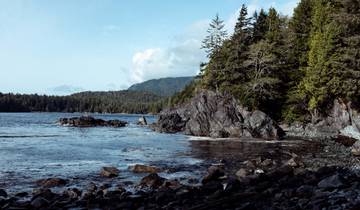
Geluxe: Vancouver Island: Victoria, the Broken Group Islands & Salt Spring
- ✓ Comprehensive Victoria tour
- ✓ Expert local guides included
- ✓ All accommodation arranged
- ✓ Transportation provided
7 days
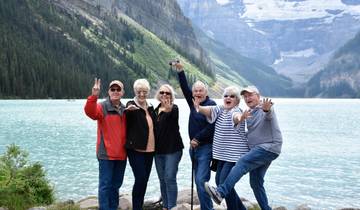
Signature British Columbia: Vancouver, Victoria & Whistler
- ✓ Comprehensive Victoria tour
- ✓ Expert local guides included
- ✓ All accommodation arranged
- ✓ Transportation provided
7 days
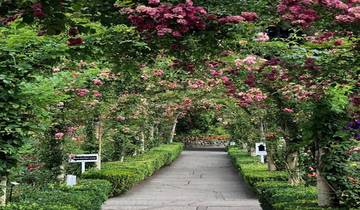
Rockies to Rainforest Tour: Calgary to Vancouver
- ✓ Comprehensive Victoria tour
- ✓ Expert local guides included
- ✓ All accommodation arranged
- ✓ Transportation provided
3 days
Vancouver, Whistler and Victoria 3 Day Budget Tour
- ✓ Booking needs min. 2 travelers
Multi-day tour packages powered by TourRadar. Prices and availability subject to change.
Introduction: Victoria’s Photographic Character
Victoria occupies British Columbia’s southeastern Vancouver Island tip, where Pacific Northwest wilderness meets British colonial heritage in a compact urban landscape. The city’s photographic appeal stems from this convergence: Edwardian architecture frames harbor views toward snow-capped Olympic Mountains, cultivated English gardens transition seamlessly into temperate rainforest, and working waterfront elements coexist with preserved heritage districts. This diversity enables photographers to capture multiple aesthetic narratives within a single day’s shooting.
The Inner Harbour functions as Victoria’s photographic centerpiece, concentrating the illuminated Parliament Buildings, the Fairmont Empress Hotel, harbor activity including floatplanes and whale-watching vessels, and mountain backdrops into accessible compositions. Beyond this iconic core, Victoria’s photography locations extend throughout Greater Victoria’s 300,000-person metropolitan area, from the world-renowned Butchart Gardens north of downtown to wild coastal shorelines along Dallas Road and rugged natural landscapes throughout the regional parks system.
Understanding Victoria’s light patterns enhances photographic success. The marine environment creates atmospheric variables including morning fog banks that burn off to reveal crystalline afternoon clarity, storm systems producing dramatic cloud formations, and coastal haze that softens distance and creates layered depth in landscape compositions. Victoria’s southern latitude provides longer golden hour windows than mainland British Columbia locations, while the surrounding ocean moderates temperatures to maintain year-round photographic accessibility without extreme weather interruptions.
This guide organizes Victoria’s photography opportunities by location type and subject matter, providing technical approaches for capturing the city’s signature scenes while revealing lesser-known locations that reward exploration. Whether focusing on heritage architecture, garden photography, coastal landscapes, or urban street scenes, Victoria offers sophisticated visual material accessible to photographers at all skill levels.
Inner Harbour Photography: Heritage Architecture and Harbor Life
The Inner Harbour represents Victoria’s most photographed location, combining architectural landmarks with active harbor elements against mountain and ocean backdrops. Success here requires understanding seasonal light angles, tide patterns affecting water reflections, and compositional strategies that organize complex scenes into coherent visual narratives.
Parliament Buildings: Architectural Photography Masterclass
The British Columbia Parliament Buildings dominate the Inner Harbour’s southern edge, their illuminated facade creating Victoria’s signature nighttime image. The buildings completed construction in 1897, their Romanesque Revival architecture featuring a central copper-clad dome, symmetrical wings, and intricate stonework details. Photography approaches vary by time of day, season, and desired emphasis.
Classic Parliament Buildings compositions position photographers on the harbor’s opposite shore, typically near the Empress Hotel waterfront or along the inner harbor walkway. This vantage point captures the buildings’ full facade with harbor water providing foreground interest and potential reflections. Arrive in late afternoon to scout compositions under daylight, noting how boat positions, waterfront activity, and horizon elements interact with the architectural subject. As sunset approaches, the buildings transition from stone grey to warm tones under directional sunlight, their windows beginning to glow with interior illumination.
Blue hour produces optimal Parliament Buildings photography, occurring 20-40 minutes after sunset when residual twilight maintains sky color while building illumination reaches full intensity. This narrow window demands preparation: establish composition and camera settings before light fades, bracket exposures to capture both illuminated building detail and sky color, and work quickly as optimal light lasts only 15-20 minutes. Use apertures between f/8 and f/11 to maintain sharpness across the scene’s depth, with tripod-supported exposures ranging from one to eight seconds depending on residual light levels.
Detail photography approaches the buildings during morning hours when east-facing stonework receives directional sunlight. Focus on architectural elements: column capitals, carved stone crests, window details, and the dome’s copper patina. Use telephoto lenses to compress perspective and isolate details against sky backgrounds. The buildings’ north facade receives optimal light during summer afternoon hours, revealing texture without harsh shadows.
Winter photography introduces the Parliament Buildings’ holiday illumination, when thousands of lights outline the architecture from mid-November through January. This creates year-round blue hour photography opportunities with enhanced illumination levels. Snow events, though rare in Victoria, transform Parliament Buildings photography by adding white foreground elements and simplified compositions stripped of summer’s complex harbor activity.
Fairmont Empress Hotel: Ivy-Clad Elegance
The Empress Hotel anchors the Inner Harbour’s northern edge, its ivy-covered Edwardian facade creating Victoria’s second iconic architectural subject. Completed in 1908, the building’s copper roof, ornate stonework, and distinctive profile reward multiple photographic approaches from wide establishing shots to intimate architectural details.
Photograph the Empress from the harbor’s southern walkway to capture the full facade with harbor foreground. Morning light favors this perspective, illuminating the building’s south-facing exterior while creating depth through side lighting. Include harbor elements such as moored yachts, harbor ferries, or floatplanes to establish scale and context. The Empress works effectively as a background element in harbor activity photography, its recognizable profile anchoring wider compositions.
Close-range detail photography explores the Empress Hotel’s architectural elements: ivy growth patterns across the facade, decorative stonework, the main entrance’s Edwardian details, and the building’s copper roof oxidation. Shoot during overcast conditions to avoid harsh shadows that obscure architectural texture. The hotel’s ivy covering changes seasonally, turning deep red in autumn and providing year-round texture variation.
Night photography captures the Empress Hotel’s warm exterior illumination against the Inner Harbour’s evening activity. Position across the harbor for full-facade compositions, or photograph from the waterfront walkway to include foreground harbor elements illuminated by streetlights and boat lighting. The Empress Hotel’s illumination remains consistent year-round, unlike the Parliament Buildings’ seasonal holiday lights, providing reliable blue hour photography subjects.
Harbor Activity and Waterfront Elements
The Inner Harbour functions as a working waterfront supporting floatplane operations, whale-watching vessels, harbor ferries, private yachts, and cruise ship traffic. This activity provides dynamic foreground elements that transform static architectural photography into narratives of place and function.
Floatplanes operate throughout daylight hours, their takeoffs and landings creating motion and spray across the harbor surface. Use shutter speeds around 1/500 second to freeze wing position and water spray, or slow to 1/60 second for motion blur suggesting movement. Position yourself along the harbor walkway to capture planes against the Parliament Buildings or Empress Hotel backgrounds. Morning and late afternoon sessions benefit from directional light that highlights spray and creates reflections on aircraft surfaces.
Whale-watching vessels depart the Inner Harbour throughout the day during peak season, their bright zodiac boats and larger tour vessels creating color elements against grey water and architecture. Include these boats in wider harbor compositions to establish Victoria’s tourism character, or photograph departures and arrivals to capture waterfront activity. Harbor ferries, small passenger vessels connecting waterfront locations, provide additional foreground interest with their frequent passages across the harbor.
Street musicians, vendors, and performers gather along the Inner Harbour walkway, particularly during summer months. Incorporate these human elements to create sense of place and scale. Use longer focal lengths to compress perspective, placing performers against architectural backgrounds. Respect performer space and consider contributing if photographing extended sessions.
Tide patterns dramatically affect Inner Harbour photography. High tide creates clean water reflections of the Parliament Buildings and Empress Hotel, ideal for mirror-image compositions. Low tide exposes harbor infrastructure and reduces reflection opportunities but reveals interesting structural elements and textures. Consult tide tables when planning blue hour architecture sessions requiring optimal water reflections.
Butchart Gardens: Horticultural Photography Excellence
Butchart Gardens spans 55 acres north of downtown Victoria, offering world-class horticultural photography across five distinct garden styles. The gardens maintain visual interest year-round through seasonal plantings, though peak bloom periods from April through September provide maximum color intensity and variety. Understanding garden layout, light patterns, and compositional strategies elevates Butchart Gardens photography beyond simple flower snapshots to sophisticated garden portraiture.
The Sunken Garden: Signature Compositions
The Sunken Garden occupies a former limestone quarry, its terraced slopes descending to a central lawn surrounded by seasonal floral displays. This garden section provides Butchart Gardens’ most recognizable compositions, rewarding photographers who explore multiple vantage points from rim overlooks to garden-floor perspectives.
Photograph from the upper rim viewpoints to capture the Sunken Garden’s full scale and symmetrical design. Early morning sessions benefit from even light that reveals color without harsh shadows, while late afternoon introduces directional light creating depth through shadow patterns across the terraced slopes. Spring photography captures the Sunken Garden at peak bloom, when tulips, daffodils, and flowering trees create layered color compositions. Summer brings different plantings emphasizing perennials and annuals arranged in complex patterns visible from elevated viewpoints.
Descend into the Sunken Garden for intimate floral compositions and detail photography. Use selective focus to isolate individual blooms or small groupings against softly blurred backgrounds. Macro photography explores flower structures, water droplets on petals after morning irrigation, and insect visitors. The Sunken Garden’s sheltered position creates microclimate conditions often producing morning dew that enhances close-up floral photography.
Compositional approaches balance the Sunken Garden’s cultivated elements with its natural stone quarry origins. Include rock faces and mature trees to establish the garden’s integration with landscape. Use pathways as leading lines drawing viewers into compositions. Photograph from various elevations to show how the garden’s design creates visual interest from multiple perspectives.
Ross Fountain and Water Features
The Ross Fountain operates at the Sunken Garden’s center, its water jets creating vertical elements that complement horizontal garden expanses. Fountain photography requires understanding water patterns, light interaction with spray, and compositional integration with surrounding gardens.
Photograph the Ross Fountain during late afternoon when directional sunlight illuminates water spray, creating sparkle and rainbow effects. Use shutter speeds around 1/500 second to freeze individual water droplets, or slow to 1/30 second and slower for ethereal water blur suggesting motion. Include fountain elements within wider garden compositions rather than isolating the fountain alone, using water features to create visual interest without dominating the frame.
Evening photography sessions, available during summer months when Butchart Gardens extends hours, capture the Ross Fountain under colored illumination. Long exposures smooth water movement while capturing light patterns, requiring tripod support and exposures from one to several seconds. Blue hour timing balances fountain illumination with residual sky light, preventing pure black backgrounds that lose context.
Rose Garden, Japanese Garden, and Italian Garden Photography
Beyond the Sunken Garden, Butchart Gardens encompasses distinct garden styles requiring different photographic approaches. The Rose Garden peaks during summer months when hybrid tea roses, floribundas, and climbing varieties create concentrated color and fragrance. Photograph individual rose specimens using selective focus that isolates blooms against background blur, or capture garden sections showing rose varieties in landscape context.
The Japanese Garden offers contemplative compositions emphasizing balance, asymmetry, and integration between cultivated and natural elements. Focus on detail elements: stone lanterns, bamboo fences, carefully pruned trees, and water features. Use negative space to embrace Japanese aesthetic principles within photographic compositions. Morning fog occasionally creates atmospheric conditions that enhance the Japanese Garden’s meditative character.
The Italian Garden features formal symmetry, structured plantings, and classical garden design principles. Photograph from the garden’s central axis to emphasize symmetrical layout, or use oblique angles that create depth through leading lines. The Italian Garden’s Venetian-inspired basin and surrounding plantings work effectively during all seasons, though summer annuals provide maximum color intensity.
Seasonal Garden Photography Strategies
Butchart Gardens transforms through seasonal plantings maintaining year-round photographic interest. Spring emphasizes bulbs, flowering trees, and early perennials in pastel color palettes. Summer brings intense color through annuals, roses at peak bloom, and lush foliage. Autumn introduces warm tones from deciduous trees and late-season plantings. Winter photography captures garden structure, evergreen elements, and the holiday illumination displays transforming the gardens during December and early January.
Adapt photographic approaches to seasonal conditions. Spring photography benefits from softer light enhancing delicate colors, while summer’s intense sunlight may require early morning or late afternoon sessions to avoid harsh shadows. Autumn’s warm tones photograph effectively throughout the day. Winter sessions embrace overcast conditions that provide even light for garden structure photography.
Avoid midday summer photography when overhead sunlight creates harsh shadows and washes out floral colors. Instead, schedule sessions during the first two hours after opening or the final two hours before closing, when directional light enhances texture and depth. Overcast days provide excellent garden photography conditions, eliminating harsh shadows while maintaining color saturation.
Coastal Landscape Photography: Shorelines and Ocean Views
Victoria’s southern Vancouver Island position provides extensive coastal access from sheltered harbor waters to wild Pacific-facing shorelines. Coastal photography opportunities span rocky beaches, elevated viewpoints, and dramatic storm-watching locations offering diverse approaches to seascape and landscape photography.
Dallas Road and Clover Point: Accessible Coastal Photography
Dallas Road follows Victoria’s southern shoreline, providing easy coastal access within minutes of downtown. This waterfront route offers continuous photography opportunities from sheltered Beacon Hill Park beaches to exposed Clover Point, where the Juan de Fuca Strait opens toward Washington State’s Olympic Mountains.
Photograph along Dallas Road during golden hour when directional light illuminates the Olympic Mountains across the strait, creating layered compositions with foreground rocky beaches, middle-ground water, and distant mountain peaks. Use graduated neutral density filters to balance bright sky with darker foreground elements. Wave action against shoreline rocks creates dynamic foreground interest, requiring shutter speed decisions between freezing water motion at 1/500 second or creating ethereal water blur through multi-second exposures.
Clover Point extends into the strait, creating elevated viewpoints overlooking wave action and distant mountain scenery. This location works effectively for storm photography when Pacific systems create dramatic wave conditions and cloud formations. Use telephoto lenses to compress perspective, bringing distant Olympic Mountains closer to foreground rocky elements. Morning light illuminates the mountains, while evening sessions benefit from warm sunset light washing across the entire scene.
Include human elements to establish scale: dog walkers along the shoreline path, kayakers navigating nearshore waters, or cyclists following the coastal route. These elements transform pure landscape photography into environmental narratives suggesting place and use.
Cattle Point and Gonzales Bay: Hidden Coastal Gems
Cattle Point occupies Victoria’s southeastern extremity, designated as one of only two Urban Star Parks in Canada due to minimal light pollution enabling exceptional night sky photography. The location combines rocky shoreline, native Garry oak meadows, and expansive strait views creating diverse compositional opportunities.
Approach Cattle Point during late afternoon for landscape photography under warm directional light. The rocky shoreline provides foreground texture, while distant San Juan Islands create horizon definition. Use wide-angle lenses to emphasize foreground-to-background relationships, placing weathered driftwood or rock formations in immediate foreground while maintaining sharpness throughout the scene’s depth. Sunset photography benefits from the western view across the strait, where Olympic Mountains create dramatic silhouettes against colorful skies.
Night photography at Cattle Point takes advantage of reduced light pollution enabling Milky Way photography during clear summer conditions. Use wide-aperture lenses, high ISO settings, and exposures from 15-30 seconds to capture star patterns. Include foreground elements such as Garry oak silhouettes or rocky shoreline to ground celestial photography in place.
Gonzales Bay, immediately north of Cattle Point, offers sheltered beach conditions and the distinctive Gonzales Hill Observatory on the adjacent hillside. Photograph the observatory building from the beach, using telephoto compression to relate the heritage structure to its coastal setting. Morning light favors this east-facing location.
Beacon Hill Park Coastal Section: Urban Wilderness Interface
Beacon Hill Park’s southern boundary meets the Juan de Fuca Strait, creating urban wilderness interface photography where cultivated parkland transitions to wild shoreline. This section combines accessible coastal views with park elements including the Mile Zero marker signifying the Trans-Canada Highway’s western terminus.
Photograph from the park’s elevated sections overlooking the strait, where native vegetation frames ocean views. Use selective focus to create depth, maintaining sharpness on foreground wildflowers or grasses while allowing distant water and mountains to soften. This technique establishes layered compositions characteristic of Pacific Northwest landscape photography.
The park’s shoreline path provides continuous photography opportunities as it curves along the strait. Morning sessions benefit from eastern light illuminating park vegetation against darker water backgrounds. Evening photography captures warm light across the entire scene, from foreground park elements through middle-ground strait waters to distant Olympic Mountains.
Urban and Architectural Photography Beyond the Inner Harbour
Victoria’s photography opportunities extend throughout downtown and heritage districts beyond Inner Harbour landmarks. These locations reward photographers who explore street-level details, architectural elements, and urban scenes revealing Victoria’s character through accumulated visual evidence rather than singular iconic images.
Chinatown and Fan Tan Alley: Heritage Detail Photography
Victoria’s Chinatown centers on Fisgard Street, designated as Canada’s oldest Chinatown with architecture and urban fabric dating to the 1850s gold rush era. Photography here focuses on architectural details, street-level elements, and the atmospheric qualities of preserved heritage districts.
Fan Tan Alley, Canada’s narrowest street, provides compressed architectural photography between brick walls decorated with murals, doorways, and urban patina. Use wide-angle lenses to emphasize the alley’s narrow confines, or employ telephoto compression to stack architectural elements creating depth through layered detail. Morning light penetrates the alley’s upper sections, while overcast conditions provide even illumination ideal for architectural detail photography.
Photograph Chinatown’s street-level elements: traditional Chinese signage, ornate doorways, red lanterns, and architectural details distinguishing heritage buildings. Use selective focus to isolate details against background blur, or step back for contextual compositions showing how individual elements combine into streetscape character. Fisgard Street’s distinctive entrance gates provide recognizable establishing shots.
Avoid photographing during peak tourist hours when crowds complicate composition and intrude on intimate street scenes. Early morning sessions, particularly shortly after sunrise, capture Chinatown’s architectural character without pedestrian traffic. Respect privacy and property when photographing, particularly within narrow alleys where residents live above street-level businesses.
Bastion Square and Downtown Heritage District
Bastion Square occupies Victoria’s historic core, its brick-paved plaza surrounded by heritage buildings housing restaurants, galleries, and shops. The square’s architectural character combines Victorian-era commercial buildings with contemporary urban use, creating photography opportunities that balance preservation with vitality.
Photograph from the square’s elevated sections overlooking the plaza, using elevated perspective to compress architectural elements and capture the square’s spatial character. Include pedestrian activity to establish scale and suggest use, or arrive during quiet morning hours for clean architectural photography emphasizing building facades and spatial relationships.
The adjacent downtown heritage district extends along Government Street and surrounding blocks, where 19th-century commercial buildings maintain original facades above modern street-level businesses. Focus on architectural details: ornate cornices, decorative brickwork, Victorian-era signage, and building proportions predating modern construction standards. Use vertical orientation to emphasize building height and architectural elements typically overlooked at street level.
Johnson Street and Pastel Building Facades
Johnson Street and the adjacent downtown core feature painted building facades in pastel colors creating popular photography backgrounds particularly for portrait and street photography. These contemporary elements contrast with Victoria’s heritage architecture emphasis, providing modern urban photography opportunities.
Photograph painted facades during overcast conditions when even light reveals color without harsh shadows or reflective hotspots. Use pastel walls as backgrounds for street photography incorporating pedestrians, cyclists, or urban activity. The facades’ solid colors work effectively with selective focus techniques isolating subjects against simplified backgrounds.
Downtown’s coffee shops, independent retailers, and street-level urban elements provide ongoing street photography opportunities. Focus on moments revealing character: coffee preparation through cafe windows, sidewalk conversations, or cyclists navigating downtown streets. Respect privacy and consider asking permission when photographing identifiable individuals in close-up compositions.
Natural Landscape and Park Photography
Greater Victoria encompasses extensive parklands and natural areas providing landscape photography distinct from coastal and urban subjects. These locations reveal Vancouver Island’s Pacific Northwest character through temperate rainforest, Garry oak meadows, and elevated viewpoints offering regional perspectives.
Mount Douglas Park: Forest, Field, and Summit Photography
Mount Douglas Park combines beach access, forested slopes, and a summit viewpoint accessible by road or hiking trails. This diversity enables multiple photography subjects within a single location, from intimate forest floor studies to expansive regional panoramas from the 225-meter summit.
The park’s beach section provides driftwood-strewn shoreline photography with views across Haro Strait toward the Gulf Islands. Photograph during low tide when exposed sand and tidal pools create foreground interest, or during high tide when waves reach the driftwood line creating dynamic water interaction. Morning light favors this east-facing shoreline.
Forest photography explores Mount Douglas Park’s second-growth fir and cedar forest, where filtered light creates atmospheric conditions ideal for woodland scenes. Focus on forest detail: sword ferns carpeting the forest floor, moss-covered nurse logs, or filtered sunlight penetrating the canopy. Overcast conditions provide even light revealing forest texture without harsh shadows.
Summit photography from Mount Douglas provides 360-degree regional views encompassing downtown Victoria, the Saanich Peninsula, Gulf Islands, and distant mountain ranges. Use graduated neutral density filters to balance bright sky with darker landscape elements. Telephoto lenses compress distant features, bringing mountains and islands closer to foreground urban elements. Golden hour timing provides warm directional light ideal for landscape photography, though clear sunset views depend on western weather conditions.
Uplands Park and Garry Oak Meadows
Uplands Park preserves rare Garry oak meadow ecosystems characteristic of southeastern Vancouver Island. These open landscapes transition between cultivated parkland and wild coastal environments, providing distinctive Pacific Northwest landscape photography during spring wildflower season and throughout the year.
Photograph Uplands Park during April and May when native wildflowers including camas and shooting stars bloom throughout the Garry oak meadows. Use wide-angle lenses to emphasize foreground wildflowers while maintaining background meadow and ocean context. Selective focus isolates individual flowers against softly blurred backgrounds suggesting meadow expanse without overwhelming detail.
The park’s native Garry oak trees, some centuries old, provide sculptural elements with twisted branches and distinctive growth patterns. Photograph individual oaks during golden hour when directional light emphasizes bark texture and branch structure. Winter photography reveals oak structure stripped of summer foliage, creating graphic compositions emphasizing form over color.
Evening light works particularly well at Uplands Park, where western exposure creates warm illumination across meadows. Long grass in summer photographs effectively backlit, creating luminous compositions where individual grass stems glow with transmitted light. Include the adjacent strait views to establish coastal context.
Thetis Lake and Elk Lake Regional Parks
Thetis Lake Regional Park offers forested hiking trails, lake access, and varied terrain providing nature photography opportunities distinct from coastal subjects. The park’s forest-and-lake environment creates atmospheric conditions particularly during morning hours when mist rises from the lake surface.
Photograph Thetis Lake during calm morning conditions when mirror-like water reflections double surrounding forest. Use lake shores as foreground, relating water surfaces to surrounding forest and sky. Include floating vegetation, lily pads, or aquatic elements to establish habitat character. Autumn color, though less intense than eastern forests, introduces warm tones from deciduous trees mixed throughout the conifer forest.
Forest trail photography emphasizes the Pacific Northwest temperate rainforest character: massive nurse logs supporting new growth, extensive moss coverage, and filtered light creating atmospheric woodland scenes. Use slow shutter speeds to blur creek water flowing through the forest, or photograph forest floor details revealing ecosystem complexity.
Elk Lake Regional Park provides more open terrain with lake views, rowing facilities, and accessible trails. This park works well for sunrise photography when eastern light illuminates the lake, or sunset sessions capturing warm light across open water. Include recreational elements such as rowing shells to establish place and use.
Seasonal Photography Approaches and Weather Considerations
Victoria’s temperate coastal climate creates distinct seasonal photography characteristics requiring adaptive approaches based on weather patterns, light quality, and seasonal natural phenomena. Understanding these patterns enhances photographic success throughout the year.
Spring Photography: Bloom Season and Emerging Growth
Spring photography in Victoria centers on flowering trees, garden displays, and native wildflower blooms from March through May. Cherry blossoms appear throughout Victoria’s residential neighborhoods and parks during late March and early April, their brief peak bloom lasting 7-10 days depending on weather conditions. Scout blossom locations in advance, noting tree positions relative to backgrounds and light angles.
Photograph cherry blossoms during overcast conditions when soft light reveals delicate pink tones without harsh shadows, or during golden hour when warm directional light enhances petals. Use wide apertures for selective focus isolating blossom clusters against blurred backgrounds, or stop down for contextual compositions showing trees within landscape settings. Include blue sky backgrounds when available, creating color contrast with pink blossoms.
Butchart Gardens reaches peak spring displays during April and May when tulips, daffodils, and flowering trees create maximum color intensity. Morning photography sessions avoid midday harsh light while benefiting from fresh blooms before afternoon heat. Spring’s variable weather creates atmospheric photography opportunities when clearing storm systems produce dramatic cloud formations and changing light patterns.
Summer Photography: Extended Light and Coastal Clarity
Summer provides extended daylight hours enabling early morning and late evening photography sessions when light quality peaks. Coastal locations benefit from summer’s clear atmospheric conditions revealing distant mountain details often obscured during winter’s marine weather patterns. The extended golden hour windows allow leisurely photography sessions without rushed timing.
Focus summer photography on coastal landscapes where clear conditions enable sharp mountain backdrops and defined horizon features. Butchart Gardens maintains maximum visitor hours during summer, though photography quality peaks during opening hours and late afternoon sessions rather than crowded midday periods. Urban photography embraces summer’s street-level activity and extended evening light ideal for blue hour architecture sessions.
Summer’s typically dry conditions create dusty atmospheric effects softening distance and creating haze. Use this to advantage in landscape photography by emphasizing layered depth through progressively lighter distant elements. Alternatively, photograph immediately after rare summer rain showers when air clarity peaks and wet surfaces create interesting reflections.
Autumn Photography: Warm Tones and Storm Systems
Autumn introduces warm color palettes from deciduous trees throughout parks and residential areas, though Victoria’s autumn color proves less intense than eastern Canadian or northeastern United States forests due to the coastal temperate climate. Focus on individual trees and small groupings where autumn color concentrates rather than expecting extensive forest transformations.
Beacon Hill Park provides accessible autumn color photography where mature deciduous trees create warm tones from late October through November. Photograph during overcast conditions when even light reveals color without harsh shadows washing out subtle tones. Golden hour timing enhances warm autumn colors through directional light creating depth and texture.
Autumn storm systems create dramatic sky conditions ideal for coastal landscape photography. Monitor weather forecasts for clearing patterns when breaks in cloud cover produce dynamic light playing across landscapes. Photograph during breaks between rain showers when saturated colors peak and dramatic cloud formations provide compelling sky elements.
Winter Photography: Storm Watching and Holiday Illumination
Winter photography emphasizes Victoria’s storm systems, clear atmospheric conditions between weather fronts, and holiday illumination displays transforming Inner Harbour landmarks. Pacific storm systems create wave conditions ideal for dramatic coastal photography along exposed shorelines, while calm periods between storms produce crystalline clarity revealing distant mountain details.
Photograph storm waves at Clover Point and other exposed coastal locations during active weather systems, using fast shutter speeds to freeze spray or slow exposures to blur water movement suggesting power and motion. Include foreground elements such as wave-worn rocks or shoreline infrastructure to establish scale and context. Safety remains paramount during storm photography: maintain safe distances from wave action and avoid exposed positions during extreme conditions.
The Parliament Buildings’ holiday illumination, operating from mid-November through early January, creates extended blue hour photography opportunities. The additional illumination enables longer photography sessions and brighter compositions than summer blue hour sessions. Include seasonal elements such as ice skating at the adjacent outdoor rink or holiday decorations throughout the Inner Harbour.
Winter’s lower sun angles create extended golden hour periods with warm, directional light ideal for architecture and landscape photography. Rare snow events transform Victoria’s temperate landscape, providing unusual winter photography opportunities distinct from the city’s typical green winter character. Snow typically melts within 24-48 hours, requiring immediate response when conditions develop.
Technical Considerations and Equipment Recommendations
Victoria’s diverse photography subjects benefit from flexible equipment selections supporting multiple photographic approaches. While any camera produces acceptable results given proper technique and lighting, certain equipment choices enhance specific Victoria photography subjects.
Camera Bodies and Sensor Considerations
Full-frame sensors provide advantages for blue hour architecture photography where higher ISO capabilities maintain image quality during low-light sessions. Crop-sensor cameras work effectively for most Victoria photography subjects, though their narrower field of view at equivalent focal lengths affects wide-angle landscape compositions. Modern smartphone cameras produce excellent results for casual photography and social media sharing, particularly during optimal lighting conditions.
Weather-sealed camera bodies suit Victoria’s coastal environment where marine moisture and occasional rain create challenging conditions. Even without weather sealing, protect equipment from moisture using rain covers or simple plastic protection during wet conditions. Silica gel packets stored with equipment between sessions help manage humidity in coastal environments.
Lens Selection Strategies
Wide-angle lenses ranging from 16-35mm enable Inner Harbour compositions incorporating architecture, harbor elements, and mountain backdrops within single frames. These focal lengths suit landscape photography requiring foreground-to-background relationships and spatial context. Ultra-wide perspectives below 20mm create dramatic compositions but require careful attention to architectural distortion when photographing buildings.
Standard zoom lenses covering 24-70mm or similar ranges provide versatility across Victoria’s photography subjects from garden details to street photography. This focal length range handles most casual photography without requiring lens changes, though specialized subjects benefit from dedicated optics.
Telephoto lenses from 70-200mm compress perspective in coastal landscape photography, bringing distant Olympic Mountains closer to foreground elements. Garden photography uses telephoto focal lengths for selective focus isolating blooms against blurred backgrounds. Architecture photography employs telephoto compression to relate building elements while minimizing wide-angle distortion.
Macro lenses enable extreme close-up photography of garden flowers, forest floor details, and intimate nature studies. While not essential for general Victoria photography, macro capability expands creative options particularly at Butchart Gardens and natural areas.
Essential Accessories and Support Equipment
Tripods prove essential for blue hour architecture photography requiring multi-second exposures, landscape photography using graduated neutral density filters, and any situation demanding maximum sharpness through slower shutter speeds. Lightweight travel tripods balance portability with stability for walking photography sessions throughout Victoria’s parks and waterfront areas.
Neutral density filters enable long-exposure photography smoothing water movement or creating ethereal cloud blur during daylight conditions. Graduated neutral density filters balance exposure between bright skies and darker foregrounds in landscape photography, though modern camera dynamic range and HDR techniques reduce filter necessity compared to film photography.
Polarizing filters reduce glare from water surfaces, enhance sky saturation, and manage reflections when photographing the Inner Harbour or coastal scenes. Rotate polarizers to adjust effect intensity, noting that maximum polarization occurs 90 degrees from the sun’s position.
Rain protection proves valuable in Victoria’s coastal climate where unexpected showers interrupt photography sessions. Simple rain covers, plastic bags, or dedicated camera rain sleeves protect equipment during wet conditions. Microfiber cloths remove water spots from lenses and clean salt spray from coastal photography sessions.
Digital Workflow and Processing Approaches
RAW file capture provides maximum post-processing flexibility particularly for challenging lighting situations common in Victoria photography: high contrast blue hour scenes, variable coastal light, and garden photography requiring color accuracy. RAW files retain highlight and shadow detail lost in JPEG compression, enabling exposure recovery and detailed tonal adjustments.
Victoria’s architecture photography benefits from perspective correction tools straightening converging vertical lines in building photography. Modern editing software provides automated corrections, though manual adjustments offer greater control over final results. Consider architectural distortion during composition rather than relying entirely on post-processing corrections.
Color correction addresses coastal light’s blue cast and overcast conditions’ cool color temperature. Custom white balance during capture or RAW file processing maintains color accuracy particularly for garden photography where flower color fidelity matters. Victoria’s frequent overcast conditions benefit from warming adjustments counteracting cool grey tones.
Lesser-Known Photography Locations Worth Exploring
Beyond Victoria’s iconic locations, numerous lesser-known sites reward photographers willing to explore beyond standard tourist destinations. These locations provide distinctive photography opportunities often without crowds present at more popular sites.
Finnerty Gardens at University of Victoria
Finnerty Gardens occupies ten acres at the University of Victoria campus, providing free-access garden photography rivaling Butchart Gardens’ quality without admission fees or tourist crowds. The gardens feature rhododendron collections, Japanese garden elements, woodland trails, and seasonal displays creating year-round photography interest.
Rhododendron blooms peak during April and May when massive specimens create spectacular color displays. Photograph individual blooms using selective focus or capture garden sections showing rhododendrons within landscape context. The gardens’ woodland setting provides natural backgrounds distinct from Butchart Gardens’ more formal landscape design.
Finnerty Gardens’ relatively quiet conditions enable contemplative photography without crowds complicating compositions. The university campus location provides easy access and free parking, making Finnerty Gardens ideal for extended photography sessions without time pressure.
Esquimalt Lagoon: Driftwood and Wild Shoreline
Esquimalt Lagoon stretches along Colwood’s waterfront west of downtown Victoria, its driftwood-strewn beach providing wild coastal photography distinct from cultivated Inner Harbour landscapes. The lagoon’s sheltered waters contrast with exposed ocean beaches, creating unique ecosystem and landscape photography opportunities.
Photograph during low tide when exposed sand extends beach width and reveals tidal zone details. Driftwood accumulations create foreground interest and compositional elements, their weathered surfaces and sculptural forms providing texture and shape. Morning light illuminates the lagoon from the east, while evening sessions benefit from western exposure across the water.
The lagoon supports diverse bird populations providing wildlife photography opportunities particularly during migration seasons. Shorebirds, waterfowl, and occasional marine mammals create nature photography subjects accessible without wilderness travel.
Hatley Castle and Royal Roads University
Hatley Castle occupies extensive grounds at Royal Roads University west of downtown Victoria, the early 20th-century estate featuring Edwardian architecture, formal gardens, and coastal forest. While castle interior access varies by season and event schedules, the surrounding grounds provide accessible photography opportunities.
The castle’s exterior architecture photographs effectively from garden approaches revealing the building within landscape context. Formal Italian and Japanese gardens surrounding the castle provide cultivated landscape photography distinct from Butchart Gardens’ style. Woodland trails throughout the property connect formal gardens with wild coastal forest.
Respect university campus regulations and any restricted areas when photographing at Royal Roads. Public access varies seasonally and by campus activity schedules, though grounds typically remain accessible during daylight hours.
Sidney and the Saanich Peninsula
Sidney, located 30 minutes north of downtown Victoria, provides small-town waterfront photography with distinct character from Victoria’s urban Inner Harbour. The Sidney Pier extends into Haro Strait offering sunrise photography with eastern views toward the San Juan Islands and Mount Baker.
Photograph Sidney Pier during early morning hours when eastern light illuminates the pier structure and distant mountains. The pier’s extension into open water creates foreground leading lines drawing viewers into compositions. Include fishing activity, pier infrastructure, or marine traffic to establish working waterfront character.
The Saanich Peninsula’s rural landscape, orchards, and farm country provide agricultural photography opportunities distinct from Victoria’s urban and garden subjects. Seasonal activities including berry picking and rural scenes create lifestyle photography suggesting Vancouver Island’s agricultural heritage.
Composition Strategies for Victoria’s Signature Scenes
Transforming Victoria’s iconic subjects from simple documentation into compelling photography requires compositional awareness balancing recognizable elements with personal vision. These strategies apply across Victoria’s photography locations from Inner Harbour landmarks to natural landscape scenes.
Foreground Interest and Layered Compositions
Victoria’s most compelling photography layers foreground, middle-ground, and background elements creating depth and leading viewers through compositions. At the Inner Harbour, place boat details, harbor infrastructure, or waterfront elements in immediate foreground, relate these to Parliament Buildings or Empress Hotel in middle-ground, and include mountain backdrops completing the composition’s depth.
Coastal landscape photography uses driftwood, rocky foreground, or tidal pool details creating immediate interest while maintaining awareness of middle-ground water and distant mountain horizons. Wide-angle lenses emphasize foreground-to-background relationships, requiring careful foreground element selection that enhances rather than distracts from overall composition.
Garden photography at Butchart Gardens layers individual blooms in foreground against garden sections in middle-ground and background trees or sky completing depth. Select foreground flowers carefully based on color, form, and relationship to background elements rather than photographing every attractive flower encountered.
Leading Lines and Visual Pathways
Pathways, shorelines, architectural elements, and natural features create leading lines drawing viewers into compositions. Garden paths at Butchart Gardens provide obvious leading lines, though effective use requires consideration of path direction, surrounding elements, and destination within the frame.
Coastal photography employs shoreline curves, driftwood arrangements, or wave patterns as leading lines relating foreground beaches to distant water and mountain horizons. Inner Harbour photography uses harbor edges, boat alignments, or walkway perspectives creating visual pathways toward architectural subjects.
Architecture photography identifies building lines, street perspectives, or urban infrastructure creating directional emphasis. Downtown Victoria’s street grid provides geometric structure organizing architectural subjects within urban context.
Frame Within Frame Techniques
Natural and architectural elements create frames within photographic frames, adding depth and directing attention to primary subjects. Photograph Parliament Buildings through harbor boat rigging, tree branches, or architectural elements creating foreground frames around the central subject.
Garden photography uses overhanging branches, archways, or surrounding foliage framing blooms or garden sections. This technique adds depth while providing context showing subjects within environment rather than isolated from surroundings.
Urban photography frames buildings through architectural details: doorways framing street scenes, windows creating frames within frames, or structural elements directing attention to distant subjects.
Negative Space and Simplified Compositions
Victoria’s complex scenes sometimes benefit from simplified compositions emphasizing negative space around primary subjects. Blue hour architecture photography uses sky as negative space isolating illuminated buildings against relatively simple backgrounds. Garden photography employs selective focus creating blurred negative space around sharp floral subjects.
Coastal landscape photography uses water, sky, or fog as negative space simplifying compositions while creating mood and atmosphere. Winter morning fog at the Inner Harbour creates natural negative space isolating architectural elements within atmospheric conditions.
Frequently Asked Questions
What time of year provides the best overall photography conditions in Victoria?
Late spring through early summer provides optimal photography conditions combining peak garden displays at Butchart Gardens, extended daylight hours enabling early morning and late evening sessions, and relatively stable weather patterns with less rain than autumn and winter months. However, each season offers distinctive photography opportunities: spring brings cherry blossoms and emerging gardens, summer provides maximum daylight and coastal clarity, autumn introduces warm color tones and dramatic storm systems, while winter enables holiday illumination photography and occasional snow transformations. Rather than identifying a single best period, successful Victoria photography requires matching seasonal characteristics to photographic interests and subjects.
Do I need permission to photograph at Butchart Gardens or other major Victoria attractions?
Butchart Gardens permits casual photography for personal use without special permission, though commercial photography requiring professional equipment, models, or extensive setup requires advance permission and potentially fees. The same principle applies to most Victoria attractions: personal photography proceeds freely while commercial work requires coordination with property management. Photography at the Inner Harbour public areas operates without restrictions for personal use. Professional commercial photography in public spaces may require city permits depending on crew size, equipment extent, and potential public impact. Wedding photography at popular locations like Butchart Gardens requires booking and fees. When photographing on private property including hotels, gardens, or businesses, respect posted restrictions and ask permission for extensive photography sessions.
How do I photograph Victoria’s famous blue hour illumination without a tripod?
Blue hour architecture photography typically requires tripod support for multi-second exposures capturing both building illumination and sky color without motion blur. However, photographers without tripods can achieve acceptable results using alternative stabilization techniques. Increase ISO settings to 1600-3200 enabling faster shutter speeds, though this introduces digital noise. Use image stabilization if available in camera bodies or lenses. Brace against stable surfaces such as walls, railings, or benches when pressing the shutter. Use self-timers or remote releases preventing camera shake during shutter activation. Photograph earlier in blue hour when more residual light enables faster shutter speeds, though sky color intensity decreases as light increases. Modern cameras with excellent high-ISO performance produce usable images at sensitivity levels previously introducing unacceptable noise. Accept that handheld blue hour photography produces different results than tripod-supported work, embracing rather than fighting these limitations.
What are the biggest photography mistakes visitors make at Victoria’s iconic locations?
Photographing exclusively during midday hours creates the most common error, as harsh overhead sunlight produces flat lighting, harsh shadows, and washed-out colors particularly problematic for garden and architecture photography. Successful photographers plan sessions during golden hour periods or overcast conditions providing superior light quality. Another frequent mistake involves photographing only the most obvious compositions without exploring alternative perspectives revealing personal vision beyond documentary imagery. The Parliament Buildings photograph effectively from numerous angles beyond the standard across-harbor view. Arriving without weather-appropriate preparation causes missed opportunities when conditions change or create temporary photography windows during clearing storms. Neglecting foreground elements creates empty compositions lacking depth and visual interest. Over-relying on wide-angle lenses produces distorted architecture and fails to explore telephoto compression opportunities. Ignoring seasonal timing misses peak bloom periods at Butchart Gardens or optimal autumn color displays. Finally, failing to research tide tables, sunrise and sunset times, and weather forecasts prevents optimal timing for specific photography subjects requiring particular conditions.
Which Victoria photography locations work well during typical coastal overcast conditions?
Overcast conditions suit numerous Victoria photography subjects, contradicting the assumption that grey skies prevent quality photography. Butchart Gardens photographs exceptionally well under overcast skies eliminating harsh shadows while maintaining color saturation in floral displays. The soft, even light reveals flower detail and enables midday photography sessions impossible under direct sunlight. Forest photography throughout Mount Douglas Park, Thetis Lake, and other natural areas benefits from overcast light penetrating the canopy without creating harsh contrast. Urban architecture detail photography uses grey skies as neutral backgrounds emphasizing building elements without competing with dramatic cloud formations. Chinatown’s narrow alleys and Fan Tan Alley receive even illumination under overcast conditions ideal for architectural detail photography. Coastal photography embraces overcast conditions creating moody atmospheric scenes distinct from bright sunny day imagery. The diffused light enhances color saturation in certain subjects while eliminating glare from water surfaces and reflective elements. Rather than viewing overcast conditions as photographic limitations, adapt subject selection and creative approach to conditions present.
How can I capture Victoria’s wildlife including harbor seals, eagles, and occasional whales?
Wildlife photography in Victoria requires appropriate equipment, patience, and understanding of animal behavior and locations. Harbor seals frequent coastal areas including Fisherman’s Wharf, Ogden Point, and various harbor locations, often hauling out on rocks or floating platforms. Photograph seals using telephoto lenses from respectful distances avoiding disturbance. Eagles nest throughout Greater Victoria including waterfront areas, visible year-round though most active during nesting season. Scan dead trees and shoreline snags for perched eagles, using telephoto lenses for frame-filling portraits. Whale watching from shore remains opportunistic in Victoria, though orca pods and occasional humpback whales pass through local waters visible from coastal vantage points along Dallas Road and Clover Point. Monitor marine mammal sighting networks and local knowledge for real-time wildlife location information. Bird photography at Esquimalt Lagoon, Martindale Flats, and other wetland locations provides shorebird and waterfowl opportunities requiring telephoto lenses, patience, and field craft skills minimizing disturbance. Wildlife photography demands ethical practices maintaining animal welfare above photographic results.
What unique photography opportunities exist during Victoria’s relatively rare snow events?
Snow events, though infrequent in Victoria’s temperate climate, transform familiar locations into exceptional photography subjects during the brief periods when accumulation occurs. The Parliament Buildings and Inner Harbour architecture gain dramatic visual impact under snow cover, particularly during blue hour when building illumination reflects off white surfaces. Gardens including Butchart Gardens take on completely different character under snow, though the gardens typically close during significant accumulation. Urban photography captures Victoria residents’ responses to unusual weather, creating documentary opportunities showing a city unaccustomed to winter precipitation. Coastal photography combines snow-covered foreground elements with open water creating unusual juxtapositions. Natural areas including Mount Douglas Park and Beacon Hill Park gain winter atmosphere typically absent in Victoria’s green winter landscape. Snow events demand immediate photographic response as Victoria’s temperate conditions typically melt accumulation within 24-48 hours. Monitor weather forecasts during winter months for snow predictions, preparing equipment and identifying priority locations before precipitation begins. The combination of snow with clear sky conditions creates optimal photography opportunities, though this pattern proves less common than overcast snow events.
How do I balance photographing Victoria’s popular locations while developing a unique photographic vision?
Photographing iconic Victoria subjects while developing distinctive personal vision requires moving beyond obvious compositions toward creative approaches revealing individual perspective. Begin by photographing standard compositions learning why these views work effectively, then explore alternative angles, unusual times, or different weather conditions transforming familiar subjects. Photograph the Parliament Buildings from lesser-known vantage points or during fog, storms, or other atmospheric conditions creating mood distinct from standard blue hour images. Emphasize details over sweeping vistas, focusing on architectural elements, garden close-ups, or urban fragments suggesting place through accumulated evidence rather than iconic establishing shots. Incorporate human elements, seasonal changes, or transient conditions creating temporal specificity beyond timeless landmark documentation. Develop series exploring single subjects through multiple perspectives, seasons, or conditions rather than collecting disparate iconic images. Study other photographers’ Victoria work identifying what has been done extensively, then consciously pursue different approaches. Accept that developing unique vision requires time, experimentation, and potentially creating images that initially feel less immediately successful than proven compositions. Personal photographic style emerges through sustained exploration and willingness to fail pursuing vision beyond documentation.
What safety considerations apply to Victoria photography locations, particularly coastal areas and nighttime sessions?
Photography safety in Victoria centers on coastal hazards, nighttime personal security, and equipment protection in variable weather conditions. Coastal photography demands awareness of wave patterns, tide levels, and unstable footing on wet rocks and driftwood. Rogue waves occasionally strike exposed coastal locations including Clover Point and Dallas Road during storm conditions, requiring safe distances from wave action and attention to ocean patterns. Tide tables inform photography planning, as rising tides cut off beach access at certain locations and affect shooting positions. Slippery conditions on wet rocks, algae-covered surfaces, and barnacle-encrusted areas require appropriate footwear and careful movement particularly when carrying photography equipment. Nighttime and blue hour photography in urban areas generally proves safe, though maintain awareness of surroundings and secure equipment against theft. Photograph in pairs or groups during isolated nighttime sessions, informing others of location and expected return. Weather conditions change rapidly in coastal environments requiring appropriate clothing, rain protection, and awareness of deteriorating conditions potentially creating hazards. Respect park closure times and restricted areas, as some locations including Butchart Gardens close after hours. Wildlife photography maintains safe distances from animals, particularly marine mammals protected by regulations preventing disturbance. Equipment protection from marine moisture, salt spray, and sudden weather changes prevents damage in Victoria’s coastal environment.
Which photography mobile apps or resources help plan successful Victoria photography sessions?
Successful Victoria photography benefits from planning tools providing light timing, weather information, and location details. The Photographer’s Ephemeris or PhotoPills applications calculate sunrise, sunset, golden hour, and blue hour timing specific to Victoria locations, enabling precise scheduling for optimal light conditions. These apps also show sun and moon positions relative to landmarks, useful for planning Parliament Buildings illumination photography or coastal sunrise sessions. Weather applications providing hourly forecasts and radar imagery help anticipate changing coastal conditions and identify photography windows during variable weather. Tide prediction applications inform coastal photography planning, indicating optimal times for particular beach conditions. Victoria tourism websites and Butchart Gardens’ official site provide current information on opening hours, special events, and seasonal displays affecting photography access and conditions. Local photography groups on social media platforms share current conditions, recent notable photography opportunities, and location information. Marine traffic tracking applications show cruise ship schedules affecting Inner Harbour photography and crowds at popular locations. Star tracking applications assist night sky photography planning at Cattle Point and other dark sky locations. BC Parks websites provide trail conditions and closure information for natural area photography locations.