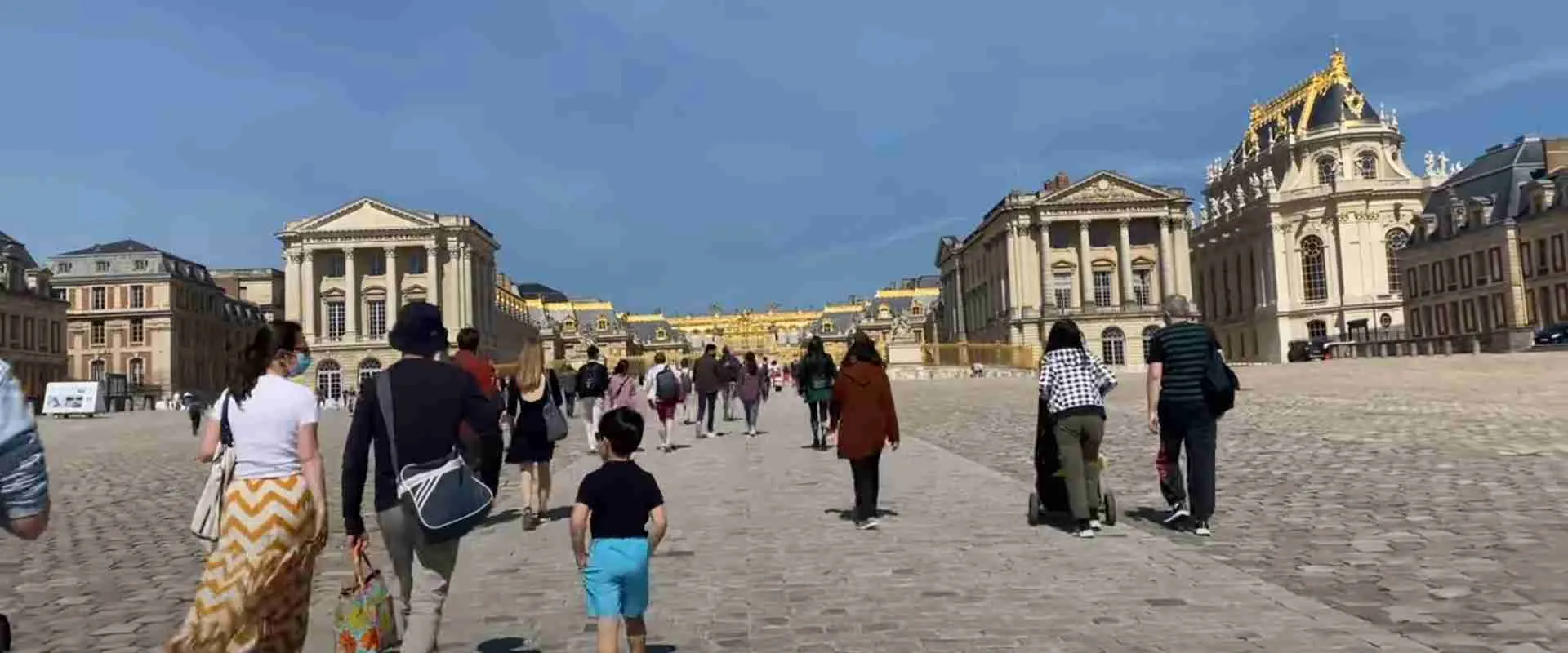
Versailles with Kids: Complete Family Guide 2026
Visiting Versailles with children requires strategic planning that balances adult cultural interests with young visitors’ attention spans, physical needs, and engagement requirements. While the palace’s grandeur impresses adults through historical significance and artistic achievement, children need different approaches including interactive elements, storytelling techniques, and hands-on experiences that transform potential museum fatigue into memorable family adventures.
Key Takeaways
- Children under 18 receive free admission with paying adults, saving significant family costs
- Queen’s Hamlet farm animals and interactive displays captivate young visitors naturally
- Family tours with storytelling approach transform palace history into engaging adventures
- Stroller-friendly routes exist but require strategic planning for palace accessibility
- Pack snacks and entertainment for long walking distances and potential wait times
- Morning visits (9-11 AM) provide optimal conditions before children become tired and cranky
Introduction: Making Versailles Magical for Families in 2026
Modern family tourism at Versailles benefits from enhanced child-friendly programming, improved accessibility features, and evolving educational approaches that recognize diverse learning styles and developmental needs. The palace complex offers natural appeal to children through vast gardens for exploration, farm animals at Queen’s Hamlet, and larger-than-life stories of kings and queens that capture young imaginations when presented appropriately.
The 2026 family experience landscape includes expanded interactive programming, enhanced digital integration designed for young users, and improved facilities that accommodate families with children of various ages. Understanding these resources while planning realistic expectations enables families to create positive cultural experiences that instill lifelong appreciation for history, art, and cultural heritage.
This comprehensive family guide provides practical strategies, child-specific recommendations, and age-appropriate activities that help parents navigate Versailles successfully while ensuring children remain engaged, comfortable, and excited about exploring one of the world’s most magnificent UNESCO World Heritage sites.
People Also Ask About Versailles with Kids 2026
Is Versailles suitable for young children?
Yes, Versailles offers excellent family experiences with free admission for children under 18, interactive family tours, Queen’s Hamlet farm animals, and extensive gardens for exploration. Success requires strategic planning including shorter visits, engaging activities, and realistic expectations about attention spans and walking distances.
What age is best for visiting Versailles with kids?
Ages 6-12 often enjoy Versailles most, with sufficient attention spans for palace touring and genuine interest in royal stories. Younger children (3-6) enjoy gardens and animals but may struggle with palace interior length. Teenagers can appreciate historical significance with proper engagement strategies.
Are strollers allowed at Versailles?
Strollers are permitted but challenging in palace interiors due to stairs, narrow passages, and crowded conditions. Recommended for garden exploration only. Baby carriers work better for palace touring while maintaining child comfort and parent mobility through restricted palace areas.
How long should I plan for Versailles with children?
Plan 4-6 hours maximum with children, including breaks and meals. Focus on highlights rather than comprehensive touring: 2 hours palace interiors, 1 hour lunch break, 2-3 hours gardens and Queen’s Hamlet. Flexibility remains essential for child needs and energy levels.
Extended multi-day tours – 5+ days
Featured Paris Multi-Day Tour Packages
3 days
Paris 3-Day Discovery Tour
- ✓ Comprehensive Paris experience
- ✓ Expert local guides included
- ✓ All accommodation included
- ✓ Transportation provided
5 days
Paris 5-Day Highlights Experience
- ✓ Comprehensive Paris experience
- ✓ Expert local guides included
- ✓ All accommodation included
- ✓ Transportation provided
7 days
Paris 7-Day Cultural Journey
- ✓ Comprehensive Paris experience
- ✓ Expert local guides included
- ✓ All accommodation included
- ✓ Transportation provided
10 days
Paris 10-Day Complete Adventure
- ✓ Comprehensive Paris experience
- ✓ Expert local guides included
- ✓ All accommodation included
- ✓ Transportation provided
Multi-day tour packages powered by TourRadar. Prices and availability subject to change.
Age-Specific Planning Strategies
Toddlers and Preschoolers (Ages 2-5)
Very young children experience Versailles best through sensory engagement and outdoor exploration rather than detailed historical education. The vast gardens provide safe running space, the Queen’s Hamlet offers farm animals and pastoral settings that appeal naturally to young children, and the palace’s visual splendor creates lasting impressions even without historical understanding.
Attention span management becomes critical for this age group, with palace interior visits limited to 30-45 minutes focusing on the most visually impressive rooms including the Hall of Mirrors and State Apartments. Storytelling approaches work better than historical facts, with simple narratives about kings, queens, and palace life that capture imagination without overwhelming young minds.
Physical needs require constant attention including frequent bathroom breaks, snack times, and rest periods in quiet areas. The palace’s marble floors can be slippery for unsteady walkers, while garden paths provide better traction and outdoor freedom that allows energy release between structured touring activities.
Equipment recommendations include lightweight stroller for garden use, baby carrier for palace interiors, entertainment items for wait times, healthy snacks for energy maintenance, and comfort items including favorite toys or blankets that provide security during overwhelming cultural experiences.
Elementary School Children (Ages 6-10)
Elementary age children possess ideal characteristics for Versailles visits: sufficient attention spans for structured touring, genuine curiosity about royal life and historical stories, physical stamina for extended walking, and imagination that transforms palace rooms into living history through engaging presentation techniques.
Educational engagement works well through age-appropriate storytelling that focuses on daily life rather than complex political history. Stories about Marie Antoinette’s children, royal pets, palace games, and court celebrations provide relatable content that maintains interest while building cultural understanding and historical appreciation.
Interactive elements become essential for maintaining engagement including treasure hunt activities, photography assignments, and hands-on experiences that transform passive observation into active participation. Many children this age enjoy completing palace activity books or digital challenges that provide structure and goals throughout the visit.
Physical capabilities enable comprehensive touring with appropriate breaks, though stamina varies significantly among individuals. Plan rest periods every hour, provide engaging snacks that maintain energy levels, and remain flexible about tour pace and depth based on individual child responses and interest levels.
Preteens and Teenagers (Ages 11-17)
Older children can appreciate Versailles’ historical significance, architectural achievement, and cultural importance when engaged through age-appropriate methods that acknowledge their developing analytical skills and growing independence. This age group often responds well to deeper historical content, interactive technology, and opportunities for personal exploration and discovery.
Technology integration appeals to digital natives through mobile apps, augmented reality experiences, and photography opportunities that enable personal documentation and creative expression. Many teenagers enjoy creating social media content, conducting independent research, and participating in more sophisticated educational programming.
Independence balance becomes important, allowing older children to explore areas independently while maintaining family cohesion and safety. Providing teenagers with specific assignments, research topics, or photography challenges enables autonomous engagement while contributing to overall family experience and cultural learning.
Social considerations include peer influence, self-consciousness about family activities, and desire for authentic experiences rather than obviously child-focused programming. Treating teenagers as young adults while providing appropriate guidance often yields better cooperation and genuine engagement with cultural content.
Child-Friendly Attractions and Activities
Queen’s Hamlet: Perfect for Young Visitors
The Queen’s Hamlet represents the ideal Versailles destination for children, combining pastoral beauty with farm animals, rustic architecture that contrasts dramatically with palace grandeur, and outdoor exploration opportunities that appeal naturally to young visitors seeking active engagement rather than passive observation.
Farm animals including sheep, goats, chickens, and other traditional livestock provide interactive experiences that children understand and enjoy regardless of historical knowledge. The working farm atmosphere enables hands-on learning about agricultural traditions, animal care, and rural life that complements palace luxury with authentic historical context.
Architecture exploration becomes accessible through the hamlet’s human scale buildings that children can understand and relate to, contrasting with palace grandeur that may overwhelm young visitors. The rustic cottages, mill buildings, and farm structures provide opportunities for imaginative play and storytelling that brings history to life.
Seasonal activities vary throughout the year with spring and summer offering optimal animal interactions, garden demonstrations, and outdoor programming that maximizes educational value while maintaining entertainment appeal. Winter visits focus more on architecture and indoor activities but maintain charm through cozy pastoral atmosphere.
Palace Gardens: Outdoor Adventure
The extensive palace gardens provide unlimited exploration opportunities for children who need physical activity and outdoor freedom after constrained palace interior touring. The formal garden design creates safe wandering areas with clear sight lines that enable parent supervision while allowing child independence and discovery.
Water features throughout the gardens fascinate children through fountains, reflecting pools, and the Grand Canal that provide visual interest and cooling relief during warm weather. Musical fountain shows add entertainment value through coordinated water displays and classical music that creates magical experiences for all ages.
Playground elements exist throughout garden areas including open grass spaces for running, tree-lined paths for exploration, and hidden groves that provide adventure opportunities. The garden’s vast scale means children can release energy while parents appreciate landscape architecture and historical garden design principles.
Educational opportunities include nature observation, architectural discovery, and seasonal changes that provide science learning integrated with cultural tourism. Gardens offer perfect venues for family picnics, rest periods, and informal educational discussions that complement formal palace touring with relaxed family time.
Interactive Palace Experiences
Family-focused palace tours transform potentially boring historical content into engaging adventures through storytelling techniques, interactive elements, and age-appropriate presentations that maintain child attention while providing educational value. Professional family guides receive specialized training in child engagement and educational psychology.
Treasure hunt activities guide children through palace rooms while searching for specific architectural details, artistic elements, or historical clues that transform passive observation into active participation. These activities provide structure and goals that maintain focus while enabling comprehensive palace exploration.
Costume and role-play experiences available through special programming enable children to dress as historical figures, participate in court ceremonies, or act out historical scenes that bring palace history to life through imaginative engagement rather than lecture-style education.
Audio guide adaptations designed specifically for children provide age-appropriate content, engaging narration, and interactive elements that maintain interest while building cultural understanding. Many systems include games, quizzes, and challenges that transform educational content into entertainment experiences.
Practical Logistics for Family Visits
Stroller and Accessibility Considerations
Stroller navigation at Versailles presents significant challenges due to palace architecture featuring numerous stairs, narrow doorways, and crowded conditions that make wheeled equipment problematic. While strollers are technically permitted, practical usage becomes extremely difficult in palace interiors where crowds and architectural barriers create accessibility challenges.
Garden exploration works excellently with strollers on paved paths and wide walkways that accommodate wheeled equipment easily. The extensive garden network provides stroller-friendly routes that enable comprehensive outdoor exploration while maintaining child comfort and parent convenience for extended outdoor touring.
Baby carrier alternatives often work better for palace interiors, enabling parent mobility through crowded spaces while maintaining child comfort and security. Modern ergonomic carriers distribute weight effectively while providing optimal viewing positions for children during palace touring activities.
Accessibility planning should include backup strategies for equipment storage, alternative routes for mobility challenges, and contingency plans when preferred access methods prove impractical due to crowds or architectural limitations that may arise during actual visit conditions.
Bathroom and Facility Planning
Bathroom availability requires strategic planning since facilities are limited within palace buildings and gardens, with young children’s bathroom needs often arising unpredictably during extended cultural touring. Identifying facility locations before beginning tours prevents emergency situations that can disrupt family experiences.
Key bathroom locations include palace entrance areas, main cafeteria levels, and major garden pavilions, though these facilities may become crowded during peak periods when access becomes limited. Planning bathroom breaks coinciding with meal times or rest periods optimizes facility access while maintaining tour momentum.
Emergency bathroom strategies include backup locations, facility conditions during different seasons, and alternative solutions when primary facilities become unavailable due to maintenance or overcrowding situations that commonly occur during peak tourism periods.
Food and Snack Management
Food planning becomes essential for successful family visits since palace dining options cater primarily to adult tastes and pricing while children often prefer familiar foods and frequent snacking that maintains energy levels during extensive walking and cultural touring activities.
Packed snack strategies include healthy options that provide sustained energy, treats that motivate continued touring, and beverages that maintain hydration during active outdoor exploration. Consider children’s preferences while ensuring nutritional value that supports extended physical activity and mental engagement.
On-site dining options include family-friendly cafeterias with varied menu selections, outdoor dining areas that accommodate families with young children, and beverage stations throughout gardens that provide hydration opportunities during extended outdoor exploration periods.
Picnic opportunities in garden areas provide cost-effective dining solutions while creating enjoyable family experiences that break up intensive cultural touring with relaxed outdoor meals that children often prefer to formal restaurant dining experiences.
Educational Strategies and Engagement Techniques
Storytelling Approaches for Different Ages
Effective storytelling transforms complex historical content into age-appropriate narratives that capture children’s imagination while building cultural understanding. Young children respond to simple stories about daily palace life, royal children’s experiences, and dramatic events that provide relatable human elements within grand historical settings.
Character-focused narratives work particularly well, with stories about Marie Antoinette’s children, royal pets, court musicians, and palace servants providing human scale perspectives that children can understand and relate to rather than abstract political or economic historical concepts that may overwhelm young minds.
Interactive storytelling techniques include asking children to imagine living in palace rooms, role-playing historical scenarios, and connecting palace experiences to children’s own lives through comparisons and analogies that make historical content personally relevant and memorable.
Visual storytelling utilizes palace artwork, architectural details, and decorative elements as story prompts that engage children’s observation skills while building appreciation for artistic achievement and cultural significance through accessible, entertaining presentation methods.
Educational Games and Activities
Scavenger hunt activities provide structure and engagement for children during palace touring, with age-appropriate lists that encourage observation, discovery, and active participation rather than passive following. These activities transform potential boredom into exciting exploration adventures that maintain focus and interest.
Photography assignments enable older children to document their experience while developing artistic skills and personal perspective on palace architecture, gardens, and cultural significance. Digital photography provides immediate feedback and creative expression opportunities that appeal to technology-oriented young visitors.
Counting and observation games work well for younger children, including counting windows, finding specific architectural details, or identifying colors and patterns that encourage careful observation while building appreciation for artistic and architectural achievement through playful engagement.
Creative writing opportunities for older children include journaling, poetry, or storytelling inspired by palace experiences, enabling personal expression and deeper reflection on cultural encounters while developing literacy skills and cultural appreciation through self-directed learning activities.
Technology Integration for Young Visitors
Child-friendly mobile apps provide interactive content designed specifically for young users, including games, educational activities, and age-appropriate information that complements adult touring while maintaining independent engagement for children who may lose interest in adult-focused cultural content.
Augmented reality experiences overlay historical information and interactive elements onto real palace views through mobile devices, creating engaging educational experiences that blend technology with historical content in ways that appeal to digital native children while building cultural understanding.
Digital scavenger hunts guide children through palace and garden areas while completing technology-based challenges that combine physical exploration with digital engagement, maintaining interest while providing educational value through innovative presentation methods that appeal to contemporary learning preferences.
Personal documentation tools enable children to create digital portfolios of their visit through photos, videos, and written reflections that provide lasting memories while encouraging active engagement and personal reflection on cultural experiences that extend learning beyond the immediate visit.
Timing and Scheduling for Families
Optimal Visit Duration by Age Group
Toddlers and preschoolers (ages 2-5) benefit from shorter visits of 2-3 hours maximum, focusing primarily on garden exploration and Queen’s Hamlet with minimal palace interior time that respects limited attention spans while providing positive cultural introduction that may encourage future interest in cultural heritage experiences.
Elementary age children (ages 6-10) can handle 4-5 hour visits with appropriate breaks, meal times, and activity variation that maintains engagement while enabling comprehensive exploration of palace highlights, garden areas, and interactive experiences that provide educational value without overwhelming young attention spans.
Teenagers (ages 11-17) often manage full-day visits of 6-8 hours when engaged through appropriate activities, independence opportunities, and meaningful educational content that acknowledges their developing analytical capabilities while providing cultural depth and personal exploration opportunities.
Individual variation requires flexibility since children’s stamina, interest levels, and attention spans vary significantly even within age groups. Parents should remain prepared to adapt schedules based on actual child responses rather than predetermined plans that may not match real-time needs and energy levels.
Best Times of Day for Family Visits
Early morning visits (9-11 AM) provide optimal conditions for families with fresh energy levels, minimal crowds, and comfortable temperatures before children become tired and potentially cranky. This timing enables palace touring during peak attention periods while positioning advantageously for afternoon outdoor activities.
Late morning to early afternoon (11 AM-2 PM) works well for garden exploration and Queen’s Hamlet visits when children need physical activity and outdoor freedom after structured palace touring. This timing provides natural energy outlets while maintaining engagement through varied activity types.
Afternoon visits (2-5 PM) suit families preferring later starts but may encounter increased crowds and potential child fatigue that can compromise experience quality. This timing works better for shorter visits focused on specific areas rather than comprehensive exploration attempts.
Evening visits during extended summer hours provide unique lighting and cooler temperatures but may conflict with children’s dinner times and bedtime routines that require careful consideration for maintaining family schedules and child comfort throughout extended cultural touring.
Seasonal Considerations for Families
Spring family visits capitalize on perfect weather, blooming gardens that fascinate children, and musical fountain shows that provide entertainment value while managing increasing crowds through strategic timing and realistic expectations about tourist density during pleasant weather periods.
Summer family visits require heat management strategies including early morning touring, frequent hydration breaks, and shade-seeking during peak temperatures while taking advantage of extended daylight hours and full garden access that provides maximum outdoor exploration opportunities for active children.
Fall family visits offer comfortable weather and beautiful autumn colors that appeal to children while benefiting from reduced crowds and reasonable pricing that makes family travel more affordable while maintaining excellent touring conditions and comprehensive access to all attractions.
Winter family visits focus on indoor palace touring with cozy atmosphere and minimal crowds, though limited garden access and shorter daylight hours require adapted expectations and indoor-focused activities that maintain engagement despite reduced outdoor opportunities and challenging weather conditions.
Family-Friendly Dining and Rest Areas
Kid-Friendly Restaurant Options
La Petite Venise offers family-friendly dining with outdoor seating that accommodates children comfortably while providing traditional French cuisine with options that appeal to young palates. The canal-side setting provides visual entertainment for children while parents enjoy cultural dining experiences within palace grounds.
Palace cafeterias provide convenient quick-service options with varied menu selections that include child-friendly choices alongside traditional offerings. These venues offer practical solutions for families needing efficient dining without elaborate table service that may challenge young children’s patience and attention spans.
Angelina Versailles provides upscale family dining with famous hot chocolate that appeals particularly to children while offering elegant atmosphere that maintains cultural experience quality. The renowned pastries and child-appealing menu items make this venue popular for special family celebrations and cultural milestone visits.
Outdoor picnic areas throughout gardens enable families to bring food preferences while providing cost-effective dining solutions that accommodate dietary restrictions, picky eaters, and budget considerations while creating enjoyable family experiences that children often prefer to formal restaurant settings.
Rest Areas and Quiet Spaces
Garden benches throughout palace grounds provide numerous rest opportunities where families can regroup, provide snacks, and allow children to process cultural experiences while parents appreciate landscape beauty and plan next activities based on real-time family energy levels and interest patterns.
Covered pavilions in garden areas offer weather protection during rain or intense sun while providing comfortable family gathering spaces that enable meal breaks, entertainment activities, and quiet time that helps prevent overstimulation and maintains positive family dynamics throughout extended visits.
Indoor seating areas within palace complexes provide climate-controlled rest opportunities during extreme weather while offering comfortable environments for nursing mothers, diaper changes, and other child care needs that arise during extended cultural touring with young family members.
Queen’s Hamlet areas include informal seating and open spaces where children can move freely while parents supervise comfortably, providing optimal family rest environments that combine supervision ease with child entertainment through natural settings and animal observations.
Safety and Child Management Strategies
Crowd Safety and Child Supervision
Crowd management with children requires heightened vigilance since palace tourist density can create situations where young visitors become separated from parents or feel overwhelmed by adult-height crowds that obstruct their vision and movement through popular palace areas and garden attractions.
Identification strategies include providing children with parent contact information, designating meeting places in case of separation, and using bright clothing or accessories that enable easy visual identification in crowded tourist areas where hundreds of people may be present simultaneously.
Buddy system implementation pairs older children with younger siblings while establishing clear behavioral expectations and emergency procedures that children can understand and follow during potentially overwhelming cultural tourism experiences in unfamiliar international environments.
Communication planning includes teaching children key French phrases for emergencies, identifying palace security personnel through distinctive uniforms, and establishing family signals or codes that enable quick communication and regrouping during crowded or challenging situations.
Physical Safety Considerations
Palace architecture presents unique safety challenges including marble floors that can be slippery, numerous stairs without railings, and narrow passages that may challenge small children or create bottlenecks during crowded periods when careful supervision becomes essential for preventing accidents.
Garden safety includes supervision near water features, awareness of uneven historical surfaces that may challenge young walkers, and sun protection during extended outdoor exploration when children may not recognize overexposure risks until symptoms develop.
Equipment safety involves proper stroller usage on appropriate surfaces, secure baby carrier fitting that distributes weight safely, and careful management of personal belongings that could create tripping hazards or get lost during extensive walking and touring activities.
Emergency preparedness includes identifying first aid locations, understanding how to contact emergency services, and maintaining emergency supplies including bandages, medications, and comfort items that address common childhood injuries or health needs during travel.
Budget-Friendly Family Strategies
Cost-Saving Opportunities for Families
Free admission for children under 18 with paying adults provides substantial family savings, particularly for large families where adult admission costs would otherwise create significant expense barriers to cultural tourism. This benefit makes Versailles accessible to families across economic situations while encouraging intergenerational cultural experiences.
Family tour packages often provide better value than individual adult tours while including child-specific programming and materials that enhance educational value beyond basic admission benefits. Group family tours may offer additional savings through shared costs and specialized family-focused content.
Picnic strategies reduce dining costs significantly while providing food options that children prefer and dietary accommodations that restaurants may not offer. Garden picnic areas enable enjoyable family meals that become highlights of cultural visits while supporting family budgets.
Transportation savings include family-friendly public transport options and group tickets that reduce per-person costs while providing authentic French cultural experiences through local transportation systems that children often find entertaining and educational.
Value-Added Family Experiences
Educational value justifies family cultural tourism investments through experiences that provide lasting benefits including cultural awareness, historical understanding, artistic appreciation, and international perspective that contribute to children’s overall education and personal development beyond immediate entertainment value.
Memory creation opportunities through family cultural tourism provide shared experiences that strengthen family bonds while creating lasting memories that children carry throughout their lives, often inspiring continued interest in cultural heritage, travel, and international understanding.
Skill development through cultural tourism includes observation skills, critical thinking, cultural sensitivity, and adaptability that benefit children’s overall development while providing practical experience with international travel, language differences, and cultural variations that build global citizenship awareness.
Inspiration potential from palace visits may spark interests in history, art, architecture, or French culture that influence educational choices, career directions, or personal interests throughout children’s development, providing long-term value that extends far beyond immediate tourism experiences.
Special Family Programs and Events
Seasonal Family Programming
Spring family programs emphasize garden exploration with guided nature walks, flower identification activities, and seasonal celebrations that combine cultural heritage with environmental education while taking advantage of perfect weather conditions and beautiful natural displays that appeal naturally to children.
Summer family events include extended programming with outdoor activities, special performances, and interactive workshops that utilize optimal weather and extended daylight hours while providing structured family entertainment that complements independent exploration with organized educational experiences.
Fall family programming focuses on harvest themes, traditional crafts, and seasonal celebrations that connect children to historical agricultural traditions while providing hands-on activities that maintain engagement during comfortable weather conditions that support extended outdoor programming.
Winter family events emphasize indoor activities with storytelling sessions, craft workshops, and holiday programming that provide warm, engaging experiences during challenging weather while maintaining cultural education and family entertainment value through season-appropriate indoor focus.
Educational Workshops for Families
Art workshops enable families to create projects inspired by palace collections while learning about historical techniques, artistic styles, and cultural significance through hands-on activities that appeal to diverse learning styles and age groups within family units.
Historical reenactment programs provide immersive experiences where families participate in court ceremonies, traditional games, or historical scenarios that bring palace history to life through active participation rather than passive observation of cultural heritage.
Craft workshops focus on traditional French techniques including textile arts, decorative crafts, and period activities that provide authentic cultural experiences while creating tangible souvenirs that children can take home as reminders of their cultural tourism experiences.
Cooking classes designed for families introduce French culinary traditions through age-appropriate activities that enable children to participate safely while learning about cultural food traditions and historical cooking methods that provide practical cultural education.
Transportation and Logistics
Family-Friendly Transportation Options
Public transportation to Versailles accommodates families well through RER C train service that provides comfortable seating, reasonable pricing, and direct access while offering children authentic French cultural experiences through local transportation systems that become part of overall cultural learning.
Private transportation options including taxis or tour buses provide convenience for families with young children, luggage, or mobility challenges while eliminating navigation stress and language barriers that may complicate public transportation usage with multiple family members.
Stroller transportation requires consideration of accessibility limitations on public transport and palace grounds, with recommendations for lightweight, compact models that navigate crowds and stairs more easily while providing necessary child comfort during extended touring activities.
Equipment management includes strategies for carrying child-specific supplies, entertainment items, and safety equipment while maintaining parent mobility and comfort during extensive walking and cultural touring that may last several hours across varied terrain.
Accommodation Considerations
Family-friendly accommodation near Versailles includes hotels with connecting rooms, cribs, and child-specific amenities that facilitate comfortable family stays while providing convenient access to palace attractions without lengthy daily transportation that can exhaust children before cultural activities begin.
Kitchen facilities in family accommodations enable meal preparation that accommodates children’s dietary preferences, food allergies, and eating schedules while reducing dining costs and providing familiar food options that may not be available in local restaurants.
Space considerations include adequate room for family relaxation, children’s sleep needs, and equipment storage that enables comfortable family functioning while maintaining privacy and comfort standards that support successful family cultural tourism experiences.
Location advantages of staying near Versailles include elimination of daily transportation stress, flexible timing that accommodates children’s schedules, and immersion in French community life that provides authentic cultural experiences beyond palace tourism focus.
Weather and Seasonal Adaptations
Clothing and Equipment for Different Seasons
Spring family preparation includes layered clothing for temperature variations, rain protection for unpredictable spring weather, comfortable walking shoes for varied terrain, and sun protection for increasing daylight exposure during extended outdoor touring in garden areas.
Summer family essentials include sun protection with hats and sunscreen, lightweight breathable clothing, abundant hydration supplies, and cooling strategies for managing heat during peak temperature periods while maintaining child comfort during extensive outdoor exploration.
Fall family preparation requires moderate layers for changing temperatures, comfortable shoes for potentially wet leaves and surfaces, and weather protection for variable autumn conditions while taking advantage of beautiful foliage and comfortable touring temperatures.
Winter family preparation includes warm clothing systems, waterproof footwear for potentially icy conditions, hand warmers and comfort items for extended outdoor periods, and indoor entertainment for weather delays or limited outdoor access during challenging conditions.
Activity Adaptations by Season
Spring activities emphasize garden exploration, flower appreciation, and outdoor photography while managing unpredictable weather through flexible indoor alternatives and weather-appropriate clothing that enables continued touring regardless of changing conditions.
Summer activities focus on early morning touring, shade-seeking during peak heat, water feature appreciation, and extended evening garden exploration while implementing heat management strategies that maintain child comfort and safety during potentially challenging weather conditions.
Fall activities highlight foliage appreciation, comfortable walking tours, seasonal celebrations, and harvest themes while taking advantage of optimal weather conditions and reduced crowds that provide ideal family touring conditions and enhanced cultural experiences.
Winter activities emphasize indoor palace focus, holiday atmospheres, cozy café experiences, and brief outdoor visits for photography while adapting expectations to seasonal limitations and shorter daylight hours that require modified touring approaches.
Creating Lasting Family Memories
Documentation and Memory Preservation
Family photography strategies include involving children in documentation through age-appropriate cameras or smartphones while teaching composition basics and encouraging personal perspective development that creates ownership and engagement with cultural experiences beyond passive tourism consumption.
Journal writing opportunities for older children enable reflection and processing of cultural experiences while developing writing skills and personal expression abilities that extend learning beyond immediate visit experiences and create lasting personal records of cultural encounters.
Souvenir selection focuses on meaningful items that connect to specific experiences rather than generic tourist merchandise, with children participating in selection decisions that reflect personal interests and visit highlights while supporting local economy and cultural preservation.
Experience sharing through family discussions, story telling, and memory reviewing helps children process and retain cultural learning while strengthening family bonds through shared experiences that become part of family history and cultural tradition.
Follow-Up Learning Opportunities
Post-visit education includes books, documentaries, and additional research about French history and culture that build upon direct palace experiences while maintaining engagement and extending learning beyond immediate tourism experiences into ongoing cultural education and personal development.
Creative projects inspired by palace visits including art, writing, or presentations enable children to express and share their experiences while developing skills and maintaining connection to cultural heritage through personal creative expression and meaningful engagement.
Language learning opportunities may emerge from palace visits, with children expressing interest in French language or culture that can be supported through classes, exchanges, or additional cultural experiences that build upon initial tourism introduction to international culture.
Future travel inspiration often develops from successful family cultural tourism, with children expressing interest in additional cultural sites, historical periods, or international destinations that expand their global awareness and cultural appreciation throughout their development.
Planning Your 2026 Family Visit
Pre-Visit Preparation with Children
Educational preparation includes age-appropriate books, videos, and discussions about French history and palace significance that build background knowledge and excitement while managing expectations and preparing children for cultural experiences that may be unfamiliar or overwhelming without proper introduction.
Behavioral preparation includes discussing cultural etiquette, expected behavior in museums and historical sites, and family rules for maintaining safety and respect during cultural tourism while ensuring children understand expectations and consequences in unfamiliar international environments.
Physical preparation includes building stamina through walking practice, discussing physical demands of extended touring, and ensuring children understand the physical requirements while building excitement rather than anxiety about upcoming cultural adventures.
Logistical preparation includes involving children in planning discussions, route selection, and activity prioritization while building ownership and excitement about family cultural tourism while teaching planning skills and cultural awareness through active participation.
Realistic Expectation Setting
Age-appropriate expectations include understanding attention span limitations, physical endurance realities, and interest level variations while planning flexible itineraries that prioritize child success and family enjoyment over comprehensive cultural coverage that may overwhelm young visitors.
Weather contingency planning includes indoor alternatives, comfortable clothing recommendations, and schedule flexibility that accommodates changing conditions while maintaining positive family experiences regardless of external circumstances beyond family control.
Energy management includes realistic scheduling with adequate breaks, meal planning that maintains child comfort, and flexibility for spontaneous rest or activity changes based on real-time family needs and energy levels during actual touring experiences.
Success measurement focuses on family enjoyment, positive cultural introduction, and memory creation rather than comprehensive educational achievement or tourist attraction completion that may create pressure and reduce enjoyment for family members with different interests and capabilities.
2026 Updates & Family Enhancements
Improved Family Facilities
Enhanced accessibility features for 2026 include improved stroller access in selected palace areas, expanded family rest areas with child-specific amenities, and upgraded facilities that accommodate families with young children while maintaining historical authenticity and cultural significance.
Digital integration improvements include enhanced child-friendly mobile app features, interactive educational content designed for young users, and technology integration that engages digital native children while supporting family cultural tourism and educational goals.
Expanded Family Programming
New family-focused educational programs for 2026 include enhanced interactive workshops, seasonal children’s events, and family-specific guided tours that recognize diverse family needs while providing high-quality cultural education and entertainment suitable for multiple age groups.
Sustainability education initiatives connect family tourism to environmental awareness and cultural preservation while teaching children about heritage conservation and responsible tourism through age-appropriate programming that builds global citizenship awareness and environmental consciousness.
Frequently Asked Questions About Versailles with Kids 2026
What’s the minimum age for children to enjoy Versailles?
Children as young as 3-4 can enjoy Versailles gardens and Queen’s Hamlet farm animals, though palace interior appreciation typically begins around age 6 when attention spans allow structured touring. Success depends more on preparation and realistic expectations than specific age requirements for cultural engagement.
How much does Versailles cost for families with children?
Children under 18 receive free admission with paying adults, so family costs include only adult tickets (€20 Passport tickets recommended), transportation (€7.10 per adult roundtrip), and meals. A family of four typically spends €60-100 for comprehensive day including transportation and dining.
Can I bring strollers throughout Versailles?
Strollers are permitted but impractical in palace interiors due to stairs, narrow passages, and crowds. They work excellently in gardens on paved paths. Baby carriers are recommended for palace touring while maintaining stroller access for garden exploration and transportation.
What areas of Versailles do children enjoy most?
Queen’s Hamlet with farm animals consistently ranks highest for children, followed by garden exploration and musical fountain shows. Palace highlights include Hall of Mirrors for visual impact and State Apartments for royal stories when presented age-appropriately through engaging tour guides.
How long can young children handle touring Versailles?
Plan maximum 4-6 hours with children including breaks and meals. Toddlers (2-5) need 2-3 hour visits focused on gardens, elementary age (6-10) can handle 4-5 hours with variety, teenagers manage full days when properly engaged through appropriate activities and independence.
Are there family bathrooms and changing facilities?
Family bathrooms exist at palace entrance areas, main cafeterias, and some garden pavilions, though facilities are limited throughout the extensive grounds. Plan bathroom breaks strategically and carry necessary supplies for emergencies during extended touring periods.
What should I pack for visiting Versailles with children?
Pack comfortable walking shoes, weather-appropriate clothing, snacks and water, entertainment for waits, portable first aid supplies, and child identification information. Consider baby carriers over strollers for palace areas while maintaining comfort items for security during cultural experiences.
Can children eat at Versailles restaurants?
Yes, restaurants welcome families though menus cater to adult tastes. La Petite Venise offers family-friendly outdoor dining, cafeterias provide varied options, and Angelina appeals to children with famous hot chocolate. Garden picnic areas offer budget-friendly alternatives with child-preferred foods.
Are there educational programs specifically for children?
Yes, family tours use storytelling approaches, treasure hunts guide palace exploration, seasonal workshops offer hands-on activities, and digital programs provide interactive learning. Many programs require advance booking and may have age restrictions or language limitations for international visitors.
What’s the best time of year for families to visit Versailles?
Spring (April-May) and early fall (September) offer optimal family conditions with perfect weather, manageable crowds, and full garden access. Summer provides maximum access but requires heat management, while winter focuses on indoor experiences with minimal crowds and budget-friendly pricing.