Versailles Photography Guide 2026: Best Shots & Camera Tips
Photographing Versailles successfully requires understanding the complex interplay of natural lighting, architectural grandeur, crowd dynamics, and technical challenges that make this UNESCO World Heritage site both inspiring and demanding for photographers of all skill levels. The palace’s ornate interiors, vast gardens, and dramatic architectural features offer unlimited creative opportunities for those prepared to navigate its unique photographic challenges.
Key Takeaways
- Golden hour (8-10 AM) provides optimal interior lighting before crowds obstruct compositions
- Hall of Mirrors photography requires morning east-facing light for magical reflections
- No flash inside palace buildings – use high ISO and image stabilization instead
- Professional equipment over 200mm requires €50-100 permits – plan accordingly
- Garden photography peaks during spring blooms and autumn foliage seasons
- Telephoto lenses capture architectural details while avoiding crowd distractions
Introduction: Capturing Versailles’ Photographic Magic in 2026
Professional photographers and serious enthusiasts face particular considerations including equipment restrictions, permit requirements, and crowd management strategies that can make the difference between frustrating tourist snapshots and gallery-worthy architectural photography. Understanding these technical and logistical requirements enables photographers to create stunning images while respecting cultural heritage preservation needs.
The 2026 photography landscape at Versailles includes enhanced digital integration, updated security protocols for equipment screening, and evolving crowd management systems that create new opportunities for creative photography while introducing potential technical challenges for unprepared photographers.
This comprehensive photography guide combines technical expertise with practical location knowledge, providing detailed shooting strategies, equipment recommendations, and composition techniques developed through extensive experience documenting this magnificent palace complex across all seasons and lighting conditions.
People Also Ask About Versailles Photography 2026
What camera equipment can I bring to Versailles?
Standard tourist cameras including smartphones, compact cameras, and basic DSLRs with lenses under 200mm face no restrictions. Professional equipment including tripods, lighting, and telephoto lenses over 200mm require advance permits costing €50-100. Flash photography is prohibited inside palace buildings.
When is the best lighting for Versailles photography?
Early morning (8-10 AM) provides optimal interior lighting with east-facing windows illuminating the Hall of Mirrors beautifully. Late afternoon (4-6 PM) offers excellent garden photography with warm golden light. Avoid midday harsh shadows and evening when palace interiors become dark.
Where are the best photo spots at Versailles?
Must-shoot locations include Hall of Mirrors (morning light), State Apartments (architectural details), Water Parterre (palace facade), Grand Canal perspective, Queen’s Hamlet (pastoral scenes), and garden perspectives toward palace. Each location requires specific timing for optimal conditions.
Can I use a tripod for photography at Versailles?
Tripods require professional photography permits (€50-100) and advance approval. Standard tourist photography relies on handheld techniques, image stabilization, and crowd-free positioning. Monopods may be permitted for mobility-impaired visitors with advance coordination through accessibility services.
Extended multi-day tours – 5+ days
Featured Paris Multi-Day Tour Packages

5 days
5 Days of Art, Gardens & Royal Splendor: Paris, Giverny & Versailles
- ✓ Comprehensive Paris tour
- ✓ Expert local guides included
- ✓ All accommodation arranged
- ✓ Transportation provided
4 days
Independent Paris City Stay
- ✓ Comprehensive Paris tour
- ✓ Expert local guides included
- ✓ All accommodation arranged
- ✓ Transportation provided
6 days
Enchanting 6-Day Journey Through Paris With Disneyland and Palace of Versailles
- ✓ Comprehensive Paris tour
- ✓ Expert local guides included
- ✓ All accommodation arranged
- ✓ Transportation provided
5 days
Paris in Color, Scent & Flavor
- ✓ Booking needs min. 2 travelers
Multi-day tour packages powered by TourRadar. Prices and availability subject to change.
Essential Photography Equipment for Versailles
Camera Body Recommendations
Full-frame DSLR or mirrorless cameras provide optimal performance for Versailles photography, offering superior low-light capabilities essential for palace interiors and high-resolution sensors that capture architectural detail and ornate decorative elements with professional quality. Crop sensor cameras work excellently but require adjusted focal length planning.
High ISO performance becomes critical for interior photography where flash is prohibited and natural lighting varies dramatically throughout the day. Modern cameras capable of clean ISO 1600-3200 performance enable handheld photography in challenging lighting conditions while maintaining image quality standards.
In-body image stabilization provides significant advantages for handheld photography required by tripod restrictions, enabling sharper images at slower shutter speeds necessary for optimal exposure in varying lighting conditions throughout palace and garden environments.
Dual memory card slots offer security for once-in-a-lifetime photography opportunities where image loss would be devastating. Professional photographers should always shoot with backup storage given the investment in travel and access to these unique photographic opportunities.
Lens Selection Strategy
Wide-angle lenses (14-35mm) capture architectural grandeur and spacious palace interiors, though distortion correction becomes important for maintaining architectural accuracy. Ultra-wide angles help include entire rooms while standard wide-angles provide more natural perspective that better represents human visual experience.
Standard zoom lenses (24-70mm) offer versatility for varied compositions while remaining within equipment restriction guidelines. These lenses handle both architectural photography and detail work without requiring lens changes that can be challenging in crowded tourist environments.
Portrait lenses (85-135mm) excel for isolating architectural details, capturing ornate decorative elements, and avoiding crowd distractions in busy tourist areas. Medium telephoto focal lengths compress perspective beautifully while remaining within standard tourist equipment guidelines.
Macro capabilities enable documentation of intricate craftsmanship details including gilded moldings, painted ceiling elements, and decorative arts that showcase the exceptional artisanship that makes Versailles architecturally significant beyond its historical importance.
Essential Accessories
Portable battery packs ensure continuous operation during full-day photography sessions that can drain camera batteries quickly, particularly when using electronic viewfinders, image stabilization, and frequent image review in challenging lighting conditions.
High-speed memory cards accommodate burst shooting during optimal lighting moments and RAW file sizes that professional architectural photography demands. Fast write speeds prevent buffer limitations during critical shooting opportunities.
Lens cleaning supplies become essential for maintaining optical quality in dusty tourist environments and changing weather conditions that can affect lens performance during extended outdoor garden photography sessions.
Weather protection including lens hoods and camera rain covers enables continued photography during typical French weather variability that shouldn’t prevent comprehensive documentation of this UNESCO World Heritage site.
Technical Settings and Shooting Modes
Exposure Strategies for Palace Interiors
Aperture priority mode (A/Av) provides optimal control for architectural photography where depth of field management balances foreground detail with background context. F/8-F/11 typically provides optimal sharpness while maintaining sufficient depth of field for architectural subjects.
ISO management requires balancing image quality with necessary shutter speeds for handheld photography. Auto ISO with maximum limits around 3200 enables responsive adaptation to changing lighting conditions while maintaining acceptable noise levels for high-quality images.
Exposure compensation becomes critical for challenging lighting conditions including bright windows contrasted with darker interior spaces. Slightly underexposing (-1/3 to -2/3 stops) often preserves highlight detail while shadow recovery in post-processing maintains overall image quality.
Matrix/evaluative metering handles complex lighting situations better than spot metering in architectural environments where lighting varies dramatically across composition areas. Modern metering systems provide reliable exposure starting points for fine-tuning.
Focus and Composition Techniques
Single-point autofocus provides precise control for architectural photography where exact focus placement affects perceived sharpness and visual impact. Center point focus with focus-recompose technique often provides optimal results in challenging lighting conditions.
Hyperfocal distance focusing maximizes depth of field for architectural photography where both foreground and background elements require sharp rendering. Understanding hyperfocal principles enables optimal focus placement for comprehensive sharpness.
Back-button focus separates focus acquisition from shutter release, providing greater control for architectural subjects where focus requirements remain constant while exposure and timing vary based on crowd movement and lighting changes.
Interior Photography: Palace Rooms and Halls
Hall of Mirrors: The Signature Shot
The Hall of Mirrors requires morning photography when east-facing windows provide natural illumination that creates the magical reflective effects that make this space legendary. Arrive at opening time to capture this iconic space with minimal crowds obscuring the architectural grandeur.
Composition strategies include wide-angle perspectives that capture the full length and architectural rhythm while telephoto compression emphasizes decorative details and mirror reflections. Vertical compositions often work better than horizontal for capturing the full height and grandeur.
Positioning near garden-facing windows provides backlighting opportunities that enhance the luminous quality while avoid photographing directly into windows that can cause exposure challenges and reduce contrast in mirror reflections.
Multiple exposures enable comprehensive documentation from various angles while crowds shift, providing options for selecting optimal compositions during post-processing when time constraints prevent extensive on-site evaluation.
State Apartments: Architectural Details
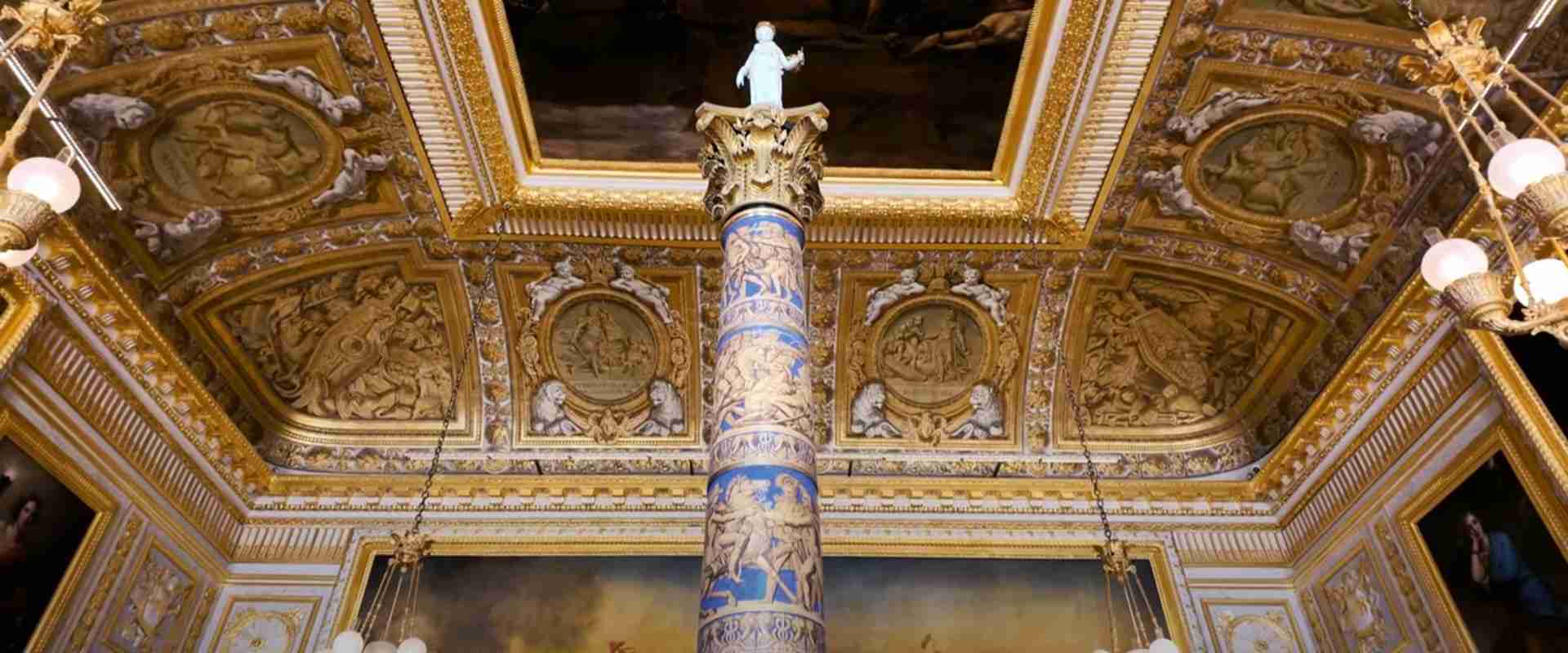
State Apartment photography emphasizes the ornate ceiling paintings, gilded decorative elements, and period furniture arrangements that showcase royal luxury and artistic achievement. Wide-angle lenses capture room grandeur while portrait lenses isolate intricate details.
Lighting conditions vary significantly between rooms based on window orientation and time of day. Morning light generally provides optimal illumination for east and south-facing rooms while afternoon light works better for west-facing spaces.
Crowd management requires patience and positioning strategies that capture clean architectural shots without tourist distractions. Early morning visits and strategic waiting for crowd movement enable optimal composition opportunities.
Detail photography of ceiling paintings requires careful angle selection that minimizes keystoning while capturing artistic details that demonstrate the exceptional craftsmanship and artistic vision that distinguishes Versailles from other European palaces.
Queen’s Apartments: Intimate Spaces
Queen’s Apartments offer more intimate photographic opportunities with delicate decorative schemes, personal artifacts, and smaller room scales that require different compositional approaches than the grand ceremonial spaces.
Softer lighting and pastel color schemes in Queen’s Apartments require careful exposure management to maintain color accuracy while preserving the elegant atmospheric quality that distinguishes these feminine spaces from masculine state rooms.
Detail photography opportunities abound in personal items, delicate furniture, and artistic elements that provide insights into royal domestic life contrasting sharply with public ceremonial functions documented in State Apartments.
Garden Photography: Landscapes and Architecture
Formal Garden Perspectives
Garden photography benefits from understanding André Le Nôtre’s design principles that created axial perspectives, geometric patterns, and hierarchical spatial relationships that guide compositional decisions for optimal landscape documentation.
The Water Parterre provides classic palace facade photography with formal garden foreground elements that create depth and context while showcasing the relationship between architectural grandeur and landscape design artistry.
Seasonal timing dramatically affects garden photography with spring blooms, summer fullness, autumn colors, and winter structure each providing unique photographic opportunities that require different technical approaches and aesthetic considerations.
Perspective management using various focal lengths enables different interpretations of garden design, from wide-angle comprehensive views to telephoto compressed perspectives that emphasize geometric patterns and design relationships.
Water Features and Fountains
Fountain photography during musical shows provides dynamic opportunities with water choreography synchronized to classical music, requiring burst shooting modes and careful timing to capture optimal water formation moments.
Shutter speed selection affects water appearance, with faster speeds freezing motion for dramatic effect while slower speeds create flowing movement that emphasizes grace and artistic design intentions.
Positioning strategies include backlighting opportunities that make water features sparkle while avoiding direct sun that can create exposure challenges and reduce contrast in water details.
Reflection photography in calm water features provides mirror images of palace architecture and garden elements that create artistic compositions beyond straightforward documentary photography.
Trianon Estates: Pastoral Photography
Queen’s Hamlet photography emphasizes pastoral beauty and rustic charm that contrasts dramatically with palace grandeur, requiring different aesthetic approaches that capture the romantic idealism of royal retreat architecture.
Natural lighting in garden settings provides more flexibility than palace interiors, enabling golden hour photography that enhances romantic atmosphere and creates warm, inviting images that capture the estate’s intended emotional impact.
Seasonal variation becomes particularly important in estate photography where natural landscape elements change dramatically throughout the year, providing unique photographic opportunities during each season.
Detail photography of architectural elements, garden features, and natural details enables comprehensive documentation that captures both overall atmosphere and specific design elements that make these estates historically and artistically significant.
Lighting and Timing Strategies
Golden Hour Magic (8-10 AM)
Early morning light provides optimal conditions for interior photography when east-facing windows illuminate palace rooms with warm, even light that enhances architectural details while avoiding harsh shadows that develop later in the day.
Crowd avoidance during golden hour enables optimal compositions without tourist distractions while providing comfortable photography conditions before heat and humidity affect equipment performance and personal comfort.
Morning light direction creates three-dimensional modeling on architectural features that reveals texture, depth, and decorative details that become flat under midday overhead lighting or afternoon backlighting conditions.
Seasonal Light Considerations
Spring and autumn provide optimal weather conditions for extended photography sessions with comfortable temperatures, clear atmospheric conditions, and moderate humidity that prevents lens fogging and ensures consistent equipment performance.
Summer photography requires heat management strategies including equipment cooling periods and personal comfort considerations that maintain focus and creativity during challenging environmental conditions.
Winter photography emphasizes palace interiors while taking advantage of unique atmospheric conditions including potential snow coverage that creates magical landscape opportunities unavailable during other seasons.
Weather Adaptation Strategies
Overcast conditions provide even lighting that works well for detailed architectural photography while eliminating harsh shadows and extreme contrast that can challenge exposure systems and limit post-processing flexibility.
Rain photography requires equipment protection while potentially providing unique atmospheric effects including reflections and dramatic skies that enhance landscape compositions when properly managed.
Bright sunshine creates strong directional lighting that enhances architectural modeling while requiring careful shadow management and exposure control to maintain detail in both highlights and shadows.
Composition Techniques for Architectural Photography
Leading Lines and Perspective
Architectural leading lines guide viewer attention through compositions while emphasizing the mathematical precision and geometric relationships that define French baroque design principles implemented throughout Versailles.
Symmetry and pattern recognition enable powerful compositions that reflect the ordered, hierarchical worldview embodied in palace architecture and garden design that expressed royal power through environmental control and artistic sophistication.
Perspective management through viewpoint selection and focal length choice controls how architectural relationships appear in final images, enabling emphasis on grandeur, intimacy, detail, or overall spatial relationships based on artistic intent.
Framing and Context
Natural framing using architectural elements creates depth and context while guiding viewer attention to specific subjects within complex palace environments that contain overwhelming visual information.
Foreground, middle ground, and background relationship management creates three-dimensional depth in two-dimensional images while providing context that helps viewers understand scale, spatial relationships, and architectural significance.
Human scale inclusion through distant figures provides size reference that helps viewers comprehend the immense scale of palace architecture while avoiding prominent tourist presence that can date images or distract from architectural focus.
Detail vs. Context Balance
Macro detail photography captures craftsmanship quality and artistic details that demonstrate the exceptional skill levels and material luxury that justified Versailles’ reputation as Europe’s most magnificent palace.
Wide establishing shots provide context for detailed images while creating comprehensive documentation that serves both artistic and historical purposes for future reference and artistic interpretation.
Medium focal length compositions balance detail with context, providing optimal documentation that captures both architectural significance and artistic beauty without overwhelming viewers with excessive information or insufficient detail.
Crowd Management for Clean Compositions
Timing and Positioning Strategies
Early arrival provides optimal photographic conditions before crowds develop, enabling clean architectural shots and comfortable positioning for optimal angles without competing with other photographers for prime locations.
Counter-flow touring involves moving opposite to typical crowd patterns, finding temporary calm in areas that crowds have recently vacated while positioning ahead of crowd movement for optimal timing.
Patience and observation enable identification of crowd patterns that create brief opportunities for clean shots when tour groups move between locations or pause for guide commentary.
Telephoto Isolation Techniques
Longer focal lengths compress perspective while isolating subjects from crowded backgrounds, enabling clean architectural details even during busy periods when wide-angle shots become impossible due to tourist presence.
Selective focus using wide apertures isolates subjects from distracting backgrounds while creating artistic blur that eliminates crowd distractions without requiring perfect timing or positioning.
High viewpoint photography from elevated positions provides unique perspectives while avoiding ground-level crowd interference that can make standard viewpoint photography challenging during peak visitation periods.
Post-Processing for Versailles Images
RAW Processing Workflow
Shoot RAW format exclusively for architectural photography where dynamic range challenges and color accuracy requirements demand maximum post-processing flexibility for optimal final image quality.
Lens correction including distortion removal, vignetting compensation, and chromatic aberration reduction ensures geometric accuracy essential for architectural photography while maintaining natural perspective relationships.
Color grading emphasizes the warm golden tones that characterize Versailles interiors while maintaining color accuracy for historical documentation purposes that serve both artistic and scholarly applications.
Dynamic Range Optimization
Shadow and highlight recovery enables balanced exposures that capture detail in both bright windows and dark interior spaces that challenge single exposure techniques in high-contrast palace environments.
HDR processing techniques can enhance dynamic range when used subtly, though over-processing can create unnatural results that compromise architectural authenticity and historical accuracy.
Graduated adjustments enable zone-specific optimization that addresses varying lighting conditions across complex architectural compositions while maintaining natural appearance and realistic lighting relationships.
Architectural Accuracy vs. Artistic Expression
Perspective correction ensures architectural accuracy while artistic interpretation through creative processing can enhance emotional impact without compromising historical authenticity or documentary value.
Color enhancement should maintain historical accuracy while optimizing visual impact, avoiding over-saturation that misrepresents actual palace appearance while enhancing natural beauty and artistic elements.
Noise reduction and sharpening optimization maintains image quality while preserving architectural detail and texture that documents construction techniques and material quality essential for historical and artistic appreciation.
Professional Photography Considerations
Permit Requirements and Commercial Use
Professional photography permits cost €50-100 and require advance application with specific equipment lists, intended usage descriptions, and insurance documentation. Commercial usage requires additional licensing and fee structures.
Equipment restrictions for professional permits include allowances for tripods, lighting equipment, and telephoto lenses over 200mm that are prohibited for standard tourist photography. Advance coordination prevents security complications.
Model releases become necessary for images including recognizable individuals, while property releases may be required for commercial usage of palace images depending on intended application and distribution channels.
Stock Photography Opportunities
Architectural stock photography opportunities include historical, educational, and travel applications though licensing requirements vary based on intended usage and distribution channels. Research usage rights before shooting.
Seasonal variety provides multiple photographic approaches to same subjects, enabling stock portfolio development that serves diverse client needs across different seasons and aesthetic requirements.
Detail photography supplements wide architectural shots in stock collections, providing design elements and decorative details that serve graphic design applications beyond traditional architectural photography markets.
Mobile Photography Tips
Smartphone Optimization
Modern smartphones provide excellent image quality for Versailles photography when used with understanding of their limitations including low-light performance and optical zoom capabilities compared to dedicated camera equipment.
Camera app selection enables manual control over exposure, focus, and other parameters that improve results beyond automatic modes, particularly in challenging palace lighting conditions that can confuse automated systems.
Stabilization techniques including proper grip, breathing control, and bracing methods enable sharper handheld images at slower shutter speeds necessary for optimal exposure in palace interior lighting conditions.
Mobile-Specific Techniques
Portrait mode depth simulation can isolate architectural details from busy backgrounds while maintaining acceptable image quality for social media sharing and personal documentation purposes.
Multiple exposure techniques enable better dynamic range through manual blending while automatic HDR modes provide convenient solutions for high-contrast situations common in palace photography.
Lens attachment options including wide-angle and telephoto adapters extend smartphone capabilities for architectural photography while maintaining portability advantages and equipment restriction compliance.
Seasonal Photography Opportunities
Spring Photography (March-May)
Spring offers optimal garden photography with blooming flowers, perfect weather, and extended daylight hours while managing increasing crowds through strategic timing and location selection for comprehensive seasonal documentation.
Musical fountain shows resume in April, providing dynamic water features synchronized with classical music that create unique photographic opportunities unavailable during other seasons.
Cherry blossoms and tulip displays provide colorful foreground elements that complement architectural backgrounds while showcasing seasonal beauty that enhances overall palace photography portfolios.
Summer Photography (June-August)
Extended daylight hours enable evening photography sessions that provide unique lighting opportunities while heat management becomes important for equipment protection and personal comfort during intensive photography sessions.
Golden hour photography extends later into evening, providing warm lighting that enhances garden photography while avoiding midday harsh shadows that can compromise image quality and artistic impact.
Crowd management becomes critical during peak tourism season, requiring strategic timing and alternative viewpoint development to maintain photographic quality despite challenging conditions.
Autumn Photography (September-November)
Autumn foliage provides spectacular color opportunities that complement palace architecture while comfortable weather enables extended photography sessions without heat stress or equipment concerns.
Lower angle sunlight enhances architectural modeling while longer shadows create dramatic three-dimensional effects that reveal texture and depth in palace facades and garden elements.
Reduced crowds after summer peak provide improved access to optimal shooting positions while maintaining excellent weather conditions for comprehensive documentation across palace and garden areas.
Winter Photography (December-February)
Winter emphasizes palace interior photography with cozy indoor touring while occasional snow coverage creates magical landscape opportunities that provide unique seasonal documentation unavailable during other periods.
Minimal crowds enable intimate photography experiences with clean architectural shots and comfortable positioning for optimal compositions without tourist interference or time pressure.
Shorter daylight hours require efficient timing while indoor heating creates comfort for extended palace photography sessions that focus on architectural details and interior artistry.
Planning Your 2026 Photography Visit
Equipment Checklist and Preparation
Pre-visit equipment testing ensures optimal performance during once-in-a-lifetime photography opportunities while backup planning prevents equipment failure from compromising important documentation sessions.
Memory card and battery preparation enables extended photography sessions without interruption while weather protection ensures continued operation during typical French weather variability.
Research current restrictions and permit requirements prevents security complications while ensuring optimal equipment access for intended photography goals and artistic objectives.
Shot List Development
Priority shot identification ensures comprehensive coverage of essential subjects while allowing flexibility for spontaneous creative opportunities that may develop during optimal lighting or crowd conditions.
Technical requirement planning includes specific gear needs for different shooting scenarios while backup planning ensures alternative approaches when ideal conditions don’t materialize as expected.
Time allocation balances systematic coverage with creative exploration, ensuring both documentary completeness and artistic satisfaction from Versailles photography experiences.
2026 Updates & Changes
Technology Integration
Enhanced security screening systems accommodate photography equipment more efficiently while new visitor management technologies provide real-time crowd information that helps photographers optimize timing and location selection.
Digital integration improvements include enhanced Wi-Fi connectivity for image backup and sharing while mobile app features provide photography-specific information including optimal timing and location recommendations.
Access and Opportunity Improvements
Expanded photography workshop offerings provide professional instruction while new access opportunities may include special photography sessions during optimal lighting conditions.
Sustainability initiatives influence photography guidelines while heritage preservation efforts may create new restrictions or opportunities that affect photography planning and execution strategies.
Frequently Asked Questions About Versailles Photography 2026
What camera settings work best for Versailles interior photography?
Use aperture priority mode (A/Av) at f/8-f/11 for optimal sharpness, ISO 800-3200 for adequate exposure without flash, and matrix metering with -1/3 exposure compensation to preserve highlight detail. Single-point autofocus provides precise control in challenging lighting conditions.
When is the best time of day for Hall of Mirrors photography?
Early morning (8-10 AM) provides optimal lighting when east-facing windows illuminate the mirrors beautifully with warm, even light. Arrive at opening time to avoid crowds and capture this iconic space with perfect lighting and clean compositions.
Can I bring a tripod for photography at Versailles?
Tripods require professional photography permits costing €50-100 with advance application. Standard tourist photography relies on handheld techniques, image stabilization, and high ISO performance. Monopods may be permitted for accessibility needs with advance coordination.
What lens focal lengths work best for Versailles photography?
Wide-angle (14-35mm) captures architectural grandeur, standard zoom (24-70mm) provides versatility, and portrait length (85-135mm) isolates details while avoiding crowds. A 24-70mm zoom lens covers most needs while staying within equipment restrictions.
How do I photograph the gardens effectively?
Use morning or late afternoon lighting for optimal conditions, understand Le Nôtre’s design principles for composition, vary focal lengths for different perspectives, and time visits with seasonal blooms. Musical fountain shows provide dynamic water photography opportunities.
What photography restrictions should I know about?
No flash inside palace buildings, no professional equipment over 200mm without permits, no tripods for standard tourists, and respect for other visitors when photographing. Commercial usage requires additional licensing beyond basic photography permits.
How do I deal with crowds in my photography?
Arrive early for crowd-free shots, use telephoto lenses to isolate subjects, practice patience for clean compositions, and consider counter-flow touring to find temporarily calm areas. Early morning provides best crowd avoidance opportunities.
What post-processing techniques work best for palace images?
Shoot RAW for maximum flexibility, apply lens corrections for geometric accuracy, balance highlights and shadows for interior/window contrast, and enhance warm golden tones while maintaining color accuracy. Subtle HDR processing can help dynamic range challenges.
Can smartphones produce good Versailles photography?
Modern smartphones work excellently for Versailles photography with proper technique including manual camera app controls, stabilization methods, and understanding lighting limitations. Portrait modes help isolate subjects while HDR modes handle contrast challenges.
What seasonal photography opportunities are best?
Spring offers blooming gardens and perfect weather, summer provides extended daylight for evening sessions, autumn delivers stunning foliage colors, and winter emphasizes intimate palace interiors with minimal crowds. Each season offers unique opportunities.