Verona Day Trips 2026: Lake Garda & Mantua
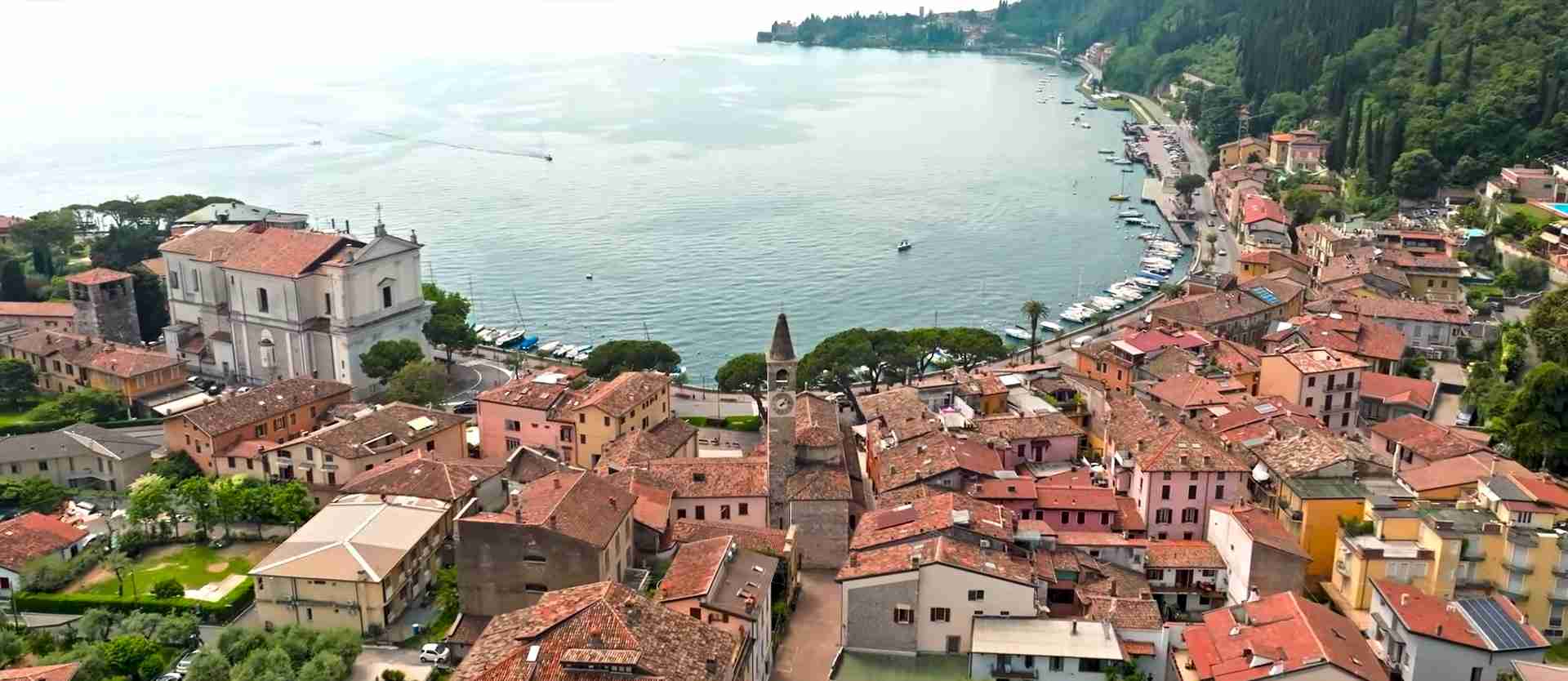
Verona’s strategic location in northeastern Italy positions travelers within 30-50 minutes of Lake Garda’s shoreline towns and Mantua’s UNESCO Renaissance palaces, creating ideal day-trip opportunities requiring minimal transport investment. Lake Garda offers medieval castle fortifications in Sirmione, Roman archaeological sites, and azure waters stretching 51 kilometers north-to-south, while Mantua preserves the Gonzaga dynasty’s artistic legacy in palatial complexes covering 34,000 square meters. This 2026 guide provides verified transport schedules, current admission pricing, and strategic itinerary planning for both destinations accessible via regular train and bus services from Verona Porta Nuova station.
Key Takeaways for Verona Day Trips 2026
- Lake Garda access from Verona costs €4-6 by ATV bus (Lines 162, 163, 164, 165) requiring 60-75 minutes to reach Sirmione, Lazise, Bardolino, or Garda town, while trains to Peschiera or Desenzano run €4-7 for 20-30 minute journeys with connecting buses to lakeside destinations
- Mantua day trips via direct trains from Verona Porta Nuova cost €4-7 for 40-48 minute journeys departing every 4 hours, arriving at Mantova station within 800 meters walking distance of UNESCO Palazzo Ducale and Renaissance city center
- Sirmione’s Scaliger Castle admission costs €8 in 2026 (€4 reduced for EU citizens 18-25), operating Tuesday-Saturday 8:30 AM-7:15 PM and Sunday 8:30 AM-1:30 PM with mandatory closure Mondays
- Mantua’s Palazzo Ducale combination ticket costs €15 including Castle of St. George, Old Court, New Court, and National Archaeological Museum; free admission for visitors under 18 years old throughout all state-managed monuments
- Lake Garda day trips require 6-8 hours for comprehensive single-town exploration (Sirmione castle, Roman ruins, waterfront) while Mantua demands minimum 5-6 hours for Palazzo Ducale and Palazzo Te UNESCO complexes plus city center wandering
- Combined transport and admission budgets range €20-30 per person for basic Lake Garda day trips (transport + castle entry + lunch) or €25-35 for Mantua experiences (transport + Palazzo Ducale + meals), excluding optional guided tours at €40-80 per person
People Also Ask About Verona Day Trips 2026
How do I get from Verona to Lake Garda in 2026?
Multiple transport options connect Verona to Lake Garda destinations in 2026, with buses and trains providing regular service throughout the day. ATV buses (Lines 162, 163, 164, 165) depart from Verona Porta Nuova station platform B3 heading to Garda town via Peschiera del Garda, Lazise, and Bardolino, costing €4-6 per journey and requiring 60-75 minutes depending on stops. Line 164 operates year-round with hourly departures serving Peschiera (30 minutes), Lazise (45 minutes), Bardolino (60 minutes), and Garda (72 minutes). Regional trains provide faster access to Peschiera del Garda and Desenzano del Garda stations on Lake Garda’s southern shore, departing Verona Porta Nuova every 30-60 minutes with 20-30 minute journey times costing €4-7. From these lakefront train stations, connecting ATV buses (Line 26 from Desenzano to Sirmione, various lines from Peschiera along eastern shore) complete journeys to specific towns. Day passes covering unlimited ATV travel cost approximately €8-10, providing value for travelers visiting multiple Lake Garda towns or combining outbound bus with return train service.
Is Sirmione or Mantua better for a day trip from Verona in 2026?
Sirmione and Mantua offer fundamentally different day-trip experiences from Verona, making the choice dependent on personal interests rather than objective superiority. Sirmione delivers classic Italian lake resort atmosphere with medieval castle fortifications, Roman archaeological ruins (Grotte di Catullo), thermal spa facilities, and waterfront dining along Lake Garda’s Scaliger Castle sits at the peninsula’s entrance providing lake views from its towers. The compact peninsula allows thorough exploration in 4-5 hours, ideal for travelers seeking relaxed waterfront ambiance with moderate historical content and excellent photography opportunities. Mantua provides intensive Renaissance art and architecture immersion through two UNESCO World Heritage palaces (Palazzo Ducale with 500+ rooms and Andrea Mantegna’s Camera degli Sposi frescoes, Palazzo Te with Giulio Romano’s mythological frescoes) requiring 5-7 hours for comprehensive viewing. The city’s three-lake setting creates picturesque Renaissance urban planning with less tourist infrastructure than Sirmione, appealing to art history enthusiasts and travelers prioritizing cultural depth over scenic leisure. Transport logistics favor similar: Sirmione requires train to Desenzano plus bus (total 50-70 minutes), Mantua offers direct train (40-48 minutes). Budget considerations tilt toward Mantua where major attractions cost €15-25 combined tickets versus Sirmione’s €8-15 individual sites, though Sirmione’s waterfront dining and gelato culture may increase total spending. Travelers enjoying outdoor settings, photography, and relaxed pacing prefer Sirmione; those prioritizing Renaissance art, palace architecture, and intensive museum time choose Mantua.
Can I visit both Lake Garda and Mantua in one day from Verona in 2026?
Visiting both Lake Garda and Mantua in a single day from Verona is technically possible but produces unsatisfying rushed experiences that compromise the artistic and scenic appreciation each destination deserves. The geographic positioning places Lake Garda west of Verona and Mantua southeast, creating inefficient triangular routing that consumes 3-4 hours in cumulative transport time alone before accounting for any attraction visits. A hypothetical combined itinerary would require departing Verona 8:00 AM for Lake Garda (arriving 9:00-9:30 AM), visiting Sirmione’s Scaliger Castle and waterfront until 12:00 PM, returning to Verona (arriving 1:30 PM), immediately departing for Mantua (arriving 2:15-2:30 PM), speed-touring Palazzo Ducale until 5:00 PM, and returning to Verona by 6:00 PM. This schedule provides approximately 2.5 hours in each destination—insufficient for Palazzo Ducale’s extensive palace complex that merits 3-4 hours minimum, and barely adequate for Sirmione which benefits from leisurely lakefront atmosphere rather than checklist monument viewing. The compressed timing eliminates lunch possibilities beyond quick panini, prevents any flexibility for transportation delays or longer-than-expected attraction queues, and creates exhausting pace incompatible with Italian cultural tourism’s contemplative nature. Budget considerations make combined day trips economically inefficient, spending €16-20 on round-trip transport to visit destinations costing €8-15 each in admission while allocating minimal time to appreciate them. Instead, travelers should dedicate full separate days to each destination, allowing morning departure, comprehensive 5-7 hour on-site exploration, and late afternoon return to Verona—a rhythm matching regional Italian travel patterns and maximizing cultural and scenic value from both Lake Garda and Mantua experiences.
What is the best time of year to visit Lake Garda and Mantua from Verona in 2026?
Spring (April-May) and early autumn (September-October) provide optimal conditions for Verona day trips to both Lake Garda and Mantua in 2026, combining moderate temperatures (18-24°C), extended daylight hours, reduced tourist density compared to summer peak, and full operational schedules for attractions and public transport. Late spring (May) brings flowering gardens around Mantua’s palaces and comfortable Lake Garda waterfront temperatures ideal for outdoor dining and waterside walks without July-August’s intense heat (30-35°C) that makes midday museum visits in unheated Renaissance palaces physically draining. Early autumn (September) maintains warm Lake Garda swimming conditions while reducing summer’s weekend crowding at Sirmione’s Scaliger Castle and waterfront restaurants; Mantua’s museums experience lighter visitation enabling unhurried Camera degli Sposi viewing without tour group congestion. Summer (June-August) delivers guaranteed weather and maximum transport frequency but creates challenging conditions: Lake Garda beaches and Sirmione peninsula attract capacity crowds requiring 2-3 hour waits for restaurant tables and cramped castle viewing, while Mantua’s palazzo interiors reach 28-32°C in afternoon hours absent air conditioning. Winter (November-March) offers dramatic cost advantages with budget accommodation rates 40-50% below summer and minimal monument queues, though shorter daylight hours (sunset 4:30-5:30 PM December-January) compress sightseeing windows and some Lake Garda seasonal restaurants close November-March. Palazzo Ducale Mantua maintains full operations year-round with Tuesday-Sunday schedules unaffected by season, while Lake Garda experiences reduced transport frequency (buses every 2 hours vs. hourly in summer) and limited waterfront dining options outside May-September operating periods. Weather unpredictability increases November-February with frequent rain days requiring indoor-focused itineraries, though this rarely impacts Mantua’s palace-heavy programming while potentially disrupting Lake Garda’s outdoor-oriented appeal.
Extended multi-day tours – 5+ days
Featured Verona Multi-Day Tour Packages
7 days
Two Cities & Two Lakes: From Como to Verona
- ✓ Comprehensive Verona tour
- ✓ Expert local guides included
- ✓ All accommodation arranged
- ✓ Transportation provided

5 days
5 Day Italy Tour Package with Bernina Express – Verona, Sirmione, Bellagio & Como
- ✓ Comprehensive Verona tour
- ✓ Expert local guides included
- ✓ All accommodation arranged
- ✓ Transportation provided
7 days
Rome, Florence & Venice
- ✓ Comprehensive Verona tour
- ✓ Expert local guides included
- ✓ All accommodation arranged
- ✓ Transportation provided
7 days
Jewels of Italy
- ✓ Comprehensive Verona tour
- ✓ Expert local guides included
- ✓ All accommodation arranged
- ✓ Transportation provided
Multi-day tour packages powered by TourRadar. Prices and availability subject to change.
Introduction: Verona’s Day-Trip Destinations 2026
Verona occupies a strategic position in northeastern Italy’s transport networks, positioning travelers within immediate reach of two distinctly different day-trip destinations that rank among the Veneto and Lombardy regions’ premier attractions. Lake Garda stretches 30 kilometers west of Verona, offering Italy’s largest lake combining Alpine scenery at northern reaches with Mediterranean vegetation and Roman settlement traces along southern shores. Mantua lies 40 kilometers southeast through agricultural plains following the Mincio River valley, preserving Renaissance urban planning and art collections commissioned by the Gonzaga dynasty that ruled the city-state from 1328 to 1707. Both destinations provide comprehensive day-trip experiences requiring minimal advance planning beyond basic transport ticket purchase and attraction hour awareness, ideal for Verona-based travelers seeking destination variety without accommodation changes.
Lake Garda’s eastern Veronese shore encompasses a succession of medieval towns and castle fortifications clustered along 40 kilometers of lakefront between Peschiera del Garda on the southern tip and Malcesine beneath Monte Baldo’s slopes to the north. The lake spans three Italian regions (Lombardy west shore, Veneto east shore, Trentino-Alto Adige northern tip) creating administrative complexity but tourism convenience as hourly buses circle the perimeter connecting all major towns. Sirmione emerges as the most visited single destination, occupying a narrow 4-kilometer peninsula jutting into Lake Garda’s southern waters where the 13th-century Scaliger Castle guards the historic center entrance and the Grotte di Catullo Roman villa ruins cap the peninsula’s northern tip. Alternative Lake Garda destinations including Lazise’s medieval port, Bardolino’s wine-producing hillsides, and Garda town’s waterfront promenade offer similar Italian lake atmosphere with reduced tourist density and lower costs than celebrity-magnet Sirmione.
Mantua operates on different cultural registers than Lake Garda’s resort ambiance, functioning as working Renaissance city where contemporary Italian life unfolds within UNESCO World Heritage urban fabric designated in 2008 for its planned layout and architectural continuity from 1400-1600. The city center occupies a peninsula formed by three artificial lakes (Superiore, di Mezzo, Inferiore) created by 12th-century water engineering redirecting the Mincio River to provide defensive moats and flood control. The Gonzaga family’s 380-year rule concentrated wealth and artistic talent in Mantua, commissioning Andrea Mantegna’s frescoes in Palazzo Ducale’s Camera degli Sposi (1465-1474), Leon Battista Alberti’s churches, and Giulio Romano’s Palazzo Te complex (1524-1534). Modern Mantua combines this heritage concentration with authentic provincial Italian character—locals shop at covered markets, students populate university cafés, and working-class neighborhoods surround the tourist-focused palazzo zone, creating living-city atmosphere absent in more museumified Italian destinations.
Planning day trips from Verona to either destination in 2026 requires understanding seasonal patterns affecting both transport frequency and attraction operations. Peak season runs May through September when increased tourist volumes trigger expanded bus schedules (hourly service on all Lake Garda routes), extended attraction hours (Palazzo Ducale open until 7:00 PM vs. 5:00 PM winter), and maximum restaurant availability but also elevated prices and crowding. Shoulder seasons (April, October) maintain most summer transport frequency while reducing visitor density and accommodation costs by 20-30%. Winter months (November-March) bring reduced bus service to Lake Garda (every 2 hours on many routes), shortened daylight for sightseeing (sunset 4:30-5:00 PM December-January), and limited seasonal restaurant operations, though Mantua’s palace-focused attractions maintain full schedules and winter’s minimal crowds provide contemplative museum viewing impossible during summer peak.
The fundamental choice between Lake Garda and Mantua as Verona day-trip destination depends on traveler preferences regarding outdoor vs. indoor experiences, scenic leisure vs. cultural intensity, and photography/relaxation vs. art history immersion. Lake Garda suits travelers seeking Italian lake resort atmosphere, medieval castle exploration, waterfront dining, and photogenic scenery with moderate historical content. Mantua serves art history enthusiasts, Renaissance architecture students, and culturally-focused tourists prioritizing palazzo interiors over natural landscapes. Both destinations work equally well logistically from Verona with similar transport times (40-75 minutes depending on specific town) and comparable day-trip costs (€20-35 per person including transport and admissions), making personal interest alignment rather than practical considerations the determining factor for destination selection.
Lake Garda Transport from Verona 2026
Lake Garda transport from Verona operates through coordinated bus and train networks providing multiple daily departures to eastern shore destinations between Peschiera del Garda and Malcesine. ATV (Azienda Trasporti Verona) operates five primary bus lines (162, 163, 164, 165, and seasonal 185) departing from Verona Porta Nuova station platform B3, while Trenitalia regional trains serve Peschiera del Garda and Desenzano del Garda stations on Lake Garda’s southern shore with connecting bus services to other lakeside towns. Understanding route options, ticket costs, and schedule patterns enables strategic destination and timing selections for Lake Garda day trips in 2026.
Line 164 operates as the primary year-round service connecting Verona to Lake Garda’s eastern shore, departing Verona Porta Nuova platform B3 hourly throughout the year traveling via Peschiera del Garda (30 minutes), Lazise (45 minutes), Bardolino (60 minutes), and terminating at Garda town (72 minutes). Standard single-journey tickets cost €4-6 depending on destination distance, purchased from tabacchi shops displaying ATV signage, the automated ticket machines at Porta Nuova station platform B3, or increasingly from bus drivers for €2 cash (exact change required) though this incurs slight surcharge. The line 164 route passes Gardaland amusement park, Sealife Aquarium, and Movieland cinema park entrances, providing family-friendly day-trip options combining lakeside towns with theme park visits.
Lines 162, 163, and 165 operate parallel services to Line 164 with route variations serving different intermediate stops between Verona and Garda town. Line 163 passes Parco Natura Viva safari zoo and Lazise thermal baths, while Lines 162 and 165 follow alternate routes through Bussolengo. These supplementary lines increase overall frequency to Lake Garda destinations during peak season (May-September) when combined departures create departures every 30 minutes, though winter schedules (October-April) reduce frequency to hourly or every 90 minutes on some routes. Line 185 operates as summer express service (June-September) providing faster direct connections between Verona city center and eastern Lake Garda villages, reducing journey times by 15-20 minutes through limited intermediate stops.
Train service to Lake Garda from Verona Porta Nuova targets the southern shore stations of Peschiera del Garda and Desenzano del Garda, served by regional trains operating 30-60 minute frequencies throughout the day. The 20-minute journey to Peschiera del Garda costs €4-7 depending on train type (Regionale vs. Regionale Veloce), while Desenzano del Garda requires 25-30 minutes at similar fares. Peschiera’s lakefront station sits 400 meters from the historic center and provides bus connections along the eastern Gardesana shore road, while Desenzano serves as the primary connection point for Sirmione accessed via connecting bus Line 26 (15 minutes, €2-3). The train option suits travelers prioritizing speed to southern Lake Garda destinations or combining Lake Garda visits with onward travel to Milan, Venice, or other major cities requiring rail connections.
ATV day passes covering unlimited urban and extra-urban bus travel in Verona province cost approximately €8-10 for 24-hour validity, providing value for travelers planning multiple Lake Garda towns in single-day itineraries or combining outbound bus transport with return train service. The day pass activates upon first validation and permits unlimited boarding across all ATV lines including Verona city buses, enabling morning departure to Lake Garda, midday return to Verona for lunch or site visits, and afternoon second trip to different Lake Garda destination. Purchase day passes from ATV ticket offices at Porta Nuova station, authorized tabacchi, or through the Ticket Bus Verona mobile app offering contactless digital ticketing.
Seasonal service variations affect Lake Garda bus operations significantly between summer peak and winter low season. Summer months (June-September) see Line 484 operating hourly service connecting Garda town to Malcesine and Riva del Garda along the northern lakefront, while Line 483 provides additional express service from Peschiera to Malcesine. These seasonal routes cease operations October through May, requiring travelers visiting northern Lake Garda destinations in winter to combine buses 164 and 484 with changes in Garda town, adding 30-45 minutes to journey times. The summer-only Line 482 connects Verona Catullo Airport directly to Lake Garda destinations, convenient for travelers arriving by air but operating limited schedules outside peak tourist season.
Practical transport considerations for Lake Garda day trips include validating bus tickets in the yellow machines aboard vehicles before sitting—failure to validate generates €50-100 fines from ticket inspectors who patrol routes regularly particularly during summer peak season. Buses accommodate luggage in undercarriage compartments though day-trippers rarely require this service. The scenic Gardesana shore road followed by buses 164 and 484 provides excellent lake views from window seats on the right side traveling north from Verona, worth considering when selecting seats on uncrowded off-peak departures. Return journey timing should account for potential traffic delays during summer weekend afternoons when lakefront roads experience congestion, adding 15-30 minutes to scheduled journey times particularly on Line 164’s southern segments near Peschiera.
Sirmione and Lake Garda Attractions 2026
Sirmione dominates Lake Garda day-trip itineraries from Verona through its unique peninsula geography, well-preserved medieval fortifications, Roman archaeological significance, and concentrated tourist infrastructure enabling comprehensive visits within 4-6 hours. The Scaliger Castle (Rocca Scaligera) guards the peninsula’s land entrance where medieval walls pinch the 4-kilometer peninsula to 150-meter width, creating defensive chokepoint and mandatory passage for all visitors entering the historic center. The castle operates Tuesday-Saturday 8:30 AM-7:15 PM and Sunday 8:30 AM-1:30 PM with Monday closure throughout the year, charging €8 admission (€4 reduced rate for EU citizens aged 18-25, free for visitors under 18 years old).
The Scaliger Castle visit begins in the fortified courtyard where a small museum displays Roman and medieval archaeological finds excavated from Sirmione’s peninsula, followed by access to the patrol walkways connecting three corner towers and the 47-meter Mastio keep. Climbing the keep’s 146 stone steps provides panoramic views across Lake Garda’s southern basin, Sirmione’s red-tile roofscape, and the thermal spring source visible as bubbles rising in the castle’s fortified dockyard—a rare surviving example of medieval naval harbor integrated within fortress walls. The dockyard (darsena) once sheltered the Scaliger family’s Lake Garda fleet when Verona’s della Scala dynasty controlled much of northeastern Italy from 1259 to 1387. Allow 60-90 minutes for comprehensive castle exploration including tower climbs, museum viewing, and dockyard photography, or 30-40 minutes for abbreviated visits focusing on keep views and primary fortifications.
The Grotte di Catullo Roman villa complex occupies Sirmione peninsula’s northern tip 2 kilometers from the Scaliger Castle, reached by 25-minute walk through the traffic-free historic center’s shopping streets and waterfront promenade. The villa dates to the 1st century AD and represents one of northern Italy’s largest and best-preserved examples of Roman domestic architecture despite the misleading “grotto” name (applied in Renaissance times when partially buried ruins resembled cave structures). The archaeological site encompasses approximately two hectares of villa foundations, floor mosaics, and bath complex remains set among olive groves with spectacular lake views. Separate admission tickets required (prices vary seasonally), with reduced operations November-March when winter hours restrict access.
Sirmione’s historic center between the Scaliger Castle and Grotte di Catullo contains pedestrianized lanes filled with gelato shops, restaurants, boutiques, and lakefront access points. The Church of Santa Maria Maggiore (15th century) and Church of San Pietro in Mavino (8th century, rebuilt 14th century) provide free-admission historical architecture, though neither ranks as major attraction compared to the castle and Roman ruins. The waterfront promenade along both sides of the peninsula’s narrow waist offers continuous lake views, small pebble beaches for summer swimming, and numerous restaurant terraces for outdoor dining. Jamaica Beach on the peninsula’s eastern shore attracts sunbathers to flat rock platforms and crystal-clear shallow waters ideal for swimming and snorkeling.
Alternative Lake Garda destinations accessible from Verona provide less touristy experiences with similar medieval atmosphere and lakefront appeal. Lazise (Line 164, 45 minutes from Verona) preserves intact medieval walls, a 10th-century Scaliger castle (private property, exterior viewing only), and a picturesque harbor lined with restaurants and gelato vendors. Bardolino (Line 164, 60 minutes from Verona) centers on wine production with numerous cantinas offering Bardolino Classico tastings, plus a lakefront promenade and medieval church complex. Garda town (Line 164, 72 minutes from Verona) occupies a scenic bay beneath Monte Baldo slopes with waterfront restaurants, a small historic center, and access to Monte Baldo cable car for mountain hiking.
Lake Garda boat services operate from Sirmione, Lazise, Bardolino, and other eastern shore towns providing alternative transport and sightseeing options. Navigazione Lago di Garda operates car ferries connecting eastern and western shores (Maderno-Torri del Benaco crossing €6-8 pedestrians, 20 minutes) plus tourist cruise boats offering 30-60 minute scenic tours departing from major town harbors. Panoramic boat tours from Sirmione costing €12-15 per person for 30-minute circuits provide unique perspectives on the Scaliger Castle’s fortified dockyard and peninsula thermal springs where warm water bubbles to the lake surface. These boat tours operate April-October only with reduced schedules outside July-August peak season.
Practical visiting considerations for Sirmione include parking challenges as the historic peninsula prohibits private vehicle access beyond the castle walls. Municipal parking lots outside the castle area charge €2.50-3 per hour with limited free parking available 500-800 meters from the castle entrance along approach roads—arriving before 9:00 AM or after 5:00 PM improves free parking availability. Bus passengers from Verona using Line 164 or connecting bus from Desenzano train station avoid parking issues as bus stops sit 200-300 meters from the Scaliger Castle entrance. Sirmione’s concentrated tourist infrastructure creates predictable crowding patterns: castle and historic center reach capacity 10:30 AM-4:00 PM during summer peak (June-August) and weekends year-round, while early morning (8:30-10:00 AM) and late afternoon (5:00-7:00 PM) provide more relaxed conditions for photography and restaurant seating without advance reservations.
Mantua Transport from Verona 2026
Mantua lies 40 kilometers southeast of Verona with direct train service providing the most efficient and comfortable transport option for day-trip visitors. Trenitalia regional trains depart Verona Porta Nuova station every 4 hours throughout the day (approximately 6:00 AM, 10:00 AM, 2:00 PM, 6:00 PM with schedule variations), arriving at Mantova station after 40-48 minute journeys costing €4-7 per single ticket depending on train type. The limited frequency requires strategic departure timing to maximize Mantua exploration hours—the 8:00-9:00 AM departures enable full-day visits with 6-8 hours on-site before evening return trains, while midday departures compress visiting time to 3-4 hours suitable only for abbreviated palace tours.
Mantova station sits 800 meters southeast of the historic center’s Piazza Sordello where Palazzo Ducale and the cathedral complex anchor the UNESCO zone. The 10-15 minute walk from station to city center follows Corso Vittorio Emanuele II through modern residential neighborhoods into progressively older urban fabric, arriving at Piazza delle Erbe’s medieval market square. This walking route provides initial orientation to Mantua’s compact scale—the entire UNESCO historic center spans approximately 1.5 kilometers north-south and 1 kilometer east-west, easily walkable for all major attractions including Palazzo Ducale, Palazzo Te, and the lakefront promenades along Lago di Mezzo and Lago Inferiore.
Alternative bus service from Verona to Mantua operates through regional companies including FlixBus and MarinoBus with 2-5 daily departures requiring 60-75 minutes for the journey and costing €3-6 per single ticket when purchased in advance online. Bus departures from Verona originate at Viale Girolamo Cardinale near Porta Nuova station, arriving at Mantova’s Viale Mincio bus terminal 1 kilometer from the historic center requiring additional walking or local bus connection. The bus option provides minimal cost savings compared to trains (€1-2 per journey) while consuming additional transit time and departing from less convenient locations, making buses suitable primarily for travelers with schedule flexibility when train departure times conflict with preferred itinerary timing.
Return transport from Mantua to Verona follows identical patterns with trains operating every 4 hours from Mantova station (approximately 4:00 PM, 6:00 PM, 8:00 PM departures) and requiring 40-48 minutes to reach Verona Porta Nuova. Strategic day-trip planning targets the 8:00-9:00 AM outbound train from Verona with 5:00-6:00 PM return from Mantua, providing 6-7 hours of on-site time adequate for comprehensive Palazzo Ducale and Palazzo Te visits plus lunch and city center exploration. Visitors attempting abbreviated visits via midday outbound trains (departing Verona 12:00-1:00 PM, returning from Mantua 5:00-6:00 PM) allocate insufficient time for Palazzo Ducale’s extensive complex requiring 3-4 hours minimum for proper appreciation.
Ticket purchase for Verona-Mantua trains occurs through multiple channels: Trenitalia website and mobile app offer advance booking with seat reservations (rarely necessary on regional routes), automated ticket machines at Verona Porta Nuova station provide day-of-travel purchase with English language options, and station ticket offices sell tickets with live agent assistance during business hours. Regional trains on this route operate unreserved seating without premium service classes—all passengers share identical second-class carriages with standard seats and luggage racks. Tickets require validation in yellow machines on station platforms before boarding to avoid €50 fines from on-board inspectors, though digital tickets purchased via Trenitalia app auto-validate eliminating this requirement.
Practical transport considerations for Mantua day trips include verifying train schedules on departure day as the every-4-hours frequency means missed connections create significant delays compared to more frequent routes. Italian trains generally maintain punctuality on regional services though 5-15 minute delays occur occasionally—budget 60 minutes minimum connection time if combining Mantua day trips with onward travel to other destinations on the same day. The Verona-Mantua route traverses agricultural plains through small towns including Castel d’Ario and Porto Mantovano, lacking the scenic appeal of Lake Garda or Alpine routes but compensating through speed and comfort. Mantova station provides basic facilities including ticket office, automated machines, and small bar/café but lacks extensive commercial services or luggage storage, requiring travelers to manage day packs throughout palace visits or rely on coat checks at individual attractions.
Mantua UNESCO Palaces and Attractions 2026
Mantua’s primary attractions concentrate in two UNESCO World Heritage palace complexes built by the Gonzaga family during their 380-year rule from 1328 to 1707: Palazzo Ducale occupying the northern city center adjacent to Piazza Sordello, and Palazzo Te positioned 1 kilometer south near the city’s historical southern gate. The Palazzo Ducale complex spans 34,000 square meters with over 500 rooms, seven gardens, and eight courtyards representing the sixth-largest palace in Europe—comparable in scale to the Vatican though less ornately decorated due to 17th-century financial crises that forced art sales and the devastating 1630 Sack of Mantua that stripped many furnishings.
Palazzo Ducale admission in 2026 operates through combination tickets costing €15 for adults including the Castle of St. George (Castello di San Giorgio), Old Court (Corte Vecchia), New Court (Corte Nuova), and National Archaeological Museum of Mantua. Free admission applies to all visitors under 18 years old throughout the year, while EU citizens aged 18-25 qualify for reduced rates. Online ticket purchase through the official Palazzo Ducale website includes €1 presale fee but guarantees entry at selected time slots, essential during peak season (April-October) when walk-up visitors risk capacity closures particularly for the famous Camera degli Sposi which restricts simultaneous visitors to protect Andrea Mantegna’s 15th-century frescoes from humidity and temperature fluctuations generated by crowd density.
The Camera degli Sposi (Camera Picta) represents Palazzo Ducale’s artistic zenith and Mantua’s premier attraction, requiring additional €7 supplement beyond the basic €15 ticket for visitors specifically accessing this chamber within the Castle of St. George. Andrea Mantegna painted the room’s walls and ceiling from 1465 to 1474 for Ludovico III Gonzaga, creating illusionistic frescoes depicting the Gonzaga family, their court, and classical architectural elements using revolutionary perspective techniques that influenced Renaissance art development across Italy. The ceiling’s famous oculus (circular opening) creates trompe-l’œil effect showing cherubs and peacocks appearing to look down through the ceiling structure. Timed entry slots limit Camera degli Sposi viewing to 10-15 minutes per group with strict photography restrictions (no flash) to prevent damage to the 550-year-old pigments.
Beyond the Camera degli Sposi, Palazzo Ducale’s extensive galleries include the Ducal Apartments with carved wooden ceilings and 17th-century paintings, the Tapestry Apartments displaying nine Brussels tapestries woven from Raphael’s cartoons depicting Acts of the Apostles scenes, the Hall of Mirrors, and the Palatine Basilica of Santa Barbara serving as the Gonzaga family’s private chapel. The archaeological museum within the complex exhibits Roman artifacts excavated from Mantua and surrounding territory. Comprehensive palace touring requires 3-4 hours allowing time for major rooms, galleries, courtyards, and museum sections without overwhelming rush through 500+ chambers. Visitors can abbreviate visits to 90-120 minutes by targeting the Camera degli Sposi, Ducal Apartments, Tapestry Apartments, and select courtyards, though this accelerated pace sacrifices architectural appreciation and contextual understanding of Gonzaga patronage patterns.
Palazzo Te occupies Mantua’s southern periphery 1 kilometer from Palazzo Ducale, reachable by 20-minute walk through city streets or short taxi ride (€8-10). Giulio Romano designed and decorated this suburban villa from 1524 to 1534 for Federico II Gonzaga as pleasure palace and equestrian center where the duke entertained guests away from the formal Palazzo Ducale court. The building’s informal Renaissance architecture creates single-story structure around square courtyard, while interior frescoes depicting mythological themes achieve dramatic effects particularly in the Chamber of Giants (Sala dei Giganti) where floor-to-ceiling paintings create immersive scene of Zeus destroying rebelling giants through architectural destruction and lightning bolts—a tour de force of illusionistic painting creating unified environment across all room surfaces.
Palazzo Te admission typically costs €12-15 as standalone ticket or integrates with combined Mantua city cards offering multiple monument access. The Mantua + Sabbioneta Card costs €25 full price (€13 reduced for ages 12-18) providing admission to both Mantua’s major attractions and the nearby UNESCO town of Sabbioneta with 72-hour validity from first use. This combination ticket suits travelers planning overnight stays or very extensive single-day touring, though day-trippers from Verona focusing on Mantua only find better value purchasing individual Palazzo Ducale and Palazzo Te tickets totaling €27-30 versus the card’s broader coverage of attractions they cannot visit within day-trip time constraints.
Mantua’s city center beyond the palace complexes contains Piazza delle Erbe medieval market square surrounded by Gothic and Renaissance buildings, the Romanesque Rotonda di San Lorenzo (11th century circular church), and the Basilica di Sant’Andrea designed by Leon Battista Alberti (1472) housing a relic claimed as Christ’s blood brought to Mantua during the Crusades. These secondary attractions require no admission fees though churches close during midday hours (12:30-3:00 PM typically) and maintain modest dress codes. The three-lake waterfront provides pleasant promenade walking along Lago di Mezzo’s northern embankment with views across the water to Palazzo Te’s southern profile. The lakefront areas see minimal tourist infrastructure compared to Lake Garda’s developed shorelines—a handful of cafés and benches provide rest spots but the emphasis remains on Renaissance urban fabric rather than waterfront resort amenities.
Practical visiting strategies for Mantua include purchasing Palazzo Ducale tickets online in advance to secure Camera degli Sposi time slots, avoiding Monday closures when Palazzo Ducale shuts (Palazzo Te maintains different schedule, verify current hours), and budgeting minimum 5-6 hours for comprehensive dual-palace visits. Morning arrivals via 8:00-9:00 AM trains from Verona enable Palazzo Ducale touring 10:00 AM-1:00 PM before midday heat, lunch break 1:00-2:30 PM when many churches close anyway, Palazzo Te visit 2:30-4:30 PM, and city center exploration 4:30-6:00 PM before evening return train. This rhythm accommodates Italian lunch culture, palace closing times, and provides natural breaks preventing museum fatigue common when attempting consecutive multi-hour palace tours.
Lake Garda vs. Mantua Comparison 2026
Travelers planning Verona day trips in 2026 face strategic choice between Lake Garda’s scenic leisure and Mantua’s cultural intensity, requiring clear assessment of personal preferences, available time, and experience priorities. Lake Garda delivers classic Italian lake resort atmosphere combining medieval fortifications, Roman archaeology, waterfront dining, and photogenic scenery with moderate cultural content suitable for travelers seeking relaxed outdoor experiences and visual variety. Mantua provides intensive Renaissance art and architecture immersion through UNESCO palace complexes requiring extended indoor viewing hours, appealing to art history enthusiasts, museum-focused tourists, and travelers prioritizing intellectual engagement over scenic leisure.
Transport logistics favor similar efficiency for both destinations: Lake Garda’s closest major town Peschiera del Garda requires 30 minutes by train plus potential 15-30 minute bus connections to specific lakeside destinations totaling 45-75 minutes, while Mantua offers direct 40-48 minute trains from Verona. Total transport investment including round-trips consumes approximately 90-150 minutes for Lake Garda versus 80-96 minutes for Mantua—differences negligible when planning full-day trips though Lake Garda’s hourly bus frequency versus Mantua’s every-4-hours trains creates different flexibility parameters. Missed buses to Lake Garda mean 60-minute waits; missed trains to Mantua mean 4-hour delays or abandoning day-trip plans entirely.
Budget considerations show comparable total costs despite different pricing structures. Lake Garda day trips cost €4-6 round-trip bus transport or €8-14 round-trip train, plus €8-15 attraction admissions (Scaliger Castle, potential Grotte di Catullo addition), plus €25-40 meals and refreshments for typical €45-65 total per person. Mantua day trips cost €8-14 round-trip train transport, plus €15-22 palace admissions (Palazzo Ducale base ticket, potential Camera degli Sposi or Palazzo Te additions), plus €25-40 meals for similar €50-75 total per person. The €5-10 differential lies within budget noise rather than creating meaningful economic distinction between destinations, making cost irrelevant to destination selection for most travelers.
Time allocation differs substantially between destinations based on attraction pacing and indoor-outdoor balance. Lake Garda supports both abbreviated 3-4 hour visits (Sirmione castle and waterfront only) and extended 7-8 hour explorations (multiple towns, boat tours, swimming, extended dining) with natural flexibility allowing travelers to expand or compress programs based on weather, energy, and spontaneous discoveries. Mantua demands minimum 5-6 hours for adequate palace touring—less time produces unsatisfying rushed museum viewing missing artistic details and architectural appreciation that justify the destination. The palace focus concentrates Mantua experiences in consecutive indoor hours potentially exhausting for travelers unused to extended museum sessions, while Lake Garda alternates castle visits with waterfront walks, gelato breaks, and scenic photography creating varied pacing.
Weather dependency affects destinations differently: Lake Garda’s outdoor orientation makes rain or cold temperatures problematic, eliminating waterfront dining appeal and reducing photography opportunities while castle interiors provide limited shelter alternatives. Mantua’s palace-heavy programming functions identically in all weather conditions as visitors spend 80% of time indoors regardless of rain or sun, making Mantua the strategic choice for unpredictable weather days or winter visits when Lake Garda’s seasonal restaurants close and beaches lose appeal. Conversely, optimal summer weather amplifies Lake Garda’s attractions through outdoor dining, swimming opportunities, and photographic conditions while hot afternoon temperatures (30-35°C July-August) make Palazzo Ducale’s unheated interiors less comfortable than morning or evening palace touring.
Photography opportunities diverge by subject matter: Lake Garda provides endless scenic compositions combining blue lake waters, medieval castle silhouettes, mountain backdrops, and waterfront village architecture ideal for landscape and travel photographers seeking postcard imagery. Mantua offers architectural detail, Renaissance fresco documentation, and urban planning studies requiring different photographic approaches and potentially encountering flash restrictions in palace interiors protecting delicate artworks. Lake Garda’s outdoor setting permits unlimited photography without restrictions, while Palazzo Ducale prohibits photography entirely in the Camera degli Sposi and restricts flash throughout the complex.
Dining experiences reflect destinations’ different characters: Lake Garda emphasizes lakefront terrace restaurants serving fresh lake fish (particularly perch and pike), regional wines, and tourist-friendly menus with multilingual service and premium pricing for prime waterfront positions. Mantua maintains more authentic provincial Italian dining where locals frequent the same restaurants as tourists, traditional Mantuan specialties (tortelli di zucca pumpkin-filled pasta, risotto alla pilota, sbrisolona almond cake) dominate menus, and prices run 20-30% below Lake Garda’s tourist-inflated waterfront rates. Lake Garda dining integrates with sightseeing through waterfront location and extended service hours, while Mantua follows traditional Italian lunch rhythms with 12:30-2:30 PM restaurant service concentrated in specific city center zones.
Combined Day-Trip Itineraries 2026
Strategic travelers basing themselves in Verona for 3-7 days can combine Lake Garda and Mantua day trips with Verona’s own attractions (Arena, Casa di Giulietta, Castelvecchio) to create comprehensive northeastern Italy cultural tourism experiences. A sample three-day Verona itinerary allocates Day 1 to Verona city exploration including Arena amphitheater, Piazza delle Erbe, and Adige River bridges; Day 2 to Lake Garda day trip targeting Sirmione or alternative eastern shore towns; and Day 3 to Mantua’s UNESCO palaces. This distribution prevents museum fatigue through alternating outdoor scenic days (Lake Garda) with intensive cultural touring (Mantua), while allowing Verona’s own substantial attractions adequate attention beyond serving merely as sleeping base.
Five-day Verona itineraries enable deeper exploration through extended time allocation: Day 1 Verona orientation and central monuments, Day 2 comprehensive Lake Garda touring visiting both Sirmione and secondary towns (Lazise, Bardolino), Day 3 Mantua palaces with potential evening return allowing fuller Camera degli Sposi and Palazzo Te appreciation, Day 4 Verona’s secondary attractions (Sant’Anastasia church, Giusti Gardens, Roman Theater), Day 5 flexible day for weather-dependent activities or repeat visits to favored destinations. The additional days accommodate slower pacing, prevent daily early-morning departures, and create buffer for weather contingencies redirecting planned Lake Garda days to indoor alternatives when rain eliminates outdoor appeal.
Weekly Verona stays permit extending the northeastern Italy circuit to include Venice day trips (90 minutes by train), Padua for Giotto’s Scrovegni Chapel frescoes (45 minutes), or Vicenza for Palladian architecture (45 minutes). Sample seven-day itinerary: Day 1 Verona arrival and orientation, Day 2 Lake Garda Sirmione, Day 3 Mantua, Day 4 Venice, Day 5 Verona in-depth (Arena interior, Castelvecchio museum, Giusti Gardens), Day 6 Padua or Soave wine region, Day 7 flexible buffer day or early departure. This expanded program positions Verona as regional base rather than standalone destination, acknowledging that many international travelers justify trans-Atlantic flights through visiting multiple cities versus concentrating time in single locations.
Seasonal itinerary adjustments account for weather and attraction operation variations: Summer (June-August) programs emphasize Lake Garda’s outdoor advantages through swimming, extended waterfront dining, and boat tours while scheduling Mantua visits for cooler morning hours avoiding afternoon palace heat. Winter (November-March) reverses priorities by targeting Mantua’s indoor palaces during short daylight windows and potentially eliminating Lake Garda entirely given reduced transport frequency, seasonal restaurant closures, and limited outdoor appeal at 8-12°C temperatures. Spring and autumn shoulder seasons permit balanced programming following baseline itineraries without weather-driven modifications.
Practical itinerary planning accommodates Italian cultural rhythms including midday closures (many churches shut 12:30-3:00 PM), late restaurant dinner service (8:00-10:00 PM standard seating times), and Sunday operational variations (reduced transport frequency, changed museum hours). Building 60-90 minute lunch breaks into daily schedules prevents frustration when attempting restaurant entry at 2:00 PM finding kitchens closed, while expecting 7:30-8:00 PM earliest dinner reservations aligns with local customs. Monday museum closures at major attractions (Palazzo Ducale Mantua, various Verona museums) require schedule coordination avoiding Monday day-trip planning to closed destinations.
Seasonal Visiting Patterns 2026
Understanding seasonal variations in weather, crowd density, transport frequency, and operational schedules enables strategic timing for Verona-based Lake Garda and Mantua day trips in 2026. Spring (April-May) delivers optimal conditions combining moderate temperatures (16-24°C), blooming gardens around Mantua’s palaces and Sirmione’s waterfront, full transport schedules resuming after winter reductions, and manageable tourist density preceding June-August peak. April sees occasional rain days requiring flexible itinerary adjustments, while May typically provides stable sunny conditions ideal for Lake Garda’s outdoor orientation. Easter week (late March or early April in 2026) triggers elevated crowds at both destinations as Italian domestic tourism peaks during school holiday period.
Summer (June-August) guarantees weather reliability and maximum operational hours but creates challenging crowd conditions particularly at Sirmione’s Scaliger Castle and waterfront where capacity tourist volumes generate restaurant wait times exceeding 2 hours for prime lakefront tables during weekend lunch service. Mantua’s unheated palace interiors reach 28-32°C during afternoon hours July-August, making morning palace visits (9:00 AM-12:00 PM) more comfortable than post-lunch touring. Transport operates maximum frequency with hourly buses to Lake Garda and potential additional summer express services reducing journey times, while extended daylight hours (sunset 8:30-9:00 PM June-July) permit evening exploration impossible during winter’s 4:30 PM darkness. Accommodation costs in both Verona and lakeside towns increase 40-60% above shoulder season rates, though day-trippers from Verona avoid this premium through maintaining consistent Verona hotel base.
Autumn (September-October) replicates spring’s optimal conditions with September maintaining summer’s warm Lake Garda swimming temperatures (20-22°C water) while reducing weekend crowds as Italian families return to school schedules. October brings beautiful fall foliage around Mantua’s lakes and stable weather though increasing rain probability compared to summer. Autumn remains arguably the single best period for cultural tourism in northeastern Italy, combining summer’s operational schedules and weather with spring’s manageable crowds and affordable accommodation rates. The September harvest period enables wine tourism additions to Lake Garda itineraries through cantina visits in Bardolino and surrounding appellations.
Winter (November-March) transforms conditions substantially through reduced transport frequency (Lake Garda buses every 2 hours vs. hourly summer service), shortened daylight hours (sunset 4:30-5:00 PM December-January compressing sightseeing windows), and seasonal closures of many Lake Garda waterfront restaurants November-March. Mantua’s palace-heavy programming functions identically year-round with Tuesday-Sunday schedules unaffected by season, making Mantua the preferred winter day-trip destination from Verona when Lake Garda’s outdoor appeal diminishes. Winter temperatures (4-10°C daytime highs) make outdoor waterfront dining and extended lakeside walks less pleasant, though Sirmione’s Scaliger Castle and covered historic center shopping streets remain viable. The dramatic cost advantages include accommodation rates 40-50% below summer, minimal monument queues eliminating wait times, and potential for uniquely atmospheric winter lake photography with fog and mountain snow backdrops.
Specific 2026 calendar considerations include Easter Sunday falling April 20 triggering Easter week tourism spike April 18-21, Italian national holidays creating extended weekends (April 25 Liberation Day, May 1 Labor Day, June 2 Republic Day, August 15 Ferragosto), and Christmas-New Year period December 20-January 6 when Italians vacation and tourist destinations experience secondary winter peak. Museums maintain special holiday schedules around December 25 and January 1 with closures or reduced hours requiring verification before planning day trips on these specific dates. The summer festival season brings open-air opera, concerts, and cultural events to Verona, Lake Garda towns, and Mantua June-September, creating potential evening programming that extends day-trip opportunities into night for travelers willing to return to Verona after 10:00-11:00 PM.
Guided Tour Options 2026
Guided tour services operate from Verona to both Lake Garda and Mantua destinations, offering transport, admission, and expert commentary packages for travelers preferring structured experiences over independent exploration. Lake Garda day tours from Verona typically cost €60-90 per person for group experiences visiting Sirmione and one additional lakeside town (commonly Lazise or Bardolino), including round-trip coach transport, entrance to Scaliger Castle, and 2-3 hours of guided walking through historic centers plus free time for lunch and shopping. Private Lake Garda tours cost €200-350 for 2-4 person groups providing customized itineraries, flexible timing, and dedicated guide attention throughout 6-8 hour experiences.
Mantua guided tours from Verona range €70-120 per person for group experiences combining train or coach transport with guided Palazzo Ducale and Palazzo Te visits, typically operating 8-9 hour full-day programs departing Verona morning and returning evening. These tours include admission tickets to major attractions and Camera degli Sposi time-slot reservations otherwise requiring advance booking, plus expert art history commentary explaining Gonzaga patronage, Mantegna’s fresco techniques, and Renaissance architectural significance. Private Mantua tours cost €250-400 for small groups enabling personalized pacing and specialized focus on particular artistic or historical themes matching group interests.
Combined Lake Garda and Mantua tours attempting both destinations in single days operate as 12-14 hour intensive experiences costing €140-180 per person, though these compressed programs allocate insufficient time for adequate appreciation of either destination as discussed previously. Tour operators market these combination products targeting cruise passengers or travelers with severe time constraints, but independent day-trippers basing in Verona for multiple nights achieve superior experiences through dedicated single-destination days rather than rushed dual-destination marathons.
Small-group walking tours focusing on specific themes operate in both destinations: Mantua’s Jewish ghetto and synagogue tours explore the city’s historic Jewish quarter, food-focused tours combine palace visits with local market exploration and traditional restaurant meals, and photography workshops provide instruction on capturing Renaissance architecture and lakefront scenery. These specialized experiences cost €80-150 per person for 4-6 hour half-day programs, suitable for travelers with particular interests beyond general sightseeing or those seeking deeper engagement with specific cultural aspects.
Booking guided tours requires 3-7 days advance reservation during peak season (May-September) when popular tour dates fill to capacity, while shoulder and winter seasons often accommodate last-minute bookings 24-48 hours before departure. Cancellation policies typically allow full refunds for cancellations 48-72 hours prior to tour dates, with some operators offering flexible rebooking rather than refunds for weather-related cancellations or last-minute illness. Tour prices generally include all admissions, transport, and guide services but exclude meals and personal expenses—verify whether quoted rates are all-inclusive or require adding lunch costs to total budget.
Practical Planning and Logistics 2026
Successful Verona day trips to Lake Garda and Mantua require coordinating multiple practical elements including ticket purchase timing, meal planning, weather contingencies, and daily schedule pacing. Advance planning needs remain minimal for these destinations compared to heavily restricted attractions requiring weeks-ahead reservations—Lake Garda castle and Mantua palaces accommodate walk-up visitors outside peak summer weekends, though online ticket purchase for Mantua’s Palazzo Ducale Camera degli Sposi provides guaranteed time-slot access worth the €1 presale fee.
Morning departure timing significantly impacts day-trip quality through determining available on-site hours and activity sequencing. For Lake Garda trips, departing Verona 8:00-9:00 AM via train or bus enables arrival at Sirmione or other lakeside towns 9:00-10:00 AM when Scaliger Castle opens and waterfront restaurants begin breakfast service, providing full day for monument visits, lake activities, dining, and relaxed exploration before 5:00-6:00 PM return transport. Mantua day trips via 8:00-9:00 AM trains arrive Mantova station 9:00-10:00 AM allowing walking to city center and Palazzo Ducale opening at 10:00 AM (winter) or 9:00 AM (summer) for comprehensive palace touring before afternoon closing times.
Meal planning strategies acknowledge Italian dining culture’s structured lunch (12:30-2:30 PM) and late dinner (8:00 PM onward) patterns. Lake Garda day-trippers can coordinate lunch with return transport timing—departing Sirmione or lakeside towns 3:00-4:00 PM after leisurely lakefront lunch enables dinner back in Verona at normal 8:00-9:00 PM service times. Mantua visitors planning intensive palace days should target quick lunch options (panini from bakeries, market food stalls) rather than full-service restaurant meals to maximize afternoon palace hours, particularly when catching 5:00-6:00 PM return trains requiring departure from attractions by 4:30 PM.
Weather contingency planning proves more critical for Lake Garda’s outdoor orientation than Mantua’s indoor palace focus. Monitoring weather forecasts 24-48 hours before planned Lake Garda days enables strategic pivoting to Mantua when rain threatens or selecting Mantua days during heat waves (35°C+) when unheated palace interiors provide cooler touring conditions than Lake Garda’s exposed waterfront areas. The train network’s frequency and flexibility permits same-morning destination changes for travelers holding open tickets or willing to purchase new transport—determining weather is unsuitable for Lake Garda during Verona breakfast allows redirecting to Mantua train departing 2 hours later without significant itinerary disruption.
Luggage and day-pack considerations include bringing water bottles (particularly summer when palace touring generates thirst without convenient refreshment access), sun protection (hats, sunscreen for Lake Garda’s exposed waterfront), comfortable walking shoes suitable for cobblestone streets and castle staircases, and light rain jackets April-May when brief showers occur unpredictably. Mantua’s extensive palace touring benefits from small backpacks or shoulder bags carrying water, snacks, and guidebooks, though Palazzo Ducale requires coat check for large bags and prohibits bringing food/beverages into galleries protecting artwork from potential damage.
Photography equipment planning balances capabilities against weight when walking extended hours: compact cameras or smartphones suffice for casual documentation, while dedicated photographers benefit from bringing zoom lenses capturing architectural details and DSLR/mirrorless systems with versatile lens ranges (24-70mm or 24-105mm covering wide architectural shots and medium-distance details). Tripods prove impractical for day-trip touring requiring constant movement and face restrictions in palace interiors, though monopods provide stabilization for low-light photography where permitted. Cloud storage or sufficient memory cards accommodate hundreds of images typical when photographing scenic Lake Garda or artistically significant Mantua.
Budget Planning and Cost Summary 2026
Comprehensive budget planning for Verona day trips to Lake Garda and Mantua in 2026 requires accounting for transport, attractions, meals, and optional activities with cost ranges varying based on choices between budget-conscious versus premium experiences. Lake Garda day trips operate within €45-80 per person range for complete experiences including round-trip transport (€8-14 train or €8-12 bus), Scaliger Castle admission (€8), modest lunch (€15-25 at casual lakefront restaurant or pizzeria), gelato and refreshments (€6-12), and optional boat tour or second attraction (€10-15). Budget-conscious travelers minimize costs through bus transport, packed picnic lunch, and limiting admissions to Scaliger Castle only, totaling €25-30 daily. Premium experiences incorporating guided tours (€60-90), multi-course waterfront restaurant meals (€40-60), and boat cruises push totals toward €120-150 per person.
Mantua day trips cost €50-90 per person for standard experiences including round-trip train transport (€8-14), Palazzo Ducale combination ticket (€15), Palazzo Te admission (€12-15), lunch at traditional trattoria (€20-35), and refreshments/snacks (€8-15). Budget options substituting packed lunch and visiting only Palazzo Ducale reduce costs to €30-40 per person, while premium experiences with Camera degli Sposi supplement (€7), guided tours (€70-120), and higher-end restaurant dining elevate totals toward €140-180 per person. The free admission for visitors under 18 at Palazzo Ducale and discounted train fares for children create family-friendly budget scenarios significantly below adult costs.
Combined weekly budgets for travelers completing both Lake Garda and Mantua day trips plus Verona city exploration over 3-5 day stays total €150-350 per person for transport and admissions alone (excludes accommodation and all meals). Adding mid-range accommodation (€80-120 per night for hotels, €50-80 for budget options or apartments) and full meal coverage (€40-70 daily for breakfast, lunch, dinner, refreshments) brings comprehensive 4-day Verona base trip totals to €600-1,200 per person covering: 3 nights accommodation, 2 day trips (Lake Garda + Mantua), 1-2 days Verona city attractions, all transport, all admissions, and all meals. Budget travelers through hostel accommodation, picnic lunches, and selective attraction entries reduce totals toward €400-500, while premium travelers with upscale hotels, restaurant meals, and guided tours approach €1,500-2,000 per person for equivalent 4-day experiences.
Money-saving strategies beyond obvious accommodation and dining economization include purchasing ATV day passes (€8-10) rather than individual bus tickets when visiting multiple Lake Garda towns, combining Mantua palace visits under €25-30 multi-attraction cards versus separate tickets, timing visits for first-Sunday-of-month free admission at some state museums (though this rarely applies to Palazzo Ducale or Scaliger Castle), and bringing reusable water bottles refilling at public fountains rather than purchasing €2-3 bottled water repeatedly throughout days. Families and groups of 3-4 traveling together save through shared accommodation costs (splitting double rooms or renting apartments), group taxi fares when advantageous versus public transport, and shared meal portions at restaurants typically serving generous servings suitable for splitting.
Hidden costs and unexpected expenses travelers should anticipate include parking fees (€2.50-3 per hour in Sirmione if driving versus taking bus/train), Palazzo Ducale coat check charges (€2-3), additional Camera degli Sposi supplements beyond base Palazzo Ducale tickets, replacement transport tickets when missing planned return trains/buses, and weather-driven costs like purchasing umbrellas during unexpected rain or indoor café retreats consuming beverage minimums while waiting for showers to pass. Budget contingency allowances of €20-30 per day above planned spending accommodate these unpredictable additions without derailing overall financial plans.
Frequently Asked Questions About Verona Day Trips 2026
Do I need a car for day trips from Verona to Lake Garda or Mantua in 2026?
No, personal vehicles are unnecessary and often disadvantageous for Verona day trips to Lake Garda and Mantua given excellent public transport coverage and parking challenges at destinations. Lake Garda bus services (ATV Lines 162, 163, 164, 165) operate hourly departures from Verona Porta Nuova station reaching all major eastern shore towns for €4-6 versus car rental costs (€40-70 daily) plus fuel (€10-15) and parking fees (€2.50-3 hourly in Sirmione, limited free parking 800+ meters from attractions). Sirmione’s historic peninsula prohibits private vehicle access beyond the Scaliger Castle walls, forcing drivers to park outside and walk identical distances as bus passengers while incurring parking charges. Mantua’s direct 40-48 minute train service from Verona eliminates any driving time advantage while arriving at Mantova station 800 meters from city center versus driving into Mantua’s Limited Traffic Zone (ZTL) generating potential €80-120 automatic fines from camera enforcement when unauthorized vehicles enter restricted areas. Parking near Palazzo Ducale requires identifying legal zones outside ZTL boundaries and walking 10-15 minutes to attractions, providing minimal advantage versus train arrival at station followed by pleasant walk through residential neighborhoods. Cars prove valuable only for travelers combining Verona stays with broader northeastern Italy road trips visiting multiple regions or countryside destinations poorly served by public transport—for standard Lake Garda and Mantua day trips from Verona base, buses and trains deliver superior convenience, economy, and flexibility.
Can I do a half-day trip to Lake Garda or Mantua from Verona in 2026?
Half-day Lake Garda trips from Verona are viable though abbreviated, while half-day Mantua trips prove impractical given palace touring requirements and train schedules. A morning Lake Garda excursion departing Verona 8:00-9:00 AM by train to Peschiera or bus to Sirmione enables 3-4 hours on-site (9:30 AM-12:30 PM or 1:00 PM) for Scaliger Castle visit, brief historic center walk, and waterfront refreshments before 12:30-1:30 PM return transport arriving Verona by 2:00-3:00 PM. This condensed program provides satisfying introduction to Lake Garda atmosphere and medieval castle architecture though eliminating leisurely waterfront dining, extended exploration of multiple towns, or boat tour additions possible with full-day allocation. Afternoon half-day Lake Garda trips work less effectively as departing Verona 1:00-2:00 PM reaches lakeside destinations 2:30-3:30 PM leaving only 2-3 hours before recommended 5:00-6:00 PM return to Verona for dinner, insufficient for comprehensive sightseeing given summer tourist crowds peak these afternoon hours. Mantua’s half-day attempts fail logistically through train schedule constraints—the every-4-hours departure frequency means morning trains arrive Mantua 9:00-10:00 AM with return trains not until 4:00-5:00 PM minimum, converting any “half-day” attempt into 6-7 hour commitment. The Palazzo Ducale complex alone requires 2.5-3 hours for Camera degli Sposi and major galleries, leaving insufficient time for Palazzo Te, lunch, or city center exploration within half-day windows even if return transport coordinated perfectly. Travelers with limited time should allocate full days to either destination or select Lake Garda for abbreviated morning excursions accepting reduced experience scope.
What should I wear when visiting Lake Garda and Mantua in 2026?
Comfortable walking shoes with good support constitute the single most critical clothing item for both Lake Garda and Mantua day trips, as cobblestone streets, castle staircases, and palace floors require 15,000-20,000 steps typical during full-day explorations. Athletic walking shoes, broken-in leather shoes, or supportive sandals (summer only) prove essential—avoid new shoes, high heels, or flimsy flip-flops that create discomfort or safety hazards on Scaliger Castle’s steep stone steps and Palazzo Ducale’s marble floors. Seasonal clothing requirements vary substantially: summer months (June-August) demand sun protection including wide-brimmed hats for Lake Garda’s exposed waterfront and light breathable fabrics for Mantua’s un-air-conditioned palace interiors reaching 28-30°C afternoon temperatures. Spring and autumn (April-May, September-October) require layering systems with light jackets or cardigans adjusting to temperature fluctuations between warm midday hours (20-24°C) and cooler mornings/evenings (12-16°C). Winter visits (November-March) necessitate warm coats, scarves, and gloves for outdoor segments though palace interiors maintain moderate temperatures 16-20°C through building thermal mass rather than active heating. Churches and religious sites in Mantua enforce modest dress codes requiring covered shoulders and knees—carry lightweight scarves or wraps for women to cover shoulders when entering churches, though Palazzo Ducale as secular palace permits standard tourist attire without restrictions. Practical considerations include wearing or carrying sun protection (sunscreen, sunglasses) for Lake Garda’s waterfront glare, bringing small backpacks or crossbody bags for carrying water bottles and guidebooks during extended palace tours, and choosing moisture-wicking fabrics for summer when humidity near Lake Garda and unventilated palace rooms generate perspiration during active touring.
Are Lake Garda and Mantua suitable for children and families in 2026?
Lake Garda provides excellent family-friendly day-trip experiences offering varied activities engaging children of different ages, while Mantua presents challenges for families with young children given extensive palace touring and limited outdoor play spaces. Sirmione’s Scaliger Castle captivates children through medieval atmosphere, tower climbing, and fortified dockyard where large fish swim near castle walls creating natural aquarium effect. The beach areas around Sirmione and other Lake Garda towns provide swimming, stone-skipping, and waterfront activities breaking up sightseeing with recreational time. Gelato shops lining Sirmione’s pedestrian streets and boat tours departing from lakefront harbors offer entertainment between historical attractions. The nearby Gardaland theme park (accessible via Line 164 bus from Verona) provides full-day alternative for families wanting amusement rides rather than cultural touring. Children receive free admission to Scaliger Castle under 18 years old (EU citizens; non-EU children pay reduced rates), making family costs manageable. Mantua’s Palazzo Ducale complex challenges family visitors through requiring 2-3 hours of indoor walking through galleries and chambers with limited interactive elements or child-focused programming. Young children (under 8-10) often lose attention during extended palace tours lacking hands-on engagement, while the Camera degli Sposi’s 10-15 minute viewing limit and crowd restrictions prevent families from spending adequate time for children to appreciate Mantegna’s frescoes. Palazzo Te’s mythological frescoes depicting dramatic scenes (giants being destroyed, erotic imagery in some chambers) interest older children and teenagers with art history awareness but may bore younger ages. The free admission for children under 18 at Mantua’s state museums creates economic advantage though this financial benefit cannot compensate for incompatible touring pace when young children tire of consecutive museum hours. Families should target Lake Garda for children under 10 seeking balanced cultural-recreational experiences, while families with teenagers interested in Renaissance art find Mantua engaging particularly with advance preparation introducing Gonzaga history and Mantegna’s artistic significance.
What happens if I miss the last train or bus back to Verona in 2026?
Missing final return transport from Lake Garda or Mantua to Verona requires alternative arrangements through taxi services or overnight accommodation, both carrying significant additional costs requiring contingency budget awareness. Lake Garda’s last buses to Verona typically depart 6:00-7:00 PM from major towns (schedules vary by season and specific line), while final trains from Peschiera/Desenzano to Verona operate 9:00-10:00 PM. Missing these departures necessitates taxi services from lakeside locations to Verona costing €70-120 depending on origin point and time (night surcharges apply after 10:00 PM), or remaining overnight at Lake Garda hotels where last-minute room rates run €80-150 even for budget properties during summer season. Mantua’s every-4-hours train frequency creates particular risk as final Verona-bound departures typically operate 6:00-8:00 PM—missing these trains eliminates further options until following morning’s first departure around 6:00-7:00 AM. Taxi service from Mantua to Verona costs €80-110 given the 40-kilometer distance, while overnight Mantua hotels charge €70-120 for walk-in late availability. Prevention strategies include setting phone alarms for 60-90 minutes before planned return transport, departing attractions 30 minutes before intended bus/train departure to account for walking time from monuments to stations, verifying final departure times upon arrival at destinations accounting for seasonal schedule variations, and maintaining contingency budget €100-150 for emergency transport if plans go awry through attraction delays, restaurant service extending beyond expectations, or simple time mismanagement. Travel insurance covering missed connection expenses provides financial protection though typically requires documenting legitimate delays (transportation problems, medical issues) rather than covering personal timing errors. The low frequency of Mantua trains makes this destination particularly risky for casual timeline management—missing the 6:00 PM return train means 2-hour wait until 8:00 PM departure (if it exists on that day’s schedule) or overnight stay necessity.
Can I visit Mantua and Sabbioneta together from Verona in one day in 2026?
Combining Mantua and Sabbioneta in a single day trip from Verona proves logistically possible but creates rushed experiences that diminish appreciation of both UNESCO World Heritage cities. Sabbioneta lies 35 kilometers southwest of Mantua, connected by regional bus service requiring 45-60 minutes for the journey. A hypothetical combined itinerary would require departing Verona 7:00-8:00 AM arriving Mantua 8:00-9:00 AM, touring Palazzo Ducale 9:00 AM-12:00 PM, bus to Sabbioneta 12:30 PM arriving 1:30 PM, Sabbioneta visit 1:30-4:00 PM, return bus to Mantua 4:30 PM, train to Verona 5:00-6:00 PM. This compressed schedule allocates minimal time for either city’s attractions—Palazzo Ducale’s 500+ rooms merit 3-4 hours for comprehensive viewing, while Sabbioneta’s Renaissance planned city layout and Palazzo Ducale (separate from Mantua’s palace) warrant 2-3 hours. The combined Mantua + Sabbioneta Card (€25) targets this dual-city visit economically, though the card’s value diminishes when insufficient time prevents seeing attractions included in the combination ticket. Transport connections between Mantua and Sabbioneta operate limited schedules (2-4 daily buses) requiring strict adherence to timetables incompatible with flexible museum browsing or leisurely lunch breaks. Most travelers achieve superior experiences dedicating full separate days to each city or selecting Mantua for day-trip focus while potentially overnight-staying in Mantua to visit Sabbioneta the following morning before returning to Verona. The UNESCO designation of both cities reflects substantial cultural significance that rushed combined visits undermine—each deserves focused attention rather than checklist monument viewing compressed into single-day marathons.
Is it worth visiting Lake Garda if I’m already planning to visit Lake Como or Lake Maggiore in 2026?
Lake Garda merits visiting despite plans for Lake Como or Lake Maggiore given distinct characteristics differentiating the three northern Italian lakes beyond superficial similarities. Lake Garda spans three regions (Lombardy, Veneto, Trentino) creating cultural diversity unmatched at single-region Como or Maggiore, with Venetian influences on the eastern shore (Sirmione, Lazise), Lombard character on the western shore (Salò, Limone), and Alpine Trentino atmosphere at the northern end (Riva del Garda, Malcesine). The lake’s 51-kilometer length generates dramatic geographical variety from Mediterranean-climate southern shores with olive groves and lemon cultivation to Alpine northern regions beneath 2,000-meter peaks accessible by cable car from lakefront towns. Lake Como offers more condensed elegant villa culture and transportation hub proximity to Milan (60 minutes) but lacks Garda’s extensive beach facilities and medieval castle fortifications. Lake Maggiore provides Borromean Islands’ Baroque palazzo complexes and Swiss border crossings but operates smaller scale than Garda’s resort infrastructure. From Verona specifically, Lake Garda’s proximity (30-75 minutes) versus Como (2+ hours via Milan) or Maggiore (2.5+ hours) makes Garda the logical lake day-trip choice for Verona-based travelers regardless of visiting other lakes elsewhere in Italy itineraries. Travelers completing comprehensive northern lakes circuits across multiple weeks should visit all three for comparative understanding of Italian lake culture, while those selecting single lake experiences might choose Como for villa elegance and celebrity associations, Maggiore for island palace complexes and Swiss connections, or Garda for medieval history, resort variety, and geographical scale. The Sirmione peninsula’s unique castle-fortified peninsula configuration exists nowhere else in Italian lake districts, providing singular experience unavailable at Como’s villa-lined shores or Maggiore’s island-focused geography.
What is the easiest Lake Garda town to visit from Verona for first-time visitors in 2026?
Sirmione emerges as the most accessible and visitor-friendly Lake Garda town for Verona-based first-time visitors, combining straightforward transport logistics, concentrated attractions within compact geography, and complete tourism infrastructure requiring minimal pre-planning or destination knowledge. The combination of direct Line 164 bus service from Verona (72 minutes) or train to Desenzano plus connecting bus (total 50-70 minutes) provides multiple transport options eliminating single-route dependency. Sirmione’s linear peninsula geography prevents getting lost—the single main pedestrian street running peninsula length from Scaliger Castle to Grotte di Catullo creates inherent wayfinding where visitors simply walk straight ahead viewing everything along the 4-kilometer route. The mandatory passage through Scaliger Castle entrance ensures all visitors encounter the primary historical attraction immediately upon arrival, while the lakefront positioning provides constant visual orientation through always-visible water on both sides. Complete English-language tourism services including multilingual restaurant menus, English-speaking hotel staff, abundant gelato shops, and waterfront cafés serving international tourists create comfort zone for non-Italian speakers potentially intimidated by less touristic destinations. Alternative Lake Garda towns including Lazise, Bardolino, and Garda offer more authentic local character with reduced tourist infrastructure—potential advantages for seasoned travelers seeking genuine Italian experiences but creating challenges for first-timers navigating foreign language menus, finding information offices, or identifying primary attractions among residential neighborhoods. Peschiera del Garda’s position at the lake’s southern outlet combines train station convenience (no bus connections needed) with medieval walls and Venetian fortress architecture, suitable for travelers prioritizing transport efficiency over quintessential peninsula romance. First-time visitors should target Sirmione for reliable positive Lake Garda introduction, potentially returning to explore secondary towns like Lazise or Garda during subsequent visits after establishing baseline lake familiarity and comfort with Italian tourism rhythms.
How do Lake Garda and Mantua compare to other Verona day trips in 2026?
Lake Garda and Mantua represent the premier day-trip destinations from Verona based on combination of accessibility, attraction quality, and distinct experience offerings, though viable alternatives exist for travelers seeking destination variety or specific interests. Venice operates as signature alternative day trip from Verona via high-speed train (75-90 minutes, €15-35 depending on train type), offering world-famous canal city experience and UNESCO monuments though requiring longer transport investment and higher costs (€25-40 daily budget for vaporetto passes and church admissions) than Lake Garda or Mantua. Padua provides Giotto’s Scrovegni Chapel frescoes (arguably Italy’s greatest pre-Renaissance artwork requiring advance reservation) plus university city atmosphere, accessible via 45-75 minute trains (€8-15) making it comparable to Mantua for Renaissance art enthusiasts though lacking Mantua’s UNESCO palace scale. Vicenza delivers comprehensive Palladian architecture concentration including Teatro Olimpico and Villa Rotonda, suitable for architectural historians and design students reaching Vicenza via 25-45 minute trains (€6-12). Soave wine region 30 kilometers east of Verona combines medieval castle and vineyard touring, accessible by train (35 minutes to San Bonifacio station plus bus) appealing to wine enthusiasts willing to organize cantina visits beyond simple town sightseeing. The Valpolicella wine region immediately north of Verona produces Amarone and Ripasso wines through family estates offering tastings, though this destination requires personal vehicle or guided tours given limited public transport to hillside vineyards. Each alternative serves specific traveler interests: Venice for iconic must-see tourism, Padua for pre-Renaissance art focus, Vicenza for architecture specialization, Soave/Valpolicella for wine tourism. Lake Garda delivers the most universally appealing combination of scenic beauty, historical interest, and recreational variety suitable for general cultural tourists, while Mantua provides the most intensive Renaissance palace experience for dedicated art history enthusiasts. First-time Verona visitors should prioritize Lake Garda and Mantua given their UNESCO significance, transport convenience, and comprehensive experience offerings before exploring secondary alternatives during extended stays or return visits.