
Verona Cultural Significance: Shakespeare, Opera & Roman Heritage
Key Takeaways
- Literary Immortality: Shakespeare’s Romeo and Juliet elevated Verona to global cultural icon status, creating enduring pilgrimage traditions
- Roman Foundation: Two millennia of continuous urban development showcase exceptional preservation of Roman planning and infrastructure
- Operatic Capital: Arena di Verona hosts world’s largest open-air opera festival, maintaining unbroken performance traditions since 1913
- UNESCO Recognition: Historic city center designated World Heritage site in 2000 for representing outstanding model of fortified city
- Living Heritage: Verona maintains active cultural traditions spanning Roman festivals, medieval ceremonies, and contemporary artistic innovation
- Architectural Continuity: Layered urban fabric demonstrates how successive civilizations built upon Roman foundations while preserving cultural memory
Understanding Verona’s Cultural Heritage
Verona stands as one of Italy’s most culturally significant cities, where literary legend, operatic tradition, and Roman heritage converge to create exceptional cultural wealth. Founded as a Roman municipium in 89 BCE, the city developed into a strategic crossroads that attracted successive civilizations while maintaining remarkable continuity with its ancient past.
The city’s cultural importance extends far beyond its UNESCO World Heritage designation. Verona represents a living laboratory of European civilization, where you can trace cultural evolution from Roman engineering through medieval religious fervor to Renaissance artistic achievement and contemporary cultural innovation. This continuity distinguishes Verona from other heritage cities—here, ancient monuments remain integrated into daily life rather than isolated as museum pieces.
Shakespeare transformed Verona into a universal symbol of romantic love through Romeo and Juliet, creating cultural associations that transcend historical accuracy. This literary dimension added another layer to Verona’s already rich cultural significance, attracting visitors seeking connections with timeless human emotions. The interplay between historical reality and literary imagination defines much of Verona’s contemporary cultural identity.
Verona’s operatic tradition represents another dimension of cultural significance. The Arena di Verona hosts performances that connect modern audiences with ancient Roman entertainment spaces, creating unique cultural experiences unavailable elsewhere. This living use of Roman architecture demonstrates how heritage sites maintain relevance through adaptive cultural programming.
People Also Ask About Verona Cultural Significance
What makes Verona culturally important?
Verona’s cultural importance stems from multiple interconnected factors that together create exceptional heritage value. The city preserves one of Italy’s most complete Roman urban centers, with the Arena amphitheater, Roman theater, city gates, and bridge structures maintaining active cultural functions. This preservation demonstrates two thousand years of continuous urban development while respecting ancient foundations.
Shakespeare’s literary immortalization through Romeo and Juliet created global cultural associations that transformed Verona into a pilgrimage destination for romantic travelers. This literary dimension added universal emotional resonance to the city’s historical and architectural significance, making Verona meaningful to audiences beyond architectural historians and classical scholars.
The operatic tradition at Arena di Verona represents living cultural heritage that connects contemporary audiences with ancient Roman entertainment spaces. Since 1913, the summer opera festival has maintained unbroken performance traditions (except wartime interruptions), creating cultural continuity across more than a century while adapting to modern audience expectations and technical capabilities.
Why did UNESCO designate Verona as World Heritage?
UNESCO designated Verona’s historic center as World Heritage in 2000 based on specific criteria that recognize the city’s outstanding universal value. The designation cited Verona as representing “an outstanding example of a city that has developed progressively and uninterruptedly over two thousand years, incorporating artistic elements of the highest quality from each succeeding period.”
The World Heritage Committee emphasized Verona’s exceptional preservation of urban structure, military architecture, and architectural monuments spanning from antiquity through the medieval and Renaissance periods. The city demonstrates how successive civilizations built upon Roman foundations while maintaining architectural and cultural coherence rather than destroying previous layers.
Verona’s fortification systems particularly impressed UNESCO evaluators, as the city preserves military architecture from multiple periods showing evolution of defensive technologies. The Scaliger fortifications represent outstanding examples of medieval military engineering, while Austrian additions demonstrate 19th-century fortress design principles. This layered military heritage distinguishes Verona from other Italian heritage cities.
What cultural traditions does Verona maintain?
Verona maintains numerous cultural traditions that connect contemporary residents with historical heritage. The annual opera festival at Arena di Verona represents the most internationally recognized tradition, attracting 500,000+ visitors for performances that maintain classical operatic repertoire while incorporating modern staging technologies and interpretations.
Religious processions and ceremonies continue medieval traditions, particularly during Holy Week and major feast days. The Good Friday procession through the historic center follows routes established centuries ago, maintaining ritual practices that connect participants with religious heritage. These living traditions demonstrate how cultural practices evolve while maintaining historical continuity.
Carnival celebrations in Verona preserve folk traditions including the distribution of gnocchi on “Venerdì Gnocolar” (Gnocchi Friday), when city authorities distribute the potato dumplings to crowds in Piazza San Zeno. This tradition commemorates medieval charitable practices while creating contemporary community celebrations that reinforce civic identity.
How does Verona balance tourism with cultural preservation?
Verona implements comprehensive management strategies to balance tourism demands with cultural preservation needs. The historic center maintains strict regulations on commercial activities, limiting chain retailers and preserving traditional artisan shops and family businesses that contribute to authentic urban character. These policies prevent the “Disneyfication” affecting other heritage cities.
Access management systems control visitor flows to the most popular sites, particularly Casa di Giulietta (Juliet’s House) and Arena amphitheater. Timed entry systems prevent overcrowding while generating revenue for conservation work. The city reinvests tourism income in restoration projects, creating sustainable funding cycles for heritage maintenance.
Educational programming engages both tourists and residents in cultural heritage understanding. Museums offer programming that contextualizes monuments within broader cultural narratives rather than presenting them as isolated attractions. This approach cultivates appreciation for cultural complexity beyond superficial tourism experiences, encouraging deeper engagement with Verona’s heritage significance.
Extended multi-day tours – 5+ days
Featured Verona Multi-Day Tour Packages

3 days
Verona 3-Day Discovery Tour
- ✓ Comprehensive Verona experience
- ✓ Expert local guides included
- ✓ All accommodation included
- ✓ Transportation provided
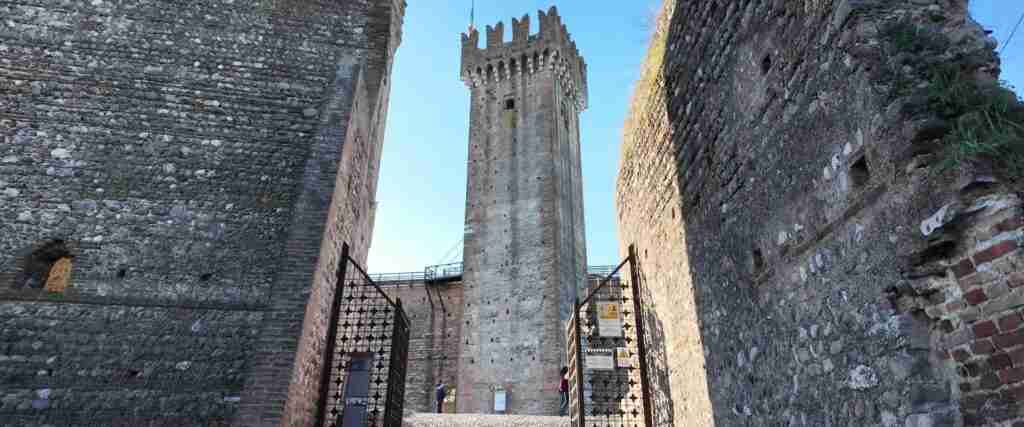
5 days
Verona 5-Day Highlights Experience
- ✓ Comprehensive Verona experience
- ✓ Expert local guides included
- ✓ All accommodation included
- ✓ Transportation provided
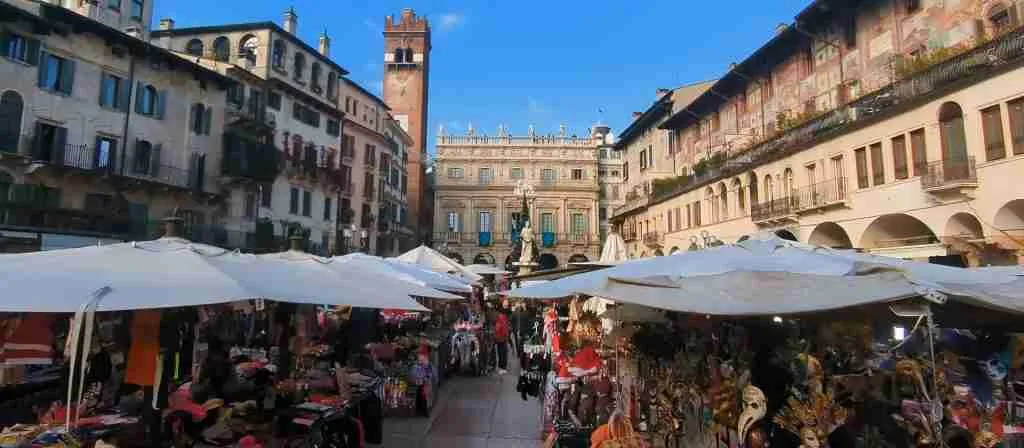
7 days
Verona 7-Day Cultural Journey
- ✓ Comprehensive Verona experience
- ✓ Expert local guides included
- ✓ All accommodation included
- ✓ Transportation provided

10 days
Verona 10-Day Complete Adventure
- ✓ Comprehensive Verona experience
- ✓ Expert local guides included
- ✓ All accommodation included
- ✓ Transportation provided
Multi-day tour packages powered by TourRadar. Prices and availability subject to change.
Roman Cultural Foundations
Verona’s Roman heritage establishes the cultural foundation upon which all subsequent development built. Founded as a Roman colony in the 1st century BCE, the city received systematic urban planning that determined street patterns, public spaces, and infrastructure systems still visible today. This Roman organizational framework demonstrates sophisticated urban design principles that influenced European city planning for centuries.
The Arena amphitheater represents Verona’s most significant Roman cultural contribution, serving as the third-largest surviving Roman amphitheater after Rome’s Colosseum and Capua’s amphitheater. Built in the 1st century CE, the Arena hosted gladiatorial contests, animal hunts, and public spectacles that formed central elements of Roman civic culture. The structure accommodated 30,000 spectators, demonstrating Verona’s importance as a Roman provincial center.
Roman theater construction on the hillside opposite the historic center showcases sophisticated engineering adapted to natural topography. The semicircular cavea utilized the hillside slope to create optimal sight lines and acoustics while minimizing construction requirements. This integration of architecture with natural landscape demonstrates Roman engineering principles that influenced European theater design through medieval and Renaissance periods.
The Ponte Pietra bridge exemplifies Roman infrastructure engineering that maintained function across two millennia despite periodic destruction and reconstruction. The bridge’s Roman arches demonstrate masonry techniques that created structures capable of withstanding Adige River floods while supporting commercial and military traffic. This functional longevity illustrates how Roman engineering principles produced infrastructure serving multiple civilizations.
Roman gates integrated into medieval fortification systems demonstrate cultural continuity through architectural adaptation. Porta Borsari and Porta Leoni preserve monumental Roman gateway architecture while serving defensive functions in medieval wall systems. This adaptive reuse shows how successive civilizations respected and incorporated Roman structures rather than destroying them for new construction.
Medieval Cultural Transformation
Medieval Verona developed distinctive cultural characteristics that transformed the Roman city into a center of religious, political, and artistic innovation. The rise of the Scaliger family (Della Scala) in the 13th-14th centuries created political stability that enabled architectural patronage and cultural development. This period produced many monuments defining Verona’s contemporary cultural identity.
Religious architecture flourished during the medieval period, with construction of Romanesque churches that demonstrate Verona’s integration into broader European Christian culture. The Basilica of San Zeno Maggiore represents one of Italy’s finest Romanesque churches, with bronze doors depicting biblical narratives that educated largely illiterate populations. These artistic programs transformed religious buildings into instruments of cultural transmission and popular education.
The Scaliger tombs (Arche Scaligere) demonstrate how Gothic architectural principles adapted to Italian cultural preferences. These elaborate funerary monuments combined northern European Gothic verticality with Italian decorative traditions, creating hybrid forms that influenced tomb monument design throughout northern Italy. The tombs’ prominent location near the family palace reinforced political power through architectural display.
Fortification construction during the Scaliger period transformed Verona into one of medieval Italy’s most formidable military centers. Castelvecchio fortress represents sophisticated military engineering incorporating defensive innovations from across medieval Europe. The fortress’s cultural significance extends beyond military history—it demonstrates how architectural patronage reinforced political authority while creating monuments with lasting cultural value.
Medieval bridge construction exemplified by Ponte Scaligero shows how infrastructure projects served multiple cultural functions. The fortified bridge connected Castelvecchio to territories beyond the Adige River, enabling military movements while demonstrating engineering ambition through its unprecedented 50-meter central span. This combination of practical function and architectural achievement characterizes medieval cultural production in Verona.
Renaissance Artistic Achievement
Renaissance Verona contributed significantly to Italian artistic development while maintaining distinctive regional characteristics. The city’s position between Venice and Lombardy facilitated cultural exchange that enriched local artistic traditions. Veronese painters, sculptors, and architects developed styles that synthesized Venetian colorism with Mantuan classicism, creating unique artistic expressions.
Paolo Veronese (1528-1588), born Paolo Caliari in Verona, became one of Renaissance Venice’s greatest painters while maintaining connections with his native city. His frescoes and altarpieces in Verona churches demonstrate mastery of color, composition, and illusionistic architecture that influenced European painting for centuries. Veronese’s success illustrates how Verona’s cultural environment nurtured talents that achieved international significance.
Michele Sanmicheli (1484-1559) transformed Renaissance military architecture through fortress designs that combined defensive efficiency with classical aesthetic principles. His Venetian fortifications throughout the terraferma (mainland territories) demonstrate how military engineering incorporated humanistic learning and classical proportions. Sanmicheli’s Verona gates—Porta Nuova and Porta Palio—show how defensive structures achieved monumental grandeur through classical vocabulary.
Renaissance palace construction transformed Verona’s urban fabric, with noble families commissioning residences that displayed wealth and cultural sophistication. Palazzo Canossa, designed by Sanmicheli, exemplifies how Renaissance architecture adapted Roman classical principles to residential contexts. These palaces created urban streetscapes that communicated social hierarchy while contributing to architectural coherence throughout the historic center.
Religious architecture continued evolving during the Renaissance, with churches incorporating classical elements that reflected humanistic learning. The rebuilding of Santa Maria in Organo with its remarkable intarsia (inlaid wood) choir stalls demonstrates how Renaissance craftsmen applied classical perspective and naturalistic observation to decorative arts. These interior decorations transformed worship spaces into showcases of artistic innovation.
Shakespearean Cultural Legacy
William Shakespeare’s Romeo and Juliet created Verona’s most powerful cultural association, transforming the city into a universal symbol of romantic love. Written around 1594-1596, the play drew on Italian novella traditions that may have included real Veronese family feuds, though historical evidence remains inconclusive. Regardless of historical accuracy, Shakespeare’s dramatic genius created enduring cultural connections between Verona and tragic romance.
The literary immortalization through Romeo and Juliet established pilgrimage traditions that continue intensifying. Casa di Giulietta (Juliet’s House) attracts visitors seeking connections with fictional characters, demonstrating how literary imagination shapes cultural tourism more powerfully than historical authenticity. The balcony added in the 1930s responds to tourist expectations created by theatrical traditions rather than Shakespearean text or historical evidence.
The cultural phenomenon surrounding Juliet’s balcony raises fascinating questions about authenticity, heritage, and tourism. The site functions as what scholars call an “authentic fake”—a place that gains authenticity through collective belief rather than historical fact. This dynamic demonstrates how cultural significance emerges through social processes rather than archaeological evidence alone.
Verona’s embrace of Shakespearean associations shows pragmatic cultural adaptation. The city leverages literary fame to attract international tourists while maintaining scholarly integrity regarding historical facts. Museum displays and guided tours acknowledge the fictional nature of Romeo and Juliet while celebrating the story’s cultural impact. This balanced approach respects both historical truth and popular imagination.
The annual “Letters to Juliet” program represents contemporary cultural innovation built on Shakespearean foundations. Volunteers respond to thousands of letters addressed to Juliet from correspondents worldwide seeking romantic advice. This tradition, begun in the 1930s and formalized by the “Juliet Club,” creates ongoing cultural dialogue between Verona and global audiences. The program demonstrates how heritage cities innovate traditions that maintain relevance for contemporary populations.
Operatic Cultural Traditions
Arena di Verona’s operatic festival represents one of Europe’s most significant cultural traditions, maintaining unbroken performance practices since 1913 (except wartime interruptions). The festival transforms the ancient Roman amphitheater into the world’s largest open-air opera venue, accommodating 15,000 spectators for productions that combine classical repertoire with spectacular staging impossible in conventional theaters.
The 1913 inaugural season celebrated the Verdi centenary with Aida, establishing the festival’s association with grand opera requiring massive staging resources. Aida remains the most frequently performed work at the Arena, with productions featuring live animals, elaborate Egyptian-themed sets, and casts numbering hundreds. These spectacular productions define the Arena’s operatic identity while maintaining musical excellence through partnerships with leading international artists.
The acoustic challenges of open-air performance in a stone amphitheater shaped distinctive performance practices. Singers must project powerful voices to reach distant audience members without electronic amplification, requiring vocal techniques developed specifically for Arena performances. This acoustic environment favors dramatic repertoire with large orchestras and powerful vocal writing, influencing programming choices toward works like Aida, Carmen, and Turandot.
The festival’s cultural significance extends beyond operatic performance to encompass social traditions, economic impact, and civic identity. The summer opera season defines Verona’s cultural calendar, with performances creating festive urban atmosphere throughout the historic center. Restaurants, hotels, and shops adjust operations to accommodate opera audiences, demonstrating how cultural events shape urban economic patterns.
Modern production approaches balance tradition with innovation, incorporating contemporary staging concepts while respecting the Arena’s historical character. Recent productions explore psychological depth and modern directorial visions while maintaining the spectacular visual elements audiences expect. This balance between innovation and tradition demonstrates how heritage cultural institutions remain relevant by evolving artistic approaches while preserving core identity.
Religious Cultural Heritage
Verona’s religious heritage encompasses exceptional architectural monuments, artistic treasures, and living devotional traditions. The city’s churches span from Early Christian basilicas through Romanesque masterpieces to Baroque renovations, creating comprehensive architectural history of European sacred spaces. These buildings served not only worship functions but also social, political, and educational roles that shaped urban culture.
The Basilica of San Zeno Maggiore represents Italian Romanesque architecture at its finest, with construction spanning from the 4th century through 14th-century expansions. The church preserves remarkable artistic treasures including bronze doors with biblical reliefs (11th-12th centuries), Mantegna’s San Zeno Altarpiece (1457-1459), and the Romanesque cloister with carved capitals depicting biblical and legendary scenes. These artistic programs created “Bibles in stone” that communicated religious narratives to largely illiterate medieval populations.
Verona Cathedral (Duomo) demonstrates architectural evolution across multiple building campaigns. The Romanesque façade designed by Nicolò (12th century) incorporated classical elements derived from Roman architecture, while Gothic apse additions and Renaissance chapels show stylistic development across centuries. This architectural layering creates buildings that function as historical documents recording changing artistic preferences and construction technologies.
The church of Sant’Anastasia represents Gothic architecture adapted to Italian aesthetic preferences. Construction began in 1290 and continued through the 15th century, with the façade remaining unfinished—a condition common in Italian Gothic churches reflecting changing architectural fashions and funding limitations. The interior preserves frescoes by Pisanello and Altichiero that demonstrate International Gothic painting styles.
Religious confraternities maintained devotional traditions and charitable works that shaped urban social structures. These lay organizations commissioned artworks, organized processions, and provided social services that created dense networks of religious cultural activity. Confraternity oratories preserve artistic decorations and liturgical objects that document grassroots religious culture beyond official church hierarchies.
Venetian Cultural Influence
Verona’s incorporation into the Venetian Republic in 1405 initiated four centuries of cultural exchange that profoundly influenced the city’s artistic and architectural development. Venetian rule brought political stability, economic integration, and artistic connections that transformed Verona into a major terraferma (mainland) cultural center. This period produced many monuments that define Verona’s contemporary urban character.
Venetian administrative structures introduced governance models that balanced local autonomy with republican oversight. The Venetian governor (podestà) resided in the city while local councils maintained significant self-governance. This political arrangement created stable conditions for cultural patronage while connecting Verona to Venetian artistic and intellectual networks.
Architectural developments during the Venetian period incorporated Venetian Gothic and Renaissance styles while maintaining distinctive Veronese characteristics. Palazzo della Ragione renovations added Venetian Gothic windows and decorative elements, demonstrating cultural synthesis between mainland traditions and Venetian aesthetic preferences. This architectural dialogue enriched both Venetian and Veronese design vocabularies.
Trade connections with Venice facilitated artistic exchange, with Veronese painters training in Venetian workshops and Venetian artists executing commissions in Verona. This cultural mobility created cosmopolitan artistic environment where regional styles cross-fertilized. Paolo Veronese’s career exemplifies this exchange—trained in Verona, he achieved fame in Venice while maintaining connections with his native city through commissions and family ties.
Military architecture evolved significantly under Venetian rule as the Republic modernized fortifications against artillery threats. Michele Sanmicheli’s fortress designs incorporated bastioned systems that represented cutting-edge military engineering while expressing Venetian power through classical architectural vocabulary. These fortifications transformed Verona into one of the Republic’s key defensive strongholds protecting mainland territories from Habsburg encroachment.
Modern Cultural Evolution
Verona’s cultural significance continues evolving in the modern era through heritage conservation, cultural programming, and adaptation to contemporary tourism demands. The city navigates tensions between preservation of historical character and accommodation of modern urban functions, creating management strategies that balance competing interests while maintaining UNESCO World Heritage standards.
The post-World War II reconstruction period required difficult decisions about heritage preservation versus modernization. War damage affected numerous historic buildings, prompting debates about restoration approaches—should damaged structures be reconstructed to original appearance or rebuilt with modern materials reflecting contemporary architectural principles? Verona generally chose reconstruction maintaining historical appearance, prioritizing cultural continuity over architectural authenticity.
Cultural tourism emerged as dominant economic sector, bringing benefits and challenges. Tourism revenue funds conservation work and supports heritage-based businesses, but visitor pressures threaten authentic urban character. The city implements visitor management strategies including timed entry to major monuments, pedestrianization of historic center zones, and promotion of lesser-known sites to distribute tourist flows more evenly.
Contemporary cultural programming expands beyond opera to include film festivals, art exhibitions, and music events that activate heritage spaces for diverse audiences. The Verona Film Festival presents international cinema in outdoor venues throughout the historic center, demonstrating how cultural events can showcase heritage while serving contemporary entertainment functions. These programs help residents view heritage sites as living urban spaces rather than frozen museum pieces.
Educational initiatives engage younger generations in heritage understanding and appreciation. School programs incorporate local history and architecture into curricula, cultivating civic pride and heritage stewardship attitudes. Museums develop interactive exhibits and digital resources that make cultural heritage accessible to diverse learning styles and age groups, ensuring heritage relevance for 21st-century audiences.
Cultural Tourism Impact
Cultural tourism shapes Verona’s contemporary identity and economy while creating management challenges for a UNESCO World Heritage city. The city attracts approximately 3 million visitors annually, with Shakespeare associations, opera performances, and Roman monuments serving as primary draws. This tourism generates significant economic benefits while raising concerns about authenticity, overcrowding, and commercialization impacts on historic character.
The phenomenon of “Romeo and Juliet tourism” demonstrates how literary associations drive cultural tourism regardless of historical accuracy. Casa di Giulietta receives 500,000+ visitors annually despite its fictional associations and modern alterations. This tourism creates economic opportunities for local businesses while raising philosophical questions about heritage authenticity and the relationship between historical truth and popular imagination.
Seasonal tourism patterns concentrate visitors during summer months when opera performances attract international audiences. This seasonality creates challenges for year-round economic planning and heritage site management. The city develops strategies to extend tourism across all seasons through cultural programming, conference tourism, and promotion of lesser-known heritage sites that appeal to cultural enthusiasts beyond peak tourist seasons.
Tourist accommodation expansion pressures historic building fabric, with hotels and vacation rentals converting residential properties to tourist lodging. This transformation affects neighborhood character and displaces long-term residents, creating “touristification” concerns common to popular heritage destinations. Regulatory frameworks attempt to balance tourism accommodation needs with residential character preservation, though finding effective policy solutions remains challenging.
Cultural tourism creates opportunities for heritage interpretation and education. Guided tours, museum exhibits, and interpretive materials contextualize monuments within broader cultural narratives, encouraging deeper engagement beyond superficial sightseeing. Well-designed interpretive programming cultivates heritage appreciation while generating revenue supporting conservation work, creating beneficial cycles connecting tourism with preservation.
Heritage Conservation Philosophy
Verona’s approach to heritage conservation reflects evolving philosophies about authenticity, restoration ethics, and adaptive reuse. The city’s conservation strategies balance competing demands—maintaining historical authenticity, accommodating modern functions, ensuring structural safety, and meeting tourism expectations. These decisions shape how heritage passes to future generations while serving contemporary needs.
The restoration of Arena di Verona exemplifies conservation challenges when ancient monuments serve modern cultural functions. Maintaining structural integrity for 15,000-person opera performances requires interventions that may compromise archaeological authenticity. Conservation authorities balance preservation of Roman masonry with safety requirements for contemporary use, creating pragmatic solutions that prioritize both heritage values and public safety.
Church restoration projects demonstrate how religious heritage buildings require sensitivity to both artistic significance and liturgical functions. Conservation work must preserve artistic treasures while ensuring buildings serve contemporary worship communities. This dual purpose sometimes creates tensions between conservation priorities (minimizing intervention, reversibility) and functional needs (climate control, accessibility, liturgical adaptation).
The historic center pedestrianization represents bold urban planning intervention that transformed heritage conservation approaches. Restricting vehicular traffic protected historic building fabric from vibration damage while improving visitor experience and resident quality of life. This intervention shows how heritage conservation can align with broader urban planning goals including environmental sustainability and livability improvements.
Digital documentation technologies revolutionize heritage conservation by creating detailed records of historic structures. Laser scanning, photogrammetry, and 3D modeling produce precise documentation enabling accurate restoration work while preserving digital records for future generations. These technologies also enable virtual heritage experiences that reduce physical visitor pressures on fragile monuments while expanding access to global audiences.
Cultural Continuity and Change
Verona’s cultural significance derives partly from how the city maintains cultural continuity while adapting to changing contexts. Heritage sites remain integrated into daily urban life rather than isolated as museum artifacts. This living heritage approach ensures cultural traditions evolve organically while maintaining connections to historical roots.
The Arena’s transformation from Roman amphitheater to opera venue exemplifies adaptive reuse that maintains cultural relevance across millennia. Rather than preserving the structure as archaeological ruin, Verona activates the monument through world-class cultural programming that attracts international audiences while respecting historical character. This approach demonstrates how heritage buildings remain vital through functions aligned with their original purposes (public entertainment).
Traditional festivals and ceremonies maintain cultural practices connecting contemporary residents with historical heritage. Carnival celebrations, religious processions, and civic ceremonies follow patterns established centuries ago while incorporating contemporary elements. This evolution creates traditions that feel authentic rather than artificially preserved, ensuring cultural practices remain meaningful rather than performative.
Local craftsmanship traditions face pressures from economic change and tourism commercialization. Traditional artisan workshops producing metalwork, textiles, and food products struggle to compete with industrial production and imported tourist souvenirs. The city supports traditional crafts through certification programs, educational initiatives, and promotion of authentic artisan products, recognizing that cultural heritage includes not just monuments but also living traditions and specialized knowledge.
Contemporary artistic production builds on historical foundations while expressing modern sensibilities. Verona’s art schools, theaters, and cultural institutions nurture contemporary creativity that engages with heritage while developing original expressions. This cultural vitality ensures Verona remains living city rather than heritage theme park, maintaining dynamic cultural scene that attracts residents and visitors beyond historical tourism.
Frequently Asked Questions
How does Verona maintain cultural authenticity despite mass tourism?
Verona implements comprehensive authenticity preservation strategies including strict commercial regulations limiting chain retailers in the historic center, access management systems preventing monument overcrowding, and educational programming encouraging deeper cultural engagement beyond superficial sightseeing. The city balances tourism economic benefits with preservation of authentic urban character through zoning regulations, resident-focused services, and cultural programming serving local communities alongside tourists.
What role does opera play in Verona’s contemporary cultural identity?
Opera defines Verona’s contemporary cultural identity through the annual Arena festival attracting 500,000 visitors and generating significant economic impact. The festival creates international reputation for cultural excellence while maintaining traditions spanning more than a century. Opera performances activate the Roman amphitheater, demonstrating successful adaptive reuse that respects historical character while serving contemporary cultural functions. The festival also shapes urban cultural calendar, creating summer atmosphere throughout the historic center.
How accurate is Verona’s association with Romeo and Juliet?
Shakespeare’s Romeo and Juliet draws on Italian novella traditions that may reference Veronese family feuds, but historical evidence connecting the fictional story to specific locations remains inconclusive. Casa di Giulietta represents 20th-century tourist attraction rather than authentic Shakespeare or Juliet connection—the balcony was added in the 1930s to satisfy visitor expectations. Despite fictional origins, the Shakespearean association achieved genuine cultural significance through collective belief and pilgrimage traditions spanning nearly a century.
What makes Verona’s Roman heritage culturally significant?
Verona preserves one of Italy’s most complete Roman urban centers, with exceptional monuments including Arena amphitheater (third-largest surviving Roman amphitheater), Roman theater, fortification gates, and bridge structures maintaining active functions. This preservation demonstrates two millennia of continuous urban development while respecting ancient foundations. The Roman urban planning framework determined street patterns and public spaces still organizing the historic center, creating remarkable cultural continuity across civilizations.
How does Verona balance modern urban needs with heritage conservation?
Verona balances modern needs with conservation through adaptive reuse strategies, careful infrastructure integration, and comprehensive management planning. Historic buildings accommodate contemporary functions through sensitive renovations respecting architectural character. Utility systems install underground to avoid visual impacts. Traffic restrictions protect building fabric while improving livability. UNESCO World Heritage designation requires management plans balancing preservation with sustainable development, ensuring decisions consider long-term heritage protection alongside immediate needs.
What religious traditions continue in contemporary Verona?
Verona maintains numerous religious traditions including Holy Week processions following medieval routes, major feast day celebrations activating parish churches throughout the city, and confraternity activities preserving charitable works and devotional practices. Good Friday procession represents most significant religious observance, with participants carrying religious statues through historic center streets. These living traditions connect contemporary residents with religious heritage while evolving to reflect modern sensibilities and participation patterns.
How did Venetian rule influence Verona’s cultural development?
Venetian rule (1405-1797) profoundly influenced Verona’s cultural development through political stability enabling artistic patronage, architectural connections introducing Venetian Gothic and Renaissance styles, trade networks facilitating artistic exchange, and military investments modernizing fortifications. Artists moved between Venice and Verona, creating cosmopolitan cultural environment. Michele Sanmicheli’s fortress designs represent pinnacle of Renaissance military architecture synthesizing Venetian strategic priorities with classical aesthetic principles. This period produced monuments defining Verona’s contemporary urban character.
What cultural events occur in Verona beyond the opera festival?
Verona hosts diverse cultural programming including Verona Film Festival presenting international cinema in outdoor venues, contemporary art exhibitions in historic palaces and museums, music festivals spanning classical to jazz genres, Carnival celebrations with traditional gnocchi distribution ceremonies, Vinitaly wine exposition attracting international wine industry professionals, and theatrical performances throughout the year. These events activate heritage spaces while serving diverse audiences, demonstrating how cultural programming maintains urban vitality beyond single-focus tourism.
How does Verona educate visitors about cultural significance?
Verona provides cultural education through museum exhibits contextualizing monuments within historical narratives, guided tours offering expert interpretation, interpretive signage at heritage sites explaining architectural and historical significance, educational programs for school groups integrating local heritage into curricula, and digital resources including apps and websites providing accessible information. Arena Museum presents archaeological findings and opera history, while civic museums document urban development across centuries. This comprehensive educational infrastructure encourages informed appreciation beyond superficial sightseeing.
What challenges does Verona face in preserving cultural heritage?
Verona faces multiple heritage preservation challenges including tourism pressures threatening authenticity and overcrowding monuments, climate change impacts accelerating stone deterioration and creating flood risks, urban development demands conflicting with conservation priorities, funding limitations for comprehensive restoration programs, and balancing resident needs with tourist accommodation. The city addresses these challenges through UNESCO World Heritage management plans, visitor flow management systems, climate adaptation strategies, regulatory frameworks protecting historic character, and stakeholder engagement processes balancing competing interests in sustainable heritage stewardship.