
Venice Walking Tours & Routes 2026: Self-Guided UNESCO Heritage Walks
Walking tours in 2026 divide into guided group experiences (15-25 participants), private custom routes (2-8 people), and self-guided audio-supported walks. Guided tours provide expert historical context and access to restricted areas, while self-guided routes offer flexibility for photography and spontaneous exploration. The city’s compact 7-square-kilometer historic center makes comprehensive walking coverage achievable in 2-4 days of dedicated exploration.
Key Takeaways
- Venice offers 15+ themed walking routes covering 700+ years of maritime republic history across 118 islands
- Guided tours cost €25-75 per person in 2026, while self-guided routes with audio guides run €8-15 for unlimited access
- Early morning walks (7-9 AM) and evening routes (5-7 PM) avoid 80% of day-tripper crowds for authentic experiences
- UNESCO-focused architectural routes reveal Byzantine-Gothic fusion in 50+ palazzos along the Grand Canal
- Traditional bacari food walks combine cultural immersion with Venetian cicchetti tasting through historic neighborhoods
- Self-guided walks allow flexible pacing for photography, exploration, and spontaneous discoveries in Venice’s 3,000+ calli
Planning Your Venice Walking Tours in 2026
Venice reveals its authentic character through pedestrian exploration, where every calle, campo, and canal tells centuries of maritime republic history. The city’s 118 islands connected by 400+ bridges create natural walking routes that guided tours cost €25-75 per person in 2026, while self-guided exploration with audio guides runs €8-15 for unlimited daily access (check GetYourGuide or Viator for current tour rates as pricing may vary). The absence of vehicular traffic makes Venice uniquely suited to walking tours, where distances between major UNESCO heritage sites rarely exceed 20 minutes on foot.
Venetian walking routes follow thematic patterns established over centuries: Grand Canal palazzo architecture, Byzantine-Gothic religious sites, maritime commerce history, Renaissance art collections, traditional artisan workshops, authentic bacari food culture, and hidden garden discoveries. Each theme reveals different aspects of Venice’s UNESCO World Heritage significance, from Doge’s Palace governance to Rialto Market maritime trade traditions that sustained the republic for 1,100 years.
People Also Ask About Venice Walking Tours 2026
How much do Venice walking tours cost in 2026?
Group walking tours cost €25-45 for 2-3 hour experiences, private tours €60-75 per person for 3-4 hours, and food walking tours €70-95 including tastings in 2026. Self-guided audio tours cost €8-15 for unlimited daily access. Specialty tours (architecture, art, photography) run €55-85 per person. Free walking tours operate on tip-based models with suggested €10-20 gratuities per participant.
What is the best walking tour route in Venice for 2026?
The San Marco to Rialto architectural route covers Venice’s core UNESCO heritage in 2.5 hours, passing 30+ significant palazzos, 8 historic bridges, and 5 major campi. This route includes Doge’s Palace exteriors, Basilica San Marco facades, Mercerie shopping street, Rialto Bridge, and Rialto Market. Alternative routes include Dorsoduro art walks (Accademia to Guggenheim), Cannaregio Jewish Ghetto history, and Castello maritime heritage paths.
Do you need advance bookings for Venice walking tours in 2026?
Popular guided tours sell out 1-2 weeks ahead during peak season (April-October), while winter tours (November-March) remain available 3-5 days in advance. Private tours require 7-14 days notice for preferred guides. Self-guided audio tours need no advance booking. Food walking tours with restaurant reservations need 2-3 weeks advance notice for guaranteed spots at traditional bacari establishments.
Are Venice walking tours suitable for families with children in 2026?
Family-friendly walking tours run 1.5-2 hours with interactive elements, treasure hunt formats, and gelato breaks. Routes avoid complex historical detail in favor of stories about Venetian masks, gondolas, and maritime adventures. Tours accommodate strollers on wider routes (San Marco area), though 400+ bridge steps make baby carriers more practical. Children under 6 join free on most tours, ages 6-12 receive 50% discounts.
Extended multi-day tours – 5+ days
Featured Venice Multi-Day Tour Packages

3 days
Venice 3-Day Discovery Tour
- ✓ Comprehensive Venice experience
- ✓ Expert local guides included
- ✓ All accommodation included
- ✓ Transportation provided
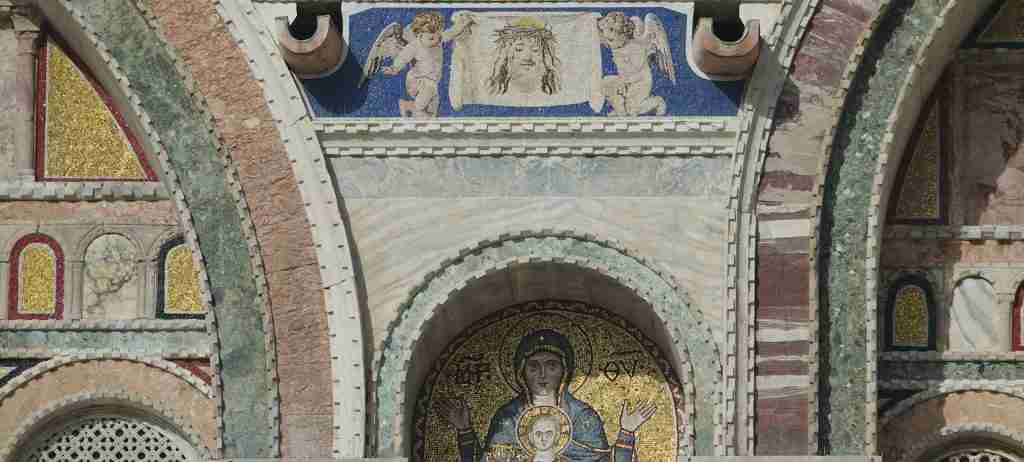
5 days
Venice 5-Day Highlights Experience
- ✓ Comprehensive Venice experience
- ✓ Expert local guides included
- ✓ All accommodation included
- ✓ Transportation provided
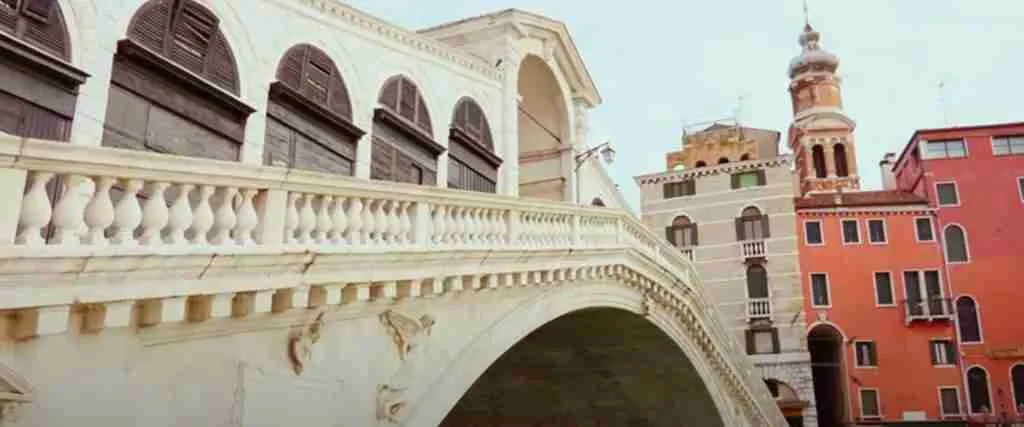
7 days
Venice 7-Day Cultural Journey
- ✓ Comprehensive Venice experience
- ✓ Expert local guides included
- ✓ All accommodation included
- ✓ Transportation provided
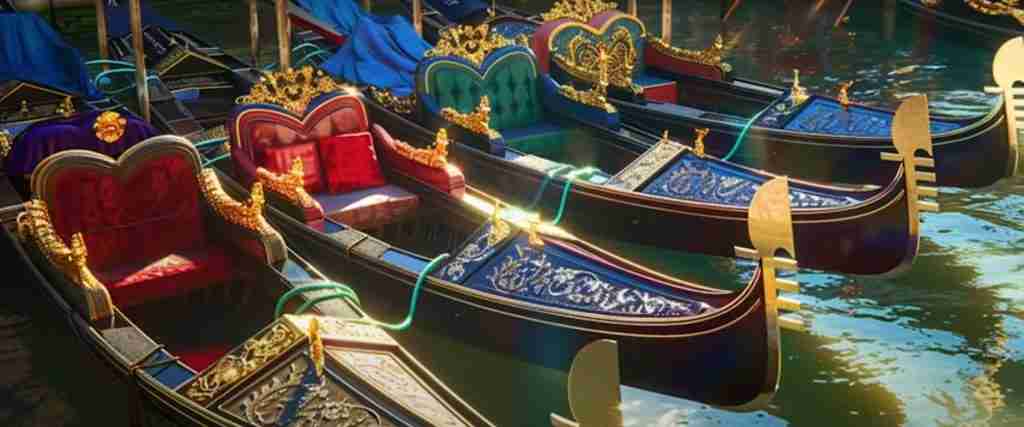
10 days
Venice 10-Day Complete Adventure
- ✓ Comprehensive Venice experience
- ✓ Expert local guides included
- ✓ All accommodation included
- ✓ Transportation provided
Multi-day tour packages powered by TourRadar. Prices and availability subject to change.
Essential Planning Information for 2026 Venice Walks
Tour Categories and Costs in 2026
Venice walking tours in 2026 span multiple categories with distinct pricing structures. General historical tours cost €25-35 per person for 2-3 hour group experiences (12-20 participants), covering major San Marco landmarks and basic Venetian history. Architectural specialty tours run €45-65 for 3-4 hours with expert guides explaining Byzantine-Gothic fusion, Renaissance palazzos, and structural engineering solutions for building on lagoon islands.
Food and wine walking tours cost €70-95 per person including 5-7 tastings at traditional bacari, covering cicchetti culture, Venetian wine traditions, and Rialto Market food history. Art-focused walks exploring Tintoretto scuole, Titian churches, and Renaissance masterpieces run €55-75 for 3-4 hours with art historian guides. Photography walks teaching Venice composition and lighting techniques cost €65-85 for small groups (4-8 participants) during golden hour periods.
Private custom walking tours range €180-300 total (not per person) for 2-4 hour experiences, accommodating 2-8 participants with flexible routing based on interests. Multi-day walking packages combining different themes cost €200-280 per person for 3-day comprehensive exploration. Self-guided audio tours from €8-15 provide unlimited daily access to 15+ themed routes with downloadable apps working offline after initial download.
Booking Channels and Advance Planning for 2026
Book walking tours through official platforms including GetYourGuide, Viator, ToursByLocals, and WithLocals for verified guides and customer protection. Direct booking with established Venice tour companies (Walks of Italy, Context Travel, Venice Urban Adventures) often provides 10-15% discounts compared to aggregator platforms. Hotel concierges arrange private tours with trusted local guides, though pricing runs 20-30% higher than direct booking.
Peak season booking (April-October) requires 2-3 weeks advance notice for popular morning departure times and specialty food tours. Shoulder season (March, November) needs 7-10 days advance booking, while winter (December-February except Carnival) maintains availability 3-5 days ahead. Last-minute bookings (24-48 hours) find limited availability during summer but work well in winter months.
Confirmation emails include meeting points (usually San Marco or Rialto), guide contact information, and cancellation policies. Free cancellation operates 24-48 hours before tours start. Weather cancellations receive full refunds or rescheduling options. Tours operate in light rain with umbrella provisions, cancel only for heavy storms or acqua alta flooding above 110cm.
Thematic Walking Routes for 2026 Exploration
Grand Canal Palazzo Architecture Route
This 3-4 hour self-guided route follows the Grand Canal’s eastern bank from Ferrovia train station to San Marco, passing 50+ historic palazzos representing 700 years of Venetian architectural evolution. Start at Scalzi Church (7 AM opening) to photograph morning light on Renaissance facades, then walk Lista di Spagna toward Rialto Bridge. The route includes Ca’ Pesaro (Baroque), Ca’ d’Oro (Gothic masterpiece), and Fondaco dei Tedeschi (Renaissance German trading post).
Ca’ d’Oro admission costs €8.50 including palazzo interiors and Grand Canal views from Gothic balconies. Fondaco dei Tedeschi rooftop (free with timed booking) provides panoramic perspectives for understanding palazzo distribution along the canal. The route crosses Rialto Bridge at kilometer 2, continuing past Ca’ Farsetti (city hall, external viewing), Palazzo Grimani (Renaissance museum €8), and Palazzo Grassi (contemporary art €15).
Architectural highlights include Byzantine-Gothic fenestration patterns (round arches transitioning to pointed), Renaissance symmetrical facades with classical orders, and Baroque ornamental elements. Palazzos demonstrate Venetian engineering solutions for building on wooden pilings driven into lagoon mud, with water-level fondamenta (ground floors) designed for tidal flooding. The walk concludes at Basilica della Salute (free entry, €5 sacristy with Titian works) with views across to Doge’s Palace.
Byzantine-Gothic Religious Heritage Walk
This 2.5-3 hour route explores Venice’s religious architecture spanning Byzantine origins through Gothic flowering. Begin at Basilica San Marco (8:30 AM free entry before crowds, museum €7, Pala d’Oro €5) to study Byzantine mosaics covering 8,000 square meters of interior surfaces. The church demonstrates Constantinople architectural influence with Greek cross plan, five domes, and marble facing transported from eastern Mediterranean quarries.
Walk through Mercerie shopping streets to San Salvatore Church (free entry) with Titian masterpieces and Sansovino tomb. Continue to Campo San Bartolomeo and Rialto Bridge, then north to Chiesa della Madonna dell’Orto (€3 entry) featuring Tintoretto canvases in the artist’s parish church. The Gothic brick facade and boat-keel ceiling illustrate Venice’s adaptation of northern Gothic styles to lagoon building materials and maritime culture.
The route includes Santi Giovanni e Paolo church (€3.50), Venice’s “Pantheon” containing 25 Doge tombs and Gothic architectural elements spanning 200 years of construction. Nearby Scuola Grande di San Marco showcases Renaissance facade trompe-l’oeil architecture now housing civic hospital. Walk returns via Santa Maria Formosa (€3 Chorus Pass) with Renaissance altar pieces and original Greek cross layout preserved from 7th-century Byzantine foundations.
Maritime Commerce and Trade Routes
This 3-hour walking route traces Venice’s maritime republic economic foundations from Rialto Market through historic trade districts to Arsenale shipyards. Start at Rialto Market (6 AM for wholesale fish auctions, 7 AM general opening) where merchants traded Adriatic seafood and mainland produce for 1,000+ years. The market’s colonnade architecture and permanent stone stalls replaced wooden structures after 16th-century fires.
Cross Rialto Bridge studying its construction history (1588-1591 single-span stone design replacing wooden predecessors) and merchant shops occupying bridge arcades since Renaissance. Walk through Erberia vegetable market and Pescheria fish market observing morning commercial activity unchanged for centuries. Traditional bacari surrounding the markets serve breakfast cicchetti (€2-4 per serving) with local wines (€3-5 per glass).
Continue east through Castello toward Arsenale, Venice’s massive shipyard complex covering 45 hectares of lagoon islands. The Arsenale produced merchant vessels and war galleys using assembly-line techniques centuries before industrial revolution, with capacity to construct complete ships in single days during military emergencies. The land gate (1460) displays classical Renaissance architecture with triumphal arch design. Free exterior viewing of walls and canal entries demonstrates the facility’s defensive importance to maritime republic security. The route concludes at Via Garibaldi, Venice’s widest street created by filling a canal in 1807, showing urban planning departures from traditional organic medieval layout.
Renaissance Art Collections Walk
This 4-hour route connects Venice’s major Renaissance art sites across San Marco and Dorsoduro districts. Begin at Accademia Galleries (€15 entry, reserve online to avoid 45-60 minute queues) containing Venice’s greatest painting collection with 24 rooms spanning Byzantine through 18th-century works. Key masterpieces include Giovanni Bellini altarpieces, Giorgione’s “Tempest,” Titian’s “Assumption,” Veronese’s “Feast in the House of Levi,” and Tintoretto’s “Miracle of the Slave.”
Cross Accademia Bridge photographing Grand Canal palazzo views, then follow Dorsoduro waterfront to Peggy Guggenheim Collection (€18 entry, €16 online advance booking). The modern art museum occupies Palazzo Venier dei Leoni, an unfinished 18th-century palazzo housing 20th-century masterworks by Pollock, Kandinsky, Picasso, and Dalí. The sculpture garden includes works by Giacometti and Moore with canal-side positioning providing unique art-landscape integration.
Continue to Basilica Santa Maria della Salute (free entry, €5 sacristy) containing Titian ceiling paintings and Tintoretto masterpieces. Walk northeast through Dorsoduro back toward San Marco, stopping at Santo Stefano Church (€3 Chorus Pass) with Tintoretto works. The route concludes at Doge’s Palace (€30 entry, €28 online) housing Tintoretto’s Paradise (22.6 x 9.1 meters, world’s largest oil painting), Veronese ceiling allegories, and Titian battle scenes in historical chambers demonstrating state patronage of Renaissance masters.
Hidden Venice Gardens and Courtyards Route
This 2.5-hour walk discovers Venice’s secret gardens, private courtyards, and quiet campi unknown to most visitors. Begin at Palazzo Soranzo Cappello (external viewing, occasional open days) with one of Venice’s few remaining medieval courtyard gardens. The route winds through Castello back streets to San Francesco della Vigna monastery (free entry) with Renaissance church and peaceful cloister garden designed by Palladio, offering refuge from tourist crowds.
Continue to Giardini della Biennale, Venice’s largest public garden (free access) created by Napoleon in 1807 by filling canals and demolishing convents. The gardens contain 29 permanent national pavilions for the Biennale Art Exhibition, with architectural styles spanning 19th-century Victorian to contemporary designs. Walk through gardens observing lagoon views and local residents using the space for recreation far from San Marco tourism.
Return through Castello stopping at small campi with well-heads and neighborhood gardens. Campo Santa Maria Nova contains Renaissance wellhead with elaborate carving, demonstrating Venice’s historical fresh water collection systems using clay filtration in campo substructures. The route includes quiet fondamenta (canal-side paths) where hanging gardens overgrow building facades, creating vegetation contrasts with stone and water elements characteristic of hidden Venice aesthetics.
Self-Guided Walking Strategies for 2026
Audio Guide Technology and Navigation
Self-guided audio tours in 2026 operate through smartphone apps from Rick Steves Audio Europe (free), Context Travel (€8-15 premium content), VoiceMap (€5-12 per tour), and GPSmyCity (€4-8 per route). Apps download content for offline use, critical for Venice’s inconsistent WiFi and cellular coverage in narrow calli where tall buildings block signals. GPS positioning works reliably in open campi but degrades in covered passageways, requiring manual progression through audio stops.
Print maps supplement digital navigation, available free from tourist offices at Ferrovia station, Piazzale Roma, and San Marco. Detailed paper maps help when technology fails and provide overview perspectives digital screens cannot match. Venice uses sequential building numbering by district (sestiere) rather than street-based systems, making specific address location challenging without local knowledge. Major landmarks serve as navigation waypoints (San Marco, Rialto, Accademia) with yellow directional signs throughout the city pointing to these hubs.
Successful self-guided navigation requires accepting Venice’s labyrinthine layout as feature rather than obstacle. Dead-end calli, blind bridges, and repeated landmark sightings from different angles create disorientation that’s part of authentic Venetian exploration. Allow 30-50% extra time beyond estimated distances for navigation uncertainty, photography stops, and spontaneous discoveries. Venice rewards wandering without rigid itinerary pressure, where “getting lost” produces memorable authentic neighborhood encounters.
Photography Considerations for Walking Tours
Venice walking tours in 2026 demand specific photography equipment and technique considerations. Morning walks (6-9 AM) capture soft light on canal reflections and building facades before harsh midday contrast. Evening golden hour (5-7 PM summer, 3:30-5:30 PM winter) provides warm tones illuminating Gothic and Renaissance architectural details. Bridges offer elevated perspectives for canal views, while narrow calli require wide-angle lenses (16-35mm) to capture building heights.
Tripod use faces restrictions in heavily trafficked areas including San Marco square and Rialto Bridge, where congestion and regulations prohibit prolonged setup. Compact travel tripods work for early morning low-light situations in quiet campi. Gondola traffic on smaller canals creates wake patterns affecting long-exposure water photography, requiring timing between boat passages. Architecture photography benefits from lens correction profiles reducing distortion in narrow spaces where rectilinear perspective proves impossible.
Compositional opportunities include canal curves leading eye toward distant bridges, building reflections in still morning water, washing lines between buildings showing authentic residential life, and architectural detail patterns (Gothic tracery, Byzantine capitals, Renaissance balconies). Avoid photographing faces without permission, respect private residential spaces, and refrain from blocking narrow passages during crowded periods. Waterproof camera protection proves essential during acqua alta flooding episodes when exploring flooded calli becomes unique photographic opportunity.
Seasonal Timing for Optimal Walking Experiences
Spring walking tours (March-May) benefit from moderate temperatures (12-20°C), flowering window boxes, and manageable crowds before peak summer season. April brings increased visitors but maintains reasonable walking conditions with occasional spring rain requiring waterproof layers. May offers longest daylight hours (sunrise 5:45 AM, sunset 8:30 PM) maximizing morning and evening photography opportunities.
Summer walking (June-August) faces intense heat (25-33°C), high humidity from lagoon, and maximum tourist density reducing authentic atmosphere in major routes. Early morning walks (6-8 AM) before day-tripper arrival and evening walks (7-9 PM) after departures provide better experiences. Afternoon heat requires frequent rest stops, hydration, and awareness of heat exhaustion symptoms. Summer thunderstorms arrive rapidly, necessitating waterproof gear despite sunny morning forecasts.
Autumn walks (September-November) offer ideal conditions with moderate temperatures (15-22°C September, 8-15°C November), reduced crowds after summer peak, and atmospheric fog creating moody photography conditions. Fall light angles enhance architectural features with lower sun positions casting longer shadows. November brings increased acqua alta flooding risk (peak November-December) requiring weather monitoring and alternate routing during high-water episodes.
Winter walking (December-February) provides most authentic Venetian atmosphere with minimal tourists, local life visibility, and special events including Carnival. Temperatures range 2-10°C requiring layered clothing and waterproof footwear for occasional flooding. Short daylight hours (sunrise 7:30 AM, sunset 5 PM in January) compress optimal photography windows but create dramatic low-angle lighting. Fog episodes obscure views but generate atmospheric conditions highlighting Venice’s mysterious character absent during clear summer days.
Practical Logistics for 2026 Walking Tours
Footwear and Physical Preparation
Venice walking tours require appropriate footwear for 400+ stone bridges, uneven paving on 1,500-year-old streets, and occasional acqua alta flooding. Comfortable walking shoes with arch support and non-slip soles prove essential for 10,000-15,000 daily steps during comprehensive exploration. Avoid new unworn shoes causing blisters during multi-hour walks. Venice’s stone pavements and bridge steps create harder surfaces than typical urban walking, increasing foot fatigue compared to equivalent distances on modern sidewalks.
Physical fitness requirements vary by route intensity. Flat routes through San Polo and Dorsoduro suit moderate fitness levels, while routes incorporating Accademia Bridge, Rialto Bridge, and multiple crossings challenge lower fitness participants. Castello and Cannaregio routes include fewer bridges but longer total distances. Private tours accommodate slower paces with rest stops, while group tours maintain schedule requiring consistent movement.
Prepare for stairs and bridges by practicing inclined walking beforehand if fitness concerns exist. Venice lacks elevators in historic buildings and wheelchair accessibility proves challenging throughout the city. Strollers work on major routes but require carrying up/down bridge steps frequently. Baby carriers prove more practical than strollers for families with young children. Rest stops at campi benches, canal-side steps, and church entrances provide recovery opportunities during extended walks.
Food and Hydration During Long Walks
Venice walking tours require hydration planning since potable water fountains appear infrequently compared to other Italian cities. Carry refillable water bottles (1-1.5 liters) for multi-hour walks, refilling at public fountains when located or purchasing water at alimentari shops (€1.50-2.50 per liter). Avoid tourist-area bottled water (€3-5 near San Marco) by planning ahead with advance purchases from supermarkets.
Snack planning prevents energy depletion during extended walking tours. Traditional bacari offer cicchetti small plates (€2-4 each) perfect for mid-walk refueling without sit-down meal delays. Rialto Market area contains multiple options for quick standing refreshment. Alternatively, pack energy bars, fruit, or nuts for trail-snack-style consumption during walking breaks. Avoid heavy meals before walks since Venetian humidity and heat intensify digestion discomfort during physical activity.
Timing walks around meal opportunities enhances cultural immersion. Morning walks ending at Rialto Market around 11 AM-12 PM position for authentic lunch experiences at market-adjacent bacari serving fresh seafood and local wines. Afternoon walks concluding 6-7 PM align with aperitivo traditions when bars serve complimentary cicchetti with Spritz purchases (€3-5). Evening walks can incorporate traditional dinner reservations (book 2-3 days ahead for quality restaurants) as route endpoints.
Weather Adaptation and Acqua Alta Management
Venice weather requires flexible planning and appropriate gear across seasons. Summer heat demands sun protection (hats, sunscreen SPF 30+), light breathable clothing, and frequent hydration stops. Afternoon thunderstorms arrive rapidly, requiring packable rain jackets despite morning sunshine. Canal-reflected sunlight intensifies UV exposure compared to inland cities, making sun protection critical even on overcast days.
Winter preparation includes layered clothing for 2-10°C temperatures, waterproof outer shells, and warm accessories (gloves, scarves, hats). Venice’s lagoon humidity creates wind-chill effects below actual temperatures. Fog episodes limit visibility but create atmospheric photography opportunities. Snow remains rare (1-2 days per winter) but transforms Venice into magical winter wonderland when occurring.
Acqua alta (high water) flooding impacts walking tours November-February when spring tides and scirocco winds raise lagoon levels 110-130cm above normal. City warning sirens sound 3-4 hours before flooding, providing adaptation time. Raised wooden walkways (passerelle) appear in major routes allowing dry passage, while waterproof boots enable flooded-calli exploration. Check tide forecasts at comune.venezia.it before morning walks, rescheduling during extreme flooding above 130cm when 70% of the city becomes submerged. Acqua alta creates unique photography opportunities showing Venice’s relationship with water that has defined the city throughout its history.
Specialized Theme Routes for 2026
Traditional Artisan Workshop Walk
This 2-3 hour route visits Venice’s remaining traditional craft workshops continuing centuries-old artisan techniques. Begin in Dorsoduro exploring mask-making ateliers (free browsing, €35-200+ for hand-crafted masks) where artisans create Carnival masks using papier-mâché layering, gesso finishing, and hand-painting techniques unchanged since 1200s. Observe craftspeople working while explaining historical context and modern challenges maintaining traditions.
Continue to Murano glass bead specialists in San Marco creating jewelry using millefiorin (thousand flowers) techniques perfected during Venice’s medieval glass monopoly. Small workshops welcome visitors observing bead creation through lampworking and glass rod manipulation. Visit gondola forcola (oarlock) carvers in Dorsoduro shaping walnut blocks into sculpted rowing pivots that enable gondola’s distinctive single-oar navigation. Each forcola requires 30-40 hours handwork by master craftsmen charging €1,200-2,000 per finished piece.
The route includes bookbinding workshops maintaining Renaissance techniques, fabric printing studios using carved wooden blocks for decorative papers, and marbling ateliers creating characteristic Venetian pattern papers. Most workshops welcome visitors during working hours (10 AM-1 PM, 3 PM-6 PM), though photographer permission required before shooting craftspeople at work. These visits provide insight into traditional Venetian crafts threatened by mass production and declining artisan populations, with fewer than 200 master craftspeople maintaining historical techniques across all trades.
Jewish Ghetto History Walk
This 2-hour route explores Cannaregio’s Jewish Ghetto, the world’s oldest ghetto (established 1516) and significant UNESCO heritage site demonstrating Venice’s multicultural history. Begin at Ghetto Nuovo, the original enclosed district where Venice’s Jewish population faced residential restrictions but maintained religious and commercial freedoms unusual for Renaissance Europe. Buildings reach 7-9 stories (exceptional height for Venice) because vertical expansion proved the only option when horizontal growth faced legal restrictions.
Visit Jewish Museum (€12 entry including guided synagogue tour, €10 museum only) located in Campo del Ghetto Nuovo. The museum contains ritual objects, textiles, and historical documents explaining Venetian Jewish community history from 1516 through present. Synagogue tours (hourly 10:30 AM-5:30 PM) visit two of five historic synagogues dating 1528-1655, each representing different Jewish ethnic communities (German, Italian, Levantine, Spanish, Portuguese) that inhabited the ghetto.
The German Synagogue features original 16th-century woodwork and women’s gallery demonstrating spatial separation traditions. Canton Synagogue displays baroque interior decoration from 1531-1532 renovations. Architectural elements reveal how Venice’s Jewish communities adapted religious architecture to ghetto constraints, installing synagogues on upper floors of residential buildings rather than standalone structures. The walk includes Holocaust memorial (129 bronze panels listing Venetian Jews deported 1943-1944) and contemporary Jewish businesses continuing 500-year commercial presence. Ghetto streets maintain quieter atmosphere than central Venice, with kosher restaurants (lunch €20-35), bakeries, and shops serving active Jewish community and heritage tourism.
Lagoon Islands Extension Walk
This full-day walking route extends beyond Venice’s main islands to explore lagoon islands accessible by vaporetto. Begin with vaporetto line 12 to Murano (€9.50 day pass covers all transportation), the glass-making island 1.5 kilometers north of Venice. Walk through Murano’s Fondamenta dei Vetrai past glass factories and showrooms (free entry with demonstration viewing), visiting Glass Museum (€12) documenting 700 years of Venetian glass artistry.
Continue via vaporetto to Burano (40 minutes from Murano), the lace-making island famous for brightly painted fishermen’s houses. Walk through Burano’s photogenic streets photographing vivid blue, pink, yellow, and orange building facades reflecting in narrow canals. Visit Lace Museum (€5) showing historical lace-making techniques and contemporary artisan work. Traditional lace prices range €200-2,000+ for authentic handmade pieces requiring 200-400 hours master craftwork.
Optional extension reaches Torcello (5 minutes from Burano), Venice’s original settlement island now largely abandoned. Walk from vaporetto stop along canal-side path (15 minutes) to Basilica Santa Maria Assunta (€5), containing spectacular 11th-12th century Byzantine mosaics rivaling San Marco’s art. The cathedral demonstrates Venice’s Byzantine heritage before Gothic influences dominated mainland architecture. Torcello’s population declined from 20,000 (medieval peak) to approximately 10 current residents, creating atmospheric abandoned-island environment with vegetation overtaking former urban structures.
Sample 2026 Walking Itineraries
Half-Day UNESCO Architecture Focus (Morning)
This 4-hour intensive architecture walk covers Venice’s core UNESCO heritage sites with expert guide. Depart 8:30 AM from Ferrovia station meeting point, walking along Lista di Spagna toward Rialto through less-touristed morning streets. Guided tour costs €55 per person for groups of 8-12 participants with English-speaking architectural historian guide.
Reach Rialto Bridge 9:15 AM studying construction history and merchant arcade evolution. Cross to San Polo side visiting Rialto Market during active morning trading hours, explaining maritime commerce foundations of Venetian wealth. Walk through Mercerie shopping streets toward San Marco, discussing Renaissance-era retail architecture and current commercial adaptation of historic buildings.
Arrive San Marco 10:30 AM for exterior analysis of Basilica’s Byzantine facade elements, Gothic Doge’s Palace structural solutions, and Sansovino Library Renaissance classicism. Guide explains architectural timeline from 9th-century Byzantine origins through 18th-century baroque additions. Tour concludes 12:30 PM at Ponte dell’Accademia with Grand Canal palazzo overview and architectural period identification training. Architecture tour €55, breakfast coffee €2-3, lunch after tour €18-30. Total half-day cost: €75-88 per person (excluding accommodation).
Full-Day Self-Guided Comprehensive Route
This 8-hour self-guided walk combines multiple themes using audio tour app (€12 for comprehensive package including 4 route options). Begin 8 AM at Basilica San Marco (free entry before crowds) studying exterior mosaics and Byzantine architectural elements for 45 minutes. Audio guide provides historical context and artistic analysis at each stop.
Walk toward Castello 9 AM exploring quiet morning streets and visiting Santi Giovanni e Paolo church (€3.50 entry) with Doge tombs. Continue through Castello neighborhoods observing authentic residential Venice away from tourist concentrations. Reach Arsenale 10:30 AM for exterior viewing and historical explanation of shipyard significance.
Return toward Rialto 11:30 AM via San Francesco della Vigna cloister garden (free). Cross Rialto Bridge studying architecture and visiting market area for lunch cicchetti (€15-20 including wine). Afternoon walk 2 PM explores Dorsoduro with Accademia Galleries (€15, 2-hour visit), Guggenheim Collection (€18, 1.5-hour visit), and Santa Maria della Salute (free exterior, €5 sacristy). Conclude 6 PM at Campo Santa Margherita for aperitivo (€8-12). Audio tour €12, church entries €9, museums €33, meals €35-45, snacks €8-12. Total day cost: €97-111 per person (excluding accommodation).
Evening Atmospheric Photography Walk
This 3-hour sunset photography walk captures Venice’s most photogenic locations during golden hour light. Private photography guide costs €90 per person (minimum 2 people) departing 5 PM (summer) or 3:30 PM (winter) to synchronize with seasonal sunset timing. Guide provides technical instruction for architecture photography, canal reflections, and low-light techniques.
Begin at Accademia Bridge for Grand Canal sunset views with Salute basilica backdrop. Walk through Dorsoduro exploring narrow calli and canal perspectives with soft evening light. Reach Punta della Dogana 6 PM (summer) for blue hour shots across St. Mark’s Basin toward San Giorgio Maggiore island. Photography walk continues through quiet San Marco back streets avoiding crowded tourist areas.
Conclude at Rialto Bridge 7:30 PM for night photography of illuminated Grand Canal palazzos and bridge architecture. Guide explains long-exposure techniques for light trails from vaporetto traffic and building illumination. Walk ends 8 PM with recommendations for dinner locations nearby. Photography tour €90, aperitivo stop €6-10. Total evening cost: €96-100 per person (excluding dinner and accommodation).
Booking Strategies for 2026 Tours
Advance Planning Timeline
Book popular Venice walking tours 2-3 weeks ahead during peak season (April-October) to secure preferred departure times and dates. Specialty tours (food walks, private architecture, photography sessions) require 3-4 weeks notice for best guide availability. Shoulder season (March, November) needs 10-14 days advance booking, while winter (December-February except Carnival) maintains availability 5-7 days ahead.
Carnival period (February-March) demands 4-6 weeks advance booking for all tours due to concentrated visitor demand during 10-day festival. Private tours during Carnival require 6-8 weeks notice. Last-minute bookings (24-72 hours) find limited options during high season but work acceptably November-February. Morning departure times (8-10 AM) sell out faster than afternoon slots (2-4 PM) across all seasons.
Group Size Considerations
Group walking tours accommodate 12-20 participants with single guide, creating occasional crowding at narrow stops where everyone cannot view/hear simultaneously. Smaller group tours (6-10 people) cost 30-40% more (€45-60 per person) but provide better guide interaction and flexibility. Private tours (2-8 participants) offer maximum customization and pacing control at €180-300 total regardless of group size, becoming cost-effective for 4+ people compared to small-group rates.
Solo travelers pay full price on private tours or join group tours at standard rates without single supplements. Couples and small groups (3-4 people) find best value in small-group tours balancing personalization with cost efficiency. Large groups (8+ people) should book private tours where per-person costs decrease with larger numbers while maintaining exclusive guide attention and custom routing capability.
Cancellation and Weather Policies
Standard cancellation policies allow free cancellation 24-48 hours before tour departure with full refund. Cancellations within 24 hours forfeit 50-100% of tour cost depending on operator. Weather cancellations occur only during heavy rain, flooding above 110cm, or extreme wind conditions. Light rain tours proceed with operators providing umbrellas or ponchos.
Acqua alta flooding cancellations receive full refunds or tour rescheduling to alternate dates. Monitor Venice tide forecasts at comune.venezia.it during November-February before tour departures, contacting operators if flooding above 110cm predicted during tour times. Tours adapt routing during moderate flooding (90-110cm) using raised walkways and dry route alternatives without cancellation. Extreme summer heat rarely causes cancellations but may result in modified pace and increased rest stops for participant safety.
Walking Tour Safety and Etiquette for 2026
Personal Safety in Venice Streets
Venice maintains exceptionally low violent crime rates with primary concerns being pickpocketing in crowded areas (San Marco, Rialto, vaporetto stations). Wear bags across body rather than dangling from shoulders, keep valuables in front pockets or secured bags, and maintain awareness in dense crowds. Pickpocket activity peaks during peak tourist season (June-September) at major landmarks during midday hours.
Navigation disorientation poses more significant practical concern than crime, with narrow labyrinthine calli causing confusion for independent walkers. Carry charged phones with downloaded offline maps, paper backup maps, and note major landmark names (San Marco, Rialto, Accademia, Ferrovia) for asking directions when lost. Venice uses yellow signs throughout the city pointing toward these major hubs, providing reliable navigation aids when technology fails or confusion develops.
Bridge safety requires attention to uneven stone steps, worn marble surfaces becoming slippery when wet, and narrow passages where descending/ascending pedestrians meet. Hold railings on steep bridges (Accademia, Rialto, Scalzi) and watch footing on rain-slicked surfaces. Evening walks require awareness of limited street lighting in residential areas away from main tourist routes, though violent crime remains rare even in poorly lit areas.
Photography Etiquette and Restrictions
Respect Venetian residents’ privacy by avoiding photographing into ground-floor windows, private courtyards, and residential building interiors visible from streets. Ask permission before photographing individuals, gondoliers at work, and artisans in workshops. Restaurant and shop interiors require permission before photography, with many establishments prohibiting photography to protect proprietary designs or commercial privacy.
Church photography faces restrictions varying by location. San Marco prohibits photography inside (€3 fine if caught), while smaller churches allow non-flash photography during non-service times. Never photograph during religious services. Museums implement varying photography policies: Accademia allows non-flash photography, Guggenheim permits photography without flash or tripods, Doge’s Palace restricts photography in certain rooms. Confirm policies before shooting to avoid confiscation or conflicts.
Tripod use faces restrictions in crowded areas including San Marco square, Rialto Bridge, and narrow calli during busy periods. Compact travel tripods draw less attention than full-size equipment. Early morning photography (6-8 AM) encounters fewer crowds and less enforcement of tripod restrictions. Commercial photography requires official permits from city authorities, with violation resulting in equipment confiscation and fines.
Sustainable Tourism Practices
Support local Venetian businesses rather than chain establishments, especially in restaurant and accommodation selections. Traditional bacari, family-owned trattorias, and independent hotels maintain Venice’s authentic character threatened by mass tourism and mainland ownership of tourist businesses. Shopping at Rialto Market rather than supermarkets supports local fishermen, farmers, and merchants continuing traditional commerce.
Respect Venice’s residential character by avoiding excessive noise in residential areas, properly disposing of trash in provided bins, and refraining from sitting on church steps or bridge railings where prohibited. Day-trippers comprise 70-80% of Venice visitors, creating crowding without supporting local economy through overnight stays. Multi-day visits with hotel nights contribute more substantially to Venetian economic sustainability than single-day tours.
Avoid contributing to overtourism impacts by exploring less-visited neighborhoods (Castello, Cannaregio, Giudecca), visiting during shoulder seasons (March-April, November), and scheduling activities during early morning or evening hours when day-tripper crowds diminish. Support artisan workshops, independent galleries, and cultural institutions maintaining traditional Venetian crafts and artistic heritage threatened by mass-market tourism pressures.
FAQ: Venice Walking Tours & Routes 2026
How long do typical Venice walking tours last?
Standard group walking tours run 2-3 hours covering major landmarks with historical context. Extended tours last 4-5 hours including multiple neighborhoods and detailed architectural analysis. Food walking tours span 3-4 hours with 5-7 tasting stops at traditional bacari. Private custom tours range 2-6 hours based on client interests and physical capacity. Self-guided walks allow flexible timing from 1-8 hours depending on route selection and exploration pace.
Are Venice walking tours wheelchair accessible in 2026?
Venice’s 400+ bridges with steps create significant wheelchair accessibility challenges throughout the historic center. Wheelchair-accessible routes exist but remain limited to areas with bridge ramps or flat fondamenta paths. Specialized accessible tours use routes through San Marco, Rialto (via accessible routes), and limited Dorsoduro areas. Contact tour operators in advance to confirm accessibility for specific routes. Water taxi transportation provides alternative to walking between accessible areas at €60-80 per trip.
What should I bring on Venice walking tours?
Essential items include comfortable broken-in walking shoes, refillable water bottle (1-1.5 liters), sun protection (hat, sunscreen, sunglasses), small daypack for purchases, charged smartphone with offline maps, paper backup map, and small denominations cash (€50-100) for purchases at establishments not accepting cards. Seasonal additions include rain jacket (all seasons), warm layers (October-April), umbrella (November-February), and waterproof shoes during acqua alta season.
Can you do Venice walking tours with young children?
Family-friendly walking tours accommodate children with shorter durations (1.5-2 hours), interactive elements, and frequent rest stops. Baby carriers prove more practical than strollers due to bridge steps and narrow passages. Children under 6 typically join free, ages 6-12 receive 50% discounts on most tours. Avoid tours during midday heat (11 AM-3 PM in summer) and plan frequent snack/bathroom breaks. Castello and Cannaregio neighborhoods offer quieter routes away from overwhelming San Marco crowds.
What is the best time of day for Venice walking tours?
Early morning walks (7-9 AM) capture soft light, avoid crowds, and showcase authentic Venetian life before tourist arrival. Late afternoon/evening walks (5-8 PM) benefit from golden hour photography light and aperitivo culture participation. Midday tours (11 AM-3 PM) face maximum crowds and summer heat. Winter morning tours start later (9-10 AM) due to late sunrise, while summer evening walks extend until 9 PM using extended daylight hours.
How much walking distance do Venice tours cover?
Standard 2-3 hour tours cover 2-4 kilometers with frequent stops for explanation and viewing. Extended 4-5 hour tours span 5-7 kilometers across multiple neighborhoods. Self-guided comprehensive routes reach 8-12 kilometers over full-day exploration. Venice’s compact 7-square-kilometer historic center makes extensive walking coverage achievable without long distances, though 400+ bridge steps increase physical demand compared to flat walking of equivalent distance.
Do Venice walking tours include entrance fees?
Most walking tours exclude museum and church entrance fees, covering guide service and route planning only. Tours visiting interior sites clearly specify if admission included or additional. Expect to pay separately for Doge’s Palace (€28-30), Accademia (€15), churches on Chorus Pass route (€3 each or €14 pass), and other monuments. Confirm inclusion/exclusion of entrance fees before booking to budget appropriately for total experience cost.
Are walking tours in Venice available in languages other than English?
Major tour operators provide guides in English, Italian, Spanish, French, and German across most standard routes. Less common languages (Portuguese, Japanese, Chinese) require advance booking and may limit tour type availability. Private tours offer broader language options including Russian, Polish, and Nordic languages with appropriate advance notice. Self-guided audio tours exist in 10-15 languages depending on app platform, providing flexibility for non-English speakers seeking independent exploration.
What happens if it rains during scheduled walking tours?
Tours proceed in light-to-moderate rain with guides providing umbrellas or recommending waterproof layers. Heavy rain prompts modified routing favoring covered passageways and sottoporteghi (covered passages) over open campi. Tours cancel only during severe weather including heavy storms, extreme flooding (above 110cm), or dangerous wind conditions. Cancellations due to weather receive full refunds or rescheduling options. Bring waterproof shoes and rain jacket during November-February high-precipitation season.
Can I customize private walking tour routes in 2026?
Private tours allow complete route customization based on interests including specific architectural styles, art periods, photography objectives, or family history research. Communicate preferences during booking to ensure guide expertise matches requested themes. Custom routes accommodate special requests like artisan workshop visits, specific church interiors, or off-beaten-path neighborhood exploration. Flexibility exists for pace adjustment, additional rest stops, and spontaneous routing changes during tours based on group energy and interests discovered during walking.