Venice Museums & Galleries 2026: Ultimate Cultural Guide
Venice’s museum landscape spans eight centuries of artistic achievement across palatial Grand Canal residences, Gothic civic buildings, and contemporary exhibition spaces, with 2026 offering expanded hours during Carnival and Art Biennale alongside strategic pass options that deliver significant savings over individual admissions. This guide provides verified pricing, optimal timing strategies, and detailed coverage of collections from Byzantine mosaics to Abstract Expressionism, equipping travelers to navigate Venice’s extraordinary cultural offerings with confidence and efficiency.
Key Takeaways: Venice Museums & Galleries 2026
- Museum Pass Value 2026: The Venice Museum Pass costs €40 for adults in 2026, providing access to 13 civic museums including Doge’s Palace, Ca’ Rezzonico, and Ca’ Pesaro, with six-month validity allowing flexible exploration across multiple visits without individual ticket purchases at each venue
- Major Museum Pricing 2026: Independent admissions range from €18 at Peggy Guggenheim Collection to €35 for the St. Mark’s Square Museums combined ticket, while Gallerie dell’Accademia offers €15-17 access to Venice’s premier Renaissance collection, making strategic pass selection crucial for budget optimization
- Extended Summer Hours 2026: Doge’s Palace and Museo Correr operate Friday and Saturday evenings until 11 PM from May 1 through September 26, 2026, while Carnival extended hours run February 12-17 with 10 PM closing, creating exceptional opportunities for crowd avoidance during Venice’s peak tourism months
- Art Biennale Impact 2026: The Venice Biennale runs April 25 through October 19, 2026, driving exceptional museum attendance alongside Giardini and Arsenale pavilions, making advance online reservations essential for Guggenheim, Accademia, and Doge’s Palace during this internationally significant contemporary art exhibition
- Free Admission Opportunities 2026: First Sunday monthly free admission applies to state museums including Gallerie dell’Accademia, while Venice residents and Venetian university students gain free Thursday afternoon access to Peggy Guggenheim Collection, and civic museums offer free Musei in Festa days on select Sundays and Thursdays throughout 2026
- Dorsoduro Museum Mile Advantages: Ticket holders from any participating Dorsoduro district museum—Gallerie dell’Accademia, Palazzo Cini, Peggy Guggenheim, Palazzo Grassi, or Punta della Dogana—receive reduced admission at the other four venues, creating an integrated cultural corridor along the Grand Canal’s south bank
People Also Ask About Venice Museums & Galleries 2026
How much does the Venice Museum Pass cost in 2026?
The Venice Museum Pass costs €40 for adults and €22 for reduced categories including children aged 6-14, students aged 15-25, and visitors over 65 in 2026. The pass grants one-time admission to 13 civic museums including Doge’s Palace, Museo Correr, National Archaeological Museum, Marciana Library, Ca’ Rezzonico, Ca’ Pesaro, Palazzo Mocenigo, Carlo Goldoni’s House, Glass Museum in Murano, Lace Museum in Burano, Natural History Museum, Fortuny Museum, and MUVEC Casa delle Contemporaneità. Valid for six months from first use, the pass eliminates individual ticket purchases and provides skip-the-line access at most venues, though security checks remain mandatory at Doge’s Palace and Correr Museum regardless of pass type.
What are Doge’s Palace opening hours in 2026?
Doge’s Palace operates April through October 2026 from 9 AM to 7 PM with last admission at 6 PM, and November through March from 9 AM to 6 PM with last admission at 5 PM. Extended summer evening hours run every Friday and Saturday from May 1 through September 26, 2026, with 11 PM closing and 10 PM last admission. Special Carnival hours February 12-17, 2026, extend closing to 10 PM with 9 PM last admission. The palace closes December 25 and January 1. Timed ticket holders should arrive at or shortly before their designated entry slot, while St. Mark’s Square Museums combination ticket holders without specific time slots may enter Doge’s Palace from noon onward on their visit date.
Is the Venice Museum Pass worth buying in 2026?
The Venice Museum Pass delivers clear financial value for travelers visiting three or more civic museums in 2026. Doge’s Palace alone costs €35 through the St. Mark’s Square Museums ticket (including Correr, Archaeological Museum, and Marciana Library), making the €40 pass worthwhile even if you only add one additional civic museum like Ca’ Rezzonico or Ca’ Pesaro from the remaining nine included venues. Beyond pure cost savings, the pass provides six-month validity allowing flexibility for multi-day Venice visits or return trips, eliminates repeated ticket office interactions, and includes lesser-known gems like Palazzo Mocenigo’s textile and perfume collections or the Natural History Museum that many travelers overlook when purchasing individual admissions.
What are the best museums to visit in Venice in 2026?
Venice’s essential museum tier includes Doge’s Palace for Venetian Republic political history and Tintoretto masterworks, Gallerie dell’Accademia for the world’s finest Venetian painting collection from Bellini to Canaletto, and Peggy Guggenheim Collection for premier 20th-century modern art from Cubism through Abstract Expressionism. Secondary priorities depend on specific interests: Ca’ Rezzonico for immersive 18th-century Venetian aristocratic life, Museo Correr for Venetian civic history and Canova sculptures, Scuola Grande di San Rocco for Tintoretto’s epic biblical cycle, and Ca’ Pesaro for Venice’s modern art holdings including Klimt’s Judith II. The island museums—Glass Museum in Murano documenting seven centuries of glassmaking innovation and Lace Museum in Burano preserving traditional needlework techniques—offer specialized collections worth half-day excursions for craft and design enthusiasts.
Extended multi-day tours – 5+ days
Featured Venice Multi-Day Tour Packages

3 days
Venice 3-Day Discovery Tour
- ✓ Comprehensive Venice experience
- ✓ Expert local guides included
- ✓ All accommodation included
- ✓ Transportation provided
5 days
Venice 5-Day Highlights Experience
- ✓ Comprehensive Venice experience
- ✓ Expert local guides included
- ✓ All accommodation included
- ✓ Transportation provided

7 days
Venice 7-Day Cultural Journey
- ✓ Comprehensive Venice experience
- ✓ Expert local guides included
- ✓ All accommodation included
- ✓ Transportation provided
10 days
Venice 10-Day Complete Adventure
- ✓ Comprehensive Venice experience
- ✓ Expert local guides included
- ✓ All accommodation included
- ✓ Transportation provided
Multi-day tour packages powered by TourRadar. Prices and availability subject to change.
Introduction: Navigating Venice’s Cultural Landscape 2026
Venice concentrates an extraordinary density of museum experiences within its 118 islands, transforming former civic palaces, aristocratic residences, and ecclesiastical buildings into exhibition spaces that collectively house one of Europe’s most significant art historical collections. From Byzantine mosaics in the Basilica di San Marco treasury to Jackson Pollock drip paintings in Peggy Guggenheim’s Grand Canal palazzo, the city’s museums span twelve centuries of artistic production while preserving intact environments—gilded council chambers, frescoed ballrooms, sculpture gardens overlooking the lagoon—that contextualize artworks within their original social and architectural settings.
The 2026 museum landscape presents both opportunities and challenges for cultural travelers. The Venice Biennale contemporary art exhibition running April 25 through October 19 drives exceptional attendance across all museums while providing unparalleled access to cutting-edge international art in Giardini and Arsenale pavilions. Extended summer evening hours at Doge’s Palace and Museo Correr offer crowd-avoidance opportunities for strategic planners, while new online reservation systems at Gallerie dell’Accademia and Peggy Guggenheim Collection have eliminated walk-up uncertainty during peak periods. Understanding ticket bundling options, timing patterns, and museum-specific admission procedures determines whether your Venice cultural experience involves frustrating queues and rushed viewing or leisurely engagement with masterworks in manageable crowds.
Museum pass economics favor bundled admission for most multi-day visitors, but determining optimal pass selection requires matching your planned itinerary against specific inclusions and exclusions. The civic museums Venice Museum Pass does not cover Gallerie dell’Accademia, Peggy Guggenheim Collection, or Scuola Grande di San Rocco—three institutions many travelers prioritize—while Dorsoduro Museum Mile reciprocity provides percentage discounts for visiting clustered Grand Canal south bank venues. This guide breaks down individual museum pricing, pass cost-benefit analysis, and strategic planning approaches that maximize cultural exposure while minimizing both expenditure and time lost to administrative logistics.
Venice Museums Major Pricing Breakdown 2026
Understanding individual museum admission costs provides the foundation for evaluating pass options and budget planning. Prices listed reflect 2026 standard adult admission; reduced rates typically apply for children aged 6-14, students aged 15-25 with valid ID, and visitors over 65.
Civic Museums Pricing 2026
St. Mark’s Square Museums combined ticket costs €35 in 2026, providing access to Doge’s Palace, Museo Correr, National Archaeological Museum, and Monumental Rooms of the Marciana Library. Purchasing this ticket online at least 30 days before your visit reduces the price to €30, while reduced admission runs €15 for eligible categories. This ticket does not include the Clock Tower or Secret Itineraries special tours.
Individual civic museum admissions outside the St. Mark’s Square grouping include Ca’ Rezzonico at €12 standard admission, Ca’ Pesaro at €12, and various combined tickets for thematic museum groups. The 18th Century Museums ticket costs €18 standard admission, covering Ca’ Rezzonico, Palazzo Mocenigo, and Carlo Goldoni’s House for comprehensive immersion in Venice’s final great artistic flowering. The Modern Art Museums ticket costs €15, providing access to Ca’ Pesaro’s International Gallery of Modern Art plus Oriental Art Museum, Fortuny Museum, and MUVEC Casa delle Contemporaneità. The Island Museums ticket costs €12, combining Glass Museum in Murano, Lace Museum in Burano, and Torcello Museum for lagoon arts and crafts exploration.
State Museums Independent Pricing 2026
Gallerie dell’Accademia charges €15 standard admission during temporary exhibition periods and €12 when only the permanent collection displays, making it Venice’s most accessible major museum for budget-conscious travelers. Reduced admission costs €2 for EU citizens aged 18-25. The museum participates in free first Sunday monthly admission along with other state institutions. Special ticket options include Arteritivo at €15 standard (€10 reduced) for Friday evening 5-7 PM visits targeting younger audiences aged 26-35, and Together group tickets at €17 standard (€12 reduced) for parties of 10-25 visitors over 26 years old.
Peggy Guggenheim Collection costs €18 standard admission in 2026, covering permanent collection galleries, temporary exhibitions, Nasher Sculpture Garden, and Schulhof Collection display. Family tickets offer exceptional value at €25, valid for two adults plus unlimited children under 18. Students aged 18-26 with valid international student cards or university identification receive reduced admission. The museum offers free entry every Thursday 2-6 PM for Venice residents and students enrolled at Venetian universities upon presentation of documentation.
Scuole Grandi and Church Museums Pricing 2026
Scuola Grande di San Rocco, housing Tintoretto’s monumental biblical painting cycle across two floors plus ground-floor treasury, charges €12 standard admission. Audio guides cost €3 additional. This independent confraternity building does not participate in any museum pass programs, requiring separate ticket purchase regardless of other passes held.
Basilica di San Marco maintains free admission to the main basilica nave, but charges separately for special areas: Pala d’Oro golden altarpiece €5, Treasury €3, and Museum (loggia terrace with Bronze Horses and mosaic close-up views) €7. Skip-the-line fast-track entry with audio guide costs €3 booking fee plus regular admission prices. St. Mark’s Campanile bell tower charges €10 for elevator access to 99-meter observation platform with 360-degree city and lagoon views.
Venice Museum Pass 2026: Complete Analysis
The Venice Museum Pass provides one-time admission to 13 civic museums operated by Fondazione Musei Civici di Venezia, valid for six months from first use. Adult pass costs €40, reduced pass €22 for children 6-14, students 15-25, and visitors over 65. Children under 6 enter free without requiring pass purchase.
Venice Museum Pass Inclusions 2026
Pass grants access to St. Mark’s Square museums group comprising Doge’s Palace, Museo Correr, National Archaeological Museum, and Monumental Rooms of the Biblioteca Marciana. Additional civic museums include Ca’ Rezzonico Museum of 18th Century Venice, Ca’ Pesaro International Gallery of Modern Art with Oriental Art Museum, Palazzo Mocenigo costume and perfume museum, Carlo Goldoni’s House theater studies center, Glass Museum in Murano, Lace Museum in Burano, Natural History Museum Giancarlo Ligabue, Fortuny Museum, MUVEC Casa delle Contemporaneità in Mestre, and Torcello Museum.
Each museum may be visited once during the six-month validity period. The pass does not include Clock Tower guided tours or Doge’s Palace Secret Itineraries special access routes, which require separate specialized tour bookings. Pass provides skip-the-line access at ticket offices, though mandatory security screening at Doge’s Palace and Correr Museum applies to all visitors regardless of ticket type.
Break-Even Calculation and Value Assessment 2026
Financial break-even occurs at three civic museum visits. St. Mark’s Square Museums combined ticket alone costs €35 (or €30 with 30-day advance purchase), leaving just €5-10 additional value needed from the remaining nine museums to justify the €40 pass. Single visit to Ca’ Rezzonico (€12) or Ca’ Pesaro (€12) surpasses this threshold. Visiting Doge’s Palace plus any two other civic museums makes the pass financially advantageous compared to individual tickets.
Beyond pure cost analysis, the pass delivers several practical benefits. Six-month validity accommodates multi-day Venice visits or return trips within half a year, eliminating ticket repurchase for travelers making multiple Venice stops during Italian tours. The pass reduces transaction friction across 13 venues, sparing you repeated ticket office interactions and payment processing. Museums like Palazzo Mocenigo, Fortuny Museum, and Natural History Museum receive far fewer visitors than Doge’s Palace, making spontaneous visits more likely when admission is already covered versus requiring separate €8-12 purchase decisions.
When Museum Pass Makes Sense 2026
Purchase the Venice Museum Pass if planning to visit Doge’s Palace plus at least two additional civic museums from the included list during your Venice stay or within six months. The pass particularly benefits travelers with flexible itineraries allowing spontaneous museum visits based on weather, energy levels, or discovered interests rather than rigid advance planning.
Cultural completists aiming for comprehensive Venice museum coverage find exceptional pass value, as visiting all 13 included museums individually would cost approximately €150 versus €40 for the pass. Multi-day visitors (3+ days in Venice) naturally accumulate sufficient civic museum visits to justify pass purchase. Travelers making multiple Venice trips within six months—for example, visiting in spring then returning for Biennale in summer—maximize the extended validity.
When Individual Tickets Make More Sense 2026
Skip the Venice Museum Pass if your museum priorities center on institutions not included: Gallerie dell’Accademia (€15), Peggy Guggenheim Collection (€18), Scuola Grande di San Rocco (€12), and church museums. A focused itinerary visiting only Accademia, Guggenheim, and Doge’s Palace costs €35 (Doge’s Palace St. Mark’s Square ticket) plus €18 (Guggenheim) plus €15 (Accademia) for €68 total, all outside pass coverage.
Short Venice stays (1-2 days) with limited museum time rarely generate three civic museum visits needed for pass break-even. Travelers prioritizing experiences like gondola rides, island excursions, and walking tours over intensive museum visiting should purchase individual tickets for the 1-2 museums actually planned. Budget minimalists can access Doge’s Palace, Correr, Archaeological Museum, and Marciana Library through the €30 advance-purchase St. Mark’s Square ticket, then selectively add Accademia or Guggenheim if time permits, never approaching the €40 pass cost.
Doge’s Palace 2026: Venice’s Political Masterwork
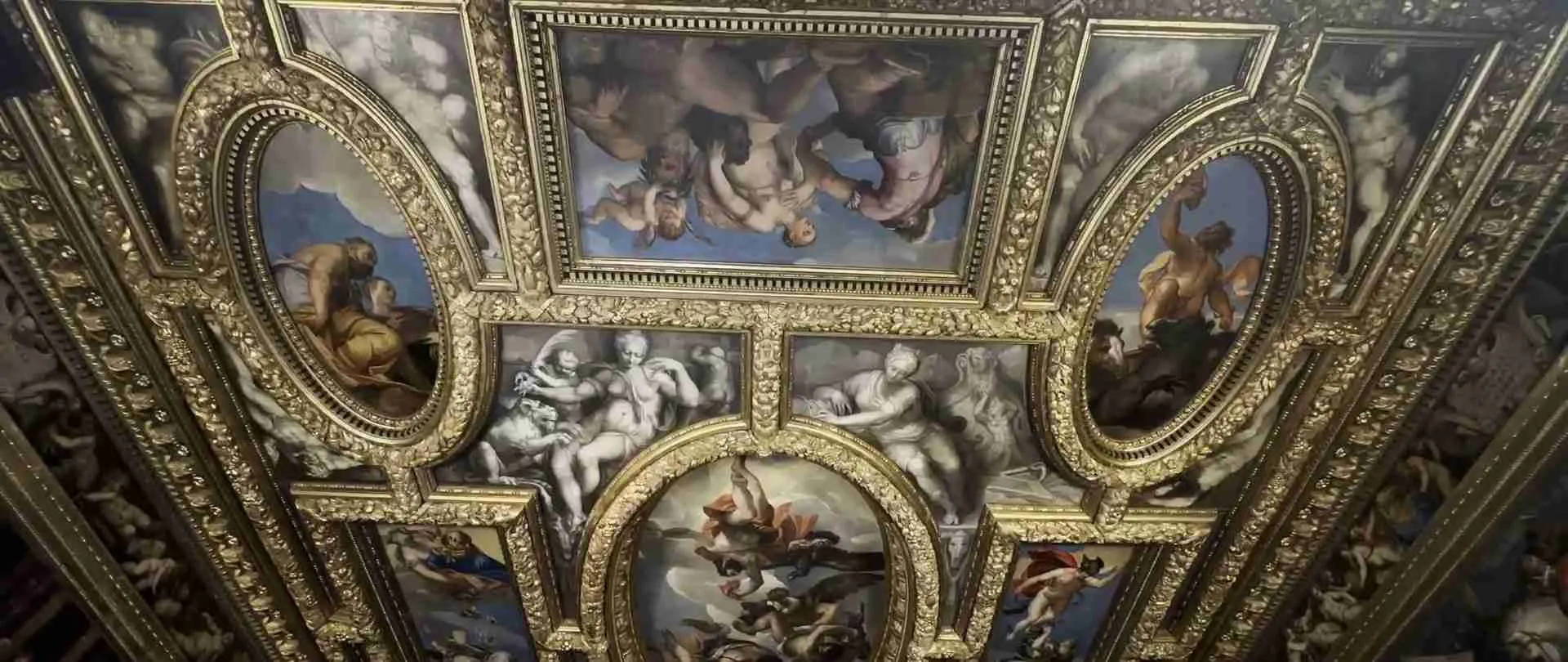
Doge’s Palace served as the Venetian Republic’s government seat from the 9th century through Napoleon’s 1797 conquest, housing the Doge’s private apartments, Great Council chamber where 1,200 nobles legislated, judicial courts, administrative offices, and state prisons connected by the enclosed Bridge of Sighs. The current Gothic-Renaissance structure dates primarily to 14th-15th century reconstruction following fires, with pink-and-white Istrian stone facade, gilded ceremonial staircase, and rooms decorated by Tintoretto, Veronese, and Titian documenting Venice’s 1,000-year maritime republic at its imperial zenith.
Doge’s Palace Admission Options 2026
St. Mark’s Square Museums combined ticket provides Doge’s Palace access alongside Museo Correr, National Archaeological Museum, and Marciana Library for €35 standard admission or €30 when purchased online at least 30 days before visit. Reduced admission costs €15 for children 6-14, students 15-25, and visitors over 65. This ticket includes the standard palace route through state rooms, Great Council chamber, armory, prisons, and Bridge of Sighs, but does not cover Secret Itineraries or Doge’s Hidden Treasures special tours.
Secret Itineraries guided tour costs €40 standard admission (€20 reduced), including 75-minute small-group tour through restricted areas—administrative offices, torture chamber, leads prisons, Casanova’s cell—plus independent access to main palace route, Correr Museum, Archaeological Museum, and Marciana Library afterward. Tours depart daily at 9 AM and 9:30 AM in English, requiring advance online booking as group sizes limit to 20 participants. The Doge’s Hidden Treasures tour costs €40 standard (€20 reduced), exploring recently restored private chapels and devotional art in the Doge’s living quarters.
Third-party guided tours with skip-the-line access typically cost €64-85, bundling Doge’s Palace with St. Mark’s Basilica or providing 2-hour historian-led experiences. These tours deliver contextual interpretation beyond audio guides but don’t necessarily reduce actual queue time compared to online-purchased timed tickets, as security screening remains mandatory for all visitors.
Visiting Doge’s Palace: Practical Guidance 2026
Palace visits require 90-120 minutes for the standard route through approximately 30 rooms across three floors. Early morning arrival at 9 AM opening or late afternoon after 4 PM provides best crowd avoidance during April-October peak season. Extended Friday and Saturday summer hours (May 1-September 26) to 11 PM create exceptional opportunities for evening visits in smaller crowds, particularly valuable for photography without tour groups blocking compositions.
Standard route begins at Censors’ Staircase entry from waterfront arcade, ascending to second-floor institutional rooms via the golden Scala d’Oro ceremonial staircase. Highlights include the Great Council Hall—53 meters long, Europe’s largest medieval assembly space—displaying Tintoretto’s Paradise, the Doge’s Apartments with 16th-century furnishings and Titian works, the Senate Chamber and Council of Ten meeting rooms, the massive Armory collection spanning the republic’s military history, and the New Prisons accessible via the enclosed Bridge of Sighs where condemned prisoners glimpsed Venice a final time through stone grilles.
Audio guides cost €5 additional and provide room-by-room commentary in multiple languages, valuable for understanding the complex governmental structure represented by specialized council chambers. Large bags exceeding 1 meter total dimensions across three sides are prohibited; free cloakroom service handles storage for admitted items. Photography without flash is permitted throughout palace areas for personal use. Wheelchair accessibility covers most ground and first floor rooms, though second-floor Great Council chamber and some areas require stair access with alternative routes available.
Doge’s Palace Secret Itineraries 2026
Secret Itineraries tours access restricted areas closed to general admission ticket holders, revealing the Venetian Republic’s administrative machinery and judicial operations. The 75-minute small-group experience begins in chambers where the chancellery processed documents, moves through the torture chamber displaying instruments used for interrogations, enters the leads prisons directly under the roof where summer heat and winter cold created harsh conditions, and visits Casanova’s cell commemorating the famous libertine’s 1756 imprisonment and legendary escape.
Tours require moderate physical capability, involving numerous staircases including narrow passages and low ceiling clearances in prison areas. The experience provides unique access to Venice’s institutional history beyond the ceremonial splendor of state rooms, examining the republic’s intelligence services, legal procedures, and prison conditions. Advanced booking proves essential, as tours limit to 20 participants and sell out weeks ahead during peak season. Tours depart at 9 AM and 9:30 AM daily, available in English with Italian and French tours on select days.
Museo Correr 2026: Venetian Civic History
Museo Correr occupies the Napoleon Wing and Procuratie Nuove surrounding St. Mark’s Square’s western and southern arcades, documenting Venice’s political institutions, daily life, and artistic traditions through numismatics, civic regalia, maps, paintings, and Canova neoclassical sculptures. Founded on Teodoro Correr’s 1830 bequest to Venice, the museum combines historical collections on the second floor with Quadreria painting gallery on the third floor displaying Venetian and international works from Byzantine through Renaissance periods.
Museo Correr Collections and Highlights 2026
Historical rooms on the second floor document the Venetian Republic’s governmental structure, maritime power, and social customs through original documents, ceremonial objects, nautical instruments, armor, and reconstructed environments. The Doge’s ceremonial vestments and corno ducale distinctive horn-shaped cap demonstrate the office’s symbolic importance, while relief maps show Venice’s 15th-century trading empire spanning the eastern Mediterranean.
The Canova rooms display Antonio Canova’s neoclassical sculptures in dedicated galleries, including his masterwork Orpheus and Eurydice alongside portrait busts and mythological groups that established Canova as early 19th century Europe’s preeminent sculptor. The museum commissioned replica versions of works scattered in international collections, creating Venice’s most comprehensive Canova assembly.
Quadreria galleries on the third floor trace Venetian painting from Byzantine-influenced works through Renaissance masters. Highlights include Carpaccio’s Two Venetian Ladies (known as The Courtesans though likely depicting respectable noblewomen), providing rare glimpse of contemporary costume and domestic interiors, Antonello da Messina’s Dead Christ Supported by Angels, and Giovanni Bellini’s Crucifixion demonstrating his revolutionary approach to landscape and light.
Visiting Museo Correr 2026
Correr admission comes bundled with Doge’s Palace through the St. Mark’s Square Museums ticket (€35 standard, €30 with 30-day advance purchase, €15 reduced), eliminating separate ticketing. Most visitors access Correr after Doge’s Palace using the same ticket, though Correr’s separate Ala Napoleonica entrance from St. Mark’s Square allows direct entry.
Museum visits require 60-90 minutes for core collections, extendable to 2+ hours for painting enthusiasts closely examining the Quadreria. The museum attracts significantly fewer visitors than Doge’s Palace despite shared ticketing, creating more comfortable viewing conditions. Extended summer Friday and Saturday hours to 11 PM (May 1-September 26) apply to Correr alongside Doge’s Palace, offering exceptional evening access to painting galleries.
Correr Café operates within the museum, providing terrace seating overlooking St. Mark’s Square—one of Venice’s few opportunities to enjoy caffè or aperitivo with direct square views without paying premium café table prices in the arcade below.
Gallerie dell’Accademia 2026: Venetian Painting Treasury
Gallerie dell’Accademia houses the world’s premier collection of Venetian painting spanning Byzantine 14th-century gold-ground panels through 18th-century vedute, displayed chronologically across 24 rooms in the former Scuola Grande della Carità complex. The collection documents Venice’s distinctive chromatic tradition from Bellini family innovations through Giorgione’s mysterious poetics, Titian’s dramatic compositions, Tintoretto’s spiritual intensity, Veronese’s decorative brilliance, and Canaletto’s precise architectural views that defined the Venetian school’s 500-year evolution.
Accademia Masterwork Highlights 2026
Room 1 presents 14th-century Venetian painting showing Byzantine influence through gold backgrounds, hierarchical figure scales, and religious iconography in Paolo Veneziano’s Coronation of the Virgin. The transition to Renaissance naturalism appears in Room 2 with Giovanni Bellini’s altarpieces demonstrating revolutionary attention to light, landscape, and human emotion.
Giorgione’s The Tempest in Room 5 exemplifies the Venetian High Renaissance through its enigmatic subject matter—a nursing woman, standing soldier, and approaching storm painted with unprecedented atmospheric effects—that has generated 500 years of scholarly interpretation without definitive explanation. The work’s mysterious narrative and revolutionary landscape treatment influenced generations of Venetian painters.
Titian’s final masterwork Pietà occupies Room 10, depicting the aged artist’s meditation on mortality through expressionistic brushwork and dramatic chiaroscuro completed months before his 1576 plague death. Veronese’s monumental Feast in the House of Levi in Room 10 demonstrates his decorative genius across a 13-meter canvas originally commissioned as Last Supper but renamed after Inquisition objections to irreverent details like dwarfs, dogs, and German soldiers attending Christ’s final meal.
Room 20 displays large-scale narrative cycles from Venetian scuole grandi (confraternities), including Gentile Bellini’s Procession in Piazza San Marco showing the square’s 15th-century appearance before Renaissance renovations, and Carpaccio’s Legend of Saint Ursula series recounting the British princess’s pilgrimage to Rome through nine paintings combining religious narrative with vivid architectural settings and costume details.
Room 23, housed in the former church, presents the Accademia’s most concentrated masterwork assemblage including Titian’s Presentation of the Virgin ascending monumental stairs, Bellini altarpieces, and Tintoretto works in the serene Gothic space with original architectural elements and ceiling frescoes preserved.
Accademia Admission and Planning 2026
Standard admission costs €15 during temporary exhibition periods and €12 for permanent collection only, with €2 reduced admission for EU citizens aged 18-25. Free admission first Sunday monthly aligns with Italian state museum policy. Online booking adds €1.50 reservation fee but guarantees timed entry slot, essential during peak April-October season when walk-up visitors face 30-90 minute queues or capacity closures during busiest periods.
The museum operates Monday through Sunday 8:15 AM to 7:15 PM, with ticket office closing 6:15 PM. Tuesday closing applies year-round except when coinciding with national holidays, when the museum shifts its weekly closure to accommodate visitors. Proper visits require minimum 1.5-2 hours to engage core masterworks without rushing, expandable to 3-4 hours for comprehensive viewing of all 24 rooms.
The Accademia Bridge vaporetto stop provides direct access via Lines 1 and 2, positioning the museum ideally for Dorsoduro district exploration combining Peggy Guggenheim Collection, Ca’ Rezzonico, and Scuola Grande dei Carmini in a single day. The museum’s Dorsoduro Museum Mile participation provides reciprocal discounts for ticket holders visiting other participating institutions.
Leonardo’s Vitruvian Man Special Exhibitions 2026
The Accademia’s Drawings and Prints Cabinet houses Leonardo da Vinci’s Vitruvian Man, the iconic 1490 pen and ink study of human proportions inscribed within circle and square demonstrating Renaissance interest in classical geometry and ideal human form. Conservation requirements severely limit the drawing’s exhibition—typically displayed only during special Leonardo exhibitions occurring every 3-5 years for several weeks maximum before returning to climate-controlled storage.
The Vitruvian Man is not on permanent display and will not be visible during most 2026 visits unless Accademia announces a specific Leonardo exhibition. Visitors specifically interested in viewing this work should check the museum’s official website exhibition calendar before planning their Venice trip, as casual visitors expecting to see the Vitruvian Man during standard admission will be disappointed by its absence from regular galleries.
Peggy Guggenheim Collection 2026: Modernist Grand Canal Palazzo
Peggy Guggenheim Collection occupies Palazzo Venier dei Leoni on the Grand Canal in Dorsoduro, presenting Europe’s premier assembly of 20th-century modern art within the American heiress’s former residence where she lived 1949-1979 and displayed works by artists she befriended, collected, and championed. The permanent collection spans Cubism, Futurism, Metaphysical painting, Surrealism, and Abstract Expressionism through approximately 300 masterworks by Picasso, Braque, Duchamp, Kandinsky, Mondrian, Miró, Dalí, Magritte, Ernst, de Kooning, and Pollock alongside temporary exhibitions exploring modern art movements and individual artists.
Collection Highlights 2026
Picasso’s The Poet and Braque’s The Clarinet demonstrate Cubism’s analytical phase fragmenting objects into geometric planes and multiple viewpoints. Duchamp’s Sad Young Man in a Train shows his transitional period between Cubism and the conceptual readymades that revolutionized 20th-century art. Kandinsky’s Landscape with Red Spots No. 2 and White Cross exemplify his progression toward pure abstraction eliminating representational subject matter.
Mondrian’s Composition No. 1 with Grey and Light Brown presents his signature neoplastic grid of black lines and primary colors pursuing universal harmony through geometric reduction. Ernst’s The Kiss and Attirement of the Bride reveal Surrealist fascination with sexuality, metamorphosis, and unconscious imagery through dreamlike juxtapositions and biomorphic forms.
Jackson Pollock’s drip paintings including Alchemy and Enchanted Forest represent Abstract Expressionism’s radical break from easel painting through his revolutionary all-over compositional approach created by dripping and pouring paint directly onto canvas laid on the floor. Guggenheim’s early recognition and promotion of Pollock proved crucial to his career before international fame.
The Nasher Sculpture Garden displays works by Giacometti, Moore, Arp, and Holzer arranged among the palazzo’s greenery with Grand Canal views, while Marino Marini’s equestrian bronze Angel of the Citadel prominently faces the canal from the entrance terrace. The Schulhof Collection, displayed in dedicated galleries, adds 80 postwar Italian and American works expanding coverage through 1960s-70s.
Visiting Guggenheim Collection 2026
Standard admission costs €18 for adults in 2026, covering all permanent collection galleries, temporary exhibitions, sculpture garden, and Schulhof Collection. Family tickets offer exceptional value at €25 for two adults plus unlimited children under 18. Reduced admission applies to students aged 18-26 with valid international student cards, seniors over 65, and holders of valid tickets from Dorsoduro Museum Mile partner institutions (Accademia, Palazzo Cini, Palazzo Grassi, Punta della Dogana).
The museum operates Wednesday through Monday 10 AM to 6 PM with last admission 5:15 PM. Tuesday closing applies year-round. Free admission every Thursday 2-6 PM for Venice residents and Venetian university students with documentation. Online advance booking guarantees timed entry slot and eliminates queuing, essential during Art Biennale April-October season when capacity limits of 100 simultaneous visitors frequently close walk-up admission.
Proper visits require 2-3 hours for comprehensive permanent collection viewing, temporary exhibition exploration, sculpture garden contemplation, and terrace enjoyment overlooking the Grand Canal. Audio guides cost €7 additional and provide room-by-room artwork commentary. Personalized guided tours available at museum ticket office for €7 in Italian, English, French, German, and Spanish deliver more contextual depth than self-guided audio experience.
The museum café serves light meals and drinks with sculpture garden seating. Museum shop offers extensive modern art publications, exhibition catalogs, and design objects. Wheelchair accessibility covers all galleries and public spaces including garden and terrace.
Ca’ Rezzonico 2026: 18th Century Venetian Splendor
Ca’ Rezzonico recreates aristocratic Venetian life during the republic’s final artistic flowering through period rooms with original furnishings, Tiepolo frescoes, Longhi genre paintings, and decorative arts displayed across the Grand Canal palazzo’s four floors. Completed 1756 for the Rezzonico family who produced Pope Clement XIII, the baroque palace passed through various ownership before becoming the Museum of 18th Century Venice in 1936, preserving intact environments demonstrating the sophisticated theatrical culture that characterized Venice’s political decline and artistic zenith.
Ca’ Rezzonico Highlights and Collections 2026
The ballroom on the piano nobile features Tiepolo ceiling fresco celebrating the Rezzonico-Savorgnan marriage alliance through allegorical figures floating in trompe l’oeil architectural framework, demonstrating the period’s taste for illusionistic decoration transforming enclosed spaces into open heavens. Adjacent salons display period furniture, Murano glass chandeliers, lacquered chinoiserie cabinets, and ornate mirrors reflecting Venetian aristocratic luxury.
Pietro Longhi gallery presents his intimate genre scenes documenting Venetian daily life—masked balls, rhinoceros exhibitions, chocolate drinking rituals, musical performances—through small-scale paintings that provide invaluable social history glimpses of customs, costumes, and entertainments. Canaletto’s Grand Canal views demonstrate his precise architectural rendering and atmospheric light effects that made vedute paintings sought after by Grand Tour travelers.
The pharmacy on the third floor recreates an 18th-century apothecary with original ceramic drug jars, measuring instruments, and preparation equipment from the Ai do San Marchi pharmacy. The top floor picture gallery displays earlier Venetian works supplementing the primarily 18th-century focus, while the Egidio Martini Collection presents Venetian painting from 1800s-1900s tracking the city’s artistic development beyond the republic’s fall.
Visiting Ca’ Rezzonico 2026
Ca’ Rezzonico participates in the Venice Museum Pass and several combined tickets. Independent admission costs €12 standard, €8 reduced. The 18th Century Museums combined ticket costs €18, bundling Ca’ Rezzonico with Palazzo Mocenigo costume museum and Carlo Goldoni’s House for comprehensive period immersion. The museum operates April-October 10 AM to 6 PM, November-March 10 AM to 5 PM, closed Tuesdays year-round.
Museum visits require 90-120 minutes for complete floor-by-floor exploration, emphasizing immersive environment experience over individual artwork examination. The Ca’ Rezzonico vaporetto stop on Line 1 provides direct Grand Canal access, positioning the museum conveniently for Dorsoduro neighborhood touring. Audio guides available in multiple languages enhance understanding of room functions, artistic techniques, and historical context.
Ca’ Pesaro 2026: Modern Art and Oriental Collections
Ca’ Pesaro houses Venice’s International Gallery of Modern Art and Oriental Art Museum within a baroque Grand Canal palazzo completed 1710 for the Pesaro family. The modern art collection focuses on Italian painting and sculpture from late 19th through mid-20th centuries, supplemented by international works including Klimt, Chagall, Kandinsky, and Moore, while the Oriental Museum displays Japanese Edo period art collected by Prince Henry of Bourbon-Parma during 1887-1889 Asian travels.
Ca’ Pesaro Modern Art Highlights 2026
Gustav Klimt’s Judith II (1909) exemplifies his golden period decorative symbolism through the biblical heroine depicted with characteristic ornamental patterns, expressive face, and sensual treatment. Acquired at the 1910 Venice Biennale, the work anchors Ca’ Pesaro’s small but significant international modern art holdings demonstrating Venice’s engagement with early 20th-century avant-garde movements.
The Italian collections emphasize Venice Biennale acquisitions spanning 1895 onward, documenting Italian artistic developments through symbolism, futurism, metaphysical painting, and postwar abstraction. Medardo Rosso sculptures demonstrate his wax modeling technique creating atmospheric impressionistic effects anticipating modern sculptural approaches. Arturo Martini works show his transition from decorative ceramics through monumental figuration to expressive primitivism.
Oriental Art Museum Collections 2026
The Oriental Museum on Ca’ Pesaro’s top floor displays approximately 30,000 Japanese art objects collected by Prince Henry of Bourbon-Parma during his 1887-1889 Asian journey, donated to Venice in 1889. Holdings include Edo period armor, swords, lacquerware, ceramics, textiles, and paintings providing comprehensive overview of Japanese artistic traditions during the period immediately preceding Meiji modernization.
Visiting Ca’ Pesaro 2026
Ca’ Pesaro participates in the Venice Museum Pass. Independent admission costs €12 standard, €8 reduced, covering both modern art and oriental collections. The Modern Art Museums combined ticket costs €15, bundling Ca’ Pesaro with Fortuny Museum and MUVEC for contemporary art exploration across multiple venues. The museum operates April-October 10 AM to 6 PM, November-March 10 AM to 5 PM, closed Mondays year-round.
Combined visits to modern art and oriental collections require 90-120 minutes. The San Stae vaporetto stop provides access via short walk through Santa Croce district. Most visitors prioritize modern art galleries, making the oriental collection less crowded despite its comprehensive Japanese art holdings.
Scuola Grande di San Rocco 2026: Tintoretto’s Painted Bible
Scuola Grande di San Rocco preserves Tintoretto’s complete decorative cycle of approximately 50 biblical paintings executed 1564-1587 across the confraternity’s meeting halls, creating Venice’s most concentrated single-artist monumental painting ensemble. The scuola (religious confraternity) dedicated to plague saint San Rocco commissioned Tintoretto for ceiling and wall paintings depicting Old Testament, New Testament, and Passion scenes that demonstrate his dramatic compositions, intense spirituality, and revolutionary treatment of light across 23 years of sustained creative output.
Tintoretto Cycle Highlights 2026
Upper Hall ceiling paintings present Old Testament scenes including Moses Striking Water from the Rock and The Brazen Serpent demonstrating Tintoretto’s mastery of foreshortened figures viewed from below, creating dynamic compositions through diagonal thrust and dramatic contrasts of light and shadow. The Crucifixion wall painting measuring 12 × 5 meters ranks among Tintoretto’s supreme achievements, depicting Calvary as cosmic drama with Christ’s cross surrounded by chaotic crowds, grieving figures, and executioners rendered through expressionistic brushwork and theatrical lighting.
Ground floor Sala Terrena paintings focus on New Testament and Mary’s life through Annunciation, Adoration of the Magi, Flight into Egypt, and Massacre of the Innocents. These later works demonstrate Tintoretto’s increasingly free brushwork and mystical light effects creating dreamlike spiritual atmospheres.
The Albergo (board room) houses Tintoretto’s 1564 competition entry San Rocco in Glory that won him the commission, alongside Passion scenes including Christ Before Pilate demonstrating his early mature style before the more expressionistic later works.
Visiting Scuola Grande di San Rocco 2026
Independent admission costs €12 standard with no museum pass coverage, as San Rocco operates as private confraternity rather than state or civic institution. Audio guides cost €3 additional and provide essential painting identification and interpretation given the complex biblical iconography and architectural integration. Operating hours run daily 9:30 AM to 5:30 PM with last admission 5 PM.
Comprehensive viewing requires 60-90 minutes minimum given the cycle’s scale and complexity. Handheld mirrors provided for ceiling painting viewing without neck strain. San Tomà vaporetto stop provides convenient access in San Polo district adjacent to Frari church, allowing combined visits to Venice’s two premier Tintoretto and Titian repositories.
Unlike other Venetian museums where masterworks scatter across multiple rooms, San Rocco concentrates Tintoretto’s genius in confined space allowing comparison of early, middle, and late works demonstrating his stylistic evolution while maintaining thematic and architectural unity. The experience delivers immersive single-artist environment comparable to Sistine Chapel for Michelangelo.
Island Museums 2026: Murano Glass and Burano Lace
Venice’s island museums document traditional crafts that defined lagoon communities’ economic and cultural identities through centuries of specialized production. The Glass Museum in Murano and Lace Museum in Burano preserve comprehensive collections of historical masterworks alongside contemporary production, contextualizing the artisan techniques and design evolution that made Venetian glassmaking and lacemaking internationally renowned luxury goods.
Glass Museum Murano 2026
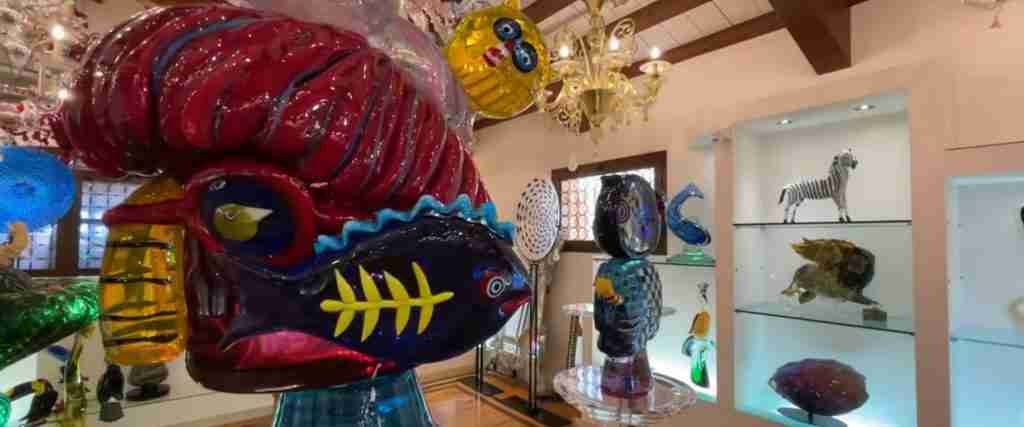
Glass Museum occupies Palazzo Giustinian, the former bishops of Torcello residence on Murano, displaying the world’s largest historical Murano glass collection spanning 15th through 20th centuries. Holdings document the technical innovations and decorative styles that established Murano as Europe’s premier glassmaking center following the 1291 decree relocating Venice’s glass furnaces to the island for fire safety.
Renaissance glass demonstrates cristallo clarity innovation, lattimo milk-white glass imitating porcelain, and aventurine gold-flecked glass invented through accidental copper inclusion. Baroque period chandeliers, mirrors, and tableware showcase increasingly elaborate decorative techniques including diamond-point engraving, gilt decoration, and multicolored filigree work. 19th-century historicist glass revives earlier styles through archaeological research and technical experimentation, while 20th-century sections document modern artists’ collaborations with Murano furnaces producing abstract sculptural works.
The museum operates Monday, Tuesday, Thursday through Sunday 10 AM to 6 PM November-March and 10 AM to 7 PM April-October, closed Wednesdays year-round. Admission included in Venice Museum Pass, or Island Museums combined ticket (€12) covering Glass Museum, Lace Museum in Burano, and Torcello Museum. Independent admission €12 standard, €8 reduced. Vaporetto Lines 4.1, 4.2, and 12 serve Murano from Venice, with Museo stop providing direct access. Museum visits require 45-75 minutes, extendable when combined with furnace demonstrations at nearby active glassworks.
Lace Museum Burano 2026
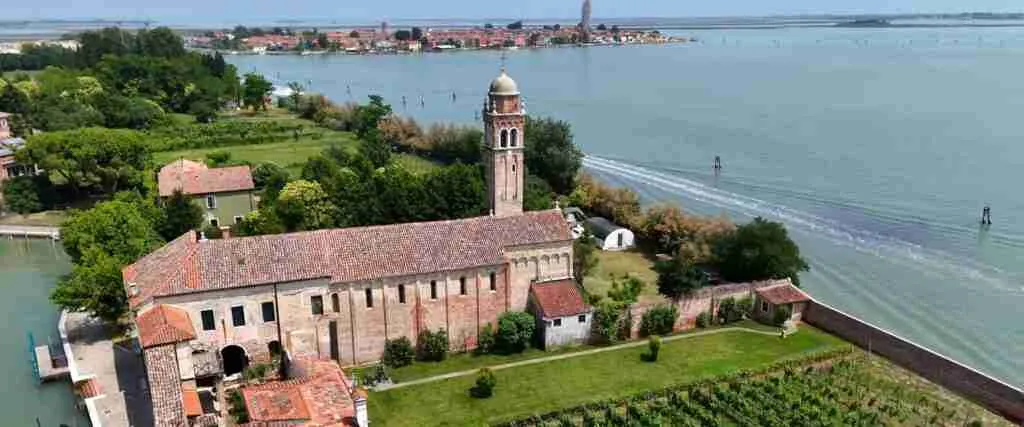
Lace Museum in Burano’s former lacemaking school documents the needle lace tradition that made Burano synonym for luxury textiles across European aristocratic and ecclesiastical markets during 16th-18th centuries. The collection displays historical lace from Renaissance through 20th century alongside tools, pattern books, and documentation of techniques passed through generations of specialist needleworkers.
Punto in aria (stitches in air) technique exemplifies Burano lace’s delicacy, creating dimensional floral and geometric patterns through hundreds of hours of meticulous handwork by multiple lacemakers each specializing in specific pattern elements. The museum’s live demonstrations show contemporary lacemakers maintaining traditional methods, though production volumes have declined dramatically from historical levels when thousands of island women engaged in lacemaking for international export.
The museum operates Tuesday through Sunday 10 AM to 6 PM April-October and 10 AM to 5 PM November-March, closed Mondays year-round. Admission included in Venice Museum Pass or Island Museums combined ticket. Independent admission €5 standard. Vaporetto Line 12 serves Burano from Venice with 40-45 minute journey time. Museum visits require 30-45 minutes, typically combined with Burano’s colorful house photography, local restaurants, and potential Torcello extension.
Smaller Venice Museums and Specialized Collections 2026
Beyond Venice’s major museums, numerous smaller institutions offer specialized collections, historic environments, and niche topics attracting visitors with particular interests or seeking less-crowded cultural experiences.
Palazzo Mocenigo Costume and Perfume Museum 2026
Palazzo Mocenigo in Santa Croce presents costume history and perfume traditions through period rooms in the former Mocenigo family residence. The textile and costume collection documents Venetian fashion from 16th through 20th centuries via garments, accessories, and fabric samples. The perfume section explores Venice’s historical role in spice and aromatics trade through scent laboratory displaying raw materials, distillation equipment, and perfume bottles.
Admission included in Venice Museum Pass or 18th Century Museums combined ticket (€18) with Ca’ Rezzonico and Carlo Goldoni’s House. Independent admission €8 standard, €5.50 reduced. Operating hours April-October 10 AM to 5 PM, November-March 10 AM to 4 PM, closed Wednesdays. San Stae vaporetto stop provides access. Visits require 45-60 minutes.
Fortuny Museum 2026
Fortuny Museum occupies Palazzo Pesaro degli Orfei, the Gothic palazzo transformed by Spanish artist Mariano Fortuny into combined residence, photography studio, textile workshop, and painting atelier early 20th century. The museum preserves Fortuny’s eclectic environment displaying his paintings, photographs, theatrical stage designs, lamps, and the pleated silk Delphos gowns that made him internationally famous fashion designer.
Admission included in Venice Museum Pass or Modern Art Museums combined ticket (€15) with Ca’ Pesaro and MUVEC. Independent admission €12 standard, €8 reduced. Operating hours Wednesday-Monday 10 AM to 6 PM, closed Tuesdays. Campo San Beneto location requires walking from Rialto or Sant’Angelo vaporetto stops. Visits require 45-75 minutes, valuable for design history and turn-of-century artistic lifestyle insight.
Natural History Museum 2026
Natural History Museum Giancarlo Ligabue occupies Fondaco dei Turchi, a 13th-century Byzantine-style warehouse on the Grand Canal housing paleontology, zoology, and natural science collections. Highlights include dinosaur fossils, lagoon ecosystem displays, and historical natural history specimens documenting Venice’s scientific traditions.
Admission included in Venice Museum Pass. Independent admission €8 standard, €5.50 reduced. Operating hours June-September 10 AM to 6 PM, October-May 9 AM to 5 PM, closed Mondays. San Stae vaporetto stop provides access. Visits require 60-90 minutes, particularly engaging for families with children given interactive displays and dinosaur exhibits.
National Archaeological Museum Venice 2026
National Archaeological Museum occupies rooms in St. Mark’s Square Procuratie Nuove adjacent to Correr Museum, displaying Greek and Roman sculptures, coins, gems, and bronzes assembled from various Venetian collections. The compact museum provides classical art context for Venice’s Byzantine and Renaissance traditions.
Admission bundled with Doge’s Palace through St. Mark’s Square Museums ticket (€35 standard, €30 advance purchase). The museum connects internally to Correr Museum and Marciana Library, allowing fluid movement between institutions without re-entry procedures. Visits require 30-45 minutes, typically integrated with Correr rather than separate destination.
Marciana National Library Monumental Rooms 2026
Marciana Library Monumental Rooms in Procuratie Nuove showcase Sansovino’s Renaissance reading rooms with Veronese and Titian ceiling paintings celebrating wisdom and learning. The library founded 1468 houses Venice’s most important manuscript and rare book collections, though working library areas remain closed to tourists with only ceremonial rooms accessible.
Admission bundled with St. Mark’s Square Museums ticket. The reading rooms provide architectural and decorative counterpoint to Doge’s Palace governmental spaces, demonstrating the Venetian Republic’s intellectual culture alongside political power. Visits require 20-30 minutes, integrated with Doge’s Palace and Correr circulation.
Museum Pass Alternatives and Combined Tickets 2026
Beyond the comprehensive Venice Museum Pass, several targeted combined tickets and reciprocal discounts provide savings for visitors with specific museum priorities or limited Venice time.
St. Mark’s Square Museums Ticket 2026
St. Mark’s Square Museums combined ticket costs €35 standard admission (€30 with 30-day advance online purchase, €15 reduced), providing access to Doge’s Palace, Museo Correr, National Archaeological Museum, and Monumental Rooms of Marciana Library. Valid for three months with single entry to each venue, the ticket delivers exceptional value for visitors prioritizing Venice’s governmental and civic core while skipping outlying museums.
This ticket forms the foundation for most Venice museum strategies, as Doge’s Palace ranks among Italy’s most visited attractions and the combined St. Mark’s Square package costs just €5 more than hypothetical Doge’s Palace standalone admission. Purchasing 30 days advance reduces cost to €30, making the €40 Venice Museum Pass worthwhile only when planning at least two additional civic museum visits beyond the St. Mark’s Square group.
Thematic Combined Tickets 2026
18th Century Museums ticket (€18 standard, €12 reduced) combines Ca’ Rezzonico, Palazzo Mocenigo, and Carlo Goldoni’s House for focused immersion in Venice’s final artistic flowering. The ticket suits visitors particularly interested in rococo decorative arts, costume history, and theatrical traditions without desiring comprehensive museum coverage.
Modern Art Museums ticket (€15 standard, €10 reduced) bundles Ca’ Pesaro, Fortuny Museum, and MUVEC for 19th-20th century art exploration across three venues. Island Museums ticket (€12 standard, €8 reduced) covers Glass Museum in Murano, Lace Museum in Burano, and Torcello Museum for traditional crafts focus requiring lagoon vaporetto excursions.
Dorsoduro Museum Mile Reciprocal Discounts 2026
Dorsoduro Museum Mile partnership between Gallerie dell’Accademia, Palazzo Cini, Peggy Guggenheim Collection, Palazzo Grassi, and Punta della Dogana provides reduced admission at any four partner institutions when presenting valid ticket from the fifth. The reciprocity encourages concentrated Dorsoduro district touring along the Grand Canal’s south bank where these museums cluster within 15-minute walks.
Ticket holders at any participating museum receive specific percentage discounts at the others rather than fixed combined ticket pricing, creating flexible exploration allowing spontaneous additions based on available time and energy. The arrangement particularly benefits visitors prioritizing modern and contemporary art, as Guggenheim, Palazzo Grassi, and Punta della Dogana collectively present 20th-21st century holdings rivaling any European city despite Venice’s Renaissance reputation.
Strategic Museum Planning for 2026 Venice Visits
Maximizing museum experiences while minimizing frustration and cost requires matching ticket strategies, timing approaches, and venue selection to your specific interests, available time, and budget parameters.
Multi-Day Visitors 3-5 Days in Venice 2026
Purchase the Venice Museum Pass (€40 adult, €22 reduced) for 3+ day stays planning comprehensive cultural exploration. Dedicate one full day to St. Mark’s Square area covering Doge’s Palace, Correr Museum, Archaeological Museum, and Marciana Library in single session, then spread remaining civic museums across subsequent days based on district touring patterns.
Add Gallerie dell’Accademia (€15) and Peggy Guggenheim Collection (€18) as separate admissions, as both institutions merit dedicated 2-3 hour visits and fall outside Museum Pass coverage. Consider Scuola Grande di San Rocco (€12) for Tintoretto cycle completion. Total museum budget: €40 Museum Pass plus €45 for Accademia, Guggenheim, and San Rocco equals €85 for Venice’s essential museum tier.
Distribute visits across morning and late afternoon slots, avoiding midday crowds while using peak hours for non-museum activities like market visits, neighborhood exploration, or lunch breaks. Extended summer Friday-Saturday evening hours (May-September) provide exceptional Doge’s Palace and Correr opportunities in dramatically smaller crowds.
Short Visits 1-2 Days in Venice 2026
Skip the Museum Pass for brief stays lacking time for three civic museum visits justifying the €40 cost. Purchase St. Mark’s Square Museums ticket (€35, or €30 with advance booking) covering Doge’s Palace, Correr, Archaeological Museum, and Marciana Library, then selectively add one major independent museum—either Accademia (€15) for Renaissance painting or Guggenheim (€18) for modern art depending on personal preference.
Total museum budget €45-53 provides comprehensive coverage of Venice’s two greatest museum experiences (Doge’s Palace governmental splendor and either Accademia Venetian masters or Guggenheim modernist collection) without overspending on venues you won’t have time to visit. Reserve Scuola Grande di San Rocco, Ca’ Rezzonico, and other secondary museums for future Venice returns rather than attempting exhaustive coverage during short stay.
Budget-Conscious Strategies 2026
Utilize free admission days for maximum savings. First Sunday monthly provides free entry to all Italian state museums including Gallerie dell’Accademia. Civic museums offer free Musei in Festa days for Venice metropolitan area residents (January 11, February 8, March 15, April 16, May 14, June 11, 2026 scheduled dates). Peggy Guggenheim Collection provides free Thursday afternoon 2-6 PM admission for Venice residents and Venetian university students.
Purchase the €30 St. Mark’s Square Museums advance ticket for core experience, add free Basilica di San Marco admission (though Pala d’Oro, Treasury, and Museum require paid entry), and limit additional spending to single highest-priority museum from Accademia or Guggenheim. Walk neighborhood churches like Frari and Santi Giovanni e Paolo viewing significant artworks free, supplementing museum visits with non-admission cultural experiences.
Total minimum museum budget: €30 St. Mark’s Square advance ticket provides essential Doge’s Palace and three additional museums, expandable to €45-48 adding Accademia or Guggenheim based on available funds and time.
Art History Specialists and Museum Completists 2026
Purchase Venice Museum Pass (€40) for civic museums access, add Accademia (€15), Guggenheim (€18), and San Rocco (€12) for independent major institutions, then systematically visit all included venues plus smaller church museums and scuole. Consider Chorus Pass (€14 adult) providing access to 16 Venice churches including Frari, Madonna dell’Orto, and San Sebastiano for comprehensive ecclesiastical art coverage complementing civic and private collections.
Allocate 5-7 full days for exhaustive museum touring including all Museum Pass venues, major independents, church museums, and specialized collections like Palazzo Grimani or Museo di Palazzo Fortuny. Plan logistically by district to minimize vaporetto time between scattered venues. Total comprehensive museum budget approximately €100-120 depending on specific inclusions.
Online Booking and Advance Purchase Strategies 2026
Advance online ticket purchase eliminates uncertainty about capacity closures, guarantees preferred time slots, and provides skip-the-line benefits at heavily visited venues, though effectiveness varies by museum and implementation details.
When Online Booking Proves Essential 2026
Gallerie dell’Accademia and Peggy Guggenheim Collection enforce strict capacity limits of approximately 100-150 simultaneous visitors, creating frequent walk-up closures during peak April-October season when online reservations sell out days or weeks ahead. Online booking guarantees admission at your preferred time versus gamble on walk-up availability that may result in 90-minute waits, inconvenient time slots, or complete closure.
Art Biennale period April 25-October 19, 2026, drives exceptional museum attendance as international contemporary art visitors supplement regular Venice tourism. During Biennale, advance booking becomes mandatory for comfortable experiences at Accademia, Guggenheim, and Doge’s Palace, with same-day walk-up tickets frequently unavailable at Accademia and Guggenheim by mid-morning.
Major holidays, Carnival week, summer weekends, and Venetian festival periods (Redentore third Sunday July, Festa della Madonna della Salute November 21) create attendance spikes making online booking valuable even for normally manageable venues like Ca’ Rezzonico or Ca’ Pesaro.
Skip-the-Line Reality Check 2026
Online tickets marketed as skip-the-line reduce ticket office queuing but do not eliminate mandatory security screening affecting all Doge’s Palace and Correr Museum visitors regardless of ticket type. During peak periods, security lines consume 15-30 minutes regardless of whether you purchased tickets online or wait at the ticket office, as security checkpoints process the same volume of visitors through identical screening procedures.
True skip-the-line advantage appears at ticket offices not security checkpoints. Online purchases eliminate the separate queue for ticket purchase, sending you directly to security screening or entrance validation, saving 10-45 minutes during busy periods when ticket office lines extend considerably. At less-visited museums like Fortuny or Natural History, ticket office queues rarely develop making skip-the-line marketing essentially meaningless.
Advance Purchase Discounts 2026
St. Mark’s Square Museums ticket reduces from €35 to €30 when purchased online at least 30 days before visit, delivering €5 savings for advance planners with firm Venice dates. This discount does not apply to shorter advance booking windows—purchasing 2 weeks ahead maintains full €35 price.
Venice Museum Pass pricing remains fixed at €40 regardless of purchase timing or method. Other museums generally maintain consistent pricing between walk-up and online channels, with €1-2 booking fees offsetting any potential savings.
Seasonal Timing and Crowd Patterns 2026
Museum crowd density varies dramatically by season, day of week, and time of day, with strategic timing delivering markedly superior viewing experiences compared to arriving at peak congestion periods.
Best Times for Venice Museums 2026
November through March (excluding Christmas-New Year weeks and Carnival) provides lightest museum attendance. Venetian winter combines cooler temperatures, potential acqua alta flooding, and shorter daylight hours that deter fair-weather tourists, creating exceptional museum conditions for travelers prioritizing art over beach weather. Museums operate reduced hours November-March (typically 10 AM-5 PM versus 10 AM-6 PM summer) but smaller crowds compensate through comfortable viewing experiences.
Within each day, first-hour admission at 9 AM or 10 AM opening provides best crowd avoidance, particularly at Doge’s Palace and Accademia where tour groups concentrate 10:30 AM-1 PM. Late afternoon final admission slots (typically one hour before closing) create calm environments as visitors depart, though rushed viewing becomes necessary as closing procedures begin.
Extended summer evening hours Friday-Saturday 7-11 PM at Doge’s Palace and Correr Museum (May 1-September 26, 2026) offer extraordinary opportunities for crowd-free evening visits under atmospheric artificial lighting creating dramatically different viewing conditions from daytime experiences. Advance online booking recommended even for evening slots during peak season.
Worst Times for Venice Museums 2026
April through October weekends, particularly May-June and September when weather proves ideal and school groups descend, create maximum museum congestion. Midday periods 11 AM-2 PM concentrate cruise ship excursions, organized tours, and independent visitors overlapping at major venues.
Art Biennale opening weeks late April-early May attract international art world professionals, collectors, and enthusiasts, driving exceptional attendance not just at Biennale venues but across all Venice museums as visitors fill non-Biennale hours with permanent collection touring. Post-Biennale opening, crowds moderate through June before summer peak July-August.
Carnival week February 8-17, 2026, transforms Venice into maximum-capacity tourism destination. Museums stay open extended hours but become extremely crowded throughout operating periods. Easter week (April 17-20, 2026) similarly drives attendance spikes across all cultural venues.
Day of Week Patterns 2026
Tuesday closing at Accademia and most Dorsoduro museums concentrates visitors at remaining open institutions, creating predictably heavy Tuesday attendance at Doge’s Palace and Correr. Wednesday closing at Murano Glass Museum and various smaller civic museums similarly redistributes crowds. Monday closing at Ca’ Pesaro and Natural History Museum affects those specific venues.
Sunday first-of-month free admission at Accademia and other state museums attracts maximum Italian domestic tourism alongside budget-conscious international visitors, creating year-round Sunday attendance peaks. Free admission eliminates reservation requirements, meaning walk-up crowds queue for first-come-first-served entry producing long waits despite zero admission cost.
Museum Accessibility and Visitor Services 2026
Venice’s historic palazzo architecture creates accessibility challenges for visitors with mobility limitations, though major museums provide accommodations and alternative routes where feasible.
Wheelchair Accessibility 2026
Doge’s Palace provides wheelchair access to ground and first floor areas including courtyard, Golden Staircase base, and selected council chambers through elevator and accessible routes. Second floor Great Council Hall and several specialized rooms require stair access without elevator alternatives, limiting comprehensive palace experience for wheelchair users though major highlights remain accessible. Advance notification allows staff to coordinate assistance.
Gallerie dell’Accademia offers wheelchair access to most ground floor galleries and selected first floor rooms via lift, though architectural constraints limit access to upper gallery areas. Peggy Guggenheim Collection provides full wheelchair accessibility across all galleries, garden, and terrace given the single-floor palazzo layout and modern accessibility installations.
Ca’ Rezzonico, Ca’ Pesaro, and other multi-floor palazzo museums face architectural accessibility limitations given historic staircases and structural constraints. Ground floor access typically available, upper floors may require assistance or remain inaccessible. Museums provide free wheelchair loan service where available, though advance reservation recommended during peak periods.
Audio Guides and Information Services 2026
Major museums provide multilingual audio guides typically costing €5-7 additional beyond admission. Languages usually include English, Italian, French, German, and Spanish with occasional additional options. Audio guide content varies from basic artwork identification through comprehensive historical context and interpretive analysis.
Doge’s Palace audio guide proves particularly valuable given the complex governmental structure represented by specialized council chambers requiring explanation of Venetian Republic administrative systems. Accademia and Guggenheim audio guides provide painting-by-painting or artwork-by-artwork commentary useful for self-guided touring without printed materials.
Museum apps increasingly supplement or replace physical audio guide devices. Some institutions offer free app downloads with museum-specific content, though cellular data charges may apply for international visitors without Italian SIM cards or WiFi access.
Photography Policies 2026
Photography without flash permitted throughout most Venice museums for personal non-commercial use. Selfie sticks and tripods generally prohibited due to space constraints and visitor safety concerns. Video recording policies vary by institution—some allow brief personal clips, others prohibit all video recording.
Temporary exhibitions may impose stricter photography restrictions including complete prohibition based on artwork loan agreements. Staff actively enforce flash photography bans as flash causes cumulative damage to paintings, textiles, and other light-sensitive materials.
Bag Storage and Security 2026
Large bags, backpacks, umbrellas, and items exceeding dimensional limits (typically 1 meter combined across three dimensions) prohibited in exhibition areas must be stored in free museum cloakrooms. Security screening at Doge’s Palace and major venues involves X-ray and metal detection comparable to airport procedures.
Small bags and purses permitted inside galleries must be worn on front side or carried by hand rather than back-worn to prevent accidental artwork contact during crowded conditions. Cloakroom hours align with museum operating hours; item retrieval required before closing time or items transfer to next-day storage requiring coordination with museum offices.
Art Biennale 2026 Museum Impact and Coordination
The 60th International Art Exhibition of La Biennale di Venezia runs April 25 through October 19, 2026, presenting cutting-edge contemporary art across Giardini pavilions, Arsenale exhibition spaces, and scattered city collateral venues. The Biennale drives exceptional Venice cultural tourism impacting all museums through increased attendance, complementary programming, and exhibition scheduling.
Biennale Attendance Impact on Permanent Museums 2026
Biennale visitors combine contemporary art exploration at official venues with permanent collection touring, creating April-October attendance increase of 30-50% at major museums compared to non-Biennale years. Guggenheim Collection, given its modern art focus and proximity to Giardini via vaporetto, experiences particularly heavy Biennale crossover traffic.
Advance online booking becomes essential rather than recommended during Biennale period for Accademia, Guggenheim, and Doge’s Palace. Walk-up capacity closures occur regularly throughout the exhibition run, with weekend and holiday periods selling out online reservations days ahead. Museum pass holders retain admission rights but may face time slot restrictions during maximum capacity periods even with valid passes.
Complementary Contemporary Art Venues 2026
Palazzo Grassi and Punta della Dogana, François Pinault Foundation museums in Dorsoduro, typically schedule major contemporary exhibitions coordinating with Biennale dates to capture expanded art tourism. These privately operated venues charge separate admission (€15-20 standard) outside any museum pass programs but participate in Dorsoduro Museum Mile reciprocal discounts.
MUVEC Casa delle Contemporaneità in Mestre, included in Venice Museum Pass, presents contemporary art exhibitions amplifying the Biennale’s international focus for visitors extending exploration beyond traditional historic Venice core. Ca’ Pesaro occasionally programs contemporary art temporary exhibitions leveraging Biennale attention.
Biennale Visit Planning Strategies 2026
Purchase Biennale tickets separately from museum passes—the contemporary art exhibition operates independently from Venice’s permanent museums with dedicated admission (typically €25-30 for combined Giardini and Arsenale access). Allocate 4-6 hours minimum for comprehensive Biennale touring across both main venues plus selected city pavilions.
Coordinate Biennale and museum visits across multiple days rather than attempting combination in single exhausting day. The Biennale’s temporary nature versus permanent collections’ ongoing availability argues for prioritizing Biennale during limited Venice time, supplementing with selective permanent museum visits based on remaining energy and interest.
Consider extended Venice stays during Biennale period (5-7 days) allowing comprehensive contemporary art engagement alongside traditional museum touring without rushing either experience. The Biennale’s April-October run provides flexibility for timing visits around specific interests—opening weeks attract art world professionals and maximum crowds, mid-run periods (June-August) offer calmer Biennale viewing alongside peak museum attendance, closing weeks (September-October) combine moderated tourism with autumn Venice appeal.
Food, Rest, and Logistics During Museum Days 2026
Intensive museum touring demands strategic breaks, hydration, and energy management to maintain engagement quality across multiple hours of concentrated viewing.
Museum Cafés and On-Site Dining 2026
Correr Museum café provides St. Mark’s Square terrace seating with direct views at fraction of arcade café prices, offering caffè, pastries, and light meals. The location allows mid-museum rest without exiting and losing admission, valuable during comprehensive St. Mark’s Square Museums touring combining Doge’s Palace, Correr, Archaeological Museum, and Marciana Library.
Guggenheim Collection museum café serves meals and refreshments in sculpture garden setting, enabling relaxation between permanent collection viewing and temporary exhibition exploration. Accademia lacks on-site café, requiring exit for refreshments (though re-entry permitted with same-day ticket during operating hours).
Most smaller museums lack dedicated cafés, necessitating neighborhood café selection. Dorsoduro museums cluster near numerous bacari (wine bars), caffè, and restaurants allowing efficient breaks between venues during district-focused touring days.
Strategic Break Planning 2026
Schedule substantial lunch breaks between morning and afternoon museums rather than attempting continuous touring. Venice’s museum density enables two-museum days (one morning, one afternoon) separated by 90-120 minute midday breaks for meals, rest, and recovery before second session.
Carry refillable water bottles for hydration between museums, utilizing Venice’s public drinking fountains (fontanelle) scattered throughout the city providing potable water. Summer museum visiting, particularly in non-air-conditioned historic buildings, requires consistent hydration to prevent fatigue and maintain engagement quality.
Accept that museum fatigue occurs after 2-3 hours of concentrated viewing regardless of interest level. Planning single-museum focused days for major venues (Accademia, Guggenheim, Doge’s Palace) prevents rushing through masterworks to accommodate overly ambitious multi-museum schedules.
Vaporetto and Walking Logistics 2026
Museum-heavy itineraries justify vaporetto pass purchase for unlimited public transportation. The 24-hour pass (€25) or 48-hour pass (€35) eliminates per-ride costs (€9.50 single ride) while enabling spontaneous vaporetto usage between museums, reducing walking fatigue on intensive cultural days.
Dorsoduro museum concentration—Accademia, Guggenheim, Ca’ Rezzonico within 10-15 minute walks—enables walking-focused days without vaporetto dependency. St. Mark’s Square museums similarly cluster for walk-based touring. Strategic planning groups museums by district to minimize transit time maximizing actual viewing time.
Venice Museums with Children and Families 2026
Family museum visiting requires venue selection matching children’s attention spans and interests, combining art exposure with engaging presentations avoiding exclusively adult-oriented conventional museum experiences.
Most Family-Friendly Venice Museums 2026
Natural History Museum provides interactive displays, dinosaur fossils, and lagoon ecosystem exhibits engaging children more successfully than painting galleries. The museum’s hands-on approach and natural subject matter appeal to elementary through middle school ages while maintaining adult interest through comprehensive scientific collections.
Doge’s Palace armory collections, prison cells, and Bridge of Sighs architectural drama capture children’s imagination more effectively than council chamber paintings. The palace’s governmental and military history provides narrative hooks—doges’ power, prison escapes, armor and weapons—translating complex political systems into comprehensible stories for younger visitors.
Glass Museum in Murano combines colorful visual appeal with potential live glassblowing demonstrations at nearby furnaces, transforming museum visiting into process observation. Burano Lace Museum’s shorter viewing requirements suit limited attention spans while positioning visit within colorful island photography and gelato rewards.
Challenging Museums for Young Children 2026
Gallerie dell’Accademia’s extensive Renaissance painting galleries require sustained attention and art historical context unsuited to elementary-age children. The museum’s 2-3 hour proper viewing duration exceeds most children’s museum tolerance particularly without interactive elements or narrative hooks beyond visual appreciation.
Peggy Guggenheim Collection’s abstract modern art lacks representational imagery children typically require for engagement, while the museum’s 100-visitor capacity limit creates confined viewing conditions where restless children disturb other visitors more noticeably than in larger spaces.
Family Ticket Value and Practical Strategies 2026
Guggenheim family tickets (€25 for two adults plus unlimited children under 18) deliver exceptional value for families, substantially undercutting individual admission costs. Venice Museum Pass includes children 6-14 at €22 reduced rate, making family passes economical for multi-museum touring.
Plan shorter museum sessions (60-90 minutes) for family visits rather than comprehensive adult-length touring. Combine museum stops with playground breaks, gelato rewards, and outdoor activities maintaining children’s cooperation for cultural components. Accept that families will cover fewer museums than adult-only visitors, prioritizing quality engagement over quantity.
Frequently Asked Questions: Venice Museums & Galleries 2026
Do I need to buy Venice museum tickets in advance or can I purchase at the door?
Advanced online ticket purchase proves essential for Gallerie dell’Accademia and Peggy Guggenheim Collection during April-October peak season, as both museums enforce strict capacity limits causing frequent walk-up closures when online reservations sell out. Doge’s Palace online booking eliminates ticket office queues but security screening remains mandatory for all visitors regardless of ticket type. Smaller civic museums like Ca’ Rezzonico, Ca’ Pesaro, and Natural History Museum rarely experience capacity issues making walk-up purchase feasible, though Venice Museum Pass purchase before arrival streamlines multi-museum touring. Art Biennale period April 25-October 19, 2026, drives exceptional attendance making advance booking recommended even for normally accessible venues.
Are Venice museums open on Sundays and holidays in 2026?
Most Venice museums operate normal Sunday hours, though first Sunday monthly provides free admission to state museums including Gallerie dell’Accademia creating maximum attendance and long queues despite zero cost. Major holiday closures include December 25 and January 1 at most venues. Specific museums maintain weekly closures: Accademia closes Mondays, Ca’ Pesaro closes Mondays, Ca’ Rezzonico closes Tuesdays, Peggy Guggenheim closes Tuesdays. Holiday periods including Easter week April 17-20 and Carnival February 8-17, 2026, feature special extended hours at major venues like Doge’s Palace alongside exceptional crowd levels throughout operating periods.
What museums are included in the Venice Museum Pass?
The Venice Museum Pass (€40 adult, €22 reduced, valid six months) covers 13 civic museums: Doge’s Palace, Museo Correr, National Archaeological Museum, Marciana Library, Ca’ Rezzonico, Ca’ Pesaro including Oriental Art Museum, Palazzo Mocenigo, Carlo Goldoni’s House, Glass Museum in Murano, Lace Museum in Burano, Natural History Museum, Fortuny Museum, MUVEC Casa delle Contemporaneità, and Torcello Museum. The pass does not include Gallerie dell’Accademia (€15 separate admission), Peggy Guggenheim Collection (€18 separate), Scuola Grande di San Rocco (€12 separate), church museums, Clock Tower, or Doge’s Palace Secret Itineraries special tours.
How much time should I allocate for visiting Doge’s Palace?
Standard Doge’s Palace route through state rooms, Great Council chamber, armory, prisons, and Bridge of Sighs requires 90-120 minutes for comfortable pacing allowing artwork appreciation and architectural details examination without rushing. Secret Itineraries guided tour adds 75 minutes to this baseline, creating 3-hour total palace experience including both specialized tour and independent main route exploration afterward. Combined St. Mark’s Square Museums touring incorporating Doge’s Palace, Correr Museum, Archaeological Museum, and Marciana Library demands 3-4 hours minimum, expandable to full-day engagement for comprehensive viewing including Correr painting galleries and extended contemplation.
Can I take photos inside Venice museums?
Photography without flash permitted for personal non-commercial use throughout most Venice museums including Doge’s Palace, Accademia, Guggenheim, and civic museums. Flash photography strictly prohibited as cumulative light damage affects paintings, textiles, and light-sensitive materials. Selfie sticks and tripods generally banned due to space constraints and visitor safety concerns in crowded galleries. Temporary exhibitions may impose complete photography prohibitions based on artwork loan agreements and copyright restrictions. Video recording policies vary by institution, with some venues permitting brief personal clips while others prohibit all recording. Museum staff actively enforce flash bans and will request deletion of flash photographs taken in violation of policies.
Are there free admission days at Venice museums in 2026?
First Sunday monthly throughout 2026 provides free admission to Italian state museums including Gallerie dell’Accademia, eliminating both standard admission fees and online reservation requirements for first-come-first-served entry. Civic museums operated by Fondazione Musei Civici di Venezia offer free Musei in Festa days for Venice metropolitan area residents and Mogliano Veneto residents on scheduled dates: January 11, February 8, March 15, April 16, May 14, and June 11, 2026. Peggy Guggenheim Collection provides free Thursday afternoon admission 2-6 PM for Venice residents and students enrolled at Venetian universities upon documentation presentation. Free admission days drive maximum attendance creating long queues and crowded viewing conditions despite zero financial cost.
Which Venice museum has the best modern art collection?
Peggy Guggenheim Collection houses Europe’s premier modern art assembly spanning Cubism through Abstract Expressionism with approximately 300 masterworks by Picasso, Braque, Duchamp, Kandinsky, Mondrian, Miró, Dalí, Magritte, Ernst, de Kooning, and Pollock. The collection emphasizes interwar European avant-garde movements plus postwar American Abstract Expressionism through works Guggenheim personally acquired while living among artists in 1930s-1950s Paris, London, and New York. Ca’ Pesaro International Gallery of Modern Art provides complementary 19th-20th century Italian painting and sculpture with selected international works including Klimt’s Judith II, focusing on Venice Biennale acquisitions documenting Italian artistic developments. Palazzo Grassi and Punta della Dogana present rotating contemporary art exhibitions from François Pinault Collection, though these privately operated venues charge separate admission outside museum pass coverage.
Should I visit museums on my first day in Venice or save them for later?
Schedule intensive museum visiting for days 2-4 of your Venice stay after initial orientation and navigation familiarity development. First-day energy typically dissipates through travel fatigue, accommodation check-in procedures, neighborhood orientation walking, and logistical adjustments, reducing museum engagement quality compared to fully rested subsequent days. Use arrival day for lighter activities like St. Mark’s Square walking, Rialto Bridge photography, Grand Canal vaporetto rides, and neighborhood exploration while acclimating to Venice’s unique navigation challenges before attempting focused museum touring requiring sustained concentration. Extended summer evening hours Friday-Saturday (May-September) at Doge’s Palace and Correr provide flexible timing allowing first-day evening visits after afternoon rest recovering from morning travel.
What is the difference between Venice Museum Pass and St. Mark’s Square Museums ticket?
St. Mark’s Square Museums ticket (€35 standard, €30 with 30-day advance purchase) covers four venues: Doge’s Palace, Museo Correr, National Archaeological Museum, and Marciana Library, valid three months with single entry to each location. Venice Museum Pass (€40 standard) extends coverage to 13 civic museums adding Ca’ Rezzonico, Ca’ Pesaro, Palazzo Mocenigo, Carlo Goldoni’s House, Glass Museum, Lace Museum, Natural History Museum, Fortuny Museum, MUVEC, and Torcello Museum, valid six months with single entry to each venue. The Museum Pass justifies its €10 premium for travelers visiting at least two civic museums beyond the St. Mark’s Square group, delivering break-even value at three total museum visits. Short stays prioritizing only central Venice attractions may find St. Mark’s Square ticket sufficient without requiring Museum Pass’s extended coverage.
Are Venice museums wheelchair accessible?
Wheelchair accessibility varies significantly across Venice museums due to historic palazzo architecture and structural constraints. Peggy Guggenheim Collection provides full accessibility across all galleries, garden, and terrace given single-floor layout and modern installations. Doge’s Palace offers wheelchair access to ground and first floor areas via elevator and accessible routes, though second floor Great Council Hall and several rooms require stair navigation without alternatives. Gallerie dell’Accademia provides lift access to selected galleries but architectural limitations restrict comprehensive touring. Ca’ Rezzonico, Ca’ Pesaro, and multi-floor palazzo museums face accessibility constraints given historic staircases, though ground floors typically remain accessible. Museums provide free wheelchair loan service where available, and advance notification allows staff coordination for assistance. Contact specific museums before visiting to confirm current accessibility accommodations for individual mobility requirements.