
Welcome to the enchanting floating city, a destination like no other. This guide introduces the most iconic Venice landmarks that define this historic marvel. Built on over one hundred small islands in a serene lagoon, the city offers an unparalleled travel experience.
The best way to explore is by navigating its intricate network of canals. Visitors discover architectural treasures from Byzantine basilicas to Gothic palaces. These structures tell the compelling story of a mighty maritime empire.
Our expertly curated selection highlights the essential top places every traveler should experience. We balance famous attractions with deep cultural insights. This approach brings the rich history of the city to life for every visitor.
Whether you seek a romantic gondola ride or wish to marvel at golden mosaics, this guide provides the foundation. It helps you plan an unforgettable journey to these remarkable landmarks. You will also find practical advice for American travelers.
Understanding these iconic sites transforms a simple visit into a profound cultural immersion. It connects modern explorers with centuries of artistic and political history. Prepare to discover the soul of this extraordinary city.
Key Takeaways
- Venice is a unique city built on islands in a lagoon, best explored by its canals.
- The architecture tells the story of a powerful historical maritime empire.
- This guide offers a balanced mix of famous sites and cultural depth.
- Practical tips are included to help American travelers plan their visit effectively.
- Understanding the history enriches the experience of seeing the top landmarks.
- The city’s layout and attractions offer a journey through centuries of art and innovation.
Introduction to the Timeless Charm of Venice
Nestled within the Adriatic Sea’s embrace lies an urban wonder built entirely on water. This extraordinary city comprises approximately one hundred small islands connected by bridges in a shallow lagoon. The unique formation creates an urban landscape found nowhere else on Earth.
Overview of Venice as a Historic Floating City
The origins of this remarkable place trace back to Romans seeking refuge from invasions. They established a settlement in this watery landscape that grew into a powerful maritime republic. By the 13th century, it became Europe’s most prosperous city.
What truly distinguishes this destination is its complete absence of cars and traditional roads. Instead, 177 canals serve as streets where boats provide transportation. This creates a refreshing change that preserves the island‘s ancient character.
Extended multi-day tours – 5+ days
Featured Venice Multi-Day Tour Packages

3 days
Venice 3-Day Discovery Tour
- ✓ Comprehensive Venice experience
- ✓ Expert local guides included
- ✓ All accommodation included
- ✓ Transportation provided

5 days
Venice 5-Day Highlights Experience
- ✓ Comprehensive Venice experience
- ✓ Expert local guides included
- ✓ All accommodation included
- ✓ Transportation provided
7 days
Venice 7-Day Cultural Journey
- ✓ Comprehensive Venice experience
- ✓ Expert local guides included
- ✓ All accommodation included
- ✓ Transportation provided
10 days
Venice 10-Day Complete Adventure
- ✓ Comprehensive Venice experience
- ✓ Expert local guides included
- ✓ All accommodation included
- ✓ Transportation provided
Multi-day tour packages powered by TourRadar. Prices and availability subject to change.
What Makes Venice a Must-Visit Destination
Visitors experience a genuine step back in time where water rhythms and historic architecture create timeless enchantment. From magnificent St. Mark Square to hidden neighborhood squares, every corner reveals layers of history.
The lagoon setting has shaped not only the physical city but also its distinct culture. The absence of vehicular traffic creates unexpected tranquility, where water sounds and gondolier calls compose the distinctive soundtrack.
This island destination captures imagination through its contradictions—simultaneously fragile yet enduring. A visit to St. Mark and other landmarks remains etched in memory long after departure, making it an essential place to experience.
The Rich History Behind Venice’s Iconic Sights
Understanding Venice’s architectural wonders requires exploring the republic that built them over multiple centuries. The historical context transforms sightseeing into meaningful cultural appreciation.
Origins of the Venetian Republic
The Venetian Republic emerged from humble beginnings as a refuge settlement. By the 13th century, it became Europe’s most prosperous city through strategic trade control.
Military occupation of Greek and Turkish islands secured maritime power. This expansion established commercial dominance across the Mediterranean region.
Evolution Through the Centuries
Unique governance by elected doges created a stable political system. This structure balanced aristocratic power with republican principles for nearly a millennium.
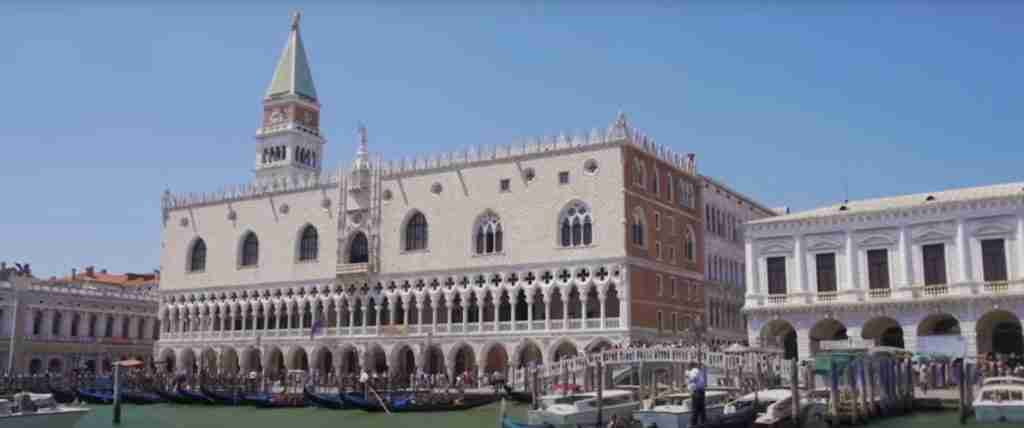
Major landmarks were constructed during golden ages of wealth. The Doge’s Palace façades dating from 1309-1424 showcase this artistic sophistication.
| Structure | Construction Period | Historical Significance | Architectural Style |
|---|---|---|---|
| St. Mark’s Basilica | 829-1094 (multiple phases) | Repository of Fourth Crusade treasures | Italo-Byzantine |
| Doge’s Palace Façades | 1309-1424 | Symbol of republican power and wealth | Venetian Gothic |
| Early Defensive Structures | 9th-11th Centuries | Protection for growing island settlement | Byzantine influence |
The Fourth Crusade brought immense treasures that still adorn sacred spaces. These artifacts represent the republic’s far-reaching influence across centuries.
This island city evolved from trading post to cultural powerhouse. Its legacy continues to captivate visitors exploring this remarkable part of Italy.
Exploring Venice Landmarks: Must-See Sights
The most rewarding exploration of this island city begins with understanding its iconic landmarks in context. Strategic planning transforms a simple itinerary into deep cultural discovery. St. Mark’s Square serves as the natural starting point for most visitors.
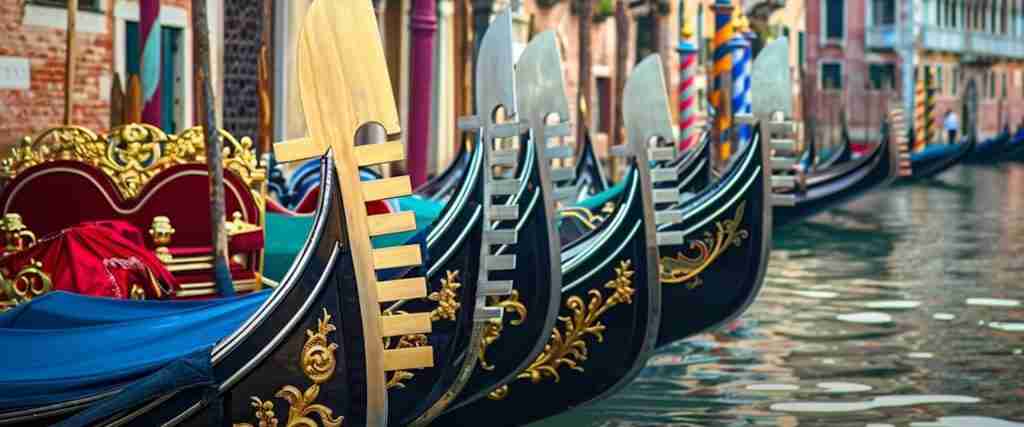
This central hub provides access to several must-see attractions within a concentrated area. The Grand Canal offers one of the most scenic experiences among the top things Venice presents. Endless gondolas create iconic photographic opportunities along this historic waterway.
The Rialto Bridge stands as both an architectural marvel and commercial heart. Among the things Venice is famous for, the Bridge of Sighs represents profound historical significance. Strategic timing during early morning or late afternoon enhances these visits significantly.
Our approach emphasizes understanding stories behind each sight. This transforms tourism into meaningful cultural experiences connecting travelers with extraordinary heritage.
Famed Religious Sites and Sacred Architecture
Venice’s spiritual heart beats strongest within its magnificent churches and basilicas. These sacred spaces showcase the republic’s wealth and artistic achievements through centuries of devotion.
St. Mark’s Basilica: Art and Intricate Mosaics
The St. Mark Basilica stands as the city’s most prominent religious landmark. Its origins trace to 829 when merchants smuggled St. Mark’s relics from Alexandria.
This Byzantine masterpiece features five domes in a Greek-cross plan. The interior glitters with golden mosaics covering vast surfaces. These artistic creations symbolize Venetian power and devotion.
Visitors find four bronze horses from Constantinople on the façade. A golden winged lion representing St. Mark overlooks the square. Entry costs 3 euros beginning at 9am.
Santa Maria della Salute and Other Churches
The Campanile di San Marco offers panoramic views from its height. This bell tower collapsed in 1902 but was rebuilt by 1908.
Across the Grand Canal, Santa Maria della Salute presents beautiful baroque architecture. Its distinctive domes contribute to the unforgettable skyline.
Beyond these major sites, smaller churches throughout the neighborhoods offer quiet contemplation. Each reveals artistic treasures and centuries of religious heritage.
Architectural Marvels and Historic Bridges
Among the most photographed structures are two bridges with dramatically different histories. These crossings represent centuries of engineering innovation and artistic expression.
The Rialto Bridge stands as the oldest crossing over the Grand Canal. Nicolò Barattieri first established foundations in 1178 as a wooden pontoon walkway.
Rialto Bridge: Heart of the Trade District
This vital connection evolved through multiple transformations over the centuries. After the Great Fire of Rialto in 1514 destroyed the wooden structure, Antonio da Ponte created the stone arch bridge we see today.
The bridge showcases perfect symmetry with identical arch sides. Shops line the upper walkway, continuing the area’s commercial tradition. The Rialto Market has served as the economic center since the 11th century.
Bridge of Sighs: History and Romance
Antonio Contino designed this unique structure in the early 17th century. The enclosed bridge connected the Doge’s Palace to prison cells.
Prisoners sighed at their final view of freedom through the stone windows. This gave the building its evocative name. Despite its somber origins, it now symbolizes romance.
Couples who kiss beneath the bridge in a gondola are said to experience eternal love. The Baroque style features elaborate royal emblems. The best viewing spot remains the Ponte della Paglia.
| Feature | Rialto Bridge | Bridge of Sighs |
|---|---|---|
| Construction Period | 1178-1588 (multiple phases) | Early 17th century |
| Primary Purpose | Commercial crossing | Prison access |
| Architectural Style | Stone arch with symmetry | Baroque enclosed design |
| Unique Characteristic | Shops on the bridge | Only enclosed bridge |
| Current Significance | Economic hub | Romantic symbol |
These structures demonstrate how functional crossings became iconic landmarks. Each tells a compelling story about life in this unique city through the centuries.
Navigating the Grand Canal and Urban Waterways
The city’s aquatic highway system presents the most authentic way to experience its unique character. The Grand Canal serves as the primary transportation artery, carving a graceful reverse S-curve through the historic center.

This majestic waterway stretches 2.36 miles between San Marco Basilica and Santa Chiara Church. With depths reaching 16.5 feet, it accommodates everything from cargo vessels to emergency boats.
Gondola Rides and Scenic Canal Tours
Gondola excursions offer intimate journeys through quieter secondary canals. These traditional rides cost approximately 80 euros for 30-35 minutes of peaceful exploration.
The experience provides unique perspectives of architectural details often missed from land. Early morning or late afternoon times deliver optimal lighting and fewer crowds.
Tips for Travel on Water
The Vaporetto water bus system offers practical transportation throughout the city. Single rides cost €7.50, while 24-hour passes provide excellent value at €20.
Four bridges span the Grand Canal, connecting the divided city sections. The Rialto, Accademia, Scalzi, and Constitution bridges create essential pedestrian pathways.
From Marco Polo Airport, travelers reach the city center in about 20 minutes. Options include water buses, land buses, or direct water taxis delivering visitors to their accommodations.
With 177 canals crisscrossing the urban landscape, water defines every aspect of movement. Choosing the right transportation way enhances both efficiency and enjoyment during your stay.
Doge’s Palace and Celebrated Museums
The magnificent Doge’s Palace represents centuries of artistic and political achievement in one stunning building. This architectural masterpiece stands as one of the city’s most essential attractions, its history intertwined with the Venetian Republic’s thousand-year rule.
Highlights of Doge’s Palace
The palace’s façades date from 1309-1424, designed by Giovanni and Bartolomeo Buon. This remarkable building showcases a unique blend of Gothic, Byzantine, and Late-Renaissance styles.
Visitors enter through a spacious courtyard before ascending the golden staircase. The interior features expansive rooms decorated with masterworks by Tintoretto and Titian.
These Renaissance artists created massive canvases celebrating Venetian power. The palace also includes historic prison cells connected by the famous Bridge of Sighs.
Art Collections in the Gallerie dell’Accademia
The Gallerie dell’Accademia houses the world’s finest collection of Venetian paintings. This museum offers an essential complement to the palace’s architectural splendors.
Masterpieces by Bellini, Carpaccio, Giorgione, and Veronese trace the evolution of Venetian art. Many works were salvaged from defunct institutions after the republic’s fall.
The 12-euro entrance fee provides access to centuries of artistic heritage. Visitors should allocate several hours to appreciate this comprehensive collection properly.
Discovering Secret Corners and Hidden Gems
Beyond the well-trodden tourist paths, authentic Venetian life thrives in quiet neighborhoods and nearby islands. These hidden corners offer travelers genuine cultural encounters away from crowded squares.
Exploring these less-visited areas reveals the city’s layered history and contemporary character. Visitors discover how locals live and work in this unique island environment.
The Jewish Ghetto: Culture and Resilience
The Cannaregio neighborhood contains one of Europe’s most historically significant Jewish quarters. Established in 1516, this was the world’s first ghetto.
The term derives from “ghèto,” meaning copper foundry. Before the 16th century, Jewish merchants could work in the city but not reside there permanently.
Despite restrictive conditions, the area became a flourishing cultural hub. Five synagogues represent diverse Jewish communities from across Europe.
Visitors should seek out the local bakery for traditional cookies. This neighborhood stands as a powerful testament to resilience and cultural persistence.
Libreria Acqua Alta: A Quirky Bookstore Experience
For a completely different hidden gem, this unique bookstore offers charming chaos. Books are stored in gondolas and bathtubs to protect them from flooding.
The proprietor often rushes photographers through the picturesque setting. Despite the eccentric atmosphere, it remains a beloved part of the local cultural landscape.
Nearby island excursions to Murano and Burano provide additional discoveries. These areas showcase traditional glassblowing and lacemaking crafts that have defined the region for centuries.
Best Times to Visit and How to Beat the Crowds
The difference between a magical visit and a frustrating one often comes down to simple timing strategies. Choosing the right time of year and time of day dramatically impacts your experience with the city’s unique challenges.

Seasonal Tips and Avoiding Acqua Alta
This historic city faces seasonal flooding known as acqua alta. High tides can transform low-lying areas into temporary lakes. The best way to minimize this risk is planning your trip between May and November.
Summer months bring unbelievably dense crowds to popular attractions. Waking early provides the best way to experience serenity before 10am. You’ll capture photographs without masses of tourists and enjoy contemplative moments.
Advance booking of attraction tickets helps avoid long queues that consume valuable sightseeing time. For day trips to nearby islands, depart on the earliest morning waterbus to prevent hour-long queues.
Shoulder seasons—late April through early June and September through early November—offer ideal compromise. They provide pleasant weather, fewer crowds, and reduced accommodation costs. This timing allows visitors to actually hear the water lapping against ancient foundations.
Indulging in Venetian Cuisine and Local Treats
Food represents an essential gateway to understanding the authentic culture of this unique island destination. The culinary traditions reflect centuries of maritime trade and cosmopolitan influences that shaped the Republic’s character.
Iconic Gelato and Traditional Dishes
No visit to Italy is complete without sampling the endless gelato flavors available. These frozen treats offer refreshing respite during sightseeing while showcasing authentic Italian craftsmanship.
Beyond dessert, distinctive local specialties include schie (tiny lagoon shrimp) and cicchetti (Venetian small plates). The tradition of enjoying an ombra (small wine glass) at neighborhood bacari provides genuine local food experiences.
Wine-Tasting Experiences on the Island
Wine-tasting remains one of the most underrated things to experience here. The surrounding Veneto region produces exceptional wines worth exploring.
Local wineries like Tenuta Santomé offer tastings that complement the island‘s culinary traditions. Dedicating a day to focused food exploration provides deeper cultural appreciation.
The historic Rialto market continues centuries-old traditions with fresh produce and quality wine. Strategic dining choices significantly impact experience—avoid tourist traps near major squares for authentic trattorias where locals actually eat.
Planning Your Venice Trip from the United States
American travelers planning their Italian adventure will find that careful preparation transforms a Venice trip into an unforgettable cultural experience. The journey from the US requires strategic thinking about logistics, timing, and budget management.
Travel and Transportation Tips
Venice Marco Polo Airport (VCE) serves as the primary gateway for international visitors. From the airport, travelers can reach the historic city center in approximately 20 minutes using several convenient options.
The ATVO bus offers economical land transport to Piazzale Roma. Alilaguna water buses provide scenic lagoon routes directly to key areas. Private water taxis deliver the most atmospheric arrival straight to your accommodation.
| Transport Option | Travel Time | Cost Estimate | Best For |
|---|---|---|---|
| ATVO Bus | 20 minutes | €8-15 | Budget travelers |
| Alilaguna Water Bus | 25-30 minutes | €15-20 | Scenic arrival |
| Water Taxi | 15-20 minutes | €100-150 | Luxury experience |
Accommodation and Budget Considerations
This destination ranks among Europe’s more expensive cities, particularly for accommodation. Luxury properties like The St. Regis Venice offer premium Grand Canal views. Budget-conscious travelers can find authentic options like Hotel Guerrini with diligent research.
A realistic daily budget should account for accommodation costs of $150-300, attraction entries around $60, and food expenses of $80-150. Visiting during shoulder seasons (May-June or September-November) provides better value and fewer crowds.
Conclusion
Few places on earth offer such a complete and immersive cultural journey. The city delivers on its legendary reputation through architectural magnificence, artistic treasures, and romantic waterways.
Exploring its famous landmarks provides more than sightseeing. It connects travelers with centuries of history and achievement. This experience balances feeling wonderfully at ease with simultaneous euphoria.
For many, a single visit creates memories powerful enough to last forever. The absence of cars enhances the sensation of stepping outside normal time. These things Venice offers create a truly magical encounter.
The city‘s Italian charisma remains unmissable in every interaction. From gondoliers to artisans, it feels like a living place, not just a museum. This makes the experience profoundly personal and unique.
As climate change threatens these iconic landmarks, visiting becomes an act of cultural appreciation. Whether exploring famous sites or quiet canals, the journey transcends typical tourism. It creates lasting connections with beauty and human creativity.