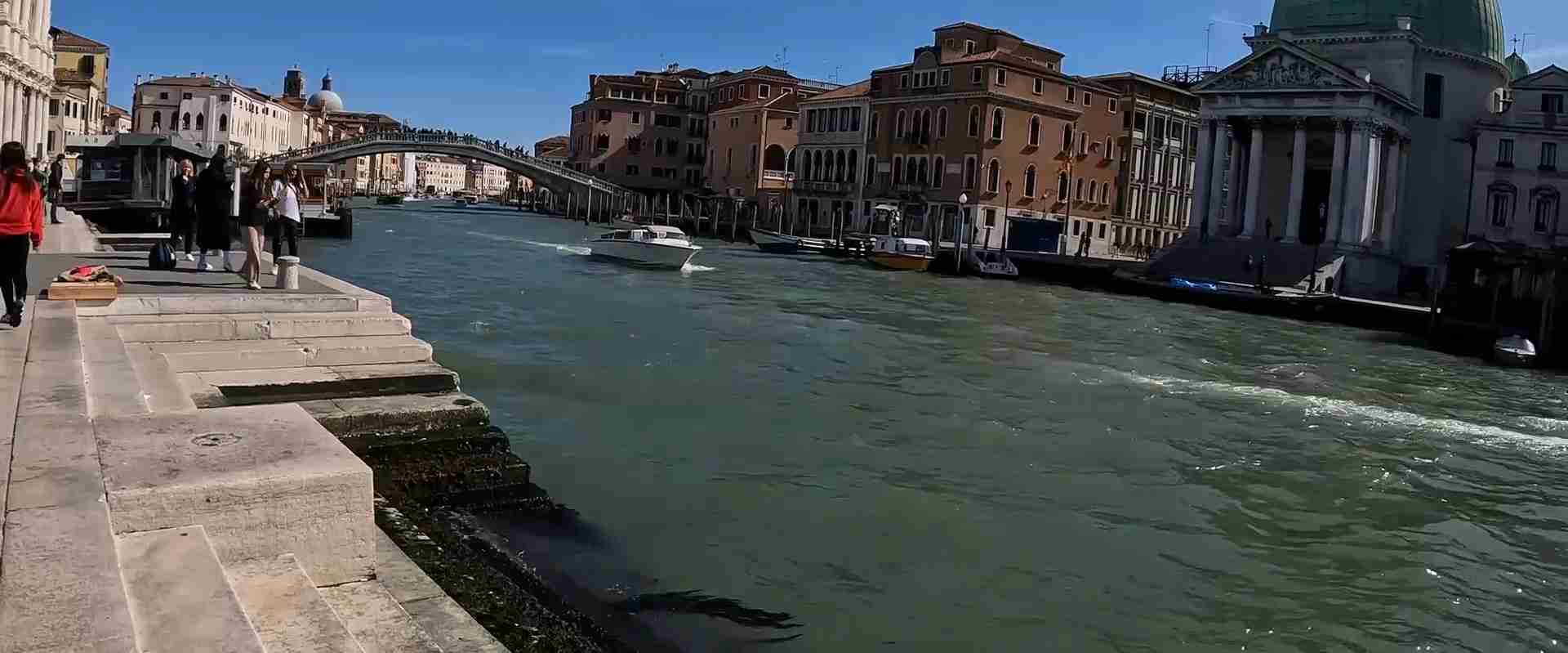
Venice Lagoon Ecology & Conservation Guide
The lagoon’s UNESCO World Heritage designation (1987) acknowledges this cultural-ecological integration, protecting not merely architectural monuments but the entire environmental system that made Venetian civilization possible. This comprehensive approach recognizes that conserving Venice without preserving lagoon ecology produces hollow victory—architectural shells maintained through endless engineering while the living landscape that gave them meaning disappears. Understanding Venice requires understanding its lagoon—the biological communities, physical processes, and environmental challenges that shape both the city’s past survival and its uncertain future.
Key Takeaways
- Unique Brackish Ecosystem: The Venice Lagoon represents one of Europe’s most significant coastal wetlands, supporting diverse marine life, migratory birds, and specialized plant communities adapted to fluctuating salinity levels
- Morphological Transformation: Centuries of human intervention—canal dredging, land reclamation, and jetty construction—have fundamentally altered natural lagoon processes, accelerating erosion and deepening waters
- MOSE Flood Barriers: The Modulo Sperimentale Elettromeccanico system deploys mobile barriers at lagoon inlets during high tides, protecting Venice from acqua alta while raising concerns about ecological impacts
- Biodiversity Under Threat: Pollution, invasive species, boat traffic, and climate change stress traditional lagoon species including endemic fish, seagrass meadows, and salt marsh vegetation
- Conservation Initiatives: Multiple organizations implement habitat restoration, water quality monitoring, sustainable fishing practices, and educational programs to preserve lagoon ecology
- UNESCO Responsibility: Venice’s World Heritage status recognizes both cultural monuments and the lagoon ecosystem as integrated system requiring comprehensive protection strategies
Understanding the Venice Lagoon Ecosystem
The Venice Lagoon extends across 550 square kilometers of shallow coastal waters between the Po and Piave River deltas, creating Italy’s largest wetland and one of the Mediterranean’s most ecologically significant brackish water environments. This transitional zone between terrestrial and marine ecosystems supports extraordinary biodiversity while providing essential ecological services—water filtration, storm protection, carbon sequestration, and nutrient cycling—that sustain both human communities and wildlife populations. The lagoon’s shallow depth (average 1-2 meters) creates conditions where land, water, and atmosphere interact intensively, producing dynamic environmental gradients that support specialized organisms found nowhere else.
Venice’s relationship with its lagoon transcends simple geographic location—the city exists because of deliberate manipulation and careful maintenance of lagoon hydrology. Early Venetian settlers recognized that brackish waters provided defense against mainland invasions while the lagoon’s tidal flushing prevented malarial stagnation afflicting other coastal marshes. Over fifteen centuries, Venetians constructed an elaborate infrastructure of canals, embankments, jetties, and gates that channeled river sediments seaward, maintained navigable depths, and regulated tidal exchange. This environmental engineering created precarious balance—extensive enough to support maritime commerce and urban development, yet dependent on continuous intervention to prevent either silting from rivers or erosion from sea.
Modern understanding reveals the lagoon as complex, vulnerable system facing unprecedented environmental pressures. Industrial development, agricultural runoff, urban expansion, and climate change compound historical alterations, creating challenges that threaten both ecological integrity and the physical survival of Venice itself. The paradox of Venice conservation lies in this interdependence—protecting the city requires maintaining artificial lagoon conditions, yet these interventions stress natural ecosystems. Contemporary conservation efforts attempt to balance human needs with ecological restoration, recognizing that Venice’s cultural heritage and lagoon ecology form inseparable system where damage to one inevitably harms the other.
People Also Ask About Venice Lagoon Ecology
How was the Venice Lagoon formed?
The Venice Lagoon originated approximately 6,000-7,000 years ago when sea level rise following the last Ice Age inundated the Adriatic coastal plain, creating shallow marine embayment separated from open sea by barrier sand islands. Rivers draining the Alps—particularly the Brenta, Sile, and Piave—deposited enormous sediment quantities that partially filled this marine basin, creating intricate landscape of mudflats, salt marshes, tidal channels, and shallow basins characteristic of modern lagoon geography. Natural barrier islands—Lido, Pellestrina, and others—formed through longshore sediment transport driven by Adriatic currents, creating partial protection from storm waves while allowing tidal exchange through natural inlets. The lagoon’s development involved continuous dynamic equilibrium between fluvial sediment deposition pushing waters seaward and marine processes eroding barriers and deepening channels. Early Venetian civilization depended entirely on this natural balance, though subsequent centuries saw deliberate human intervention increasingly dominate over natural processes.
What wildlife lives in Venice Lagoon?
The Venice Lagoon supports remarkable biodiversity including over 300 bird species, 50 fish species, extensive invertebrate communities, and specialized plant assemblages adapted to brackish conditions. Migratory waterbirds use lagoon salt marshes, mudflats, and shallow waters as critical stopover sites on Mediterranean-Black Sea-East African flyways—flamingos, herons, egrets, terns, and countless wader species feed and rest during spring and autumn migrations. Resident bird populations include cormorants, gulls, and increasingly rare terns that nest on isolated islands. Fish communities include commercially important species (sea bass, sea bream, mullet, sole) that spawn at sea but spend juvenile stages in protected lagoon waters, plus specialized gobies that remain year-round in brackish channels. The lagoon bottom supports extensive bivalve populations—clams, mussels, oysters—that filter water and provide food for bottom-feeding fish and birds. Salt marsh vegetation includes halophytic (salt-tolerant) plants like glasswort, sea lavender, and cordgrass that stabilize sediments and create nursery habitats for marine larvae.
What is the MOSE project and how does it work?
MOSE (Modulo Sperimentale Elettromeccanico—Experimental Electromechanical Module) consists of 78 mobile barriers installed at Venice Lagoon’s three inlets (Lido, Malamocco, Chioggia) that rise from seabed housings to block storm surge during acqua alta (high water) events threatening Venice flooding. Each barrier comprises yellow steel gates 20 meters wide and 20-30 meters long (varying by location) permanently hinged to concrete foundations on inlet floors. During normal conditions, barriers rest horizontally in underwater housings allowing unrestricted navigation and tidal exchange. When storm surge forecasts predict flooding above critical threshold (110cm above mean sea level), compressed air pumps water from barrier chambers, causing buoyancy to rotate gates upward until they form temporary dam across inlet, preventing storm surge from entering lagoon while normal tidal fluctuations continue. After storm conditions pass, barriers flood with water and sink back to seabed housings. The system cost exceeded €5.5 billion and required nearly 15 years construction (2003-2020), representing one of history’s most expensive and controversial environmental engineering projects.
What are the main environmental threats to Venice Lagoon?
The Venice Lagoon faces multiple interconnected environmental threats including water pollution from industrial discharges and agricultural runoff, physical habitat loss through erosion and subsidence, invasive species displacing native communities, boat traffic causing wave erosion and noise pollution, and climate change accelerating sea level rise and extreme weather events. Industrial zones at Marghera release heavy metals, petroleum compounds, and other pollutants despite cleanup efforts, accumulating in sediments and entering food chains. Agricultural drainage from surrounding plains introduces excessive nutrients causing eutrophication—algal blooms that deplete oxygen and create dead zones lethal to bottom-dwelling organisms. Morphological changes from channel dredging, jetty construction, and clam harvesting have deepened lagoon waters, reducing shallow habitats critical for juvenile fish, wading birds, and bottom vegetation. Boat propeller wash and wave action erode salt marshes and mudflats, destroying specialized habitats that cannot regenerate rapidly. Climate change compounds these stresses through sea level rise that floods remaining marshes, increased storm intensity causing severe erosion, and warming waters that favor invasive tropical species over native temperate communities.
Extended multi-day tours – 5+ days
Featured Venice Multi-Day Tour Packages

3 days
Venice 3-Day Discovery Tour
- ✓ Comprehensive Venice experience
- ✓ Expert local guides included
- ✓ All accommodation included
- ✓ Transportation provided
5 days
Venice 5-Day Highlights Experience
- ✓ Comprehensive Venice experience
- ✓ Expert local guides included
- ✓ All accommodation included
- ✓ Transportation provided
7 days
Venice 7-Day Cultural Journey
- ✓ Comprehensive Venice experience
- ✓ Expert local guides included
- ✓ All accommodation included
- ✓ Transportation provided

10 days
Venice 10-Day Complete Adventure
- ✓ Comprehensive Venice experience
- ✓ Expert local guides included
- ✓ All accommodation included
- ✓ Transportation provided
Multi-day tour packages powered by TourRadar. Prices and availability subject to change.
Venice Lagoon Ecological Characteristics
Physical Environment and Hydrodynamics
The Venice Lagoon occupies a transitional zone where freshwater river discharge meets saline Adriatic seawater, creating dynamic brackish environment with fluctuating salinity, temperature, and nutrient conditions. Three lagoon inlets—Lido, Malamocco, and Chioggia—connect the lagoon to the Adriatic Sea, allowing semi-diurnal tides (two high and two low tides daily) that flood and drain shallow basins twice every 24 hours. This tidal exchange replaces approximately 40% of lagoon water volume with each tidal cycle, providing essential flushing that prevents stagnation, delivers nutrients and oxygen, and removes metabolic wastes. Tidal currents reach 1-2 meters per second in major channels but slow to gentle flows across broad shallow flats, creating diverse current regimes that structure biological communities.
Salinity varies spatially and temporally across the lagoon, ranging from nearly freshwater (2-5 parts per thousand) near river mouths to fully marine (30-35 ppt) near inlet mouths, with intermediate brackish conditions (10-25 ppt) across most lagoon areas. Seasonal variations affect salinity patterns—winter rains dilute lagoon waters while summer evaporation concentrates salts. Daily tidal cycles create additional fluctuations as incoming seawater raises salinity during flood tides while ebb tides concentrate less-saline lagoon water. These complex salinity gradients determine species distributions, with specialized organisms adapted to stable brackish conditions occupying central lagoon while euryhaline (salinity-tolerant) species dominate variable areas near inlets and river mouths.
Lagoon bathymetry (bottom depth) varies from intertidal mudflats exposed at low tide to dredged navigation channels reaching 10-15 meters depth. Shallow areas (0-2 meters) comprise the most biologically productive zones where sufficient light penetrates to bottom, supporting submerged vegetation and benthic (bottom-dwelling) invertebrate communities. These shallow flats represent the lagoon’s ecological heart, providing juvenile fish nurseries, bird feeding areas, and crucial habitat for specialized lagoon species. Deep channels serve primarily as transportation corridors with limited biological productivity, though they maintain critical hydrological functions by channeling tidal flows and distributing oxygenated water throughout the lagoon system.
Vegetation Communities and Primary Production
Salt marsh vegetation colonizes intertidal zones around lagoon margins and on elevated areas of interior islands, creating crucial transitional habitat between aquatic and terrestrial ecosystems. Venetian salt marshes develop distinctive zonation patterns reflecting flooding frequency and salinity gradients. The lowest zones, flooded during most tides, support glasswort (Salicornia species) and cordgrass (Spartina maritima) tolerant of regular submersion and high salinity. Middle marsh elevations host sea lavender (Limonium species), sea aster (Aster tripolium), and salt marsh grass (Puccinellia maritima) that tolerate periodic flooding but require some exposure to air. Upper marsh areas, flooded only during extreme high tides, develop more diverse plant communities including rushes, sedges, and halophytic shrubs.
These salt marsh plants provide multiple essential ecosystem services. Their roots stabilize sediments preventing erosion, while above-ground vegetation slows tidal currents depositing suspended particles that build marsh elevation. Dead plant material decomposes into detritus supporting extensive food webs—bacteria and fungi break down plant tissues, creating nutrient-rich organic matter consumed by invertebrates that in turn feed fish and birds. Salt marsh plants produce substantial organic matter—primary productivity comparable to highly productive terrestrial ecosystems—that supports lagoon food webs far beyond marsh boundaries. Marshes also provide critical nursery habitat for juvenile fish, offering protection from predators and abundant food resources during vulnerable life stages.
Submerged aquatic vegetation (SAV), particularly seagrass beds and macro-algae, occupies shallow subtidal areas where light penetrates to bottom. Historical accounts describe extensive seagrass meadows covering large lagoon areas, though modern surveys reveal dramatic decline with seagrasses now occupying less than 10% of former distribution. Seagrass species (primarily Zostera marina and Cymodocea nodosa) create underwater meadows that stabilize sediments, produce oxygen through photosynthesis, and provide three-dimensional habitat structure supporting diverse invertebrate and fish communities. Epiphytic algae growing on seagrass blades add additional primary production, creating complex food webs based on both direct grazing and detrital pathways. The decline of seagrass meadows represents one of the lagoon’s most serious ecological losses, eliminating critical habitat and disrupting fundamental ecological processes.
Fish and Invertebrate Communities
The Venice Lagoon functions as essential nursery for numerous marine fish species that spawn in the Adriatic but spend juvenile stages in protected lagoon waters. Sea bass (Dicentrarchus labrax), sea bream (Sparus aurata), mullet (Mugil cephalus), and sole (Solea solea) recruit as larvae through lagoon inlets, settling in shallow vegetated areas offering abundant food and protection from predators. These juvenile stages feed on small invertebrates while growing rapidly in productive lagoon conditions before migrating back to sea as adults. Traditional Venetian fishing practices evolved around these life cycles, using elaborate fixed barriers (seragli) that trapped fish attempting seasonal migrations, allowing sustainable harvest without depleting breeding populations.
Resident lagoon fish species include various gobies (Gobiidae family) that remain within the lagoon throughout their lives, adapted to brackish conditions and able to tolerate salinity fluctuations lethal to marine species. These small bottom-dwelling fish occupy diverse niches—some species burrow in muddy sediments, others hide among vegetation, while specialized species live commensally with burrowing invertebrates. Gobies serve as key prey for piscivorous birds like herons and cormorants while consuming vast quantities of small invertebrates, linking lower and higher trophic levels. The presence of numerous endemic goby species (found only in Adriatic lagoons) makes these communities particularly significant for regional biodiversity conservation.
Benthic invertebrate communities dominate lagoon biomass, including bivalves (clams, mussels, oysters), crustaceans (crabs, shrimp), polychaete worms, and gastropod mollusks that burrow in or move across sediment surfaces. Manila clams (Ruditapes philippinarum), introduced from Asia for aquaculture, now dominate commercial harvests but their intensive collection disrupts sediments and competes with native species. Native clam species (Ruditapes decussatus) have declined dramatically as introduced species expanded. Crabs including shore crabs (Carcinus mediterraneus) and mud crabs (Scylla serrata) serve as important scavengers and predators, while numerous shrimp species support both commercial fisheries and complex food webs linking primary production to fish predators.
Avian Diversity and Migration Ecology
The Venice Lagoon holds international significance as stopover site on Mediterranean-Black Sea-East African bird migration routes, with millions of waterbirds using lagoon habitats during spring (March-May) and autumn (August-October) passages. The lagoon’s geographic position at the northern Adriatic apex makes it first landfall for birds crossing the Mediterranean from Africa, while its extensive shallow waters and mudflats provide essential feeding and resting areas during energetically demanding migrations. Wader species (sandpipers, plovers, curlews, godwits) probe mudflats for invertebrates exposed at low tide, consuming vast quantities of prey to rebuild fat reserves depleted during Mediterranean crossing. Waterfowl including ducks, geese, and swans feed on submerged vegetation and aquatic invertebrates in shallow basins.
Breeding bird communities include several rare species dependent on lagoon salt marshes and islands for nesting. Common terns (Sterna hirundo), little terns (Sternula albifrons), and Mediterranean gulls (Larus melanocephalus) nest colonially on isolated islands where predator access is limited. These colonial nesters face threats from human disturbance, invasive predators (particularly rats), and habitat erosion that eliminates suitable nesting sites. Conservation efforts establish protected breeding areas with access restrictions during nesting season, predator control programs, and habitat enhancement through artificial nest platforms and vegetation management. Black-winged stilts (Himantopus himantopus) and avocets (Recurvirostra avosetta) nest in salt marshes, requiring specific vegetation structure and flooding regimes maintained only through active conservation management.
Greater flamingos (Phoenicopterus roseus) have expanded their presence in the lagoon dramatically since the 1980s, with peak counts exceeding 1,000 birds. These filter-feeding specialists wade through shallow waters consuming microscopic algae and invertebrates, their pink coloration derived from carotenoid pigments in their diet. Flamingo presence indicates improving water quality and abundant food resources, though their feeding behavior can disturb sediments and alter benthic communities. Ardeid species (herons and egrets) hunt fish in channels and shallow waters—grey herons (Ardea cinerea), little egrets (Egretta garzetta), and night herons (Nycticorax nycticorax) nest in mixed-species colonies in lagoon woodlands, commuting daily to feeding areas across the lagoon.
Historical Environmental Transformations
River Diversions and Sediment Management
Medieval and Renaissance Venetian authorities implemented massive hydraulic engineering projects diverting major rivers away from the lagoon to prevent sediment accumulation that threatened to fill shallow waters and connect Venice to the mainland. The Brenta River originally flowed into the central lagoon near Venice, depositing enormous sediment loads that built up lagoon floor and created navigation hazards. Between the 14th and 17th centuries, Venetians gradually rerouted the Brenta southward through artificial channels, eventually discharging it directly into the Adriatic south of Chioggia inlet. Similar diversions redirected the Sile River northward and constrained the Piave River to its northern course, eliminating natural sediment inputs that had maintained lagoon marshes and mudflats.
These diversions achieved their intended purpose—preventing lagoon silting and maintaining navigable depths—but created unintended ecological consequences that became apparent only centuries later. Without regular sediment inputs, the lagoon’s natural accretion (sediment buildup) ceased, leaving it vulnerable to erosion from tidal currents and wave action. Natural marsh elevation building through sediment deposition slowed dramatically, making marshes increasingly vulnerable to flooding as sea levels gradually rose. The delicate balance between sediment deposition building land and tidal erosion removing sediments shifted decisively toward erosion, initiating slow but accelerating lagoon deepening and marsh loss that continues today.
Inlet Modifications and Jetty Construction
Natural lagoon inlets originally consisted of migrating channels through barrier islands, shifting position seasonally through sediment transport processes. This instability challenged navigation but allowed dynamic equilibrium between lagoon and sea. In the 19th and early 20th centuries, Italian authorities stabilized inlet positions through massive stone jetties extending into the Adriatic, creating permanent deep-water navigation channels. The Malamocco inlet jetties, built primarily 1840s-1872, fixed inlet location and increased water depths to accommodate larger ships accessing Venice and Marghera industrial port. Similar jetty construction at Lido and Chioggia inlets created three stable, deep navigation channels.
Jetty construction fundamentally altered lagoon hydrodynamics by increasing tidal prism (volume of water exchanged during tidal cycles) and tidal current velocities. Deeper, stabilized inlets allowed greater seawater penetration into the lagoon interior, increasing salinity throughout the system and reducing brackish conditions. Stronger tidal currents eroded lagoon bottom materials and channels, initiating deepening process that continues accelerating. The increased marine influence shifted ecological conditions toward more oceanic rather than brackish character, disadvantaging species adapted to intermediate salinity and favoring marine colonizers. While improving navigation, these 19th-century engineering projects created conditions that threaten the lagoon’s very existence as a shallow brackish ecosystem.
Industrial Development and Pollution
The creation of the Marghera industrial zone in the early 20th century transformed the lagoon’s northwestern sector from salt marshes and fishing grounds into Italy’s largest petrochemical and industrial complex. Between 1920 and 1970, over 2,000 hectares of lagoon were filled for industrial facilities, oil refineries, chemical plants, and port infrastructure, eliminating enormous areas of critical wildlife habitat. Industrial discharges introduced unprecedented pollutant loads—heavy metals (mercury, lead, cadmium), petroleum hydrocarbons, dioxins, and other persistent organic pollutants—that contaminated sediments and accumulated in food chains.
Pollution impacts peaked in the 1960s-1970s when environmental regulations were minimal and industrial growth prioritized over ecological concerns. Mercury contamination from chlor-alkali plants reached crisis levels, with sediment concentrations far exceeding safety standards and fish tissue levels making consumption dangerous. Industrial discharges killed fish, damaged marshes through chemical burns, and created dead zones where nothing survived. The environmental disaster finally prompted regulatory action—progressive tightening of discharge standards, mandatory pollution treatment, and eventually closure of worst polluting facilities. Cleanup efforts since the 1980s have reduced new pollution inputs substantially, though contaminated legacy sediments remain buried throughout the lagoon, periodically resuspended by dredging or storms.
Aquaculture and Fishing Practices
Traditional Venetian lagoon fishing developed sustainable practices adapted to natural productivity cycles—seasonal fish migrations harvested through fixed barriers, extensive fish farming in enclosed valleys (valli) that mimicked natural marshes, and artisanal methods targeting specific species without destroying habitat. These practices coexisted with lagoon ecology for centuries, maintaining productive fisheries while preserving essential ecosystems. Modern industrial fishing practices, particularly intensive clam harvesting using mechanical dredges, have disrupted this balance through physical habitat destruction and ecosystem simplification.
Manila clam (Ruditapes philippinarum) introduction in the 1980s for aquaculture created new industry but generated severe ecological impacts. Mechanical harvesting using hydraulic dredges plows lagoon bottom, destroying seagrass meadows, excavating sediments, and killing non-target organisms. The practice resuspends polluted sediments and clouds waters, reducing light penetration essential for submerged vegetation. Repeated dredging prevents vegetation recovery, creating positive feedback loop where degraded habitats become progressively less productive. While providing economic benefits and employment, industrial clam harvesting represents one of the lagoon’s most contentious environmental issues, pitting conservation against economic interests in politically divisive debates about sustainable resource use.
MOSE Flood Protection System
Engineering and Operation
The MOSE system consists of 78 mobile barriers divided across Venice Lagoon’s three inlets—21 barriers at Lido inlet (split into two arrays), 19 at Malamocco, and 18 at Chioggia, plus 20 barriers protecting Malamocco navigation lock. Each barrier comprises hollow steel gate 20 meters wide, 3.6-5 meters thick, and 20-30 meters long depending on water depth at installation location. When not deployed, barriers rest in concrete housings (caissons) built into inlet floors below navigation depth, completely submerged and invisible from surface. Massive underwater hinges allow barriers to rotate from horizontal resting position to vertical deployed position blocking tidal flow.
Deployment begins when forecasts predict acqua alta exceeding 110cm above reference level, the threshold where flooding affects significant portions of Venice. Compressed air pumps water from barrier chambers, creating buoyancy that rotates gates upward. The deployment takes approximately 30 minutes for all barriers to rise and seal against rubber gaskets creating watertight barrier. During deployment, navigation through inlets ceases and small gates close to maintain access for emergency vessels. The barriers remain deployed throughout the high tide period (typically 4-6 hours), then flood with water and return to seabed housings once storm surge passes. The system can withstand sea levels up to 3 meters above current mean, providing protection against all but most extreme conceivable floods.
Controversy and Criticism
MOSE development involved unprecedented controversy spanning political corruption, environmental concerns, and engineering skepticism. Construction costs escalated from original €1.6 billion estimate to over €5.5 billion, with completion delayed more than a decade beyond initial schedules. Criminal investigations revealed extensive corruption involving contractors, politicians, and project officials, with numerous convictions for embezzlement, bribery, and bid rigging. These scandals undermined public confidence in the project’s technical merits and raised questions about whether corruption compromised engineering quality.
Environmental critics argued that MOSE addresses flooding symptoms while ignoring causes—sea level rise, land subsidence, and lagoon deepening that increase flood risk. They contended that massive investment in mobile barriers diverted resources from alternative approaches including wetland restoration, sustainable urban planning, and managed retreat from most vulnerable areas. Concerns about MOSE’s ecological impacts include restricted tidal exchange during barrier deployments that reduces lagoon flushing, potential effects on fish migration through inlet closures, and maintenance dredging requirements that deepen channels further. Some environmentalists feared that MOSE’s very success might reduce urgency for addressing underlying causes of Venice’s vulnerability, perpetuating unsustainable approaches rather than promoting fundamental adaptation.
Operational Experience and Future Challenges
MOSE began limited operational deployments in October 2020, successfully protecting Venice from several significant acqua alta events that would have caused extensive flooding under previous conditions. The December 2020 flood season, which featured multiple high tides exceeding 130cm, demonstrated the system’s technical viability—barriers deployed successfully, preventing city flooding while experiencing minimal mechanical problems. These operational successes validated basic engineering design and proved the system can fulfill its intended function despite widespread skepticism during construction.
However, operational experience also revealed concerning issues requiring ongoing attention. Barrier deployments occur far more frequently than originally predicted—climate change and sea level rise mean tide heights that once occurred rarely now happen regularly, requiring barrier operations 20-30 times annually rather than predicted 4-5 times. Increased deployment frequency raises concerns about accelerated mechanical wear, higher maintenance costs, and cumulative ecological impacts from repeated tidal interruptions. Each deployment costs approximately €300,000 in energy and operational expenses, creating substantial ongoing financial burden. The system requires continuous maintenance including anticorrosion treatments, hinge lubrication, and electronic systems updates, with inevitable eventual component replacements as mechanical parts reach service life limits.
Climate change projections indicate MOSE may become obsolete within decades as accelerating sea level rise overwhelms the system’s designed protection capacity. Current projections suggest Adriatic sea levels may rise 60-90cm by 2100 under moderate emission scenarios, with more extreme scenarios exceeding 1 meter. At these levels, barriers would require near-continuous deployment during summer months when normal astronomical tides plus elevated sea levels exceed flood thresholds. Permanent barrier deployment would effectively transform Venice Lagoon into closed basin with catastrophic ecological consequences including oxygen depletion, pollution accumulation, and complete ecosystem collapse. This temporal limitation means MOSE provides temporary breathing space rather than permanent solution, buying time for more fundamental adaptations including potential managed population relocation from most vulnerable areas.
Contemporary Conservation Challenges
Climate Change Impacts
Climate change accelerates and compounds all existing environmental stresses affecting Venice Lagoon. Sea level rise—currently occurring at approximately 2.5mm annually but accelerating—gradually floods remaining salt marshes that cannot build elevation fast enough to keep pace. Higher baseline sea levels mean storm surges and high tides reach deeper into the lagoon, increasing flood frequency and intensity. Warming waters alter species distributions, favoring thermophilic (warm-water) species including invasive tropical fish, crustaceans, and algae that outcompete native temperate communities adapted to historical thermal regimes.
Increased storm frequency and intensity predicted under climate change scenarios will generate more powerful wave action eroding marshes and redistributing sediments. Extreme weather events including intense precipitation cause massive freshwater pulses that temporarily convert brackish areas to nearly freshwater conditions, stressing organisms adapted to stable intermediate salinity. Conversely, extended droughts combined with high evaporation rates increase salinity far above normal ranges. These extreme fluctuations exceed tolerance ranges for many lagoon species, potentially causing local extinctions and community simplification toward more euryhaline (widely tolerant) generalist species.
Ocean acidification from atmospheric CO2 dissolution threatens calcifying organisms including mollusks, crustaceans, and calcareous algae that build shells and exoskeletons from calcium carbonate. Lower pH waters make calcification energetically expensive and weaken existing shells through dissolution, potentially decimating shellfish populations fundamental to lagoon food webs. The synergistic effects of multiple climate change stressors—warming, acidification, sea level rise, extreme events—create unprecedented challenges that individual organisms and ecosystems have limited capacity to accommodate through adaptation.
Invasive Species
Non-native species introduced accidentally through shipping, deliberately for aquaculture, or naturally expanding ranges under climate warming increasingly dominate Venice Lagoon communities. Manila clams (Ruditapes philippinarum), introduced from Asia in the 1980s, now constitute over 90% of lagoon clam biomass, having outcompeted native clam species through faster growth, higher fecundity, and greater environmental tolerance. While supporting commercial fishery, Manila clams alter ecosystem function through different feeding behaviors, sediment processing, and predator relationships compared to native species they replaced.
The blue crab (Callinectes sapidus), native to American Atlantic coasts, appeared in the Venice Lagoon in the early 2000s and expanded explosively throughout the northern Adriatic. These large, aggressive predators consume fish, mollusks, and crustaceans, potentially disrupting food webs and competing with native crab species. Blue crabs also damage fishing equipment and nets, creating economic conflicts with traditional fishermen. Some efforts attempt converting this invasive species into commercial resource through targeted fishing, though effectiveness at population control remains uncertain.
Tropical fish species including rabbitfish (Siganus species) and pufferfish (Lagocephalus species) have entered Mediterranean waters through Suez Canal and expanded northward as waters warm. These species establish reproducing populations in lagoon areas with appropriate temperatures, competing with native fish for food and habitat. Invasive algae species including Caulerpa taxifolia and Undaria pinnatifida form dense mats that smother seagrass beds and alter benthic community structure. The combined impact of multiple invasive species creates novel ecosystems with unpredictable functioning and uncertain long-term stability.
Morphological Degradation
The Venice Lagoon continues deepening through combined effects of reduced sediment input, sea level rise, channel erosion, and clam harvesting disturbance. Average lagoon depth has increased from approximately 0.5 meters in the 16th century to over 1.5 meters currently, with accelerating deepening rates in recent decades. This fundamental morphological transformation eliminates shallow water habitats supporting most biological productivity—areas lose submerged vegetation as light no longer reaches bottom, mudflats disappear as erosion removes sediments faster than deposition accumulates, and salt marshes drown as their edges erode and surface elevation fails to keep pace with rising waters.
Salt marsh loss represents particularly critical habitat degradation—approximately 70% of lagoon salt marshes present in historical maps have disappeared, with continuing losses of 2-3% annually in remaining areas. Salt marshes provide irreplaceable ecosystem services including shoreline stabilization, water quality improvement through nutrient uptake, organic matter production supporting lagoon food webs, and critical habitat for birds, fish, and invertebrates. Their loss creates positive feedback loops—marsh vegetation stabilizes sediments and slows erosion, so marsh loss accelerates erosion eliminating conditions needed for marsh recovery. Breaking this degradation cycle requires active intervention including sediment placement, vegetation planting, and erosion control structures that replicate natural marsh-building processes.
Channel deepening and inlet modifications have increased tidal prism and current velocities throughout the lagoon, creating hydrodynamic conditions fundamentally different from historical norms. Stronger currents erode channel banks and redistribute sediments, while increased marine influence raises salinity and reduces the brackish character that defines lagoon ecology. The lagoon gradually transforms from complex mosaic of shallow flats, vegetated marshes, and moderate channels toward simpler landscape of deeper waters with fewer shallow productive areas. Reversing this trajectory requires comprehensive morphological restoration including channel infilling, barrier island reinforcement, and sediment management strategies that rebuild shallow habitats.
Water Quality and Eutrophication
Agricultural intensification in the Veneto Plain surrounding Venice Lagoon generates nutrient-rich runoff containing nitrogen and phosphorus from synthetic fertilizers and animal wastes. These nutrients enter the lagoon through small rivers, drainage canals, and groundwater seepage, enriching waters beyond natural levels and driving eutrophication—excessive biological productivity leading to environmental degradation. Nutrient enrichment stimulates rapid algal growth creating dense blooms that shade submerged vegetation, outcompeting seagrasses for space and light. When algal blooms die, bacterial decomposition consumes dissolved oxygen, creating hypoxic (low oxygen) or anoxic (zero oxygen) conditions lethal to fish and invertebrates.
Urban wastewater discharges contribute additional nutrients despite improved sewage treatment. Venice’s historic center lacks modern sewage infrastructure—many buildings discharge untreated waste directly into canals that flush into the lagoon with each tidal cycle. While major treatment plants now process much urban wastewater, combined sewer systems that mix sewage and stormwater discharge untreated mixed flows during heavy rains, pulsing high pollutant loads into the lagoon. These pollution episodes cause acute environmental damage including fish kills, shellfish contamination, and aesthetic problems from floating sewage-derived materials.
Boat traffic, particularly motorized vessels using the lagoon’s thousands of kilometers of canals, contributes pollution through fuel combustion, lubricant leaks, antifouling paint dissolution, and sewage discharge from vessels lacking holding tanks. Wave action from boats resuspends contaminated bottom sediments, redistributing historical pollution and making buried contaminants biologically available. Propeller wash damages bottom vegetation directly through physical cutting while creating turbid conditions that reduce light penetration. Managing boat traffic for environmental protection conflicts with transportation needs, tourism industry interests, and traditional access rights, creating complex regulatory challenges.
Conservation and Restoration Programs
Habitat Restoration Projects
Active salt marsh restoration initiatives attempt to reverse decades of habitat loss through sediment placement, vegetation planting, and erosion control. The “Tegnùe di Venezia” project and similar efforts pump dredged sediments into degraded marsh areas, rebuilding elevation to levels where halophytic vegetation can survive. Native plant species—primarily Spartina maritima, Salicornia species, and Limonium species—are planted in geometric patterns that promote rapid colonization and sediment stabilization. Biodegradable erosion control fabrics protect newly planted marshes from wave action while vegetation establishes root systems strong enough to independently resist erosion.
Restoration sites require careful selection based on hydrodynamic conditions, sediment characteristics, and proximity to seed sources for natural vegetation colonization. Projects monitor restored marshes through regular surveys documenting plant survival, community development, marsh elevation changes, and wildlife utilization. Successful restorations demonstrate that marsh recovery is possible given appropriate conditions, though costs (typically €200-500 per square meter) limit large-scale implementation. Some experimental approaches use living shorelines—natural materials and vegetation rather than rock riprap—to protect eroding marsh edges while maintaining natural ecosystem functions.
Seagrass Bed Recovery Efforts
Seagrass restoration programs attempt to re-establish Zostera marina and Cymodocea nodosa meadows in areas where historical records document former presence. Techniques include transplanting seagrass shoots from healthy donor beds into degraded areas, planting seeds collected from flowering plants, and installing protective structures that reduce water motion allowing seagrass establishment. Seagrass restoration faces significant challenges including water clarity requirements (seagrasses need abundant light), sediment stability (current velocities cannot be too strong), and protection from clam harvesting and boat anchoring that destroy fragile new growth.
Restoration success varies dramatically depending on site conditions—some projects achieve rapid seagrass spread and ecosystem recovery, while others fail completely due to unfavorable environmental factors. Research continues investigating optimal techniques, suitable sites, and best seagrass genotypes for Venetian conditions. Even limited seagrass recovery provides multiple benefits including sediment stabilization, water quality improvement through nutrient uptake, organic matter production, and habitat provision for juvenile fish and invertebrates. Expanded seagrass restoration requires addressing underlying water quality and physical disturbance problems that caused original degradation.
Fisheries Management and Sustainable Practices
Sustainable fisheries management attempts to balance economic interests with ecological protection through catch limits, gear restrictions, seasonal closures, and protected area designation. Regulations prohibit mechanical clam harvesting in designated conservation zones, restrict fishing during critical spawning seasons, and establish minimum size limits ensuring fish reproduce before harvest. Traditional fishing techniques using fixed barriers (seragli) receive preferential treatment over industrial methods, both for cultural preservation and because they cause less habitat damage.
Monitoring programs track fish populations through regular surveys, providing data for adaptive management that adjusts regulations based on population trends. Collaborative management involving fishermen, scientists, and resource managers develops approaches that fishermen support rather than resist, improving compliance and effectiveness. Some initiatives promote premium pricing for sustainably caught lagoon seafood, creating economic incentives for conservation-friendly fishing practices. Reducing illegal fishing through enforcement patrols and imposing meaningful penalties for violations remain ongoing challenges in a lagoon where traditional fishing rights and modern regulations sometimes conflict.
Water Quality Improvement Programs
Regional water quality initiatives target nutrient pollution through improved agricultural practices, urban wastewater treatment upgrades, and stormwater management. Agricultural programs promote precision fertilizer application, cover cropping to reduce soil erosion, and constructed wetlands that intercept nutrient-rich drainage before reaching the lagoon. Buffer zones along waterways reduce pollutant delivery by filtering runoff through vegetation that assimilates nutrients. These voluntary programs offer financial incentives and technical assistance, encouraging farmer participation in pollution reduction efforts.
Urban wastewater infrastructure improvements include modern treatment plant construction, combined sewer overflow reduction, and gradual expansion of sewage collection systems in Venice’s historic center—though this latter challenge involves navigating complex underwater networks beneath centuries-old buildings. Industrial pollution control continues through regular discharge monitoring, permit enforcement, and contaminated sediment remediation in former pollution hotspots. The “Save Venice’s Lagoon” initiative coordinates international funding and expertise for comprehensive water quality improvement addressing multiple pollution sources simultaneously.
Protected Area Management
Several protected areas restrict development and extractive activities to conserve critical habitats. The Valle Averto Nature Reserve protects extensive salt marshes and shallow waters managed specifically for bird conservation, with seasonal access restrictions during nesting periods. The “Tegnùe” marine protected areas safeguard unique rocky outcrops on the lagoon floor that support diverse communities of sponges, bryozoans, and other sessile invertebrates found nowhere else in the soft-bottom lagoon. These protected areas serve as reference sites for monitoring lagoon ecological conditions and as sources for organisms colonizing degraded areas.
Enforcement challenges include preventing illegal fishing and clam harvesting in protected zones, controlling boat traffic that disturbs nesting birds, and managing terrestrial activities on protected islands. Limited staffing and resources mean many protected areas receive minimal active management, relying on voluntary compliance rather than consistent enforcement. Expanding protected area networks and improving management effectiveness represent key conservation priorities, though they face opposition from resource users whose activities face restrictions.
Future Scenarios and Conservation Outlook
Best-Case Scenario: Comprehensive Restoration
Optimistic future scenarios envision comprehensive ecological restoration combining habitat reconstruction, pollution control, sustainable resource management, and climate change adaptation. Aggressive sediment management programs rebuild thousands of hectares of salt marshes and mudflats, restoring shallow productive habitats that support diverse communities. Extensive seagrass planting combined with strict clam harvesting controls allows meadow recovery across significant lagoon areas. Regional agricultural reforms dramatically reduce nutrient inputs through precision farming and buffer zone expansion. Climate change mitigation limits sea level rise to manageable rates while MOSE provides temporary flood protection during transition to long-term adaptations.
This optimistic scenario requires unprecedented coordination between national, regional, and local authorities plus substantial long-term funding commitments sustained through multiple political cycles. International recognition of Venice as world heritage site could justify global financial contributions to conservation efforts protecting cultural and natural heritage of universal significance. Technological innovations in habitat restoration, water quality management, and climate adaptation reduce costs and improve effectiveness of conservation interventions. Growing environmental consciousness creates political will for difficult decisions including limits on development, resource extraction restrictions, and lifestyle modifications reducing individual environmental impacts.
Worst-Case Scenario: Continued Degradation
Pessimistic scenarios project accelerating ecological collapse as climate change, pollution, and habitat loss create synergistic effects exceeding ecosystem resilience. Continued deepening eliminates remaining shallow habitats while sea level rise drowns residual salt marshes. Invasive species outcompete most native organisms, creating simplified communities dominated by cosmopolitan generalists lacking the specialized ecological roles that maintained historical community functioning. Water quality deteriorates as eutrophication, pollution, and oxygen depletion become chronic rather than episodic problems. Fish populations collapse from multiple stresses including habitat loss, overfishing, pollution, and climate change, eliminating both commercial fisheries and food sources for piscivorous birds.
Political gridlock prevents implementation of effective conservation measures as economic interests, jurisdictional disputes, and budgetary constraints delay decisive action. MOSE mechanical failures or overwhelming sea level rise leaves Venice vulnerable to catastrophic flooding, triggering permanent population evacuation from most vulnerable areas. Without residents to justify conservation investments, the lagoon transforms into industrial zone and polluted backwater adjacent to deteriorating architectural monuments maintained only as tourist attractions. This nightmare scenario represents failure to adequately value and protect irreplaceable cultural and natural heritage.
Most Likely Scenario: Managed Decline and Adaptation
Realistic projections suggest Venice Lagoon will experience continued gradual degradation punctuated by localized restoration successes and adaptation efforts that moderate but don’t reverse overall trends. Some habitat restoration projects succeed in re-establishing marshes and seagrasses in favorable locations while other areas continue eroding. Water quality improvements in some sectors occur while problem areas persist. Fisheries management achieves sustainable harvests for some species while others decline. MOSE provides effective flood protection for several decades before sea level rise overwhelms its capacity, buying time for longer-term adaptations including potential managed retreat from lowest elevations.
This mixed scenario acknowledges realistic constraints—limited funding, political complexity, technological limitations, and climate change momentum—while recognizing genuine progress in some areas. The Venice Lagoon of 2100 will likely differ substantially from historical conditions, supporting simpler communities with fewer specialized native species but maintaining basic ecosystem functions. Pragmatic conservation prioritizes protecting remaining intact habitats, restoring degraded areas with highest success probability, managing extractive uses sustainably, and adapting to inevitable changes rather than attempting to restore impossible historical conditions. Success means maintaining functional, resilient ecosystem that continues providing ecological services and supporting biodiversity, even if composition and structure differ from historical baselines.
Experiencing Venice Lagoon Ecology
Educational Tours and Interpretation
Several organizations offer educational boat tours exploring lagoon ecology, visiting salt marshes, bird nesting islands, and traditional fishing installations while explaining environmental issues and conservation efforts. “Laguna Eco Adventures” provides naturalist-guided excursions focusing on bird identification, plant communities, and ecological processes. “Venice Kayak” offers kayaking tours through narrow channels inaccessible to motorboats, providing intimate encounters with marshes and mudflats. These small-group tours emphasize low-impact observation techniques and environmental education rather than entertainment, appealing to ecotourism enthusiasts seeking authentic natural experiences.
The “Museo di Storia Naturale” (Natural History Museum) in Venice features permanent exhibits on lagoon geology, ecology, and conservation including aquaria displaying live lagoon fish and invertebrates. Interactive displays explain tidal dynamics, food webs, and human impacts through models and multimedia presentations. The museum’s herbarium and specimen collections preserve historical records of lagoon biodiversity, allowing researchers to document long-term community changes. Educational programs target school groups, providing curriculum-aligned activities introducing young Venetians to their lagoon heritage.
Responsible Ecotourism Practices
Visitors interested in lagoon ecology should prioritize low-impact activities minimizing environmental disturbance. Small-vessel tours using electric motors or human-powered boats (kayaks, rowing boats) reduce noise and water pollution while allowing quiet approach for wildlife observation. Maintain respectful distances from nesting birds and seal colonies, using binoculars for close viewing rather than approaching closely. Never land on protected islands during bird nesting season (April-July) when human presence causes breeding failures. Avoid walking on salt marshes where footsteps compact soils, damage vegetation, and create erosion channels.
Support conservation-oriented tour operators who donate portions of profits to environmental protection, employ knowledgeable naturalist guides, and limit group sizes for minimal impact. Choose accommodations with strong environmental programs including wastewater treatment, energy efficiency, and water conservation. Purchase seafood from sustainable fisheries rather than species facing overharvesting—avoid wild-caught clams, choosing farmed alternatives or other sustainably harvested species. Support legislation and policies promoting lagoon conservation through public comments, petition signatures, and informed voting on environmental issues affecting Venice.
Photography and Nature Observation
Lagoon photography opportunities include sunrise over salt marshes with feeding herons, flamingo flocks in shallow waters, dramatic storm clouds over barrier islands, and traditional fishing installations silhouetted against sunset. The changing seasons offer different visual experiences—spring migration brings diverse waterbirds, summer supports lush marsh vegetation, autumn features migrating flocks, while winter reveals stark beauty of dormant marshes and reduced vegetation. Golden hour lighting (shortly after sunrise and before sunset) provides warm illumination emphasizing textures and creating dramatic atmospheric effects.
Telephoto lenses (300-600mm) allow distant bird photography without disturbance, while wide-angle lenses (16-35mm) capture expansive marsh landscapes. Waterproof camera protection proves essential in humid boat environments. Polarizing filters reduce water surface reflections revealing submerged vegetation and bottom features. Visit observation platforms and hides that provide concealed viewing positions allowing close wildlife approach. Spring and autumn migrations offer greatest bird diversity, though summer breeding activities provide behavioral photography opportunities including courtship displays and chick-rearing.
Frequently Asked Questions
Is Venice Lagoon saltwater or freshwater?
Venice Lagoon contains brackish water—a mixture of saltwater from the Adriatic Sea and freshwater from rivers and precipitation. Salinity varies spatially from nearly freshwater (2-5 parts per thousand) near river mouths to fully marine (30-35 ppt) near inlet mouths, with most lagoon areas maintaining intermediate brackish conditions (10-25 ppt). This salinity variation creates diverse habitats supporting specialized organisms adapted to different salt concentrations. Tidal cycles and seasonal variations cause additional salinity fluctuations—incoming sea tides raise salinity while ebb tides and river discharge reduce it, creating dynamic conditions that structure biological communities.
What fish can you catch in Venice Lagoon?
Venice Lagoon supports diverse fish communities including sea bass (branzino), sea bream (orata), mullet (cefalo), sole (sogliola), eel (anguilla), and numerous goby species. Recreational fishing targets primarily sea bass and sea bream using rod-and-reel from boats or shorelines. Commercial fishing operations harvest these species plus clams, mussels, crabs, and shrimp through various techniques including nets, traps, and traditional fixed barriers. Fishing requires licenses and adherence to regulations including size limits, seasonal closures, and gear restrictions protecting spawning populations and sensitive habitats. Some areas prohibit fishing entirely for conservation purposes. Sustainable fishing practices ensure fishery persistence while supporting lagoon ecology and traditional maritime culture.
How deep is Venice Lagoon?
Venice Lagoon averages approximately 1-1.5 meters deep, though depth varies dramatically from intertidal mudflats exposed at low tide to dredged navigation channels reaching 10-15 meters. Most lagoon areas comprise shallow waters less than 2 meters deep where sunlight penetrates to bottom supporting submerged vegetation and benthic communities. This shallow depth defines the lagoon’s productivity—unlike deep oceans where most volume remains dark and biologically unproductive, shallow lagoons allow light-driven primary production throughout water column. Historical records indicate the lagoon has deepened substantially from average depths around 0.5 meters in the 16th century, representing fundamental morphological transformation threatening shallow-water habitats essential for most lagoon species.
When is the best time to see birds in Venice Lagoon?
Spring migration (March-May) and autumn migration (August-October) provide greatest bird diversity as millions of waterbirds stopover in Venice Lagoon during Mediterranean crossing. Spring migration peaks in late March and April when waders, waterfowl, and passerines pass northward to European and Siberian breeding grounds. Autumn migration extends over longer period (August-October) as different species migrate on different schedules. Winter (November-February) supports substantial populations of wintering ducks, geese, coots, and herons that spend cold months in relatively mild Mediterranean conditions. Summer features lowest diversity but includes breeding terns, gulls, stilts, and avocets raising chicks on protected islands. Early morning (6-9 AM) offers optimal lighting and bird activity for observation and photography.
Can you swim in Venice Lagoon?
Swimming in central Venice Lagoon is generally inadvisable due to water quality concerns including bacterial contamination from sewage discharges, boat traffic creating navigation hazards, and strong tidal currents in channels. The barrier island beaches (Lido, Pellestrina) provide supervised swimming areas with better water quality and safety. Some lagoon areas maintain acceptable water quality for swimming, particularly away from Venice’s urban core and industrial zones. Water quality monitoring programs track bacterial levels at designated swimming sites, posting advisories when contamination exceeds safety standards. Always check current water quality conditions before swimming and avoid areas with visible pollution, strong currents, or heavy boat traffic.
What is causing Venice to sink?
Venice experiences relative sea level rise from combined effects of land subsidence (sinking) and actual sea level rise (ocean waters rising). Land subsidence results from natural geological settling of lagoon sediments compacting under Venice’s weight plus historical groundwater extraction for industrial uses that accelerated settling. Groundwater pumping ceased in the 1970s, slowing but not eliminating subsidence, which continues at approximately 1-2mm annually from natural sediment compaction. Simultaneous sea level rise from thermal expansion of warming oceans and glacial ice melting adds approximately 2.5mm annually, though acceleration is occurring. The combined effect—approximately 3-4mm annual relative sea level rise—gradually increases flooding frequency and intensity, making formerly rare acqua alta events increasingly common and threatening Venice’s long-term habitability.
How does MOSE affect marine life?
MOSE barriers create multiple ecological concerns including restricted fish migration during deployments, altered tidal flushing reducing lagoon water exchange, and maintenance dredging disrupting bottom habitats. During barrier deployments, fish cannot migrate through closed inlets, potentially trapping marine species attempting to enter the lagoon or lagoon species trying to reach sea spawning grounds. Reduced tidal exchange during deployments decreases oxygen levels and pollutant flushing, though deployments typically last only 4-6 hours limiting acute impacts. Concern focuses on cumulative effects from frequent deployments—current operation rates (20-30 times annually) exceed original predictions, raising questions about long-term ecological consequences. Continued monitoring programs track water quality, fish populations, and benthic communities for evidence of MOSE-related impacts requiring mitigation measures.
What is being done to save Venice Lagoon?
Multiple conservation initiatives address lagoon degradation through habitat restoration (salt marsh reconstruction, seagrass planting), pollution control (agricultural runoff reduction, improved sewage treatment), sustainable resource management (fishing regulations, protected areas), and climate adaptation planning. International and national funding supports these efforts though financial resources remain insufficient for comprehensive lagoon restoration. The challenge involves coordinating actions across multiple jurisdictions and interest groups while balancing ecological protection with economic activities and cultural traditions. Success requires long-term commitment sustained through political changes, technological innovations reducing restoration costs, and public support for necessary regulations and lifestyle modifications. Venice’s UNESCO World Heritage status provides international recognition potentially justifying global investment in protecting cultural and natural heritage of universal significance.
Are there sharks in Venice Lagoon?
Occasional sharks enter Venice Lagoon through inlets from the Adriatic Sea, though permanent shark populations do not exist due to shallow depths and brackish conditions unsuitable for most shark species. Small sharks including smoothhound sharks (Mustelus species) and spotted dogfish (Scyliorhinus stellaris) occasionally appear in lagoon channels, typically young individuals exploring coastal habitats during seasonal movements. These small bottom-dwelling sharks pose no threat to humans. Rare sightings of larger species including blue sharks (Prionace glauca) occur near inlet mouths but these marine sharks don’t venture far into brackish lagoon waters. Shark presence, when it occurs, indicates healthy marine connections and functional inlet ecology allowing species exchange between lagoon and sea.
How old is Venice Lagoon?
Venice Lagoon formed approximately 6,000-7,000 years ago when post-glacial sea level rise inundated the northern Adriatic coastal plain, creating shallow marine embayment that evolved into the modern lagoon. The lagoon’s current characteristics developed through complex interactions between river sedimentation, marine erosion, and barrier island formation operating over millennia. Human settlement began in the 5th-6th centuries CE when refugees fleeing barbarian invasions established communities on lagoon islands, initiating fifteen centuries of environmental modification that fundamentally altered natural lagoon processes. Contemporary lagoon morphology reflects both ancient geological origins and extensive historical human intervention, creating hybrid landscape where natural and artificial elements combine inseparably. Understanding this long history reveals that the lagoon has always been dynamic, changing system rather than static environment, though current anthropogenic changes occur at unprecedented rates threatening to overwhelm natural resilience mechanisms.