
Venice Island Hopping Guide 2026: Complete Lagoon Islands Tour
Planning your 2026 island hopping adventure requires understanding vaporetto routes, timing ferry connections, and allocating sufficient exploration time for each island’s unique heritage
Key Takeaways
- Vaporetto line 12 connects all major islands with tickets at €9.50 for 75 minutes or €25 for 24 hours in 2026, providing the most economical independent island hopping option
- The classic Murano-Burano-Torcello route takes 6-8 hours including travel time, with departures from Fondamente Nove every 30-40 minutes starting at 6:30 AM
- Guided island tours cost €25-35 per person for half-day group tours and €180-250 for private full-day experiences, offering cultural insights and UNESCO heritage context
- Each island preserves distinct artisan traditions: Murano’s thousand-year glassmaking heritage, Burano’s legendary lace craft, and Torcello’s Byzantine mosaics representing Venice’s earliest settlement
- Morning departures before 9 AM avoid cruise ship crowds, while late afternoon visits to Burano (after 4 PM) provide optimal photography lighting and authentic local atmosphere
- Combined island passes including glassmaking demonstrations and museum entries cost €45-65, offering significant savings over individual tickets while supporting traditional crafts
Introduction: Exploring Venice’s Lagoon Heritage
The Venetian Lagoon extends across 550 square kilometers, encompassing over 60 islands beyond Venice’s historic center. Island hopping reveals the cultural diversity and artisan traditions that built Venice’s maritime empire, from Murano’s glassmaking furnaces to Burano’s colorful fishing villages and Torcello’s ancient Byzantine foundations. The lagoon islands preserve traditional crafts designated as UNESCO Intangible Cultural Heritage, offering insight into skills passed through generations for over a millennium.
The three most visited islands—Murano, Burano, and Torcello—each merit 1.5-3 hours, while lesser-known destinations like San Francesco del Deserto and Mazzorbo provide extended cultural immersion. Transportation logistics determine your itinerary success, with strategic departure timing and route planning maximizing your lagoon experience.
People Also Ask About Venice Island Hopping 2026
How much does Venice island hopping cost in 2026?
Independent island hopping costs €25 for a 24-hour vaporetto pass covering unlimited travel to Murano, Burano, and Torcello, plus €12-18 for museum entries in 2026 (check actv.it for current official rates). A complete day including lunch costs €60-85 per person. Guided half-day group tours cost €25-35 including transportation, while private full-day tours range €180-250. The most economical approach combines the 24-hour vaporetto pass with selective museum entries and local dining, totaling €55-75 per person for comprehensive island exploration.
What’s the best route for Venice island hopping in 2026?
The optimal route departs Fondamente Nove at 8:00 AM on line 12 to Murano (15 minutes), continues to Burano (35 minutes from Murano), then Torcello (5 minutes from Burano), returning via Burano to Venice by 5:00 PM. This clockwise route positions Murano’s glass furnaces for morning demonstrations (9:00-11:00 AM), Burano for optimal midday photography lighting, and Torcello for peaceful afternoon cathedral visits. Alternative routes starting with Torcello work well for photographers seeking sunrise light on Byzantine mosaics, though this requires 7:00 AM departure from Fondamente Nove.
Do you need advance bookings for Venice islands in 2026?
Vaporetto tickets require no advance booking and can be purchased at any ACTV ticket office or automated machine on the day of travel. Glass furnace demonstrations on Murano accept walk-ins throughout the day, though private furnace tours (€15-25 per person) benefit from advance booking for guaranteed English-language guides. Burano Lace Museum and Torcello Cathedral accept on-site ticket purchases with minimal wait times. Guided island tours book 2-4 weeks ahead during summer peak season (June-August), while spring and fall shoulder seasons offer same-week availability.
How long should you spend on each Venice island?
Allocate 2-2.5 hours for Murano including glass museum visits and furnace demonstrations, 2 hours for Burano covering the lace museum and colorful streets photography, and 1-1.5 hours for Torcello’s cathedral and archaeological area. This timing provides comprehensive exploration without rush, allowing absorption of each island’s artistic heritage and cultural traditions. Budget-conscious travelers can reduce timing by 30 minutes per island focusing on outdoor areas and skipping museum entries, while those seeking deeper cultural immersion benefit from adding 30-45 minutes for artisan workshop visits and local dining experiences.
Extended multi-day tours – 5+ days
Featured Venice Multi-Day Tour Packages

3 days
Venice 3-Day Discovery Tour
- ✓ Comprehensive Venice experience
- ✓ Expert local guides included
- ✓ All accommodation included
- ✓ Transportation provided
5 days
Venice 5-Day Highlights Experience
- ✓ Comprehensive Venice experience
- ✓ Expert local guides included
- ✓ All accommodation included
- ✓ Transportation provided

7 days
Venice 7-Day Cultural Journey
- ✓ Comprehensive Venice experience
- ✓ Expert local guides included
- ✓ All accommodation included
- ✓ Transportation provided

10 days
Venice 10-Day Complete Adventure
- ✓ Comprehensive Venice experience
- ✓ Expert local guides included
- ✓ All accommodation included
- ✓ Transportation provided
Multi-day tour packages powered by TourRadar. Prices and availability subject to change.
Essential Planning Information 2026
Vaporetto Transportation System
ACTV operates Venice’s public water bus network serving all lagoon islands with multiple ticket options for 2026. Single-journey vaporetto tickets cost €9.50 for 75 minutes of travel, 24-hour passes cost €25, and 72-hour passes cost €55 (check actv.it for current official rates as pricing may vary). The 24-hour pass provides the best value for island hopping, covering unlimited travel from purchase time and including transfers between lines. Tickets purchased on-board carry a €1 surcharge, making advance purchase at any ACTV office or automated machine the economical choice.
Line 12 serves as the primary island hopping route, departing Fondamente Nove every 30-40 minutes from 6:30 AM to 8:00 PM. The route stops at Murano Faro, Murano Colonna, Mazzorbo, Burano, Torcello, and Treporti before returning. Journey times from Fondamente Nove: Murano Faro 13 minutes, Burano 45 minutes, Torcello 50 minutes. Line 4.1 provides alternative Murano access from San Zaccaria in 25 minutes, connecting with central Venice attractions. Weekend and holiday schedules reduce frequency to every 40-50 minutes after 7:00 PM, making early returns advisable for evening activities in Venice proper.
Vaporetto boarding requires ticket validation at yellow machines before entering the dock area. Inspectors conduct frequent checks with €60 fines for invalid tickets or failed validation. Luggage over 60x50x25cm requires an additional €3 ticket, relevant for travelers combining island hopping with airport transfers. Venice Unica City Pass (€40 for 7 days) includes unlimited vaporetto travel plus discounts on museums and attractions, offering savings for extended stays combining island visits with Venice exploration.
Guided Tour Options and Costs
Group guided tours provide cultural context and heritage interpretation while handling transportation logistics. Half-day small group tours (10-15 participants) visiting Murano and Burano cost €25-35 per person in 2026, operating 9:00 AM-1:00 PM or 2:00-6:00 PM (check tour operators for current official rates). These tours include vaporetto transportation, English-speaking guide, glass furnace demonstration, and typically 1-1.5 hours per island. Full-day tours adding Torcello range €45-60 per person, running 9:30 AM-5:00 PM with extended exploration time.
Private tours accommodate 2-8 participants with flexible itineraries customized to interests. Half-day private experiences cost €180-220 for groups up to 4 people, full-day tours €280-350. Private tours allow extended time at specific attractions, access to artisan workshops closed to general visitors, and personalized photography assistance at optimal locations. Specialized cultural tours focusing on glassmaking history or lace-making traditions cost €45-65 per person for small groups, including extended workshops and master artisan discussions.
Water taxi direct transport between islands provides luxury convenience at premium cost. Murano-Burano-Torcello water taxi routes cost €180-240 for up to 4 passengers, €280-320 for 5-8 passengers, operating on your schedule without fixed departure times. This option suits travelers with limited time, mobility concerns, or those seeking exclusive experiences. Standard tours meeting at Fondamente Nove or San Marco eliminate water taxi necessity, with vaporetto passes providing identical access at fraction of private boat costs.
Murano: Island of Glass Masters
Transportation to Murano
Murano sits 1.5 kilometers north of Venice, accessible via multiple vaporetto lines serving different arrival points. Line 4.1 from San Zaccaria reaches Murano Colonna in 25 minutes, stopping at Venice’s eastern waterfront before crossing to the island. Line 3 from Piazzale Roma and Ferrovia (train station) arrives at Murano Colonna in 35 minutes, convenient for travelers with luggage. Line 12 from Fondamente Nove reaches Murano Faro in 13 minutes, serving as the quickest route from northern Venice and connecting onward to Burano and Torcello.
Murano has five vaporetto stops: Murano Colonna (central, near Glass Museum), Murano Faro (lighthouse area, connecting to Burano route), Murano Navagero, Murano da Mula, and Murano Serenella. Most visitors arrive at Colonna or Faro depending on itinerary routing. The island measures 1.5 kilometers long by 1 kilometer wide, easily walkable with all major attractions within 15 minutes of any landing. Internal navigation follows the Grand Canal (Canale Grande di Murano) running the island’s length, with bridges connecting the seven internal islands comprising Murano.
Glass Furnace Demonstrations and Workshops
Murano’s glassmaking tradition spans over 1,000 years, designated UNESCO Intangible Cultural Heritage in 2020. Active furnaces welcome visitors for demonstrations showing ancient techniques including gathering molten glass, blowing, shaping, and finishing. Most furnaces offer free demonstrations 9:00 AM-5:00 PM, though attached galleries expect visitors to browse (no purchase obligation). Demonstrations last 15-20 minutes with master glassblowers creating vases, sculptures, or decorative pieces, explaining techniques in multiple languages.
The Murano Glass Museum (Museo del Vetro) preserves masterpieces from Roman times through contemporary works in Palazzo Giustinian. Entry costs €12 for adults, €9.50 reduced rate, free for children under 6 in 2026 (check museovetro.visitmuve.it for current rates). The museum displays 4,000 pieces spanning glass history, including medieval goblets, Renaissance chalices, and modernist sculptures. Audioguides in six languages cost €5, providing technical explanations of glassmaking evolution. Allow 1-1.5 hours for comprehensive museum exploration covering three floors of permanent collections plus rotating exhibitions.
Advanced glassblowing workshops offer hands-on experience with master artisans. Three-hour workshops cost €150-200 per person, including materials, safety equipment, and personal creation to keep. Participants learn basic gathering, shaping, and annealing techniques under direct supervision, creating functional pieces like paperweights or decorative bowls. Booking 3-4 weeks ahead secures English-speaking instruction during peak summer months. These workshops provide authentic craft preservation support, with fees directly funding artisan livelihoods and traditional technique transmission.
Murano Churches and Heritage Sites
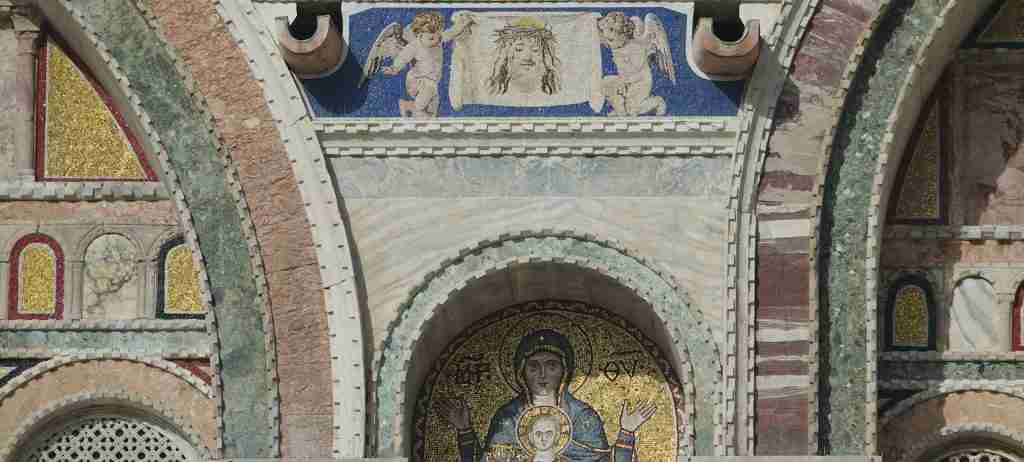
Basilica di Santa Maria e San Donato ranks among the Venetian Lagoon’s oldest churches, founded in the 7th century with current structure dating to the 12th century. The basilica preserves spectacular Byzantine mosaics, including a 12th-century floor mosaic covering the entire nave with geometric patterns and animal motifs. The apse mosaic depicts the Madonna in gold against deep blue, representing masterwork Byzantine artistry. Entry is free, with €2 suggested donation supporting conservation. The church opens 9:00 AM-6:00 PM daily, with respectful attire required (covered shoulders and knees).
Church of San Pietro Martire houses important Renaissance paintings including Giovanni Bellini’s altarpiece and Veronese works. The 15th-century Gothic structure features a single nave with side chapels containing Murano artisan family tombs, reflecting the island’s glassmaking dynasty lineages. Entry is free with 9:30 AM-12:30 PM and 3:00-5:30 PM hours. The church sits along the central canal, easily included in walking routes between glass furnaces and the museum.
Burano: Colorful Lace-Making Village
Getting to Burano
Burano lies 7 kilometers northeast of Venice, reached via line 12 from Fondamente Nove in 45 minutes with stops at Murano. The vaporetto arrives at Burano’s main landing adjacent to the central square, positioning visitors at the island’s heart. Return vaporetti to Venice depart every 30-40 minutes until 8:00 PM, with final departures at 8:30 PM on weekends. The island’s small size (500 meters by 400 meters) makes orientation simple, with all attractions within 10 minutes walking distance of the vaporetto stop.
Mazzorbo, connected to Burano via a 100-meter footbridge, serves as an alternative arrival point for travelers seeking quieter approaches. The wooden bridge connecting the islands provides iconic photography opportunities with Burano’s colorful houses as backdrop. Some visitors arrive via line 12 to Mazzorbo, walk to Burano, explore, then continue to Torcello, optimizing routes for light conditions and crowd avoidance.
Burano’s Rainbow Architecture
Burano’s vividly painted houses create the Venetian Lagoon’s most photographed scenery, with each building displaying bright colors following centuries-old tradition. The color system originated with fishermen painting homes in bright hues for identification when returning through fog, evolving into the regulated system existing today. Residents must select colors from official palettes established by the comune, maintaining the balanced spectrum while preventing clashing combinations. The tradition receives UNESCO Intangible Cultural Heritage recognition as part of Venetian lagoon cultural landscape preservation.
Optimal photography timing occurs during late afternoon (4:00-6:00 PM) when sunlight illuminates house facades with warm tones, enhancing color saturation. Via Baldassarre Galuppi, the main street, provides continuous color displays with canal reflections doubling visual impact. Side canals including Rio Terà dei Assassini and Via San Mauro offer quieter photography locations with fewer tourists. The leaning bell tower of San Martino (54 meters tall with 5.5-degree tilt) creates dramatic backdrop angles for composition variation.
Lace-Making Heritage and Museum
Burano lace-making traditions date to the 16th century, reaching peak prestige during the 17th-18th centuries when Burano punto in aria (raised needlepoint) supplied European royal courts. The Lace Museum (Museo del Merletto) occupies the former lace-making school in Piazza Galuppi, displaying techniques, tools, and masterpieces from historical peak periods. Entry costs €5.50 for adults, €3.50 reduced, free under 6 years in 2026 (check museomerletto.visitmuve.it for current rates). The museum operates 10:00 AM-5:00 PM Tuesday-Sunday, closed Mondays except during summer high season.
Live demonstrations occur in the museum’s ground floor workshop where artisan lace-makers practice traditional techniques. These demonstrations show the punto in aria technique requiring up to 600 hours for complex pieces, explaining why authentic Burano lace commands premium prices. Museum shop sells certified authentic lace with DOP designation (Denominazione di Origine Protetta), guaranteeing Burano production and supporting practicing artisans. Small pieces like bookmarks start at €40, intricate collars and tablecloths range €400-2000 reflecting labor intensity.
Artisan workshops throughout the island offer lace-making lessons teaching basic punto in aria stitches. Two-hour introductory lessons cost €60-80 per person, including materials and personal creation. These workshops support tradition transmission, with fees funding artisan livelihoods as machine-made imports threaten handcraft survival. Booking via museum information desk or directly with workshops ensures authentic instruction from master lace-makers rather than tourist-focused demonstrations.
Torcello: Venice’s Ancient Heart
Reaching Torcello
Torcello sits 5 minutes from Burano via line 12 vaporetto, representing the lagoon’s most isolated major island with population under 15 residents. The vaporetto landing positions visitors at the beginning of a 15-minute walking path crossing marshland to reach the central heritage area. This approach path, flanked by canals and vegetation, preserves Torcello’s tranquil atmosphere unchanged from medieval times. The bridge-crossed pathway serves as the island’s only street, leading directly to Piazza Torcello containing all major monuments.
Return vaporetti to Burano and Venice depart every 30-40 minutes, with final departures at 6:30 PM. The limited schedule requires monitoring departure times to avoid missing connections. Torcello’s small size allows complete exploration in 1-1.5 hours, though many visitors extend stays for peaceful contemplation and landscape photography. The island lacks commercial development beyond one restaurant and small museum shop, preserving authentic character as Venice’s founding settlement site.
Basilica di Santa Maria Assunta
The Cathedral of Santa Maria Assunta, founded in 639 AD, ranks as the Venetian Lagoon’s oldest building and one of Italy’s finest Byzantine monuments. The basilica preserves spectacular 12th-13th century mosaics covering the apse and west wall, including the famous Last Judgment spanning the entire facade interior. The golden apse mosaic depicts the Madonna and Child in pure Byzantine style, created by Constantinople artists representing Venice’s eastern cultural connections. The Apostles mosaic below the Madonna shows twelve figures in individual panels, each displaying unique characteristics and expressions.
Entry to the basilica complex costs €5 for adults, €4 reduced in 2026, covering the church, bell tower, and adjacent museum. The 55-meter bell tower climb (85 steps) provides panoramic views across the entire lagoon, including Venice’s skyline 10 kilometers southwest. The basilica opens 10:30 AM-5:00 PM daily with extended summer hours to 6:00 PM June-September. Audio guides cost €3, explaining mosaic symbolism and Byzantine artistic techniques. Photography inside the basilica is permitted without flash, allowing documentation of these remarkable 9th-13th century artworks.
Archaeological Heritage and Museum
Torcello Archaeological Museum occupies two buildings adjacent to the basilica, displaying artifacts from the island’s peak population period (9th-14th centuries) when 20,000 residents made it a major lagoon center. Collections include Roman-era fragments, medieval ceramics, bronze work, and architectural elements from demolished churches. Entry costs €3 or €9 combined with basilica access (better value for comprehensive visit). The museum operates 10:30 AM-5:00 PM Tuesday-Sunday, closed Mondays.
The Attila’s Throne stone chair in the square before the basilica represents a 5th-century magistrate’s seat, despite legendary attribution to the Hun leader. This simple stone structure served as the judgment seat for Torcello’s medieval podestà (governor), symbolizing the island’s former administrative importance. The Devil’s Bridge (Ponte del Diavolo), one of only two Venetian bridges without railings, preserves ancient construction techniques with its simple arch spanning a side canal. These landmarks provide free access and photo opportunities representing Torcello’s historical significance as Venice’s founding settlement.
Optimal Island Hopping Routes 2026
Classic Full-Day Route (8 Hours)
The comprehensive three-island circuit begins at Fondamente Nove at 8:00 AM on line 12 to Murano Faro (arrival 8:15 AM). Spend 2.5 hours on Murano including glass museum visit (9:00-10:15 AM), furnace demonstration (10:15-10:45 AM), and church visits (10:45-11:00 AM). Depart Murano Faro at 11:00 AM on line 12 reaching Burano at 11:35 AM. Allocate 2 hours for Burano including lace museum (11:45 AM-12:30 PM), lunch (12:30-1:30 PM), and colorful streets photography (1:30-2:00 PM).
Continue at 2:15 PM on line 12 to Torcello (arrival 2:20 PM), spending 1.5 hours for basilica visit (2:30-3:30 PM) and island exploration (3:30-4:00 PM). Depart Torcello at 4:15 PM returning via Burano to Fondamente Nove with arrival at 5:30 PM. This timing avoids peak tourist hours (10:00 AM-2:00 PM) on each island while maintaining comfortable exploration pace without rushing. Total transportation time: 2 hours. Total exploration time: 6 hours. Cost: €25 vaporetto pass + €24.50 museum entries + €25-35 lunch = €74.50-84.50 per person.
Half-Day Morning Route (4 Hours)
For travelers with limited time, the focused morning route departs Fondamente Nove at 8:30 AM reaching Murano at 8:45 AM. Spend 1.5 hours including brief glass museum visit (9:00-9:45 AM) and furnace demonstration (9:45-10:15 AM). Depart at 10:30 AM on line 12 to Burano, arriving 11:05 AM. Allocate 1.5 hours for colorful streets photography and lace museum visit. Return at 12:45 PM arriving Venice at 1:30 PM. This condensed route prioritizes visual highlights and essential heritage sites while maintaining quality experience. Cost: €25 vaporetto pass + €18 museum entries = €43 per person.
Photography-Optimized Route
Photographers seeking optimal lighting conditions begin at Fondamente Nove at 7:00 AM (earliest summer vaporetti) reaching Torcello at 7:50 AM. Sunrise light (7:00-8:30 AM) illuminates the basilica’s Byzantine mosaics through east-facing windows with golden tones. Depart Torcello at 9:00 AM for Burano (arrival 9:05 AM), photographing colorful houses during morning light before tour group arrivals (10:00 AM). Spend 9:15-11:30 AM capturing canals, bridges, and architectural details in directional morning light.
Continue to Murano at 11:45 AM for midday glass furnace demonstrations and museum visit. Return late afternoon (4:00 PM) to Burano when afternoon sun illuminates building facades with warm tones and tourists disperse. This route yields superior lighting conditions at each island, capturing optimal moments for architectural and landscape photography. The early start and return visit require 24-hour vaporetto pass, but delivers professional-quality images justifying the timing investment.
Lesser-Known Lagoon Islands
Mazzorbo
Connected to Burano via wooden footbridge, Mazzorbo offers peaceful contrast to its colorful neighbor with sparse population and agricultural character. The island preserves working vineyards producing Venissa wine, a rare golden wine from ancient Dorona grape variety recovered from extinction. Trattoria al Ponte serves traditional lagoon cuisine in an authentic setting with moderate prices (€25-35 per person). The 14th-century Church of Santa Caterina, Mazzorbo’s only historic monument, maintains irregular opening hours but provides Gothic architecture appreciation when accessible. Mazzorbo serves well as quiet lunch stop or contemplative break between Burano’s vibrancy and Torcello’s solemnity.
San Francesco del Deserto
This small island 20 minutes by private boat from Burano houses a Franciscan monastery founded in 1220, purportedly by Saint Francis himself returning from the Holy Land. The monastery welcomes visitors Tuesday-Sunday 9:00-11:00 AM and 3:00-5:00 PM for guided tours (donation-based, €5-10 suggested). Brother-guided tours explain monastic life, show the cloister and church with 15th-century frescoes, and walk the peaceful gardens. Access requires arranging boat transport from Burano with local water taxis (€15-20 per person round-trip, minimum 4 passengers) or joining organized tours including monastery visits. The island’s tranquil spiritual atmosphere contrasts dramatically with Burano’s tourism activity, offering contemplative experience for those seeking deeper cultural immersion.
Sant’Erasmo
Known as Venice’s kitchen garden, Sant’Erasmo spans 3.26 square kilometers as the lagoon’s largest island, supplying vegetables to Venice markets for centuries. The island maintains agricultural character with artichoke fields (Sant’Erasmo’s specialty), vineyards, and market gardens worked by 700 residents. Line 13 from Fondamente Nove reaches Sant’Erasmo in 30 minutes with stops at multiple island points. The Maximilian Tower, a 19th-century Austrian fortress, provides panoramic views after restoration work. Sant’Erasmo suits travelers seeking authentic lagoon life beyond tourism, with cycling opportunities (bring bikes on vaporetto with €3 supplement) and rural walking paths. Limited dining options include basic trattorias serving ultra-local cuisine with vegetables picked that morning.
Practical Tips and Strategies 2026
Timing and Crowd Management
Peak tourist season (June-August) brings maximum crowds to all three main islands, with 10:00 AM-3:00 PM representing highest congestion. Cruise ship arrivals on port days (Monday, Wednesday, Friday) intensify crowding, particularly on Murano and Burano. Early morning departures before 9:00 AM avoid tour group masses, providing peaceful exploration and superior photography conditions. Late afternoon visits after 4:00 PM work well for Burano when tour groups depart and local life resumes authentic character.
Shoulder seasons (April-May, September-October) offer ideal conditions balancing pleasant weather, reduced crowds, and full operational hours for all attractions. Winter months (November-March) bring smallest crowds but reduced ferry frequency and some attraction closures. Weather reliability peaks May-September, though summer heat (30-35°C) requires sun protection and hydration planning. Spring and fall provide comfortable temperatures (15-25°C) optimal for extended walking and photography.
Dining Recommendations and Costs
Murano dining concentrates along Fondamenta dei Vetrai, the main canal-side walkway. Ristorante Busa alla Torre offers traditional Venetian seafood in moderate pricing (€25-40 per person for full meal including wine). Osteria Al Duomo near Santa Maria e Donato serves simpler fare at lower costs (€15-25 per person). Glass furnace area restaurants target tour groups with higher prices and tourist menus—walk 5 minutes inland for authentic local establishments with better value.
Burano offers excellent dining value compared to Venice proper, with fresh seafood at reasonable costs. Trattoria al Gatto Nero ranks as the island’s finest restaurant serving traditional risotto de gò (lagoon goby fish) and moleche (soft-shell crab) for €35-50 per person. Trattoria da Romano displays artwork collection alongside quality seafood at €30-45 per person. Budget options include Osteria al Vecio Pipa (€20-30 per person) and Al Raspo de Ua (€25-35 per person). All Burano restaurants serve catch-of-the-day specials featuring morning’s lagoon harvest.
Torcello dining centers on Locanda Cipriani, historic restaurant hosting celebrity guests since 1934 with premium pricing (€60-90 per person). Osteria al Ponte del Diavolo provides more accessible pricing (€35-50 per person) with lagoon views and traditional preparation. Both establishments require reservations during peak season. Budget-conscious travelers pack picnics for Torcello, eating in the plaza near Attila’s Throne while appreciating the peaceful setting.
Money-Saving Strategies
The 24-hour vaporetto pass at €25 provides best transportation value for three-island itineraries, compared to single tickets totaling €28.50 (three journeys at €9.50 each). Combining island hopping with Venice exploration the same day maximizes pass value, using unlimited travel for return to accommodations and evening activities. The 72-hour pass at €55 suits travelers spending 2-3 days exploring lagoon islands plus Venice neighborhoods.
Museum entry costs can be reduced through Venice Unica City Pass offering 10-15% discounts at participating museums including Murano Glass Museum and Burano Lace Museum. Free attractions including churches, outdoor areas, and photography opportunities provide substantial cultural value without entry fees. Glass furnace demonstrations offer free entertainment and education, though attached galleries expect (but don’t require) purchases.
Lunch timing affects costs significantly—early lunch before 12:30 PM or late lunch after 2:00 PM avoids peak dining surcharges some restaurants apply. Tourist menu plates offer fixed-price meals (€18-25 per person) providing adequate portions at predictable costs. Drinking water from public fountains (safe throughout Venice lagoon) saves €3-4 per person daily on bottled water purchases.
Booking and Reservations 2026
Vaporetto Tickets and Passes
ACTV vaporetto tickets can be purchased at any Venice transport office, including locations at Piazzale Roma, Ferrovia train station, San Marco, and Fondamente Nove. Automated ticket machines accept credit cards and cash, displaying instructions in multiple languages. The HelloVenezia ticket offices provide full-service purchase with route advice and pass options explanation. Mobile tickets through the AVM Venezia app work identically to physical tickets, requiring validation via QR code scanning before boarding.
Advance online purchase through veneziaunica.it provides convenience but no cost savings—prices match on-site purchases. The website offers combination passes including transport plus museum entries, calculating savings automatically. Contactless validation requires tapping yellow machines at every vaporetto stop before boarding. Failed validation results in €60 fines, enforced by frequent inspector checks. Keep validated tickets throughout your journey as proof of payment.
Tour Operator Selection
Reputable island tour operators include Viator, GetYourGuide, and Walks of Italy offering established services with verified reviews. Tours departing from central Venice meeting points eliminate independent navigation to Fondamente Nove, valuable for first-time visitors. English-language tours operate daily during peak season, requiring advance booking for guaranteed space. Last-minute bookings (1-3 days ahead) work during shoulder seasons but risk limited availability or language options during summer.
Private tour companies including Venice Tours and Dark Rome offer customized experiences with flexible timing and specialized focus areas. Booking directly through company websites sometimes provides 5-10% savings over aggregator platforms, though aggregators offer convenient comparison shopping and centralized reviews. Tours including skip-the-line access provide minimal benefit for island attractions (queues rarely exceed 5-10 minutes) unlike Venice proper where this feature carries genuine value.
Workshop and Experience Reservations
Glassblowing workshops require 2-4 week advance booking during summer peak season, available through Venice tourism office or direct contact with specific furnaces. Workshop confirmation emails specify meeting points and timing, with deposits required. Lace-making lessons through Burano artisan collectives accept walk-in inquiries but benefit from advance arrangement ensuring English-speaking instruction. Email booking via museum contacts provides most reliable confirmation for specific date requirements.
Planning Your 2026 Island Experience
Integration with Venice Itinerary
Island hopping works effectively as a full-day excursion from Venice, typically positioned mid-itinerary after initial Venice orientation but before departure timing pressure. Combining island hopping with a Venice neighborhood exploration day using the 24-hour pass maximizes transportation value. Morning island departure (8:00 AM) allows late afternoon return (4:00-5:00 PM) with evening hours for Venice dining and cultural activities.
Multi-day approaches split islands across separate half-days—Murano combined with northern Venice neighborhoods (Cannaregio) one day, Burano-Torcello paired with eastern Venice (Castello) another day. This pacing reduces rushing and allows deeper immersion in each island’s artisan traditions. Weather flexibility benefits split approaches—postponing island visits during rain favors indoor Venice museums, executing outdoor-focused island trips during optimal conditions.
Weather and Seasonal Considerations
Summer months (June-August) deliver reliable sunshine but intense heat (28-35°C) requires sun protection, water carrying, and heat management strategies. Morning departures before 9:00 AM avoid peak heat hours during island exploration. Acqua alta (high water) occurs primarily November-January, occasionally flooding Torcello’s walking path and disrupting vaporetto schedules. Real-time acqua alta forecasts on comune.venezia.it allow planning adjustments 2-3 days ahead.
Spring (April-May) provides ideal conditions with moderate temperatures (15-25°C), blooming island gardens, and reduced tourist crowds. Fall (September-October) delivers similar advantages with additional benefit of Venice’s cultural season beginning and local life resuming full pace after summer tourism. Winter visits (November-February) offer atmospheric photography opportunities with fog and unique lighting but require cold weather preparation and flexible scheduling around reduced ferry frequency.
Photography Equipment and Techniques
Wide-angle lenses (16-35mm) capture Burano’s colorful street scenes and Murano’s canal views effectively, while telephoto lenses (70-200mm) isolate architectural details and compress perspective on facades. Torcello’s basilica interior requires high ISO capability (3200-6400) for low-light mosaic photography without flash (prohibited). Polarizing filters enhance sky contrast and reduce water reflections, particularly valuable for canal photography throughout all islands.
Golden hour timing (first hour after sunrise, last hour before sunset) provides warm light flattering colorful architecture. Burano’s houses face multiple directions, ensuring some facades receive optimal lighting throughout the day. Overcast conditions create even lighting ideal for colorful subject photography, eliminating harsh shadows that occur during midday sun. Drone photography requires permits obtainable through ENAC (Italian aviation authority), with restrictions over populated areas including all three main islands.
2026 Updates and Current Information
Transportation Changes and Improvements
ACTV continues expanding contactless payment options with 2026 implementation of tap-to-board systems accepting credit cards directly at validation machines, eliminating ticket purchase requirements for tourists. The HelloVenezia platform integrates all Venice transport and museum bookings in centralized system launching full functionality March 2026. Vaporetto schedule optimization based on 2025 rider data adjusts frequency on popular routes during peak hours, potentially increasing line 12 frequency to every 20 minutes during summer mornings.
Heritage Preservation Projects
UNESCO World Heritage monitoring continues for the Venetian Lagoon with focus on traditional craft preservation. Funding allocated for artisan apprenticeship programs aims to transmit glassmaking and lace-making skills to younger generations, addressing craft succession concerns. Murano Glass Museum expansion project adds 300 square meters of exhibition space with expected completion December 2025, showcasing contemporary glass art alongside historical collections.
Sustainable Tourism Initiatives
Venice implements visitor contribution system requiring day-trippers to pay €5 access fees on peak days (weekends and holidays April-October). The fee exempts overnight accommodation guests and includes vaporetto travel. Island communities balance tourism economy with resident quality-of-life through regulated tour group sizes and staggered arrival timing. These measures aim to preserve authentic island character while maintaining traditional craft viability through sustainable visitor levels.
Frequently Asked Questions
Can you visit all three islands in one day?
Yes, a well-planned itinerary covers Murano, Burano, and Torcello in a single day, typically requiring 7-8 hours including transportation. The classic route allocates 2-2.5 hours for Murano including glass museum and furnace demonstrations, 2 hours for Burano covering the lace museum and colorful streets, and 1-1.5 hours for Torcello’s cathedral and archaeological sites. Transportation between islands totals approximately 2 hours. Early morning starts (8:00 AM departure) maximize exploration time while avoiding peak tourist crowds.
What should you buy on Venice islands?
Authentic Murano glass carries certification marks (Vetro Artistico Murano trademark) guaranteeing island production using traditional techniques. Quality pieces range from €40 for small decorative items to thousands for sculptural art. Certified Burano lace with DOP designation starts at €40 for bookmarks and reaches €400-2000 for complex pieces reflecting hundreds of hours of handwork. Purchasing directly from artisan workshops ensures authenticity and supports traditional craft preservation. Avoid street vendors selling imported mass-produced items falsely labeled as Murano glass or Burano lace.
Are Venice island tours worth the cost?
Guided tours provide value through cultural context, heritage interpretation, and logistical convenience, particularly beneficial for first-time visitors unfamiliar with vaporetto systems. Half-day group tours at €25-35 include transportation, English-speaking guides, and priority access to demonstrations, offering reasonable value considering independent travel costs €25 for vaporetto pass alone. Tours eliminate navigation stress and provide artisan workshop access not always available to independent travelers. However, confident travelers comfortable with public transport and self-guided exploration save money and gain flexibility through independent visits using comprehensive planning resources.
How early should you start island hopping?
Optimal departure time from Venice occurs 8:00-8:30 AM, allowing arrival at first island before tour group masses (10:00 AM). Early timing provides peaceful exploration, superior photography lighting, and comfortable completion of three-island routes by late afternoon. Photographers seeking optimal conditions depart as early as 7:00 AM on first summer vaporetti. Travelers prioritizing relaxed pacing over crowd avoidance can start 9:30-10:00 AM, accepting higher tourist presence but avoiding extremely early wake times.
What’s the best season for Venice island hopping?
Spring (April-May) and fall (September-October) provide optimal conditions balancing pleasant weather, reduced tourist crowds, and full attraction operations. Temperatures range 15-25°C, ideal for extended outdoor exploration and photography. Summer (June-August) offers maximum daylight and reliable weather but brings intense heat and peak crowds. Winter (November-March) delivers smallest crowds and atmospheric photography conditions but requires cold weather preparation and flexible scheduling around reduced ferry frequency and some attraction closures.
Can you swim on Venice islands?
Swimming is prohibited around Murano, Burano, and Torcello due to boat traffic and water quality concerns. Lido di Venezia, the lagoon’s barrier island, provides designated swimming beaches with facilities 20 minutes from Venice on vaporetto lines 1, 2, and 5.1. Sant’Erasmo’s northern shore offers limited swimming areas popular with locals but lacking facilities or lifeguard supervision. Focus island hopping visits on cultural heritage and artisan traditions rather than beach activities.
Are Venice islands accessible for mobility-limited travelers?
Vaporetto boarding requires navigating floating docks with 20-40cm height variations based on tide levels, challenging for wheelchair users and travelers with limited mobility. Most vaporetti include wheelchair-designated spaces, but assistance boarding may be necessary during certain tide conditions. Murano and Burano feature relatively flat terrain with some bridges requiring steps. Torcello’s 15-minute walking path from the vaporetto landing includes several bridges with steps, making wheelchair access difficult without assistance. Guided private tours can arrange water taxi transport with easier boarding access, though at premium cost.
Do you need reservations for island restaurants?
Reservations are recommended for Locanda Cipriani on Torcello and Trattoria al Gatto Nero on Burano during peak season (June-August), as these popular establishments fill during lunch hours (12:30-2:00 PM). Most other island restaurants accommodate walk-in guests, though early lunch (before 12:30 PM) or late lunch (after 2:00 PM) ensures seating during busy periods. Weekend dining sees higher demand than weekdays. Reservations provide peace of mind and guarantee seating but aren’t strictly necessary for most establishments with some flexibility on timing.
Can you store luggage while island hopping?
Venice’s main luggage storage facilities operate near Santa Lucia train station and Piazzale Roma, charging €6-8 per bag for full-day storage. Several locations in San Marco area offer similar services. Islands themselves lack luggage storage facilities. Large bags on vaporetti require extra €3 tickets and consume limited boat space, making storage at Venice locations advisable before departure. Water taxis accommodate luggage without size restrictions but cost significantly more than vaporetti for island transport.
What language do island residents speak?
Murano, Burano, and Torcello residents speak Italian, with many tourism-facing business owners and artisans speaking functional English. Glass furnace demonstrations and museum exhibitions include English-language explanations. Restaurant menus typically feature English translations in tourist-oriented establishments. Learning basic Italian phrases enhances interaction with artisans and local residents, though visitors navigate successfully with English in most tourism contexts. Guided tours provide interpretation and cultural context in English, valuable for deeper heritage appreciation.