
Venice Complete Guide 2026: Ultimate UNESCO Heritage Experience
Venice stands as one of the world’s most extraordinary UNESCO World Heritage sites, where centuries of maritime power created an architectural masterpiece across 118 islands connected by 400 bridges. The entire city and its lagoon earned UNESCO designation in 1987, recognizing this unique urban landscape where Byzantine domes, Gothic palaces, and Renaissance masterpieces rise directly from the water.
Key Takeaways
- Book Early for 2026: Reserve accommodations 4-6 months in advance for optimal pricing and availability, especially for April-October visits
- Budget Planning: Expect €200-350 per day for mid-range experiences including accommodation, meals, vaporetto passes, and museum entries
- Optimal Timing: Visit November-March for fewer crowds and authentic experiences, or late May-early June for pleasant weather without peak summer crowds
- Venice Tourist Tax: Daily access contribution of €5-10 applies for day visitors during peak periods; overnight guests pay through accommodation
- Transportation Strategy: Purchase 48-hour or 72-hour vaporetto passes (€35-65) for unlimited water bus access across the lagoon
- Skip-the-Line Essential: Pre-book St. Mark’s Basilica, Doge’s Palace, and major museums to avoid 1-2 hour queues during high season
Introduction
Planning your 2026 Venice experience requires understanding the city’s seasonal rhythms, navigating its complex transportation system, and timing your visit to balance weather conditions with crowd levels. This complete guide provides US travelers with actionable strategies for experiencing Venice’s incomparable heritage sites, from the golden mosaics of St. Mark’s Basilica to the hidden campi of Dorsoduro.
Venice in 2026 continues to balance tourism management with heritage preservation. The city implements visitor contribution systems during peak periods while maintaining its status as a living city where 50,000 residents navigate the same canals tourists explore. Understanding these dynamics helps you plan a respectful, enriching visit that supports Venice’s long-term sustainability.
People Also Ask About Venice 2026
When is the best time to visit Venice in 2026?
The best time to visit Venice is November through March for authentic experiences with manageable crowds, or late May through early June for optimal weather before peak summer. US travelers booking 4-6 months ahead secure better hotel rates and availability. Avoid July-August when temperatures reach 85-90°F and crowds peak.
How much does it cost to visit Venice in 2026?
Budget €200-350 per day for mid-range Venice experiences. Hotels range €150-280 per night, vaporetto passes cost €35-65 for multi-day access, and meals average €45-75 daily. Major museum entries run €15-28 each. US visitors should expect $1,800-2,500 for a comfortable 5-day Venice trip including flights.
Do I need advance booking for Venice attractions?
Advance booking is essential for Doge’s Palace, St. Mark’s Basilica tours, and Secret Itineraries experiences. Purchase tickets 2-4 weeks ahead through official websites. Skip-the-line options cost €5-10 extra but save 1-2 hours during peak season. Some churches accept walk-ins but major sites require timed entries.
What’s the easiest way to get around Venice?
Purchase a vaporetto multi-day pass for unlimited water bus access. The 72-hour pass costs €65 and covers all routes including Murano and Burano islands. Water taxis cost €60-120 for direct transfers but suit luggage-heavy arrivals. Walking remains the primary transportation method for exploring Venice’s neighborhoods.
Extended multi-day tours – 5+ days
Featured Venice Multi-Day Tour Packages

3 days
Venice 3-Day Discovery Tour
- ✓ Comprehensive Venice experience
- ✓ Expert local guides included
- ✓ All accommodation included
- ✓ Transportation provided

5 days
Venice 5-Day Highlights Experience
- ✓ Comprehensive Venice experience
- ✓ Expert local guides included
- ✓ All accommodation included
- ✓ Transportation provided
7 days
Venice 7-Day Cultural Journey
- ✓ Comprehensive Venice experience
- ✓ Expert local guides included
- ✓ All accommodation included
- ✓ Transportation provided
10 days
Venice 10-Day Complete Adventure
- ✓ Comprehensive Venice experience
- ✓ Expert local guides included
- ✓ All accommodation included
- ✓ Transportation provided
Multi-day tour packages powered by TourRadar. Prices and availability subject to change.
Understanding Venice’s UNESCO Heritage Status
Venice and its lagoon achieved UNESCO World Heritage designation in 1987 based on six cultural criteria, making it one of the most comprehensively recognized sites in the World Heritage system. The designation encompasses not just the historic center but the entire lagoon ecosystem, including the islands of Murano, Burano, and Torcello, along with the barrier islands that protect the lagoon from Adriatic storms.
The city’s heritage value stems from its unique development as a maritime republic that dominated Mediterranean trade for centuries. Venice created an urban form unlike any other, where Gothic and Byzantine architectural traditions merged with Renaissance innovation to produce palaces, churches, and public buildings that rise directly from the water. The Grand Canal serves as the city’s main thoroughfare, lined with palatial facades representing 500 years of architectural evolution.
The Venetian Lagoon Ecosystem
The lagoon ecosystem forms an integral part of Venice’s World Heritage designation. This shallow coastal water body covers 212 square miles, with tidal flows regulated by three inlets protected by barrier islands. The lagoon’s salt marshes, mudflats, and channels support diverse wildlife while providing the natural foundation that makes Venice possible.
Understanding the lagoon’s dynamics helps visitors appreciate Venice’s environmental challenges. The acqua alta phenomenon brings high tides that flood low-lying areas, particularly Piazza San Marco, between October and January. The MOSE barrier system now controls extreme flooding events, though visitors should monitor acqua alta forecasts and pack waterproof footwear for winter visits.
Architectural Heritage Across Six Districts
Venice divides into six districts called sestieri, each offering distinct architectural and cultural experiences. San Marco concentrates the city’s most famous landmarks around the central square, while Dorsoduro houses major art collections in the Gallerie dell’Accademia and Peggy Guggenheim Collection. Cannaregio reveals quieter neighborhood life with the historic Jewish Ghetto, and Castello extends eastward to the Arsenale, Venice’s ancient shipyards.
Santa Croce and San Polo surround the Rialto Bridge and market area, where commercial Venice has operated for centuries. Each sestiere maintains neighborhood churches, campi (squares), and palazzi that demonstrate Venice’s layered history from Byzantine origins through Renaissance flowering to 18th-century decline.
Planning Your Venice Visit for 2026
Seasonal Weather and Crowd Patterns
Venice experiences distinct seasonal patterns that significantly impact visitor experience. Spring months (April-May) bring mild temperatures of 55-70°F with moderate crowds building toward summer peaks. Summer (June-August) delivers warm weather at 75-85°F but maximum tourist density, particularly in July and August when European vacation season peaks.
Fall (September-October) offers excellent visiting conditions with temperatures cooling to 60-75°F and crowds diminishing after mid-September. Early fall combines comfortable weather with manageable visitor numbers, making it optimal for US travelers who can travel outside summer months. Winter (November-March) presents the most authentic Venice experience with minimal crowds, though temperatures range 35-50°F and acqua alta occurs regularly between October and January.
Accommodation Strategy and Booking Timeline
Venice accommodation falls into three main categories with distinct pricing and location advantages. Historic center hotels cost €150-280 per night for mid-range properties, offering immediate access to major sites but limited room sizes due to palazzo conversions. Boutique properties in quieter sestieri like Cannaregio and Dorsoduro provide better value at €120-220 while maintaining authentic neighborhood character.
Mainland Mestre hotels offer budget alternatives at €70-140 with easy train connections to Venice Santa Lucia station. Book accommodations 4-6 months ahead for April through October visits to secure optimal rates and availability. Properties near vaporetto stops provide crucial convenience for navigating Venice’s car-free environment. Confirm your hotel includes the tourist tax (€1-5 per person per night) in quoted rates or expects payment separately.
Venice Tourist Contribution System
Venice implements a daily access contribution for day visitors during peak periods, typically April through October on weekends and holidays. The contribution costs €5-10 depending on anticipated visitor volumes and applies to anyone entering the historic center without overnight accommodation. Visitors staying overnight pay the standard tourist tax through their accommodation instead.
US travelers should check the official Venice city website before visiting to confirm current requirements and payment methods. The system aims to manage visitor flows while supporting heritage preservation. Children under 14, residents of the Veneto region, and visitors with documented work or study purposes receive exemptions. Keep your payment confirmation accessible as spot checks occur at entry points.
Transportation and Getting Around
Arriving in Venice from the United States
US travelers typically fly into Venice Marco Polo Airport (VCE), located 5 miles north of the historic center. Airport transportation options include Alilaguna water buses (€15, 60-90 minutes), ACTV buses to Piazzale Roma (€8, 25 minutes), and private water taxis (€110-130, 30 minutes). The Alilaguna orange line serves hotels along the Grand Canal, while the blue line connects to San Marco and Lido.
Some visitors fly into Milan or Rome and take high-speed trains to Venice Santa Lucia station, which sits at the northwest edge of the historic center. This approach works well for multi-city Italy itineraries. Water taxis from the airport suit travelers with heavy luggage or arriving late evening when Alilaguna frequency decreases. Book water taxis through your hotel or the airport counter for guaranteed service.
Vaporetto System and Multi-Day Passes
Venice’s ACTV vaporetto system operates water buses along the Grand Canal and throughout the lagoon. Single rides cost €9.50 with 75-minute transfer validity, making multi-day passes essential for visitors. The 24-hour pass costs €25, 48-hour pass €35, and 72-hour pass €65, all offering unlimited rides on all ACTV services including island routes.
Purchase passes at ACTV ticket offices near major vaporetto stops, Venezia Unica kiosks, or through the official app. Validate your pass at yellow machines before boarding for first use. Line 1 follows the Grand Canal making all stops, while Line 2 provides faster limited-stop service. Lines 4.1 and 4.2 circle the historic center, and lines 12, 14, and 18 connect to lagoon islands.
Walking Strategy and Navigation
Walking forms the primary transportation method for exploring Venice’s neighborhoods. The city spans roughly 2 miles east-west and 1.5 miles north-south, all navigable on foot despite its reputation for confusing layout. Yellow signs at major intersections direct walkers toward key destinations: Rialto, San Marco, Piazzale Roma, and Ferrovia (train station).
Expect to cross numerous bridges, many with steps that challenge travelers with mobility limitations. The city’s narrow calli (streets) and hidden campi create an intricate urban fabric that rewards exploration. Download offline Google Maps or purchase a detailed paper map for navigation backup. Comfortable walking shoes are essential as you’ll cover 6-10 miles daily exploring Venice’s interconnected neighborhoods.
Essential Venice Heritage Sites
St. Mark’s Basilica and Square
St. Mark’s Basilica represents Venice’s Byzantine heritage with five domes crowned by gold mosaics covering 8,000 square meters. The basilica entry is free but requires advance booking through the official website for timed access slots. Lines form 1-2 hours before opening without reservations. Modest dress requirements apply: covered shoulders and knees, no shorts or short skirts.
The basilica museum (€7) and Pala d’Oro altarpiece (€5) require separate tickets purchased inside. The Treasury costs €3 and displays Byzantine silver and goldwork. Climbing the basilica terrace offers close views of the facade mosaics and overlooks Piazza San Marco. Photography is prohibited inside the basilica but allowed on the terrace and in the museum.
Piazza San Marco itself serves as Venice’s ceremonial center, surrounded by the Procuratie palace arcades now housing cafes and shops. The piazza sits at sea level and floods first during acqua alta events. Historic cafes like Florian (1720) and Quadri (1638) charge €10-15 for coffee with live music surcharges, but provide quintessential Venetian experiences.
Doge’s Palace and Secret Itineraries
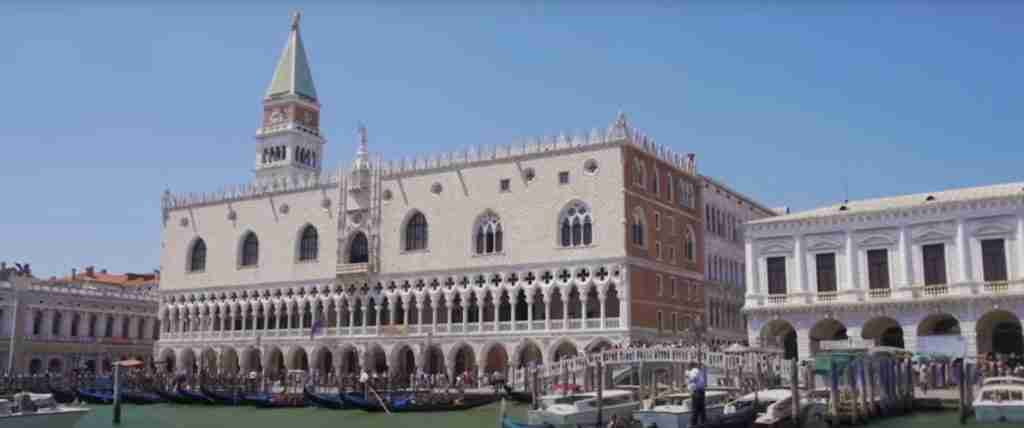
The Doge’s Palace served as the residence of Venice’s elected leader and the seat of government for the Venetian Republic. The palace contains Tintoretto’s Paradise, one of the world’s largest canvas paintings, and features ornate rooms decorated by Veronese, Titian, and other Venetian masters. Standard admission costs €28 and includes access to the Museo Correr, Archaeological Museum, and Biblioteca Marciana.
Book tickets online 2-4 weeks ahead to avoid queues that reach 90 minutes during peak season. The standard route covers the Doge’s apartments, institutional chambers, and the path across the Bridge of Sighs to the prison cells. Allow 2-3 hours to tour thoroughly at a comfortable pace.
The Secret Itineraries tour (€38, advance booking required) explores hidden palace areas including the torture chamber, lead roof prisons, and administrative offices where the Council of Ten met. Tours run in English at scheduled times with maximum 25 participants. This 75-minute guided experience provides insights into Venice’s governmental operations and justice system unavailable on the standard route.
Grand Canal Palaces
The Grand Canal winds 2.4 miles through Venice’s heart, lined with palaces representing six centuries of architectural evolution. Vaporetto Line 1 provides the most comprehensive canal view, operating from Piazzale Roma to San Marco with stops at major palaces. The 45-minute journey passes approximately 170 buildings, most dating from the 12th to 18th centuries.
Key palaces along the route include Ca’ d’Oro with its Gothic facade and art museum (€12), Ca’ Rezzonico baroque palace and 18th-century museum (€12), and Palazzo Grassi hosting contemporary art exhibitions (€15-18). The Rialto Bridge marks the commercial heart where the Grand Canal makes its famous curve. Photograph the canal’s palace panorama from the Accademia or Rialto bridges for classic Venice perspectives.
Art Museums and Cultural Institutions
Gallerie dell’Accademia
The Accademia houses Venice’s premier collection of Venetian painting from the 14th through 18th centuries. The museum displays masterworks by Bellini, Giorgione, Titian, Tintoretto, and Veronese across 24 galleries organized chronologically. Entry costs €15 with timed tickets available online to bypass lines that build mid-morning.
Highlights include Giorgione’s The Tempest, Veronese’s Feast in the House of Levi, and Titian’s Presentation of the Virgin. The museum occupies former Scuola della Carità buildings across the Accademia Bridge from San Marco. Plan 2-3 hours to cover the collection thoroughly. Audio guides cost €6 and provide helpful context for major works.
Peggy Guggenheim Collection
The Peggy Guggenheim Collection presents European and American modern art in Peggy Guggenheim’s former Grand Canal palazzo. The museum displays Guggenheim’s personal collection including works by Picasso, Kandinsky, Pollock, and Calder. Entry costs €18 with online tickets available to guarantee timed access.
The sculpture garden overlooks the Grand Canal with works by Moore, Giacometti, and others. The museum shop offers excellent art books and gifts. Allow 1.5-2 hours to tour the collection. The museum closes Tuesdays and provides a contemporary art counterpoint to Venice’s Renaissance heritage.
Scuola Grande di San Rocco
The Scuola Grande di San Rocco contains 60 paintings by Tintoretto, created over 23 years and representing the artist’s most comprehensive cycle. The building itself demonstrates Venetian Renaissance architecture with elaborate carved ceilings and marble floors. Entry costs €12 with audio guides included in admission.
Tintoretto’s Crucifixion fills the main hall’s rear wall and stands as his masterwork. The ground floor and upper hall display additional biblical cycles. Mirrors help viewers examine ceiling paintings without neck strain. Allow 60-90 minutes to experience the complete cycle. The Scuola sits in San Polo near the Frari church, making the two sites efficient to combine.
Island Excursions
Murano Glass Island
Murano sits 1 mile north of Venice and has produced glass since 1291 when Venice moved its furnaces to this island due to fire risks. Vaporetto lines 4.1, 4.2, and 12 connect Venice to Murano in 15-25 minutes depending on departure point. The island spans five connected islands with glass showrooms and factories throughout.
Visit working furnaces for glass-blowing demonstrations, typically free but with purchase expectations. The Glass Museum (€12) documents Murano’s glass-making history with examples from ancient to contemporary periods. Expect aggressive sales tactics in showrooms near vaporetto stops; browse thoroughly before committing to purchases. Authentic Murano pieces carry certification stamps, though pricing remains negotiable.
Burano Lace and Color
Burano lies 7 miles northeast of Venice, reachable via vaporetto line 12 in 40-50 minutes from Fondamente Nove. The island distinguishes itself through brightly painted houses in yellows, blues, pinks, and oranges. Burano developed lace-making traditions that parallel Murano’s glass heritage, though the handmade lace industry has largely declined.
The Lace Museum (€6) displays historical examples and demonstrates traditional techniques. Most lace sold in island shops now comes from Asia rather than local production. Burano excels for photography and authentic island atmosphere. Lunch at traditional restaurants costs €40-60 per person for seafood-focused menus. Allow 2-3 hours for a Burano visit, or combine with nearby Torcello for a full half-day excursion.
Torcello Historical Island
Torcello represents Venice’s earliest settlement, established in the 5th century before Venice itself. The island’s population peaked at 20,000 in the 10th century but now hosts fewer than 20 residents. Vaporetto line 12 connects Burano to Torcello in 5 minutes, making the two islands natural pair for exploration.
The Cathedral of Santa Maria Assunta preserves extraordinary 11th and 12th-century Byzantine mosaics, particularly the Last Judgment on the western wall. Cathedral entry costs €5, with combination tickets available for the cathedral and church museum. The island’s rural character contrasts sharply with crowded Venice. Visit Torcello for historical perspective on Venice’s lagoon origins and early Christian art rarely seen elsewhere in the region.
Venetian Cuisine and Dining
Traditional Cicchetti and Bacari
Venetian cicchetti culture parallels Spanish tapas, offering small bites served at traditional bacari bars. Cicchetti cost €2-4 per piece and include baccalà mantecato (creamed cod), sarde in saor (sweet and sour sardines), and polpette (meatballs). Bacari cluster in San Polo near the Rialto market and throughout Cannaregio.
Visit bacari between 11 AM-1 PM or 6-8 PM when locals stand at bars for quick meals. Ombra (small glass) of wine costs €2-4. This authentic dining style offers excellent value compared to full restaurant meals. Popular bacari include Cantina Do Mori (1462), All’Arco, and Cantinone gia Schiavi. Expect standing room only during peak hours but genuine Venetian atmosphere absent in tourist-focused restaurants.
Restaurant Strategy and Pricing
Venice restaurants range from €15-25 for casual pizzerias and osterie to €60-120 per person for upscale dining at Michelin-recognized establishments. Mid-range trattorias charge €35-55 per person for three courses with house wine. Restaurants near San Marco and major tourist routes charge 30-50% premiums for identical food available in neighborhood locations.
Coperto (cover charge) of €2-4 per person adds to bills automatically. Service charges typically reach 10-12% unless you see “servizio incluso” noted. Reservations prove essential for dinner at quality restaurants, bookable 1-2 weeks ahead through restaurant websites or TheFork app. Avoid restaurants with picture menus or aggressive touts outside, reliable indicators of tourist traps serving mediocre food at inflated prices.
Rialto Market Experience
The Rialto Market operates Tuesday-Saturday mornings with fish vendors setting up by 7 AM and vegetable stands opening shortly after. The pescaria (fish market) showcases Adriatic seafood that Venice restaurants serve the same day. The market closes by 1 PM, making morning visits essential for full experience.
Surrounding the market, alimentari shops and specialized vendors sell local products including Veneto wines, regional cheeses, and cured meats. Purchase picnic supplies for lunch in a quiet campo, spending €15-25 per person for quality ingredients. The market area provides authentic Venetian life glimpses and photographic opportunities, particularly the fish market’s colorful displays.
Practical Venice Information for US Travelers
Entry Requirements and Documentation
US citizens enter Italy and Venice without visas for stays up to 90 days within any 180-day period. Valid passports must extend at least three months beyond your planned departure date from the Schengen Area. Italy participates in the European Union’s ETIAS travel authorization system launching in 2025, requiring online pre-registration costing €7 and valid three years.
Complete the ETIAS application through the official EU website before booking flights. The authorization process takes minutes to a few days depending on approval complexity. Keep digital and printed copies of your passport, ETIAS authorization, accommodation confirmations, and return flight details. Italian hotels require passport information at check-in for police registration, a standard procedure throughout Italy.
Currency and Payment Methods
Italy uses the Euro (€) with exchange rates fluctuating around $1.05-1.15 per Euro. Notify your bank of Italy travel dates to prevent card blocks. Credit cards work throughout Venice at hotels, restaurants, and shops, though small bacari and market vendors prefer cash. Withdraw Euros from bank ATMs for best exchange rates, avoiding airport and tourist area exchange offices that charge 5-10% premiums.
Visa and Mastercard enjoy near-universal acceptance while American Express sees more limited use. Carry €100-200 cash for market purchases, bacari, and small shops. Contactless payment works at most establishments. Tipping practices differ from US standards: round up restaurant bills or leave 5-10% for exceptional service, €1 per bag for bellhops, and no tipping at bars or bacari.
Language and Communication
Italian serves as the primary language throughout Venice, though English proficiency varies by location and generation. Tourist-facing businesses maintain English-speaking staff, but neighborhood shops and traditional bacari operate primarily in Italian. Learn basic courtesy phrases: “buongiorno” (good morning), “grazie” (thank you), “per favore” (please), and “mi scusi” (excuse me).
Restaurant menus typically offer English versions in central areas. Download Google Translate with offline Italian language pack for navigation assistance. Most museums and major sites provide English audio guides or information materials. Venice locals appreciate visitors attempting Italian courtesy phrases even if conversations continue in English.
Photography and Best Viewing Spots
Iconic Venice Perspectives
The Accademia Bridge provides classic Grand Canal views looking toward the Salute church dome, optimal during golden hour (6-7 AM summer, 7-8 AM winter). The Rialto Bridge offers elevated Grand Canal perspectives from the central arch, though crowds complicate photography. Arrive before 8 AM or after 7 PM for cleaner shots without tourist masses.
St. Mark’s Campanile (bell tower) costs €10 and delivers 360-degree views across Venice and the lagoon from 323 feet elevation. Book timed tickets online to avoid 60-90 minute waits during peak season. Early morning visits capture Venice awakening with soft light across red tile rooftops. The campanile closes during poor weather and strong winds, check conditions before visiting.
Hidden Photography Locations
Fondaco dei Tedeschi rooftop terrace (free but requires advance booking) provides panoramic Rialto area views. The terrace allows 15-minute time slots, book 1-2 weeks ahead through their website. Ponte delle Guglie in Cannaregio frames canal scenes with typical Venetian architecture minus tourist crowds.
Campo Santa Margherita in Dorsoduro captures neighborhood Venice life with locals shopping at market stalls and students from nearby university. The Giudecca waterfront across the canal from Dorsoduro delivers Venetian skyline views featuring domes and bell towers. Visit at sunset for backlighting effects on the historic center.
Photography Restrictions
Photography is prohibited inside St. Mark’s Basilica, the Doge’s Palace main halls, and most church interiors throughout Venice. Museums typically allow photography without flash or tripods, though some special exhibitions ban all photography. Respect “No Photo” signs posted at heritage sites to preserve delicate artworks from flash damage.
Commercial photography and drone operation require permits from Venice authorities. Drones face particular restrictions in the historic center due to heritage preservation and public safety concerns. Photograph respectfully in residential neighborhoods, avoiding intrusive shots through windows or of locals who haven’t consented. Venice residents grow weary of constant tourist photography that treats their city as a theme park rather than a living community.
Planning Your 2026 Visit
Optimal Booking Timeline
Book accommodations 4-6 months ahead for April through October visits when Venice sees peak demand. Flight prices from US East Coast cities to Venice or nearby Milan/Rome range $600-1,200 roundtrip, with best fares available 3-4 months before travel. Use flexible date searches to identify cheaper travel days, typically Tuesday through Thursday departures.
Reserve Doge’s Palace Secret Itineraries tours and popular restaurants 2-4 weeks ahead. Purchase St. Mark’s Basilica reservations, museum tickets, and vaporetto passes online before arrival for immediate use. The Venezia Unica city pass combines museum entries, transportation, and cultural sites with potential savings of 15-20% versus individual purchases, particularly valuable for stays exceeding three days.
Sample 4-Day Venice Itinerary
Day 1 – San Marco Core: Morning arrival, vaporetto pass purchase, hotel check-in. Afternoon St. Mark’s Basilica tour (pre-booked time slot), Piazza San Marco exploration, Doge’s Palace visit. Evening aperitivo in San Marco followed by dinner in Castello away from square’s tourist restaurants.
Day 2 – Art and Dorsoduro: Morning Accademia galleries, lunch near Zattere waterfront. Afternoon Peggy Guggenheim Collection and Salute church. Evening cicchetti crawl through Dorsoduro bacari. Sunset Grand Canal cruise on Line 1 vaporetto.
Day 3 – Islands: Morning vaporetto to Murano, glass museum and furnace demonstrations. Afternoon Burano for lunch and photography. Optional Torcello cathedral visit. Evening return to Venice for dinner in Cannaregio with local atmosphere.
Day 4 – Eastern Venice: Morning Castello neighborhoods, San Zaccaria church, and quiet campi exploration. Afternoon Arsenale area and Naval History Museum (€10). Final evening aperitivo overlooking Grand Canal before departure preparations.
Multi-City Italy Integration
Venice pairs naturally with Florence (2 hours by high-speed train) and Milan (2.5 hours) for comprehensive north Italy itineraries. Allocate 3-4 days minimum for Venice to experience the city beyond rushed one-day cruise ship stops. Consider splitting your Italy visit between Venice’s Gothic architecture and Florence’s Renaissance masterpieces, connected by efficient rail service costing €25-45 depending on advance booking.
Verona (90 minutes from Venice) offers Roman ruins and medieval architecture as a potential day trip or overnight stop. The Veneto wine region including Prosecco country around Valdobbiadene sits 60 minutes north of Venice by car. Padua (30 minutes by train) features Giotto’s Scrovegni Chapel frescoes and makes a worthwhile half-day excursion from Venice.
2026 Updates and Changes
MOSE Flood Barrier Operations
The MOSE flood barrier system entered full operation in 2020 and continues protecting Venice from acqua alta events exceeding 110cm. The barriers activate when high tides threaten flooding, significantly reducing acqua alta disruption compared to previous years. Visitors see fewer flooded piazzas and disrupted operations, though minor acqua alta still occurs naturally.
Check the Venice tide forecast at the official city website before and during your visit. Tides above 110cm trigger MOSE activation with advance notice. The system allows Venice to function normally during previously disruptive tide events, though occasional flooding still affects lowest-lying areas like St. Mark’s Square during extreme weather.
Cruise Ship Regulations
Large cruise ships no longer transit the Giudecca Canal past St. Mark’s Basin, following regulations implemented to protect Venice’s lagoon environment and reduce overcrowding impacts. Ships now dock at Marghera industrial port on the mainland, with passengers transported to Venice via shuttle service. This change reduces dramatic cruise ship photographs taken from the waterfront but decreases environmental pressure on the fragile lagoon ecosystem.
Visitor Management Measures
Venice continues implementing visitor contribution systems during peak periods to manage daily visitor volumes. The booking system for St. Mark’s Basilica now operates year-round, requiring all visitors to reserve specific entry times through the official website. This change eliminates the extremely long queues that previously formed outside the basilica, distributing visitor flow throughout the day.
Several museums and churches now offer timed entry slots bookable online to prevent overcrowding and enhance visitor experience. These measures improve conditions for both visitors and residents while supporting Venice’s heritage preservation funding. Check official websites for current booking requirements before your visit to avoid disappointment.
Sustainable and Respectful Tourism
Supporting Venice’s Living Community
Venice’s resident population declined from 175,000 in 1950 to approximately 50,000 today, largely due to tourism pressures that increase living costs and reduce available housing. US visitors support Venice’s sustainability by shopping at neighborhood businesses rather than international chains, dining at family-run restaurants instead of tourist traps, and respecting residential areas as living spaces rather than tourist zones.
Stay in locally-owned hotels and B&Bs when possible versus international chains. Purchase groceries and wine from neighborhood alimentari and enoteca shops. Visit during shoulder seasons when tourism pressure decreases and residents reclaim their city. These choices help maintain Venice as a living city rather than purely a tourist destination.
Respectful Behavior Guidelines
Sit on steps or squares only in designated areas, not on church steps or monument bases. Dispose of trash properly in provided bins, never leaving it on benches or streets. Respect quiet hours in residential neighborhoods, particularly between 2-4 PM and after 10 PM. Keep noise levels moderate on vaporetti and in public spaces.
Swim only at designated Lido beaches, never in canals or from fondamenta edges. Picnicking is prohibited in St. Mark’s Square and on many bridges. Eat takeaway food in designated areas rather than walking while eating. These regulations protect Venice’s public spaces and heritage sites while maintaining quality of life for residents sharing their city with millions of annual visitors.
Frequently Asked Questions
How many days should I spend in Venice?
Allocate 3-4 days minimum to experience Venice beyond surface-level highlights. This timeframe allows thorough exploration of San Marco, art museums, neighborhood discovery, and island excursions without rushing. Five days provides comfortable pacing with time for detailed museum visits and multiple island trips.
Is Venice expensive compared to other Italian cities?
Venice costs 20-30% more than Rome or Florence for accommodation and dining, particularly in tourist-concentrated areas. Budget €200-350 daily for mid-range experiences versus €150-280 in other Italian cities. Strategic planning with neighborhood restaurants, bacari meals, and off-peak travel reduces costs significantly.
Can I visit Venice in winter?
Winter (November-March) offers authentic Venice experiences with minimal crowds and lowest hotel rates. Expect temperatures of 35-50°F, potential acqua alta flooding October-January, and shorter daylight hours. Pack waterproof shoes, layers, and flexible schedules. Museums and churches maintain full winter hours while outdoor attractions face weather constraints.
Do I need to speak Italian to visit Venice?
English works adequately in tourist areas, hotels, and major restaurants. Basic Italian courtesy phrases prove helpful in neighborhood shops and traditional bacari. Download Google Translate for menu assistance. Museum audio guides and information panels provide English versions. Learning simple phrases like “grazie” and “per favore” demonstrates respect.
Are there beaches in Venice?
Venice Lido, a barrier island 15 minutes by vaporetto, features sandy Adriatic beaches with public and private (paid) sections. Public beaches offer free access while private lido establishments charge €15-35 daily for umbrella and lounger rental. Beach season runs May-September with peak crowds July-August. Lido provides beach relief from intense sightseeing.
How do I avoid tourist traps in Venice?
Avoid restaurants with picture menus, aggressive touts outside, or menus in five languages. Walk 2-3 blocks away from major tourist sites for authentic dining at 30-50% lower prices. Research restaurants through local food blogs or The Fork app. Eat where you see Italian families and local workers during lunch hours.
Can I drink Venice tap water?
Venice tap water is safe to drink throughout the city. Public fountains scattered across neighborhoods provide free drinking water to refill bottles. Restaurants serve tap water on request (“acqua del rubinetto”). Carrying a reusable water bottle saves money and reduces plastic waste. Tap water quality equals bottled water sold in shops.
What should I wear in Venice?
Pack comfortable walking shoes with good support for extensive daily walking across bridges and uneven pavement. Churches require covered shoulders and knees, necessitating scarves or light sweaters for entry. Layers work best for variable weather and indoor/outdoor temperature changes. Waterproof shoes prove essential for winter acqua alta. Dress codes at upscale restaurants require smart casual attire.
Is Venice wheelchair accessible?
Venice presents significant accessibility challenges with 400 bridges, mostly featuring steps, and narrow calli limiting wheelchair navigation. Major vaporetto lines provide accessible access, and some routes avoid most bridges. Hotels in converted palazzi rarely have elevators. Ground floor rooms and accessible bathrooms remain limited. St. Mark’s Basilica and major museums offer accessibility accommodations but advance planning proves essential for mobility-limited visitors.
Can I use credit cards everywhere in Venice?
Credit cards work at hotels, restaurants, and shops throughout Venice, with Visa and Mastercard universally accepted. Small bacari, market vendors, and some churches prefer cash. Carry €100-200 for small purchases and cash-only establishments. Contactless payment systems operate widely. Notify your bank of travel dates to prevent security blocks on foreign transactions.