
Venice Budget Guide 2026: Complete Cost Breakdown
This comprehensive budget guide breaks down all significant Venice expenses for 2026, from essential costs like accommodations and meals to discretionary spending on gondola rides and upscale dining. We examine three budget tiers: budget travelers (€100-150 daily), mid-range visitors (€200-300 daily), and luxury travelers (€400-600+ daily), providing specific strategies for each spending level.
Key Takeaways
- Budget Range: €100-150 daily for budget travel, €200-300 for mid-range comfort, €400-600+ for luxury experiences including accommodation, meals, and activities
- Accommodation Costs: Budget €60-100 nightly (hostels/Mestre hotels), €150-250 mid-range Venice hotels, €300-600+ luxury Grand Canal properties
- Transportation Savings: 72-hour vaporetto pass (€65) saves 51% versus 14 single tickets at €9.50 each (€133 total) — calculation: (133-65)÷133 = 51%
- Dining Strategy: Cicchetti at bacari (€12-20 meals) costs 60% less than sit-down restaurant dinners (€35-55 per person)
- Museum Economics: Chorus Pass (€14 for 16 churches) saves 78% versus individual €3-5 entries (€64 total at €4 average) — calculation: (64-14)÷64 = 78%. Museum Pass (€40 for 11 museums) pays for itself after Doge’s Palace (€28) plus one additional museum (€12+)
- Seasonal Pricing: Visit November-March for 40-60% accommodation savings versus summer peaks, reducing total trip costs by $500-800 for 5-day visits
People Also Ask About Venice Costs 2026
How much money do I need per day in Venice in 2026?
Budget €100-150 daily for hostel accommodations, bacari meals, and selective site visits. Mid-range travelers need €200-300 for comfortable hotels, restaurant dining, and comprehensive museum access. Luxury visitors should allocate €400-600+ for Grand Canal hotels, upscale dining, and private experiences. These amounts include accommodation, meals, transportation, and activities.
Is Venice more expensive than Rome or Florence in 2026?
Venice costs 20-30% more than Rome or Florence for equivalent accommodations and dining, particularly in tourist-concentrated areas near San Marco. Budget €200-300 daily in Venice versus €150-250 in Rome or Florence for comparable mid-range experiences. Strategic planning with neighborhood restaurants and off-peak timing reduces the premium significantly.
How much does food cost in Venice in 2026?
Cicchetti at bacari costs €2-4 per piece with complete meals at €12-20. Mid-range restaurant dinners run €35-55 per person for three courses with house wine. Tourist-area restaurants charge €50-80 for identical quality available at €35-45 in neighborhood locations. Daily food budget ranges €30-45 for budget travelers, €60-90 for mid-range dining.
What’s the cheapest way to get around Venice in 2026?
Walking remains free and serves as the primary transportation method for 80% of Venice exploration. For water transport, multi-day vaporetto passes (€25 for 24 hours, €65 for 72 hours) cost 50-60% less than single €9.50 tickets for visitors making 3+ daily rides. Avoid water taxis at €60-120 per trip unless absolutely necessary.
Extended multi-day tours – 5+ days
Featured Venice Multi-Day Tour Packages

3 days
Venice City Break
- ✓ Comprehensive Venice tour
- ✓ Expert local guides included
- ✓ All accommodation arranged
- ✓ Transportation provided
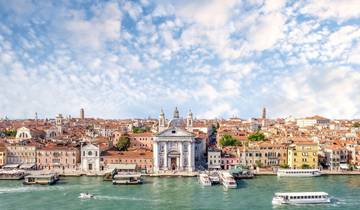
7 days
7 Days in Venice: The Ultimate Italian Getaway
- ✓ Comprehensive Venice tour
- ✓ Expert local guides included
- ✓ All accommodation arranged
- ✓ Transportation provided

5 days
A Venetian & Veronese Getaway
- ✓ Booking needs min. 2 travelers
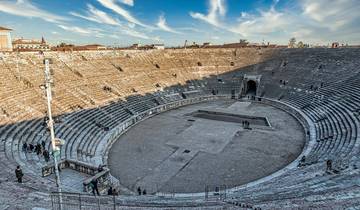
5 days
Venice & Verona: Art, History, and Italian Elegance
- ✓ Booking needs min. 2 travelers
Multi-day tour packages powered by TourRadar. Prices and availability subject to change.
Introduction
Venice’s reputation as an expensive destination stems from legitimate pricing realities, but strategic planning enables budget-conscious travelers to experience this UNESCO World Heritage site without financial strain. Understanding Venice’s cost structure across accommodations, dining, transportation, and activities allows US visitors to allocate resources effectively while maximizing heritage experiences.
The guide includes comparison shopping strategies, money-saving techniques, and cost-optimization approaches that maintain experience quality while controlling expenses. Whether planning a backpacker adventure or luxury getaway, understanding Venice’s pricing landscape helps you allocate your travel budget effectively across five days or two weeks.
Accommodation Cost Breakdown 2026
Budget Accommodation (€60-120 nightly)
Budget accommodations in Venice include hostel dorm beds at €30-50 per person in shared 6-8 bed rooms with communal facilities. Private rooms in basic guesthouses cost €60-90 nightly with shared bathrooms and minimal amenities. These properties cluster in Cannaregio and Santa Croce away from prime tourist zones.
Mainland Mestre hotels offer the best budget value at €60-100 nightly for private rooms with ensuite bathrooms. Mestre sits 15 minutes from Venice via €1.50 regional train or €8 ACTV bus. This strategy saves €50-150 nightly compared to equivalent Venice accommodations while maintaining easy access via frequent train connections running 5 AM to midnight.
Budget accommodation booking should occur 2-3 months ahead for summer visits, 1-2 months for shoulder seasons. Hostels fill quickly with young travelers and backpackers during April-September. Check hostel reviews carefully as quality varies significantly. Generator Venice and We Crociferi represent reliable mid-tier hostel options at €35-55 for dorm beds, €80-120 for private rooms.
Mid-Range Accommodation (€150-280 nightly)
Mid-range Venice hotels occupy converted palazzi throughout the sestieri with rooms ranging €150-280 depending on location and season. Properties in Cannaregio, Castello, and Dorsoduro offer better value than equivalent San Marco hotels. Expect compact rooms (180-220 square feet) with ensuite bathrooms, air conditioning, and breakfast included.
Three-star hotels near vaporetto stops provide crucial convenience for luggage management and island excursions. Properties along quieter canals deliver authentic Venetian character versus anonymous modern hotels. Book 4-5 months ahead for May-June and September-October when mid-range properties fill completely. Winter rates (November-March) drop to €100-180 for identical properties.
Airbnb apartments cost €120-220 nightly for one-bedroom units accommodating couples. Apartments work well for stays exceeding 4-5 days when costs equal or undercut hotel rates while providing kitchens for breakfast and light meals. Verify apartment locations carefully as some advertised as “Venice” actually sit in Mestre or Marghera requiring commutes. Legal Airbnb rentals carry Venice registration codes beginning with 027042.
Luxury Accommodation (€300-600+ nightly)
Luxury hotels occupy prime Grand Canal palazzi and properties near St. Mark’s Square with rates starting €300 for four-star properties and exceeding €600+ for five-star establishments. Amenities include canal-view rooms, rooftop terraces, fine dining restaurants, and concierge services. Room sizes expand to 250-400+ square feet with Venetian decor and premium furnishings.
Iconic properties like Hotel Danieli (€450-900), Gritti Palace (€600-1,200), and Aman Venice (€1,200-2,500) define luxury Venetian accommodation with historical significance and celebrity clientele. These properties justify premium pricing through locations, service standards, and exclusive amenities unavailable at lower-tier hotels.
Luxury travelers should book 6+ months ahead for premium rooms with canal views and balconies. Standard rooms at luxury properties cost 30-40% less than signature suites while maintaining service and amenity standards. Consider shoulder season visits (May, October) when luxury hotel rates drop 20-30% from summer peaks while maintaining excellent weather and service levels.
Food and Dining Costs
Budget Dining (€30-50 daily)
Budget dining centers on Venetian bacari culture serving cicchetti small plates at €2-4 each. Five cicchetti pieces plus two ombra (small wine glasses) at €2-4 each creates satisfying meals for €12-20. Visit bacari during 11 AM-1 PM and 6-8 PM when locals stand at bars for quick meals. Cantina Do Mori, All’Arco, and Cantinone gia Schiavi offer authentic experiences at these prices.
Rialto Market enables picnic assembly with fresh ingredients at fraction of restaurant costs. Purchase crusty bread (€2-3), local cheese (€4-6 per 200g), cured meats (€3-5 per 100g), and seasonal fruit (€2-4) for €15-20 picnic lunches in quiet campi. Neighborhood alimentari sell prepared pasta salads, pizza slices (€2-3), and sandwiches (€4-6) for grab-and-go meals.
Budget breakfast strategy: Skip hotel breakfast and purchase pastries (€1.50-2.50) and cappuccino (€1.50 at bar, €4-5 at tables) at neighborhood cafes. Total breakfast costs €3-5 versus €10-18 hotel buffets. Drink tap water (safe throughout Venice) and refill bottles at public fountains rather than purchasing €2-3 bottled water. Daily budget dining allocation: breakfast €3-5, lunch €10-15, dinner €15-25.
Mid-Range Dining (€60-90 daily)
Mid-range dining combines one restaurant meal daily with casual breakfasts and lighter lunches. Neighborhood trattorias charge €35-55 per person for three-course dinners with house wine. Antipasto costs €8-12, primi (pasta) €12-16, secondi (mains) €16-24, and dessert €6-8. Half-liter house wine adds €8-12. These prices apply to authentic restaurants in Cannaregio, Castello, and Dorsoduro away from tourist zones.
Lunch at casual osterie costs €15-25 for pasta or pizza with water. Cicchetti and bacari provide excellent lunch value at €12-18 for satisfying meals. Mid-range travelers balance one quality dinner at traditional restaurants with strategic bacari lunches, maintaining daily food budgets of €60-90 including breakfast pastries and coffee (€5-8 daily).
Restaurant reservations become necessary 1-2 weeks ahead for quality establishments during high season. Use The Fork app for restaurant discovery with verified reviews and online booking. Avoid restaurants with picture menus, touts outside, or menus in 5+ languages as reliable tourist trap indicators. Quality restaurants list prices clearly with service charges noted separately.
Luxury Dining (€120-200+ daily)
Luxury dining encompasses Michelin-starred restaurants and upscale establishments charging €80-150+ per person for multi-course tasting menus with wine pairings. Venice hosts several Michelin-recognized restaurants including Quadri, Glam, and Met Restaurant. Reservations require 2-4 weeks advance booking during high season.
Grand Canal hotel restaurants charge €60-100 for three-course dinners in romantic settings with professional service. Historic cafes like Florian (founded 1720) charge €10-15 for coffee with €6 live music surcharge but deliver quintessential Venetian experiences. Luxury food budgets accommodate daily €40-60 lunches at upscale osterie plus €80-120 dinners at celebrated restaurants.
Private dining experiences include cooking classes (€120-180 per person) combining Rialto Market shopping with hands-on preparation in professional kitchens or private homes. Wine tasting tours in Veneto wine country cost €150-250 including transportation, vineyard visits, and paired lunches. These experiential dining options enhance luxury Venice visits beyond conventional restaurant meals.
Transportation Costs
Airport to Venice Transfers
Venice Marco Polo Airport (VCE) sits 5 miles north of the historic center with multiple transfer options spanning budget to premium categories. ACTV bus #5 reaches Piazzale Roma in 25 minutes costing €8 with tickets sold at airport kiosks or onboard for €10. Buses run every 15-30 minutes 4 AM to 1 AM.
Alilaguna water buses cost €15 for 60-90 minute trips directly to hotels along Grand Canal and San Marco area. Orange line serves western Grand Canal, blue line connects to San Marco and Lido, red line reaches Murano. Services run 6 AM to midnight with departures every 30-60 minutes. Purchase tickets at airport counters or online with slight savings.
Private water taxis deliver door-to-door service in 30 minutes at €110-130 for standard boats accommodating 4-6 passengers with luggage. Book through hotel concierge or airport counters for guaranteed pricing. Water taxis suit travelers with heavy luggage, late arrivals, or groups of 3-4 splitting costs. Shared water taxis through Venezia Taxi Acqua cost €35-45 per person with scheduled departure times.
Vaporetto Passes and Strategies
ACTV vaporetto single tickets cost €9.50 with 75-minute validity including transfers. This pricing makes single tickets impractical for visitors making 3+ daily rides. Multi-day passes provide unlimited access to all ACTV water buses and buses: 24-hour pass €25, 48-hour pass €35, 72-hour pass €65, 7-day pass €70.
Calculate optimal pass duration based on your itinerary. The 72-hour pass pays for itself with 7 single rides over three days (7 × €9.50 = €66.50). Visitors planning island excursions to Murano, Burano, and Lido benefit from multi-day passes. Purchase passes at ACTV ticket offices near major vaporetto stops, Venezia Unica kiosks, or through the official ACTV app. Validate passes at yellow machines before first use.
Walking covers 80% of Venice exploration between major sites within the historic center. Budget travelers can minimize vaporetto use by walking between San Marco, Rialto, and Accademia, purchasing single tickets only for longer trips or island excursions. One 48-hour pass plus walking covers most 3-4 day itineraries adequately.
Gondola and Water Taxi Costs
Official gondola rates reach €80 for 30-minute daytime rides (6 AM – 7 PM) and €100 for evening rides (7 PM – 8 AM). These prices apply to the entire gondola accommodating up to 6 passengers. Musicians add €100-150 to base rates. Additional time costs €40-50 per 20 minutes. Reserve gondolas through official stations or negotiate directly with gondoliers at designated stands.
Gondola rates represent fixed official pricing, though some tourist-area gondoliers quote inflated figures. Confirm the €80 rate and exact route before boarding. Sharing gondolas among 4-6 people reduces per-person costs to €13-20 (calculation: €80 ÷ 6 = €13.33, €80 ÷ 4 = €20). Budget-conscious travelers can experience gondola ambiance via traghetti ferry gondolas crossing the Grand Canal at specific points for €2 per person.
Private water taxis within Venice cost €60-100 for transfers between two points. These prove useful for luggage-heavy hotel changes or late-night transportation when vaporetto frequency decreases. Shared water taxi apps like Venezia Taxi enable cost-splitting though availability varies. Most visitors find vaporetto services adequate for all transportation needs at fraction of water taxi costs.
Attraction and Museum Costs
Major Attractions Individual Pricing
Doge’s Palace standard admission costs €28 including entry to Museo Correr, Archaeological Museum, and Biblioteca Marciana. St. Mark’s Basilica entry is free but advance booking required. The basilica museum (€7), Pala d’Oro altarpiece (€5), and Treasury (€3) require separate tickets. Campanile bell tower costs €10 for panoramic views.
Gallerie dell’Accademia charges €15 for Venice’s premier painting collection. Peggy Guggenheim Collection costs €18 for modern art displays. Scuola Grande di San Rocco with Tintoretto cycle costs €12. Individual churches charge €3-5 entry with larger churches like Frari at €5 and smaller churches at €3.
Calculate attraction costs based on your itinerary: budget €50-80 for 3-4 major sites daily, €80-120 for comprehensive museum visits including 5-6 attractions. Free attractions include Rialto Bridge, Grand Canal walks, neighborhood campi, and Rialto Market. Many smaller neighborhood churches offer free entry with extraordinary art and architecture.
Museum Pass Economics
The Museum Pass (€40) provides access to 11 Civic Museums including Doge’s Palace, Correr, Ca’ Rezzonico, Ca’ Pesaro, Glass Museum Murano, and Lace Museum Burano. The pass pays for itself after visiting Doge’s Palace (€28) and one additional museum (€12+), with calculation: €28 + €12 = €40. Validity extends 6 months from first use allowing multiple visits to each museum.
The Chorus Pass (€14) grants entry to 16 churches including Frari, San Sebastiano, and Madonna dell’Orto. Individual church entries at €3-5 mean the pass pays for itself after visiting 3-4 churches (calculation: 4 × €3.50 = €14). The pass suits visitors planning comprehensive church exploration. Validity extends one year from purchase enabling multiple visits.
Combined passes and discount cards exist but often include attractions visitors skip, reducing actual value. Calculate whether pass economics work for your specific itinerary before purchasing. Visitors focusing on major highlights may find individual tickets more economical than comprehensive passes including sites they won’t visit.
Free and Low-Cost Experiences
Venice offers numerous free heritage experiences beyond paid attractions. Walking the Grand Canal via parallel calli provides palace views without vaporetto costs. Rialto Bridge crossing costs nothing while delivering iconic Venice photographs. Neighborhood campi like Campo Santa Margherita and Campo San Polo showcase authentic Venetian life.
Free churches with magnificent art include San Giacomo di Rialto (Venice’s oldest church), San Moisè, and San Giuliano. Public gardens like Giardini Pubblici provide green spaces for picnics and relaxation. Arsenal gates and exterior offer historical architecture without entry fees. Sunset viewing from Accademia or Rialto bridges creates memorable experiences at zero cost.
Self-guided walking tours using free online resources or guidebook routes cost nothing beyond shoe leather. Photography walks through Dorsoduro or Cannaregio capture Venice’s essence without entrance fees. Free outdoor concerts and events occur in various campi, particularly during summer months. Check Venice tourism websites for current free event schedules.
Frequently Asked Questions
Is Venice really that expensive?
Venice costs 20-30% more than other major Italian cities for equivalent experiences, particularly for accommodations and dining in tourist areas. Strategic planning with neighborhood restaurants, off-peak timing, and Mestre hotels reduces cost premiums significantly. Budget €200-300 daily for comfortable mid-range experiences versus €150-250 in Rome or Florence.
How much cash should I bring to Venice?
Carry €150-250 cash for small purchases at markets, bacari, churches, and shops preferring cash payments. Credit cards work at hotels, restaurants, and major shops. Withdraw euros from bank ATMs for best exchange rates. Contactless payment works widely throughout Venice for purchases over €5.
What’s the most expensive month to visit Venice?
July-August delivers maximum pricing with mid-range hotels at €250-350 versus €100-180 in January-February. Carnival week (late February) and Easter week match summer pricing despite winter/spring timing. Venice Film Festival (late August/early September) increases Lido accommodation costs 40-60% above normal rates.
Can I visit Venice on €100 per day?
Budget €100-150 daily enables authentic Venice experiences through hostel or Mestre accommodations (€40-60 nightly), bacari dining (€30-45 daily), selective vaporetto use with walking (€10-15 daily), and free/low-cost attractions (€10-20 daily). Calculation: €40 + €30 + €10 + €10 = €90 minimum, €60 + €45 + €15 + €20 = €140 maximum. Winter visits make €100 budgets more comfortable with lower accommodation costs.
Is food expensive in Venice?
Venice food costs vary dramatically by location and restaurant type. Bacari meals cost €12-20 while tourist-area restaurants charge €50-80 for comparable food available at €35-45 in neighborhood locations. Budget €30-45 daily for budget dining, €60-90 for mid-range restaurant meals, €120-180+ for luxury dining experiences.
How much does a gondola ride cost in Venice?
Official gondola rates are €80 for 30-minute daytime rides and €100 for evening rides, accommodating up to 6 passengers. Musicians add €100-150. Split costs among groups to reduce per-person expenses to €13-20. Avoid gondoliers quoting inflated prices and confirm official rates before boarding.
Are museum passes worth it in Venice?
The Museum Pass (€40 for 11 sites) pays for itself after visiting Doge’s Palace (€28) and one additional museum (€12+). The Chorus Pass (€14 for 16 churches) breaks even after 3-4 churches at €3-5 each. Passes work for visitors planning comprehensive cultural exploration but may not benefit those focusing on selective highlights.
Should I stay in Venice or Mestre?
Stay in Venice for convenience and atmosphere despite 40-60% higher costs. Mestre works for budget travelers, late arrivals, early departures, or those prioritizing accommodation savings over evening Venice ambiance. Factor €3 daily train costs and 15-minute commutes against €50-100 nightly savings when deciding.
What costs do most travelers underestimate for Venice?
Travelers underestimate cumulative small costs including bottled water (€2-3 each, use tap water instead), cafe sitting charges (€4-8 premium versus bar standing rates), tourist-area restaurant premiums (40-60% above neighborhood prices), and frequent vaporetto use (€9.50 per ride without passes). These add €30-50 daily to budgets unexpectedly.
How can I save money in Venice without sacrificing experience?
Visit November-March for 40-60% accommodation savings, eat at bacari and neighborhood restaurants saving €20-30 daily, walk instead of constant vaporetto use saving €10-20 daily, stay in Cannaregio or Castello versus San Marco saving €30-60 nightly, and balance paid attractions with free churches and neighborhoods reducing entertainment costs €20-30 daily.