
Venice Boat Tours & Water Experiences 2026: Complete Guide
Planning water experiences for 2026 requires understanding both transportation practicalities and experiential options. Vaporetto passes provide unlimited travel across Venice and lagoon islands, functioning as indispensable tools for efficient exploration. Gondola rides, while expensive, offer unique perspectives on Venice’s canal architecture and preserve traditional maritime culture worth experiencing despite high costs. Alternative boat experiences—kayaking through back canals, learning traditional Venetian rowing, touring working cargo routes—reveal aspects of Venice’s maritime character invisible from standard tourist boats. Balancing practical transportation needs with memorable experiential opportunities creates rich Venice visit combining efficient logistics with cultural immersion.
Key Takeaways
- Water Transport Diversity: Venice offers multiple water experiences from public vaporetto (€9.50 single ride) to private gondolas (€90-120 for 30-40 minutes) and various boat tour options for all budgets in 2026
- Strategic Vaporetto Use: Multi-day passes (€30 for 24 hours, €40 for 48 hours, €60 for 7 days in 2026) provide unlimited water bus access and often cost less than multiple single rides for active travelers
- Gondola Booking Intelligence: Official rates set by gondoliers’ association ensure consistent pricing, but booking timing, route selection, and singer arrangements affect total costs for 2026 experiences
- Alternative Water Experiences: Kayaking, traditional rowing lessons, cargo boat tours, and lagoon island excursions offer authentic maritime experiences beyond standard tourist gondola rides for 2026 visitors
- Sustainable Maritime Tourism: Electric water taxis, rowing boats, and slower vessel choices reduce environmental impact while providing intimate Venice and lagoon exploration in 2026
- Advanced Booking Benefits: Popular boat tours, particularly sunset cruises and specialized experiences, sell out weeks ahead during 2026 peak season, requiring advance reservations for preferred dates
Planning Your Venice Water Experiences in 2026
Venice’s identity inseparably connects to its canals, lagoon, and the boats that serve as the city’s buses, taxis, and delivery trucks. Understanding Venice’s water transportation system and available boat experiences enhances every visit, transforming functional necessity into memorable adventures. The city maintains extraordinary diversity of maritime transport options—from humble traghetto ferries crossing the Grand Canal for pennies to luxurious private motor yachts, from public water buses serving commuters to elegant gondolas preserving centuries-old traditions. Choosing appropriate water experiences based on budget, interests, and time availability allows visitors to appreciate Venice’s unique aquatic character while managing transportation costs efficiently.
Venice’s water transport evolved over fifteen centuries from necessity to art form. Early settlers navigating shallow lagoon waters developed distinctive flat-bottomed boat designs that could operate in channels barely deeper than the boats themselves. The gondola reached its current asymmetric form through centuries of refinement, creating arguably the world’s most recognizable traditional watercraft. Modern vaporetti (water buses) adapted motor launch technology to Venice’s narrow canals, providing public transportation that serves residents and tourists equally. Contemporary Venice maintains this maritime heritage while accommodating massive cruise ships, water ambulances, and specialized vessels for waste collection, mail delivery, and goods transport—all coexisting in limited waterway space requiring sophisticated traffic management.
The 2026 tourism season brings continued focus on sustainable maritime practices as Venice confronts challenges of excessive boat traffic, wave erosion damaging canal walls and building foundations, and pollution from motorized vessels. Visitors can contribute to sustainable tourism by choosing slower boats, rowing-powered vessels, electric launches, and public transport over private motorized options whenever practical. Understanding Venice’s maritime heritage and current environmental challenges allows informed choices that support both memorable personal experiences and responsible tourism practices protecting Venice for future generations.
People Also Ask About Venice Boat Tours 2026
How much does a gondola ride cost in Venice in 2026?
Official gondola rates set by the Gondoliers’ Association for 2026 are €90 for daytime 30-40 minute rides (9 AM-7 PM) and €120 for evening rides (7 PM-8 AM), accommodating up to six passengers per gondola. Check venicegondola.it for current official rates as pricing may vary. These fixed rates eliminate haggling but don’t include optional extras—serenading musicians add €30-50, though the romantic singing gondolier stereotype actually requires separate musicians. Sharing gondolas among multiple passengers (maximum six) reduces per-person costs substantially—€15-20 per person when fully occupied versus €90-120 for couples alone. Booking directly at gondola stations rather than through hotel concierges avoids commission markups, saving €10-20. Official rates apply at designated gondola stations throughout Venice, though aggressive touts sometimes quote inflated prices—always verify current official rates before agreeing to any ride.
Is vaporetto pass worth it in 2026?
Vaporetto passes provide excellent value for visitors taking three or more rides daily, as single tickets cost €9.50 while 24-hour passes cost €30, 48-hour passes €40, and 7-day passes €60 in 2026. Travelers staying multiple days who plan visiting lagoon islands (Murano, Burano, Torcello), using water buses for Grand Canal scenic rides, and avoiding excessive walking during summer heat recover pass costs quickly. The passes include unlimited travel on all ACTV water buses and connecting mainland buses, allowing spontaneous route changes without cost concerns. Visitors staying in central locations who primarily walk and take only 1-2 vaporetto rides daily find single tickets more economical. Calculate estimated daily rides before purchasing passes—active travelers exploring comprehensively across multiple days almost always benefit from multi-day passes, while centrally located visitors making minimal water bus use save money with single tickets.
What are alternatives to gondola rides in 2026?
Traghetti (gondola ferries) crossing the Grand Canal at designated points cost €2 per person for authentic gondola experience without the €90-120 tourist ride expense, though routes last only 2-3 minutes crossing width of Grand Canal. Water taxis provide private boat service for groups at €60-80 for short transfers, €100-150 for longer routes including luggage accommodation. Kayaking tours (€50-80 per person for 2-3 hours) explore back canals inaccessible to larger boats with active paddling rather than passive boat riding. Traditional Venetian rowing lessons (€60-100 per person for 1.5 hours) teach distinctive voga alla veneta standing rowing technique in batellini boats. Smaller boat tour operators offer authentic experiences in traditional wooden boats at €40-70 per person for group tours. These alternatives provide maritime experiences emphasizing active participation, authentic traditions, or practical transport rather than romantic but expensive gondola tourism.
How do you book boat tours in Venice for 2026?
Book popular boat tours 2-4 weeks ahead for 2026 peak season (May-September) through official websites, established tour operators’ sites, or reputable booking platforms. Sunset cruises, specialized photography tours, and limited-capacity traditional boats sell out quickly, requiring advance reservations. Many operators accept online bookings with immediate confirmation, though some smaller artisanal boat operators require email or phone contact. Verify what’s included—some tours provide refreshments and guide services while others offer only boat transportation. Read recent reviews on TripAdvisor, Google, or specialized travel forums to verify operator reliability and tour quality. Avoid booking through unauthorized street vendors or hotel concierges who charge substantial commissions—reputable operators list current contact information on official websites. Last-minute bookings remain possible for larger boat tours during shoulder seasons, though selection becomes limited and preferred times may be unavailable.
Extended multi-day tours – 5+ days
Featured Venice Multi-Day Tour Packages

3 days
Venice City Break
- ✓ Comprehensive Venice tour
- ✓ Expert local guides included
- ✓ All accommodation arranged
- ✓ Transportation provided
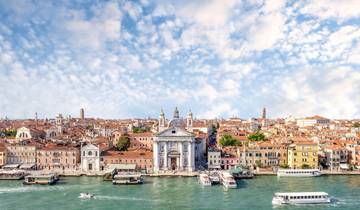
7 days
7 Days in Venice: The Ultimate Italian Getaway
- ✓ Comprehensive Venice tour
- ✓ Expert local guides included
- ✓ All accommodation arranged
- ✓ Transportation provided
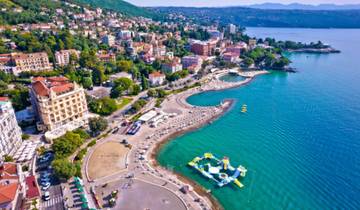
3 days
VENICE VIA ISTRIA – from Opatija
- ✓ Comprehensive Venice tour
- ✓ Expert local guides included
- ✓ All accommodation arranged
- ✓ Transportation provided

5 days
Classical Italy (8 destinations)
- ✓ Comprehensive Venice tour
- ✓ Expert local guides included
- ✓ All accommodation arranged
- ✓ Transportation provided
Multi-day tour packages powered by TourRadar. Prices and availability subject to change.
Vaporetto Water Bus System Planning for 2026
Understanding 2026 Routes and Services
Venice’s ACTV vaporetto system operates 25+ routes connecting the historic center, lagoon islands, and mainland points through comprehensive water bus network. Line 1 provides the most scenic route along the Grand Canal, stopping at all major landmarks with complete journey taking approximately 45 minutes—ideal for first-time visitors seeking affordable canal views. Line 2 covers similar Grand Canal route with fewer stops, completing journeys faster but missing some architectural landmarks. Lines 4.1/4.2 circle Venice’s perimeter providing alternative routes avoiding Grand Canal congestion while serving residential neighborhoods.
Lagoon island routes include Line 12 to Murano, Burano, and Torcello—essential for visitors exploring famous glass-making island and colorful fishing village. The journey to Burano takes approximately 45 minutes from Fondamente Nove, with services running every 30-60 minutes depending on season and time of day. Line 5.1/5.2 serves Lido beaches and Sant’Erasmo island, providing access to Venice’s beach resort and agricultural island. Night services (lines prefixed with “N”) operate reduced schedules 11:30 PM-5 AM for late-night travelers, though fewer routes operate and wait times increase substantially.
2026 Ticket Options and Pass Strategies
Single-ride tickets cost €9.50 for 75 minutes of unlimited transfers on ACTV water buses in 2026, validated at yellow machines before boarding. Multi-day passes provide better value for frequent users: 24-hour pass €30, 48-hour pass €40, 72-hour pass €60, 7-day pass €70. Check actv.it for current official pricing as rates may adjust seasonally. Passes activate upon first validation and run for consecutive hours—a 24-hour pass validated at 2 PM Tuesday expires 2 PM Wednesday, not at midnight. The passes include mainland ACTV buses, allowing airport transfers and Mestre visits without additional costs.
Youth tickets (ages 6-29 with Rolling Venice card) and senior discounts reduce multi-day pass costs by approximately 30%. Children under 6 travel free without tickets. Residents and students holding specific documentation receive substantially discounted rates, though these don’t apply to tourists. Luggage over certain dimensions requires separate tickets (€1-2), enforced irregularly but technically required for large suitcases. Purchase tickets and passes at authorized ticket offices, automatic machines at major stops, or through official ACTV mobile app accepting credit cards. Ticket validation is mandatory—controllers conduct random inspections with substantial fines (€60-100) for fare evasion or unvalidated tickets.
Strategic Vaporetto Use for 2026 Travelers
Plan vaporetto routes before boarding to minimize waiting times and route confusion. Download offline maps showing routes and stops since onboard signage assumes local knowledge. Major interchanges at Piazzale Roma, Ferrovia (train station), Rialto, and San Marco allow transfers between multiple lines—understanding these connection points facilitates efficient routing. Peak morning (7-9 AM) and evening (5-7 PM) hours see heavy commuter traffic with crowded boats where finding seats becomes challenging. Midday and late afternoon provide more comfortable conditions for tourists.
Boarding from first stops rather than mid-route provides better seating availability—Line 1 from Piazzale Roma or Santa Lucia station offers seats unavailable at later stops where boats arrive already full. Standing on exterior decks provides superior views compared to interior cabins, though summer heat and winter cold make this less appealing during extreme conditions. Protect belongings from pickpockets during crowded conditions, particularly at major tourist stops where thieves target distracted visitors. Allow extra time for lagoon island trips during summer when service delays and crowded boats cause schedule disruptions—a planned 4-hour Murano visit might require 5-6 hours accounting for wait times and delays.
2026 Accessibility and Luggage Considerations
Most vaporetti provide wheelchair access through designated boarding platforms at major stops, though smaller stops may lack accessible infrastructure. Inform crew of accessibility needs for boarding assistance. Large luggage creates challenges on crowded boats—utilize luggage compartments when available rather than blocking passenger areas. Water taxis provide more convenient luggage transport for travelers with substantial baggage, though at significantly higher costs (€60-120 depending on distance and luggage quantity). Early morning or late evening travel reduces crowds, easing luggage management on vaporetti.
Gondola Experiences Planning for 2026
Understanding 2026 Gondola Pricing Structure
Gondola rates in 2026 follow official Gondoliers’ Association pricing: €90 for 30-40 minute daytime rides (9 AM-7 PM), €120 for evening rides (7 PM-8 AM), accommodating up to six passengers. Check official sources for current pricing as rates may vary. These base rates include gondolier services and standard routes but exclude optional extras. Musicians (singers with accordion accompaniment) add €30-50 to total costs, arranged separately through gondoliers. Longer rides beyond standard 30-40 minutes cost additional €40-50 per 20-minute extension. Routes can be customized within reason, though gondoliers follow general patterns avoiding major canal congestion.
Payment methods at official gondola stations include cash and major credit cards, though some individual gondoliers prefer cash payments. Tipping isn’t required but €5-10 for exceptional service or longer rides is appreciated. Official gondola stations throughout Venice display current rates on posted signs—verify rates match official pricing before boarding. Aggressive touts quoting prices significantly above official rates should be avoided. Hotel bookings often add commission markups of €20-30—booking directly at stations eliminates these unnecessary costs while ensuring standard rate payment.
Optimizing 2026 Gondola Bookings
Prime evening hours (6-8 PM) offer stunning sunset lighting and cooler temperatures but face highest demand requiring advance booking or extended waits at stations. Morning rides (9-11 AM) provide gentle light, fewer canal boats creating calmer water, and easier booking availability. Midday summer heat makes gondola sitting uncomfortable despite shade from felze (cabin coverings) on some gondolas. Late afternoon (4-6 PM) provides compromise between pleasant conditions and availability.
Route selection affects experience quality substantially—request routes through smaller, quieter canals rather than congested Grand Canal sections where motor traffic creates waves and noise. The areas around Fenice opera house, San Marco bacino, and Dorsoduro back canals offer picturesque views with less boat traffic. Communicate route preferences clearly to gondoliers before departing, establishing mutual understanding about desired experience. Gondoliers appreciate respectful passengers who understand they’re professionals maintaining centuries-old traditions, not theme park entertainers. Photo opportunities happen throughout rides—bring cameras but avoid excessive photography that prevents experiencing the ride itself.
2026 Gondola Alternatives and Authentic Experiences
Traghetto gondola ferries crossing the Grand Canal at seven designated points cost only €2 per person for brief authentic gondola experiences. These working ferries transport locals and tourists across the Grand Canal where bridges don’t exist, operated by gondoliers in standard gondolas. Rides last 2-3 minutes crossing canal width while standing (sitting costs extra and is discouraged during busy times). The experience lacks romantic atmosphere of tourist gondolas but provides genuine transportation function for minimal cost. Operating hours vary by location and season—most operate morning through early evening weekdays with reduced weekend service.
Private gondola serenades arranged through official channels provide more intimate musical experiences than standard shared serenades. Packages combining gondola rides with dinner at canal-side restaurants create multi-hour romantic experiences at €200-350 per couple including meal, gondola, and serenade. These premium experiences require advance booking and clear communication about included services and total costs. Some gondoliers offer special occasion packages for proposals, anniversaries, or celebrations with customized routes and timing—discuss requirements when booking to ensure appropriate arrangements.
Water Taxi Services for 2026
2026 Water Taxi Pricing and Booking
Venice water taxis provide private boat transport at premium prices compared to public vaporetti but offer significant advantages for luggage handling, direct routing, and flexible scheduling. Base taxi rates in 2026 start at €60 for initial pickup, plus approximately €2 per minute of travel time. Check motoscafivenezia.it for current official rates as pricing may vary. Airport transfers to Venice hotels cost €100-150 depending on exact destination and number of passengers. Four passengers with luggage typically pay €110-130 for airport transfers, making per-person costs competitive with private shuttles while providing door-to-hotel service.
Additional charges apply for late-night service (10 PM-7 AM), luggage exceeding standard allowances, and holiday travel. Official taxi companies post rate sheets at authorized stations and provide fare estimates before departure. Book water taxis through official companies (Consorzio Motoscafi Venezia is largest operator) by phone or website, specifying exact pickup location, destination, passenger count, and luggage quantity. Pre-booking ensures vehicle availability during busy periods and allows fare confirmation avoiding surprise charges. Water taxis accept cash and major credit cards, with tips (€5-10) appreciated for exceptional service or assistance with heavy luggage.
Strategic Water Taxi Use in 2026
Water taxis make economic sense for groups of 3-4 passengers with significant luggage arriving at airports or train stations, as divided costs approach private shuttle or multiple vaporetto tickets with luggage fees. Early morning or late night arrivals when vaporetto service is reduced or unavailable justify water taxi premium for convenience and time savings. Travelers with mobility limitations find water taxis’ direct hotel delivery valuable despite higher costs compared to vaporetto with walking segments. Families with young children and strollers appreciate the direct door-to-door service eliminating difficult navigation of water bus crowds and canal bridges.
For routine transportation within Venice, water taxis rarely provide good value compared to vaporetti or walking. A €15 vaporetto ride accomplishes what water taxis charge €40-60 for, justifiable only when time constraints or convenience requirements overwhelm cost considerations. Group sharing for specific routes (Rialto to Murano, hotel to cruise terminal) makes water taxis more economical, though coordination among strangers requires tour operator organization. Luxury travelers valuing comfort and privacy over cost considerations find water taxis provide superior experience—spacious seating, personalized service, flexible timing—despite substantial price premiums over public transport.
Alternative Boat Experiences for 2026
Kayaking Tours in 2026
Venice kayaking tours offer active exploration of back canals inaccessible to larger boats, providing unique perspectives on Venice’s hidden waterways. Tours cost €50-80 per person for 2-3 hour experiences including kayak rental, guide services, and basic instruction for 2026 season. Operators including Venice Kayak and Row Venice lead small groups through quiet residential canals, explaining Venetian maritime history and pointing out architectural details invisible from vaporetti or gondolas. The active paddling appeals to travelers seeking participatory experiences rather than passive boat tourism.
Most tours require no previous kayaking experience—stable touring kayaks and calm canal waters make the activity accessible for beginners. Morning tours (8-10 AM start) avoid boat traffic and summer heat. Sunset tours provide magical lighting but face more congestion from evening gondola and water taxi traffic. Group sizes typically limit to 6-8 participants maintaining intimate experiences and allowing guides to provide individual attention. Waterproof bags for phones and cameras, basic paddling instruction, and life jackets are included. Physical fitness requirements are modest—ability to paddle continuously for 2-3 hours with short breaks, comfortable sitting in kayak, and basic swimming capability (though life jackets provide flotation).
Traditional Rowing Lessons for 2026
Learning voga alla veneta (Venetian standing rowing) provides authentic connection to Venice’s maritime traditions through direct engagement with centuries-old techniques. Rowing clubs and specialized instructors offer lessons at €60-100 per person for 1.5-2 hour sessions in 2026. The distinctive Venetian rowing style stands at boat’s stern using single oar in forcola (complex wooden oarlock) that allows omnidirectional rowing through elaborate techniques. Lessons teach basic stance, oar handling, and simple strokes in stable batellini boats designed for learning.
Row Venice and local rowing clubs (remiere) provide both tourist lessons and longer courses for serious students. Tourist lessons focus on experiencing the technique and understanding its historical significance, while multi-day courses teach actual proficiency. No previous rowing experience is required—instructors adapt instruction to individual ability levels. Morning or late afternoon slots avoid midday heat when standing in open boats becomes uncomfortable. The physical demands exceed leisurely kayaking—standing balance, upper body strength for oar manipulation, and coordination requirements make rowing genuinely challenging. However, the reward of propelling a traditional Venetian boat through historic canals using authentic techniques provides unmatched connection to Venice’s maritime heritage.
Cargo Boat and Working Waterway Tours in 2026
Specialized tours aboard traditional cargo boats reveal Venice’s working waterways rarely seen by tourists focused on gondolas and vaporetti. These tours (€40-70 per person for 2-3 hours) ride in bragozzo (traditional fishing boat) or similar working vessels, explaining how contemporary Venice moves goods, collects waste, and maintains infrastructure entirely by water. Tours visit areas like Rialto wholesale markets during early morning deliveries, explaining logistics of supplying restaurants and shops without truck access. Some tours include lagoon fishing demonstrations, traditional net handling, and explanations of lagoon ecology and maritime commerce.
Operators maintain small group sizes (8-12 passengers) allowing space to observe operations and ask questions. The tours appeal to travelers interested in contemporary Venice beyond tourist attractions, revealing the complex maritime infrastructure maintaining city functions. Morning tours coincide with market deliveries and waste collection—unglamorous but fascinating aspects of Venetian life invisible to conventional tourists. These alternative experiences don’t offer romantic gondola atmosphere or artistic significance, but they provide authentic insights into Venice as functioning city rather than museum piece.
Lagoon Island Boat Excursions for 2026
Full-day or half-day boat tours exploring Venice’s lagoon islands provide escape from historic center crowds while revealing the broader cultural landscape surrounding Venice. Tours visiting Murano, Burano, and Torcello cost €25-40 per person for shared boat transportation with guide commentary, typically 4-6 hours total duration. Private boat charters for small groups (up to 6 passengers) cost €200-400 for full-day tours allowing customized itineraries and flexible timing. These tours emphasize glass-making demonstrations in Murano, colorful architecture and lace traditions in Burano, and Byzantine cathedral mosaics in Torcello.
The tours combine boat transportation with guided island walking tours, though independent time varies by operator. Some tours include glass-making demonstrations that function primarily as shopping opportunities—entertaining but commercially motivated. Better tours balance cultural education with shopping, providing historical context without excessive sales pressure. Lunch typically is not included, allowing participants to choose from island restaurants. Book tours through reputable operators with clear descriptions of included services, island visiting times, and group sizes. Reading recent reviews helps identify tours providing genuine cultural content versus thinly disguised shopping excursions.
Sustainable Water Transport Choices for 2026
Environmental Impact of Boat Traffic
Venice faces serious environmental challenges from excessive boat traffic including wave erosion undermining building foundations, noise pollution disturbing residents and wildlife, and air/water pollution from motor exhaust. Large motor yachts and water taxis create powerful wakes that accelerate erosion of canal walls, building foundations, and lagoon islands. Speed limits (typically 5-7 km/hour in canals, higher in open lagoon) reduce but don’t eliminate wave damage. Noise pollution from motor boats disrupts residential neighborhoods, drives away wildlife, and degrades visitor experience in quiet canals. Exhaust emissions contribute to air quality problems in narrow canals with limited air circulation.
Responsible visitors can minimize their impact through conscious boat choices. Vaporetti, while motorized, transport dozens of passengers per trip versus single-family water taxis, reducing per-capita environmental impact substantially. Rowing boats (gondolas, kayaks, traditional craft) produce zero emissions and minimal wake, representing most sustainable water transport. Electric boats, though currently uncommon in Venice, eliminate exhaust emissions and reduce noise dramatically—some water taxi services now offer electric options at competitive prices. Slower boats create less wake damage even when motorized—patient travelers choosing slower options contribute to preservation.
Supporting Traditional Maritime Crafts in 2026
Choosing gondola rides and traditional boat experiences supports preservation of endangered maritime traditions and associated crafts. Gondola building (squerariol profession) involves years of apprenticeship learning complex techniques passed through generations. Only a handful of squeri (boat yards) continue producing authentic gondolas, each requiring 500+ hours of specialized carpentry using eight wood species in precise specifications refined over centuries. Forcola carving (oarlock making) represents separate endangered craft requiring exceptional woodworking skill. Patronizing gondolas and traditional boats supports artisans maintaining these traditions.
Rowing clubs and voga alla veneta instruction preserve traditional rowing techniques threatened by motorization. These nonprofit organizations welcome tourist participation through lessons and rental programs, using tourism revenue to subsidize youth rowing programs and traditional boat maintenance. Choosing rowing experiences over motorized alternatives provides financial support while demonstrating interest in maritime heritage preservation. Cultural sustainability requires both environmental consciousness and support for traditional practices—visitors can contribute through informed choices favoring human-powered and traditional vessels over purely convenient motorized options.
Booking Strategies for 2026 Water Experiences
Advance Booking Requirements for 2026
Popular boat tours including sunset cruises, specialized photography tours, and limited-capacity traditional boats require booking 2-4 weeks ahead for 2026 peak season (May-September). Small-group kayaking tours, rowing lessons, and boutique operators with limited daily capacities sell out quickly. Large boat tours with substantial capacity remain bookable closer to travel dates, though preferred departure times may be unavailable. Last-minute bookings during shoulder seasons (April, October) and winter find better availability, though operators reduce schedules with fewer daily departures.
Book directly through operator websites when possible, avoiding third-party commission fees that don’t benefit operators. Confirm exactly what’s included—guide services, refreshments, equipment, admission fees—to avoid surprise charges. Verify cancellation policies before booking, particularly for weather-dependent activities like kayaking. Most operators require 24-48 hour cancellation notice for refunds, though weather cancellations typically allow rescheduling or full refunds. Save confirmation emails and bring printed copies or phone screenshots to departure points. Arrive 10-15 minutes before scheduled departure times—late arrivals forfeit reservations without refunds.
Comparing Booking Platforms for 2026
Direct operator bookings through official websites typically provide best prices and clearest service descriptions. Established booking platforms (Viator, GetYourGuide) aggregate multiple operators allowing comparison, though commission fees of 15-30% increase prices or reduce operator revenues. These platforms provide verified reviews and booking protection, valuable when trying new operators. Read recent reviews (within past 6 months) as operator quality changes over time. Platform reviews often reveal service issues not evident from promotional descriptions—consistent complaints about poor guides, rushed schedules, or excessive shopping stops warrant concern.
Avoid unauthorized street vendors and hotel concierges booking boat tours with substantial markups. Reputable operators maintain professional websites with clear contact information, transparent pricing, and detailed service descriptions. Check operator credentials—established businesses display licenses, insurance documentation, and safety certifications. Social media presence including active Facebook/Instagram accounts with customer photos and responses to inquiries indicates legitimate operations. When uncertain about operator legitimacy, verify through Venice tourism office or consult recent TripAdvisor reviews from verified travelers.
Frequently Asked Questions
Do I need to book gondola in advance for 2026?
Advance gondola booking isn’t required since dozens of gondola stations throughout Venice accept walk-up customers, though peak season and prime evening hours may involve 30-60 minute waits. Online booking services charge €10-30 premium over standard rates for guaranteed departure times, worthwhile only for travelers with rigid schedules or seeking sunset time slots during busy periods. Most visitors find adequate availability at gondola stations near major landmarks—Rialto, San Marco, Accademia—by accepting modest wait times. Hotel concierge booking adds substantial commission markups without corresponding benefits—walking to nearby gondola station saves money and allows verifying official rate compliance.
Can you bring luggage on vaporetto in 2026?
Large luggage is permitted on vaporetti with separate ticket (€1-2) for bags exceeding 55x35x20 cm dimensions, though enforcement varies. Most travelers transport airport luggage via vaporetto without issues if storage space is available and aisles remain clear. Crowded boats during peak hours make large luggage problematic—consider early morning or late evening travel for easier luggage management. Water taxis provide more convenient luggage transport at higher costs (€100-150 airport transfers versus €30-40 vaporetto with luggage). Some hotels offer water taxi packages including luggage handling that prove worthwhile for travelers with substantial baggage or mobility limitations.
What is the most scenic vaporetto route in 2026?
Vaporetto Line 1 along the Grand Canal provides Venice’s most scenic public water bus route, passing major palaces and landmarks during 45-minute journey from Piazzale Roma to San Marco. Board at route beginning (Piazzale Roma or Santa Lucia station) to secure exterior deck positions offering superior views versus interior seating. Late afternoon (4-6 PM) provides excellent lighting for photography with less harsh midday sun. Line 2 covers similar route faster with fewer stops, trading some landmark viewing for reduced travel time. The circular routes (4.1/4.2) around Venice’s perimeter offer different perspective showing the city’s relationship with the lagoon, passing residential neighborhoods and maritime operations rarely seen by tourists concentrated in historic center.
Are private boat tours worth the cost in 2026?
Private boat tours justify premium costs for groups of 4-6 passengers seeking customized itineraries, flexible timing, and personalized guide attention. Shared group tours cost €25-70 per person while private tours run €200-500 for groups, becoming economical at €40-80 per person when fully occupied. Private tours allow route modifications, extended time at preferred locations, and elimination of shopping stops that dominate some group tours. Families with young children, photography enthusiasts requiring specific locations and timing, and travelers with special interests benefit most from private tour flexibility. Budget-conscious solo travelers and couples find shared tours provide better value unless customization requirements justify the premium.
How early should I arrive for boat tours in 2026?
Arrive 10-15 minutes before scheduled departure to allow check-in, life jacket fitting, and seat selection. Small boat operators with limited capacity may depart exactly on time, leaving late arrivals behind without refunds. Large tour boats typically wait briefly for delayed passengers but depart shortly after scheduled time to maintain route schedules. First-time vaporetto users should allow extra time for ticket purchase, route identification, and platform location—waterbus stations can be confusing with multiple platforms serving different routes. Factor in Venice navigation challenges when calculating arrival times—getting lost in narrow calli happens frequently, and GPS often proves unreliable in canyon-like streets.
Can I rent private boats without captain in 2026?
Italian maritime law requires commercial boat operation licenses prohibiting self-drive boat rentals in Venice’s canals and lagoon for typical tourists. All motorized boats require licensed captains, eliminating DIY boat exploration available in some other water-based destinations. Rowing boats (gondolas, kayaks, traditional craft) are available for self-operation through kayak rental outfits and rowing clubs offering short-term rentals to experienced rowers. These human-powered options provide independent water exploration without motorized boat licensing requirements. Most visitors find guided tours or public transport meet their needs adequately without requiring self-drive boat capabilities unavailable to tourists in Venice.
What happens if boat tour cancels due to weather in 2026?
Reputable operators cancel tours for safety reasons during heavy storms, high winds, or dangerous lagoon conditions, offering full refunds or rescheduling options. Acqua alta (high water) flooding may disrupt or cancel tours depending on severity—minor flooding continues with route modifications, while extreme flooding (130cm+ above normal) cancels most operations. Rain alone rarely cancels tours—boats provide covered seating though exterior deck viewing becomes less pleasant. Verify operator cancellation policies before booking, including weather cancellation procedures and refund timelines. Tour companies notify booking email addresses of cancellations, though last-minute weather changes may require checking the morning of scheduled tours. Travel insurance covering weather-related cancellations provides additional protection for expensive private boat charters.
Are gondola rides safe in 2026?
Gondola rides are extremely safe with virtually no serious accidents—gondoliers train extensively, boats undergo regular safety inspections, and life jackets are available (though rarely worn by adults). Venice’s canal waters are calm, slow-moving, and generally shallow (1-3 meters typical depth) minimizing drowning risk even in unlikely capsizing events. Children should wear provided life jackets and sit in boat center rather than gunwales. The greatest risk involves minor motion sickness in particularly susceptible individuals—sitting near boat center reduces motion. Follow gondolier instructions regarding weight distribution and movement within boats. Gondolas are remarkably stable when passengers remain seated, though standing or sudden movements can create balance issues.
Do vaporetto run 24 hours in 2026?
Regular vaporetto routes cease around 11:30 PM-midnight, with limited night services (routes prefixed “N”) operating reduced schedules between midnight-5 AM. Night lines serve only major routes with service every 30-90 minutes rather than daytime 10-20 minute frequencies. Check actv.it schedules for specific route operating hours as times vary by line and season. Last regular services depart around 11 PM-midnight from most locations—verify return timing when planning evening activities to avoid stranded situations requiring expensive water taxi returns. Water taxis operate 24 hours providing late-night transport at premium prices (€80-120 typical late-night fares) when vaporetti stop running. Hotels near major vaporetto stops provide greatest access to night services when needed.
Can I use vaporetto pass for airport transfer in 2026?
Standard vaporetto passes do NOT include Marco Polo Airport water bus services, which require separate tickets (€15 per person) for Alilaguna water bus routes between airport and Venice. The passes cover Piazzale Roma and train station arrivals connecting to public ACTV buses reaching airport, though this involves bus transfers rather than direct water service. Travelers prioritizing water arrival purchase separate Alilaguna tickets or book water taxis (€100-150 for groups), as vaporetto passes don’t provide airport water access. The passes prove valuable once within Venice for subsequent unlimited water bus travel, just not for initial airport water transfer.