
Venice 6-Day Itinerary 2026: Tips & Best Experiences
Venice demands more than rushed weekend visits to appreciate its layered complexity beyond St. Mark’s Square postcard images. Six days allows comprehensive exploration of the historic center’s six sestieri, immersion in lagoon island cultures at Murano, Burano, and Torcello, navigation of Venice’s UNESCO World Heritage status encompassing architectural masterworks spanning Byzantine through Renaissance periods, and discovery of authentic neighborhoods where Venetians maintain centuries-old traditions despite overwhelming tourism pressure. This carefully structured itinerary balances iconic monuments with hidden gems, major museums with neighborhood wandering, and tourist-circuit experiences with local life glimpses that reveal Venice beyond the surface spectacle.
Key Takeaways for Venice 6-Day Visit 2026
- Transportation strategy determines daily efficiency and costs: 7-day vaporetto pass at €65-70 provides unlimited water bus access covering all routes including island excursions to Murano, Burano, and Lido, versus single €9.50 tickets requiring 7-8 rides to break even (calculation: €65÷9.50=6.8 rides, €70÷9.50=7.4 rides)
- Major paid attractions total €50-90 per person: Doge’s Palace €30-35, St. Mark’s Basilica €12, multiple museum combinations available through Museum Pass €40 covering 11 civic museums delivering significant savings for comprehensive visitors
- Accommodation location fundamentally impacts experience quality: staying within historic center sestieri (Cannaregio, Castello, Dorsoduro) costs €150-280 nightly but eliminates commute time versus mainland Mestre properties at €80-120 requiring 15-minute train access
- Seasonal timing affects both costs and crowds dramatically: April-May and September-October deliver moderate weather with 30-40% lower accommodation costs than June-August peaks, while November-March winter rates drop 50-60% but bring short daylight hours and frequent rain
- Walking dominates Venice navigation with 80% of historic center accessible by foot, but strategic vaporetto use enables efficient cross-sestiere movement and essential island access that walking cannot provide
- Dining budget flexibility spans €40-120 daily per person: cicchetti at bacari (traditional Venetian wine bars) costs €15-25 for substantial meals versus sit-down restaurants at €35-55, with upscale dining reaching €80-120+ per person for celebrated establishments
People Also Ask About Venice 6-Day Itinerary 2026
Is 6 days too long for Venice in 2026?
Six days provides ideal duration for comprehensive Venice exploration without rushing or experiencing repetitive days, allowing thorough coverage of the historic center’s six sestieri, multiple lagoon island excursions, major museum collections, and authentic neighborhood immersion impossible in shorter visits. Days 1-2 cover San Marco iconic monuments and major museums, Days 3-4 explore alternative sestieri and Dorsoduro cultural venues, Day 5 dedicates to lagoon islands, and Day 6 revisits favorites or discovers missed neighborhoods. This pacing delivers 3-4 hours daily sightseeing followed by rest intervals, meal breaks, and evening wandering maintaining sustainable rhythm. Visitors completing this 6-day itinerary report feeling they experienced Venice comprehensively rather than superficially, understanding neighborhood characters beyond tourist circuits, and appreciating architectural evolution across multiple periods. Shorter 3-4 day visits concentrate on greatest hits but sacrifice depth, while 8-10 days suits art historians, photographers, or slow travelers pursuing specialized interests. Six days represents optimal balance for first-time visitors seeking thorough yet focused exploration.
How much does a 6-day Venice trip cost in 2026?
Budget travelers listing all expenses: hostel or mainland Mestre accommodation €360-720 for six nights, 7-day vaporetto pass €70, major attractions €50-90, dining at cicchetti bars and casual restaurants €240-360, minimal entertainment €50-100. Total budget range: €770-1,340 per person. Mid-range visitors: mid-range historic center hotel €900-1,680 for six nights, transport and attractions €140, restaurant meals three daily €420-600, evening concerts or events €120-180. Total mid-range: €1,580-2,620 per person. Luxury experiences: luxury hotel €2,100+ for six nights, transport and attractions €160, upscale dining €600-900, premium gondola rides and private tours €180-300. Total luxury: €3,040+ per person. Two-person couples sharing accommodation reduce per-person costs 15-25% through room division. Seasonal variation affects primarily accommodation where winter rates cost 50-60% below summer for identical properties, reducing total trip costs by €180-430 for budget travelers (calculation: €360-720 accommodation × 50-60% = €180-432 savings) or €450-1,010 for mid-range visitors choosing November-March periods.
What’s the best 6-day Venice itinerary structure in 2026?
The optimal 6-day Venice structure dedicates Days 1-2 to San Marco concentration (Doge’s Palace, St. Mark’s Basilica, Correr Museum, neighborhood exploration), Days 3-4 to alternative sestieri and cultural institutions (Accademia Galleries, Peggy Guggenheim Collection, Scuola Grande di San Rocco, Rialto Market, Cannaregio), Day 5 to lagoon islands excursion (Murano, Burano, Torcello via vaporetto), and Day 6 to flexible revisits or missed experiences based on weather, energy, and discovered interests. This progression starts with Venice’s most iconic concentrated in tourist-central San Marco establishing orientation and historical context, then moves to progressively authentic neighborhoods revealing contemporary Venetian life alongside heritage sites, dedicates one full day to island cultures distinct from the main island character, and reserves final day for spontaneous choices or weather-dependent activities. Alternative structures exist: art-focused itineraries might dedicate 3 days to museums, food-oriented visitors could emphasize market tours and cooking classes, but the standard progression delivers balanced experience across monuments, museums, neighborhoods, and island cultures serving most first-time visitor interests comprehensively.
Should I buy a Venice Museum Pass for 6 days in 2026?
The Venice Museum Pass becomes cost-effective for 6-day visits when planning to visit 4+ civic museums beyond Doge’s Palace, breaking even at €40 pass cost versus individual museum entries totaling €50-65. The pass covers 11 civic museums including Doge’s Palace (€30-35 value alone), Correr Museum, Ca’ Rezzonico, Ca’ Pesaro, Palazzo Mocenigo, Glass Museum Murano, and Lace Museum Burano among others. Visitors following this comprehensive itinerary naturally encounter 5-7 pass-eligible museums making the €40 investment worthwhile while gaining skip-line access during peak periods. However, the pass excludes major independent institutions: Accademia Galleries (€15), Peggy Guggenheim Collection (€18), and numerous churches requiring Chorus Pass (€14 for 16 churches). Calculate your specific museum list before purchasing—visitors prioritizing San Marco monuments plus selective museum additions might save money with individual tickets, while comprehensive museum enthusiasts pursuing civic collections across multiple sestieri clearly benefit from pass purchase providing both financial savings and logistical convenience through unified ticketing.
Extended multi-day tours – 5+ days
Featured Venice Multi-Day Tour Packages

3 days
Venice 3-Day Discovery Tour
- ✓ Comprehensive Venice experience
- ✓ Expert local guides included
- ✓ All accommodation included
- ✓ Transportation provided

5 days
Venice 5-Day Highlights Experience
- ✓ Comprehensive Venice experience
- ✓ Expert local guides included
- ✓ All accommodation included
- ✓ Transportation provided
7 days
Venice 7-Day Cultural Journey
- ✓ Comprehensive Venice experience
- ✓ Expert local guides included
- ✓ All accommodation included
- ✓ Transportation provided
10 days
Venice 10-Day Complete Adventure
- ✓ Comprehensive Venice experience
- ✓ Expert local guides included
- ✓ All accommodation included
- ✓ Transportation provided
Multi-day tour packages powered by TourRadar. Prices and availability subject to change.
Introduction: Planning Your Perfect Venice Week 2026
Venice’s UNESCO World Heritage designation recognizes not merely individual monuments but the entire historic city as integrated cultural landscape where Byzantine, Gothic, and Renaissance architecture converges across 118 islands connected by 400 bridges spanning 150 canals. Six days enables visitors to move beyond San Marco’s concentrated tourist circuit into the rhythms of residential neighborhoods where morning markets, afternoon cafe culture, and evening aperitivo traditions continue largely unchanged despite Venice’s transformation into global tourism destination receiving 20+ million annual visitors.
This itinerary prioritizes depth over breadth, allocating multiple days to sestiere exploration rather than attempting comprehensive monument coverage. The routing follows Venice’s natural geographic divisions: San Marco governmental and religious center establishes historical foundation Days 1-2, Dorsoduro artistic quarter and Rialto commercial zone reveal cultural and economic heritage Days 3-4, lagoon islands demonstrate Venice’s maritime reach Day 5, and flexible Day 6 accommodates weather-dependent activities, missed experiences, or spontaneous discoveries emerging from week-long neighborhood familiarity.
Seasonal considerations significantly impact 2026 Venice experiences. Spring (April-May) offers moderate temperatures of 12-20°C with blooming gardens, extending daylight reaching 14+ hours by late May, and accommodation costs 30-40% below summer peaks. Summer (June-August) provides warmest weather but commands highest hotel rates, maximum crowds creating 90-minute queues at major sites, and occasional afternoon thunderstorms. Autumn (September-October) delivers comfortable temperatures, autumn colors, and reduced crowds while maintaining adequate daylight, making it arguably optimal visiting period. Winter (November-March) challenges visitors with acqua alta flooding, short 8-9 hour daylight, and frequent rain but rewards with 50-60% accommodation savings and minimal crowds transforming tourist-circuit experiences.
Advance planning becomes essential for 2026 Venice visits. Book accommodations 4-6 months ahead for April-October dates as historic center properties fill completely during these months. Doge’s Palace and major museums benefit from advance online tickets saving 10-15% versus walk-up pricing while guaranteeing entry during peak periods. Reserve restaurants 5-7 days ahead for celebrated establishments, though casual bacari and neighborhood trattorias accept walk-ins throughout the day. This itinerary assumes accommodation within historic center sestieri with morning starts at 9-10 AM and evenings concluding after dinner around 10-11 PM, maintaining active but sustainable pace across six days.
Day 1 Morning: Arriving in Venice and Orientation 2026
Venice Marco Polo Airport sits 5 miles north of the historic center with multiple transfer options spanning budget to premium categories. ACTV bus #5 reaches Piazzale Roma in 25 minutes costing €8 with tickets sold at airport kiosks. Alilaguna water buses cost €15 for 60-90 minute trips directly to hotels along Grand Canal and San Marco area with services running 6 AM to midnight. Private water taxis deliver door-to-door service in 30 minutes at €110-130 for standard boats accommodating 4-6 passengers with luggage.
Begin Venice exploration at Piazzale Roma transportation hub or Santa Lucia train station depending on arrival mode. Purchase 7-day ACTV vaporetto pass immediately at ticket offices near major stops for €65-70, providing unlimited access to all water buses including island routes throughout your stay. This investment pays for itself with 7-8 rides over six days (calculation: €65÷€9.50=6.8 rides, €70÷€9.50=7.4 rides), eliminating per-journey calculations while enabling spontaneous vaporetto use for fatigue management or rain avoidance.
Check into accommodation allowing luggage deposit if arriving before official check-in times (typically 2-3 PM). Hotels near vaporetto stops provide crucial convenience for luggage transport as Venice’s stepped bridges punish wheeled bag navigation. Cannaregio, Castello, and Dorsoduro sestieri offer authentic atmosphere with better value than San Marco premium while maintaining 10-20 minute access to major monuments.
Spend late morning wandering your accommodation’s immediate neighborhood establishing orientation before formal sightseeing begins. Venice’s compact historic center measures roughly 1.5 miles east-west and 1 mile north-south, making all sestieri accessible by 20-40 minute walks. However, the city’s labyrinthine layout with dead-end canals and confusing sottoportegos (covered passages) necessitates accepting occasional disorientation as part of the experience. Follow yellow directional signs pointing to Rialto, San Marco, and Ferrovia (train station) providing basic navigation, while allowing spontaneous exploration when interesting campi or quiet canals appear.
Stop at local café for cappuccino and cornetto following Venetian morning ritual. Order at counter rather than table service saving 40-60% on identical items, as Italian pricing structure charges premium for seated service. Local cafés cluster around every campo (square) serving neighborhood residents alongside tourists at modest €1.50-3 cappuccino pricing versus San Marco’s famous establishments charging €8-12 for equivalent coffee in historic surroundings.
Day 1 Afternoon: Doge’s Palace and Bridge of Sighs 2026
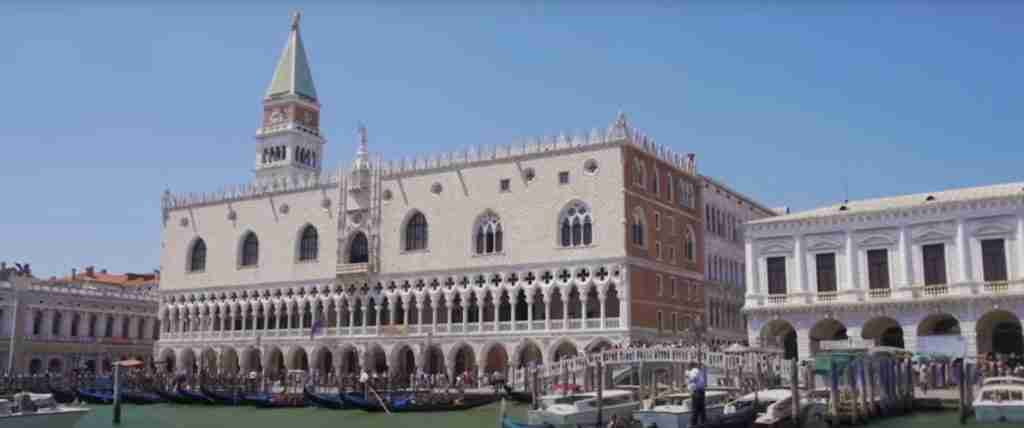
Doge’s Palace anchors Venice’s UNESCO heritage as seat of governmental power from 814 to 1797, demonstrating Venetian Gothic architecture at its apex while housing masterworks by Tintoretto, Veronese, and Bellini within opulent state rooms. Adult admission costs €30-35 in 2026 with advance online booking providing 10-15% savings versus walk-up pricing while guaranteeing entry during capacity restrictions. The ticket includes Correr Museum, Archaeological Museum, and Biblioteca Marciana access for comprehensive San Marco museum experience. Check official palace website for current rates as pricing may vary.
Arrive mid-afternoon (2-3 PM) when morning tour groups have departed but ample visiting time remains before 6 PM closing. Enter through Porta del Frumento waterfront entrance near Ponte della Paglia. Budget 2.5-3 hours for thorough palace exploration including state apartments, institutional chambers, armory, and prison complex. Audio guides cost €5 providing detailed historical commentary enhancing self-paced visits.
Ascend the Scala dei Giganti (Giants’ Staircase) where doges received coronation, then continue to Scala d’Oro (Golden Staircase) accessing state apartments. The Doge’s Apartments display private chambers where Venice’s elected leaders resided, while institutional rooms reveal the complex governmental structure balancing executive authority with aristocratic council oversight. The Sala del Maggior Consiglio (Great Council Chamber) measures 175 feet long housing Tintoretto’s Paradise, the world’s largest oil painting covering 600 square feet of wall space.
Cross the Bridge of Sighs via enclosed marble passage connecting palace to New Prisons where convicted criminals spent sentences. The bridge name derives from romantic notion that prisoners sighed viewing their last glimpse of Venice through stone-barred windows before incarceration. The prison complex demonstrates 16th-century detention conditions with individual cells varying by prisoner status and offense severity.
Secret Itineraries tour (€67.15) provides behind-scenes access to administrative chambers, torture chambers, and Casanova’s escape route, but requires separate advance booking and adds 90 minutes to standard palace visit. This specialized tour suits history enthusiasts and return visitors having completed standard palace exploration on previous visits.
Exit palace and walk 2 minutes to St. Mark’s Square for exterior views of St. Mark’s Basilica, Campanile, and surrounding Procuratie arcades. The square operates as Venice’s ceremonial and social center, perpetually animated by tourists, pigeons, and afternoon orchestras performing from historic cafés. Reserve basilica interior visit for Day 2 morning when fresh energy enables appreciation of overwhelming mosaic complexity.
Day 1 Evening: San Marco Neighborhood Exploration 2026
Spend early evening wandering San Marco sestiere away from the square’s tourist concentration. Walk north through calli (narrow streets) toward Rialto discovering neighborhood shops, local bars, and residential campi revealing authentic Venetian life persisting amid tourism infrastructure. The sestiere combines governmental monuments with working-class neighborhoods, luxury hotels with modest residences, creating socioeconomic diversity uncommon in Venice’s increasingly homogeneous historic center.
Stop at bacaro for cicchetti (Venetian tapas) and ombra (small wine glass) experiencing traditional working-class dining. Cicchetti include baccalà mantecato (creamed salt cod), sarde in saor (sweet-sour sardines), and polpette (meatballs) served on bread or polenta costing €2-4 per piece. Order 4-5 cicchetti plus wine totaling €15-25 for substantial dinner replacement without sit-down restaurant pricing or time commitment. Cantina Do Mori near Rialto and Al Bottegon in Dorsoduro represent authentic bacari frequented by Venetians rather than tourist-oriented establishments.
Continue evening stroll returning to St. Mark’s Square for post-dinner atmosphere and people-watching. The square transforms after dark when day-trippers depart and floodlights illuminate basilica facade and palace architecture. Caffè Florian and other historic establishments provide outdoor orchestra performances (€6 music cover charge beyond beverage prices) creating atmospheric though touristy evening experience. Budget-conscious travelers can enjoy the scene standing outside café boundaries without table service charges.
Walk along Riva degli Schiavoni waterfront promenade east of St. Mark’s Square viewing lagoon sunset (weather permitting) and San Giorgio Maggiore island silhouette. The promenade extends 800 meters offering continuous lagoon views while passing hotel facades, souvenir vendors, and portrait artists. Evening light photography captures iconic Venice imagery without midday harsh shadows or crowd congestion blocking compositions.
Return to accommodation via vaporetto Line 1 following Grand Canal route providing introductory perspective on Venice’s main waterway. The 45-minute full route from San Marco to Piazzale Roma passes under Rialto Bridge, alongside major palazzo facades, and demonstrates vaporetto navigation skill locals employ daily. Evening rides deliver contemplative experience versus rushed daytime tourist transport, allowing observation of illuminated palazzo interiors through waterfront windows.
Day 2 Morning: St. Mark’s Basilica and Campanile 2026
St. Mark’s Basilica represents Byzantine architecture’s finest Western expression with golden mosaic programs covering 8,000 square meters depicting biblical narratives and Venetian hagiography. Starting January 1, 2026, basilica entry costs €12 with optional Museum and Pala d’Oro access at €24, or combined Museum plus Pala d’Oro at €36. These January 2026 pricing changes reflect new admission structure supporting conservation efforts. The basilica opens 9:30 AM Monday-Saturday and 2 PM Sunday with variable closing times depending on season and liturgical calendar.
Arrive at opening time for optimal viewing conditions before mid-morning crowds transform contemplative experience into congested shuffling. The basilica operates as active worship site, not merely museum, requiring appropriate dress (covered shoulders and knees) and respectful behavior during services. Entry through north facade includes basic admission covering nave, side chapels, and ground-level mosaic viewing. Museum access (included in €24 or €36 tickets) provides elevated gallery perspective viewing mosaics from above plus access to original bronze horses removed from facade for preservation.
The basilica’s five domes contain narrative mosaic cycles beginning with Genesis creation through Christ’s resurrection executed over centuries by successive generations of Byzantine and Venetian craftsmen. The Pala d’Oro altar screen (included in €36 ticket) displays enameled gold panels studded with precious stones representing medieval goldsmith artistry at its apex. Photography is prohibited inside the basilica preserving contemplative atmosphere and protecting delicate mosaic surfaces from flash damage.
Exit basilica and cross St. Mark’s Square to Campanile (bell tower) standing 323 feet as Venice’s tallest structure. Elevator access costs €18 with tickets sold at tower base. The observation platform provides 360-degree lagoon views encompassing island churches, distant Alps, and Venetian sestieri spread below. Clear mornings offer optimal visibility exceeding 20 miles, while afternoon haze reduces distance but enhances photographic warm tones.
Descend Campanile and walk 3 minutes to Correr Museum occupying Procuratie Nuove palace flanking St. Mark’s Square’s west side. The museum entrance is included with Doge’s Palace ticket purchased Day 1, or available separately at €25 (also covering Archaeological Museum and Biblioteca Marciana). Budget 90-120 minutes exploring Venetian art, historical artifacts, and Canova sculpture collection demonstrating Republican Venice’s cultural achievements beyond governmental architecture.
Day 2 Afternoon: Rialto Market and San Polo Sestiere 2026
Lunch at Rialto Market area experiencing Venice’s commercial heart operating since 1097 as city’s primary food distribution center. The Erberia (fruit and vegetable market) and Pescheria (fish market) operate Tuesday-Saturday mornings with vendors departing by 1 PM, but surrounding neighborhood contains numerous osterie and bacari serving lunch throughout afternoon. Cantina Do Spade and Osteria Bancogiro offer canalside seating and traditional Venetian cuisine at €12-20 for primi (first courses) and €18-28 for secondi (main courses).
Cross Rialto Bridge examining the white Istrian stone single-span arch bridge completed 1591 replacing earlier wooden structures. The bridge shops sell jewelry, leather goods, and Murano glass at tourist-oriented pricing, but the structure itself demonstrates Renaissance engineering solving complex foundation challenges in lagoon environment. Views from bridge apex encompass Grand Canal vaporetto traffic, palazzo facades, and working canal life glimpsed through ground-floor waterside entrances.
Explore San Polo sestiere west of Rialto discovering neighborhood churches, artisan workshops, and residential campi away from commercial Rialto concentration. The sestiere combines working-class neighborhoods with cultural institutions including Scuola Grande di San Rocco and Frari Basilica representing Venetian artistic achievement beyond San Marco tourist circuit. Navigate using yellow signs toward Ferrovia (train station) providing western direction while following interesting calli and fondamente (canal-side walkways) encountered spontaneously.
Visit Scuola Grande di San Rocco viewing Tintoretto’s Biblical cycle covering walls and ceilings of both floors with 60+ paintings executed 1564-1588. Admission costs €12 with audio guide included. The Albergo and Sala Superiore contain Tintoretto’s mature masterworks demonstrating dramatic lighting and dynamic composition defining Venetian Mannerism. Budget 60-90 minutes for thorough viewing as ceiling paintings require neck strain and adequate contemplation time.
Continue to Basilica dei Frari (€3 admission or included with Chorus Pass) housing Titian’s Assumption altarpiece and Bellini’s Madonna and Child triptych within Gothic Franciscan church architecture. The basilica operates as neighborhood worship site maintaining active religious function alongside tourist visits, creating atmosphere distinct from museum-converted churches elsewhere in Venice.
Day 2 Evening: Dorsoduro Aperitivo and Canal Wandering 2026
Cross Accademia Bridge entering Dorsoduro sestiere for evening aperitivo tradition experiencing Venetian social ritual. Dorsoduro combines university student population with affluent residents creating vibrant bar and restaurant scene less touristy than San Marco while maintaining quality dining options. Campo Santa Margherita anchors neighborhood nightlife with numerous bars offering aperitivo buffets (free snacks with beverage purchase) from 6-8 PM.
Order spritz (€4-6), Venice’s signature aperitif combining Aperol or Campari with prosecco and soda water, while sampling aperitivo buffet offerings. The tradition provides light dinner alternative for budget-conscious travelers or pre-dinner social hour for those planning later restaurant meals. Campo Santa Margherita delivers authentic Venetian atmosphere with local students, artists, and young professionals mixing alongside tourists who’ve discovered this alternative evening scene.
Explore Dorsoduro’s quiet canals and residential neighborhoods south of Campo Santa Margherita toward Zattere waterfront promenade. The sestiere contains fewer major monuments than San Marco but reveals everyday Venetian life through neighborhood shops, elementary schools, elderly residents conversing from upper-floor windows, and washing hanging above canals. This authentic glimpse beyond tourist-circuit experiences requires simply wandering without specific destination allowing chance discoveries.
Walk Zattere promenade along Giudecca Canal enjoying lagoon breeze and sunset views (weather permitting) toward Giudecca island churches. The waterfront extends 1 kilometer connecting Punta della Dogana at sestiere’s eastern tip to Santa Marta basin near Piazzale Roma. Gelaterias along Zattere offer premium artisan gelato at €3-5 for two-flavor cup providing evening dessert with waterside seating.
Dinner at Dorsoduro trattoria sampling Venetian specialties including sarde in saor (sweet-sour sardines), risotto al nero di seppia (squid ink risotto), or fegato alla veneziana (Venetian-style liver). Osteria ai 4 Feri and Trattoria San Basilio represent neighborhood establishments serving authentic cuisine at moderate €35-55 per person pricing for complete meal with wine. Advance reservations (5-7 days) secure tables at desired times, though walk-in availability exists for earlier (7-7:30 PM) or later (9-9:30 PM) dining hours.
Day 3 Morning: Accademia Galleries and Venetian Renaissance Art 2026
Gallerie dell’Accademia houses Venice’s premier collection of Venetian painting spanning 14th-18th centuries with masterworks by Bellini, Giorgione, Titian, Tintoretto, and Veronese demonstrating the city’s artistic golden age. Admission costs €15 with advance online booking recommended for skip-line entry during peak periods. The museum opens 8:15 AM Tuesday-Sunday (Monday 8:15 AM-2 PM) with last entry 45 minutes before closing at 7:15 PM.
Arrive at opening time for optimal viewing conditions and natural light illuminating paintings. The chronologically arranged galleries progress from Byzantine-influenced Gothic works through High Renaissance innovations to Baroque theatrical compositions, demonstrating stylistic evolution across centuries. Room I contains Carpaccio’s Legend of St. Ursula narrative cycle, while Room V displays Giorgione’s enigmatic Tempest and Bellini’s San Giobbe Altarpiece establishing Venetian Renaissance characteristics.
Titian’s Presentation of the Virgin (Room XXIV) demonstrates mature Venetian style integrating architectural settings with narrative action and vibrant color application. The final rooms contain Titian, Tintoretto, and Veronese large-scale works originally created for Venetian churches and scuole, revealing these artists’ mastery of perspective, light, and dramatic composition serving religious devotional purposes while displaying technical virtuosity.
Budget 2-3 hours for comprehensive Accademia viewing covering 24 rooms chronologically without rushing. Audio guides cost €6 providing historical context and iconographic explanation enhancing painting appreciation. The museum café offers mid-visit break with espresso and pastries at reasonable pricing versus nearby tourist-oriented establishments.
Exit Accademia and walk 10 minutes along Dorsoduro fondamente toward Peggy Guggenheim Collection. The route passes Campo San Vio and numerous artisan workshops specializing in bookbinding, printmaking, and traditional Venetian crafts continuing centuries-old traditions despite tourism economy dominance.
Day 3 Afternoon: Peggy Guggenheim Collection and Contemporary Art 2026
Peggy Guggenheim Collection occupies Palazzo Venier dei Leoni on Grand Canal housing 20th-century art collection assembled by American heiress Peggy Guggenheim during her Venice residence 1948-1979. Admission costs €18 with advance booking available through museum website. The museum opens 10 AM daily (closed Tuesday) with last entry 5:15 PM before 6 PM closing.
The single-story palazzo’s unfinished 18th-century structure provides intimate gallery spaces displaying Cubist, Surrealist, and Abstract Expressionist masterworks by Picasso, Braque, Duchamp, Miró, Pollock, and Rothko. The chronological arrangement demonstrates modern art movements from early 20th-century innovations through post-war American abstraction. Peggy Guggenheim’s bedroom, preserved as lived-in period room, reveals collector’s personal aesthetic and bohemian lifestyle.
The sculpture garden contains works by Giacometti, Moore, and Calder set among Mediterranean plantings overlooking Grand Canal traffic. This outdoor gallery provides contemplative break from interior viewing while maintaining artistic focus. The museum café serves light lunch and afternoon refreshments at moderate pricing with Grand Canal terrace seating.
Budget 90-120 minutes for comprehensive collection viewing. The museum’s compact scale prevents overwhelming fatigue common at larger institutions while maintaining world-class artwork density. Temporary exhibitions (included with admission) rotate quarterly featuring contemporary artists or focused historical surveys complementing permanent collection.
Walk 15 minutes to Punta della Dogana viewing the triangular promontory where Grand Canal meets Giudecca Canal. Punta della Dogana museum (€18 admission or €25 combined with Palazzo Grassi) displays François Pinault Foundation contemporary art in restored 17th-century customs house renovated by Tadao Ando. The museum operates Wednesday-Monday 10 AM-7 PM with rotating exhibitions changing every 6-12 months.
Day 3 Evening: Cannaregio Neighborhood Discovery 2026
Travel to Cannaregio sestiere via vaporetto Line 1 to Ca’ d’Oro stop experiencing Venice’s largest and most populous sestiere combining Jewish Ghetto historical significance with working-class neighborhoods maintaining authentic Venetian character. Cannaregio extends from train station east to Rialto, encompassing diverse neighborhoods from tourist-circuit Strada Nova commercial axis to quiet residential fondamente along northern lagoon edge.
Explore Jewish Ghetto established 1516 as Europe’s first segregated Jewish quarter where Venice’s Jewish population lived until 19th-century emancipation. The area’s tall buildings developed vertically due to space constraints, creating distinctive architecture uncommon elsewhere in low-rise Venice. Campo del Ghetto Nuovo contains Jewish Museum (€12 admission including guided synagogue tours) exploring five centuries of Venetian Jewish history and culture.
Walk Fondamenta della Misericordia and Fondamenta degli Ormesini experiencing Cannaregio’s evening aperitivo scene favored by young Venetians and university students. The canalside bars and restaurants offer outdoor seating during pleasant weather with spritz and cicchetti at neighborhood pricing (€4-6 drinks, €2-4 cicchetti) versus San Marco tourist rates. Al Timon and Paradiso Perduto represent authentic neighborhood establishments serving locals alongside tourists who’ve discovered these alternative venues.
Dinner at Cannaregio trattoria sampling northern Venetian specialties including bigoli in salsa (thick pasta with anchovy-onion sauce) or baccalà mantecato. Osteria Al Ponte and Trattoria Storica serve traditional cuisine at €30-50 per person for complete meals. These neighborhood restaurants maintain earlier dining hours (7-9 PM) versus San Marco establishments operating on tourist schedules, requiring timely arrival for table availability without advance reservations.
Evening walk along northern lagoon fondamente viewing cemetery island San Michele’s cypress trees silhouetted against sunset and distant Alps on clear evenings. The quiet residential streets away from Strada Nova tourist axis reveal contemporary Venetian life through lit apartment windows, neighborhood bars filled with regulars, and elderly residents conducting evening passeggiata (stroll) tradition. This authentic glimpse beyond museum-centered tourism requires simply wandering without specific destination.
Day 4 Morning: Castello Sestiere and Naval Arsenal 2026
Castello comprises Venice’s largest sestiere extending from San Marco east to Sant’Elena gardens and north to lagoon edge, combining tourist concentration around St. Mark’s with working-class residential neighborhoods where Venetians outnumber visitors. Begin morning exploring eastern Castello discovering neighborhood markets, artisan workshops, and local cafés serving residents rather than tourists.
Walk Via Garibaldi, Castello’s widest street created by filling canal in 1808 providing rare Venetian thoroughfare where elderly residents shop at fruit stands and fish vendors while children bike to school. The street operates as neighborhood main street maintaining authentic commercial function beyond souvenir economy. Morning markets Tuesday-Saturday offer opportunity observing Venetian daily life and sampling local specialties at modest pricing.
Visit Arsenale naval complex where Venetian shipbuilding industry constructed merchant and war vessels maintaining the Republic’s maritime supremacy 12th-18th centuries. The massive fortified complex covers 100+ acres representing medieval industrial scale unprecedented elsewhere in Europe. The site now houses Venice Biennale exhibition spaces accessible during Biennale years (odd-numbered years including 2025, 2027) with ticket admission €30-35 providing access to international pavilions and curated exhibitions. Non-Biennale years allow exterior viewing of imposing gateway and perimeter walls demonstrating military architecture without interior access.
Walk eastern waterfront Riva dei Sette Martiri toward Public Gardens viewing lagoon expanse and ship traffic heading to Lido and Adriatic beyond. The promenade extends 800 meters offering continuous water views while passing residential neighborhoods rarely visited by tourists concentrating in western sestieri. Benches along waterfront provide rest stops and contemplative viewing opportunities.
Continue to Giardini Pubblici (Public Gardens) occupying 110,000 square meters of green space rare in stone-paved Venice. The gardens contain Biennale permanent national pavilions demonstrating early 20th-century exhibition architecture. Outside Biennale periods, the gardens offer quiet walking, children’s playgrounds, and waterfront views toward San Giorgio and Giudecca islands.
Day 4 Afternoon: San Giorgio Maggiore and Giudecca Islands 2026
Take vaporetto Line 2 from Giardini to San Giorgio Maggiore island viewing Palladio’s white Istrian stone church facade dominating southern lagoon vista. San Giorgio Maggiore Basilica opens 9 AM-12:30 PM and 2:30-6:30 PM with free admission. The church interior demonstrates Palladian classical architecture applied to religious building with harmonious proportions and natural light emphasis characteristic of Renaissance architectural theory.
Ascend campanile (€6 admission) via elevator reaching observation platform 200 feet above lagoon providing alternative aerial perspective to St. Mark’s Campanile. San Giorgio’s position offers unobstructed St. Mark’s Basin views encompassing Doge’s Palace, San Marco waterfront, and Giudecca Canal without urban congestion limiting mainland Campanile’s eastern views. Clear conditions reveal Lido barrier island and Adriatic beyond.
The church art collection includes two Tintoretto late works (Last Supper and Gathering of Manna) demonstrating the artist’s mature style with dramatic chiaroscuro and dynamic composition. The monastery complex occasionally hosts cultural exhibitions and concerts utilizing historic spaces for contemporary cultural programming.
Cross to Giudecca island via vaporetto Line 2 exploring Venice’s largest offshore island maintaining working-class residential character despite recent gentrification pressure. Giudecca extends 1.2 miles parallel to Dorsoduro across Giudecca Canal, historically housing industry and working-class housing now increasingly converted to luxury hotels and apartments. The island maintains authentic neighborhood atmosphere with few tourists venturing beyond Palladio’s Il Redentore church.
Walk Giudecca’s fondamente viewing northern cityscape across canal and experiencing island life distinct from historic center tourism intensity. Local bars and restaurants serve island residents at neighborhood pricing (€20-35 per person for complete meals) in unpretentious settings. The island’s quiet streets, children playing in campi, and elderly residents gathering at local bars reveal contemporary Venetian daily life largely unchanged by tourism economy dominating the main islands.
Day 5 All Day: Murano, Burano, and Torcello Islands Excursion 2026
Dedicate Day 5 to comprehensive lagoon islands exploration visiting Murano glass manufacturing center, Burano lace-making and fishing village, and Torcello’s Byzantine cathedral representing Venice’s earliest settlement. The three islands require full-day allocation with vaporetto travel, island exploration, and meal breaks totaling 8-9 hours. Your 7-day vaporetto pass covers all routes eliminating per-journey costs and enabling flexible timing based on weather, energy, and discovered interests.
Depart morning via vaporetto Lines 4.1/4.2 or Line 3 to Murano from Fondamente Nove stop (15-20 minute crossing). Murano comprises five islands connected by bridges where glass manufacturing relocated from Venice proper in 1291 due to fire hazard from furnaces. The island maintains working glass studios alongside shops selling finished products ranging from tourist souvenirs to museum-quality art glass. Glass Museum (€12 admission or included with Museum Pass) displays historical and contemporary glass demonstrating technical evolution and artistic possibilities of the medium.
Attend free glass-blowing demonstration at working furnaces where master craftsmen create vases, sculptures, and decorative objects using techniques refined over centuries. These demonstrations operate 9 AM-5 PM at studios throughout Murano providing educational entertainment and shopping opportunity. Glass quality and pricing vary dramatically from mass-produced tourist items (€10-50) to artist-signed unique pieces (€500-5,000+). Purchase only from Murano Vetro Artistico certified studios ensuring authentic island production versus imported Asian glass marketed as Murano work.
Walk Murano’s fondamente discovering neighborhood character beyond glass shops with residential areas, churches including San Donato’s 12th-century Byzantine mosaic floor, and waterfront cafés serving local workers and residents. Budget 2-3 hours for comprehensive Murano exploration including museum, demonstration, shopping, and neighborhood wandering.
Lunch at Murano trattoria sampling island’s less touristy restaurants away from glass shops. Acquastanca and Busa alla Torre serve traditional Venetian cuisine at €30-45 per person with outdoor canal-side seating during pleasant weather. The island’s lunch options provide better value than Burano’s more touristy establishments while maintaining quality ingredients and authentic preparation.
Continue afternoon via vaporetto Line 12 to Burano (40 minutes from Murano) experiencing the lagoon’s most photographed fishing village with brightly painted houses lining canals. The vivid color tradition reportedly helped fishermen identify homes when returning from sea in fog, though contemporary decorative scheme serves primarily tourist appeal. Burano maintains active fishing industry despite tourism economy growing importance with fishing boats moored along canals and fish markets operating morning hours.
Visit Lace Museum (€6 admission or included with Museum Pass) displaying historical lace production techniques and examples of punto Burano lace famous across Europe 16th-18th centuries. The museum demonstrates labor-intensive needlepoint lace creation requiring months for single doily, explaining contemporary lace’s high pricing (€100-500+ for authentic handmade pieces). Most souvenir shops sell machine-made Asian lace marketed as Burano work; purchase only from Consorzio Merletti di Burano certified producers ensuring authentic island production.
Explore Burano’s colorful streets photographing canal scenes and village atmosphere delivering Venice’s most Instagram-worthy imagery. The island measures just 500 meters across allowing comprehensive exploration in 90 minutes covering all fondamente, churches, and residential areas. Afternoon light (2-4 PM) provides optimal photography conditions with sun illuminating house colors without harsh shadows or evening dimness.
Late afternoon continue via vaporetto Line 9 to Torcello (5 minutes from Burano) visiting Venice’s original settlement site now nearly uninhabited agricultural island. Torcello thrived 10th-14th centuries as lagoon’s commercial center before malaria and silting shifted population to Rialto area. The island now contains fewer than 20 permanent residents with Byzantine cathedral and small museum representing former glory.
Visit Cathedral of Santa Maria Assunta (€5 admission) viewing 11th-12th century Byzantine mosaics including spectacular Last Judgment west wall composition and delicate Madonna and Child apse mosaic demonstrating Venetian-Byzantine artistic synthesis. The cathedral represents lagoon’s oldest building and finest Byzantine monument, revealing Venice’s early Eastern orientation before Renaissance shift toward Western European culture.
Walk Torcello’s pastoral landscape along canal bordered by vegetable gardens and marshland providing sharp contrast to urban Venice’s stone-paved density. The island’s agricultural character and quiet atmosphere reveal the lagoon environment’s natural state before centuries of development transformed marshland to architectural marvel. Locanda Cipriani restaurant (€60-80 per person) occupies historic building offering upscale dining in garden setting, though budget-conscious travelers typically return to Murano or Burano for more modest meal options.
Return late afternoon to Venice via vaporetto Lines 9 and 12 reaching Fondamente Nove by 6-7 PM. The lagoon crossing provides perspective on Venice’s maritime relationship with surrounding islands and distant mountains framing northern horizon. Evening light transforms the aquatic landscape revealing why Venice’s unique geography inspired centuries of painters attempting to capture ephemeral play of light on water.
Day 6 Morning: Markets, Neighborhoods, and Hidden Gems 2026
Dedicate final morning to revisiting favorite neighborhoods, completing missed experiences, or discovering hidden gems based on weather conditions and personal interests developed over five days. This flexible day accommodates individual preferences while providing structured alternatives for decisive itinerary followers.
Return to Rialto Market for weekday morning shopping experience (Tuesday-Saturday 7 AM-12 PM) observing local vendors, seasonal produce, and Adriatic fish varieties displayed on ice beds. The Pescheria fish market demonstrates Venice’s continuing maritime relationship with lagoon and sea providing daily catch including cuttlefish, sardines, and sea bass. Professional chefs from Venice’s top restaurants shop alongside local residents creating animated market atmosphere distinct from afternoon tourist quiet.
Alternative morning options include Ca’ Rezzonico museum (€13 admission or included with Museum Pass) occupying Grand Canal palazzo displaying 18th-century Venetian decorative arts, frescoed ceilings by Tiepolo, and period furniture demonstrating aristocratic domestic life’s opulent reality. The museum opens 10 AM Wednesday-Monday providing 2-hour visit completing major museum circuit for comprehensive art enthusiasts.
Explore Santa Croce sestiere, Venice’s least touristy neighborhood west of train station maintaining working-class residential character with minimal monument concentration. The sestiere reveals contemporary Venetian daily life through neighborhood bars, elementary schools, and local markets serving residents rather than visitors. Fondamenta Rio Marin and surrounding calli demonstrate authentic Venice beyond tourist-circuit experiences requiring simply wandering without specific destination allowing chance discoveries.
Visit Ca’ Pesaro International Gallery of Modern Art (€13 admission or included with Museum Pass) displaying 19th-20th century Italian and European art in Grand Canal palazzo. The collection includes works by Klimt, Kandinsky, and Chagall alongside Italian artists Boccioni, De Chirico, and Morandi representing modern art movements from Symbolism through mid-20th century abstraction. The museum provides alternative contemporary art experience versus Guggenheim Collection’s American Abstract Expressionist focus.
Day 6 Afternoon: Lido Beach Excursion and Relaxation 2026
Take vaporetto Lines 1, 5.1, or 6 to Lido island (15-20 minute crossing from San Marco) experiencing Venice’s beach resort combining 19th-century grand hotels with public beaches and residential neighborhoods. Lido extends 7 miles separating Venice lagoon from Adriatic Sea, functioning as summer beach destination for Venetians while hosting Venice Film Festival each September.
Walk or bicycle Lido’s main Gran Viale Santa Maria Elisabetta connecting lagoon-side vaporetto stop to Adriatic beach (1 mile). The avenue’s tree-lined pedestrian and bicycle paths provide rare Venetian experience of wheeled transport and green space impossible within historic center’s canal-laced density. Bicycle rental shops near vaporetto stop charge €8-15 daily providing efficient Lido exploration enabling beach access and island circumnavigation.
Spend afternoon at Lido beach experiencing Venetian seaside resort tradition dating to 19th century when international aristocracy established grand hotels along Adriatic shoreline. Public beaches (free access) alternate with private stabilimenti (beach clubs) charging €15-30 daily for umbrella and lounge chair providing changing facilities, showers, and bar service. The Adriatic’s shallow sandy beach provides swimming opportunity rare for Venice visitors limited to canal and lagoon waters inappropriate for bathing.
Explore Lido’s residential neighborhoods discovering Art Nouveau architecture, Liberty-style villas, and early 20th-century development creating character distinct from historic Venice’s medieval-Renaissance built environment. The island’s suburban atmosphere with automobiles, gardens, and modern apartment buildings reveals contemporary Venetian life’s normality beyond tourist-economy domination affecting historic center.
Alternative afternoon option includes final museum visits, church exploration using Chorus Pass (€14 for 16 churches) enabling comprehensive Venetian religious architecture coverage, or leisurely neighborhood wandering revisiting favorite campi and fondamente discovered earlier in week. This flexible afternoon accommodates weather-dependent decisions, energy levels, and spontaneous interests developed through six days’ neighborhood familiarity.
Day 6 Evening: Farewell Dinner and Final Gondola Experience 2026
Conclude six-day Venice immersion with farewell dinner at celebrated restaurant experiencing upscale Venetian cuisine in historic setting. Ristorante Quadri on St. Mark’s Square, Osteria alle Testiere in Castello, or Antiche Carampane in San Polo represent excellent choices at €60-100 per person offering tasting menus showcasing Venetian specialties with wine pairings. Advance reservations (7-10 days) essential for these popular establishments operating limited seating.
Alternative budget-conscious farewell meal includes cicchetti bar crawl visiting 3-4 different bacari sampling signature offerings at each while progressing through neighborhoods. This mobile dining experience totals €25-40 per person providing variety and social atmosphere versus single-restaurant formality. Include Cantina Do Mori, Al Bottegon, Osteria al Squero, and Cantinone già Schiavi representing authentic neighborhood establishments frequented by locals.
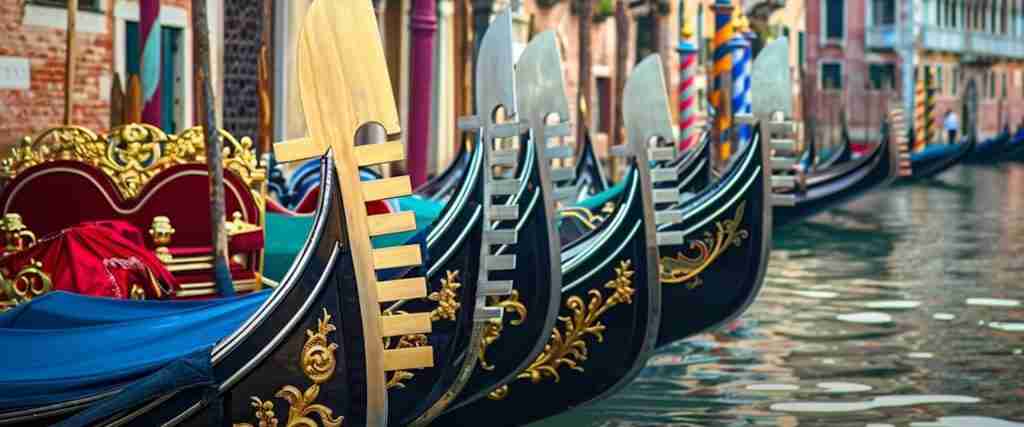
Consider evening gondola ride experiencing Venice’s signature transport during optimal lighting conditions with fewer daytime crowds and tour groups. Official gondola rates (regulated by gondoliers’ association) cost €90 for 30-minute rides with €110 evening rate (7 PM-8 AM). Shared gondola tours through booking agencies reduce per-person costs to €30-40 but sacrifice privacy and route flexibility. The experience provides unique perspective on canal architecture and waterway navigation while indulging Venice’s most romantic cliché.
Alternative evening walk retracing favorite routes discovered throughout week, revisiting memorable campi and fondamente under different lighting conditions. Evening Venice transforms as day-trippers depart and residents reclaim public spaces for aperitivo gatherings, evening passeggiata, and outdoor dining. This final immersion without specific destination allows contemplative reflection on week’s experiences while absorbing atmospheric details missed during goal-oriented sightseeing.
Conclude evening at quiet campo away from San Marco tourist concentration observing neighborhood evening rituals: elderly residents conversing on benches, children playing final games before bedtime, cats prowling darkened calli. This authentic glimpse of contemporary Venetian daily life persisting despite tourism transformation provides fitting conclusion to six days balancing iconic monuments with residential neighborhood discovery revealing Venice beyond postcard imagery.
Transportation Navigation and Vaporetto Strategy 2026
Venice’s ACTV vaporetto system operates 21 active lines connecting historic center sestieri, lagoon islands, and mainland Mestre via 159 docking stations throughout the network. The system runs approximately 5 AM-midnight with reduced night service Line N operating 11:30 PM-5 AM for late-night travelers. Understanding route patterns and strategic timing significantly enhances Venice navigation efficiency while reducing walking fatigue across the city’s numerous stepped bridges.
Line 1 follows the Grand Canal’s full length from Piazzale Roma to Lido making all 18 stops including Rialto and San Marco, requiring 45-55 minutes for complete route. This scenic line operates every 10-15 minutes during peak hours providing tourist-friendly service with predictable routing but slowest transit time due to comprehensive stops. Line 2 provides faster Grand Canal alternative making selective stops completing Piazzale Roma-San Marco segment in 25-30 minutes, operating same frequency as Line 1.
Lines 4.1/4.2 and 5.1/5.2 circle the historic center’s perimeter in opposing directions (indicated by decimal suffix) connecting peripheral neighborhoods and providing efficient cross-sestiere movement without Grand Canal congestion. These circular routes reach Murano, Fondamente Nove, and Giudecca while avoiding tourist-concentrated central stops. Operating frequency varies 15-30 minutes depending on time and day.
Island routes include Line 12 connecting Fondamente Nove to Murano, Burano, and Torcello with 40-50 minute Burano crossing and continuing 5 minutes to Torcello. Line 3 provides alternative Murano access from Piazzale Roma. Lines 5.1/5.2 reach Lido from multiple historic center stops. Island service operates 30-60 minute headways requiring schedule consultation via posted timetables, ACTV official app, or Google Maps integration.
Validate vaporetto passes at yellow machines before boarding to activate validity period and avoid €60 fines issued by uniformed inspectors conducting random checks. The 7-day pass activates upon first validation then remains valid for consecutive 168 hours regardless of calendar dates. Single tickets (€9.50) validate for 75 minutes allowing transfers between lines within time window but prohibit return journeys or circular routing.
Strategic vaporetto use prioritizes longer distances, bridge-intensive routes, luggage transport, rain avoidance, and fatigue management while reserving walking for short distances under 1 mile connecting adjacent landmarks. Examples: walk San Marco to Rialto (20 minutes) but vaporetto San Marco to Cannaregio (Line 1, 15 minutes), walk Accademia to Guggenheim (10 minutes) but vaporetto Dorsoduro to Castello (Line 2, 20 minutes). This balanced approach optimizes time efficiency while providing street-level neighborhood immersion impossible from water-bus perspectives.
Avoid vaporetto peak commuter hours (7:30-9 AM and 5-7 PM weekdays) when local workers crowd boats making tourist travel uncomfortable and delaying boarding. Mid-morning (10 AM-12 PM) and mid-afternoon (2-4 PM) provide optimal tourist travel windows with available seating and manageable crowds. Evening service after 8 PM delivers contemplative experience with reduced passengers and illuminated palazzo facades creating romantic atmosphere.
Accommodation Selection and Neighborhood Characteristics 2026
Venice accommodation choices fundamentally shape visitor experiences through location convenience, neighborhood character, and daily logistics management. Historic center properties cost €150-280 nightly for mid-range hotels but position travelers within 10-30 minute walks of all major monuments while providing authentic sestiere immersion. Mainland Mestre alternatives charge €80-120 for equivalent quality requiring 15-minute train commutes reducing actual Venice time while saving €70-160 nightly offsetting transportation inconvenience.
San Marco sestiere offers proximity to major monuments with properties €200-400 nightly reflecting premium location. Advantages include immediate Doge’s Palace and St. Mark’s Basilica access, maximum vaporetto line convergence, and concentrated restaurant-shopping infrastructure. Disadvantages encompass constant tourist crowds, minimal authentic neighborhood character, and maximum pricing for equivalent room quality versus alternative sestieri. San Marco suits visitors prioritizing monument access over residential atmosphere willing to pay location premiums.
Cannaregio combines authentic residential neighborhoods with convenient train station access and moderate pricing €140-220 nightly. The sestiere extends from tourist-circuit Strada Nova commercial axis to quiet northern fondamente maintaining working-class character with local markets, neighborhood bars, and elderly residents conducting daily routines. Vaporetto Line 1 provides direct Grand Canal access while residential streets reveal contemporary Venetian life beyond tourism economy. Cannaregio suits travelers seeking authentic atmosphere with good value and northern sestiere access.
Castello encompasses Venice’s largest sestiere combining tourist concentration near San Marco with working-class eastern neighborhoods where Venetians outnumber visitors. Properties range €140-260 depending on specific location with western Castello near monuments commanding premiums while eastern residential areas offer better value. The sestiere provides authentic neighborhood immersion, local markets on Via Garibaldi, and quiet fondamente while maintaining 15-minute San Marco walks. Castello suits travelers balancing monument access with residential character.
Dorsoduro merges university student population with affluent residents creating vibrant cultural scene anchored by Accademia Galleries and Peggy Guggenheim Collection. Accommodation costs €160-280 reflecting artistic quarter prestige with excellent bars, restaurants, and evening atmosphere around Campo Santa Margherita. Zattere waterfront promenade provides lagoon views and gelato venues while maintaining neighborhood authenticity. Dorsoduro suits travelers prioritizing art institutions, student energy, and aperitivo scene.
Santa Croce and San Polo occupy western historic center near Piazzale Roma bus terminal and train station with €140-240 accommodation reflecting moderate demand. These sestieri combine Rialto commercial heritage with residential neighborhoods maintaining authentic character. Scuola Grande di San Rocco and Frari Basilica provide cultural anchors while neighborhood trattorias serve locals and tourists at reasonable pricing. Western sestieri suit travelers prioritizing transportation convenience and authentic neighborhoods over monument clustering.
Giudecca island offers alternative accommodation €120-200 with working-class residential character despite recent gentrification converting industrial buildings to boutique hotels. The island maintains authentic neighborhood life distinct from historic center tourism intensity with vaporetto Lines 2 and 4.1/4.2 providing 5-10 minute crossings to Dorsoduro and San Marco. Limited restaurant options and evening quiet create residential atmosphere appealing to visitors seeking Venice immersion beyond tourist circuits.
Mestre mainland accommodations cost €80-120 for mid-range hotels with modern amenities, parking availability, and chain hotel consistency unavailable in historic center’s converted palazzi. Train connections reach Venice in 10-15 minutes with €1.50 regional fares while ACTV buses cost €8 operating 15-minute frequencies. Mestre suits budget-conscious visitors, automobile travelers requiring parking, or families needing larger rooms impossible in historic Venice’s compact buildings. The mainland location sacrifices authentic Venice immersion for practical convenience and cost savings.
Dining Budget and Venetian Cuisine Strategies 2026
Venice dining costs span €40-120 daily per person depending on meal choices, restaurant categories, and strategic timing balancing authentic cuisine experiences with budget consciousness. Understanding Venetian dining traditions, pricing structures, and neighborhood variations enables quality meals matching budget constraints while avoiding tourist-trap establishments dominating San Marco and Rialto commercial zones.
Budget dining strategy (€40-60 daily) combines morning cappuccino and cornetto at counter service (€3-5) avoiding table surcharges, lunch cicchetti at bacari (€15-25 for 4-6 pieces plus wine), and dinner at neighborhood trattoria (€20-35 for complete meal). This approach provides three quality meals featuring authentic Venetian preparations while maintaining modest total costs through strategic venue selection and counter versus table choices. Morning café rituals observed standing at bar counters deliver identical coffee and pastries for 40-60% less than seated service charging premium for chairs and tablecloths.
Bacari represent Venice’s traditional working-class wine bars serving cicchetti (Venetian tapas) including baccalà mantecato (creamed salt cod), sarde in saor (sweet-sour sardines), and polpette (meatballs) priced €2-4 per piece. Ordering 4-6 cicchetti plus ombra (small wine glass at €3-5) creates substantial lunch or light dinner totaling €15-25. Authentic bacari cluster in San Polo near Rialto, Dorsoduro around Campo Santa Margherita, and Cannaregio away from tourist circuits. Cantina Do Mori, Al Bottegon, and Cantinone già Schiavi represent traditional establishments where locals outnumber tourists and quality remains high.
Mid-range dining strategy (€70-95 daily) incorporates hotel breakfast (€10-15 when included), sit-down lunch at neighborhood osteria (€25-35), and dinner at mid-tier trattoria (€35-55). This provides full restaurant service for all meals enabling comprehensive Venetian cuisine sampling including primi (first courses) like bigoli in salsa or risotto al nero di seppia and secondi (main courses) featuring fresh lagoon fish or traditional preparations. Mid-range establishments populate all sestieri with best value in Cannaregio, Castello, and Dorsoduro versus San Marco tourist pricing.
Venetian specialties merit sampling across six days demonstrating city’s unique culinary traditions developed over centuries: sarde in saor (sardines with onions, pine nuts, raisins in sweet-sour marinade), baccalà mantecato (salt cod whipped into creamy spread), risotto al nero di seppia (squid ink risotto), fegato alla veneziana (calf’s liver with onions), and moleche (soft-shell crabs available spring and autumn). These dishes reflect Venice’s maritime heritage, spice trade history, and Austrian occupation influences creating distinctive cuisine separate from mainland Veneto traditions.
Seafood quality and pricing vary dramatically by restaurant category and location. Tourist-oriented establishments near San Marco charge €25-40 for fritto misto (mixed fried fish) or grilled branzino (sea bass) of moderate quality. Neighborhood establishments in Castello or Cannaregio serve superior fresh fish at €18-28 reflecting local market direct sourcing rather than wholesale tourist supply chains. Always verify fish is fresh (pesce fresco) versus frozen (pesce congelato) as menus must indicate frozen fish by law.
Wine accompanies all Venetian meals with local varieties including prosecco sparkling wine from nearby Valdobbiadene, Soave white wine, and Valpolicella reds. House wine (vino della casa) costs €12-18 per bottle providing quality daily drinking without premium pricing. Spritz aperitif (€4-6) combines Aperol or Campari with prosecco and soda creating Venice’s signature pre-dinner drink consumed during 6-8 PM aperitivo hours.
Restaurant timing follows Italian patterns with lunch service 12:30-2:30 PM and dinner 7:30-10 PM. Tourist-oriented establishments maintain continuous service while authentic trattorias close between meals. Reservations (5-7 days advance) secure tables at celebrated restaurants during peak April-October season though walk-in availability exists for earlier (7-7:30 PM) or later (9-9:30 PM) hours when Italians typically dine.
Money-Saving Strategies for Venice Six Days 2026
Venice’s reputation for expensive travel contains truth reflecting limited supply, overwhelming demand, and UNESCO World Heritage status commanding premium pricing, but strategic approaches reduce costs 30-50% versus default tourist spending patterns while maintaining experience quality. Implementing multiple strategies simultaneously delivers cumulative savings transforming expensive Venice into accessible destination for budget-conscious travelers.
Accommodation timing and location offer greatest cost variability. Booking mainland Mestre hotels versus historic center properties saves €70-160 nightly — calculation: €70 × 6 nights = €420, €160 × 6 nights = €960, totaling €420-960 over six nights offsetting 15-minute train commutes. Visiting November-March winter season reduces accommodation 50-60% versus summer peaks, saving €300-900 over six nights for mid-range travelers though weather tradeoffs include short daylight and frequent rain. Booking 4-6 months ahead secures optimal rates before demand increases prices 20-40% for last-minute reservations.
Transportation 7-day vaporetto pass (€65-70) versus single tickets (€9.50) saves money for visitors making typical 12-15 rides over six days. Calculation for 12 rides: 12 × €9.50 = €114 total ticket cost. With €70 pass: €114 – €70 = €44 savings. For 15 rides: 15 × €9.50 = €142.50 total. With €65 pass: €142.50 – €65 = €77.50 savings. Range: €44-78 savings depending on rides and pass price, while enabling spontaneous water bus use for fatigue management and rain avoidance. Budget travelers can minimize vaporetto beyond island excursions by walking San Marco-Rialto, Rialto-Cannaregio, and Accademia-San Marco routes under 1 mile.
Food costs decline dramatically through strategic meal choices. Counter service cappuccino and cornetto (€3-5) versus table service (€8-12) saves €5-7 per morning breakfast — calculation: €5 × 6 days = €30, €7 × 6 days = €42, totaling €30-42 over six days. Lunch cicchetti at bacari (€15-25) versus sit-down restaurants (€25-35) saves €0-20 daily (comparing overlap: €25 restaurant to €15 bacaro = €10, €35 restaurant to €25 bacaro = €10, maximum €35 to €15 = €20) — calculation: €10 × 6 days = €60, €20 × 6 days = €120, totaling €60-120 over six days. Avoiding San Marco tourist-zone restaurants in favor of neighborhood trattorias in Cannaregio, Castello, or Dorsoduro reduces dinner costs 30-40% for equivalent food quality. Supermarket snacks and bottled water (€2-4) versus bar purchases (€4-8) saves modest amounts accumulating over six days.
Museum Pass (€40) saves money when visiting 4+ civic museums beyond Doge’s Palace, breaking even versus individual admissions totaling €50-65 for comprehensive museum visitors following this itinerary’s 5-7 museum recommendation. However, the pass excludes Accademia Galleries (€15) and Guggenheim Collection (€18) requiring separate tickets. Calculate specific museum lists before purchasing as selective visitors might save with individual tickets.
Chorus Pass (€14) provides access to 16 churches including Frari Basilica, Santa Maria dei Miracoli, and San Giacomo dell’Orio representing excellent value for comprehensive church architecture enthusiasts. Individual church admissions cost €3-5 each making pass worthwhile when visiting 3+ participating churches. However, major churches operate independently: St. Mark’s Basilica charges separate admission while numerous smaller neighborhood churches remain free.
Free activities fill substantial itinerary time without cost impact. Walking historic center neighborhoods, crossing Rialto and Accademia bridges, viewing Grand Canal from fondamente, exploring residential campi, and observing neighborhood daily life provide authentic Venice experiences without ticket barriers. Sunset viewing from various waterfront locations, window-shopping artisan workshops, and people-watching in campi cost nothing while revealing Venice’s living culture beyond monument-centered tourism.
Gondola rides represent Venice’s most expensive tourist experience at €90-110 for 30-minute rides. Budget travelers can skip gondolas without losing essential Venice understanding, instead experiencing vaporetto transport providing water-level perspectives at fraction of gondola costs. Alternatively, traghetto gondola ferries crossing Grand Canal at seven points cost €2 per crossing providing brief authentic gondola experience minus the romantic serenade.
Seasonal Considerations and Weather Planning 2026
Venice experiences four distinct seasons with weather, crowds, and costs varying dramatically affecting itinerary execution, activity choices, and budget requirements throughout 2026. Understanding seasonal patterns enables strategic visit timing maximizing favorable conditions while managing expectations and preparing for climate-specific challenges inherent to lagoon environment.
Spring (April-May) delivers optimal compromise between weather, costs, and crowds with temperatures ranging 12-20°C (54-68°F) and moderate rainfall averaging 60-70mm monthly. Daylight extends from 13 hours in April to 15 hours by late May enabling full-day outdoor exploration without early darkness limiting activities. Accommodation costs run 30-40% below summer peaks while maintaining comfortable conditions. Late April-early May represents sweet spot with warm days, blooming gardens, and manageable crowds before June tourist surge. Easter week commands premium pricing approaching summer levels due to Italian domestic tourism concentration.
Summer (June-August) provides warmest weather averaging 22-28°C (72-82°F) with occasional extreme days exceeding 30°C (86°F) in heat waves. These months command highest accommodation costs 50-100% above winter lows and maximum attraction crowds creating 60-90 minute queues at Doge’s Palace and St. Mark’s Basilica during peak hours. Daylight reaches 15-16 hours June-July supporting extended evening activities and sunset viewing after 8:30 PM. Afternoon thunderstorms occur occasionally providing dramatic temporary relief from heat and humidity. July-August sees heaviest tourist concentration as European school holidays bring family travelers overwhelming historic center capacity.
Autumn (September-October) mirrors spring advantages with comfortable temperatures 16-22°C (61-72°F), autumn colors in gardens, and reduced crowds versus summer though remaining elevated above winter levels. Daylight maintains 13 hours September declining to 11 hours late October requiring earlier activity conclusions. Accommodation costs drop 25-40% from August peaks while weather stays favorable for outdoor exploration. September represents Venice’s arguably optimal month combining summer warmth with shoulder-season crowd reduction. October brings increased rain probability (90-100mm monthly) requiring flexible indoor activity options.
Winter (November-March) challenges visitors with cold weather 4-10°C (39-50°F), frequent rain (70-80mm monthly), and short daylight hours (8-9 hours) limiting outdoor sightseeing windows. However, winter rewards with lowest accommodation costs 50-60% below summer prices, minimal crowds transforming major monuments from congested to contemplative, and acqua alta flooding creating dramatic atmospheric conditions photographed globally. November-January experiences highest acqua alta frequency when astronomical tides combine with southerly winds pushing water into lagoon causing St. Mark’s Square flooding.
Acqua alta (high water) occurs primarily November-January affecting 10-15 days annually with varying severity. Minor events (100-110cm above normal) create puddles in lowest areas including St. Mark’s Square, managed by raised wooden walkways (passerelle) enabling continued access. Moderate flooding (110-130cm) affects larger areas requiring boots and restricting ground-floor access. Major acqua alta events (130cm+) occur 1-2 times annually disrupting normal activity but providing unique Venice experience as city adapts to periodic inundation inherent to lagoon geography. Tide prediction apps and official alerts provide 24-48 hour advance warning enabling activity planning around flooding schedules.
Carnival (February-March, dates vary annually) transforms Venice into elaborate costume spectacle attracting 3 million visitors over 10-day period before Lent. Accommodation costs during Carnival approach summer peaks despite cold weather as demand overwhelms supply. The festival suits visitors interested in costume balls, street performances, and crowd participation but frustrates those seeking quiet neighborhood exploration. Book accommodations 6-8 months ahead for Carnival dates or avoid the period entirely if preferring standard Venice experiences.
Frequently Asked Questions About Venice 6-Day Itineraries 2026
Can you see all major Venice attractions in 6 days in 2026?
Six days enables comprehensive coverage of Venice’s major attractions including Doge’s Palace, St. Mark’s Basilica, Accademia Galleries, Peggy Guggenheim Collection, Rialto Market, multiple sestieri neighborhoods, and lagoon islands Murano, Burano, and Torcello without excessive rushing. This itinerary covers 8-10 major museums and monuments, explores all six historic center sestieri through walking tours, dedicates full day to island excursions, and allocates flexible time for spontaneous discoveries or weather-dependent adjustments. However, comprehensive Venice exploration could occupy 10-14 days for art historians pursuing every church, museum completists visiting all 11 civic museums, or slow travelers prioritizing contemplative immersion over systematic coverage. Six days represents optimal duration for first-time visitors balancing thorough experience with focused efficient routing preventing exhaustion or repetitive days. Visitors completing this itinerary report understanding Venice’s historical development, architectural diversity, contemporary challenges, and authentic neighborhood character beyond tourist-circuit surface impressions.
Is Venice too crowded for enjoyable visits in 2026?
Venice receives 20+ million annual visitors creating legitimate crowding concerns concentrated in San Marco-Rialto tourist circuit during peak summer months and cruise ship arrival times (typically 9 AM-5 PM). However, strategic timing, neighborhood selection, and itinerary structure significantly mitigate crowd impacts enabling enjoyable visits even during busy periods. Visit November-March when daily visitor numbers drop 50-60% versus summer though weather tradeoffs include rain and short daylight. Within peak season, explore major monuments early morning or late afternoon avoiding midday congestion when multiple tour groups and cruise passengers converge simultaneously. Prioritize alternative sestieri (Cannaregio, Castello eastern neighborhoods, Dorsoduro beyond Accademia) where residential daily life continues largely unaffected by tourism concentration. Walk quieter fondamente parallel to main tourist routes between San Marco and Rialto discovering authentic neighborhoods within 2-3 blocks of congested commercial axes. Evening hours after 6 PM see day-tripper and cruise passenger departure transforming San Marco Square from overwhelming to manageable. This six-day itinerary deliberately balances iconic monument visits with neighborhood wandering and island excursions distributing time across crowded and quiet experiences preventing crowd-fatigue while maintaining comprehensive Venice understanding.
How much walking is required for this Venice 6-day itinerary in 2026?
This itinerary requires approximately 40-50 miles total walking over six days depending on optional explorations and vaporetto usage frequency, averaging 6-8 miles daily. Venice’s compact historic center measures 1.5 miles east-west and 1 mile north-south making all sestieri accessible by walking though stepped bridges (approximately 400 total) create cumulative vertical climbing equivalent to 15-20 flights of stairs daily. Day 1-2 San Marco exploration encompasses 5-7 miles including Doge’s Palace interior circulation, St. Mark’s Square area, and Dorsoduro evening wandering. Day 3-4 alternative sestieri and museum visits total 6-8 miles covering Cannaregio, Rialto, Castello, and neighborhood fondamente. Day 5 island excursions reduce walking to 3-4 miles as vaporetto transport dominates with concentrated island exploration. Day 6 flexible activities range 4-6 miles depending on chosen experiences. Moderate fitness levels handle this distance comfortably with strategic vaporetto use reducing walking for longer cross-sestiere movements, luggage transport, rain avoidance, and fatigue management. Reduce walking significantly by maximizing vaporetto for all routes exceeding 10-15 minutes walking distance though this sacrifice street-level neighborhood immersion and spontaneous discovery opportunities. Comfortable walking shoes with arch support are essential as Venice’s stone-paved calli, uneven bridges, and 6+ hour daily foot time punish inadequate footwear causing blisters and fatigue undermining enjoyment.
Should I stay in Venice historic center or Mestre for 6 days in 2026?
Historic center accommodation (€150-280 nightly mid-range) versus Mestre mainland (€80-120) represents fundamental tradeoff between authentic Venice immersion and budget savings. Historic center positioning provides immediate sestiere access enabling spontaneous evening wandering, morning monument arrival before crowds, and authentic neighborhood atmosphere impossible from commuter visitor status. Six-day duration amplifies this advantage as daily 15-minute Mestre train commutes total 3+ hours over week reducing actual Venice exploration time. Savings calculation: €70-160 nightly difference × 6 nights = €420-960 total savings significantly impact overall budget. Mestre suits budget-focused travelers, automobile users requiring parking, or families needing larger rooms and modern amenities impossible in historic Venice’s compact converted palazzi. However, the mainland location sacrifices Venice’s essential quality: living within the UNESCO heritage city experiencing evening quiet, morning market activity, and residential rhythms beyond day-tripper hours. Compromise options include staying 3-4 nights Mestre early trip when monument-focused daily schedules support commuting, then relocating historic center for final 2-3 nights experiencing evening/morning neighborhood immersion justifying higher costs. For first-time visitors prioritizing authentic Venice understanding over maximum budget economy, historic center accommodation delivers superior experience worth premium investment given once-in-lifetime visit context for most travelers.
Can you visit Venice on a budget in 2026?
Budget Venice visits are achievable through strategic accommodation (Mestre €80-120 nightly or historic center hostels €60-90), transportation (7-day vaporetto pass €70), selective paid attractions (Doge’s Palace and St. Mark’s Basilica €42-47, skipping secondary museums), and dining emphasis on cicchetti bars and neighborhood trattorias (€40-60 daily). Budget travelers listing all six-day expenses: accommodation €360-720 for six nights, vaporetto pass €70, attractions €50-90, dining €240-360, entertainment €50-100. Total budget range: €770-1,340 per person for comprehensive six-day experience. Key budget strategies include walking maximum distances reserving vaporetto for essential longer routes and islands, morning counter-service breakfast (€3-5) versus hotel buffets (€10-15), lunch at bacari featuring cicchetti (€15-25) versus sit-down restaurants (€25-35), avoiding San Marco tourist-zone pricing in favor of Cannaregio-Castello-Dorsoduro neighborhood establishments, and prioritizing free activities including neighborhood wandering, bridge crossing, waterfront strolls, and residential campo observation. Budget travelers should allocate 5-6 months advance booking securing optimal accommodation rates, visiting shoulder seasons April-May or September-October when costs drop 30-40% below summer peaks, and accepting minor compromises including compact rooms, shared hostel facilities, or mainland commutes. Venice rewards budget-conscious strategic planning enabling comprehensive six-day experiences versus rushed abbreviated approaches.
What should I skip in Venice if I only have 6 days in 2026?
Six days enables comprehensive Venice coverage making few attractions genuinely “skippable” though some experiences suit specific interests over universal appeal. Skip glass factory demonstrations on Murano if uninterested in shopping or manufacturing processes, instead dedicating island time to Burano colorful photography and Torcello Byzantine cathedral. Skip Museum Pass (€40) if planning only Doge’s Palace and 1-2 additional civic museums, instead purchasing individual tickets saving €10-20 for selective visitors. Skip gondola rides (€90-110) if budget-conscious or viewing water transport as tourist cliché rather than essential experience, instead using vaporetto and traghetto providing water-level perspectives at fraction of cost. Skip Secret Itineraries tour (€67.15) if satisfied with standard Doge’s Palace visit or uninterested in administrative chambers and prison details, instead allocating time and budget to alternative museums or neighborhoods. Skip Campanile ascent (€18) if visiting San Giorgio Maggiore campanile (€6) providing superior views without central congestion, saving €12 while gaining alternative perspective. Skip multiple church museum admissions if uninterested in religious art or architecture beyond major examples, focusing budget on secular art collections at Accademia and Guggenheim instead. Skip Lido beach excursion during non-summer seasons when swimming impractical and resort atmosphere diminished, instead dedicating Day 6 to missed neighborhood exploration or museum revisits. Skip evening orchestra performances at San Marco cafés (€6 music charge) if viewing as tourist trap rather than atmospheric experience, instead enjoying free street musician performances throughout city. These selective omissions free time and budget for alternative priorities matching individual interests while maintaining comprehensive Venice understanding across monuments, museums, islands, and neighborhoods.
How much time should I allocate for Doge’s Palace in 2026?
Doge’s Palace comprehensive visits require 2.5-3 hours covering state apartments, institutional chambers, art collections, armory, Bridge of Sighs, and prison complex at comfortable pace without rushing. This timing allows adequate appreciation of Tintoretto’s Paradise and Veronese ceiling paintings, understanding governmental room functions and Venetian Republican structure, examining armor collections, crossing Bridge of Sighs photographing canal views through barred windows, and exploring prison cells where Casanova famously escaped. Audio guide rental (€5) adds 15-20 minutes through extended commentary but enhances historical understanding and artwork interpretation worthwhile for first-time visitors. Secret Itineraries specialized tour adds 90 minutes beyond standard palace visit accessing administrative chambers, torture rooms, and hidden passages requiring 4-4.5 hours total allocation including standard areas. Rushed visits completing palace in 90 minutes sacrifice artwork contemplation, historical context absorption, and architectural detail examination resulting in superficial monument-checking versus meaningful engagement. Budget 3-hour morning or afternoon allocation positioning Doge’s Palace as single-day anchor experience rather than attempting combination with multiple additional major monuments same day. The palace ticket includes Correr Museum, Archaeological Museum, and Biblioteca Marciana access (located in Procuratie palaces flanking St. Mark’s Square) warranting separate 90-120 minute visit on different day or same afternoon if energy permits, bringing combined San Marco museum complex allocation to 4-5 hours for truly comprehensive coverage.
Is 6 days enough to visit Venice and other nearby cities in 2026?
Six days allocated entirely to Venice provides comprehensive city coverage following this itinerary, but attempting combinations with nearby cities (Verona, Padua, Vicenza) sacrifices Venice depth or requires very aggressive daily schedules risking exhaustion. Verona day trip requires 3-4 hours minimum (2 hours round-trip train travel, 2+ hours city exploration) eliminating full Venice day from itinerary. Padua similarly demands 3-4 hours for Scrovegni Chapel, Basilica of St. Anthony, and historic center. Vicenza or Treviso day trips need comparable time commitments. Attempting multiple day trips within six-day Venice allocation reduces historic center immersion to 3-4 days insufficient for comprehensive sestiere exploration, multiple museums, island excursions, and neighborhood discovery this itinerary emphasizes. Recommended approach allocates full six days to Venice establishing thorough foundation understanding the UNESCO heritage city, then returns separate future trips specifically targeting Veneto regional cities if interests justify additional visits. Alternatively, extend total Italy duration to 8-10 days enabling 5-6 days Venice plus 1-2 day trips to Verona or Padua without compromising either experience. The calculation balances depth versus breadth: six days barely suffices for thorough Venice exploration given the city’s complexity, layered history, and neighborhood diversity. Spreading same timeframe across multiple cities delivers surface-level experiences everywhere versus meaningful immersion anywhere. First-time visitors should prioritize Venice depth over regional breadth, saving Veneto cities for return visits after establishing Venice comprehensive understanding impossible in abbreviated timeframes.
What’s the best way to get from Venice airport to hotels in 2026?
Venice Marco Polo Airport to historic center transfer options span budget to premium with varying time-cost tradeoffs. ACTV bus #5 (€8) reaches Piazzale Roma in 25 minutes operating every 15-30 minutes from 4 AM-1 AM, then requiring vaporetto to specific hotel locations adding 10-30 minutes and €9.50 ticket (or covered by multi-day pass). This cheapest option totals €17.50 plus 45-90 minutes total journey time depending on final hotel location and luggage management across vaporetto and stepped bridges. Alilaguna water bus (€15) provides direct airport-to-hotel service along Grand Canal and San Marco routes taking 60-90 minutes with departures every 30-60 minutes from 6 AM-midnight, delivering passengers to stops near most hotels eliminating ground transport. The scenic water approach provides pleasant introduction to Venice waterways while avoiding Piazzale Roma vaporetto transfers. Private water taxi (€110-130 for 4-6 passengers with luggage) delivers door-to-door service in 30 minutes representing fastest most convenient option worthwhile for groups of 3-4 people splitting costs — calculation: €110÷3 people = €37 per person, €130÷4 people = €33 per person — approaching Alilaguna pricing while gaining significant time and luggage handling advantages. Water taxis pre-booked through hotels or airport counters guarantee pricing versus dock negotiations potentially increasing costs. Budget solo travelers prioritize ACTV bus, couples and small groups benefit from Alilaguna comfort-convenience balance, and groups of 3-4 should calculate private water taxi per-person costs often justifying premium for time savings and luggage convenience. The airport-hotel transfer decision significantly impacts arrival day energy and stress levels, warranting investment in comfort versus strict budget minimization especially after international flights.
Can I use credit cards everywhere in Venice in 2026?
Credit card acceptance in Venice varies by establishment category and transaction size with comprehensive coverage at hotels, major restaurants, museums, and chain retailers but limited acceptance at small bacari, neighborhood cafés, market vendors, and vaporetto ticket offices. Major credit cards (Visa, Mastercard) work universally at sit-down restaurants, hotels, museums, and established shops though American Express acceptance remains spotty requiring Visa/Mastercard backup. Contactless payment and chip-and-PIN cards function as standard with magnetic stripe cards occasionally creating processing delays or requiring signature versus PIN entry. However, many authentic neighborhood experiences require cash: cicchetti at traditional bacari (€2-4 per piece), morning cappuccino at local cafés (€1.50-3), market produce purchases, street vendor souvenirs, church donation boxes, and small artisan shops preferring cash to avoid processing fees. Budget €100-150 cash weekly covering cicchetti meals, café service, market purchases, and small transactions while relying on cards for hotels, major restaurants, museum admissions, and substantial purchases. ATMs cluster throughout Venice particularly near major vaporetto stops and tourist areas dispensing euros at standard international withdrawal fees (€2-3 per transaction) making periodic larger withdrawals (€100-200) more economical than multiple small cash extractions. Notify credit card companies of Italy travel dates preventing fraud blocks on legitimate Venice charges appearing on accounts. Venice remains substantially more card-friendly than rural Italy but less universally cashless than Northern European cities, requiring balanced cash-card strategy matching establishment categories and transaction sizes to payment methods.