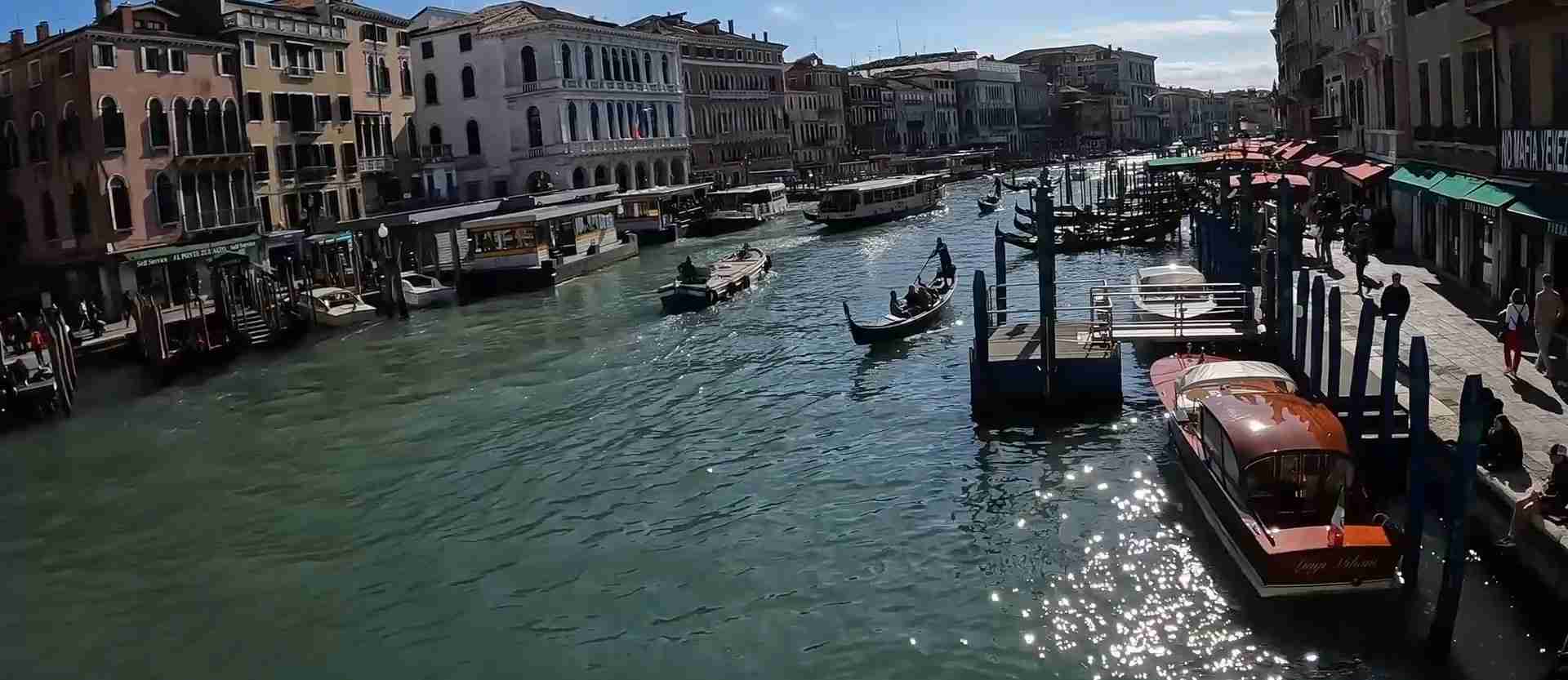
Venice 2-Day Itinerary 2026: Perfect Weekend Guide
Venice rewards strategic planning—its labyrinthine canals, limited bridges, and tidal rhythms demand deliberate routing to maximize experiences while minimizing backtracking and crowds. This 2-day itinerary balances Venice’s three essential experiences: architectural grandeur at St. Mark’s Square, intimate neighborhood discovery through Dorsoduro and Cannaregio, and authentic Venetian culture through bacari and artisan workshops. With current 2026 prices verified and timed entries coordinated, this guide delivers comprehensive weekend planning for first-time visitors seeking both iconic landmarks and local immersion.
Key Takeaways
- Budget Planning 2026: Expect €355-545 per person sharing double room for mid-range comfort including accommodation (€150-250 per room nightly, €75-125 per person), meals (€60-90 daily), 48-hour vaporetto pass (€35), and major attractions (St. Mark’s Basilica €12, Doge’s Palace €25-30, Campanile €18). Solo travelers add €75-125 nightly for full room rates.
- Strategic Timing: Start Day 1 at St. Mark’s Square by 8:30 AM before cruise ship crowds arrive at 10 AM; schedule gondola rides for sunset (6-7 PM in winter, 8-9 PM in summer) when Grand Canal lighting transforms the experience and fewer tourists crowd the waterways
- Transportation Efficiency: Purchase 48-hour vaporetto pass (€35) immediately upon arrival, saving 39% versus six single tickets (€9.50 each, totaling €57) while enabling spontaneous island visits to Murano, Burano, and explorations across all six sestieri without per-trip cost calculations
- Neighborhood Discovery: Day 1 covers tourist essentials (St. Mark’s, Rialto, Grand Canal); Day 2 explores authentic Venice through Dorsoduro artisan workshops, Cannaregio’s Jewish Ghetto, and bacari cicchetti crawls where locals actually eat and socialize
- Booking Requirements: Reserve Doge’s Palace tickets 30+ days advance for €25 rate (versus €30 standard); gondola rides need no advance booking but avoid touts offering below €80 daytime rates—official stands guarantee regulated pricing and trained gondoliers
- Peak Season Management: April-October sees 3x higher prices and 4x crowds versus November-March; shoulder seasons (March-April, October-November) deliver optimal balance of weather, accessibility, and value for 2-day weekend visitors with limited flexibility
People Also Ask About Venice 2-Day Itinerary 2026
How much does a 2-day Venice trip cost in 2026?
A 2-day Venice weekend costs €355-545 per person sharing double room for mid-range travel in 2026, €245-365 for budget travelers, and €920-1,370+ for luxury visitors. Accommodation represents the largest expense at €150-250 per room nightly (€75-125 per person sharing) for 3-star hotels in Venice proper (Castello, Cannaregio, Dorsoduro neighborhoods), totaling €150-250 per person for two nights. Daily expenses add €55-88 per person for meals (breakfast €5-8, lunch €15-25, dinner €35-55 at neighborhood trattorias), €35 for the 48-hour vaporetto pass (essential for efficient transportation), and €50-70 for major attractions including Doge’s Palace (€25-30), St. Mark’s Basilica (€12), and Campanile (€18). Optional gondola rides cost €90 daytime or €110 evening per boat (€18-22 per person when shared among 5 people), Murano glass factory tours run €15-25, and guided walking tours charge €25-45 per person. Budget travelers staying in Mestre mainland hotels (€60-100 per room nightly, €30-50 per person sharing) and eating primarily cicchetti at bacari reduce total costs to €245-365 per person for two days. Luxury travelers in Grand Canal hotels (€400-600+ per room nightly, €200-300+ per person sharing) with fine dining and private water taxis spend €920-1,370+ per person for the same timeframe. Solo travelers booking hotel rooms alone pay full room rates (€150-250 nightly mid-range, €300-500 total for 2 nights), not split rates—solo mid-range budget totals €535-735 per person. These ranges exclude international flights and assume standard double occupancy where applicable.
Is 2 days enough time to see Venice in 2026?
Two days provides sufficient time to experience Venice’s essential landmarks and gain authentic neighborhood immersion, though the city rewards longer stays for deeper exploration. A strategic 2-day itinerary covers St. Mark’s Square complex (Basilica, Doge’s Palace, Campanile), Rialto Bridge and markets, Grand Canal gondola or vaporetto transit, and at least two distinct neighborhoods beyond San Marco. Day 1 typically addresses tourist priorities—Byzantine mosaics, Gothic palaces, and Grand Canal architecture—while Day 2 enables slower-paced neighborhood wandering through Dorsoduro’s art galleries and bacari, Cannaregio’s Jewish Ghetto, or Castello’s residential campi away from crowds. What two days cannot accommodate: leisurely island visits to Murano, Burano, and Torcello (minimum half-day each), comprehensive museum exploration beyond Doge’s Palace and Correr Museum, attendance at cultural events (opera, classical concerts), extensive photography sessions in optimal lighting, and the relaxed pace that allows spontaneous discoveries along quieter fondamenta and hidden courtyards. Venice’s compact geography concentrates major sites within walkable distances, but its labyrinthine layout and tidal schedules (acqua alta flooding October-January) can consume hours in navigation and weather contingencies. First-time visitors find 2 days adequate for iconic experiences; return visitors appreciate 4-5 days for neighborhood depth and island exploration without rushed schedules.
What is the best area to stay in Venice for a 2-day visit in 2026?
Castello and Cannaregio neighborhoods deliver optimal balance of authenticity, value, and proximity for 2-day Venice visitors in 2026. Castello (eastern sestiere beyond St. Mark’s) positions travelers 10-15 minutes walking from major attractions while offering €150-220 nightly hotel rates—30-40% below equivalent San Marco properties (€250-350 nightly). Via Garibaldi and Campo Santa Maria Formosa provide genuine neighborhood atmospheres with morning markets, local bakeries, and residential campi where Venetians actually live. Cannaregio (northern sestiere extending from the train station) combines convenient vaporetto access along Fondamente Nove with lower accommodation costs (€130-200 nightly) and excellent bacari density for authentic cicchetti dining. Hotels near Campo Santa Fosca or the Jewish Ghetto place visitors 20 minutes walking from Rialto Bridge while maintaining peaceful evening atmospheres after day-trippers depart. Dorsoduro (across the Grand Canal from San Marco) suits travelers prioritizing art and student-district energy, with Accademia and Peggy Guggenheim museums walkable and Campo Santa Margherita offering vibrant aperitivo scenes. Accommodation costs here range €160-240 nightly. San Marco itself maximizes proximity but sacrifices value and authenticity—hotels charge €250-400+ nightly for locations surrounded by tourist restaurants and souvenir shops. Mestre on the mainland delivers significant savings (€60-100 nightly) but requires 15-minute train or bus commutes that consume valuable time in compressed 2-day itineraries. For weekend visitors, Castello or Cannaregio properties within 500 meters of vaporetto stops optimize the essential equation: reasonable costs, authentic neighborhoods, efficient attraction access.
When is the best time to visit Venice for a 2-day trip in 2026?
March-April and October-November shoulder seasons deliver optimal conditions for 2-day Venice visits in 2026, balancing moderate weather, manageable crowds, and reasonable pricing without summer’s heat or winter’s acqua alta flooding. Spring (March-April) offers 12-18°C temperatures, lower accommodation rates 30-40% below peak summer pricing, and Venice’s gardens in bloom across courtyard campi. Carnival (February 8-25, 2026) creates spectacular atmosphere but multiplies hotel costs 200-300% and requires 6+ months advance booking. Summer (May-September) guarantees warm weather (22-28°C) but brings overwhelming cruise ship crowds (peak 35,000 daily visitors), €200-300+ nightly hotel minimums even in Castello, and intense heat reflecting off stone campi with minimal shade. Late summer (August) sees many Venetian-owned restaurants close for annual holidays, reducing authentic dining options. Autumn (October-November) provides 14-20°C temperatures ideal for walking, dramatic lighting for photography, and the city’s most authentic character as tourism diminishes. However, acqua alta (high tide flooding) begins in October, occasionally requiring raised walkways in St. Mark’s Square and disrupting ground-floor business access. Winter (December-February) offers lowest prices (hotels €100-180 nightly, 40-50% below summer) and ethereal fog-shrouded atmospheres, but short daylight hours (sunset 4:30-5:30 PM) compress sightseeing windows and acqua alta peaks November-January with 3-5 flooding events monthly. For weekend visitors with inflexible schedules, shoulder seasons deliver the best compromise; for flexible travelers prioritizing value over weather guarantees, January-February and November provide remarkable experiences at sustainable costs.
Extended multi-day tours – 5+ days
Featured Venice Multi-Day Tour Packages

3 days
Venice City Break
- ✓ Comprehensive Venice tour
- ✓ Expert local guides included
- ✓ All accommodation arranged
- ✓ Transportation provided
7 days
7 Days in Venice: The Ultimate Italian Getaway
- ✓ Comprehensive Venice tour
- ✓ Expert local guides included
- ✓ All accommodation arranged
- ✓ Transportation provided

5 days
A Venetian & Veronese Getaway
- ✓ Booking needs min. 2 travelers
5 days
Venice & Verona: Art, History, and Italian Elegance
- ✓ Booking needs min. 2 travelers
Multi-day tour packages powered by TourRadar. Prices and availability subject to change.
Introduction: Planning Your Perfect Venice Weekend 2026
Venice in 2026 presents both timeless beauty and contemporary challenges for weekend visitors—the city’s UNESCO World Heritage status protects architectural integrity while tourism infrastructure adapts to sustainable visitation goals including the €5 daily access fee (April-July peak dates) and cruise ship limitations reducing daily arrivals from 35,000 to 20,000 passengers. These changes create opportunities for strategic travelers: smaller crowds in formerly overwhelmed areas, improved authenticity in neighborhood experiences, and greater accessibility to attractions previously mobbed year-round.
A successful 2-day Venice itinerary in 2026 requires understanding the city’s unique constraints. Venice comprises six sestieri (districts) connected by 400+ bridges across 150+ canals, with no vehicular traffic and limited signage creating navigation challenges even with GPS. The vaporetto water bus system operates on schedules affected by tidal patterns (acqua alta in winter, bora winds year-round), and major attractions implement timed entry systems requiring advance planning. Weekend visitors maximize value by concentrating experiences rather than attempting comprehensive coverage—depth in two neighborhoods delivers more authentic immersion than superficial visits to five sestieri.
This itinerary balances three essential Venice experiences across 48 hours. Day 1 addresses iconic landmarks and provides orientation: St. Mark’s Square Byzantine grandeur, Doge’s Palace Gothic architecture, Rialto Market vitality, and Grand Canal theatrical beauty via gondola or vaporetto Line 1. Day 2 pivots to authentic neighborhood discovery: Dorsoduro’s art collections and bacari culture, Cannaregio’s Jewish Ghetto history, and Castello’s residential rhythms away from tourist corridors. The schedule accommodates different travel styles—morning museum enthusiasts can swap afternoon timing, art lovers can substitute Peggy Guggenheim for Murano glass factories, food-focused visitors can expand cicchetti crawls into multi-stop tasting tours.
Practical considerations shape daily planning. Venice’s compact geography makes most walking distances manageable (St. Mark’s to Rialto: 10 minutes; Rialto to train station: 20 minutes), but the city’s maze-like layout adds 30-50% to straight-line distances. The vaporetto system efficiently transports visitors between distant points (San Marco to Fondamente Nove: 25 minutes via Line 4.1) and enables spontaneous island visits when schedules permit. Meal timing follows Italian conventions—restaurants serve lunch 12:30-2:30 PM and dinner 7:30-10 PM, with many closing 3-7 PM. Strategic visitors leverage this rhythm: morning attractions before 10 AM crowds, midday museum visits during tourist lunch hours, late afternoon neighborhood walks when shops reopen, evening dining after 8 PM when day-trippers have departed.
Current 2026 pricing reflects post-pandemic normalization with modest inflation: accommodation costs stabilized 10-15% above 2019 levels, restaurant prices increased 15-20% especially in tourist areas, but attraction tickets remained relatively stable (Doge’s Palace €30 versus €28 in 2019, St. Mark’s Basilica €12 introduced January 2026 versus free previously). The vaporetto 48-hour pass at €35 represents excellent value for weekend visitors making 6+ rides—the break-even point occurs at four journeys given single tickets cost €9.50. Strategic spending prioritizes experiences over souvenirs: €90 for an evening gondola ride delivers irreplaceable memories, while €15-30 on bacari cicchetti crawls provides authentic cultural immersion impossible in conventional restaurants.
Venice rewards preparation but punishes rigid schedules. This itinerary provides structured framework while maintaining flexibility for spontaneous discoveries—that unplanned traghetto crossing revealing perfect light on a hidden canal, that Dorsoduro bacaro recommended by a gondolier, that artisan workshop glimpsed through an open doorway. The best Venice experiences often emerge from intentional wandering between scheduled sites, allowing the city’s theatrical beauty to unfold organically rather than rushing between checked-off landmarks.
Day 1: Venice Icons and Grand Canal Magic
Morning Strategy and St. Mark’s Square Complex (8:30 AM – 12:30 PM)
Begin Day 1 at St. Mark’s Square by 8:30 AM to experience Venice’s most famous landmark before cruise ship arrivals transform it into a human river. Early morning light illuminates the Basilica’s facade while pigeons still outnumber tourists, and the absence of crowds allows unobstructed photography and contemplative appreciation of Byzantine architecture. The strategic morning start provides 90 minutes of relative calm before the 10 AM influx when tour groups and cruise passengers fill the square.
St. Mark’s Basilica opens 9:30 AM with free entry to the main church (€12 reservation fee introduced January 2026 for timed entry management). The basilica’s interior overwhelms with 8,000 square meters of golden mosaics depicting biblical scenes in Byzantine artistic tradition—Creation narratives across Genesis cupola, Christ Pantocrator in the central dome, and Pentecost scenes in the western cupola create cohesive theological program spanning centuries of artistic development. The Pala d’Oro altarpiece (additional €5 for close viewing access) displays 1,927 gemstones and 400 enameled panels in gold framework, representing centuries of Venetian wealth acquired through Mediterranean trade dominance. Plan 45-60 minutes minimum for basilica exploration including the Museum (€7, accessed via steep stairs from the atrium) which displays the original Horses of St. Mark’s bronze sculptures and provides terrace access overlooking the square.
Doge’s Palace (Palazzo Ducale) operates 9 AM opening with tickets at €30 including Museo Correr, Archaeological Museum, and Biblioteca Marciana—purchase 30+ days advance for €25 discounted rate. The palace functions as architectural textbook on Venetian Gothic style: pink Verona marble, delicate ogival arches, and the facade’s weight-defying design placing solid walls above open loggias in apparent violation of structural logic. Interior rooms progress through Venetian political hierarchy: the Great Council Hall (Sala del Maggior Consiglio) accommodated 1,200 nobles in the world’s largest canvas painting (Tintoretto’s Paradise, 7×22 meters covering the eastern wall), the Council of Ten chambers controlled state security apparatus, and the Bridge of Sighs connected administrative palace to interrogation rooms and prisons across the canal. The “Secret Itineraries” tour (€67.15, book weeks advance) accesses hidden passages, Casanova’s cell, and the lead-roofed torture chambers unavailable in standard visits. Allocate 90-120 minutes for comprehensive palace exploration.
The Campanile (bell tower, €18 entrance) provides Venice’s only elevated panorama from 99 meters height. Elevator service eliminates the stair-climbing required at other Italian towers, making this accessible for all fitness levels. The observation deck delivers 360-degree views: Lido barrier island to the east, Guidecca to the south, mainland Mestre to the west, and Dolomite mountain silhouettes to the north on clear days. Photography enthusiasts benefit from morning light (9-11 AM) illuminating terracotta rooftops and reducing Grand Canal glare. The current campanile dates to 1912 reconstruction after the original collapsed in 1902—engineers deliberately maintained identical appearance while incorporating modern engineering including the elevator shaft.
Caffè Florian and Quadri occupy St. Mark’s Square arcades with €12-15 coffee charges plus €6 live music surcharge, delivering quintessential Venetian cafe culture at premium pricing. Budget-conscious visitors walk 2-3 minutes beyond the square to Campo San Luca or Campo Santa Maria Formosa where equivalent cappuccinos cost €1.60-2.50 at neighborhood bars. The square’s experience versus value equation balances individual priorities—some travelers consider €18 cappuccino with live orchestra and historic ambiance worthwhile, others prefer applying those funds toward gondola rides or restaurant meals.
Midday: Rialto Bridge and Market District (12:30 PM – 3:00 PM)
The walk from St. Mark’s Square to Rialto Bridge covers approximately 10-12 minutes through Venice’s densest shopping corridors along Mercerie streets—luxury boutiques, mask workshops, and glass showrooms line narrow passages connecting the city’s two most famous landmarks. Resist afternoon shopping temptation and maintain forward momentum; these same shops remain accessible throughout the 2-day visit, whereas Rialto Market operates morning-only schedules requiring deliberate timing.
Rialto Bridge provides the Grand Canal’s most photographed viewpoint and Venice’s commercial heart since medieval times. The current stone bridge dates to 1591 Antonio da Ponte design, replacing previous wooden structures destroyed by fire and collapse. The bridge’s single span architecture created engineering marvel for its era—merchant shops integrated into the structure funded construction costs through rental income, establishing the commercial-architectural symbiosis still evident today. Optimal photography timing occurs early morning (7-9 AM) or late afternoon (4-6 PM) when angled light emphasizes the Grand Canal’s palazzi facades; midday overhead sun creates harsh shadows and washed-out colors less flattering for composition.
Rialto Market (Mercato di Rialto) operates Tuesday-Saturday mornings with fish market (Pescheria) closing by 1 PM and produce vendors extending to 2 PM. The market reveals Venetian culinary culture beyond tourist restaurant menus: Adriatic seafood including moleche (soft-shell crabs, seasonal March-April and October-November), schie (tiny lagoon shrimp), and castraure (artichoke hearts from Sant’Erasmo island), plus seasonal vegetables from lagoon islands and Veneto mainland farms. Even non-shoppers benefit from market atmosphere—fishmongers arrange displays with theatrical flair, produce vendors offer tasting samples, and the market’s authentic working-class energy contrasts sharply with sanitized tourist zones surrounding St. Mark’s Square. The Rialto area’s bacari (wine bars serving cicchetti small plates) concentrate around market periphery, frequented by market workers and locals during late morning aperitivo.
Lunch strategy near Rialto balances budget, authenticity, and time efficiency. Tourist restaurants facing the bridge charge €25-40 for mediocre pasta and pizza targeting one-time visitors unlikely to return. Superior options exist 2-3 minutes walking beyond the immediate bridge zone: Cantina Do Spade (Calle Do Spade 860) serves cicchetti at €2-4 per piece with ombra (small wine glass) at €2-3, enabling satisfying meals for €12-18 per person. All’Arco (Calle dell’Ochialer 436) offers similar bacari experience in tiny space perpetually crowded with knowledgeable locals—arrive by 12:30 PM before the limited cicchetti selection depletes. Alternative lunch involves assembling market purchases: fresh bread from Rialto bakeries (€2-3 per loaf), prosciutto or mortadella from salumerie (€3-5 for sandwich portions), and fruit from market stands (€1-2), creating picnic meals consumed along lesser-known fondamenta away from crowds. This approach reduces lunch costs to €6-10 per person while enabling extended market exploration.
Afternoon: Grand Canal Experience and Dorsoduro Exploration (3:00 PM – 6:30 PM)
The Grand Canal serves as Venice’s main thoroughfare and outdoor museum—two miles of Renaissance and Gothic palazzi facades representing six centuries of Venetian architectural evolution. Two transportation options deliver distinct experiences: Vaporetto Line 1 (local water bus) provides slow transit with frequent stops enabling detailed palazzo observation and neighborhood disembarkation, while gondola rides offer intimate canal perspectives including smaller waterways inaccessible to motorized vessels.
Vaporetto Line 1 operates the full Grand Canal length from Piazzale Roma to San Marco with 18 intermediate stops, completing the journey in 45 minutes. The 48-hour vaporetto pass (€35, validated at first use) covers unlimited rides across all ACTV lines including Grand Canal routes and lagoon island services to Murano, Burano, Lido, and Giudecca. Strategic boarding points include Rialto Mercato stop after market lunch or San Silvestro stop serving the San Polo neighborhood. Board heading toward Piazzale Roma direction for western Grand Canal palazzi including Ca’ d’Oro (Gothic facade with original polychrome decoration), Palazzo Vendramin-Calergi (Renaissance design housing the Venice Casino), and Ca’ Pesaro (Baroque palace containing Modern Art Museum). Optimal seating positions occupy the water-level exterior decks—avoid enclosed interior cabins that obstruct palazzo viewing.
Gondola rides cost €90 for 30-minute daytime service (9 AM-7 PM) or €110 for 35-minute evening service (7 PM-3 AM) with official rates set by Venice municipality. The price covers the entire gondola (maximum 5-6 passengers), not per person, making group bookings financially efficient. Extensions cost additional €40 per 20 minutes daytime or €50 evening. Legitimate gondola stands (stazi) cluster near major landmarks including Rialto Bridge, St. Mark’s Square, and Campo Santa Maria del Giglio—avoid unauthorized gondoliers offering suspiciously low rates (genuine service below €80 daytime does not exist through official channels). Gondola routes traverse smaller canals inaccessible to vaporetti: under sotoporteghi (covered passages), alongside palazzo water entrances with striped mooring poles (pali), and through quiet residential areas revealing Venetian domestic architecture behind tourist facades. Request routes including both Grand Canal segments and smaller side canals for comprehensive experience. Sunset timing (6-7 PM winter, 8-9 PM summer) delivers magical lighting as palazzo facades glow golden and Grand Canal traffic diminishes.
Dorsoduro neighborhood extends south of the Grand Canal bend, accessed via Accademia Bridge from San Marco or vaporetto stops at Accademia, Zattere, or San Basilio. The district balances high culture (Peggy Guggenheim Collection, Gallerie dell’Accademia) with student-district energy from nearby Ca’ Foscari University. Campo Santa Margherita functions as Dorsoduro’s social center with outdoor cafe seating, local bars, and the neighborhood’s largest open square enabling evening aperitivo scene frequented by Venetians rather than tourists. The campo’s periphery includes budget-friendly options: Pizza al Volo serves large slices (€3-4), Osteria alla Bifora offers casual dining (€15-25 per person), and several gelaterias provide afternoon refreshment.
Peggy Guggenheim Collection (€16 entrance, Wednesday-Monday 10 AM-6 PM, closed Tuesdays) occupies Palazzo Venier dei Leoni on the Grand Canal with modern art spanning Cubism, Surrealism, and Abstract Expressionism. The collection represents Guggenheim’s personal acquisitions: Picasso, Kandinsky, Pollock, Dalí, and other 20th-century masters in relatively intimate palazzo setting contrasting with the massive museum complexes typical for collections of this caliber. The palazzo’s sculpture garden provides Grand Canal waterfront seating and rotating outdoor exhibitions. Plan 60-90 minutes for comprehensive viewing.
Alternative afternoon routes explore Dorsoduro’s artisan workshops and quieter fondamenta. Squero di San Trovaso (visible from Fondamenta Nani) operates as one of Venice’s few remaining gondola repair yards—visitors observe craftsmen maintaining and building gondolas using traditional techniques passed through generations. The squero itself is not open for tours but provides excellent photographic subject from the fondamenta across the small canal. Nearby Zattere waterfront extends along Giudecca Canal with wide promenade ideal for sunset walks and views across to Giudecca island’s skyline. The fondamenta’s gelaterias and cafes cater partially to tourists but maintain authentic character given their distance from St. Mark’s Square pressure.
Evening: Dinner and Nighttime Atmosphere (6:30 PM – 10:00 PM)
Venetian dinner service begins 7:30 PM with peak activity 8-9:30 PM. Reservations are essential for notable restaurants during high season (April-October) but often unnecessary for casual trattorias and bacari in shoulder/low seasons (November-March). Neighborhood restaurants in Dorsodoro, Cannaregio, and Castello deliver superior value and authenticity compared to San Marco tourist traps charging 50-100% premiums for identical food quality.
Mid-range trattoria dining in authentic neighborhoods costs €35-55 per person for three-course meals with house wine. Typical structure includes antipasto (€8-12 for mixed seafood plates or Venice-style liver), primo (€12-16 for pasta or risotto—try spaghetti alle vongole with Adriatic clams or risotto al nero di seppia with cuttlefish ink), secondo (€16-24 for main protein including grilled fish, cuttlefish stew, or fegato alla veneziana liver with polenta), and optional dessert (€6-8). Half-liter house wine adds €8-12. This budget tier accesses genuine Venetian cuisine at restaurants serving local clientele: Osteria al Garanghelo (Cannaregio), Trattoria Antiche Carampane (San Polo), Trattoria al Gatto Nero (Burano, accessible via vaporetto). Tourist-zone restaurants near St. Mark’s Square, Rialto Bridge, and major vaporetto stops charge €50-80 for comparable quality and portions.
Cicchetti-based dining at bacari provides budget alternative with enhanced cultural authenticity. Cicchetti are Venetian tapas-style small plates costing €2-4 each: baccalà mantecato (whipped salt cod on crostini), polpette (fried meatballs), sarde in saor (sweet-sour sardines), and seasonal vegetable preparations. Order 4-6 cicchetti with ombra (small wine glass, €2-3) or spritz (€3-4) for satisfying meals at €12-20 per person. Authentic bacari concentrate in working neighborhoods: Cantina Do Mori (near Rialto, standing-room only, closes 8 PM), Osteria Al Squero (Dorsoduro, overlooking gondola workshop), and Bacareto Da Lele (Campo dei Tolentini, ultra-budget with €1 sandwiches and €0.60 wine). Bacari hopping—moving between 2-3 different establishments over the course of an evening—provides varied menus and neighborhood exploration, though this approach works best for groups sharing plates rather than solo travelers.
Evening ambiance transforms Venice as day-trippers depart and cruise ships evacuate the lagoon. St. Mark’s Square regains architectural dignity without daytime crowds, though floodlighting creates different photographic character—the basilica’s golden mosaics glow under artificial illumination while the campanile stands dramatically lit against dark sky. The square’s orchestras continue performances until 11 PM with €10-15 coffee charges plus €6 live music surcharge—the same economic calculation as daytime but with added nocturnal romance. Wandering secondary canals and lesser-known campi reveals residential Venice: laundry hanging from palazzo windows, locals congregating for evening conversations, restaurants serving neighborhood regulars rather than tourists. Navigation becomes more challenging after dark as narrow calli (alleyways) lack consistent lighting, but the risk of truly getting lost is minimal given Venice’s compact geography and proliferation of yellow direction signs pointing toward major landmarks.
Day 2: Authentic Neighborhoods and Island Adventures
Morning Strategy: Cannaregio and the Jewish Ghetto (8:30 AM – 12:00 PM)
Day 2 pivots from iconic landmarks to authentic neighborhood immersion, beginning in Cannaregio—Venice’s most populous sestiere and the city’s genuine residential heart. Cannaregio extends from the train station (Santa Lucia) eastward to include the former Jewish Ghetto and maze-like residential areas largely bypassed by one-day tourists focused on St. Mark’s-Rialto corridor. Morning hours (8:30-11 AM) capture neighborhood life at its most authentic: morning markets on Fondamenta della Misericordia, bakeries producing fresh pastries, and local bars serving cappuccino to Venetian residents beginning their workdays.
The Jewish Ghetto occupies Cannaregio’s northwestern corner where Venice’s Jewish population was confined 1516-1797, creating history’s first ghetto (the term derives from Venetian dialect “geto” referring to the area’s former foundry). Campo del Ghetto Nuovo forms the district’s center, surrounded by buildings rising to 7-8 stories—unusual height for Venice resulting from population density constraints when vertical expansion became the only growth option within ghetto walls. Five synagogues (schole) constructed 16th-17th centuries reflect different Jewish ethnic communities: German, Italian, Spanish, Levantine, and Canton. The Jewish Museum (Museo Ebraico, €12 entrance or €15 combined with guided synagogue tour) occupies Campo del Ghetto Nuovo with exhibitions covering Venetian Jewish history, religious artifacts, and the community’s contributions to Venetian commerce and culture. Guided tours (hourly departures 10:30 AM-3:30 PM, included in €15 combined ticket) access synagogue interiors with intricate bimah (platforms), aron kodesh (ark containing Torah scrolls), and 17th-century decorative programs blending Jewish religious requirements with Venetian artistic traditions. Plan 90-120 minutes for museum and guided tour.
Contemporary Ghetto retains Jewish community presence through kosher restaurants, bakeries, and shops, though tourism has inevitably altered the district’s character. Gam Gam kosher restaurant serves Middle Eastern and Italian-Jewish cuisine (€15-25 per person) with outdoor seating in Campo del Ghetto Nuovo. The ghetto’s authentic atmosphere peaks during Jewish holidays when local community members fill the campo for religious observances, though visitors should respect religious privacy during these occasions.
Cannaregio’s residential fondamenta extend beyond the Ghetto toward Fondamente Nove waterfront (northern lagoon edge). Strada Nova functions as the neighborhood’s commercial spine connecting train station to Rialto with shops serving local needs rather than tourist demands: hardware stores, bookshops, clothing boutiques, and food markets provide glimpses into everyday Venetian life. Parallel smaller streets (Calle dei Riformati, Fondamenta della Misericordia) reveal neighborhood bacari, artisan workshops, and residential campi where children play football and elderly residents conduct conversations from window to window across narrow canals.
Late morning coffee at Fondamenta degli Ormesini or Fondamenta della Misericordia captures Cannaregio’s authentic rhythms. These waterfront promenades host neighborhood cafes where cappuccinos cost €1.60-2.50 (versus €12-15 in St. Mark’s Square) and outdoor seating provides canal views without tourist restaurant premiums. The fondamenta’s morning sunlight illuminates colorful building facades and creates photographic opportunities equal to famous landmarks while maintaining genuine Venetian character.
Midday: Castello Neighborhoods and Arsenale (12:00 PM – 3:00 PM)
Castello sestiere extends east of St. Mark’s Square, constituting Venice’s largest district and most residential character. The neighborhood divides roughly into tourist-adjacent areas near San Marco and authentic residential zones around Via Garibaldi and Sant’Elena. Strategic Day 2 routing explores eastern Castello where neighborhood life dominates over tourism infrastructure.
Via Garibaldi represents Venice’s widest street (unusual in this city of narrow calli) with morning market stalls, local shops, and cafes serving Castello residents. The street’s working-class character contrasts sharply with luxury boutiques near St. Mark’s Square only 15 minutes walking distance away. Lunch options here deliver authentic value: Trattoria da Jonny (Via Garibaldi) serves generous portions at €15-25 per person, while several pizza-by-slice shops provide budget alternatives at €3-5 for substantial pieces. The via’s periphery includes Campo della Bragora and Campo Bandiera e Moro—smaller squares with gelaterias, bars, and benches ideal for picnic lunches assembled from market purchases.
Arsenale di Venezia functioned as Venice’s shipbuilding complex from 12th-20th centuries, producing the galley fleets that enforced Venetian maritime dominance across the Mediterranean. At its 16th-century peak, the Arsenale employed 16,000 workers and could produce a complete war galley in a single day through revolutionary assembly-line techniques predating industrial revolution by centuries. The complex extends across 46 hectares with most areas remaining closed to public access, though the Biennale Art Exhibition (odd-numbered years) and Architecture Exhibition (even-numbered years) utilize Arsenale warehouses and corderie (rope factories) for contemporary installations. The Arsenale entrance gate (1460, decorated with lion sculptures looted from Greek islands) provides impressive photographic subject accessible without Biennale tickets. The Naval History Museum (Museo Storico Navale, €10 entrance) occupies former granaries near Arsenale entrance with ship models, naval equipment, and exhibitions covering Venetian maritime history. Plan 60-90 minutes for museum exploration.
Public Gardens (Giardini della Biennale) extend along Castello’s southeastern waterfront with tree-shaded paths, benches, and playground facilities—rare green space in stone-dominated Venice appreciated by local families and visitors seeking respite from architectural density. The gardens host permanent national pavilions for Biennale exhibitions but remain publicly accessible year-round for walking and relaxation. Waterfront promenades along Riva dei Sette Martiri provide expansive lagoon views toward San Giorgio Maggiore and Lido islands with fewer crowds than comparable vistas near St. Mark’s Square.
Afternoon Options: Murano Glass Island or Dorsoduro Art District (3:00 PM – 6:30 PM)
Day 2 afternoon permits route flexibility based on individual interests—either lagoon island exploration or deeper Venice neighborhood immersion. Both options work within remaining half-day timeframe, though island visits require accepting abbreviated exploration versus full-day dedication these destinations ideally deserve.
Option A: Murano Glass Island
Murano island sits 1.5 kilometers north of Venice across the lagoon, accessible via vaporetto Lines 4.1, 4.2, 12, or 13 from Fondamente Nove stop (journey time 15-20 minutes, covered by 48-hour vaporetto pass). The island’s glass-making tradition dates to 1291 when Venice relocated all furnaces here to prevent city fires—craftsmen developed techniques for cristallo (clear glass), millefiori (thousand flowers decorative patterns), and aventurine (gold-flecked glass) that dominated European luxury markets for centuries.
Contemporary Murano balances artistic tradition with tourism commercialization. Legitimate glass factories offer free demonstrations showing master craftsmen (maestri) shaping molten glass into vessels, sculptures, and decorative objects through techniques unchanged for generations. These demonstrations last 10-15 minutes and conclude with showroom access—no purchase obligation exists despite sales pressure, though quality pieces range €50-500+ depending on size and complexity. Recommended factories include Venini (high-end contemporary designs), Seguso (traditional techniques), and various smaller workshops along Fondamenta dei Vetrai. Avoid “free water taxi to Murano” offers from St. Mark’s Square touts—these transport visitors to commission-based showrooms with inflated pricing and limited artistic merit.
Murano Glass Museum (Museo del Vetro, €12 entrance or included in Museum Pass) occupies Palazzo Giustinian with exhibitions spanning Roman-era glass fragments to contemporary art glass, demonstrating technical evolution and artistic achievement across two millennia. The museum provides essential context for understanding Murano’s glass tradition beyond commercial showroom narratives. Plan 60 minutes for museum visit.
Murano’s secondary attractions include Basilica di Santa Maria e Donato (12th-century Byzantine church with mosaic floor and bell tower), but comprehensive island exploration requires 4-5 hours minimum—afternoon half-day visits necessarily prioritize glass demonstrations and museum over architectural completeness. Strategic visitors board return vaporetto by 6 PM to allow Venice dinner reservations and evening neighborhood wandering.
Option B: Dorsoduro Art and Aperitivo District
Alternative afternoon routing deepens Dorsoduro neighborhood exploration begun during Day 1’s Grand Canal segment. Gallerie dell’Accademia (€15 entrance, reduced to €2 first Sunday monthly) contains Venice’s premier collection of Venetian Renaissance and Baroque painting spanning 14th-18th centuries. The galleries progress chronologically through Byzantine icon tradition (Paolo Veneziano), Renaissance masters (Giovanni Bellini, Giorgione, Titian), Mannerist experimentation (Tintoretto, Veronese), and Baroque drama (Tiepolo). Highlights include Giorgione’s enigmatic “The Tempest,” Titian’s “Presentation of the Virgin,” and Veronese’s massive “Feast in the House of Levi” (originally titled Last Supper until Inquisition objections forced title change). The collection provides essential education in Venetian painting tradition but requires 2-3 hours for comprehensive viewing—afternoon visitors must accept abbreviated exploration or skip previously planned Peggy Guggenheim visit to accommodate both museums.
Dorsoduro’s western reaches toward Santa Marta and San Basilio districts reveal Venice at its most residential—former port warehouses converted to university buildings, neighborhood shops serving local needs, and waterfront fondamenta where elderly Venetians fish and young families promenade. This area receives minimal tourism despite proximity to major attractions, creating opportunities for authentic wandering without navigating crowds. The Zattere waterfront promenade extends along Giudecca Canal with views across to Giudecca island and provides sunset photography opportunities rivaling more famous viewpoints.
Afternoon aperitivo culture peaks 6-8 PM when bacari and campo cafes fill with locals enjoying spritz (€3-4), prosecco (€3-5), and accompanying cicchetti. Campo Santa Margherita becomes Dorsoduro’s social epicenter during these hours with outdoor seating, student energy from nearby Ca’ Foscari University, and excellent people-watching. The campo’s periphery includes multiple bacari offering standing-room cicchetti service and several bars with outdoor tables—arrive by 6:30 PM for seating, later arrivals join standing crowds. This experience costs €8-15 per person for 2-3 drinks with shared cicchetti plates and delivers authentic Venetian social culture impossible to replicate in tourist-oriented restaurants.
Evening: Farewell Dinner and Final Venice Immersion (6:30 PM – 10:00 PM)
Final evening priorities balance farewell dinner with last neighborhood wandering and photographic opportunities. Sunset timing varies seasonally (4:30 PM December, 8:30 PM June) but provides optimal lighting regardless of calendar—golden hour illuminates palazzo facades, softens canal reflections, and creates romantic atmosphere justifying Venice’s reputation for beauty.
Dinner location decisions reflect Day 2’s afternoon routing. Visitors returning from Murano might prioritize Cannaregio restaurants near Fondamente Nove vaporetto stop: Anice Stellato (Fondamenta de la Sensa) serves refined Venetian seafood at mid-range prices (€40-60 per person), while simpler trattorias along Strada Nova deliver casual dining (€25-35 per person). Dorsoduro-focused visitors benefit from the neighborhood’s excellent restaurant density: Osteria ai 4 Feri (Dorsoduro) combines quality cuisine with authentic atmosphere (€35-50 per person), and the aforementioned Campo Santa Margherita offers multiple options spanning budget cicchetti to sit-down trattorias.
Alternative final evening involves revisiting Day 1 highlights under different lighting conditions and atmospheric contexts. St. Mark’s Square transforms after dark with dramatically lit basilica facade, illuminated campanile, and the square’s orchestras creating soundtrack to evening promenade. The square’s €10-15 coffee prices remain unchanged but the evening ambiance shifts from daytime tourism to romantic nocturnal beauty. Rialto Bridge similarly delivers different character after sunset when Grand Canal palazzi windows glow with interior lighting and water traffic diminishes to occasional vaporetti and solitary gondolas. These nighttime revisits cost nothing beyond transportation and provide closure to the 2-day Venice immersion.
Final night wandering should embrace getting intentionally lost in Venice’s labyrinth. Abandon maps and GPS, follow interesting-looking calli (narrow streets), cross bridges randomly, and allow the city’s maze to reveal unexpected campi, quiet canals, and neighborhood life invisible from tourist corridors. Venice’s compact geography ensures eventual orientation (yellow signs pointing toward “San Marco,” “Rialto,” “Ferrovia” station appear regularly), while the journey between confusion and rediscovery delivers some of Venice’s most authentic experiences. Solo travelers particularly benefit from this approach which transforms navigation uncertainty from frustration to adventure.
Getting Around Venice 2026: Transportation Strategies and Costs
Venice’s vaporetto (water bus) system operated by ACTV provides public transportation across the city’s canals and surrounding lagoon islands. The network comprises 25 lines connecting Venice’s six sestieri, mainland Mestre, and islands including Murano, Burano, Lido, and Giudecca. Vaporetto service runs approximately 4:30 AM to 12:30 AM with reduced frequency after 9 PM and night service on select routes. Tidal patterns (acqua alta) and weather conditions (bora winds) occasionally disrupt schedules, particularly October-January when high tides can temporarily suspend certain routes.
Vaporetto pricing in 2026 charges €9.50 for single 75-minute tickets valid from first validation. Multi-day passes deliver superior value for weekend visitors: 24-hour pass costs €25 (break-even at 3 rides), 48-hour pass costs €35 (break-even at 4 rides), 72-hour pass costs €45, and 7-day pass costs €65. All passes provide unlimited rides on ACTV water and land services within Venice city limits but exclude airport routes operated by Alilaguna company. For 2-day itineraries, the 48-hour pass represents optimal choice—typical weekend visitors make 6-10 vaporetto journeys including airport transfers, Grand Canal transit, island visits, and cross-lagoon trips that would cost €57-95 via single tickets.
Strategic vaporetto usage maximizes pass value while understanding limitations. Line 1 operates the slow route along Grand Canal with 18 stops between Piazzale Roma and San Marco (45-minute journey), functioning as tourist sightseeing route and practical transportation simultaneously. Lines 4.1 and 4.2 circle Venice’s perimeter in opposite directions, providing faster transit between distant points (Piazzale Roma to Murano: 30 minutes) and access to Murano island. Line 12 connects Fondamente Nove to Murano, Burano, and Torcello islands (Fondamente Nove to Burano: 40 minutes). Lines 5.1 and 5.2 serve Lido island and Giudecca with circular routes. Water traffic peaks 8-9 AM and 5-7 PM when local commuters combine with tourists, creating standing-room-only conditions on popular routes—travel before 8 AM or after 9 AM for seating availability.
Vaporetto stops (imbarcaderi) feature multiple platforms labeled A, B, C indicating different routes and directions. Major stops including Piazzale Roma, Ferrovia (train station), Rialto, San Marco, and Fondamente Nove operate 4-6 platforms serving different lines. Digital displays show upcoming departures but platform signage requires careful attention—boarding the wrong platform results in opposite-direction travel or unintended destinations. Yellow direction signs throughout Venice point toward major landmarks (Ferrovia, Rialto, San Marco) and typically indicate approximate walking times—these estimates assume familiarity with routes and add 30-50% for first-time visitors navigating the maze.
Walking constitutes Venice’s primary transportation method for 80% of destinations. The city’s compact geography places major landmarks within 20-30 minutes maximum walking distance from any starting point, though the maze-like layout extends straight-line distances significantly. GPS navigation assists route-finding but narrow calli and frequent bridge crossings create situations where digital maps indicate nearby destinations that require circuitous routing to actually reach. Paper maps highlighting major landmarks and canal routes complement digital tools for understanding Venice’s overall geography. Comfortable walking shoes are essential—Venice’s bridges, cobblestone paving, and uneven surfaces challenge unsuitable footwear, and the city’s architecture provides minimal shade during summer months.
Water taxis provide premium point-to-point transportation at premium pricing: airport transfers cost €110-130 for up to 4 passengers, cross-lagoon trips run €60-80, and hotel-to-hotel transfers within Venice charge €50-70 depending on distance. Water taxis accommodate larger groups (8-10 passengers) and luggage more efficiently than vaporetti, justifying costs for families or travelers with mobility limitations. Legitimate water taxi services use licensed vessels with visible taxi numbers and meters—pre-negotiate pricing or insist on metered service to avoid tourist scams charging multiples of legitimate rates.
Gondolas function primarily as tourist experiences rather than practical transportation, though traghetto gondola ferries provide €2 canal crossings at seven fixed points where bridges don’t span the Grand Canal. These utilitarian gondolas operate standing-room service with two gondoliers managing the vessel, contrasting with the single gondolier and seated comfort of tourist gondolas. Traghetto service runs daylight hours (typically 8 AM-6 PM) with reduced schedules Sundays and holidays.
Where to Stay in Venice 2026: Neighborhood and Accommodation Guide
Venice accommodation in 2026 divides into mainland Mestre options delivering budget savings versus Venice island locations providing authentic immersion and convenience. Mestre hotels cost €60-120 nightly for comparable quality to €150-280 Venice properties, but the 15-minute train or bus commute consumes valuable time in compressed weekend itineraries and eliminates early morning/late evening Venice experiences when day-trippers have departed. Strategic weekend visitors prioritize Venice island accommodation despite higher costs, selecting neighborhoods balancing authenticity, value, and proximity.
Castello sestiere (eastern district) combines residential authenticity with reasonable proximity to major attractions. Properties near Via Garibaldi, Campo Santa Maria Formosa, or Campo della Bragora position visitors 10-15 minutes walking from St. Mark’s Square while delivering genuine neighborhood character and €150-220 nightly rates for 3-star hotels. The area’s morning markets, local bacari, and residential campi provide authentic Venetian life absent in San Marco’s tourist zone. Castello’s vaporetto access includes San Zaccaria, Arsenale, and Giardini stops serving Lines 1, 4.1, 4.2, and 5.1 for efficient lagoon transportation. Disadvantages include limited hotel density requiring advance booking and walking distances to Rialto area (20 minutes) or train station (30 minutes) challenging for luggage transport.
Cannaregio neighborhood extends from Santa Lucia train station northeastward, offering excellent value (€130-200 nightly for 3-star hotels) and authentic atmosphere particularly in areas surrounding the Jewish Ghetto and Fondamente della Misericordia. Properties near Madonna dell’Orto, Fondamenta degli Ormesini, or Campo Santa Fosca deliver quiet residential settings with local restaurants and morning markets. Train station proximity facilitates luggage management for arrivals/departures, while Fondamente Nove location enables direct Murano/Burano vaporetto access. The neighborhood’s northern reaches trade absolute centrality for lower costs and genuine character—budget 15-20 minutes walking to Rialto, 25 minutes to St. Mark’s Square from western Cannaregio locations.
Dorsoduro sestiere positions travelers south of Grand Canal with art museum proximity (Accademia, Peggy Guggenheim), student-district energy, and Campo Santa Margherita social scene. Accommodation costs €160-240 nightly for properties near Accademia Bridge or Zattere waterfront. The neighborhood balances tourist infrastructure (restaurants, shops) with authentic character and Venetian university student population. Vaporetto access includes Accademia, Zattere, and San Basilio stops on Lines 1 and 2. Disadvantages include Grand Canal crossing requirements to reach train station or northern neighborhoods, though multiple bridge options (Accademia, Rialto, Scalzi) provide pedestrian routes.
San Marco district maximizes landmark proximity but sacrifices value and authenticity—hotels charge €250-400+ nightly for locations surrounded by tourist restaurants, luxury boutiques, and souvenir shops. The area’s convenience appeals to travelers prioritizing efficiency over budget or cultural immersion, particularly those with mobility limitations benefiting from reduced walking distances. Properties near Campo Santo Stefano or Campo San Luca provide San Marco convenience with slightly lower costs (€200-280) and marginally better authenticity than immediate Piazza San Marco vicinity.
San Polo and Santa Croce neighborhoods occupy the Grand Canal’s western bank near Rialto Market and Piazzale Roma transportation hub. Properties here cost €140-220 nightly with excellent access to both Rialto and train station but somewhat removed from eastern Venice highlights. The neighborhoods combine commercial energy around Rialto with quieter residential areas toward Piazzale Roma, offering authentic bacari culture and morning market atmosphere. Vaporetto access includes multiple stops serving Lines 1 and 2 along Grand Canal.
Giudecca island across the lagoon from Dorsoduro delivers unique perspectives and relative tranquility with limited tourist infrastructure. Several luxury properties occupy converted monasteries and industrial buildings (€300-600+ nightly), while mid-range options remain scarce. The island’s separation from Venice proper requires vaporetto dependency (Line 2 or 4.1, 10-minute crossings) limiting spontaneous evening returns or early morning departures. Giudecca suits travelers seeking quiet atmospheres and willing to trade centrality for waterfront settings with unobstructed Venice skyline views.
Accommodation booking strategy in 2026 emphasizes advance reservations (3-6 months for peak season April-October, 1-2 months for shoulder seasons) and careful cancellation policy review. Venice hotel inventory concentrates in small properties (15-30 rooms) rather than large chains, creating limited availability during popular periods. Peak season (May-September) and special events (Carnival, Biennale openings) multiply both costs and booking competition. Free cancellation options provide flexibility for travelers uncertain about final dates, though these reservations typically cost 10-15% more than non-refundable rates. Verify included amenities—Venice hotels often charge separately for air conditioning (€10-15 daily), breakfast (€12-20 per person), and luggage storage beyond checkout time.
Daily Budget Summary 2026: Complete Cost Breakdown
A comprehensive 2-day Venice budget for mid-range travelers totals €355-545 per person sharing double room including accommodation, meals, transportation, and major attractions. This calculation assumes 3-star hotel accommodation in Castello or Cannaregio (€150-250 per room nightly, €75-125 per person sharing), full meal costs spanning breakfast through dinner, 48-hour vaporetto pass, major museum entries, and one gondola ride shared among passengers. Individual spending varies based on accommodation tier, dining preferences, and optional activities, but this mid-range framework provides realistic budget expectations for comfortable weekend visits. Solo travelers booking hotel rooms alone should add €75-125 nightly for full room rates, increasing total budget to €535-735 per person.
Accommodation represents the largest single expense at €150-250 per room nightly for 3-star Venice hotels in authentic neighborhoods (Castello, Cannaregio, Dorsoduro). For travelers sharing double rooms, this translates to €75-125 per person nightly, totaling €150-250 per person for two nights. Budget travelers reduce costs through mainland Mestre hotels (€60-100 per room nightly, €30-50 per person sharing) or Venice hostels (€35-60 dormitory beds, €80-120 private rooms), though these options require transportation time or shared facilities compromising convenience. Luxury travelers occupying Grand Canal properties pay €400-600+ per room nightly (€200-300+ per person sharing) for historic palazzo conversions with water views and premium service. Solo travelers booking hotel rooms alone pay full room rates: €150-250 nightly mid-range (€300-500 total for 2 nights), €60-100 nightly Mestre budget (€120-200 total), or €400-600+ nightly luxury (€800-1,200+ total), significantly increasing overall trip costs versus couples or groups sharing accommodations.
Daily meal budgets range €60-90 per person for mid-range dining combining breakfast pastries and coffee (€5-8), casual lunches at bacari or trattorias (€15-25), and traditional three-course dinners at neighborhood restaurants (€35-55). This allocation enables authentic Venetian cuisine including cicchetti tasting, fresh seafood preparations, and regional wine without resorting to tourist-trap establishments or constant budget calculations. Budget travelers reducing costs to €30-45 daily prioritize self-catered breakfasts (supermarket purchases €3-5), pizza-by-slice lunches (€5-8), and cicchetti-heavy dinners at standing-room bacari (€12-18). Luxury diners allocating €120-180 daily access Grand Canal restaurant settings, chef-driven contemporary cuisine, and premium wine selections. For 2-day visits, total meal costs range €120-180 per person mid-range, €60-90 budget, or €240-360 luxury tier.
Transportation costs center on the 48-hour vaporetto pass at €35 per person, providing unlimited water bus access covering Grand Canal routes, cross-lagoon trips, and spontaneous explorations. This compares favorably to single-ticket alternatives (€9.50 each) requiring 4+ journeys to reach break-even—typical weekend visitors make 6-10 vaporetto trips justifying pass purchase. Walking constitutes primary transportation within Venice proper, costing nothing beyond comfortable footwear. Optional water taxi usage adds €60-120 for airport transfers or cross-lagoon convenience, while gondola rides cost €90-110 total per boat (dividing among up to 5 passengers reduces per-person expense). Budget travelers limiting vaporetto usage to essential routes might purchase single tickets instead of passes, though this approach demands careful route planning and accepts walking extended distances. Luxury travelers supplement vaporetti with water taxis for door-to-door convenience despite 8-10x cost premiums.
Attraction admission costs vary significantly based on interests and priorities. Essential entries include Doge’s Palace (€30, reduced to €25 with 30+ day advance purchase), St. Mark’s Basilica (€12 basic entry, additional charges for Pala d’Oro €5 and Museum €7), and Campanile (€18). Optional cultural attractions include Peggy Guggenheim Collection (€16), Gallerie dell’Accademia (€15), Jewish Museum with synagogue tour (€15), and Murano Glass Museum (€12). The Venezia Unica Museum Pass (€40 for 11 civic museums) delivers value for museum-focused visitors planning 3+ entries but requires strategic timing to maximize within validity period. Budget travelers prioritizing architecture over museum interiors reduce admission costs to €20-40 for selective entries, while comprehensive cultural engagement costs €80-120+ per person across two days. Gondola rides constitute discretionary expenses at €90 daytime or €110 evening per boat (€18-22 per person with 5 passengers) providing iconic Venice experience impossible to replicate through other means.
Comprehensive 2-day budget breakdowns across three traveler tiers demonstrate spending range flexibility:
Budget Tier (€245-365 per person sharing, €375-535 solo travelers for 2 days): Mestre mainland accommodation €60-100 per room nightly (€30-50 per person sharing for 2 nights = €60-100 per person total, solo travelers pay €120-200 full room rate), breakfast from supermarkets €3-5 daily (€6-10 total), lunch through pizza slices or cicchetti €8-12 daily (€16-24 total), dinner at standing bacari €12-18 daily (€24-36 total), vaporetto single tickets for essential routes only €20-30 total (strategic use versus pass), selective attraction entry €20-30 (Doge’s Palace advance €25, choose either Basilica €12 OR Campanile €18), shared gondola experience €20-25 per person (5-person split). This tier requires accepting mainland commutes (15 minutes train/bus each way), simple accommodations, consistent budget dining, limited museum visits, and strategic walking to minimize vaporetto dependency. Daily meal total €46-70. Budget tier components verified: accommodation €60-100 + meals €46-70 + transport €20-30 + attractions €20-30 + gondola €20-25 = €166-255 per person sharing. The stated range €245-365 includes contingency buffer for tidal delays, incidental purchases, and slight accommodation variation.
Mid-Range Tier (€355-545 per person sharing, €535-735 solo travelers for 2 days): Venice 3-star hotel €150-250 per room nightly (€75-125 per person sharing for 2 nights = €150-250 total, solo travelers pay €300-500 full room rate), breakfast pastries and coffee €5-8 daily (€10-16 total), casual lunch €15-25 daily (€30-50 total), traditional trattoria dinner €35-55 daily (€70-110 total), 48-hour vaporetto pass €35, major attraction entries €50-70 including Doge’s Palace advance booking €25 and St. Mark’s Basilica €12 plus Campanile €18, gondola ride €18-22 per person shared among 5 passengers. This tier enables comfortable accommodation in authentic neighborhoods, genuine Venetian cuisine, efficient transportation, comprehensive cultural access, and iconic experiences without constant budget monitoring. Daily meal total €55-88. Mid-range tier components verified: accommodation €150-250 + meals €110-176 + vaporetto €35 + attractions €50-70 + gondola €18-22 = €363-548 per person sharing, stated as €355-545 with minor rounding.
Luxury Tier (€920-1,370+ per person sharing, €1,500-2,170+ solo travelers for 2 days): Grand Canal 5-star hotel €400-600+ per room nightly (€200-300+ per person sharing for 2 nights = €400-600+ total, solo travelers pay €800-1,200+ full room rate), full breakfast buffets €15-25 daily (€30-50 total), upscale lunch venues €40-60 daily (€80-120 total), fine dining restaurants €80-120+ daily (€160-240+ total), water taxi supplements €60-100 for premium convenience including airport transfers, museum pass plus special exhibitions €100-150, private gondola experience €90-110 total boat (not per person). This tier maximizes comfort, culinary excellence, cultural depth, and eliminates logistical concerns through premium transportation and prime accommodation locations. Daily meal total €270-410. Luxury tier components verified: accommodation €400-600 + meals €270-410 + water taxi €60-100 + museums €100-150 + gondola €90-110 = €920-1,370 per person sharing minimum.
Hidden costs and occasional expenses supplement baseline budgets: luggage storage €6-12 daily when hotels don’t accommodate early arrivals or late departures, public restroom access €1.50 per use (limited free facilities), bottled water €2-3 (though tap water remains safe and free), gelato €3-5 for afternoon treats, souvenir purchases highly variable, and the Venice tourist tax €3-5 per person nightly (usually included in hotel rates but occasionally charged separately). These miscellaneous expenses add €15-30 daily to baseline calculations, though strategic travelers minimize through advance planning (luggage forwarding services, reusable water bottles, selective souvenir purchases).
Money-Saving Strategies for Venice 2026
Venice’s premium pricing challenges budget-conscious travelers, but strategic approaches reduce costs without sacrificing authentic experiences. The most significant savings derive from accommodation location decisions—mainland Mestre hotels cost 50-60% less than equivalent Venice properties (€60-100 versus €150-250 nightly), though this economy requires accepting 15-minute commutes that consume morning and evening hours valuable in compressed weekend itineraries. Alternative compromise selects Venice island accommodation in less central neighborhoods (northern Cannaregio, eastern Castello) where €130-200 rates deliver authentic character without San Marco premium pricing.
Meal costs decrease dramatically through cicchetti-focused dining at neighborhood bacari rather than full restaurant service. Bacari meals combining 4-6 small plates with wine or spritz cost €12-20 per person versus €35-55 for equivalent quantity and quality at seated trattorias. This approach additionally provides enhanced cultural authenticity—bacari serve Venetian locals engaging in traditional ombra (small wine glass) and cicchetti social rituals largely abandoned in tourist-oriented restaurants. Strategic bacari selection targets establishments displaying daily specials on chalkboards (indicating fresh preparation) and attracting local rather than tourist clientele (observable through Italian conversation prevalence and absence of multilingual menus). Prime bacari hours occur 12:30-1:30 PM for lunch and 6-8 PM for aperitivo when fresh cicchetti emerge from kitchens and standing-room crowds create authentic atmosphere.
Transportation savings begin with the 48-hour vaporetto pass purchase (€35) rather than single-ticket reliance—the pass break-even point occurs at four journeys, easily achieved during weekend visits making 6-10 trips for attraction access, island exploration, and Grand Canal transit. Walking maximizes free transportation within Venice proper where most major sites sit within 20-30 minutes distance. Traghetto gondola ferries provide €2 Grand Canal crossings at points lacking bridges, delivering gondola experience (standing, utilitarian) at 2% the cost of tourist gondola rides. Free vaporetto alternatives include Line 1’s exterior deck seats providing Grand Canal palazzo views equivalent to dedicated sightseeing cruises charging €25-40 for identical routes.
Attraction admission reductions apply through advance booking (Doge’s Palace €25 versus €30 with 30+ day purchase), first Sunday monthly free entry at select civic museums, and strategic pass evaluation. The Venezia Unica Museum Pass costs €40 for 11 museums but requires visiting 3+ properties within validity period to justify versus individual tickets—museum-focused travelers planning Doge’s Palace (€30), Ca’ Rezzonico (€10), and Correr Museum (€20 standalone but included in Doge’s ticket) achieve savings, while casual visitors entering 1-2 museums benefit from selective individual purchases. Free experiences including neighborhood wandering, bridge photography, campo people-watching, and sunset viewing from public fondamenta deliver Venice’s atmospheric beauty without admission costs.
Accommodation savings extend beyond location to booking strategy—direct hotel website reservations often match or undercut booking platform prices while providing upgrade flexibility and guaranteed room preferences. Non-refundable rates reduce costs 10-15% versus free cancellation options for travelers with firm dates. Shoulder season visits (March-April, October-November) deliver 30-40% lower accommodation and dining costs compared to peak summer while maintaining acceptable weather and attraction accessibility. January-February offers maximum discounts (50-60% below summer rates) but accepts short daylight hours and acqua alta flooding risks.
Water consumption represents easily controllable expense—Venice tap water remains safe and high-quality, eliminating €2-3 bottled water purchases through reusable bottle use. Public water fountains (marked with spigots) appear throughout the city enabling free refills. Restaurant water charges disappear through requesting tap water (acqua del rubinetto) rather than accepting default bottled service, though some establishments refuse this option or discourage through subtle disapproval.
Gondola ride costs reduce through passenger maximization—official €90-110 rates apply per boat (5-6 passenger capacity) not per person, creating €18-22 individual costs when fully loaded versus €90-110 for couples traveling alone. Sharing arrangements occasionally form spontaneously at gondola stands when multiple parties with similar timing coordinate, though this requires openness to sharing romantic experiences with strangers. Sunset timing delivers enhanced atmosphere without evening premium pricing by scheduling 6:30-6:50 PM departures (winter) or 7:30-7:50 PM (summer) that begin at daytime rates but extend into evening lighting as the 30-minute ride progresses.
Essential Venice Travel Tips 2026
Venice navigation challenges even experienced travelers due to the city’s labyrinthine layout, inconsistent signage, and GPS limitations in narrow calli where satellite signals bounce unpredictably. Yellow direction signs pointing toward major landmarks (San Marco, Rialto, Ferrovia station) provide reliable orientation—these signs appear at most intersections and indicate approximate walking times that typically underestimate by 30-50% for first-time visitors. Paper maps complement smartphone navigation by showing overall geography and canal relationships difficult to comprehend through zoomed digital views. Accept getting lost as inevitable and enjoyable—Venice’s compact size ensures eventual orientation regardless of wrong turns, and unexpected discoveries often emerge from navigational errors.
Luggage management requires strategic planning given Venice’s bridge proliferation and complete absence of wheeled vehicle access. Hotels near vaporetto stops facilitate water transportation of bags, though travelers must still navigate from vaporetto platforms to accommodations across bridges and through narrow passages. Alilaguna airport boats allow luggage (one large bag included in ticket price, additional bags €3 each) but involve multiple stops extending journey times to 60-90 minutes versus 15-minute private water taxi service. Luggage forwarding services transport bags between hotels or from airport to accommodations for €25-35 per bag, enabling travelers to explore unencumbered on arrival/departure days. Most Venice hotels offer luggage storage for early arrivals and late departures, though some charge €5-10 per bag for this service.
Dress codes vary by context—major churches including St. Mark’s Basilica enforce modest clothing requirements (no bare shoulders, shorts/skirts below knee length) and refuse entry to inappropriately dressed visitors. Upscale restaurants expect smart casual attire (long pants, closed shoes for men; dresses or nice separates for women), though neighborhood trattorias and bacari accept more casual standards. Comfortable walking shoes constitute essential equipment—Venice’s uneven cobblestones, numerous bridge steps, and extensive daily walking distances punish fashion footwear prioritizing appearance over support. Summer visitors require sun protection including hats and high-SPF sunscreen given limited shade across open campi and reflective surfaces intensifying UV exposure.
Weather considerations shape packing and planning year-round. Summer temperatures (May-September) reach 25-32°C with high humidity creating uncomfortable heat in sheltered calli and sun-baked campi lacking vegetation—morning and evening hours provide more pleasant exploration conditions than midday heat. Rain occurs sporadically but intensely throughout the year, demanding compact umbrellas or rain jackets for weather protection. Winter acqua alta (high tide flooding) peaks November-January when exceptional tides inundate low-lying areas including portions of St. Mark’s Square—the city deploys raised walkways (passerelle) during flooding events, and most establishments install temporary barriers protecting ground-floor access. Acqua alta warnings issue 3-4 hours before peak tides via SMS alerts (register at Comune di Venezia website) and citywide sirens.
Dining customs follow Italian conventions—restaurants serve lunch 12:30-2:30 PM and dinner 7:30-10 PM with most closing entirely during afternoon hours (3-7 PM). Reservations are essential for notable restaurants during high season but often unnecessary for casual trattorias and bacari in shoulder/low seasons. Italian meal structure typically progresses through antipasto (appetizer), primo (pasta/risotto), secondo (main protein with separate vegetable contorno), and dolce (dessert), though ordering full courses is optional rather than obligatory—many Venetians eat only primo and contorno for lighter meals. Coperto (cover charge, €2-4 per person) appears on bills regardless of consumption and ostensibly covers bread service and table settings. Service charges (servizio) vary—some restaurants include service in listed prices, others add 10-15% to final bills, and a few expect additional tips for exceptional service. Check bills carefully to understand what’s included before adding discretionary tips.
Photography opportunities peak during golden hours (first hour after sunrise, last hour before sunset) when angled lighting emphasizes architectural details and creates dramatic Grand Canal reflections. Midday overhead sun produces harsh shadows and washed-out colors less flattering for Venice’s pastel building facades. Popular viewpoints including Rialto Bridge and Academia Bridge become crowded 10 AM-6 PM—early morning or evening visits enable photography without human obstacles. Respect privacy when photographing residential areas, bacari interiors, and local activities—Venice remains a living city where residents deserve consideration beyond tourist photo opportunities.
Tipping practices differ from American expectations—Italian service workers receive living wages and don’t depend on tips for income. Restaurant bills often include service charges (check for “servizio” line items), eliminating tipping obligation. When service isn’t included or exceeds expectations, rounding up bills or leaving 5-10% demonstrates appreciation without the 15-20% American standard. Bacari and casual establishments expect no tips for standing-room cicchetti service. Gondoliers receive no tips as official rates already compensate adequately, though exceptional experiences might warrant €5-10 additional appreciation. Hotel porters handling luggage expect €1-2 per bag.
Safety concerns in Venice remain minimal—violent crime rates are exceptionally low and tourists face negligible personal security risks. Pickpocketing represents the primary threat in crowded areas including Rialto Bridge, St. Mark’s Square, and packed vaporetti during peak hours. Standard precautions (front-pocket wallets, cross-body bags worn forward, valuables secured) eliminate most risk. Acqua alta flooding creates slipping hazards on wet stone surfaces and occasional electrical hazards from submerged outlets—raised walkways provide safe passage but require attention to avoid missteps into adjacent flooded areas. Venice entirely lacks vehicular traffic dangers plaguing other Italian cities, though vaporetto platforms require caution to prevent accidental water entry.
Seasonal Considerations for Venice Visits 2026
Venice’s seasonal character shifts dramatically across the calendar year, affecting crowds, costs, weather, and experience quality. Understanding these patterns enables strategic visit timing matching individual priorities—weather guarantees, budget constraints, crowd tolerance, or specific cultural events.
Spring (March-May) delivers moderate temperatures (12-20°C), blooming gardens in courtyard campi, and reasonable pricing before summer peak season. March sees shoulder-season benefits including 30-40% lower accommodation costs than summer and manageable crowds, though weather remains unpredictable with frequent rain and occasional cool snaps. April provides optimal spring conditions with warming temperatures, Easter week crowds (March 30-April 6, 2026) creating brief tourism spike but otherwise moderate visitation. May transitions toward summer with 18-24°C temperatures ideal for walking but increasing tourist density as European school holidays approach. Spring advantages include genuine Venetian atmosphere before summer tourism overwhelms, vibrant Biennale openings in odd years (Art Exhibition) providing contemporary cultural programming, and reasonable accommodation availability without extreme advance booking requirements. Disadvantages include weather unpredictability requiring flexible wardrobe options and occasional cool/rainy periods limiting outdoor dining and sunset photography.
Summer (June-August) guarantees warm weather (22-30°C) and long daylight hours (sunrise 5:30 AM, sunset 8:30 PM) but brings overwhelming tourist density, premium pricing, and intense heat. June represents early summer with growing crowds but not yet peak density—accommodation costs rise 40-50% above spring while remaining below July-August peaks. July-August see Venice at maximum capacity with cruise ships disgorging 20,000+ daily passengers (down from previous 35,000 but still substantial), hotel rates at annual highs (€250-400+ for 3-star properties), and St. Mark’s Square becoming nearly impassable 10 AM-6 PM. Heat reflects off stone surfaces with minimal vegetation or shade creating uncomfortable midday conditions—morning and evening hours provide more pleasant exploration. Many Venetian-owned restaurants close 2-3 weeks in August for proprietor holidays, reducing authentic dining options and forcing reliance on tourist-oriented establishments. Summer advantages include guaranteed warm weather enabling full daily schedules without rain contingencies, extended evening hours for dining and walking, and maximum cultural programming including outdoor concerts and exhibitions. Disadvantages include extreme crowds requiring advance planning and timed entries, premium pricing across all categories, heat challenging for extensive walking, and reduced authenticity as tourist-to-resident ratios peak.
Autumn (September-November) provides Venice’s most pleasant overall conditions balancing weather, crowds, and costs. September extends summer weather (20-26°C) while tourist density declines as European schools resume—ideal combination of comfortable temperatures, manageable crowds, and autumn light creating dramatic photography conditions. October delivers 14-20°C temperatures perfect for walking with significantly reduced tourism (50-60% below summer levels) and accommodation costs dropping 30-40% from peak rates. Venice Biennale Architecture Exhibition (even years including 2026) extends through November, providing world-class contemporary exhibitions. November initiates acqua alta season with 2-3 monthly flooding events affecting St. Mark’s Square and low-lying areas, though raised walkways maintain accessibility during high tides. Autumn advantages include optimal weather-crowd-cost balance, dramatic lighting for photography, authentic Venetian character returning as mass tourism subsides, and cultural programming through Biennale exhibitions. Disadvantages include increasing acqua alta frequency and intensity from October onward, shorter daylight hours (sunset moving from 7 PM in September to 4:30 PM in November), and weather transitioning toward winter unpredictability by late November.
Winter (December-February) offers Venice’s lowest pricing, minimal crowds, and ethereal atmospheric beauty but accepts short daylight hours and frequent acqua alta disruptions. December maintains some tourism through Christmas markets and New Year celebrations—accommodation costs remain moderate (€120-180 for 3-star hotels) while cultural programming continues. January-February see Venice at its quietest and cheapest with hotel rates 50-60% below summer peaks and restaurant availability without reservations even at notable establishments. The city’s fog-shrouded canals, mist-softened architecture, and absence of crowds create atmospheric experiences impossible during tourist season. However, acqua alta peaks November-January with 4-6 monthly flooding events occasionally closing St. Mark’s Basilica and creating navigation challenges. Daylight hours compress severely—sunrise around 7:30 AM, sunset by 4:30-5 PM limiting sightseeing windows and eliminating late afternoon/evening photography opportunities. Temperatures hover 4-8°C requiring substantial cold-weather clothing. Winter advantages include minimum costs across all categories, authentic local atmosphere with tourist infrastructure serving primarily residents, no queues or advance booking requirements, and unique atmospheric beauty in fog and winter light. Disadvantages include short days limiting scheduled activities, frequent rain and occasional snow, acqua alta flooding disrupting plans, and some seasonal restaurant/shop closures particularly in January.
Carnival (February 8-25, 2026) represents Venice’s most theatrical annual event when elaborate masks and costumes transform the city into open-air theater. The 17-day festival combines historical tradition with contemporary tourism spectacle—authentic masked balls and cultural events coexist with costume photography opportunities in St. Mark’s Square. Carnival accommodation requires 6-9 months advance booking with costs multiplying 200-300% above normal winter rates (€400-700+ for properties costing €150-250 in typical February weeks). Restaurant reservations become essential and tourist density approaches summer levels despite winter weather. Carnival attendance suits travelers prioritizing unique cultural experiences and willing to accept extreme costs and crowds, while budget-conscious visitors or those seeking relaxed exploration should avoid these dates entirely.
Frequently Asked Questions About Venice 2-Day Itinerary 2026
What are the must-see attractions in Venice for a first 2-day visit in 2026?
Essential Venice attractions for first-time 2-day visitors include St. Mark’s Basilica and Square, Doge’s Palace, Rialto Bridge and Market, and Grand Canal transit via vaporetto or gondola. St. Mark’s Basilica (€12 basic entry in 2026) displays 8,000 square meters of Byzantine golden mosaics spanning biblical narratives from Genesis through Pentecost, representing Venice’s Eastern artistic influences and accumulated wealth through Mediterranean trade. Doge’s Palace (€30 or €25 with 30+ day advance booking) demonstrates Venetian Gothic architecture and political history through the Great Council Hall, Bridge of Sighs, and historic prisons. Rialto Bridge provides iconic Grand Canal viewpoints while the adjacent market reveals authentic Venetian food culture through morning fish and produce vendors. Grand Canal experiences via vaporetto Line 1 (covered by €35 48-hour pass) or gondola rides (€90 daytime, €110 evening) deliver palazzo facades and waterborne perspectives defining Venice’s unique character. Secondary priorities for 2-day itineraries include the Campanile (€18 for panoramic views), at least one art museum (Peggy Guggenheim Collection €16 or Gallerie dell’Accademia €15), and neighborhood exploration through Dorsoduro, Cannaregio, or Castello discovering bacari culture, artisan workshops, and residential campi beyond tourist corridors. These experiences balance iconic landmarks with authentic Venetian immersion within compressed weekend timeframes.
How do I avoid crowds and tourist traps in Venice in 2026?
Crowd avoidance in Venice requires strategic timing and neighborhood routing away from St. Mark’s-Rialto tourist corridor. Start major attractions by 8:30 AM before cruise ship arrivals disgorge passengers at 10 AM—St. Mark’s Square, Doge’s Palace, and Rialto Bridge transform from manageable to mobbed between 10 AM-6 PM daily during peak season. Evening hours after 7 PM see tourist density decline as day-trippers depart and cruise ships evacuate the lagoon. Explore authentic neighborhoods including eastern Castello (Via Garibaldi, Sant’Elena), northern Cannaregio (Jewish Ghetto, Fondamenta della Misericordia), and western Dorsoduro (Zattere waterfront, Campo Santa Margherita) where residential character dominates over tourism infrastructure. Tourist trap identification focuses on restaurant red flags: multilingual menus with photos, locations directly facing Rialto Bridge or St. Mark’s Square, aggressive touting by staff positioned outside, and coperto charges exceeding €3-4 per person. Superior alternatives exist 2-3 minutes walking from these landmarks where neighborhood trattorias serve local clientele at 30-50% lower costs with better quality. Avoid “gondola touts” offering below-official rates (legitimate daytime service costs €90 minimum)—these unauthorized operators lack training and insurance despite superficial gondola appearance. Skip glass factory “free tours” from St. Mark’s Square touts transporting visitors to commission-based showrooms with inflated pricing—legitimate Murano workshops are reached independently via public vaporetto. Shoulder seasons (March-April, October-November) deliver 50-60% crowd reduction versus summer peak while maintaining acceptable weather and full attraction accessibility.
Is Venice wheelchair accessible for a 2-day visit in 2026?
Venice presents significant accessibility challenges but remains partially navigable for wheelchair users through strategic planning and realistic expectations. The city’s 400+ bridges include stepped approaches lacking ramps, narrow calli prevent wheelchair passage in many areas, and uneven cobblestone surfaces create difficult rolling conditions. However, accessible routes exist connecting major landmarks—the city maintains barrier-free pathways from Piazzale Roma transportation hub to St. Mark’s Square via specific bridge combinations documented in wheelchair-accessible maps available from tourist information offices. Vaporetto water buses accommodate wheelchairs on designated platforms with ramp boarding (not all stops provide ramped access—consult ACTV accessibility maps showing equipped locations). Passengers using wheelchairs pay reduced €1.50 per journey with caregivers traveling free. St. Mark’s Basilica provides ramped access through side entrance (notify staff for assistance), Doge’s Palace offers limited accessibility to ground floor and courtyard but not upper chambers with staircases, and the Campanile uses elevator service enabling full access to observation deck. Museums vary—Peggy Guggenheim Collection provides comprehensive wheelchair access while Gallerie dell’Accademia faces limitations from historic palazzo architecture. Accommodation requires advance specification of accessibility needs—Venice hotels often occupy medieval buildings with staircases and no elevators. Purpose-built modern hotels near Piazzale Roma or along Zattere waterfront provide better accessibility than historic city center conversions. Water taxi services accommodate wheelchairs more efficiently than vaporetti for point-to-point transportation, though this increases costs (€110-130 for airport transfers versus €35 for accessible vaporetto passes). Realistic 2-day accessibility planning covers 40-50% of typical ambulatory itineraries, focusing on accessible priority sites (St. Mark’s Square area, Grand Canal vaporetto transit, selected museums) while accepting that complete Venice exploration remains challenging for wheelchair users.
What is the best way to get from Venice airport to the city center in 2026?
Venice Marco Polo Airport (VCE) sits 8 kilometers north of the historic center with four transportation options spanning budget to premium tiers. Alilaguna airport boats (€15 one-way, €27 return) provide direct water transit to Venice via three color-coded lines: Blue Line serves Rialto and San Marco (70-90 minute journey with multiple stops), Orange Line reaches Rialto and Giudecca (60-75 minutes), and Red Line connects Murano and Lido (45-60 minutes). Boats depart every 30-60 minutes 6 AM-midnight with final destination determining specific line choice—Blue Line suits travelers with San Marco or Dorsoduro accommodations, Orange Line serves Rialto-area hotels. Purchase tickets at arrivals hall counters or online with €1 discount. Alilaguna advantages include scenic canal approach to Venice and direct delivery to neighborhood stops near many hotels, while disadvantages involve journey duration (triple the time of land alternatives) and luggage management across multiple boat transfers if accommodations aren’t near primary stops. ACTV land buses (€9 single ticket, €21 return valid 10 days) connect airport to Piazzale Roma (20-25 minutes) where passengers transfer to vaporetti for Venice island destinations. Bus Line 5 Aerobus operates express service every 15-20 minutes 5 AM-1 AM with luggage storage capacity. This option suits budget travelers willing to manage one transfer and works efficiently for accommodations near Piazzale Roma or accessible via vaporetto routes from that hub. ATVO buses (€10 one-way, €19 return) provide similar service with slight schedule variations. Water taxis deliver premium door-to-door service (€110-130 for airport to Venice hotels, up to 4 passengers) with 20-30 minute journey times and no transfers—captains navigate directly to hotel water entrances when canal access permits. This option suits travelers with substantial luggage, mobility limitations, or willingness to pay for maximum convenience. Private water taxi costs split among 3-4 passengers approach Alilaguna pricing while maintaining significant time savings and comfort advantages. Shared water taxi services (€35-45 per person) reduce costs through coordinated departures with other passengers but require schedule flexibility.
Should I visit Murano and Burano islands during my 2-day Venice trip in 2026?
Murano and Burano island visits enhance 2-day Venice itineraries only when travelers accept abbreviated exploration trading depth for breadth. Each island ideally deserves 3-4 hours minimum for comprehensive discovery—glass factory demonstrations and museum at Murano, lace workshops and colorful house photography at Burano—but weekend visitors face time constraints limiting realistic coverage. Strategic integration involves dedicating Day 2 afternoon (3-7 PM, 4 hours) to single-island visits accepting surface-level rather than thorough exploration. Murano (15-20 minutes from Fondamente Nove via Lines 4.1, 4.2, or 12) provides glass-making demonstrations showing master craftsmen shaping molten glass through techniques unchanged for centuries, followed by showroom access displaying contemporary and traditional pieces (€50-500+ for quality items, no purchase obligation despite sales pressure). The Glass Museum (€12) contextualizes Murano’s glassmaking history from Roman fragments through modern art glass. A 3-hour Murano visit covers demonstrations at 2-3 factories, museum exploration, and main-island walking but sacrifices comprehensive workshop hunting or detailed technique observation. Burano (40-50 minutes from Fondamente Nove via Line 12, continuing beyond Murano) showcases vibrant painted houses creating photographers’ paradise along canals lined with fuchsia, turquoise, and yellow facades. Lace-making demonstrations at Museo del Merletto (€5) reveal intricate needle techniques producing Burano’s famous textiles. A 3-hour Burano visit enables house photography, museum exploration, and lunch at island restaurants but omits extensive workshop visits or peripheral island areas. Alternative approaches involve single-island focus (Murano 3 PM-7 PM) maintaining Day 2 neighborhood morning exploration, or accepting superficial “photo stop” visits to both islands (2 hours total including transit) that capture colorful imagery without cultural depth. Weekend visitors genuinely interested in glass or lace artisan traditions should prioritize single-island afternoon visits over attempting both, while travelers focused primarily on architecture and Venice proper might defer islands to future longer stays. The 48-hour vaporetto pass covers all lagoon island transportation without additional costs, eliminating financial barriers to spontaneous island additions when schedules permit.
What should I pack for a Venice trip in 2026?
Venice packing priorities emphasize comfortable walking footwear, weather-appropriate layered clothing, and practical accessories for the city’s unique urban environment. Comfortable walking shoes constitute the single most important packing decision—Venice’s uneven cobblestones, numerous bridge steps (some bridges feature 40+ steps without ramps), and extensive daily walking distances (8-12 kilometers typical for comprehensive 2-day itineraries) punish unsuitable footwear. Broken-in sneakers, walking sandals with arch support, or cushioned loafers prove essential; avoid fashion heels, unsupported flats, or new shoes requiring break-in periods. Modest clothing for church visits includes items covering shoulders and knees—lightweight scarves convert tank tops to basilica-appropriate attire, while knee-length shorts or pants satisfy dress codes at St. Mark’s and other sacred sites. Layered clothing addresses variable weather and air-conditioned museums—temperatures fluctuate 10-15°C between sunny campi and shaded calli, and many museums maintain cool interiors contrasting with exterior heat. Summer visitors (May-September) require sun protection including wide-brimmed hats, high-SPF sunscreen, and sunglasses given limited shade across open squares and intense reflection off stone surfaces and canals. Compact umbrellas or packable rain jackets prepare for sudden showers occurring year-round. Winter visitors (November-March) need substantial cold-weather layers—Venice’s humidity amplifies perceived cold, and outdoor museum queues or vaporetto platform waits expose travelers to lagoon winds. Waterproof footwear becomes essential November-January during acqua alta season when high tides flood low-lying areas. Small daypack or cross-body bag enables hands-free carrying of water bottles, cameras, purchased items, and layers removed as temperatures fluctuate—avoid large backpacks creating navigation difficulties in narrow calli and crowded vaporetti. Reusable water bottles save €2-3 per bottled water purchase while Venice’s public fountains provide safe refilling access. Power adapters for Italian type L outlets (three round pins) charge electronic devices—many modern accommodations provide USB charging but historic hotels may lack convenient outlets. Photocopies or phone photos of passport identification pages, accommodation confirmations, and attraction tickets facilitate problem resolution if originals are lost. Small bills and coins simplify bacari and market purchases where €50-100 notes create change-making difficulties. Optional items include neck wallets for passport security during crowded vaporetto rides, Venice guidebooks or downloaded offline maps for technology-independent navigation, and Italian phrasebooks though English comprehension remains widespread in tourist areas.
How do I make the most of limited time in Venice for a weekend visit in 2026?
Maximizing 2-day Venice visits requires ruthless prioritization balancing iconic landmarks with authentic neighborhood immersion while accepting incomplete coverage as inevitable. Start Day 1 at St. Mark’s Square by 8:30 AM capturing 90 minutes of relative calm before 10 AM crowds arrive—this early timing enables quality basilica exploration, Doge’s Palace entry without lengthy queues, and contemplative square appreciation impossible later. Concentrate major tourist priorities (St. Mark’s complex, Rialto Bridge, Grand Canal transit) within Day 1’s schedule, completing these essentials before potential Day 2 weather disruptions or fatigue diminish motivation. Purchase the 48-hour vaporetto pass immediately upon airport arrival enabling spontaneous water transportation without per-trip cost calculations—this flexibility permits unexpected island visits, efficient cross-lagoon transit, and Grand Canal exploration opportunities that single-ticket budgets discourage. Balance structured landmark visits with unscheduled neighborhood wandering allowing Venice’s atmospheric beauty to reveal organically—the city’s most memorable moments often emerge from intentional getting lost between planned sites rather than rushing checklist-style between famous locations. Prioritize quality over quantity choosing 2-3 comprehensive experiences (Doge’s Palace Secret Itineraries tour, extended bacari cicchetti crawl, sunset gondola ride) rather than superficial photo-stop visits to 8-10 locations. Strategic meal timing leverages Italian restaurant schedules—early arrivals (12:30 PM lunch, 7:30 PM dinner) secure seating at notable establishments without reservations, while late meals (2 PM lunch, 9:30 PM dinner) avoid peak crowds but risk limited menu availability. Evening hours after 7 PM deliver Venice at its most authentic when day-trippers depart and residential character resurfaces—leverage these quieter periods for neighborhood photography, relaxed dining, and atmospheric walking rather than retreating to hotels. Accept weather and energy realities with schedule flexibility—afternoon fatigue might justify museum visits over continued walking, unexpected rain could prompt covered market exploration instead of outdoor photography, or exceptional light might warrant spontaneous gondola rides despite initial budget concerns. Research but don’t over-plan allowing discovery room alongside confirmed reservations—Venice rewards preparation but punishes rigid schedules that prevent adaptation to opportunities emerging through local interactions, weather changes, or serendipitous discoveries. Most importantly, resist attempting comprehensive Venice coverage within 2 days—the city’s density and complexity deserve 4-5 days minimum for thorough exploration, and weekend visitors gain more authentic experiences through selective depth than exhaustive breadth.
What are the best restaurants and food experiences in Venice for a 2-day visit in 2026?
Venice dining excellence concentrates in neighborhood bacari serving cicchetti and traditional trattorias located beyond immediate tourist corridors around St. Mark’s Square and Rialto Bridge. Bacari provide authentic Venetian food culture through small-plate dining combining creativity with affordability—Cantina Do Mori (San Polo, near Rialto) operates standing-room service in Venice’s oldest bacaro (established 1462) with cicchetti at €2-4 and ombra small wine glasses at €2-3. Osteria Al Squero (Dorsoduro, overlooking gondola workshop) serves elevated cicchetti including baccalà mantecato and seasonal vegetable preparations in atmospheric setting with outdoor fondamenta seating. All’Arco (San Polo, near Rialto Market) offers exceptional cicchetti quality in tiny space perpetually crowded with knowledgeable locals—arrive by 12:30 PM before limited daily production depletes. These bacari enable satisfying meals at €12-20 per person versus €35-55 for equivalent quality at seated restaurants while delivering enhanced cultural authenticity through traditional ombra and cicchetti social rituals. Mid-range trattoria recommendations include Trattoria Antiche Carampane (San Polo) serving refined Venetian seafood in intimate dining room frequented by local regulars (€40-60 per person, reservations essential), Osteria Alle Testiere (Castello) offering daily-changing menus emphasizing seasonal ingredients and Adriatic fish (€45-65 per person, advance booking required weeks ahead for peak season), and Trattoria al Gatto Nero (Burano) combining island atmosphere with exceptional risotto preparations and grilled fish (€40-55 per person, accessible via vaporetto Line 12). These establishments represent genuine Venetian cuisine rather than tourist-adapted menus, requiring advance reservations and accepting higher costs justified by quality and authenticity. Budget dining leverages Rialto Market periphery for morning-fresh ingredients assembled into picnic meals (fresh bread €2-3, salumi €3-5, market produce €2-3) consumed along quieter fondamenta. Pizza al taglio (pizza by slice) outlets including Antico Forno and Pizza al Volo serve substantial pieces at €3-5 ideal for quick lunches. Gelaterias concentrate quality-versus-tourist-trap distinctions—avoid artificially colored mountains in metal tins (tourist indicators) favoring natural-colored gelato in covered containers displaying artisanal production. Notable gelaterias include Suso (Dorsoduro) emphasizing creative flavors and local ingredients, and Alaska (Castello) serving traditional preparations to neighborhood regulars. Essential Venetian dishes for 2-day sampling include baccalà mantecato (whipped salt cod), sarde in saor (sweet-sour sardines), risotto al nero di seppia (cuttlefish ink risotto), fegato alla veneziana (liver with polenta), and bigoli in salsa (thick spaghetti with anchovy-onion sauce). Cicchetti variations span fried vegetables, polpette meatballs, crostini with various toppings, and seasonal preparations changing with market availability. Seafood freshness peaks Tuesday-Saturday when Rialto fish market operates—Monday and Sunday restaurant menus often feature frozen ingredients due to market closure. Spritz aperitivo (Aperol or Select liqueur with prosecco and soda, €3-4) represents quintessential Venetian drink pairing naturally with cicchetti during 6-8 PM aperitivo hours.
Can I do a day trip from Venice during my 2-day itinerary in 2026?
Day trips from Venice during compressed 2-day itineraries sacrifice depth of Venice exploration for breadth of regional coverage—strategically advisable only when travelers have previously visited Venice or plan return trips enabling deferred city sites. Practical mainland destinations accessible within half-day timeframes include Verona (90 minutes by regional train, €15-25 return), Padua (30 minutes by regional train, €10-18 return), and Treviso (30 minutes by regional train, €8-15 return). Verona delivers Romeo and Juliet sites, Roman amphitheater, and medieval city center in compact walkable area justifying 5-6 hour visits. Padua features Giotto’s Scrovegni Chapel frescoes (advance booking required) and Saint Anthony’s Basilica within 4-5 hour coverage. Treviso provides quieter Venetian-style canal architecture and local food culture without tourism intensity. These mainland trips consume full days including 2-3 hours round-trip transit, leaving Venice exploration limited to single remaining day—acceptable trade-off for repeat Venice visitors or travelers extending stays beyond core 2-day window but poor value for first-time visitors with limited Venice familiarity. Lagoon island combinations offer superior geographic efficiency—Murano and Burano provide distinct experiences (glass-making versus colorful houses) accessible via vaporetto within 90 minutes total transit using included 48-hour pass. A strategic Day 2 routing visiting both islands dedicates morning to Murano (glass demonstrations and museum 9 AM-12 PM), continues to Burano via Line 12 (house photography and lunch 12:30-3 PM), and returns to Venice for evening neighborhood exploration and dinner. This approach maintains Venice accommodation base while achieving regional variety without expensive train tickets or mainland navigation. Torcello island (additional 5 minutes beyond Burano) provides Byzantine mosaics and lagoon silence for travelers seeking contemplative experiences beyond Burano’s tourist energy. Alternative day-trip consideration involves Dolomites mountain access from Venice via organized tours (€90-120 per person) delivering alpine scenery and hiking access within 2-hour drives—these appeal to nature enthusiasts willing to sacrifice urban exploration for mountain landscapes impossible in Venice proper. Weekend visitors maximizing Venice immersion should resist day-trip temptations recognizing that comprehensive city coverage demands 3-4 full days minimum—deferring day trips to future visits enables present focus on Venice’s neighborhood depth, museum quality, and atmospheric beauty justifying initial travel investment.
What is the Venice tourist tax in 2026 and when do I need to pay it?
Venice implemented a €5 daily access fee for day-trippers entering the historic center on peak-demand dates (typically April-July weekends and holidays) beginning 2024, continuing through 2026 with possible rate adjustments. The fee applies to visitors not staying overnight in Venice accommodations—day-trippers arriving via cruise ships, trains, or buses pay online advance or at entry points using designated QR codes. Overnight guests staying in Venice hotels, vacation rentals, or other accommodations are exempt from the day-tripper fee but pay separate overnight tourist tax (tassa di soggiorno) ranging €1-5 per person nightly depending on accommodation category and seasonal timing. Most Venice hotels include this overnight tax in quoted room rates or collect at checkout—verify inclusion during booking to avoid payment surprises. The overnight tax structure tiers by accommodation type: luxury 5-star hotels charge €5 per person nightly, 4-star properties €4 nightly, 3-star hotels €3 nightly, 2-star accommodations €2 nightly, and budget hostels/campgrounds €1 nightly. Children under 10 years old typically receive exemptions from tourist taxes. The combined fee system aims to fund Venice preservation and discourage unsustainable day-trip tourism concentrating excessive visitors within compressed timeframes while encouraging overnight stays distributing economic benefits more evenly. 2-day weekend visitors staying in Venice hotels pay only the overnight accommodation tax (€3-5 per person per night for mid-range 3-4 star properties, totaling €6-10 per person for two nights) and remain exempt from the €5 day-tripper access fee. Visitors should retain hotel receipts documenting overnight stays as proof of exemption if questioned at entry checkpoints. Payment verification operates through spot checks rather than comprehensive entry controls—inspectors may request proof of payment at train stations, Piazzale Roma, or cruise terminals during designated fee collection dates. Failure to pay when required results in €50-300 fines plus the original fee amount. The tourist tax system generates ongoing controversy among Venetians concerned about city commodification and visitors resenting additional charges atop already-premium Venice pricing, but compliance remains legally mandatory regardless of individual opinions about fee legitimacy or effectiveness.
Is Venice worth visiting despite high costs and crowds in 2026?
Venice justifies its premium pricing and tourist density through unparalleled architectural beauty, unique urban configuration, and concentrated cultural heritage impossible to replicate elsewhere. No other city combines car-free canal transportation, Byzantine-Gothic-Renaissance architectural synthesis, and thousand-year maritime republic history within such compact, walkable geography. The city’s theatrical beauty—palazzo facades reflected in canal waters, bridge perspectives framing distant church domes, sunset light illuminating terracotta roofs—delivers visual experiences explaining centuries of artistic inspiration and contemporary tourism obsession. Strategic visitors minimize cost and crowd frustrations through shoulder-season timing (March-April, October-November) reducing accommodation expenses 30-40% and tourist density 50-60% versus summer peaks while maintaining acceptable weather and cultural accessibility. Early morning scheduling (8-10 AM) and evening exploration (7-10 PM) capture Venice’s architectural grandeur during quieter periods when day-trippers haven’t arrived or have departed. Neighborhood routing beyond St. Mark’s-Rialto tourist corridor reveals authentic residential Venice where locals maintain traditional rhythms largely unchanged despite tourism pressures—eastern Castello, northern Cannaregio, and western Dorsoduro deliver genuine immersion impossible in sanitized tourist zones. The question of Venice’s worthiness ultimately balances individual priorities: travelers seeking pristine uncrowded destinations will find disappointment, but those appreciating concentrated beauty despite imperfect tourism management will discover experiences justifying both financial and logistical investments. Venice’s fundamental challenge—the very beauty attracting visitors creates crowds diminishing that beauty’s appreciation—requires accepting this paradox rather than expecting resolution. The city’s UNESCO World Heritage status and ongoing preservation efforts demonstrate commitment to maintaining cultural integrity despite tourism pressures, though sustainable visitation balances remain elusive. First-time visitors should experience Venice at least once for cultural literacy and architectural education, while repeat visitors develop strategies extracting authentic experiences from increasingly commercialized infrastructure. Alternative perspectives acknowledge that Venice’s costs, while high, remain comparable to other premier European destinations (Paris, London, Amsterdam) offering similar cultural density and historic significance. The city’s premium pricing reflects genuine scarcity—limited accommodation inventory, boat-transported goods, preservation costs, and flood-protection infrastructure—not merely tourism exploitation. Visitors willing to research neighborhood alternatives, leverage strategic timing, and prioritize experiences over conventional tourist checklists discover that Venice delivers exceptional value despite absolute cost levels. The memory of sunset gondola rides through quiet canals, unexpected discoveries in hidden campi, and morning light illuminating St. Mark’s mosaics persists long after financial expenditures fade, ultimately justifying investments for travelers valuing beauty, history, and unique urban experiences.