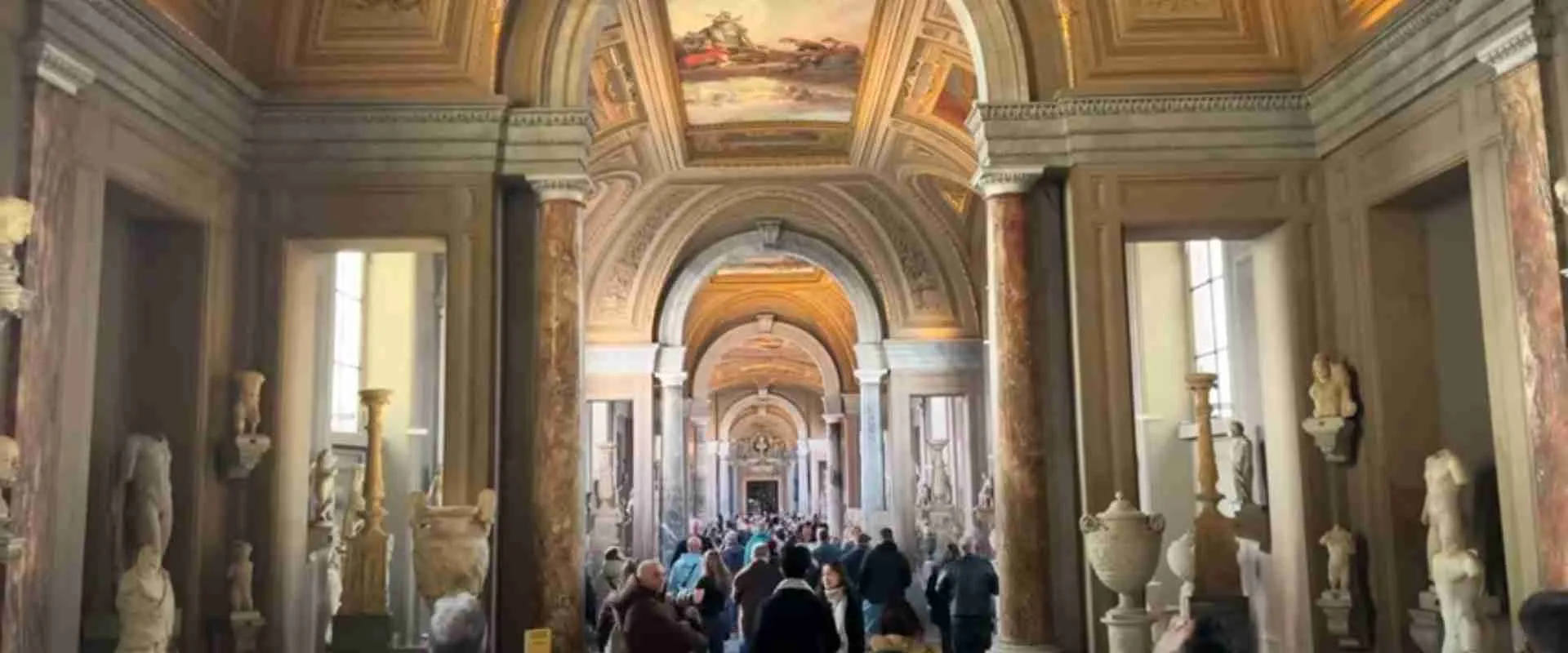
Vatican City with Kids: Family-Friendly Tips & Child-Safe Itineraries
Visiting Vatican City with children presents unique rewards and challenges—introducing young minds to humanity’s greatest artistic treasures while navigating crowds, extensive walking, and complex cultural content. With proper planning and realistic expectations, Vatican City offers extraordinary educational experiences that can inspire lifelong appreciation for art, history, and cultural heritage.
🗝️ Key Takeaways
- Free Entry for Young Children: Kids under 6 enter Vatican Museums free; children 6-18 receive reduced pricing with proper ID
- Shorter Attention Spans: Plan 2-3 hours maximum for Vatican visit with children; break visits into manageable segments
- Family-Friendly Tours: Specialized family tours use interactive storytelling and age-appropriate explanations for Vatican treasures
- Practical Challenges: No stroller access in Vatican Museums; extensive walking required; crowds can overwhelm young children
- Educational Opportunities: Vatican offers extraordinary learning experiences about art, history, and religion for school-age children
- Strategic Timing: Early morning visits (8 AM) provide smallest crowds and most manageable conditions for families
Success depends on adapting Vatican exploration to children’s attention spans, interests, and physical capabilities while maintaining respect for this sacred UNESCO World Heritage Site. Family-friendly Vatican strategies transform potentially overwhelming experiences into memorable adventures that engage young visitors with Renaissance masterpieces and Catholic traditions.
Age-Appropriate Vatican Planning
Toddlers and Preschoolers (Ages 2-5)
Realistic Expectations: Very young children cannot appreciate Vatican’s artistic complexity but can enjoy the grandeur of St. Peter’s Basilica and colorful Swiss Guard uniforms. Plan maximum 1-2 hours for Vatican exploration with frequent breaks and escape routes.
Stroller Limitations: Vatican Museums prohibit strollers due to narrow corridors, stairs, and crowd management. Consider baby carriers for toddlers who cannot walk long distances. St. Peter’s Basilica allows strollers but expect challenges navigating crowds.
Sensory Overwhelm Management: Vatican’s crowds, echoing spaces, and visual intensity can overwhelm young children. Prepare quiet activities, snacks, and comfort items for managing sensory overload during visits.
Safety Considerations: Vatican’s marble floors become slippery, crowds can separate families, and architectural features pose climbing temptations. Maintain constant supervision and establish clear behavioral expectations before entering.
Elementary School Age (Ages 6-11)
Educational Sweet Spot: This age group can appreciate Vatican’s stories and visual splendor while maintaining attention for 2-3 hours. Focus on famous works like the Sistine Chapel ceiling and St. Peter’s Basilica highlights rather than attempting comprehensive exploration.
Interactive Learning Opportunities: Elementary-age children respond well to treasure hunt approaches, storytelling about biblical scenes, and comparisons between Vatican art and their own experiences. Many family tours cater specifically to this age group.
Physical Stamina: School-age children can handle Vatican’s walking requirements but need regular rest breaks and hydration. Plan bathroom stops strategically as Vatican facilities have limited availability.
Cultural Preparation: Basic preparation about Renaissance art, Catholic traditions, and Italian history enhances children’s Vatican appreciation. Simple explanations of religious symbolism help children understand what they’re seeing.
Teenagers (Ages 12-18)
Adult-Level Appreciation: Teenagers can engage with Vatican’s artistic and historical complexity at near-adult levels. They often appreciate Vatican’s cultural significance and artistic mastery more than younger children.
Educational Value: Vatican provides exceptional educational experiences for teenagers studying art history, religion, European history, or Renaissance culture. Many schools organize Vatican visits as cultural education components.
Independence Balance: Teenagers may prefer audio guides or independent exploration while still requiring family coordination for tickets, timing, and safety in crowded conditions.
Technology Integration: Vatican’s photography rules (no Sistine Chapel photos) may disappoint social media-focused teenagers. Prepare them for limited photo opportunities and emphasis on direct visual engagement.
Family-Friendly Vatican Itineraries
Quick Family Visit (2-3 Hours)
8:00 AM – Early Start at Vatican Museums
Arrive when doors open for smallest crowds and best conditions for family navigation. Purchase skip-the-line tickets in advance to avoid lengthy queues with children.
8:15 AM – Targeted Museum Route
Focus on highlights: Gallery of Maps (visual appeal for children), Raphael Rooms (storytelling opportunities), and Sistine Chapel (ultimate destination). Skip extensive galleries that may tire young visitors.
9:45 AM – Sistine Chapel Experience
Allow 15-20 minutes for family appreciation of Michelangelo’s masterpiece. Prepare children for silence requirements and photography ban. Use pre-visit education to help children understand what they’re seeing.
10:15 AM – Walk to St. Peter’s Basilica
15-20 minute walk around Vatican walls provides outdoor break and transition between major attractions. Use this time for snacks, bathroom breaks, and energy release.
10:45 AM – St. Peter’s Basilica Exploration
Focus on major highlights: Michelangelo’s Pietà, Bernini’s Baldachin, and general architectural grandeur. Consider skipping dome climb with young children due to physical demands.
11:30 AM – Vatican Conclusion
End visit before children become overtired. Plan celebratory lunch or gelato to create positive associations with Vatican experience.
Educational Family Experience (Full Day)
Morning: Vatican Museums Focus
Comprehensive exploration with family-friendly guided tour emphasizing storytelling, interactive elements, and age-appropriate explanations of artistic masterpieces.
Midday: Extended Break
Leave Vatican City for substantial lunch break, rest period, and outdoor play time. This break prevents fatigue and maintains children’s engagement for afternoon activities.
Afternoon: St. Peter’s Basilica and Dome
Return refreshed for basilica exploration and optional dome climb (appropriate for older children with good physical fitness). Dome climb provides adventure element and panoramic views.
Optional: Vatican Gardens (Seasonal)
Bus tours of Vatican Gardens work well for families, providing seated transportation and outdoor spaces that children often prefer to indoor museums.
Multi-Day Vatican Family Strategy
Day 1: Vatican Museums and Sistine Chapel
Focus exclusively on museum experience without rushing. Allow children to process artistic experiences and ask questions about what they’ve seen.
Day 2: St. Peter’s Basilica and Square
Separate basilica visit allows more relaxed exploration and optional dome climb without pressure from comprehensive one-day itinerary.
Day 3: Vatican Gardens or Castel Sant’Angelo
Extend Vatican area exploration with outdoor gardens or nearby Castel Sant’Angelo, which often appeals to children with its fortress history and panoramic views.
Practical Family Logistics
Ticketing and Entry Strategies
Advance Booking Essential: Family groups require advance Vatican Museums tickets, especially during peak season. Last-minute planning with children creates stress and potential disappointment from sold-out attractions.
Children’s Pricing:
- Under 6: Free entry to Vatican Museums
- Ages 6-18: Reduced pricing (€8) with valid ID
- Student discounts available for older teens with proper documentation
- St. Peter’s Basilica: Free for all ages
- Dome climb: Full pricing regardless of age
Group Coordination: Large families may qualify for group rates or benefit from private family tours that accommodate specific needs, pacing, and interests.
Accessibility and Equipment
Stroller Policy: Vatican Museums prohibit strollers; plan for carrying tired children or consider baby carriers for toddlers. St. Peter’s Basilica allows strollers but expect navigation challenges.
Diaper Changing: Limited baby-changing facilities in Vatican; plan accordingly and bring necessary supplies for longer visits.
Emergency Supplies: Carry snacks, water, first aid supplies, and entertainment items for managing unexpected delays or child meltdowns in crowded conditions.
Dress Code for Families
Children’s Dress Requirements: Vatican dress codes apply to children—covered shoulders and knees required for religious sites. Pack lightweight scarves or wraps for easy coverage adjustments.
Comfortable Footwear: Ensure all family members wear comfortable walking shoes suitable for marble floors and extensive walking. Vatican exploration involves several miles of walking.
Weather Considerations: Rome’s variable weather requires layered clothing options for family comfort during outdoor portions of Vatican visits.
Educational Strategies for Different Ages
Making Art Accessible to Children
Storytelling Approaches: Transform Vatican art into stories children can understand. Michelangelo’s ceiling becomes adventure tale of artist painting on his back for four years to create beautiful pictures about Bible stories.
Comparison Techniques: Help children relate Vatican art to their own experiences—comparing Sistine Chapel ceiling to looking up at clouds, or relating biblical stories to familiar fairy tales or movies.
Treasure Hunt Activities: Create simple scavenger hunts focusing on specific details: finding angels in paintings, counting columns in St. Peter’s Basilica, or spotting specific colors in frescoes.
Hands-On Learning: Encourage children to sketch simple drawings of what they see, creating personal artistic responses to Vatican masterpieces that reinforce visual memories.
Religious and Historical Context
Age-Appropriate Explanations: Adapt religious and historical content to children’s developmental levels. Focus on universal themes of creativity, dedication, and human achievement rather than complex theological concepts.
Cultural Sensitivity: Help children understand Vatican’s religious significance while respecting diverse family religious backgrounds. Emphasize artistic and cultural importance alongside spiritual dimensions.
Historical Connections: Connect Vatican history to children’s broader learning about European history, Renaissance period, or artistic development throughout human civilization.
Managing Common Family Challenges
Crowd Navigation with Children
Safety Strategies: Establish meeting points, ensure children carry family contact information, and maintain visual contact in crowded areas. Vatican’s massive crowds can quickly separate family members.
Peak Time Avoidance: Early morning visits (8 AM) provide most manageable crowd conditions for families. Avoid weekends, last Sunday monthly (free entry), and major Catholic holidays.
Exit Strategies: Plan escape routes for overwhelming situations. Vatican Museums and St. Peter’s Basilica have multiple exit points if children need immediate departure.
Attention Span Management
Realistic Time Limits: Plan shorter visits than adult-only trips. Two hours represents maximum attention span for most children in Vatican’s sensory-rich environment.
Interest Rotation: Alternate between visual art appreciation, historical storytelling, architectural observation, and physical movement to maintain children’s engagement throughout visit.
Reward Systems: Create positive reinforcement for good behavior, patience during crowds, and respectful museum conduct. Post-Vatican treats or activities can motivate cooperation.
Physical Comfort and Needs
Hydration and Snacks: Vatican visits involve extensive walking and potential wait times. Carry water and healthy snacks to maintain children’s energy and mood stability.
Rest Break Planning: Identify seating areas and rest opportunities throughout Vatican route. St. Peter’s Square offers benches and open space for energy release.
Bathroom Strategy: Vatican facilities have limited availability and may involve queues. Plan bathroom breaks strategically and carry emergency supplies for young children.
Family-Friendly Vatican Tours and Resources
Specialized Family Tour Options
Interactive Family Tours: Professional tours designed specifically for families use age-appropriate storytelling, interactive elements, and pacing suitable for children’s attention spans and physical capabilities.
Private Family Experiences: Custom private tours accommodate specific family needs, interests, and timing while providing personalized attention and flexibility for unexpected situations.
Audio Guide Alternatives: Family-friendly audio guides designed for children use simple language, shorter explanations, and engaging narratives that maintain young visitors’ interest.
Educational Preparation Resources
Pre-Visit Learning: Vatican website offers educational materials designed for different age groups. Prepare children with basic information about what they’ll see and experience.
Children’s Books: Numerous children’s books about Vatican art, Michelangelo, and Renaissance history provide age-appropriate preparation for family visits.
Documentary Resources: Family-friendly documentaries about Vatican treasures help children visualize and understand what they’ll encounter during their visit.
Creating Lasting Family Memories
Post-Visit Activities
Art Creation: Encourage children to create artwork inspired by Vatican masterpieces. Drawing, painting, or crafting activities reinforce visual memories and personal connections to artistic experiences.
Storytelling and Discussion: Family conversations about Vatican experiences help children process what they’ve seen and develop personal connections to art and history.
Photo Documentation: While Sistine Chapel photography is prohibited, families can document their Vatican experience in allowed areas, creating visual memories of this significant cultural experience.
Educational Follow-Up
School Connections: Vatican experiences often connect to school curriculum in art, history, religion, or cultural studies. Help children share their experiences through school presentations or projects.
Cultural Expansion: Use Vatican visit as foundation for broader cultural education about Renaissance art, Italian history, or world religions and their artistic expressions.
Future Travel Inspiration: Successful Vatican family experiences often inspire interest in other cultural destinations and museum visits, creating foundation for lifelong cultural appreciation.
Conclusion: Vatican City as Family Adventure
Vatican City offers extraordinary educational and cultural opportunities for families willing to plan thoughtfully and adjust expectations to children’s needs and capabilities. While challenges exist—crowds, extensive walking, complex content—proper preparation enables meaningful family experiences with humanity’s greatest artistic treasures.
The key to successful Vatican family visits lies in realistic planning, age-appropriate activities, and flexibility to adapt when children’s needs require schedule modifications. Focus on creating positive associations with art and culture rather than comprehensive coverage of Vatican’s vast collections.
Remember that children often surprise parents with their ability to appreciate beauty, ask insightful questions, and develop genuine interest in art and history when presented appropriately. Vatican City can become foundation for lifelong cultural curiosity and appreciation when approached as family adventure rather than educational obligation.
Plan carefully, maintain realistic expectations, and prepare for Vatican City to inspire your family’s cultural journey while creating memories that last long after your Roman adventure concludes.
❓ Frequently Asked Questions
What’s the minimum age for children to appreciate Vatican City?
Children around 6-8 years old begin appreciating Vatican’s visual grandeur and can follow simple explanations. Younger children can enjoy the experience but won’t retain detailed information about art or history.
Are strollers allowed in Vatican Museums?
No, strollers are prohibited in Vatican Museums due to narrow corridors and crowd management. Consider baby carriers for toddlers or plan visits when children can walk independently.
How long should a Vatican visit last with children?
Plan 2-3 hours maximum for most children. Very young children (under 5) may only manage 1-2 hours. Break visits into segments with rest periods for optimal family experiences.
Do children need tickets for Vatican attractions?
Vatican Museums: free under 6, reduced price (€8) ages 6-18 with ID. St. Peter’s Basilica: free for all ages. Dome climb: full price regardless of age.
What should families bring for Vatican visits?
Water bottles, snacks, comfortable shoes, lightweight scarves for dress code, entertainment items for wait times, and emergency supplies including first aid basics and baby supplies if needed.
Are there family bathrooms in Vatican City?
Limited bathroom facilities exist in Vatican Museums and St. Peter’s Basilica. St. Peter’s Square has public restrooms. Plan bathroom breaks strategically and carry emergency supplies for young children.
Can families take photos together in Vatican City?
Photography allowed throughout Vatican except Sistine Chapel. St. Peter’s Basilica, Vatican Museums (except Sistine Chapel), and St. Peter’s Square welcome family photography without flash.
What’s the best time to visit Vatican with children?
Early morning (8 AM) provides smallest crowds and most manageable conditions. Avoid weekends, last Sunday monthly (free entry creates massive crowds), and major Catholic holidays.
Are there special tours designed for families?
Yes, many tour companies offer family-specific experiences with interactive storytelling, age-appropriate explanations, and pacing designed for children’s attention spans and physical capabilities.
How can parents prepare children for Vatican visits?
Read children’s books about Vatican art, watch family-friendly documentaries, explain basic Renaissance history, and set realistic expectations about crowds, walking, and cultural significance.