
Vatican City Photography Guide 2026: Complete Tips
Vatican City photography offers extraordinary opportunities to capture UNESCO World Heritage masterpieces, Renaissance architecture, and spiritual moments throughout one of humanity’s most treasured cultural destinations
Key Takeaways
- Photography permitted throughout Vatican Museums and St. Peter’s Basilica but absolutely prohibited in Sistine Chapel
- Golden hour (sunrise/sunset) provides optimal lighting for St. Peter’s Square and dome photography
- No flash photography anywhere in Vatican to protect Renaissance artworks from light damage
- Early morning visits offer peaceful conditions and superior natural lighting for interior photography
- Professional cameras with detachable lenses require special permits from Vatican administration
- Smartphone cameras produce excellent results for personal travel photography throughout Vatican
Introduction
Understanding Vatican photography policies, optimal timing, and technical approaches ensures stunning visual documentation while respecting sacred spaces and conservation requirements, photographers discover Vatican City provides unparalleled access to world-class artistic treasures and architectural marvels spanning centuries of human creativity. Strategic planning and proper technique transform casual snapshots into meaningful artistic documentation of profound cultural encounters with Renaissance masters and spiritual traditions.
People Also Ask About Vatican City Photography 2026
Where can I take photos in Vatican City?
Photography is permitted throughout Vatican Museums (54 galleries), St. Peter’s Basilica, and St. Peter’s Square. Sistine Chapel photography is absolutely prohibited while Vatican Gardens allow photography during guided tours. Professional equipment requires special permits.
What’s the best time for Vatican photography?
Golden hour (one hour before sunset) provides optimal lighting for St. Peter’s Square and dome photography. Early morning museum visits offer peaceful conditions and superior natural lighting for interior photography without crowd interference.
Can I use flash photography in Vatican?
Flash photography is prohibited throughout Vatican City to protect delicate Renaissance artworks from light damage. Natural lighting and high ISO settings provide excellent results for interior photography while preserving artistic treasures.
What camera equipment is allowed in Vatican City?
Smartphones and compact cameras are permitted throughout Vatican. Professional cameras with detachable lenses, tripods, and lighting equipment require special permits obtained through Vatican administration offices with advance notice.
Extended multi-day tours – 5+ days
Featured Rome Multi-Day Tour Packages

3 days
Rome 3-Day Discovery Tour
- ✓ Comprehensive Rome experience
- ✓ Expert local guides included
- ✓ All accommodation included
- ✓ Transportation provided
5 days
Rome 5-Day Highlights Experience
- ✓ Comprehensive Rome experience
- ✓ Expert local guides included
- ✓ All accommodation included
- ✓ Transportation provided
7 days
Rome 7-Day Cultural Journey
- ✓ Comprehensive Rome experience
- ✓ Expert local guides included
- ✓ All accommodation included
- ✓ Transportation provided
10 days
Rome 10-Day Complete Adventure
- ✓ Comprehensive Rome experience
- ✓ Expert local guides included
- ✓ All accommodation included
- ✓ Transportation provided
Multi-day tour packages powered by TourRadar. Prices and availability subject to change.
Vatican Photography Zones and Restrictions
Vatican City divides into specific photography zones with varying permissions and restrictions reflecting conservation needs and sacred space respect. Understanding these distinctions prevents disappointment while ensuring compliance with Vatican policies protecting artistic treasures and spiritual experiences.
Photography permissions balance visitor documentation desires with artwork preservation requirements and religious reverence needs throughout sacred spaces serving global Catholic community spiritual requirements alongside cultural tourism.
Permitted Photography Areas
Vatican Museums: Complete photography access throughout 54 galleries including Raphael Rooms, Pinacoteca, Gallery of Maps, and courtyard areas. Natural lighting combines with museum illumination creating excellent conditions for artwork documentation.
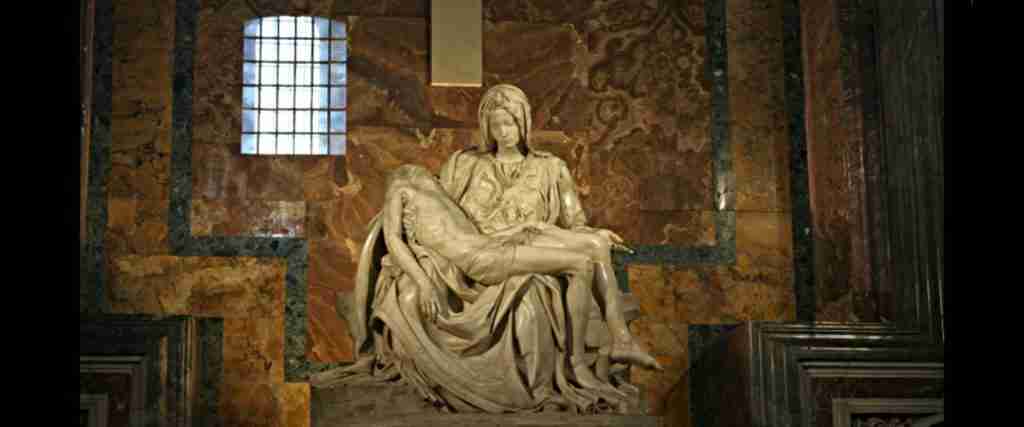
St. Peter’s Basilica: Unlimited photography including Michelangelo’s Pietà, Bernini’s Baldachin, papal altar, and architectural details. Dramatic interior lighting through dome provides stunning conditions for religious art photography.
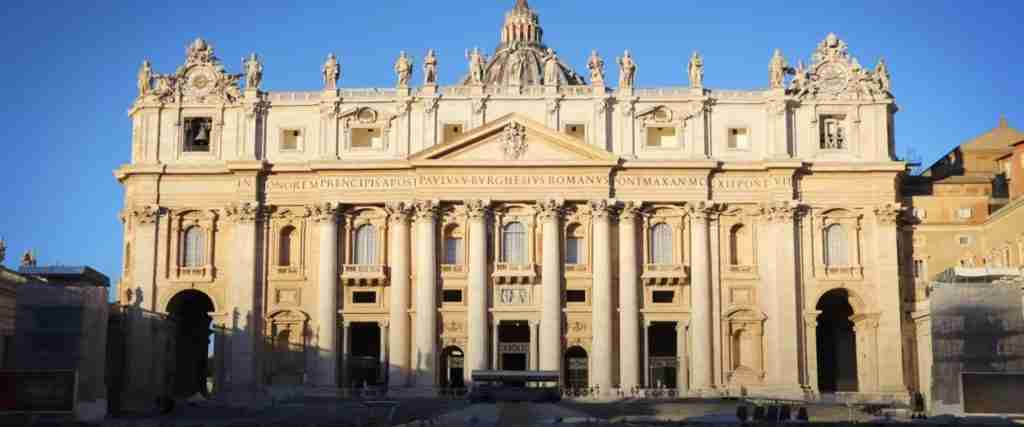
St. Peter’s Square: Unrestricted photography opportunities featuring Bernini’s colonnade, Egyptian obelisk, Vatican facade, and crowd scenes during papal events. Golden hour lighting creates exceptional architectural photography conditions.
Restricted Photography Zones
Sistine Chapel: Absolute photography prohibition protecting Michelangelo’s frescoes from camera flash damage while preserving sacred atmosphere for prayer and contemplation. Security enforcement includes immediate device confiscation.
Private Vatican Areas: Papal apartments, administrative offices, and restricted museum sections prohibit photography maintaining privacy and security for Vatican operations. Special access tours may include additional restrictions.
Special Permission Requirements
Professional photography requiring tripods, external lighting, or commercial purposes needs advance permits through Vatican Apostolic Alms Office. These applications require detailed project descriptions, insurance documentation, and administrative fees ranging €200-500.
Wedding photography in St. Peter’s Square requires special arrangements through Vatican protocol offices with specific timing restrictions avoiding conflict with religious ceremonies and papal events throughout tourist seasons.
Optimal Lighting and Timing
Vatican photography success depends on understanding natural lighting patterns, crowd dynamics, and seasonal variations affecting visual documentation opportunities. Strategic timing transforms challenging indoor lighting into stunning artistic photography showcasing Renaissance masterpieces and architectural grandeur.
Light quality varies dramatically throughout Vatican spaces with museum galleries featuring controlled artificial lighting supplemented by natural illumination through windows and courtyards creating dynamic photographic conditions throughout the day.
Golden Hour Photography
St. Peter’s Square golden hour occurs one hour before sunset creating warm illumination highlighting Bernini’s colonnade architecture and Vatican facade details. This optimal timing produces dramatic shadows and rich color saturation impossible during midday harsh lighting conditions.
Evening golden hour photography requires advance planning coordinating sunset timing with Vatican opening hours and crowd levels. Summer months provide extended evening light while winter sessions require earlier positioning for optimal results.
Morning Light Advantages
Early morning museum visits at 8 AM provide pristine natural lighting streaming through gallery windows while avoiding tour group crowds interfering with photography composition. Peaceful conditions allow careful framing and multiple exposure attempts.
Morning light in St. Peter’s Basilica creates dramatic illumination through dome windows highlighting altar areas and architectural details with soft, directional lighting perfect for religious art photography requiring reverent atmospheric conditions.
Indoor Museum Lighting
Vatican Museums utilize sophisticated lighting systems protecting artworks while providing adequate illumination for visitor appreciation and photography. Understanding these lighting patterns optimizes camera settings and composition techniques for stunning interior documentation.
Gallery lighting varies with some areas featuring natural windows while others rely entirely on artificial illumination. Adjusting camera settings between zones ensures consistent exposure quality throughout extended museum photography sessions.
Camera Settings and Technical Tips
Vatican photography demands specific technical approaches accommodating varying lighting conditions, movement restrictions, and crowd management requirements. Proper camera settings ensure sharp, well-exposed images while working within Vatican constraints and photography policies.
Technical preparation includes understanding camera capabilities, backup battery management, and memory card organization for extended photography sessions spanning 4-6 hours throughout Vatican attractions requiring sustained documentation efforts.
Smartphone Photography Optimization
Modern smartphones produce excellent Vatican photography results with proper technique and settings optimization. Portrait mode creates depth-of-field effects highlighting specific artworks while wide-angle capabilities capture architectural grandeur throughout museum galleries and basilica spaces.
Smartphone stabilization features compensate for handheld photography during extended museum visits while HDR capabilities balance challenging lighting conditions between bright windows and darker gallery areas requiring exposure flexibility.
Camera Settings for Vatican Conditions
ISO Settings: Use ISO 800-1600 for museum interiors without flash, ISO 400-800 for basilica photography with natural lighting, and ISO 100-400 for outdoor St. Peter’s Square photography with abundant natural light.
Aperture Control: f/5.6-f/8 provides optimal sharpness for architectural photography while f/2.8-f/4 creates artistic depth-of-field effects isolating specific artworks from busy museum backgrounds during crowded conditions.
Shutter Speed: Minimum 1/60 second for handheld photography, faster speeds for crowd movement capture, and image stabilization utilization compensating for extended handheld photography throughout lengthy Vatican visits.
Lens and Equipment Considerations
Wide-angle lenses capture Vatican’s architectural grandeur while normal lenses provide natural perspective for artwork documentation. Telephoto capabilities isolate details and compress perspective for dramatic effect during St. Peter’s Square photography.
Compact equipment proves essential for Vatican photography given walking requirements and security restrictions. Lightweight gear reduces fatigue while maintaining professional quality results throughout extended cultural documentation sessions.
Advanced Vatican Photography Zones
Vatican City photography permissions create complex zoning systems with varying restrictions, technical requirements, and artistic opportunities throughout different areas requiring comprehensive understanding for successful visual documentation and cultural appreciation integration.
Professional photography considerations include lighting analysis, crowd management, and equipment optimization while respecting sacred space reverence and conservation requirements throughout artistic documentation balanced with cultural sensitivity.
Photography planning coordination includes optimal timing, seasonal lighting variations, and technical preparation ensuring successful Vatican visual documentation while maintaining respectful behavior and regulatory compliance throughout comprehensive preparation strategies.
Detailed Permission Analysis by Location
Vatican Museums Comprehensive Access: Photography permitted throughout 54 galleries with flash prohibition protecting Renaissance frescoes from light damage while enabling extensive artistic documentation including detailed artwork capture and architectural elements throughout comprehensive visual collection opportunities.
Sistine Chapel Absolute Restriction: Complete photography prohibition enforced through constant surveillance with immediate confiscation penalties protecting Michelangelo’s ceiling and Last Judgment from flash damage while preserving sacred contemplative atmosphere throughout strictly maintained conservation protocols.
St. Peter’s Basilica Full Permission: Unlimited photography including Michelangelo’s Pietà, Bernini’s Baldachin, papal altars, and architectural details with natural lighting providing excellent conditions while maintaining reverent behavior throughout comprehensive sacred space documentation.
St. Peter’s Square Unrestricted Access: Complete photographic freedom with Bernini’s colonnade, Egyptian obelisk, Vatican facade, and crowd documentation during papal events throughout public space utilization for comprehensive visual memories and architectural appreciation.
Professional Lighting Analysis and Techniques
Vatican photography lighting conditions vary dramatically throughout different spaces, seasons, and times of day requiring technical adaptation and strategic timing for optimal image quality and artistic impact throughout challenging indoor and outdoor conditions.
Natural Lighting Patterns
St. Peter’s Basilica receives dramatic natural illumination through dome windows creating ethereal lighting effects highlighting architectural details and religious artworks with changing intensity throughout daylight hours requiring timing strategy for optimal photography conditions.
Vatican Museums feature mixed lighting with natural window illumination combining with artificial gallery lighting creating complex exposure challenges requiring camera adjustment and technical understanding throughout diverse lighting environment navigation.
St. Peter’s Square experiences full sun exposure with harsh midday conditions contrasting with golden hour dramatic lighting providing optimal architectural photography during morning and evening periods throughout strategic timing for superior results.
Seasonal Lighting Variations
Winter low-angle sunlight creates dramatic shadows and warm illumination lasting longer throughout shortened days while providing excellent architectural photography conditions with clear atmospheric visibility throughout enhanced lighting quality periods.
Summer high-angle sun produces harsh shadows and overexposed conditions during midday requiring early morning or late evening photography sessions for optimal architectural documentation throughout challenging but manageable seasonal conditions.
Spring and autumn provide balanced lighting conditions with comfortable temperatures and optimal sun angles creating ideal photography periods without extreme seasonal challenges throughout favorable seasonal timing.
Composition Techniques for Vatican Photography
Vatican photography composition requires balancing artistic vision with crowd management, lighting constraints, and respect for sacred spaces. Strategic composition techniques create compelling visual narratives while working within Vatican limitations and visitor flow patterns.
Compositional planning includes foreground-background relationships, leading lines through architectural elements, and framing techniques utilizing Vatican’s rich decorative details creating layered visual complexity throughout photographic documentation.
Architectural Photography Approaches
Symmetrical composition emphasizes Vatican’s classical architecture with central alignment highlighting Bernini’s colonnade perfection and St. Peter’s dome grandeur. Vertical orientation captures architectural height while horizontal framing shows spatial relationships.
Leading lines through colonnade columns, gallery perspectives, and staircase designs guide viewer attention through photographic compositions while creating depth and movement within static architectural subjects requiring dynamic visual presentation.
Artwork Documentation Strategies
Isolate specific artworks using tight framing eliminating distracting backgrounds and tourist presence while maintaining artistic context through partial environmental inclusion. This technique highlights individual masterpieces while acknowledging Vatican setting.
Detail photography captures artistic techniques, restoration work, and symbolic elements within larger compositions providing intimate documentation impossible through wide-angle approaches requiring close examination and appreciation.
Crowd Management in Photography
Patient timing allows clean architectural shots during brief crowd-free moments while strategic positioning utilizes tourist presence as scale reference or cultural context within Vatican photography compositions.
Elevated perspectives from stairs, galleries, or basilica upper levels provide crowd-free shooting angles while creating unique viewpoints impossible from ground level tourism flows requiring creative positioning strategies.
Specific Vatican Photography Locations
Vatican City contains numerous photography hotspots offering unique perspectives, optimal lighting conditions, and iconic imagery representing Renaissance achievement and spiritual significance. Understanding these specific locations maximizes photographic opportunities while managing time and crowd constraints.
Each Vatican location presents distinct photographic challenges and opportunities requiring adapted techniques, timing strategies, and compositional approaches optimized for specific architectural features and lighting conditions throughout varied spaces.
St. Peter’s Square Photography
Central obelisk positioning provides symmetrical composition anchor while colonnade curves create dramatic leading lines toward Vatican facade. Early morning or late afternoon visits avoid harsh midday shadows while providing directional lighting highlighting architectural details.
Elevated viewpoints from surrounding buildings or basilica steps offer comprehensive square overview with crowd patterns and architectural relationships visible throughout expansive space designed for papal gatherings and spiritual ceremonies.
St. Peter’s Basilica Interior
Michelangelo’s Pietà requires careful approach due to protective glass and controlled lighting creating reflection challenges. Side angles and varied distances provide different perspectives while respecting security barriers and tourist flow patterns.
Dome interior photography captures dramatic scale and decorative details with natural lighting streaming through dome windows creating ethereal atmospheric conditions perfect for spiritual and architectural documentation requiring upward perspectives.
Vatican Museums Highlights
Gallery of Maps: Ceiling frescoes and cartographic details provide rich documentary opportunities with natural lighting from gallery windows creating optimal conditions for decorative art photography requiring careful exposure balance.
Raphael Rooms: “School of Athens” requires wide-angle capture showing complete composition while detail shots highlight individual figures and Renaissance perspective techniques demonstrating artistic mastery through photographic analysis.
Spiral Staircase: Architectural photography opportunity featuring geometric patterns, dramatic lighting, and modern design contrasting with historical Vatican architecture providing contemporary artistic documentation within classical setting.
Vatican Gardens Photography
Vatican Gardens photography occurs during guided tours on Tuesday, Thursday, and Saturday mornings providing access to Renaissance landscaping, medieval defensive walls, and unique Vatican perspectives normally closed to independent visitors throughout restricted areas.
Gardens photography combines horticultural subjects with architectural elements creating diverse portfolio opportunities while documenting Vatican City’s defensive history and peaceful contemplative spaces contrasting with intensive museum cultural experiences.
Garden Photography Opportunities
Renaissance landscaping showcases geometric garden design with seasonal plantings, water features, and sculptural elements providing natural beauty photography within Vatican’s fortified walls. Macro photography captures botanical details and seasonal changes.
Vatican walls and medieval towers offer architectural photography opportunities showing defensive features and historical construction techniques. These perspectives provide unique viewpoints of Vatican City’s fortress-like protection throughout centuries.
Seasonal Garden Photography
Spring gardens highlight blooming flowers and fresh foliage with optimal weather conditions for comfortable outdoor photography sessions. Natural colors complement Vatican architecture while providing seasonal documentation of horticultural cycles.
Autumn gardens showcase changing foliage and harvest activities within Vatican agricultural areas. Golden autumn light enhances garden photography while providing comfortable temperatures for extended outdoor documentation sessions.
Equipment Recommendations and Optimization
Vatican photography equipment selection balances quality requirements, portability needs, and security restrictions while accommodating extensive walking and technical demands throughout comprehensive photographic documentation.
Equipment redundancy includes backup batteries, memory cards, and alternative shooting options ensuring successful Vatican photography despite technical failures or unexpected limitations throughout comprehensive cultural documentation efforts.
Camera Body Recommendations
Mirrorless cameras provide excellent Vatican photography performance with compact size, superior low-light capabilities, and silent shooting modes appropriate for sacred spaces. Full-frame sensors optimize low-light performance while crop sensors extend telephoto reach.
Smartphone photography continues improving with computational features, multiple lens options, and advanced stabilization making them viable Vatican documentation tools for travelers prioritizing convenience over specialized equipment.
Essential Accessories
Extra batteries prove crucial for extended Vatican photography sessions with cold weather and intensive use draining power quickly. Portable chargers provide backup while memory cards ensure adequate storage for comprehensive documentation.
Lens cleaning supplies maintain image quality throughout dusty museum environments while protective filters guard against damage during crowded conditions. Compact tripods provide stability where permitted while maintaining portability requirements.
Planning Your 2026 Vatican Photography
Strategic Vatican photography planning coordinates optimal timing, equipment selection, and location priorities maximizing documentation opportunities while working within Vatican constraints and personal travel schedules throughout comprehensive cultural exploration.
Advanced planning includes weather considerations, seasonal lighting patterns, and crowd management strategies ensuring successful Vatican photography regardless of external conditions or unexpected limitations throughout extended documentation efforts.
Photography goals definition helps prioritize Vatican locations and subjects while managing time constraints and energy levels throughout intensive cultural immersion requiring sustained creative focus and technical attention.
2026 Updates & Changes
Enhanced Vatican photography policies accommodate modern technology while maintaining artwork protection and sacred space reverence. Digital ticketing integration includes photography guidelines and real-time restriction updates through mobile applications.
Improved museum lighting systems optimize visitor photography while protecting Renaissance artworks through advanced conservation technology. LED illumination provides consistent color temperature while reducing heat damage risks.
Virtual reality and augmented reality integration supplements photography experiences with digital enhancement opportunities while maintaining traditional documentation approaches for personal travel memories.
FAQ Section
Why is photography prohibited in Sistine Chapel?
Sistine Chapel photography prohibition protects Michelangelo’s frescoes from camera flash damage while preserving sacred atmosphere for prayer and contemplation. Security enforcement maintains these conservation and spiritual requirements.
Can I take photos during papal masses in St. Peter’s Basilica?
Photography during papal masses requires discretion and silence while avoiding flash and disruption. Telephoto lenses capture moments from distant positions while maintaining reverent behavior throughout religious ceremonies.
What’s the best camera for Vatican photography?
Modern smartphones and mirrorless cameras provide excellent Vatican photography results. Key features include good low-light performance, image stabilization, and compact size for extended museum exploration and security compliance.
How do I photograph Vatican Museums without crowds?
Early morning visits at 8 AM provide minimal crowds while strategic positioning utilizes brief crowd-free moments. Patient timing and alternative viewpoints create clean architectural shots throughout popular gallery areas.
Can I use drones for Vatican photography?
Drone photography is strictly prohibited within Vatican City airspace for security and privacy reasons. Alternative elevated perspectives include surrounding buildings, basilica steps, or dome observation areas.
What photo editing is appropriate for Vatican images?
Conservative editing preserving natural appearance and historical accuracy suits Vatican photography. Exposure correction, color balance, and perspective adjustment enhance documentation while maintaining artistic authenticity.
How do I respect photography etiquette in sacred spaces?
Silent shooting modes, minimal movement, and reverent behavior demonstrate respect for sacred spaces. Avoid blocking prayer areas or religious ceremonies while maintaining quiet discretion throughout photography activities.
Can I sell Vatican photographs commercially?
Commercial Vatican photography requires special permits and licensing agreements through Vatican administration offices. Personal travel photography for non-commercial sharing follows standard tourism guidelines.
What backup plans help if my camera fails during Vatican visits?
Smartphone photography provides reliable backup while ensuring successful Vatican documentation despite equipment failures. Cloud storage backup protects captured images while multiple memory cards prevent storage limitations.
How do I capture Vatican’s spiritual atmosphere through photography?
Focus on lighting effects, architectural details, and human elements expressing devotion and reverence. Careful timing and respectful positioning capture spiritual moments while honoring sacred space significance throughout documentation.