
Vatican City Complete Guide 2026: Ultimate UNESCO Experience
Vatican City stands as the world’s smallest sovereign state and Christianity’s spiritual epicenter, housing humanity’s most treasured Renaissance artworks within its sacred walls.
Key Takeaways
- Book Vatican Museums tickets online 2-3 months ahead to guarantee entry and skip lines
- Visit Wednesday mornings for papal audiences or early morning for smaller crowds
- Budget $80-120 per person for museums, Sistine Chapel, and St. Peter’s Basilica experience
- Dress code strictly enforced: covered shoulders, long pants, and no shorts or tank tops
- Audio guides cost €8 and provide essential context for Renaissance masterpieces
- Prime photo opportunities at St. Peter’s Square sunrise and Sistine Chapel dome climb
Introduction
This UNESCO World Heritage Site contains the Pope’s residence, the awe-inspiring Sistine Chapel, and St. Peter’s Basilica crowned by Michelangelo’s magnificent dome. Planning your 2026 Vatican visit requires strategic timing and advance preparation to fully experience this extraordinary convergence of faith, art, and history.
American visitors discover Vatican City represents far more than a religious pilgrimage destination. The Vatican Museums showcase 54 galleries containing masterpieces by Raphael, Michelangelo, Bernini, and countless Renaissance masters. Every corner reveals centuries of papal patronage that created the world’s most concentrated collection of artistic treasures.
People Also Ask About Vatican City 2026
When is the best time to visit Vatican City in 2026?
The best time to visit Vatican City is October through March when crowds are smaller and temperatures comfortable. Early morning entries at 8 AM provide the most peaceful experience. Wednesday papal audiences offer unique spiritual encounters for US travelers seeking authentic Vatican experiences.
How much does it cost to visit Vatican City in 2026?
Vatican Museums entrance costs €20 for adults with online booking fee of €4. Audio guides cost €8 extra. Budget $80-120 per person including St. Peter’s dome climb (€10), guided tours, and nearby dining. US visitors should expect total costs of $300-450 for comprehensive 2-day Vatican experiences.
Do I need advance booking for Vatican City?
Advance booking is mandatory for Vatican Museums through the official website. Skip-the-line tickets prevent 2-3 hour waits during peak season. Book 60-90 days ahead for guaranteed entry. St. Peter’s Basilica requires no advance booking but expect security screening delays.
What’s the easiest way to get to Vatican City?
Take Metro Line A to Ottaviano-San Pietro station, then walk 8 minutes to St. Peter’s Square. From Rome Fiumicino Airport, Leonardo Express train to Termini costs €14, then metro to Vatican costs €1.50. Taxis from central Rome cost €15-25 depending on traffic.
Extended multi-day tours – 5+ days
Featured Rome Multi-Day Tour Packages
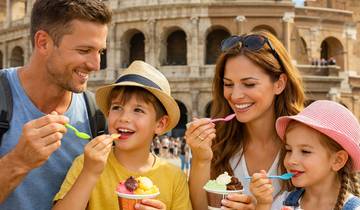
5 days
The Ultimate Rome Food & Cultural Small-Group Tour Package – 5 Days
- ✓ Comprehensive Rome tour
- ✓ Expert local guides included
- ✓ All accommodation arranged
- ✓ Transportation provided
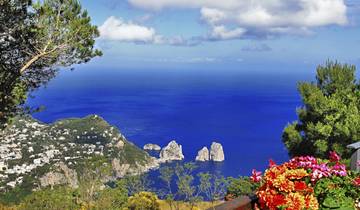
3 days
3-Day Pompeii, Capri & Sorrento Mini Tour
- ✓ Comprehensive Rome tour
- ✓ Expert local guides included
- ✓ All accommodation arranged
- ✓ Transportation provided
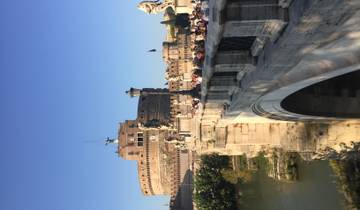
3 days
Advent in Rome: Markets, Churches & Tiramisu
- ✓ Booking needs min. 2 travelers
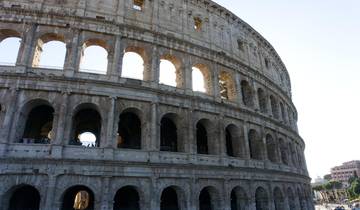
5 days
Ciao Italia: 5 Days, 2 Cities, Infinite Wonders
- ✓ Comprehensive Rome tour
- ✓ Expert local guides included
- ✓ All accommodation arranged
- ✓ Transportation provided
Multi-day tour packages powered by TourRadar. Prices and availability subject to change.
Vatican Museums and Sistine Chapel Experience
The Vatican Museums represent the world’s most extensive collection of Renaissance and classical art, accumulated over five centuries of papal patronage. Your journey begins in the magnificent Pinacoteca, featuring Raphael’s “Transfiguration” and Caravaggio’s “Deposition.” The Gallery of Maps showcases 16th-century cartographic masterpieces covering Italy’s entire peninsula with stunning geographic precision.
The Raphael Rooms demonstrate the artist’s supreme genius through four interconnected chambers decorated between 1508-1524. “The School of Athens” remains philosophy’s greatest artistic representation, depicting Plato, Aristotle, and ancient Greece’s intellectual giants in perfect Renaissance perspective. Each room reveals different aspects of papal power and humanist learning.
Sistine Chapel Planning Strategies
The Sistine Chapel serves as your Vatican Museums experience climax, housing Michelangelo’s “Creation of Adam” and “Last Judgment” masterpieces. Photography is prohibited and silence maintained out of respect for this sacred space where papal conclaves elect new popes. Security guards strictly enforce these rules throughout your 15-20 minute visit.
Audio guides provide essential context for understanding Michelangelo’s complex theological symbolism and artistic techniques. The chapel’s acoustics were designed for Gregorian chant, creating an otherworldly spiritual atmosphere that transcends religious boundaries for visitors worldwide.
Smart Touring Approaches
Allocate 3-4 hours minimum for Vatican Museums including Sistine Chapel. Follow the designated route through 54 galleries without backtracking opportunities. Rest areas appear every 30 minutes along the route, perfect for processing the overwhelming artistic richness surrounding you.
Professional guided tours cost €35-45 per person and provide art historical context impossible to appreciate independently. Small group tours limited to 25 people offer more intimate experiences and direct guide access for questions about specific artworks.
St. Peter’s Basilica and Dome Climb
St. Peter’s Basilica welcomes visitors free of charge, representing Christianity’s largest church and architectural achievement spanning 120 years of construction. Michelangelo’s “Pietà” greets visitors immediately upon entry, the only work the master artist ever signed. Bernini’s bronze baldachin towers 95 feet above the papal altar, marking St. Peter’s tomb location.
The basilica’s interior spans 615 feet in length with capacity for 60,000 worshippers. Sunlight streaming through the dome creates dramatic lighting effects throughout the day, particularly stunning during morning and late afternoon hours. Free guided tours operate daily in English at 2:15 PM from the information desk.
Dome Climb Adventure
St. Peter’s dome climb costs €10 by elevator to the first level, then 320 steps to the cupola summit. The elevator saves 231 steps but still requires significant physical effort for the remaining narrow spiral staircase. Views from 448 feet above sea level encompass Rome’s entire historic center and surrounding countryside.
Plan 60-90 minutes for the complete dome experience including rest stops and photography time. Morning climbs offer cooler temperatures and optimal lighting for panoramic photography. The final staircase section narrows considerably, making it challenging for visitors with claustrophobia or mobility limitations.
Vatican Gardens and Papal Audience Experiences
Vatican Gardens occupy half of Vatican City’s 121 acres, featuring Renaissance landscaping, medieval towers, and contemporary sculptures. Guided tours cost €37 and operate Tuesday, Thursday, and Saturday mornings with advance reservations required through the official Vatican website.
The gardens showcase 500 years of horticultural artistry with plants from every continent, reflecting the Catholic Church’s global reach. The medieval defensive walls, Leonine Wall, demonstrate Vatican City’s fortress-like protection during turbulent medieval periods.
Papal Audience Opportunities
Wednesday papal audiences occur at 10:30 AM in St. Peter’s Square accommodating 80,000 attendees free of charge. Reserved seating costs €25-50 depending on proximity to the papal platform. The Pope delivers brief messages in multiple languages and blesses religious articles brought by pilgrims.
Sunday Angelus prayers at noon offer briefer papal appearances from the Apostolic Palace window. These 15-minute events require no advance booking but arrive 30 minutes early for optimal viewing positions near the square’s center.
Practical Planning Essentials
Vatican City enforces strict dress codes year-round: shoulders and knees covered for all visitors regardless of weather. Tank tops, shorts, short skirts, and low-cut tops result in entry denial without refunds. Appropriate clothing rentals cost €15-20 near Vatican entrances but quality varies significantly.
Security screening resembles airport procedures with metal detectors and bag checks. Large backpacks, umbrellas, knives, and glass containers are prohibited. Storage facilities near St. Peter’s Square cost €5-8 per item for visitors arriving unprepared for security requirements.
Photography is permitted throughout Vatican Museums except the Sistine Chapel. Flash photography damages Renaissance frescoes and is strictly prohibited everywhere. Professional cameras require special permits obtained through Vatican administration offices.
Dining and Shopping Inside Vatican
Vatican Museums contain four dining options ranging from quick cafeterias to full-service restaurants. The Pinecone Courtyard cafe offers panoramic views and light meals costing €8-15 per person. Full restaurant meals cost €25-35 but provide air conditioning and comfortable seating during long museum visits.
The Vatican post office issues unique Vatican stamps prized by collectors worldwide. Letters mailed from Vatican City receive special postmarks unavailable elsewhere. Vatican Museum shops stock high-quality religious articles, art books, and reproduction artwork ranging from €10-500.
Planning Your 2026 Visit
Book Vatican Museums tickets 60-90 days ahead through the official website vatican.va. Early morning slots at 8 AM offer the most peaceful experience with smaller crowds and optimal natural lighting. Friday afternoon visits provide extended hours until 10 PM during summer months.
American travelers should plan 2 full days minimum for comprehensive Vatican experiences. Day one focuses on Vatican Museums and Sistine Chapel requiring 4-5 hours. Day two explores St. Peter’s Basilica, dome climb, and Vatican Gardens occupying another 4-6 hours depending on interest levels.
Consider purchasing Roma Pass for €38.50 including free public transportation and priority access to major Roman attractions. The pass includes fast-track entry to Colosseum and Roman Forum, perfect for combining Vatican visits with broader Roman exploration.
2026 Updates & Changes
Vatican Museums continue digital innovation with enhanced audio guides featuring augmented reality features for select masterpieces. New accessibility improvements include elevator access to previously challenging areas and wheelchair-friendly routes throughout major galleries.
Online booking systems receive regular updates improving user experience and reducing transaction fees. Mobile tickets eliminate paper printing requirements, perfect for environmentally conscious travelers. Real-time crowd monitoring helps optimize visit timing for enhanced experiences.
Security procedures remain stringent with ongoing enhancements ensuring visitor safety while maintaining sacred site reverence. Metal detection technology improvements reduce waiting times while maintaining thorough screening protocols.
Vatican Security and Entry Procedures
Vatican City security operates with airport-level screening procedures requiring advance preparation and appropriate documentation. Security checkpoints utilize metal detectors, X-ray machines, and manual bag inspections conducted by professional Vatican security personnel trained in crowd management and visitor safety protocols.
Prohibited items include sharp objects, large backpacks, umbrellas, glass containers, and professional photography equipment requiring special permits. Storage facilities near Vatican entrances cost €5-8 per item with secure lockers and retrieval systems accommodating day-long visits throughout Vatican attractions.
Valid identification proves essential for certain Vatican experiences including papal audiences, special tours, and restricted area access. American passports provide sufficient documentation while driver’s licenses may not meet international identification standards for Vatican entry requirements.
Security Processing Timeline
Allow 30-45 minutes for complete security processing during peak tourist seasons when lines extend significantly beyond normal capacity. Early morning arrivals at 7:30 AM experience minimal delays while midday security screening can require 60-90 minutes during busy periods.
Group processing moves efficiently when all participants prepare similarly by removing jackets, emptying pockets, and organizing permitted items before reaching security checkpoints. Designated group leaders should carry all tickets and documentation preventing delays during verification procedures.
Advanced Vatican Museum Exploration
Vatican Museums contain specialized collections beyond famous highlights including Egyptian Museum, Ethnological Museum, and Contemporary Art sections providing comprehensive cultural understanding spanning millennia of human artistic achievement and religious expression throughout global Catholic missions.
Egyptian Museum showcases ancient artifacts collected by papal expeditions including mummies, sarcophagi, and hieroglyphic inscriptions demonstrating Vatican’s historical interest in preserving diverse cultural heritage alongside Christian artistic traditions throughout centuries of papal patronage.
Ethnological Museum presents indigenous art from Catholic missions worldwide including African masks, Asian religious objects, and Native American artifacts reflecting global Catholic evangelization while preserving indigenous cultural expressions within Christian contexts.
Contemporary Art Collections
Vatican’s contemporary art collection features works by modern masters including Dalí, Chagall, and contemporary artists exploring spiritual themes through modern artistic techniques. These galleries demonstrate Vatican’s commitment to ongoing cultural dialogue between traditional Catholic art and contemporary artistic expression.
Sculpture galleries contain classical Roman and Greek masterpieces including the famous Laocoön and His Sons, Apollo Belvedere, and numerous portrait busts representing pinnacles of classical artistic achievement influencing Renaissance masters throughout Vatican’s artistic development.
St. Peter’s Basilica Hidden Treasures
St. Peter’s Basilica contains numerous artistic treasures beyond famous highlights including papal tombs, treasury collections, and architectural details requiring careful observation and expert guidance for full appreciation of Renaissance artistic achievement and spiritual significance.
Papal tombs throughout St. Peter’s Basilica represent centuries of papal history with elaborate sculptures by renowned artists including Bernini, Canova, and contemporary masters. Each tomb tells stories of papal leadership, artistic patronage, and spiritual dedication spanning Vatican’s complex historical development.
Treasury Museum displays papal regalia, religious artifacts, and precious objects used in Catholic liturgical ceremonies throughout centuries of papal celebrations. These items demonstrate Vatican’s role as spiritual center while showcasing extraordinary craftsmanship in precious metals and gemstone decoration.
Architectural Masterpiece Details
St. Peter’s Basilica architecture spans multiple periods with contributions from Renaissance masters including Bramante’s original design, Michelangelo’s dome, and Bernini’s interior decorations creating unified artistic vision despite construction spanning 120 years.
Dome construction represents engineering marvel with complex structural systems supporting massive weight while creating interior space for 60,000 worshippers. Climbing opportunities provide close examination of construction techniques and panoramic Rome views from 448 feet elevation.
Interior mosaics replace traditional frescoes due to humidity concerns with mosaic reproductions of famous paintings including Raphael’s Transfiguration and numerous saints’ images created by Vatican mosaic workshops using traditional Byzantine techniques adapted for Renaissance artistic styles.
Seasonal Vatican Experiences
Vatican City transforms throughout seasons with different lighting conditions, crowd levels, and special celebrations creating unique experiences for visitors during various times of year. Understanding seasonal variations helps optimize Vatican visits while participating in authentic Catholic traditions.
Christmas season brings elaborate decorations including nativity scenes in St. Peter’s Square, Christmas trees from various countries, and special papal masses celebrating Christianity’s most important holiday. These authentic spiritual experiences provide profound cultural understanding beyond standard tourism.
Easter celebrations represent Christianity’s central mystery with Holy Week ceremonies including Palm Sunday processions, Holy Thursday foot washing, Good Friday Passion readings, and Easter Vigil resurrection celebrations. International visitors experience authentic Catholic liturgical traditions.
Summer Vatican Strategies
Summer Vatican visits require heat management with early morning scheduling, frequent hydration breaks, and appropriate clothing meeting dress codes while providing comfort during extended walking and standing throughout museum galleries and basilica exploration.
Extended summer hours include Friday evening museum access until 10 PM providing unique after-dark experiences with dramatically lit Renaissance galleries and reduced crowd pressure during popular tourist seasons requiring advance booking for guaranteed access.
Vatican Gardens Comprehensive Guide
Vatican Gardens occupy 50% of Vatican City’s 121 acres featuring Renaissance landscaping, medieval defensive structures, and contemporary sculptures reflecting Vatican’s complex history and global Catholic connections through botanical collections from worldwide Catholic missions.
Guided garden tours operate Tuesday, Thursday, and Saturday mornings lasting 90 minutes with advance reservations required through official Vatican booking systems. These experiences provide access to normally restricted areas including papal retreat locations and administrative buildings.
Garden highlights include Vatican Railway Station, Lourdes Grotto replica, and various national monuments donated by Catholic countries worldwide. Expert guides explain symbolic plantings, water management systems, and horticultural techniques maintaining historical landscapes.
Botanical Collections
Vatican Gardens showcase plants from every continent reflecting Catholic Church’s global reach with specimens from Catholic missions, diplomatic gifts, and botanical exchanges demonstrating Vatican’s international relationships through living collections.
Seasonal garden changes provide different experiences throughout the year with spring flowering, summer abundance, autumn foliage, and winter structure revealing garden design principles and maintenance techniques preserving Renaissance landscaping traditions.
Vatican Dining and Shopping
Vatican Museums contain multiple dining venues ranging from quick cafeterias to full-service restaurants accommodating various budgets and time constraints during extended cultural exploration requiring energy maintenance and comfortable rest periods.
Pinecone Courtyard Cafe offers outdoor dining with Vatican views and light meals including sandwiches, salads, and Italian coffee providing peaceful breaks during intensive museum exploration. Prices range €8-15 for complete light meals with table service.
Full-service Vatican restaurants provide three-course meals with traditional Italian cuisine, air conditioning, and comfortable seating for extended rest periods during comprehensive Vatican visits. Meal costs range €25-35 with wine selections and dessert options.
Vatican Shopping Opportunities
Vatican Museum shops offer religious articles, art books, and reproduction artwork ranging from postcards to high-quality art prints suitable for gifts and personal collections. Quality varies significantly with authentic Vatican merchandise commanding premium prices.
Vatican Post Office provides unique postmark services with Vatican stamps prized by collectors worldwide. Letters mailed from Vatican City receive special postal markings unavailable elsewhere creating meaningful souvenirs and authentic Vatican experiences.
Accessibility and Special Needs
Vatican City prioritizes accessibility with wheelchair-accessible routes, elevator service, and specialized assistance for visitors with mobility limitations ensuring comprehensive Vatican experiences regardless of physical capabilities or special requirements.
Wheelchair rentals are available at Vatican entrances free of charge with comfortable seating and maneuverable designs suitable for museum corridors and basilica exploration. Advance notice ensures availability during busy tourist seasons.
Audio assistance devices support hearing-impaired visitors with enhanced sound systems and visual guidance throughout Vatican attractions. Sign language interpretation can be arranged for specialized tours with advance notice through Vatican visitor services.
Family-Friendly Vatican Features
Family facilities include stroller storage, baby changing stations, and family rest areas throughout Vatican Museums providing convenient support for families visiting with young children during extended cultural exploration requiring child-friendly amenities.
Children’s programs and educational materials help younger visitors understand Vatican’s artistic treasures through age-appropriate explanations and interactive activities making Renaissance art accessible for family groups throughout comprehensive Vatican visits.
Vatican Area Transportation Hub
Vatican City serves as transportation hub connecting to Rome’s major attractions through metro, bus, and walking routes providing efficient access to Colosseum, Roman Forum, Pantheon, and other UNESCO World Heritage sites throughout Rome’s historic center.
Metro Line A provides direct connections from Vatican to Spanish Steps, Trevi Fountain, and Termini Station with frequent service throughout daytime hours. Bus routes 64 and 40 offer scenic routing through historic neighborhoods with multiple stops near major attractions.
Walking routes from Vatican to central Rome attractions provide cultural education through neighborhood exploration while connecting UNESCO World Heritage sites through authentic urban experiences revealing Rome’s layered history.
Spiritual Pilgrimage Experiences
Vatican City serves as ultimate Catholic pilgrimage destination with opportunities for spiritual growth, religious ceremonies, and authentic faith experiences welcoming visitors from all religious backgrounds seeking meaningful encounters with Christian traditions.
Confession opportunities in multiple languages provide spiritual services for Catholic visitors while prayer areas throughout St. Peter’s Basilica offer contemplative spaces for personal reflection and spiritual renewal during Vatican visits.
Religious ceremonies including daily masses, papal audiences, and seasonal celebrations provide authentic spiritual experiences with global Catholic community participation demonstrating Vatican’s role as spiritual center for worldwide Catholic Church.
Interfaith Understanding
Vatican’s commitment to interfaith dialogue creates welcoming environments for visitors from diverse religious backgrounds seeking cultural understanding and spiritual appreciation through respectful engagement with Catholic traditions and artistic heritage.
Educational programs and guided tours accommodate interfaith groups providing cultural context and historical understanding while respecting diverse religious perspectives throughout comprehensive Vatican exploration and cultural immersion experiences.
FAQ Section
Can I visit Vatican City without a tour?
Yes, self-guided visits are perfectly acceptable with audio guides providing comprehensive information in English. However, guided tours offer deeper art historical context and skip-the-line benefits that enhance your overall experience significantly.
How long should I plan for a Vatican visit?
Plan minimum 6-8 hours for Vatican Museums, Sistine Chapel, and St. Peter’s Basilica. Add 2-3 hours for dome climb and Vatican Gardens. Most visitors find 2 full days optimal for comprehensive Vatican exploration without rushing.
What’s the best entrance strategy for avoiding crowds?
Book the earliest available time slot at 8 AM for Vatican Museums. Enter St. Peter’s Basilica before 8:30 AM or after 4 PM for smaller crowds. Wednesday mornings are busiest due to papal audiences.
Are there restrictions on what I can bring inside?
Large bags, umbrellas, weapons, glass containers, and professional camera equipment are prohibited. Small cameras and smartphones are permitted except in Sistine Chapel. Storage facilities cost €5-8 near entrances.
Do I need to book papal audience tickets?
Wednesday general audiences are free but reserved seating costs €25-50. Sunday Angelus prayers require no tickets. Book reserved seats through Vatican website or Swiss Guard office in advance.
What’s the Vatican dress code exactly?
Shoulders and knees must be covered year-round. No tank tops, shorts, short skirts, or low-cut clothing. Men should wear long pants and shirts with sleeves. Women need modest dresses or pants with covered shoulders.
Can I attend Mass at St. Peter’s Basilica?
Daily Mass schedules are available at the basilica information desk. Sunday Mass occurs at multiple times throughout the day. Special papal Masses require advance tickets during major Catholic holidays.
Is Vatican City accessible for wheelchair users?
Vatican Museums provide wheelchair access throughout most galleries with elevator service to major areas. St. Peter’s Basilica is fully accessible but dome climb requires physical mobility. Free wheelchair loans available at entrances.
What’s the best photography strategy for Vatican visits?
Morning light provides optimal conditions for St. Peter’s Square and dome photography. Interior photography permitted except Sistine Chapel. Professional equipment requires special permits from Vatican administration.
How do I get from Vatican to other Rome attractions?
Metro Line A connects Vatican to Colosseum, Spanish Steps, and Trevi Fountain. Bus routes 64 and 40 serve major tourist destinations. Walking to Castel Sant’Angelo takes 10 minutes along scenic Via della Conciliazione.
What are the Vatican Museums’ busiest and quietest times?
Busiest times occur 10 AM-3 PM during peak season (April-October) and Wednesday mornings during papal audiences. Quietest periods include early morning entries at 8 AM, late afternoon visits after 4 PM, and winter months January-February.
Can I leave and re-enter Vatican Museums during my visit?
Vatican tickets provide single-entry access without re-entry privileges. Plan breaks and meals within museum facilities or complete exploration before exiting. Extended visits require stamina planning and realistic expectations for comprehensive cultural immersion.
What should I do if I feel overwhelmed by Vatican’s artistic richness?
Take regular breaks in courtyard areas, focus on personal artistic preferences rather than attempting comprehensive coverage, and consider multiple visits for deeper appreciation. Museum fatigue is normal during intensive cultural experiences requiring paced exploration.