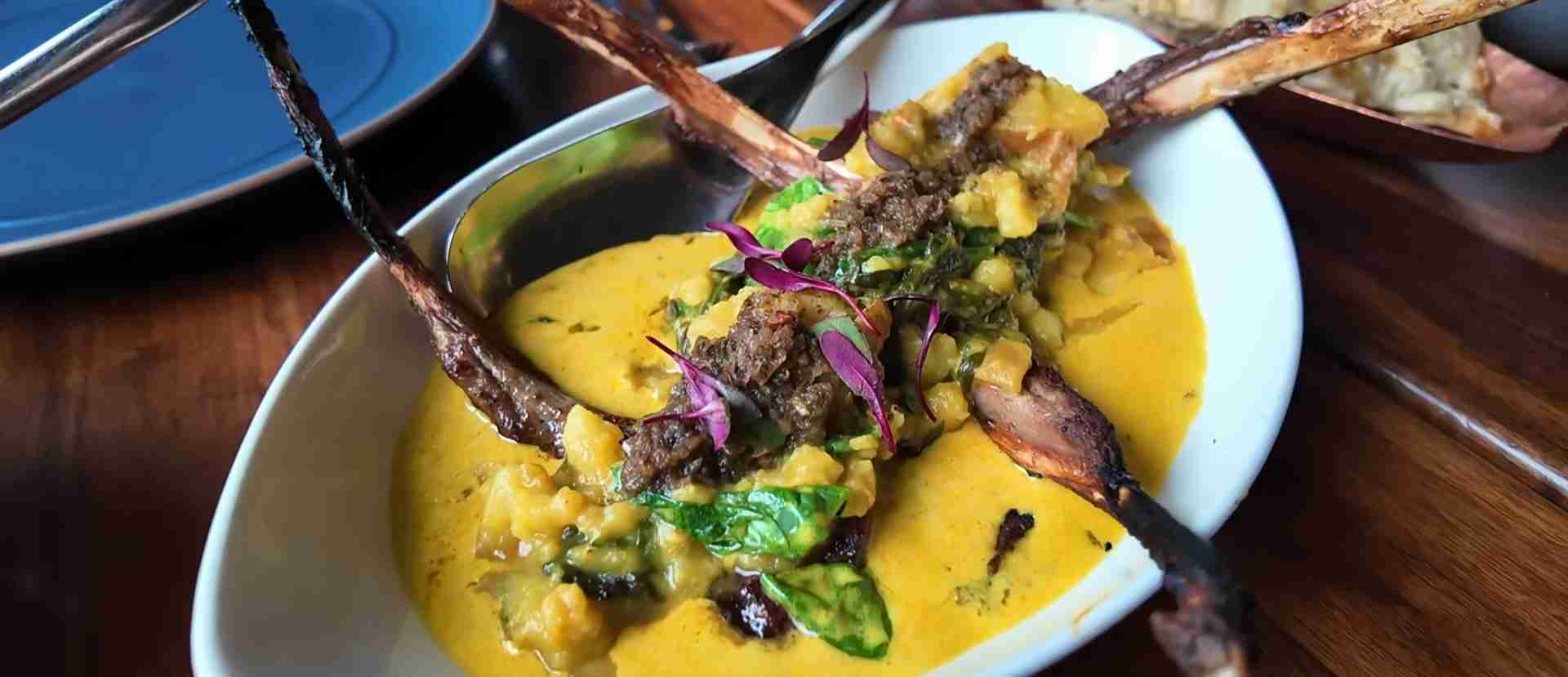
Vancouver Food Guide: Best Eats & Culinary Scene
Vancouver’s culinary landscape represents one of North America’s most dynamic food destinations, where Pacific Ocean bounty meets exceptional Asian authenticity and West Coast innovation. The city’s diverse neighborhoods each offer distinct dining experiences, from Richmond’s authentic Cantonese excellence to Gastown’s modern fusion creativity, while landmark institutions like Granville Island Public Market anchor a food culture that balances global sophistication with approachable accessibility.
Key Takeaways
- Authentic Asian Excellence: Vancouver’s Cantonese cuisine rivals Hong Kong in quality and authenticity, with Richmond serving as the epicenter of Chinese culinary mastery featuring skilled chefs who migrated during the 1980s-1990s, while the broader Asian food scene encompasses exceptional Japanese, Korean, Vietnamese, Thai, and Indian restaurants throughout the metropolitan area.
- Neighborhood Culinary Districts: Each Vancouver neighborhood develops its own food identity — Granville Island functions as the city’s premier public market and seafood destination, Gastown offers upscale fusion and cocktail culture, Richmond concentrates authentic Asian dining along No. 3 Road and Westminster Highway, Kitsilano emphasizes health-conscious and plant-based options, while Main Street showcases independent chef-driven concepts and innovative casual dining.
- Pacific Northwest Seafood Tradition: Vancouver’s coastal position delivers exceptional wild salmon, spot prawns, Dungeness crab, and Pacific halibut, with seafood preparation styles ranging from Indigenous techniques at restaurants like Salmon n’ Bannock to Japanese aburi methods perfected at establishments such as Miku, complemented by oyster bars featuring local Fanny Bay and Kusshi varieties.
- Michelin Recognition and Culinary Innovation: The city’s restaurant scene earns international acclaim through Michelin stars and Bib Gourmand designations, with fine dining establishments like Burdock & Co. showcasing seasonal British Columbia ingredients, while casual concepts like Song (by Kin Kao) prove that exceptional food experiences exist across all price tiers from budget-friendly street food to elaborate tasting menus.
- Signature Vancouver Foods: Distinctive local specialties define Vancouver’s food identity — Japadog combines Japanese flavors with street food convenience, Asian-fusion poutine variations blend Québécois tradition with Korean kimchi and kalbi, fresh-made Chinese bao and dim sum reflect Cantonese culinary heritage, while candied wild salmon represents Pacific Northwest Indigenous food traditions adapted for contemporary tastes.
- Year-Round Food Culture: Vancouver’s dining calendar includes major events like Dine Out Vancouver (January-February, featuring 400+ restaurants with prix fixe menus), Richmond Night Market (summer evenings showcasing Asian street food innovation), and continuous neighborhood food tours through Granville Island, Gastown, and downtown Asian districts, ensuring exceptional eating experiences regardless of visit timing.
People Also Ask About Vancouver Food
What food is Vancouver most famous for?
Vancouver earns fame for its exceptional Asian cuisine authenticity, particularly Cantonese dim sum and seafood preparations that rival Hong Kong standards. The city’s most iconic original creation, Japadog, combines Japanese ingredients like teriyaki sauce, nori seaweed, and Japanese mayo with traditional hot dogs, creating a street food phenomenon that originated in Vancouver and now represents the city’s fusion food culture globally. Fresh Pacific wild salmon prepared in various styles — from Indigenous-inspired preparations to Japanese sashimi — also defines Vancouver’s culinary identity.
Beyond these signatures, Vancouver claims recognition for innovative poutine variations that incorporate Asian ingredients like Korean kimchi and kalbi beef, reflecting the city’s multicultural approach to food. The abundance of fresh seafood including spot prawns, Dungeness crab, and locally farmed oysters establishes Vancouver as a premier seafood destination. Plant-based dining excellence also distinguishes the city, with numerous vegetarian and vegan restaurants achieving quality levels that attract omnivores seeking innovative meat-free cuisine.
Is Richmond better than Vancouver Chinatown for Chinese food?
Richmond decisively surpasses Vancouver’s Chinatown for authentic Chinese cuisine, particularly Cantonese dining. During the 1980s and 1990s, skilled chefs and restaurateurs migrated from Hong Kong and established restaurants throughout Richmond, concentrating exceptional Chinese dining along No. 3 Road, Westminster Highway, and Alexandra Road. This migration pattern created a culinary destination where restaurants serve Hong Kong-level dim sum, roasted meats, and seafood preparations with ingredients sourced specifically for Cantonese cooking standards.
Vancouver’s historic Chinatown, while culturally significant and architecturally interesting, largely caters to tourists rather than serving cutting-edge Chinese cuisine. Most serious Chinese food enthusiasts travel to Richmond for authentic dining experiences, where the majority Asian population supports restaurants that maintain traditional cooking methods and ingredient quality. Notable Richmond establishments include Kirin Restaurant for upscale Cantonese, Sun Sui Wah for traditional excellence, and HK BBQ Master for roasted meats. The concentration of Asian supermarkets in Richmond further ensures restaurants access to fresh, authentic ingredients unavailable in downtown Vancouver.
How expensive is eating out in Vancouver compared to other cities?
Vancouver’s dining costs align with major North American cities like Seattle and San Francisco, with budget meals under $12, mid-range dinners $40-60 per person, and fine dining experiences $100-200+ per person. Casual Asian restaurants, food courts, and street food vendors offer excellent value, with satisfying meals available for $10-18 including tax and tip. Richmond’s Chinese restaurants provide particularly strong value propositions, delivering restaurant-quality dim sum for $15-30 per person depending on ordering quantity.
The city’s high quality-to-price ratio becomes apparent when comparing ingredient quality and portion sizes to equivalent restaurants in other metropolitan areas. Vancouver’s proximity to agricultural regions and fishing waters means ingredients arrive fresher and often cost less than in landlocked cities. During Dine Out Vancouver each January, participating restaurants offer prix fixe menus ranging from $20-100, providing access to normally expensive establishments at reduced prices. Coffee shop culture remains affordable with excellent espresso drinks $4-6, while craft beer at breweries costs $6-9 per pint.
What neighborhoods have the best food scenes in Vancouver?
Granville Island stands as Vancouver’s premier food destination, housing a public market with artisan vendors, fresh seafood counters, bakeries, and specialty food shops, surrounded by waterfront restaurants offering views of downtown’s skyline. Richmond (technically a separate municipality) concentrates the region’s finest Asian dining, particularly Chinese, Japanese, and Korean restaurants along commercial corridors accessible via the Canada Line rapid transit. Gastown combines historic architecture with contemporary dining, featuring upscale restaurants, cocktail bars, and fusion concepts that showcase chef creativity.
Main Street develops a reputation for independent chef-driven restaurants ranging from Vietnamese pho shops to modern Canadian bistros, attracting food enthusiasts seeking innovative cuisine without downtown price premiums. Kitsilano emphasizes health-conscious dining with numerous vegetarian, vegan, and organic-focused restaurants alongside beach-casual seafood spots. Commercial Drive offers multicultural dining including Italian, Latin American, and Asian options within a bohemian neighborhood atmosphere. The West End around Robson Street provides dense restaurant concentration convenient for downtown visitors, though with more tourist-oriented establishments alongside local favorites.
Extended multi-day tours – 5+ days
Featured Vancouver Multi-Day Tour Packages

3 days
Vancouver 3-Day Discovery Tour
- ✓ Comprehensive Vancouver experience
- ✓ Expert local guides included
- ✓ All accommodation included
- ✓ Transportation provided
5 days
Vancouver 5-Day Highlights Experience
- ✓ Comprehensive Vancouver experience
- ✓ Expert local guides included
- ✓ All accommodation included
- ✓ Transportation provided

7 days
Vancouver 7-Day Cultural Journey
- ✓ Comprehensive Vancouver experience
- ✓ Expert local guides included
- ✓ All accommodation included
- ✓ Transportation provided
10 days
Vancouver 10-Day Complete Adventure
- ✓ Comprehensive Vancouver experience
- ✓ Expert local guides included
- ✓ All accommodation included
- ✓ Transportation provided
Multi-day tour packages powered by TourRadar. Prices and availability subject to change.
Understanding Vancouver’s Culinary Identity
Vancouver’s food culture emerges from geographic positioning between ocean and mountains, creating a culinary identity rooted in Pacific Northwest ingredients combined with profound Asian culinary influence. The city functions as Canada’s primary Pacific gateway, connecting North American dining traditions with Asian food cultures through sustained immigration patterns that began in the mid-19th century and accelerated during the late 20th century. This demographic reality transforms Vancouver into one of the Western world’s most authentically Asian food cities, where restaurants serve regional Chinese, Japanese, Korean, and Southeast Asian cuisines with ingredient sourcing and cooking techniques that mirror their origin countries.
The city’s temperate climate supports year-round agriculture in surrounding Fraser Valley and Vancouver Island regions, providing restaurants with continuous access to fresh vegetables, dairy products, and specialty ingredients. Pacific Ocean fishing delivers wild salmon during summer runs, halibut, spot prawns in spring, Dungeness crab, and various groundfish species that define coastal British Columbia cuisine. Indigenous food traditions — particularly salmon preparation techniques including smoking, grilling over cedar planks, and candying — influence contemporary Vancouver restaurants seeking to honor First Nations culinary heritage while creating modern interpretations accessible to diverse audiences.
Vancouver’s culinary evolution accelerates during specific historical periods. The 1980s brought sophisticated Hong Kong restaurateurs and chefs anticipating the 1997 handover to China, establishing upscale Cantonese restaurants that elevated Vancouver’s Chinese food scene from working-class ethnic dining to respected culinary category. The 1990s introduced Japanese immigrants including skilled sushi chefs, creating Vancouver’s reputation for exceptional Japanese cuisine outside Japan. Recent decades welcome Vietnamese, Korean, Filipino, and Indian immigrants who establish restaurants serving their regional cuisines, continuously expanding Vancouver’s already diverse food landscape.
International recognition arrives through various channels. The Michelin Guide enters Vancouver’s market, awarding stars to establishments like Burdock & Co. while recognizing numerous restaurants with Bib Gourmand designations that identify exceptional value. Vancouver chefs compete successfully in culinary competitions including Top Chef Canada, raising the city’s culinary profile. Food media coverage from publications like Eater, Bon Appétit, and international press highlights Vancouver’s unique position as a food destination where Asian authenticity meets West Coast ingredient quality. This recognition attracts culinary tourism, with visitors specifically planning trips around Vancouver’s restaurant scene rather than treating food as incidental to other attractions.
Richmond Asian Culinary Excellence
Richmond functions as the epicenter of authentic Asian dining in the Vancouver metropolitan area, with Chinese cuisine dominating but Japanese, Korean, Taiwanese, and other Asian food cultures represented extensively. The suburb’s demographics — approximately 60% Asian ethnicity — create market demand supporting restaurants that maintain cooking standards and ingredient authenticity matching their origin countries. Unlike urban Chinatowns serving tourist audiences, Richmond restaurants cater primarily to Asian residents who expect Hong Kong or Taipei-level quality and would not accept compromises in technique or ingredients.
No. 3 Road between Westminster Highway and Alderbridge Way concentrates dozens of Chinese restaurants within walkable distance, creating a dining district comparable to Asian metropolitan areas. Restaurants operate in strip malls and shopping plazas, with exteriors that often fail to indicate the sophisticated food prepared inside. This concentration allows food enthusiasts to explore multiple restaurants during single visits, sampling dim sum at one establishment, roasted meats at another, and hand-pulled noodles at a third location. The density also creates competitive pressure driving quality improvements, as restaurants compete for knowledgeable diners who recognize superior cooking techniques and fresh ingredients.
Kirin Restaurant represents Richmond’s upscale Chinese dining apex, serving refined Cantonese cuisine including abalone, lobster, premium fish preparations, and elaborate banquet dishes that demonstrate classical cooking techniques. The restaurant’s attention to ingredient sourcing — selecting specific seafood varieties, importing specialty items from Asia, and adjusting dishes seasonally — establishes standards that other Richmond restaurants emulate. During dim sum service, Kirin’s kitchen produces delicate shrimp dumplings with translucent wrappers, baked barbecue pork buns with precisely sweetened filling, and creative modern dim sum items incorporating non-traditional ingredients while respecting Cantonese flavor principles.
Sun Sui Wah offers more traditional Cantonese dining at moderate prices, featuring tank-fresh seafood prepared according to customer specifications. Diners select live prawns, crab, geoduck, and fish from tanks, then specify cooking methods — steamed with ginger and scallion, salt and pepper fried, or braised in black bean sauce. This direct ingredient selection ensures freshness while allowing diners to customize preparations matching their preferences. The restaurant’s roasted meats including barbecue pork, roasted duck, and soy sauce chicken maintain consistency across decades, representing reliable Cantonese cooking executed competently without excessive innovation.
HK BBQ Master specializes in Cantonese barbecue meats, producing exceptionally flavorful char siu (barbecue pork), roasted duck with crispy skin and tender meat, and whole roasted suckling pig for special occasions. The restaurant’s barbecue meats achieve the characteristic red char siu color through traditional marinades and precise roasting techniques that caramelize surface sugars while keeping interior meat moist. These meats serve as individual dishes accompanied by rice and vegetables, or as components in combination plates allowing diners to sample multiple varieties. Quality barbecue meat requires specific pork cuts, precise marinade ratios, and careful temperature control during roasting — techniques that HK BBQ Master executes consistently.
Dynasty Seafood Restaurant occupies the upscale dim sum category, offering refined dumplings and small plates in an elegant dining room with live seafood tanks. The restaurant’s dim sum selection includes classic items prepared with premium ingredients — har gao (shrimp dumplings) with whole large prawns, siu mai topped with tobiko, and char siu bao with high-quality barbecue pork. Creative contemporary dim sum items appear alongside traditional offerings, incorporating ingredients like truffle oil, foie gras, and scallops into familiar dumpling formats. Dynasty’s evening menu features elaborate Cantonese dishes including whole steamed fish, crab preparations, and seafood combinations that showcase classical Chinese cooking techniques adapted for contemporary tastes.
Richmond’s Japanese food scene centers on Alexandra Road and surrounding areas, with restaurants serving ramen, sushi, izakaya small plates, and specialized regional Japanese cuisine. Authentic ramen shops prepare broths through multi-hour cooking processes, producing tonkotsu (pork bone broth) with characteristic creamy texture, shoyu (soy sauce) ramen with clear broth, and miso ramen with fermented soybean paste base. Sushi restaurants range from budget conveyor belt operations to mid-priced establishments serving nigiri with fish flown directly from Tokyo’s Tsukiji market, ensuring freshness levels comparable to Japan.
Korean restaurants throughout Richmond serve Korean barbecue with table grills, allowing diners to cook marinated meats while surrounded by banchan (side dishes) that accompany every meal. Authentic Korean restaurants provide numerous banchan varieties — kimchi, seasoned vegetables, fish cakes, and pickled items — that complement grilled meats and demonstrate the restaurant’s commitment to traditional Korean dining customs. Korean fried chicken restaurants produce double-fried chicken with exceptionally crispy coating, served with various sauces including sweet-spicy gochujang-based sauce, soy garlic, and honey butter variations that showcase contemporary Korean flavor preferences.
Aberdeen Centre, a three-story shopping mall at Aberdeen Station, functions as a self-contained Asian food destination with 20+ food court vendors serving Chinese, Japanese, Korean, Taiwanese, and pan-Asian dishes alongside Asian supermarkets, bakeries, and specialty food shops. The food court environment allows sampling multiple cuisines during single visits, with most dishes priced under $15. Bubble tea shops throughout the mall serve numerous flavored milk teas, fruit teas, and specialty drinks with various toppings including tapioca pearls, grass jelly, and pudding, representing contemporary Asian beverage culture that originates in Taiwan and spreads throughout Asia and Asian diaspora communities.
The Richmond Night Market operates during summer months, featuring dozens of food vendors serving Asian street food specialties including takoyaki (octopus balls), Korean corn dogs, twisted potato spirals, stinky tofu, and various skewered meats and seafood. The market atmosphere combines carnival entertainment with serious food offerings, as vendors experiment with fusion concepts and innovative presentations that generate Instagram attention while maintaining authentic flavor profiles. Many food items appearing at the night market eventually transition into permanent restaurant offerings, making the market an incubator for food trends that spread throughout Vancouver’s broader dining scene.
Granville Island Public Market and Seafood Culture
Granville Island Public Market operates as Vancouver’s premier food destination, housing permanent vendors selling fresh produce, seafood, meats, baked goods, prepared foods, and specialty ingredients within a converted industrial building. The market’s waterfront location beneath the Granville Street Bridge creates a distinctive urban setting where working fishing boats dock alongside recreational vessels, reinforcing the connection between ocean harvest and market offerings. Unlike typical grocery stores, the market emphasizes local producers, artisan food makers, and vendors who maintain direct relationships with farmers and fishermen, ensuring ingredient quality and seasonal variety.
The market’s seafood section features multiple vendors displaying fresh and smoked salmon, whole Dungeness crabs, spot prawns during their brief spring season, halibut, lingcod, black cod, oysters, and various shellfish species harvested from British Columbia waters. Vendors fillet fish to order, provide cooking recommendations, and explain differences between wild salmon species — sockeye, coho, chinook, pink, and chum — helping customers select appropriate fish for their intended preparation methods. Smoked salmon varieties range from traditional hot-smoked preparations to cold-smoked lox-style salmon, candied salmon with maple or brown sugar sweetness, and specialty items like smoked salmon pâté.
Oyster vendors shuck fresh oysters throughout the day, serving them on crushed ice with mignonette sauce, cocktail sauce, and lemon wedges. British Columbia oyster varieties include Fanny Bay oysters from Vancouver Island with mild brininess, Kusshi oysters with deep cup shells and plump meat, and various other cultivated varieties from coastal farms. The ability to consume freshly shucked oysters at the market creates an immediate connection between ocean harvest and consumption, with oysters shucked minutes before eating retaining maximum freshness and flavor complexity.
Bakery vendors throughout the market produce European-style breads, pastries, cakes, and specialty baked goods using traditional techniques. A Bread Affair specializes in naturally leavened sourdough breads with complex flavor developed through long fermentation, whole grain breads incorporating local flours, and sweet morning pastries including croissants, Danish pastries, and fruit-filled items. The scent of fresh baking permeates the market, attracting customers to bakery stalls where they observe bakers working and select from displays showing each item’s cross-section to indicate texture and interior composition.
Prepared food vendors serve lunch options ranging from German sausages to Mexican tacos, Chinese dumplings, Indian samosas, and Canadian comfort foods like tourtière meat pies. These vendors allow market visitors to assemble meals from multiple cuisines, creating personalized tasting menus by purchasing small portions from different stalls. The market’s indoor-outdoor configuration with waterfront patios provides eating spaces where visitors consume purchased foods while watching harbor activity and observing other market shoppers browsing stalls.
Specialty food vendors sell local honey, preserves, hot sauces, olive oils, vinegars, spices, teas, and artisan chocolate products that reflect British Columbia’s agricultural diversity and food artisan community. These vendors often maintain direct producer relationships or produce items themselves, ensuring authenticity and quality standards exceeding commercial supermarket products. Conversations with vendors provide insights into production methods, ingredient sourcing, and usage recommendations that enhance the shopping experience beyond simple transactions.
Granville Island Brewing operates a brewery and tasting room on the island, producing craft beers including pale ales, IPAs, lagers, and seasonal varieties that utilize British Columbia hops and malts when possible. The brewery offers tours explaining beer production processes, followed by tastings allowing visitors to sample various beer styles while learning about flavor characteristics that distinguish each variety. The brewery’s existence on Granville Island since 1984 establishes it as a pioneer in Canadian craft brewing, predating the current craft beer movement by decades.
Restaurants surrounding the market provide dining options beyond prepared market foods. The Sandbar occupies a waterfront location with outdoor patios overlooking False Creek and downtown Vancouver’s skyline, serving Pacific Northwest cuisine emphasizing local seafood and seasonal vegetables. The restaurant’s lunch menu features items like wild salmon burgers, fish tacos with local catch, seafood chowder, and salads incorporating Granville Island market vegetables. The combination of quality ingredients, competent cooking, and exceptional views creates a tourist-friendly dining experience that also satisfies local diners seeking reliable seafood preparations.
The market’s success creates crowds, particularly during summer weekends when both tourists and local residents converge simultaneously. Visiting during weekday mornings provides easier navigation through vendor aisles and better access to popular food stalls, while also allowing conversations with vendors who have more time to discuss products and offer recommendations. Early visits ensure fuller product selections before items sell out, particularly for specialty baked goods and fresh seafood that vendors acquire in limited quantities.
Downtown Vancouver Dining Districts
Gastown functions as Vancouver’s historic core and contemporary dining district, featuring cobblestone streets, Victorian-era buildings, and a concentration of upscale restaurants, cocktail bars, and chef-driven concepts. The neighborhood’s architectural character creates atmospheric dining environments within exposed brick interiors, with many restaurants occupying heritage buildings converted into modern dining spaces that preserve historical elements while incorporating contemporary design. Gastown restaurants generally target date-night diners, business clients, and food enthusiasts seeking innovative cuisine rather than budget-conscious eaters or tourists seeking basic sustenance.
L’Abattoir occupies a heritage building and serves French-influenced West Coast cuisine in an elegant space with exposed timber beams and subdued lighting. The restaurant’s menu changes seasonally, featuring dishes that combine classical French techniques with British Columbia ingredients — items like duck confit with local mushrooms, sablefish with braised vegetables, and beef tartare with preserved vegetables. The restaurant maintains a serious approach to ingredient sourcing, wine selection, and service standards, creating a refined dining experience appropriate for special occasions without excessive formality that alienates casual diners.
Bao Bei Chinese Brasserie pioneers modern Chinese dining in Vancouver, serving small plates and dumplings inspired by Cantonese, Shanghainese, and Sichuan cuisines while incorporating contemporary techniques and presentations. The restaurant does not accept reservations, creating nightly lineups that reflect its popularity among both Asian and non-Asian diners who appreciate the kitchen’s balance between authentic Chinese flavors and accessible preparations. Dishes like steamed shrimp and scallop dumplings, tofu with preserved cherries, and dry-fried green beans showcase careful seasoning, quality ingredients, and cooking techniques that respect Chinese culinary traditions while creating dishes that appeal to diverse palates.
Chambar Restaurant serves Belgian cuisine with North African influences, featuring moules-frites (mussels and fries) as a signature dish alongside tagines, couscous dishes, and Belgian waffles for brunch service. The restaurant’s interior combines Belgian beer hall aesthetics with contemporary design, creating an energetic dining atmosphere complemented by an extensive Belgian beer list featuring Trappist ales, lambics, and specialty Belgian beer styles rarely available elsewhere in Vancouver. The kitchen’s commitment to authentic Belgian cooking techniques — including proper frites preparation with double frying — demonstrates respect for Belgian culinary traditions while adapting dishes for Vancouver diners.
Pourhouse Restaurant specializes in oysters and craft cocktails within a refined space featuring marble bars and Art Deco-inspired design. The restaurant’s oyster selection rotates based on seasonal availability, typically offering six to eight British Columbia and Pacific Northwest varieties presented with detailed descriptions of each oyster’s origin, flavor profile, and size. Bartenders prepare classic cocktails using proper techniques — hand-cut ice, fresh juices, house-made syrups — that demonstrate cocktail craftsmanship often lacking in casual bars. The combination of quality oysters and sophisticated drinks creates an elevated bar experience suited to pre-dinner drinks or focused drinking and snacking rather than full meal service.
Robson Street concentrates mid-range chain restaurants, casual Asian restaurants, and tourist-oriented establishments serving broadly accessible food without challenging flavors or innovative concepts. The street’s proximity to downtown hotels creates heavy tourist traffic, resulting in restaurants that prioritize operational efficiency and familiar dishes over culinary ambition. However, several quality restaurants operate among the tourist traps, including Guu with Garlic, an izakaya serving Japanese small plates in a boisterous atmosphere where staff shout welcomes to entering customers, creating an energetic Japanese pub environment unlike the hushed formality of traditional Japanese fine dining.
Japadog operates multiple street cart and storefront locations throughout downtown Vancouver, serving Japanese-inspired hot dogs that combine traditional frankfurters with toppings like teriyaki sauce, Japanese mayo, nori seaweed, bonito flakes, and specialty ingredients like mentaiko (spicy cod roe). The concept originates in Vancouver and expands internationally, representing Vancouver’s fusion food culture that combines disparate culinary traditions into new hybrid forms. Popular variations include the Terimayo (teriyaki sauce with Japanese mayo), Oroshi (grated daikon radish with soy sauce), and Negimiso (green onions with miso). Japadog’s success demonstrates Vancouver diners’ enthusiasm for fusion concepts that respect both ingredient traditions they combine.
Yaletown occupies converted warehouse districts south of downtown, featuring restaurants with extensive outdoor patios, waterfront locations along False Creek, and upscale casual dining concepts targeting business lunchers and neighborhood residents. The area’s restaurants emphasize aesthetics — attractive plating, Instagram-worthy interiors, and patio spaces designed for people-watching — sometimes prioritizing atmosphere over culinary excellence. Quality restaurants exist among the sceney establishments, requiring discernment to identify operators who invest equally in food quality and visual presentation rather than relying primarily on location and décor to attract customers.
Kitsilano and West Side Neighborhoods
Kitsilano develops Vancouver’s health-conscious dining reputation, with numerous vegetarian, vegan, organic-focused, and wellness-oriented restaurants serving customers who prioritize nutritional value alongside flavor. The neighborhood’s proximity to beaches, parks, and outdoor recreation areas attracts residents who maintain active lifestyles and seek restaurants supporting their health goals without requiring sacrifices in taste or dining enjoyment. This market demand enables restaurants to invest in organic ingredients, specialty produce, and cooking methods that preserve nutrients while creating satisfying meals.
The Acorn Restaurant serves vegetarian cuisine with sophistication matching Vancouver’s finest meat-focused restaurants, proving that plant-based dining achieves culinary excellence through careful technique and quality ingredients rather than merely removing meat from conventional dishes. The restaurant’s seasonal menu features items like grilled brassicas with fermented chili, crispy polenta with mushroom ragout, and halloumi cheese with preserved fruits, demonstrating the culinary potential of vegetables, grains, and dairy when treated with the same seriousness fine dining restaurants apply to proteins. The wine list emphasizes natural and biodynamic wines that complement the restaurant’s ingredient philosophy, creating a cohesive dining experience aligned with sustainable agriculture principles.
Bishop’s Restaurant operates as a Kitsilano institution since 1985, serving West Coast cuisine that emphasizes seasonal British Columbia ingredients prepared with French-influenced techniques. Owner-chef John Bishop maintains direct relationships with farmers, fishermen, and foragers who supply the restaurant with ingredients at peak quality, allowing the kitchen to design menus around exceptional raw materials rather than forcing ingredients into predetermined dishes. This farm-to-table approach predates contemporary trends by decades, establishing Bishop’s as a Vancouver restaurant pioneer who influences subsequent generations of chefs and restaurateurs.
Fable Kitchen earns a Michelin Bib Gourmand designation for exceptional value, serving farm-focused dishes that highlight British Columbia agricultural products within a comfortable neighborhood restaurant atmosphere. The restaurant operates its own farm supplying vegetables and proteins, ensuring supply chain control that allows the kitchen to serve genuinely farm-fresh ingredients rather than relying on distributor-supplied produce with ambiguous origins. Menu items like Fable burger made with farm beef, roasted chicken with seasonal vegetables, and house-made charcuterie demonstrate the kitchen’s commitment to whole-animal butchery and vegetable-forward cooking that respects ingredient quality.
Vij’s Restaurant pioneered upscale Indian dining in Vancouver, serving contemporary Indian cuisine that moves beyond typical curry house offerings to showcase regional Indian cooking techniques and spice combinations rarely encountered in Western Indian restaurants. The restaurant does not accept reservations, creating nightly waits that the restaurant mitigates by serving appetizers to guests waiting outside, turning the queue into a social gathering rather than merely tedious waiting. Inside, the menu features dishes like lamb popsicles with fenugreek curry, coconut curried vegetables, and various preparations showcasing Indian spice mastery applied to British Columbia ingredients. Vij’s success spawns sister restaurant Rangoli and influences Vancouver’s broader Indian dining scene by demonstrating market demand for sophisticated Indian cuisine priced comparably to other fine dining categories.
South Granville concentrates upscale shopping and dining south of the Granville Street Bridge, with restaurants serving contemporary Canadian, Italian, and fusion cuisines within stylish interiors targeting affluent West Side residents. The neighborhood’s restaurants generally maintain higher price points than comparable establishments in other Vancouver neighborhoods, reflecting both higher commercial rents and the area’s demographic profile. Quality varies significantly, with some restaurants delivering food justifying premium prices while others rely primarily on location and décor to attract customers willing to pay for atmosphere over culinary excellence.
Main Street and East Vancouver
Main Street develops into Vancouver’s most dynamic neighborhood dining scene, featuring independent chef-driven restaurants, ethnic cuisines from various immigrant communities, and casual concepts that prioritize food quality over décor polish. The neighborhood’s relatively affordable commercial rents compared to downtown or West Side locations allow chef-owners to operate smaller restaurants with lower overhead, enabling menu experimentation and niche concepts that might fail financially in higher-rent districts. This entrepreneurial environment creates dining diversity ranging from Vietnamese pho shops to modern Canadian bistros, Mexican taquerias to Japanese izakayas, often within single blocks.
The Mackenzie Room serves elevated comfort food in a wood-accented space combining casual approachability with careful cooking technique. The menu features shared plates designed for group dining, with dishes like duck fat fried chicken, bone marrow with preserved vegetables, and seasonal vegetable preparations that demonstrate the kitchen’s ability to execute both hearty meat-focused dishes and refined vegetable treatments. The restaurant’s popularity among neighborhood residents and destination diners creates busy service periods, though the casual atmosphere and efficient service prevent the pretension sometimes affecting popular restaurants.
Anh and Chi serves Vietnamese cuisine emphasizing fresh flavors and quality ingredients within a modern casual space that moves beyond typical pho shop aesthetics. The menu includes Vietnamese classics like pho, banh mi sandwiches, and fresh spring rolls alongside contemporary Vietnamese dishes that showcase the cuisine’s herb-forward flavor profiles and balance between rich, sweet, sour, and spicy elements. The restaurant’s approach respects Vietnamese culinary traditions while creating presentations and flavor combinations that appeal to both Vietnamese diners seeking authentic food and non-Vietnamese customers exploring Vietnamese cuisine.
Torafuku operates as a Michelin-recommended restaurant serving Asian fusion cuisine that combines Japanese, Korean, and Chinese influences within contemporary small plates format. The menu features items like Brussels sprouts with miso butter, ramen mac and cheese, and various protein preparations incorporating Asian flavor components into dishes that resist simple categorization. The restaurant’s previous incarnation as a food truck (Le Tigre) influences the menu’s street food sensibility and bold flavor combinations, creating casual fine dining that emphasizes taste impact over delicate subtlety.
Phnom Penh Restaurant serves Cambodian and Vietnamese cuisine within a no-frills dining room that prioritizes food over décor, earning local cult status for its butter beef and chicken wings that combine Cambodian spice pastes with crispy fried textures. The restaurant operates as a family business serving large portions at reasonable prices, attracting neighborhood regulars and destination diners who navigate limited parking and potential waits to access one of Vancouver’s most beloved ethnic restaurants. The kitchen’s execution consistency across decades demonstrates the value of mastering limited menu offerings rather than attempting extensive variety.
Commercial Drive historically served as Vancouver’s Little Italy, though the neighborhood now encompasses diverse ethnic communities including Latin American, Middle Eastern, and various Asian populations. Italian restaurants and cafés persist alongside these newer establishments, creating a multicultural dining street where customers sample Italian espresso, Latin American empanadas, Middle Eastern falafel, and Asian bubble tea within blocks of each other. The neighborhood’s bohemian character attracts independent businesses and artists, resulting in a dining scene that emphasizes authenticity and character over polish and marketing sophistication.
Japanese Cuisine Excellence
Vancouver’s Japanese food scene achieves authenticity and quality levels rivaling major Japanese cities, with sushi restaurants sourcing fish from Tokyo’s markets, ramen shops preparing broths through traditional multi-hour processes, and izakayas serving small plates and drinks in atmospheric spaces recreating Japanese pub culture. This excellence emerges from sustained Japanese immigration including skilled sushi chefs who trained in Japan before relocating to Vancouver, combined with Vancouver’s proximity to Pacific Ocean fishing grounds supplying high-quality fish and British Columbia’s agricultural regions producing ingredients suitable for Japanese cooking.
Miku Restaurant pioneers the aburi style of flame-seared nigiri sushi, briefly torching fish surfaces to create caramelization and render fat while keeping fish interiors raw. This technique adds textural variation and concentrated flavor to nigiri while preserving the sushi experience’s fundamental character. The restaurant’s waterfront location with floor-to-ceiling windows overlooking Coal Harbour creates a destination dining atmosphere complemented by an extensive sake list and Japanese whisky selection. Signature dishes like aburi salmon oshi sushi — pressed rectangular sushi with flame-seared salmon — demonstrate the restaurant’s commitment to technique innovation within Japanese culinary traditions.
Sushi Hil specializes in traditional Edomae sushi with omakase (chef’s choice) experiences where diners trust the chef to select fish and prepare nigiri according to daily availability and peak quality. The restaurant imports fish directly from Japan when local options fail to meet quality standards, ensuring consistent excellence regardless of Pacific Northwest fishing conditions. The omakase format allows the chef to showcase technical skill, demonstrate fish knowledge, and create progressive tasting experiences where rice temperature, seasoning balance, and presentation sequencing all contribute to the meal’s overall impact. This approach contrasts with casual sushi restaurants where customers order a la carte, limiting the chef’s ability to control the dining experience’s narrative arc.
JINYA Ramen Bar serves tonkotsu ramen with broth cooked for 20 hours, creating the characteristic creamy texture and complex flavor that distinguishes premium ramen from instant noodle products. The restaurant allows customization of spice levels, noodle firmness, and additional toppings, enabling diners to personalize bowls while maintaining the kitchen’s foundational broth and noodle quality. Multiple locations throughout Vancouver ensure accessibility, though the Stadium District flagship offers the most extensive menu including appetizers like chicken karaage, gyoza dumplings, and various small plates that transform ramen dining into fuller meal experiences.
Kingyo Izakaya recreates Japanese pub culture within an energetic downtown space near Stanley Park, serving small plates designed for sharing alongside sake, Japanese whisky, and beer. The menu includes items like takoyaki (octopus balls), okonomiyaki (savory pancakes), various skewered meats and vegetables, and creative dishes combining Japanese ingredients with contemporary presentations. Izakaya dining emphasizes social eating and drinking rather than formal sequential courses, creating casual atmospheres where groups order multiple dishes for table sharing while consuming drinks throughout the meal.
Guu with Garlic operates multiple locations serving izakaya-style small plates in boisterous environments where staff shout greetings and farewells, creating theatrical dining experiences that contrast with typical restaurant decorum. The menu features adventurous items like chicken skin skewers, beef tongue, squid tentacles, and various organ meats alongside more accessible offerings like edamame, chicken karaage, and vegetable dishes. The restaurant’s name references its liberal use of garlic in many dishes, creating bold flavor profiles that appeal to diners seeking intensity over subtlety.
Tendon Kohaku serves donburi (rice bowls) topped with tempura-fried seafood and vegetables, representing Japanese fast-casual dining elevated through quality ingredients and proper frying technique. The tempura achieves crispy exteriors without excessive oil absorption, allowing batter texture and ingredient flavor to remain distinct rather than blurring into generic fried taste. Large portions and reasonable prices create strong value propositions for lunch or casual dinners, demonstrating that Japanese food excellence exists across price tiers from expensive omakase experiences to affordable rice bowl meals.
Korean Food Culture
Korean restaurants throughout Vancouver serve Korean barbecue, fried chicken, Korean stews, bibimbap, and various street food items that reflect contemporary Korean food trends spreading globally through cultural influence. The city’s Korean population and K-pop enthusiasts create market demand supporting authentic Korean restaurants that maintain traditional cooking methods while adapting to local ingredient availability and broader customer bases including non-Korean diners exploring Korean cuisine.
Korean barbecue restaurants provide table grills allowing diners to cook marinated meats — bulgogi (thinly sliced beef), kalbi (short ribs), pork belly — while surrounded by banchan (side dishes) that accompany every meal. Authentic Korean barbecue emphasizes meat quality and marinade balance, with successful establishments sourcing premium cuts and developing marinades that penetrate meat while creating caramelization during grilling. The DIY cooking aspect transforms dining into interactive experience where groups gather around grills, cooking meat to preferred doneness while managing heat levels and preventing burning.
Korean fried chicken restaurants produce double-fried chicken achieving exceptional crispiness through specific frying techniques where chicken cooks once at moderate temperature, rests briefly, then fries again at higher temperature to crisp coating while keeping interior meat juicy. Various sauce options including classic soy garlic, spicy gochujang-based sauce, honey butter, and cheese powder provide flavor variety, though many enthusiasts prefer plain fried chicken without sauce to appreciate the coating’s crispiness and chicken’s natural flavor. Korean fried chicken pairs traditionally with beer, creating chimaek (chicken + maekju/beer) dining culture popular for casual gatherings and late-night eating.
NUI serves contemporary Korean cuisine on Main Street, moving beyond typical Korean restaurant offerings to showcase regional Korean dishes and modern interpretations that elevate Korean food to fine dining category. The menu features items prepared with careful technique and quality ingredients, demonstrating Korean cuisine’s potential beyond the casual barbecue and fried chicken establishments dominating Korean dining in many Western cities. This approach parallels how restaurants like Vij’s transformed Indian food perception in Vancouver by proving ethnic cuisines achieve culinary excellence when operators invest in ingredient quality, technique mastery, and refined presentations.
Korean street food appears in various forms throughout Vancouver, including tteokbokki (spicy rice cakes), gimbap (seaweed-wrapped rice rolls), Korean corn dogs with crunchy exterior coatings, and hotteok (sweet filled pancakes). These items represent Korean casual eating traditions adapted for Western markets, often found at food courts, specialized snack shops, and vendors at markets like the Richmond Night Market. The popularity of Korean street food reflects broader trends in casual Asian dining where customers seek quick, affordable, intensely flavored foods that deliver satisfaction without requiring full restaurant service.
Pacific Northwest Seafood and Indigenous Cuisine
Vancouver’s coastal positioning delivers exceptional seafood quality that defines Pacific Northwest cuisine, with wild salmon representing the most iconic ingredient connecting Indigenous food traditions, commercial fishing heritage, and contemporary restaurant culture. Five Pacific salmon species — sockeye, coho, chinook (king), pink, and chum — run through British Columbia waters during different seasons, with sockeye earning particular reverence for its deep red flesh, firm texture, and rich flavor suitable for various preparations from grilling to sashimi. Responsible restaurants specify wild salmon rather than farmed Atlantic salmon, reflecting environmental consciousness and quality standards where wild fish’s superior texture and flavor justify premium pricing.
Salmon n’ Bannock specializes in Indigenous cuisine, serving dishes based on First Nations culinary traditions including salmon preparations, bison, elk, venison, and indigenous vegetables like wild rice, sea asparagus, and various foraged items. The restaurant functions as a cultural institution preserving and celebrating Indigenous food knowledge while making these traditions accessible to broader audiences who might otherwise never encounter authentic First Nations cuisine. Dishes like cedar-planked salmon, Indian candy (candied salmon), and bannock bread demonstrate cooking techniques predating European contact while incorporating contemporary presentations that create bridge between traditional and modern dining expectations.
Spot prawns represent Vancouver’s most celebrated seasonal seafood, available fresh during a brief harvest period in May and June when commercial prawns are trapped in local waters. These large prawns possess sweet, delicate flesh superior to imported shrimp varieties, with fresh spot prawns eaten raw as sashimi or cooked simply to preserve their natural sweetness. Restaurants create special spot prawn menus during the season, while fishermen sell directly from boats at Granville Island and False Creek docks, creating festival-like atmospheres as customers queue to purchase prawns hours after harvest. This seasonal focus demonstrates Vancouver diners’ appreciation for peak-season ingredients and willingness to pay premium prices for brief windows of optimal quality.
Dungeness crab harvests occur year-round with peak seasons in late fall and winter, providing sweet crab meat served in various preparations from simple steaming to elaborate Cantonese-style crab dishes with ginger and scallion. Fresh crab requires minimal seasoning and simple cooking methods to preserve its natural sweetness, with most preparations emphasizing butter, lemon, and mild herbs rather than aggressive seasonings that would mask delicate crab flavor. Whole crabs present challenges for novice diners unfamiliar with proper cracking and meat extraction techniques, though restaurants often pre-crack shells or provide tools simplifying the eating process.
Pacific halibut offers mild-flavored firm white fish suitable for various preparations from pan-searing to grilling, fish and chips, and ceviche. Halibut’s consistent quality, lack of strong fish flavor, and versatile texture make it accessible to diners who avoid stronger-flavored fish like mackerel or herring. Sustainable fishing practices regulate halibut harvests to prevent overfishing, creating seasonal availability and price fluctuations that conscientious restaurants incorporate into menu planning by removing halibut during closed seasons rather than substituting less sustainable alternatives.
Black cod (sablefish) earns popularity for its rich, buttery flesh with high oil content creating forgiving cooking properties where the fish remains moist even if slightly overcooked. Japanese preparation methods including miso-marinated black cod showcase the fish’s affinity for bold seasonings that complement rather than overwhelm its natural richness. The fish’s premium pricing reflects limited availability and exceptional eating quality, positioning black cod as special-occasion fish rather than everyday option even in a city with abundant seafood access.
Oyster farms throughout British Columbia coastal waters produce various cultivated oyster varieties served raw on the half-shell, grilled with various toppings, or incorporated into preparations like oyster shooters and Rockefeller-style baked oysters. Fanny Bay oysters from Vancouver Island offer mild, approachable flavor profiles suitable for oyster novices, while varieties like Kusshi oysters present deeper cups and more complex mineral flavors appealing to experienced oyster enthusiasts. Seasonal differences affect oyster flavor and texture, with summer oysters spawning and developing milky texture some diners find objectionable, while fall and winter oysters maintain firmer texture and cleaner flavor preferred by purists.
Plant-Based Dining Innovation
Vancouver develops as a North American leader in plant-based dining, with numerous vegetarian and vegan restaurants achieving quality levels attracting omnivore customers seeking excellent food regardless of whether it contains animal products. This plant-based excellence emerges from multiple factors including Vancouver’s health-conscious population, proximity to agricultural regions producing diverse vegetables, and culinary innovation where chefs treat vegetables as primary ingredients deserving the same attention fine dining restaurants traditionally lavish on proteins.
The Acorn Restaurant demonstrates that vegetarian cuisine achieves sophistication matching any carnivorous fine dining establishment, with seasonal menus showcasing vegetables, legumes, grains, and dairy through techniques including fermentation, smoking, pickling, and various cooking methods that develop complex flavors without relying on meat. Dishes like grilled brassicas with fermented chili, crispy polenta with mushroom ragout, and seasonal vegetable tasting plates prove that skilled cooking and quality ingredients create memorable dining experiences independent of meat’s presence or absence. The restaurant’s success influences Vancouver’s broader dining scene by establishing vegetarian cuisine as legitimate culinary category rather than dietary restriction accommodation.
Heirloom Vegetarian Restaurant operates as a long-standing Main Street institution serving globally-inspired vegetarian cuisine including items like jackfruit tacos, vegetarian pho, various grain bowls, and creative salads that demonstrate vegetables’ versatility across different culinary traditions. The restaurant’s casual atmosphere and moderate pricing make vegetarian dining accessible to budget-conscious diners and neighborhood regulars seeking daily meal options rather than only special occasion dining. This approachability proves crucial for normalizing plant-based eating beyond the committed vegetarian/vegan audience to include omnivores reducing meat consumption or simply seeking variety in their dining rotation.
Virtuous Pie serves vegan pizza using house-made cheese alternatives from cashews and other plant bases, creating pizzas that satisfy both vegans requiring dairy-free options and omnivores who judge pizza primarily on flavor and texture rather than adherence to traditional ingredient lists. The restaurant’s success demonstrates that plant-based alternatives achieve quality levels where customers choose them for taste rather than merely tolerating them as ethical compromises. Various locations throughout Vancouver ensure accessibility, with each restaurant maintaining consistent quality standards proving that vegan food scales beyond single chef-driven establishments into reliable chain operations.
MeeT in Gastown and Yaletown specializes in plant-based versions of typically meat-heavy dishes including burgers, nachos, poutine, and comfort foods that carnivores traditionally dominate. The restaurant’s menu demonstrates that plant-based ingredients create satisfying versions of indulgent foods, moving beyond salads and grain bowls to prove vegans access the full spectrum of food experiences from healthy to decadent. Quality meat alternatives utilizing ingredients like Beyond Meat, house-made seitan, and mushroom-based proteins create textural variety and umami flavors traditionally associated with animal products.
Contemporary Vancouver restaurants increasingly incorporate substantial vegetarian options within omnivorous menus, recognizing that groups often include both meat-eaters and vegetarians/vegans who seek restaurants accommodating all dietary preferences. This integration normalizes plant-based dishes as standard menu categories rather than afterthought accommodations, with chefs developing vegetable-focused dishes receiving equal creative attention as protein-centered preparations. The result benefits all diners through increased vegetable variety and cooking techniques that treat vegetables as primary ingredients rather than mere accompaniments to meat.
Coffee Culture and Cafés
Vancouver’s coffee culture combines Italian espresso traditions with contemporary North American specialty coffee movements, creating numerous independent cafés serving high-quality coffee alongside pastries, light meals, and work-friendly environments. The city’s temperate climate and outdoor culture support café patios that remain viable year-round with minimal heating, extending café usage beyond mere coffee purchasing into social gathering spaces and informal work environments where customers occupy tables for extended periods.
Revolver Coffee operates as a Vancouver specialty coffee pioneer, focusing exclusively on espresso and coffee preparation without food distractions, demonstrating commitment to coffee excellence. The café rotates different coffee bean origins and roasters, allowing customers to explore various coffee flavor profiles from fruity Ethiopian naturals to chocolatey Colombian washed beans. Baristas prepare drinks using precise techniques including proper espresso extraction, milk steaming to appropriate temperatures, and latte art that demonstrates skill without becoming excessive decoration. The café’s no-laptop policy during peak hours respects space constraints by preventing individual customers from monopolizing tables for hours while others lack seating.
49th Parallel Coffee Roasters operates cafés and roasting facilities producing coffee beans sold throughout Vancouver and beyond, maintaining supply chain control from green bean sourcing through roasting and final preparation. The company’s Lucky’s Doughnuts division produces exceptional yeasted doughnuts with creative flavor combinations and proper textures — light, airy interiors with crispy glazed exteriors — that exceed typical doughnut shop products. The combination of excellent coffee and superior doughnuts creates compelling café experiences where both elements merit attention rather than coffee overshadowing mediocre pastries as occurs in many cafés.
Kafka’s Coffee operates multiple locations serving espresso drinks and house-roasted coffee beans within carefully designed café spaces emphasizing aesthetics and atmosphere alongside beverage quality. The cafés function as neighborhood gathering spots and work environments where customers appreciate both coffee quality and comfortable spaces conducive to conversation, reading, or laptop work. This dual emphasis on product and environment recognizes that successful cafés provide more than mere caffeine delivery, instead creating spaces that justify extended visits and regular patronage.
The London Fog — Earl Grey tea with steamed milk and vanilla — originates in Vancouver and spreads internationally as a tea-based alternative to coffee drinks. This beverage demonstrates Vancouver’s influence on broader café culture beyond coffee preparation, with the drink’s popularity creating expectations that cafés maintain tea selections and preparation capabilities comparable to their coffee programs. Quality London Fogs require proper Earl Grey tea (preferably loose leaf), appropriate steaming technique for milk, and judicious vanilla flavoring that enhances rather than dominates the tea’s bergamot character.
Bubble tea shops throughout Vancouver serve Taiwanese-style milk teas, fruit teas, and specialty drinks with various toppings including tapioca pearls, grass jelly, pudding, and popping boba. These shops reflect Asian beverage culture’s influence on Vancouver’s broader drink scene, with bubble tea achieving mainstream popularity extending beyond Asian customer bases. Quality bubble tea requires properly cooked tapioca pearls with chewy texture, balanced sweetness levels allowing customization, and tea bases using real brewed tea rather than powdered alternatives. The social aspect of bubble tea drinking — particularly among younger demographics — transforms these beverages into cultural markers beyond mere thirst quenching.
Craft Beer and Brewery Scene
Vancouver’s craft beer scene develops extensive brewery networks producing diverse beer styles from traditional European lagers and ales to contemporary IPAs, sour beers, and experimental styles incorporating unusual ingredients and fermentation techniques. The city’s brewery density allows beer tourists to visit multiple breweries within walking or short transit distances, creating self-guided beer tours that provide insights into Vancouver’s craft beer culture and neighborhood character.
Granville Island Brewing operates as Vancouver’s craft beer pioneer, establishing in 1984 when craft brewing barely existed in Canada. The brewery produces accessible beer styles including lagers, pale ales, and seasonal varieties that appeal to beer novices and enthusiasts alike, maintaining broad appeal while respecting brewing traditions. Tours through the brewery facility explain beer production processes from grain milling through fermentation and packaging, demystifying brewing for visitors who consume beer without understanding its production. The brewery’s location on Granville Island integrates it into tourist itineraries, introducing craft beer to audiences who might otherwise avoid brewery visits.
Brassneck Brewery specializes in constantly rotating beer selections, rarely producing the same beer twice and encouraging customers to explore different styles rather than developing loyalty to specific flagship beers. This approach appeals to adventurous drinkers seeking variety and experimentation while challenging the brewery to maintain consistency across diverse styles. The Changeling series produces rotating sour beers utilizing various fruits, fermentation techniques, and aging processes, creating complex tart beers that demonstrate brewing creativity beyond standard beer categories.
33 Acres Brewing Company emphasizes minimalist aesthetic in both brewery design and beer production, creating clean lagers and subtle ales that prioritize drinkability over extreme flavor intensity. The brewery’s spacious industrial interior with natural light and simple furnishings attracts customers seeking social gathering spaces rather than merely beer consumption venues, recognizing that successful breweries function as community hubs where beer facilitates social interaction rather than serving as the interaction’s sole purpose. Food trucks rotating outside the brewery provide eating options without requiring the brewery to operate its own kitchen, maintaining focus on beer while acknowledging that customers prefer eating options alongside drinking.
Parallel 49 Brewing Company produces bold-flavored beers including IPAs with aggressive hopping, stouts with high alcohol content, and experimental beers incorporating unusual ingredients like grapefruit, coffee, and various spices. The brewery’s branding emphasizes irreverent humor and eye-catching can designs that stand out on crowded retail shelves, recognizing that effective marketing amplifies quality beer rather than substituting for it. The brewery’s restaurant serves beer-friendly foods including burgers, pizzas, and fried appetizers that complement rather than compete with beer flavors, demonstrating understanding that food pairing enhances overall drinking experiences.
Storm Brewing operates as Vancouver’s smallest commercial brewery, producing eccentric beers including high-alcohol barley wines, Belgian-style ales, and experimental brews that appeal to hardcore beer enthusiasts seeking unusual experiences beyond mainstream craft beer offerings. The brewery’s bare-bones tasting room and minimal marketing create cult status among beer geeks who appreciate brewing ambition over polish and commercial appeal. This approach proves that successful breweries exist across the spectrum from professionally branded operations to scrappy operations prioritizing beer quality over business sophistication.
Signature Vancouver Food Experiences
Certain food experiences define Vancouver’s culinary identity, combining ingredient quality, cultural influences, and local innovation into distinctive eating experiences unavailable elsewhere or executed with exceptional quality in Vancouver compared to other cities. Understanding these signature experiences provides visitors and residents with frameworks for exploring Vancouver’s food scene beyond merely visiting highly-rated restaurants toward seeking specific food experiences that capture the city’s character.
Japadog represents Vancouver’s most famous culinary export, combining Japanese ingredients with hot dog convenience into fusion street food that originates in Vancouver and spreads internationally. The concept demonstrates Vancouver’s multicultural approach where diverse food traditions combine into new hybrid forms respecting both parent cuisines rather than merely adding random “exotic” ingredients to conventional dishes. Popular Japadog variations include Terimayo (teriyaki sauce with Japanese mayo and nori), Oroshi (grated daikon radish with soy sauce), and Okonomi (okonomiyaki sauce with cabbage and bonito flakes). These combinations work because they apply Japanese flavor principles to hot dog format rather than randomly dumping Japanese ingredients onto frankfurters.
Asian-fusion poutine variations demonstrate Vancouver’s reinterpretation of Canadian culinary traditions through Asian ingredients and techniques. Restaurants like Frites Vancouver serve poutine topped with Korean kalbi beef and kimchi, creating dishes that combine Québécois poutine’s indulgent character with Korean barbecue flavors and fermented vegetables’ funkiness. Other variations include Japanese-style poutine with teriyaki sauce and Japanese curry poutine, Chinese five-spice poutine, and Thai-inspired versions with peanut sauce and lime. These adaptations succeed by respecting poutine’s fundamental character — crispy fries, cheese curds, rich gravy — while introducing complementary flavors from other traditions.
Richmond dim sum represents Vancouver’s premier Cantonese culinary experience, with restaurants serving dim sum quality rivaling Hong Kong establishments through skilled chefs, proper ingredient sourcing, and demanding customer bases who would reject inferior products. Authentic dim sum experiences involve choosing from carts wheeled through dining rooms or ordering from extensive printed menus, selecting dumplings, buns, rice noodle rolls, fried items, and desserts that together create progressive meals moving from lighter to heavier items. Essential dim sum items include har gao (shrimp dumplings with translucent wrappers), siu mai (pork and shrimp dumplings), char siu bao (barbecue pork buns), rice noodle rolls with various fillings, and egg tarts for dessert.
Fresh wild salmon dining during summer months allows experiencing Pacific salmon at peak quality, with sockeye salmon representing the most prized species for its deep red flesh, firm texture, and rich flavor. Restaurants source directly from commercial fishermen or through specialized suppliers who handle fish properly from catch through delivery, ensuring quality that justifies premium pricing. Simple preparations — grilling, pan-searing, cedar plank roasting — preserve salmon’s natural character while adding smoke or crust that provides textural contrast. Salmon requires careful cooking to medium-rare or medium doneness, as overcooking transforms moist, flaky fish into dry, mealy disappointment.
Spot prawn season in May and June creates Vancouver’s most celebrated seafood festival, with fresh prawns available from boats docking at Granville Island and False Creek fisherman’s wharfs. These large prawns possess sweet, delicate flesh that deteriorates rapidly after harvest, making ultra-fresh spot prawns temporary seasonal treasures rather than year-round commodities. Restaurants create special spot prawn menus featuring the crustaceans raw as sashimi, lightly poached, grilled with butter, or incorporated into pastas and risottos that showcase their sweetness. The brief season creates urgency driving customers to seek spot prawns while available, embodying seasonal eating principles where peak-quality ingredients justify prioritizing specific foods during their optimal windows.
Granville Island Market grazing allows assembling progressive meals from multiple vendors, creating personalized tasting menus that might include fresh oysters from seafood counters, charcuterie from specialty meat vendors, artisan bread and cheese, prepared foods from various ethnic vendors, and pastries from bakeries for dessert. This approach transforms market visits from mere shopping expeditions into eating experiences that combine ingredient quality, vendor expertise, and the social atmosphere of browsing stalls and observing other shoppers selecting foods. The market’s combination of eating spaces — indoor counters, outdoor patios, seawall benches — provides venues for consuming purchases while remaining within the market environment rather than carrying foods elsewhere.
Dining Etiquette and Practical Considerations
Restaurant reservations in Vancouver vary by establishment type and popularity. High-demand restaurants including Michelin-starred establishments, popular neighborhood spots, and special occasion destinations require advance reservations ranging from several days to several weeks depending on party size and dining time. Many restaurants utilize online reservation platforms like OpenTable, Resy, or their own booking systems, simplifying reservation processes while providing confirmation and reminder communications. Some popular restaurants maintain walk-in only policies, creating nightly lineups that require arriving before opening times or accepting extended waits during peak periods.
Tipping customs in Vancouver follow North American standards where servers, bartenders, and delivery drivers receive gratuities typically ranging 15-20% of pre-tax bill totals. Quality service merits 18-20% tips, while adequate service receives 15-18%, with lower percentages reserved for genuinely poor service rather than minor inconveniences. Many point-of-sale systems prompt for tip percentages, sometimes calculating based on post-tax totals that inflate suggested amounts compared to traditional pre-tax calculations. Counter-service establishments increasingly display tip jars or digital tip prompts, though tipping expectations remain lower for service that merely hands purchased items across counters rather than providing table service throughout meals.
Dietary restrictions and preferences receive general accommodation across Vancouver restaurants, with most establishments preparing vegetarian options and many offering vegan, gluten-free, or allergy-conscious preparations when requested. Asian restaurants particularly demonstrate flexibility in adjusting dishes to remove or substitute ingredients, reflecting culinary traditions where customization forms normal practice. However, communicating restrictions clearly and politely increases accommodation likelihood, as does selecting restaurants whose cuisines naturally align with dietary requirements rather than expecting Italian restaurants to produce elaborate vegan tasting menus or Asian restaurants to completely avoid soy sauce for gluten-free diners.
Dining hours vary by restaurant type and neighborhood, with downtown establishments often opening earlier and closing later than neighborhood restaurants that adjust hours around local residential patterns. Most restaurants serve lunch from 11:30 AM-2:30 PM and dinner from 5:30 PM-10:00 PM, with some offering continuous service during afternoon hours. Brunch service typically operates Saturdays and Sundays from 10:00 AM-3:00 PM, with popular brunch spots creating lengthy waits during peak mid-morning periods. Late-night dining options concentrate in downtown areas, Gastown, and neighborhoods with active nightlife, though Vancouver’s late-night food scene remains limited compared to major cities with 24-hour dining cultures.
Dress codes remain casual across most Vancouver restaurants, with even upscale establishments rarely enforcing strict formality beyond prohibiting athletic wear and flip-flops. The city’s outdoor recreation culture and generally relaxed West Coast attitudes create dining environments where well-groomed casual attire suffices for nearly all occasions. Exceptions exist for specific hotel restaurants and special occasion venues where business casual or cocktail attire proves appropriate, though restaurants typically communicate dress expectations through their websites or during reservation confirmations.
Payment methods include cash and major credit cards at virtually all restaurants, with many establishments also accepting debit cards and contactless payments through smartphones and smartwatches. American Express acceptance varies, with some smaller establishments declining it due to higher merchant fees. Splitting bills among multiple diners receives general accommodation, though restaurants appreciate requests made before ordering rather than after meals arrive, allowing servers to track separate checks throughout service rather than performing complex calculations afterward.
Seasonal Eating and Food Events
Vancouver’s temperate climate creates year-round ingredient availability while maintaining distinct seasons affecting produce selection, seafood harvests, and restaurant menu evolution. Understanding seasonal patterns enhances dining experiences by allowing diners to seek peak-quality ingredients during their optimal windows rather than accepting out-of-season alternatives that sacrifice flavor and texture for year-round availability.
Spring brings spot prawn season in May and June, creating Vancouver’s most celebrated seafood event as fresh prawns arrive from local waters. Farmers markets reopen with early vegetables including asparagus, radishes, lettuces, and herbs that signal agricultural seasons beginning. Restaurants transition from winter’s hearty braises and root vegetables toward lighter preparations showcasing fresh vegetables and seafood. Spring also marks wild salmon season’s beginning as early runs arrive, though peak salmon quality occurs later during summer months.
Summer delivers peak agricultural abundance with berries, stone fruits, tomatoes, corn, and diverse vegetables flooding farmers markets and restaurant menus. Wild salmon seasons continue through summer months, with different species arriving sequentially allowing sustained salmon dining rather than brief seasonal windows. Outdoor patio dining reaches peak popularity as Vancouver’s dry summer weather creates comfortable evening temperatures. The Richmond Night Market operates during summer evenings, showcasing Asian street food innovations and fusion concepts that often influence year-round restaurant menus.
Fall introduces mushroom foraging season, with chanterelles, porcini, and various wild mushroom species appearing at farmers markets and specialty food shops. Dungeness crab season intensifies during fall months, providing sweet crab meat for various preparations. Squash, root vegetables, and hearty greens dominate produce selections as agriculture shifts toward cold-weather crops. Restaurants transition toward warming preparations including braises, soups, and roasted dishes that suit cooling weather and customers seeking comfort foods rather than light summer salads.
Winter continues Dungeness crab peak season while root vegetables, storage crops, and imported items dominate markets. Restaurants emphasize preserved foods including pickles, fermented items, and cured meats that demonstrate seasonal cooking extending beyond merely selecting fresh ingredients. The Dine Out Vancouver festival operates during January and early February, offering prix fixe menus at 400+ restaurants across various price tiers, providing opportunities to experience normally expensive establishments at reduced prices while supporting restaurants during typically slower winter months.
Dine Out Vancouver attracts both residents and tourists seeking value-oriented dining at upscale establishments, with participating restaurants ranging from neighborhood favorites to Michelin-recognized fine dining destinations. Prix fixe menus typically offer three or four courses at set prices, allowing restaurants to showcase signature dishes and cooking techniques while providing customers with structured tasting experiences. Popular restaurants require reservations well in advance of the festival period, as availability diminishes quickly once the festival’s restaurant lineup announces.
Vancouver Farmers Markets operate year-round at various neighborhood locations, with the largest markets occurring during summer months when agricultural output peaks. These markets connect customers directly with farmers, allowing conversations about growing practices, variety selections, and cooking recommendations that enhance ingredient understanding beyond simple purchasing. Markets also feature artisan food producers including bakers, cheese makers, preservers, and specialty food artisans who provide products unavailable through conventional retail channels.
Budget Dining Strategies
Vancouver’s reputation as an expensive city affects dining costs, though strategic approaches allow accessing quality food across various price tiers from budget-conscious meals to luxury splurges. Understanding where value exists and which compromises minimize quality sacrifice enables eating well without exhausting budgets, particularly for visitors unfamiliar with Vancouver’s dining landscape and neighborhood price variations.
Asian restaurants generally provide exceptional value compared to Western cuisine equivalents, with Chinese, Vietnamese, Japanese, and Korean restaurants serving satisfying meals for under $18 including tax and tip. Richmond’s Chinese restaurants particularly offer strong value propositions, with dim sum meals often costing $15-30 per person depending on ordering quantity, while rice and noodle dishes rarely exceed $15. Vietnamese pho restaurants serve large bowls of noodle soup with meat and vegetables for $12-16, creating complete meals that require no additional ordering. Japanese ramen shops similarly provide filling bowls in the $15-18 range, with additional appetizers and drinks increasing totals modestly.
Food courts throughout Vancouver including Aberdeen Centre in Richmond, Pacific Centre downtown, and various shopping mall locations offer diverse cuisines at reduced prices compared to standalone restaurants. These vendors often maintain quality levels comparable to restaurants while operating in lower-rent mall environments that allow passing savings to customers. Food court meals typically cost $10-15, with some vendors offering lunch specials at even lower prices during weekday afternoons when attracting office workers becomes priorities over profit maximization.
Lunch specials and prix fixe lunch menus provide access to upscale restaurants at reduced prices compared to dinner service, with many establishments offering similar dishes during lunch at 20-40% lower costs. This pricing reflects lower operational costs during lunch service and strategies to attract business clientele and build awareness among customers who might return for full-price dinner visits. Lunch dining also creates time constraints preventing extended social meals, allowing restaurants to achieve higher table turnover that justifies reduced per-customer revenues.
Happy hour promotions at bars and restaurants offer discounted drinks and appetizers during early evening periods typically 3:00-6:00 PM, providing opportunities to sample upscale establishments’ food at reduced prices while enjoying reduced drink costs. Strategic happy hour dining involves ordering multiple appetizers creating meal-equivalent food quantities while avoiding full dinner entrée prices. This approach works best at gastropubs and upscale bars where appetizer quality and portion sizes justify using them as primary foods rather than merely pre-dinner snacks.
Granville Island Public Market allows assembling meals from market vendors at lower costs than equivalent restaurant meals, with the added benefit of peak-quality ingredients and artisan preparations. A market meal might include fresh oysters from seafood vendors, charcuterie and cheese, fresh bread, and desserts from bakeries, creating progressive eating experiences totaling $15-25 per person depending on selections. The market’s outdoor seating and waterfront location provide pleasant dining environments without restaurant surcharges, making market grazing both economical and experiential.
Street food vendors and food trucks throughout Vancouver serve quality quick meals at lower prices than sit-down restaurants, with many vendors operating near office districts, parks, and entertainment venues. Japadog locations offer fusion hot dogs for $7-12, various food trucks serve tacos, burritos, and ethnic specialties for $10-15, while Asian-style bao buns, dumplings, and rice bowls provide portable meals in similar price ranges. Street food quality varies significantly, requiring some trial and error to identify vendors maintaining consistent quality rather than trading on novelty while serving mediocre food.
Navigating Dietary Restrictions
Vancouver’s diverse restaurant scene accommodates various dietary requirements including vegetarian, vegan, gluten-free, kosher, halal, and allergy restrictions through dedicated restaurants and menu adaptations at mainstream establishments. The city’s health-conscious culture and ethnic diversity create market demand supporting specialized dietary options beyond minimal accommodation, allowing people with restrictions to access varied cuisines rather than accepting limited repetitive options.
Vegetarian and vegan diners find extensive options throughout Vancouver, with dedicated plant-based restaurants in multiple neighborhoods and substantial vegetarian selections at omnivorous establishments. Asian restaurants particularly accommodate vegetarian diets easily, as many Buddhist-influenced cuisines traditionally include extensive vegetarian options, while restaurant kitchens demonstrate flexibility in removing meat from dishes or substituting tofu and vegetables. Quality plant-based restaurants like The Acorn, Virtuous Pie, and MeeT demonstrate that vegetarian/vegan food achieves culinary excellence rather than merely avoiding animal products, creating dining experiences that satisfy omnivores alongside committed plant-based eaters.
Gluten-free dining requires more careful navigation, as many Asian cuisines utilize wheat-based ingredients including soy sauce, wheat noodles, and various thickening agents that appear unexpectedly in seemingly gluten-free dishes. Communicating gluten restrictions clearly when ordering increases accommodation likelihood, though cross-contamination remains concerns at restaurants lacking dedicated gluten-free preparation areas. Some restaurants offer gluten-free substitutions including rice noodles replacing wheat noodles, tamari replacing soy sauce, and gluten-free baked goods, though options vary significantly by restaurant type and kitchen capabilities.
Kosher dining options remain limited in Vancouver compared to cities with larger Jewish populations, with only a few certified kosher restaurants and markets serving observant diners. However, many restaurants accommodate kosher dietary laws by preparing vegetarian or fish dishes without mixing meat and dairy, particularly at upscale establishments accustomed to fulfilling special requests. Communicating kosher requirements when making reservations allows restaurants to prepare appropriately and confirm whether they can accommodate specific restrictions before diners arrive expecting suitable options.
Halal dining benefits from Vancouver’s substantial Muslim population, with numerous halal-certified restaurants serving Middle Eastern, Pakistani, Indian, and Malaysian cuisines using halal meats. Many restaurants display halal certifications prominently, simplifying identification of establishments meeting Islamic dietary requirements. Additionally, vegetarian and seafood options at non-halal restaurants provide alternative halal dining when certified establishments prove inconvenient or don’t offer desired cuisines, as Islamic dietary laws permit these foods regardless of restaurant certification status.
Allergy accommodations vary by restaurant sophistication and kitchen capabilities, with upscale establishments generally better equipped to prevent cross-contamination and verify ingredient lists than casual restaurants operating with limited staff and equipment. Common allergies including nuts, shellfish, and dairy typically receive serious attention from restaurants aware of potentially severe allergic reactions, while less common allergies may require extended discussions with servers or kitchen staff to ensure safe preparation. Carrying allergy cards listing specific restrictions in English and potentially other languages helps communicate requirements clearly, particularly at ethnic restaurants where language barriers might complicate allergy discussions.
Food Tours and Culinary Education
Vancouver offers various food tours providing guided culinary experiences that combine eating with cultural education, neighborhood exploration, and insider access to restaurants and food producers. These tours benefit visitors unfamiliar with Vancouver’s food scene and neighborhoods, while also offering residents new perspectives on familiar areas through curated experiences highlighting food they might otherwise overlook. Tour formats range from walking tours with multiple restaurant stops to market tours focusing on ingredient education, cooking classes teaching specific cuisines, and specialty tours exploring particular food categories or neighborhoods.
Vancouver Foodie Tours operates multiple walking tours including Gastronomic Gastown (upscale restaurant tastings), Best of Downtown (diverse neighborhood sampling), and Granville Island Market Tour (market vendor education and tastings). These tours typically last three hours, include six to eight food stops, and provide substantial food quantities constituting meal-equivalent eating. Guides share neighborhood history, restaurant backgrounds, and food culture information that contextualizes tastings beyond merely consuming samples, creating educational experiences that enhance food understanding and appreciation.
Culinary Walking Tours offers specialized experiences including Gourmet Ice Cream & Pizza Tour (focused food category exploration), Railtown Urban Eats Tour (emerging neighborhood dining), and Olympic Village Food Tour (waterfront neighborhood restaurants). These tours demonstrate Vancouver’s neighborhood diversity by showcasing distinct culinary identities within relatively small geographic areas, helping visitors understand how different neighborhoods develop unique food cultures rather than merely distributing restaurants randomly throughout the city.
Granville Island market tours provide deep dives into Vancouver’s premier food market, explaining vendor operations, ingredient selection, and seasonal availability while sampling products from various stalls. These tours benefit customers who find market environments overwhelming or lack confidence identifying quality products among numerous options, as guides direct attention toward exceptional vendors while explaining what distinguishes superior products from adequate alternatives. Tours typically include market history, vendor interviews, and substantial tastings creating comprehensive market experiences beyond what most visitors achieve through independent browsing.
Cooking classes throughout Vancouver teach various cuisines and techniques, allowing participants to develop skills enabling home recreation of restaurant dishes. Classes range from single-session demonstrations where instructors prepare dishes while participants observe, to hands-on classes where participants perform cooking tasks under instructor guidance. Popular class topics include sushi-making, dim sum preparation, Italian pasta techniques, French pastry, and various ethnic cuisines where participants learn both cooking techniques and cultural context explaining why specific ingredients and methods develop within particular culinary traditions.
The Dirty Apron Cooking School operates as Vancouver’s premier culinary education facility, offering recreational cooking classes, date night experiences, team-building events, and intensive multi-day courses for serious home cooks. Class topics span global cuisines with particular emphasis on French techniques, Italian cooking, Asian cuisines, and contemporary trends including fermentation, bread-making, and plant-based cooking. The school’s professional kitchen facilities and experienced instructor team create educational environments where participants gain practical skills rather than merely watching demonstrations without hands-on practice.
Frequently Asked Questions
What is the best area in Vancouver for authentic Asian food?
Richmond surpasses all Vancouver neighborhoods for authentic Asian cuisine, particularly Chinese and Japanese restaurants serving food quality rivaling origin countries. The concentration along No. 3 Road between Westminster Highway and Alderbridge Way provides dozens of restaurants within walkable distance, including exceptional dim sum at Kirin Restaurant and Dynasty Seafood, traditional Cantonese at Sun Sui Wah, barbecue meats at HK BBQ Master, and various Japanese, Korean, and Taiwanese establishments. Richmond’s predominantly Asian population creates market demand supporting restaurants that maintain authentic cooking techniques and ingredient sourcing rather than adapting dishes for Western palates. The area remains accessible via the Canada Line rapid transit, requiring approximately 25 minutes from downtown Vancouver’s Waterfront Station to Aberdeen Centre, Richmond’s central hub.
How does Vancouver’s sushi quality compare to Japan?
Vancouver’s best sushi restaurants achieve quality levels comparable to mid-tier establishments in major Japanese cities like Tokyo and Osaka, with skilled chefs who trained in Japan, direct fish sourcing from Japanese markets, and preparation techniques respecting traditional Edomae sushi methods. Restaurants like Sushi Hil and Miku demonstrate this excellence through omakase experiences and aburi preparations that showcase technical mastery and ingredient quality. However, Vancouver lacks the concentration of truly exceptional sushi-ya found in Japan, where even neighborhood establishments often surpass what most Western cities consider excellent sushi. Vancouver’s sushi scene excels particularly in providing quality sushi at lower prices than equivalent establishments in major US cities, creating strong value propositions for sushi enthusiasts who accept that the absolute pinnacle of sushi artistry remains exclusive to Japan’s top establishments.
Are reservations necessary for Vancouver restaurants?
Reservation requirements vary significantly by restaurant popularity, service period, and party size. Michelin-starred restaurants like Burdock & Co., popular neighborhood spots like The Mackenzie Room, and upscale establishments generally require reservations ranging from several days to weeks in advance depending on specific restaurants and dining times. Many mid-range restaurants accept walk-ins during weeknights while requiring reservations for weekend dinners, particularly for parties exceeding two people. Budget Asian restaurants, casual establishments, and counter-service restaurants typically operate walk-in only, creating potential waits during peak meal periods. Some popular restaurants including Bao Bei maintain walk-in only policies that necessitate arriving before opening times or accepting extended waits. Making reservations when possible eliminates dining uncertainty, particularly for visitors with limited Vancouver time who cannot afford spending hours waiting for tables.
What makes Richmond Night Market worth visiting?
Richmond Night Market operates as North America’s largest night market, featuring 100+ vendors serving Asian street food specialties, fusion innovations, and contemporary trends that preview food movements before they appear in mainstream restaurants. The market’s summer evening hours (typically Friday-Sunday, late May through early October) create festival atmospheres combining food sampling with entertainment, shopping, and social gathering. Signature offerings include Korean corn dogs with elaborate coatings, takoyaki (Japanese octopus balls), stinky tofu for adventurous eaters, twisted potato spirals, Asian-style crepes, and various skewered meats and seafood. The market functions as a food trend incubator where vendors experiment with fusion concepts and Instagram-worthy presentations that generate attention and often transition into permanent restaurant offerings throughout Vancouver. Beyond food, the market provides cultural experiences showcasing Asian night market traditions adapted for North American contexts, creating unique environments unavailable through conventional restaurant dining.
How expensive is fine dining in Vancouver compared to other major cities?
Vancouver’s fine dining costs align with or slightly undercut comparable establishments in Seattle, San Francisco, and other major West Coast cities, with tasting menus at Michelin-starred restaurants typically ranging $100-200 per person before drinks, tax, and tip. This pricing positions Vancouver below New York, San Francisco, and Tokyo’s most expensive restaurants while exceeding costs in smaller markets and non-coastal cities. The value proposition improves when considering ingredient quality, with Vancouver restaurants accessing exceptional local seafood and agricultural products that might cost significantly more in landlocked or less agriculturally blessed regions. Additionally, Vancouver’s strong Asian restaurant scene provides luxury dining experiences at Chinese, Japanese, and Korean restaurants where comparable food quality in Western fine dining contexts would command premium prices, allowing diners to experience exceptional food across different price tiers depending on cuisine choices.
What vegetarian and vegan options exist beyond dedicated plant-based restaurants?
Virtually all Vancouver restaurants offer substantial vegetarian options, with many providing vegan preparations when requested due to the city’s health-conscious culture and significant population maintaining plant-based diets. Asian restaurants particularly accommodate vegetarian dining easily, with Buddhist-influenced Chinese cuisines traditionally including extensive vegetable dishes, while restaurant kitchens demonstrate flexibility removing meat from preparations or substituting tofu and plant proteins. Indian restaurants serve numerous vegetarian dishes reflecting India’s substantial vegetarian population, Italian restaurants prepare pasta with vegetable-based sauces, Middle Eastern establishments offer mezze platters featuring hummus, baba ghanoush, and vegetable preparations, and contemporary Canadian restaurants increasingly feature vegetable-forward dishes as primary menu items rather than afterthought side dishes. This widespread accommodation allows vegetarians and vegans to dine at most restaurants without requiring specialized establishments, though dedicated plant-based restaurants like The Acorn provide experiences where every dish receives equal creative attention rather than vegetarian items existing as accommodations within meat-focused menus.
When is spot prawn season and why does it matter?
Spot prawn season occurs during May and June when commercial trapping harvests these large prawns from British Columbia’s coastal waters, creating Vancouver’s most celebrated seasonal seafood event. Fresh spot prawns possess sweet, delicate flesh superior to imported shrimp varieties, with quality that deteriorates rapidly after harvest, making ultra-fresh spot prawns temporary seasonal treasures available only during this brief window. The season matters because it represents peak-quality seafood timing when Vancouver restaurants and fishmongers prioritize these prawns, creating special menus, limited availability situations, and premium pricing reflecting the prawns’ exceptional eating quality and brief season. Fishermen sell directly from boats at Granville Island and False Creek docks during season peaks, allowing customers to purchase prawns hours after harvest and consume them raw as sashimi or cook simply to preserve their natural sweetness. The seasonal focus demonstrates Vancouver’s food culture emphasizing ingredient timing and quality over year-round availability that sacrifices peak flavor for convenience.
How does Dine Out Vancouver work and is it worth attending?
Dine Out Vancouver operates as Canada’s largest food festival, featuring 400+ participating restaurants offering prix fixe menus at set prices ($20, $30, $40, $50, $65, $100) during the January-February festival period spanning approximately 18 days. Restaurants design special three or four-course menus showcasing signature dishes and cooking techniques, providing customers with structured tasting experiences at lower costs than equivalent a la carte ordering would produce. The festival benefits budget-conscious diners seeking access to normally expensive establishments, visitors wanting to sample numerous restaurants during limited Vancouver stays, and residents exploring new restaurants with reduced financial risk. However, value varies significantly by restaurant, with some establishments offering genuine deals featuring their best dishes at reduced prices, while others create festival menus using lower-cost ingredients that fail to represent their regular cuisine accurately. Researching participating restaurants’ regular menus and comparing festival offerings against normal prices helps identify worthwhile opportunities versus underwhelming deals. Popular restaurants require reservations weeks before the festival, with availability diminishing rapidly once the restaurant lineup announces.
What neighborhoods should food enthusiasts prioritize visiting?
Food enthusiasts should prioritize Richmond for authentic Asian dining, Granville Island for the public market and seafood culture, Gastown for upscale fusion and modern Canadian cuisine, Main Street for independent chef-driven restaurants and diverse ethnic options, and Kitsilano for health-conscious and plant-based dining. Each neighborhood offers distinct food identities that together represent Vancouver’s culinary range, from Richmond’s Hong Kong-level Cantonese authenticity to Gastown’s contemporary fine dining, Main Street’s casual innovation, and Kitsilano’s vegetable-forward cooking. Visitors with limited time should focus on Richmond and Granville Island as these destinations provide uniquely Vancouver experiences unavailable elsewhere, while neighborhood restaurants in Gastown, Main Street, and Kitsilano, though excellent, more closely resemble quality restaurants found in other progressive North American cities. The concentration of exceptional Asian restaurants throughout Richmond justifies multiple visits exploring different cuisine types, price tiers, and specific specialties like dim sum, ramen, Korean barbecue, and Japanese izakaya dining that each merit dedicated attention rather than superficial sampling.
How does Vancouver’s coffee culture differ from other North American cities?
Vancouver’s coffee culture combines Italian espresso traditions with contemporary specialty coffee movements while incorporating Asian beverage influences including bubble tea and unique drinks like the London Fog (Earl Grey tea with steamed milk and vanilla) that originates in Vancouver. The city’s independent café scene rivals Seattle and Portland in sophistication, with roasters and baristas focusing on coffee excellence through proper technique, seasonal bean selections, and preparation methods respecting coffee’s flavor complexity. Vancouver’s temperate climate supports extensive outdoor patio culture year-round, creating café environments that function as social gathering spaces and work environments rather than merely coffee purchasing locations. Additionally, the city’s Asian population influences broader beverage culture, with bubble tea shops achieving mainstream popularity extending beyond Asian customer bases and cafés maintaining substantial tea programs alongside coffee offerings. This combination creates beverage diversity exceeding cities where coffee dominates completely, allowing customers to choose between espresso drinks, specialty teas, bubble teas, and hybrid creations depending on preferences and moods.