
Valparaíso Travel Guide 2026: Complete UNESCO City Guide
Key Takeaways
- Valparaíso earned UNESCO World Heritage status in 2003 for its historic quarter, featuring 45 cerros (hills) connected by 15 functioning funiculars and a labyrinth of street art corridors
- Budget travelers spend $60-90 USD daily in 2026, mid-range visitors $120-180 USD, while the 90-minute bus ride from Santiago costs $8-12 USD each way
- The best time to visit in 2026 runs December through March for summer festivals, though shoulder seasons (October-November, April-May) offer lower prices and fewer crowds
- Essential 2026 experiences include riding Ascensor Concepción (built 1883), exploring Cerro Alegre’s street art, visiting La Sebastiana (Pablo Neruda’s house), and watching sunset from Paseo 21 de Mayo
- Two full days allow complete exploration of the UNESCO historic quarter, though day-trippers from Santiago can cover highlights in 8-10 hours
Introduction to Valparaíso 2026
Valparaíso rises from the Pacific Ocean in a cascade of color, its 45 hills forming a natural amphitheater that has captivated travelers since the city’s founding in 1536. This UNESCO World Heritage Site, inscribed in 2003 as an exceptional example of late 19th-century urban development in Latin America, remains Chile’s cultural capital and most photographed destination in 2026. Where Santiago represents modern Chile, Valparaíso embodies the nation’s artistic soul—a living canvas where Victorian mansions, street art masterpieces, and historic funiculars create an urban landscape unlike anywhere else on Earth.
The city’s importance extends far beyond aesthetics. During the late 1800s, Valparaíso served as the most important port on South America’s Pacific coast, attracting merchants, sailors, and immigrants from Britain, Germany, Italy, and beyond. This cosmopolitan heritage shaped the architectural fusion visitors discover today: neoclassical banks alongside corrugated iron houses painted in every shade imaginable, English clock towers next to German beer halls, Italian trattorias overlooking British-designed funiculars. The 2003 UNESCO designation specifically recognized this unique urban morphology—the relationship between flat port areas (plan) and hillside neighborhoods (cerros) connected by staircases, winding roads, and mechanical ascensors.
Planning a 2026 visit requires understanding Valparaíso’s distinct character. Unlike traditional tourist destinations with defined attractions and orderly sightseeing routes, Valparaíso rewards wandering. The city’s magic emerges in unexpected encounters: a hidden staircase covered in mosaic tiles, a café tucked inside a former elevator station, a local poet reciting verses in a plaza. Your 2026 guide to Valparaíso must balance practical planning with openness to serendipity—providing the framework for exploration while leaving space for the discoveries that make this city unforgettable.
People Also Ask About Valparaíso 2026
How many days do you need in Valparaíso in 2026?
Two full days allow comprehensive exploration of Valparaíso’s UNESCO historic quarter in 2026, covering the essential cerros (Alegre, Concepción, Bellavista), riding multiple funiculars, visiting Pablo Neruda’s La Sebastiana house-museum, and experiencing the city’s renowned street art scene without rushing. Day-trippers from Santiago can cover highlights in 8-10 hours, but spending at least one night unlocks the city’s evening atmosphere—bohemian bars, live music venues, and sunset views that define Valparaíso’s cultural identity. Three days permit adding excursions to neighboring Viña del Mar, wine country in the Casablanca Valley, or deeper exploration of lesser-visited hills like Cerro Polanco and Cerro Artillería.
Is Valparaíso worth visiting in 2026?
Valparaíso ranks among South America’s most compelling destinations in 2026, offering experiences unavailable elsewhere on the continent. The UNESCO-designated historic quarter preserves Latin America’s finest collection of Victorian-era architecture, while the contemporary street art scene rivals Berlin and Melbourne in quality and concentration. The city’s 15 functioning funiculars (some dating to the 1880s) provide transportation and attraction in one, and Pablo Neruda’s La Sebastiana house-museum offers intimate insight into Chile’s Nobel laureate poet. For travelers seeking authentic culture over polished tourism, Valparaíso delivers an unfiltered experience of Chilean creativity and resilience.
How much does it cost to visit Valparaíso in 2026?
Budget travelers spend $60-90 USD per day in Valparaíso in 2026, covering hostel accommodation ($15-25 USD), local meals ($15-25 USD), funicular rides ($0.40 USD each), walking tour tips ($10-15 USD), and incidentals. Check official tourism websites for current rates as prices may vary. Mid-range visitors budget $120-180 USD daily for boutique hotel stays ($60-100 USD), restaurant dining ($40-60 USD), guided tours ($30-50 USD), and museum entries. Luxury travelers spending $250-400 USD daily access heritage hotels in restored mansions, private guides, fine dining, and Casablanca Valley wine tours. Transportation from Santiago adds $16-24 USD round-trip by bus or $120-150 USD by private transfer.
Is Valparaíso safe for tourists in 2026?
Valparaíso maintains reasonable safety levels for tourists in 2026 when following standard urban precautions. The UNESCO historic quarter (Cerros Alegre, Concepción, and the port area around Plaza Sotomayor) sees regular police patrols and heavy tourist traffic throughout daylight hours. Exercise increased caution after dark in the port zone and lower elevations of hills, where petty theft occurs. Avoid displaying expensive jewelry or cameras in isolated areas, use official taxis or rideshare apps rather than street hails, and store valuables in hotel safes. The hillside neighborhoods present navigation challenges—stick to established tourist routes until familiar with the geography, as some staircases and alleys lead to residential areas with limited exits.
Extended multi-day tours – 5+ days
Featured Central Chile Multi-Day Tour Packages
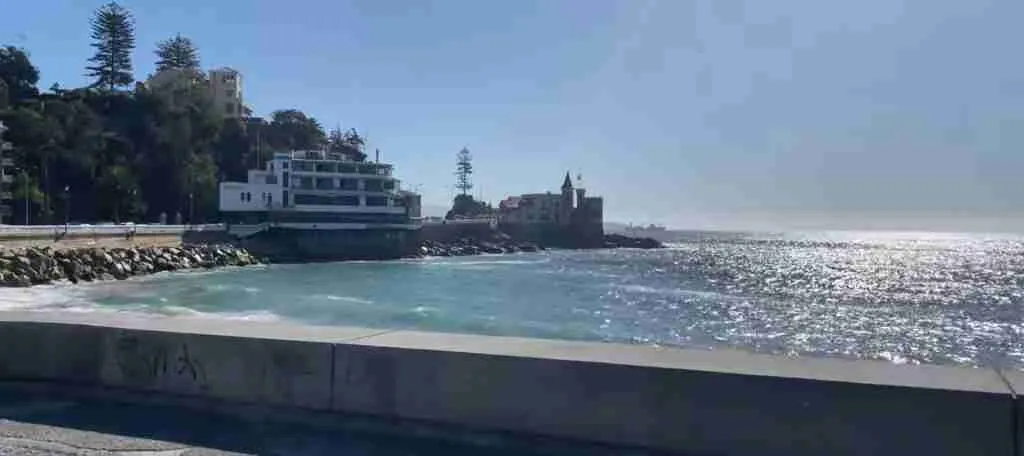
3 days
Central Chile 3-Day Discovery Tour
- ✓ Comprehensive Central Chile experience
- ✓ Expert local guides included
- ✓ All accommodation included
- ✓ Transportation provided
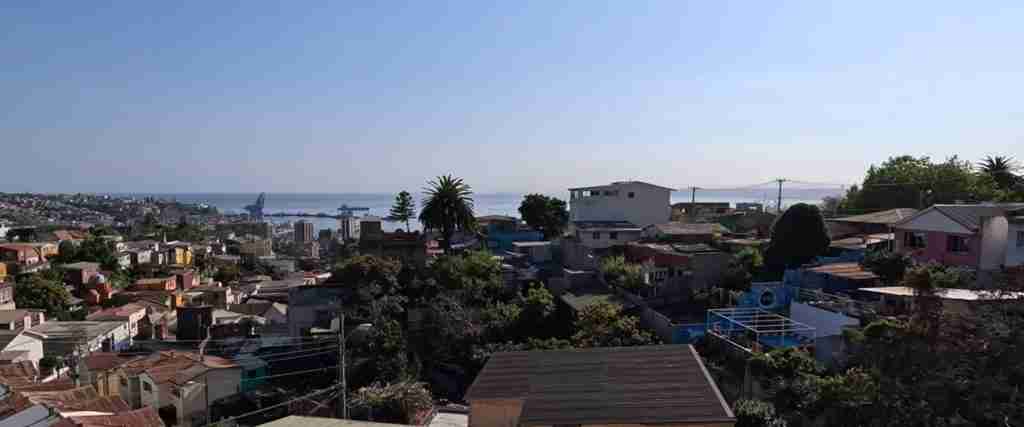
5 days
Central Chile 5-Day Highlights Experience
- ✓ Comprehensive Central Chile experience
- ✓ Expert local guides included
- ✓ All accommodation included
- ✓ Transportation provided
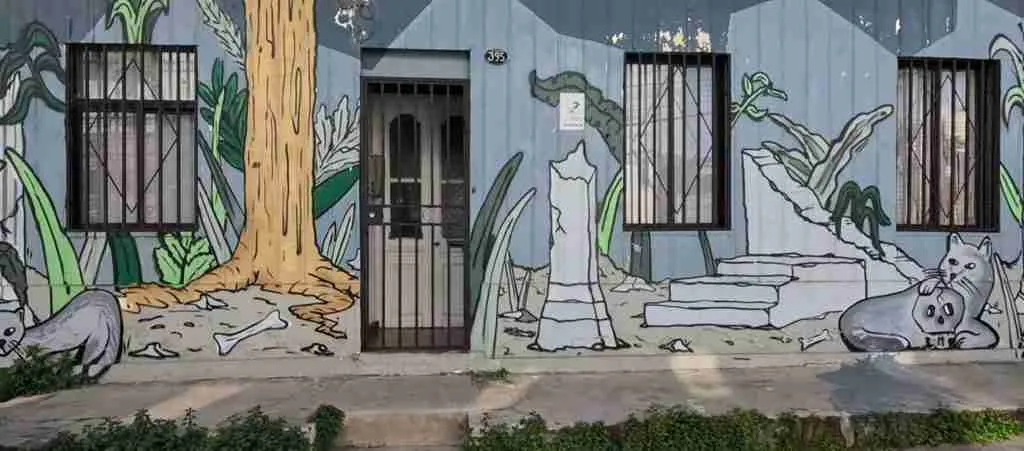
7 days
Central Chile 7-Day Cultural Journey
- ✓ Comprehensive Central Chile experience
- ✓ Expert local guides included
- ✓ All accommodation included
- ✓ Transportation provided
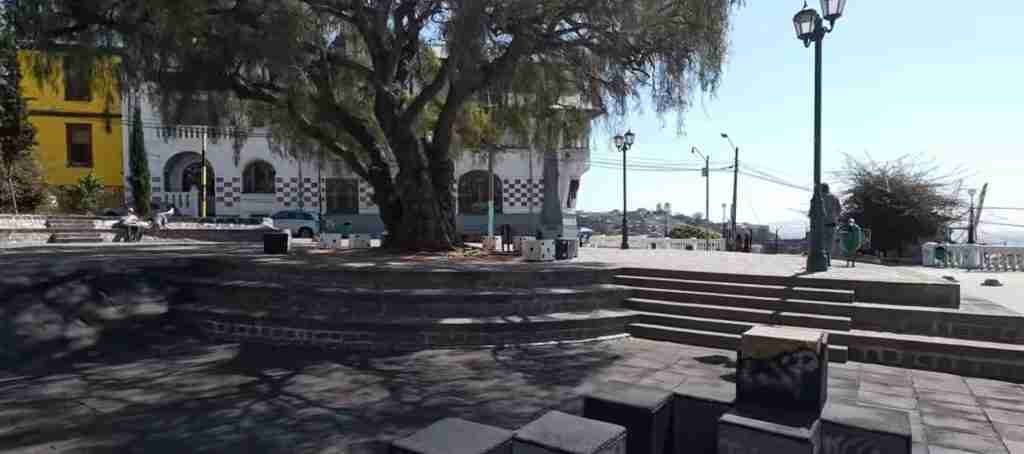
10 days
Central Chile 10-Day Complete Adventure
- ✓ Comprehensive Central Chile experience
- ✓ Expert local guides included
- ✓ All accommodation included
- ✓ Transportation provided
Multi-day tour packages powered by TourRadar. Prices and availability subject to change.
Essential Planning Information 2026
Entry Requirements and Documentation 2026
Travelers from the United States, Canada, European Union, United Kingdom, Australia, and most Latin American countries enter Chile visa-free for stays up to 90 days in 2026. Immigration provides a Tarjeta de Turismo (tourist card) upon arrival—keep this document safe as you need it for departure. Passport validity must extend at least six months beyond your planned exit date. Chile requires no vaccinations for entry from most countries, though travelers from yellow fever endemic regions need proof of vaccination. Travel insurance covering medical emergencies is strongly recommended given Chile’s high-quality but expensive private healthcare system.
Currency and Payment Methods 2026
Chile uses the Chilean Peso (CLP), with exchange rates in 2026 fluctuating around 900-950 CLP per 1 USD. ATMs (Redbanc network) dispense pesos throughout Valparaíso, with the best concentration around Plaza Victoria and along Avenida Pedro Montt in the port area. International cards work at most restaurants, hotels, and shops in tourist zones, though small businesses, street vendors, and funicular operators require cash. Exchange houses (casas de cambio) near Plaza Sotomayor offer competitive rates for USD and EUR—avoid airport exchanges with unfavorable spreads. Credit card payments in Chile automatically convert to local currency; inform your bank of travel plans to prevent fraud blocks.
Language and Communication 2026
Spanish serves as Chile’s official language, with Chilean Spanish featuring distinctive pronunciation and slang (chilenismos) that differs from other Latin American varieties. English proficiency varies considerably in Valparaíso—staff at upscale hotels, tour companies, and restaurants in Cerro Alegre often speak English, while communication elsewhere requires basic Spanish. Download offline Spanish translation apps before arrival. Mobile data works throughout the city via local providers Entel, Movistar, and WOM—purchase prepaid SIM cards at the Santiago airport or Valparaíso phone shops for reliable connectivity ($10-20 USD for 10-15GB data valid 30 days).
Getting to Valparaíso in 2026
Bus Transportation from Santiago 2026
Regular bus service connects Santiago to Valparaíso in approximately 90 minutes, departing from Terminal Alameda (Estación Central) and Terminal Pajaritos throughout the day. Pullman Bus, Turbus, and Condor Bus operate the route with departures every 15-30 minutes from 6:00 AM to 10:00 PM. Standard tickets cost $8-10 USD (7,000-9,000 CLP) for semi-cama service with reclining seats, while premium salón cama buses with lie-flat seats run $10-15 USD (9,000-14,000 CLP). Purchase tickets online through company websites, at terminal counters, or via the Recorrido.cl aggregator platform. Weekend and holiday travel requires advance booking as routes fill quickly—reserve 2-3 days ahead for Friday afternoon and Sunday evening departures.
Private Transfer Options 2026
Private transfers from Santiago airport (SCL) directly to Valparaíso cost $120-150 USD for sedan vehicles accommodating 1-3 passengers, or $150-200 USD for vans fitting 4-7 travelers. The journey takes 90-120 minutes depending on traffic. Companies like Transfer Delfos, Chile Transfers, and Turistik offer door-to-door service with English-speaking drivers, online booking, and flight monitoring for delays. Private transfers make sense for groups (splitting costs), travelers with significant luggage, or those arriving on late flights when buses run infrequently. Book at least 24 hours in advance; most companies require credit card payment at reservation.
Driving to Valparaíso 2026
The 120-kilometer drive from Santiago to Valparaíso follows Ruta 68, a well-maintained toll highway traversing the Coastal Range. Journey time runs 75-90 minutes outside rush hours, extending to 2+ hours during Friday afternoon and Sunday evening peaks when Santiago residents head to coastal destinations. Toll costs total approximately $8-10 USD (7,000-9,000 CLP) each way across multiple tollbooths accepting cash or TAG electronic payment. Parking in Valparaíso presents challenges—street parking in the port area costs $1-2 USD per hour with attendants, while secured lots near Plaza Sotomayor charge $10-15 USD daily. Consider whether a car provides value given the city’s walkability and efficient bus connections.
Navigating Valparaíso in 2026
Understanding the City Layout 2026
Valparaíso divides into two distinct zones: the flat port area (el plan) containing commercial districts, markets, and transportation hubs, and the 45 hillside neighborhoods (cerros) rising steeply above. Most tourist attractions, restaurants, and accommodations cluster on four hills: Cerro Alegre and Cerro Concepción (the UNESCO core with boutique hotels and street art), Cerro Bellavista (home to La Sebastiana and more street art), and Cerro Artillería (featuring Paseo 21 de Mayo viewpoint and naval museums). The port area centers on Plaza Sotomayor, site of the Chilean Navy headquarters and monument to the War of the Pacific heroes. Understanding this geography helps plan efficient routes connecting hilltop wandering with harbor-level services.
Funicular System 2026
Fifteen historic funiculars (ascensores) operate throughout Valparaíso in 2026, providing both transportation and quintessential city experiences. These wooden cars on inclined tracks date from the 1880s-1910s, designed when the city’s steep topography required mechanical assistance for residents and goods. Each funicular ride costs approximately 300 CLP ($0.35-0.40 USD), paid in cash to operators at the lower station. Essential funiculars for 2026 visitors include: Ascensor Concepción (1883, the oldest functioning elevator connecting Prat Street to Cerro Concepción), Ascensor Reina Victoria (1902, accessing Cerro Alegre from the port), Ascensor El Peral (1902, reaching Paseo Yugoslavo and the Fine Arts Museum), and Ascensor Artillería (1893, climbing to Paseo 21 de Mayo viewpoint). Operating hours run approximately 7:00 AM to 11:00 PM daily, though individual elevators may close for maintenance—check at lower stations before planning routes dependent on specific ascensores.
Walking and Staircases 2026
Walking remains the primary method for exploring Valparaíso’s UNESCO quarter in 2026, requiring reasonable fitness for steep inclines and seemingly endless staircases. The hills gained their street art fame precisely because of these vertical canvases—murals transform utilitarian concrete steps into outdoor galleries. Essential walking routes include the Paseo Gervasoni-Paseo Atkinson loop on Cerro Concepción (featuring Victorian mansions and harbor views), the street art corridor climbing from Plaza Aníbal Pinto through Cerro Alegre to Templeman Street, and the stairway connecting Cerro Bellavista to La Sebastiana museum. Wear comfortable walking shoes with good grip—surfaces range from cobblestones to polished concrete that becomes slippery when wet. Carry water, especially during summer months when exposed staircases heat up significantly.
Local Transportation 2026
Micros (local buses) connect all cerros with the port area, identified by letter-number combinations indicating routes (O-A, 612, etc.). Fares run approximately 500 CLP ($0.55-0.60 USD), paid to the driver in cash or via Bip! transit card (also used in Santiago metro). Key routes for tourists include the O and 612 lines connecting Plaza Sotomayor with hillside neighborhoods. Colectivos (shared taxis following fixed routes) offer faster service for 600-800 CLP ($0.65-0.90 USD) to specific destinations—look for black cars with route numbers on the roof. Standard taxis charge approximately $2-4 USD (1,800-3,500 CLP) for trips within the historic quarter; agree on price before boarding as meters may not be used. Uber and Cabify operate throughout Valparaíso with reliable service and app-based payment.
Where to Stay in Valparaíso 2026
Budget Accommodation 2026
Hostels and budget guesthouses concentrate on Cerro Alegre and Cerro Concepción, offering dormitory beds for $15-25 USD per night and private rooms for $35-50 USD in 2026. Highly-regarded options include Casa Aventura (Pasaje Gálvez, Cerro Alegre) with its rooftop terrace and social atmosphere, Hostal Luna Sonrisa (Templeman, Cerro Alegre) featuring breakfast and harbor views, and PataPata Hostel (Urriola, Cerro Concepción) known for its street art-decorated common areas. Budget travelers prioritize locations within walking distance of main attractions while accepting steeper climbs in exchange for lower rates. Book directly via hostel websites or platforms like Hostelworld and Booking.com—prices increase 20-30% during peak summer season (January-February) and national holidays.
Mid-Range Hotels 2026
Boutique hotels in restored heritage buildings define Valparaíso’s mid-range accommodation scene in 2026, with rates ranging $80-150 USD per night. These properties typically occupy renovated Victorian mansions on Cerros Alegre and Concepción, featuring 6-15 rooms with period details and modern amenities. Notable choices include Hotel Fauna (Paseo Dimalow, Cerro Alegre) combining contemporary design with harbor views, Casa Higueras (Higuera, Cerro Alegre) offering upscale service and restaurant dining, and Hotel Palacio Astoreca (Montealegre, Cerro Alegre) in a meticulously restored 1920s palace. Mid-range properties include breakfast, wifi, and concierge services; some offer parking arrangements for guests arriving by car. Reserve 2-4 weeks ahead for peak season availability.
Luxury Options 2026
Luxury accommodation in Valparaíso takes the form of exclusive boutique hotels and villa rentals rather than international chains, with rates from $200-400 USD per night in 2026. Hotel Palacio Astoreca represents the apex of Valparaíso hospitality, featuring individually designed suites, a spa, gourmet restaurant, and museum-quality art collection in an UNESCO-area mansion. Casa Higueras offers comparable luxury with its infinity pool overlooking the harbor. Alternative luxury experiences include renting entire heritage houses via Airbnb Luxe or VRBO premium listings—multi-bedroom properties with period architecture, private gardens, and dedicated staff range $300-600 USD nightly. Luxury travelers benefit from concierge services arranging private guides, wine country excursions, and exclusive restaurant reservations.
Best Areas to Stay 2026
Cerro Alegre offers the ideal base for first-time Valparaíso visitors in 2026, combining central location with the highest concentration of restaurants, cafés, and boutique hotels. The neighborhood’s pedestrian-friendly streets and proximity to key attractions (street art, funiculars, harbor viewpoints) minimize transit needs. Cerro Concepción provides a slightly quieter alternative with equal access to major sights and excellent accommodation options—the Anglican Church and British-influenced architecture add distinct character. Budget travelers find good value on Cerro Bellavista, accepting a 10-15 minute walk to Cerro Alegre’s amenities in exchange for lower rates and La Sebastiana’s proximity. Avoid staying in the port area (el plan) which lacks evening atmosphere and positions you at the bottom of hills requiring constant upward climbs.
Dining in Valparaíso 2026
Traditional Chilean Cuisine 2026
Valparaíso’s food scene in 2026 celebrates Chilean coastal traditions alongside immigrant influences from the city’s cosmopolitan heritage. Essential dishes include caldillo de congrio (Pablo Neruda’s beloved conger eel soup), pastel de jaiba (crab casserole gratinéed with cheese), machas a la parmesana (razor clams with parmesan), and chorrillana (the city’s signature dish: a mountain of french fries topped with beef, onions, and fried eggs). The Central Market on Avenida Argentina offers excellent seafood at market prices—fish of the day with sides runs $8-12 USD. J Cruz M (Condell 1466) serves traditional Chilean comfort food in an authentic, no-frills environment since 1972. Cocina Puerto (Blanco 359) presents elevated Chilean cuisine in a historic port warehouse setting.
International and Fusion Dining 2026
Cerro Alegre’s restaurant scene ranges from casual cafés to sophisticated international dining in 2026. Pasta e Vino (Templeman 352) delivers Italian cuisine with Chilean wine pairings in a candlelit Victorian house—main courses run $15-25 USD. Café Turri (Templeman 147) combines French technique with local ingredients in a mansion overlooking the harbor; reserve ahead for window tables. El Internado (Papudo 526) offers creative Chilean fusion in a former school building with industrial-chic design. Budget-conscious travelers find excellent value at Emporio La Rosa (Almirante Montt 382) for artisan ice cream and light meals, or La Flaca (Lautaro Rosas 343) for sandwiches and Chilean craft beer. Main course prices at mid-range restaurants average $12-20 USD; fine dining establishments run $25-40 USD.
Coffee Culture and Cafés 2026
Specialty coffee culture thrives in Valparaíso in 2026, with third-wave roasters and atmospheric cafés scattered throughout the cerros. Café Museo (Almirante Montt 316) occupies a beautifully restored heritage building with excellent espresso and all-day breakfast. Color Café (Papudo 526) serves single-origin Chilean coffees in a book-lined space perfect for afternoon work. Desayunador La Gata (Almirante Montt 428) specializes in elaborate weekend brunches—arrive by 10:00 AM to avoid waits. Expect to pay $3-5 USD for specialty coffee drinks, $8-15 USD for breakfast plates. Many cafés double as evening wine bars, offering local Casablanca Valley wines by the glass ($5-8 USD) alongside tapas-style plates.
Top Attractions in Valparaíso 2026
La Sebastiana (Pablo Neruda’s House) 2026
Pablo Neruda’s Valparaíso residence, named for its builder Sebastián Collado, opens as a museum showcasing the Nobel laureate’s eclectic collections and creative vision in 2026. The five-story house on Cerro Bellavista provided Neruda with harbor views and solitude for writing, filled with maritime artifacts, colored glass, antique maps, and curiosities gathered from worldwide travels. Admission costs 8,000 CLP ($8.50-9.50 USD) for foreigners, including an excellent audio guide narrating Neruda’s life and the significance of each room’s objects. Opening hours run 10:00 AM to 6:00 PM Tuesday through Sunday (closed Mondays); the small museum limits capacity, so arrive early during peak season or purchase timed tickets online through fundacionneruda.org. Allow 90 minutes for the complete audio tour plus rooftop terrace with panoramic views.
Historic Funiculars 2026
Riding Valparaíso’s century-old funiculars constitutes both transportation and attraction in 2026—these mechanical elevators represent engineering heritage and living urban infrastructure. Begin with Ascensor Concepción (Calle Prat, lower station), inaugurated 1883 as the first elevator and still climbing to Paseo Gervasoni via original wooden cars. Ascensor El Peral (Plaza de Justicia) accesses the Fine Arts Museum and Paseo Yugoslavo viewpoint through an atmospheric tunnel entrance. Ascensor Reina Victoria (Avenida Elías) delivers riders to Cerro Alegre’s heart near essential street art murals. Ascensor Artillería (Plaza Wheelwright) climbs to Paseo 21 de Mayo, the city’s premiere sunset viewpoint overlooking the naval port. Each ride costs approximately 300 CLP ($0.35-0.40 USD)—consider purchasing a funicular route plan to experience multiple elevators efficiently.
Paseo 21 de Mayo and Naval Heritage 2026
Paseo 21 de Mayo ranks among South America’s finest urban viewpoints in 2026, offering unobstructed perspectives across Valparaíso’s harbor, hillside neighborhoods, and the naval base that defines the city’s identity. Reached via Ascensor Artillería from Plaza Wheelwright, this promenade features cannons from Chile’s 19th-century naval campaigns and interpretive panels explaining maritime history. Adjacent attractions include the Museo Naval y Marítimo (9:30 AM to 5:30 PM Tuesday through Sunday, 2,000 CLP entry) documenting Chile’s naval heritage from the War of the Pacific to present, and the Museo a Cielo Abierto featuring large-scale murals by Chile’s leading artists. Time visits for late afternoon when golden light illuminates the colorful cerros and sunset transforms the Pacific.
Plaza Sotomayor and Port Area 2026
Plaza Sotomayor anchors Valparaíso’s port district in 2026, framed by the monumental Edificio Armada de Chile (Chilean Navy Headquarters) and dominated by the Monument to the Heroes of Iquique commemorating naval battles. This grand plaza serves as orientation point for understanding Valparaíso’s layout—from here, funiculars ascend to various cerros, the waterfront extends along Muelle Prat where harbor tours depart, and the commercial district spreads toward Avenida Pedro Montt. The surrounding blocks contain architectural gems from the late 1800s when Valparaíso ranked among the Pacific’s wealthiest ports: the former Stock Exchange, ornate banking halls, and department stores now repurposed as cultural centers. Morning visits capture commercial activity; early evening brings food vendors, street performers, and residents gathering after work.
Budget Planning for 2026 Visits
Daily Budget Breakdown 2026
Budget travelers manage comfortable Valparaíso experiences on $60-90 USD daily in 2026. Typical daily expenses: hostel dormitory $15-25 USD, simple breakfast at accommodation $0 (included) or café $5-8 USD, market or empanada lunch $6-10 USD, walking tour $15-20 USD (tip-based), 4-5 funicular rides $2 USD, museum entry $5-10 USD, casual dinner $12-18 USD, evening pisco sour $5-7 USD. Total: approximately $60-95 USD per person excluding accommodation at the lower end when staying at hostels with included breakfast.
Mid-range travelers spend $120-180 USD daily in 2026. Typical expenses: boutique hotel $80-120 USD (breakfast included), specialty coffee and pastry $8-12 USD, restaurant lunch $15-25 USD, guided street art tour $35-50 USD, funiculars and transport $5 USD, La Sebastiana entry $9 USD, fine dinner with wine $35-50 USD. Total: approximately $185-270 USD per day including accommodation.
Luxury visitors budget $250-400 USD daily in 2026. Typical expenses: heritage hotel suite $180-280 USD, gourmet breakfast $20-30 USD (or included at top properties), private half-day tour $100-150 USD, lunch at upscale restaurant $35-50 USD, wine tasting experience $40-60 USD, premium dinner $60-90 USD. Total: approximately $435-660 USD per day including accommodation.
Money-Saving Strategies 2026
Free activities abound in Valparaíso for budget-conscious 2026 visitors. Street art requires no entry fee—the UNESCO quarter serves as an open-air gallery accessible 24 hours. Free walking tours depart daily from Plaza Aníbal Pinto at 10:00 AM and 3:00 PM (tip-based, $10-15 USD suggested). The harbor waterfront, Paseo Gervasoni viewpoint, and Paseo Atkinson gardens offer premium views at no cost. Markets provide excellent meal value: the Central Market on Avenida Argentina serves fresh seafood at local prices, while empanada shops throughout the cerros sell hearty pastries for $2-3 USD. Consider visiting museums on free days—La Sebastiana offers reduced rates for Chilean residents and students with ID. Accommodation prices drop 30-40% during shoulder season (April-May, September-November) compared to summer peaks.
Sample 2026 Itineraries
One-Day Valparaíso Itinerary 2026
8:30 AM: Arrive from Santiago at Terminal Rodoviario, taxi to Plaza Sotomayor ($3 USD). 9:00 AM: Explore Plaza Sotomayor, photograph the Navy Headquarters and Monument to Heroes. 9:30 AM: Take Ascensor Concepción (300 CLP) to Paseo Gervasoni for harbor views and Victorian architecture. 10:00 AM: Walk the street art corridor through Cerro Concepción to Cerro Alegre, following Templeman Street murals. 11:00 AM: Coffee break at Café Museo ($5 USD). 11:30 AM: Continue exploring Cerro Alegre’s paseos and colorful houses. 12:30 PM: Lunch at J Cruz M or Central Market ($10-15 USD). 2:00 PM: Take Ascensor El Peral to Paseo Yugoslavo, visit Fine Arts Museum (free). 3:30 PM: Walk to La Sebastiana (audio tour 90 minutes, $9 USD). 5:30 PM: Take Ascensor Artillería to Paseo 21 de Mayo for sunset views. 7:00 PM: Dinner in Cerro Alegre ($20-30 USD). 9:00 PM: Return bus to Santiago or overnight stay. Day costs: Funiculars $2 USD, La Sebastiana $9 USD, coffee $5 USD, lunch $12 USD, dinner $25 USD. Total day cost: $53 per person (excluding accommodation and transportation from/to Santiago).
Two-Day Valparaíso Itinerary 2026
Day 1 follows the one-day itinerary above with overnight stay in Cerro Alegre. Day 2: 9:00 AM: Breakfast at hotel or Desayunador La Gata ($12 USD). 10:00 AM: Join a guided street art tour departing from Plaza Aníbal Pinto ($30 USD, 3 hours) covering hidden murals, artist stories, and neighborhood history. 1:00 PM: Lunch at Pasta e Vino ($18 USD). 2:30 PM: Explore Cerro Bellavista’s Museo a Cielo Abierto open-air murals (free). 4:00 PM: Walk down to the port area, explore Calle Prat antique shops and the Mercado Puerto fish market. 5:30 PM: Harbor boat tour departing Muelle Prat ($10 USD, 30 minutes) for water-level views of the city. 6:30 PM: Pisco sour at La Playa bar overlooking the port ($7 USD). 8:00 PM: Farewell dinner at Café Turri ($40 USD) with harbor views. Day 2 costs: Breakfast $12 USD, street art tour $30 USD, lunch $18 USD, boat tour $10 USD, drinks $7 USD, dinner $40 USD. Total: $117 per person (excluding accommodation).
Extended Valparaíso Stay 2026
Three or more days in Valparaíso allow deeper exploration and regional excursions in 2026. Day 3 options include: half-day trip to Viña del Mar (micro bus 30 minutes, $1 USD) combining beach time, the Quinta Vergara gardens, and Wulff Castle seafront promenade; Casablanca Valley wine tour ($80-120 USD including transport, tastings at 3-4 wineries, lunch); or cycling the coastal path connecting Valparaíso to Concón via Reñaca beach ($35-45 USD bike rental with guide). Additional Valparaíso exploration possibilities include the lesser-visited Cerro Polanco (accessed by Chile’s only vertical elevator—straight up through the hillside), the Cemetery Número 1 on Cerro Panteón featuring elaborate mausoleums, and the Mercado Cardonal for authentic local market atmosphere. Extended stays justify investing in accommodation comfort and establishing neighborhood rhythms unavailable to day-trippers.
Practical Travel Tips 2026
Health and Safety 2026
Valparaíso presents moderate urban challenges requiring standard precautions in 2026. Petty theft targets distracted tourists on buses, at viewpoints, and in crowded markets—carry minimal valuables, use money belts for documents and spare cards, leave expensive jewelry at home. The steep terrain causes more injuries than crime—wear proper footwear for cobblestones and uneven stairs, watch for traffic on narrow hillside streets with limited sidewalks. Tap water is safe in Valparaíso, though bottled water remains widely available for those preferring it. Pharmacies (farmacias) stock common medications; Cruz Verde and Salcobrand chains operate throughout the city. Emergency numbers: Ambulance 131, Police (Carabineros) 133, Fire 132. The Hospital Carlos Van Buren provides emergency services; travel insurance ensuring private clinic access improves care quality for serious situations.
Climate and Packing 2026
Valparaíso enjoys Mediterranean climate with warm, dry summers (December-February) and mild, rainy winters (June-August). Summer temperatures reach 25-28°C (77-82°F) with cool Pacific breezes; winters average 10-15°C (50-59°F) with occasional heavy rain. Coastal fog (camanchaca) creates morning mist year-round, clearing by midday. Pack layers regardless of season—temperature varies significantly between sunny viewpoints and shaded stairways. Essential items: comfortable walking shoes with grip for steep surfaces, sunscreen and sunglasses for exposed hillside paths, light rain jacket for unexpected showers, camera for endless photographic opportunities. Summer visitors need less warm clothing than expected—evenings cool quickly and ocean winds persist. Winter travelers should pack waterproof outer layers and warm fleece for evening outings.
Best Times to Visit in 2026
Peak season runs December through February when Chilean summer brings school holidays, warm weather, and maximum services. This period sees highest hotel prices, advance booking requirements, and crowded attractions—reserve accommodation 4-6 weeks ahead. February climaxes with Valparaíso’s famous New Year’s Eve fireworks (December 31/January 1) drawing hundreds of thousands of viewers—book months in advance for this period. Shoulder seasons (October-November, March-April) offer excellent conditions: pleasant temperatures, lower prices, and thinner crowds while maintaining full services. Winter visits (June-August) suit budget travelers and those seeking authentic local atmosphere, though rain interrupts outdoor activities and some restaurants reduce hours. September’s independence celebrations (Fiestas Patrias, September 18-19) bring domestic tourists and festive atmosphere—book ahead for this popular weekend.
Photography Tips for 2026
Valparaíso rewards photographers with extraordinary subjects at every turn in 2026. Golden hour light (7:00-8:30 AM, 5:30-7:30 PM in summer; adjusted seasonally) transforms the colorful hillsides, with morning light illuminating Cerro Alegre facades and afternoon sun backlighting ships in the harbor. Carry a wide-angle lens for capturing narrow stairway perspectives and street art murals that extend across entire building facades. The contrast between brightly painted houses and weathered corrugated iron creates striking compositions—look for juxtapositions of decay and renovation. Funicular interiors offer unique portrait opportunities with wooden paneling and harbor views through antique windows. Paseo 21 de Mayo provides the classic postcard perspective over the city—arrive 45 minutes before sunset for establishing shots before golden light peaks.
Tours and Activities 2026
Walking Tours 2026
Free walking tours operate daily from Plaza Aníbal Pinto in 2026, covering UNESCO history, street art, and neighborhood culture over 2.5-3 hours. Tours in English depart at 10:00 AM and 3:00 PM; Spanish tours run throughout the day. Tips of $10-15 USD per person represent standard compensation. Paid walking tours offer specialized experiences: street art-focused tours ($30-45 USD) include artist studio visits and detailed mural analysis; food tours ($55-75 USD) incorporate market tastings and restaurant stops; sunset tours ($35-50 USD) time routes for optimal photography. Reputable operators include Tours 4 Tips (free walking tours), Valpo Street Art Tours (graffiti specialists), and Chilean Food Tours (culinary walks). Book paid tours 1-2 days ahead through company websites or hotel concierges.
Boat Tours 2026
Harbor boat tours departing from Muelle Prat provide unique perspectives of Valparaíso’s amphitheater geography in 2026. Standard tours (30-45 minutes, $10-15 USD) circle the naval base, pass container terminals, and offer views of hillside cerros from water level—best in afternoon light when sun illuminates the colorful facades. Extended tours (90 minutes, $25-35 USD) continue along the coast toward Viña del Mar, passing beaches and rocky headlands. Sea lion colonies and seabirds accompany most departures. Tours run approximately hourly from 10:00 AM to 6:00 PM daily; simply walk to the Muelle Prat pier and purchase tickets from boat operators. Calm conditions prevail most of the year, though winter swells occasionally cancel afternoon departures.
Wine Tours from Valparaíso 2026
The Casablanca Valley wine region lies 45 minutes east of Valparaíso, producing exceptional cool-climate wines ideal for day trip exploration in 2026. Full-day tours ($80-120 USD per person) visit 3-4 wineries, including tastings and vineyard walks, with lunch at a winery restaurant. Notable estates include Casas del Bosque (biodynamic practices, excellent restaurant), Emiliana (organic pioneer), Indomita (dramatic architecture with valley views), and Bodegas RE (natural wine specialist). Self-drive visitors rent cars in Santiago or Valparaíso; the route follows well-marked roads through rolling vineyard landscape. Wine tour operators including Uncorked Wine Tours, Chile Wine Tours, and O’Higgins Tours handle transportation, reservations, and guide services—book 3-5 days ahead during peak season.
Booking and Reservations 2026
Advance Booking Requirements 2026
La Sebastiana museum accepts online reservations through fundacionneruda.org—recommended during January-February when visitor numbers peak. Accommodation booking lead times vary: budget hostels accept reservations days ahead, while boutique hotels during peak season require 3-4 weeks advance notice. Fine dining restaurants like Café Turri and Pasta e Vino recommend reservations, especially for dinner and weekend brunch—book through restaurant websites or call directly 1-2 days ahead. Wine tours to Casablanca Valley should be reserved 3-5 days in advance; New Year’s Eve and holiday weekend tours book out weeks ahead. Bus tickets from Santiago benefit from advance online purchase only during peak travel times (Friday afternoons, Sunday evenings, holidays)—otherwise, walk-up tickets are readily available.
Official Booking Channels 2026
Reliable booking platforms for Valparaíso travel in 2026 include: bus transportation via Recorrido.cl (aggregator), Turbus.cl, or Pullmanbus.cl for direct tickets; accommodation through Booking.com, Hotels.com, or direct hotel websites (often best rates); La Sebastiana reservations via fundacionneruda.org; walking tours through Tours4Tips.com or TripAdvisor-reviewed operators; wine tours via Viator or GetYourGuide for guaranteed departures. For multi-destination Chile itineraries including Valparaíso, consider Sernatur (Chile’s national tourism board) resources at chile.travel for official information. Credit card payments work for most online bookings; some smaller operators require bank transfer or cash payment upon arrival.
2026 Events and Festivals
Annual Cultural Events 2026
Valparaíso’s cultural calendar peaks with the New Year’s Eve fireworks display (December 31), drawing 500,000+ spectators to hillside viewpoints and harbor areas for one of the world’s most spectacular pyrotechnic shows. The display launches from multiple points across the bay, visible throughout the amphitheater city—Cerro Artillería, Cerro Alegre, and waterfront positions offer prime viewing. Book accommodation months ahead and arrive early to secure viewing positions.
Additional 2026 events include: Mil Tambores (May), a street percussion festival filling the cerros with drum performances and music workshops; Festival de las Artes de Valparaíso (January), bringing theater, dance, and visual arts to venues throughout the UNESCO quarter; Carnival Cultural de Valparaíso (February), featuring parades, costumes, and street performances; Día del Patrimonio Cultural (last Sunday of May), when historic buildings and private mansions open for free visits. Local neighborhood festivals (fiestas de barrio) occur throughout the year—check with accommodation hosts for current events during your visit.
Frequently Asked Questions About Valparaíso 2026
Can I visit Valparaíso as a day trip from Santiago in 2026?
Valparaíso works well as a Santiago day trip in 2026, with buses departing every 15-30 minutes for the 90-minute journey. Departing Santiago by 8:00-9:00 AM allows 8-10 hours of Valparaíso exploration before evening return buses. The day trip format covers major highlights—La Sebastiana, key funiculars, street art corridors, and sunset viewpoints—though overnight stays unlock the city’s evening atmosphere and relaxed exploration pace unavailable to day-trippers.
What is the best way to see Valparaíso’s street art in 2026?
Guided street art tours provide context unavailable through independent exploration—artist histories, technique explanations, and access to hidden works. Free walking tours cover major murals while paid specialty tours ($30-45 USD) dive deeper into the scene. Independent visitors follow the concentrated corridor from Plaza Aníbal Pinto through Cerro Alegre to Templeman Street, the Museo a Cielo Abierto on Cerro Bellavista, and the stairway murals throughout Cerro Concepción. Street art changes constantly—new works appear and old ones fade or are painted over, ensuring repeat visitors discover fresh content.
Are the funiculars safe in Valparaíso in 2026?
Valparaíso’s historic funiculars operate under municipal supervision with regular safety inspections and maintenance protocols. These century-old elevators transport residents daily alongside tourists, representing essential urban infrastructure rather than mere attractions. The wooden cars and mechanical systems receive ongoing preservation as national heritage assets. Motion resembles a steep escalator or hillside tram rather than a free-fall elevator—the experience feels charming rather than thrilling.
Do I need to speak Spanish in Valparaíso in 2026?
Spanish improves the Valparaíso experience significantly, though English suffices for basic tourist interactions in 2026. Hotel staff, tour guides, and upscale restaurants in Cerro Alegre and Cerro Concepción generally speak English. Market vendors, funicular operators, bus drivers, and neighborhood businesses require Spanish or translation apps. Basic phrases for ordering food, asking directions, and negotiating prices prove essential outside the core tourist zone. Download Google Translate with offline Spanish before arrival.
What should I not miss in Valparaíso in 2026?
Essential Valparaíso experiences in 2026 include: riding Ascensor Concepción (the oldest functioning funicular), exploring Cerro Alegre’s street art murals on foot, visiting La Sebastiana (Pablo Neruda’s house) with the audio guide, watching sunset from Paseo 21 de Mayo, dining on fresh seafood in a historic setting, and simply wandering the colorful stairways without fixed destination. The city rewards unplanned exploration—leave time for serendipitous discoveries rather than scheduling every moment.
How accessible is Valparaíso for visitors with mobility limitations in 2026?
Valparaíso presents significant challenges for visitors with mobility limitations. The city’s defining features—steep hills, cobblestone streets, and long staircases—create barriers that cannot be avoided. Funiculars provide some vertical access but require navigating uneven terrain to reach stations. The flat port area (el plan) allows easier movement, though broken sidewalks remain common. Visitors using wheelchairs or with significant walking difficulties should consider whether Valparaíso’s essential character justifies the challenges—many iconic experiences require substantial physical capability.
Can I use credit cards in Valparaíso in 2026?
Credit and debit cards work at hotels, restaurants, shops, and tour operators throughout Valparaíso’s tourist zone in 2026. However, cash remains essential for funicular operators, street vendors, micros (buses), many small cafés, and market purchases. ATMs dispense Chilean pesos near Plaza Victoria and throughout the port area—withdraw funds upon arrival to ensure access to essential services. Some establishments add surcharges (3-5%) for credit card payments; ask before completing transactions.
What is the weather like in Valparaíso in 2026?
Valparaíso enjoys Mediterranean climate with distinct seasons in 2026. Summer (December-February) brings warm days around 25-28°C (77-82°F) with minimal rain and cool evening breezes. Winter (June-August) sees temperatures of 10-15°C (50-59°F) with periodic rainfall and occasional heavy storms. Coastal fog occurs year-round, especially mornings, clearing by midday. Pack layers for temperature variation between sunny viewpoints and shaded stairways—even summer evenings require light jackets due to Pacific winds