
Valle de Uco Wine Tours 2026: High Altitude Vineyards
Key Takeaways
- Premium Wine Experience: Valle de Uco wine tours in 2026 cost $80-250 per person for full-day experiences, offering access to world-class high-altitude vineyards producing exceptional Malbec at 900-1700 meters elevation
- Optimal Timing: March-May 2026 provides harvest season experiences with perfect weather, while September-November offers spring bloom tours with fewer crowds and competitive pricing
- Strategic Location: Located 90-120 km south of Mendoza city in Argentina’s premier wine region, Valle de Uco combines spectacular Andes mountain backdrops with boutique wineries and architectural masterpieces
- Transportation Flexibility: Private tours include round-trip transportation from Mendoza ($120-180 per person), while self-drive options and shared group tours ($80-120) offer budget-friendly alternatives for 2026 visitors
- Exclusive Wineries: Access prestigious estates including Zuccardi Valle de Uco, Bodega Salentein, Andeluna Cellars, and Clos de los Siete, with advance reservations essential for boutique tastings in 2026
- Comprehensive Experiences: Tours combine wine education, vineyard walks, gourmet food pairings, architectural tours, and mountain views, creating immersive full-day experiences in Argentina’s highest-quality wine producing region
Planning Your Valle de Uco Wine Tours in 2026
Valle de Uco represents Argentina’s most exciting wine frontier, where high-altitude vineyards between 900 and 1700 meters elevation produce some of the world’s finest Malbec wines against a backdrop of snow-capped Andes peaks. Located in Mendoza province’s southern reaches, this spectacular wine region combines cutting-edge winery architecture with traditional viticulture, offering 2026 visitors an unparalleled combination of world-class wines, dramatic landscapes, and innovative wine tourism experiences.
The valley stretches across three distinct sub-regions—Tupungato, Tunuyán, and San Carlos—each contributing unique terroir characteristics to the wines produced. Cool nights and warm days create ideal growing conditions, while the extreme altitude and rocky alluvial soils produce grapes with intense concentration and remarkable aromatic complexity. Major international wine critics consistently rate Valle de Uco Malbecs among the highest-scoring wines from Argentina, with several estates achieving perfect 100-point scores.
Planning wine tours in Valle de Uco for 2026 requires understanding the region’s geography, seasonal variations, and winery reservation systems. Full-day tours from Mendoza city cost $80-250 per person depending on group size and exclusivity level. Check reputable tour operators for current 2026 rates as pricing may vary. The investment delivers access to world-renowned estates, expert-guided tastings of premium wines, gourmet food pairings prepared by celebrated chefs, and the opportunity to explore architecturally significant winery buildings that have won international design awards.
Transportation logistics shape the Valle de Uco experience significantly. The region lies 90-120 kilometers south of Mendoza city, requiring 1.5-2 hours of scenic driving through agricultural valleys with constant mountain views. Organized tours handle all logistics, while self-drive visitors enjoy flexibility to create custom itineraries. The journey itself becomes part of the experience, passing through the historic town of Luján de Cuyo before ascending into the higher-elevation wine zones where the landscape transforms into dramatic mountain scenery.
The 2026 wine tourism season in Valle de Uco brings enhanced visitor facilities, new tasting experiences, and expanded restaurant offerings at key estates. Many wineries have invested in visitor centers, underground cellars, and panoramic tasting rooms designed by internationally acclaimed architects. Advance booking becomes increasingly important as Valle de Uco’s reputation grows among international wine enthusiasts, with some exclusive experiences requiring reservations 2-3 months ahead for peak season 2026 visits.
Extended multi-day tours – 5+ days
Featured Mendoza Multi-Day Tour Packages
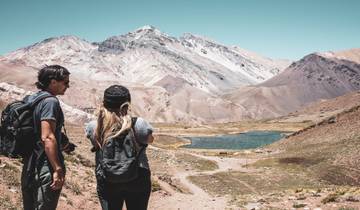
4 days
4-Day Mendoza Tour
- ✓ Comprehensive Mendoza tour
- ✓ Expert local guides included
- ✓ All accommodation arranged
- ✓ Transportation provided
4 days
Unique Mendoza Experience
- ✓ Comprehensive Mendoza tour
- ✓ Expert local guides included
- ✓ All accommodation arranged
- ✓ Transportation provided
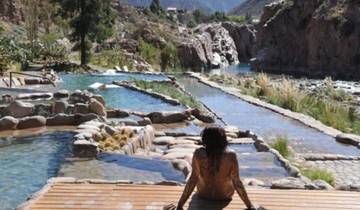
5 days
5-Day Mendoza Luxury Tour
- ✓ Comprehensive Mendoza tour
- ✓ Expert local guides included
- ✓ All accommodation arranged
- ✓ Transportation provided
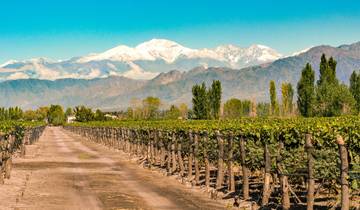
3 days
Mendoza Welcome Package (3 days)
- ✓ Comprehensive Mendoza tour
- ✓ Expert local guides included
- ✓ All accommodation arranged
- ✓ Transportation provided
Multi-day tour packages powered by TourRadar. Prices and availability subject to change.
People Also Ask About Valle de Uco Wine Tours 2026
How much do Valle de Uco wine tours cost in 2026?
Valle de Uco wine tours in 2026 range from $80-250 per person for full-day experiences from Mendoza city. Group tours visiting 3-4 wineries with tastings and lunch cost $80-120 per person, mid-range private tours run $150-180, while exclusive boutique experiences with reserve wine tastings and chef-prepared meals reach $200-250. Check reputable tour operators for current rates as pricing may vary. Self-drive visitors pay $15-40 per person for individual winery tastings plus restaurant costs. Transportation costs $20-35 per person for shared shuttles or $120-180 for private vehicle hire including driver.
When is the best time for Valle de Uco wine tours in 2026?
March through May 2026 offers the most compelling Valle de Uco wine tour experiences, coinciding with harvest season when vineyards burst with activity and wineries conduct crush operations. March brings warm weather (20-28°C days) and harvest celebrations, April delivers perfect touring conditions (18-25°C) with autumn colors transforming the vines, while May offers fewer crowds as harvest concludes. September through November 2026 provides spring bloom tours with comfortable temperatures (15-23°C), lower accommodation costs, and beautiful flowering vineyards. January-February brings peak summer heat (25-35°C) requiring early morning tours, while June-August sees cold temperatures (5-15°C) ideal for cozy cellar tastings and winter wine experiences.
Which Valle de Uco wineries should I visit in 2026?
Essential Valle de Uco wineries for 2026 include Zuccardi Valle de Uco for its architectural masterpiece tasting room and top-rated Malbecs, Bodega Salentein for underground barrel cellars and art gallery, Andeluna Cellars for mountain views and reserve tastings, Clos de los Siete for Michel Rolland’s legendary blends, SuperUco for innovative high-altitude wines, Alpamanta for organic and biodynamic approaches, and Piedra Negra for François Lurton’s elegant French-Argentine fusion wines. First-time visitors should prioritize 3-4 contrasting estates combining established names with boutique producers. Advanced wine enthusiasts focus on small-production wineries requiring advance reservations for exclusive 2026 experiences.
Do I need reservations for Valle de Uco winery visits in 2026?
Reservations are essential for Valle de Uco winery visits in 2026, with most estates requiring advance bookings for tastings and tours. Large wineries like Salentein and Zuccardi accept walk-ins for basic tastings but reserve wine experiences and guided tours need 1-2 weeks advance booking. Boutique wineries and exclusive experiences require 2-3 months advance reservations during March-May and September-November 2026 peak seasons. Book directly through winery websites or confirmed tour operators. Same-day bookings work only during June-August low season at select wineries. Restaurant reservations at winery dining rooms need 1-4 weeks advance booking depending on reputation and season.
Essential Planning Information 2026
Understanding Valle de Uco Wine Region Geography
Valle de Uco occupies the southern section of Mendoza province, stretching approximately 60 kilometers from north to south along the eastern slopes of the Andes mountains. The valley divides into three primary wine districts—Tupungato in the north (known for highest-elevation vineyards), Tunuyán in the center (home to prestigious estates and architectural landmarks), and San Carlos in the south (featuring historic vineyards and emerging boutique producers). Each sub-region presents distinct elevation ranges, soil compositions, and microclimate characteristics that influence wine styles and touring experiences.
Elevation ranges from 900 meters in valley floor vineyards to 1700 meters for the highest plantings, creating one of the world’s most elevated wine regions. The altitude delivers intense sunlight, significant day-night temperature swings (often 20°C difference), and pure mountain air that contributes to concentrated grape flavors and natural acidity. Rocky alluvial soils deposited by ancient glacier melt and seasonal river flows provide excellent drainage while forcing vines to develop deep root systems, resulting in low yields of intensely flavored grapes.
The Andes mountains dominate the western horizon, with peaks including Volcán Tupungato (6,570 meters) creating spectacular backdrops for vineyard photography. Snow-covered peaks remain visible year-round, while seasonal changes transform the landscape from green spring growth through golden autumn vine leaves. Multiple rivers including Río Tunuyán and Río Mendoza provide irrigation water sourced from mountain snowmelt, supporting sustainable viticulture in this semi-arid high-desert environment.
Major highways connect Valle de Uco districts, with Ruta Provincial 89 serving as the primary north-south wine route. Well-maintained paved roads access most established wineries, while some boutique estates require short gravel road approaches. Road conditions remain excellent throughout 2026, with clear signage directing visitors to wine tourism destinations. The scenic drive from Mendoza city follows Ruta Nacional 40 south through agricultural valleys before ascending into wine country.
2026 Wine Tour Costs and Pricing Structure
Full-day organized wine tours from Mendoza city to Valle de Uco cost $80-250 per person in 2026, with group tours at $80-120, semi-private experiences at $150-180, and exclusive private tours at $200-250. Check reputable tour operators for current rates as pricing may vary. Standard group tours (8-12 people) include round-trip transportation, visits to 3-4 wineries, 12-18 wine tastings, and gourmet lunch with wine pairings. The tours depart Mendoza hotels 9:00-9:30 AM and return 6:00-7:00 PM after full-day wine country immersion.
Private tours for 2-6 people cost $150-180 per person and offer customized itineraries, flexible timing, personal guide attention, and the ability to select specific wineries matching your wine preferences. Exclusive boutique experiences at $200-250 include visits to small-production wineries, reserve wine tastings, private chef-prepared meals, and specialized vineyard or cellar tours not available to larger groups. These premium tours accommodate 2-4 people maximum and focus on rare wines and intimate experiences with winemakers.
Individual winery visit costs for self-drive tourists range $15-40 per person for standard tastings, with basic experiences at $15-20 (5-6 wines), premium tastings at $25-30 (6-8 wines including reserves), and exclusive experiences at $35-40 featuring library wines or vertical tastings. Guided winery tours add $10-15 per person, while food pairings cost $30-60 depending on the number of courses. Restaurant meals at winery dining rooms run $40-80 per person without wine, $60-120 with wine pairings.
Transportation costs for independent visitors include rental cars at $45-70 per day for economy vehicles suitable for paved winery roads, or $80-100 daily for SUVs if exploring remote estates. Private drivers with vehicles cost $120-180 for full-day service (8-10 hours) accommodating up to 4 passengers. Shared shuttle services from Mendoza to Valle de Uco run $20-35 per person round-trip, dropping visitors at central meeting points where they arrange individual winery visits.
Seasonal Weather Patterns and Touring Conditions
Valle de Uco experiences four distinct seasons with dramatic temperature variations between summer and winter. The high desert continental climate brings hot dry summers, cool autumns with harvest activity, cold winters with occasional snow, and mild springs with flowering vines. Understanding seasonal patterns helps optimize 2026 wine tour planning for weather comfort, vineyard activity levels, and wine tourism availability.
Summer (December-February 2026) delivers the warmest conditions with daytime temperatures of 25-35°C and intense sun at high altitude. Early morning tours (9 AM starts) avoid peak afternoon heat, while evening visits capture golden hour vineyard photography. Wineries operate extended hours, restaurants serve lunch outdoors with mountain views, and long daylight (until 9 PM) allows flexible scheduling. Some estates close tasting rooms 2-4 PM during extreme heat, focusing activity on cooler morning and late afternoon hours.
Autumn (March-May 2026) provides ideal wine touring conditions with moderate temperatures of 15-25°C, harvest activity transforming vineyards into working production zones, and vine leaves turning golden-red creating spectacular fall color. March brings the beginning of harvest with white grape picking, April sees Malbec harvest in full swing, while May concludes with late-ripening varieties and post-harvest celebrations. This season delivers the most engaging winery experiences as crush pads operate, fermentation aromas fill cellars, and winemakers discuss the vintage in progress.
Winter (June-August 2026) sees cold temperatures of 5-15°C during the day, occasional snow dusting high-elevation vineyards, and crisp clear days with exceptional Andes mountain visibility. Wineries focus on cellar work, barrel tastings, and cozy indoor experiences. Some estates reduce hours or close certain days (typically Mondays), while others offer winter wine weekends with special programming. The season attracts serious wine enthusiasts interested in technical discussions with winemakers and access to library wines in intimate settings.
Spring (September-November 2026) delivers comfortable touring temperatures of 15-23°C, flowering vines creating delicate white blooms, and increasing wine tourism activity as the season progresses. September sees lighter visitation with budget-friendly accommodation rates, October brings perfect weather and increasing crowds, while November marks the beginning of peak season pricing. The landscape transforms from brown winter dormancy to vibrant green growth, creating beautiful vineyard photography opportunities and pleasant outdoor tasting experiences.
Best Time for Valle de Uco Wine Tours in 2026
Peak Harvest Season: March-May 2026
March through May 2026 represents the most compelling period for Valle de Uco wine tours, coinciding with harvest season when vineyards transform into active production zones and wineries conduct crush operations. The autumn months deliver moderate temperatures ideal for all-day touring, spectacular fall colors as vine leaves turn golden-red, and the unique opportunity to witness winemaking in progress. Early March sees white grape and early Chardonnay picking, mid-March through April brings Malbec harvest peak, while late April and May conclude with Cabernet Sauvignon and late-ripening varieties.
Harvest creates exceptional educational opportunities as winemakers explain vintage conditions, sorting tables process incoming grapes, and fermentation tanks begin bubbling with new wine. Many estates offer harvest participation experiences where visitors hand-pick grapes, sort fruit, or punch down fermenting cap material. The energy level at wineries reaches annual peaks, with full staff working harvest operations and winemakers available for detailed technical discussions about the season’s progress.
March brings warm comfortable days of 20-28°C, occasional afternoon thunderstorms adding drama to mountain views, and the first signs of autumn color in higher-elevation vineyards. April delivers perfect touring conditions with 18-25°C temperatures, reduced rainfall, stable weather patterns, and peak fall colors transforming the landscape. May sees cooler temperatures of 15-22°C, harvest winding down, and fewer crowds as the shoulder season begins, creating opportunities for more intimate winery experiences and personalized attention from staff.
Accommodation availability tightens during harvest season, particularly mid-March through mid-April when international wine tourists arrive for vintage experiences. Book hotels and lodges 2-3 months ahead for this peak period. Winery restaurants operate full schedules with harvest menus featuring seasonal ingredients, while tasting room hours extend to accommodate increased visitation. Tour operators run full programs, though advance booking becomes essential for preferred dates and exclusive experiences.
Spring Bloom Season: September-November 2026
Spring months from September through November 2026 offer compelling Valle de Uco wine tour experiences with comfortable temperatures, beautiful flowering vineyards, and lower accommodation costs compared to autumn harvest season. The landscape transforms from winter brown to vibrant spring green as vines bud and develop new growth. Flowering occurs in late October through early November, creating delicate white blooms across vineyards and the sweet fragrance of grapevine flowers filling the air during winery walks.
September represents shoulder season with fewer international visitors, competitive pricing on tours and accommodation, and more availability for boutique winery experiences. Temperatures range 15-21°C, creating comfortable touring conditions without summer heat. Wineries focus on bottling previous vintage wines, conducting barrel tastings, and preparing facilities for the upcoming spring-summer tourism season. The quieter pace allows extended conversations with winemakers and more personalized attention during tastings.
October brings increasing tourism activity as weather improves to 18-24°C ranges, spring flowers bloom throughout the valley, and vine growth accelerates. Wineries complete spring pruning and canopy management work, visible during vineyard walks. The month offers the best balance between pleasant weather, reasonable pricing, and active but not overcrowded conditions. Restaurant reservations and tour bookings need 2-3 weeks advance notice rather than the 6-8 weeks required for harvest season.
November marks the transition toward summer season with 20-26°C temperatures, longer daylight hours, and rapidly developing vine canopies creating lush green vineyard landscapes. Wineries shift into high tourism season operations with extended hours, full restaurant service, and comprehensive tour programming. Pricing begins increasing toward summer rates, while accommodation availability starts tightening. The month delivers excellent conditions for outdoor activities including vineyard picnics, terrace tastings, and sunset photography sessions with mountain backdrops.
Summer and Winter Considerations
Summer months (December-February 2026) bring the hottest weather to Valle de Uco with daytime temperatures often reaching 28-35°C. Early morning tour departures (8-9 AM) allow visiting multiple wineries before afternoon heat peaks. Many estates structure tastings in cool underground cellars or air-conditioned tasting rooms during midday hours. Evening visits from 5 PM onward capture golden hour light and comfortable temperatures for terrace dining. The intense high-altitude sun requires sun protection, though indoor tasting spaces provide refuge from heat.
Summer delivers peak tourism volumes, particularly during January when Argentine domestic tourists vacation in Mendoza region. Book accommodations 2-3 months ahead, reserve winery experiences 3-4 weeks in advance, and expect restaurant wait times at popular estates. The season offers advantages including extended winery hours (often until 7-8 PM), outdoor concert series at select estates, and the opportunity to taste current vintage wines immediately after bottling. Long daylight hours (sun sets 8:30-9:00 PM) enable flexible scheduling and sunset vineyard photography.
Winter season (June-August 2026) brings cold temperatures of 5-15°C during daytime, occasional overnight frosts, and periodic snow dusting high-elevation vineyards creating dramatic Andes mountain views. Wineries reduce operating hours, with some closing Mondays or operating by appointment only. The intimate winter atmosphere appeals to serious wine collectors interested in extended technical discussions, library wine tastings, and barrel sampling of developing vintages. Cozy fireplace settings, winter wine menus at restaurants, and fewer tourists create exclusive experiences for cold-weather visitors.
Winter represents the lowest tourism period with the most competitive accommodation rates (30-40% below peak season) and excellent availability for boutique winery experiences. Snow-covered Andes peaks provide spectacular photography backdrops, while crisp clear air delivers exceptional mountain visibility. Pack warm layers for cool cellar visits and outdoor vineyard walks, though modern tasting facilities maintain comfortable indoor temperatures. The season suits wine enthusiasts prioritizing quality experiences over quantity of wineries visited, with time for in-depth exploration of each estate.
Valle de Uco Wine Tour Options 2026
Organized Group Tours from Mendoza
Full-day group wine tours from Mendoza city provide the most convenient Valle de Uco experience for visitors without rental vehicles. Tours depart hotels 9:00-9:30 AM and return 6:00-7:00 PM after visiting 3-4 wineries with comprehensive tasting experiences. The organized format includes round-trip air-conditioned transportation, expert English-speaking wine guide, all tasting fees, and gourmet lunch with wine pairings at a selected winery restaurant. Group sizes run 8-12 participants, creating social touring atmosphere while maintaining manageable numbers for quality winery experiences.
Standard group tours cost $80-120 per person and typically visit a mix of established estates and boutique wineries. Morning visits focus on architectural landmarks like Zuccardi Valle de Uco or Bodega Salentein, featuring facility tours, barrel cellar visits, and premium tastings of 5-6 wines. Midday brings gourmet lunch at winery restaurants, often 3-4 courses with wine pairings showcasing the estate’s range. Afternoon visits explore smaller family-owned wineries offering intimate tastings and direct winemaker interaction when available.
Premium group tours at $130-160 per person reduce group sizes to 6-8 participants and include higher-end winery selections, reserve wine tastings, and enhanced lunch experiences with chef-prepared tasting menus. These tours prioritize quality over quantity, visiting 2-3 wineries for extended experiences rather than rushing through four locations. Additional time at each estate allows vineyard walks, technical cellar discussions, and vertical tastings comparing multiple vintages of flagship wines.
Specialized themed group tours focus on specific aspects of Valle de Uco wine culture. Organic and biodynamic tours visit sustainable producers like Alpamanta and certified organic estates, explaining natural farming approaches and minimal intervention winemaking. Architecture-focused tours emphasize estates with notable buildings including Zuccardi’s concrete fortress design and Salentein’s cross-shaped underground cellars. High-altitude tours explore vineyards above 1200 meters elevation, discussing how extreme altitude influences wine character and quality.
Private and Semi-Private Experiences
Private wine tours for 2-6 people cost $150-180 per person and deliver customized Valle de Uco experiences tailored to specific wine preferences, pace preferences, and winery selections. The private format allows flexible timing, extended stays at favored wineries, spontaneous itinerary adjustments, and personal attention from dedicated guide-driver. Private tours accommodate special requests including photography stops at scenic viewpoints, visits to specific boutique wineries, or extended lunch experiences at preferred restaurants.
The private tour advantage becomes most apparent in winery selection flexibility. Wine enthusiasts interested in Malbec focus exclusively on estates known for exceptional examples like Zuccardi Finca Piedra Infinita, SuperUco’s high-altitude offerings, or Andeluna’s premium cuvées. Visitors preferring white wines build itineraries around Chardonnay and Semillon specialists. Architecture enthusiasts select wineries with notable buildings regardless of wine style. The customization ensures every winery visit aligns with personal interests rather than following predetermined routes.
Semi-private tours accommodate 4-6 participants at $130-150 per person, offering middle ground between group tour economy and fully private experience. These tours use smaller vehicles, maintain more flexible pacing than large groups, and select wineries balancing accessibility with exclusivity. The format works well for couples traveling together or small friend groups wanting shared experience without large tour group dynamics. Semi-private tours often include one boutique winery requiring advance reservation alongside established estates accepting walk-in visits.
Exclusive boutique experiences at $200-250 per person focus on small-production wineries, reserve wine tastings, and exceptional food pairings. These ultra-premium tours accommodate 2-4 people maximum and include wineries producing under 50,000 bottles annually, often with direct winemaker interaction, barrel tastings, and access to library wines. Lunch becomes destination-worthy experience with private chef-prepared multi-course meals in exclusive settings like vineyard pavilions or private dining rooms. The experiences require 2-3 months advance booking during peak season.
Self-Drive Independent Touring
Self-drive wine touring offers maximum flexibility for visitors comfortable navigating Argentine roads and managing winery reservations independently. Rental cars cost $45-70 daily for economy sedans suitable for paved winery roads, or $80-100 for SUVs if planning remote estate visits on gravel roads. The Valle de Uco wine route follows well-maintained highways with clear signage directing to major wineries. GPS navigation works reliably, while printed winery maps available from Mendoza tourist offices provide backup guidance.
Independent touring allows creating completely customized itineraries, spending desired time at each winery, and adjusting plans spontaneously based on weather or personal preference. Visit 2-3 wineries for in-depth experiences rather than rushing through four locations, take extended lunch breaks at scenic restaurants, stop for photography at roadside viewpoints, and explore small towns like Tupungato or Tunuyán. The flexibility suits wine collectors seeking specific bottles, photographers prioritizing landscape opportunities, and travelers preferring relaxed pacing over structured schedules.
Individual winery visits cost $15-40 per person for tastings, with most estates offering 5-6 wine samples in standard experiences. Book major wineries 3-7 days ahead through websites or WhatsApp, while smaller estates often accept same-day visits by phone or walk-in during operating hours. Budget 1.5-2 hours per winery including tasting time, facility exploration, and potential purchases. Add guided tours ($10-15) for deeper estate understanding or opt for premium tastings ($30-40) featuring reserve wines and library selections.
The self-drive approach requires designated driver throughout the day or hiring private driver ($120-180 for 8-10 hour service). Argentine drink-driving laws enforce strict blood alcohol limits with severe penalties including license suspension and vehicle impoundment. Consider alternating driving duties with travel companion, using professional driver service, or staying overnight in Valle de Uco to avoid same-day return driving. Many wineries offer wine shipping services for bottles exceeding carry-on limits or enabling continued tasting without vehicle storage concerns.
Budget Planning for 2026 Valle de Uco Wine Tours
Complete Cost Breakdown by Experience Level
Budget-conscious Valle de Uco wine tours in 2026 cost $100-180 per person for full-day experiences including transportation, tastings, and meals. Shared shuttle from Mendoza to Valle de Uco costs $20-35 round-trip, dropping visitors at central locations where they visit 2-3 wineries independently. Basic winery tastings run $15-20 per estate (5-6 wines), while casual lunch at winery bistros or local restaurants costs $25-40 with a glass of wine. The day includes transportation $30, three winery tastings $50, lunch $35, totaling approximately $115 per person.
Budget travelers maximize value by focusing on excellent-quality wineries offering affordable tasting fees rather than chasing expensive boutique experiences. Estates like Piedra Negra, Monteviejo, and Domaine Bousquet deliver outstanding wines at $15-18 tasting fees. Pack picnic lunch from Mendoza supermarkets ($10-15 per person) and eat at scenic roadside rest areas or winery grounds where permitted. Visit winery restaurants for early afternoon coffee and dessert ($8-12) rather than full meals, allocating budget toward wine tastings instead of dining.
Mid-range Valle de Uco experiences cost $180-280 per person including organized group tour ($100-120), additional winery visit beyond tour itinerary ($20-25), upgraded dinner in Valle de Uco town ($40-60), and bottles purchased at wineries ($30-80 for 2-3 bottles). The organized tour handles all logistics while including lunch, creating efficient full-day experience. The additional independent winery visit adds personal discovery element, while dinner extends the wine country immersion before returning to Mendoza.
Mid-range travelers balance structured tours with independent exploration, combining convenience of organized transportation with freedom of self-directed winery visits. Book semi-private tours ($130-150) for smaller groups and flexible itineraries. Allocate budget for premium tastings ($25-30) at one or two wineries to sample reserve-level wines beyond standard offerings. Consider overnight Valle de Uco accommodation ($80-120) to eliminate return driving and enable relaxed evening wine experiences.
Luxury Valle de Uco wine tours cost $350-550 per person for comprehensive full-day experiences. Private tour with dedicated guide-driver runs $170-200, exclusive boutique winery experiences cost $40-50 per estate for reserve tastings, chef-prepared lunch with wine pairings reaches $80-120, and premium bottles purchased total $100-150 for 2-4 special wines. Luxury travelers prioritize rare experiences including barrel tastings, winemaker meetings, vineyard tours in vintage vehicles, and access to limited-production wines unavailable through normal channels.
Luxury wine tourism emphasizes quality and exclusivity over quantity. Visit 2-3 wineries maximum, spending 2-3 hours at each estate for comprehensive experiences including technical discussions, vineyard walks with viticulturists, and vertical tastings comparing multiple vintages. Book private dining rooms at winery restaurants for intimate multi-course meals. Stay overnight at wine country lodges ($200-350) with vineyard views and on-site tasting rooms. Consider multi-day Valle de Uco experiences combining wine tourism with horseback riding in vineyards, private cooking classes using regional ingredients, or helicopter tours over wine country.
Money-Saving Strategies for 2026 Wine Tours
Visit Valle de Uco during September or early May 2026 to capture 20-30% savings on accommodation, tour availability without months-ahead booking, and more personalized winery attention due to lighter crowds. Shoulder season maintains excellent weather conditions while reducing costs significantly. Many wineries offer midweek promotions during these periods, including complimentary food pairings with tastings or waived tasting fees with bottle purchases.
Book organized tours through established operators 4-6 weeks ahead to secure early bird discounts of 10-15% off published rates. Group together with other travelers to share private tour costs—four people splitting a private tour at $150-180 each often costs less than booking separate semi-private experiences. Contact tour operators directly rather than booking through hotel concierges to avoid commission markups of 15-25%.
Focus winery visits on estates offering complimentary tastings with minimum bottle purchase requirements. Many wineries waive $15-20 tasting fees when visitors purchase 2-3 bottles ($30-60), effectively providing free tasting. Purchase wines at winery rather than Mendoza city wine shops to access exclusive bottlings unavailable elsewhere and support producers directly. Join winery mailing lists for shipment to your home country, often qualifying for members-only discounts and future complimentary tastings.
Self-drive touring eliminates guide and transportation costs but requires rental car ($50-70 daily) and designated driver. Split rental costs with travel companions and visit 4-5 wineries over two half-days to maximize vehicle value. Pack picnic supplies from Mendoza markets for $10-15 per person rather than dining at winery restaurants charging $40-80. Many wineries permit picnicking on grounds or provide designated areas with mountain views.
Choose Valle de Uco accommodation over Mendoza city hotels to eliminate daily round-trip transportation costs of $20-35 per person. Small towns like Tunuyán or Tupungato offer budget guesthouses at $50-70 nightly compared to $120-180 Mendoza hotels. The location enables early morning winery visits avoiding midday heat and afternoon visits capturing golden hour light. Walk or bike to nearby wineries, as several cluster within 5-10 kilometer radiuses.
Visit during January-February 2026 only if budget-constrained—while hottest months, prices sometimes drop 10-15% as heat reduces tourism demand. Book last-minute tours and accommodations 3-7 days ahead for potential deep discounts on unsold inventory. Wineries operate reduced hours due to heat but often extend evening availability, creating opportunities for sunset tastings in cooler temperatures. The trade-off between cost savings and comfort depends on heat tolerance and flexibility.
Transportation Guide for 2026 Valle de Uco Wine Tours
Getting from Mendoza City to Valle de Uco
Valle de Uco lies 90-120 kilometers south of Mendoza city, requiring 1.5-2 hours driving time depending on specific winery destinations within the valley. The journey follows Ruta Nacional 40 south through flat agricultural areas before ascending into higher-elevation wine zones with mountain views. Road conditions remain excellent year-round on the main highway, while access roads to individual wineries range from paved surfaces to well-maintained gravel tracks.
Organized tours provide door-to-door service from Mendoza hotels, departing 9:00-9:30 AM and returning 6:00-7:00 PM. Air-conditioned vehicles accommodate 8-12 passengers for group tours or 2-6 for private experiences. The transportation cost includes in the tour price of $80-250 per person. Professional drivers navigate efficiently while providing regional information, stopping at scenic viewpoints for photography, and managing all winery arrival logistics. This option eliminates driving concerns and allows all participants to enjoy wine tastings fully.
Private vehicle hire with driver costs $120-180 for full-day service (8-10 hours) accommodating up to 4 passengers. Book through tour operators, hotels, or dedicated driver services known as “remis” in Argentina. The private vehicle enables completely flexible timing, custom routing, spontaneous stops, and personal guide service. Drivers typically speak basic English and possess detailed Valle de Uco knowledge, suggesting restaurants, viewpoints, and hidden gem wineries beyond standard tourist circuits. Confirm pricing includes waiting time at wineries and fuel costs.
Shared shuttle services run scheduled routes from Mendoza to Valle de Uco at $20-35 per person round-trip. Shuttles depart Mendoza 9-10 AM and return 5-6 PM, dropping passengers at central meeting points in Tupungato or Tunuyán where they arrange independent winery visits. This economical option suits budget travelers comfortable managing their own schedules and winery transportation. Book shuttles through tour operators or hostels, confirming pickup locations and departure times. Shuttles operate daily during high season (October-May) and reduced schedules during winter.
Rental car self-drive provides maximum flexibility at $45-70 daily for economy sedans or $80-100 for SUVs. All major international rental companies operate at Mendoza airport and city locations. Argentine roads drive on right side using international traffic conventions. GPS navigation works reliably, though downloading offline maps prevents connectivity issues in remote vineyard areas. Bring international driving permit alongside home license, required by Argentine law for foreign drivers.
Navigation and Route Planning Within Valle de Uco
The main Valle de Uco wine route follows Ruta Provincial 89 running north-south through the valley, with east-west access roads branching to individual wineries. Major estates post clear signage from main roads, while boutique wineries require detailed directions best obtained from winery websites or WhatsApp contact before visiting. Most winery access roads maintain paved surfaces or well-graded gravel suitable for standard vehicles, though remote estates may require high-clearance vehicles during wet weather.
Plan winery visits in geographic clusters to minimize driving time and maximize tasting experiences. Tupungato area (northern Valle de Uco) includes Zuccardi Valle de Uco, Andeluna, and SuperUco within 10-15 kilometer radius. Tunuyán central area features Salentein, Clos de los Siete, and Alpamanta nearby. San Carlos (southern valley) hosts Piedra Negra, O. Fournier, and smaller family estates. Structure full-day itineraries visiting 3-4 wineries within single geographic zone rather than criss-crossing valley.
Morning visits suit northern estates as the drive from Mendoza naturally reaches this area first. Midday lunch works well at central Tunuyán wineries offering restaurants and extended dining experiences. Afternoon visits to southern San Carlos wineries capture optimal lighting angles and provide leisurely return route toward Mendoza. Build flexibility into schedules as winery experiences often extend beyond planned durations when conversations with winemakers or extended tastings develop spontaneously.
Gas stations cluster in valley towns including Tupungato, Tunuyán, and San Carlos, with few services between populated areas. Fill the tank before leaving Mendoza and refuel at valley towns rather than searching for stations near wineries. Many wineries lie 5-15 kilometers from main roads on access routes without services. Carry water, snacks, and basic supplies as purchases between wineries require detouring to towns. Cell phone coverage works reliably near towns and major wineries but becomes spotty in remote vineyard areas.
Local Transportation Options Within Wine Country
Bicycle touring offers environmental-friendly Valle de Uco exploration with rental bikes available in Tunuyán and Tupungato at $15-25 daily. The flat to gently rolling terrain suits recreational cycling, though distances between wineries (5-15 kilometers) require moderate fitness levels. Some wineries provide bicycle parking and changing facilities. Spring and autumn deliver ideal cycling temperatures, while summer heat limits riding to early morning or late afternoon hours. Book bike-friendly wineries ahead as not all estates accommodate cycling visitors.
E-bike rentals at $30-40 daily expand cycling accessibility across fitness levels and ages. Electric assist handles gentle grades and longer distances between wineries effortlessly. Several outfitters offer guided e-bike wine tours including equipment, guide, winery reservations, and support vehicle carrying purchases and luggage. Full-day guided e-bike tours cost $80-110 per person, combining exercise, wine tasting (designated rider leads group), and immersive landscape experiences unavailable from vehicle windows.
Horseback wine tours provide unique Valle de Uco experiences, traversing vineyard properties and rural areas inaccessible to vehicles. Half-day horseback and wine tours cost $90-120 per person including horse, guide, lunch, and winery visit. Full-day experiences at $140-180 visit multiple estates and include scenic mountain riding. Book through specialized operators offering gentle horses suitable for beginner riders. The leisurely pace enables photography, wildlife observation, and deep immersion in agricultural landscape that defines Valle de Uco character.
Taxi and ride-share services operate in valley towns but prove expensive for winery visits due to limited service availability and waiting-time charges. Expect $25-40 each way from Tunuyán to individual wineries, plus waiting fees of $15-20 per hour. The costs exceed organized tour pricing while offering less comprehensive experiences. Use taxis for short hops between nearby wineries or town-to-accommodation transfers rather than full-day winery touring. Ride-share apps like Uber and Cabify have limited Valle de Uco coverage compared to Mendoza city.
Accommodation Strategies for 2026 Valle de Uco Wine Tours
Staying in Valle de Uco Wine Country
Overnight Valle de Uco accommodation enables immersive wine country experiences without daily Mendoza commutes, allowing early morning vineyard walks, sunset tastings, and relaxed evening wine enjoyment. Wine country hotels and lodges cost $80-350 per night depending on luxury level and season. Budget guesthouses in Tupungato and Tunuyán charge $80-120 for clean comfortable rooms with breakfast, mid-range wine lodges run $150-220 with vineyard views and on-site tastings, while luxury wine resorts reach $280-350 offering full-service spas, gourmet restaurants, and exclusive wine experiences.
Staying in Valle de Uco provides access to early morning winery visits before crowds arrive, enabling intimate experiences and better photography light. Many estates open by appointment for 9-10 AM visits, creating exclusive touring opportunities. Evening hours bring opportunity for sunset tastings on winery terraces as golden light illuminates Andes peaks. Several lodges organize private after-hours cellar visits and winemaker dinners unavailable to day visitors. The overnight approach transforms wine touring from rushed day trip into relaxed multi-day cultural immersion.
Book Valle de Uco accommodation 2-3 months ahead for March-May and October-November 2026 peak seasons. Small properties offering 5-10 rooms fill quickly, particularly during harvest when wine trade professionals occupy significant capacity. Midweek (Sunday-Thursday) visits provide better availability and sometimes lower rates than weekend stays. Many properties require 2-night minimum stays during peak weekends, while midweek visits accept single-night bookings.
Wine lodges include properties like The Vines Resort & Spa with individual vineyard villas ($280-350), Tupungato Divino with panoramic mountain views ($180-240), and Casa de Uco resort offering luxury wine experiences ($320-400). Budget options include family-run guesthouses in Tunuyán providing simple rooms ($80-100) and hostels in Tupungato offering private rooms ($60-80) or dorm beds ($25-35). Mid-range wine inns at $150-200 balance comfort with value, often including breakfast, wine tastings, and bicycle rentals.
Mendoza City as Base for Day Trips
Mendoza city serves as convenient Valle de Uco touring base with extensive accommodation options, evening entertainment, restaurants, and tour operator access. Hotels range $60-300+ nightly depending on category and season. Budget hostels charge $20-35 for dorms or $60-80 for private rooms, mid-range hotels run $100-150 with breakfast and pools, while luxury properties reach $200-300 offering spas, wine bars, and concierge services arranging winery experiences.
Staying in Mendoza provides flexibility to explore multiple Mendoza wine regions beyond Valle de Uco, including Maipú, Luján de Cuyo, and Uco Valley within 30-90 minutes driving. The city offers extensive restaurant choices, wine bars for evening tastings, and cultural attractions including museums and parks. Organized tours depart from Mendoza hotels, eliminating transportation logistics. The trade-off involves 1.5-2 hours daily transit to Valle de Uco, reducing time available for winery visits and requiring earlier departures.
Book Mendoza accommodation 3-4 weeks ahead for basic availability, though specific properties may require longer lead times during peak March-May and September-November periods. The city’s larger hotel inventory provides more last-minute options than limited Valle de Uco capacity. Neighborhoods like downtown provide walkable access to restaurants and wine bars, while areas near Parque General San Martín offer quieter settings with green spaces and mountain views.
Budget-conscious travelers benefit from Mendoza’s extensive hostel scene offering social atmospheres, tour booking services, and communal kitchens reducing meal costs. Private rooms at quality hostels cost $60-80, competitive with basic hotels while adding social elements and tour-booking assistance. Mid-range business hotels often discount weekend rates when business travel declines, creating value opportunities for Friday-Sunday stays. Luxury travelers choose wine-focused boutique hotels like Park Hyatt Mendoza ($220-280) offering extensive wine lists and sommelier services.
Strategic Timing for Accommodation Booking
Book Valle de Uco and Mendoza accommodation 2-3 months ahead for March-May harvest season when demand peaks and small properties fill early. October-November spring season also requires advanced booking as weather attracts international visitors. December-February summer and June-August winter seasons offer more flexibility with 3-4 weeks advance booking typically securing desired properties. Last-minute bookings work during shoulder seasons (May-June, August-September) though selection narrows significantly.
Consider booking cancellable rates when planning 3+ months ahead, allowing flexibility if plans change. Many properties charge 10-15% premiums for fully refundable bookings versus non-refundable rates, but the insurance value outweighs cost if significant uncertainty exists about travel dates. Review cancellation deadlines carefully—typically 7-30 days before arrival depending on property policies and season.
Package deals combining accommodation with organized wine tours sometimes provide 10-15% savings versus booking separately. Tour operators partner with specific hotels and lodges, offering bundled pricing including transfers, accommodation, and full-day wine experiences. Compare package versus à la carte pricing carefully, as flexibility in winery selection may be worth individual booking premium. Packages work well for first-time visitors following proven itineraries, while experienced wine travelers prefer customized independent arrangements.
Alternative accommodation including Airbnb properties and vacation rentals scatter throughout Valle de Uco at $80-200 nightly for entire houses or apartments. These suit small groups or families wanting kitchen facilities, multiple bedrooms, and space to relax between winery visits. The properties require rental vehicles as most lie in residential areas without walkable winery access. Book 2-3 months ahead during peak seasons as the most desirable properties—those with vineyard views and premium locations—fill early. Confirm wine shipment receiving and storage facilities if purchasing bottles during tours.
Sample 2026 Valle de Uco Wine Tour Itineraries
Classic Full-Day Valle de Uco Tour
This comprehensive single-day itinerary covers Valle de Uco highlights through organized group tour or self-drive exploration, visiting 3-4 contrasting wineries and experiencing the full range of wine country offerings. The schedule balances established estates with boutique producers, architectural landmarks with intimate family wineries, and structured tastings with casual discovery.
9:00 AM – Departure from Mendoza: Begin the journey south on Ruta Nacional 40, enjoying agricultural valley views and increasing mountain visibility as elevation rises. The 90-minute drive provides opportunity for landscape photography and first impressions of Andes mountain grandeur. Stop at roadside viewpoint near Tupungato for panoramic photos of Volcán Tupungato (6,570 meters) dominating the western horizon.
10:30 AM – Zuccardi Valle de Uco: Start at this architectural masterpiece known for concrete fortress design and top-rated Malbecs. The guided tour explores gravity-flow winemaking facility, underground cellars, and panoramic tasting room with floor-to-ceiling Andes views. Taste 5-6 wines including flagship Zuccardi Finca Piedra Infinita Malbec. The experience lasts 1.5 hours including facility tour and tasting. Cost: $25-30 per person for premium tasting.
12:30 PM – Lunch at Bodega Salentein: Drive 20 minutes south to this renowned estate featuring underground cross-shaped cellars and excellent restaurant. Enjoy 3-course gourmet lunch with wine pairings on terrace overlooking vineyards and mountains. The Killka Restaurant sources ingredients from estate gardens and local producers. Post-lunch, visit the art gallery and chapel before afternoon tastings. Cost: $50-70 per person for lunch with pairings.
3:00 PM – Andeluna Cellars: Continue to this boutique winery known for high-altitude Malbec and mountain-view tasting room. Participate in intimate tasting of 5-6 wines including reserve selections, with winemaker or staff explaining altitude’s influence on wine character. Walk through vineyards if time permits, experiencing firsthand the rocky alluvial soils and intense sunlight. Cost: $20-25 per person for standard tasting.
4:45 PM – SuperUco (optional fourth winery): For extended day, visit this innovative estate producing exceptional high-altitude wines from vineyards above 1300 meters. Taste cutting-edge Malbec, Cabernet Franc, and white blends while discussing extreme altitude viticulture. The small production winery offers personalized attention and often direct winemaker interaction. Cost: $25-30 per person for tasting.
6:00 PM – Return to Mendoza: Begin return journey with evening light illuminating Andes peaks golden-red. Stop at Tupungato town if needing refreshments or purchasing additional bottles from local wine shops offering regional producers. Arrive Mendoza 7:30-8:00 PM.
Day Cost Summary: Zuccardi tasting $28, Salentein lunch $60, Andeluna tasting $22, SuperUco tasting $28, incidentals $10. Total day cost: $148 per person (excluding accommodation and transportation, which is included in organized tour or rental car).
Two-Day Immersive Wine Country Experience
This extended itinerary enables relaxed Valle de Uco exploration without rush, staying overnight in wine country to experience early morning vineyard walks, sunset tastings, and evening wine culture. The two days visit 5-6 wineries total while allowing extended experiences at each estate.
Day One:
Morning: Depart Mendoza 9 AM, arriving Valle de Uco 10:30 AM. Check into Tupungato Divino lodge or similar wine country accommodation. First winery visit at 11 AM to Clos de los Siete, tasting Michel Rolland’s legendary blends in intimate setting. Walk vineyards with staff explaining high-altitude viticulture and valley terroir. Cost: $25-30 per person for extended tasting.
Afternoon: Lunch at O. Fournier winery restaurant featuring contemporary architecture and innovative cuisine. Three-course lunch with pairings showcases estate wines and regional ingredients. Post-lunch, tour the gravity-flow cellar and geometric concrete buildings. Cost: $55-75 for lunch and tasting experience.
Late Afternoon: Visit Alpamanta for organic and biodynamic wine focus, learning sustainable farming approaches and minimal intervention winemaking. Taste distinctive orange wines alongside classic Malbec. Vineyard walk explores biodynamic practices visible in cover crops and biodiversity. Cost: $20-25 per person.
Evening: Sunset at lodge terrace with bottle purchased during day. Dinner at local parrilla in Tupungato town featuring grass-fed beef and regional wines ($35-50 per person). Early bed preparing for morning vineyard walk.
Day One Cost Summary: Accommodation $180, Clos tasting $28, O. Fournier lunch $65, Alpamanta tasting $22, dinner $42, wine purchase $40. Total day cost: $197 per person (excluding accommodation $180).
Day Two:
Early Morning: 7:30 AM vineyard walk through estate vines near lodge, experiencing cool morning air and watching sunrise illuminate Andes peaks. Return for breakfast 8:30 AM with fresh-baked pastries and local preserves.
Late Morning: Visit Piedra Negra at 10 AM for François Lurton’s elegant French-Argentine fusion wines. Tour production facility and barrel cellar before tasting. The morning timing allows personal attention before afternoon crowds. Cost: $18-22 per person.
Midday: Casual lunch at La Posada del Jamón in Tunuyán, local favorite serving empanadas, regional cheeses, and grilled meats with simple wine list. Cost: $25-35 per person.
Afternoon: Final winery visit at Domaine Bousquet for certified organic wines and relaxed tasting environment. Purchase bottles for home ($30-50) before beginning return to Mendoza. Depart Valle de Uco 3 PM, arriving Mendoza 4:30 PM with time for evening city activities.
Day Two Cost Summary: Piedra Negra tasting $20, lunch $30, Bousquet tasting $18, wine purchase $40, incidentals $8. Total day cost: $116 per person (excluding accommodation, as this was paid on Day One).
Premium Boutique Experience Itinerary
This luxury-focused itinerary prioritizes exclusive small-production wineries, reserve tastings, and exceptional dining, suitable for serious wine collectors and enthusiasts seeking rare experiences. The single day visits 2-3 wineries maximum for extended encounters.
9:00 AM – Private Departure from Mendoza: Leave in private vehicle with dedicated guide-driver heading to Valle de Uco’s most exclusive estates.
10:30 AM – Private Tour at Zuccardi Valle de Uco: Pre-arranged appointment for extended estate tour including barrel cellars, winemaking discussion with technical team, and reserve tasting of 8-10 wines featuring library selections and pre-release samples. Walk through Finca Piedra Infinita vineyard discussing terroir influence. Two-hour comprehensive experience. Cost: $45-50 per person for exclusive experience.
1:00 PM – Private Lunch at Bodega Salentein: Reserved private dining room for intimate 4-course tasting menu prepared by executive chef, paired with estate wines including reserves not available in standard restaurant service. Post-meal tour of underground cellars and art collection with estate manager. Cost: $90-120 per person.
4:00 PM – Boutique Winery Private Visit: Appointment at small producer like Finca Sophenia or Bodega Piedra Negra for winemaker-led tasting and vineyard tour. Taste barrel samples, library wines, and limited releases while discussing vintage variation and winemaking philosophy. Purchase rare bottles available only at cellar door. Cost: $40-50 per person for exclusive experience.
6:30 PM – Return to Mendoza: Relaxed return journey discussing day’s wines and experiences, arriving 8 PM.
Day Cost Summary: Private vehicle with driver $180 per person (for 2 people sharing), Zuccardi exclusive tasting $48, Salentein private lunch $105, boutique winery visit $45, wine purchases $150. Total day cost: $378 per person (excluding accommodation). This premium experience includes private transportation.
Booking and Reservation Strategies for 2026 Valle de Uco Wine Tours
Winery Reservation Requirements and Protocols
Valle de Uco wineries increasingly require advance reservations for tastings, tours, and restaurant experiences, moving away from previous walk-in policies. Make reservations 1-4 weeks ahead depending on winery popularity and visit timing. Major estates like Zuccardi Valle de Uco and Bodega Salentein accept online bookings through websites, requiring 1-2 weeks notice during peak March-May and September-November seasons. Boutique wineries prefer WhatsApp or email contact, responding within 24-48 hours with confirmation.
Book through official winery websites when available for guaranteed reservations and accurate pricing. Many estates use automated booking systems processing reservations immediately. Receive confirmation emails with reservation codes, arrival instructions, and payment details. Some wineries require prepayment for restaurants or exclusive experiences, while standard tastings typically allow payment upon arrival. Confirm cancellation policies—most require 24-48 hours notice for refunds.
Peak season (March-May harvest time) requires the longest booking windows, with popular wineries like Salentein, Zuccardi, and O. Fournier filling 2-3 weeks ahead for weekends. Midweek visits show better availability even during peak season, with reservations confirmed 7-10 days ahead. Shoulder seasons (September-October, May-June) offer 5-7 day booking windows, while winter (June-August) sometimes accepts same-day reservations at select wineries.
Restaurant reservations at winery dining rooms require separate booking from tastings. Popular establishments like Killka at Salentein, O. Fournier restaurant, and Piedra Negra dining room fill 2-4 weeks ahead for weekend lunches during peak season. Book early morning (10-11 AM) or late afternoon (3-4 PM) lunch times for better availability than prime 12:30-2:00 PM slots. Many winery restaurants close Mondays, operating Tuesday-Sunday schedules.
Organized Tour Booking Timing and Selection
Book organized Valle de Uco wine tours 3-6 weeks ahead for peak March-May and September-November seasons, securing preferred dates and avoiding sold-out situations. Tour operators include established companies like Trout & Wine, Uncorking Argentina, Ampora Wine Tours, and Argentina Wine Tours offering various price points and group sizes. Compare itineraries carefully—some tours focus on major estates, others emphasize boutique wineries, while specialized tours highlight organic producers or architectural landmarks.
Read recent reviews on TripAdvisor, Google, and wine travel forums before booking, focusing on guide knowledge, vehicle quality, and actual wineries visited versus promised itinerary. Some operators substitute wineries based on availability without notification, creating disappointment when anticipated estates don’t materialize. Confirm specific winery lineup in writing before booking, understanding that occasional changes may occur due to winery closures or availability issues.
Private tour booking requires 2-4 weeks advance notice to secure quality guides and suitable vehicles. Specify wine preferences, physical ability for vineyard walking, and any dietary restrictions affecting lunch arrangements. Request guide credentials—professional wine guides hold certifications from Argentine wine education programs and demonstrate superior knowledge compared to general tour guides. The quality differential justifies premium pricing for certified wine professionals.
Book tour operator package deals combining multiple days of wine touring, accommodation, and sometimes Mendoza city tours for comprehensive experiences. Packages ranging $600-1200 per person for 3-4 day programs often cost 10-15% less than booking components separately. Evaluate what’s included—some packages use basic hotels while others feature wine country lodges. Confirm meal inclusions, as “lunch included” might mean simple fare rather than multi-course winery restaurant experiences.
Accommodation Booking Strategies for Wine Country Stays
Reserve Valle de Uco wine country accommodation 2-3 months ahead for March-May harvest season when small lodges fill early and pricing reaches annual peaks. October-November spring season also requires advance booking as weather attracts tourists. Summer (December-February) and winter (June-August) allow booking 3-4 weeks ahead with decent selection, while shoulder seasons (May-June, August-September) sometimes offer last-minute availability at discounted rates.
Compare booking directly through lodge websites versus using platforms like Booking.com or Airbnb. Direct bookings sometimes include perks like complimentary wine tastings, room upgrades, or flexible cancellation. International platforms provide secure payment and review systems but may add commission fees reflected in pricing. Read cancellation policies carefully—some wine country lodges enforce strict no-refund policies during peak season, while others allow cancellations 7-14 days before arrival.
Contact lodges directly to arrange special experiences including private vineyard tours, winemaker dinners, or early morning cellar visits. Many properties maintain relationships with neighboring wineries and organize exclusive experiences unavailable through standard channels. Ask about packages combining accommodation with wine tours, often providing value and convenience. Some lodges partner with specific tour operators for integrated experiences.
Consider location within Valle de Uco when booking accommodation. Tupungato (northern valley) provides proximity to Zuccardi, Andeluna, and SuperUco. Tunuyán (central valley) offers easiest access to Salentein, Clos de los Siete, and Alpamanta. San Carlos (southern valley) suits visitors focusing on Piedra Negra and O. Fournier. Choose based on preferred wineries or book centrally-located properties for balanced access across the valley.
Money-Saving Strategies for 2026 Valle de Uco Wine Experiences
Strategic Timing for Cost Optimization
Visit during May or September 2026 shoulder seasons to capture 20-30% savings on accommodation while maintaining excellent weather and wine tourism conditions. May brings harvest conclusion with fewer international tourists and more availability for winery experiences, while September offers spring bloom tours before peak October-November pricing. Tour operators reduce rates during these periods, hotels drop prices 25-35% below peak season, and wineries provide more personalized attention due to lighter visitation.
Midweek Tuesday-Thursday visits cost significantly less than weekend stays across accommodation, with business hotels in Mendoza discounting 30-40% when corporate demand declines. Wine country lodges offer midweek packages combining multiple nights at reduced rates. Many wineries schedule technical tastings, barrel samplings, or winemaker meetings on weekdays, providing enhanced experiences beyond standard weekend programs. Midweek visits avoid Saturday-Sunday crowds, enabling more intimate interactions and better photography opportunities.
Early booking discounts of 10-15% off published rates apply when reserving tours 6-8 weeks ahead during peak season. Tour operators incentivize advance commitments with lower pricing and guaranteed availability. Combine early booking with midweek or shoulder season visits to maximize savings—a Tuesday visit in early May booked 8 weeks ahead can cost 40-50% less than Saturday peak harvest weekend booked last-minute.
Last-minute booking during summer heat (January-February) sometimes yields unexpected discounts as operators reduce prices on unsold inventory. Risk missing preferred dates but potential savings reach 20-30% for those with flexible schedules. Monitor tour operator websites and email lists for flash sales and special promotions, particularly common during slower winter months when filling tours becomes challenging.
Maximizing Value Through Smart Winery Selection
Focus visits on excellent-quality wineries offering complimentary tastings with bottle purchases rather than paying $20-40 tasting fees. Domaine Bousquet, Monteviejo, and Familia Zuccardi (different from Valle de Uco location) waive tasting fees when purchasing 2-3 bottles, effectively providing free experiences while supporting producers directly. The $40-60 spent on bottles eliminates $20-30 per person tasting fees, delivering better value while acquiring desired wines.
Visit during special event days when wineries offer complimentary activities alongside standard tastings. Harvest celebration days in March-April include free vineyard walks, barrel samplings, or light food pairings with tasting purchases. Some estates hold open house weekends during slow winter months, providing complimentary tours and expanded tasting flights to attract visitors. Check winery social media and websites for event calendars maximizing experience value.
Prioritize wineries offering combined tours and tastings at single pricing rather than separate fees. Some estates charge $20-25 for comprehensive experiences including facility tour, vineyard walk, and tasting, while others split activities requiring $15 tour fee plus $15-20 tasting fee. The integrated pricing delivers better value and more coherent experiences. Ask about combined packages when making reservations.
Skip winery restaurants for lunch and instead pack picnic supplies purchased from Mendoza markets at $10-15 per person. Many wineries permit picnicking on grounds or provide designated areas with mountain views. Bring simple lunch of bread, cheese, olives, and fruit, allowing budget allocation toward wine tastings rather than $40-80 winery restaurant meals. Reserve restaurant experiences for special occasions or single memorable lunch rather than daily expense.
Transportation and Tour Cost Reduction
Share private tour costs with other travelers met through hostels or online travel forums. Four people splitting a private tour at $160-180 each pay less than booking individual semi-private experiences at $130-150 while gaining flexibility and personalization. Post requests on wine travel forums or hostel bulletin boards connecting with compatible travel partners. The shared approach delivers premium experiences at mid-range pricing.
Self-drive using rental car eliminates guide fees and fixed tour itineraries, though requires designated driver or hired driver service. Split rental costs among travel companions—$60 daily car divided by four people costs $15 each. Visit 4-5 wineries over two half-days rather than single full-day, maximizing vehicle value. The approach trades guide expertise for cost savings and schedule flexibility, working well for wine enthusiasts comfortable with independent exploration.
Use shared shuttle services at $25-30 per person round-trip from Mendoza to Valle de Uco rather than private vehicles at $140-180. Book shuttle through tour operators or hostels, coordinating arrival times at central Valle de Uco meeting points. The budget transportation enables independent winery visits at $15-25 per estate rather than paying $100-120 organized tour prices. Suitable for travelers comfortable managing own schedules and winery reservations.
Book transportation and accommodation packages through tour operators providing bundled pricing 10-20% below separate component costs. Three-day packages including Mendoza hotel, daily wine tours, and transfers cost $500-700 per person compared to $650-850 booking individually. Evaluate included components carefully—some packages use budget hotels or limit winery selections. The packages work well for first-time visitors following proven itineraries.
Additional Cost-Cutting Strategies
Join winery mailing lists during visits to receive members-only discounts on future purchases, complimentary tastings on return visits, and allocation access to limited-production wines. Many estates offer 10-20% discounts to mailing list members, quickly recovering any tasting fee investments through wine purchases. The programs suit visitors planning return trips or interested in ongoing wine shipments.
Purchase wines at wineries rather than Mendoza wine shops to access exclusive bottlings unavailable elsewhere while supporting producers directly. Winery pricing often matches or beats retail despite the exclusive access. Wineries ship internationally, enabling purchases beyond carry-on luggage limits. Compare shipping costs and import duties against buying locally after returning home—sometimes winery shipping proves more economical while guaranteeing authenticity.
Stay in Valle de Uco rather than Mendoza to eliminate daily round-trip transportation costs of $25-35 per person via shuttle or fuel costs for rental cars. Small town guesthouses in Tupungato or Tunuyán charge $80-120 nightly, comparable to mid-range Mendoza hotels once transportation savings factor in. The location enables early morning and evening winery visits impossible on day trips, creating more comprehensive experiences.
Bring reusable water bottles and refill at accommodations rather than purchasing bottled water at wineries or roadside stops. High altitude and wine tasting dehydration require constant hydration, with bottled water costing $2-4 throughout the day. The minor preparation saves $10-15 daily while reducing environmental impact. Most wineries provide water refilling stations or complimentary water with tastings.
Planning Your 2026 Valle de Uco Wine Tour Visit
Pre-Trip Preparation and Research
Research Valle de Uco wineries 4-6 weeks before travel to identify specific estates matching wine preferences and tourism style. Read winery websites understanding available experiences—some focus on technical wine education, others emphasize architecture and art, while certain estates specialize in food pairings or vineyard activities. Create prioritized winery list ensuring mix of established names and boutique discoveries, large architectural landmarks and intimate family operations, different grape varieties and winemaking approaches.
Study vintage conditions for recent years to understand quality variations and identify exceptional vintages worth seeking during tastings. 2019, 2020, and 2022 received outstanding ratings from international critics, with these vintages commanding premium prices and limited availability. Ask specifically for highly-rated vintages during winery visits, demonstrating knowledge while accessing best examples. Some wineries maintain library stocks of exceptional older vintages available by request.
Learn basic Spanish wine terminology before visiting, as many winery staff speak limited English particularly at smaller estates. Key terms include “degustación” (tasting), “reserva” (reserve wine), “malbec” (mahl-BEK pronunciation), “cosecha” (harvest/vintage), and “bodega” (winery). Spanish language effort demonstrates cultural respect and often results in enhanced experiences and additional wine samples. Download translation apps enabling real-time conversation assistance.
Prepare questions for winery visits maximizing educational value beyond standard tour information. Ask about altitude influence on ripening, soil composition effects on flavor profiles, organic farming practices, barrel aging regimens, and vintage variation. Technical questions encourage detailed responses from winemakers and staff, transforming basic tastings into learning experiences. Serious wine interest often results in access to reserve wines or invitation to barrel cellars beyond public tours.
Packing and Practical Considerations
Pack comfortable walking shoes for vineyard exploration, as winery visits often include unpaved paths through vines and rocky terrain. Dress in layers accommodating temperature swings from cool mornings (10-15°C) through warm afternoons (25-30°C) during spring-autumn seasons. Bring sun protection including wide-brimmed hat, sunglasses, and high-SPF sunscreen as high altitude intensifies UV exposure. Light rain jacket protects against occasional showers during summer months.
Bring wine journal or note-taking materials for recording tasting impressions, winery details, and purchase information. Smartphone photos of labels help remember wines for future orders, while written notes capture immediate sensory impressions valuable for long-term learning. Some enthusiasts use dedicated wine apps like Vivino or Delectable for tracking tastings with ratings, photos, and location data. Digital organization facilitates post-trip wine shopping and enables sharing recommendations with fellow wine lovers.
Pack small cooler bag or insulated carrier if purchasing wines for transport back to accommodation. Valle de Uco temperatures during summer reach 30-35°C, potentially damaging wines left in hot vehicles. Wineries provide boxes for purchased bottles but rarely include insulated storage. Consider shipping services offered by wineries for larger purchases or bottles exceeding luggage limits, though verify customs regulations and duties for your destination country.
Bring backup power bank for smartphone ensuring device function throughout long touring days. GPS navigation, photography, winery reservation confirmations, and translation apps drain batteries quickly. Remote vineyard locations may lack reliable charging access, while capturing quality photos and videos requires sustained power. Full device charge enables sharing experiences through social media and maintaining communication with hotels or tour operators.
Cultural Etiquette and Winery Visit Protocols
Arrive for winery reservations on time, as Argentine wine tourism operates on appointment schedules rather than flexible walk-in policies increasingly. Late arrivals disrupt carefully planned tasting sequences and may result in shortened experiences or denied entry. Call wineries immediately if running late, as most accommodate small delays with advance notice. Chronic lateness receives negative reception in Argentina’s relationship-focused culture where punctuality demonstrates respect.
Taste wines thoughtfully during formal tastings, using proper evaluation techniques including visual examination, swirling to release aromatics, and considering flavor development across palate. Spit buckets provided at every winery enable tasting multiple wines without excessive alcohol consumption. Professional wine evaluation spits, though casual tourists often swallow particularly enjoyed wines. The key involves avoiding visible intoxication which embarrasses guides and damages winery relationships.
Purchase at least one bottle from wineries visited when receiving extended tastings, vineyard tours, or specialized experiences. The purchase demonstrates appreciation for time invested by staff and supports continued hospitality for future visitors. Wineries increasingly depend on cellar door sales and wine club memberships for profitability, making direct support meaningful. Select wines unavailable in export markets or rare library bottles found only at the estate.
Respect photography policies as some wineries restrict commercial photography or photographs in production areas. Always ask permission before photographing staff, winemakers, or other visitors. Personal photography generally receives welcome when done discreetly, while extensive photo sessions disrupting other guests’ experiences create friction. Many wineries encourage social media sharing, designating specific Instagram-worthy photo spots with optimal lighting and backgrounds.
2026 Updates and Current Valle de Uco Wine Tourism Information
Recent Winery Developments and New Experiences
Valle de Uco wine tourism continues expanding with new visitor facilities, enhanced experiences, and additional wineries joining the hospitality circuit. Zuccardi Valle de Uco completed expansion of its visitor center adding private tasting rooms for small groups and a specialized wine library featuring historical vintages. The estate now offers sunset tastings 6-8 PM during summer months (December-February), combining wines with charcuterie and spectacular mountain-view photography opportunities.
Bodega Salentein renovated its restaurant Killka with expanded terrace seating and new chef emphasizing hyper-local ingredients sourced from Valle de Uco farms. The restaurant now operates Thursday-Sunday year-round rather than previous seasonal schedule, with advance lunch reservations recommended 2-3 weeks ahead during peak season. The estate added underground barrel tastings for serious wine enthusiasts, conducted in the cross-shaped cellars featuring wines directly from barrel before bottling.
Several boutique wineries increased public accessibility during 2024-2025, with estates like Finca Sophenia and Bodega Atamisque developing formal tourism programs. These smaller producers previously operated by appointment only, but growing demand led to structured visiting hours and dedicated tasting facilities. The additions provide more options for independent travelers seeking authentic estate experiences beyond major tourism-focused wineries.
Wine tourism technology improvements include online booking systems at most major estates, replacing previous email or phone-only reservation processes. Wineries like O. Fournier, Andeluna, and Clos de los Siete now accept instant confirmations through websites, simplifying planning for international visitors. Some estates introduced digital tasting notes and winery maps accessible via QR codes, though traditional printed materials remain standard at most locations.
Transportation and Infrastructure Updates for 2026
Road improvements completed in 2024-2025 enhanced access to southern Valle de Uco wineries near San Carlos, with paved surfaces replacing previous gravel sections on several access roads. The upgrades reduce driving time and improve reliability for rental car touring, particularly during rainy summer months when unpaved roads could become challenging. Signage improvements throughout the valley make navigation easier for first-time visitors following GPS directions.
New shuttle service launched connecting Tupungato, Tunuyán, and San Carlos with regular schedules enabling independent winery visits without rental cars. The service runs Tuesday-Sunday during peak season (September-May) at $8-12 per person for inter-town transfers. While not providing door-to-door winery service, the shuttles enable budget travelers to position themselves near winery clusters then walk or take short taxis to individual estates. Check locally for current schedules as the service remains relatively new.
Electric vehicle charging infrastructure expanded with installations at several major wineries including Zuccardi, Salentein, and O. Fournier. The chargers support international travelers using rental EVs or local Tesla owners touring wine country. Charging remains free at most wineries as customer service rather than revenue source. Mendoza city continues developing EV rental options, though traditional fuel vehicles remain more common and practical for wine touring given still-limited charging network.
Accommodation capacity increased with new wine country lodges opening near Tupungato and Tunuyán. Properties like Vista Flores Lodge and Finca Colomé added 30-40 rooms to Valle de Uco inventory, reducing peak season booking pressure. The additions help accommodate growing international tourism while maintaining boutique character with 10-20 room capacities rather than large resort developments. Expect continued moderate growth rather than massive expansion given protected agricultural land designations.
Seasonal Considerations and Current Booking Landscape
The 2026 harvest timing depends on weather patterns through summer months, with current projections suggesting late March through early May for main Malbec picking. Climate variation can shift harvest dates by 1-2 weeks either direction, affecting optimal visiting windows for harvest experiences. Monitor winery social media during February-March 2026 for harvest start announcements and adjusted tourism programming. Early harvest years favor March visitors, while late harvests benefit April travelers.
Booking lead times for peak season experiences continue extending as Valle de Uco’s international reputation grows. Popular wineries like Zuccardi and Salentein now recommend 3-4 weeks advance reservations for weekend visits during March-May, compared to 2 weeks previously. Small boutique estates filling quickly during harvest season may require 6-8 weeks notice for confirmed appointments. The trend toward advance booking emphasizes importance of trip planning and early reservation commitment.
Wine tourism pricing remained relatively stable through 2024-2025 with modest increases of 5-10% matching general Argentine inflation rates. Tasting fees at major estates run $20-30 for standard experiences, $35-45 for premium reserve tastings. Tour operator pricing for full-day experiences holds steady at $80-250 depending on group size and exclusivity level. Expect similar 2026 pricing given economic stabilization, though monitor exchange rates as currency fluctuations can affect costs for international visitors.
Currency considerations remain important for 2026 trip planning as Argentine peso exchange rates impact effective costs for international travelers. Monitor exchange rates 2-3 months before travel and consider timing major advance purchases like tours and accommodation based on favorable rates. U.S. dollars and credit cards accepted widely in wine tourism sector, often receiving better exchange rates than converting currency at banks. Many wineries price in dollars or offer dual pricing for peso and dollar payments.
Frequently Asked Questions About Valle de Uco Wine Tours 2026
What makes Valle de Uco special compared to other Mendoza wine regions?
Valle de Uco distinguishes itself through extreme high-altitude viticulture at 900-1700 meters elevation, producing Argentina’s highest-quality and most internationally acclaimed Malbec wines. The combination of intense sunlight, dramatic day-night temperature swings (often 20°C difference), rocky alluvial soils, and pure mountain air creates ideal grape growing conditions unavailable in lower-elevation Maipú or Luján de Cuyo regions. The spectacular Andes mountain backdrop including Volcán Tupungato (6,570 meters) provides unmatched scenery for wine tourism. Architecturally significant wineries like Zuccardi’s concrete fortress design and Salentein’s underground cross-shaped cellars create visual destinations beyond wine itself. The region’s focus on premium boutique production rather than mass-market wines attracts serious wine enthusiasts seeking exceptional quality and authentic estate experiences.
How many wineries should I visit in one day?
Visit 3-4 wineries maximum during full-day Valle de Uco tours to allow proper time for each experience without feeling rushed. Standard organized tours visit 3-4 estates over 8-9 hours including lunch. Self-drive visitors should limit to 2-3 wineries for extended experiences, particularly if including vineyard walks, barrel tastings, or detailed facility tours. Quality trumps quantity in wine tourism—spending 1.5-2 hours at each winery creates meaningful experiences, allows conversation with winemakers, enables proper wine evaluation, and provides time for photography and estate exploration. Visiting 6-7 wineries in one day results in shallow experiences, tasting fatigue, and inability to remember individual wines or estates. Focus on fewer wineries aligned with specific interests (architecture, organic farming, high-altitude viticulture) for maximum value and satisfaction.
Can I visit Valle de Uco wineries without a tour?
Yes, independent Valle de Uco winery visits work well for travelers with rental cars comfortable managing reservations and navigation. Most wineries require advance bookings made through websites, email, or WhatsApp rather than accepting walk-ins. Contact wineries 1-2 weeks ahead during peak season or 3-7 days for shoulder season visits. The self-drive approach offers flexibility in timing, ability to create custom itineraries matching wine preferences, and freedom to adjust plans spontaneously. Challenges include needing designated driver throughout the day, managing detailed navigation to individual estates, and coordinating multiple separate winery appointments. Consider hiring private driver ($120-180 for full day) to handle transportation while maintaining independent visit flexibility. The independent approach suits experienced wine tourists comfortable with logistics, while first-time visitors often prefer organized tour convenience.
What should I wear for Valle de Uco winery visits?
Wear smart casual attire balancing comfort with respect for premium wine establishments. Men typically choose collared shirts or polo shirts with long pants or clean jeans, while women wear sundresses, blouses with trousers, or casual dresses. Avoid athletic wear, shorts, tank tops, or overly casual beach clothing particularly at upscale estates with fine dining restaurants. Comfortable closed-toe walking shoes essential for vineyard tours on uneven terrain—skip heels or flip-flops. Layer clothing for temperature variations from cool morning hours (15°C) through warm afternoons (28°C) during spring-autumn seasons. Bring light jacket even during summer as underground cellars maintain cool temperatures. Wide-brimmed hat and sunglasses protect against intense high-altitude sun. Winter visits (June-August) require warm layers as daytime temperatures range 5-15°C, with additional warmth for cool cellar environments.
Are Valle de Uco wine tours suitable for non-wine drinkers?
Valle de Uco offers compelling experiences for non-wine drinkers through spectacular mountain scenery, world-class architecture, gourmet dining, and cultural immersion in Argentine wine country. Photography enthusiasts appreciate dramatic Andes backdrops, geometric vineyard patterns, and golden hour lighting. Architecture fans explore internationally acclaimed winery buildings including Zuccardi’s concrete fortress, Salentein’s underground cellars, and O. Fournier’s minimalist design. Food lovers enjoy exceptional winery restaurants featuring regional ingredients and chef-driven cuisine available without wine pairings. The agricultural landscapes, small town culture, and outdoor activities including vineyard walks create diverse interest beyond wine tasting itself. Many wineries serve fresh grape juice, sparkling water, and coffee for non-drinking visitors. Organized tours accommodate mixed groups where some participants taste while others enjoy experiences differently. The region rewards diverse interests, making it suitable destination for couples or groups with varying wine enthusiasm levels.
What is the best month to visit Valle de Uco in 2026?
April 2026 provides optimal Valle de Uco wine touring conditions, balancing perfect weather (18-25°C), harvest activity creating engaging winery experiences, spectacular autumn vine colors, and manageable crowds before peak season ends. The month delivers harvest in full swing with crush pads operating, fermentation aromas filling cellars, and winemakers available for vintage discussions. Autumn foliage transforms vineyards golden-red against snow-capped Andes peaks. Alternatively, October 2026 offers spring bloom tours with comfortable temperatures (18-24°C), flowering vines, lower accommodation costs than harvest season, and increasing tourism infrastructure as wineries prepare for summer. March works for harvest start timing with warmer weather (20-28°C), while November provides late spring conditions before summer heat arrives. Avoid January-February unless heat-tolerant as temperatures reach 28-35°C, and skip June-August if preferring consistent winery hours as many estates reduce schedules during cold winter months. April and October represent ideal sweet spots for weather, wine experiences, and value.
Can I ship Valle de Uco wines home?
Yes, most Valle de Uco wineries offer international shipping services enabling purchases beyond luggage limits and ensuring proper wine transport handling. Shipping costs vary by destination and quantity, typically running $40-80 per case to United States or Europe with delivery times of 4-8 weeks. Wineries use specialized wine shippers maintaining temperature control throughout transit. Consider import duties and taxes which vary by country—U.S. importation incurs duties around 5-10% plus state taxes, while European Union countries charge VAT and excise duties varying by nation. Some countries restrict private wine importation or impose quantity limits, so verify regulations before purchasing. Calculate total delivered cost including shipping and duties when comparing against domestic retail pricing. Wineries handle all export paperwork and customs documentation. Request tracking information for shipments and confirm delivery addresses carefully. Many wine enthusiasts find shipped wines cost-competitive with home country pricing while guaranteeing authenticity and accessing estate-exclusive bottlings unavailable through normal retail channels.
Do I need to speak Spanish for Valle de Uco wine tours?
English-speaking staff work at major Valle de Uco wineries including Zuccardi, Salentein, O. Fournier, and Andeluna, making language barriers minimal for standard tourism experiences. Organized tour operators provide English-speaking guides handling all winery communication. However, basic Spanish phrases enhance experiences particularly at smaller family-owned estates where English proficiency may be limited. Learn essential terms: “degustación” (tasting), “reserva” (reserve wine), “cosecha” (vintage), “me gusta” (I like), “gracias” (thank you). Download translation apps like Google Translate enabling real-time conversation and menu reading. Many winery staff appreciate language effort even if imperfect, often responding with enhanced hospitality and additional wine samples. Written tasting notes and winery materials typically available in English at tourism-focused estates. Restaurant menus increasingly include English translations or pictorial elements. Spanish fluency unnecessary for enjoyable Valle de Uco experiences, but basic phrases and translation technology improve communication quality and cultural exchange depth. Consider hiring bilingual private guide if concerned about language challenges, as the investment ensures full understanding of technical wine discussions and cultural nuances.
What is the altitude like in Valle de Uco and will it affect me?
Valle de Uco elevations range 900-1700 meters above sea level, high enough for some visitors to notice mild altitude effects but generally not severe at these moderate elevations. Most people experience no significant issues beyond slightly increased breathlessness during physical exertion like vineyard walks. The altitude intensifies sun exposure requiring strong sunscreen and sun protection even on partly cloudy days. Dehydration occurs faster than sea level, making constant water consumption important particularly when wine tasting and walking outdoors. Drink water between wine samples and carry reusable bottle for refills. Some individuals experience mild headaches, light-headedness, or fatigue during first 24-48 hours at altitude, typically resolving as bodies acclimate. Take winery tours at relaxed pace, rest when needed, and avoid overexertion during initial exposure. Serious altitude sickness rarely occurs below 2500 meters, making Valle de Uco safe for nearly all visitors. Those with respiratory or cardiovascular conditions should consult physicians before travel, though moderate elevation poses minimal risk for most healthy individuals. The altitude creates ideal grape growing conditions while remaining comfortable for wine tourism activities.
Are children allowed at Valle de Uco wineries?
Valle de Uco wineries vary in child-friendly policies, with many estates welcoming families while others maintain adults-only environments particularly during formal tastings or restaurant experiences. Large wineries like Salentein and Zuccardi accommodate children with outdoor spaces, gardens, and non-alcohol activities including grape juice tastings and facility tours. Some properties provide children’s menus at restaurants and designated play areas. Boutique wineries focusing on serious wine education and intimate tasting experiences may discourage children or require advance notification for family visits. Argentine culture generally accepts children in public spaces including restaurants, making family wine country visits more feasible than in some other destinations. Inform wineries during reservation if bringing children, as arrangements might be made for age-appropriate activities. Consider children’s heat tolerance during summer (28-35°C), interest in wine-focused activities, and ability to sit through extended tastings and meals. Family-friendly alternatives include vineyard picnics, bicycle tours, horseback riding, and scenic drives through wine country enabling children to enjoy landscapes while adults focus wine experiences on specific wineries offering family accommodations. Book private tours for maximum flexibility in managing family needs and timing.