Valencia Travel Guide 2027: Ultimate Planning Resource
Spain’s third-largest city, Valencia delivers an experience that rivals Barcelona and Madrid at a fraction of the cost: a futuristic complex that contains Europe’s largest aquarium, a UNESCO-listed medieval trading hall, beaches within city limits, and a food culture that gave the world paella and horchata. This guide covers everything you need to plan a visit to Valencia in 2027 — transport connections, verified budgets, neighborhoods, attractions, restaurants, seasonal timing, and day trips, all in one place.
Key Takeaways
- Mid-range travelers spend €140–215 per person daily (two sharing a mid-range hotel); budget travelers manage on €65–100 per day, and luxury visitors on €270–495.
- The City of Arts and Sciences is the headline attraction; a combined L’Oceanogràfic + Science Museum + Hemisfèric ticket costs approximately €48 (check visitvalencia.com for current pricing).
- Las Fallas (March 15–19) is Valencia’s world-famous papier-mâché and fire festival — spectacular, but hotel prices double or triple; book accommodation six months ahead.
- The Silk Exchange, a late-15th-century Gothic trading hall, is Valencia’s only UNESCO World Heritage Site and is free to visit on Sunday mornings.
- September through November offers the best combination of warm Mediterranean weather, thinner crowds, and hotel prices 20–35% below August peaks.
- Valencia has over 150 km of bike lanes and the Turia Gardens linear park; the city is one of the most cycle-friendly in Europe, and getting around without a car or taxis is entirely practical.
People Also Ask About Valencia 2027
How much does a trip to Valencia cost per day in 2027?
Daily costs in Valencia vary by travel style and accommodation tier. Budget travelers staying in hostels or entry-level hotels and sharing rooms spend €65–100 per person daily. This covers a budget bed or private room for two, café breakfasts, a menu del día lunch, casual dinner, and a few bus or metro rides. Mid-range travelers sharing a comfortable hotel pay €140–215 per person daily, which adds sit-down restaurant dinners, regular paid attraction entry, and occasional taxis. Luxury visitors at Valencia’s top properties spend €270–495 per person daily. All figures include accommodation split between two people, all meals, transport, and average attraction admission.
What is the best time to visit Valencia in 2027?
September through November is the best window for most visitors: temperatures run 18–26°C, beach swimming remains possible into October, crowds are lighter than in summer, and hotel rates drop 20–35% from August peaks. Spring (April–June) runs a close second, with similar temperatures, wildflowers in the Albufera Natural Park, and the energy of a city that has just emerged from Las Fallas. If Las Fallas is your goal — the extraordinary March festival of fire and papier-mâché sculpture — plan for March 15–19 and book accommodation at least five to six months in advance, ideally by September 2026, as the city fills completely and prices surge several times above normal.
Is Valencia easy to get around without a car in 2027?
Yes — Valencia is one of Spain’s most visitor-friendly cities for car-free travel. The historic center, Ruzafa, and the City of Arts and Sciences are all within easy cycling distance of each other, linked by dedicated bike lanes and the nine-kilometer Turia Gardens path. The metro and EMT bus network reaches every neighborhood; Lines 3 and 5 connect the airport to the city center in approximately 25 minutes. The Valenbisi bike-share scheme allows short rides for under €2 per day with a tourist pass. Most first-time visitors find they rarely need a taxi for anything beyond late nights and airport transfers.
How far in advance should I book accommodation for Las Fallas 2027?
For Las Fallas 2027 (March 15–19), book at least five to six months ahead — ideally in September or October 2026 — for reasonable selection at manageable prices. Hotels within walking distance of the main fallas around Plaza del Ayuntamiento fill first and at the highest premium. If accommodation in the city center is already sold out or prohibitively expensive when you search, consider staying in nearby towns such as Xàtiva or Sagunto and commuting in by regional train; both are under an hour away and have their own accommodations at normal prices during the festival.
Extended multi-day tours – 5+ days
Featured Valencia Multi-Day Tour Packages

3 days
Valencia 3-Day Discovery Tour
- ✓ Comprehensive Valencia experience
- ✓ Expert local guides included
- ✓ All accommodation included
- ✓ Transportation provided
5 days
Valencia 5-Day Highlights Experience
- ✓ Comprehensive Valencia experience
- ✓ Expert local guides included
- ✓ All accommodation included
- ✓ Transportation provided
7 days
Valencia 7-Day Cultural Journey
- ✓ Comprehensive Valencia experience
- ✓ Expert local guides included
- ✓ All accommodation included
- ✓ Transportation provided

10 days
Valencia 10-Day Complete Adventure
- ✓ Comprehensive Valencia experience
- ✓ Expert local guides included
- ✓ All accommodation included
- ✓ Transportation provided
Multi-day tour packages powered by TourRadar. Prices and availability subject to change.
Introduction: Why Visit Valencia in 2027
Valencia sits on Spain’s eastern Mediterranean coast, equidistant between Barcelona and Alicante, and has used that geography and its own layered history to build a city that is simultaneously one of Europe’s most architecturally ambitious, one of its most affordable, and one of its most underrated by international visitors. The city that gave the world paella and horchata, that built a 15th-century Gothic trading hall so beautiful it earned UNESCO inscription, and that then chose to transform a dried-up river channel into an extraordinary sci-fi complex of titanium and glass is not a city that does things by halves.
The history goes back further than most visitors realize. Founded as the Roman colony of Valentia in 138 BC, the city became Balansiyya under Moorish rule and was one of the most prosperous Islamic cities on the Iberian Peninsula — a heritage visible in the intricate garden and water-management traditions that persisted long after the Reconquista. Jaume I of Aragon retook the city in 1238 and established the Kingdom of Valencia, whose 15th-century commercial power — built primarily on the Mediterranean silk trade — left the Silk Exchange as its most spectacular architectural monument. That monument was inscribed as a UNESCO World Heritage Site in 1996.
The 20th century brought a defining rupture. In October 1957, catastrophic floods devastated the city and prompted the permanent diversion of the River Turia. The empty riverbed, initially earmarked for a motorway, was transformed after sustained public opposition into the Turia Gardens — a nine-kilometer linear park threading through the heart of Valencia that now serves simultaneously as the city’s main recreational green corridor and as a direct cycling and walking route connecting the old town to the City of Arts and Sciences. The park is one of the great urban spaces in modern European city planning, and unlike most great urban spaces it did not require the demolition of anything to create it.
The City of Arts and Sciences, completed in phases between 1998 and 2005 and designed principally by architect Santiago Calatrava, occupies the southern end of the Turia Gardens riverbed. It is an unambiguous statement of civic ambition on a scale that few European cities have matched since: a complex that includes Europe’s largest aquarium, a science museum, a planetarium, a covered botanical garden, and a world-class opera house, all wrapped in white titanium and reflected in shallow pools. Whether or not every visitor finds it beautiful, it is impossible to find it unimpressive.
For 2027 travelers, the practical case is compelling on its own. Direct flights from most northern European cities reach Valencia Airport at prices that undercut Barcelona significantly. High-speed trains from Madrid take under two hours. Once you arrive, hotel prices run 20–30% lower than Barcelona equivalents, restaurant prices are genuinely moderate, and the city’s best experiences — the Silk Exchange, the Turia Gardens, the Central Market, the Water Tribunal, the Fine Arts Museum Valencia — cost nothing or close to nothing. Valencia rewards visitors who stay long enough to slow down and eat well, which is easy to do without breaking a budget.
Getting to Valencia 2027
By Air: Valencia Airport in 2027
Valencia Airport (IATA: VLC) sits approximately 9 kilometers west of the city center and handles a substantial volume of direct European routes year-round. Budget carriers including Ryanair, Vueling, easyJet, and Wizz Air operate from London Stansted, London Gatwick, London Heathrow, Manchester, Bristol, Edinburgh, Dublin, Amsterdam Schiphol, Brussels Charleroi, Paris Beauvais, Frankfurt, and dozens of other European airports. Iberia, Air Europa, and Volotea add connections from Spanish domestic airports and selected European capitals. Most routes run at high frequency from April through October, with reduced schedules in winter months, though Valencia is well-served year-round from the major northern European cities.
Travelers from the United States, Canada, or Australia have no direct transatlantic service to VLC and connect through Madrid Barajas (MAD), Barcelona El Prat (BCN), or other major European hubs. For US visitors, the combination of a transatlantic flight to Madrid and then the high-speed train to Valencia is often more comfortable and occasionally cheaper than two separate flights.
From the airport, Metro Lines 3 and 5 run every 15–20 minutes to the city center, reaching North Station (Estació del Nord) at Xàtiva in approximately 25 minutes. The airport-zone metro ticket (two zones) costs €4.90 — verify the current fare at the Metrovalencia ticket machine or website before travel, as fares are periodically revised. Services run from approximately 5:30 AM to midnight. A taxi from the airport to the city center costs approximately €20–25 and takes 20–30 minutes depending on traffic; a taxi supplement applies for airport journeys.
By Train: High-Speed Rail to Valencia in 2027
Renfe’s AVE high-speed service between Madrid Puerta de Atocha and Valencia’s Joaquín Sorolla station runs frequently throughout the day and covers the route in approximately 1 hour 45 minutes to 1 hour 55 minutes depending on service type. Fares vary enormously by booking class and advance purchase: the cheapest non-refundable “Básico” fares on off-peak services can drop below €20 each way with sufficient advance booking, while last-minute walk-up “Elige Confort” fares are considerably higher. Book through renfe.com at least two to four weeks ahead to secure the best prices; the app also offers mobile ticketing without a physical pickup.
From Barcelona, Renfe’s Euromed and Alaris intercity services cover the route in approximately 3 hours 15 minutes to 3 hours 45 minutes along the Mediterranean coastal corridor, stopping at Tarragona and Castellón. This is a scenic route with good views of the coast in places, and the timings make it practical for day trips from Barcelona or as a stopover on a longer coastal itinerary. As with Madrid routes, advance booking unlocks the best prices.
Regional Cercanías train services from Valencia’s North Station or Joaquín Sorolla station connect to nearby towns useful for day trips: Xàtiva (approximately 45 minutes), Sagunto (approximately 30 minutes), Gandía (approximately 1 hour), and coastal destinations along the Dénia line. These services are inexpensive and entirely practical for self-organized day excursions without needing a tour operator.
By Bus, Car, and Ferry in 2027
Alsa and other operators run frequent long-distance bus services from Madrid (approximately 4 hours), Barcelona (approximately 3.5–4 hours), Alicante, Murcia, and other Spanish cities. Valencia’s main bus station (Estació d’Autobusos) is centrally located near the old town. Bus fares are generally lower than equivalent train prices: a Madrid–Valencia bus typically costs €20–40, and seat comfort on modern coach services is good for the distance. Booking through alsa.es or omio.com allows advance purchase with seat selection.
Drivers from Madrid arrive via the A-3 motorway; from Barcelona via the AP-7 coastal toll motorway. Parking within Valencia’s historic center is heavily restricted and expensive (€2–4 per hour in central car parks). ZTL-equivalent restricted zones around the historic core make driving into the center impractical for most purposes. For visitors arriving by car and planning to base themselves in Valencia, parking at a peripheral metro station and using public transport for the city is the most practical approach.
Baleària, Acciona Trasmediterránea, and FRS Iberia operate regular ferry services between Valencia Port and the Balearic Islands — Mallorca (Palma), Ibiza, and Menorca. Standard overnight ferries to Palma take approximately 7–8 hours; daytime fast ferry services are available in summer and take considerably less. For visitors combining mainland Valencia with an island trip, the ferry connection makes Valencia one of the best gateway ports on Spain’s Mediterranean coast.
Getting Around Valencia 2027
Metro and Tram in 2027
The Metrovalencia system runs six metro lines plus a tram line and connects the airport, the historic center, all major neighborhoods, and the beach. For visitors, the most important services are:
- Lines 3 and 5: Direct airport connection to Xàtiva (adjacent to North Station and the old town) and onward to Alameda. The most-used visitor route.
- Line 4 (tram): Runs from the Alameda station along the northern waterfront past the Cabanyal neighborhood and out to Malvarrosa Beach and beyond. Essential for beach days and Cabanyal exploration.
- Lines 1 and 2: Serve the outer suburbs and towns including Torrent and Paterna; less relevant for most short visits.
Single metro tickets are zone-dependent and require a physical reloadable card (€1.10 for a cardboard card, €2.20 for plastic) purchased at station machines. A Zone A or B single journey costs €1.50 in addition to the card. The airport journey (two zones) costs €4.90. A Bonometro ten-trip card offers lower per-journey costs than buying singles and is recommended for stays of three or more days. Metro services run from approximately 5:30 AM to midnight on most lines, with reduced Sunday frequency. Check the Metrovalencia app for live timetables and service updates.
EMT Buses in 2027
The EMT Valencia municipal bus network covers over 60 routes and reaches neighborhoods not directly served by metro. A single bus ticket costs €2, purchased on board from the driver (contactless card payment is accepted on most newer vehicles). The Bonobus ten-trip card significantly reduces the per-journey cost; the standard fare is €8.50, with discounted rates available through city subsidy schemes — verify the current discount structure at emt.valenbisi.es before travel, as arrangements are updated periodically. Night buses (búho) operate on selected routes from approximately 10:30 PM to 3 AM on weekends and before public holidays.
Key tourist bus connections include routes to Malvarrosa Beach from the Gran Via Germanies stop, and routes to the City of Arts and Sciences directly from the old town. EMT also runs Bus 25 to the Albufera Natural Park, departing from Gran Via Germanies (approximately 45 minutes, €2 each way).
Cycling Valencia in 2027
Valencia has invested heavily in cycling infrastructure over the past two decades and now has over 150 kilometers of dedicated bike lanes across the urban area. The most important cycling corridor for visitors is the Turia Gardens path — a nine-kilometer, entirely car-free route along the former river channel connecting the Serranos Towers area of the old town to the City of Arts and Sciences. The path is flat, well-maintained, and navigable by any level of cyclist.
The Valenbisi municipal bike-share scheme operates 2,750+ bikes at 275+ docking stations across the city. Tourist weekly subscriptions cost approximately €13.30 and allow unlimited short rides under 30 minutes within the subscription period; longer rides accrue additional per-minute charges. A tourist day pass is available at docking station terminals for approximately €2. Private e-bike and standard bike rental is widely available from operators in the historic center at approximately €15–30 per day. Cycling to and from the beach via the Turia Gardens path takes approximately 35–45 minutes from the historic center and is one of Valencia’s most enjoyable visitor experiences.
Valencia Tourist Card in 2027
The Valencia Tourist Card combines unlimited public transport (metro, EMT bus, and tram) with free entry to municipal museums and monuments and discounts of 10–20% at major attractions including the City of Arts and Sciences complex and Bioparc Valencia. Cards are available for 24, 48, or 72 hours and activate on first use. For visitors who plan to visit two or more paid attractions and use public transport regularly, the 48- or 72-hour card typically pays for itself. Buy online at visitvalencia.com (often slightly cheaper), at the airport metro stations, or at North Station. Verify current prices at visitvalencia.com as these are updated periodically.
Valencia Neighborhoods in 2027
Old Town and El Carmen Quarter in 2027
Valencia’s historic center is compact enough to walk from edge to edge in under 30 minutes but dense enough to fill several days of exploration. The landmark buildings cluster around two adjacent squares: the Plaza de la Reina, where Valencia Cathedral faces a row of café terraces and flower stalls, and the Plaza del Mercado, where the Central Market and the Silk Exchange stand within meters of each other. Between and around these anchors runs a maze of streets laid down on the Roman and Moorish street plan, with Gothic merchant palaces, Baroque church facades, and early-20th-century modernist apartment buildings compressed into blocks that reward wandering without a destination.
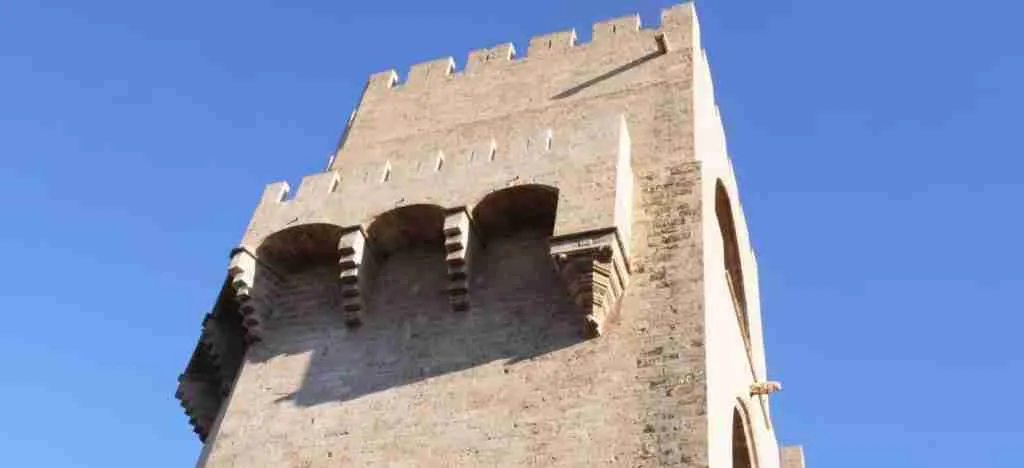
El Carmen is the quarter immediately northwest of the cathedral, bounded roughly by the Serranos Towers and the Quart Towers — the two best-preserved medieval gate towers of Valencia’s old city walls. Once a working-class district, El Carmen has been thoroughly gentrified over the past two decades and now hosts the highest concentration of independent galleries, craft cocktail bars, vintage shops, and design studios in Valencia. Its street art murals are among the best in Spain; the streets around Plaza del Tossal and Carrer del Mossén Femades are worth walking specifically for them. El Carmen’s outdoor terraces fill from Thursday evening through the weekend, and the neighborhood remains genuinely lively until 3–4 AM on weekends. Most mid-range and boutique-style hotels in the historic center are concentrated in this quarter.
Ruzafa: Valencia’s Trendiest Neighborhood in 2027
Ruzafa sits immediately south of North Station and has evolved over the past decade into the city’s most fashionable and food-focused neighborhood. Its character is different from El Carmen: the buildings are mainly early-20th-century apartment blocks, the streets are wider, and the pace is calmer through the day before the neighborhood’s concentration of independent restaurants, specialty coffee shops, and cocktail bars draws city-wide crowds from early evening. The market at Plaza del Dr. Collado anchors the neighborhood’s daily rhythm.
Ruzafa makes an excellent base for visitors who want proximity to both the historic center and the City of Arts and Sciences — it sits roughly midway between the two, and cycling via the Turia Gardens path reaches the complex in under 20 minutes. Hotel prices in Ruzafa consistently run 10–20% lower than comparable properties in the historic center. The restaurant scene is notable for its international range: strong Japanese, Korean, Vietnamese, and North African cooking coexists with some of the city’s best traditional tapas bars. Reservations are essential at the most popular spots on Friday and Saturday evenings.
Malvarrosa and Cabanyal: The Beach Districts in 2027
Malvarrosa Beach stretches approximately 3 kilometers along Valencia’s northern waterfront, backed by a wide seafront promenade and a long row of seafood restaurants specializing in paella, fideuà (a paella-style noodle variation), and arròs negre (squid-ink rice). The sand is a medium-gold urban beach — not as white as the Costa Blanca to the south, but swimmable from May through October and entirely accessible from the city center by tram (Line 4 from Alameda, approximately 30 minutes) or by cycling the Turia Gardens path to its beach end.
Immediately behind the beach, the Cabanyal neighborhood is one of Valencia’s most architecturally distinctive. Its grid of streets is lined with early-20th-century modernist and traditional tile-fronted fishermen’s houses that give the area a character found nowhere else in the city. After a decade of preservation battles between residents and city planners over a road project that would have cut through the neighborhood, Cabanyal has entered a period of restoration and creative regeneration — galleries, alternative bars, and studio spaces have opened in restored house fronts while the community character remains intact. Walking the main streets is a lesson in Valencian popular architecture, and the neighborhood merits exploration beyond the beach approach route.
Other Neighborhoods Worth Knowing in 2027
Benimaclet is Valencia’s university quarter, northeast of the center, known for very cheap pintxos bars, strong neighborhood loyalty, and a lively scene that runs late on weekends. Food and drinks here are among the cheapest in Valencia and the crowd is predominantly local and student-aged. For longer-stay visitors or those interested in authentic neighborhood life rather than tourist-facing restaurants, Benimaclet rewards an evening.
Patraix and Jesús, south of the center, are primarily residential neighborhoods increasingly chosen by long-stay visitors and digital nomads for their affordable local restaurants, proximity to Ruzafa, and genuinely un-touristy character. The City of Arts and Sciences occupies the Quatre Carreres district at the southern end of the Turia Gardens; the district itself is mainly residential and industrial apart from the complex, with limited restaurant and bar options immediately around the buildings — most visitors return to Ruzafa or the historic center for meals and evenings.
Top Attractions in Valencia 2027
City of Arts and Sciences in 2027
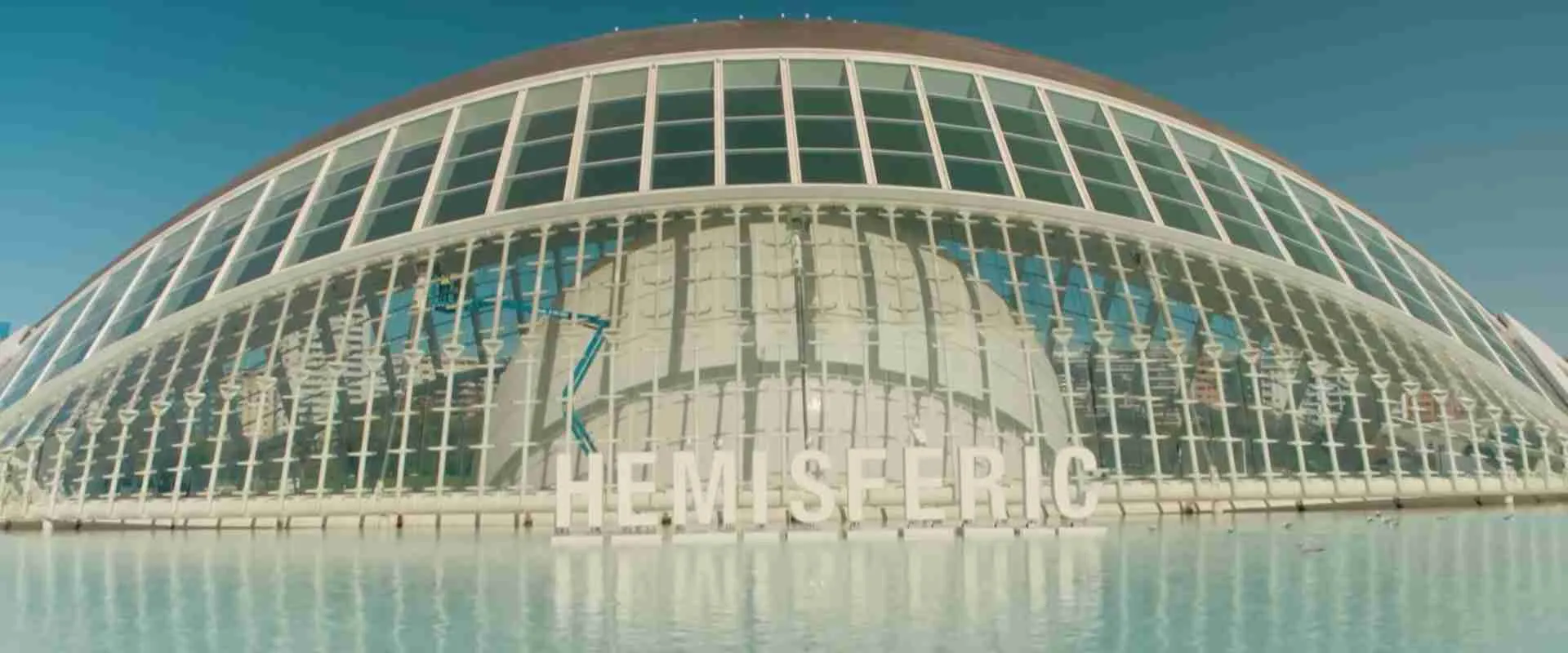
The City of Arts and Sciences is the defining image of modern Valencia — a two-kilometer complex of white titanium, concrete, and glass buildings arranged along the southern section of the Turia Gardens dry riverbed. Designed principally by architect Santiago Calatrava and opened in phases between 1998 and 2005, the complex was one of the most ambitious civic construction projects in late-20th-century Europe and has been one of Spain’s most visited attractions since its opening.
The complex comprises five main visitor structures:
- L’Oceanogràfic: Europe’s largest aquarium, with exhibits organized around global ocean zones — Mediterranean, Atlantic, Pacific, Arctic, Red Sea, and others. The shark tunnel and beluga whale habitats are the headline draws. Adult admission: €35.90 (check visitvalencia.com for current rates, as these are updated seasonally).
- Hemisfèric: A planetarium and large-format cinema housed in a building shaped like a giant open eye. Immersive science and nature films run several times daily on its curved screen.
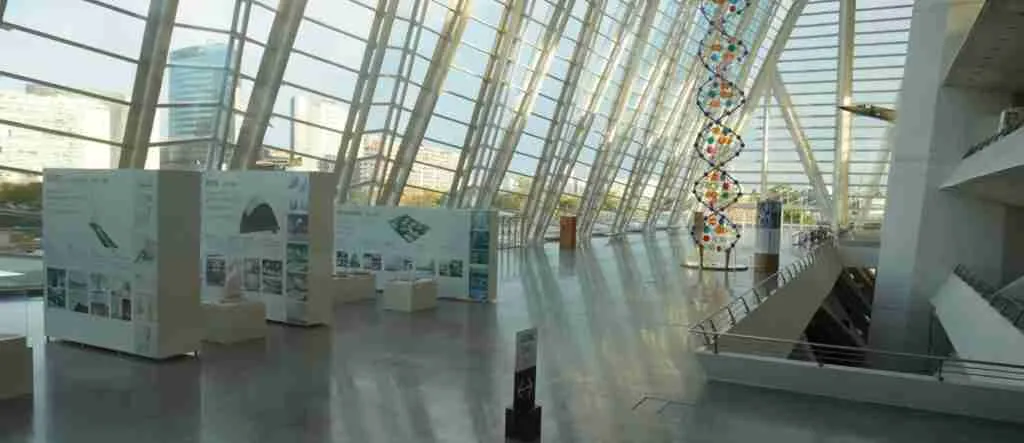
- Science Museum: Five floors of interactive physics, biology, space, and technology exhibitions, particularly strong for families with children.
- Palace of Arts Reina Sofía: Valencia’s main opera house, hosting major opera, dance, and concert productions from September through June. Ticket prices range from approximately €20 for partial-view seats to €150+ for premium evening performances; check lesarts.com for the current season program.
- L’Umbracle: A covered botanical walkway with native Mediterranean plants and outdoor sculpture installations. Freely accessible without a ticket — well worth a morning or evening walk.
Combined tickets provide meaningful savings over individual entry. The L’Oceanogràfic + Science Museum + Hemisfèric combination costs approximately €48 per adult (check visitvalencia.com for current pricing). Book online in advance to skip queues and access available discounts; on peak summer days and at weekends, queues without pre-booked tickets can be substantial, particularly at L’Oceanogràfic. Allow a full day if visiting two or more structures. The grounds and reflective pools surrounding the buildings are freely accessible at all hours and are spectacularly lit in the evening.
Valencia Cathedral and the Holy Grail in 2027
Valencia Cathedral occupies the center of the historic quarter, its three-door principal façade — each door built in a different architectural style across different centuries — opening directly onto the Plaza de la Reina. Construction began in 1238 on the site of a mosque, which itself had been built over a Visigothic church, and continued in overlapping phases through the Gothic, Renaissance, and Baroque periods, giving the interior its characteristic layered quality. The broad-naved Gothic main structure is complemented by the octagonal Miguelete bell tower — added in the 14th and 15th centuries and visible from much of the old town — and the High Baroque main door (the Puerta de los Hierros), which was completed in the 18th century and presents a marked stylistic contrast with the Gothic and Romanesque doorways flanking it.
Two specific features draw visitors. The Miguelete tower can be climbed via 207 steps to reach a viewing platform with panoramic views over Valencia’s rooftops, the blue ceramic domes of nearby Baroque churches, and on clear days the Mediterranean coastline. The Chapel of the Holy Grail houses a dark agate chalice set in medieval gold work that Catholic tradition has long identified as the cup used at the Last Supper. The historical record documents that this chalice was in the possession of the kings of Aragon from the 13th century and was transferred to Valencia in 1424; the Catholic Church has used it for papal Masses on several occasions, including Pope John Paul II’s 1982 visit to Valencia — a documented historical event. The identification of this cup as the Holy Grail rests on tradition and religious belief rather than verifiable scholarship, and is presented as such by the cathedral’s own literature.
A self-guided audio tour covering the cathedral museum and Holy Grail chapel costs approximately €8 per adult; the Miguelete climb is usually included in this ticket or has a modest separate charge. Verify current admission at the cathedral’s official website (catedraldevalencia.es) before visiting. Dress code applies — shoulders and knees must be covered; a light scarf or wrap in your bag handles this without extra luggage. Daily Masses are free to attend; access for sightseeing is restricted during services.
Silk Exchange: Valencia’s UNESCO World Heritage Site in 2027
The Silk Exchange stands on the Plaza del Mercado, immediately facing the Central Market, and represents the high point of Valencian Gothic civic architecture. Construction began in 1482 and extended through the early-to-mid 16th century under the direction of master builder Pere Compte and successors; the building served as Valencia’s principal commercial trading floor during the city’s peak as a Mediterranean silk and general trade hub. UNESCO inscribed it as a World Heritage Site in 1996, describing it as an outstanding example of late-Gothic secular architecture and a testament to the wealth and commercial ambition of a late-medieval European trading city.
The main Traders’ Hall (Sala de Contratació) is the most compelling space: a single rectangular room with a soaring Gothic vault supported by helical columns that spiral upward from the floor like braided stone ropes and open into a net-vault ceiling. The proportions produce a quality of space — open, light-filled, and free of later accretions — that is exceptional for a 15th-century commercial building. The adjacent Pavilion of the Consulate of the Sea (Pabellón del Consulado del Mar) adds a carved artesonado ceiling in Mudéjar style that blends Gothic structural logic with Islamic decorative tradition and dates from the early 16th century.
Standard admission is approximately €2 per adult; entry is free on Sunday mornings and is included in the Valencia Tourist Card. Opening hours follow a Tuesday-through-Sunday pattern, with seasonal variations — verify current hours at valencia.es before visiting. Given the scale of the building and its UNESCO status, the Silk Exchange is one of Valencia’s highest-value attractions.
Central Market in 2027
The Central Market (Mercat Central) is the largest covered market hall in Valencia and one of the most architecturally impressive in Europe. Completed in 1928 in a style that combines iron structural columns, polychrome ceramic tile work, and large stained-glass light domes, the building covers over 8,000 square meters and contains approximately 1,200 active stalls selling fresh produce, meat, fresh Mediterranean seafood, cheese, olives, dried fruits, saffron, and local rice varieties. Entry is free.
The market operates primarily in the morning, typically from 7 AM to approximately 3 PM, Monday through Saturday. For visitors, it functions equally as a food hall, a market theater, and a study in Valencia’s produce traditions: the range of citrus fruits, the depth of the fresh seafood selection, and the variety of local rice types — Bomba, Senia, Albufera — that underpin Valencia’s paella culture are extraordinary even by the standards of a city known for its food. An upper-level food court area has developed around the gallery perimeter, offering cooked food and local specialty products for those who want to eat in-market rather than shop. The Central Market on a weekday morning, when stall-holders are at their most active and the light through the domes hits the tile work at its best, is one of the finest free experiences Valencia offers.
Turia Gardens in 2027
The Turia Gardens occupy the former channel of the River Turia, permanently diverted after the devastating flood of October 1957. The dried riverbed was eventually transformed into a nine-kilometer linear park — a process completed in stages from the 1980s through the 2000s — and now serves simultaneously as Valencia’s main urban green corridor and as the city’s primary cycling and walking route between the historic center and the City of Arts and Sciences. The park is free, accessible 24 hours, and used daily by an enormous cross-section of the city’s population.
The gardens contain children’s playgrounds, public football and basketball pitches, tennis courts, rose gardens, cypress avenues, jogging tracks, and the Gulliver Park — a monumental climbable sculpture in the form of the titular giant from Jonathan Swift’s 1726 novel, set into the landscape at child height and freely accessible. The cycling path runs the full length of the park without a car crossing it, making it one of the genuinely safe urban cycling routes in Spain. Walking or cycling from the Serranos Towers to the City of Arts and Sciences along the riverbed takes approximately 40–50 minutes on foot, 20–25 minutes by bike, and passes through a changing sequence of garden landscapes that shows different sides of the city’s urban character.
Bioparc Valencia in 2027
Bioparc Valencia is Valencia’s zoo, redesigned in the early 2000s around an immersive African-habitat model that eliminates traditional bars and cages in favor of naturalistic terrain — moats, earth banks, rock formations, and water features separate visitors from animals without making the separation obvious. The collection is organized around African ecosystems: savannah, equatorial forest, Madagascar, and wetlands zones contain gorillas, chimpanzees, elephants, cheetahs, lions, hippos, white rhinoceroses, lemurs, and meerkats, alongside a strong herpetology collection and significant bird aviaries.
Adult admission is approximately €25–28 (verify current pricing at bioparc.es before visiting). The park is open daily, with longer hours in summer. Animal feeding sessions are scheduled at intervals through the morning; arriving at opening time (typically 10 AM) gives the best chance of catching the most sessions and seeing the animals at their most active before the heat of the afternoon. Bioparc is well-suited for visits with children and is generally one of the better-designed urban zoos in Europe on the basis of habitat quality.
More Museums and Monuments in 2027
The Fine Arts Museum Valencia, housed in a 17th-century seminary north of the historic center, holds one of the best collections of Valencian painting in existence: 15th-century Valencian Primitives, works by José de Ribera, Francisco Ribalta, and a strong Joaquín Sorolla room. Entry is permanently free and the museum is significantly less crowded than its quality merits — a reliable alternative when major attractions are busy or on a rainy afternoon.
IVAM (Institute of Modern Art Valencia) is the city’s main contemporary art institution, with a permanent collection strong in abstract and constructivist work and a program of major international temporary exhibitions. Adult admission is approximately €6; free on Sundays. The Serranos Towers (approximately €2 per adult) and the Quart Towers (similar pricing) are the surviving medieval gatehouse towers of Valencia’s old walls; both can be climbed and offer views over the historic quarter’s roofline. The Serranos Towers in particular are worth visiting for the contrast between their exterior Gothic-military grandeur and the relatively domestic scale visible from the top.
The Water Tribunal (in Valencian, Tribunal de les Aigues) meets every Thursday at noon outside the Apostles’ Door of Valencia Cathedral. This institution — whose origins are documented from at least the 10th century and which adjudicates disputes between farmers over irrigation water rights in the surrounding rice fields — continues operating today as an open, public hearing conducted in Valencian. UNESCO recognized it as Intangible Cultural Heritage in 2009. The hearing is free to attend, requires no booking, typically lasts 20–45 minutes, and is among the most unusual historical experiences available to any visitor to a Spanish city. Simply be at the Apostles’ Door of the cathedral by noon on a Thursday.
Valencia Food and Dining 2027
Paella: Where to Eat the Real Thing in 2027
Valencia is the home of paella, and the difference between an authentic version and the tourist-menu approximations found across the rest of Spain (and the world) is substantial enough to justify specific planning. Authentic Valencian paella uses short-grain Bomba or Senia rice grown in the Albufera paddy fields south of the city, cooked in a wide flat steel pan over an orange-wood fire, with chicken, rabbit, green beans, butter beans (garrofó), tomato, rosemary, and saffron. The defining test of a well-made paella is the socarrat — the thin, caramelized crust of rice that forms on the pan’s bottom where it contacts the heat, which Valencians consider the best part. Seafood paella (paella de mariscos) is a different dish entirely, excellent in its own right but a later elaboration distinct from the Valencian original.
The most respected paella restaurants are generally not in the city center but in and around the villages bordering the Albufera lake, 12 kilometers south of Valencia. El Palmar, a village surrounded by rice fields at the lake’s edge, has numerous establishments specializing in paella cooked on wood fires with freshly harvested local rice. A full paella lunch for two here — sharing a pan, with bread, local wine or horchata, and dessert — typically costs €12–20 per person. A Sunday paella lunch at an El Palmar restaurant, reached by Bus 25 or taxi, is one of the best meals-in-place experiences in Spain.
Within the city, the restaurant strip along the Malvarrosa Beach seafront promenade produces generally honest paella from restaurants with local rather than primarily tourist clientele, particularly at the northern end of the promenade away from the busiest tourist zones. Paella is always cooked for a minimum of two people; any restaurant offering a single-serve paella ready to order immediately should be treated with skepticism — genuine paella takes 20–25 minutes from when the rice goes in. Expect to pay €12–20 per person for shared paella at a good Malvarrosa restaurant.
Horchata, Agua de Valencia, and Street Food in 2027
Horchata (orxata in Valencian) is a chilled white drink made from tiger nuts (chufas) grown in the Horta Nord district north of Valencia. The result is creamy, mildly sweet, and entirely unlike any grain-based drink — something that has to be tasted to be understood. It is served traditionally with fartons, long glazed finger pastries used for dipping. The best horchata in the Valencia area comes from traditional establishments in Alboraia, the main chufa-growing municipality north of the city. In the center, Horchatería Santa Catalina near the cathedral, in operation since 1836, is the most historically significant option and produces a reliably good drink.
Agua de Valencia — a cocktail of cava, fresh orange juice, vodka, and gin, served in a pitcher for sharing — is widely attributed to the Café Madrid bar, a historic venue near the Serranos Towers. Most bars in the old town and Ruzafa serve the drink; the original Café Madrid remains open and its version is considered the benchmark. Be aware that the cocktail is stronger than it tastes — the orange juice and cava mask the spirits effectively.
The classic Valencian tapas canon includes all-i-pebre (an intensely spiced eel and potato stew from the Albufera villages), clóchinas (small mussels steamed simply with lemon, a seasonal specialty from approximately May to August), esgarraet (roasted red pepper and salt-cod salad with olive oil and garlic), and pericana (a condiment of dried capsicum and salt-cod). These appear across traditional tapas bars in El Carmen and Ruzafa; most bars with hand-written menus and predominantly Spanish clientele will have at least a selection.
Where to Eat in Each Neighborhood in 2027
Ruzafa has Valencia’s densest concentration of ambitious independent restaurants. The blocks around Calle de Cuba, Calle de Sueca, and the Plaza del Dr. Collado contain an unusually international range — excellent Japanese izakayas, Korean barbecue spots, Vietnamese pho houses, and Lebanese mezze restaurants operate alongside some of the city’s best traditional tapas bars. Dinner reservations on Friday and Saturday evenings are essential for the most popular spots; call or book online two to five days ahead.
El Carmen has a dense restaurant concentration oriented more toward Spanish and Mediterranean cooking. The quality varies significantly between tourist-facing establishments on the main squares and the more honest neighborhood cooking in the side streets. As a general guide, handwritten daily menus and restaurants with Spanish-language primary signage tend toward better value and quality than laminated multi-language tourist menus at the main tourist sites. The streets behind Plaza de la Virgen and toward the Serranos Towers contain some of the most reliable traditional cooking in the center at mid-range prices.
Malvarrosa Beach’s promenade restaurants are the destination for fresh seafood and paella with a waterfront setting. Prices run 20–30% higher than comparable-quality inland restaurants; the premium is for the setting rather than the cooking, which is generally honest. Go for the whole experience — the promenade, the sea air, and a long slow lunch — rather than rushing. At the beach, seafood is the strongest choice: grilled fish, mussels, cured roe (mojama), and seasonal shellfish.
The menu del día — a fixed-price lunch of three courses with bread, water, and a glass of wine or beer — remains one of the best-value dining options in Spain and is deeply embedded in Valencian daily life. In the historic center and Ruzafa, menu del día prices run €10–15; in the beach area, €12–18. Most menus change daily and offer two or three choices per course. Using the menu del día for lunch and spending less on dinner is one of the most effective ways to eat well in Valencia on a budget without sacrificing quality.
Where to Stay in Valencia 2027
Best Neighborhoods for Hotels in 2027
Location choice in Valencia involves a clear trade-off between proximity to the historic core and price. The historic center and El Carmen place guests within walking distance of the main monuments and nightlife but at a 15–25% price premium over equivalent properties in Ruzafa. Ruzafa offers excellent independent restaurants, a lively neighborhood atmosphere, and short commutes to both the old town (15–20 minutes walking) and the City of Arts and Sciences (cycling 20 minutes via the Turia Gardens). The beach area (Malvarrosa and Cabanyal) is the right choice for beach-first trips and is meaningfully cheaper than the center, but the commute to the historic core is 30–40 minutes by tram or bus. Near the City of Arts and Sciences, hotel options are limited and neighborhood amenity is thin; commuting from the center or Ruzafa is the more practical approach for most visitors.
Budget Accommodation in 2027
Valencia has a solid hostel scene concentrated in the historic center and Ruzafa. Well-regarded hostels with air conditioning, secure lockers, kitchen access, and social common areas are available in the range of €20–40 per person per night in a dorm bed during peak season (July–August and Fallas week), falling to €15–28 in low season. Budget private rooms in guesthouses and two-star hotels run approximately €50–80 per room per night in the center during peak season, and €35–55 in Ruzafa and the beach area. Two people sharing a budget double brings the per-person accommodation cost to approximately €25–40 per night, which is the basis of the budget tier daily cost calculations above.
Mid-Range Hotels in 2027
Valencia’s mid-range hotel stock improved substantially in the 2010s and 2020s, with a cluster of boutique four-star properties in converted historic buildings in the old town and Ruzafa. These offer the best combination of character and comfort available in the city. Rates for a reliable four-star property in the center run approximately €110–160 per room per night during high season (July–August and Fallas week), falling to €75–120 during spring (April–June) and fall (September–November). Booking directly with properties or via reputable platforms at least four to six weeks ahead of travel generally secures the best available rates. In historic buildings, ask about room-to-street noise when booking if quiet sleep is a priority — the old town streets in El Carmen can be lively until 3–4 AM on weekends.
Luxury Hotels in 2027
Valencia’s luxury hotel tier includes converted palace properties and purpose-built five-star hotels, with the highest concentration near the historic center. Peak-season room rates at the best properties run €200–400+ per room per night. At this level, expect rooftop pools, spa facilities, premium in-house restaurants, and concierge services equivalent to any major Spanish city. A feature particularly worth seeking in Valencia at the luxury level is a rooftop terrace or high-floor room — the view across the tile domes of the Baroque churches and the rooftops of the old town toward the sea is exceptional at sunset. Several properties offer this as their signature selling point; it is worth the room category premium if the budget allows.
Valencia Budget Planning 2027
Budget Traveler Daily Costs in Valencia 2027
Budget travelers sharing a hostel or entry-level double can cover a full, comfortable day in Valencia for €65–100 per person daily. The breakdown: budget accommodation per person (two sharing a room costing €50–80) €25–40; café breakfast of coffee and toast or pastry €3–6; a menu del día lunch €10–13; casual dinner of tapas or a shared main dish €12–18; bus or metro rides for the day (three to four journeys at €1.50–2 each) €5–8; average attraction entry mixing free sites with one paid admission €5–10; snacks and coffees €3–6. Check all current admission prices at official websites as these are subject to annual revision.
At the budget tier, Valencia’s free attractions form the backbone of each day: the Fine Arts Museum Valencia, the Turia Gardens path, the Water Tribunal on Thursdays, the Central Market interior, and the Silk Exchange on Sunday mornings cover multiple full mornings and afternoons at no cost. The L’Oceanogràfic admission (€35.90) or Bioparc Valencia (approximately €25–28) are planned as a one-day splurge, pushing that day’s total above the usual range to approximately €90–130. A week in Valencia at budget tier costs approximately €455–700 per person.
Mid-Range Daily Costs in Valencia 2027
Mid-range travelers sharing a comfortable hotel room spend €140–215 per person daily. The breakdown: mid-range hotel per person (two sharing a room costing €110–160) €55–80; breakfast at a quality café or hotel €10–16; sit-down restaurant lunch €18–28; dinner with a glass of wine €28–45; transport including some taxis €6–12; paid attraction entry averaging one or two admissions per day €12–22; drinks and snacks €8–14. These ranges sum to the daily figures stated above.
At this tier, the weekly budget comfortably covers the full L’Oceanogràfic + Science Museum + Hemisfèric combination ticket (approximately €48) on one day, a good paella lunch at a Malvarrosa Beach restaurant on another, and a guided day trip to Albufera with boat trip and lunch included on a third. A week in Valencia at mid-range costs approximately €980–1,505 per person.
Luxury Daily Costs in Valencia 2027
Luxury travelers at Valencia’s best hotels spend €270–495 per person daily. The breakdown: luxury hotel per person (two sharing a room costing €200–380) €100–190; upscale breakfast €18–32; restaurant lunch €38–60; fine-dining dinner with wine €55–90; transport including taxis and occasional private hire €12–25; premium attractions and private guided tours €28–55; evening drinks and additional experiences €18–42. These component ranges sum to the stated daily totals.
At this budget, options include private guided tours of the City of Arts and Sciences and the historic center, reserved paella dinners at the region’s most acclaimed rice restaurants, opera evenings at the Palace of Arts Reina Sofía, and full-day private excursions to Albufera. A week in Valencia at the luxury tier costs approximately €1,890–3,465 per person. As with every budget tier in Valencia, the city’s best free experiences — the Silk Exchange, the Turia Gardens, the Water Tribunal, the Central Market — are available regardless of what is spent on accommodation.
Money-Saving Tips for Valencia 2027
Valencia’s concentration of free and low-cost attractions makes reducing expenses genuinely easy without sacrificing quality. Key strategies: use the menu del día for lunch rather than à la carte dinners (saves 30–40% on the same restaurant’s pricing); rotate attractions to maximize free days and concentrate paid admissions; visit the Silk Exchange on Sunday mornings; watch the Water Tribunal on any Thursday at noon; cycle the Turia Gardens path rather than taking taxis for the old-town-to-City-of-Arts-and-Sciences journey; buy a Bonobus ten-trip card for bus rides rather than paying single fares; picnic in the Turia Gardens using Central Market ingredients for at least one lunch. Choosing accommodation in Ruzafa over the historic center saves 10–20% on equivalent-quality rooms. Traveling in spring or fall rather than July or August saves 20–35% on accommodation rates across all tiers.
Best Time to Visit Valencia in 2027
Spring: Las Fallas and Ideal Weather in 2027
March brings Las Fallas, Valencia’s most defining festival. Throughout the preceding months, neighborhoods commission monumental papier-mâché and wood sculptures (the fallas) — some reaching 25–30 meters in height and representing months of highly skilled craft work. During festival week (March 15–19), the fallas are displayed publicly across the city, nightly firework displays fill the sky, and at 2 PM each afternoon the mascleta — a precisely choreographed sequence of ground-level gunpowder charges in the Plaza del Ayuntamiento — produces a concussive noise experience unlike anything else in European public life. On the final night (March 19, St. Joseph’s Day), virtually all the fallas are set ablaze simultaneously in the crema; the streets fill with the smell of burning papier-mâché and the glow of the fires is visible citywide. Only the prize-winning falla in each category is preserved.
Las Fallas is one of the extraordinary public spectacles in Europe, but it demands logistical respect. Hotel prices during the festival week triple or quadruple the normal rate; the city fills completely; noise levels from fireworks and street music are continuous and intense from early morning. Book accommodation at least five to six months in advance if going; avoid the week entirely if you prefer a calm, affordable trip. Outside Fallas week, March temperatures run 12–18°C and the city is quiet.
April through early June is among the best periods to visit: temperatures of 16–24°C, long daylight hours, spring flowers in the Albufera and Turia Gardens, and hotel prices restored to normal. These months see shorter queues at the City of Arts and Sciences than summer and the full menu del día culture in operation at its richest. Book accommodation at least four to six weeks ahead for spring weekend dates, as Valencia increasingly attracts short-break visitors from other Spanish cities during this period.
Summer: Peak Season in Valencia in 2027
July and August are peak season across every dimension: temperatures reach 30–35°C in the city, beach conditions are at their best, hotel rates hit their annual peak, and the volume of domestic and international tourists is highest. The beach at Malvarrosa is at full capacity on summer afternoons; arriving before 10 AM or after 6 PM finds it more comfortable. Valencia’s Mediterranean summer is moderated by sea breezes that prevent the oppressive heat found inland, and the city fully embraces its summer lifestyle — terraces, late nights, beach dining.
Visiting in summer makes sense if beach time is the primary goal, if the Formula 1 Sail Grand Prix at Valencia Port (scheduled for September in recent years but confirm dates for 2027) or other summer events are a draw, or if July–August are the only available travel window. Budget for 20–35% higher hotel rates than spring or fall equivalents, and book all major attractions and any popular restaurants well in advance.
Fall: The Best All-Around Season in 2027
September through November is the recommended period for most first-time visitors and for anyone who values comfortable temperatures over peak beach conditions. September averages 24–27°C and sea swimming remains entirely pleasant; October brings 19–23°C with nearly no rain; November drops to 15–20°C but remains extremely mild by northern European standards and is ideal for walking tours and museum-heavy days. Hotel rates drop 20–35% from August peaks and the main attractions are significantly less crowded.
The Albufera Natural Park in September and October is at its most photogenic, as the rice harvest season transforms the paddy fields from green to deep gold and makes the landscape around the lake genuinely beautiful. An Albufera day trip in September or October — combining the Bus 25 journey south, a boat trip on the lake, and a paella lunch at an El Palmar restaurant — is one of the strongest single-day experiences available in the Valencia region.
Winter: Quiet and Affordable in 2027
December through February is Valencia’s quiet season and offers the lowest accommodation prices of the year. January and February budget and mid-range hotel rates can run 30–40% below summer levels. The climate is genuinely mild: December averages 12–16°C, with many sunny hours even in the coldest months; the sea is too cold for swimming but the city remains fully functional and enjoyable on foot. Rain is possible in December and January but seldom sustained for more than a day.
From January onward, workshop doors in neighborhoods across the city open to reveal the construction of that year’s Las Fallas sculptures. Watching artisans build these structures — some taking months of skilled work to complete — is a free, entirely extraordinary experience that most visitors in other seasons never encounter. The craft involved and the scale of the figures in progress are remarkable. Christmas week (December 23–January 6) sees increased domestic tourism and prices rise modestly; the illuminated old town is festive and the Christmas market at Plaza del Ayuntamiento is one of the city’s warmest seasonal experiences.
Day Trips from Valencia 2027
Albufera Natural Park in 2027
Albufera Natural Park, 12 kilometers south of Valencia, is a freshwater lagoon — Spain’s largest — surrounded by rice paddies, dune forests, and Mediterranean wetland. The park covers approximately 21,000 hectares and is one of Spain’s most important bird habitats, with over 300 species recorded including large colonies of herons, egrets, coots, and migratory ducks and waders. The landscape is the direct source of the rice that makes Valencian paella what it is, and the paddy fields as a working agricultural system are visible from the road and from boat trips on the lake.
From Valencia, the simplest approach is Bus 25 from the Gran Via Germanies stop (approximately 45 minutes, €2 single fare). A taxi costs approximately €20–25 one way; round-trip taxi or a half-day organized tour with transport, a boat trip on the lagoon, and lunch at El Palmar runs approximately €40–65 per person from most Valencia tour operators. The boat trip (approximately 45 minutes, arrange at El Palmar’s waterfront) covers the reed beds and open water with views of the surrounding rice fields. For Sunday paella lunches at El Palmar, reserve a table in advance — restaurants fill by midday and availability at the best-regarded establishments disappears fast on weekend mornings.
Xàtiva: Medieval Castle Day Trip in 2027
Xàtiva (Jàtiva in Valencian) is a small historic town 60 kilometers south of Valencia, served by regional Renfe trains from North Station in approximately 45 minutes (single fare approximately €4–6, verify at renfe.com). The town is known principally for Xàtiva Castle, an extensive ruined fortress complex running along a ridge above the settlement, with panoramic views across the Valencian interior landscape. The castle occupies a site with documented occupation from Iberian and Roman periods through Moorish, medieval, and 16th-century military phases, and the combination of ruined towers, cisterns, and curtain walls scattered along the ridgeline makes for a genuinely absorbing hour or two of exploration.
Xàtiva town itself is well-preserved, with a medieval core of Baroque churches, a Gothic collegiate church, and a local museum whose collection includes a portrait of Philip V hung upside down — a tradition dating from the town’s punishment by the king during the War of Spanish Succession. The town is also documented as the birthplace of the Borgia family, whose 15th-century rise to European prominence is explained in the museum. Castle admission is approximately €2.40 per adult; the town museum has separate pricing. The short train journey, substantial castle complex, photogenic town, and easy return timing make Xàtiva the single most recommended half-day trip from Valencia.
Buñol and La Tomatina in 2027
La Tomatina is held annually on the last Wednesday of August in Buñol, approximately 40 kilometers west of Valencia. The festival involves a roughly one-hour collective tomato fight in the town’s main street, after which fire trucks sluice the participants down. Tickets are required — sold in strictly limited numbers through the official Buñol municipality website — and typically sell out by spring. Purchase as early in the year as possible. Travel from Valencia to Buñol on the festival day is available by regional train (the main line stops at nearby Buñol station), by Alsa bus, or on organized coach packages from Valencia tour operators, which typically bundle transport with tickets at €30–60 per person.
La Tomatina is a highly physical, intensely messy event: wear old clothes that can be discarded immediately afterward, remove and secure all valuables well before the trucks arrive, and expect to be extremely wet and red for at least 90 minutes. It is not a conventional sightseeing experience, but it is genuinely distinctive and worth experiencing once for those whose travel style includes the participatory and chaotic.
Costa Blanca: Dénia and the Northern Coast in 2027
The northern Costa Blanca begins approximately 80 kilometers south of Valencia and offers a sequence of attractive coastal towns reachable as longer day trips by train or regional bus. Dénia, the northernmost, has a castle overlooking the sea, a compact historic center around a harbor front, and a fishing port whose restaurants are among the best on the Costa Blanca for straightforwardly excellent grilled seafood. Renfe regional trains from Valencia to Dénia take approximately 1 hour 40 minutes. Jávea (Xàbia) and Calpe, farther south, require a combination of train and bus connections and work better as overnights or as part of a longer coastal itinerary rather than rushed day trips.
Peñíscola, 150 kilometers north of Valencia along the coast, offers a completely different proposition: a medieval walled city on a rocky peninsula jutting into the sea, dominated by the castle of the Antipope Benedict XIII and enclosed by near-intact walls. Reachable by Renfe train and bus from Peñíscola-Benicarló station in approximately 1 hour 45 minutes total from Valencia, it is one of the most visually dramatic historic towns on the Mediterranean coast and significantly less visited than its quality merits.
Practical Tips for Visiting Valencia in 2027
Language and Communication in 2027
Valencia is officially bilingual in Spanish (Castilian) and Valencian, a variety of Catalan that is the co-official regional language. Street signs, official communications, and public transport signage appear in Valencian, Spanish, or both. Visitors using Spanish will be understood everywhere; English is widely spoken at hotels, major attractions, and tourist-facing restaurants throughout the city center and Ruzafa. Away from the tourist core, English proficiency decreases and Spanish becomes the practical working language. A few courtesy phrases in Valencian are appreciated: “gràcies” (thank you), “bon dia” (good morning), and “per favor” (please) are warmly received from visitors who make the effort.
Safety and Health in 2027
Valencia is a generally safe city for tourists. The principal concerns are opportunistic petty theft in crowded tourist areas — around the Central Market, the Cathedral square, at the beach in summer, and in the El Carmen nightlife streets late at night. Standard travel precautions are sufficient: keep phones and wallets in front pockets or secure inner-bag pockets, do not leave belongings unattended on the beach or at café terraces, and use hotel safes for passports and large amounts of cash.
Tap water is safe to drink throughout the city. Pharmacies (marked with a green cross) are numerous throughout Valencia and can provide advice on minor ailments and over-the-counter medications without a prescription or appointment — a practical first stop for minor health issues. EU citizens should carry their European Health Insurance Card (EHIC) or UK Global Health Insurance Card (GHIC) for access to Spain’s public healthcare system. Travelers from other countries should ensure comprehensive travel health insurance covering emergency treatment before departure.
Tipping Culture and Restaurant Customs in 2027
Tipping in Valencia, as across Spain, is appreciated but not structurally expected at the level common in the United States or Canada. In restaurants, rounding up the bill or leaving 5–10% for noticeably good service is normal among Spanish diners; leaving nothing is not considered rude. In bars and cafés, leaving small change from a coffee or drink order is common. Taxi drivers appreciate rounding up to the nearest euro or two. Tour guides can be tipped at discretion — €1–2 per person for a good free walking tour, €5–10 for a private or semi-private guide, are reasonable markers. Tipping is increasingly accepted via card machine in larger restaurants but cash remains the most direct method.
Restaurant timing in Valencia follows Spanish customs: lunch service runs from approximately 2 PM to 4 PM, and dinner from 9 PM to 11 PM or later. Most kitchens are not in service before these windows, and arriving for dinner at 7 PM at a restaurant aimed primarily at local clientele may find it either not yet open or serving a reduced early menu. The Spanish dining schedule is part of the cultural experience; adapting to it rather than fighting it produces better meals and more authentic experiences.
Connectivity and SIM Cards in 2027
Spain operates 4G and 5G mobile networks (Movistar, Vodafone, Orange, and MásMóvil subsidiaries). EU residents can use existing mobile plans in Spain without roaming surcharges. Travelers from the UK, US, or other non-EU countries should verify their carrier’s international data rates before travel; purchasing a local prepaid SIM on arrival is often significantly cheaper for extended stays. Prepaid SIMs are available at Valencia Airport arrivals, at phone stores, and at many supermarkets and petrol stations; a tourist SIM with several gigabytes of data typically costs €10–20 for a 10-day validity.
Free Wi-Fi is broadly available at hotels, cafés, and restaurants throughout the city. The Visit Valencia app provides offline maps, attraction information, transport routes, and a digital version of the Valencia Tourist Card, and is worth downloading before arrival. The Metrovalencia app provides live metro timetables and service disruption alerts — useful during busy periods including Fallas week when special services run and regular timetables change.
Booking Ahead: When and Why in 2027
Online advance purchase is strongly recommended for: L’Oceanogràfic and the City of Arts and Sciences combination tickets (avoids queues, often unlocks a 5–10% discount, and on busy summer and holiday days can be the difference between getting in and being turned away); Palace of Arts Reina Sofía opera and concert performances (popular productions sell out weeks ahead); accommodation for Las Fallas, August, and Easter week; and paella lunches at the top Albufera restaurants for Sunday bookings.
Walk-in is generally practical for: the Silk Exchange, the Fine Arts Museum Valencia, IVAM, Bioparc Valencia on weekday mornings, and most restaurants on weekday evenings. The Central Market requires no booking and no ticket — arrive before 2 PM on any weekday or Saturday morning. The Water Tribunal requires no booking — simply arrive at the Cathedral Apostles’ Door by noon on a Thursday.
Accessibility in 2027
The City of Arts and Sciences complex is fully wheelchair accessible with ramps and elevators throughout all buildings. The Central Market, the Silk Exchange, the Fine Arts Museum Valencia, and Bioparc Valencia all have ground-floor or lift-accessible entry for mobility-impaired visitors. The Turia Gardens path is entirely flat and suitable for wheelchairs and mobility scooters along its full length. The Valencia Cathedral main floor is accessible via the Plaza de la Reina entrance; the Miguelete bell tower (207 steps, no lift) is not accessible for wheelchair users.
Metrovalencia has accessible entrances at most central stations; check the official accessibility map at metrovalencia.es for current station-level detail, as some older stations have restricted lift coverage. The EMT bus fleet is predominantly low-floor and kneeling-equipped for boarding assistance. The Visit Valencia website (visitvalencia.com) maintains a dedicated accessibility section with current status information for major attractions — verify before travel, as renovation work can temporarily affect access.
Frequently Asked Questions
Do I need to speak Spanish to visit Valencia in 2027?
No — English is sufficient for hotels, major attractions, and tourist-facing restaurants throughout the city center and Ruzafa. Outside these areas, English proficiency decreases, and a few basic Spanish phrases will make the experience noticeably smoother. Translation apps handle both Spanish and Valencian adequately. Locals greatly appreciate even minimal efforts at their language; a “bon dia” in Valencian as a greeting tends to produce a warmer response than the same in Spanish.
Is Valencia more affordable than Barcelona in 2027?
Yes, consistently so and across all categories. Hotel prices in Valencia typically run 20–30% below comparable properties in Barcelona. Restaurant prices are broadly similar at the low end (menu del día, tapas, casual dining) but lower in Valencia for mid-range and upscale dining. Attraction admission prices are similar between the two cities for their respective major sights. The practical saving for a week’s trip is most visible in accommodation — the largest single cost on any city trip — and can amount to €150–300 per person for a week depending on the accommodation tier.
What is the Las Fallas festival and is it worth traveling specifically for?
Las Fallas (March 15–19 annually) is Valencia’s central cultural event: neighborhoods commission monumental papier-mâché sculptures throughout the year, display them during festival week alongside daily gunpowder displays (the mascletas, fired at 2 PM each day in Plaza del Ayuntamiento), traditional parades in Valencian dress, and outdoor concerts. On the final night (March 19), nearly all the sculptures are ceremonially burned in the crema — one of the most extraordinary public spectacles in Europe. Logistically, Las Fallas requires advance planning: hotels triple or quadruple in price, the city is at maximum capacity, and noise from fireworks and music is continuous. For travelers who enjoy large-scale festivals and noise, it is unmissable. For those preferring a calmer, less expensive trip, every other week of the year is preferable.
Can I visit the Albufera Natural Park as a day trip from Valencia?
Yes, very easily. Bus 25 from the Gran Via Germanies stop in the city center runs to El Palmar village in approximately 45 minutes for €2 each way. A taxi costs approximately €20–25 each way. Half-day organized tours including transport, a 45-minute boat trip on the lagoon, and a paella lunch at an El Palmar restaurant are available from most Valencia tour operators at approximately €40–65 per person. The Albufera is particularly beautiful in September and October during rice harvest season; spring and early summer offer the best birdwatching, with the lake hosting large colonies of waterbirds.
What are the best free things to do in Valencia in 2027?
Valencia has a remarkable number of high-quality free experiences: walking the Turia Gardens from the Serranos Towers to the City of Arts and Sciences; visiting the Fine Arts Museum Valencia (permanent collection always free); attending the Water Tribunal at the Cathedral Apostles’ Door every Thursday at noon; exploring the Central Market interior on a weekday morning; watching the City of Arts and Sciences grounds and exterior from the freely accessible L’Umbracle walkway; wandering El Carmen’s street art on the streets around Plaza del Tossal; visiting the Silk Exchange on Sunday mornings; and attending the Saturday evening paseo through the old town, which shows the city’s social life at its most characteristically Valencian.
What rice dishes should I try in Valencia beyond paella?
Valencia’s rice-cooking tradition is far broader than paella. Arròs negre (black rice with squid ink, cooked paella-style and served with aioli) is the most popular alternative at Malvarrosa Beach restaurants. Arròs a banda is a fisherman’s dish in which rice is cooked in a concentrated fish stock — the fish itself served separately as a first course — producing an intensely flavored rice finished with alioli. Fideuà replaces rice with short vermicelli noodles in the same preparation and is associated primarily with the port town of Gandia south of Valencia. All-i-pebre is an eel and potato stew from the Albufera villages, not a rice dish but deeply embedded in the regional food tradition and worth trying at a village restaurant.
How do I get from Valencia to the Balearic Islands?
Baleària, Acciona Trasmediterránea, and FRS Iberia operate year-round ferries between Valencia Port and Mallorca (Palma), Ibiza, and Menorca, with higher frequency from May through September. Standard overnight ferries to Palma take approximately 7–8 hours; faster daytime services are available in summer. Fares vary by season, cabin type, and whether a vehicle is included. Valencia Port is accessible by the FGV Línia 1 (Metrovalencia tram network) to the Neptú stop, or by EMT buses from the city center. Valencia is well-positioned as a gateway for combined mainland-and-islands itineraries.
Is Valencia a good destination for families with children in 2027?
Yes — Valencia is one of Spain’s most family-friendly city destinations. L’Oceanogràfic and the Science Museum at the City of Arts and Sciences are designed with broad age appeal; Bioparc Valencia’s immersive zoo model works well for children of all ages. The Gulliver Park in the Turia Gardens is a free, child-specific attraction — a climbable monumental sculpture set at ground level in the riverbed park. The Turia Gardens path provides car-free cycling and running space throughout the city. Malvarrosa Beach is sandy, shallow, and calm — better suited for young children than rocky cove beaches. Spanish dining culture fully includes children at restaurant tables at all hours, including evening; there is no social pressure or practical barrier to eating out as a family in Valencia.
How many days should I spend in Valencia in 2027?
Three full days cover the city’s main highlights without rushing: one day for the historic center (Cathedral, Silk Exchange, Central Market, El Carmen); one day at the City of Arts and Sciences (L’Oceanogràfic plus one or two other structures); and one day combining a morning at Malvarrosa Beach with an afternoon at the Fine Arts Museum Valencia or Ruzafa. Five days allows for a day trip to the Albufera, a full Bioparc visit, an evening at the Palace of Arts Reina Sofía, and the kind of slower-paced neighborhood exploration that shows what the city is actually like to live in. Seven days makes a genuinely deep immersion — adding Xàtiva, a Tomatina trip if the timing is right, and the Cabanyal neighborhood explored properly — into one of Europe’s most rewarding and underestimated cities.
What should I pack for Valencia in different seasons?
Spring (April–June): light layers, a light waterproof jacket for occasional rain, sunscreen from May onward. Summer (July–August): light summer clothing, a wide-brim hat, and high-factor sunscreen — the Valencia summer sun is intense and sunburn on beach days is a genuine risk even for travelers who consider themselves sun-tolerant. Fall (September–November): light-to-mid-weight layers; a light jacket for evenings becomes necessary by October. Winter (December–February): a mid-weight jacket and layers for evenings; temperatures rarely fall below 8°C but the sea wind adds chill. For all seasons: a light scarf or wrap in your day bag solves the cathedral dress-code requirement (shoulders and knees covered) without adding luggage.