Valdinievole & Svizzera Pesciatina Scenic Drive Guide 2026: A Crowd-Free Tuscany Road Trip
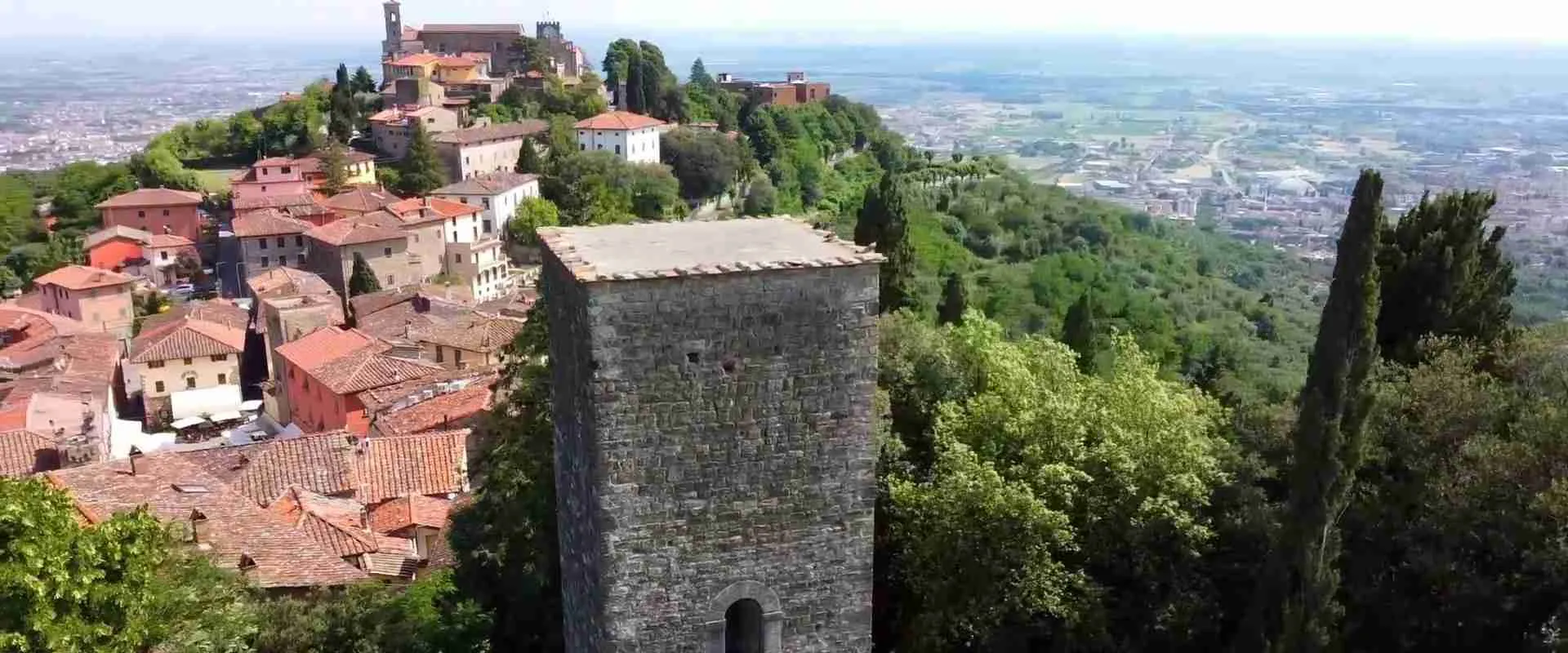
Tucked between Florence’s tourist corridors and the Ligurian coast, the Valdinievole valley and its highland crown — the Svizzera Pesciatina — offer one of Tuscany’s least-crowded road trips: ancient spa towns, ghost-village hilltops, single-lane stone bridges, and a mountain landscape of genuine alpine character within 40 kilometres of the autostrada. This 2026 planning guide covers the full mountain loop from Montecatini Terme, a village-by-village guide to the stone hamlets above Pescia, ZTL compliance, carbon-neutral transport alternatives, and a verified daily budget breakdown for every traveler type.
Key Takeaways
- The core road trip loop from Montecatini Terme covers roughly 80–100 km of mixed provincial roads and single-lane mountain tracks; allow a full day (7–9 hours including stops) or — for the more rewarding experience — a relaxed two-day circuit based in Montecatini Terme.
- Mid-range travelers driving the loop with two people sharing a hotel and car typically spend €205–300 per person daily in 2026; budget options run €110–170 and luxury around €335–535 per person daily.
- Several Svizzera Pesciatina villages — especially Sorana, Pontito, and Castelvecchio di Pescia — have no car access to their centers; park at designated approach areas and walk in, which is in any case a more rewarding arrival.
- E-bike rentals from Montecatini Terme make the 8-km valley floor section to Pescia easily car-free; the climb into the highland villages (roughly 400–600 m altitude gain) requires a high-torque pedal-assist model and should be confirmed with the rental operator before departure.
- Mid-April to early June and September to early November are the optimal windows for 2026: lowest road traffic in the mountains, maximum landscape character (spring green or autumn copper chestnut canopy), and open bars and cafés in the ridge villages.
- The route functions as a credible single-day excursion from Florence (35–40 km via the A11 motorway, 35–45 minutes), completely bypassing the Chianti and San Gimignano tourist corridors.
People Also Ask About Valdinievole & Svizzera Pesciatina 2026
How Long Does the Valdinievole Loop Take to Drive in 2026?
The core loop — ascending to Monsummano Alto and Serravalle Pistoiese in the morning, then weaving through the Svizzera Pesciatina stone villages in the afternoon — takes a comfortable full day of 7–9 hours including stops. Allow at least 3–4 hours for the Svizzera Pesciatina segment alone in 2026: the mountain roads narrow to single-lane tracks between villages, the altitude gain from Pescia to Pontito covers roughly 600 metres on switchback gradients, and the drive rewards slow progress rather than haste. Drivers on a Florence day trip can compress the circuit to 5–6 hours by skipping two or three of the smaller ridge hamlets, but the two-day version based in Montecatini Terme is significantly more satisfying — the village roads in the late afternoon light, after the rare passing hiker has gone, constitute the experience rather than a backdrop to it.
What Is the Svizzera Pesciatina and Why Visit in 2026?
The Svizzera Pesciatina — literally “Pesciatina Switzerland” — is a cluster of stone mountain villages scattered across the ridge network above the town of Pescia in the upper Pescia river valley. The nickname reflects the landscape: chestnut forests, fast-flowing streams, mossy stone bridges, and village architecture with a distinctly alpine character that reads as genuinely foreign within the Tuscan visual grammar of cypress and terracotta. In 2026 the area remains almost completely absent from international mainstream itineraries, which means the narrow lanes between Sorana, Pontito, and Fibbialla carry only local traffic and an occasional hiker on weekdays. For travelers accustomed to the Cinque Terre’s summer density or Siena’s coach-party queues, the contrast is quiet to the point of disorientation: stone hamlets where a late-afternoon espresso means the bar owner unlocking their front door specifically for you.
How Much Does the Valdinievole Road Trip Cost Per Day in 2026?
Daily costs depend on accommodation tier. Budget travelers sharing a budget hotel or agriturismo room in Montecatini Terme and splitting a compact car typically spend €110–170 per person daily in 2026, covering accommodation share, simple trattoria meals, car rental and fuel, and a basic attraction entry or two. Mid-range travelers in a three-star thermal hotel spend approximately €205–300 per person daily (two sharing), adding a thermal bath session and restaurant dinners. Luxury travelers based at a grand spa hotel invest roughly €335–535 per person daily, including comprehensive spa access. For a two-day circuit these figures translate to approximately €220–340 per person budget, €410–600 mid-range, and €670–1,070 luxury. The single most significant optional expenditure is thermal bathing: one session at a principal Montecatini thermal establishment costs approximately €25–55 per person depending on the facility — verify current rates directly with the venues.
Can I Drive the Svizzera Pesciatina Without a Car in 2026?
Public transport reliably reaches the gateway towns of Pescia and Montecatini Terme in 2026 via the Florence–Viareggio train line and Autolinee Toscane regional buses. From Pescia, however, bus services into the Svizzera Pesciatina highlands are limited to a handful of routes on select weekdays, serving local residents rather than tourist itineraries. Verify current schedules at the Autolinee Toscane website (autolineetoscane.it) or at Pescia station before you commit. A more practical car-free approach for capable riders is an e-bike hired in Montecatini Terme: pedal-assist bikes cover the valley floor to Pescia easily, and a high-torque model can climb the lower Svizzera Pesciatina roads to Sorana. The Pontito section — the steepest and most rewarding — remains effectively car-dependent for anyone not carrying specialist mountain-bike equipment.
Extended multi-day tours – 5+ days
Featured Tuscany Multi-Day Tour Packages

4 days
The Best of Tuscany: Florence, Chianti & Cinque Terre Escape | 4 Days
- ✓ Comprehensive Tuscany tour
- ✓ Expert local guides included
- ✓ All accommodation arranged
- ✓ Transportation provided
3 days
Taste of Tuscany: A San Gimignano Wine Escape | 3 Days
- ✓ Booking needs min. 2 travelers
7 days
Tuscany to Cinque Terre: Wines, Villages & Unforgettable Walks
- ✓ Comprehensive Tuscany tour
- ✓ Expert local guides included
- ✓ All accommodation arranged
- ✓ Transportation provided
5 days
5 Day Tuscan Food & Wine Tour Package
- ✓ Comprehensive Tuscany tour
- ✓ Expert local guides included
- ✓ All accommodation arranged
- ✓ Transportation provided
Multi-day tour packages powered by TourRadar. Prices and availability subject to change.
Why the Valdinievole & Svizzera Pesciatina Region Rewards Drivers in 2026
Italian road trips cluster on a handful of well-documented circuits: the Chianti Classico corridor between Florence and Siena, Val d’Orcia’s cypress-lined ridges, the coastal panoramic routes of the Amalfi and Cinque Terre hinterlands. The Valdinievole and Svizzera Pesciatina occupy a completely different tier — genuinely unknown to most international visitors, structurally resistant to mass tourism because the roads connecting the best views require real comfort with single-lane mountain driving, and historically underrepresented in mainstream travel writing despite sitting 35 kilometres from Florence’s ring road.
The region’s layered character is the point. At the valley floor, Montecatini Terme is one of Italy’s most historically significant spa destinations, its Liberty-style thermal establishments drawing European health tourists since the late nineteenth century. The Montecatini Thermal Baths complex — a sequence of imposing Belle Époque pavilions set in a formal parkland — is the curated face of the valley. Climb 300 metres to Montecatini Alto via the historic Montecatini Funicular — inaugurated in 1898 and still operating seasonally — and you cross into the medieval hilltop village that predates the spa town by eight centuries, cobblestoned and calm even in August. Drive further still — through Monsummano Alto’s ruins, over the ridge to Serravalle Pistoiese, then west and up into the Svizzera Pesciatina — and the crowd count drops to near zero within 15 kilometres of the most visited thermal resort in Tuscany.
The Svizzera Pesciatina’s Swiss nickname encodes its essential character: an alpine landscape transplanted into Tuscany. The Pescia river and its tributaries have cut deep ravines into the Apennine foothills; the chestnut woods that once sustained entire village economies — providing flour, timber, and fuel through autumn harvests — still dominate the hillsides at altitude; and the stone architecture of the ridge villages reads as northern rather than Tuscan. Houses are compact two- and three-storey structures of local grey-green sandstone, their deep-set doorways and narrow window apertures designed for thermal insulation against long winters. Pontito, the highest and most isolated of the main villages, carries the local label of paese sospeso — the suspended village — for the way it appears to float above the treeline when seen from the valley floor below Pescia.
In practical terms for 2026 travelers, the Valdinievole loop delivers:
- Near-total absence of tour-bus traffic on the mountain roads above Pescia
- A genuinely alternative approach to Tuscany that does not require choosing between overtouristed corridors
- Thermal bathing at an Italian spa town operating at its traditional scale, rather than a theme-park approximation
- A hiking, cycling, and e-biking layer that can be folded into the driving circuit without specialist logistics
- A logical single-day extension of any Florence-based itinerary, with the train doing the heavy lifting for non-drivers
Planning the 2026 Valdinievole Road Trip: Logistics Before You Drive
Car Rental, Navigation and Road Standards for 2026
The overwhelming majority of the Valdinievole loop — including the main Svizzera Pesciatina circuit connecting Sorana, Castelvecchio di Pescia, and Pontito — is accessible by standard passenger car, provided the driver is comfortable with single-lane mountain roads and occasional reversing to let oncoming traffic pass. A compact or small hatchback is the optimal vehicle class for 2026: models equivalent to a Fiat 500, Peugeot 208, or Volkswagen Polo thread the narrowest village approaches and fit the limited parking areas at hilltop destinations. Avoid SUVs and people-carriers for the deep Svizzera Pesciatina segment; the road width between some hamlets constitutes a genuine physical constraint rather than a stylistic inconvenience.
Car rental in 2026 is available from Montecatini Terme town center, Pistoia (20 km northeast, broader selection), and Florence (full range, most competitive pricing for advance bookings). Collect from Florence and drive directly to Montecatini Terme on the A11 motorway in 35–45 minutes if starting from the Florentine base. Book well in advance for April–June and September–October, when Tuscany rental demand consistently exceeds supply and last-minute pricing rises sharply. Confirm with your rental company that the agreement covers strade bianche (unsealed gravel roads) before departure; the main Svizzera Pesciatina circuit is asphalted throughout, but optional detours toward the smaller isolated hamlets use compacted gravel that some standard contracts exclude.
Navigation apps — Google Maps, Apple Maps, Waze — cover the Valdinievole provincial roads accurately in 2026, but signal coverage in the deepest valleys above Pescia can be intermittent. Download an offline map via maps.me or OsmAnd while still in Montecatini Terme, before you lose connectivity in the chestnut forest. Mark the key waypoints — Pietrabuona, Sorana, Pontito, Fibbialla — as saved locations rather than searching for them live in areas where mobile data stalls. Keep a paper note of the route order as a fallback; the ridge road network between the Svizzera Pesciatina hamlets is small enough that a written sequence of village names is sufficient redundancy if your phone goes dark.
When to Drive: Seasonal Windows and Daily Timing for 2026
Spring (mid-April to early June) is the most reliably rewarding season for the 2026 circuit. The chestnut canopy is fully leafed and a clear, luminous green at altitude; the Pescia streams are running at full volume and audible from the road through open car windows; the Svizzera Pesciatina village bars and the occasional agriturismo are consistently open; and the valley floor around Pescia is at its most visually distinctive, with cut-flower nurseries in full production across the flatlands south of the town. This is also the season when the local mountain roads carry the least traffic from any source: Italian domestic tourism in this area peaks in late July and August.
Autumn (September to early November) offers the second strong window. Chestnut and oak foliage turns copper and gold from late September; mushroom season brings Italian day-trippers into the woods but not into significant conflict with the road circuit; and the clarity of autumn light sharpens the views from the Serravalle Pistoiese ridge and the Monsummano Alto summit. Pescia’s wholesale flower market remains active into autumn, and some ridge villages host small chestnut festivals in October that briefly animate the most isolated hamlets.
Summer (July and August) is viable for the highland section — the Svizzera Pesciatina stays relatively cool at elevation even in August — but the valley-floor towns heat up significantly, and weekend parking at the approach to village centers fills before mid-morning. Winter (December to March) is quiet and atmospheric but requires road condition checks before ascending above Sorana; the ridge roads can carry ice or light snow at 600 metres even when the valley floor is clear. The Montecatini Thermal Baths are a particular draw for winter visitors seeking the traditional European cure model with minimal competition for poolside space.
On any given driving day, depart Montecatini Terme by 8:30 AM to reach Monsummano Alto’s parking area before it fills and to position yourself at Pescia by midday for the Svizzera Pesciatina afternoon. Bars and small shops in the ridge villages — when operating at all — tend to keep early hours; a 2:00 PM arrival at Sorana is more reliable for finding the bar open than a 4:00 PM one. Return to Montecatini Terme from the Svizzera Pesciatina by early evening, allowing time to book a late-afternoon thermal bath session if the circuit has been compact enough to reach the valley before closing time.
The 2026 Mountain Loop: Starting from Montecatini Terme
The loop treats Montecatini Terme as both start and endpoint — the logical choice given the town’s accommodation density, train connection to Florence, e-bike rental infrastructure, and the Montecatini Thermal Baths as a recovery option after a day on mountain roads. From the town center, the full circuit covers 80–100 km of driving over 7–9 hours of on-road and walking time. The morning portion climbs to two hilltop destinations in opposite directions from the valley base; the afternoon makes the sustained western ascent into the Svizzera Pesciatina. Lunch in Pescia or at a trattoria near the valley floor is the natural pivot point between the two halves of the day.
Morning: Escalating to Monsummano Alto and Serravalle Pistoiese
Departure by 8:30 AM heads first toward Monsummano Terme, 5–6 km southwest along the valley floor from Montecatini. The thermal town shares its name with the ghost village above it — Monsummano Alto — but the two occupy entirely different historical registers: the valley settlement is nineteenth-century resort; the hilltop is a medieval ruin, abandoned when the valley floor became safer and more productive after early modern land reclamation works drained the marshes that had previously made low-lying settlement precarious. The ascent road from Monsummano Terme is narrow and steep, winding through olive and holm oak to a small parking area below the final approach. The walk to the summit ruins takes roughly 25–30 minutes at a comfortable pace, gaining approximately 150 metres on a stone path of variable quality.
At the top, what remains of the medieval settlement clusters around the small church of Sant’Antonio Abate — still maintained by the local community, though open primarily on feast days — and the fragmentary walls of a fortification that local historical documentation associates with the Guidi family, though the precise construction sequence and attribution of the surviving fabric remains a matter of local historiography rather than settled record. The summit platform delivers the loop’s most comprehensive view: the entire Valdinievole floor laid out below, the Montalbano hills rising across the valley to the south, the profile of Monte Pisano visible on clear mornings to the southwest. On a spring morning before the valley haze builds, this is one of the most satisfying panoramas in the Pistoia province — and one that virtually no foreign tourist has seen this week.
From Monsummano, the route cuts back northeast through Montecatini Terme’s outskirts and picks up the provincial road climbing toward Serravalle Pistoiese, approximately 12–14 km from Montecatini. The town occupies the ridge between the Nievole valley to the south and the Ombrone valley descending toward Pistoia to the north — a strategic position that explains its medieval significance as a controlled crossing point between two drainage basins. Today it is a quiet hill town of modest scale, its historic center retaining a medieval street plan and a campanile visible from the valley road far below. The ridge view from Serravalle is the complementary inverse of Monsummano Alto’s: the Apennine wall rising steeply to the north, the Nievole plain spreading south, and on a clear day the full profile of the Svizzera Pesciatina’s ridge villages, including the white speck of Pontito on its limestone spur, visible to the northwest. Allow 35–45 minutes in Serravalle Pistoiese — a trattoria on the main street serves a reliable working lunch if you want to eat here rather than descending — before returning to the valley for the westward drive to Pescia.
The practical 2026 schedule from Montecatini Terme positions the morning like this: Monsummano Alto (arrive 8:45 AM, depart 10:30 AM), valley road to Serravalle Pistoiese (arrive 11:00 AM, depart 12:00 PM), light lunch in Serravalle or Montecatini Terme (12:00–1:00 PM), drive west to Pescia to position for the Svizzera Pesciatina (arrive 1:30 PM). This timetable leaves the afternoon hours — when the chestnut light is warmest — for the highland villages.
Afternoon: Weaving Through the “Svizzera Pesciatina” Stone Villages
The climb from Pescia into the Svizzera Pesciatina begins on a provincial road heading northwest from the town and narrows progressively as altitude increases, the lane markings disappearing into the tarmac somewhere above the first chestnut canopy. The first village reached is Pietrabuona, low enough in elevation to retain a handful of year-round businesses and a Romanesque church whose origins are documented as medieval without a precisely dated foundation record in the accessible literature. From Pietrabuona the road continues to climb through deepening forest, the valley floor dropping away behind and the air cooling perceptibly as the altitude passes 350 metres, to reach the lower Svizzera Pesciatina circuit between 400 and 500 metres above sea level.
Sorana is the most visited of the Svizzera Pesciatina villages and the appropriate first stop for 2026 travelers. It sits above the Pescia river gorge and is best known for its medieval stone arch bridge — a single-span structure crossing the stream at the village base — which has become the defining image of the Svizzera Pesciatina circuit in Italian travel photography. The bridge is preserved as a pedestrian structure and the approach lane is designed for walkers only; do not attempt to drive it regardless of apparent vehicle width. Park at the indicated area on the approach road below the village (8 minutes on foot to the bridge on a stone path, some uneven surfaces) and explore on foot. The village bar, when open, serves the Sorana bean in soup or cold preparations — the fagiolo di Sorana, a protected IGP variety grown in the distinctive microclimate of this narrow river valley, has been cultivated in this precise location for centuries and is not easily found outside it.
Castelvecchio di Pescia, a few kilometres further along the ridge track, is smaller and quieter than Sorana. Its name — literally Old Castle — points to a fortification that has not survived in any visible form above the stonework of the current houses. The piazza is tight and the houses close over it on three sides; the fourth opens to a view over the descent toward Pescia that explains exactly why the site was chosen. There is nothing to buy or do here beyond walking the single lane, looking at the stone, and experiencing the specific quality of quiet that results from being a place nobody visits.
Pontito justifies the entire afternoon circuit. At roughly 690 metres — the highest of the main Svizzera Pesciatina villages — Pontito has earned consistent literary attention in Italian travel writing as the prototypical paese sospeso: a village that appears literally suspended when viewed from the valley below, balanced on a limestone ridge between the chestnut forest and the sky. The permanent population has declined over the twentieth century, most houses standing as maintained vacation properties or summer residences, which produces an atmosphere that is evocative rather than desolate: stone walls in perfect repair, geraniums in window boxes kept by summer returnees, a small piazza centered on a well. The road to Pontito includes a tight hairpin immediately below the village that requires slow approach on the outside barrier; experienced compact-car drivers navigate it without difficulty in dry conditions. The village church — documented as dedicated to San Jacopo, though precise dates for the current structure are not definitively established in general sources — is generally locked outside its feast calendar but worth viewing from the exterior for the stonework of the façade and its position at the ridge’s highest point.
The descent from Pontito can retrace the Sorana approach or take the alternative ridge track through Fibbialla and Aramo toward the Medicina junction before rejoining the Pescia valley road. This circular option adds 30–45 minutes but gives a fuller cross-section of the Svizzera Pesciatina’s ridge villages, each slightly different in character and altitude. Fibbialla in particular sits on a western-facing spur that catches the late afternoon sun from behind Pontito’s ridge, making it the best photography light of the day at the 4:00–5:00 PM window. Return to Montecatini Terme from Pescia by the valley road in approximately 25 minutes, arriving in time for a thermal bath aperitivo if the morning’s climbing has left an inclination for recovery.
Village-by-Village Guide to the Svizzera Pesciatina in 2026
The Svizzera Pesciatina villages are not arrayed along a single road but scattered across a ridge network with multiple spurs and connecting tracks. No circuit visits all of them without backtracking; every route involves a choice about which branch to take at each junction. The following guide provides the operational detail each village requires in 2026, supplementing the route narrative above.
Sorana: The Alpine Gateway and Its Bean Culture
Sorana functions as the Svizzera Pesciatina’s commercial and social gateway in 2026 — the village with the highest probability of an open bar, the most consistent parking infrastructure, and the widest range of visitors (Italian day-trippers in autumn, the occasional French and German hiking couple in spring). The arch bridge is the primary draw, but the bean culture around Sorana merits equal attention for food-focused travelers. The fagiolo di Sorana IGP designation reflects an officially recognized microclimate argument: the particular combination of river moisture, sheltered valley orientation, and sandy-loam soil produces a bean of exceptional thin skin and flavor that cannot be replicated in different terrain. The autumn harvest period (late September to October) brings activity to the valley with farmers selling directly from roadside stalls. Out of season, the local bar and the occasional agriturismo in the surrounding slopes can supply vacuum-packed dried beans for travelers wanting to carry the valley’s most specific product home.
Practical notes for Sorana in 2026: parking at the designated approach area (signed from the main road below the village); walk 8 minutes to the bridge on the stone path, uneven toward the end; the bar in the village square operates reduced hours from November to March — do not rely on it for water or food outside peak season; carry provisions. The road through Sorana toward Castelvecchio di Pescia narrows to just over single-lane width immediately north of the village square; two cars can pass at the widened section marked with a passing icon on the tarmac, but the manoeuvre requires one driver to reverse to the wider point.
Pontito: Italy’s Suspended Village at 690 Metres
Pontito is the Svizzera Pesciatina’s defining destination and the one most likely to exceed expectations for travelers who have seen the photographs. The photographs fail to convey two things: the silence (genuine, absolute, broken only by wind and the occasional bird call in the chestnut canopy below the ridge), and the evidence of continuous care in a place the visitor instinct might frame as abandoned. The geraniums are watered. The stone paths are swept. The houses are shuttered rather than crumbling. This is a village in low-season maintenance mode rather than terminal decline, and the distinction matters enormously to the atmosphere.
For 2026 visitors, the practical approach notes: the final ascent from the Sorana direction includes a hairpin at roughly 670 metres where the inside radius is tight enough that a standard-wheelbase car needs to complete the turn in two movements. This is not unusual on Italian mountain roads and should not deter the experienced driver, but it surprises drivers unfamiliar with the manoeuvre if they are moving at more than 10 km/h. From the Fibbialla direction (the descent used on a circular circuit), this hairpin is taken as a downhill bend where the approach is gentler. No formal café or restaurant operates at Pontito consistently; bring food and water from Pescia or Sorana. There is a spring water point — a wall-mounted stone tap — in the village square that operates year-round and is potable; refill bottles here on a warm day before descending.
Fibbialla, Aramo, and the Ridge Hamlets
Fibbialla, Aramo, San Quirico, Medicina, and Stiappa complete the map of the Svizzera Pesciatina’s populated ridge. Each is smaller than Sorana or Pontito — clusters of ten to forty houses in most cases — and they function less as destinations in their own right than as waypoints and viewpoints on the connecting roads between them. Their collective value is the chestnut forest canopy that closes over the roads at this altitude: in spring it forms a tunnel of luminous green lit from above through the leaf cover; in autumn it produces a copper and gold arch over the road surface that is the visual signature of the Svizzera Pesciatina season that Italian photographers specifically plan for.
Aramo sits on a spur facing northwest over the Pescia valley and catches the last direct light of the afternoon even after Pontito has gone into shade, making it the best spot on the circuit for golden-hour photography toward the mountains. San Quirico and Medicina are connected by a track that is asphalted in its upper section but transitions to compacted gravel lower down — passable in dry conditions, slippery in rain, and not recommended after November without specific road-condition information. Stiappa, the most isolated of the main named hamlets, is the endpoint of a dead-end branch off the Fibbialla road; the road terminates at the village and requires the visitor to reverse or perform a three-point turn before descending. All of these hamlets are within 20 minutes of Sorana by car on the ridge roads and can be added to the afternoon circuit without significant time cost.
Operational Optimization for the 2026 Season
The Valdinievole and Svizzera Pesciatina circuit presents a distinct set of operational constraints in 2026 that differ from those on most Tuscan scenic drives. The combination of ZTL (Zona a Traffico Limitato) restrictions in the valley-floor towns, physical constraints imposed by medieval road and bridge infrastructure, and the developing but still limited e-bike and EV charging network creates friction points that are easy to resolve with preparation but frustrating to encounter without it.
Navigating Single-Lane Medieval Stone Bridges and Restricted ZTL Zones
The 2026 driver on the Valdinievole loop encounters three distinct categories of road restriction, each requiring a different mitigation strategy.
Formal ZTL zones apply to the historic centers of the valley-floor towns and to specific approach roads in the hilltop villages. In Montecatini Terme, the thermal park district and the approach road to Montecatini Alto carry ZTL camera enforcement during defined hours. The Montecatini Funicular — the historic cable railway connecting the thermal town to the medieval hilltop village — is both the most enjoyable and the most practical way to reach Montecatini Alto without engaging the upper road’s ZTL restriction; it departs from Viale Diaz in the lower town and deposits passengers in the upper village’s main piazza. ZTL operating hours and camera locations in Montecatini Terme are published on the official municipal portal (comune.montecatini-terme.pt.it) and are subject to periodic revision — check the current ordinance before driving into any restricted area, as Italian ZTL fines arrive by post weeks after the visit with no advance notification. Apps such as iZTL and Coyote aggregate Italian ZTL boundaries but may lag behind ordinance updates; the official municipal site is the authoritative source.
De facto pedestrian priority applies to the centers of most Svizzera Pesciatina villages regardless of formal ZTL status. Sorana, Pontito, and Castelvecchio di Pescia are the most significant examples: their village centers have no car-turning space, no parking, and — in Pontito’s case — a lane width that a standard car can enter but cannot readily exit without reversing downhill for a distance. The established visitor convention in 2026 is to use the designated parking areas at each village approach (signposted where they exist, or self-evident from the widening of the road at the last feasible turning point) and walk in. This is not a constraint but a feature: arrival on foot gives the stone approach lanes and the sudden opening of each village piazza a proportionality that driving into them destroys.
Single-lane medieval bridges and road-width constraints are the third category, affecting the Sorana arch bridge (pedestrian-only, off-limits to all vehicles), several smaller stream crossings on the ridge connecting roads, and the access tracks to the most isolated hamlets. Standard practice for single-lane mountain roads in Italy applies throughout the Svizzera Pesciatina: reduce speed to 15–20 km/h before blind sections; sound the horn once on approaching blind hairpins; use the designated passing points — road-width sections marked with blue parallel arrows on the tarmac — where provided; and yield to ascending traffic on the steepest grades where reversing is difficult. Campervans, minibuses, and vehicles wider than approximately 1.8 metres will encounter sections of the Svizzera Pesciatina circuit that are physically impassable; this is not a guidebook caveat but a physical reality of roads built for mule traffic and adapted incrementally for motor vehicles. The compact-car requirement is a genuine operational specification, not a stylistic preference.
Coordinating Montecatini E-Bike Tours with Hidden Mountain Trailheads
E-bike infrastructure in and around Montecatini Terme has developed meaningfully in recent years as part of the Valdinievole’s broader slow-mobility promotion, and several operators now offer pedal-assist bicycle hire for day circuits into the surrounding hills. Specific operators, their current pricing (as a general indication, standard pedal-assist day rentals in Tuscany in 2026 range from approximately €25–45 per day, though this varies considerably by model specification and season), and available booking platforms change from season to season in a market still maturing; verify current availability through the Montecatini Terme tourist office (IAT Montecatini Terme, in the town center) or directly with rental points on arrival. The IAT maintains a current list of active operators and can advise on which models are suited to the Svizzera Pesciatina climb.
For 2026 route planning, the e-bike circuit worth designing is the valley-floor-to-lower-ridge combination. The flat section from Montecatini Terme to Pescia (8 km, negligible gradient) is accessible to any rider on any pedal-assist model. The climb from Pescia to Sorana and the lower Svizzera Pesciatina villages involves a sustained ascent of 350–400 metres over 8–10 km of road — feasible on a high-torque model (250W motor minimum, 500Wh battery or larger) but demanding, and not appropriate for the city-style pedal-assist models often stocked by valley-floor rental shops. Before hiring, confirm with the operator: battery range for the planned return circuit (Sorana and back from Pescia is approximately 20 km of mountain road), and whether the bike’s motor output is rated for sustained mountain climbing.
For the highest Svizzera Pesciatina villages — Pontito and the ridge hamlets above 600 metres — the combination of altitude gain and road gradient makes e-bike access impractical for most non-specialist riders even on capable machines. The most efficient 2026 approach for travelers wanting both car-free and highland access is a modal combination: train or bus from Florence to Montecatini Terme; e-bike from Montecatini Terme to Pescia (or to Sorana for the lower circuit); car hire from a local Montecatini Terme agency for the Pontito section if the full ridge circuit is the target. Where rental terms permit, some travelers leave the e-bike secured at Pescia station and use a locally hired vehicle for the highland section before returning by train.
Trail access for riders on purpose-built mountain e-bikes exists throughout the Svizzera Pesciatina via the CAI (Club Alpino Italiano) trail network that connects several highland villages on marked paths not accessible by road. These trails link Pontito and Fibbialla on unpaved routes and — in some documented segments — traverse the chestnut forest on paths of exceptional scenic quality. Confirm current trail conditions and signage status with the local CAI section in Pescia before using them; seasonal maintenance varies and some segments are unmarked or degraded following heavy rainfall.
Charging infrastructure for e-bikes along the 2026 circuit is limited but functional at the valley-floor anchors. Montecatini Terme has public charging points in the main piazza area and near the thermal park; Pescia has charging at and adjacent to the train station. Between Pescia and the ridge villages, no reliable public e-bike charging exists as of mid-2026. Plan for a fully charged battery at the start of the Svizzera Pesciatina section; on long-range models with removable batteries, carry a charged spare if the rental terms permit it.
Carbon-Neutral and Low-Emission Transport for the 2026 Route
The Valdinievole is among the more accessible rural Tuscany destinations for 2026 travelers committed to reducing car dependence, with reliable rail and bus connections to the valley-floor gateway towns and a growing e-bike infrastructure covering the flat sections of the circuit. The Svizzera Pesciatina’s mountain segment remains practically car-dependent for all but the most capable cyclists, but combining public transport to the valley with a locally hired vehicle for the highland section meaningfully reduces total transport emissions relative to a car-from-Florence approach.
Train and Bus Access to the Circuit Base
The Florence–Viareggio regional rail line serves both Montecatini Terme and Pescia with multiple daily services in each direction. Journey time from Florence Santa Maria Novella to Montecatini Terme is approximately 45–60 minutes depending on the service; Pescia is a further 8–12 minutes west on the same line. In 2026 the train frequency supports a Florence day-trip structure: take the morning train to Montecatini Terme (arriving before 9:00 AM on early services), hire an e-bike or local car, run the circuit, and return by early evening train. Italian regional rail fares on this corridor are low and no advance booking is required for regional services; check current timetables and fares at trenitalia.com or the RFI journey planner.
Autolinee Toscane (autolineetoscane.it) operates the regional bus network in the Valdinievole with routes connecting Montecatini Terme, Pescia, and the valley-floor villages. Bus frequency on the Montecatini–Pescia corridor is sufficient to support valley-floor mobility for non-drivers. Services into the Svizzera Pesciatina highlands operate on limited weekday schedules designed for local residents rather than tourist flexibility; treat highland bus connections as a supplement or emergency backup rather than the primary mode for the mountain circuit.
Electric Vehicle Infrastructure for the 2026 Drive
Electric vehicle rental in Tuscany has expanded consistently in 2025–2026 and the full Valdinievole loop — 80–100 km — is well within the range of any modern electric vehicle from a full charge, presenting no range-anxiety constraint for EV drivers. Public charging in Montecatini Terme includes Enel X Waypoint installations accessible via the network’s app; Pistoia (20 km northeast) offers a broader fast-charge network for any top-up needed before or after the circuit. The PlugShare and ChargeMap apps aggregate current Italian EV charging location and status data and are the most reliable pre-departure verification tools in 2026, as point availability can change without notice. The Svizzera Pesciatina villages have no public EV charging as of mid-2026; this imposes no practical constraint given the loop’s manageable total distance.
Where to Eat and Sleep Along the 2026 Valdinievole Circuit
Trattorias and Agriturismi Serving Valdinievole Cuisine
The Valdinievole’s food identity sits between several distinct traditions: river-valley produce from the Nievole flatlands, the chestnut and wild-mushroom culture of the Svizzera Pesciatina highlands, and the flower-and-vegetable market abundance of Pescia’s growing district. In 2026, the most distinctive local products encountered on the circuit include the Sorana bean IGP variety, freshwater trout from Pescia river tributaries in season, porcini from the chestnut woods in September and October, and the pane sciocco — Tuscany’s characteristic unsalted bread — that accompanies everything and consistently surprises visitors from regions where bread is seasoned.
Specific restaurant names age quickly in areas with high operator turnover, so this section identifies types and neighborhoods rather than individual establishments. On the valley floor, Pescia’s town center contains a cluster of informal trattorias near the historic market area serving a predominantly local clientele; handwritten menus and wine by the quarter-litre ceramic jug are reliable markers of a local operation rather than a tourist-facing one. In Montecatini Terme, the thermal park district is ringed by hotel restaurants calibrated for spa guests; for better value and local character, walk 10 minutes northeast of the park toward the residential streets near the Montecatini Funicular station, where family trattorias serve working-lunch menus at prices significantly below the spa-hotel adjacent establishments. In the highland villages, Sorana’s bar (when open) and the occasional agriturismo operating seasonal lunches are the only consistent options. Assemble a packed lunch in Pescia’s market before ascending; this is the practical default for the Svizzera Pesciatina afternoon and has the additional advantage of picnicking at the Pontito ridge view — one of the most memorable lunch spots in the Apennine foothills.
Accommodation Tiers Along the 2026 Circuit
Montecatini Terme is the natural base for the 2026 loop, offering the broadest accommodation range within the circuit, direct train access to Florence, and the thermal baths as a built-in evening option. All per-room rates below are divided by two for the per-person cost that appears in the budget section, consistent with two travelers sharing.
Budget accommodation in Montecatini Terme in 2026 includes family-run B&Bs, one-star thermal hotels letting rooms without full spa access, and campsites in the surrounding hills. Room rates in this tier run approximately €65–85 per room per night, giving a per-person nightly cost of €33–43 for two sharing. Check Booking.com and similar platforms for current rates; Montecatini pricing shifts significantly between weekday and weekend periods and between shoulder and peak season, and advance booking secures the best rates in a market where the lower-tier stock is limited.
Mid-range accommodation — three-star thermal hotels and agriturismi with en-suite rooms in the Pescia foothills — runs approximately €120–170 per room in 2026, or €60–85 per person sharing. Many three-star thermal hotels include access to a pool and basic thermal facilities within the room rate, but confirm this with the property directly as the thermal inclusion varies considerably between properties of the same star rating. The agriturismi in the Pescia foothills offer a countryside alternative at similar price points with breakfast typically included and — in some cases — their own small swimming pool and vineyard.
Luxury accommodation includes Montecatini Terme’s grand thermal hotel properties — several of which operate in ornate Liberty buildings contemporaneous with the thermal park’s Belle Époque heyday — and a small number of boutique country hotels in the surrounding hills. Room rates in this tier range from approximately €220–350 per room per night, or €110–175 per person sharing. These properties typically provide comprehensive spa access, in-house restaurant dining, and a thermal program that eliminates the need for external attraction planning.
For travelers wanting to sleep within the Svizzera Pesciatina itself — which produces a genuinely different experience of the area’s character, particularly in early morning before the valley heat rises — a small number of vacation apartments operate in Sorana and occasionally in Pontito, bookable through Airbnb and comparable platforms. No hotels operate at altitude in this area; all accommodation there is private rental and should be booked well in advance for the spring and autumn peak weekends.
The 2026 Budget Breakdown: Daily Costs for the Valdinievole Scenic Drive
The following breakdowns are calculated for two travelers sharing both a hotel room and a car, with all hotel rates divided by two before being added to individual costs. Figures represent estimated 2026 ranges based on Tuscany pricing patterns; verify current rates directly with booking platforms and official sites before departure, as seasonal variation is significant across all tiers.
Budget tier (two sharing a budget hotel or B&B): hotel share €33–43 per person (room €65–85 ÷ 2), simple trattoria meals €37–55 (breakfast €5–10, lunch €12–20, dinner €20–25), compact car rental share €25–35, fuel share €7–12, parking €3–6, attractions and entry fees €5–20. Total: approximately €110–170 per person daily.
Mid-range tier (two sharing a three-star thermal hotel): hotel share €60–85 per person (room €120–170 ÷ 2), restaurant meals €68–100 (breakfast €8–15, lunch €20–30, dinner €40–55), car rental share €28–40, fuel share €9–14, parking €4–8, one thermal bath session and attraction entries €35–55. Total: approximately €205–300 per person daily.
Luxury tier (two sharing a grand thermal hotel or boutique country property): hotel share €110–175 per person (room €220–350 ÷ 2), restaurant meals €105–150 (breakfast €15–20, lunch €35–50, dinner €55–80), premium car rental share €35–60, fuel share €10–18, parking €5–12, multiple thermal sessions and spa access €70–120. Total: approximately €335–535 per person daily.
A two-day circuit based in Montecatini Terme therefore costs approximately €220–340 total per person for budget travelers, €410–600 total per person for mid-range travelers, and €670–1,070 total per person for luxury travelers — figures that include two nights’ accommodation, all meals, the car for two days, and one or two thermal bath visits or major attraction entries. Solo travelers occupying a room alone should add approximately €30–50 per day across all tiers to account for the undivided room cost.
The thermal bath is the variable that most affects the mid-range and luxury totals. One session at a principal Montecatini establishment costs approximately €25–55 per person depending on the facility level and day of week — verify current admission prices directly with the venues, as pricing between the different thermal pavilions varies substantially. Grotta Giusti, the thermal cave near Monsummano Terme that combines a natural thermal grotto with spa facilities and is widely considered one of the most distinctive thermal experiences in central Italy, operates at a significantly higher price point; check grottagiusti.com for current entry prices and booking requirements, as visits typically require advance reservation.
Alternative Routes and Day-Trip Extensions from the 2026 Loop
Collodi and Villa Garzoni Gardens: A Literary Detour
Collodi, 5 km west of Pescia on the valley floor, is the birthplace of Carlo Lorenzini, the writer whose pen name — Collodi — became the title of his most celebrated character: Pinocchio. The village is today organized around two complementary attractions. Pinocchio Park on the valley floor below the historic village is a themed garden installation that has operated since the 1950s and draws Italian families throughout the summer; it is designed for children but the quality of the sculptural commissions within it elevates it above a purely commercial operation. The Villa Garzoni Gardens above the village — a formal terraced baroque garden climbing the hillside behind the villa — are the more architecturally significant destination for adult visitors. The gardens developed across the seventeenth and eighteenth centuries (the precise chronology of individual features is incompletely documented in general sources) and represent one of the best-maintained examples of formal Italian garden design in the northern Apennine foothills. Entry to the Villa Garzoni Gardens carries an admission fee; check current rates at villagarzoni.it. Including Collodi adds 2–3 hours to the western end of the loop and converts the Svizzera Pesciatina day trip into a fuller western Valdinievole circuit.
Pescia Flower Market: The Valley Floor Counterpoint
Pescia is one of Italy’s historically significant cut-flower production centers, with a tradition of floriculture documented across multiple centuries and a wholesale auction and market infrastructure that supplies florists across central and northern Italy. The wholesale market operates on early-morning trade hours (typically before 8:00 AM for auction activity) and is oriented toward professional buyers rather than tourism; visiting the market itself is not a practical option for most travelers. However, the nursery landscape surrounding Pescia — fields of gerberas, carnations, and orchids extending along the valley floor south of the town — is visually striking even from the road, particularly in late spring when multiple crops are simultaneously in bloom. A slow drive through the nursery district near San Piero in Campo before ascending into the Svizzera Pesciatina anchors the highland stone-village circuit in the valley’s contemporary agricultural economy and provides a striking visual contrast — green, flat, intensively worked — to the stone and forest landscape above.
Buggiano Castello, Massa e Cozzile, and Montevettolini: The Southern Rim Villages
The Valdinievole valley’s southern edge carries a string of medieval hilltop villages — Buggiano Castello, Massa e Cozzile, and Montevettolini — that are architecturally comparable to the better-known Montecatini Alto but receive a fraction of its visitor attention. Buggiano Castello preserves a medieval streetscape of notable integrity, its single main lane of stone houses following the hilltop ridge line to a small church at the summit end; the total walking circuit from the approach parking area takes approximately 25 minutes and delivers views south toward the Montalbano hills that complement the northern panorama from the Monsummano Alto and Serravalle Pistoiese ascents. Massa e Cozzile and Montevettolini offer similar ridge-village character at smaller scale. Adding these three villages to the morning portion of the 2026 loop requires a 1.5–2 hour extension but gives a more complete picture of the Valdinievole’s hilltop settlement pattern before the Svizzera Pesciatina’s alpine variation takes over in the afternoon.
Frequently Asked Questions About the Valdinievole & Svizzera Pesciatina Drive 2026
Do I need a 4WD or SUV for the Svizzera Pesciatina roads in 2026?
No — and in fact an SUV is a disadvantage rather than an asset on this circuit. The main asphalted route connecting Sorana, Castelvecchio di Pescia, and Pontito is accessible by any standard passenger car in 2026. What the road demands is a compact footprint (vehicles wider than approximately 1.8 metres will encounter physical constraints at the tightest single-lane sections) and driver comfort with hairpin bends and occasional reversing to pass oncoming traffic. The optional dirt-track routes to the most isolated hamlets are manageable by standard cars in dry conditions but muddy in wet weather; stick to the asphalted main circuit if driving after rain, and leave the unladen SUV at the valley-floor car park.
Is the Montecatini Funicular running in 2026?
The Montecatini Funicular has historically operated on a seasonal schedule, typically running from spring through autumn and closing during the winter months, with occasional technical maintenance closures mid-season. Operating dates, current timetable, and fares for 2026 should be verified through the IAT Montecatini Terme tourist office or the official municipal communications before planning a visit that depends on it. When operational, the funicular offers both the most enjoyable ascent to Montecatini Alto and the most practical way to visit the medieval hilltop village without engaging the ZTL restriction on the upper road — making it the recommended approach for the vast majority of 2026 visitors.
Where can I rent an e-bike in Montecatini Terme in 2026?
Multiple operators in Montecatini Terme offer pedal-assist bicycle hire; the IAT Montecatini Terme tourist office (in the town center) maintains a current list of active businesses and can advise on which models are suited to the Svizzera Pesciatina climb. As a general indication, standard pedal-assist day rentals in the Tuscany market in 2026 range from approximately €25–45 per day, but verify current pricing directly with operators as it varies by model, season, and rental duration. For the highland circuit, confirm with the operator that the bike’s battery is rated for 500Wh or larger and that the motor output is 250W minimum — city-style models widely available in valley-floor tourist towns are under-powered for the sustained Svizzera Pesciatina climb.
Are the Montecatini thermal baths open year-round in 2026?
The Montecatini Thermal Baths complex encompasses multiple distinct establishments with differing seasonal schedules; some facilities operate year-round while others close between October and April or reduce hours significantly outside peak season. Verify the current schedule of your preferred establishment directly — the official website (termemontecatini.it) publishes seasonal operating calendars and current pricing. Grotta Giusti near Monsummano Terme operates on a separate schedule; check grottagiusti.com for availability and booking requirements. Advance reservation for thermal visits is advisable in peak summer and on holiday weekends regardless of which establishment you prefer.
What are the main ZTL zones to check before driving the 2026 route?
The three ZTL-adjacent situations most directly affecting 2026 visitors are: (1) Montecatini Terme’s thermal park district and specific central lanes — check the current zone map at comune.montecatini-terme.pt.it before entering the center by car; (2) the access road to Montecatini Alto, which carries restrictions during defined hours and is most practically avoided by using the Montecatini Funicular; and (3) the de facto no-drive convention at Svizzera Pesciatina village centers, where the practical constraint is physical rather than camera-enforced but equally absolute. The general rule that eliminates ZTL risk on this circuit entirely: park at the first designated parking area outside any village center, walk in, and enjoy arrival on foot rather than looking for a space that does not exist.
Can I drive all the way to Pontito’s village center in 2026?
The road to Pontito reaches to within very close proximity of the village, but the final approach — including the tight hairpin immediately below the houses — requires a compact car and cautious speed. Standard-wheelbase cars navigate the hairpin without difficulty at 5–8 km/h; wider vehicles or drivers unfamiliar with Italian mountain road technique may find the inside radius of the bend requires a two-point manoeuvre. A designated parking area exists below the final section; parking here and walking 5–10 minutes on the stone path is the recommended approach for 2026 visitors regardless of vehicle type, as the path’s approach to the village is part of the experience. Do not reverse uphill from the village on the approach road without checking that it is clear for the full distance — the road below has no turnout until the passing point 300 metres below.
What is the best base for the Valdinievole and Svizzera Pesciatina circuit in 2026?
Montecatini Terme is the optimal base for most 2026 travelers: widest accommodation range, direct Florence train connection, thermal baths as a built-in evening option, and a central position in the Valdinievole that puts Monsummano Alto, Serravalle Pistoiese, and Pescia all within 15 km. Pescia is the preferred alternative for travelers prioritizing proximity to the Svizzera Pesciatina over thermal infrastructure — it reduces the daily approach drive to the highlands by 20–25 minutes. Florence itself works as a day-trip base: the A11 motorway puts Montecatini Terme 35–40 minutes from the city center, and the train makes the journey equally fast without a car for the valley sections.
Are EV charging points available along the 2026 route?
EV charging in 2026 is available at Montecatini Terme (Enel X Waypoint and some hotel charging points) and Pescia (at and near the train station). Pistoia, 20 km northeast, has a broader fast-charge network for any top-up needed before departing the area. The full 80–100 km loop is comfortably within range for any modern electric vehicle from a full charge at Montecatini Terme, so mid-circuit charging is not typically required. Use PlugShare or ChargeMap to verify the exact location and current operational status of charging points before departure, as network availability can change. The Svizzera Pesciatina villages have no public EV charging infrastructure in 2026.
How does this route compare to the Chianti or Val d’Orcia circuits in 2026?
The fundamental differences are crowd density, road character, and landscape type. On peak summer weekends in 2026, the single-lane roads above Pescia carry a fraction of the traffic on the SS222 through Greve in Chianti or the SP146 approaching Pienza; the Pontito arrival experience — a near-empty piazza, geraniums in window boxes, total acoustic quiet — is structurally impossible to replicate on routes that appear in every mainstream travel guide in every major language. The landscape is also genuinely distinct: chestnut-and-sandstone alpine character above 400 metres, rather than the cypress-and-travertine visual language of Siena province. For travelers who have already driven the Val d’Orcia or the Chianti, the Valdinievole offers a complete visual and experiential reset within the same regional drive time from Florence.
How far in advance should I book for the 2026 Svizzera Pesciatina circuit?
Mid-range and luxury accommodation in Montecatini Terme books out for peak weekends (late April, all of August, October chestnut-festival period) several weeks to months in advance in 2026; the town’s spa-hotel stock is limited and in consistent demand from European health tourists who book well ahead. Budget accommodation and agriturismo options outside the town are typically available with shorter lead times. Car rental for the April–June and September–October windows should be reserved at least 2–3 weeks in advance from Florence rental agencies; last-minute compact-car availability in Tuscany during peak periods is unreliable. The Svizzera Pesciatina villages require no booking — arrival is self-directed — but if planning to stay in a vacation rental in Sorana or Pontito, book several months ahead for the spring and autumn high-demand weekends.