Perched high in the Andes, this iconic archaeological site continues to captivate historians and adventurers alike. Though often called the “Lost City of the Inca”, recent research reveals it was never truly lost to local communities. Its global fame began in 1911 when Hiram Bingham brought it to international attention – yet even his narrative contained layers of misinterpretation.
The citadel’s precision-cut stones tell a story of innovation. Engineers designed walls that defied earthquakes through strategic gaps and interlocking shapes, a testament to Inca craftsmanship. These silent stones hold secrets about spiritual practices, astronomical alignments, and the site’s abrupt abandonment.
Our journey through these ruins goes beyond postcard views. We’ll examine how modern archaeology challenges old assumptions, from the purpose of its terraces to theories about its role in the empire. Prepare to discover why this UNESCO World Heritage Site remains one of history’s most compelling puzzles.
Key Takeaways
- Machu Picchu’s “lost city” label stems from 20th-century myths, not historical reality
- Earthquake-resistant construction showcases advanced Inca engineering
- Ongoing research continues to reshape our understanding of its purpose
- The site features precise astronomical alignments with celestial events
- Many structures likely served both practical and spiritual functions
- Contact us for a comfortable and personalized itinerary (Free Service)
Introduction to Machu Picchu and Its Mysteries
This Andean citadel served as a royal retreat for Inca rulers long before modern explorers arrived. Built around 1450 CE, its terraced slopes and ceremonial spaces reflect advanced urban planning that harmonized with sacred geography. Contrary to popular belief, the location remained known to local Quechua communities for centuries.
The Vilcabamba myth – claiming Machu Picchu was the Inca’s last refuge – crumbles under archaeological scrutiny. Spanish colonial records reveal no mention of the site, suggesting its role differed from military strongholds. When Hiram Bingham encountered it in 1911, three farming families cultivated its slopes, their ancestors preserving oral histories about the “old peak.”
Modern fascination often overlooks this living connection to Inca descendants. The “discovery” narrative obscures how indigenous knowledge kept the site’s memory alive through generations. Today, scholars recognize Machu Picchu as both a spiritual sanctuary and testament to imperial ambition.
Visitors walking its stone pathways engage with layers of history and culture. From solstice-aligned temples to agricultural terraces, every feature whispers stories of daily life and cosmic beliefs. Our exploration will reveal how this architectural marvel continues to reshape our understanding of pre-Columbian civilizations.
Exploring Machu Picchu Mysteries: A Deeper Look
The silent stones of this ancient citadel guard secrets modern engineers still struggle to decipher. Its walls showcase dry-stone construction so precise that a credit card can’t slip between blocks. Artisans shaped granite using harder stones and sand abrasion, creating interlocking joints that withstand eight centuries of Andean storms.
Beneath visible structures lies a hidden world shaping the site’s endurance. Archaeologists using ground-penetrating radar discovered subterranean drainage channels that redirect rainwater during heavy downpours. These systems prevent erosion while maintaining structural integrity – a dual-purpose design blending practicality with environmental harmony.
Builders achieved seismic resilience through ingenious techniques. Walls taper upward, lowering their center of gravity. Gaps between stones allow subtle movement during earthquakes, earning them the nickname “dancing walls.” This engineering foresight explains why these ruins remain standing while modern buildings nearby crumble.
Early 20th-century explorers marveled at surfaces appearing “melted together by sunlight,” as one journal entry described. Contemporary studies reveal temperature changes helped settle stones into perfect alignment over time. Each discovery peels back layers of a 500-year-old mastery that continues to redefine architectural possibility.
The Legacy of Hiram Bingham and the Lost City Myth
In 1911, a Yale historian’s quest for a forgotten Inca capital led to one of archaeology’s most famous mix-ups. Hiram Bingham followed local guides to a ridge where three Quechua families tended terraced fields. What he found there – stone structures draped in vegetation – would spark global fascination, though not for the reasons he initially claimed.
Bingham insisted he’d discovered Vilcabamba, the final Inca stronghold against Spanish forces. His bestselling book “Lost City of the Incas” cemented this error into popular imagination. Only decades later did researchers confirm the true Vilcabamba lay 50 miles west, while this site served as a royal estate.
The lost city myth endured, transforming Hiram Bingham into a celebrity explorer despite his misinterpretations. His expeditions removed thousands of artifacts to Yale (later repatriated), fueling debates about cultural preservation. Yet his work undeniably reshaped Western understanding of Inca achievements.
Modern scholars recognize the irony: the “discovery” overshadowed generations of Andean people who preserved knowledge of the site. Farmers Melchor Arteaga and Toribio Recharte guided Bingham to the overgrown ruins, their families maintaining oral histories erased from early accounts.
Today, Hiram Bingham’s legacy lives in tourism infrastructure and ongoing research. While his theories proved flawed, the attention he brought to Inca history inspired new generations to study these architectural marvels. The lost city narrative endures as a testament to how exploration shapes – and sometimes distorts – our connection to the past.
Ingenious Inca Stonework and Earthquake Resilience
The silent endurance of Inca masonry reveals a mastery of geometry unseen in modern construction. Their stone structures at Machu Picchu demonstrate how ancient builders turned geological challenges into architectural triumphs.
Precision Stone Cutting Techniques
Artisans shaped granite blocks using hammerstones and abrasive sand. The resulting joints fit so tightly that light barely passes through. This dry-stone method eliminated mortar while creating interlocking puzzle pieces resistant to shifting.
Dancing Stones in Earthquakes
During seismic activity, buildings sway rather than collapse. Walls taper upward with intentional gaps between stones, allowing controlled movement. “Like a well-choreographed dance,” notes one geologist, “these structures redistribute energy from earthquakes.”
Modern engineering firms study these designs for disaster-resistant construction. The Incas’ understanding of material behavior and seismic forces remains unmatched. At Machu Picchu, every angled wall and trapezoidal doorway serves as a 500-year-old lesson in structural integrity.
Uncovering Underground Construction Secrets
Beneath the iconic stone walls lies an engineering marvel few visitors see. Recent studies reveal that over 60% of Machu Picchu’s construction exists below ground level. This hidden infrastructure transformed a mountain ridge into a stable foundation for one of history’s most enduring archaeological sites.
Hidden Foundations and Drainage Systems
Workers first carved the mountain’s bedrock into terraced platforms. These leveled surfaces provided stable bases for buildings while preventing landslides. Archaeologists found crushed rock layers beneath structures – an ancient version of modern gravel drainage beds.
The site features over 130 underground channels that redirect 2,000 mm of annual rainfall. These stone-lined canals follow natural slopes, merging practicality with environmental respect. “They built with the mountain, not against it,” observes hydrology expert María Torres.
| Feature | Inca Technique | Modern Equivalent |
|---|---|---|
| Foundation | Carved bedrock terraces | Concrete footings |
| Drainage | Stone-lined subsurface channels | PVC piping systems |
| Erosion Control | Crushed rock filtration layers | Geotextile fabrics |
Builders used no metal tools or mortar, yet their methods ensured stability. The hidden systems work with visible structures, creating a unified design. This synergy explains why the site remains intact after 600 years of earthquakes and storms.
Understanding this underground history reshapes our appreciation of Inca skill. Their solutions to engineering challenges still inform modern construction practices in mountainous regions.
Walking the Inca Trail: On Foot to the Ruins
Tracing the footsteps of ancient travelers, the Inca Trail offers more than a route—it’s a portal to history. This adventure combines physical exertion with cultural immersion, revealing why millions undertake the journey annually. Modern hikers traverse paths once walked by imperial messengers, their boots echoing centuries of tradition.
Benefits of the Free Walk
Opting for the unguided route fosters an intimate connection with the landscape. Travelers absorb details often missed by groups: weathered stones carved with symbolic patterns, hidden shrines veiled by cloud forests. The trail preserves Bingham’s original 1911 path, allowing hikers to experience the same awe-inspiring reveals early explorers documented.
Challenging Paths and Stunning Views
The 8.75-mile trek demands stamina, with steep ascents reaching 9,800 feet. Each switchback rewards effort with panoramic vistas—the Urubamba River snaking through valleys, snow-capped mountain peaks piercing azure skies. Rest stops at archaeological sites like Wiñay Wayna deepen appreciation for Inca ingenuity.
This adventure transforms a visit to the ruins into a multi-sensory journey. Every worn step and panoramic overlook whispers tales of an empire that mastered high-altitude living. While demanding, the trail’s blend of natural beauty and historical resonance creates memories lasting far beyond the final miles.
Discovering the Hidden Museo de Sitio Manuel Chávez Ballón
Nestled along a quiet dirt road near Aguas Calientes, this underrated museum holds keys to understanding Inca achievements. The Museo de Sitio Manuel Chávez Ballón bridges past and present with artifacts and displays often missed by hurried travelers. “You haven’t truly seen Machu Picchu until you’ve walked these galleries,” remarks a recent visitor from Colorado.
Bilingual exhibits reveal how Inca engineers transformed rugged terrain into a functional royal estate. Detailed models showcase irrigation systems and stone-cutting methods used at the site. Interactive timelines connect the citadel’s construction to broader South American history, offering context most guided tours overlook.
Reaching the museum requires a 30-minute walk from town, a deliberate choice preserving its serene atmosphere. This slight detour filters out crowds, creating space for contemplation. Glass cases display pottery shards and ceremonial tools alongside explanations of their cultural significance.
| Feature | Museum Insights | Site Connections |
|---|---|---|
| Engineering | Drainage system blueprints | Visible channels in ruins |
| Religion | Gold offering replicas | Temple of the Sun alignment |
| Daily Life | Agricultural tool exhibits | Terraced farming areas |
The collection transforms Aguas Calientes from a transit hub into a place of learning. Visitors gain fresh perspectives before or after exploring the archaeological site. As afternoon light filters through gallery windows, the museum’s quiet halls echo with whispers of a civilization that reshaped South America’s highlands.
Peaks and Vistas: Huayna Picchu and Machu Picchu Mountain

Climbing these iconic summits transforms visitors into aerial observers of Inca genius. While both peaks offer breathtaking views, they cater to different types of adventurers. Huayna Picchu’s jagged profile dominates postcards, but its taller neighbor reveals the citadel’s full relationship with the landscape.
Comparing Huayna Picchu and Machu Picchu Mountain
The 8,835-foot Huayna Picchu challenges hikers with near-vertical stone steps and narrow passes. Only 400 daily permits grant access to its famous “Stairs of Death” – a heart-pounding climb rewarded with close-up views of ceremonial structures nestled on its slopes.
Machu Picchu Mountain (10,111 feet) provides a broader perspective. Its longer, switchback trail reveals the citadel’s layout against the Urubamba Valley. Hikers here spot details invisible from ground level: irrigation channels tracing terraces, and sunlight patterns aligning with temple doorways.
| Feature | Huayna Picchu | Machu Picchu Mountain |
|---|---|---|
| Height | 8,835 ft | 10,111 ft |
| Daily Permits | 400 | 800 |
| Hike Duration | 2-3 hours | 4-6 hours |
Early birds thrive on Huayna Picchu – morning fog often lifts to unveil the citadel floating above clouds. The mountain’s afternoon light showcases intricate stonework patterns. “Each peak tells half the story,” notes guide Elena Quispe. “Together, they explain how the Incas mastered vertical living.”
Choose based on your priorities:
- Thrill-seekers: Huayna Picchu’s adrenaline-pumping ascent
- Panorama lovers: The mountain’s 360-degree vistas
- Planners: Book Huayna permits 3-6 months ahead
Secret Temples and Ceremonial Trails
Hidden within the citadel’s shadowed valleys, spiritual sanctuaries reveal the Inca’s sacred bond with nature. These lesser-known temples served as bridges between earthly and divine realms, their locations chosen through precise astronomical calculations.
Temple of the Moon Mystery
Carved into a cavern on Huayna Picchu’s slopes, this shrine features semicircular altars and trapezoidal niches. Unlike sun-drenched structures, its dim interior hosted rituals tied to lunar cycles. “The moon governed agricultural calendars and feminine deities,” explains archaeologist Luisa Medina. Annual ceremonies here likely honored Mama Quilla, the moon goddess.
Ceremonial Significance in Inca Culture
Natural formations shaped spiritual architecture. The Temple of the Three Windows aligns with June solstice sunrise, bathing altars in golden light. Nearby, a rock outcrop mirrors the Andean skyline – a deliberate fusion of geology and cosmology.
These sacred places formed a ritual network connecting peaks, springs, and celestial events. Pilgrims followed hidden trails to honor sun deities during equinoxes. Offerings of chicha corn beer and coca leaves cemented community ties to the land.
Understanding this culture’s spiritual geography transforms how visitors experience the site. Each moss-covered shrine whispers of ceremonies that synchronized human life with mountain rhythms and star movements.
Exploring Inca Architecture and Urban Planning
The Inca Empire transformed rugged landscapes into organized cities through revolutionary design principles. Their settlements blended ceremonial spaces, agricultural zones, and residential areas into unified systems. At the heart of each city Incas built lay a central plaza – a social hub flanked by temples and storehouses.
Builders used precise stonework to create functional hierarchies. Religious structures featured polished granite blocks, while homes employed simpler fieldstones. This visual coding helped residents navigate complex urban layouts intuitively. Pathways connected terraced neighborhoods to water sources and sacred sites.
| Design Principle | Inca Application | Modern Parallel |
|---|---|---|
| Zoning | Separated sacred/public/private spaces | Mixed-use urban districts |
| Drainage | Subsurface channels | Stormwater management systems |
| Materials | Local granite & limestone | Sustainable building practices |
Machu Picchu exemplifies this planning genius. Its trapezoidal doorways directed airflow, while sloped walls shed rainwater. The city’s alignment with solstices reveals how spiritual beliefs shaped practical layouts. Modern architects study these concepts for climate-responsive designs.
Visitors today witness how city Incas harmonized infrastructure with ecology. Retaining walls doubled as crop terraces, and staircases followed natural rock formations. These innovations demonstrate a civilization that viewed urban spaces as living extensions of the land.
The Inca Empire‘s legacy challenges contemporary designers to balance functionality with environmental stewardship. By studying sites like Machu Picchu, travelers gain fresh perspectives on creating communities that endure across centuries.
The Mysteries of Inca Agriculture and Terracing
The Incas transformed impossible slopes into fertile gardens through revolutionary farming techniques. Their terraces cascaded down mountainsides like giant staircases, combining practicality with artistic vision.
These stone-walled platforms solved multiple challenges. They prevented soil erosion on steep grades while creating microclimates for diverse crops. Archaeologists found that deeper terrace layers contained:
- Crushed stone for drainage
- Sand filters to purify water
- Rich topsoil from valley floors
The design served dual purposes. Terraces reinforced hillsides against landslides, protecting the citadel below. “Every harvest fed both bodies and beliefs,” notes agricultural historian Dr. Elena Márquez. Crops like maize and quinoa sustained communities while symbolizing spiritual connections to Pachamama (Earth Mother).
| Feature | Inca Technique | Modern Equivalent |
|---|---|---|
| Terrace Walls | Interlocking stones with air gaps | Retaining wall systems |
| Soil Composition | Layered gravel and organic matter | Permaculture hugelkultur |
| Water Management | Gravity-fed irrigation channels | Drip irrigation networks |
This ancient innovation remains relevant. Farmers in Peru’s Andes still use modified versions of these methods. The terraces’ enduring functionality reminds us that sustainable solutions often lie in ancestral knowledge. Their blend of beauty and utility continues to define Machu Picchu as a place where history meets ingenuity.
Sacsayhuamán: The Megalithic Fortress of the Incas
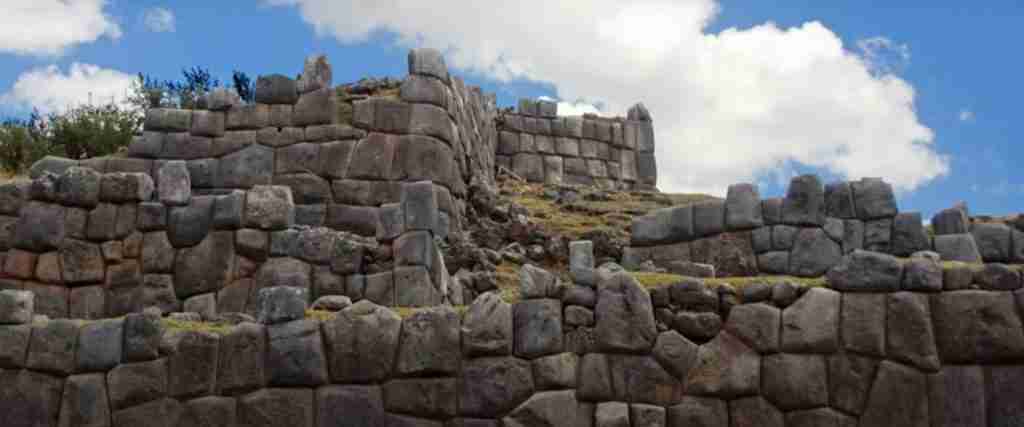
Dominating the hills above Cusco, Sacsayhuamán’s zigzagging walls showcase Inca mastery of monumental construction. This sprawling complex served as both a defensive stronghold and spiritual nexus, its 20-foot-tall stones arranged like teeth guarding the city Incas considered their empire’s navel. Spanish chroniclers marveled at walls where “a single block could shelter three horses,” yet modern scholars debate its primary role.
Engineering Marvels and Military Uses
The fortress’s most striking feature – limestone blocks weighing up to 200 tons – required ingenious transport methods. Workers likely used log rollers and ramps to position these megaliths with engineering precision. Interlocking joints between stones remain so tight that earthquakes barely shift them.
Military advantages abound in the design:
- Three-tiered walls provided overlapping defensive positions
- Underground tunnels allowed covert troop movements
- High vantage points offered 360-degree surveillance
| Feature | Inca Technique | Modern Comparison |
|---|---|---|
| Wall Construction | Polygonal masonry without mortar | Seismic-resistant concrete |
| Strategic Layout | Zigzag patterns disrupting siege tactics | Star-shaped military forts |
| Material Sourcing | Quarried limestone from 20 miles away | Global supply chains |
Ceremonial aspects complicate its history. The main plaza hosted Inti Raymi sun festivals, blending martial might with cosmic reverence. “It was both shield and altar,” observes historian Carlos Araníbar. This duality reflects the Inca worldview where physical and spiritual defenses intertwined.
Today, the citadel’s unfinished sections spark questions. Chisel marks on partially carved stones suggest abrupt abandonment during Spanish conquests. As visitors trace fingers along weathered walls, they touch mysteries of a civilization that reshaped mountains into monuments.
Inca Cosmology and the Alignment of Sacred Sites
The Incas wove celestial patterns into their sacred landscapes, transforming mountains into cosmic calendars. Their architects positioned temples and markers to mirror star constellations and seasonal shifts. This spiritual geography connected earthly locations with divine forces through precise alignments.
Astronomical Alignments and Apus
Key structures served as celestial observatories. The Intihuatana Stone functioned as a solar clock, its shadow marking solstices. During June’s winter solstice, sunlight pierces the Temple of the Sun’s window, illuminating sacred spaces. These designs synchronized agricultural cycles with cosmic time.
Sacred peaks called apus (mountain spirits) guided site placements. Arrows carved into rocks point toward Mount Salcantay, a revered deity. Builders aligned plazas with sunrise positions during planting seasons. This fusion of astronomy and topography created living maps of Inca beliefs.
| Inca Practice | Celestial Connection | Modern Equivalent |
|---|---|---|
| Location selection | Aligning with solstice sunrises | GPS satellite positioning |
| Stone markers | Tracking Venus cycles | Astronomical software |
| Temple orientation | Honoring mountain deities | Sacred site preservation |
Geological features held spiritual significance. Sites along fault lines were considered portals to the underworld. The Incas believed these zones channeled earth’s energy, enhancing rituals. Their builders incorporated natural rock formations into ceremonial architecture, blending human skill with nature’s artistry.
This harmonious design philosophy still astonishes scientists. By reading landscapes as celestial texts, the Incas created a timeless dialogue between humanity and the cosmos. Their sacred locations remain testaments to a culture that measured time through mountain shadows and star paths.
Family Adventures and Kid-Friendly Exploration
Transform your family trip into an interactive journey through time and nature. The site’s stone pathways and lush surroundings offer endless opportunities for discovery, blending education with outdoor excitement. “Our kids became junior archaeologists spotting hidden carvings,” shares recent visitor Mark T., highlighting how younger travelers engage with the environment.
Engaging Stories for Young Explorers
Spark curiosity with tales like the 1911 expedition guided by an 11-year-old local boy. His knowledge of the terrain helped explorers navigate dense vegetation, proving age doesn’t limit adventure. Children today can:
- Hunt for animal-shaped stones in temple walls
- Identify medicinal plants in the surrounding jungle
- Decode Inca engineering secrets through hands-on models
The jungle becomes a living classroom where toucans and orchids illustrate biodiversity. Guides often share child-friendly versions of Quechua legends, turning hikes into storytime adventures.
Tips for Acclimating with Children
High-altitude adjustment requires smart planning. Spend two nights in Cusco or the Sacred Valley before ascending. Pediatric travel experts recommend:
| Symptom | Solution |
|---|---|
| Headaches | Extra hydration & light snacks |
| Fatigue | Shorter exploration blocks |
| Restlessness | Interactive scavenger hunts |
Base your stay in Aguas Calientes town, where lower elevation (6,700 ft) eases adaptation. Morning visits avoid crowds while aligning with kids’ natural energy peaks. Pack layers – mountain weather shifts rapidly, keeping little explorers comfortable during discoveries.
Local people often greet families warmly, sharing cultural insights through crafts or traditional games. This welcoming atmosphere transforms historical sites into spaces where young minds connect with living heritage.
Travel Tips and Essential Guides for a Successful Visit
Planning a visit to this iconic archaeological treasure requires strategic preparation. Early arrival beats crowds – gates open at 6 AM, offering serene morning light perfect for photography. Secure tickets months in advance through official channels, as daily entry caps preserve the site’s integrity.
National Geographic Traveler recommends hiring certified local guides. Their insights transform stone walls into vivid stories of Inca life. As one expert notes: “A knowledgeable companion unlocks layers most visitors never see.” Guides also navigate complex terrain, ensuring safety on steep pathways.
| Transport Option | Advantage | Travel Time |
|---|---|---|
| Hiram Bingham Train | Luxury service with dining | 3.5 hours |
| Expedition Train | Budget-friendly | 4 hours |
| Inca Trail Trek | Full cultural immersion | 4 days |
Over the past century, infrastructure evolved from mule paths to modern buses winding up Huayna Picchu Mountain. National Geographic archives reveal how early 1900s explorers camped onsite – today’s travelers enjoy Aguas Calientes’ boutique hotels instead.
Key considerations for your trip:
- Acclimate 2 days in Cusco to avoid altitude sickness
- Pack layers – temperatures swing 30°F daily
- Use UV-protective gear – elevation intensifies sun exposure
The site’s preservation efforts mirror National Geographic’s conservation ethos. Since its 20th-century rediscovery, sustainable tourism practices help maintain the magic that captivated explorers generations ago. With proper planning, modern adventurers experience the same awe Hiram Bingham documented – now enhanced by expert insights and safer access.
Conclusion
Centuries after its construction, Machu Picchu remains a masterclass in blending engineering with cosmology. Its stonework defies time, while celestial alignments reveal a civilization deeply attuned to nature’s rhythms. The “lost city” narrative has given way to richer truths – this was no abandoned ruin, but a carefully designed place of power.
Today, the Inca Empire’s legacy lives through ongoing discoveries. Underground waterways and solstice markers prove their sophistication extended beyond visible structures. Modern travelers can now appreciate its true purpose as both royal sanctuary and architectural laboratory.
To walk these paths is to traverse history. Beyond iconic vistas lie ceremonial caves and agricultural terraces whispering untold stories. Each visit unravels new layers of the site’s dual identity – practical marvel and spiritual compass.
Machu Picchu invites today’s explorers to witness how time shapes understanding. Let curiosity guide you past crowded overlooks to hidden shrines where the past feels palpably alive. Here, the mysteries of a vanished empire still pulse beneath every stone.
