
Umbria Complete Travel Guide 2026: UNESCO Sites & Green Heart of Italy
Umbria rewards travelers seeking authentic Italian culture beyond tourist-saturated destinations with UNESCO heritage sites, medieval hill towns, exceptional cuisine, and warm local hospitality. The region’s compact geography enables comprehensive exploration within 5-7 days while maintaining flexibility for spontaneous discoveries in villages, vineyards, and natural landscapes. Strategic planning around seasonal timing (May-June, September-October optimal), accommodation booking (8-12 weeks ahead for best value), and transportation choices (trains for towns, optional car rental for countryside) maximizes experiences while managing budgets effectively.
Whether drawn by Assisi’s spiritual atmosphere and artistic masterpieces, Perugia’s vibrant local culture and Etruscan foundations, Spoleto’s Roman engineering and medieval architecture, or the countryside’s wine estates and truffle forests, Umbria delivers transformative travel experiences. The green heart of Italy beats with authentic rhythms welcoming travelers willing to slow down, engage with local culture, and appreciate beauty in both renowned UNESCO sites and unexpected discoveries around every corner. Your 2026 Umbrian journey promises memories of genuine Italian hospitality, artistic revelations, culinary discoveries, and peaceful landscapes that remain long after returning home.
Key Takeaways
- Umbria offers exceptional value with accommodation 30-40% cheaper than Tuscany, with excellent mid-range hotels at €80-120 per night in 2026
- Assisi’s UNESCO basilicas require no advance booking for general entry, though special underground tours (€8-12) sell out 2-3 weeks ahead during peak season
- Regional trains connect major Umbrian towns efficiently with Perugia-Assisi (€3.20, 25 minutes) and Perugia-Spoleto (€5.50, 1 hour) routes
- May-June and September-October deliver perfect weather (18-25°C), manageable crowds, and vibrant cultural festivals across the region
- Budget travelers manage €70-95 daily per person including meals and activities, while mid-range budgets of €140-180 provide comfortable cultural immersion
- Perugia serves as the ideal base with excellent train connections, affordable accommodation, and authentic local atmosphere away from tourist crowds
Understanding Umbria’s Appeal in 2026
Umbria stands as Italy’s hidden treasure, offering authentic medieval charm, UNESCO World Heritage sites, and genuine Italian culture without Tuscany’s overwhelming tourist presence. The green heart of Italy delivers rolling hills covered with olive groves and vineyards, perfectly preserved hill towns perched on strategic heights, and artistic masterpieces rivaling Florence’s collections. The region maintains traditional crafts, celebrates harvest festivals with genuine local participation, and serves cuisine rooted in centuries-old recipes rather than tourist adaptations.
The 2026 travel season brings enhanced accessibility with improved rail connections, restored historical sites reopening after conservation work, and digital booking systems streamlining visitor experiences. Umbria’s compact geography allows travelers to base in one location while exploring multiple UNESCO sites, medieval towns, and natural landscapes within 30-60 minute journeys. The region rewards slow travel with discoveries around every corner: family-run trattorias serving hand-rolled pasta, artisan workshops maintaining medieval techniques, and panoramic viewpoints revealing layers of Italian history.
Assisi dominates Umbria’s cultural landscape as home to Saint Francis and stunning frescoes by Giotto and Cimabue. Beyond this pilgrimage center, Spoleto showcases Roman engineering and medieval architecture, Orvieto rises dramatically atop volcanic cliffs with its cathedral masterpiece, Perugia blends university energy with Etruscan foundations, and dozens of smaller hill towns preserve authentic medieval character. Wine enthusiasts explore Montefalco’s Sagrantino vineyards, food lovers hunt truffles in mountain forests, and art historians trace the development of Italian painting through lesser-known but exceptional collections.
People Also Ask About Umbria Travel 2026
How much does it cost to visit Umbria in 2026?
Umbria delivers exceptional value compared to neighboring Tuscany. Budget travelers manage €70-95 daily per person covering accommodation (hostel or basic hotel €25-35), meals (breakfast €5-8, lunch €12-18, dinner €20-30), activities (museum entries €8-15), and local transport (€3-8). Mid-range budgets of €140-180 daily secure comfortable hotels (€80-120 per night), excellent restaurant meals (lunch €20-30, dinner €35-50), wine tastings (€25-40), and private transportation options. Luxury travelers spending €250-350+ daily enjoy boutique hotels in converted monasteries (€180-280), Michelin-starred dining experiences (€80-150 per person), private guides (€200-300 for half-day), and premium wine tours with estate visits.
Major UNESCO sites like Assisi’s basilicas offer free general entry, with optional tours at €8-12 for special areas. Regional trains cost €3-8 between major towns, making car rental (€45-70 daily) optional for reaching smaller villages. Accommodation represents the largest expense, with prices dropping 30-40% outside July-August peak season. Weekly apartment rentals (€500-800 for 2-bedroom) offer excellent value for groups or families staying in one base town.
When is the best time to visit Umbria in 2026?
May-June and September-October provide optimal Umbrian experiences with pleasant temperatures (18-25°C), manageable crowds, and vibrant local life. Late spring brings wildflower displays across hillsides, asparagus and artichoke seasons in restaurants, and Easter celebrations in Assisi drawing pilgrims rather than mass tourism. September-October delivers harvest season activities including wine festivals, olive pressing demonstrations, truffle hunting expeditions, and golden autumn colors transforming the landscape.
July-August sees peak crowds in Assisi and popular towns, with temperatures reaching 30-35°C and accommodation prices 40-50% higher than shoulder seasons. However, evening festivals, open-air concerts in medieval squares, and extended museum hours offset the heat and crowds. November-March brings rain (8-12 days monthly), cooler temperatures (8-15°C), and reduced tourist services, but offers authentic local atmosphere, truffle season (November-February), lower accommodation rates (€50-80 for mid-range hotels), and uncrowded access to UNESCO sites and museums.
Do you need a car to explore Umbria in 2026?
Umbria’s major towns connect efficiently via regional trains, making car rental optional rather than essential. The main rail corridor links Perugia-Assisi-Spoleto-Terni with frequent service (every 30-60 minutes) and affordable fares (€3-8 between towns). Bus networks reach smaller hill towns from regional hubs, with schedules coordinated to train arrivals. Travelers focusing on UNESCO sites, major towns, and cultural attractions manage perfectly with public transport while enjoying stress-free travel without parking concerns or ZTL (limited traffic zone) restrictions.
Car rental becomes advantageous for exploring remote villages, visiting countryside wineries, accessing mountain hiking trails, and maintaining flexible schedules independent of transport timetables. Rental costs €45-70 daily for compact cars, €60-90 for larger vehicles, with automatic transmissions adding €10-15 daily. Consider car rental for the countryside portion of your trip while using trains for town-to-town transfers. Hybrid approaches work well: train from Rome to Perugia, explore major towns by rail, then rent a car for 3-4 days of countryside exploration before returning to Rome by train.
Is Umbria safe for solo travelers in 2026?
Umbria ranks among Italy’s safest regions for solo travelers, with low crime rates, welcoming locals, and well-established tourist infrastructure. The university presence in Perugia creates cosmopolitan atmosphere with English-speaking services, while smaller towns maintain traditional hospitality toward visitors. Solo travelers find easy social connections through cooking classes (€80-120), wine tours with shared groups (€50-90), walking tours (€20-35), and agriturismo accommodations where hosts facilitate guest interactions.
Women traveling alone report comfortable experiences throughout Umbria, with respectful local culture and strong community presence in public spaces. Standard safety precautions apply: avoid empty streets late at night, secure valuables in accommodations, watch belongings in crowded markets, and maintain awareness in tourist areas. Solo travelers appreciate Umbria’s manageable town sizes, pedestrian-friendly centers, reliable public transport, clear signage in multiple languages, and helpful tourist offices offering current local information and booking assistance.
Extended multi-day tours – 5+ days
Featured Umbria Multi-Day Tour Packages
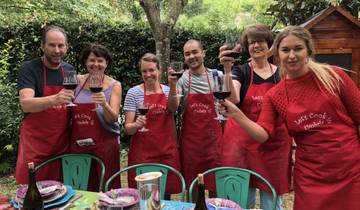
5 days
5 Days Italian Cookery Getaway in Umbria
- ✓ Comprehensive Umbria tour
- ✓ Expert local guides included
- ✓ All accommodation arranged
- ✓ Transportation provided

7 days
Authentic Umbria
- ✓ Comprehensive Umbria tour
- ✓ Expert local guides included
- ✓ All accommodation arranged
- ✓ Transportation provided

5 days
Italy: Authentic Puglia by E-Bike 🚴 – White Villages & Southern Flavors – 5 DAYS
- ✓ Comprehensive Umbria tour
- ✓ Expert local guides included
- ✓ All accommodation arranged
- ✓ Transportation provided
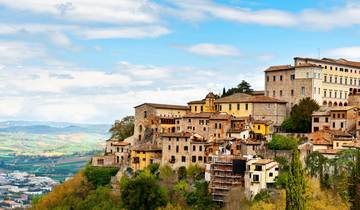
8 days
Hilltowns of Umbria, Self-Drive
- ✓ Comprehensive Umbria tour
- ✓ Expert local guides included
- ✓ All accommodation arranged
- ✓ Transportation provided
Multi-day tour packages powered by TourRadar. Prices and availability subject to change.
Essential Planning Information for 2026
Current Costs and Pricing Breakdown
Umbria maintains transparent pricing with published rates for most tourist services. Assisi basilica entry remains free for general access, with underground tour tickets at €10 for adults and €8 for students (check sanfrancescoassisi.org for current official rates as pricing may vary). Spoleto Cathedral charges €5 general entry, €8 combined ticket with Diocesan Museum. Perugia’s National Gallery of Umbria costs €8 standard entry, €10 combined with other municipal museums, with free entry first Sunday monthly.
Regional trains operate on fixed tariff structures: Perugia-Assisi €3.20 (25 minutes), Perugia-Spoleto €5.50 (1 hour), Orvieto-Rome €8.50 (1 hour). City buses in Perugia use €1.50 single tickets, €3.50 day passes, while Assisi’s minibuses connecting train station to basilica cost €1.30. Parking in historic centers costs €1.50-2.50 hourly where permitted, with free lots typically located 10-15 minute walks from town centers.
Meal costs follow regional standards: breakfast €5-8 (cappuccino €1.50, cornetto €1.50-2), lunch at trattorias €12-18 (primi €8-12, secondi €10-14, cover charge €1.50-2.50), dinner €20-30 at local restaurants, €35-50 at better establishments. Wine by the glass runs €4-7, local bottles €12-25 in restaurants. Street food options include porchetta sandwiches €5-7, pizza al taglio €3-5 per serving, and gelato €2.50-4 for two scoops.
Transportation Infrastructure 2026
Trenitalia operates regional trains along the primary corridor connecting Rome-Orvieto-Terni-Spoleto-Foligno-Assisi-Perugia with departures every 30-60 minutes during daytime hours. The Rome-Perugia journey takes 2.5-3 hours with tickets €12-18 depending on train type and advance purchase. High-speed trains don’t serve Umbria directly, requiring connections at Florence or Rome to reach the region via conventional lines.
Local bus company Busitalia operates routes connecting smaller towns to rail hubs. Perugia serves as the central node with buses reaching Gubbio (€5.50, 70 minutes, 6-8 daily), Todi (€4.80, 60 minutes, hourly), and other hill towns. Schedules reduce significantly on Sundays and holidays, requiring advance planning for day trips. Purchase bus tickets at tabacchi shops, newsstands, or through the Busitalia app before boarding to avoid €5 surcharges for on-board purchases.
Perugia’s Minimetrò automated people-mover connects the main train station to the historic center (€1.50, 7 minutes, departures every 2-3 minutes), eliminating the steep uphill walk. The system operates 7 AM-9:30 PM daily, closing earlier on Sundays. Assisi similarly offers minibuses (Line C) connecting the train station 4 km below town to the basilica (€1.30, 15 minutes, every 30-40 minutes), essential for avoiding the challenging uphill walk with luggage.
Best Time to Visit Umbria 2026
Seasonal Analysis for 2026 Planning
Spring (April-June) emerges as Umbria’s prime season with moderate temperatures (15-25°C), flowering landscapes, and cultural energy. April brings Easter celebrations in Assisi with processions and special masses, though this creates the year’s peak crowds around the basilicas. May delivers perfect conditions: comfortable walking weather, restaurant terraces open, museum access without queues, and accommodation rates 20-30% below summer peaks. June transitions toward summer with warmer days (22-28°C), longer daylight hours enabling extended sightseeing, and festival season beginning in many towns.
Summer (July-August) sees the hottest weather (25-35°C) and largest crowds, particularly in Assisi where tour groups dominate the basilicas 9 AM-5 PM daily. However, summer brings compensating advantages: evening concerts in medieval squares, outdoor cinema screenings, extended museum hours (many open until 10 PM on weekends), and vibrant street life continuing past midnight. Escape heat in mountain towns like Norcia or Castelluccio where temperatures remain 5-8°C cooler. Book accommodation 2-3 months ahead for July-August, especially for Ferragosto week (August 10-20) when Italians take summer holidays.
Autumn (September-October) rivals spring as the ideal season with stable weather (18-25°C), harvest festivals celebrating wine and olives, and manageable tourist numbers. September maintains summer’s extended hours and warm evenings without peak crowds or prices. October brings autumn colors transforming hillsides, truffle season beginning in markets and menus, and wine harvest activities welcoming visitors to vineyards. Sagrantino wine festival in Montefalco (late September) and olive oil celebrations in Trevi (October) offer authentic cultural experiences with local participation rather than tourist performances.
Weather Patterns and Seasonal Considerations 2026
Umbria’s continental climate delivers distinct seasons with hot, dry summers and cool, wet winters. Summer heat peaks July-August with afternoon temperatures reaching 30-35°C, though morning and evening temperatures remain pleasant at 18-22°C. Thunderstorms develop 4-6 days monthly during summer, typically arriving late afternoon and clearing by evening. Humidity stays moderate due to elevation, making Umbrian summer more comfortable than coastal regions despite similar temperatures.
Spring and autumn provide the most reliable weather for outdoor activities with daytime temperatures 18-25°C, cool evenings requiring light layers (12-15°C), and lower rainfall than winter months. Morning fog appears occasionally in valleys October-November, clearing by mid-morning to reveal stunning views. Winter brings frequent rain (10-14 days monthly November-February), occasional snow in mountain areas above 800 meters, and cool temperatures (8-15°C daily highs, 2-6°C overnight lows). Winter weather shouldn’t deter hardy travelers as indoor attractions dominate Umbrian tourism and accommodation rates drop 40-50% from summer peaks.
Accommodation Strategies for 2026
Budget Accommodation Options Under €60 Per Night
Perugia offers the region’s best budget accommodation concentration with several hostels near the university providing dorm beds €20-28 and private rooms €45-60 per night. Ostello Perugia Centro maintains modern facilities including kitchen access, common areas, and English-speaking staff in a converted palazzo 5 minutes from the cathedral. Student housing transforms into short-term rentals during summer (July-September) with studio apartments available €35-50 nightly and one-bedrooms €50-70, providing kitchen facilities and authentic local neighborhood experiences.
Religious institutions across Umbria operate guest houses offering simple, clean rooms €40-60 nightly including breakfast. Casa San Gregorio in Assisi provides rooms with basilica views €50-65, while Monestero San Giuseppe in Spoleto charges €45-60 for doubles with ensuite bathrooms. These accommodations maintain quiet hours, modest dress codes in common areas, and occasional curfews (11 PM-midnight), appealing to travelers seeking peaceful, value-oriented stays with spiritual atmosphere.
Agriturismi (farm stays) on the outskirts of major towns offer excellent value with double rooms €50-75 including farm-fresh breakfast, swimming pools, and countryside settings requiring 10-15 minute drives or bus connections to town centers. Many operate on half-board basis (€75-95 per person including dinner) providing authentic Umbrian cuisine and social atmosphere with other guests. Agriturismo Alla Madonna del Piatto near Assisi charges €60-80 for doubles, while Brigolante Guest Houses outside Perugia offers apartments €70-95 nightly with cooking facilities and weekly discounts.
Mid-Range Comfort €80-150 Per Night
Three and four-star hotels in historic centers provide excellent comfort at €80-120 nightly for doubles with private bathrooms, air conditioning, and breakfast included. Hotel Rosalba in Perugia occupies a converted 16th-century palazzo with rooms €85-110, rooftop terrace, and location steps from the Duomo. Assisi’s Hotel Ideale charges €90-130 for rooms with basilica views, modern amenities, and parking included. Spoleto’s Palazzo Leti Residenza d’Epoca offers boutique experience €110-150 with period furnishings, original frescoes, and personalized service.
Apartment rentals through local agencies or Airbnb deliver value for stays exceeding 3-4 nights with weekly rates €500-800 for one-bedroom units in historic centers, €700-1100 for two-bedroom apartments. These provide full kitchens enabling grocery shopping at local markets (significantly cheaper than restaurant meals), washing machines, more space than hotel rooms, and authentic residential neighborhood settings. Expect cleaning fees €50-80 and tourist taxes €1-2 per person nightly as additions to base rates.
Castle hotels and converted monasteries in countryside locations offer unique accommodations €100-150 nightly including breakfast, swimming pools, restaurants, and peaceful settings removed from town bustle. Castello di Montone provides authentic medieval atmosphere €120-160 with stone walls, vaulted ceilings, and panoramic views. These properties work best for travelers with cars accessing remote locations, though some offer shuttle services to nearby towns for guests without vehicles.
Luxury Accommodations €180-350 Per Night
Boutique hotels in restored historical buildings deliver luxury experiences €180-280 nightly with superior locations, exceptional service, gourmet restaurants, and unique design. Nun Assisi Relais & Spa Museum occupies a 13th-century convent with rooms €220-300 featuring contemporary art, spa facilities (treatments €80-150), and rooftop restaurant overlooking the basilica. Perugia’s Brufani Palace charges €240-320 for rooms with valley views, Michelin-starred restaurant, and wellness center including Roman cistern pool.
Countryside estates and villa hotels offer complete luxury experiences €250-400 nightly including private grounds, swimming pools, gourmet dining, wine cellars, and personalized service. Castello di Reschio near Lake Trasimeno provides ultimate countryside luxury €350-500 in converted castle apartments with private kitchens, estate activities (horseback riding, truffle hunting, cooking classes), and farm-to-table restaurant. These properties target extended stays (3-7 nights) with guests using the estate as base for day trips across Umbria.
Luxury agriturismi occupy restored farmhouses with designer interiors €200-300 nightly including gourmet breakfast, infinity pools, concierge services arranging private tours and restaurant bookings, and often spa facilities. Relais Villa Valfiore between Perugia and Assisi charges €240-320 for suites with valley views, offering cooking classes €120, wine tastings €45, and private guide services €200-300 for half-day tours. These properties blend luxury amenities with authentic countryside settings and local cultural experiences.
Transportation Guide for 2026
Public Transport Networks and Routes
Trenitalia’s regional trains form Umbria’s transportation backbone with the main north-south route connecting Perugia-Assisi-Foligno-Spoleto-Terni at hourly intervals. Perugia to Assisi takes 25 minutes with trains departing :15 and :45 past each hour (€3.20 one-way, €6 return valid same day). The Perugia-Spoleto route requires 1 hour with direct trains every 2 hours or connections through Foligno adding 15-20 minutes (€5.50 direct, €6-7 with connection). Purchase tickets from station machines, tabacchi shops, or Trenitalia app, validating paper tickets in yellow machines before boarding to avoid €50 fines.
Orvieto connects to Rome via frequent trains (€8.50-12, 1 hour, every 30-60 minutes) and to Umbria’s eastern towns through Terni (€4.50, 45 minutes, every 1-2 hours). The Rome-Perugia connection takes 2.5-3 hours requiring one change at Foligno or Terni (€12-18 total). Florence to Perugia involves changing at Terontola-Cortona station (€12-16 total, 2-2.5 hours). Book tickets online through Trenitalia.com for advance purchase discounts (10-30% savings) on Super Economy and Economy fares, though these require specific train selection versus flexible base tickets valid on any train same day.
Local bus networks operated by Busitalia reach towns without rail stations. Perugia’s bus terminal at Piazza Partigiani connects to Gubbio (€5.50, 70 minutes, 6-8 daily), Todi (€4.80, 60 minutes, hourly), and Lake Trasimeno towns (€3-5, 45-60 minutes). Assisi buses reach smaller Franciscan sanctuaries and hermitages (€2-3, 20-40 minutes). Sunday and holiday schedules reduce frequency significantly, with some routes operating 2-3 times daily rather than hourly. Check busitalia-fsbusitalia.it for current schedules and book advance seats for popular routes during peak season.
Car Rental Considerations for 2026
Car rental provides flexibility for exploring smaller villages, accessing countryside wineries, and maintaining independent schedules. Major agencies (Hertz, Europcar, Avis, Budget) operate desks at Perugia Airport and main train station with compact cars €45-60 daily, mid-size vehicles €55-70, and automatic transmissions adding €10-15 to daily rates. Week-long rentals reduce daily costs 20-30% with typical rates €250-350 for compact manual cars, €300-450 for automatics. Book online 4-8 weeks ahead for best rates and guaranteed automatic transmission availability during summer peak season.
Insurance proves essential with basic coverage (Collision Damage Waiver) adding €15-25 daily to rental costs, reducing excess from €1500-2000 to €500-800 for damage claims. Full coverage eliminating all excess costs €25-35 daily through rental agencies or €5-8 daily through independent providers like rentalcover.com when booking in advance. Check credit card benefits as some premium cards provide rental insurance covering collision damage and theft when declining agency insurance and charging full rental to the card.
ZTL (Zona Traffico Limitato) restricted zones surround all historic centers with automated cameras issuing €80-120 fines per entry. Hotel parking permits exempt guests from fines – provide license plate numbers to hotels upon arrival for registration. Park outside historic centers in designated lots (€1.50-2.50 hourly, €12-18 daily) or free areas typically 10-15 minute walks from centers. GPS navigation proves essential for navigating mountain roads and locating accommodations on unmarked rural lanes, with offline maps recommended for areas with limited mobile data coverage.
Money-Saving Strategies for 2026
Advance Booking Benefits and Timing
Accommodation prices drop 15-25% when booking 8-12 weeks ahead rather than last-minute reservations. Spring and autumn shoulder seasons offer 20-30% savings versus July-August rates, while November-March winter season delivers 40-50% discounts on accommodation and tour prices. Apartment rentals negotiated directly with owners (versus booking platforms) save 10-15% on weekly stays by avoiding platform commission fees. Agriturismi offer half-board packages (accommodation plus dinner) at €75-95 per person, saving €10-15 versus booking room-only and paying restaurant prices separately.
Train tickets purchased online 1-2 weeks ahead access Super Economy fares discounted 30-50% versus station prices, though these require traveling on specific trains versus flexible base tickets valid any time same day. Regional train base tickets (not Super Economy) cost the same whether purchased online, at machines, or tabacchi shops, so advance purchase offers no savings. Multi-day rail passes don’t exist for Umbria’s regional network – calculate actual journey costs to determine if passes offer value for your specific itinerary.
Museum combination tickets save 20-30% versus individual entries when visiting multiple sites. Perugia Card costs €18 valid 48 hours covering 8 municipal museums, public transport, and parking discounts. Assisi combination tickets cover basilica underground tours plus two museums (€15 versus €20 separately). Free entry first Sunday monthly applies to state museums including Perugia’s National Gallery, though expect larger crowds on these days. Request free entry if your visit occurs during your birthday week at many museums offering this concession.
Budget-Friendly Dining and Shopping
Lunch represents the best value meal with many restaurants offering midday menus €12-18 covering first course, second course, side dish, and water. This same meal costs €25-35 at dinner in identical establishments. Aperitivo hour (6-8 PM) provides another value opportunity with drinks €5-8 including access to buffets offering substantial snacks, cold cuts, cheeses, and light dishes essentially replacing dinner. University areas in Perugia concentrate several aperitivo bars with generous spreads attracting students and budget travelers.
Grocery shopping at supermarkets (Conad, Coop, Pam) plus preparing breakfast and lunch in apartment accommodations saves €15-25 daily per person versus restaurant meals. Markets operate mornings in most towns (typically Tuesday, Thursday, Saturday) selling fresh produce, cheeses, salumi, and prepared foods at 30-50% below restaurant prices. Purchase wine directly from producers (€5-12 per bottle) rather than restaurants (€15-25) when staying in accommodation with kitchen facilities and glasses.
Avoid tourist restaurants within 100 meters of major attractions where prices run 30-50% higher than establishments 5-10 minute walks away in residential neighborhoods. Look for handwritten menus, local clientele at lunch, and cover charges €1.50-2.50 (versus €3-4 in tourist zones) as indicators of authentic pricing. Water costs €2-3 per large bottle in restaurants – order “acqua del rubinetto” (tap water) which restaurants must provide free though some resist this request in tourist areas. Italian law requires free tap water when ordering food, though bringing your own water bottle saves awkward interactions.
Sample Itineraries for 2026
Three-Day Umbria Introduction
Day 1: Assisi – Arrive Perugia by train from Rome or Florence (€12-18, 2.5-3 hours), train to Assisi (€3.20, 25 minutes), check into hotel near basilica (€80-120 mid-range, €45-60 budget). Visit Basilica di San Francesco spending 2-3 hours viewing upper and lower churches with Giotto and Cimabue frescoes (free general entry, optional underground tour €10), walk to Santa Chiara basilica (free, 15 minutes) viewing Saint Clare’s remains. Lunch at local trattoria €12-18 for primi plus secondo. Afternoon explores Rocca Maggiore fortress (€6 entry) for panoramic views, wander medieval streets discovering artisan workshops and quiet squares. Dinner at local restaurant €25-35 per person. Basilica entry free, underground tour €10, fortress €6, lunch €15, dinner €30, local minibus €2.60 round-trip. Total day cost: €63.60-68.60 per person (excluding accommodation).
Day 2: Perugia – Return to Perugia by morning train (€3.20), store luggage at station (€6 for day), take Minimetrò to center (€1.50). Visit National Gallery of Umbria (€8) viewing masterpieces by Perugino and Pintoricchio, explore Etruscan walls and Roman aqueduct ruins (free). Lunch €12-18 at neighborhood trattoria. Afternoon walking tour discovering medieval guildhalls, chocolate shops (Perugina factory tour €8, 30 minutes outside center), and university district. Aperitivo hour 6-8 PM (€7 drink plus free buffet) replaces full dinner. Evening stroll along Corso Vannucci watching locals socialize. Train €3.20, luggage storage €6, gallery €8, Minimetrò €3 day pass, factory tour €8, lunch €15, aperitivo €7. Total day cost: €50.20 per person (excluding accommodation).
Day 3: Spoleto – Train to Spoleto (€5.50, 1 hour), check luggage at station if day-tripping (€6) or check into accommodation (€70-100 mid-range). Cathedral (€5) features Fra Filippo Lippi frescoes and tomb, explore medieval streets discovering Roman theater ruins (free), walk Ponte delle Torri bridge (13th-century engineering marvel spanning gorge, free, 20 minutes round-trip). Lunch €15-20 featuring local truffle pasta if visiting October-March. Afternoon visits Rocca Albornoziana fortress (€7.50) housing museum of medieval duchy. Depart Spoleto late afternoon for return to Rome or Florence (€8-12, 1.5-2 hours). Train €5.50, luggage €6 if needed, cathedral €5, fortress €7.50, lunch €18. Total day cost: €42-48 per person (excluding accommodation).
Week-Long Comprehensive Umbria Experience
Days 1-2: Assisi Base – Following Day 1 itinerary above, add second day exploring nearby Franciscan sanctuaries. Morning visits Eremo delle Carceri hermitage (free entry, 4 km uphill or bus €2.60 round-trip) where Francis retreated for meditation, peaceful forest walks among caves and springs. Afternoon option for Santa Maria degli Angeli basilica (free) housing Porziuncola chapel where Franciscan order began, located at Assisi train station making easy visit before train departure. Alternative half-day wine tour to Montefalco (€65-85 including transport, tastings at 3 wineries, lunch). Bus to hermitage €2.60, wine tour €75. Total additional day cost: €2.60-75 per person depending on activities chosen.
Days 3-4: Perugia Base – Day 3 follows Perugia itinerary above. Day 4 day trip to Lake Trasimeno (bus €4.80, 45 minutes) for waterside walks, boat trip to Isola Maggiore (€7.50 round-trip ferry), lunch featuring lake fish €15-22, afternoon swimming or water sports (kayak rental €12-18 hourly). Alternative day trip to Gubbio (bus €5.50, 70 minutes) for medieval center, Roman theater (€6), Palazzo dei Consoli museum (€7), cable car to basilica atop Monte Ingino (€7 round-trip, unique standing basket-style transport). Lake option: bus €9.60 round-trip, ferry €7.50, lunch €18, kayak €15. Total: €50.10. Gubbio option: bus €11 round-trip, theater €6, museum €7, cable car €7, lunch €15. Total: €46 per person.
Days 5-6: Spoleto and Southern Umbria – Day 5 follows Spoleto itinerary above, checking into 2-night accommodation. Day 6 explores nearby attractions: morning trip to Cascata delle Marmore waterfalls (€10 entry, bus €3 one-way, 20 minutes), Europe’s highest man-made waterfall with hiking trails and viewpoints requiring 2-3 hours. Afternoon visits Norcia mountain town (bus €5.50, 1 hour) famous for cured meats, truffle products, and Benedictine abbey. Purchase local specialties (budget €15-25 for take-home items). Return Spoleto evening. Waterfall €10, buses €17 total, lunch €18, Norcia purchases €20. Total day cost: €65 per person (excluding accommodation).
Day 7: Orvieto and Departure – Train to Orvieto (€6.50, 1 hour), store luggage at station (€6). Funicular to historic center (€1.30) dramatically ascending cliff face. Cathedral (€5) showcases 14th-century facade and Luca Signorelli frescoes rivaling Sistine Chapel in Last Judgment chapel. Underground Orvieto tour (€7, 1 hour, English departures 11 AM and 4 PM) explores cave network, wells, and tunnels carved into volcanic tuff over 2,500 years. Lunch featuring Orvieto Classico wine €20-28. Afternoon browses ceramic studios (local specialty) before train departure to Rome (€8.50, 1 hour). Train €15, luggage €6, funicular €2.60 round-trip, cathedral €5, underground tour €7, lunch €24. Total day cost: €59.60 per person.
Budget-Conscious 5-Day Umbria Journey
Focus on free attractions, self-catered meals, hostel accommodation, and strategic splurges on signature experiences. Base in Perugia (hostel €22-28 dorm bed, €50-60 private room) for 3 nights, Assisi (religious guesthouse €45-55) for 2 nights. Transportation via trains and buses (€25-30 total for 5 days of connections). Pack picnic lunches from grocery purchases (€8-12 daily), budget dinners at trattorias or pizzerias (€15-20 nightly), occasional restaurant splurge (€30-35).
Daily Budget Breakdown: Accommodation €22-28 dorm or €45-60 private room, breakfast at accommodation (included or self-catered €5), lunch from groceries and markets €8-12, dinner €15-25, activities €5-10 (mostly free attractions with selective paid entries), local transport €3-8. Total €58-83 daily per person dorm stays, €85-115 private room stays. Five-day trip costs €290-415 per person dorm accommodation, €425-575 private room accommodation.
Major Destinations in Umbria 2026
Assisi: UNESCO World Heritage Center
Assisi dominates Umbria’s spiritual and artistic landscape as birthplace of Saint Francis and home to extraordinary fresco cycles. The Basilica di San Francesco consists of two churches built into hillside with lower church (1228-1230) featuring intimate vaulted spaces, Cimabue’s Madonna and Saints, and Francis’s crypt, while upper church (1230-1253) displays Giotto’s revolutionary narrative frescoes depicting Francis’s life across 28 scenes revolutionizing Western art. General basilica entry remains free though special underground tour (€10) accesses hermitage, treasury, and spaces normally closed to visitors.
Beyond the famous basilica, Assisi rewards exploration with Santa Chiara basilica housing Saint Clare’s remains and Francis’s original cross, Rocca Maggiore fortress providing panoramic views across valley to Perugia and Monte Subasio, Roman forum ruins beneath Piazza del Comune, and medieval streets preserving authentic atmosphere despite tourist presence. Spring through autumn sees heavy day-tripper crowds 10 AM-5 PM – early mornings (7-9 AM) and evenings after tour buses depart provide peaceful experiences for contemplation and photography.
Assisi makes an excellent day trip from Perugia (€3.20, 25 minutes by train, departures every 30-60 minutes) or overnight stay (2-3 nights) for those seeking spiritual atmosphere and morning/evening solitude in the basilicas. Accommodation concentrates in the historic center within walking distance of attractions, though prices run 30-40% higher than Perugia for equivalent quality. Consider staying in Perugia with day trips to Assisi for budget optimization while basing in Assisi provides memorable evening experiences after tourists depart.
Perugia: Regional Capital and University Center
Perugia blends university energy with Etruscan foundations, medieval architecture, and Renaissance art into a vibrant regional capital often overlooked by tourists rushing to Assisi. The hilltop historic center surrounds Piazza IV Novembre with 13th-century Fontana Maggiore, Gothic cathedral, and Palazzo dei Priori housing the National Gallery of Umbria (€8) displaying masterpieces by Perugino, Pintoricchio, and Piero della Francesca. Etruscan walls and gates dating to 3rd century BC surround the medieval core, while underground medieval city reveals streets, houses, and Rocca Paolina fortress built 1540-1543 and destroyed 1860.
University presence since 1308 creates cosmopolitan atmosphere with international students, excellent cafes, bookshops, and evening energy uncommon in smaller Umbrian towns. Corso Vannucci serves as the evening promenade where locals socialize 6-10 PM daily regardless of season – joining this ritual provides authentic cultural immersion. Chocolate heritage celebrates through Perugina factory museum (€8, 30 minutes by bus from center) though in-town chocolate shops offer tastings and purchases without factory visit. October’s Eurochocolate festival transforms the city into chocolate celebration with tastings, demonstrations, and creative displays.
Perugia functions perfectly as Umbria base with excellent train connections, affordable accommodation, authentic local atmosphere, and enough activities for 2-3 days exploration before day-tripping to surrounding attractions. The practical advantages of central location, frequent transport connections, and budget accommodation options outweigh the lack of UNESCO designation when planning efficient Umbrian itineraries. Stay in Perugia 3-5 nights while day-tripping to Assisi, Spoleto, Gubbio, Orvieto, and Lake Trasimeno without changing hotels.
Spoleto: Roman and Medieval Architectural Showcase
Spoleto rises in layers from Roman foundations through medieval heights showcasing architectural evolution across 2,000 years. The 12th-century cathedral features stunning Renaissance facade mosaic, Fra Filippo Lippi frescoes in the apse (artist buried in cathedral he decorated), and Byzantine-style floor mosaics. Roman theater (1st century AD) hosts summer performances during Spoleto Festival, while Roman house nearby preserves floor mosaics and frescoed walls. Ponte delle Torri bridge soars 80 meters above gorge on 10 arches, built 13th-century (possibly Roman foundations) connecting city to Monteluco hill and providing spectacular engineering marvel accessible by 30-minute walk.
Rocca Albornoziana fortress (€7.50) crowns the city with museum displaying medieval duchy history, restored rooms with period furnishings, and panoramic terraces surveying valley and mountains. The medieval center preserves steep stepped streets, artisan workshops, and neighborhood churches containing unexpected artistic treasures. June-July’s Spoleto Festival (Festival dei Due Mondi) brings world-class opera, theater, dance, and music performances to Roman and medieval venues throughout the city – book accommodation 4-6 months ahead if attending festival as hotels fill completely.
Spoleto works as either day trip from Perugia (€5.50, 1 hour by train) or 2-night base for exploring southern Umbria including Cascata delle Marmore waterfalls, Norcia mountain town, and Valnerina valley. The city offers better value accommodation than Assisi (€70-100 mid-range versus €90-130) with equivalent three-star quality and fewer crowds except during festival season. Train connections reach Perugia, Assisi, and Terni easily while requiring longer journeys or bus transfers to western Umbria (Orvieto, Lake Trasimeno).
Orvieto: Cliff-Top Cathedral City
Orvieto rises dramatically atop volcanic tuff cliff with medieval city accessible via funicular railway (€1.30) climbing steep face from train station. The city centers on its cathedral masterpiece with 14th-century facade featuring golden mosaics, intricate carvings, and bronze doors, while interior houses Luca Signorelli’s Last Judgment frescoes (1499-1503) influencing Michelangelo’s Sistine Chapel work. Cathedral entry costs €5 including museum and chapel access, while free exterior viewing displays facade’s artistic achievement.
Underground Orvieto tour (€7, 1 hour) explores extensive cave system carved into volcanic tuff across 2,500 years including Etruscan wells, medieval wine cellars, Renaissance pigeon coops, and defensive tunnels. San Patrizio’s Well (€5) descends 53 meters via double helix staircase (248 steps) enabling donkeys to transport water up without meeting those descending – remarkable 16th-century engineering. The city maintains authentic atmosphere with local workshops producing ceramics (regional specialty), wine bars serving Orvieto Classico, and medieval streets exploring beyond tourist areas around the cathedral.
Orvieto’s position on Rome-Florence rail line makes it easy day trip from either city (€8.50-12, 1 hour from Rome, €15-20, 2 hours from Florence) or from Umbrian towns via Terni connection. The dramatic cliff-top setting, magnificent cathedral, underground attractions, and wine culture justify full-day visit or overnight stay. However, accommodation costs run higher than Perugia or Spoleto (€90-140 mid-range) with less value given limited evening activities once day-trippers depart. Recommend day trip from Perugia (€11 round-trip via Terni, 2 hours total) or from Rome when beginning/ending Umbria journey.
Booking and Reservations for 2026
Official Booking Channels and Advance Planning
Most Umbrian attractions accept walk-up visits without advance reservations except during peak season (July-August, Easter week). Assisi basilicas require no booking for general entry to upper and lower churches, though underground tour (€10) sells out 2-3 weeks ahead during summer requiring advance purchase through sanfrancescoassisi.org. Museums typically maintain short queues (5-15 minutes) during peak hours with afternoon visits (3-5 PM) avoiding morning tour group crowds.
Accommodation booking windows vary by property type and season. Hotels accept reservations 6-12 months ahead with rates published annually in February-March for upcoming year. Book 8-12 weeks ahead for spring (April-June) and autumn (September-October) shoulder seasons, 3-4 months ahead for summer (July-August), and 2-4 weeks ahead for winter (November-March). Flexibility increases last-minute availability though reduces selection – southern Italy’s booking culture tends toward shorter advance windows than northern Europe with many properties waiting for confirmed reservations rather than blocking dates speculatively.
Train tickets for regional services don’t require advance booking as base tickets remain valid on any train same day at fixed prices. However, advance online purchase (1-2 weeks) accesses Super Economy discounted fares (30-50% savings) for travelers comfortable committing to specific departure times. Purchase tickets through Trenitalia.com or ItaliaRail.com (English interface, small booking fee), though station machines and tabacchi shops sell same-price base tickets without advance purchase. Validate paper tickets in yellow machines before boarding or face €50 fines regardless of ticket purchase method.
Tour Operator Recommendations and Group Activities
Guided walking tours provide valuable historical and cultural context particularly for Assisi’s basilica frescoes and Umbrian artistic heritage. Local guides charge €150-200 for 2-3 hour private tours accommodating up to 8 people (€18-25 per person in full groups), offering personalized experiences with question time and flexible pacing. Group tours through Viator, GetYourGuide, or Walks of Italy cost €35-50 per person for 2-3 hour experiences with 15-25 participant groups following fixed schedules. Reserve 2-4 weeks ahead for desired dates and times, especially English-language tours with limited daily departures.
Food and wine tours deliver authentic culinary experiences with better value than independent restaurant visits. Half-day Perugia food tours (€75-95) include market visits, artisan shop tastings, traditional trattoria lunch, and chocolate sampling. Full-day Montefalco wine tours (€110-150) visit 3-4 wineries tasting Sagrantino and Rosso di Montefalco wines with lunch at vineyard restaurant. Cooking classes (€110-150, 4 hours) teach traditional pasta making, sauce preparation, and regional dishes followed by eating the prepared meal. These experiences provide social opportunities meeting other travelers and direct interaction with local food producers.
Truffle hunting experiences (€90-120 per person, 2-3 hours) operate October-March allowing participants to join trained dogs searching forests for black truffles, learning identification techniques, and enjoying truffle-based lunch. Photography workshops (€150-200, full day) guide participants to optimal viewpoints, explain technical approaches to architectural photography, and provide editing instruction. Nature activities including hiking guides (€150-200 per group for half-day), bike rentals (€18-28 daily), and kayaking instruction (€40-60, 2 hours) help active travelers engage with Umbria’s landscape beyond cultural attractions.
Planning Your 2026 Umbria Visit
Creating Personalized Itineraries
Successful Umbria planning balances major attractions with slower-paced exploration enabling authentic cultural immersion. First-time visitors prioritize Assisi (1-2 days), Perugia (2-3 days base), and either Spoleto or Orvieto (1 day) while allocating flexible time for spontaneous discoveries. Returning visitors explore smaller hill towns (Gubbio, Todi, Montefalco, Spello), countryside activities (wine tours, cooking classes, hiking), and regional festivals depending on travel dates.
Basing strategies impact daily logistics and costs. Single-base approach staying in Perugia 5-7 nights minimizes packing/unpacking while maximizing accommodation negotiating power (weekly rates save 15-20%), though requires daily train trips and planning around transport schedules. Two-base approach splitting time between Perugia (3-4 nights) and Assisi or Spoleto (2-3 nights) reduces daily transport while increasing packing effort. Multi-base approach changing accommodation every 1-2 nights provides maximum flexibility though increases costs (single-night bookings command premium prices) and consumes travel time.
Transportation choices shape itinerary possibilities. Train-only travelers access major towns efficiently while finding smaller villages difficult without complex bus connections and timing constraints. Car rental enables countryside exploration, winery visits, and flexible scheduling though adds parking costs (€12-18 daily in towns), ZTL navigation challenges, and driving stress on mountain roads. Hybrid approach using trains for town-to-town transfers combined with rental car for 2-3 days countryside exploration optimizes cost and convenience. Consider renting car from Perugia (avoiding Rome airport rental with complex exit and return) for Umbrian countryside days before returning car and continuing by train.
Special Interest Planning: Food, Wine, Art, and Nature
Food enthusiasts structure visits around market days, cooking classes, and seasonal specialties. Truffle season (October-February) concentrates in Norcia and surrounding mountain areas with restaurants featuring truffle pastas, risottos, and meats. Olive harvest (October-November) enables mill visits watching pressing processes and tasting fresh oil directly from production. Spring brings wild asparagus, porcini mushrooms appear September-October, and pecorino cheese production continues year-round with farm visits available in countryside areas. Cooking classes teaching hand-rolled pasta techniques, traditional sauces, and regional dishes range €110-150 for half-day experiences including meal consumption.
Wine touring focuses on Montefalco for Sagrantino DOCG (full-bodied reds requiring 30 months aging minimum), Torgiano for Rubesco reserves, and Orvieto for Classico whites. Winery visits cost €15-25 per person for basic tastings, €35-50 for extended tastings with vineyard tours and food pairings. September wine harvest enables participation in grape picking and pressing activities at select estates offering agriturismo accommodation. The Strada del Sagrantino wine route connects Montefalco, Bevagna, and surrounding vineyards with marked driving/cycling routes and participating wineries offering tastings with advance booking (€20-35 per person).
Art history enthusiasts trace the development of Italian painting from Byzantine influences through Renaissance innovations across Umbrian collections. Perugia’s National Gallery houses comprehensive survey of Umbrian school including Perugino, Pintoricchio, and earlier masters. Assisi’s basilica frescoes show revolutionary narrative techniques and spatial perspective. Spoleto cathedral preserves Fra Filippo Lippi’s final work. Orvieto cathedral displays Signorelli’s Last Judgment influencing Michelangelo. Smaller churches throughout the region contain unexpected treasures by lesser-known but accomplished artists. Consider hiring art history guide (€180-220 for full-day across multiple sites) for scholarly interpretation beyond basic descriptions.
Nature activities concentrate in mountain areas of eastern Umbria and around Lake Trasimeno. Parco Nazionale dei Monti Sibillini offers extensive hiking trails including Piano Grande plateau near Castelluccio with June-July wildflower displays. Cascata delle Marmore provides Europe’s highest man-made waterfall with hiking trails and viewpoints. Lake Trasimeno enables kayaking, sailing, swimming, and cycling around shoreline roads. Mountain biking trails connect hill towns through countryside landscapes with rental bikes available in Perugia, Assisi, and Spoleto (€18-28 daily). Spring (April-June) and autumn (September-October) provide optimal conditions for outdoor activities with comfortable temperatures and clear skies.
2026 Updates and Current Information
Infrastructure Improvements and Service Changes
Umbria’s rail network undergoes modernization with improved regional trains replacing older rolling stock on main routes during 2025-2026. Expect enhanced comfort with air conditioning, WiFi capability (though actual connectivity varies), and improved accessibility features. Trenitalia’s digital ticketing expands with contactless payment and smartphone validation reducing reliance on paper tickets requiring physical validation. However, regional trains maintain current pricing structures with no significant fare increases announced for 2026 beyond standard inflation adjustments (2-3% annually).
Assisi basilica complex completes restoration work on upper church ceiling frescoes with improved visitor flow management reducing crowding in peak hours. New audio guide systems (€5) provide English, French, German, Spanish, and Italian commentary with enhanced fresco descriptions and historical context. The basilica maintains free general entry policy for 2026 despite increased maintenance costs and visitor numbers. Underground tour pricing remains €10 for adults with advance booking recommended March-October when 80-90% of annual visitation occurs.
Accommodation supply increases across Umbria with several new four-star properties opening in Perugia and Spoleto during 2025-2026. This additional capacity should moderate peak season pricing though Assisi maintains constrained supply driving premium rates during religious pilgrimages and major festivals. Airbnb and apartment rental regulations tighten with mandatory registration requirements and tourist tax collection, though these changes primarily impact hosts rather than guest experience. Expect continued growth in agriturismo properties offering countryside accommodation with farm-fresh meals and local cultural experiences.
Seasonal Events and Festivals in 2026
Religious observances center on Assisi with Easter celebrations (April 20, 2026) drawing pilgrims for Holy Week processions and papal masses, October 4th Feast of Saint Francis commemorating patron saint with special masses and Italian visitors, and December preparations for Christmas season. These periods bring increased accommodation demand requiring 2-3 month advance booking and premium pricing 30-50% above typical rates. However, they also provide unique cultural experiences with authentic Italian religious traditions rather than tourist performances.
Cultural festivals transform Umbrian towns throughout the year. Spoleto Festival dei Due Mondi (June 26-July 12, 2026) brings world-class performing arts to Roman theater and medieval venues with opera, theater, dance, and classical music. Perugia’s Umbria Jazz Festival (July 10-19, 2026) attracts international jazz musicians performing free outdoor concerts and paid indoor shows. Eurochocolate in Perugia (October 16-25, 2026) celebrates chocolate heritage with tastings, demonstrations, and creative displays. Smaller towns host sagre (food festivals) celebrating local products: asparagus in spring, strawberries in June, truffles in November, all offering authentic local atmosphere with traditional foods at community tables.
Wine harvest festivals occur September-October with Montefalco’s Sagrantino wine festival (September 18-21, 2026) offering tastings from 30+ local producers, food stalls, and evening entertainment. These events provide excellent value for wine enthusiasts with day pass (€25-35) enabling unlimited tastings from multiple wineries versus paying per-winery tasting fees (€15-25 each) when visiting independently. Olive harvest celebrations in Trevi and surrounding towns (October-November) demonstrate traditional pressing techniques and offer fresh oil tastings with bruschetta. Check regional tourism sites (umbriatourism.it) for updated festival calendars as specific dates confirm 3-6 months ahead.
Frequently Asked Questions
Is Umbria expensive to visit in 2026?
Umbria delivers excellent value compared to popular Italian destinations like Tuscany, Amalfi Coast, or Venice. Accommodation costs 30-40% less than Tuscan equivalents with mid-range hotels €80-120 versus €140-200 in Florence or Siena. Restaurant meals cost €12-18 for lunch, €20-35 for dinner at quality local establishments, while grocery shopping and apartment stays reduce food costs 50-60%. Regional trains charge €3-8 between major towns, buses €4-7 for day trip distances. Budget travelers manage €70-95 daily including accommodation, meals, activities, and transport. Mid-range budgets of €140-180 provide comfortable experiences with good hotels, restaurant meals, and paid activities.
How many days do you need in Umbria?
Five to seven days enables comprehensive Umbrian exploration visiting major attractions without rushing. Minimum 3-day itineraries cover Assisi, Perugia, and one additional destination (Spoleto or Orvieto) providing overview of region’s highlights. Week-long stays (7-10 days) allow deeper immersion with smaller hill towns, countryside activities, multiple wine tours, cooking classes, and flexible time for spontaneous discoveries. Extended stays (10-14 days) suit travelers seeking slow travel experiences, apartment rentals, Italian language practice, and thorough regional exploration including hiking, cycling, and nature activities alongside cultural attractions.
Can you visit Umbria without speaking Italian in 2026?
English comprehension varies significantly across Umbria with better communication in tourist centers and university areas versus small villages. Assisi’s basilica area and Perugia’s historic center maintain English-speaking services at hotels, restaurants, museums, and tourist offices. Train station staff and ticket machines offer English options, major museums provide English audio guides or printed materials, and tour operators conduct regular English-language tours. However, neighborhood trattorias, local shops, and bus drivers typically speak limited English requiring basic Italian phrases, translation apps (Google Translate works offline with downloaded language packs), or gesture communication.
Download Italian language apps before departure, learn basic phrases (greetings, ordering, directions, numbers), and approach communication with patience and humor. Most Italians appreciate attempts at their language even with grammatical errors, responding more helpfully than to tourists demanding English. Younger generations speak better English due to education changes, while older residents (60+) rarely speak languages beyond Italian and local dialect. University towns like Perugia offer more multilingual interactions with international student presence creating cosmopolitan atmosphere.
What’s the best base town for exploring Umbria in 2026?
Perugia functions as the optimal base town with excellent train connections (Assisi 25 minutes, Spoleto 1 hour, Lake Trasimeno 45 minutes), affordable accommodation (€80-120 mid-range hotels), authentic local atmosphere, and enough activities for 2-3 days between day trips. The university presence creates vibrant evening energy, international atmosphere, good English comprehension, and budget-friendly dining options. Weekly apartment rentals (€500-800 for 2-bedroom) deliver excellent value for extended stays with full kitchens, washing machines, and residential neighborhood experiences.
Alternative bases suit specific interests: Assisi for spiritual atmosphere and morning/evening basilica access without crowds; Spoleto for southern Umbria exploration including Cascata delle Marmore and Norcia; Orvieto for positioning between Umbria and Rome with dramatic cliff-top setting. However, these alternatives sacrifice Perugia’s transportation convenience, accommodation value, and local cultural authenticity. Consider splitting time between Perugia base (3-4 nights) and one alternative (2-3 nights) for varied experiences while managing packing effort and logistics.
Are Umbria’s hill towns accessible for people with mobility issues in 2026?
Umbria’s medieval hill towns present significant accessibility challenges with steep streets, cobblestone surfaces, stairs connecting different levels, and limited elevator infrastructure. However, improvements continue with several towns installing escalators, elevators, and accessible paths connecting parking areas to historic centers. Perugia’s Minimetrò provides accessible transport from train station to center, while several key sites (National Gallery, some museums) maintain elevator access and ground-floor exhibition spaces. Assisi’s basilica complex includes elevator access to upper church and wheelchair-accessible routes through lower church, though steep approach streets challenge independent mobility.
Travelers with mobility limitations should research specific accessibility before booking, contact accommodations directly about access features (elevators, ground-floor rooms, bathroom grab bars), and consider private transportation versus relying on public transport requiring platform negotiation and train boarding. Some tour companies offer specialized accessible tours with appropriate vehicles and modified itineraries. Modern hotels (built post-1980) maintain better accessibility than converted historic properties with original medieval structures. Orvieto’s funicular provides accessible cliff ascent, while several towns offer accessible parking close to historic centers reducing walking distances.
Can you drink tap water in Umbria in 2026?
Italian tap water meets EU safety standards and is perfectly safe to drink throughout Umbria. Many public fountains in historic centers flow with potable water (marked “Acqua Potabile”) where locals fill bottles daily. However, Italians traditionally prefer bottled water in restaurants and homes, creating cultural practice rather than safety necessity. Restaurants must provide free tap water (“acqua del rubinetto”) when patrons order food, though many resist this request particularly in tourist areas preferring to sell bottled water at €2-3 per liter generating significant profit.
Bring reusable water bottles filling from fountains and accommodation taps to save €3-6 daily on bottled water purchases. Some accommodation taps (particularly older buildings) may have mineral taste or slightly cloudy appearance due to calcium content – this indicates hard water rather than contamination and remains safe to drink. If taste concerns persist, purchase bottled water at supermarkets (€0.30-0.60 per liter) rather than tourist shops (€1.50-2.50) or restaurants. Environmental consciousness around plastic reduction grows in Italy with some restaurants now actively promoting tap water service and refill stations appearing in public spaces.
What’s the local dining etiquette in Umbria?
Umbrian dining follows traditional Italian customs with breakfast minimal (cappuccino and cornetto), lunch as main meal 12:30-2:30 PM, and dinner starting 7:30-8 PM at earliest (locals dine 8:30-10 PM). Restaurants close between meals (3-7 PM typically) requiring planning around Italian schedules rather than expecting all-day food service. Cappuccino drinks order only at breakfast (ordering after 11 AM marks you as tourist), while espresso drinks consumption occurs standing at bars paying lower counter prices versus sitting charges.
Cover charges (coperto) €1.50-3 per person appear on all restaurant bills covering bread service and table setting – this is standard practice not a scam despite surprise for international visitors. Service charges included in prices with tipping optional rather than expected: round up bills to nearest euro for good service (€48 bill becomes €50), leave 5-10% for exceptional service, leave nothing for poor service without guilt. Meal pacing runs slower than American dining with courses arriving sequentially (antipasto, primo, secondo, contorno, dolce) rather than simultaneously – specify if wanting different service timing.
Dress codes remain relaxed except at upscale restaurants where smart casual applies (no shorts, tank tops, or flip-flops). Making dinner reservations becomes essential at better restaurants and during peak season (July-August) when walk-in seating proves difficult. Learn basic Italian food terms (“Che cosa consiglia?” = What do you recommend?, “Il conto, per favore” = The check, please) as English menus don’t appear at authentic local establishments. Split checks rarely occur in Italy with groups settling bills collectively or one person paying then collecting from others afterward.
How does Umbria compare to Tuscany for travelers in 2026?
Umbria offers similar landscape beauty, hill town architecture, art collections, and wine culture as Tuscany but with 40-50% lower costs, 60-70% fewer tourists, and more authentic Italian cultural experiences. Accommodation costs €80-120 for mid-range Umbrian hotels versus €140-200 Tuscan equivalents. Restaurants in Umbria serve locals alongside tourists while many Tuscan establishments cater primarily to international visitors with adapted menus and inflated prices. UNESCO sites like Assisi rival Siena or San Gimignano for artistic significance while maintaining pilgrimage atmosphere rather than tourist commodity feeling.
Tuscany advantages include superior international transportation connections (Florence airport, high-speed rail), more extensive English-language services, greater accommodation variety at all price points, and name recognition making trip planning easier with abundant resources. Tuscany’s wine regions (Chianti, Brunello di Montalcino) enjoy international fame versus Umbria’s lesser-known but excellent wines. Florence’s art collections surpass anything in Umbria with Uffizi and Accademia housing Renaissance masterpieces. Tuscan countryside offers more developed cycling and walking infrastructure with established routes and support services.
Travelers prioritizing value, authentic experiences, and avoiding crowds choose Umbria. Those wanting comprehensive tourist infrastructure, famous wine regions, world-class art collections, and international flight access select Tuscany. Ideal Italy itineraries combine both regions: major Tuscan cities (Florence, Siena) for Renaissance art followed by Umbrian relaxation providing cultural depth without tourist overwhelm. The regions connect easily by train (Florence-Perugia 2-2.5 hours, €12-18) enabling travelers to experience both landscapes, cuisines, and cultural atmospheres within single trips.