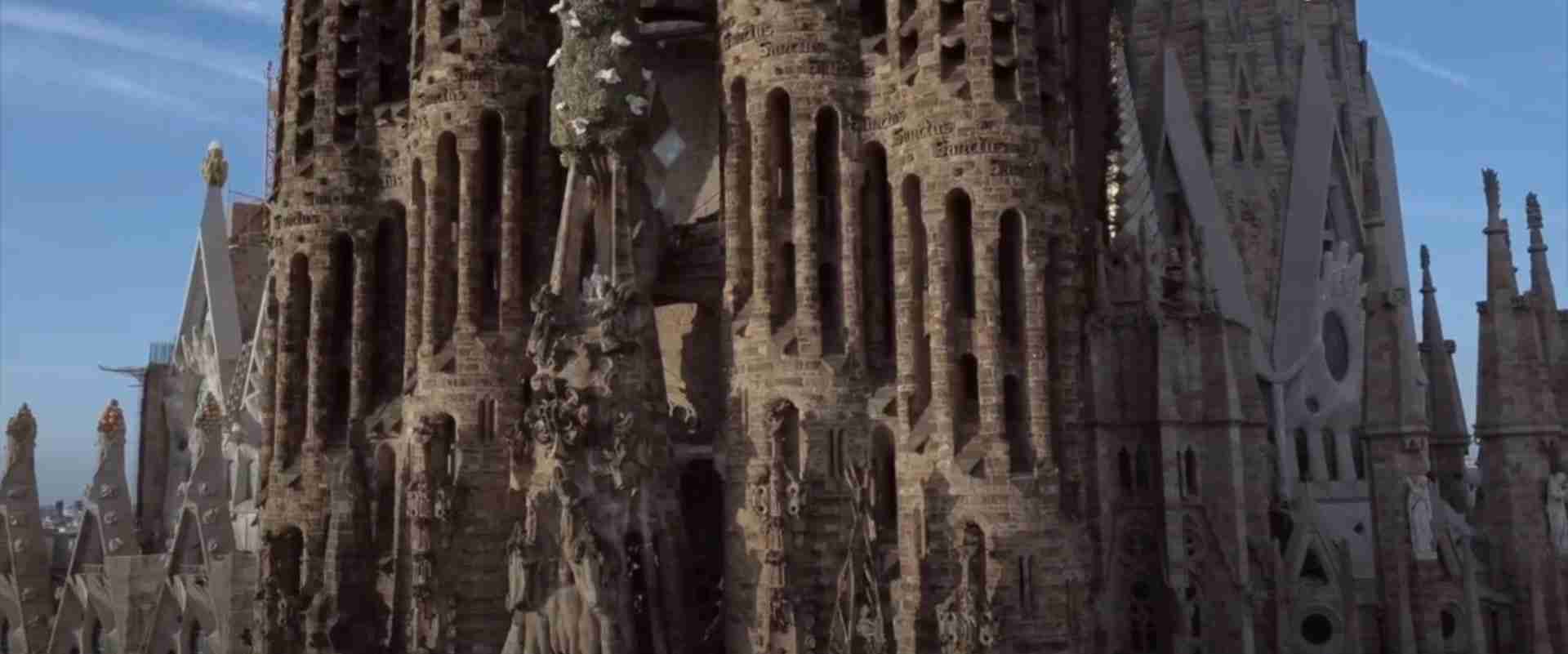
Ultimate Sagrada Familia Guide 2025: Tickets, Tips & Secrets
Key Takeaways
- Historic completion approaching: The Jesus Tower will be finished in 2026, making it the world’s tallest church at 172.5 meters
- Book tickets 2-3 months ahead: Official tickets from €26, with tower access from €36 – all timed entry required
- Best visit times: First entry (9am) or late afternoon (4-6pm) for stunning stained glass lighting effects
- Allow 2-3 hours minimum: Include museum, towers, and gift shop for complete experience
- Transportation made easy: Metro L2/L5 to Sagrada Família station, general entrance on Carrer de la Marina
- Dress code required: Cover shoulders and knees, no hats inside except for religious/health reasons
As Barcelona’s most visited attraction with over 4.7 million visitors annually, the Sagrada Família isn’t just a church – it’s a living testament to human creativity and faith. With the Jesus Tower set for completion in 2026, making it the world’s tallest church at 172.5 meters, there’s never been a more exciting time to witness this UNESCO World Heritage site in its near-final glory.
Why Visit Sagrada Família in 2025: A Once-in-a-Lifetime Moment
The year 2025 marks a pivotal moment in the Sagrada Família’s history. The completion of the central Jesus Tower in 2026 will coincide with the centenary of Gaudí’s death, making your visit a witness to architectural history in the making. As of 2025, the Jesus Tower is nearly complete and already dominates Barcelona’s skyline, offering visitors a rare glimpse of a masterpiece reaching its crescendo.
What makes this moment truly special is that the final stages of construction include the installation of a monumental 17-meter illuminated cross atop the Jesus Tower, which will become visible from across the city. You’re not just visiting a completed monument – you’re experiencing living history as the world’s longest-running construction project approaches its triumphant conclusion.
Essential Ticket Information for 2025
Official Ticket Prices and Types
Understanding the ticket system is crucial for your visit. Official 2025 prices start at €26 for basic admission with audioguide, €30 for guided tours, and €36 for basilica with tower access. Here’s what you need to know:
Sagrada Família Basic (€26): Includes basilica access and downloadable audioguide app in 17 languages. Perfect for self-guided exploration with comprehensive commentary.
Sagrada Família with Towers (€36): Adds access to one of two tower experiences – Nativity or Passion façade. The elevator takes you up, but you’ll walk down the spiral stairs for breathtaking city views.
Guided Tours (€30-40): Expert-led 90-minute experiences available in multiple languages, providing deeper insights into Gaudí’s symbolism and architectural genius.
Money-Saving Tips
Smart travelers can reduce costs through strategic planning. Children under 11 enter free with adult tickets (maximum two per adult), and students receive €2 discounts. Special half-price tickets for ages 11-30 are available Wednesdays, Thursdays, and Sundays from 4-6pm for €7, though you must purchase at the ticket office.
Consider combo tickets that bundle Sagrada Família with Park Güell or Casa Batlló for additional savings, especially if you’re planning a comprehensive Gaudí tour of Barcelona.
When to Visit: Timing Your Perfect Experience
Best Times of Day
The magic of Sagrada Família transforms throughout the day, thanks to Gaudí’s masterful use of natural light. The optimal times are first entry at 9am or late afternoon from 4-6pm when the stained glass windows best release their rainbow light.
Morning visits feature blue and green light from the east-facing Nativity façade, while afternoon brings warm yellows, oranges, and reds from the west-facing Passion façade. Photography enthusiasts should prioritize these golden hour moments when the church’s stained glass windows throw shafts of colored sunlight across the naves.
Best Seasons
April emerges as the sweet spot for visiting – pleasant weather with manageable crowds before peak season arrives. Spring offers the perfect balance of comfortable temperatures and spectacular lighting effects without the overwhelming summer crowds.
Winter visits (November-February) provide quieter experiences and shorter lines, though you’ll miss some of the dramatic natural lighting effects due to shorter daylight hours and different sun angles.
Avoiding the Crowds
Mornings from 9:00am to 11:00am are relatively quiet, and Mondays tend to be the least crowded weekday. Weekend visits require extra planning, as tourist volume increases significantly, especially during Barcelona’s peak season from June through September.
Getting There: Transportation Made Simple
Reaching Sagrada Família couldn’t be easier with Barcelona’s excellent public transportation. Take Metro lines L2 or L5 to Sagrada Família station, which deposits you directly at the basilica’s doorstep. Multiple bus lines (19, 33, 34, D50, H10, B24) also serve the area.
The general entrance for individual visitors is located on the right side of the Nativity Façade via Carrer de la Marina. From the metro station, follow signs to the Nativity façade entrance – it’s impossible to miss the towering spires that dominate the neighborhood.
Avoid driving if possible, as parking around this tourist-heavy area is extremely limited and expensive. The metro provides faster, more convenient access while allowing you to enjoy Barcelona’s efficient public transit system.
What to Expect: Inside Gaudí’s Masterpiece
The Nativity Façade: Birth and Hope
Your journey begins at the Nativity Façade, where Gaudí’s celebration of Christ’s birth unfolds in intricate stone sculptures. This façade features animal and human figures in elaborate detail, representing joy and life. Look closely for the turtle sculptures supporting the columns – they represent stability, with the land turtle facing the mountain and the sea turtle facing the Mediterranean.
The detailed stone carvings tell the complete nativity story, from the Annunciation through the flight to Egypt. Gaudí used real people as models for the sculptures, and legend says he even made plaster casts of a stillborn baby to ensure anatomical accuracy for the infant Jesus.
The Passion Façade: Sacrifice and Redemption
The Passion façade presents a dramatic contrast with skeletal pillars and stark sculptures depicting Christ’s suffering and crucifixion. Sculptor Josep Maria Subirachs designed these angular, modern sculptures to deliberately contrast with Gaudí’s more naturalistic Nativity façade, representing the somber reality of Christ’s sacrifice.
The façade reads like a book from bottom to top, left to right, chronicling the final 12 hours of Jesus’s life. Don’t miss the cryptogram square – a 4×4 magic square where every row, column, and diagonal adds up to 33, representing Christ’s age at death.
The Interior: A Forest Cathedral
Step inside and prepare to be overwhelmed. Gaudí designed the interior to feel like a forest, with columns branching out like trees toward the ceiling. The hyperboloid stone columns create an organic canopy that seems to grow rather than be built, reaching heights that inspire natural awe.
The ceiling features stone leaves and botanical details that complete the forest metaphor. Each column is precisely calculated to support the massive stone vaults above, with different stone types used based on load requirements – basalt for the heaviest loads, granite for medium loads, and Montjuïc stone for lighter applications.
The Stained Glass: Divine Light Symphony
The interior’s true magic lies in its spectacular stained glass windows. The east side features cool blues and greens representing birth and baptism, while the west side glows with warm reds, yellows, and oranges symbolizing the passion and resurrection. The interplay of natural light creates an ever-changing kaleidoscope that transforms throughout the day.
These aren’t traditional religious scenes but abstract compositions designed to fill the space with colored light. Gaudí wanted visitors to experience divine presence through light itself, making the entire basilica a kind of spiritual prism.
The Towers: Ascending to Heaven
Tower access offers Barcelona’s most spectacular panoramic views and intimate encounters with Gaudí’s architectural details. Two towers are currently open to visitors – Nativity and Passion facades – with elevators going up and narrow spiral stairs for descent.
The Nativity tower provides eastern views over the Mediterranean and Sagrada Família’s intricate spire details. The Passion tower offers western vistas across Barcelona’s Eixample district and the Collserola hills. Both experiences include close-up views of the colorful ceramic and glass mosaics adorning the spires.
Important note: Tower access requires separate tickets and isn’t suitable for claustrophobic visitors or those with mobility limitations. The descent involves narrow, winding staircases with limited passing room.
The Museum: Understanding Gaudí’s Genius
Located in the semi-basement under the Passion façade, the museum occupies Gaudí’s former workshop space. Here you’ll discover the architect’s original plans, plaster models, and construction techniques that seem impossible even by today’s standards.
The museum reveals how Gaudí used hanging chain models to calculate optimal structural curves, turning them upside down to create the cathedral’s distinctive arches. You’ll see sketches, photographs of construction progress, and explanations of the complex geometric principles underlying every surface.
Don’t rush through the museum – it provides essential context for understanding what you’ve experienced in the basilica above. The displays include sections on the ongoing construction, future completion plans, and the techniques being used to finish Gaudí’s vision.
Practical Visitor Information
Opening Hours and Seasonal Changes
Hours vary seasonally: November-February (9am-6pm Mon-Sat, 10:30am-6pm Sun), March and October (9am-7pm Mon-Fri, 9am-6pm Sat, 10:30am-7pm Sun), April-September (9am-8pm Mon-Fri, 9am-6pm Sat, 10:30am-8pm Sun).
Security and Dress Code
Expect airport-level security screening upon entry – avoid large bags, hats, or belts unless necessary. Dress modestly with covered shoulders and knees; see-through clothing and swimwear are prohibited.
How Long to Spend
Plan 1.5-2 hours minimum for a complete visit, including security, audioguide tour, museum, and gift shop. Add 30-60 minutes if including tower access. Photography enthusiasts should allow additional time for capturing the perfect lighting moments.
Special Experiences and Events
Sunday Mass
Free multilingual mass occurs Sundays from 9-10am – arrive by 8am for seating. This provides a unique opportunity to experience Sagrada Família as Gaudí intended – as a living place of worship rather than just a tourist attraction.
Construction Viewing
Cranes and scaffolding around the Jesus Tower offer unprecedented views of major construction in progress. Annual Open Doors Days in September provide special access to construction areas and prototype displays.
Photography Tips and Restrictions
Professional photography equipment isn’t permitted, but smartphone and regular camera photography is encouraged throughout the basilica. The best shots capture the interplay of natural and artificial light, especially during the golden hour periods.
For exterior photography, the Plaça de Gaudí opposite the Nativity façade provides the classic full-building shot. Inside, focus on the ceiling details, stained glass effects, and the dramatic contrast between different façades.
Nearby Attractions and Dining
Maximize your visit by exploring the surrounding Eixample neighborhood. Hospital de Sant Pau, another Modernist UNESCO site, sits just 10 minutes’ walk north. The elegant Passeig de Gràcia, home to Casa Batlló and Casa Milà, is easily accessible by metro.
For dining, the area offers everything from traditional Catalan cuisine to international options. Consider booking a rooftop restaurant with Sagrada Família views for dinner after your visit, watching the illuminated spires transform the Barcelona skyline.
Final Construction Phase: Witnessing History
The Jesus Tower’s completion in 2026 will feature a 17-meter illuminated cross made of glass and white ceramic tiles, becoming visible across Barcelona. Upon completion, Sagrada Família will become the world’s tallest church, surpassing Germany’s Ulm Minster by 11 meters.
Your 2025 visit captures this extraordinary monument at its most dramatic moment – nearly complete but still actively growing. The final Glory façade construction continues, with the complete basilica projected for 2034, but the essential structure and spiritual heart of Gaudí’s vision stands ready for your discovery.
The Sagrada Família in 2025 represents more than architectural tourism – it’s a pilgrimage to witness human creativity, faith, and persistence spanning nearly a century and a half. Whether you’re drawn by spiritual curiosity, architectural fascination, or simply the desire to experience something truly unique, Gaudí’s masterpiece delivers an unforgettable encounter with transcendent beauty.
Book your tickets now, plan your perfect timing, and prepare for an experience that will fundamentally change how you think about sacred space, artistic vision, and the power of human dedication to create something truly eternal.
Frequently Asked Questions
How far in advance should I book Sagrada Família tickets?
Book 2-3 months ahead, especially for peak season (June-September) and weekends. Tickets are timed and often sell out weeks in advance due to capacity limits.
Can I visit Sagrada Família for free?
You can view the exterior for free, and attend Sunday mass (9-10am) without charge. However, interior access requires paid tickets starting at €26.
Is the Sagrada Família accessible for wheelchairs?
Yes, the basilica is wheelchair accessible with ramps and elevators. However, tower access may be limited due to narrow spiral staircases.
What’s the difference between Nativity and Passion tower access?
Nativity tower faces east with Mediterranean views and represents Christ’s birth. Passion tower faces west with city views and depicts Christ’s suffering. Both offer spectacular panoramas.
Can I take photos inside Sagrada Família?
Yes, personal photography with smartphones and regular cameras is encouraged. Professional equipment requires special permission.
How long does the audioguide take?
The official audioguide runs about 45 minutes, but most visitors spend longer at each stop, making the total visit 1.5-2 hours minimum.
Is there a dress code for visiting?
Yes, cover shoulders and knees, avoid see-through clothing, and no hats inside except for religious, health, or belief reasons.
When will construction be completely finished?
The Jesus Tower completes in 2026, but final details and the Glory façade will continue until approximately 2034.
Are guided tours worth the extra cost?
For architecture enthusiasts and first-time visitors, yes. Guides provide deeper insights into Gaudí’s symbolism and construction techniques that enhance appreciation.
Can I leave and re-enter with the same ticket?
No, tickets are for one-time entry only. Plan to complete your entire visit, including museum and gift shop, in one session.