The Ultimate Machu Picchu Transportation Guide: Train vs Bus vs Hiking Options for US Travelers
🔑 Key Takeaways
- Train Options: Peru Rail and Inca Rail offer services from $75-$588 per trip
- Bus Routes: Hidroelectrica option saves 60-70% but takes 7+ hours total
- Booking Timeline: Reserve 2-4 months ahead for peak season travel
- Departure Points: Cusco, Ollantaytambo, and Urubamba serve as main stations
- Final Stretch: All routes require 25-minute bus or 2-hour hike from Aguas Calientes
- Weight Limits: Trains allow 11 lbs carry-on; store larger bags separately
- Best Value: Shoulder season (April-May, Sept-Oct) offers optimal price-convenience balance
- Contact us for a comfortable and personalized itinerary (Free Service)
Getting to Machu Picchu requires navigating one of the world’s most complex transportation systems, where geographic constraints meet overwhelming demand. This comprehensive guide breaks down every route option, from luxury train services to budget bus combinations, helping US travelers choose the perfect transportation strategy for their Peruvian adventure.
Understanding Machu Picchu’s Transportation Geography
Machu Picchu’s remote location in the Urubamba River valley creates unique logistical challenges that shape every transportation option. The ancient citadel sits on a narrow mountain ridge accessible only by a single winding road from Aguas Calientes, the gateway town below. This geographical bottleneck means all visitors, regardless of their arrival method, must complete the final leg via shuttle bus or hiking trail.
The railroad to Aguas Calientes represents the most popular access route, but track limitations allow only single-line operations through the Sacred Valley. This constraint creates the booking challenges and premium pricing that characterize train travel to Machu Picchu. Understanding these geographical realities helps travelers set appropriate expectations and plan accordingly.
The Three-Stage Journey System
Every route to Machu Picchu follows a three-stage pattern: getting to a departure point (Cusco, Ollantaytambo, or Hidroelectrica), traveling to Aguas Calientes, and completing the final ascent to the ruins. The choice of departure point and transportation method for the middle segment defines your overall experience, cost, and time investment.
Stage one typically involves arriving in Cusco and either staying there or transferring to Sacred Valley towns like Ollantaytambo. Stage two covers the journey to Aguas Calientes via train, bus-train combination, or hiking routes. Stage three requires choosing between the 25-minute shuttle bus ride or the strenuous 2-hour uphill hike to reach Machu Picchu’s entrance.
Comprehensive Train Options Analysis
Peru Rail Services: The Established Leader
Peru Rail has dominated Machu Picchu transportation since 1999, operating the most extensive network with multiple service levels and departure points. Their fleet ranges from budget-friendly Expedition trains to the ultra-luxurious Hiram Bingham service, accommodating diverse traveler preferences and budgets.
The Expedition service represents Peru Rail’s most accessible option, with round-trip fares starting around $140. These trains feature comfortable seating, panoramic windows, and basic onboard refreshments. Departures occur multiple times daily from Ollantaytambo, with some seasonal services from Cusco’s Poroy station. The journey takes approximately 1.5 hours from Ollantaytambo or 3.5 hours from Cusco.
Vistadome trains elevate the experience significantly, with round-trip prices starting around $190. These services feature observation cars with panoramic ceiling windows, cultural presentations, and enhanced meal service. The additional investment provides superior photography opportunities and cultural immersion during the scenic journey through the Sacred Valley.
The Hiram Bingham represents the pinnacle of luxury rail travel, with round-trip fares reaching $588. This service includes gourmet dining, live entertainment, premium bar service, and exclusive access to the Sanctuary Lodge at Machu Picchu. The experience transforms transportation into a destination itself, justifying the premium for special occasions.
Inca Rail: The Boutique Alternative
Inca Rail entered the market in 2007 with a focus on smaller groups and personalized service. Their fleet emphasizes environmental sustainability and cultural authenticity, appealing to conscious travelers seeking alternatives to mass tourism experiences.
The Voyager service provides Inca Rail’s entry-level option, with pricing competitive to Peru Rail’s Expedition trains. These services feature locally-inspired design elements, panoramic windows, and cultural programming that highlights Andean traditions. The smaller train capacity creates a more intimate atmosphere compared to Peru Rail’s larger operations.
The 360° service offers Inca Rail’s premium experience, with observation cars featuring floor-to-ceiling windows and outdoor viewing platforms. This service includes gourmet meals prepared with local ingredients and extensive cultural programming. The focus on sustainable tourism practices appeals to environmentally conscious travelers.
First Class and Private services cater to luxury travelers seeking exclusive experiences. These options include private cars, personalized service, and custom itineraries. The boutique approach provides flexibility unavailable with larger operators, though at premium pricing levels.
Bimodal Services: Bus-Train Combinations
Both Peru Rail and Inca Rail offer bimodal services combining bus transfers with train travel. These options become essential during certain periods when direct train service from Cusco is unavailable due to maintenance or seasonal constraints. The bimodal system typically involves a bus transfer from Cusco to Ollantaytambo, followed by train service to Aguas Calientes.
Bimodal services add approximately 90 minutes to total travel time but maintain access to train amenities for the scenic valley portion. Pricing remains consistent with direct train services, as the bus transfer is included in the overall package. These services operate year-round for most trains, becoming mandatory for all Cusco departures during January through April.


Alternative Transportation: Bus and Hiking Routes
The Hidroelectrica Route: Budget Alternative
The Hidroelectrica route represents the most economical way to reach Machu Picchu, reducing transportation costs by 60-70% compared to train travel. This option involves taking a bus from Cusco to the Hidroelectrica station, followed by a 2-3 hour hike along railroad tracks to Aguas Calientes. Total journey time extends to 7-8 hours, but savings can exceed $100 per person.
Buses depart Cusco early morning (typically 6:00-7:00 AM) for the 6-7 hour drive to Hidroelectrica. The route passes through dramatic Andean landscapes, including mountain passes over 14,000 feet elevation. Road conditions vary seasonally, with rainy season travel potentially involving delays due to landslides or flooding.
The hiking portion from Hidroelectrica to Aguas Calientes follows railroad tracks through cloud forest terrain. This 10-kilometer walk takes 2-3 hours depending on fitness level and provides spectacular scenery including waterfalls, tropical vegetation, and mountain vistas. The trail remains relatively flat, making it accessible for most fitness levels.
Return trips via Hidroelectrica typically depart Aguas Calientes around 2:00-3:00 PM, requiring early morning Machu Picchu visits. The long travel times limit time at the ruins but create opportunities for extended stays in Aguas Calientes or multi-day itineraries combining different transportation methods.
Classic Inca Trail: The Ultimate Hiking Experience
The Inca Trail represents the most prestigious route to Machu Picchu, combining multi-day hiking with archaeological exploration. This 26-mile trek typically takes 4 days and 3 nights, passing through diverse ecosystems and visiting multiple Inca sites before reaching Machu Picchu via the Sun Gate.
Permits for the Inca Trail are strictly limited to 500 people daily (including guides and porters), making advance booking essential. Permits typically sell out 4-6 months ahead for peak season dates, requiring early planning and flexibility. The trail closes completely each February for maintenance, further limiting availability.
Costs for Inca Trail treks range from $600-$1200 per person, depending on service level and group size. This investment includes permits, camping equipment, meals, porter services, and professional guides. The experience provides unparalleled cultural immersion and photographic opportunities unavailable via other routes.
Physical requirements for the Inca Trail are significant, with the highest point reaching 13,780 feet elevation. The second day involves crossing Dead Woman’s Pass, considered the trek’s most challenging section. Proper fitness preparation and altitude acclimatization are essential for successful completion.
Alternative Trekking Routes
Several alternative treks provide hiking experiences without Inca Trail permit requirements. The Salkantay Trek offers spectacular mountain scenery over 5 days, passing beneath Peru’s second-highest peak. This route concludes with train travel from Aguas Calientes, combining hiking adventure with convenient logistics.
The Lares Trek emphasizes cultural immersion, passing through traditional Andean communities where ancient weaving and farming practices continue. This 4-day trek provides opportunities to interact with local families and experience authentic highland culture before reaching Machu Picchu via train.
The Choquequirao Trek represents the most challenging alternative, requiring 7-9 days to reach both Choquequirao and Machu Picchu ruins. This expedition-level trek suits experienced hikers seeking remote wilderness experiences and archaeological discoveries away from tourist crowds.
Final Approach: Aguas Calientes to Machu Picchu
Shuttle Bus Service
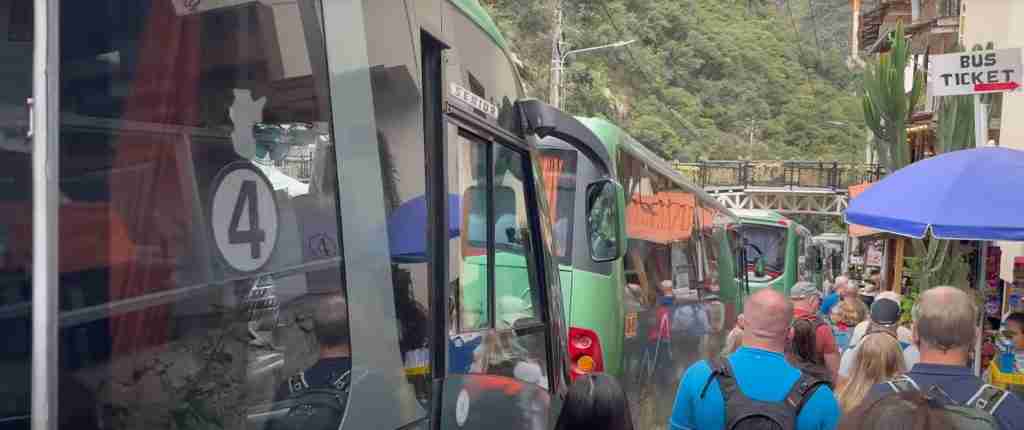
The official shuttle bus service provides the most convenient final approach to Machu Picchu, operating continuously from 5:30 AM to 5:30 PM. These modern, environmentally-friendly buses navigate the winding Hiram Bingham Road in approximately 25 minutes, gaining 1,300 feet elevation through 13 switchbacks.
Bus tickets cost approximately $12 per person each way, with significant discounts for children and Peruvian residents. Round-trip tickets offer convenience and slight savings compared to individual purchases. Tickets can be purchased online through official channels or at the Aguas Calientes office, though advance booking is recommended during peak seasons.
Peak morning hours (6:00-10:00 AM) see the highest demand, with buses departing every 5-10 minutes to accommodate crowds. Afternoon return trips typically face lighter crowds, providing more comfortable experiences for departure. The scenic route offers spectacular views of the Urubamba Valley and surrounding peaks.
Hiking the Machu Picchu Trail
The hiking trail from Aguas Calientes to Machu Picchu provides a challenging but rewarding alternative to bus transportation. This steep, 2-3 hour ascent follows ancient stone steps and forest paths, gaining the same 1,300 feet elevation as the bus route. The trail offers enhanced connection with the site’s natural setting and opportunities for wildlife observation.
Trail conditions vary seasonally, with wet season bringing slippery rocks and muddy sections. Proper hiking boots and weather protection are essential regardless of season. The ascent requires good fitness levels and should not be attempted by those with heart conditions, knee problems, or limited mobility.
Benefits of hiking include cost savings, exercise, and unique perspectives unavailable from bus windows. The trail provides excellent photography opportunities and chances to observe local flora and fauna. However, the physical demands mean less energy for exploring Machu Picchu itself, particularly for older travelers or those with limited time.
Booking Strategies and Logistics
Timing Your Reservations
Successful Machu Picchu transportation requires strategic booking timelines that vary by season and service level. Peak season travel (June-August) demands reservations 3-4 months in advance, particularly for premium train services and any Inca Trail permits. Shoulder seasons (April-May, September-October) typically require 2-3 months advance booking, while wet season travel may allow 1-2 month planning windows.
Book Machu Picchu entrance tickets before arranging transportation, as site access drives all other logistics. The new circuit system limits daily visitors and requires specific time slots, which must be coordinated with transportation schedules. Entry tickets often sell out before transportation options, making site access the critical path for planning.
Consider booking through authorized tour operators for package deals combining transportation, accommodation, and site access. These packages often provide better availability and coordination than individual bookings, though potentially at higher costs. Reputable operators maintain allocation quotas and can access inventory unavailable to individual travelers.
Luggage and Weight Restrictions
All train services impose strict luggage restrictions that significantly impact packing strategies. Standard allowances limit carry-on bags to 11 pounds (5 kilograms) with specific dimension requirements. These restrictions reflect narrow train aisles and limited storage space in vintage railcars.
Travelers with larger luggage must utilize storage services available in Cusco, Ollantaytambo, and Aguas Calientes. Many hotels provide complimentary storage for guests, while independent storage facilities charge nominal fees. Plan to pack overnight essentials in small bags while storing main luggage during Machu Picchu visits.
Alternative routes like the Hidroelectrica bus allow larger luggage capacity, providing advantages for extended Peru travel. However, the hiking portion still requires carrying day packs with essential supplies. Consider luggage requirements when choosing between transportation options, particularly for multi-week Peru itineraries.
Weather-Related Considerations
Weather significantly impacts transportation reliability and comfort, requiring seasonal planning adjustments. Wet season travel (November-April) brings risks of landslides, flooding, and service disruptions. Train operators maintain alternative routes and backup plans, but delays and cancellations remain possible during severe weather.
Dry season travel provides maximum reliability but attracts peak crowds and pricing. The predictable weather makes scheduling easier but reduces flexibility for last-minute changes. Consider travel insurance for wet season visits to protect against weather-related cancellations and delays.
Pack weather-appropriate gear regardless of season, as mountain conditions change rapidly. Waterproof clothing and sun protection remain essential year-round. The microclimate variations between Cusco, the Sacred Valley, and Machu Picchu require preparation for diverse conditions within single days.
Cost Analysis and Budget Planning
Complete Cost Breakdown by Route
Transportation costs to Machu Picchu vary dramatically based on route choice, timing, and service level. Budget-conscious travelers can reach the site for under $100 per person using Hidroelectrica buses and hiking, while luxury train experiences can exceed $600 per person for round-trip service.
Peru Rail Expedition trains represent the mid-range option, with round-trip costs averaging $140-180 depending on season and booking timing. Add $24 for round-trip bus service from Aguas Calientes to Machu Picchu, plus Machu Picchu entrance fees ($47 for international visitors). Total transportation and entry costs range from $210-250 per person.
Premium train services like Vistadome add $50-100 to base costs, while luxury options like Hiram Bingham can triple overall expenses. Factor in accommodation costs in Aguas Calientes ($50-300 per night) for multi-day visits. Budget travelers should allocate $300-400 total per person, while luxury travelers may spend $800-1200.
The Hidroelectrica route reduces transportation costs to $30-50 per person but requires additional time and physical effort. Factor in opportunity costs of extended travel time when comparing budget options to train convenience. Sometimes the time savings justify premium pricing for travelers with limited vacation days.
Seasonal Pricing Variations
Transportation pricing follows predictable seasonal patterns that can significantly impact travel budgets. Peak season rates (June-August) typically run 30-50% higher than wet season pricing, with shoulder seasons falling between these extremes. Some services like Hiram Bingham maintain consistent pricing year-round due to limited capacity and high demand.
Book during promotional periods for maximum savings, typically occurring during wet season months. Many operators offer package deals combining accommodation and transportation during slower periods. However, weigh savings against weather risks and potential service disruptions during promotions.
Last-minute availability sometimes allows discounted bookings, particularly for wet season travel. Monitor operator websites for special offers, but avoid relying on last-minute deals for peak season visits. The risk of unavailability typically outweighs potential savings for inflexible travel dates.
Special Considerations for US Travelers
Cultural and Practical Adaptations
US travelers often underestimate the cultural and logistical differences inherent in Peru’s transportation systems. Punctuality expectations differ significantly from US standards, with “on time” having more flexible interpretations. Build buffer time into schedules and maintain patience during inevitable delays.
Altitude considerations affect all transportation choices, as most routes involve significant elevation changes. Plan acclimatization time in Cusco or Sacred Valley before attempting strenuous activities. The combination of altitude, travel fatigue, and excitement can impact physical performance more than anticipated.
Language barriers may complicate transportation logistics, particularly for independent travelers. Download offline translation apps and learn basic Spanish phrases for transportation scenarios. Consider guided tours or operator transfers to minimize language-related challenges during complex logistics.
Health and Safety Considerations
Motion sickness affects many travelers during winding train routes through mountain terrain. Pack appropriate medications and choose seat locations carefully on trains and buses. Window seats provide better views but may increase motion sickness for sensitive individuals.
Altitude sickness can impact transportation choices, as many routes involve rapid elevation changes. The train journey remains at relatively moderate elevations, while hiking routes may exceed comfort levels for some travelers. Consult physicians about altitude medications before travel, particularly for older adults or those with health conditions.
Travel insurance becomes essential for transportation-dependent itineraries. Coverage should include medical evacuation, trip cancellation, and transportation delays. The remote location and limited medical facilities make comprehensive insurance particularly important for Machu Picchu visits.
Advanced Planning Strategies
Multi-Day Itinerary Integration
Successful Machu Picchu visits often involve multi-day Sacred Valley itineraries that maximize the region’s attractions. Consider staying in Ollantaytambo or Urubamba to reduce transportation time and explore additional archaeological sites. These locations provide better acclimatization than Cusco while offering convenient train access.
Plan Sacred Valley activities around transportation schedules to maximize efficiency. Morning departures from Ollantaytambo allow afternoon Sacred Valley exploration, while afternoon returns provide full morning access to Machu Picchu. The coordination requires careful planning but enhances overall experience value.
Consider split itineraries using different transportation methods for outbound and return journeys. Train service to Aguas Calientes combined with Hidroelectrica return provides luxury arrival with budget departure. This strategy requires flexibility but can optimize both experience and costs.
Photography and Equipment Transport
Photography enthusiasts face unique transportation challenges due to equipment weight and protection requirements. Train weight restrictions limit camera gear, requiring careful selection of essential equipment. Consider renting specialized gear in Cusco rather than transporting from the US.
Protect valuable equipment during all transportation segments, as vibration, humidity, and temperature changes can damage sensitive electronics. Waterproof cases and padding become essential for wet season travel or hiking routes. Factor equipment insurance into travel planning for expensive camera systems.
Plan equipment needs around specific photography goals to minimize transportation burden. Sunrise photography requires overnight stays in Aguas Calientes, affecting transportation timing. Landscape photography benefits from multiple visits during different weather conditions, impacting transportation frequency and costs.
Emergency Planning and Contingencies
Weather-Related Disruptions
Weather emergencies can significantly disrupt Machu Picchu transportation, particularly during wet season months. Landslides, flooding, and lightning storms occasionally force temporary service suspensions. Maintain flexible itineraries with buffer days to accommodate weather-related delays.
Train operators typically provide alternative routing during minor disruptions, though severe weather may require complete cancellations. Bus routes face similar challenges with additional risks from road conditions. Monitor weather forecasts and operator communications for advance warning of potential disruptions.
Travel insurance should specifically cover weather-related transportation cancellations and delays. Standard policies may not cover “acts of nature,” requiring specialized coverage for mountain travel. Document all disruptions with photos and official communications for insurance claims.
Backup Transportation Options
Develop backup transportation plans for various scenarios, including sold-out trains, cancelled services, and health emergencies. Alternative routes like Hidroelectrica provide options when primary transportation fails. However, backup plans require additional research and potentially different preparation.
Maintain contact information for multiple transportation operators and tour companies. Local operators sometimes have access to inventory unavailable through international booking systems. Establish relationships with hotel concierges and tour operators who can assist during emergencies.
Consider transportation insurance and operator guarantees when booking premium services. Some luxury operators provide alternative arrangements or refunds for service disruptions, while budget options may offer limited recourse. Understand cancellation policies and protection levels before finalizing bookings.

🙋♀️ Frequently Asked Questions
What’s the cheapest way to get to Machu Picchu?
The Hidroelectrica route (bus + hiking) costs $30-50 per person compared to $140+ for trains. However, it requires 7-8 hours total travel time versus 1.5-3.5 hours by train.
How far in advance should I book train tickets?
Peak season (June-August): 3-4 months ahead. Shoulder seasons: 2-3 months ahead. Wet season: 1-2 months ahead usually sufficient.
Can I take large luggage on trains to Machu Picchu?
No. Trains limit carry-on to 11 lbs (5 kg). Store larger bags in Cusco, Ollantaytambo, or Aguas Calientes through hotel or storage services.
What’s the difference between Peru Rail and Inca Rail?
Peru Rail offers more daily departures and departure points, plus the luxury Hiram Bingham service. Inca Rail focuses on smaller groups, environmental sustainability, and cultural experiences.
Is the bus from Aguas Calientes to Machu Picchu necessary?
No, but recommended. The 2-3 hour hiking alternative is steep and strenuous. The $12 bus ride takes 25 minutes and conserves energy for exploring the ruins.
What happens if weather cancels my train?
Operators typically provide alternative routing or rescheduling. Severe weather may require full cancellations with refunds. Travel insurance helps cover associated costs.
Can I buy train tickets in Cusco without advance booking?
Unlikely during peak season. Last-minute availability exists mainly during wet season or for premium services. Always book advance for guaranteed access.
Which departure point is best: Cusco or Ollantaytambo?
Ollantaytambo offers shorter train rides (1.5 hours vs 3.5 hours) and lower altitude for acclimatization. Cusco provides more departure options and convenience for hotel locations.
Are there transportation options for people with mobility issues?
Trains accommodate wheelchairs and mobility devices better than hiking routes. The shuttle bus from Aguas Calientes is essential for those unable to hike. Notify operators of special needs when booking.
What’s included in luxury train services like Hiram Bingham?
Gourmet meals, bar service, live entertainment, observatory car, and exclusive Sanctuary Lodge access. The $588 round-trip price includes most amenities but not Machu Picchu entrance fees.