
Ultimate Guide to Kyoto’s 17 UNESCO World Heritage Sites: Complete Visitor’s Strategy
Kyoto stands as Japan’s undisputed UNESCO World Heritage champion, home to an extraordinary collection of 17 designated sites that collectively tell the story of over 1,000 years of Japanese cultural evolution. These Historic Monuments of Ancient Kyoto represent the finest examples of Japanese architecture, garden design, and spiritual heritage, making them essential destinations for any cultural traveler visiting Japan.
🔑 Key Takeaways
- 17 UNESCO sites collectively known as “Historic Monuments of Ancient Kyoto” span three cities
- Priority order matters – Kinkaku-ji, Kiyomizu-dera, and Fushimi Inari top every visitor’s list
- Early morning visits (before 8 AM) offer the best crowd-free experience at major sites
- Multi-day passes and strategic routing can save both time and money for serious heritage travelers
- Seasonal timing dramatically impacts both crowds and photo opportunities at temple complexes
- Hidden gems like Ujigami Shrine and Kozan-ji Temple offer authentic experiences without tourist masses
As the former imperial capital from 794 to 1868, Kyoto served as the heart of Japanese civilization, nurturing the development of traditional arts, architecture, and spiritual practices that continue to influence global culture today. The city’s UNESCO designation in 1994 recognized not just individual temples and shrines, but an entire cultural landscape that has shaped Japanese identity for over a millennium.
Understanding Kyoto’s UNESCO World Heritage Designation
The Historic Monuments of Ancient Kyoto encompasses 17 individual properties spread across Kyoto city, Uji, and Otsu in neighboring Shiga Prefecture. This comprehensive designation recognizes Kyoto’s role as the primary center for the evolution of religious and secular architecture between the 8th and 17th centuries, establishing cultural traditions that influenced landscape gardening worldwide.
Unlike single-site UNESCO designations, Kyoto’s heritage status covers a diverse collection including 13 Buddhist temples, 3 Shinto shrines, and 1 castle complex. Each site represents different periods of Japanese history, architectural styles, and spiritual traditions, creating an unparalleled journey through Japan’s cultural development.
The Three Geographic Areas
Kyoto City Proper contains 14 of the 17 sites, including the most famous destinations like Kinkaku-ji (Golden Pavilion), Ginkaku-ji (Silver Pavilion), and Kiyomizu-dera Temple. These urban heritage sites can be accessed via Kyoto’s excellent public transportation network.
Uji City houses the magnificent Byodo-in Temple and ancient Ujigami Shrine, both easily reached by train from central Kyoto. Uji also offers the bonus of being Japan’s green tea capital, perfect for combining UNESCO heritage with culinary culture.
Otsu City (Shiga Prefecture) contains Enryaku-ji Temple on Mount Hiei, the headquarters of Tendai Buddhism. This mountaintop monastery requires additional transportation but rewards visitors with spectacular views and profound spiritual atmosphere.
Complete List of Kyoto’s 17 UNESCO World Heritage Sites
Tier 1: Must-Visit UNESCO Sites (Top Priority)
1. Kinkaku-ji Temple (Golden Pavilion)
The most photographed building in Japan, this three-story Zen temple covered in gold leaf reflects magnificently in its surrounding pond. Built in 1397, Kinkaku-ji exemplifies the height of Muromachi period architecture. Best time: Early morning before 8 AM to avoid crowds.
2. Kiyomizu-dera Temple
Famous for its wooden stage that juts out 13 meters above the hillside, this Pure Land Buddhist temple offers stunning city views and represents masterful Japanese carpentry techniques using no nails. The temple’s name means “pure water,” referring to the sacred Otowa Waterfall.
3. Fushimi Inari Taisha Shrine
While not officially part of the UNESCO designation, this iconic shrine with 10,000 vermillion torii gates connects directly to the heritage district and represents Japan’s most important Inari shrine. The mountain hike through thousands of gates creates an otherworldly spiritual experience.
4. Ginkaku-ji Temple (Silver Pavilion)
Despite its name, this elegant temple contains no silver but showcases refined Japanese aesthetics and garden design. Originally built as a retirement villa in 1482, it represents the pinnacle of Higashiyama culture’s sophisticated artistic sensibilities.
Extended multi-day tours – 5+ days
Featured Tokyo to Kyoto Japan Multi-Day Tour Packages
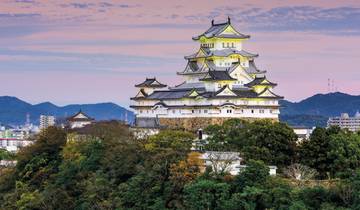
11 days
Japan´s Landscapes end Kyoto (18 destinations)
- ✓ Comprehensive Tokyo to Kyoto Japan tour
- ✓ Expert local guides included
- ✓ All accommodation arranged
- ✓ Transportation provided

14 days
Simply Japan
- ✓ Comprehensive Tokyo to Kyoto Japan tour
- ✓ Expert local guides included
- ✓ All accommodation arranged
- ✓ Transportation provided

17 days
Japan Adventure 17 Day
- ✓ Comprehensive Tokyo to Kyoto Japan tour
- ✓ Expert local guides included
- ✓ All accommodation arranged
- ✓ Transportation provided
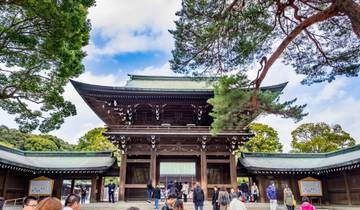
8 days
8 Day Highlights of Japan Small Group Tour Package
- ✓ Comprehensive Tokyo to Kyoto Japan tour
- ✓ Expert local guides included
- ✓ All accommodation arranged
- ✓ Transportation provided
Multi-day tour packages powered by TourRadar. Prices and availability subject to change.
Tier 2: Cultural Heritage Gems (High Priority)
5. Ryoan-ji Temple
Home to Japan’s most famous rock garden, featuring 15 carefully placed stones in raked gravel. This Zen masterpiece invites contemplation and represents the essence of Japanese minimalist philosophy. The garden’s designer remains unknown, adding to its mystique.
6. Nijo Castle
The only castle among Kyoto’s UNESCO sites, Nijo-jo demonstrates the political power of the Tokugawa shogunate. The palace features “nightingale floors” that squeak to warn of intruders and showcases the finest examples of Japanese palatial architecture.
7. Tenryu-ji Temple
Located in scenic Arashiyama, this temple features one of Japan’s most beautiful gardens designed by master Muso Soseki. The temple serves as the head temple of the Tenryu-ji branch of Rinzai Zen Buddhism and offers views of the famous bamboo grove.
8. Toji Temple
Home to Japan’s tallest wooden pagoda at 57 meters, Toji represents Kyoto’s southern guardian temple. The monthly flea market on the 21st draws locals and visitors alike, creating authentic cultural experiences beyond the temple’s architectural significance.
Tier 3: Specialized Heritage Sites (Moderate Priority)
9. Byodo-in Temple (Uji)
The Phoenix Hall appears on Japan’s 10-yen coin and represents Pure Land Buddhist paradise on earth. This 1053 architectural masterpiece in Uji combines UNESCO heritage with green tea culture, making it perfect for day trips from Kyoto.
10. Daigo-ji Temple
Sprawling temple complex famous for cherry blossoms and autumn colors. The temple contains important artifacts and represents 1,000 years of continuous Buddhist tradition. Less crowded than central Kyoto sites despite its UNESCO status.
11. Ninna-ji Temple
Known for late-blooming Omuro cherry trees that extend sakura season into May. This temple served as a imperial villa and demonstrates the close relationship between Japanese Buddhism and imperial court culture.
12. Shimogamo Shrine
One of Kyoto’s oldest Shinto shrines, dating to the 6th century. The approach through ancient Tadasu-no-mori forest creates a mystical atmosphere. This shrine hosts the famous Aoi Matsuri festival each May 15th.
Tier 4: Hidden UNESCO Treasures (Lower Priority)
13. Kamigamo Shrine
Sister shrine to Shimogamo, representing ancient Shinto architectural principles. The cone-shaped sand piles in the courtyard demonstrate purification rituals central to Japanese spiritual practices.
14. Nishi Hongan-ji Temple
Headquarters of Jodo Shinshu Buddhism, featuring massive halls and intricate wood carvings. The 400-year-old ginkgo tree creates spectacular autumn displays and demonstrates the temple’s historical continuity.
15. Saihoji Temple (Kokedera/Moss Temple)
A magical garden carpeted with 120 varieties of moss, requiring advance reservations and copying Buddhist sutras for entry. This exclusive experience offers profound tranquility but demands significant planning commitment.
16. Enryaku-ji Temple (Mount Hiei)
The headquarters of Tendai Buddhism, accessible by scenic cable car with panoramic views. This mountain monastery trained many of Japan’s most influential Buddhist leaders and offers escape from city crowds.
17. Ujigami Shrine (Uji)
Japan’s oldest existing Shinto shrine, built around 1060. While architecturally modest, it represents the purest example of ancient Japanese shrine construction techniques and spiritual traditions.
Bonus: Kozan-ji Temple (Takao)
Remote mountain temple famous for historic animal scroll paintings. The approach through towering cedar forests creates atmospheric experiences, though the temple itself ranks lower among UNESCO properties.
Strategic Visiting Plans for Every Schedule
Half-Day UNESCO Highlights (4-5 hours)
Morning Route: Start at Kinkaku-ji (Golden Pavilion) at 8 AM, then taxi to Ryoan-ji for the rock garden experience. Conclude at Nijo Castle for architectural contrast. This route covers three distinct UNESCO sites representing different aspects of Japanese culture.
Afternoon Route: Begin at Kiyomizu-dera in Higashiyama, walk down through historic streets to explore the cultural district, then visit nearby Ginkaku-ji (Silver Pavilion) for garden contemplation.
Full-Day UNESCO Immersion (8-10 hours)
9:00 AM: Start at Arashiyama with Tenryu-ji Temple and bamboo grove exploration
11:00 AM: Taxi to Kinkaku-ji for golden pavilion photography
12:30 PM: Visit Ryoan-ji rock garden for Zen meditation
2:00 PM: Lunch break in central Kyoto
3:30 PM: Explore Nijo Castle for samurai palace architecture
5:00 PM: End at Kiyomizu-dera for sunset city views
Two-Day UNESCO Deep Dive
Day 1: Western and Central Sites
Focus on Arashiyama area (Tenryu-ji), northwestern temples (Kinkaku-ji, Ryoan-ji), and central attractions (Nijo Castle, Nishi Hongan-ji). This grouping minimizes transportation time while maximizing cultural variety.
Day 2: Eastern and Southern Districts
Explore Higashiyama area (Kiyomizu-dera, Ginkaku-ji), southern temples (Toji, Daigo-ji), and consider Uji day trip for Byodo-in and tea culture experiences.
Three-Day UNESCO Mastery
Add Mount Hiei (Enryaku-ji), specialized sites like Saihoji Moss Temple with advance reservations, and deeper exploration of Shinto shrines (Shimogamo, Kamigamo). Include cultural activities like tea ceremonies and traditional crafts workshops.
Transportation and Practical Logistics
Essential Transportation Passes
Kyoto City Bus Pass (¥600/day) covers most UNESCO sites within Kyoto city proper. The unlimited daily pass pays for itself after three bus rides and includes detailed route maps showing UNESCO site connections.
Kyoto Sightseeing Card (¥1,200/day) combines bus and subway access with discounts at many UNESCO sites. This premium option works well for visitors planning multiple sites daily with subway connections.
Keihan Main Line Pass essential for Uji visits to Byodo-in and Ujigami Shrine. The train journey takes 30 minutes from central Kyoto and connects seamlessly with city transportation networks.
UNESCO Site Access Strategies
Early Morning Advantage: Most temples open at 6:00 AM during peak seasons, offering 2-3 hours of crowd-free exploration before tour groups arrive. Golden hour photography opportunities during these hours create stunning Instagram-worthy images.
Strategic Taxi Usage: While expensive (¥1,000-2,000 between sites), taxis save valuable time between distant UNESCO properties like Kinkaku-ji to Ginkaku-ji. Budget taxi rides for maximum impact on tight schedules.
Walking Connections: Higashiyama area allows walking between Kiyomizu-dera and nearby cultural districts. The scenic route through historic streets adds cultural immersion beyond formal UNESCO sites.
Seasonal Strategies for UNESCO Site Visits
Spring (March-May): Cherry Blossom UNESCO Magic
Spring represents peak season for Kyoto’s UNESCO sites, with cherry blossoms transforming temple gardens into pink paradises. Daigo-ji Temple offers spectacular sakura displays, while Ninna-ji features late-blooming varieties extending the season into early May.
Crowd Management: Book accommodations 6 months in advance for cherry blossom season. Visit major sites before 7 AM or after 5 PM when day-tour crowds disperse. Consider weekday visits over weekends for manageable experiences.
Photography Opportunities: Golden hour lighting (6:30-7:30 AM) creates magical conditions at Kinkaku-ji with cherry blossoms reflected in the pond. Kiyomizu-dera’s wooden stage offers panoramic cherry blossom views across Kyoto’s cityscape.
Summer (June-August): Festival Season and Green Temple Gardens
Summer brings Gion Matsuri festival in July, creating cultural experiences beyond static temple visits. UNESCO sites showcase lush green gardens at their most vibrant, offering different photographic opportunities than famous autumn and spring seasons.
Heat Management: Start UNESCO visits at 6 AM to complete major outdoor sites before temperatures exceed 30°C (86°F). Plan indoor temple halls and castle interiors during peak afternoon heat. Carry water and cooling towels for comfort.
Festival Integration: Gion Matsuri (July 1-31) transforms Kyoto with traditional music, food stalls, and cultural performances. UNESCO sites often host special summer illuminations and evening cultural events.
Autumn (September-November): Koyo Fall Foliage UNESCO Spectacle
Autumn rivals spring as Kyoto’s most popular season, with UNESCO sites surrounded by brilliant red, orange, and yellow maple leaves. Kiyomizu-dera and Tofuku-ji (near UNESCO sites) offer the most spectacular autumn displays.
Peak Timing: Fall colors typically peak from mid-November to early December. Monitor Japanese weather services for real-time foliage reports. Book autumn accommodations as early as spring season for availability.
Special Autumn Illuminations: Many UNESCO sites offer evening illuminations during peak autumn season, creating magical nighttime photography opportunities. Kiyomizu-dera’s illuminated wooden stage against colored foliage creates unforgettable images.
Winter (December-February): Serene Snow-Covered UNESCO Temples
Winter offers the most peaceful UNESCO site experiences with minimal crowds and occasional snow creating dramatic temple scenes. This season provides the best opportunities for contemplative experiences at sites like Ryoan-ji’s rock garden.
Snow Photography: Kinkaku-ji covered in snow creates one of Japan’s most iconic winter images. Check weather forecasts for snow predictions and plan early morning visits for pristine snow coverage before foot traffic.
Winter Illuminations: December brings holiday illuminations throughout Kyoto, with some UNESCO sites participating in winter light displays. Indoor temple spaces offer warmth and cultural activities during cold weather.
Cultural Etiquette and Respectful Tourism
Temple and Shrine Behavior Guidelines
Photography Respect: Many UNESCO sites restrict photography inside main halls containing Buddhist statues or sacred objects. Always check posted signs and ask permission before photographing. Never use flash photography near ancient artifacts or during religious ceremonies.
Quiet Observation: Maintain respectful silence in temple halls and shrine precincts. These remain active religious sites serving local communities, not just tourist attractions. Avoid loud conversations and phone calls within sacred spaces.
Purification Rituals: At Shinto shrines like Shimogamo and Kamigamo, perform proper purification at hand-washing stations: rinse left hand, right hand, mouth (without drinking), then cleanse the dipper handle.
Supporting Local Communities
Temple Donations: Small donations (¥100-500) at UNESCO sites support conservation efforts and temple maintenance. Many temples sell protective amulets (omamori) and prayer papers (ema) as meaningful souvenirs supporting religious communities.
Local Business Support: Purchase tea, snacks, and souvenirs from small shops near UNESCO sites rather than convenience chains. These family businesses often have multi-generational connections to temple communities.
Residential Area Respect: Many UNESCO sites exist within residential neighborhoods. Keep noise levels low, don’t block private driveways for photos, and follow all posted signs regarding tourist behavior.
Beyond UNESCO: Complementary Kyoto Cultural Experiences
Traditional Arts and Crafts
Tea Ceremony Experiences: Complement UNESCO temple visits with authentic tea ceremony participation. Many venues near heritage sites offer English-language ceremonies explaining connections between Buddhism, aesthetics, and Japanese cultural philosophy.
Kimono Rental and Photography: Traditional kimono rental creates authentic experiences while visiting UNESCO temples. Many shops near Kiyomizu-dera offer complete styling services and provide cultural context for wearing traditional clothing respectfully.
Calligraphy and Meditation: Some UNESCO temples offer calligraphy classes and meditation sessions providing hands-on cultural experiences beyond sightseeing. These activities create deeper understanding of Buddhist and Shinto spiritual practices.
Culinary Culture Integration
Buddhist Temple Cuisine (Shojin Ryori): Experience vegetarian Buddhist cuisine at restaurants near UNESCO temples. This spiritual culinary tradition emphasizes seasonal ingredients and mindful eating practices central to Japanese temple culture.
Uji Green Tea Culture: Combine Byodo-in UNESCO visits with authentic tea plantation tours and traditional tea ceremony experiences. Uji produces Japan’s highest quality matcha used in temple ceremonies.
Sake and Traditional Dining: Fushimi district near some UNESCO sites produces premium sake using traditional methods. Brewery tours and tastings provide cultural context for Japanese religious and social traditions.
Advanced Planning and Insider Tips
Booking and Reservation Strategies
Saihoji (Moss Temple) Advance Booking: This UNESCO site requires written applications sent 7 days to 2 months in advance. Include return postcard with Japanese address (hotel concierge can help). The ¥3,000 fee includes sutra copying ceremony adding spiritual dimension to the visit.
Peak Season Accommodations: Book Kyoto hotels 6 months ahead for cherry blossom (April) and autumn foliage (November) seasons. Consider staying in Osaka or Nara with day trips to Kyoto for better availability and pricing during peak periods.
Private Tour Advantages: Professional guides provide cultural context, historical background, and skip-the-line access at some UNESCO sites. English-speaking guides range from ¥25,000-40,000 for full-day UNESCO tours but offer immeasurable cultural education.
Money-Saving Strategies
Temple Stamp Collection (Goshuin): Purchase a stamp book (¥1,500) and collect calligraphy stamps from each UNESCO site visited (¥300-500 each). This creates meaningful souvenirs while supporting temple conservation efforts.
Off-Season Advantages: Winter and early summer offer significant hotel discounts (30-50% less than peak seasons) and authentic experiences with local visitors rather than international tour groups.
Student and Senior Discounts: Many UNESCO sites offer reduced admission for students and seniors. International student IDs often qualify for discounts at cultural properties.
Photography and Social Media Tips
Golden Hour Timing: Summer sunrise (5:30 AM) and winter sunrise (7:00 AM) provide optimal lighting for UNESCO site photography. Popular Instagram spots include Kinkaku-ji reflection shots, Kiyomizu-dera cityscape views, and Fushimi Inari torii tunnels.
Unique Angles: Most tourists photograph famous sites from identical viewpoints. Explore side paths, seasonal gardens, and lesser-known temple buildings for original compositions that stand out on social media.
Cultural Sensitivity: Avoid selfies or posed photos during religious ceremonies or in temple halls containing sacred objects. Many temples allow photography in gardens and outer buildings while restricting inner sanctuaries.
Emergency Information and Practical Considerations
Health and Safety
Medical Facilities: Kyoto University Hospital (English-speaking staff) provides emergency services near UNESCO sites. Pharmacies near major temples stock basic medications and first aid supplies.
Weather Preparedness: Summer heat can exceed 35°C (95°F) with high humidity. Carry water, cooling towels, and portable fans. Winter temperatures drop below freezing with occasional snow requiring warm clothing and appropriate footwear for temple stairs.
Temple Terrain: Many UNESCO sites involve significant walking on uneven stone paths and steep stairs. Wear comfortable walking shoes with good traction. Some temples provide walking sticks for elderly visitors.
Communication and Language
Translation Apps: Google Translate’s camera function works well for reading temple signs, historical markers, and admission information. Most major UNESCO sites provide basic English signage and brochures.
Emergency Phrases: Learn basic Japanese phrases for help: “Tasukete kudasai” (please help), “Byouin wa doko desu ka?” (where is the hospital?), and “Eigo ga hanasemasu ka?” (do you speak English?).
Tourist Information Centers: Kyoto Station and major UNESCO site areas have information centers with English-speaking staff, free maps, and current information about temple closures or special events.
❓ Frequently Asked Questions
How many days do I need to see all 17 UNESCO sites in Kyoto?
Allow minimum 4-5 days for comprehensive UNESCO exploration, or 2-3 days for highlights only. Serious heritage enthusiasts should plan 7-10 days including cultural activities, seasonal experiences, and day trips to Uji and Mount Hiei sites.
What’s the best order to visit Kyoto’s UNESCO sites?
Start with Tier 1 sites (Kinkaku-ji, Kiyomizu-dera, Ginkaku-ji) for essential experiences, then add Tier 2 cultural gems based on interests. Group sites by geographic location to minimize transportation time and maximize cultural immersion.
Can I visit all UNESCO sites with public transportation?
Yes, all 17 sites are accessible by public transport, though some require multiple connections. Kyoto City Bus Pass covers most central sites, while Keihan trains reach Uji locations and cable cars access Mount Hiei temple.
Which UNESCO sites are best for first-time visitors to Japan?
Kinkaku-ji (Golden Pavilion), Kiyomizu-dera, and Fushimi Inari offer quintessential Japanese experiences with iconic architecture, stunning views, and spiritual atmosphere. These sites provide perfect introduction to Japanese temple culture and photography opportunities.
Are there any UNESCO sites in Kyoto that require advance reservations?
Saihoji (Moss Temple) requires written applications 7 days to 2 months in advance. All other UNESCO sites allow walk-in visits, though some special events or experiences may require advance booking through local tour operators.
What’s the average cost for visiting all 17 UNESCO sites?
Individual site admissions range ¥300-600 (temples) to ¥1,000+ (Nijo Castle). Total admission costs approximately ¥8,000-12,000 for all sites. Add transportation passes (¥1,200/day) and consider guided tour options (¥25,000-40,000/day) for cultural context.
Which UNESCO sites offer the best photography opportunities?
Kinkaku-ji provides iconic golden pavilion reflections, Kiyomizu-dera offers panoramic city views, and Fushimi Inari creates stunning torii gate tunnels. Visit during golden hour (early morning/late afternoon) for optimal lighting conditions.
Can children enjoy visiting Kyoto’s UNESCO sites?
Yes, though some sites involve significant walking and stair climbing. Nijo Castle’s “nightingale floors” fascinate children, while Fushimi Inari’s mountain hike appeals to active families. Many temples offer cultural activities like stamp collecting to engage young visitors.
What should I wear when visiting UNESCO temples and shrines?
Wear modest, comfortable clothing covering shoulders and knees. Bring layers for seasonal weather changes. Comfortable walking shoes essential for uneven temple paths and stairs. Remove hats and sunglasses when entering main temple halls as sign of respect.
Are there any UNESCO sites in Kyoto that are wheelchair accessible?
Accessibility varies significantly between sites. Nijo Castle offers some wheelchair access to main areas, while mountain temples like Kiyomizu-dera present challenges. Contact individual temples in advance to discuss specific accessibility needs and alternative arrangements.