Ultimate Florence Food Guide: Where to Eat in the UNESCO Historic Centre
Florence’s UNESCO Historic Centre offers one of Italy’s most authentic and sophisticated culinary landscapes, where Renaissance-era food traditions blend seamlessly with modern gastronomic innovation. Within the 505-hectare historic center, travelers discover everything from century-old family trattorias serving traditional Tuscan specialties to contemporary wine bars showcasing the finest regional vintages.
Key Takeaways
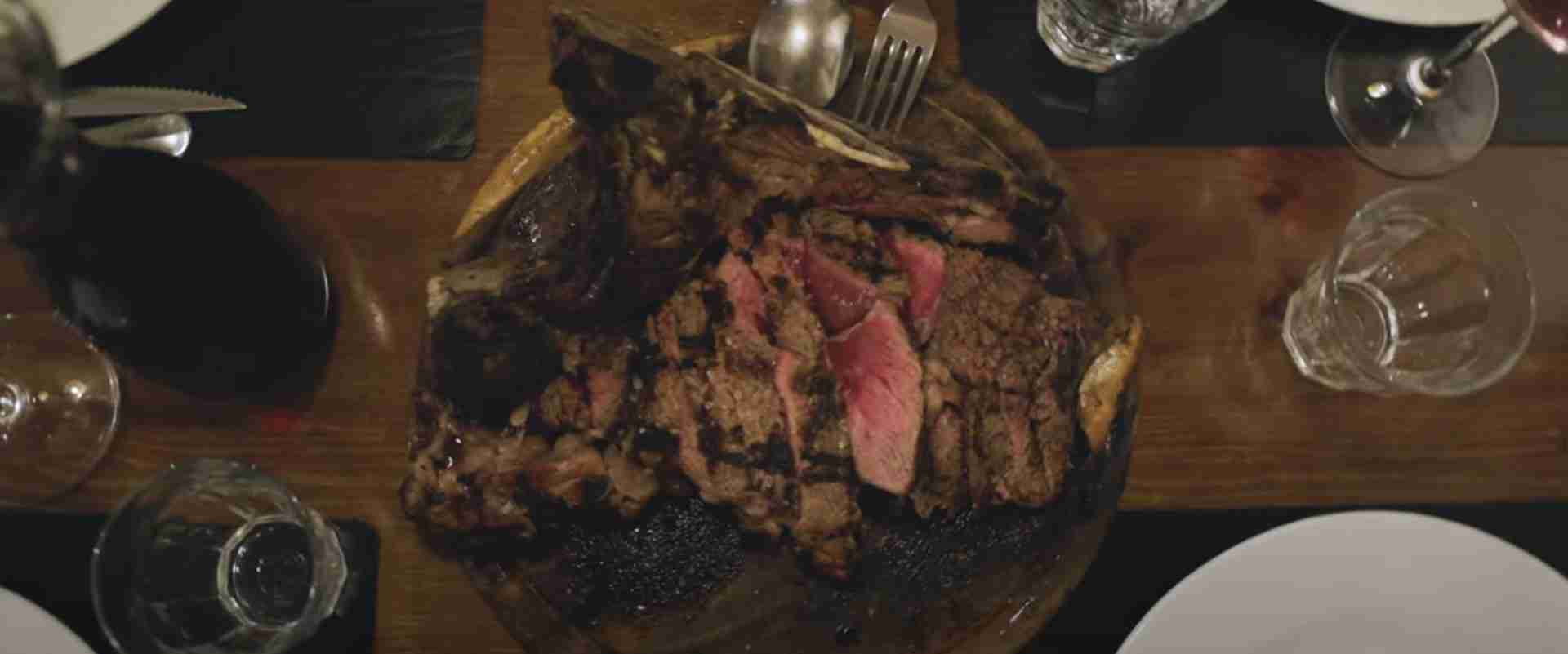
- Bistecca alla Fiorentina (Florentine T-bone steak) is the city’s signature dish, best enjoyed at traditional trattorias
- Authentic gelato uses natural ingredients and is stored in covered metal containers, not peaked displays
- Aperitivo culture thrives 6-8 PM with complimentary appetizers at wine bars and enotecas
- Lunch is served 12:30-2:30 PM, dinner starts around 7:30 PM – plan restaurant visits accordingly
- Mercato Centrale and Sant’Ambrogio markets offer fresh local ingredients and affordable street food
- Chianti Classico and Brunello wines pair perfectly with traditional Tuscan cuisine
The city’s culinary heritage reflects its historical importance as a wealthy merchant center, where prosperity allowed for refined dining customs and high-quality ingredients. Today’s Florence maintains these traditions while embracing contemporary culinary trends, creating a food scene that satisfies both traditionalists seeking authentic Florentine flavors and modern travelers exploring innovative Italian cuisine.
Essential Florentine Dishes and Specialties
Bistecca alla Fiorentina – The King of Florentine Cuisine
Bistecca alla Fiorentina represents Florence’s most iconic dish: a massive T-bone steak from Chianina cattle, grilled over oak charcoal and served rare to medium-rare. Authentic bistecca weighs 800 grams to 1.2 kilograms, serving 2-3 people, and costs €45-65 per kilogram at traditional restaurants. The meat’s quality depends on proper aging (21-28 days) and cooking over wood fires that impart distinctive smoky flavors.
Top restaurants for authentic bistecca include Trattoria Sostanza, famous since 1869 for its perfectly grilled steaks, and Il Latini, where theatrical presentations accompany exceptional meat quality. Buca Lapi, operating since 1880 in Renaissance cellars, offers dramatic atmosphere with expertly prepared steaks. Prices range €50-80 per steak, but portions easily satisfy multiple diners.
Ordering etiquette requires understanding that bistecca is priced by weight and traditionally shared. Restaurants typically display raw steaks for inspection before cooking, allowing customers to select preferred cuts. Proper accompaniments include white cannellini beans, roasted potatoes, and robust Chianti Classico wines that complement the meat’s rich flavors.
Ribollita and Traditional Tuscan Soups
Ribollita, literally meaning “reboiled,” represents Tuscan peasant cuisine at its finest: a hearty soup combining stale bread, white beans, seasonal vegetables, and aromatic herbs. Traditional preparation involves cooking vegetables the first day, adding bread and beans the second day, then reheating (ribollire) for optimal flavor development. Authentic versions use cavolo nero (Tuscan kale) and cannellini beans grown in local valleys.
Seasonal variations include spring ribollita with fresh artichokes and peas, summer versions featuring zucchini and tomatoes, autumn preparations with mushrooms and chestnuts, and winter recipes emphasizing hearty root vegetables. The best ribollita comes from restaurants maintaining traditional recipes, such as Trattoria Mario near San Lorenzo Market and Osteria Santo Spirito in the Oltrarno district.
Other essential Tuscan soups include pappa al pomodoro (tomato and bread soup), acquacotta (vegetable soup with poached eggs), and zuppa di farro (spelt soup). These dishes showcase Tuscany’s “cucina povera” tradition, transforming simple ingredients into satisfying, flavorful meals through centuries-old techniques.
Lampredotto and Street Food Traditions
Lampredotto, Florence’s beloved street food, consists of cow’s fourth stomach cooked in aromatic broth and served in crusty bread rolls with salsa verde or spicy sauce. This traditional working-class food remains popular across all social classes, served from green food trucks (trippaie) positioned throughout the historic center, particularly near markets and busy piazzas.
The most famous lampredotto vendors include Nerbone inside Mercato Centrale, operating since 1872, and the stand at Piazza dei Cimatori, where locals queue alongside tourists for authentic preparations. Vendors typically offer multiple preparations: “bagnato” (bread soaked in cooking broth), “scondito” (plain), or with various sauces. Prices remain remarkably affordable at €4-6 per sandwich.
Other traditional street foods include trippa (tripe), bollito (boiled meats), and porchetta sandwiches from traveling vendors. These foods provide authentic cultural experiences while offering budget-friendly alternatives to sit-down restaurant meals. Vendors operate throughout the day, making them perfect for quick lunches between museum visits.
Best Restaurants by Area and Budget
Historic Center – Around the Duomo and Signoria
The area surrounding Florence’s most famous monuments offers dining options ranging from tourist-oriented establishments to hidden local gems. Osteria del Porcellino, steps from the famous bronze boar fountain, serves traditional Tuscan cuisine in a cozy setting favored by locals. Their specialty dishes include wild boar ragu and seasonal truffle preparations, with main courses ranging €18-28.
For upscale dining, Ora d’Aria near Palazzo Vecchio offers contemporary Italian cuisine with Michelin recognition, featuring innovative presentations of traditional ingredients. The tasting menu costs €95-120, while à la carte main courses range €28-38. Reservations prove essential, especially during peak tourist seasons.
Budget-conscious travelers find excellent value at Trattoria Za Za near the Central Market, known for generous portions and reasonable prices (€12-18 for main courses). Their outdoor seating provides people-watching opportunities while enjoying traditional dishes like pici pasta with wild boar sauce and grilled Chianina beef.
Oltrarno District – Artisan Quarter Dining
The Oltrarno district, across the Arno River, offers the most authentic dining experiences away from tourist crowds. Santo Spirito area contains numerous family-run trattorias serving traditional recipes passed down through generations. Trattoria Casalinga, operating since 1963, maintains authentic atmosphere with checkered tablecloths, handwritten menus, and grandmother-style cooking.
Il Santo Bevitore represents sophisticated Oltrarno dining, featuring seasonal menus emphasizing local ingredients and natural wines. Their small plates (€8-15) allow sampling multiple flavors, while main courses (€16-24) showcase creative interpretations of Tuscan classics. The intimate atmosphere and knowledgeable staff create memorable dining experiences.
For exceptional pizza, Gusta Pizza near Santo Spirito offers thin-crust Roman-style pizza with creative toppings and reasonable prices (€6-12 per pizza). Their small space encourages takeaway for picnics in nearby Boboli Gardens or along the Arno River embankments.
San Lorenzo and Central Market Area
The San Lorenzo district, centered around the historic market, provides authentic local dining experiences with excellent value. Trattoria Mario, a tiny family restaurant operating since 1953, serves traditional Tuscan fare at communal tables with no reservations accepted. Arriving early (12:30 PM for lunch, 7:30 PM for dinner) ensures seating at this local institution where main courses cost €10-16.
Mercato Centrale’s upper floor food court, renovated in 2014, offers diverse culinary options from multiple vendors under one roof. Highlights include Nerbone for traditional lampredotto, Da Rocco for exceptional pasta, and various wine bars serving regional vintages. This option suits families and groups with different preferences, with most items priced €8-15.
For traditional osteria atmosphere, Da Sergio near San Lorenzo Basilica serves hearty portions of classic dishes in a no-frills setting beloved by locals. Their daily specials, written on chalkboards, feature seasonal ingredients and change regularly. Main courses cost €12-18, and the wine list emphasizes regional producers.
Wine Culture and Enotecas
Understanding Tuscan Wine Regions
Tuscany’s wine regions produce some of Italy’s most celebrated wines, with Chianti Classico representing the flagship variety. The Chianti zone between Florence and Siena creates optimal conditions for Sangiovese grapes, producing wines with bright acidity, cherry flavors, and earthy undertones. Quality levels range from basic Chianti (€8-15 per bottle) to premium Chianti Classico Riserva (€25-50 per bottle).
Brunello di Montalcino, produced south of Florence near Siena, represents Tuscany’s most prestigious wine, requiring 100% Sangiovese grapes and five years aging including two years in oak. Restaurant prices for Brunello range €60-150 per bottle, though many establishments offer by-the-glass options (€12-25) allowing exploration without full bottle commitment.
Super Tuscans, innovative wines blending international grape varieties with traditional Tuscan methods, command premium prices (€30-200 per bottle) and represent modern winemaking excellence. Notable producers include Ornellaia, Sassicaia, and Tignanello, available at upscale restaurants and specialized enotecas throughout Florence’s historic center.
Best Enotecas and Wine Bars
Le Volpi e l’Uva, tucked behind Ponte Vecchio, specializes in small-producer wines from throughout Italy, with knowledgeable staff providing educational tastings and food pairings. Their selection emphasizes natural and biodynamic wines, with glasses ranging €6-15 and bottles €20-80. The intimate atmosphere and expert guidance make this ideal for wine education.
Enoteca Pitti Gola e Cantina in the Oltrarno district combines wine bar with gourmet food shop, offering extensive tastings paired with artisanal cheeses, cured meats, and traditional preserves. Their courtyard seating provides peaceful respite from crowded tourist areas, while wine flights (€15-25) allow systematic exploration of regional varieties.
All’Antico Vinaio, famous for its gourmet sandwiches, also maintains excellent wine selection emphasizing Tuscan producers. Their schiacciata bread filled with quality ingredients (€6-12) pairs perfectly with regional wines served by the glass (€4-8). Multiple locations throughout the historic center provide convenient options for casual wine experiences.
Aperitivo Culture and Traditions
Aperitivo, the Italian pre-dinner drinking ritual, occurs 6-8 PM throughout Florence’s historic center. Traditional aperitivo beverages include Negroni (gin, Campari, sweet vermouth), invented in Florence at Caffè Rivoire in 1919, Aperol Spritz, and various vermouths served with complimentary appetizers including olives, nuts, small sandwiches, and local specialties.
YAB (Youth Action Bar) near Santa Maria Novella offers contemporary aperitivo experiences with creative cocktails (€8-12) and abundant appetizer buffets. Their outdoor terrace provides views of the Renaissance basilica while enjoying modern interpretations of classic drinks. Happy hour pricing (6-8 PM) includes complimentary food with beverage purchases.
Traditional wine bars like Cantinetta Antinori, operated by the historic wine family, serve classic aperitivi with emphasis on their estate wines. Their elegant setting near Palazzo Antinori provides sophisticated atmosphere for experiencing authentic Florentine aperitivo culture with premium ingredients and expert service.
Food Markets and Local Shopping
Mercato Centrale – The Heart of Florentine Food Culture
Mercato Centrale, Florence’s historic covered market operating since 1874, provides the best introduction to Tuscan ingredients and food culture. The ground floor houses traditional vendors selling fresh produce, meats, cheeses, and specialty items, while the upper level features modern food vendors and dining areas. Market hours run 7 AM-2 PM for ground floor vendors, with extended evening hours upstairs.
Essential vendors include Perini for exceptional Tuscan salamis and cheeses, Stefano Gori for seasonal vegetables and fruits, and multiple butchers offering Chianina beef, wild boar, and traditional preparations. Prices remain reasonable compared to restaurants, with high-quality ingredients available for self-catering or picnic preparation.
The upstairs food court, opened in 2014, features renowned vendors like Nerbone (operating since 1872), Da Rocco for fresh pasta, and various wine bars representing different Tuscan regions. This combination of traditional market and modern food hall creates unique culinary experiences under one historic roof.
Mercato di Sant’Ambrogio – Local Neighborhood Market
Mercato di Sant’Ambrogio, located in the Santa Croce district, offers more authentic local atmosphere with fewer tourists and better prices than Mercato Centrale. Operating Monday-Saturday 7 AM-2 PM, this traditional neighborhood market serves local residents shopping for daily ingredients, creating opportunities for cultural immersion and authentic interactions.
Vendors at Sant’Ambrogio include traditional fishmongers, vegetable specialists, and local producers selling seasonal specialties. Prices average 15-20% less than Mercato Centrale, while quality remains equally high. The surrounding area contains excellent cafes and small trattorias frequented by market vendors and local residents.
Saturday morning visits provide the liveliest atmosphere, with vendors offering samples and special weekend items. The adjacent covered area houses permanent food stalls serving traditional preparations like lampredotto, porchetta, and seasonal specialties at authentic local prices.
Specialty Food Shops and Artisanal Producers
Pegna, operating since 1860 near the Duomo, represents Florence’s premier gourmet food shop with extensive selections of Tuscan specialties, imported delicacies, and artisanal products. Their truffle oils, aged balsamic vinegars, and handmade pasta provide perfect souvenirs or ingredients for special meals. Prices reflect premium quality, with many items unavailable elsewhere.
Procacci, the historic truffle specialist near Via Tornabuoni, offers the finest truffle products including fresh seasonal truffles, truffle oils, and their famous truffle sandwiches served on delicate bread. Their small shop maintains elegant atmosphere befitting their luxury clientele, with prices reflecting the rarity and quality of truffle products.
Dolce&Dolcezza near Santa Croce specializes in traditional Tuscan sweets including cantucci (almond cookies), panforte, and seasonal specialties. Their handmade products use traditional recipes and natural ingredients, creating authentic flavors often lost in commercial production. Prices remain reasonable for artisanal quality.
Gelato and Dessert Culture
Identifying Authentic Gelato
Authentic gelato differs significantly from commercial ice cream through denser texture, more intense flavors, and natural ingredients. Quality gelaterias display gelato in covered metal containers rather than peaked, colorful displays that indicate artificial additives and poor temperature control. Natural flavors appear muted compared to bright artificial colors, with fruit flavors matching actual fruit colors.
Production methods affect quality significantly, with authentic gelaterias making small batches daily using traditional techniques. Gelato should be stored at slightly warmer temperatures than ice cream (-10°C vs -18°C), creating smoother texture and enhanced flavor release. Quality indicators include seasonal flavor availability and willingness to provide tastings before purchasing.
Traditional flavors like stracciatella (chocolate chip), pistachio, nocciola (hazelnut), and crema represent classic Italian preferences, while seasonal options utilizing local ingredients demonstrate commitment to quality and tradition. Avoid establishments offering excessive flavor varieties or tourist-oriented presentations prioritizing appearance over taste.
Best Gelaterias in the Historic Centre
Gelateria della Passera in the Oltrarno district creates exceptional gelato using organic ingredients and creative flavor combinations. Their pistachio gelato uses Sicilian pistachios, while seasonal offerings include lavender honey, rosemary olive oil, and Tuscan wine sorbets. Small batches ensure freshness, with prices (€2.50-4.50) reflecting quality ingredients and artisanal preparation.
Perché No!, operating since 1939 near the Duomo, maintains traditional recipes while innovating with seasonal flavors. Their chocolate varieties rank among Florence’s finest, while fruit sorbets showcase peak-season produce. The small shop’s perpetual crowds attest to consistent quality and authentic preparation methods.
Grom, though a chain, maintains high standards with natural ingredients and transparent production methods. Their standardized quality provides reliable experiences across multiple Florence locations, with clearly labeled ingredients and consistent pricing. While less artisanal than independent gelaterias, Grom offers dependable quality for cautious travelers.
Traditional Tuscan Desserts and Pastries
Cantucci, Tuscany’s signature almond cookies, originated in Prato near Florence and remain the region’s most famous dessert. Traditional preparation involves twice-baking for characteristic hardness, requiring dipping in Vin Santo dessert wine for proper consumption. Quality cantucci use whole almonds and natural ingredients without artificial preservatives, available at traditional bakeries throughout the historic center.
Schiacciata alla Fiorentina, a traditional carnival cake, appears during pre-Lenten celebrations with distinctive orange flavoring and powdered sugar dusting marked with the Florentine lily symbol. This light, airy cake represents centuries-old traditions connected to Florence’s religious calendar and civic identity.
Seasonal desserts include castagnaccio (chestnut flour cake) during autumn, utilizing local chestnuts from surrounding hills, and various honey-based sweets highlighting Tuscan beekeeping traditions. These desserts connect modern visitors to agricultural cycles and historical food preservation techniques.
Dining Etiquette and Cultural Tips
Italian Meal Timing and Structure
Italian meal timing follows specific cultural patterns that visitors should understand for optimal dining experiences. Lunch (pranzo) occurs 12:30-2:30 PM, with many restaurants closing between lunch and dinner services. Dinner (cena) begins around 7:30-8:00 PM, with peak dining occurring 8:30-10:00 PM. Arriving too early for dinner may result in limited menu availability or rushed service.
Traditional Italian meal structure includes antipasti (appetizers), primi piatti (first courses like pasta or risotto), secondi piatti (main courses featuring meat or fish), contorni (side dishes), and dolci (desserts). Visitors need not order every course, though restaurants expect reasonable spending levels during busy periods. Primi and secondi portions assume multiple courses, making single-course orders potentially insufficient.
Coffee culture follows specific rules, with cappuccino consumed only until 11 AM and never after meals. Post-meal coffee consists of espresso, served quickly and consumed standing at bars. Ordering cappuccino after dinner marks visitors as tourists unfamiliar with Italian customs.
Tipping and Payment Customs
Italian tipping practices differ significantly from American customs, with service charges (coperto) often included in bills. Coperto covers bread, table setting, and basic service, typically ranging €1-3 per person. Additional tipping remains optional, with 5-10% considered generous for exceptional service. Rounding up bills or leaving small change represents standard practice.
Many traditional restaurants accept cash only, particularly smaller family establishments. Credit cards become more common in tourist areas, though minimum purchase amounts may apply. Splitting bills (conto diviso) requires advance notice and may incur additional charges at some establishments.
Reservations prove essential for popular restaurants, especially during peak tourist seasons and weekend evenings. Many establishments don’t accept reservations for lunch but operate first-come, first-served policies. Calling ahead in Italian or having hotel concierge assistance improves reservation success rates.
Menu Navigation and Ordering Tips
Italian menus follow traditional structure with clear section divisions. Antipasti includes bruschetta, cured meats, and cheese selections. Primi features pasta, risotto, and soups, while secondi lists meat and fish preparations. Contorni covers vegetables and side dishes ordered separately from main courses. Understanding this structure prevents ordering mistakes and ensures satisfying meals.
Daily specials (piatti del giorno) often represent the best value and freshest ingredients, typically written on chalkboards or recited by servers. These dishes utilize seasonal ingredients and showcase chef creativity while maintaining reasonable pricing. Asking about specials demonstrates interest in authentic experiences.
Wine selection benefits from server recommendations, particularly for food pairings with local dishes. House wines (vino della casa) provide excellent value and regional character, typically served in quarter-liter, half-liter, or full-liter carafes. Regional wine knowledge enhances dining experiences while supporting local producers.
Frequently Asked Questions
What is the best time to experience authentic Florentine food culture?
Visit during shoulder seasons (March-May, September-November) when local restaurants operate normal schedules without peak tourist pressure. Lunch at traditional trattorias provides most authentic experiences, while evening aperitivo (6-8 PM) showcases local social customs. Avoid August when many local establishments close for holidays.
How much should I budget for food per day in Florence?
Budget travelers: €25-35/day including market purchases, street food, and casual dining. Mid-range: €50-75/day for restaurant lunches and dinners with wine. Luxury: €100+/day for fine dining and premium wine experiences. Lunch typically costs 30-40% less than dinner at the same establishments.
Are there good vegetarian and vegan options in Florence?
Traditional Tuscan cuisine includes many naturally vegetarian dishes like ribollita, pappa al pomodoro, and various pasta preparations. Dedicated vegetarian restaurants like Il Vegetariano near Santa Croce provide extensive plant-based options. Most restaurants accommodate dietary restrictions with advance notice.
What food souvenirs should I buy in Florence?
Best food souvenirs include Tuscan olive oil, aged balsamic vinegar, truffle products, cantucci cookies, and regional wines. Shop at Mercato Centrale, Pegna, or specialty shops for authentic products. Vacuum-packed items travel best, while liquids require careful packing for air travel.
How can I identify authentic local restaurants versus tourist traps?
Authentic restaurants feature handwritten Italian menus, local clientele, and traditional décor without tourist-focused elements. Avoid establishments with multi-language menus, tourist photos, or aggressive street promotion. Ask locals for recommendations or observe where residents dine.
Is it safe to drink tap water in Florence restaurants?
Yes, Florence tap water is safe and high quality. Many restaurants serve filtered tap water free upon request. Bottled water (acqua naturale or frizzante) costs €2-4 but isn’t necessary for health reasons. Public fountains throughout the historic center provide free drinking water.
What wine should I try with traditional Florentine dishes?
Chianti Classico pairs excellently with bistecca alla Fiorentina and meat dishes. Lighter Chianti works with pasta and tomato-based sauces. Vernaccia di San Gimignano complements seafood and lighter dishes. Brunello di Montalcino suits special occasions and premium dining experiences.
Are cooking classes worth taking in Florence?
Yes, hands-on cooking classes provide cultural immersion and practical skills. Classes typically cost €75-125 including market visits, cooking instruction, and meals. Popular options include pasta making, traditional Tuscan cuisine, and wine pairing sessions. Book through reputable operators with small class sizes.
How do I navigate food allergies in Italian restaurants?
Learn key Italian phrases for common allergies: “senza glutine” (gluten-free), “senza lattosio” (lactose-free), “allergia alle noci” (nut allergy). Many restaurants understand basic allergy terms, but serious allergies require clear communication. Consider allergy translation cards for complex dietary restrictions.
What’s the difference between osteria, trattoria, and ristorante?
Traditionally, osteria offered simple food with wine, trattoria provided family-style casual dining, and ristorante indicated formal dining. Modern usage blurs these distinctions, though osteria and trattoria generally suggest more casual, traditional atmosphere while ristorante implies upscale dining and service.