
Úbeda & Baeza UNESCO Guide 2026: Renaissance Jewels of Andalusia
This comprehensive 2026 guide provides detailed planning information for costs, transportation, accommodation, timing, and exploration strategies for both UNESCO cities. Whether you’re architecture enthusiasts, cultural travelers, or olive oil aficionados, Úbeda and Baeza deliver exceptional Renaissance heritage combined with genuine Spanish authenticity rarely found in better-known Andalusian destinations.
Key Takeaways
- Úbeda and Baeza form a unique UNESCO dual designation showcasing Spain’s finest Renaissance architecture, with combined entry to monuments costing €15-25 for comprehensive visits in 2026
- Plan 2-3 days to explore both cities properly, with Úbeda requiring a full day and Baeza needing 6-8 hours for complete monument coverage
- The twin cities sit just 9 km apart, connected by frequent buses (€2.40, 15 minutes), making them perfect for combined exploration with accommodation in either location
- Spring (April-May) and fall (September-October) offer optimal visiting conditions in 2026, with comfortable 18-25°C temperatures and minimal crowds compared to Andalusia’s coastal destinations
- Budget €80-120 per person daily for mid-range experiences including accommodation, meals, monument entries, and local transportation across both Renaissance cities
- Book guided tours 1-2 weeks ahead for best availability, though both cities remain refreshingly uncrowded compared to Seville or Granada, even during peak 2026 season
Introduction: Planning Your 2026 Visit to Andalusia’s Renaissance Masterpieces
Úbeda and Baeza represent one of UNESCO’s most remarkable dual designations, recognized together in 2003 for their exceptional Renaissance urban planning and architecture. Unlike Andalusia’s Moorish landmarks, these twin cities showcase Spain’s 16th-century cultural transformation through perfectly preserved Renaissance plazas, palaces, and churches. Located in Jaén province’s olive oil heartland, 58 km northeast of Jaén city, these Renaissance jewels offer authentic Spanish cultural immersion without the overwhelming crowds of Seville or Granada.
Planning your 2026 visit to Úbeda and Baeza requires understanding their complementary characters. Úbeda, the larger city with 35,000 residents, centers on Plaza Vázquez de Molina, one of Europe’s finest Renaissance squares, surrounded by masterpieces like Sacra Capilla del Salvador and Palacio de las Cadenas. Baeza, more compact with 15,000 inhabitants, features the monumental Plaza del Pópulo and Spain’s first Renaissance university building. Together, they preserve over 48 Renaissance monuments across 9 square kilometers of protected historical zones.
The cities’ proximity—just 9 km apart—enables efficient exploration. Most visitors base themselves in one city and day-trip to the other, though dividing your stay between both locations provides deeper cultural immersion. Transportation connections via Jaén city require strategic planning, as neither Úbeda nor Baeza has rail service. The cities’ relative isolation from mass tourism routes creates an authentic experience where English is limited and traditional Andalusian life continues largely unchanged.
People Also Ask About Úbeda & Baeza 2026
How much does it cost to visit Úbeda and Baeza in 2026?
Visiting Úbeda and Baeza costs €80-120 per person daily for mid-range experiences in 2026. Monument entry fees total €15-25 for comprehensive visits to both cities’ main attractions. The Sacra Capilla del Salvador in Úbeda costs €6 for adults, while combined tickets for multiple monuments offer better value at €12-15 (check official tourism websites for current rates as pricing may vary). Baeza’s Cathedral costs €5 for entry, with the ancient university building charging €4 for guided visits.
Accommodation ranges €40-70 per night for mid-range hotels in both cities, with charming boutique options in converted Renaissance palaces costing €60-90. Budget hostels and guesthouses start at €25-35 per night. Dining proves remarkably affordable, with excellent three-course menú del día lunches costing €12-18 at traditional restaurants. Dinner at mid-range establishments runs €25-35 per person including wine, while tapas bars offer free tapas with drinks (€2.50-3.50 per beverage).
Transportation between the cities costs €2.40 for the 15-minute bus journey. Local exploration happens entirely on foot, as both historical centers are compact and pedestrian-friendly. Guided tours cost €15-25 per person for 2-hour walking tours, with specialized architecture tours running €30-40. A 2-3 day visit to both cities with mid-range accommodation, all meals, monument entries, and local transport totals €240-360 per person.
Which city is better to visit in 2026, Úbeda or Baeza?
Visit both cities for complete Renaissance appreciation, as they offer complementary experiences within 9 km of each other. Úbeda features more dramatic architecture centered on Plaza Vázquez de Molina, considered one of Spain’s most beautiful Renaissance squares. The Sacra Capilla del Salvador and Hospital de Santiago showcase grander scale and richer decoration. Úbeda requires a full day for thorough exploration, with 6-8 major monuments and extensive palace facades along Calle Real de Valencia.
Baeza presents more intimate Renaissance urban planning with exceptional educational heritage. The ancient university building, Spain’s first Renaissance seat of learning, and the remarkably preserved Cathedral create Baeza’s unique character. The city feels more compact and walkable, suitable for 6-8 hour exploration. Baeza’s Plaza del Pópulo and medieval-Renaissance transition architecture provide historical context for Úbeda’s full flowering of Renaissance style.
Choose Úbeda as your accommodation base for more dining and lodging options, livelier evening atmosphere, and superior hotel variety in converted Renaissance buildings. The larger city offers better infrastructure for multi-day stays. Select Baeza for quieter, more contemplative experiences with easier parking and slightly lower costs. Most travelers spend 2 nights in Úbeda with a day trip to Baeza, or divide their time between both cities for deeper immersion in each location’s distinct Renaissance character.
What is the best time to visit Úbeda and Baeza in 2026?
Visit Úbeda and Baeza during spring (April-May) or fall (September-October) for optimal weather and minimal crowds in 2026. April brings 18-22°C temperatures with occasional spring rain, while May offers consistent 20-25°C warmth perfect for extended outdoor exploration. The Renaissance cities celebrate Semana Santa (Holy Week) with processions in early April 2026, though crowds remain moderate compared to Seville. Spring wildflowers color the surrounding olive groves, creating exceptional photography conditions.
September delivers 24-28°C temperatures as summer heat subsides, with October cooling to comfortable 18-22°C ranges. Fall harvest season brings olive picking activity to surrounding countryside, with fresh oil available at local cooperatives. Both cities host cultural festivals in September, including Renaissance-themed events with period costumes and performances. Fall offers best value for accommodation as summer tourists depart but weather remains excellent for sightseeing.
Avoid July-August when temperatures regularly exceed 38-42°C, making outdoor monument exploration uncomfortable despite lower accommodation rates. Winter (December-February) brings 8-15°C temperatures with occasional rain, though many monuments maintain full opening hours. Winter suits budget-conscious travelers, with hotel rates 30-40% below peak season and restaurants less crowded. The cities’ relative isolation from mass tourism means even summer remains manageable compared to coastal Andalusian destinations.
Do you need a guide to visit Úbeda and Baeza in 2026?
Hire a specialized guide for maximum architectural and historical appreciation, though both cities offer excellent self-guided exploration. Professional guides cost €15-25 per person for 2-hour group walking tours in 2026, with private guides charging €80-120 for customized 3-4 hour experiences covering both cities. Guides provide essential context for Renaissance architectural elements, noble family histories, and the cities’ role in Spain’s 16th-century cultural transformation that casual observation misses.
Self-guided exploration works well with quality preparation. Both tourism offices provide free maps marking UNESCO monuments and recommended walking routes. English information panels appear at major sites, though Spanish language skills enhance the experience significantly. Audio guides cost €3-5 at main monuments like Sacra Capilla del Salvador and Baeza Cathedral. Smartphone apps from Andalusia tourism board offer free GPS-guided walking tours with architectural explanations.
Book specialized architecture tours for deep Renaissance analysis, particularly the university building tour in Baeza (€20-25, 90 minutes) that explores teaching methods, student life, and humanist education philosophy. Photography tours (€30-40, 3 hours) focus on optimal shooting angles for palace facades and plaza compositions. Guided visits prove especially valuable for accessing private palace courtyards and locked churches requiring arranged entry. Reserve guides 1-2 weeks ahead through official tourism offices or reputable local operators for best availability in 2026.
Extended multi-day tours – 5+ days
Featured Andalucia Multi-Day Tour Packages
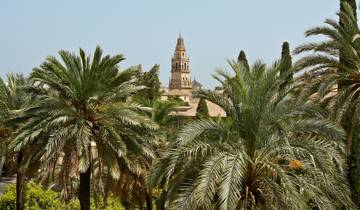
5 days
Andalucia & Toledo, 5 days on Tuesdays
- ✓ Comprehensive Andalucia tour
- ✓ Expert local guides included
- ✓ All accommodation arranged
- ✓ Transportation provided
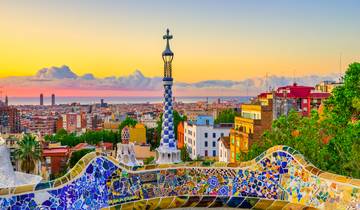
11 days
Flavors of Spain: A 11 Day Journey Through Madrid, Seville, Granada & Barcelona
- ✓ Comprehensive Andalucia tour
- ✓ Expert local guides included
- ✓ All accommodation arranged
- ✓ Transportation provided
11 days
A Taste of Spain: : 11 Days Across Madrid, Seville, Granada & Barcelona
- ✓ Comprehensive Andalucia tour
- ✓ Expert local guides included
- ✓ All accommodation arranged
- ✓ Transportation provided
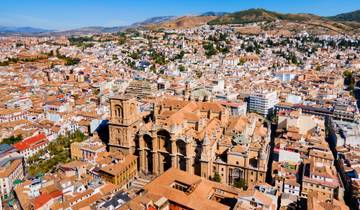
5 days
Granada: Crossroads of Arab and Christian Cultures
- ✓ Booking needs min. 2 travelers
Multi-day tour packages powered by TourRadar. Prices and availability subject to change.
Essential Planning Information 2026
Current Costs and Pricing Breakdown 2026
Monument entry fees in Úbeda total €12-18 for comprehensive visits. Sacra Capilla del Salvador costs €6 for adults, €4 for students and seniors, with free entry for children under 12. Hospital de Santiago charges €5 for full access including exhibitions and Renaissance courtyard. Palacio de las Cadenas (City Hall) offers free entry to ground floor courtyards, with upper floor museums costing €3. Santa María de los Reales Alcázares church charges €3 for entry, while many other churches remain free with requested €1-2 donations.
Baeza monument costs run €10-15 total. The Cathedral charges €5 for entry including cloister and museum access, €3 for students and seniors. Ancient university building tours cost €4 for guided visits (mandatory for interior access), with student rates at €2.50. Palacio de Jabalquinto courtyard is free, while Antigua Carnicería (old butcher’s hall) charges €2 for small archaeological museum. Combined tickets for multiple Baeza monuments offer marginal savings but limited availability.
Dining costs remain exceptional value throughout both cities. Menú del día lunches at traditional restaurants cost €12-18 for three courses, bread, and drink. Evening tapas following Jaén province tradition include generous free portions with each €2.50-3.50 beverage order, making bar-hopping an affordable dinner strategy. Mid-range restaurant dinners run €25-35 per person including wine, while upscale dining in Renaissance palace settings costs €45-60. Local olive oil tastings cost €8-15 per person at specialized shops.
Accommodation pricing varies significantly by season and location. Mid-range hotels in Úbeda cost €50-80 per night for doubles in 2026, with boutique Renaissance palace conversions charging €70-110. Baeza’s smaller hotel market offers €40-70 for comparable mid-range options. Budget hostels start at €25-35 per bed, while luxury paradores (state-run historic hotels) command €120-180 per night. Book 2-3 weeks ahead for best rates and availability, particularly during spring and fall peak seasons.
Transportation Options and Schedules 2026
Reaching Úbeda and Baeza requires connections through Jaén city, as neither town has rail service. ALSA buses connect both cities to Jaén (€4.50-5.50, 45-60 minutes) with 8-10 daily departures. From Jaén, frequent bus connections serve Granada (€10-12, 1.5 hours, 6-8 daily), Córdoba (€12-15, 2 hours, 4-6 daily), and Seville (€18-22, 3.5 hours, 3-4 daily). Direct Madrid buses run 3-4 times daily (€20-25, 4-4.5 hours), while Barcelona connections require changes in Madrid or Valencia.
Inter-city transport between Úbeda and Baeza operates via ALSA buses departing every 1-2 hours throughout the day (€2.40, 15 minutes). First buses depart 7:00-7:30 AM, with last services around 9:00-9:30 PM. Buses stop at central stations within walking distance of both historical centers. Taxis between cities cost €12-18 for the 9 km journey, convenient for groups or travelers with luggage. Radio taxi services in both cities charge €6-10 for trips within town centers.
Car rental provides maximum flexibility for exploring surrounding olive country and connecting to other Andalusian destinations. Rental costs €30-50 per day for economy vehicles in Jaén city, with major agencies at the bus station. Both Úbeda and Baeza feature free parking areas within 5-10 minutes walk of historical centers. Paid parking costs €1-1.50 per hour in central zones. Driving between cities takes 12-15 minutes via A-316 highway, with clear signage throughout.
Local exploration in both cities happens entirely on foot. Úbeda’s historical center spans roughly 1.5 km from Plaza Vázquez de Molina to Hospital de Santiago, requiring 20-25 minutes walking. Baeza’s compact center measures less than 1 km across, with all major monuments within 10-15 minutes walk of each other. Both cities feature pedestrian-friendly streets with limited vehicle access in monument zones, making walking the natural and most enjoyable exploration method.
Best Time to Visit Úbeda & Baeza 2026
Seasonal Analysis for 2026
Spring season (March-May) delivers optimal visiting conditions across both cities. March brings 15-20°C daytime temperatures with occasional rain showers, perfect for comfortable monument exploration without summer heat. April temperatures rise to 18-24°C with spectacular spring wildflowers throughout olive groves and countryside. Semana Santa processions during Holy Week create cultural highlights in early April 2026, with both cities staging traditional religious observances less crowded than Seville or Málaga equivalents.
May offers peak spring conditions with 22-28°C temperatures, long daylight hours (sunrise 7:00 AM, sunset 9:00 PM), and minimal rainfall. The surrounding countryside displays vibrant green before summer drought, creating exceptional photography opportunities. Spring festivals include May crosses celebrations with decorated patios and evening gatherings. Accommodation availability remains good despite increasing visitor numbers, with mid-range hotels filling 60-70% capacity compared to 30-40% winter rates.
Summer (June-August) brings extreme heat that challenges outdoor exploration. June starts tolerably at 28-35°C, but July-August regularly exceed 38-42°C, with record highs reaching 45°C. Morning visits (8:00-11:00 AM) and evening sessions (7:00-10:00 PM) work best for monument touring. Summer compensates with lowest accommodation rates (30-40% below spring), minimal crowds, and extended monument hours. Many locals vacation in August, reducing restaurant options but creating authentic ghost-town atmosphere in historical centers.
Fall season (September-October) rivals spring for ideal visiting conditions. September maintains 24-30°C temperatures as summer heat gradually subsides, with October offering comfortable 18-24°C ranges. Olive harvest begins in November, with September-October featuring pre-harvest preparations and fresh oil from early varietals. Fall cultural calendar includes Renaissance festivals with period costumes, traditional music performances, and historical reenactments. Hotel availability improves as summer tourists depart, though fall weekends fill with Spanish domestic travelers seeking rural escapes.
Winter (November-February) suits hardy travelers seeking authentic experiences without crowds. November-December temperatures range 12-18°C with increased rainfall, while January-February brings coolest conditions at 8-14°C. Winter offers dramatic advantages for budget travelers: accommodation costs 40-50% below peak season, restaurants reserve best tables for walk-ins, and monuments provide intimate uncrowded visits. Christmas decorations and celebrations showcase local traditions without commercial tourism overlay. Pack warm layers for cool mornings and evenings, though midday sunshine often reaches pleasant 15-18°C temperatures.
Weather Patterns and Crowd Predictions 2026
Weather reliability peaks during April-May and September-October shoulder seasons. April averages 6-8 rain days per month with brief afternoon showers, while May sees only 4-5 rain days with predominantly sunny conditions. September rainfall increases slightly to 4-6 days monthly as Atlantic weather systems return, with October experiencing 8-10 rain days but rarely all-day downpours. Humidity remains low year-round (40-60%), making heat more tolerable than coastal Andalusian destinations.
Summer months guarantee sunshine with virtually no rain from June through August. June sees 1-2 rain days maximum, while July-August remain bone dry. Extreme heat creates challenging touring conditions, with afternoon temperatures in historical centers exceeding outdoor readings by 2-3°C due to stone thermal retention. Early morning (7:00-9:00 AM) and late evening (8:00-10:00 PM) provide comfortable exploration windows. Monument interiors offer cool refuges with thick Renaissance walls maintaining 8-10°C temperature differentials from outside heat.
Winter weather varies considerably with Atlantic fronts bringing periodic rain systems. November-February average 8-12 rain days monthly, though total precipitation remains modest at 40-60mm per month. Sunny intervals dominate even rainy days, with morning showers clearing to afternoon sunshine. Frost occurs occasionally in December-January overnight, creating photogenic morning conditions. Wind remains minimal year-round due to valley protection, unlike exposed Castilian plateau cities.
Crowd levels stay remarkably moderate year-round compared to major Andalusian destinations. Peak season (April-May, September-October) brings Spanish school groups and European cultural tourists, filling hotels to 70-80% capacity but never creating overwhelming crowds. Summer sees minimal international tourism with primarily Spanish visitors on weekends. Monuments rarely have queues longer than 5-10 minutes even during busiest periods. Winter offers virtual private visits to most sites, with travelers outnumbering locals only in most central areas.
Accommodation Strategies 2026
Budget Accommodation Options 2026
Budget travelers find excellent value in both cities’ hostel and pensión networks. Úbeda’s Hostal Victoria costs €25-35 per night for basic doubles with private bathrooms, located 400m from Plaza Vázquez de Molina. Pensión Murcia offers dormitory beds at €18-25 per night with shared facilities, popular with Spanish students and young travelers. Both properties include breakfast and provide local touring advice from long-time resident owners.
Baeza’s budget options center on family-run guesthouses in converted townhouses. Hostal Comercio charges €30-40 for doubles with en-suite bathrooms, situated 200m from the Cathedral. Pensión El Patio offers €22-30 singles and €35-45 doubles in quiet residential neighborhood within 10-minute walk of monuments. Both include access to shared terraces with olive grove views and complimentary coffee service.
Rural accommodation surrounding both cities provides ultra-budget options for travelers with vehicles. Countryside casas rurales (rural houses) cost €40-60 per night for entire apartments sleeping 2-4 guests, located 5-10 km from city centers. These converted farmhouses offer kitchen facilities, private terraces, and olive grove settings. Agriturismo properties combine accommodation with olive oil production tours and tastings. Book directly through owners for best rates, avoiding booking platform commissions.
Camping options exist 10-15 km from both cities for ultra-budget travelers. Camping La Laguna near Úbeda costs €8-12 per person nightly with basic facilities and small bungalows available for €35-45. The campground operates year-round with swimming pool (summer only) and on-site restaurant. Bus connections to Úbeda run 3-4 times daily, or cycle the 12 km route on quiet country roads.
Mid-Range and Luxury Options 2026
Mid-range hotels in Úbeda deliver exceptional Renaissance ambiance at reasonable rates. Hotel Palacio de los Salcedo (€70-95 per night) occupies a restored 16th-century palace 100m from Plaza Vázquez de Molina, featuring original coffered ceilings, monumental staircases, and courtyard gardens. Rooms combine period architecture with modern bathrooms and air conditioning. Hotel María de Molina (€65-90) offers similar Renaissance conversion with rooftop terrace overlooking the historical center.
Baeza’s boutique hotels emphasize intimate scale and personalized service. Hotel Palacete Santa Ana (€75-110) features just 12 rooms in an 18th-century palace with original frescoes and marble details. The family-owned property includes gourmet breakfast with local olive oil tastings and homemade pastries. Hotel Puerta de la Luna (€60-85) occupies multiple connected Renaissance buildings with interior courtyards, offering 43 rooms mixing historical architecture with contemporary design.
Luxury accommodations reach their zenith in converted aristocratic palaces. Úbeda’s Parador de Úbeda (€120-180) ranks among Spain’s finest paradores, housed in the 16th-century Palacio del Deán Ortega facing Plaza Vázquez de Molina. The property features monumental Renaissance architecture, fine dining restaurant specializing in Jaén province cuisine, and exceptional service standards. Book corner rooms for plaza views including Sacra Capilla del Salvador.
Alternative luxury options include privately owned palace hotels like Palacio de Úbeda (€100-145), a 16th-century noble residence with 36 rooms, spa facilities, and two restaurants. The property maintains extensive Renaissance art collections and offers exclusive access to private palace courtyards normally closed to public. Rural luxury estates surrounding both cities cost €150-250 per night for farmhouse suites with private terraces, infinity pools, and olive grove estates. These properties require vehicles but provide ultimate tranquility with complimentary wine and oil tastings from estate production.
Transportation Guide 2026
Getting to Úbeda & Baeza 2026
Málaga Airport provides the most convenient international gateway, located 210 km south with direct bus connections. ALSA operates 2-3 daily buses from Málaga Airport to Úbeda (€22-28, 3.5-4 hours) via Granada. Alternatively, fly to Málaga, take train to Granada (€15-20, 90 minutes), then bus to Úbeda (€10-12, 1.5 hours). Granada Airport offers limited service but sits closer at 120 km, with bus connections via Granada city center.
Madrid serves as primary Spanish gateway with excellent connections. Direct ALSA buses depart Madrid’s Méndez Álvaro station 3-4 times daily (€20-28, 4-4.5 hours) reaching both Úbeda and Baeza. High-speed AVE trains from Madrid to Jaén city run hourly (€25-45, 3.5 hours), connecting to local buses for the final leg. Madrid-Barajas Airport links to Méndez Álvaro station via metro (€5, 45 minutes) or airport express bus (€5, 40 minutes).
Barcelona connections require 6-8 hour journeys with changes. Direct overnight ALSA buses operate 3 nights weekly (€45-55, 10-11 hours), arriving early morning. Faster options involve AVE trains Barcelona to Madrid (€65-95, 2.5-3 hours), then connecting Madrid-Úbeda bus. Alternatively, fly Barcelona to Granada or Málaga on budget carriers (€35-75), then continue via bus connections.
Regional Andalusian connections prove straightforward. Seville buses run 3-4 daily (€18-22, 3.5 hours) via Córdoba. Córdoba direct buses operate 4-5 times daily (€12-15, 2 hours). Granada services run 6-8 times daily (€10-12, 1.5 hours), making Granada an ideal multi-day itinerary pairing. All inter-city buses stop in both Úbeda and Baeza, with Úbeda receiving marginally more frequent service due to larger size.
Local Transportation and Getting Around 2026
Walking provides the primary and most enjoyable transportation within both cities’ compact historical centers. Úbeda’s main monument circuit spans 1.5 km from Hospital de Santiago in the northwest to Plaza Vázquez de Molina in the center, requiring 25-30 minutes walking at leisurely pace. Baeza’s even smaller center measures less than 1 km across, with all major sights within 15 minutes walk of each other. Both cities feature predominantly flat terrain with gentle slopes, easily manageable for most fitness levels.
Local buses serve residential areas beyond historical centers but provide limited utility for tourists. Úbeda operates 4 urban bus routes (€1.20 per ride) connecting suburbs to central bus station. Buses run every 30-60 minutes during daytime hours, with reduced weekend service. Baeza’s smaller size eliminates need for urban buses, with all tourist facilities within comfortable walking distance. Both cities provide free public WiFi in main squares for navigation assistance.
Taxis serve as convenient options for luggage transfers, late-night travel, or mobility-limited visitors. Úbeda maintains 24-hour radio taxi service (€6-10 for rides within city center), with stands at Plaza de Andalucía and bus station. Baeza’s smaller taxi fleet operates primarily during daytime (€5-8 for in-town trips), with reduced evening and weekend availability. Book evening taxis 1-2 hours ahead through hotel reception. Neither city supports ride-sharing apps like Uber or Cabify.
Bicycle rentals exist but see limited tourist use due to compact city sizes and cobblestone streets. Úbeda’s tourism office arranges bike rentals (€8-12 per day) for exploring surrounding olive countryside. Baeza lacks formal bike rental but hotels sometimes provide complimentary bicycles to guests. The 9 km inter-city route between Úbeda and Baeza follows quiet roads suitable for cycling, though the A-316 highway shoulder provides the only direct route with moderate traffic.
Money-Saving Strategies 2026
Advance Booking Benefits 2026
Book accommodation 3-4 weeks ahead for 10-20% savings versus walk-in rates, particularly during spring and fall peak seasons. Mid-range hotels offer early booking discounts on direct websites, bypassing booking platform commissions. Úbeda’s Hotel Palacio de los Salcedo provides 15% off for reservations made 30+ days ahead, while Baeza’s boutique hotels often include free breakfast upgrades for advance bookings. Winter and summer shoulder periods allow more flexibility, with quality hotels accepting same-week bookings without premium charges.
Purchase combined monument tickets where available for marginal savings versus individual entries. While neither city offers comprehensive multi-site passes, some private operators bundle walking tours with monument entries (€25-30 versus €35-40 separately). Book guided tours directly through tourism offices rather than hotel concierges to avoid 10-15% markup commissions. Photography tours and specialized architecture walks offer better value when booked as small groups, with per-person costs dropping 20-30% for parties of 4-6 versus solo bookings.
Reserve transportation tickets online via ALSA website for guaranteed seats and occasional promotional fares. Advance bookings rarely save money on local bus routes, but long-distance connections (Madrid, Barcelona, Málaga) sometimes feature €5-8 discounts for purchases made 7+ days ahead. Train connections through Jaén offer advance purchase discounts of 15-25% on AVE services when booked 15+ days before travel.
Plan restaurant reservations strategically to maximize menú del día value. Nearly all restaurants offer three-course lunches for €12-18 including drink, compared to €25-35 for equivalent evening meals à la carte. Book sought-after lunch spots like Úbeda’s Restaurante Antique or Baeza’s Casa Juanito one day ahead to guarantee seating during 2:00-3:00 PM peak dining hours. Weekend lunches require earlier reservations, while weekday dining accepts walk-ins at most establishments.
Seasonal Optimization Tips 2026
Travel during November-February for maximum accommodation savings, with mid-range hotels costing 40-50% below peak spring rates. Úbeda’s €70-90 spring hotels drop to €40-55 in winter, while luxury paradores decrease from €150-180 to €90-120. Weather remains tolerable for monument exploration with 12-18°C daytime temperatures and minimal crowds. Pack warm layers for cool mornings and evenings, though afternoon sunshine often reaches comfortable levels.
Target shoulder season months (March, June, late September-October) for balanced weather and pricing. Accommodation costs run 20-30% below peak April-May and September high season, while weather conditions remain excellent. March offers particular value with spring temperatures but pre-Easter Week pricing. Late September combines post-summer lower rates with harvest season activities and comfortable 22-26°C temperatures.
Maximize free monument access opportunities throughout both cities. Many churches remain free or request nominal €1-2 donations versus paid museums charging €3-6. Palacio de las Cadenas courtyards in Úbeda and Palacio de Jabalquinto courtyard in Baeza offer free access to spectacular Renaissance architecture. Attend free concerts and cultural events frequently staged in historical squares, particularly during summer months when cities organize weekly programming.
Exploit tapas culture for affordable dining throughout both cities. Jaén province maintains generous free tapas traditions, with bars serving substantial portions alongside €2.50-3.50 drinks. Strategic bar-hopping creates full dinners for €10-15 per person versus €25-35 for restaurant meals. Target popular tapas streets like Úbeda’s Calle Mesones or Baeza’s area around Plaza de España for maximum value and variety. Locals typically consume 3-4 drinks with accompanying tapas over 2-3 hours for complete evening meals.
Sample 2026 Itineraries
One-Day Combined Visit: Renaissance Essentials
Begin in Úbeda at Plaza Vázquez de Molina (9:00-9:30 AM arrival), the Renaissance architectural pinnacle combining Sacra Capilla del Salvador, Palacio de las Cadenas, and Santa María de los Reales Alcázares around one magnificent square. Purchase Sacra Capilla entry tickets (€6) for guided interior tours departing every 30 minutes. Explore the chapel’s exceptional Renaissance decoration including Berruguete’s sculptures and gilded sacristy over 45-60 minutes. Cross the plaza to Palacio de las Cadenas (City Hall) for free courtyard access showcasing Vandelvira’s architectural genius.
Walk Calle Real de Valencia (10:30-11:30 AM) to admire palace facades including Casa de las Torres and Casa Mudéjar, photographing elaborate coats-of-arms and Renaissance doorways. Continue to Hospital de Santiago (€5 entry), Vandelvira’s masterwork combining hospital function with monumental Renaissance design. Tour the geometric tiled courtyards, impressive staircase, and temporary art exhibitions spanning 60-75 minutes. Break for coffee at nearby traditional bakery (€3-5 including pastry).
Depart Úbeda via 12:30 PM bus to Baeza (€2.40, 15 minutes), arriving at Baeza bus station 12:45 PM. Walk 10 minutes to Plaza del Pópulo (1:00 PM) for lunch at Casa Juanito or Palacio de Gallego y Merín (menú del día €14-18). After lunch (2:30 PM), tour Baeza Cathedral (€5) exploring the ornate choir stalls, Gothic-Renaissance fusion architecture, and cloister museum. Visit the ancient university building (€4, 3:00 PM mandatory guided tour) for 45-minute explorations of Renaissance lecture halls, original wooden benches, and humanist library.
Explore Plaza de Santa María and Palacio de Jabalquinto (3:45-4:30 PM), photographing the elaborate Isabelline Gothic facade and free Renaissance courtyard access. Stroll back through old quarter via Paseo de la Constitución, stopping for late afternoon coffee (€2.50) and complimentary tapa. Catch 5:30-6:00 PM bus back to Úbeda (€2.40) or continue to onward destinations.
Entry tickets €15, transport €4.80, lunch €14-18, coffee/snacks €8-12. Total day cost: €41.80-49.80 per person (excluding accommodation).
Two-Day Comprehensive Cultural Immersion
Day 1: Úbeda Complete Exploration
Start at Hospital de Santiago (9:00-10:30 AM, €5), arriving before tour groups for peaceful appreciation of Vandelvira’s architectural masterpiece. Walk through Renaissance courtyards and climb to upper gallery for overview perspectives. Continue to Calle Real de Valencia (10:30-11:30 AM) photographing noble palace exteriors with morning light illuminating carved facades. Visit Museo Arqueológico (€3) in Casa Mudéjar showcasing Iberian and Roman artifacts from Jaén province.
Break for coffee and tostada with local olive oil tasting (€5-8) at traditional café near Plaza de Andalucía. Walk to Plaza Vázquez de Molina (12:00-1:30 PM) for in-depth exploration beginning with Sacra Capilla del Salvador (€6). Book 12:30 PM guided tour (included with admission) for detailed explanations of Siloé and Berruguete’s Renaissance artistry. Tour Palacio de las Cadenas courtyards and Santa María church (€3) completing the plaza circuit.
Lunch at Restaurante Antique or Taberna Misa de 12 (€25-30 per person, 2:00-3:30 PM) experiencing contemporary interpretations of traditional Jaén cuisine with local olive oils and wines. Afternoon siesta break at hotel (3:30-5:00 PM) avoiding peak heat. Resume exploration at Iglesia de San Pablo (€3, 5:00-6:00 PM) viewing Gothic-Renaissance architectural transition. Walk residential areas photographing lesser-known Renaissance doorways and wrought-iron grilles.
Evening paseo along Calle Real de Valencia (7:00-8:00 PM) joining locals for traditional strolling. Tapas dinner bar-hopping on Calle Mesones and surrounding streets (8:00-10:00 PM), visiting 3-4 bars for free tapas with drinks. Return to accommodation by 10:30-11:00 PM.
Accommodation €50-70, monument entries €17, meals €40-50, coffee/snacks €10-15, transport €5-8. Total Day 1: €122-160 per person.
Day 2: Baeza Discovery and Olive Oil Country
Early bus to Baeza (8:30-9:00 AM departure, €2.40), arriving for 9:15 AM cathedral opening. Tour Baeza Cathedral (€5, 9:15-10:30 AM) during quiet morning hours, exploring Renaissance chapels, Gothic cloister, and sacristy museum. Cross Plaza de Santa María to Antigua Universidad (€4, 11:00 AM guided tour) for comprehensive 45-minute explorations of Spain’s first Renaissance university, viewing original lecture halls and student inscriptions.
Coffee break at Plaza del Pópulo (11:45 AM-12:15 PM, €3-5) before visiting Palacio de Jabalquinto (12:15-1:00 PM, free) to photograph extraordinary Isabelline Gothic facade and Renaissance courtyard. Lunch at Vandelvira restaurant or Casa del Pópulo (menú del día €14-18, 1:30-3:00 PM) featuring local game dishes and olive oil tastings.
Afternoon olive oil mill tour (3:30-5:30 PM, €15-20 including tasting and transport from Baeza) at nearby cooperative or boutique producer. Learn traditional and modern oil production methods, tour groves and processing facilities, taste premium varieties with expert guidance. These tours require advance booking but offer exceptional insight into Jaén province’s olive culture.
Return to Baeza for evening exploration (6:00-7:30 PM) walking city walls, visiting Antigua Carnicería archaeological museum (€2), and shopping for olive oil and artisanal products. Bus back to Úbeda (7:30-8:00 PM, €2.40) or remain in Baeza for evening meal and overnight stay. Dinner following previous night’s tapas strategy (€12-15 per person) or sit-down restaurant experience (€25-35).
Accommodation €50-70, monument entries €11, meals €35-50, olive oil tour €15-20, transport €7.20, coffee/snacks €8-12. Total Day 2: €126.20-169.20 per person.
Two-day total: €248.20-329.20 per person including accommodation, all meals, monument entries, transportation, and cultural activities.
Three-Day Deep Renaissance Cultural Journey
Day 1: Úbeda Architecture Focus
Book specialized architecture walking tour (€25-30, 9:00 AM-12:00 PM) with expert guide covering Plaza Vázquez de Molina, Calle Real de Valencia palaces, and Hospital de Santiago. Tours include monument entries and focus on Vandelvira’s architectural innovations, Renaissance design principles, and noble family histories. Learn to identify architectural elements, understand construction techniques, and appreciate humanist influences on building design.
Lunch at Cantina La Estación or Mesón Gabino (€25-30, 2:00-3:30 PM) followed by afternoon at Museo Arqueológico (€3, 4:00-5:30 PM) placing Renaissance Úbeda in broader historical context through Iberian, Roman, and medieval artifacts. Visit contemporary art exhibitions at Hospital de Santiago if available. Coffee break (€3-5) before evening free time for photography, shopping, or relaxation.
Dinner at Parador de Úbeda restaurant (€45-60 per person, 9:00-11:00 PM) experiencing fine dining in Renaissance palace setting with innovative local cuisine and extensive wine list. This splurge evening provides architectural immersion in Spain’s finest parador property.
Accommodation €60-90, architecture tour €25-30, monument entries €3, meals €75-95, coffee/snacks €8-12. Total Day 1: €171-230 per person.
Day 2: Baeza Educational Heritage and Rural Immersion
Bus to Baeza (9:00 AM, €2.40), beginning with detailed cathedral tour (€5, 9:30-11:00 AM) followed by extended university visit (€4, 11:30 AM). Arrange special access tour (book ahead through tourism office, additional €10-15) for normally restricted areas including historic library, upper floor lecture halls, and private chapels. These extended tours reveal Renaissance educational philosophy and humanist teaching methods.
Lunch at Café-Bar El Patio or Casa Pepe (€15-20, 2:00-3:30 PM) before afternoon countryside olive oil estate visit (€30-40 including transport, 4:00-7:00 PM). Premium estates offer comprehensive experiences: grove walks, traditional and modern mill demonstrations, professional tastings of 5-8 oil varieties, and education about quality classifications and tasting techniques. Many estates sell directly to visitors at advantageous prices.
Return to Baeza for overnight stay (recommended to split accommodation between cities). Dinner at Palacio de Gallego restaurant (€30-40, 9:00-10:30 PM) in converted Renaissance palace. Evening walk through illuminated historical center capturing night photography of monuments.
Accommodation €50-70, monument entries €19-24, meals €55-75, olive oil estate visit €30-40, transport €2.40, coffee/snacks €8-12. Total Day 2: €164.40-223.40 per person.
Day 3: Cultural Synthesis and Regional Context
Morning in chosen base city (Úbeda or Baeza) for previously missed monuments, shopping for olive oil products and artisanal crafts, or simply savoring unhurried cafe life. Visit tourism office for regional context, learning about Jaén province’s broader Renaissance heritage including towns like Andújar and Alcalá la Real. Buy premium olive oils (€15-40 per bottle) directly from producers for exceptional quality-to-price value.
Brunch or late lunch (€18-25, 12:00-2:00 PM) followed by afternoon bus to Jaén city (€4.50-5.50, 1 hour). Explore Jaén’s Cathedral (€5), among Spain’s finest Renaissance religious buildings, and Arab baths museum (€3). Jaén provides historical context for Úbeda-Baeza’s Renaissance flowering while offering convenient connections to onward destinations.
Depart Jaén to Granada, Córdoba, or Madrid via evening buses or return to Úbeda-Baeza if maintaining accommodation there. Budget €8-12 for final evening meal depending on next destination timing.
Accommodation (if needed) €50-70, monument entries (Jaén) €8, meals €26-37, transport €4.50-5.50, shopping €20-50, coffee/snacks €8-12. Total Day 3: €116.50-182.50 per person.
Three-day total: €452-636 per person including accommodation, all meals, comprehensive monument access, specialized tours, transportation, and cultural immersion activities.
Booking and Reservations 2026
Official Booking Channels 2026
Access official tourism information through Andalusia regional tourism website (www.andalucia.org) providing comprehensive planning resources, event calendars, and downloadable guides. The Jaén province tourism portal (www.turjaen.org) offers specific Úbeda and Baeza information including monument hours, pricing, and current exhibitions. Both websites provide English translations with quality though occasionally dated information.
Book accommodation directly through hotel websites for best rates and flexible cancellation policies. Major booking platforms like Booking.com and Airbnb serve both cities but add 10-15% commissions reflected in higher rates. Small boutique hotels and pensiones often lack online booking systems, requiring email or phone reservations. Spanish language skills help though most properties have basic English communication capability. Book 2-3 weeks ahead for spring and fall travel, 1 week for summer and winter.
Transportation tickets purchase through ALSA website (www.alsa.es) for long-distance bus connections. The website functions in English with occasional translation quirks but enables reliable advance booking and e-ticket delivery. Local inter-city buses between Úbeda and Baeza don’t require advance purchase—buy tickets on board. AVE train tickets book through Renfe website (www.renfe.com) for Madrid and Barcelona connections via Jaén city, with advance purchase discounts available.
Monument tickets purchase on-site for most attractions as advance online booking doesn’t exist for individual sites. Sacra Capilla del Salvador occasionally requires timed entry during peak season but maintains walk-up availability most of 2026. Guided tour reservations make through tourism offices: Úbeda tourism office (+34 953 779 204) and Baeza tourism office (+34 953 779 982) arrange architecture walks, university tours, and olive oil experiences. Email inquiries receive responses within 2-3 business days, with English-speaking staff available.
Tour Operator Recommendations 2026
ArtenCórdoba operates excellent Renaissance-focused tours combining Úbeda, Baeza, and Jaén in comprehensive day or multi-day itineraries. Their small group tours (maximum 8 participants) include expert art historians fluent in English, Spanish, and French. Prices run €120-160 per person for full-day Úbeda-Baeza tours including transportation from Granada or Córdoba, monument entries, and lunch. Book through their website with 30% deposit required, balance due 7 days before departure.
GranadaExperience provides customizable private tours perfect for 2-6 person groups interested in flexible scheduling. Their Úbeda-Baeza day tour (€280-350 for groups of 2-4) includes Mercedes vehicle transport, bilingual guide, monument entries, and restaurant recommendations. Upgrade options include olive oil mill visits and photography-focused itineraries. Request specific architectural interests when booking for tailored commentary and site selection.
Local guides María José Campos and Juan García Poveda offer exceptional specialized knowledge at lower independent rates. Both certified guides charge €80-100 for 3-4 hour walking tours, €120-150 for full-day experiences. Contact through tourism offices or directly via email addresses provided in tourist literature. Their deep local knowledge, family connections to noble houses, and access to normally restricted spaces exceed general tour operators. Book 2-3 weeks ahead particularly for spring and fall weekends.
Olive oil experiences book through Oro del Desierto, a prize-winning boutique producer offering comprehensive estate tours. Their €35 per person experience (minimum 2 guests) includes 2-hour tours through groves, modern processing facility, and professional tastings of 6 premium oils. Transportation from Baeza costs additional €15-20. Book directly through their website or via Baeza tourism office. Tours operate Monday-Friday year-round, with weekend availability during harvest season (November-January).
Planning Your 2026 Visit
Pre-Trip Preparation Essentials
Research Renaissance architecture fundamentals before arrival to maximize appreciation of Úbeda and Baeza’s exceptional heritage. Read brief histories of Andrés de Vandelvira (Spain’s Renaissance architectural master), Diego de Siloé (sculptor-architect), and the Cobos family (principal noble patrons) to understand the cities’ artistic development. Online resources from UNESCO website provide excellent context for the dual designation and specific architectural innovations.
Study basic Spanish phrases focusing on architectural terminology, dining vocabulary, and polite interactions. While tourism staff speak functional English, restaurant menus, monument placards, and locals predominantly use Spanish. Download offline translation apps for independent exploration. The cities’ relative isolation from mass tourism means English proficiency lags behind Granada or Seville—embrace this as opportunity for cultural immersion rather than communication barrier.
Pack appropriate clothing for variable Andalusian weather and Renaissance monument exploration. Spring and fall require layers: light mornings (12-15°C), warm afternoons (22-28°C), cool evenings (15-18°C). Comfortable walking shoes prove essential for cobblestone streets and extensive monument touring. Modest dress codes apply for church visits—cover shoulders and knees, though enforcement remains relaxed compared to major cathedrals. Summer demands sun protection: hat, sunscreen, and light breathable fabrics for 35-40°C+ temperatures.
Download offline maps for both cities as cellular data coverage occasionally weakens in historical quarter buildings with thick Renaissance walls. Google Maps provides adequate navigation though specialized architecture apps offer enhanced monument information. Photography equipment should include wide-angle lens for architectural photography in confined plaza spaces and medium telephoto for facade detail captures. Early morning (7:00-9:00 AM) and late afternoon (6:00-8:00 PM) provide optimal light angles for photography.
On-Site Optimization Strategies
Visit tourism offices immediately upon arrival for current maps, event schedules, and insider recommendations. Úbeda’s tourism office (located in Palacio Marqués de Contadero, Plaza de Andalucía) and Baeza’s office (Plaza del Pópulo) provide free materials and book guided tours. Staff offer valuable real-time advice on restaurant reservations, festival schedules, and temporary exhibitions. Collect business cards for recommended local guides and olive oil producers.
Structure daily schedules around Spanish dining hours: restaurants serve lunch 1:30-3:30 PM, dinner 8:30-11:00 PM. Museums and monuments typically close 1:30-3:30 PM for siesta except during peak summer when extended hours run continuously. Adjust to local rhythms by planning monument visits morning and late afternoon, resting during midday heat. Evening paseos (strolls) along main streets begin 7:00-8:00 PM, offering perfect opportunities to observe local life and photograph monuments in evening light.
Engage locals for restaurant recommendations beyond tourist literature. Bartenders, hotel staff, and shopkeepers provide honest assessments of current dining favorites and value options. Ask specifically for menú del día recommendations at lunch—these fixed-price menus offer exceptional quality-to-value ratios at family-run establishments rarely listed in guidebooks. Locals appreciate attempts to speak Spanish and reward effort with generous assistance and insider tips.
Balance structured monument touring with spontaneous exploration. While Plaza Vázquez de Molina and major sites require planned visits, the cities’ greatest pleasures emerge from wandering quiet residential streets discovering hidden Renaissance doorways, neighborhood squares, and artisan workshops. Leave afternoons unscheduled for serendipitous discoveries, extended coffee breaks, or simply absorbing the unique atmosphere of authentic Renaissance cities maintaining traditional Andalusian rhythms largely unchanged by mass tourism.
2026 Updates & Current Information
Infrastructure and Visitor Facility Improvements
Úbeda upgraded its tourist information services in late 2025 with enhanced multilingual signage throughout the historical center. New interpretive panels in English, Spanish, French, and German appear at 15 key monuments providing architectural history and cultural context. The tourism office expanded hours for 2026 spring season, operating 9:00 AM-7:00 PM daily March-June and September-October versus previous 9:00 AM-2:00 PM limited schedule.
Baeza completed accessibility improvements at major monuments during 2025. The Cathedral installed wheelchair ramps and elevator access to upper galleries, while the ancient university building added tactile models and audio descriptions for visually impaired visitors. These enhancements make both cities significantly more accessible while preserving Renaissance architectural integrity through subtle modern interventions.
New public WiFi networks launched throughout both historical centers provide free unlimited connectivity in main squares and monument zones. The service operates reliably with adequate bandwidth for navigation, translation apps, and social media posting. Charging stations appeared in tourism offices and select cafes for visitor convenience.
Cultural Programming and Events 2026
The Renaissance Heritage Festival expands for 2026 with events scheduled throughout May in both cities. Programming includes period music concerts, historical reenactments with costumed participants, artisan demonstrations of traditional crafts, and theatrical performances in Renaissance settings. Many events offer free admission, with ticketed concerts at premium venues (Sacra Capilla del Salvador, Cathedral) costing €15-25. Check tourism office websites in March 2026 for complete festival schedules.
Baeza launches a new International Renaissance Architecture Symposium in June 2026, bringing scholars and architects for conferences open to public attendance. Select lectures and site visits welcome visitors (€10-15 per session), providing expert insights into Renaissance design principles and conservation challenges. The symposium strengthens Baeza’s position as center for Renaissance architectural studies.
Both cities expanded olive oil tourism programming for 2026. New cooperative tours (€20-25) operate April-May and October-November focusing on traditional harvesting and pressing methods. Boutique producers increased English-language tour availability, with weekend sessions added during peak season. The Jaén province olive oil route receives enhanced promotion as complement to UNESCO heritage sites.
Practical Updates for 2026 Travelers
ALSA increased bus frequency between Úbeda and Baeza for 2026 season, with departures every 45-60 minutes versus previous 1-2 hour intervals during peak March-October period. New early morning (7:00 AM) and late evening (10:00 PM) services improve flexibility for visitors splitting time between cities. Weekend service matches weekday frequency for first time.
Several mid-range hotels completed renovations for 2026 season. Úbeda’s Hotel Palacio de los Salcedo upgraded all bathrooms and added air conditioning to previously un-cooled rooms. Baeza’s Hotel Puerta de la Luna installed solar panels providing sustainable energy and added electric vehicle charging stations in partnership with Andalusia’s green tourism initiative.
Restaurant scene developments include Úbeda’s Taberna 41 expanding with rooftop terrace dining (March 2026 opening) offering plaza views paired with contemporary tapas. Baeza welcomed Restaurante Arco de Villalar specializing in game dishes and avant-garde olive oil cuisine. Both establishments accept reservations via WhatsApp for international visitor convenience, supplementing traditional phone booking.
Frequently Asked Questions
Are Úbeda and Baeza worth visiting for 2-3 days?
Absolutely—the cities provide sufficient Renaissance architecture, cultural experiences, and authentic Andalusian atmosphere to justify 2-3 day visits easily. Úbeda alone merits full day exploration of Plaza Vázquez de Molina and surrounding monuments. Baeza requires 6-8 hours for comprehensive touring. Additional time enables olive oil experiences, deeper cultural immersion, and relaxed appreciation without rushed scheduling. The cities’ relative isolation from mass tourism creates refreshing experiences for travelers seeking authentic Spain beyond crowded coastal destinations.
Can you visit Úbeda and Baeza in one day?
Yes, with efficient planning and early starts, though rushed. Arrive Úbeda 9:00 AM, tour Plaza Vázquez de Molina and Hospital de Santiago until 12:30 PM. Bus to Baeza for 1:00 PM lunch, tour Cathedral and university building 2:30-4:30 PM. Depart by 5:00-6:00 PM. This itinerary covers essential monuments but sacrifices depth, eliminates olive oil experiences, and prevents relaxed cultural absorption. Consider extending to 1.5-2 days if schedule permits.
Do you need a car to visit Úbeda and Baeza?
Not necessary but advantageous. Both cities connect via frequent buses (€2.40, 15 minutes) with all monuments accessible on foot within compact centers. Car rental enables flexible countryside olive oil estate visits, easier connections to Granada/Córdoba, and freedom from bus schedules. Rental costs €30-50 daily versus €10-15 for inter-city bus tickets. Choose based on whether you plan extensive regional exploration or concentrated urban monument touring.
Is Úbeda or Baeza better for overnight stays?
Úbeda offers superior infrastructure for overnight visitors: more accommodation options, livelier dining scene, better evening atmosphere, and convenient bus connections. Larger size provides mid-range hotel variety and converted Renaissance palace lodging. Baeza suits travelers seeking quieter experiences, slightly lower costs, and more intimate scale. Most visitors base in Úbeda with Baeza day trips, though dividing nights between cities provides deepest immersion. Both locations work well—choice depends on preferred atmosphere and touring style.
What is the best base city for exploring Úbeda and Baeza?
Úbeda serves as optimal base for most visitors, offering 3x more accommodation options, superior restaurant variety, and better evening entertainment. The larger city provides easier bus connections to Granada, Córdoba, and Madrid. Baeza works for travelers prioritizing tranquility, budget constraints, or intense architectural focus without dining/nightlife priorities. Granada (120 km) and Córdoba (130 km) serve as alternative regional bases if combining Úbeda-Baeza with other Andalusian destinations in multi-week itineraries.
How long does it take to see all the monuments in both cities?
Comprehensive monument touring requires 10-12 hours total: Úbeda 6-7 hours, Baeza 4-5 hours. This includes Plaza Vázquez de Molina circuit (2 hours), Hospital de Santiago (1.5 hours), Úbeda palace exteriors walk (1.5 hours), Baeza Cathedral (1 hour), university building (1 hour), and additional churches/museums (3 hours combined). Add 2-3 hours for olive oil experiences, 3-4 hours for guided tours. Most visitors spread exploration across 2-3 days allowing relaxed pacing, photography time, and cultural absorption beyond monument interiors.
Are there English tours available in Úbeda and Baeza?
Yes, though advance booking recommended. Tourism offices arrange English-speaking guides (€80-120 for 3-4 hour private tours, €15-25 per person for small group walks). Specialized architecture tours and university visits include English options with 1-2 week advance notice. Audio guides (€3-5) offer English at Sacra Capilla del Salvador and Cathedral. Information panels at major monuments provide English translations, though overall English signage lags behind major Andalusian cities. Self-guided exploration works well with preparation and translation apps.
What should you not miss in Úbeda and Baeza?
Essential experiences include Plaza Vázquez de Molina with Sacra Capilla del Salvador in Úbeda—Spain’s finest Renaissance square. Hospital de Santiago showcases Vandelvira’s architectural genius. In Baeza, the ancient university building and Cathedral represent educational and religious Renaissance heritage. Olive oil tastings at local mills or boutique producers provide cultural context for the region’s economic foundation. Evening paseos along main streets and tapas culture experiences offer authentic Andalusian atmosphere unavailable at monument interiors.
Can you do olive oil tours from Úbeda and Baeza?
Absolutely—olive oil experiences rank among the region’s highlights. Tourism offices arrange mill tours (€15-25 including transport and tasting) visiting cooperatives and boutique producers. Premium estate experiences (€30-40) include grove walks, harvest demonstrations (seasonal), production process education, and professional tastings of 5-8 oil varieties. Tours operate year-round with November-January harvest season offering most comprehensive experiences. Many producers sell directly at advantageous prices. Book 1 week ahead through tourism offices or directly via producer websites.
Is it safe to walk around Úbeda and Baeza at night?
Very safe—both cities maintain low crime rates with minimal tourist-targeted theft. Evening paseos and late dining represent standard local customs, with families and elderly residents walking until 11:00 PM-midnight. Historical centers feature adequate street lighting and regular police presence. Exercise normal urban precautions: avoid displaying expensive equipment, stay aware in quiet residential areas, secure valuables. The cities’ small size and traditional culture create notably secure environments compared to larger Andalusian urban centers.