
Tuscany Budget Guide 2026: Complete Cost Breakdown
This comprehensive budget guide provides detailed cost breakdowns for all aspects of Tuscan travel in 2026, from Florence’s Renaissance masterpieces to Chianti’s rolling vineyards, incorporating verified pricing data, strategic booking advice, and mathematical cost summaries for realistic trip planning. Whether exploring art museums, attending cooking classes, or touring wine estates, travelers can structure financially responsible itineraries without sacrificing authentic Tuscan experiences.
Key Takeaways
- Daily budget ranges from €80-120 for budget travelers to €250-400+ for luxury experiences in Tuscany during 2026
- Florence accommodation costs €60-150 per night (budget to mid-range), while countryside agriturismi offer better value at €70-120 per night
- Uffizi Gallery tickets cost €25-32 depending on season in 2026, with significant savings through advance booking and combo passes
- Regional train travel between major Tuscan cities costs €8-15 per journey, making public transportation extremely cost-effective
- Traditional Tuscan trattorias serve complete meals for €25-40 per person, while street food and market options reduce costs to €15-25 daily
- Visiting during shoulder seasons (April-May, September-October 2026) reduces accommodation costs by 30-40% compared to peak summer months
Introduction to Tuscany Budget Planning 2026
Planning a Tuscan journey for 2026 requires understanding the region’s diverse cost structure across its UNESCO World Heritage cities, medieval hilltowns, and countryside vineyards. Tuscany offers remarkable value for travelers who plan strategically, with budget-conscious options available alongside luxury experiences throughout Florence, Siena, San Gimignano, Pienza, and the Val d’Orcia landscapes.
The 2026 Tuscan tourism landscape combines traditional infrastructure with enhanced digital booking systems, seasonal pricing variations, and strategic opportunities for cost optimization. Understanding accommodation patterns, dining economics, transportation networks, and attraction pricing enables travelers to maximize experiences while maintaining budgetary control across this culturally rich Italian region.
People Also Ask About Tuscany Budget 2026
How much does a week in Tuscany cost in 2026?
A week in Tuscany during 2026 costs €560-840 for budget travelers (€80-120 daily), €1,190-1,750 for mid-range experiences (€170-250 daily), and €1,750-2,800+ for luxury travel (€250-400+ daily). These ranges cover accommodation, meals, local transportation, and major attractions across Florence, Siena, and countryside destinations. Budget travelers staying in hostels, eating at markets, and using public transport achieve the lower ranges, while mid-range travelers in three-star hotels with restaurant meals and occasional taxis reach middle figures. Luxury travelers in boutique properties with fine dining and private experiences exceed upper estimates. Seven-day costs exclude international airfare but include all in-region expenses from accommodation through entertainment.
What is the cheapest month to visit Tuscany in 2026?
January and February 2026 offer the lowest Tuscan costs, with accommodation prices 40-50% below peak season rates and Florence hotels available for €45-80 per night compared to summer’s €120-200. November also provides significant savings with 30-35% reductions and more favorable weather than midwinter months. Spring shoulder season (late March-April) and fall shoulder season (late September-October) balance cost savings of 20-30% with excellent weather and smaller crowds. Peak summer months (June-August) and September’s harvest season command premium pricing but offer maximum sunshine and vineyard activities. Winter visitors accept shorter daylight hours and occasional rain for substantial budget advantages, while shoulder season travelers find optimal cost-weather-crowd balance for 2026 planning.
How much is a meal in Tuscany in 2026?
Traditional Tuscan trattoria meals cost €25-40 per person for three courses with house wine in 2026, while casual lunch spots charge €12-20 for pasta or panini combinations. Fine dining restaurants in Florence and countryside estates range €60-120 per person for multi-course tasting menus with wine pairings. Street food options including lampredotto sandwiches, pizza slices, and market purchases reduce meal costs to €6-10. Supermarket shopping for picnic supplies costs €15-25 daily for quality Italian products. Morning cappuccino and cornetto breakfast runs €3-5, while aperitivo hour provides complimentary snacks with €8-12 cocktails. Budget-conscious travelers eating primarily at markets and casual spots spend €25-35 daily on food, mid-range restaurant diners budget €50-70, and fine dining enthusiasts allocate €100-150 for culinary experiences.
Is Tuscany expensive compared to other Italian regions in 2026?
Tuscany ranks as moderately expensive among Italian regions in 2026, costing 15-25% more than southern destinations like Puglia or Calabria but 10-15% less than northern cities like Milan or Venice. Florence’s prime UNESCO sites command premium pricing comparable to Rome, while Tuscan countryside offers better value than Amalfi Coast or Lake Como. Accommodation costs exceed budget regions but remain below luxury Mediterranean destinations. Dining expenses align with Italian national averages, with traditional trattorias maintaining reasonable pricing despite tourist demand. Transportation costs favor Tuscany through efficient regional trains and compact geography enabling affordable exploration. Wine tourism provides exceptional value compared to French or Californian equivalents, with estate tours and tastings at €15-35 versus international rates of €40-80. Strategic planning in Tuscany achieves cost-effectiveness through shoulder season timing, countryside accommodation, market dining, and advance attraction bookings.
Extended multi-day tours – 5+ days
Featured Tuscany Multi-Day Tour Packages

3 days
Tuscany 3-Day Discovery Tour
- ✓ Comprehensive Tuscany experience
- ✓ Expert local guides included
- ✓ All accommodation included
- ✓ Transportation provided

5 days
Tuscany 5-Day Highlights Experience
- ✓ Comprehensive Tuscany experience
- ✓ Expert local guides included
- ✓ All accommodation included
- ✓ Transportation provided
7 days
Tuscany 7-Day Cultural Journey
- ✓ Comprehensive Tuscany experience
- ✓ Expert local guides included
- ✓ All accommodation included
- ✓ Transportation provided

10 days
Tuscany 10-Day Complete Adventure
- ✓ Comprehensive Tuscany experience
- ✓ Expert local guides included
- ✓ All accommodation included
- ✓ Transportation provided
Multi-day tour packages powered by TourRadar. Prices and availability subject to change.
Essential Planning Information for 2026 Tuscany Budget
Understanding Tuscany’s Cost Structure in 2026
Tuscany’s 2026 pricing architecture reflects seasonal demand patterns, geographic location variations, and service tier distinctions across the region’s diverse tourism offerings. Florence commands premium rates as the primary gateway city and Renaissance art capital, with accommodation, dining, and attraction costs 20-30% above countryside locations. Medieval hilltowns like Siena, San Gimignano, and Volterra maintain moderate pricing between Florence premiums and rural rates, while Val d’Orcia countryside and Chianti wine regions offer optimal value for extended stays.
Seasonal fluctuations dramatically impact budget planning, with peak summer months (July-August) and September’s harvest season commanding 40-60% premiums over winter low season. Spring shoulder (April-May) and fall shoulder (September-October) provide balanced pricing at 20-30% below peak rates while maintaining excellent weather and cultural programming. Holiday periods including Easter week, August 15th Ferragosto, and Christmas-New Year drive additional 15-25% surcharges in popular destinations.
Service tier distinctions separate budget, mid-range, and luxury experiences across accommodation, dining, and activities. Budget travelers utilizing hostels, agriturismi, market food, and public transportation achieve €80-120 daily costs. Mid-range experiences in three-star hotels with restaurant meals and occasional guided tours run €170-250 daily. Luxury travelers in boutique properties with fine dining and private experiences invest €250-400+ daily. Understanding these structural elements enables strategic allocation across Tuscan regions, seasons, and service levels for optimized 2026 budget planning.
Booking Timeline and Advance Purchase Strategy for 2026
Optimal booking timing for 2026 Tuscany travel begins 4-6 months ahead for accommodation, securing favorable rates before seasonal price increases and maximizing property selection in popular areas. Florence hotels and countryside agriturismi offer early booking discounts of 10-20% for reservations made 90+ days in advance, with additional flexibility through free cancellation policies until 30-60 days pre-arrival. Peak season properties (July-August, September harvest) require 6-8 month advance booking to secure preferred locations and room types.
Museum and attraction reservations follow different timelines based on venue popularity and capacity constraints. Uffizi Gallery and Accademia Gallery in Florence open reservations 3 months ahead, with weekend and morning time slots filling 4-6 weeks before visit dates during peak season. Advance booking adds €4-6 per ticket but guarantees entry and eliminates wait times of 1-3 hours for walk-up visitors. Cathedral dome climbs, tower ascents, and guided tours open bookings 60-90 days ahead, with optimal selection available for early reservers.
Wine estate visits, cooking classes, and specialty experiences require 2-4 week advance booking during peak season, with some prestigious Chianti estates and renowned cooking schools booking 8-12 weeks ahead for weekend slots. Transportation including rental cars and private transfers offers best rates 4-8 weeks in advance, while regional trains allow same-day purchase without price penalties. Strategic booking sequencing begins with accommodation 4-6 months out, followed by major museum tickets 2-3 months ahead, then specialty experiences 4-8 weeks before, and finally restaurant reservations 1-2 weeks prior for optimal 2026 planning.
Accommodation Costs in Tuscany 2026
Budget Accommodation Options €40-90 Per Night
Budget travelers find diverse accommodation options across Tuscany in 2026, from Florence hostels to countryside camping facilities and basic agriturismi. Florence hostel dormitory beds cost €25-45 per night in central locations near Santa Maria Novella station, including properties like Plus Florence, Hostel Archi Rossi, and Academy Hostel. These facilities provide basic breakfast, kitchen access, common areas, and Wi-Fi, with private rooms available for €60-90 nightly when shared between two travelers.
Countryside budget agriturismi in Chianti, Val d’Orcia, and Maremma regions offer rooms for €50-80 per night including breakfast, providing authentic Tuscan farmhouse experiences with swimming pools, vineyard settings, and home-cooked meals. Properties require 2-3 night minimum stays during peak season but deliver exceptional value through included breakfasts worth €8-12 per person and peaceful rural settings. Some agriturismi offer apartment options for €70-120 nightly accommodating 2-4 people, reducing per-person costs for groups or families.
Siena and hilltowns provide budget options in family-run pensioni and converted monastery accommodations for €55-85 per night with basic rooms and central locations. Camping grounds across Tuscany charge €20-35 nightly for tent sites and €45-70 for basic bungalows, appealing to extreme budget travelers willing to sacrifice comfort for cost savings. University housing in Florence and Siena during summer months (July-August) rents rooms for €30-50 nightly to non-students, though amenities remain basic and locations sometimes peripheral.
Mid-Range Accommodation €90-180 Per Night
Mid-range accommodation dominates Tuscan tourism infrastructure with three-star hotels, superior agriturismi, and historic building conversions providing comfortable experiences at reasonable costs. Florence three-star hotels in neighborhoods like Oltrarno, Santa Croce, and San Lorenzo charge €100-150 per night for double rooms with private bathrooms, air conditioning, and breakfast included. Properties within 10-15 minute walks of major attractions offer optimal location-value balance without premium pricing of Duomo-area properties.
Countryside mid-range agriturismi and villa conversions throughout Chianti, Val d’Orcia, and Val d’Elsa regions cost €110-170 per night including breakfast, offering superior rooms, estate-produced wines, swimming pools, and occasional cooking classes or wine tastings. These properties provide authentic Tuscan experiences with modern amenities, typically requiring 3-5 night minimum stays but delivering exceptional value through included activities and meals. Some estates offer half-board options for additional €30-45 per person daily, excellent value given countryside dining limitations.
Siena and medieval hilltowns feature converted palazzos and boutique properties at €120-180 per night, combining historic architecture with contemporary comfort in central locations. San Gimignano, Montepulciano, and Pienza mid-range hotels offer UNESCO heritage settings with included breakfasts, rooftop terraces, and walking access to all attractions. Booking platforms show significant rate variations between properties, with guest reviews and photos essential for identifying optimal value selections within mid-range pricing tiers.
Luxury and Boutique Accommodation €180-400+ Per Night
Luxury Tuscan accommodation spans historic five-star hotels, designer boutique properties, and exclusive countryside estates for travelers prioritizing premium experiences. Florence luxury hotels including Four Seasons, St. Regis, and Portrait Firenze charge €350-600 per night for superior rooms in historic palazzos with Michelin-starred restaurants, spa facilities, and prime Duomo or Arno River locations. These properties deliver exceptional service, design-forward interiors, and concierge assistance for restaurant reservations and cultural access.
Countryside luxury estates and wine resort properties command €250-450 per night for rooms and €400-800 for suites, offering infinity pools, private vineyard settings, estate wine cellars, and gourmet restaurants. Prestigious Chianti estates like Castello di Casole, Castello di Velona, and Borgo Santo Pietro provide comprehensive luxury experiences including spa treatments, cooking schools, and wine education programs. These properties excel for honeymoons, anniversary celebrations, and travelers seeking immersive Tuscan countryside luxury.
Boutique properties in Florence and historic towns at €180-300 per night occupy converted Renaissance palazzos and medieval towers with designer interiors, personalized service, and unique architectural features. Properties with 10-20 rooms offer intimate atmospheres impossible in larger hotels, with many including rooftop terraces, art collections, and curated local experiences. Luxury villa rentals throughout Tuscany provide alternative accommodation for groups, with 5-bedroom properties at €500-1,200 per night offering private pools, chef services, and complete privacy for extended family or friend gatherings.
Dining and Food Costs in Tuscany 2026
Budget Dining Strategies €25-40 Daily
Budget-conscious travelers maintain excellent Tuscan cuisine experiences while limiting daily food costs to €25-40 through strategic market shopping, street food, and casual trattoria lunches. Florence’s Mercato Centrale and Sant’Ambrogio markets sell fresh produce, cheese, salumi, and bread for picnic assemblies costing €8-15 per person, with ground floor food stalls offering prepared dishes at €6-12 per serving. Morning cappuccino and cornetto runs €3-5 at neighborhood bars away from tourist zones, with locals’ cafes identified by standing-room-only morning crowds.
Trattoria lunch menus (pranzo) provide the best value in Tuscan dining, with complete three-course meals including primo, secondo, and contorno for €15-25 per person with house wine. Establishments near universities, residential neighborhoods, and peripheral areas offer better value than Duomo-area restaurants, with authentic cooking and local clientele indicating quality. Pizza by the slice (pizza al taglio) costs €3-5 for satisfying portions, while panini shops charge €5-8 for filled sandwiches with quality ingredients.
Supermarket shopping at Coop, Esselunga, or Carrefour enables breakfast and lunch assembly for €10-15 daily, with quality Italian products available at reasonable prices. Evening aperitivo participation at €8-12 for cocktails includes substantial buffet spreads in many Florence and Siena establishments, potentially substituting for dinner when combined with earlier substantial lunch. Street food specialties including lampredotto sandwiches (€5-7) and porchetta from market vendors (€6-8) deliver authentic Tuscan flavors at minimal cost. Budget travelers dining primarily at markets and casual spots successfully maintain €25-35 daily food budgets without sacrificing quality experiences.
Mid-Range Dining €50-80 Daily
Mid-range dining budgets of €50-80 daily enable comfortable Tuscan culinary exploration with traditional trattoria dinners, quality lunch restaurants, and occasional wine bar experiences. Evening trattoria meals cost €30-45 per person for three courses with wine, featuring regional specialties like bistecca alla fiorentina, pappardelle al cinghiale, and ribollita soup. Restaurants with strong local patronage in neighborhoods beyond immediate tourist centers deliver optimal quality-value combinations, with online reviews and reservation difficulty indicating popularity among Florentines.
Lunch at casual restaurants runs €15-25 per person for pasta courses or meat dishes with side vegetables and house wine, with many establishments offering business lunch menus at reduced rates weekdays. Wine bars (enotece) throughout Florence and hilltowns charge €8-15 for quality glasses paired with cheese and salumi boards at €12-20, providing excellent afternoon or pre-dinner options. Gelateria visits at €3-6 per serving and morning pastry stops add minimal costs while enhancing daily food experiences.
Countryside dining at agriturismo restaurants delivers exceptional value for mid-range budgets, with complete meals featuring estate-produced ingredients, wines, and olive oil at €25-35 per person. These settings combine quality food with authentic agricultural contexts and peaceful atmospheres away from urban tourist crowds. Market lunch assembly from quality vendors alternating with restaurant meals enables budget stretching while maintaining diverse food experiences. Mid-range diners typically allocate €12-18 for breakfast and lunch, €30-40 for dinner, and €8-15 for gelato, wine, and coffee, achieving €50-70 daily totals with occasional splurges reaching €80.
Fine Dining and Culinary Experiences €100-200+ Daily
Fine dining enthusiasts and culinary-focused travelers budget €100-200+ daily for premium Tuscan gastronomic experiences including Michelin-starred restaurants, renowned trattorias, and specialty food tours. Florence Michelin-starred venues like Enoteca Pinchiorri (three stars), Il Palagio, and Borgo San Jacopo charge €150-300 per person for tasting menus with wine pairings, delivering exceptional technical execution and creative interpretations of Tuscan ingredients. Countryside Michelin properties including Arnolfo in Colle di Val d’Elsa and La Bottega del 30 in Castelnuovo Berardenga offer similar quality at €100-180 per person in more relaxed agricultural settings.
Prestigious traditional trattorias with decades of acclaim command €60-90 per person for complete meals featuring specialty items like Chianina beef, white truffles (seasonal), and rare wine selections. Establishments like Trattoria Sostanza, Il Latini, and Cibrèo Trattoria deliver authentic high-end Tuscan cooking without Michelin pretension but with reservation requirements weeks ahead during peak season. Wine-focused dining at top enotece runs €50-80 per person for cheese and salumi pairings with premium bottle selections.
Culinary experiences including cooking classes (€120-180 per person), wine estate tours with premium tastings (€40-80), and truffle hunting expeditions (€150-250) add specialized food-focused costs beyond daily dining budgets. Food tours in Florence or Chianti at €80-120 per person provide comprehensive introduction to regional products, producers, and culinary traditions. Fine dining travelers typically allocate €40-60 for breakfast and lunch at quality cafes and trattorias, €120-180 for celebrated dinner restaurants, and €30-50 for wine, gelato, and specialty food items, achieving €190-290 daily totals when including premium culinary activities.
Transportation Costs in Tuscany 2026
Public Transportation Options and Costs
Tuscany’s efficient regional train network operated by Trenitalia provides cost-effective transportation between major destinations at €5-15 per journey. Florence to Siena trains depart hourly at €9-12 for 90-minute journeys, while Florence to Pisa runs every 30 minutes at €8-10 for one-hour trips. Arezzo, Lucca, and coastal destinations connect through reliable rail service with advance online booking reducing costs by 10-15% compared to station purchases. Weekend and holiday travel requires advance reservations during peak season to secure seats on popular routes.
Florence urban public transportation including buses and trams operates on flat €1.50 per ride tickets or €5 daily passes covering unlimited travel within city boundaries. Tickets purchased from tobacco shops (tabacchi) or ticket machines before boarding require validation on first use, with €50 fines issued for riding without valid proof of payment. Most central Florence attractions remain within walking distance, limiting public transport necessity to peripheral neighborhoods or rail station connections. Siena urban buses operate similarly at €1.20 per ride or €4 daily passes, though compact hilltop old town center remains entirely pedestrian.
Regional SITA buses connect Florence to Chianti hilltowns, Siena to Val d’Orcia villages, and various countryside destinations without rail access at €3-8 per journey. Bus schedules reduce significantly on Sundays and holidays, with some routes operating only weekdays during peak season. Planning countryside exploration via public transport requires careful schedule research and acceptance of limited flexibility compared to private vehicle options. Multi-day bus passes offer limited value given reduced Sunday service and point-to-point pricing structure, making individual tickets more practical for most itineraries.
Rental Car Costs and Driving Considerations
Rental cars provide optimal flexibility for Tuscany countryside exploration at €35-65 daily for economy vehicles, €60-90 for mid-size cars, and €90-150 for premium or larger vehicles during 2026. Booking 4-8 weeks ahead through comparison platforms secures best rates, with airport pickup in Florence or Pisa adding €15-25 compared to urban office locations. Automatic transmission vehicles command €10-20 daily premiums over manual options, with limited availability requiring advance reservation during peak season. Full insurance coverage adds €15-30 daily beyond basic liability protection, though credit card coverage often duplicates rental company offerings.
Fuel costs run €1.85-2.10 per liter (€7-8 per gallon) for gasoline in 2026, with diesel slightly less expensive. Typical daily countryside driving covering 80-120 kilometers consumes €15-25 in fuel for economy vehicles, making rental cars cost-effective for groups of 3-4 people compared to guided tours or taxis. Parking fees in Florence historic center range €2-4 per hour at difficult-to-find street spaces, with secure garages charging €20-35 daily. Free parking exists in peripheral neighborhoods with 15-25 minute walks to central attractions, while countryside destinations and hilltowns generally offer free parking outside historic centers.
Limited Traffic Zones (ZTL) in Florence, Siena, and other historic centers prohibit non-resident vehicle access, with €90-150 automated fines issued to rental vehicles entering restricted areas. Accommodation properties provide detailed parking instructions and often arrange ZTL permits for guest vehicles, though restrictions remain in place during daytime hours. Highway tolls (autostrade) connecting major cities cost €8-15 for typical routes like Florence-Siena or Florence-Rome, paid at tollbooths via cash or credit card. Overall rental car costs including vehicle, fuel, parking, and tolls range €60-100 daily, making private vehicles economical for countryside-focused itineraries with multiple passengers.
Taxis, Ride-Sharing, and Private Transfers
Taxi service across Tuscany follows metered rates starting at €3.50 with distance charges of €1.10 per kilometer within city limits and €1.80 per kilometer outside urban areas. Florence airport to city center costs €20-25 for 15-20 minute rides, while Pisa airport to Florence runs €120-150 for 90-minute journeys making train service at €8-10 vastly more economical. Evening surcharges, Sunday rates, and luggage fees add 15-25% to base fares, with taxi stands at major tourist sites maintaining better availability than street hailing or phone calls.
Ride-sharing through Uber operates in Florence with standard service (UberX) available at rates 10-20% below traditional taxis for most routes. Limited driver availability compared to major European capitals results in occasional 10-15 minute wait times, particularly during peak morning and evening hours. Siena and smaller towns lack ride-sharing service, maintaining taxi monopolies on urban transportation beyond public buses. Pre-booking taxis through hotel concierge services guarantees availability but rarely affects pricing compared to street taxi stands.
Private transfers through specialized companies charge €80-120 for Florence airport to central accommodation, €150-200 for Pisa airport to Florence hotels, and €200-300 for full-day countryside driving with English-speaking drivers. These services excel for families with young children, elderly travelers with mobility concerns, or groups of 5-7 people splitting costs. Wine tour operators combining transportation with estate visits at €90-140 per person provide excellent value compared to rental car costs plus tasting fees, particularly for groups of 2-3 where car rental savings remain minimal. Taxi and transfer costs significantly exceed public transportation but deliver convenience, luggage handling, and time savings valuable for certain traveler profiles and itinerary types.
Attraction and Activity Costs in Tuscany 2026
Museum and Monument Admission Fees
Florence’s premier art museums command premium admission reflecting world-class Renaissance collections and UNESCO significance. Uffizi Gallery tickets cost €25 for standard admission in 2026, with peak season (April-October) requiring €27-32 for timed entry reservations booked online. Check uffizi.it for current official rates as pricing may vary. Advance booking adds €4 reservation fee but guarantees entry and eliminates 2-3 hour wait times during peak season. Accademia Gallery housing Michelangelo’s David charges €18 for walk-up admission and €22-25 with advance reservation, making pre-booking essential for morning and weekend time slots that fill weeks ahead.
Palazzo Pitti complex including Palatine Gallery, Royal Apartments, and Boboli Gardens costs €16 for combined admission, with separate garden-only tickets at €10 during summer months. Bargello Museum admission runs €9, while Palazzo Vecchio charges €12 for palace rooms and €17 for combined tickets including tower ascent. Cathedral complex tickets covering dome climb, baptistery, bell tower, museum, and crypt cost €30 for all-inclusive access valid 72 hours from first entry, representing excellent value for comprehensive exploration versus individual site fees of €8-15 each.
Siena Cathedral complex operates €15 all-inclusive passes covering cathedral, Piccolomini Library, crypt, and baptistery, with separate €20 expanded passes adding museum and panorama viewpoint. San Gimignano’s civic museums and towers charge €9-12 individual admission or €20 for combined passes covering all historic sites. Medieval hilltowns throughout Tuscany maintain nominal museum fees of €5-8, with many religious sites requesting €3-5 donations rather than fixed admission. First Sunday of each month provides free admission to state museums across Italy including major Florence properties, though massive crowds reduce experience quality significantly.
Wine Tours, Tastings, and Culinary Experiences
Chianti wine estate visits range from complimentary tastings at smaller vineyards to €25-45 comprehensive tours at prestigious properties including barrel room visits, vineyard walks, and 4-5 wine tastings with local cheese and salumi. Renowned estates like Castello di Brolio, Antinori nel Chianti Classico, and Castello di Verrazzano charge €35-60 for premium experiences including reserved wines and extended format visits. Booking directly through estate websites secures better rates and availability compared to third-party tour operators, with 2-3 week advance reservation ensuring preferred time slots during peak season.
Cooking classes across Tuscany cost €120-180 per person for half-day sessions teaching traditional pasta making, regional dishes, and wine pairing in countryside settings or Florence cooking schools. Market shopping followed by hands-on preparation and group dining provides comprehensive culinary immersion over 4-5 hours. Full-day classes at €200-280 expand to multiple courses with extended wine education and more elaborate preparations. Classes typically include recipes, wine, and all materials in stated prices, with transportation extra when locations require countryside travel.
Organized wine tours departing Florence visit 2-3 Chianti estates with tastings, lunch, and transportation for €90-140 per person in small group formats, providing excellent value compared to rental car costs plus individual tasting fees for groups of 2-3 people. Full-day Val d’Orcia or Montepulciano tours run €120-180 per person with similar inclusions spanning 8-10 hours. Private wine tours for 2-6 people cost €400-700 for full-day itineraries with customized estate selections and flexible timing. Olive oil mill visits during November-February harvest and processing season charge €15-30 for tastings and agricultural demonstrations, adding seasonal experiences beyond wine tourism.
Outdoor Activities and Specialty Experiences
Val d’Orcia hiking and cycling routes provide free outdoor experiences across UNESCO-protected landscapes, with bike rentals in Pienza and Montalcino at €25-35 daily for quality touring bikes. Guided hiking tours cost €60-90 per person for half-day walks through cypress-lined paths, medieval abbeys, and hilltown perimeters with English-speaking naturalist guides. Self-guided rental options reduce costs for experienced cyclists comfortable with Italian rural roads and basic navigation skills, with rental shops providing route maps and suggestions.
Hot springs (terme) across southern Tuscany range from free natural pools at Bagni San Filippo and Saturnia to paid thermal spa facilities at €15-35 daily admission. Fonteverde in San Casciano dei Bagni and Terme di Saturnia resort properties charge €50-100 for day spa access including thermal pools, saunas, and treatments. Bringing swimsuits, towels, and flip-flops to free terme eliminates rental fees and enhances cost-effectiveness of thermal water experiences available throughout Val d’Orcia and Maremma regions.
Truffle hunting experiences during November-March season cost €120-180 per person for 2-3 hour forest expeditions with trained dogs, expert guides, and post-hunt tastings featuring discovered truffles. Hot air balloon flights over Chianti and Val d’Orcia landscapes run €200-280 per person for sunrise or late afternoon flights lasting 60-90 minutes with champagne toast and certificates. Specialized photography workshops focusing on Tuscan landscapes, architecture, or street photography cost €150-250 for half-day instruction with professional photographers covering technical skills and location scouting across prime shooting locations.
Sample Budget Breakdowns for Tuscany 2026
Budget Traveler: €80-120 Daily Total
Budget-conscious travelers maintain comprehensive Tuscan experiences while limiting daily costs to €80-120 through strategic accommodation, dining, and activity choices. Florence hostel dormitory beds at €30-40 nightly or countryside camping at €20-30 establish accommodation foundations, with occasional agriturismo budget rooms at €50-70 providing comfortable alternatives. Public transportation via regional trains and urban buses at €5-15 daily covers intercity movement and major site access without rental vehicle costs.
Market shopping and casual trattoria lunches limit food costs to €25-35 daily: morning cappuccino and cornetto €3-5, market picnic lunch €8-12, affordable trattoria dinner €15-25, gelato and snacks €5-8. Free attractions including cathedral exteriors, public gardens, and hilltowns themselves supplement modest museum budgets of €15-30 daily focused on must-see collections like Uffizi and Accademia with advance-booked tickets. First Sunday free admission days enable additional museum visits without cost when timed appropriately.
Sample budget day breakdown: hostel accommodation €35, breakfast €4, lunch €10, dinner €22, gelato €5, museum admission €25, local transport €8, miscellaneous €6. Total: €115 per person for complete Florence experience including major art museum. Countryside days substitute lower accommodation costs (€25 camping) and eliminate transport expenses (€0 for nature walks) while maintaining similar food budgets, achieving €85-95 daily totals. Seven-day budget stays cost €595-770 total, demonstrating Tuscany’s accessibility for cost-conscious travelers willing to prioritize free experiences, market dining, and shared accommodation.
Mid-Range Traveler: €170-250 Daily Total
Mid-range travelers balance comfort and authenticity with comprehensive Tuscan exploration at €170-250 daily budgets supporting three-star hotels, restaurant meals, and guided experiences. Florence accommodation in Oltrarno or Santa Croce three-star hotels at €110-140 nightly provides comfortable private rooms with breakfast included, while countryside agriturismi at €120-160 deliver superior settings with pools and vineyard views. Rental cars enable countryside flexibility at €65 daily including fuel, while urban days utilize public transport at €5-8 supplemented by occasional taxis for luggage transfers or evening returns.
Restaurant dining budgets €50-70 daily: breakfast included at hotels, casual lunch at €18-25, quality trattoria dinner at €35-45, afternoon coffee and gelato €8-10. Museum and attraction spending reaches €30-50 daily covering major sites, occasional guided tours, and specialty experiences. Wine estate visits at €25-35 and cooking class participation at €150 shared across multiple days enable cultural immersion within moderate budgets. Mid-range travelers allocate funds for authentic experiences without luxury premiums, achieving quality exploration at reasonable costs.
Sample mid-range day breakdown: hotel accommodation €125 (double room, per person), lunch €22, dinner €40, coffee and gelato €10, museum admissions €35, rental car €30 (split between two travelers), parking €10, wine tasting €30, miscellaneous €15. Total: €217 per person for comprehensive day including accommodation, quality dining, major attractions, and wine country exploration. Seven-day mid-range stays cost €1,190-1,610 per person, delivering comfortable authentic Tuscan experiences with strategic balance between budget consciousness and quality maximization. Sharing rental car costs and accommodation between two travelers achieves significant per-person savings while maintaining mid-range comfort standards.
Luxury Traveler: €250-400+ Daily Total
Luxury travelers invest €250-400+ daily for premium Tuscan experiences including boutique accommodation, fine dining, private guides, and exclusive cultural access. Florence five-star hotels or countryside luxury estates at €250-400 per night (per person in double occupancy) provide exceptional service, design excellence, and prime locations. Private drivers and rental luxury vehicles enable flexible transportation without logistical concerns, while helicopter transfers and private yacht coastal excursions elevate travel experiences beyond standard options.
Fine dining allocates €100-150+ daily: luxury hotel breakfast included, quality lunch at wine estates or renowned trattorias €40-60, Michelin-starred or celebrated traditional restaurant dinners €80-150, afternoon wine and snacks €20-30. Premium museum experiences include private after-hours Uffizi visits at €300-500 for groups, personal art historian guides at €200-300 for half-day sessions, and exclusive access to private collections and restoration workshops. Wine experiences emphasize prestigious estates, private tours, and rare bottle tastings at €80-150 per person.
Sample luxury day breakdown: boutique hotel accommodation €300 (double room, per person including breakfast), lunch €55, fine dining dinner €120, wine and coffee €25, private museum guide €100, wine estate premium tour €90, private driver €80 (split costs), specialty purchases €50, miscellaneous €30. Total: €350 per person for exceptional Tuscan experience including luxury accommodation, Michelin-level dining, private cultural access, and exclusive wine experiences. Seven-day luxury stays reach €2,450-2,800+ per person, delivering uncompromising quality, personalized service, and memorable experiences throughout Tuscan Renaissance cities and countryside estates. Luxury budgets enable spontaneous indulgences, last-minute restaurant reservations at acclaimed venues, and flexible itinerary adjustments without cost constraints.
Money-Saving Strategies for Tuscany 2026
Seasonal Timing and Booking Optimization
Strategic seasonal planning delivers the most significant budget savings in Tuscany, with shoulder season travel during April-May and late September-October reducing accommodation costs 20-30% while maintaining excellent weather and smaller crowds. November through March offers 40-50% accommodation savings and drastically reduced crowds at major attractions, though shorter daylight hours and occasional rain require flexible scheduling. Avoiding July-August peak season and September harvest periods eliminates 40-60% accommodation premiums while improving overall experience quality through manageable tourist volumes at museums, restaurants, and hilltowns.
Advance booking timing optimizes costs across accommodation, museums, and experiences. Hotel reservations 4-6 months ahead capture early booking discounts of 10-20% before seasonal price increases, with best property selection still available. Last-minute booking within 7-14 days occasionally yields deep discounts when properties face vacancy, though selection remains limited and Florence high-demand dates rarely discount significantly. Museum tickets booked online weeks ahead avoid €50+ per person time loss in physical queues while securing preferred morning time slots for optimal lighting and crowds.
Mid-week travel (Tuesday-Thursday) reduces accommodation costs 15-25% compared to weekend premiums, particularly in countryside properties popular for romantic weekend getaways. Restaurant reservations become easier on weeknights, and wine estates maintain better availability for tours and tastings. Planning itineraries around mid-week arrival and weekend countryside days maximizes budget efficiency while maintaining access to all major attractions and experiences throughout Tuscan regions and UNESCO heritage destinations.
Accommodation and Dining Cost Reduction
Apartment rentals through platforms like Airbnb and Vrbo deliver significant savings for stays of 4+ nights and groups of 3-4+ people, with 2-bedroom Florence apartments at €120-180 nightly (€30-45 per person) including kitchen facilities for breakfast and occasional lunch preparation. Weekly discounts of 10-20% apply to extended stays, with some owners offering additional 5-10% for direct booking outside platforms. Kitchen access enables supermarket breakfast assembly at €5-8 per person versus €12-18 hotel continental breakfast pricing, with savings multiplying over week-long stays.
Agriturismo accommodation in countryside locations offers exceptional value combining lodging, breakfast, and often dinner (half-board) at €70-120 per person daily including meals. Half-board arrangements priced €25-35 per person above room rates deliver substantial savings compared to restaurant dinners while providing authentic home-cooked Tuscan meals featuring estate-produced ingredients. Multi-night countryside stays reduce daily per-person costs while enabling immersive agricultural experiences and wine country exploration away from expensive city center dining.
Strategic meal timing maximizes food budget efficiency: substantial lunch at trattoria lunch menus (€15-25) when restaurants offer best value, lighter evening meals of market cheese, salumi, and wine (€12-20) assembled at accommodation. Aperitivo hour participation at €8-12 per cocktail with substantial free buffets substitutes for dinner expenses while providing authentic social experiences at Italian wine bars and cafes. Supermarket wine at €5-12 per quality bottle versus restaurant markup to €20-35 enables in-room evening wine with purchased cheese and bread at fraction of restaurant costs.
Transportation and Activity Budget Optimization
Public transportation maximizes cost-effectiveness for city-to-city travel, with Florence-Siena trains at €9-12 significantly undercutting guided bus tours at €50-80 including similar transportation plus guide premiums. Regional bus networks connecting hilltowns cost €3-8 per journey versus €80-120 guided day tours, with independent travelers accepting reduced flexibility and commentary for dramatic cost savings. Walking tours of Florence, Siena, and historic centers provide comprehensive orientation without €25-40 guided tour fees, using printed maps and smartphone apps for navigation and historical context.
Free attractions and activities substantially reduce sightseeing costs while maintaining quality experiences: cathedral exteriors and piazzas throughout Tuscany, public gardens including Boboli weekday free admission days, hilltowns like San Gimignano and Montepulciano with spectacular views and medieval streets without entry fees. First Sunday monthly free state museum admission enables major Florence institutions including Uffizi and Accademia at zero cost, though massive crowds significantly reduce experience quality requiring early arrival and patience. Countryside hiking and cycling through Val d’Orcia UNESCO landscapes, cypress-lined country roads, and vineyard paths costs nothing beyond bike rental or shoe leather.
Museum pass programs deliver mixed value depending on itinerary intensity and specific included venues. Firenze Card at €85 valid 72 hours covers 60+ museums and churches including Uffizi, Accademia, and Palazzo Pitti, breaking even with visits to 4-5 major sites while enabling queue-skipping. Casual museum visitors seeing 2-3 sites achieve better value with individual tickets, while intensive cultural tourists benefit from pass convenience and comprehensive access. Wine estate visits booked directly through winery websites avoid tour operator margins of 30-50%, with self-driving tourists visiting multiple Chianti estates spending €60-80 total for 3 tastings versus €90-140 organized tour costs for similar experiences.
Seasonal Cost Variations in Tuscany 2026
Peak Season Pricing: June-August and September
Summer peak season from June through August commands maximum pricing across all Tuscany tourism categories, with Florence hotel rates 50-80% above winter baseline prices. Three-star hotels reaching €180-250 per night in July-August versus €90-120 in January-February demonstrate dramatic seasonal variation driven by international vacation timing and optimal weather conditions. Countryside agriturismi similarly peak at €150-220 per night including breakfast compared to €80-140 during shoulder seasons, with properties maintaining high occupancy requiring 6-8 month advance booking.
September harvest season rivals summer peaks despite technically falling outside vacation months, as wine tourism, ideal weather, and cultural programming drive premium pricing within 10-15% of August rates. Harvest activities, grape festival celebrations, and perfect September weather justify sustained demand among sophisticated travelers targeting wine country experiences. Restaurant reservations during harvest require 2-3 week advance booking for acclaimed properties, with walk-in dining increasingly difficult in popular Chianti and Val d’Orcia locations.
Peak season necessitates significantly higher daily budgets: budget travelers require €100-140 versus €70-100 in shoulder season, mid-range travelers spend €220-280 versus €170-220, and luxury travelers invest €320-450+ versus €250-350. Advance planning becomes critical during peak months, with last-minute booking resulting in limited accommodation selection, inflated rates, and potential inability to secure preferred properties in desired locations. Travelers accepting peak season timing must budget accordingly and book early to achieve optimal value within elevated pricing structure.
Shoulder Season Value: April-May and Late September-October
Shoulder seasons deliver optimal balance between weather quality, crowd management, and cost savings for Tuscany travel. April through May and late September through October maintain 65-75% of peak season pricing while reducing crowds 40-50% at major museums and attractions. Florence hotel rates stabilize at €110-170 for three-star properties versus €180-250 during peak summer, while countryside accommodation reaches €100-150 versus €150-220 peak rates. Weather remains highly favorable with daytime temperatures of 18-24°C (64-75°F) and lower rain probability than winter months.
April Florentine spring combines blooming gardens, moderate temperatures, and manageable crowds preceding summer tourist invasion. Easter week (March 30-April 6 in 2026) drives temporary rate increases and booking challenges, with Holy Week religious observances and Italian domestic travel creating mini-peak conditions. May offers exceptional weather with longer daylight hours and full seasonal operating schedules for restaurants and attractions. Late September following school session resumption reduces family travel significantly while maintaining harvest season advantages and stable weather patterns.
October delivers arguably best overall value proposition: summer crowds departed, harvest celebrations continue, fall foliage begins transforming landscapes, and hotel rates settle 25-35% below September peaks. Restaurant reservations become easier, wine estates maintain availability for walk-in tastings, and overall tourism infrastructure remains fully operational without summer congestion. Shoulder season travelers achieve 20-30% daily cost savings compared to peak summer while enjoying superior overall experience through reduced crowds, lower accommodation costs, and easier access to popular venues and experiences.
Off-Season Budget Advantages: November-March
Winter off-season from November through March offers maximum budget savings with accommodation costs 40-50% below peak season rates, though weather variability and reduced operating schedules require flexible expectations. Florence hotel rates drop to €70-120 for three-star properties, while countryside agriturismi offer €60-100 rooms or close entirely during January-February lowest demand period. December Christmas market season and New Year’s week create temporary rate increases approaching shoulder season pricing, with holiday periods requiring advance booking despite otherwise low winter demand.
January-February represent true off-season with minimal tourist presence, maximum cost savings, and significant operational reductions. Many countryside restaurants, wine estates, and specialty shops close 2-4 weeks for annual holidays and renovations, limiting spontaneous dining and touring options. Regional train schedules reduce frequency on certain routes, while rural bus service operates minimal Sunday/holiday service or suspends entirely for weeks. Florence major museums maintain full schedules, though opening hours shorten slightly with winter daylight constraints limiting photography opportunities at outdoor monuments.
Winter budget advantages enable extended stays and luxury upgrades within limited budgets: five-star Florence hotels discounting to €200-280 become accessible for special occasion travelers usually constrained to three-star properties. Fine dining restaurants offer greater reservation availability and occasional prix-fixe menu promotions during slow months. Cultural events, opera performances, and indoor activities compensate for reduced daylight hours and occasional rain. Winter travelers accepting weather unpredictability and seasonal closures achieve €60-100 daily budgets versus €100-140 required for similar budget experiences during peak season, enabling extended trips or enhanced accommodation within fixed travel budgets.
Sample 2026 Itinerary Cost Breakdowns
Three-Day Florence Intensive Budget
Three-day Florence intensive exploration enables comprehensive Renaissance city experience while maintaining mid-range budget discipline. Day one focuses on Duomo complex, Uffizi Gallery, and historic center orientation. Accommodation €120 per night (three-star Oltrarno hotel, double room per person including breakfast), museum tickets €47 total (Cathedral complex €30, Uffizi advance reservation €27), lunch €20, dinner €38, gelato and coffee €8, urban walking with no transport costs. Total Day 1: €153 per person (excluding accommodation).
Day two covers Accademia Gallery for David, San Lorenzo markets, Palazzo Pitti, and Boboli Gardens. Museum admissions €38 (Accademia €22 advance, Palazzo Pitti complex €16), lunch at Mercato Centrale food hall €15, dinner at traditional trattoria €42, morning coffee and afternoon aperitivo €12, local bus to Piazzale Michelangelo and return €3. Total Day 2: €110 per person (excluding accommodation).
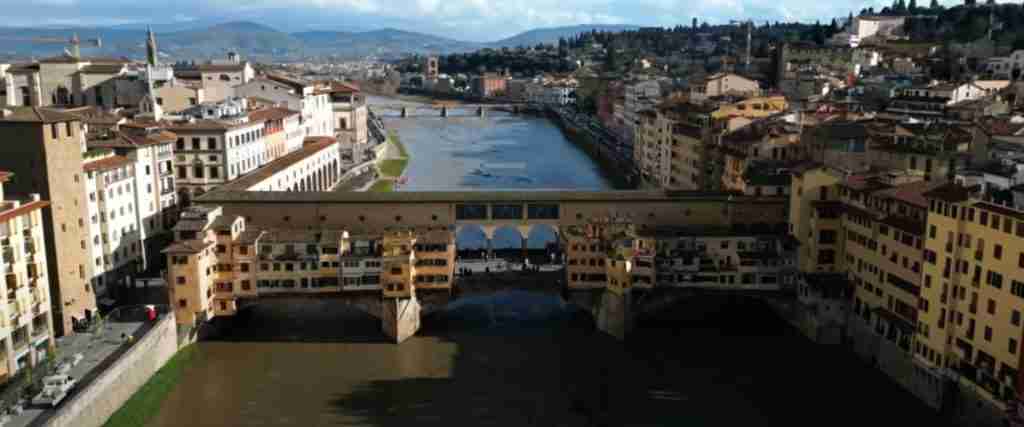
Day three explores Oltrarno artisan workshops, Bargello Museum, and Ponte Vecchio shopping area. Bargello admission €9, walking food tour €75, lunch included in tour, light dinner assembled from market purchases €18, final gelato and espresso €7. Total Day 3: €109 per person (excluding accommodation).
Three-day Florence total: €372 per person excluding accommodation (€120 x 3 nights = €360), grand total €732 per person for comprehensive Florence experience including accommodation, all major museums, quality dining, and guided food tour. Budget optimization through apartment rental (€90 per person for 3 nights) and market meal assembly reduces costs to €600 per person, while luxury hotel upgrade (€280 per night) and fine dining elevates total to €1,100+ per person for identical itinerary with premium accommodation and restaurant selections.
Five-Day Tuscany Countryside Circuit
Five-day countryside circuit combines Chianti wine region, Val d’Orcia UNESCO landscapes, and medieval hilltowns with rental car flexibility. Day one departs Florence for Chianti, visits Greve and Castellina, concludes at Siena agriturismo. Rental car €65, fuel €20, wine estate tastings €60 (two estates at €30 each), lunch €25, agriturismo accommodation €140 per night (including dinner), morning coffee €4. Total Day 1: €174 per person (excluding accommodation €140).
Day two explores Siena historic center and surrounding countryside. Cathedral complex admission €15, city museum €9, lunch €22, dinner included at agriturismo, gelato and afternoon wine bar €12, parking €8, fuel €15. Total Day 2: €81 per person (excluding accommodation).
Day three departs Siena for Val d’Orcia, visits Pienza and Montalcino, overnight in Bagno Vignoni thermal spa area. Pecorino cheese tasting Pienza €12, Brunello wine tasting Montalcino €35, lunch with valley views €28, thermal spa admission €25, agriturismo accommodation €130 (including breakfast and dinner), fuel €18, parking €5. Total Day 3: €123 per person (excluding accommodation €130).
Day four explores Montepulciano and Val d’Orcia landscape cycling. Bike rental €30, Montepulciano wine tasting €30, lunch €20, dinner included at agriturismo, afternoon coffee and gelato €10, fuel €12. Total Day 4: €102 per person (excluding accommodation).
Day five returns to Florence via San Gimignano and Volterra. San Gimignano tower admission €12, Volterra museums €15, lunch €24, fuel and highway tolls €25, rental car return, final dinner in Florence €45, evening gelato €6. Total Day 5: €127 per person (no accommodation, returning to Florence).
Five-day countryside total: €607 per person excluding accommodation (€140 + €140 + €130 + €130 = €540 for 4 nights), grand total €1,147 per person including accommodation, rental car, all tastings, and comprehensive meals. Budget reduction through camping (€25-35 per night) and picnic lunches decreases costs to €800 per person, while luxury estate accommodation (€220+ per night) and premium wine experiences elevates total to €1,600+ per person for equivalent itinerary with superior lodging and exclusive wine access.
Seven-Day Complete Tuscany Experience
Seven-day comprehensive Tuscany exploration combines three Florence days with four countryside days for balanced cultural immersion and landscape appreciation. Florence segment (Days 1-3) follows intensive three-day budget at €372 per person excluding accommodation, plus Florence hotel €120 per night x 3 = €360, subtotal €732.
Countryside segment (Days 4-7) adapts five-day circuit to four days concentrating on Chianti and Val d’Orcia primary destinations. Day 4: Florence to Chianti with Greve and Radda visits, Siena agriturismo overnight. Rental car €65, fuel €20, tastings €60, lunch €25, dinner included at agriturismo €140, coffee €4. Total Day 4: €174 per person excluding accommodation.
Day 5: Siena exploration and afternoon Chianti countryside. Siena cathedral €15, museums €9, lunch €22, dinner included at agriturismo, wine bar €12, parking and fuel €20. Total Day 5: €78 per person (excluding accommodation €140).
Day 6: Transfer to Val d’Orcia, Pienza and Montepulciano visits. Cheese tasting €12, Brunello tasting €35, lunch €28, Bagno Vignoni thermal spa €25, agriturismo accommodation €130 including breakfast and dinner, fuel and parking €20. Total Day 6: €120 per person (excluding accommodation €130).
Day 7: Val d’Orcia landscape exploration, return to Florence. Bike rental €30, picnic lunch from market €15, fuel and tolls €28, rental car return, final Florence dinner €42, gelato €6. Total Day 7: €121 per person.
Seven-day complete total: €1,225 per person including all accommodation (Florence €360 + countryside €410), all meals, rental car, museums, tastings, and activities. Budget optimization through hostel accommodation in Florence (€110 for 3 nights) and camping in countryside (€100 for 4 nights) reduces total to €955 per person. Luxury approach with five-star Florence hotel (€900 for 3 nights) and luxury countryside estates (€880 for 4 nights) elevates total to €2,245+ per person for identical itinerary with premium accommodation throughout Tuscany’s finest properties and enhanced dining experiences at celebrated restaurants.
Planning Your 2026 Tuscany Budget
Pre-Trip Budget Preparation
Effective Tuscany budget planning begins 4-6 months before departure with comprehensive cost research and realistic allocation across accommodation, dining, transportation, activities, and contingencies. Online booking platforms including Booking.com, Airbnb, and direct hotel websites provide current accommodation pricing for specific travel dates, enabling precise budget forecasting rather than seasonal estimates. Restaurant menu research through Google Maps reviews and Italian dining websites establishes realistic meal cost expectations across different establishment types and neighborhoods.
Budget allocation formula for balanced Tuscany travel: 35-40% accommodation, 25-30% dining, 15-20% activities and attractions, 10-15% transportation, 10-15% miscellaneous and contingency. Seven-day mid-range budget of €1,400 allocates €490-560 accommodation, €350-420 dining, €210-280 activities, €140-210 transportation, €140-210 contingency. Adjusting percentages based on priorities enables customization: food-focused travelers increase dining to 35% while reducing activity spending, culture-focused travelers maximize museum and tour allocations while accepting simpler accommodation and meals.
Currency exchange strategy impacts actual costs, with Euro fluctuations against home currencies affecting real spending power. Opening no-foreign-transaction-fee credit cards and monitoring exchange rates enables optimization of currency conversion timing and method. ATM withdrawals in €200-300 amounts limit transaction fees while providing sufficient cash for small vendors, markets, and cash-only establishments common in countryside locations. Credit card usage at hotels, restaurants, and museums maximizes purchase protection and rewards points while avoiding cash carrying security concerns in crowded tourist areas.
Daily Budget Tracking During Travel
Active budget monitoring throughout Tuscany trip maintains financial discipline while enabling strategic adjustments based on actual spending patterns versus pre-trip estimates. Smartphone budget tracking apps including Trail Wallet, TravelSpend, or simple spreadsheet enable daily expense recording across accommodation, meals, transport, attractions, and miscellaneous categories. Evening budget review identifies categories exceeding allocations, enabling next-day adjustments through cheaper meal options, skipped optional activities, or walking instead of taxi usage.
Cash versus card spending balance affects tracking accuracy and fee minimization. Using credit cards for accommodation, museums, and sit-down restaurants creates automatic expense records while maximizing purchase protection. Cash usage for markets, street food, gelato, and small purchases requires receipt retention and daily recording to maintain comprehensive budget tracking. Separating daily spending cash into envelopes for different budget categories provides visceral budget awareness reducing impulsive spending on unnecessary items or premium experiences beyond planned allocations.
Flexibility enables opportunistic spending on unexpected discoveries while maintaining overall budget discipline. Under-spending on meals through market shopping creates available funds for spontaneous wine tasting or museum visits without exceeding daily totals. Over-spending one day requires compensating reductions on following days through cheaper accommodation, simpler meals, or free activities. Buffer allocation of 10-15% above fixed costs provides cushion for exchange rate variations, unexpected transportation needs, or irresistible specialty purchases without derailing overall financial plan for Tuscany exploration.
Post-Trip Budget Analysis and Future Planning
Post-travel budget analysis comparing actual spending versus pre-trip estimates improves future trip planning accuracy and identifies areas for optimization on subsequent journeys. Categorizing actual expenses reveals patterns: accommodation consistently over-budget suggests more realistic allocation needed or cheaper property selection, while food under-budget indicates conservative estimates or successful market meal strategies. Analyzing cost-per-day across different locations identifies geographic pricing variations – Florence versus countryside, weekday versus weekend impacts actual spend patterns.
Value assessment evaluates spending effectiveness beyond raw costs, identifying which expenses delivered memorable experiences justifying higher investment. Premium cooking class at €180 providing lasting skills and wonderful afternoon may represent better value than €50 saved through rushed museum visits and skipped wine tastings. Conversely, expensive fine dining disappointing versus authentic trattoria at half the cost informs future restaurant selection priorities. Budget reallocation on future trips reflects these insights, directing funds toward proven high-value experiences while eliminating lower-value spending on activities that didn’t meet expectations.
Building Tuscany trip database through receipt retention, photo documentation, and expense tracking creates valuable reference for friends seeking travel advice, personal trip reports, or future return visits. Specific restaurant names, hotel properties, and wine estates with documented costs enable precise recommendations rather than vague suggestions. Excel spreadsheet or dedicated travel app maintaining multi-trip history reveals pricing trends over years – has that Chianti agriturismo significantly increased rates, do Florence hotels show consistent seasonal patterns, when do exchange rates favor international travel. Systematic budget analysis transforms individual trips into comprehensive travel knowledge base supporting increasingly optimized planning for all future Tuscan adventures.
Frequently Asked Questions About Tuscany Budget 2026
Is Tuscany expensive for tourists in 2026?
Tuscany ranks as moderately expensive among Italian regions in 2026, with Florence pricing comparable to Rome and Venice while countryside destinations offer better value than Amalfi Coast or Lake Como. Budget travelers spending €80-120 daily achieve comprehensive experiences through hostel accommodation, market dining, and public transportation. Mid-range travelers at €170-250 daily enjoy comfortable three-star hotels, restaurant meals, and wine country exploration. Strategic planning during shoulder seasons reduces costs 20-30% while maintaining excellent weather and smaller crowds. Tuscany’s efficient infrastructure, abundant accommodation options, and competitive restaurant pricing enable cost-effective travel compared to other premium European destinations. Value proposition improves significantly outside Florence, with countryside agriturismi, hilltowns, and regional dining delivering authentic experiences at reasonable costs.
How much cash should I bring to Tuscany in 2026?
Carry €200-300 in cash for initial expenses upon arrival plus daily market purchases, small vendor transactions, and establishments requiring cash payment. Most Tuscan businesses accept credit cards, but countryside markets, street food vendors, small cafes, and some family-run trattorias prefer cash. ATM withdrawals of €200-300 every 3-4 days minimize transaction fees while maintaining sufficient cash for daily needs. Split cash between wallet, accommodation safe, and travel companion for security purposes. Notify credit card companies of Italian travel dates to prevent fraud blocks on legitimate purchases. Credit card usage for accommodation, museums, restaurants, and major expenses creates automatic records while providing purchase protection. Rural areas and evening hours may lack ATM access, making advance cash withdrawal important before countryside exploration or weekend arrivals in small hilltowns.
Are there free things to do in Tuscany in 2026?
Tuscany offers abundant free experiences across cities and countryside reducing overall trip costs while maintaining quality exploration. Cathedral exteriors throughout Florence, Siena, and hilltowns provide architectural appreciation without admission charges. Public gardens including rose gardens, hillside parks, and waterfront promenades enable peaceful relaxation. Piazzas like Piazza della Signoria, Campo, and San Gimignano’s historic squares offer people-watching and architectural immersion. First Sunday monthly provides free admission to state museums including Uffizi and Accademia, though massive crowds reduce experience quality. Val d’Orcia landscapes enable scenic driving, cycling, or hiking through UNESCO-protected countryside without costs. Free walking tours operate on tip-basis in major cities. Church visits beyond major monuments remain free with appropriate dress code. Market browsing at Mercato Centrale, Sant’Ambrogio, and weekly town markets provides cultural immersion. Sunset viewing from Piazzale Michelangelo, San Miniato al Monte, and hilltown walls costs nothing while delivering spectacular panoramas across Tuscan landscapes and Renaissance cities.
Can I visit Tuscany on a budget in 2026?
Budget travel in Tuscany remains entirely feasible through strategic choices across accommodation, dining, transportation, and activities in 2026. Hostel dormitory beds at €30-40 nightly in Florence or countryside camping at €20-30 establish affordable lodging foundations. Regional trains at €8-15 between major cities eliminate expensive rental car costs for urban-focused itineraries. Market meal assembly at €8-15 daily combined with casual trattoria lunches at €15-25 maintains food quality while controlling costs. Free attractions including cathedral exteriors, public spaces, and first Sunday museum days supplement modest paid admission budget. Budget travelers spending €80-120 daily achieve comprehensive Tuscan experiences through disciplined planning, advance booking for accommodation and museum tickets, and willingness to accept shared accommodation and simple meals. Seven-day budget trips cost €560-840 total, demonstrating Tuscany’s accessibility for cost-conscious travelers prioritizing authentic experiences over luxury amenities.
What is the best way to save money in Tuscany in 2026?
Greatest Tuscany budget savings derive from strategic seasonal timing during April-May or September-October shoulder periods reducing accommodation costs 20-30% while maintaining excellent weather. Advance hotel booking 4-6 months ahead captures early discounts of 10-20% and secures best property selection. Countryside agriturismo stays offer superior value over Florence city hotels with included breakfasts and dinners, peaceful settings, and authentic experiences. Public transportation via regional trains costs €8-15 between major cities versus €50-80 guided bus tours. Market meal assembly and trattoria lunch menus (pranzo) at €15-25 deliver substantial savings over dinner restaurant pricing. First Sunday free museum admission enables major Florence institutions at zero cost despite crowd challenges. Walking and free attractions throughout historic centers eliminate paid activity costs while providing comprehensive cultural immersion. Apartment rentals for 4+ night stays include kitchens enabling breakfast and occasional lunch preparation at supermarket prices. Sharing rental car costs between multiple travelers reduces per-person transportation expenses for countryside exploration. Strategic money-saving across multiple budget categories enables comfortable mid-range Tuscan experiences at budget-level total costs.
How much does wine tasting cost in Tuscany in 2026?
Chianti wine estate tastings range from complimentary at smaller family vineyards to €25-45 for comprehensive tours including barrel rooms, vineyard walks, and 4-5 wine selections with local cheese and salumi at prestigious properties. Brunello estates in Montalcino charge €30-50 for premium tastings featuring reserved wines and extended formats. Super Tuscan producers command €35-60 for exclusive varietals and limited production bottles. Booking directly through estate websites secures better rates than tour operator arrangements while enabling flexible timing and customized experiences. Florence and Siena wine bars offer tasting flights at €15-25 for 3-4 wines with light food pairings, providing urban alternatives to countryside estate visits. Free tastings remain available at smaller producers accepting walk-in visitors, particularly outside peak season when tourism pressure reduces. Budget-conscious wine exploration combines self-drive visits to multiple estates for varied experiences at €60-90 daily versus organized tours at €90-140 per person with similar content but transportation and guide inclusions.
Do I need travel insurance for Tuscany in 2026?
Travel insurance provides essential financial protection for Tuscany trips despite Italy’s developed infrastructure and healthcare system. Comprehensive policies covering trip cancellation, medical emergencies, and lost baggage cost €50-100 for week-long trips depending on coverage levels and traveler age. Trip cancellation insurance protects non-refundable accommodation deposits, advance museum tickets, and prepaid cooking classes or wine tours if family emergencies or illness force trip cancellation. Medical coverage addresses emergency treatment costs, which even in Europe can reach thousands for serious incidents requiring hospitalization or medical evacuation. Baggage protection reimburses lost luggage and stolen valuables up to policy limits. European travelers with EHIC cards receive reduced healthcare costs but still face certain charges and lack trip cancellation protection. Travel insurance companies provide 24-hour assistance hotlines for emergency support and claims guidance while traveling. Review policy exclusions carefully regarding pre-existing conditions, adventure activities, and high-value items requiring additional coverage riders beyond standard policy limits.
What are hidden costs to watch for in Tuscany in 2026?
Common hidden costs affecting Tuscany budgets include restaurant service charges (coperto) of €2-4 per person added to bills regardless of tipping practices. City taxes (tassa di soggiorno) at €2-7 per person per night added to accommodation bills at checkout. Museum audio guides at €5-8 separate from admission tickets. Parking fees of €2-4 per hour in Florence and Siena historic centers. Highway tolls (autostrade) of €8-15 on major routes between cities. Premium charged for outside seating (servizio al tavolo) versus standing at bar counters for coffee and drinks. Checked baggage fees on European budget airlines if continuing beyond Italy. ATM withdrawal fees of €3-6 per transaction from non-partner banks. Credit card foreign transaction fees of 2-3% unless using specialized travel cards. Restaurant cover charges for bread (pane e coperto) automatically added to bills. These incremental costs add €15-30 daily to baseline budgets when not anticipated during planning. Awareness enables strategic mitigation through standing bar service, advance parking research, and fee-free credit cards reducing actual impact on overall travel expenses.
Additional Frequently Asked Questions
Should I book accommodation in Florence or the countryside for 2026?
The optimal accommodation strategy depends on itinerary focus and transportation preferences. Florence-based stays excel for intensive Renaissance art and architecture programs, with walking access to museums, restaurants, and cultural venues. Three-night Florence segments combined with countryside stays provide balanced experiences. Countryside agriturismi in Chianti or Val d’Orcia deliver authentic agricultural settings, peaceful environments, and cost advantages when including breakfast and dinner in room rates. Rental cars make countryside basing practical for daily excursions to hilltowns and Florence day trips. Consider splitting stays: Florence for initial 2-3 nights for major museums and orientation, then countryside for 3-4 nights for wine touring and landscape appreciation. This combination maximizes both urban cultural access and rural Tuscan authenticity without excessive relocation logistics or compromise on either experience type.
What budget should I plan for Florence versus other Tuscan destinations in 2026?
Florence requires 25-35% higher daily budgets than countryside locations and secondary cities due to premium accommodation pricing, restaurant costs, and attraction density. Budget €120-160 daily in Florence versus €80-110 in Siena or countryside for equivalent service levels. Florence three-star hotels cost €120-180 per night versus €80-130 in Siena and €70-120 at countryside agriturismi. Restaurant meals run €35-50 per person for similar quality available at €25-35 outside Florence. Museum concentration in Florence generates higher daily admission costs when visiting multiple venues. Transportation costs favor Florence through walkable compact layout versus rental car needs for countryside exploration. Overall weekly budgets for mixed Florence-countryside itineraries balance €150-200 daily Florence costs against €100-140 countryside days for realistic €130-160 daily averages. Strategic planning maximizes countryside time for cost containment while allocating sufficient Florence days for comprehensive Renaissance art access justifying premium pricing.