Turkey 10-Day Itinerary 2026: Istanbul, Cappadocia & Aegean Coast
A 10-day Turkey itinerary delivers extraordinary value, combining Istanbul’s Byzantine and Ottoman grandeur with Cappadocia’s otherworldly fairy chimneys and the Aegean region’s ancient ruins and natural wonders. This timeframe allows meaningful exploration of three distinct regions without exhausting daily pace, balancing iconic experiences like hot air balloon flights over Cappadocia and Ephesus archaeological walks with authentic cultural immersion in bazaars, traditional restaurants, and local neighborhoods that reveal modern Turkish life beyond tourist highlights.
Key Takeaways
- Optimal Regional Coverage in 2026: Ten days perfectly splits between Istanbul (3 nights), Cappadocia (2-3 nights), and Aegean Coast (2-3 nights), allowing comprehensive exploration without rushed single-day visits that miss each region’s depth and character.
- Budget-Friendly Value Proposition: Mid-range travelers spend $1,200-1,800 total for 10 days in Turkey in 2026, including accommodation ($49-92 nightly), meals ($25-35 daily), internal flights ($35-65 per segment), attractions (€25-65 for major sites), and signature experiences like Cappadocia hot air balloon rides (€120-250).
- Strategic Internal Flight Timing: Domestic flights connecting Istanbul-Cappadocia ($40-50, 1.5 hours) and Cappadocia-Izmir ($35-60, 1 hour) eliminate 8-12 hour bus journeys, maximizing sightseeing time while costing just $75-110 total—comparable to two nights’ mid-range accommodation saved by efficient routing.
- Cappadocia Hot Air Balloon Priority: Staying minimum 2 nights in Cappadocia (ideally 3) provides backup dates if weather cancels balloon flights—a critical consideration since 20-30% of flights cancel due to wind conditions, and this bucket-list experience justifies Turkey trip planning for many travelers.
- Seasonal Sweet Spots for 2026: April-May and September-October offer ideal conditions across all three regions: moderate 18-25°C temperatures perfect for walking ancient ruins, lower accommodation prices than peak summer, and reduced crowds at Hagia Sophia, Ephesus, and Pamukkale while maintaining reliable Cappadocia balloon flight weather.
- Istanbul Museum Pass Economics: The 5-day Istanbul Museum Pass costs 1,500 TL (~€35) covering Topkapi Palace, Hagia Sophia, and 10+ additional museums—saving 40% versus individual tickets while providing express entry lanes that bypass hour-long queues at peak times, essential for efficient 3-day Istanbul coverage.
People Also Ask About Turkey 10-Day Itinerary 2026
Is 10 days enough for Turkey in 2026?
Ten days provides excellent Turkey coverage for first-time visitors focusing on three core regions: Istanbul, Cappadocia, and Aegean Coast. This timeframe allows 3 nights in Istanbul (Hagia Sophia, Topkapi Palace, Blue Mosque, Grand Bazaar, Bosphorus cruise), 2-3 nights in Cappadocia (hot air balloon, cave hotels, valley hikes, underground cities), and 2-3 nights split between Ephesus and Pamukkale or coastal towns. While Turkey offers months of exploration potential, 10 days delivers iconic experiences across Byzantine history, Ottoman architecture, surreal geological formations, and ancient Greco-Roman ruins without exhausting daily pace. Travelers wanting to add Antalya’s Mediterranean beaches, the Turkish Riviera, or Eastern Turkey’s cultural sites would benefit from extending to 14-18 days. The 10-day structure works best for travelers prioritizing cultural and historical sites over beach relaxation, with internal flights eliminating long bus journeys that would consume valuable sightseeing hours.
What is the best route for a 10-day Turkey trip in 2026?
The optimal 10-day Turkey route follows a logical geographic progression: Istanbul (Days 1-3) → Cappadocia (Days 4-6) → Izmir/Ephesus area (Days 7-8) → Pamukkale (Day 9) → Return via Izmir or Istanbul (Day 10). This routing uses two short domestic flights—Istanbul to Cappadocia on Day 4 morning ($40-50, 1.5 hours) and Cappadocia to Izmir on Day 7 morning ($35-60, 1 hour)—eliminating exhausting overnight buses while maximizing daytime for exploration. Alternative routing reverses the sequence (Istanbul → Izmir → Pamukkale → Cappadocia → Istanbul) but requires backtracking to Istanbul for most international departures, adding a third domestic flight. Budget-conscious travelers can substitute internal flights with overnight buses (Istanbul-Cappadocia: 10-11 hours, $18-32; saving $20-30 per person but sacrificing sleep and arrival-day energy). The Istanbul-first approach allows jet lag recovery in a familiar urban environment with excellent hotels before heading to remote Cappadocia.
How much does a 10-day Turkey trip cost in 2026?
A 10-day Turkey trip costs $1,000-2,500 per person in 2026 depending on travel style and season. Budget travelers spend $1,000-1,400 total using hostels ($20-40 nightly), street food and local restaurants ($15-25 daily), overnight buses instead of flights, and self-guided exploration. Mid-range travelers budget $1,400-1,800 with 3-4 star hotels ($49-92 nightly), sit-down restaurant meals ($25-35 daily), internal flights ($75-110 total), major attraction entries (€90-130 total), and Cappadocia hot air balloon (€120-180). Luxury travelers spend $2,200-3,500+ on boutique/5-star hotels ($180-300+ nightly), fine dining experiences, private tours, premium balloon flights (€200-300), and cave hotel suites. These estimates exclude international flights to/from Turkey but include all in-country transportation, accommodation, meals, attractions, and signature experiences. Traveling April-May or September-October versus peak summer (July-August) saves 15-25% on accommodation while maintaining excellent weather and flight availability.
When is the best time to visit Turkey for a 10-day trip in 2026?
April-May and September-October represent ideal periods for a 10-day Turkey itinerary in 2026, offering consistent 18-25°C temperatures perfect for walking tours through Istanbul’s historic peninsula, exploring unshaded Ephesus ruins, and hiking Cappadocia’s valleys. Spring (April-May) brings blooming wildflowers across Cappadocia’s valleys, moderate tourist crowds, and reliable hot air balloon flight weather (80-85% success rate), though occasional April rain showers affect coastal regions. Autumn (September-October) delivers peak conditions: summer heat dissipates, Mediterranean waters remain warm (22-25°C) for coastal extensions, and harvest season enhances Turkish cuisine with fresh produce. Avoid peak summer (July-August) when Istanbul temperatures reach 30-35°C, Cappadocia scorches at 32-38°C making midday ruins exploration uncomfortable, and accommodation prices rise 30-50% while crowds triple at major sites. Winter (November-March) offers lowest prices and minimal crowds but brings cold Cappadocia temperatures (often below 5°C at balloon launch times), reduced balloon flight frequency (60-70% operation rate), and occasional snow affecting transportation between regions.
Extended multi-day tours – 5+ days
Featured Turkey Multi-Day Tour Packages
10 days
10 Days – Best of Turkey Tour / by Plane
- ✓ Comprehensive Turkey tour
- ✓ Expert local guides included
- ✓ All accommodation arranged
- ✓ Transportation provided
8 days
8 Days – Istanbul, Ephesus, Pamukkale & Cappadocia / by Plane
- ✓ Comprehensive Turkey tour
- ✓ Expert local guides included
- ✓ All accommodation arranged
- ✓ Transportation provided

10 days
Wonders of Turkey Luxury Tour 10 Days
- ✓ Comprehensive Turkey tour
- ✓ Expert local guides included
- ✓ All accommodation arranged
- ✓ Transportation provided
7 days
Absolutely Turkey (Small group tour)
- ✓ Comprehensive Turkey tour
- ✓ Expert local guides included
- ✓ All accommodation arranged
- ✓ Transportation provided
Multi-day tour packages powered by TourRadar. Prices and availability subject to change.
Introduction to Planning Your Turkey 10-Day Adventure 2026
Turkey stands apart from typical European destinations by delivering multiple distinct experiences—ancient civilizations, Islamic architecture, geological wonders, and Mediterranean coastlines—within a compact, affordable 10-day timeframe. Unlike itineraries requiring trade-offs between historical depth and natural beauty, Turkey’s unique geography and concentrated tourist infrastructure allow travelers to experience Byzantine mosaics in Istanbul’s Hagia Sophia on Day 2, float above Cappadocia’s fairy chimneys in a hot air balloon on Day 5, and walk the marble streets of Ephesus where St. Paul preached by Day 8—all while spending less than equivalent Western European travel.
The 10-day structure emerged as Turkey’s tourism sweet spot through decades of traveler feedback and tourism industry optimization. Shorter 5-7 day trips force difficult regional sacrifices (typically excluding either Cappadocia or the Aegean coast), while extensions beyond 10 days often add secondary destinations like Antalya beaches, Pamukkale thermal pools, or Black Sea coastal towns that, while worthwhile, don’t fundamentally alter the core Turkey experience. For first-time visitors seeking maximum cultural impact within typical vacation timeframes, 10 days provides comprehensive coverage without exhausting daily schedules or requiring extended workplace absences.
Turkey’s exceptional value proposition amplifies the 10-day itinerary’s appeal. Mid-range travelers experience 4-star boutique hotels, daily sit-down restaurant meals, internal flights, major attraction entries, and signature experiences like hot air ballooning for $1,400-1,800 total—roughly equivalent to 5-6 days in Paris or London at similar comfort levels. This affordability stems from favorable exchange rates (€1 = 45-48 TRY in 2026), domestic tourism infrastructure built for 50+ million annual visitors creating competitive pricing, and government policies supporting tourism as an economic pillar through regulated domestic flight prices and cultural site accessibility.
The recommended Istanbul → Cappadocia → Aegean routing follows logical geographic and experiential progression. Starting in Istanbul allows international arrival jet lag recovery in a cosmopolitan city with familiar Western amenities (Starbucks, international hotels, English signage) before venturing to remote Cappadocia. The mid-itinerary Cappadocia placement positions the trip’s physical highlight—hot air balloon sunrise—at the midpoint when travelers have acclimated but retain energy and enthusiasm. Concluding with the Aegean region’s Ephesus ruins and Pamukkale terraces provides varied historical perspectives (Greco-Roman rather than Byzantine/Ottoman) while allowing gradual unwinding toward departure, with the coastal atmosphere offering more relaxed pacing than Istanbul’s urban intensity.
This comprehensive guide structures the 10-day itinerary through detailed daily breakdowns, verified 2026 pricing for accommodation and attractions, transportation logistics including flight booking strategies, seasonal considerations affecting each region, and practical tips covering Turkish customs, tipping expectations, photography restrictions, and safety protocols that first-time visitors need to navigate confidently.
Days 1-3: Istanbul – Byzantine and Ottoman Splendor 2026
Day 1: Arrival Istanbul and Sultanahmet Introduction
International flights typically arrive at Istanbul Airport (IST) early morning or mid-afternoon from European and North American gateways. Exit immigration and customs (30-60 minutes for most nationalities with e-visa processed in advance at evisa.gov.tr), then choose between Havaist Airport Shuttle ($10, 60-90 minutes to Sultanahmet depending on traffic) or taxi ($35-45, 45-60 minutes)—note that airport shuttles offer comfortable coaches with luggage storage and air conditioning making them preferable despite longer duration.
Check into your Sultanahmet hotel (the historic peninsula neighborhood housing Hagia Sophia, Blue Mosque, and Topkapi Palace within 10-minute walks). Budget hotels in this area cost $30-55 nightly for clean, basic rooms with private bathrooms and breakfast included. Mid-range travelers find excellent 3-4 star boutique hotels at $60-90 featuring Ottoman architectural details, rooftop terraces with Bosphorus or Hagia Sophia views, and traditional Turkish breakfast spreads of olives, cheeses, tomatoes, cucumbers, eggs, honey, bread, and unlimited tea. Luxury properties like the Four Seasons Sultanahmet ($300-450) occupy converted Ottoman buildings with marble hammams and Michelin-quality restaurants.
After settling, begin gentle exploration around Sultanahmet Square, the heart of Istanbul’s Historic Peninsula. Walk past the towering Blue Mosque (Sultan Ahmed Mosque), noting its six minarets and cascading domes visible from multiple vantage points—save interior visits for Day 2 when you’re fresh and can appreciate the 20,000 handpainted blue İznik tiles. Stroll the pedestrian area between the Blue Mosque and Hagia Sophia, people-watching as tour groups gather and street vendors sell simit (sesame bread rings) for 10-15 TL.
First-day dinner should emphasize accessible Turkish cuisine: find a Sultanahmet restaurant (avoid the most touristy spots directly facing Hagia Sophia) serving standards like mercimek çorbası (red lentil soup, 60-80 TL), mixed grill kebabs (180-250 TL), shepherd’s salad, and rice pilaf. Total dinner cost runs 400-600 TL ($10-15) per person at mid-range establishments with pleasant ambiance and English menus. Skip alcohol your first evening—jet lag amplifies effects, and many Sultanahmet restaurants charge premium prices for beer and wine given the neighborhood’s proximity to major mosques.
Day 2: Hagia Sophia, Topkapi Palace, and Blue Mosque
Purchase the Istanbul Museum Pass (1,500 TL / ~€35) first thing at any participating museum—this 5-day pass covers Topkapi Palace, Hagia Sophia, and 10+ additional museums while providing express entry lanes that bypass hour-long peak-hour queues. The economics favor the Museum Pass strongly: Topkapi Palace + Harem + Hagia Irene costs 2,750 TL alone, while Hagia Sophia runs €25 (1,100 TL), meaning the pass pays for itself within two major sites.
Begin at Hagia Sophia at 9:00 AM opening to beat tour bus arrivals around 10:30 AM. Enter through the tourist entrance (foreign visitors use separate entry from worshippers) and ascend to the upper gallery viewing areas where Byzantine mosaics survive in remarkable condition—the Deesis mosaic showing Christ flanked by Virgin Mary and John the Baptist represents Byzantine art’s pinnacle. The building’s vast central dome, completed in 537 AD, still astonishes with its engineering ambition and apparent weightlessness achieved through 40 windows around the dome’s base creating the impression the dome floats on light. Allow 1.5-2 hours for thorough exploration including mosaic close inspection and contemplation of the building’s layered history as cathedral, mosque, museum, and mosque again.
Walk 5 minutes to Topkapi Palace for 11:00 AM entry when mid-morning crowds thin slightly. Navigate directly to the Harem section first (guided tours depart every 30 minutes, included with Museum Pass), as this intimate maze of royal family rooms, concubine chambers, and private courtyards provides essential context for understanding Ottoman court life. The Harem tour lasts 45 minutes, after which you’re free to explore the palace’s remaining courtyards, treasury (housing the legendary 86-carat Spoonmaker’s Diamond and jewel-encrusted Topkapi Dagger), Imperial Council Chamber, and Sacred Relics section containing items attributed to Prophet Muhammad. Budget 2.5-3 hours total for complete Topkapi exploration.
Lunch break at a nearby lokanta (local restaurant) serving daily-prepared Turkish dishes visible in steam trays: point to items you want, and staff plate generous portions with rice or bulgur, soup, bread, and salad for 250-350 TL ($6-9). This authentic experience trumps tourist restaurants charging double for inferior food.
Afternoon visit to the Blue Mosque (free entry, closes during 5 daily prayer times—typically 15-45 minute closures depending on prayer). Remove shoes at the entrance, women cover heads with provided scarves, and everyone maintains respectful silence while admiring the interior’s extraordinary tile work, massive central dome, and sense of sacred space preserved despite tourist traffic. The mosque’s six minarets (most mosques have one, two, or four) resulted from a miscommunication when Sultan Ahmed I ordered “gold” (altın) minarets but the architect heard “six” (altı).
Late afternoon exploration of the Basilica Cistern (800 TL entrance, ~€18), an underground Byzantine water reservoir featuring 336 columns supporting brick vaulted ceilings, atmospheric lighting, and two upside-down Medusa head column bases whose origin and purpose remain mysteries. The cistern’s cool temperature (15-18°C year-round) provides welcome relief from summer heat and takes 30-45 minutes to explore via elevated walkways above the shallow remaining water.
Day 3: Grand Bazaar, Spice Bazaar, and Bosphorus Cruise
Morning visit to the Grand Bazaar (Kapalı Çarşı), one of the world’s oldest covered markets with 4,000+ shops across 61 streets under ornate vaulted ceilings. Arrive at 9:00 AM opening for quieter browsing before tour groups arrive. The bazaar organizes by product type: jewelry occupies one section, carpets another, leather goods a third, etc. Purchase quality Turkish carpets (€300-3,000 depending on size, material, and knot density), hand-painted ceramics (€20-200), leather jackets (€150-400), and Turkish delight in decorative tin boxes (€15-40). Bargaining is expected—start at 50-60% of initial asking prices and negotiate toward mutually acceptable amounts, though high-quality carpet dealers often price fairly from the start. Allow 2 hours minimum, though shoppers can easily spend half a day exploring the bazaar’s maze-like structure.
Walk 15 minutes to the Spice Bazaar (Mısır Çarşısı) near the Galata Bridge, a smaller but equally atmospheric covered market specializing in spices, dried fruits, nuts, Turkish delight, and tea. Vendors encourage sampling—taste different lokum flavors, try various tea blends, and compare pistachio qualities before purchasing. Budget €20-50 for quality souvenirs and edible gifts that transport better than ceramics or carpets.
Lunch at waterside restaurants near the Galata Bridge serving fresh seafood: grilled sea bass, calamari, octopus salad, and fish sandwiches sold from bobbing boats create authentic Istanbul atmosphere. Expect 600-900 TL ($15-22) for substantial seafood meals with Bosphorus views.
Afternoon Bosphorus cruise (public ferry is most economical at ~200 TL round trip, or private tours run €30-60 including guide narration and refreshments). The 1.5-hour journey sails along Istanbul’s European and Asian shores, passing Ottoman palaces (Dolmabahçe, Beylerbeyi, Çırağan), the Rumeli Fortress, waterside mansions (yalı), and under both Bosphorus suspension bridges connecting continents. The cruise provides essential geographic context showing Istanbul’s unique position straddling Europe and Asia while offering excellent photography opportunities and Bosphorus breeze relief from summer heat.
Evening in the Beyoğlu neighborhood across the Golden Horn from Sultanahmet: ride the underground funicular from Karaköy to Taksim Square, then stroll down pedestrian İstiklal Avenue’s 1.4-kilometer length lined with shops, cafes, churches, historic buildings, and street performers. Dinner options range from traditional meyhanes (tavern-style restaurants serving small plates with rakı) to modern fusion restaurants—budget €20-40 per person for quality Beyoğlu dining that offers more authentic local atmosphere than Sultanahmet’s tourist-focused establishments.
Days 4-6: Cappadocia – Fairy Chimneys and Cave Hotels 2026
Day 4: Flight to Cappadocia and Valley Exploration
Early morning taxi to Istanbul Airport (allow 90 minutes from Sultanahmet for security and check-in despite domestic flight) for 9:00-11:00 AM flights to either Kayseri Airport (ASR, 1 hour 20 minutes) or Nevşehir Airport (NAV, 1 hour 10 minutes) operated by Turkish Airlines and Pegasus. Book 2-3 weeks advance for $40-50 one-way fares; last-minute tickets can hit $70-85. Kayseri receives more frequent flights and offers easier rental car pickup for independent travelers, while Nevşehir sits slightly closer (45 minutes vs 70 minutes) to Göreme, Cappadocia’s tourism hub.
Hotels arrange airport pickup for €25-35 per car accommodating 2-4 passengers—confirm this when booking as the service eliminates rental car costs for travelers using day tours. Arrive in Göreme around 12:00-1:00 PM, check into your cave hotel (explained in accommodation section below), and enjoy lunch at the hotel or nearby restaurant serving traditional Cappadocian pottery kebab (testi kebabı)—meat and vegetables slow-cooked in sealed clay pots then dramatically broken open tableside for 200-300 TL.
Afternoon sunset valley walk through Rose Valley or Red Valley (both within 15-minute drive or 30-minute walk from Göreme center). These geological formations showcase Cappadocia’s signature fairy chimneys (tall, thin spires of rock carved by erosion), cave churches with Byzantine frescoes, and pink-hued volcanic rock that glows intensely during golden hour. The walks require moderate fitness for scrambling over rocks and navigating steep paths but reward with otherworldly landscapes and minimal crowds compared to the next day’s popular Göreme Open Air Museum. Budget 2-3 hours for leisurely sunset photography and valley exploration.
First-night dinner in Göreme town exploring local restaurants: Try pumpkin dessert (kabak tatlısı), tandır kebab (slow-roasted lamb), and Cappadocian wine from local vineyards Kocabağ or Turasan (180-280 TL per bottle). Total dinner costs run 500-700 TL ($12-17) per person at mid-range establishments.
Day 5: Hot Air Balloon Sunrise and Göreme Open Air Museum
Hot air balloon flights represent Cappadocia’s signature experience and often the primary motivation for Turkey visits. Pickup occurs 4:30-5:30 AM depending on season (sunrise time varies throughout the year), transporting passengers to launch sites where crews inflate 20-28 passenger capacity balloons. Standard flights cost €120-180 per person in 2026 for 60-75 minute flights, while deluxe options offering smaller basket capacity (8-12 passengers) and champagne celebrations run €200-250. Book directly through reputable companies (Royal Balloon, Butterfly Balloons, Kapadokya Balloons, Turquaz Balloons) or through your hotel to ensure licensed operators and proper insurance—cheaper street-hawker deals often substitute inferior companies or book oversubscribed flights leading to last-minute cancellations.
Weather determines balloon operations: winds exceeding 10-12 km/h at ground level prevent launches, as do rain, snow, or poor visibility. Civil aviation authorities issue flight permissions around 5:00 AM based on real-time conditions, meaning passengers sometimes arrive at launch sites only to learn flights are canceled. This unpredictability explains the importance of 2-3 night Cappadocia stays—canceled flights automatically transfer to the next morning, but single-night visits risk missing the experience entirely. Cancellation rates average 20-30% annually, higher in winter (November-March) when cold temperatures and snow affect conditions.
The balloon flight itself delivers extraordinary perspectives: launching at sunrise as 80-150 balloons simultaneously ascend creates spectacular scenes as valleys illuminate in golden light and fairy chimneys cast dramatic shadows. Pilots navigate balloons using different altitude wind currents, descending into narrow valleys within meters of rock formations then ascending for panoramic vistas across Cappadocia’s unique topography. The experience combines meditative silence (broken only by occasional gas burner blasts heating the balloon) with adrenaline as baskets skim rock spires and approach cave entrances before smooth landings in agricultural fields where ground crews await with recovery vehicles.
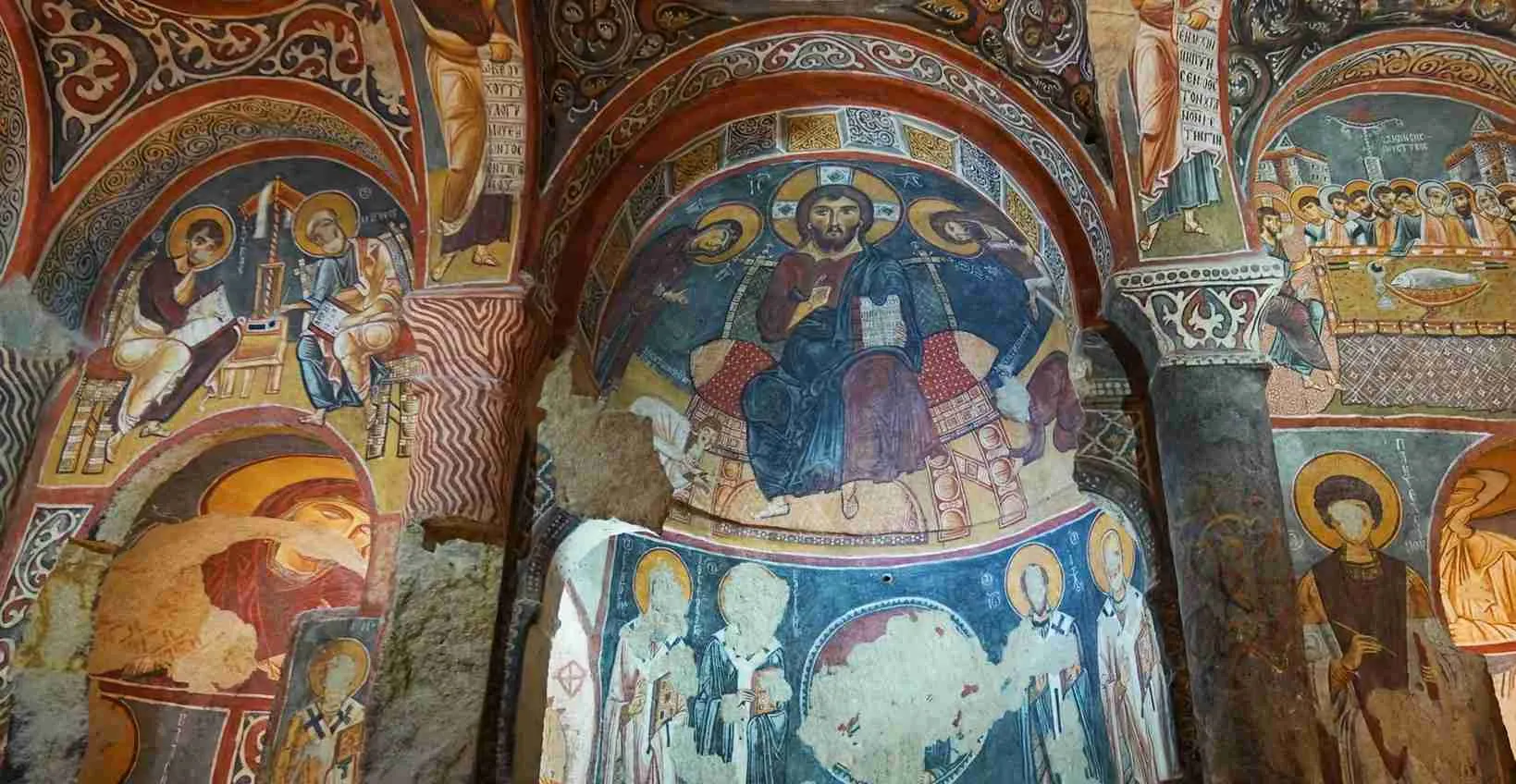
Return to hotels around 8:00-8:30 AM for breakfast (included at nearly all Cappadocia hotels), then visit the Göreme Open Air Museum (entrance €18, audio guide available for extra €5). This UNESCO World Heritage Site preserves rock-cut Byzantine monastery complex with churches containing 10th-12th century frescoes depicting biblical scenes in remarkable preservation. The Dark Church (Karanlık Kilise) requires separate admission (€8) but rewards with the site’s finest frescoes protected from light damage by minimal window exposure. Allow 1.5-2 hours for thorough exploration including all accessible churches.
Afternoon options include visiting Pasabag (Monks Valley) to see distinctive mushroom-shaped fairy chimneys, exploring Devrent Valley’s surreal rock formations, or touring underground cities like Derinkuyu or Kaymaklı (entrance €10-15 each) where ancient populations carved eight-story subterranean complexes with ventilation shafts, wine presses, and livestock quarters for protection during invasions. These underground cities impress but cause claustrophobia for some visitors given narrow corridors, low ceilings requiring crouching, and occasional steep passages.
Day 6: Additional Cappadocia Exploration or Relaxation
This flexible day allows backup balloon flight scheduling if Day 5 weather canceled flights, justifying the 3-night Cappadocia recommendation. Alternatively, book adventure activities popular in the region: ATV tours through valleys (€40-60 for 2-hour sunset tours), horseback riding among fairy chimneys (€35-50 for 2 hours), or hot air balloon-shaped pottery workshops where artisans demonstrate traditional techniques visitors can attempt.
Another option involves day-tripping to outlying regions: Ihlara Valley (90 minutes from Göreme) offers 14-kilometer riverside canyon hike past rock-cut churches and riverside restaurants, while Soganli Valley provides more remote fairy chimney landscapes with fewer tourist crowds. These excursions suit travelers seeking active outdoor experiences beyond Göreme’s central attractions.
Cave hotel relaxation provides entirely valid third-day use—many properties feature courtyards, rooftop terraces with valley views, and atmospheric cave suites that encourage unhurried enjoyment. Read, photograph, and absorb Cappadocia’s unique atmosphere without rushing to the next scheduled activity.
Cappadocia Accommodation Strategy 2026
Cappadocia’s cave hotels represent one of Turkey’s distinctive accommodation experiences—rooms carved into volcanic rock featuring natural stone walls, arched ceilings, minimal decoration emphasizing raw rock texture, and often elaborate facades with multiple terrace levels and viewing platforms. Budget cave hotels (€30-50 nightly) provide basic cave rooms with private bathrooms but limited amenities, mid-range properties (€60-120) add upscale finishes like heated floors and designer lighting while maintaining authentic cave atmosphere, and luxury cave hotels (€200-400) deliver boutique experiences with heated pools, hamams, gourmet restaurants, and suites featuring private hot tubs overlooking fairy chimney valleys.
Book Göreme or Uçhisar locations for walkable access to restaurants, shops, and valley trailheads. Uçhisar offers quieter atmosphere with dramatic castle rock formation dominating the village, while Göreme provides maximum restaurant variety and travel services. Both receive balloon pickup and work equally well for day tours.
Days 7-9: Aegean Region – Ancient Ephesus and Pamukkale 2026
Day 7: Flight to Izmir and Ephesus Ancient City
Morning flight from Kayseri or Nevşehir to Izmir (İzmir Adnan Menderes Airport, ADB) costs $35-60 for 1-hour journeys on Turkish Airlines or Pegasus departing 9:00-11:00 AM. Pick up rental car at Izmir Airport (€25-40 daily for economy models including insurance) for the 80-kilometer drive south to Selçuk town near Ephesus—allow 75 minutes for the scenic drive through olive groves and coastal hills. Alternatively, use airport shuttles to Selçuk (€10-15) and base without a car, though this limits Pamukkale day trip flexibility.
Check into Selçuk accommodation: budget hotels (€25-40) provide clean rooms within walking distance of Ephesus entrance, while boutique hotels in restored Ottoman houses (€60-90) offer swimming pools, gardens, and breakfast terraces with views across agricultural plains toward Ephesus ruins visible in the distance. Selçuk functions as a small, pleasant Turkish town rather than tourist resort, offering authentic atmosphere with excellent local restaurants and minimal nightlife beyond tea gardens.
Afternoon visit to Ephesus Ancient City (entrance €40 including the new Ephesus Experience Museum at the lower gate). This remarkably preserved Greco-Roman city rivals Pompeii for completeness, with marble-paved streets, the two-story Library of Celsus facade (reconstructed but stunning), the 25,000-seat Great Theater where St. Paul preached, ornate public latrines, and wealthy residential areas accessible via the Terrace Houses add-on ticket (€15 extra, highly recommended for viewing wealthy Ephesians’ mosaic floors and frescoed walls).
Enter through the upper Magnesia Gate and walk downhill following the logical ancient city layout toward the lower harbor gate—this approach reduces walking difficulty and follows the historical visitor experience as ancient travelers arrived via Magnesia road. Hire an English-speaking licensed guide at the entrance (€50-80 for 2-hour private tours, or join group tours for €20-30 per person) to understand the complex history spanning Greek foundation, Roman glory, early Christianity, and eventual abandonment when harbor silting cut off sea access.
The site sprawls extensively—budget 3-4 hours for thorough exploration including Terrace Houses, which alone require 45-60 minutes. Peak summer temperatures (July-August) make early morning or late afternoon visits essential, though April-May and September-October offer comfortable all-day exploration weather. Wear comfortable walking shoes for marble pavements that turn slippery when wet, and bring sun protection as minimal shade exists across most of the archaeological park.
Day 8: Temple of Artemis, Virgin Mary House, and Şirince Village
Morning visits to Ephesus-area satellites: the Temple of Artemis site in central Selçuk preserves one column from what was once the ancient world’s largest temple (one of the Seven Wonders) destroyed by Gothic raids and earthquakes—while the remaining ruins disappoint visually, the temple’s historical significance merits the brief visit (free entry, 20 minutes sufficient). Continue to the House of Virgin Mary (€5 entrance), a stone house on Bülbül Mountain where Catholic tradition holds Mary spent her final years accompanied by St. John—the peaceful hillside setting and small chapel draw pilgrims regardless of the site’s archaeological verification debates.
Afternoon day trip to Şirince village, a hillside settlement 8 kilometers from Selçuk known for wine production, Ottoman Greek architecture preserved after the population exchange with Greece in 1923, and tourist-friendly cafes and shops. The village atmosphere makes a pleasant interlude from ancient ruins, offering wine tastings at family vineyards (fruit wines like pomegranate, peach, and mulberry alongside grape varieties, tastings usually free with purchase expectations), shopping for olive oil soaps and local handicrafts, and panoramic valley views from hillside cafes serving traditional Turkish gözleme (stuffed flatbreads, 80-120 TL).
Late afternoon return to Selçuk for dinner at lokanta-style restaurants in the town center: grilled köfte (meatballs), piyaz (white bean salad with tahini), fresh bread, and shepherd’s salad for 300-450 TL ($7-11) per person. Selçuk dining offers better value than tourist-trap restaurants immediately outside Ephesus entrance gates.
Day 9: Pamukkale and Hierapolis Day Trip
Early departure for Pamukkale (220 kilometers from Selçuk, 2.5-3 hours driving through Aegean interior landscapes). The site entrance costs €30 covering both the white travertine terraces and Hierapolis ancient city ruins atop the plateau. Three entry gates serve the complex: Pamukkale town entrance at the base allows walking up through the calcium-deposited terraces (30-40 minute climb, barefoot required to protect the delicate formations), while the north and south gates provide direct vehicle access to the plateau level.
The terraces formed over millennia as calcium-rich thermal waters flowed down the hillside, depositing white calcium carbonate (travertine) in brilliant white pools and cascades. Modern conservation restricts visitor access to designated walkways protecting formations from damage caused by excessive tourism in past decades. Designated pool areas allow barefoot wading in the warm (35°C) mineral waters photographing the surreal white landscape with valley views beyond.
Hierapolis ancient city sprawls across the plateau above the travertines: well-preserved Roman theater, Temple of Apollo, extensive necropolis (ancient cemetery) with elaborate sarcophagi, Byzantine city gates, and the ancient thermal pool (now commercial “Cleopatra’s Pool,” 400 TL entrance) where swimmers float among submerged ancient column fragments in warm mineral water. The combined site requires 3-4 hours for comprehensive exploration, or 2 hours focusing solely on terraces and key Hierapolis highlights.
Budget all-day excursion from morning departure around 8:00 AM to return around 6:00-7:00 PM. Pack lunch or eat at plateau restaurants (overpriced but convenient given limited nearby options). Alternative approach involves overnight stay in Pamukkale town, though accommodations there generally underwhelm compared to Selçuk’s better hotel selection.
Day 10: Return to Istanbul or Depart via Izmir 2026
International flight departure logistics determine Day 10 structure. Travelers with evening Istanbul departures can fly Izmir-Istanbul in the morning ($30-40, 1 hour 10 minutes), arriving Istanbul mid-morning for final souvenir shopping around Taksim Square, lunch at Karaköy fish restaurants, and late afternoon airport transfer. Most international flights from Istanbul depart evening hours (6:00-11:00 PM for European destinations), allowing morning domestic connections without risk.
Alternatively, Izmir Airport (ADB) serves direct international flights to many European cities, eliminating the return to Istanbul. This routing works particularly well for European travelers on short breaks who can depart Izmir directly, though flight frequency and pricing sometimes favor Istanbul connections for intercontinental destinations.
Budget conscious travelers can overnight bus Selçuk/Izmir to Istanbul (9-10 hours, $20-30) departing evening and arriving early morning, though this exhausting option makes sense only if Day 10 isn’t flight departure day—the overnight bus eliminates a hotel night but delivers tired travelers to Istanbul with questionable cost-benefit trade-off given cheap hotel options.
Budget Breakdown: 10-Day Turkey Costs 2026
Accommodation Costs Across Three Regions
Ten nights of accommodation in Turkey spans €300-900+ depending on budget tier. Budget travelers using hostels and basic hotels pay €30-50 nightly (€300-500 total for 10 nights), mid-range travelers in 3-4 star hotels budget €60-90 per night (€600-900 total), and luxury travelers selecting boutique properties and cave hotel suites spend €180-300+ nightly (€1,800-3,000 total). These ranges apply across Istanbul, Cappadocia, and Selçuk with minimal regional variation—Cappadocia cave hotels cost slightly more than equivalent comfort levels elsewhere, while Selçuk offers best accommodation value.
Transportation Costs Internal to Turkey
Internal Turkey transportation totals $110-180 for mid-range itineraries using flights: Istanbul-Cappadocia ($40-50), Cappadocia-Izmir ($35-60), plus Istanbul Airport transfers ($20), Izmir rental car (€120-150 for 3 days), and daily transportation within cities ($30-50 total for Istanbul trams, taxis, and Bosphorus ferry). Budget travelers substituting overnight buses for flights and using only public transport reduce this to $60-90 total, while luxury travelers adding private transfers and driver-guides increase costs to $300-400+.
Food and Dining Daily Budgets
Daily food budgets range from $15-25 for budget travelers using street food, bakeries, and lokanta daily specials to $25-35 for mid-range travelers eating sit-down restaurant meals to $50-80+ for luxury dining at upscale restaurants and rooftop venues. Ten-day totals span $150-250 budget, $250-350 mid-range, and $500-800+ luxury.
Attraction Entry Fees and Activities
Major attraction entries total €130-180 without Museum Pass: Hagia Sophia (€25), Topkapi Palace combined (€60-65), Basilica Cistern (€18), Ephesus (€40), Terrace Houses (€15), Pamukkale (€30), plus various smaller museums and sites. The Istanbul Museum Pass (€35) reduces this by covering Hagia Sophia and Topkapi while adding value through 10+ additional museum entries and express lanes. Budget €200-250 total for comprehensive attraction access including underground cities, museum passes, and audio guides.
Signature Experience: Hot Air Balloon
Cappadocia hot air balloon flights (€120-250) represent the itinerary’s single largest discretionary expense but also the most memorable experience for most travelers. Budget this separately from daily spending to avoid compromising the bucket-list experience through cost-cutting on inferior operators or skipping entirely.
Total 10-Day Turkey Budget Ranges 2026
Aggregating all expense categories produces these comprehensive 10-day totals per person:
Budget Travel: €900-1,200 ($1,000-1,300) including hostels, overnight buses, street food, self-guided exploration, balloon flight, and major attraction entries. Achievable through diligent budget management and accepting basic comfort levels.
Mid-Range Travel: €1,300-1,650 ($1,400-1,800) including 3-4 star hotels, internal flights, restaurant meals, guided tours where valuable, balloon flight, attraction entries with Museum Pass, and occasional taxis. Represents comfortable travel without luxury excesses.
Luxury Travel: €2,000-3,200 ($2,200-3,500+) including boutique/5-star hotels, private transfers and guides, fine dining, premium balloon flights, and comprehensive experiences without budget constraints.
These budgets exclude international flights to/from Turkey (highly variable by origin and season) but include all in-country costs. Traveling shoulder season (April-May, September-October) versus peak summer saves 15-25% through lower accommodation rates while maintaining excellent weather and experience quality.
Seasonal Considerations for 2026 Planning
Spring Season (April-May 2026)
Spring delivers ideal conditions across the itinerary: Istanbul temperatures reach comfortable 15-22°C with occasional rain showers, Cappadocia sees moderate 12-20°C days with wildflower blooms across valleys, and Aegean coast warms to pleasant 18-25°C perfect for Ephesus exploration without oppressive summer heat. Hot air balloon flight success rates reach 80-85% in spring months given stable morning weather patterns. Tourist crowds remain moderate compared to summer peaks, and accommodation prices sit 15-20% below July-August rates. The main drawback involves occasional April rain affecting coastal regions, though these pass quickly and rarely impact full-day sightseeing.
Summer Season (June-August 2026)
Peak summer brings maximum tourist crowds, highest accommodation prices (30-50% above shoulder season), and challenging heat—Istanbul reaches 28-35°C, Cappadocia bakes at 30-38°C making midday valley walks uncomfortable, and Ephesus ruins offer minimal shade with temperatures exceeding 35°C. Benefits include longest daylight hours (allowing 6:00 PM sunsets for extended evening exploration), warmest Mediterranean waters (25-28°C) ideal if adding coastal beach days, and maximum balloon flight frequency (though success rates dip slightly to 75-80% due to summer thermals). Summer suits travelers constrained by school holiday schedules and those prioritizing beach extensions over comfortable ruins exploration.
Autumn Season (September-October 2026)
Autumn represents peak Turkey travel season for many experienced travelers: summer heat dissipates to comfortable 18-25°C across all regions, tourist crowds thin as school resumes, and harvest season enhances cuisine with fresh produce, grapes, and pomegranates. Hot air balloon success rates climb to 85-90% given stable autumn weather, while accommodation prices drop 20-30% from summer peaks. The only drawback involves Mediterranean water temperatures cooling from 25°C in September to 20-22°C by late October, slightly chilly for extended swimming though still pleasant for beach walks. Book early for this shoulder season as savvy travelers increasingly favor autumn over summer.
Winter Season (November-March 2026)
Winter delivers lowest prices (40-50% below peak) and minimal crowds but challenges with weather: Istanbul experiences cold rain (5-12°C) making outdoor walking less pleasant, Cappadocia suffers frequent morning frost and snow reducing balloon operations to 60-70% of scheduled flights, and Pamukkale’s travertines can close temporarily during snow or ice. Benefits include atmospheric Istanbul with fewer tourists at major sites, potential snow-covered Cappadocia fairy chimneys creating magical winter landscapes for those willing to risk balloon cancellations, and €30-50 nightly 4-star hotel rates impossible during warmer months. Winter suits budget-focused travelers flexible about balloon flights and comfortable with cold-weather sightseeing.
Essential Practical Information for Turkey 2026
Visa Requirements and Entry Process
Most Western nationalities require e-Visa for Turkey tourism, obtained online at evisa.gov.tr for $50-70 depending on nationality (Americans pay $70, most Europeans €50). Apply minimum 48 hours before travel, though instant processing usually occurs. Print the e-Visa PDF and present it with passport at immigration—increasingly, Turkish immigration scans passport barcodes and retrieves e-Visa electronically, though printed backup remains advisable. Turkey grants 90-day tourist stays for most nationalities.
Currency, Money, and Payment
Turkish Lira (TRY, symbol ₺) is the official currency. Credit cards (Visa, Mastercard) work at hotels, restaurants, and larger shops, though many small vendors and lokanta restaurants accept only cash. ATMs throughout Turkey dispense lira at daily interbank exchange rates plus bank fees (typically $3-5 per withdrawal), making them preferable to airport currency exchanges charging worse rates. Withdraw larger amounts less frequently to minimize per-transaction fees. Budget travelers should carry 40-50% of daily spending in cash for markets, street food, taxis, and small purchases.
Tipping Customs
Turkish tipping expectations differ from American norms: restaurants add 10% service charge automatically on bills, though rounding up or leaving an additional 5-10% for excellent service is appreciated. Taxi drivers expect small tips (rounding 150 TL fare to 160 TL), hotel porters receive 20-40 TL per bag, and tour guides merit 50-100 TL per person for full-day tours providing valuable expertise. Don’t tip fast food or street food vendors.
Language and Communication
Turkish is the universal language. English proficiency exists among tourism workers in Istanbul, Cappadocia, and major coastal areas but remains limited in Selçuk and rural regions. Learn basic phrases: Merhaba (hello), Teşekkür ederim (thank you), Lütfen (please), Hoşça kalın (goodbye). Google Translate’s camera function helps read restaurant menus and signs. Most Turkish people appreciate attempts at their language and respond warmly despite imperfect pronunciation.
Safety and Security
Turkey ranks as a safe destination for Western tourists, with violent crime against foreigners extremely rare. Standard urban precautions apply: secure valuables in hotel safes, beware of pickpockets in crowded bazaars and tourist areas, and use licensed taxis or ride-sharing apps to avoid overcharging. Solo female travelers report positive experiences with appropriate dress (covering shoulders and knees in mosque areas) and normal vigilance. Political demonstrations occasionally occur in Istanbul (particularly around Taksim Square) but rarely affect tourist zones—avoid if encountered. Border regions near Syria and Iraq remain off-limits and far from this itinerary’s coverage.
Internet and Connectivity
Hotels, restaurants, and cafes throughout the route provide free Wi-Fi, though speeds and reliability vary significantly. Purchase local SIM cards from Turkcell, Vodafone, or Türk Telekom for reliable mobile data—tourist packages offer 10-20 GB plus calling minutes for 200-350 TL valid 30 days. Passport required for SIM registration. WhatsApp functions normally for messaging family back home. Airport SIM card kiosks charge premium prices; better deals exist at carrier shops in city centers.
Frequently Asked Questions About Turkey 10-Day Itinerary 2026
Can I skip Cappadocia to add Antalya beaches instead?
While technically feasible to substitute Cappadocia’s 3 days with Antalya Mediterranean beaches, this trade-off fundamentally alters the itinerary’s character from cultural/historical emphasis to beach resort vacation. Cappadocia’s fairy chimneys, hot air balloon flights, and cave hotels represent experiences unavailable elsewhere globally, whereas beautiful Mediterranean beaches exist throughout Turkey and southern Europe. Most travelers prioritizing beach time extend their Turkey trip to 12-14 days adding Antalya after the Istanbul-Cappadocia-Aegean circuit rather than sacrificing Cappadocia. If beach relaxation is essential within 10 days, consider reducing Istanbul to 2 nights and Aegean to 1-2 nights (focusing only on Ephesus, skipping Pamukkale) to create 2-3 beach days—though this compressed schedule diminishes each region’s immersive potential.
Should I book a package tour or plan independently?
Independent travel works excellently in Turkey given extensive tourism infrastructure, straightforward domestic flight/bus networks, and widely available English-language resources. Package tours costing $1,800-2,800 per person include flights, hotels, guided tours, and some meals but limit flexibility, force group schedules, and often involve shopping stops at carpet/jewelry stores where operators earn commissions. Independent travelers save 20-35% booking directly while customizing daily pacing and activity selection. However, travelers uncomfortable navigating foreign transport systems, unable to handle moderate trip planning complexity, or requiring comprehensive hand-holding throughout find package tours reduce stress despite higher costs. A middle-ground approach involves booking hotels and flights independently while purchasing single-day guided tours locally for complex sites like Ephesus (where guides add significant value explaining Byzantine and Roman layers) or Cappadocia valleys (where local guides know secret viewpoints and cave churches).
Is it safe to drink tap water in Turkey?
Tap water in Turkey meets safety standards for brushing teeth but most travelers prefer bottled water for drinking given different mineral content and taste compared to home water systems—adaptation can cause mild stomach sensitivity for some visitors. Bottled water costs 5-10 TL for 1.5 liters at supermarkets (hotels mark up to 20-30 TL). Hotels typically provide complimentary bottled water daily. Restaurants serve bottled water automatically unless you specifically request tap water, and most charge 15-25 TL for 500ml bottles. Fresh foods including salads generally pose no health risks for travelers accustomed to Mediterranean cuisine.
What should I wear when visiting mosques?
Mosque visits require modest dress for men and women: both sexes should cover shoulders and knees (no shorts, tank tops, or sleeveless dresses), women should additionally cover heads with headscarves provided at major mosques or bring their own, and everyone removes shoes at mosque entrances storing them in provided racks or carrying them in plastic bags. The Blue Mosque and other tourist-focused mosques maintain these dress codes strictly, turning away inappropriately dressed visitors. Pack a lightweight scarf for women and long pants for both sexes to avoid wardrobe limitations during sightseeing. Many visitors keep a scarf in their daypack throughout the trip given frequent mosque encounters. Note that Hagia Sophia, while functioning as a mosque, operates tourist areas separately from prayer sections with less stringent enforcement during non-prayer times, though respectful dress remains appropriate.
How difficult is the language barrier for non-Turkish speakers?
The language barrier presents manageable challenges in tourist zones (Istanbul’s Sultanahmet, Cappadocia’s Göreme, Selçuk) where English proficiency among hotel staff, tour operators, and many restaurant workers allows straightforward communication. Outside tourist centers, English knowledge diminishes significantly—taxi drivers, small restaurant owners, and market vendors in Selçuk typically speak minimal English, requiring gestures, translation apps, or basic Turkish phrases. Menus at non-touristy restaurants lack English translations but feature photos or display cases showing daily dishes, allowing pointing-and-ordering. Public transport (buses, trams) uses Turkish announcements though Istanbul’s metro displays station names in Latin alphabet. The challenges rarely prevent successful navigation but require patience and good humor when miscommunications occur. Travelers without flexibility for occasional confusion might consider joining organized tours for complex logistics.
Can vegetarians/vegans find adequate food options in Turkey?
Turkish cuisine naturally includes substantial vegetarian options—Ottoman court cuisine historically featured elaborate vegetable dishes, and mezze culture emphasizes vegetable-forward small plates. Vegetarians easily find dolma (stuffed vegetables), börek (savory pastries with cheese or vegetables), menemen (Turkish scrambled eggs with vegetables), numerous salads, hummus, baba ghanoush, and vegetable-based soups at virtually every restaurant. Request “etsiz” (without meat) when ordering to clarify vegetarian preferences. Vegans face more challenges as Turkish cooking frequently uses yogurt, butter, and cheese, though traditional dishes like kuru fasulye (white bean stew) and many mezze items are inherently vegan. Istanbul’s cosmopolitan neighborhoods offer dedicated vegetarian/vegan restaurants, while Cappadocia and Selçuk require more menu adaptation. Always communicate dietary restrictions clearly as “vegetarian” sometimes confuses Turkish speakers who may interpret it as “no red meat” while serving chicken.
What electrical outlets and voltage does Turkey use?
Turkey uses Type C and Type F electrical outlets (European-style two round pins) with 230V, 50Hz power. North American travelers need plug adapters (not voltage converters since modern phone/camera chargers handle 110-240V automatically—check device labels to verify). Purchase adapters before departure at airports or electronics stores ($5-10) as Turkey availability concentrates in electronics shops rather than convenience stores. Most mid-range and luxury hotels provide USB charging ports in rooms eliminating adapter needs for phones and tablets, though bring one regardless for camera batteries and other devices.
Should I purchase travel insurance for Turkey?
Yes, comprehensive travel insurance proves valuable for Turkey trips given several risk factors: hot air balloon flights (adventure activity sometimes excluded from basic travel insurance), potential illness from food/water adaptation, flight cancellations affecting internal connections, and medical care costs. Quality travel insurance ($80-150 for 10-day coverage depending on age and coverage limits) covers emergency medical treatment (Turkish private hospitals require upfront payment or insurance guarantees), trip cancellation/interruption (protecting non-refundable hotel bookings and balloon flights), and baggage loss. Read policies carefully ensuring adventure activities coverage includes hot air ballooning if booking independently rather than through insurance-affiliated tour operators. Medical evacuation coverage particularly important as specialized medical care may require return to home country for serious conditions.
What souvenirs should I buy in Turkey?
Quality Turkish souvenirs include hand-woven carpets and kilims ($200-3,000 depending on size and knot density—obtain certificates of authenticity for customs), Turkish delight (lokum) in decorative tin boxes ($10-40, shelf-stable and transport-friendly), hand-painted ceramics and İznik tiles ($15-200), Turkish tea and tea glasses ($15-50 for sets), olive oil-based soaps and beauty products ($8-30), Turkish coffee and coffee sets ($20-80), evil eye (nazar boncuğu) jewelry and decorations ($5-50), and high-quality leather jackets and bags ($80-400). Purchase carpets and expensive items from established shops providing receipts and export documentation (required for carpets over certain values). Avoid mass-produced fake “Turkish” items like plastic evil eyes and machine-made carpets—authentic handicrafts cost more but retain value and cultural significance. Grand Bazaar and Spice Bazaar in Istanbul offer maximum variety, while Cappadocia excels for pottery and onyx items, and Selçuk provides olive oil products and local wines.
Is Ramadan observance something I need to consider for 2026 travel?
Ramadan in 2026 runs approximately March 10-April 8, affecting travel experiences moderately. During Ramadan’s daylight hours, observant Muslims fast from food and water, meaning some restaurants close daytime (particularly smaller lokanta-style establishments), though hotels continue serving breakfast and tourist-focused restaurants remain open. Avoid eating, drinking, or smoking in public during daylight hours out of respect for fasting Muslims—consume meals indoors at restaurants or hotels. Evening iftar (breaking fast) meals become elaborate social events with special menus at restaurants offering good cultural experiences if you wish to participate. Tourist sites operate normal hours, and travel logistics remain unchanged. The main impact involves reduced daytime dining options and occasional prayer time closures at active mosques. Ramadan actually provides interesting cultural insights if travelers approach respectfully, though some prefer avoiding the period for maximum restaurant availability and typical Turkish food culture experience.